Cultural Artifacts and Containers

Artistic and historical items such as baskets and decorated vessels, showcasing traditional craftsmanship and cultural significance.

Turtle-shaped Inro, anonymous, c. 1775 - c. 1800 Inro in the form of a turtle. Inlaying with mother -of -pearl. Japan wood (plant material). lacquer (coating). mother of pearl Inro in the form of a turtle. Inlaying with mother -of -pearl. Japan wood (plant material). lacquer (coating). mother of pearl
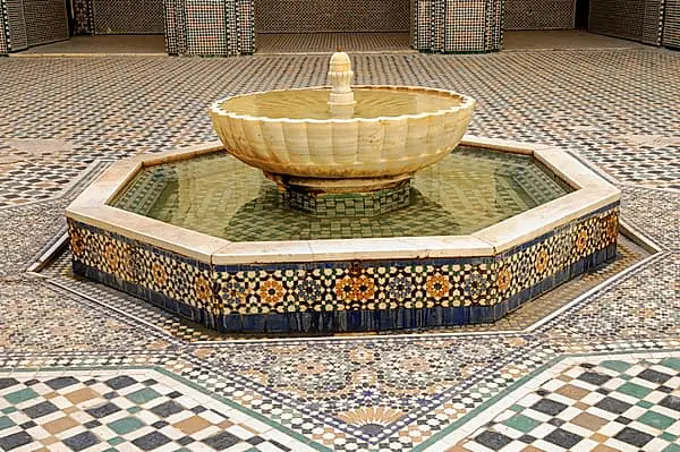
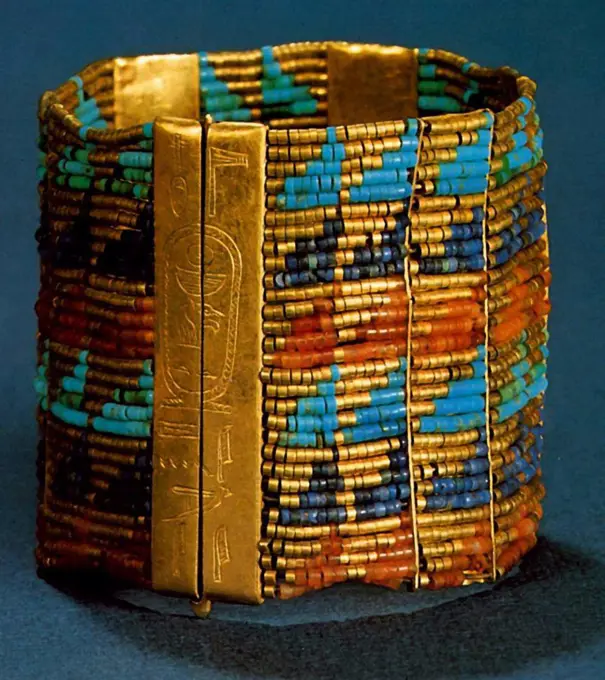
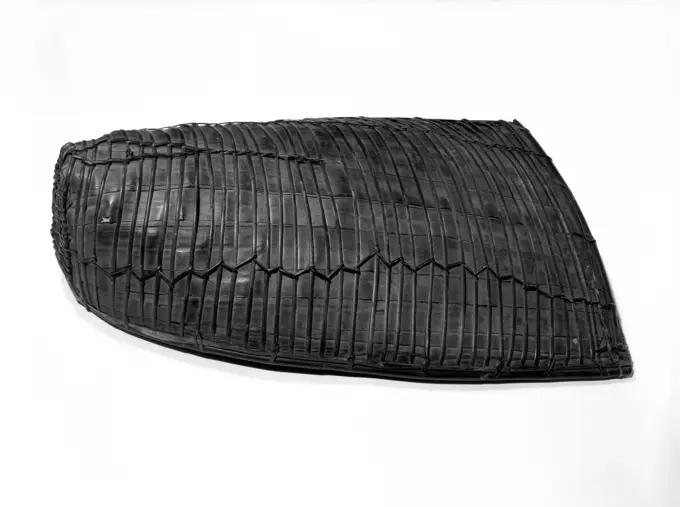
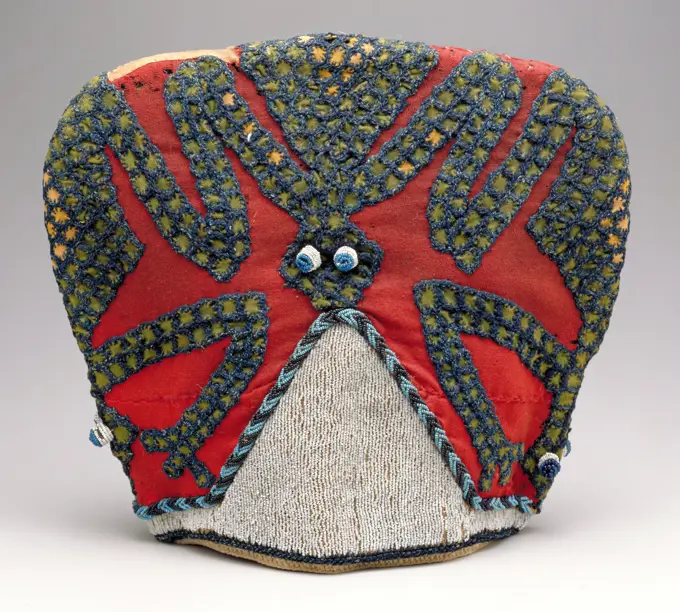
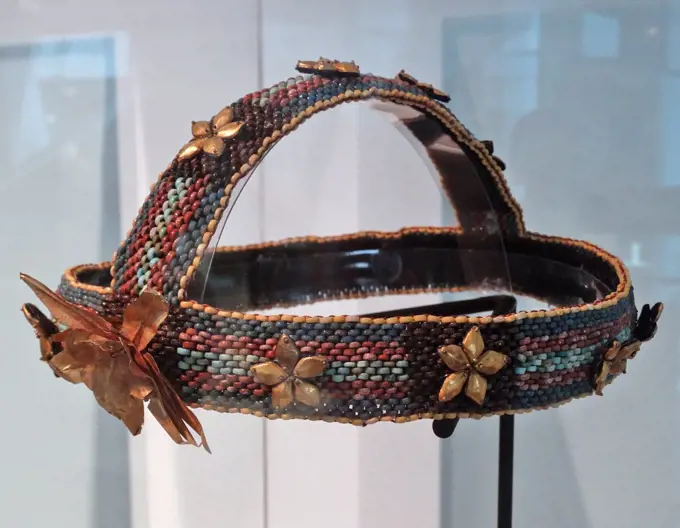
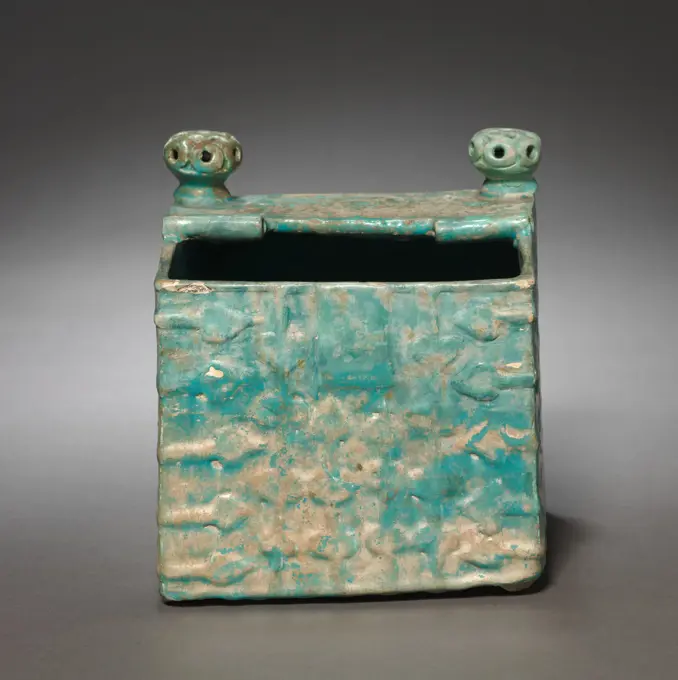
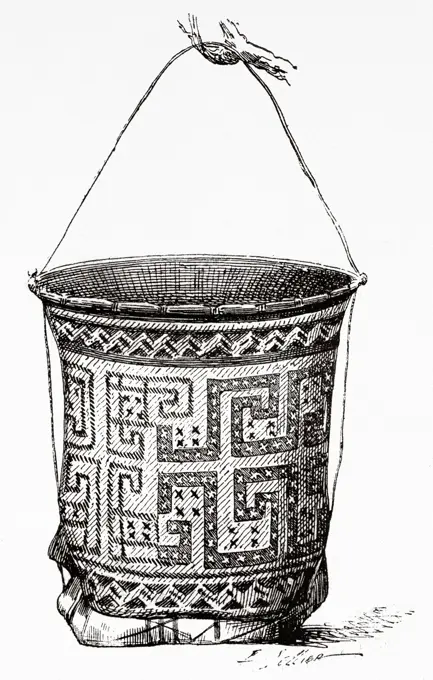
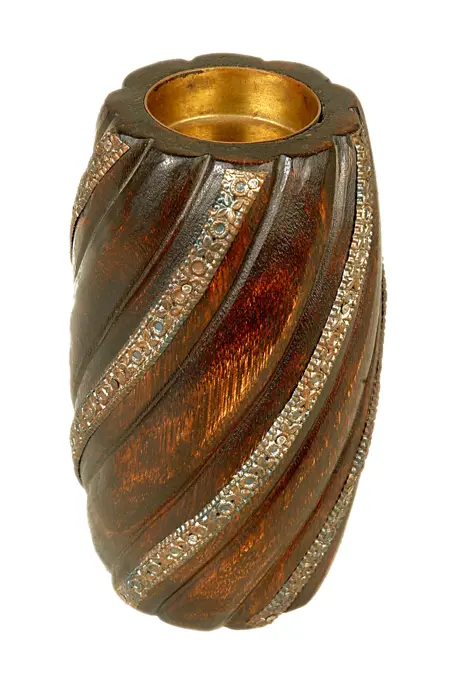
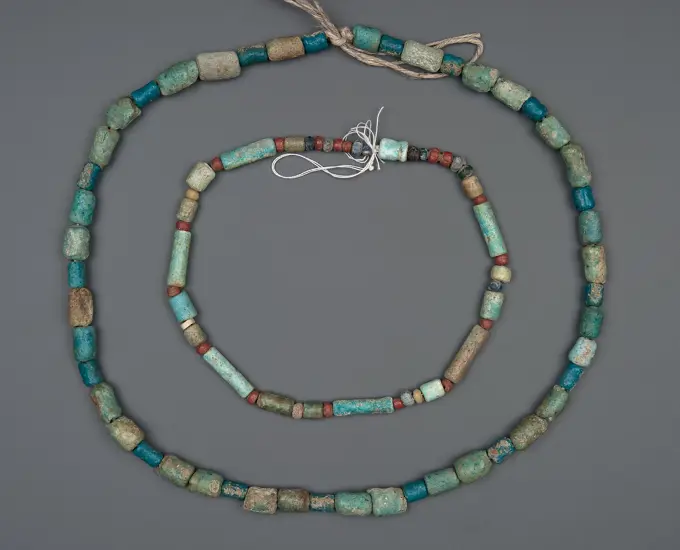
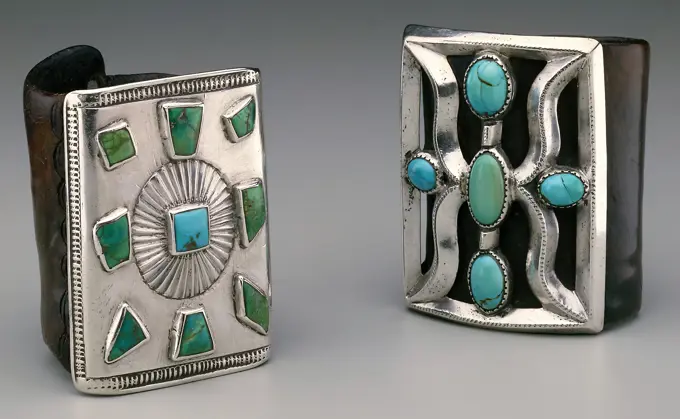
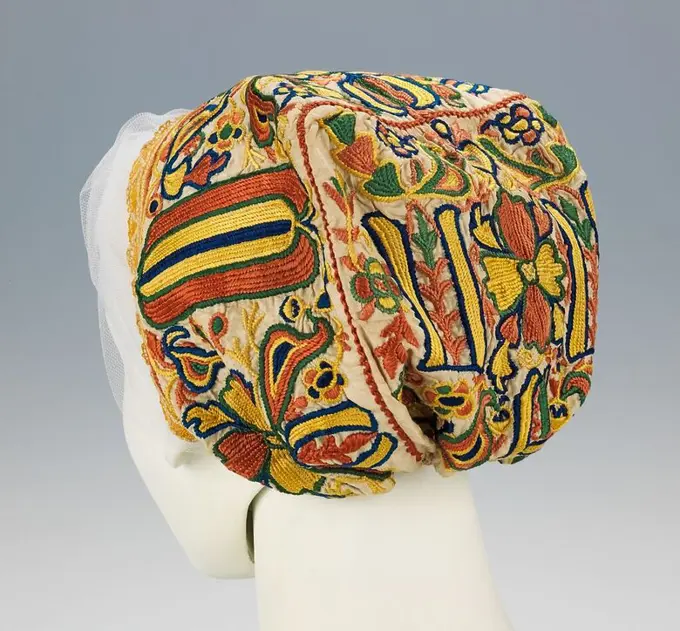
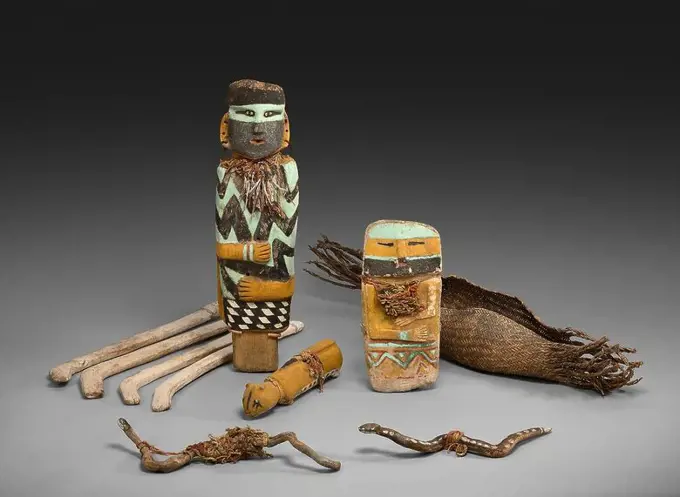
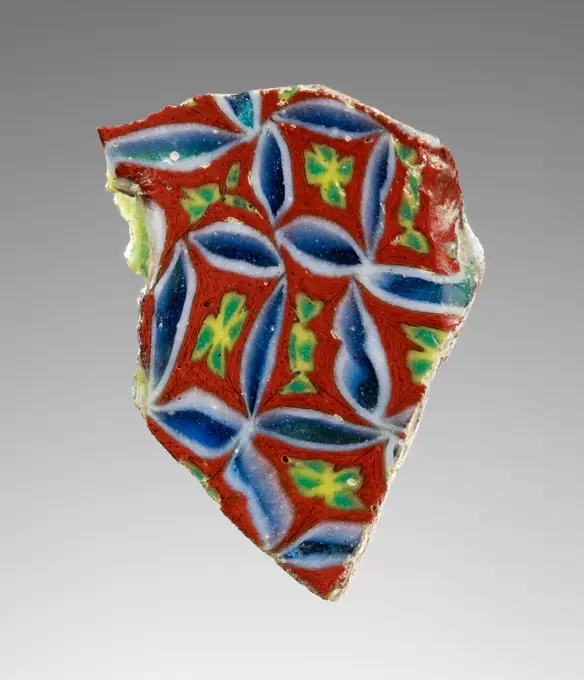
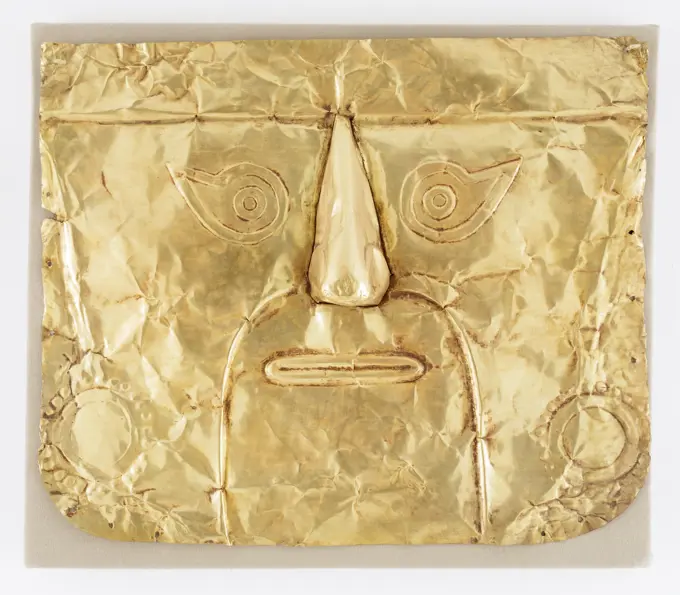
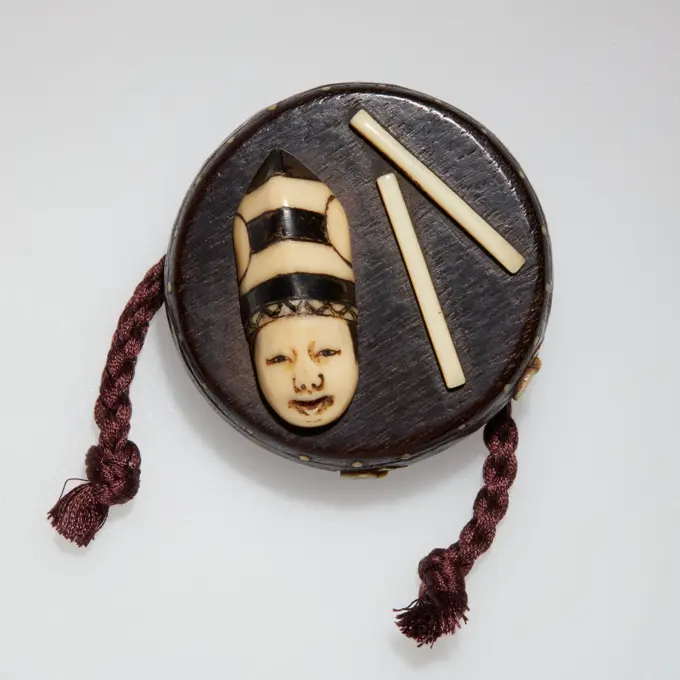
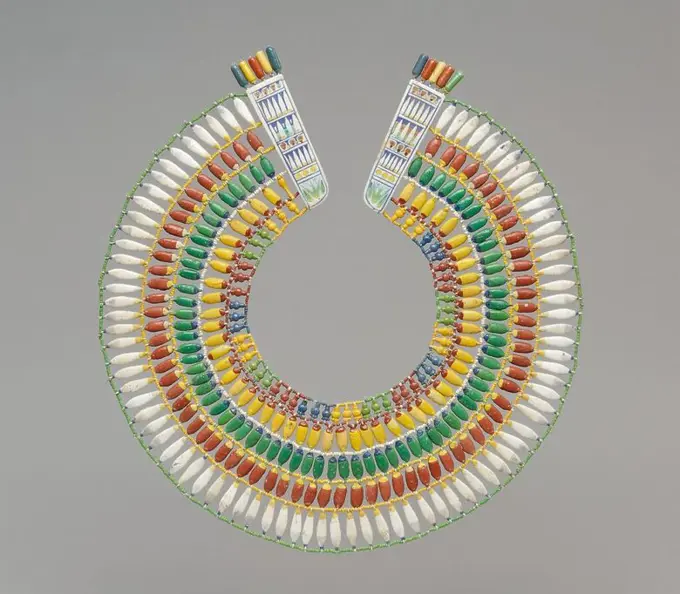
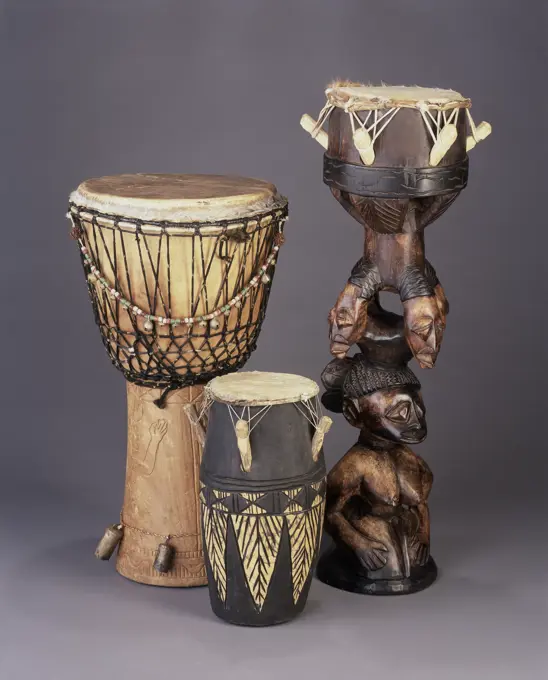
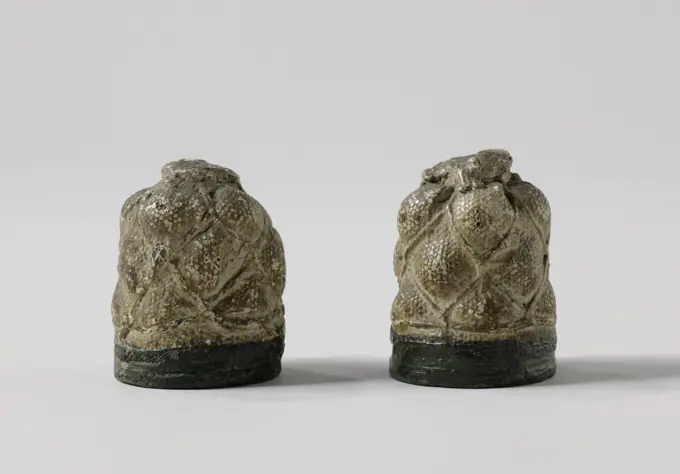
Grape Shot, anonymous, 1780 - 1800 grapeshot. artillery accessories Green -painted grape, in terms of caliber, corresponds to the cash. France (possibly) bronze (metal). iron (metal)Bracelet, Gold, carnelian, lazurite, circa 1530 BC, Egypt, Cairo, The Egyptian Museum, 15x4, 3Farmer's Rain Hood , 19th century. Bamboo, 22 7/16 x 30 5/16 in. (57 x 77 cm).   Asian Art 19th centuryKylix Fragment ca. 460 B.C. Attributed to the Carlsruhe Painter. Kylix Fragment 251006 : Attributed to the Carlsruhe Painter, Kylix Fragment, ca. 460 B.C., Terracotta, 1 1/2 x 4 1/2in. (3.8 x 11.4cm). The Metropolitan Museum of Art, New York. Rogers Fund, 1920 (20.258)Beaded Cap, late 19th century, 12 3/4 x 14 3/4 in. (32.39 x 37.47 cm), Wool, raffia and glass beads, Cameroon, 19th century, The shape of the hat and the imagery of frogs are typical of Bamum prestige hats, but it is known that in the early twentieth century, Bamum artists made similar hats for the court of the neighboring kingdom of Nso. The three large frogs appliqued on this hat symbolize power, royalty, and fertility. Only the king, descendants of royalty, and elite dignitaries would wear this type of hat.Basket, 20th century, 1/2 x 3/4 x 3/4 in. (1.3 x 1.9 x 1.9 cm), Natural plant fibers, United States, 20th century, The supply and demand of the market that grew between the Euro-American tourists and the Akimel Oothom and Tohono Oodham basket makers demonstrate the tribes high level of ingenuity and productivity. Novelty items invented by Native artists include waste paper baskets, animal and human effigies, and miniatures of popular basket forms. The smallest basket here measures only one half inch in diameter. The use of animal and human figures in the basketry was another result of the tourist market, as consumers sought after designs that were easily recognizable. Yucca plant also replaced willow and cottontail in many instances because it grew in abundance in the desert surroundings and took little time to prepare for weaving."Bombilla" vessel and filter for drinking mate, 20th century,Anthropology National Museum, Madrid, Spain.Egyptian beaded skullcap. Faience and gold sheet. New Kingdom (1550-1070 BC). In the front is a large lotus, a flower that emerges from the waters every morning, disappearing at night; itís a symbol of regeneration and resurgence.Cane Handle (possibly India); wood, inlaid silver; L x W x D: 8 × 3.7 × 3.4 cm (3 1/8 × 1 7/16 × 1 5/16 in.)Casket, Late 12th-13th Century. Syria (Raqqa), Ayyubid Period. Fritware with molded design under glaze; overall: 20.4 x 18 x 15.5 cm (8 1/16 x 7 1/16 x 6 1/8 in.).Native traditional basket. Pagara  sent to Paris by the doctor Crevaux, French Guiana, South America. Drawing by P. Sellier. From Cayenne to the Andes (1878-1879) by Jules Crevaux (1847 - 1882) Le Tour du Monde 1880Bell. Culture: China. Dimensions: H. 9 1/16 in. (23 cm); W. 4 1/4 in. (10.8 cm); D. 2 3/16 in. (5.6 cm). Date: 18th century. Museum: Metropolitan Museum of Art, New York, USA.Decorative plateBrass design fitting on antique wooden candle stand, Jodhpur, Rajasthan, India Copyright: xSafatxAli/DinodiaxPhotoxShallow ReedBasketBox 18th century Japan. Box 57944Necklace;  IV-VI century; Postmeroic period (301-00-00-600-00-00);Collection of ancient Egypt, message, rescue excavations, IV Qatracta, SudanBhutanese handmade basketPouch of wine red velvet, embroidered in gold thread with floral garlands, crown and monogram A.s .. pouch of wine red velvet, embroidered in gold thread with floral garlands, crown and monogram A.s. Model: Elongated, consisting of two pattes. On every patte five scented holes where a turned drawstring, ending in a festoon, is passed through. Voted around by a frills of loops. The gold thread has a core of yellow silk. Lined with cream-colored silk. Decoration: at the front and back. A horizontal line of rotated gold thread under the round holes. In the subject below a leaf and floral garland all around with the monogram in the middle A.S. Under a crown and surrounded by dots.Ketoh, c. 1920, 3 1/2 in. (8.89 cm), Silver, leather, turquoise, United States, 20th centuryOfficial's Earring. Central Tibet, 19th century. Jewelry and Adornments; earrings. Gold, turquoise, colored quartz, glass and brassFragment 14th-15th century. Fragment. 14th-15th century. Earthenware; incised decoration through white slip and coloring under transparent glaze. Attributed to Egypt. CeramicsCap. Culture: Slovak. Date: 1840-70. Museum: Metropolitan Museum of Art, New York, USA.Ritual Cache. Salado branch of the Mogollon; Southeastern Arizona, United States. Date: 1300-1400. Dimensions: Male figure: h. 64 cm (25 1/4 in.); female figure: h. 36 cm (14 3/16 in.). Wood, stone, plant fibers, cotton, feathers, hide, and pigment. Origin: Arizona. Museum: The Chicago Art Institute, Chicago, USA.Cast Fragment. UnknownAmana Bread-raising Basket. Dated: c. 1938. Dimensions: overall: 22.5 x 29.8 cm (8 7/8 x 11 3/4 in.) Original IAD Object: Diameter: 12", 3 1/2" deep. Medium: watercolor, graphite, and colored pencil on paper. Museum: National Gallery of Art, Washington DC. Author: Frank Eiseman.Case (Inrō) with Design of Praying Mantis beside Broken Wheel Overgrown with Vines 19th century Japan. Case (Inrō) with Design of Praying Mantis beside Broken Wheel Overgrown with Vines 58764Mask. Peru, North Coast, Chan-Chan, Chimú, 1100-1500. Metal. Gold repousséBeautiful blue Christmas ball, isolated on white background Beautiful blue Christmas ball, isolated on white background Copyright: xZoonar.com/OleksandrxKostiuchenkox 8911494Cappadocia region souvenir on stray in the viewDrum decorated with Sanbaso dancer face, 1850s, Getsuhō, Japanese, active 19th century, 2 × 5/8 × 2 in. (5.08 × 1.59 × 5.08 cm) (without cord), Wood, bone inlay, silk, Japan, 19th centuryEthiopian, African drum, Ethiopia, AfricaBroad Collar. Dimensions: Diam. 31.5 cm (12 3/8 in); Terminals: L. 8.7 cm (3 7/16 in.); W. 2.5 cm (1 in.); Th. 0.6 cm (1/4 in.). Dynasty: Dynasty 18. Reign: reign of Akhenaten. Date: ca. 1353-1336 B.C..This necklace of faience beads, called a broad collar, is a durable version of the elaborate perishable floral collars worn by banquet guests (see 09.184.216). The beads in this example imitate a row of cornflowers (center), three rows of dates (middle), and a row of lotus petals (outside). These rows are joined by strands of small ring beads. The rows end in rectangular terminals adorned with blue lotus blossoms, buds, and petals interspersed with poppy petals and persea fruit. The stringing is modern. Museum: Metropolitan Museum of Art, New York, USA.West African DrumsCanada, Quebec, Montreal. McCord Museum of Canadian History, birtch canoe, museum display.Model or a frigate. Polychromed and witted model of a frigate. The figurehead represents Pallas Athens, to the name of the ship.Meknes, Morocco, Africa, Fountain with artistic mosaic in an inner courtyard, On the way to Fes, Africa