Cultural Artifacts and Figurines

Authentic artifacts and figurines from various cultures, including ocarinas and stirrup spout bottles, showcasing unique artistic expressions.

Pataikos Amulet with seal on base ca. 1070-664 B.C. Third Intermediate Period. Pataikos Amulet with seal on base. ca. 1070-664 B.C.. Faience. Third Intermediate Period. From Egypt. Dynasty 21-25
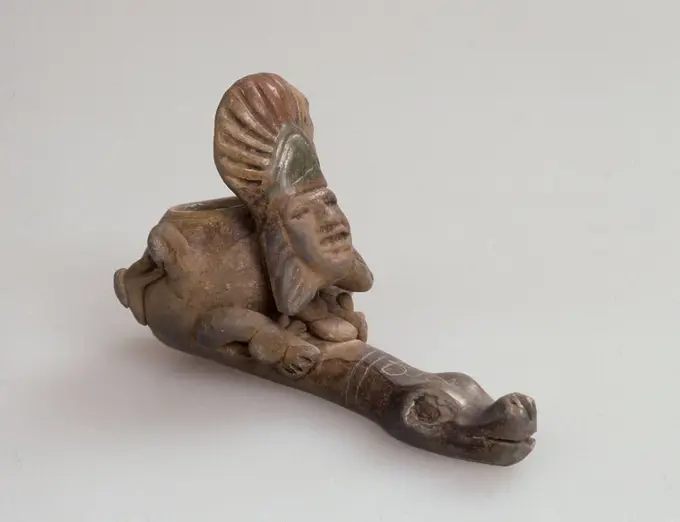
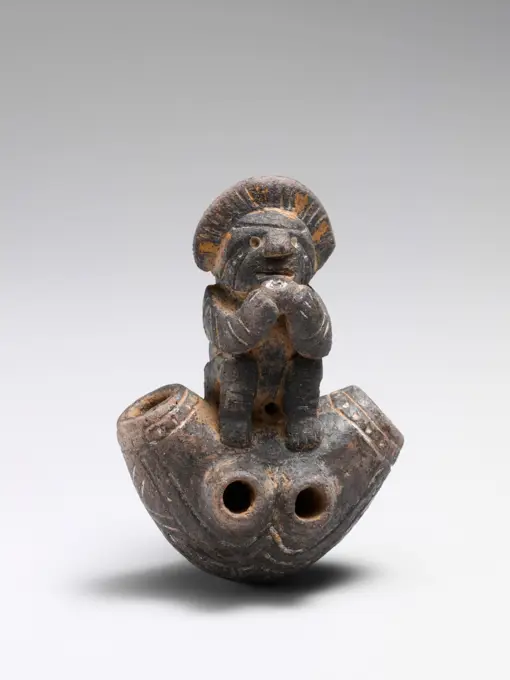
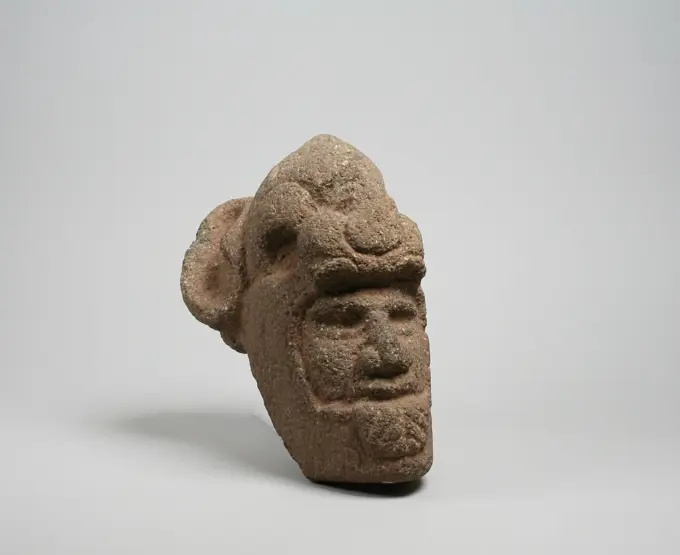
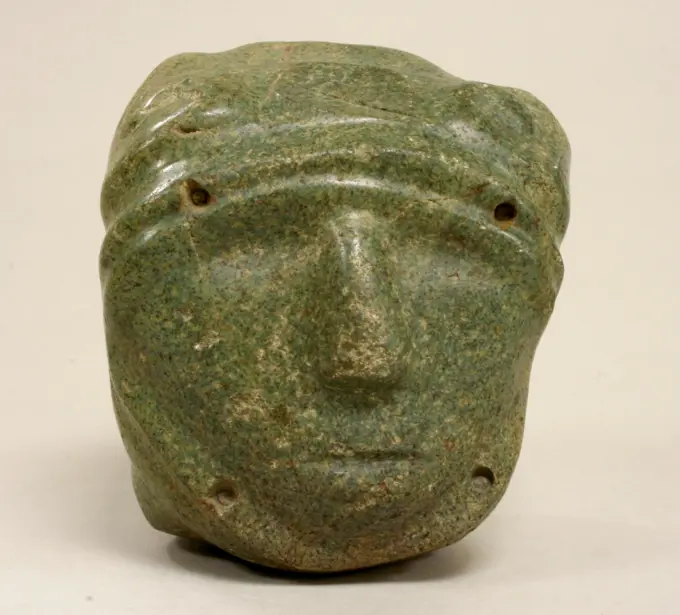
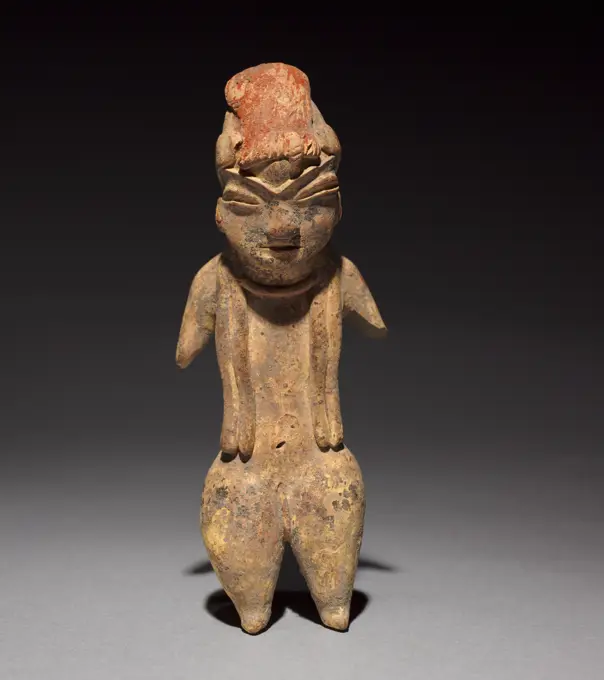
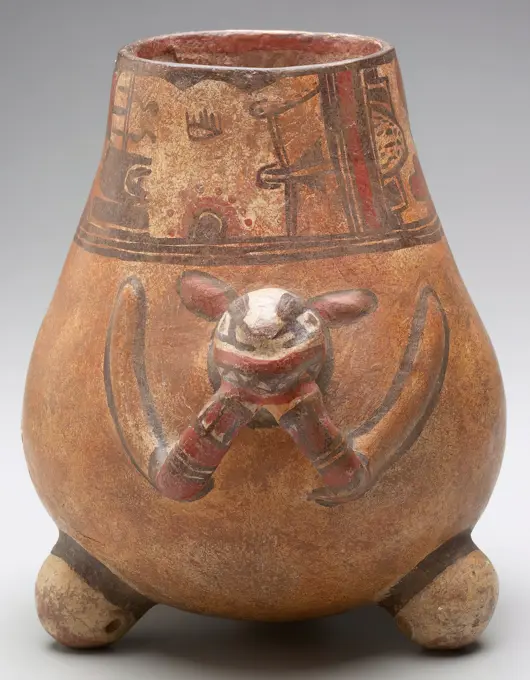
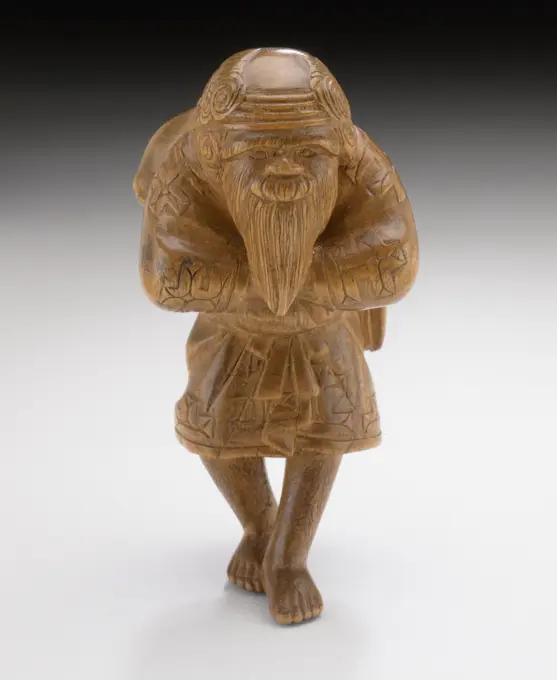
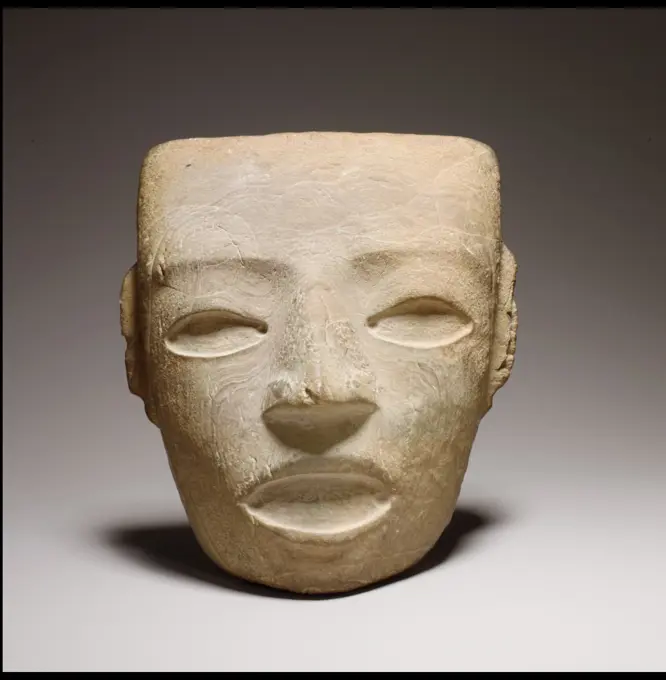
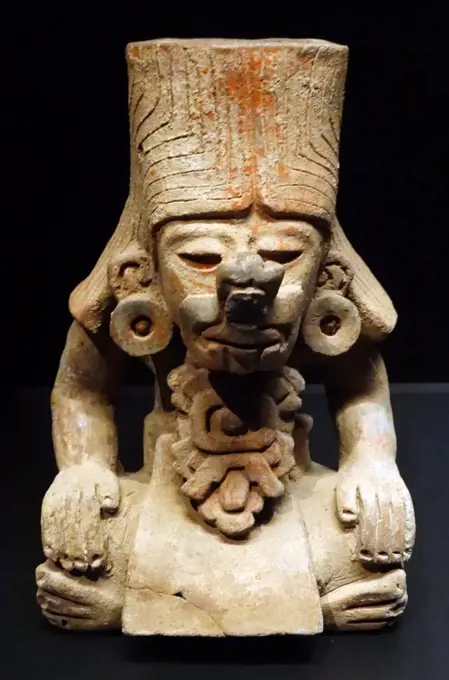
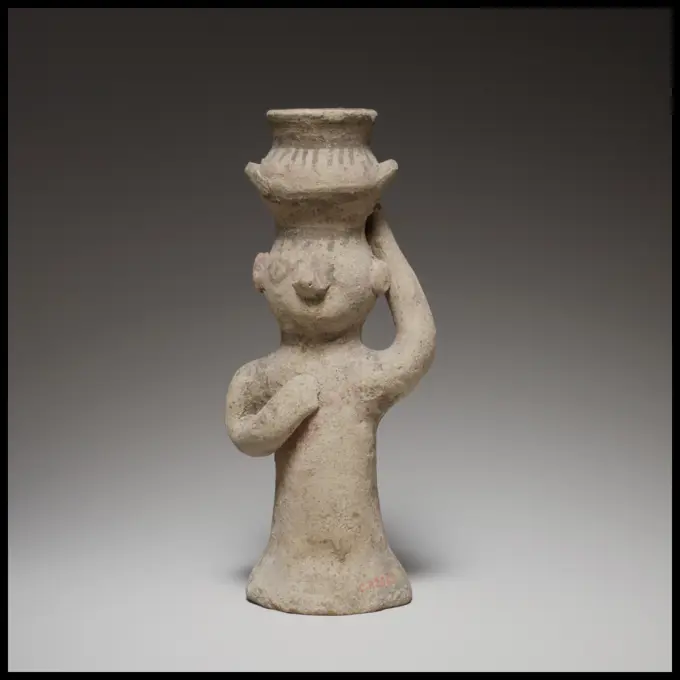
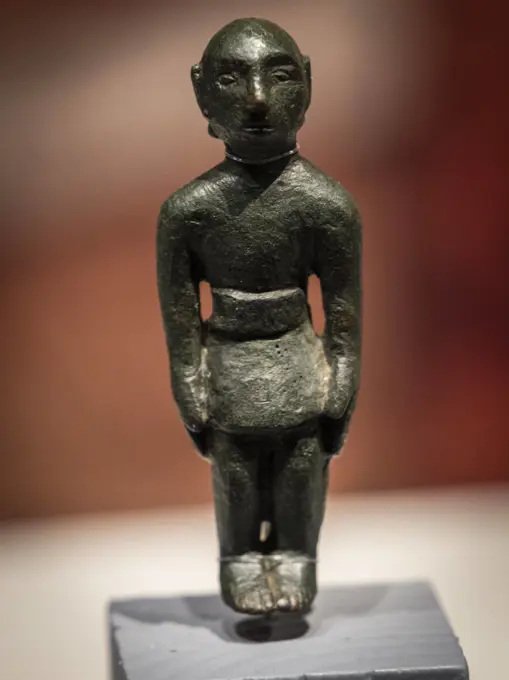
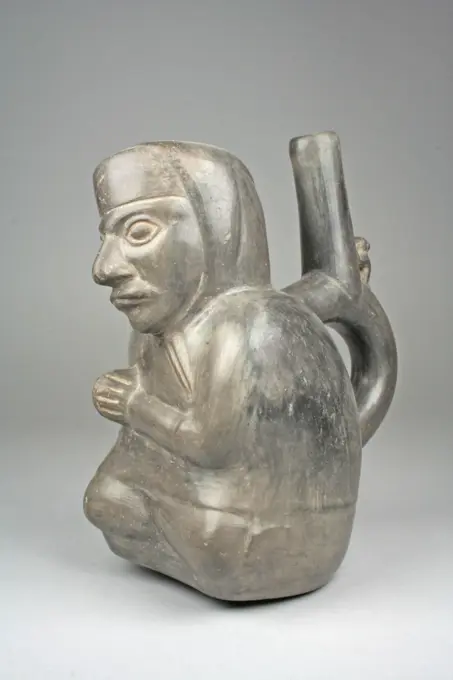
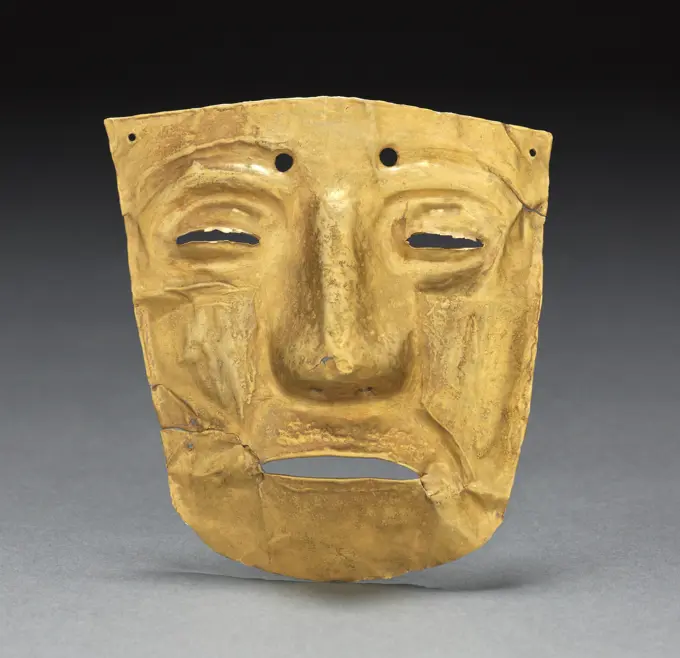
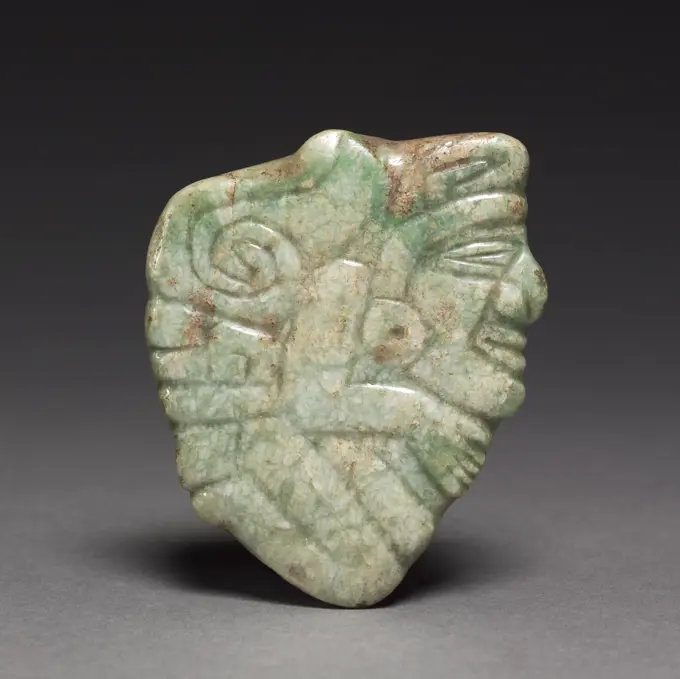
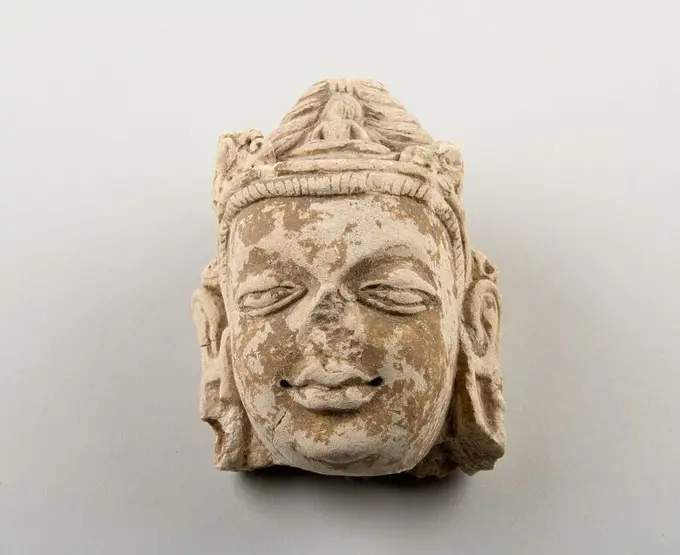
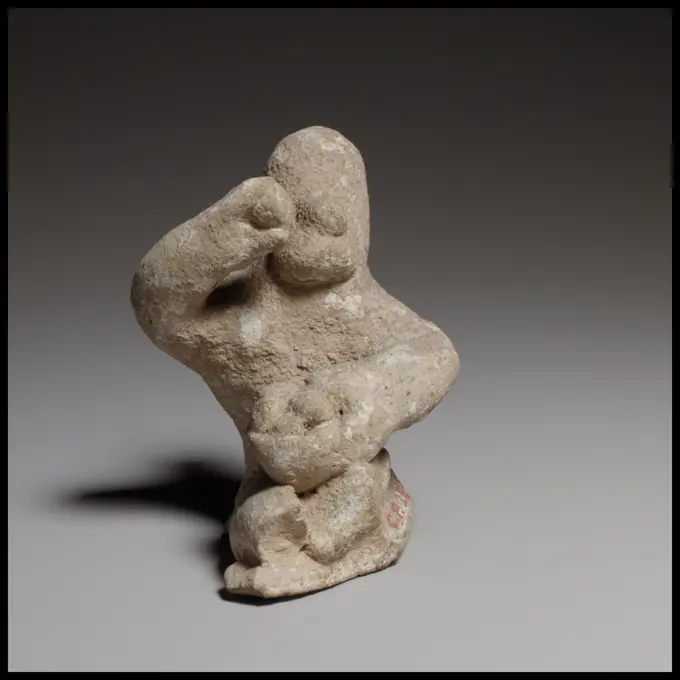
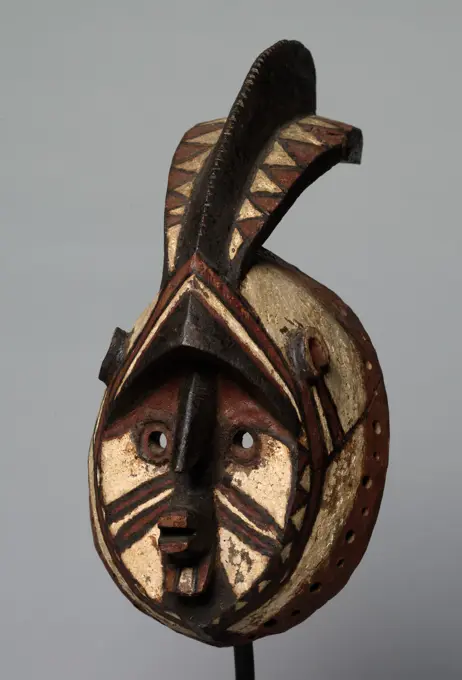
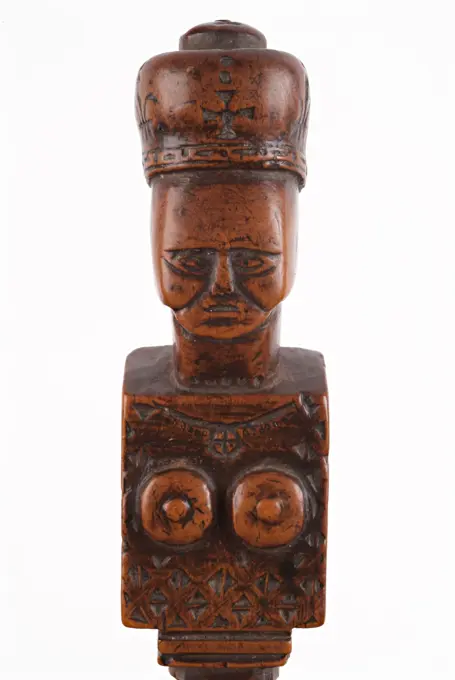
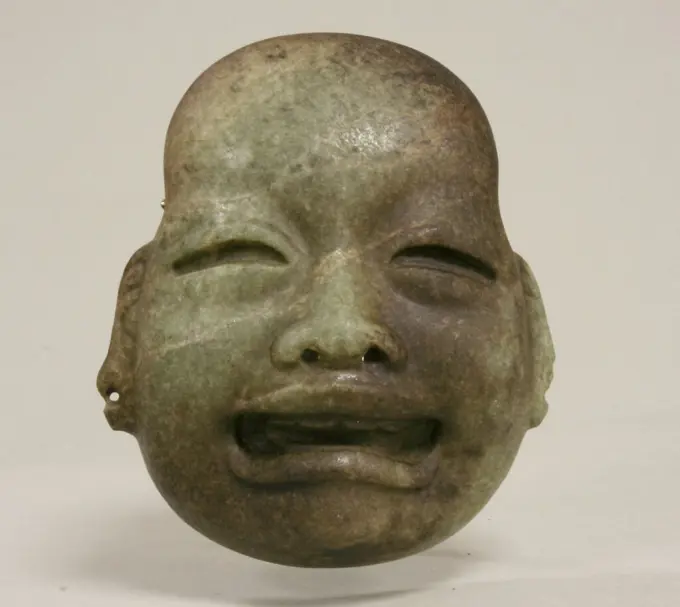
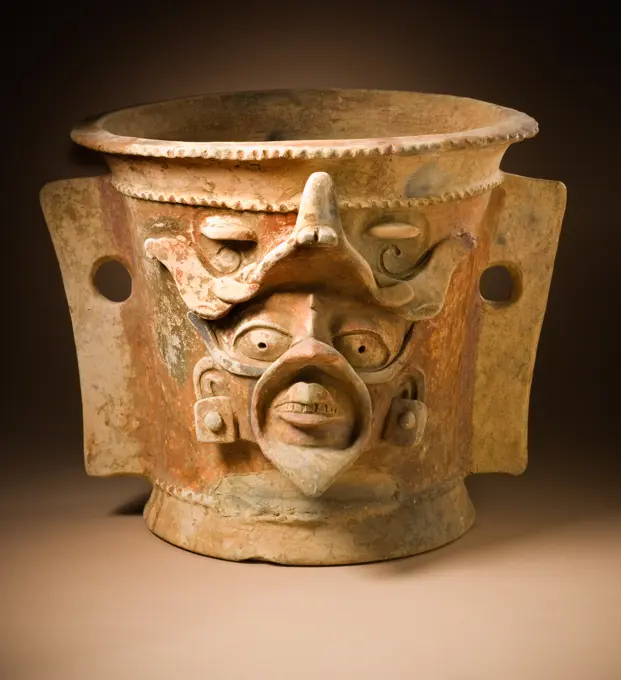
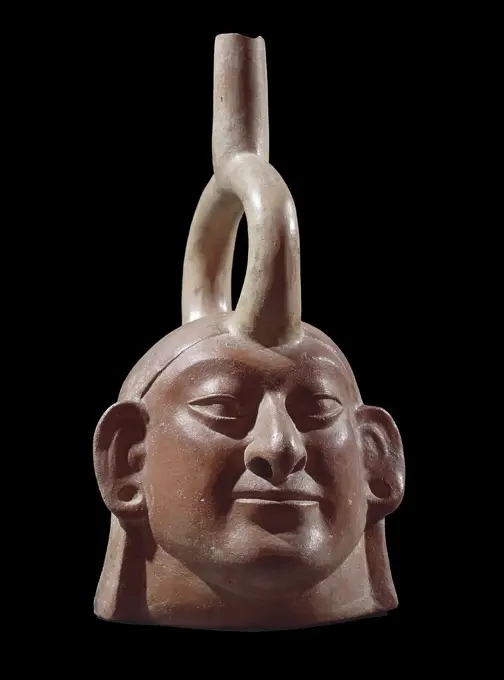
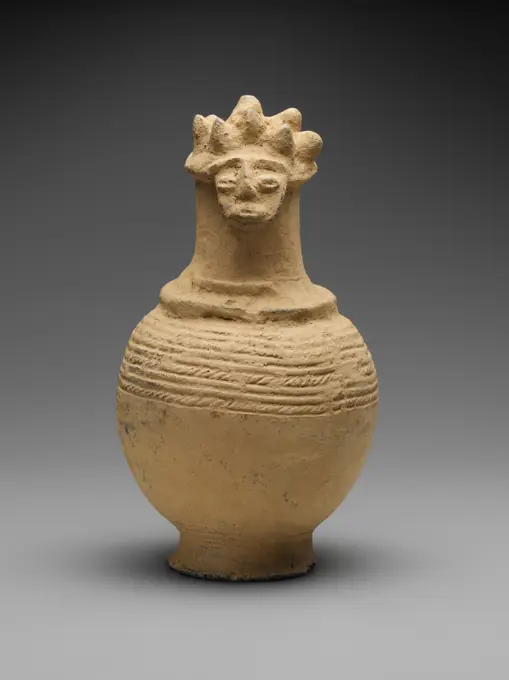
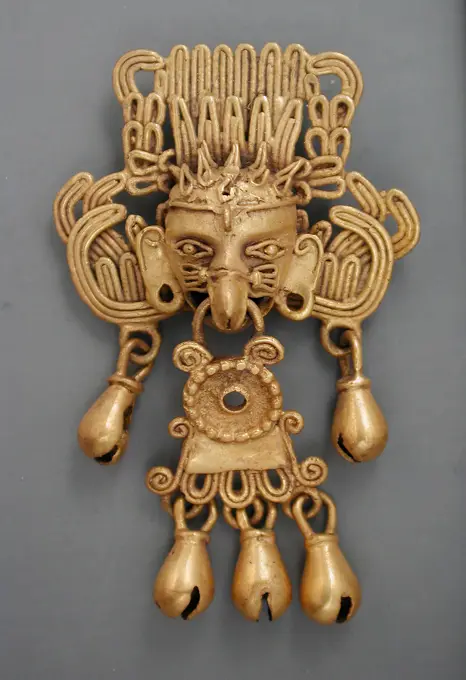
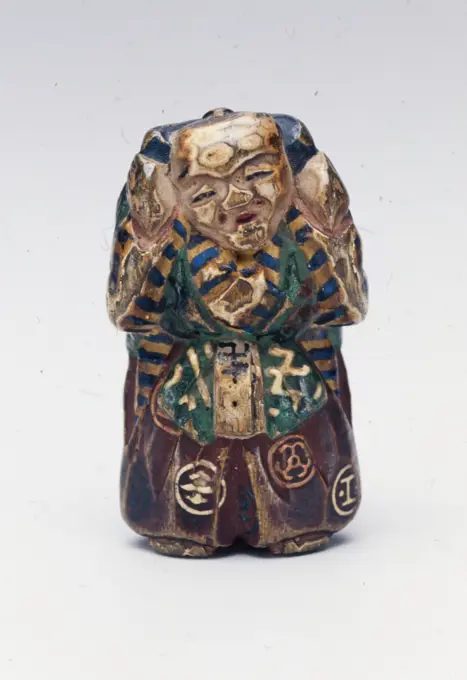
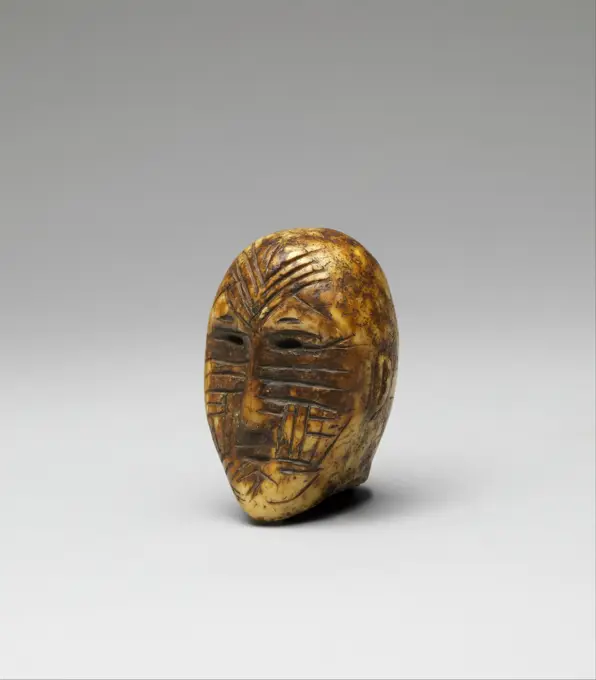
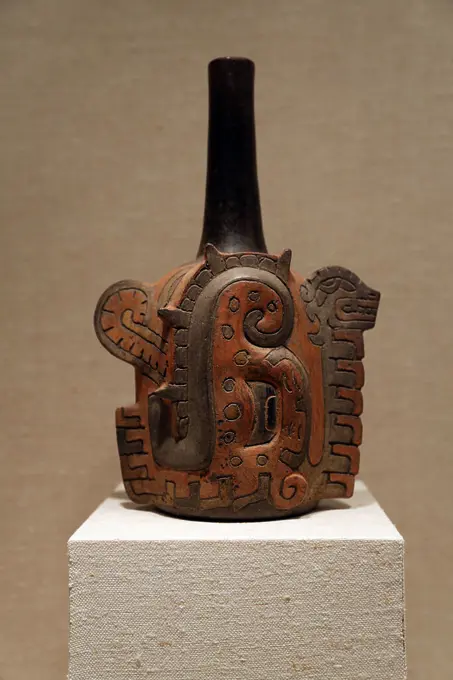
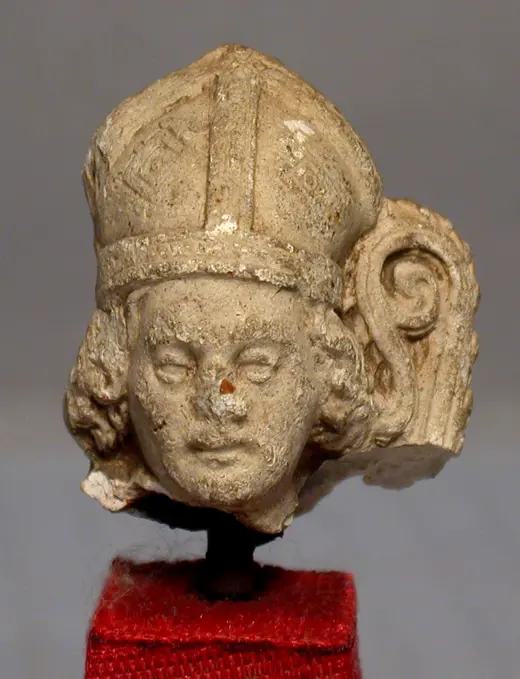
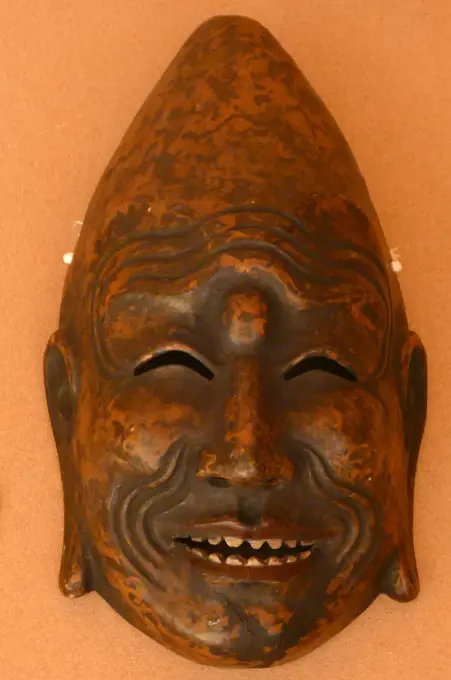
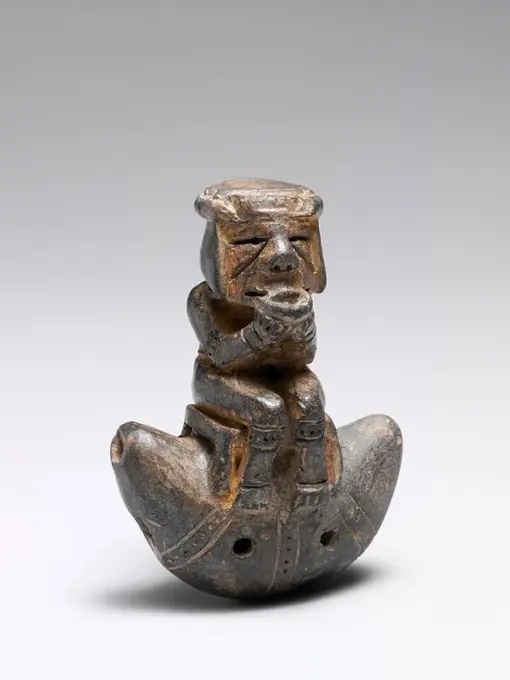
Ocarina. Culture: Tairona People; Gayraca style. Dimensions: Height (Approximate): 2 3/4 in. (7 cm)Width: 2 1/16 in. (5.3 cm). Date: 1300-1500. Museum: Metropolitan Museum of Art, New York, USA.Stirrup Spout Bottle with Figure Holding Feline. Culture: Moche. Dimensions: Overall: 9 x 5 1/8 in. (22.86 x 13 cm)Other: 5 1/8 in. (13 cm). Date: 4th-6th century. Museum: Metropolitan Museum of Art, New York, USA.Standing tambourine player ca. 600-480 B.C. Cypriot The figurine, of uncertain gender, is in the Kamelarga style. It is wheel-made and hollow, with a cylindrical body that flares at the bottom. The head is mold-made, the arms handmade. Standing tambourine player 241235BagOrnamentStirrup Spout Bottle with Figure. Culture: Moche. Dimensions: H. 8 5/8 x W. 5 1/2 in. (21.9 x 14 cm). Date: A.D. 200-900. Museum: Metropolitan Museum of Art, New York, USA.PIPA DE PIEDRA - ARTE MEXICANO.Ocarina 1300-1500 Tairona People; Gayraca style. Ocarina. Tairona People; Gayraca style. 1300-1500. Ceramic. Pre-Columbian. Sierra Nevada de Santa Marta, Colombia. Aerophone-Whistle Flute-vessel flutePataikos Amulet with seal on base ca. 1070-664 B.C. Third Intermediate Period. Pataikos Amulet with seal on base. ca. 1070-664 B.C.. Faience. Third Intermediate Period. From Egypt. Dynasty 21-25Prisoner Lime Container 6th-9th century Wari This small carved wood figure in the shape of a kneeling prisoner with his hands tied behind his back is a container created to hold powdered lime. Created by a sculptor of the Wari culture and reportedly found on the south coast of Peru, traces of remaining pigment indicate the figure wears a checkerboard tunic, a garment often associated with warriors (see, for example, accession number 2017.674 in the Mets collection). His helmet or headdress was sculpted in the shape of a feline with barred fangs. Traces of pigment remain from the designs painted on his face, and he is shown with a short, broad nose ornament inserted through the nasal septum. His hair is woven into braids, gathered by a cord on his back below his shoulders. His hands are tied behind his back with a rope. A circular bone inlay was placed at the center of his chest, embellishing an already richly ornamented figure. In ancient times, this object would have held powdered liPortrait Vessel of a Ruler with Face Paint and Large Earflares Made 100 BCE-500 CE Peruvian North Coast. Ceramic and pigment . MocheJar in the Form of a Figure with Patterned Waistband and Lizard Headdress Made 100 BCE-500 CE North Coast. Ceramic and pigment . MocheVessel, early 1900s. Central Africa, Democratic Republic of the Congo, Mangbetu, early 20th century. Terracotta; diameter: 17.1 cm (6 3/4 in.); overall: 35 x 15.6 cm (13 3/4 x 6 1/8 in.).Bottle, Prisoner Moche 1st-3rd centuryIberian female bronze votive offering Iberian female bronze votive offering, Castulo, Linares,, Iberian Museum of Jaén, Andalusia, Spain Copyright: xZoonar.com/BartomeuxBalaguerxRotgerx 21714863Seated male figurine ca. 600-480 B.C. Cypriot The figurine is solid and handmade from hard red clay. The man is seated as if on the ground.. Seated male figurine 245533Figure Bottle 1st-3rd century Vicús. Figure Bottle 314699Terracotta statuette of enthroned woman known as Venus of KokenydombHacha, Head 7th-10th century Veracruz Portable sculptures like this one from Classic-period Veracruz replicate in stone the yokes, hachas, and palmas, presumably made of perishable materials, worn by players of the ancient Mesoamerican ballgame. This hacha depicts the head of a ballplayer or warrior wearing a type of jaguar helmet shown elsewhere in Mesoamerica as part of an elite warriors full-body jaguar costume. The image, with the lower lip of the wearer concealed and the tongue of the jaguar protruding, blurs the distinction between the two, and can be read as a conflation of man and jaguar, a human appropriation of the power of the beast. Hachas take their name from the ax-like shape of many of these portable sculptures (“hacha” is Spanish for “ax”), although their form and imagery vary widely (see MMA 1978.412.151). Those more rounded in shape most often depict human or animal heads. An interesting variation is an hacha in the form of a pair of bound hands in the museums colleAnthropomorphic mask ca. 600-480 B.C. Cypriot The mask is handmade. It has a prominent nose, ridged eyebrows, bulging eyes, small roughly modeled ears, and a circular pellet in the middle of the forehead.. Anthropomorphic mask 241035A figurine who wanted sitting on a round base (plutosa);  horse. II - early 1st century BC (-120-00-00--80-00-00);Polish excavations in MyrmekionPommel of Sword, 1600s. Italy, 17th century. Steel; overall: 5.3 x 3.9 cm (2 1/16 x 1 9/16 in.).Blackware Vessel with Flaring Rim in the Form of a Seated Figure 1000-1500 Ecuador. Ceramic and pigment . ManteñoHead 12th-early 16th century Guerrero (). Head. Guerrero (). 12th-early 16th century. Stone. Mexico, Mesoamerica, Guerrero (), Balsas River (). Stone-SculptureFemale Figurine, c. 1200-900 BC. Central Mexico, Tlatilco. Earthenware with pigment; overall: 10.9 x 4.1 cm (4 5/16 x 1 5/8 in.).Head of a sculpture, anonymous, 1300 - 1500 Fragment (head) of a woman with a high-symmetrical hairstyle on the left side of the head. Elongated face, long nose, round eyes. No neck. On a pedestal. Indonesia terracotta (clay material). sokkel: wood (plant material) Fragment (head) of a woman with a high-symmetrical hairstyle on the left side of the head. Elongated face, long nose, round eyes. No neck. On a pedestal. Indonesia terracotta (clay material). sokkel: wood (plant material)Tripod Vessel, 1200, 9 x 8 7/8 x 7 7/8in. (22.9 x 22.5 x 20cm), Earthenware, pigment, Costa Rica, 13th centuryPectoral 200 CE-800 CE México. This elegant chest ornament would have been part of a rulerís ceremonial regalia. In Maya society, as among other Amerindian peoples, a rulerís attire indicated rank, religious function, and place of origin. Such dress was highly regulated, and only members of the nobility wore jade and other greenstones as an expression of their wealth and high status. Moreover, these rare and valued stones were considered to be inherently sacred and powerful. By wearing jade regalia, kings directly associated themselves with the youthful green maize plant and life-giving blue-green waters.. Jadeite . MayaStirrup Spout Bottle with Couple 4th-7th century Moche. Stirrup Spout Bottle with Couple 309355Stirrup Spout Bottle. Culture: Moche. Dimensions: H. 8 11/16 x W. 4 1/2 x D. 7 1/4 in. (22.1 x 11.4 x 18.4 cm). Date: 1st century B.C.-A.D. 7th century. Museum: Metropolitan Museum of Art, New York, USA.Stirrup Spout Bottle with Seated Figure 5th-7th century Moche. Stirrup Spout Bottle with Seated Figure 308542Feline-Head Bottle. Culture: Tembladera. Dimensions: H. 8 1/2 x W. 5 7/8 x D. 6 5/8 in. (21.6 x 14.9 x 16.9 cm). Date: 9th-5th century B.C.. Museum: Metropolitan Museum of Art, New York, USA.Head and upper body of a female figurine. Culture: Cypriot. Dimensions: H. 3 in. (7.6 cm). Date: ca. 600-480 B.C..The figurine is handmade and solid. The head, shoulders and arms, and upper chest are preserved. She bends both arms to her chest to hold an unidentifiable object just below her pellet breasts. Museum: Metropolitan Museum of Art, New York, USA.HelmetMaskFemale head, perhaps from a standing tambourine player. Culture: Cypriot. Dimensions: H. 2 13/16 in. (7.1 cm). Date: ca. 600-480 B.C..Solid, mold-made female head in the Kamelarga style. Museum: Metropolitan Museum of Art, New York, USA.Model boat with hippopotamus ca. 1850-1750 B.C. Middle Kingdom. Model boat with hippopotamus. ca. 1850-1750 B.C.. Limestone, paint. Middle Kingdom. From Egypt, Memphite Region, Lisht North, cemetery south of pyramid below House A1:2, Pit 894, MMA excavations, 1920-22. Dynasty 12, late-early 13"Hairy" Ainu. Japan, 19th century. Costumes; Accessories. WoodMask 3rd-7th century Teotihuacan Three-dimensional stone masks depicting a conventionalized human-like face are abundant in the sculptural style associated with the great Central Mexican city of Teotihuacan. With its geometrically rendered horizontal brow, triangular nose, and oval mouth and eyes, this mask depicts an idealized facial type that seems to function as a symbol, rather than a portrait, similar to other standardized motifs present in the art of Teotihuacan. The depressions of the eyes and the mouth suggest that this whitish onyx mask might have originally possessed inlaid pyrite or shell for the depiction of eyes and teeth. Perforations at the sides on the reverse suggest that it was intended to be attached to another object, but given the weight of the stone and the lack of holes for the eyes and mouth, these masks were probably not worn by living people. Instead, they may have been attached to larger, perishable sculptures of human or deity figures or mounted on or placedEgg still bank, 20th century, 5 5/8 x 3 5/8 x 3 5/8 in. (14.29 x 9.21 x 9.21 cm), Wood, 20th centuryZapotec terracotta effigy vases from Oaxaca, Mexico. 600-800 AD. these vases were part of the belongings, that accompanied the dead in the afterlife.Pendant: Winged Female Head in Profile. UnknownStanding female figurine holding an amphora on her head ca. 750-600 B.C. Cypriot The cylindrical body is wheel-made and hollow. The upper part of the body, arms, head, and amphora are handmade.. Standing female figurine holding an amphora on her head. Cypriot. ca. 750-600 B.C.. Terracotta; wheel-made and hand-made. Cypro-Archaic I. TerracottasBottle, Anthropomorphic Crab. Culture: Chimú. Dimensions: H. 8 3/4 x W. 5 in. (22.2 x 12.7 cm). Date: 12th-15th century. Museum: Metropolitan Museum of Art, New York, USA.bronze votive offering bronze votive offering, 4th-3rd centuries BC, archaeological museum of Seville, Andalusia, Spain Copyright: xZoonar.com/Tolox 21720648Seated Figure Bottle 12th-15th century Chimú. Seated Figure Bottle 314678Standing female figurine 3rd century B.C.() Cypriot The solid, mold-made figurine is probably a vase attachment.. Standing female figurine 241276Amulet: Figure of Taweret 664-332 B.C. Late Period. Amulet: Figure of Taweret. 664-332 B.C.. Faience, blue. Late Period. From Egypt. Dynasty 26-30Mask Ornament, c. 700-1550. Southern Costa Rica, (Rio Grande de Térraba, Diquís Region), Diquís Style, 8th-16th Century. Hammered and cut gold; overall: 11.9 x 11.2 x 2.5 cm (4 11/16 x 4 7/16 x 1 in.).Deity Plaque, c. 300-600. Mexico or Central America, Maya, 4th-7th Century. Jade; overall: 9 x 7.4 cm (3 9/16 x 2 15/16 in.).Head of a Bodhisattva. Culture: India (Bihar, Nalanda). Dimensions: H. 5 3/8 in. (13.7 cm); W. 3 1/2 (8.9 cm); D. 3 3/8 in. (8.6 cm). Date: 7th-8th century. Museum: Metropolitan Museum of Art, New York, USA.Deity Vessel. Culture: Mixtec. Dimensions: Overall: 8 x 7 in. (20.32 x 17.78 cm)Other: 7 in. (17.78 cm). Date: 10th-13th century. Museum: Metropolitan Museum of Art, New York, USA.Phallic Figure. Egypt, Ptolemaic Period (305 - 31 BCE). Sculpture. LimestoneStatuette of a youth 6th century B.C. Etruscan. Statuette of a youth 255374Figurine ba;  332-30 BC ; Ptolemean period (-332-00-00--30-00-00);Ba (mitol.), Soul (personification), gift (provenance), figurines, wigs, bird (iconogr.), BirdsHacha, c. 600-900 CE, 9 x 4 1/2 in. (22.86 x 11.43 cm), Basalt, Mexico, 7th-10th centuryVessel in the Form of a Male Figure Holding a Jar. Egypt, Probably Hellenistic (332 - 31 BCE). Furnishings; Serviceware. TerracottaFigurine, late 1800s-early 1900s. Central Africa, Republic of the Congo, Kongo people. Wood, organic materials (including resin), cloth, metalized glass, possibly porcelain, and plant fiber; overall: 23 x 9 x 11 cm (9 1/16 x 3 9/16 x 4 5/16 in.).Seated male figurine ca. 600-480 B.C. Cypriot The man is seated, as if on the ground. His lower legs are missing.. Seated male figurine 241196Vessel with Litter Group, 600-1000. Central Andes, central highlands, reportedly Wari Wilka, Wari style, 6th-10th century. Ceramic and slip; overall: 28 x 16 x 14 cm (11 x 6 5/16 x 5 1/2 in.).Vase;  19th century (1801-00-00-1899-00-00);Sandal. Dimensions: L. 9 13/16 in. (25 cm). Date: 3rd-12th century. Museum: Metropolitan Museum of Art, New York, USA.Mask (wan-balinga), early 1900s. Africa, West Africa, Burkina Faso, Mossi-style blacksmith-carver. Wood and paint; overall: 34 x 14 x 14 cm (13 3/8 x 5 1/2 x 5 1/2 in.). Only the farmers among the Mossi people employ masks. This masks proper name, wan-balinga, evokes a mythical figure who was the mother of the first Mossi ruler. Such masks are most typically worn and danced with on the occasion of the funeral of a male or female elder as escorts of the corpse to the grave. They also appear during annual memorial services that occur months after the actual burial, when all the deceased clan members are commemorated and honored.Iberian female bronze votive offering, Castulo, Linares,, Iberian Museum of Jaén, Andalusia, Spain.Carved Boxwood Apple Corer, 1690. Pinto Collection - Purchased from Edward H Pinto, 1965.. Made in England. These small scoops enabled people who had lost their teeth to eat foods such as apples and pears. They have been in use since prehistoric times and must rank as one of the oldest eating utensils in the world. Apple scoops were very personal items and in some areas it was considered bad luck to share one. Most scoops tended to be quite plain and made from animal bone. Elaborate ones, like this, often seemed to be given as love tokens.Mythreya, Terracotta figurine 7th century A. D collected at Muttom near Boluvampatti, Coimbatore, Tamil Nadu, South India, India, AsiaOrnamental Mask. Culture: Olmec. Dimensions: H x W x D: 3 5/8 x 3 1/8 x 1 1/4in. (9.2 x 7.9 x 3.2cm). Date: 10th century B.C.. Museum: Metropolitan Museum of Art, New York, USA.Fragment of a Jar in the Form of a Human Head, Possibly Deceased, Wearing a Nosering Made 100 BCE-500 CE North Coast. Ceramic, pigment, and gold . MocheTiger Doll. Kanbayashi Seisen (Rakushiken) (Japan, mid-19th century). Japan, late 19th century. Costumes; Accessories. Tea-bush woodNeolithic woman sitting on chair, Lady of Pazardzik, 4500 BC.Head of a Boddhisattva, Anonymous, 1100 - 1200 Fragment (head) of a bodhisattva; Highly made hair tent; A hole on the site of the urna. China cast iron Fragment (head) of a bodhisattva; Highly made hair tent; A hole on the site of the urna. China cast ironMASCARA DE PIEDRA. Location: MUSEO DE ARTE. TEXAS.UshabtiCenser. Guatemala Highlands, Maya (Quiché), 700-900 CE. Ceramics. CeramicWooden Doll. Dated: c. 1939. Dimensions: overall: 31.9 x 20.9 cm (12 9/16 x 8 1/4 in.) Original IAD Object: 6" high. Medium: watercolor and graphite on paper. Museum: National Gallery of Art, Washington DC. Author: John Tarantino.VASO MOCHICA - PERU. Location: MUSEO DE AMERICA-COLECCION. MADRID. SPAIN.AnthropomorphicVesselPiggy bank, anonymous, c. 1300 - c. 1500 Front part of a piggy bank. East Java terracotta (clay material) Front part of a piggy bank. East Java terracotta (clay material)MOON MASK, 1880s, Baule peoples, Ivory Coast, Africa, sculpture, wood. Round wooden mask has a oval face edged by a zigzag border and topped with a cup. Its facial features include crescent shaped eyes, ears, a slender nose, mouth, arches of a hairline, and triangles carved on each cheek (BSLOC_2017_16_2)Pendant. Mexico, Oaxaca, Mixtec (), 1100-1520. Metal. GoldCanopic Jar with Lid (lid), 1540-1296 BC. Egypt, New Kingdom, Dynasty 18. Limestone; diameter: 18.4 cm (7 1/4 in.); diameter of mouth: 10.2 cm (4 in.); overall: 39.7 cm (15 5/8 in.).Republic of Colombia, Bogota, exhibits in the Gold Museum, Museo de Oro, mask, Colombia, South AmericaFigurine Whistle of a Seated Dwarf. Northern Guatemala or Southeastern Mexico, Maya, 700-900 CE. Ceramics. CeramicDancer, 19th century, Unknown Japanese, 2 1/8 x 1 1/4 x 13/16in. (5.4 x 3.2 x 2.1cm), Wood, lacquer, Japan, 19th centuryRing of Figures. Culture: Colima. Dimensions: H x W: 4 1/4 x 5in. (10.8 x 12.7cm). Date: 2nd century B.C.-A.D. 3rd century. Museum: Metropolitan Museum of Art, New York, USA.Divinity head. Yellow and turquoise glaze sandstone. Paris, Cernuschi museum. 78842-24Head 2nd-4th century Old Bering Sea In the last two millennia before the Common Era, the peoples who established themselves along the rim of the North Pacific Ocean between Asia and America were dependent for their livelihood to a great extent on the resources of the sea. Walrus, seal, and whale were significant to subsistence, and all were hunted. On the American side, the Bering Sea Eskimo were careful to decorate the ivory and wood tools with which they hunted. The beautifully balanced and elegantly incised objects were functional tools that were incised with spirit images and designs that honored the animals the hunters sought. Harpoon heads and foreshafts, and the socket pieces known as winged objects are salient examples. Also carved of walrus ivory were human figures, most frequently female. The purpose to which the enigmatic but equally elegant figures were put is unclear. Some authorities call them dolls-originally, they may have been dressed-while others call them ceremonial Kneeled young man, possibly a candlestick. Kneeled young man from bronze. The object is poured, then reciprocated and equipped with inserted details. The figure is based on his left knee, holds his left arm in the side and stretches his right arm forward. The hair that ends in a roll and reaches the neck is held together by a band. The young man carries a tunic extending above the ankles with a tension at the neck and to the hips a long narrow belt with buckle. On his left hip, a pouch and on the back hangs a few gloves. It is wearing simple shoes with a split on the inside at the inside at the ankles.Profile Head Inlay New Kingdom, Amarna Period ca. 1353-1336 B.C. View more. Profile Head Inlay. ca. 1353-1336 B.C.. Quartzite. New Kingdom, Amarna Period. From Egypt, Middle Egypt, Amarna (Akhetaten), House O.47.16a (Sculptor's Workshop), Egypt Exploration Society excavations, 1932-33 (Waddingtons). Dynasty 18Fang Mask for the Ngontang Society  African Art d Christie's Images, London Carved brass box with face, Central Indian, Late 19th century.Head with Melon Coiffure. UnknownOwl Tab Ornament. Culture: Moche (Loma Negra). Dimensions: Length 2-9/16 in. (6.5 cm). Date: 390-450. Museum: Metropolitan Museum of Art, New York, USA.A South Coast Cloth Funerary Head Pre-Columbian Mixed Media Christie's Images, London, EnglandBracket with lion  Skarbiec, Wawel Cathedral, KrakowFeline-head bottle. Peru. Jequetepeque-Cupisnique. 15th-9th century BC. Ceramic. Postfired paint. Metropolitan Museum of Art. Ny. Usa.Jar from the tomb of Sennedjem ca. 1279-1213 B.C. New Kingdom, Ramesside One of numerous pottery vessels found in the tomb of Sennedjem and his family (see also 86.1.10), this minature example imitates a large two-handled wine jar. The pendant blossoms and petal garlands draped over its shoulder are schematic versions of both real and painted floral wreaths that would have embellished the large-scale jars used for festive or ceremonial occasions.Other objects in the collection that were discovered in the same tomb can be viewed here.. Jar from the tomb of Sennedjem. ca. 1279-1213 B.C.. Pottery, paint. New Kingdom, Ramesside. From Egypt, Upper Egypt, Thebes, Deir el-Medina, Tomb of Sennedjem (TT 1), Egyptian Antiquities Service/Maspero excavations, 1885-86. Dynasty 19Head of a Bishop with Crozier 15th century French This miniature limestone head, carved fully in the round, has broken off at the neck. While the front of the head bears light surface abrasion, the original crispness of the carving is still evident on the back of the head. A round-faced, youthful figure of authority, the bishop wears a lightly pointed head covering known as a miter, indicating his status in the church. The curved top of a crozier, the typical attribute of bishop, connects to the proper left side of the head. Presenting a strong contrast to the majority of large, imposing representations of high-ranking clergy seen elsewhere in The Mets medieval galleries, this little sculpture provides a completely different way of representing sanctity and ecclesiastic authority in the late medieval Church. While it could have attached originally to a free-standing statuette, perhaps serving as a representation of a bishop saint, and hence as a singular object of devotion, it could aStatuette originating from El Salvador. Pre-Colombian Civilization.17th century Japanese wooden maskStirrup Spout Bottle with Couple 4th-7th century Moche. Stirrup Spout Bottle with Couple 309363Owl Head 6th-7th century Moche (Loma Negra). Owl Head 315105