Cultural Artifacts and Figurines

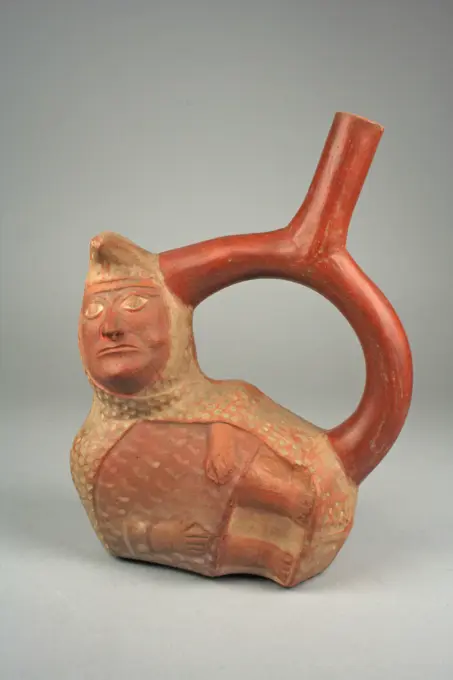
Authentic artifacts and figurines from various cultures, including ocarinas and stirrup spout bottles, showcasing unique artistic expressions.

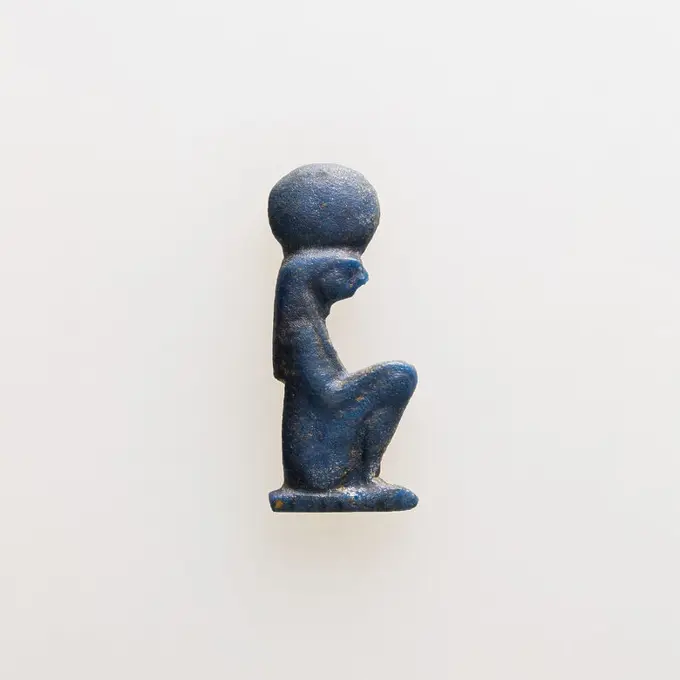
Pataikos Amulet with seal on base ca. 1070-664 B.C. Third Intermediate Period. Pataikos Amulet with seal on base. ca. 1070-664 B.C.. Faience. Third Intermediate Period. From Egypt. Dynasty 21-25
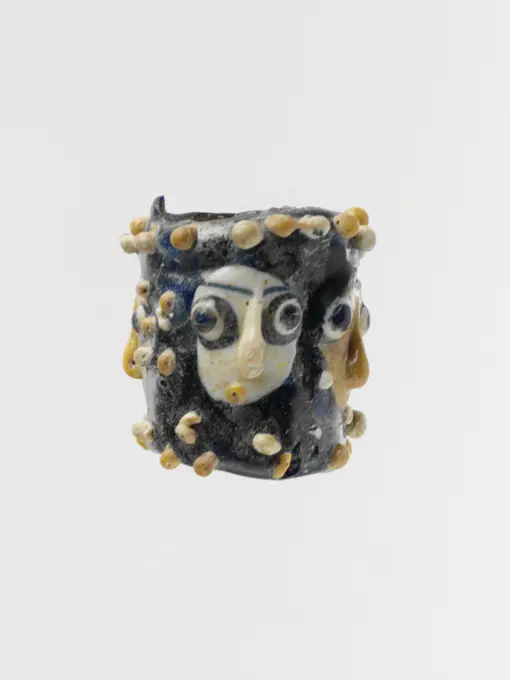
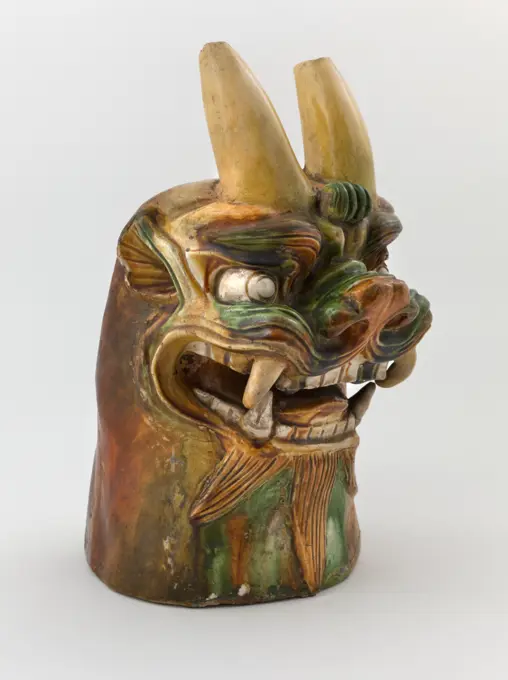
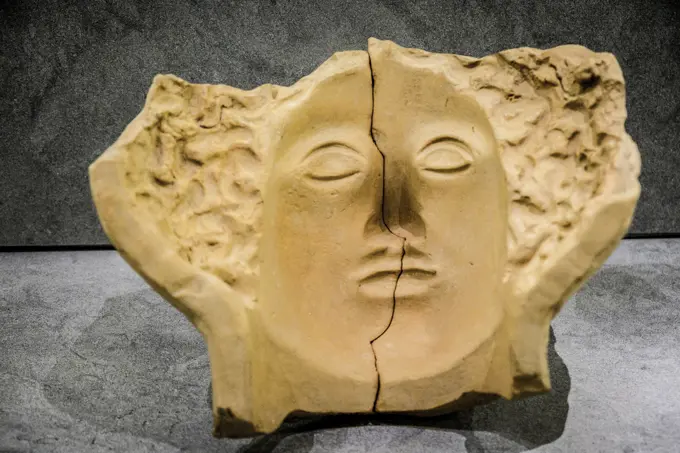
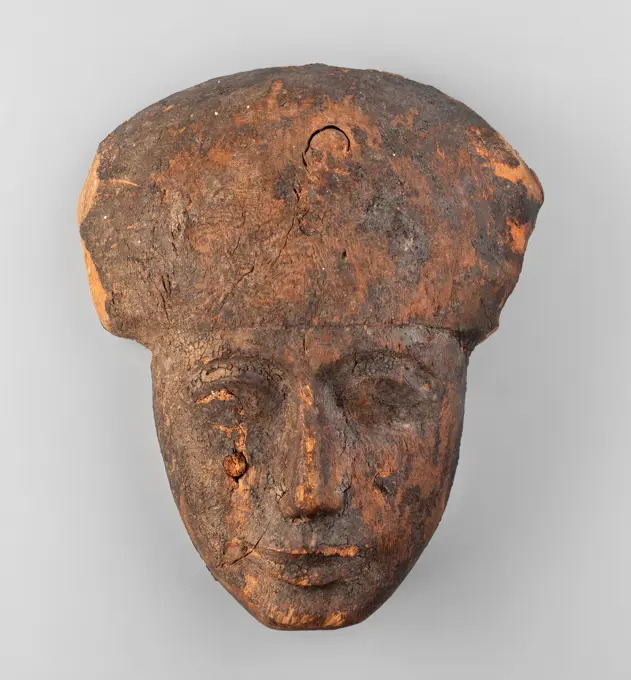
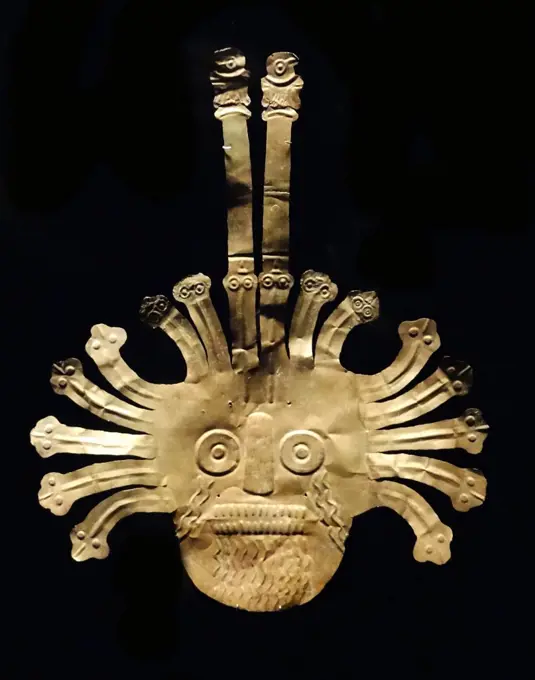
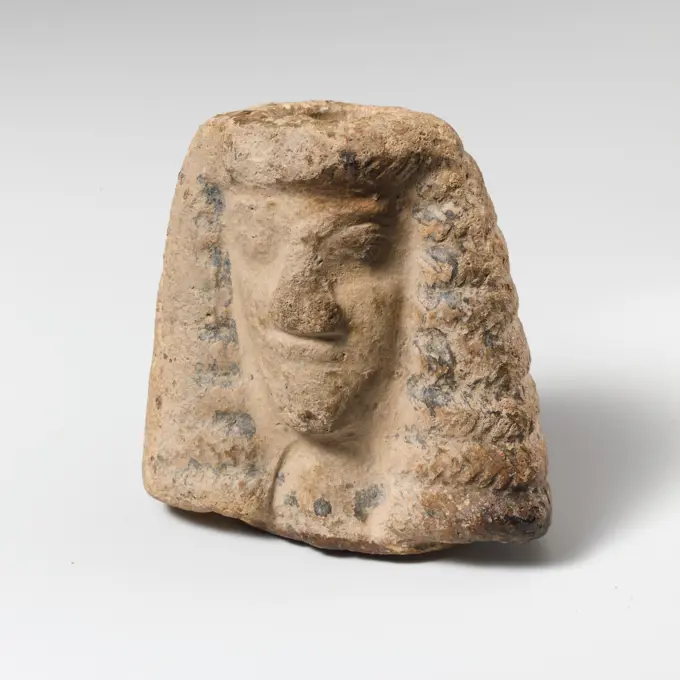
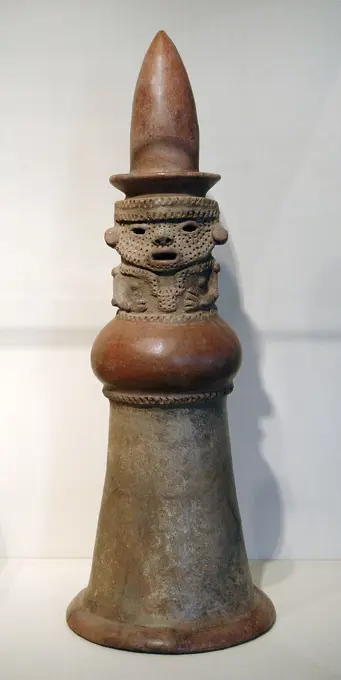
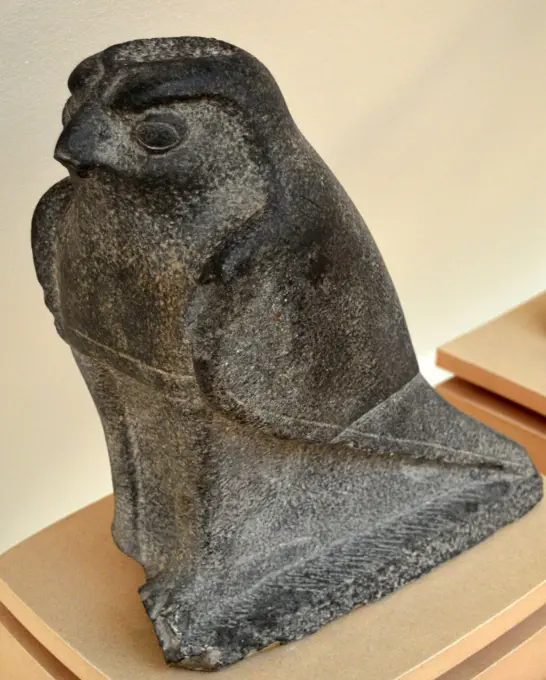
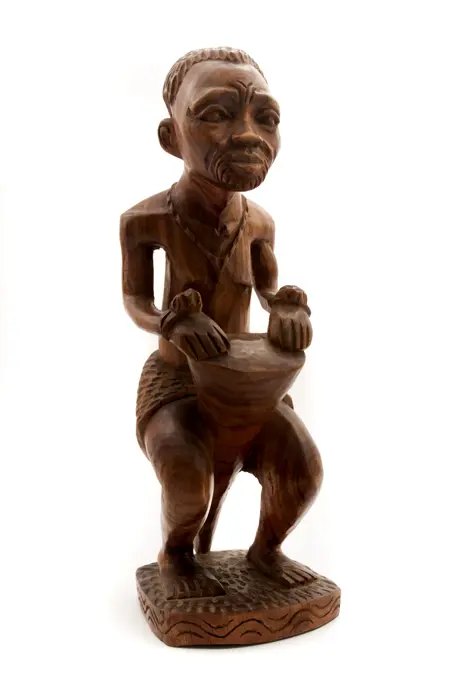
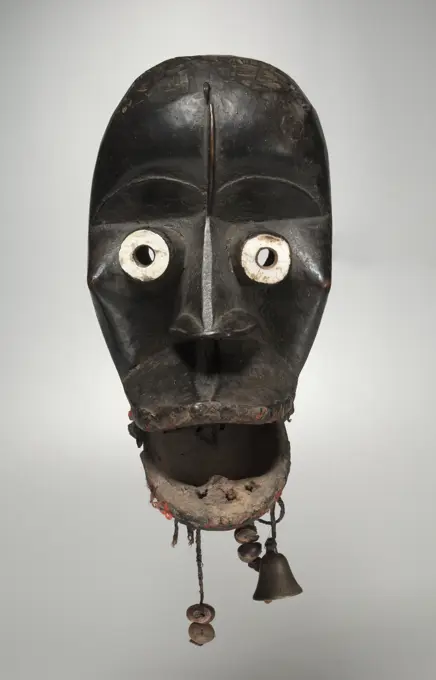
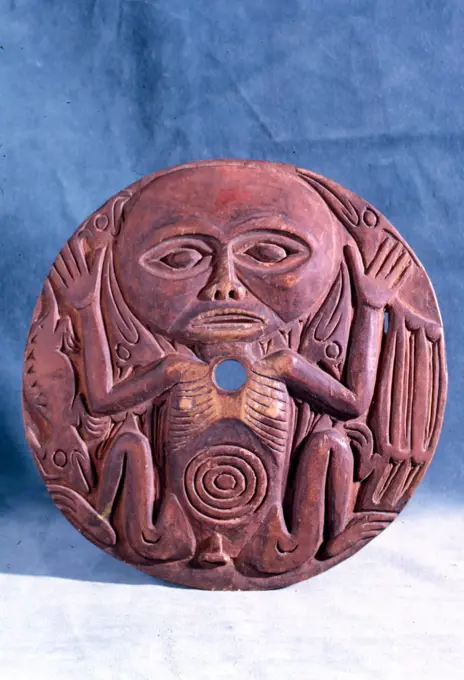
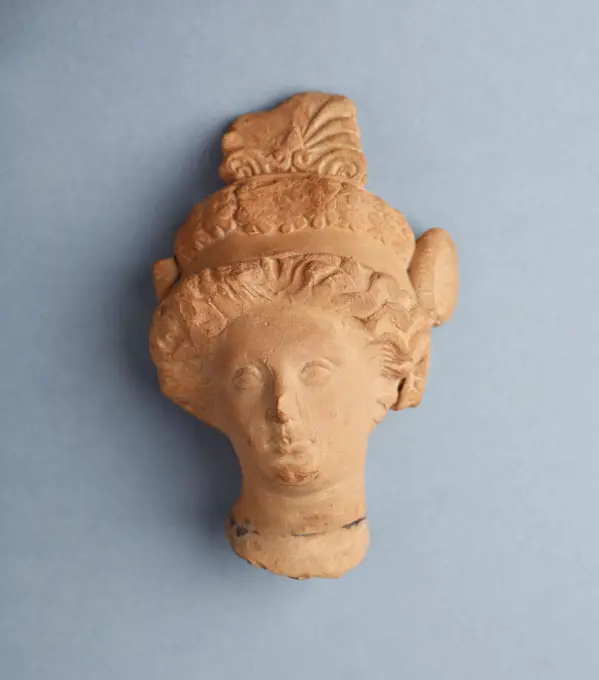
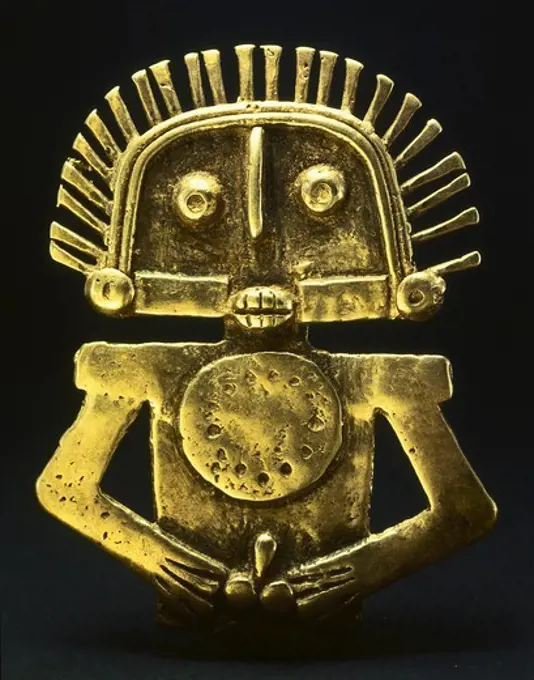
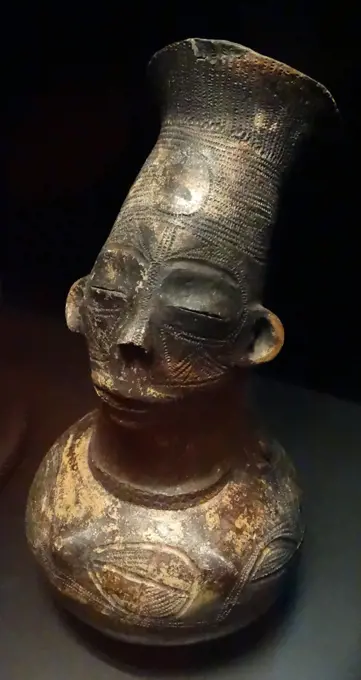
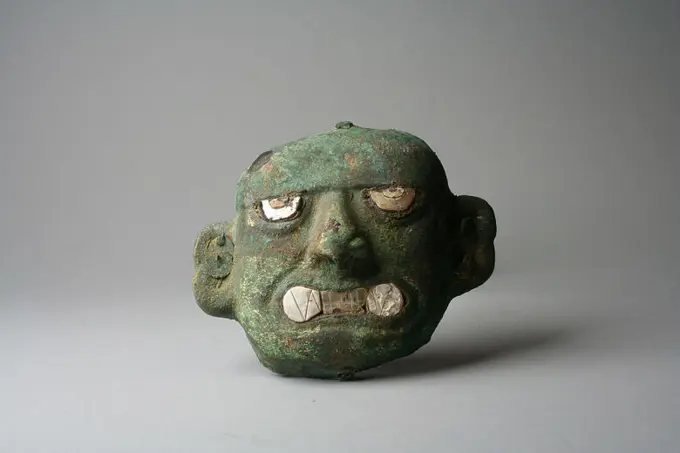
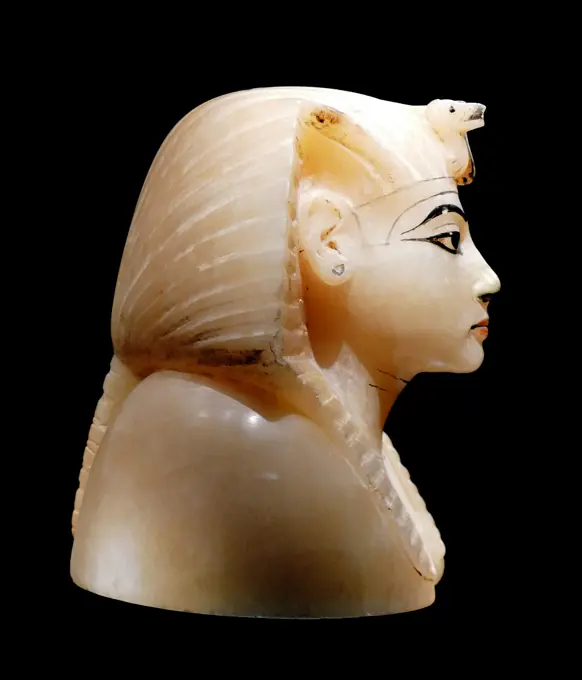
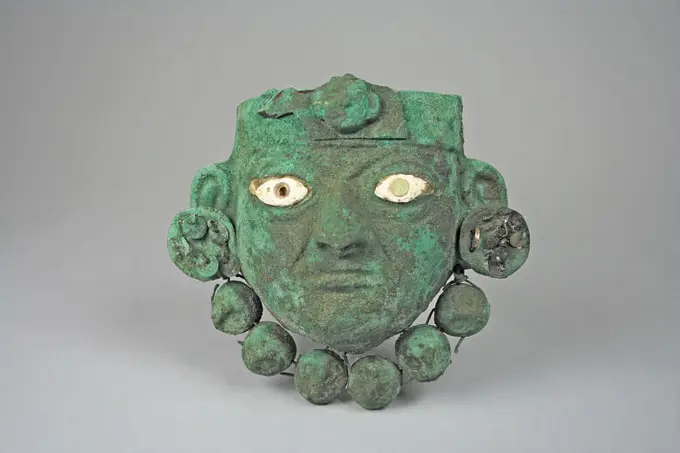
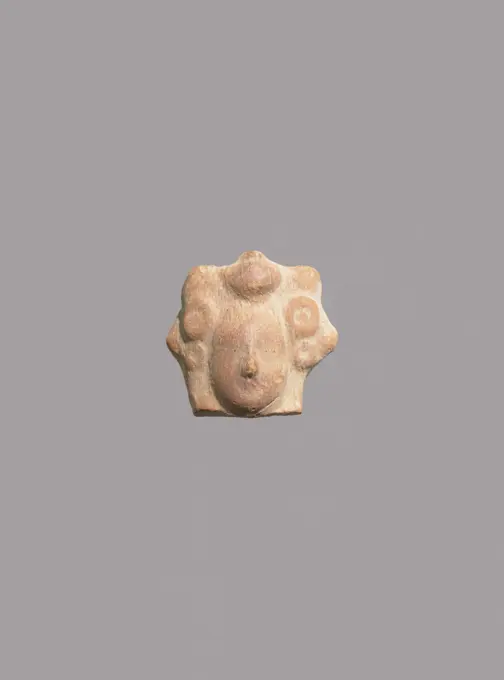
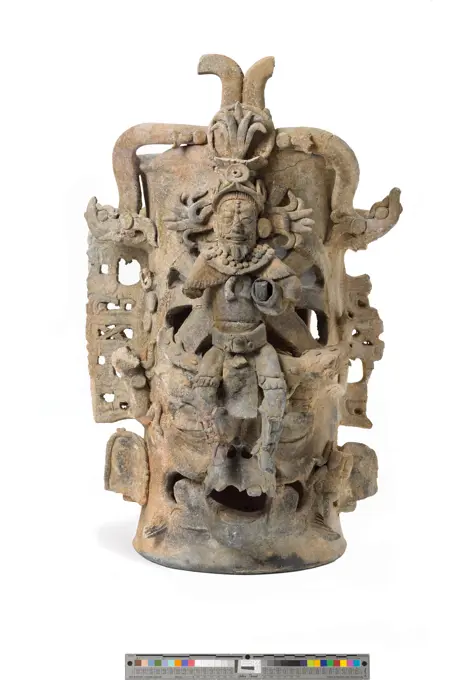
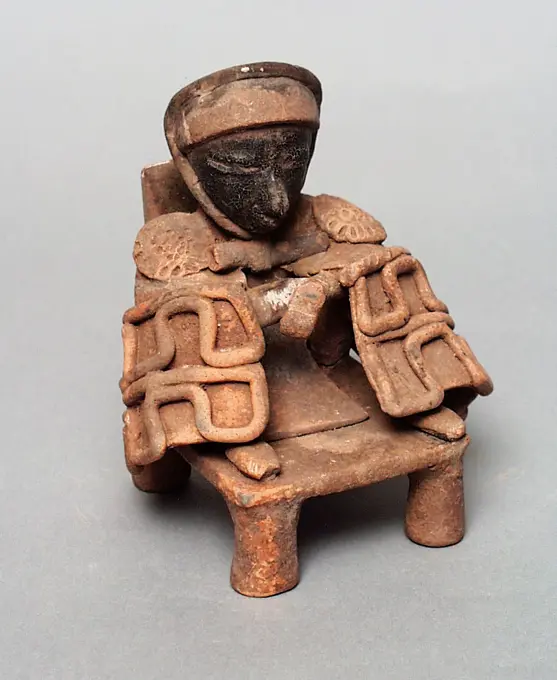
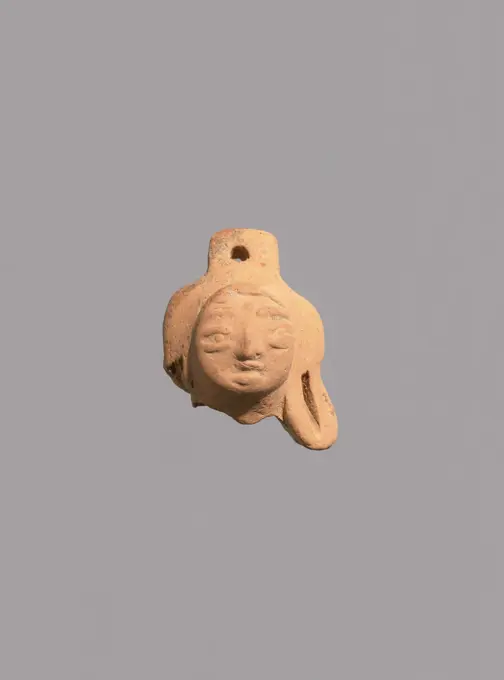
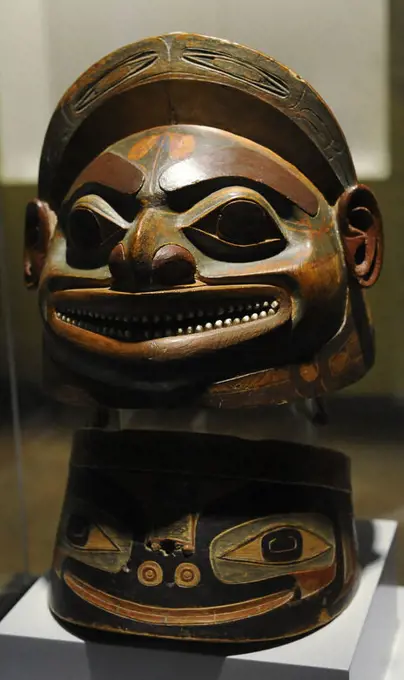
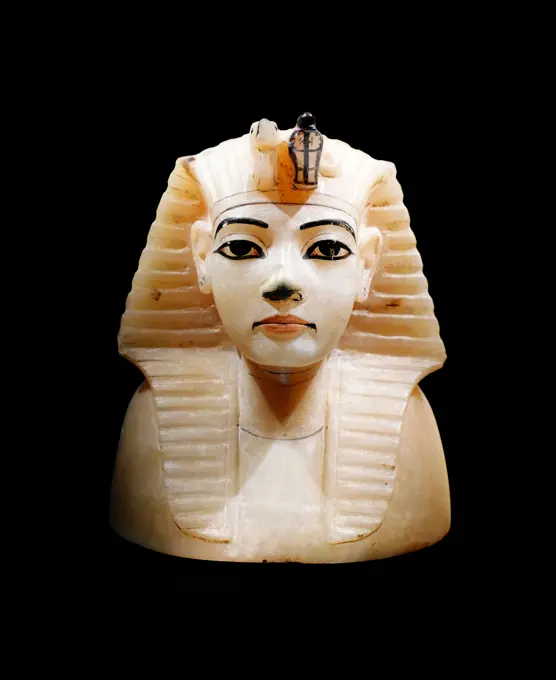
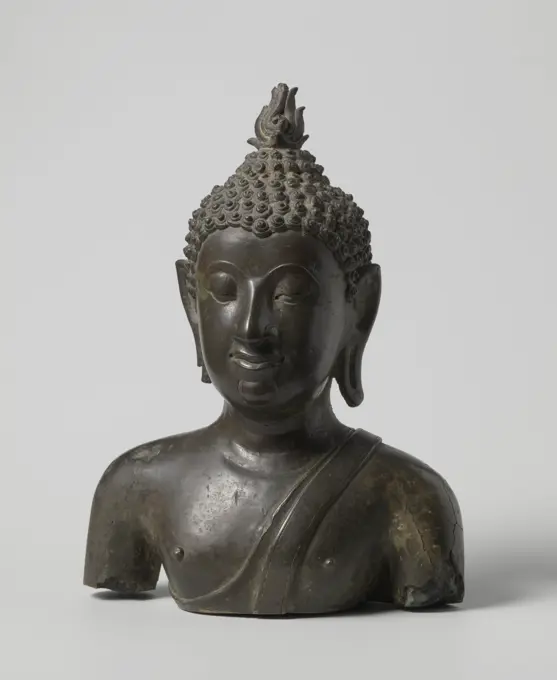
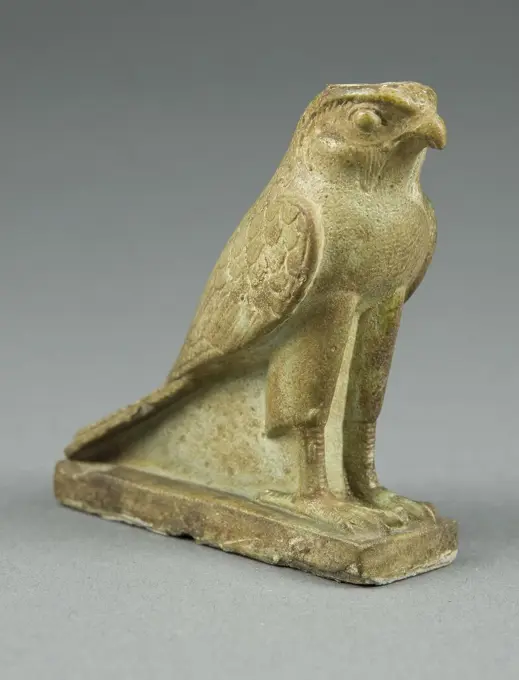
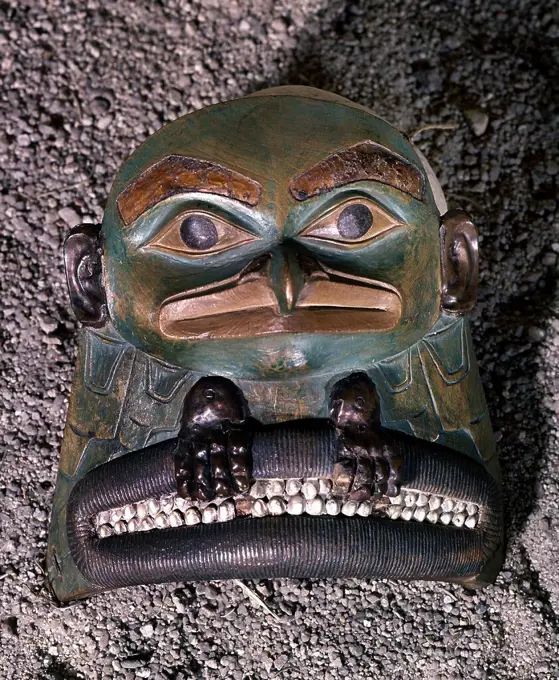
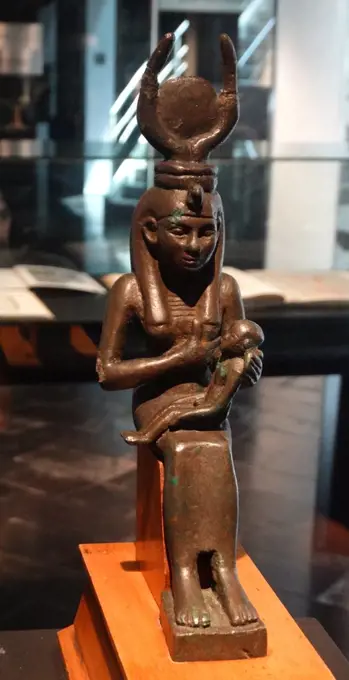
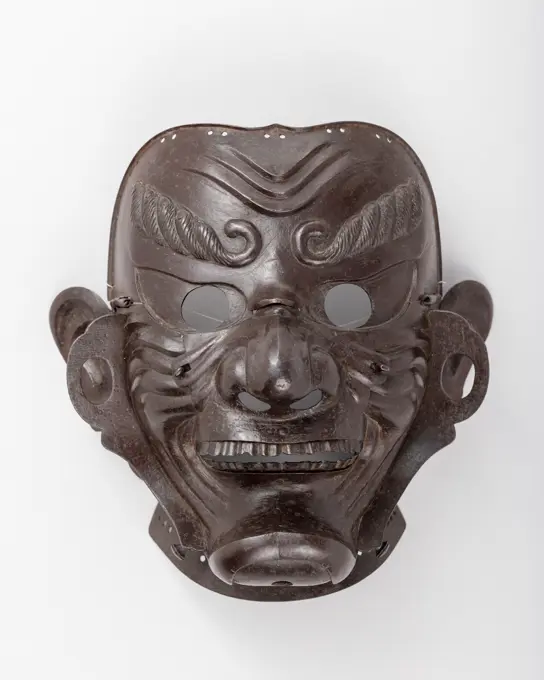
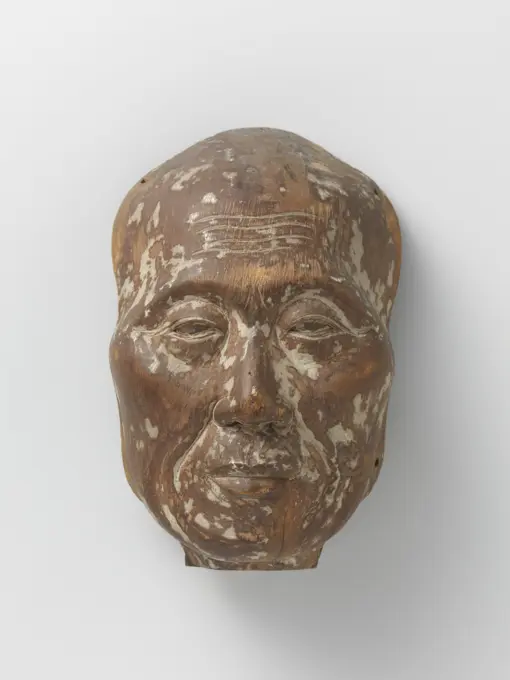
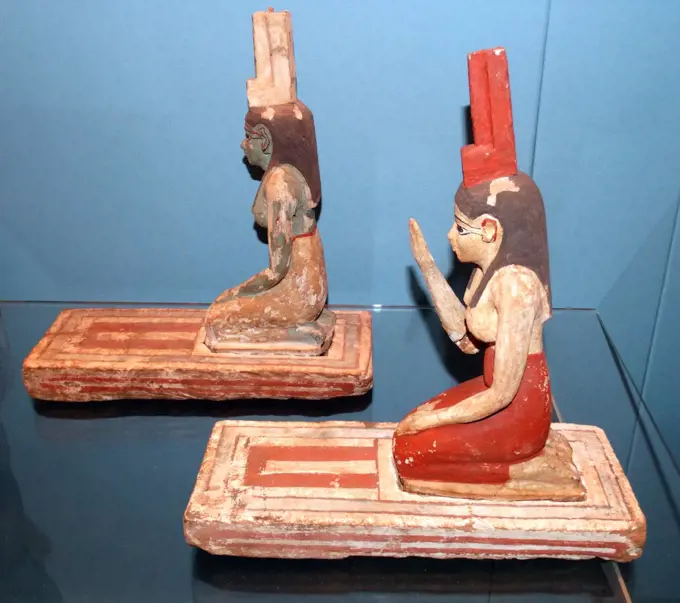
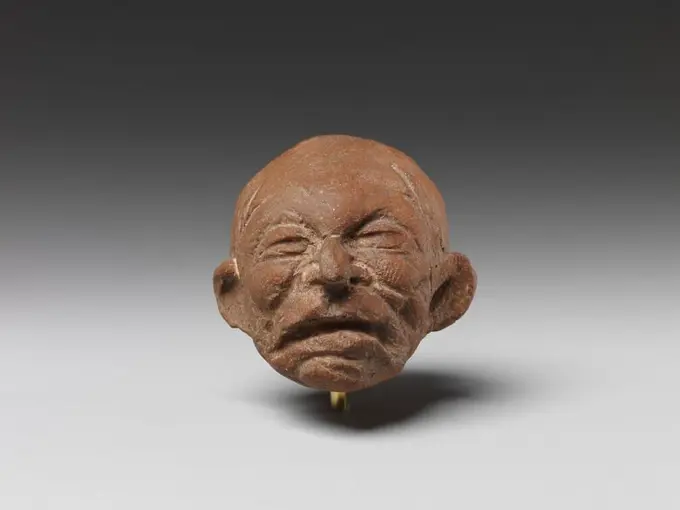
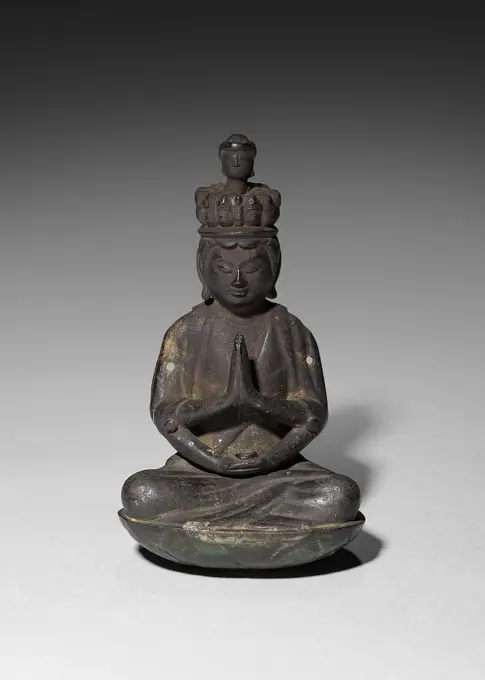
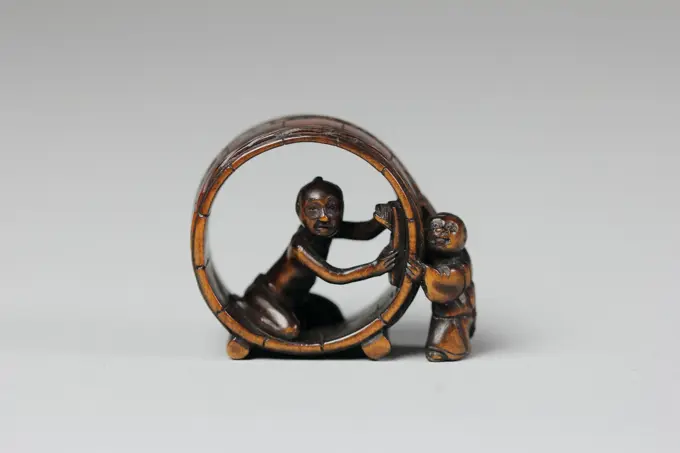
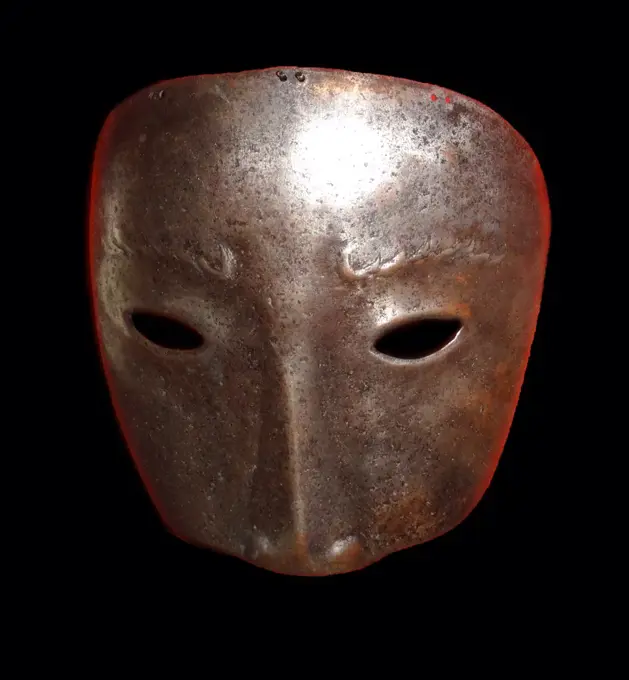
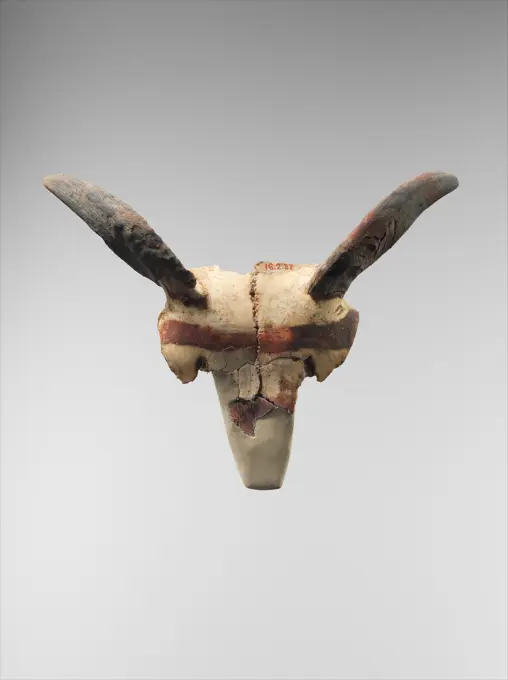
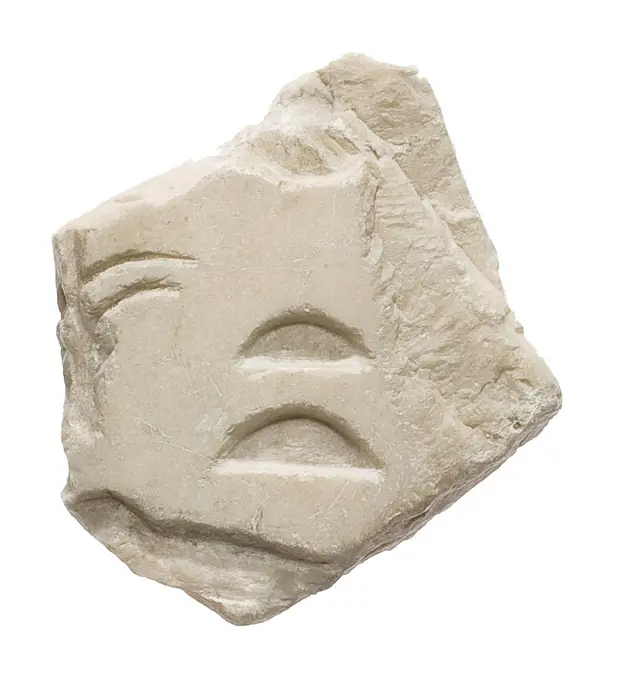
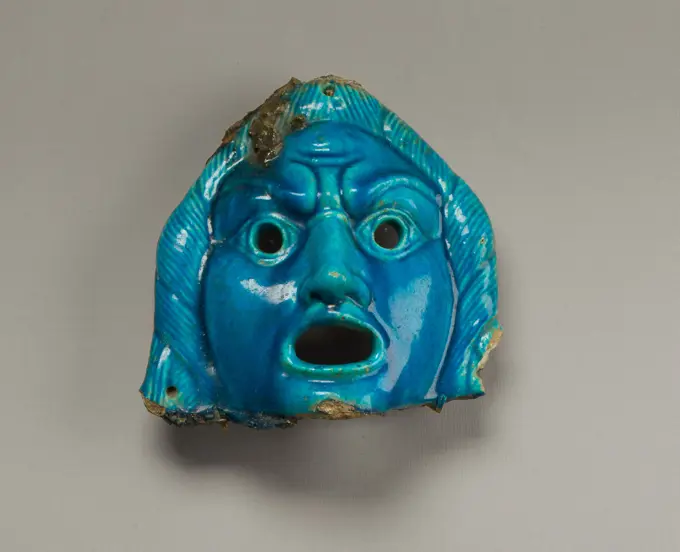
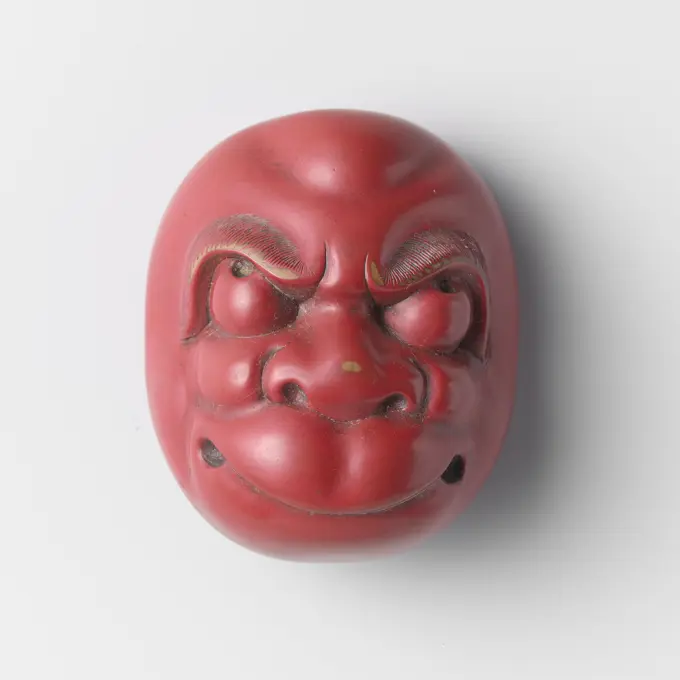
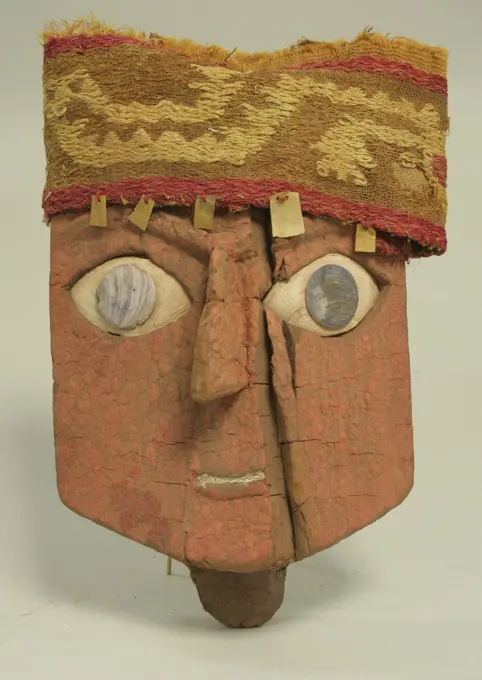
Funerary Mask 13th-15th century Ica. Funerary Mask 312800Glass face bead late 5th-mid-2nd century B.C. Phoenician or Carthaginian Translucent dark cobalt blue, with additions in opaque white and yellow and translucent blue.Cylindrical, with rounded edge at both ends; large hole running vertically through bead.Four faces, alternating with two in yellow and two in white, each made from a large added blob, augmented with applied nose, stratified eyes, eyebrows, ears, pendant earrings, and small round mouth, flanked above and below by irregular rows of knobs in white and yellow.Broken and repaired, with some areas of fill, and a few knobs missing or damaged; some pitting and iridescent weathering on exterior, encrustation on interior of hole.This large face bead is closely related to both eye beads and head pendants. Examples of both groups, which have been found throughout the Mediterranean region, are also displayed here Gallery 171, Case 31.. Glass face bead. Phoenician or Carthaginian. late 5th-mid-2nd century B.C.. Glass; rod-formed. ClasTerracotta head of a goddess 4th century B.C. Greek, Cypriot The head, of the Kition goddess type, is mold-made and hollow; the veil was added by hand. The back is handmade, flattened, and concave behind the headdress. The head is very similar in type, although larger in scale, to that of the seated goddesses, 74.51.1589 and 74.51.1590.. Terracotta head of a goddess 240992Acroter in the shape of a monster head. Terracotta with glazeverted, yellow, white, orange. Paris, Cernuschi museum. 78845-18 Acroter, Asian art, ancient ceramic, covered, email, glacide, terracotta, terracotta emailleePotter s moulds and stamps Potter s moulds and stamps, 425-100 BC, Archaeological Museum of Ibiza and Formentera, Ibiza, Spain Copyright: xZoonar.com/Tolox 23005920Sarcophagus mask;  around 1069-945 BC ; 3rd passage period, 21 dynasty (-1069-00-00--945-00-00);Deposit of the University of Warsaw from 1937-1939, fragments of sarcophagus, masks, wig (iconogr.), Faces, French excavations in Deir El-Medina (Egypt)Funeral mask from the Nasca culture. The native gold coins are ornamentation for members of the elite and the funeral rituals devoted to them.Terracotta head 7th century B.C. Greek, Cretan It is difficult to determine whether the figure is a woman or a youth. The rendering of the hair in layered rows that broaden towards the bottom is characteristic of representations dating to the second half of the seventh century B.C.. Terracotta head 254557 Greek, Cretan, Terracotta head, 7th century B.C., Terracotta, H. 2 3/16 in. (5.5 cm). The Metropolitan Museum of Art, New York. Gift of Alexander Boyd Hawes, in memory of his mother, Harriet Boyd Hawes, 1946 (46.111.6)Pre-Columbian art. Incense burner lid with human bust, 500-800 AD. Greater Nicoya. Pacific coast of Nicaragua. Slip-painted ceramic. Dimensions; height: 78,74 cm; width: 28 cm; depth: 25,5 cm. Denver Art Museum. Denver, Colorado, United States.Basalt statue of Horus the falcon god of the sky and the sun. Dated 1st Mill. B.C.African handicraft on a white backgroundTraditional Mexican Patterned Ceramic Day of the Dead Skull Sculpture. Traditional Mexican Patterned Ceramic Day of the Dead SkullFunerary goods found at a gravesite in Peru, South America. Dated 10th CenturyMask, early 1900s, before 1933-37. Africa, West Africa, Liberia, Mano-style carver. Wood, copper alloy, plant fiber, cloth, rawhide or leather, teeth, seeds, resin, synthetic material, iron, and glass beads; overall: 28 x 15.2 cm (11 x 6 in.).Native Indian wooden shield. decorated, Eskimo, (Inuit). Canada 1884Group of Armor for Horses: Prometodpidia (2) and Breastplates (2). UnknownMask. Artist: Unknown19th century Canadian Inuit (Eskimo)steatite maskHead of a WomanGold breastplate. Proceeds from Rioblanco (Tolima). Tolima art. Jewelry. COLOMBIA. CUNDINAMARCA. Bogot. Gold Museum.Terracotta anthropomorphic pot created by the Mangbetu people of the Orientale Province, Democratic Republic of the Congo. Dated 20th CenturyVintage African Face Mask. Africa, West Africa, Côte d'Ivoire or Liberia, Wè-style carver. early 1900s.  Tubular eyes and the fringe of carved leopard canine teeth identify this mask as male.Face Mask Ornament. Culture: Moche (Loma Negra). Dimensions: H x W: 3 3/16 x 3 7/8in. (8.1 x 9.8cm). Date: 390-450. Museum: Metropolitan Museum of Art, New York, USA.Nocoya vessel from Costa Rica or Nicaragua AD 750-1000. Tripod earthenware vase with a birds head and red and black designCalcite lid or stopper of a canopic jar from the tomb of King Tutankhamun. 1326 BCMask Ornament. Culture: Moche (Loma Negra). Dimensions: H x W: 4 3/4 x 5 1/2in. (12.1 x 14cm). Date: 390-450. Museum: Metropolitan Museum of Art, New York, USA.Womans head - figurine fragment. unknown, craftsmanCenser with Sun God Riding a Crocodile. Mexico, Tabasco, Teapa or vicinity, Maya, 600-900 CE. Ceramics. CeramicHead from female figurine ca. 1981-1640 B.C. Middle Kingdom. Head from female figurine. ca. 1981-1640 B.C.. Green faience. Middle Kingdom. From Egypt, Memphite Region, Lisht North, Cemetery, MMA excavations, 1906-07. Dynasty 12-13Enthroned FigureLion head fragment in the round. Iran, ziwiyé. End of the 7th century BC. Paris, Cernuschi museum. 35408-1_1 Fragment, lion, round bump, terracotta, head, animalFigure Vessel 1st-3rd century Vicús. Figure Vessel 309387Head - female figurine fragment. unknown, craftsmanBogota, Colombia March 13 The vessel where offerings of figurines of gold, cotton, quartz or emerald were placed in sixth century BC Exhibited in National Museum. Shoot on March 13, 2019Helmet and collar with representations of schematic faces. Wood, copper, leather and shell. Tlingit Indians (18th century). Pacific Northwest Coast of North America. Museum of America. Madrid. Spain.Okame. Attributed to Kenya (Japan, active 1825-1889). Japan, mid- to late 19th century. Costumes; Accessories. Glazed potteryStirrup Spout Bottle with Peanut Figure 5th-7th century Moche. Stirrup Spout Bottle with Peanut Figure 307871Amulet of Re-Harakhti squatting. Dimensions: H. 3.2 × W. 1.4 cm (1 1/4 × 9/16 in.). Date: 525-30 BC.Starting in the later Late Period and continuing through the Ptolemaic Period, a type of glass amulet cast by pressing the glass into a shallow open mold appears. The back was left rough, and the amulets may look ragged because glass overflowed the mold around the edges. The earlier amulets are monochrome, bi- or multicolor amulets supplement the repertoire during the Ptolemaic Period. Some of the amulets can be specifically tied to spells of the Book of the Dead - for example, acc. no. 17.194.2526 - and most are clearly funerary amulets, presumably meant to be wrapped between the bandages of the mummy where the presence of the amulet would do its job irrespective of its degree of finish. Museum: Metropolitan Museum of Art, New York, USA.Amulet  HatchesMask from Nahal Hemar, Nahal Hemar Cave, Judean Desert. Made from Dolomitic limestone, asphalt, and pigments. At over 9,000 years old it is considered to be one of the most ancient human portraits.Ancestor Figure with RaisedArmsSpain. Collection of Iberian votive offerings. 5th century BC to 1st century AD. Bronze. Andalusia and south of Iberian Peninsula. Museo Frederic Marés. Barcelona. Spain.Lime Container with Lid andSpatulaFigure 6th-10th century Wari. Figure 312637Calcite lid or stopper of a canopic jar from the tomb of King Tutankhamun. 1326 BCHopi Wolf Kachina doll, E3757, Museum of Northern Arizona, Flagstaff, ArizonaBust van Buddha, Anonymous, c. 1400 - c. 1500 Bust of Buddha of bronze with a dark green, shiny patina. Chiengmai bronze (metal) Bust of Buddha of bronze with a dark green, shiny patina. Chiengmai bronze (metal)Mummy mask;  After. III century; Roman period (225-00-00-275-00-00);Amulet of the God Horus as a Falcon. Egyptian. Date: 664 BC-30 BC. Dimensions: 6.9 × 2.8 × 6.8 cm (2 3/4 × 1 1/8 × 2 5/8 in.). Faience. Origin: Egypt. Museum: The Chicago Art Institute, USA. Author: Ancient Egyptian.MASCARA FRONTAL DE LOS INDIOS TLINGIT - ISLA DE VANCOUVER - S XVIII. Location: MUSEO DE AMERICA-COLECCION. MADRID. SPANIEN.Silver figure of the Egyptian Goddess Isis holding Harpocrates 715-332 BCCABEZA MASCULINA EN PIEDRA-PROBABLEMENTE IBERICA. Location: MUSEO DE ARTE. TEXAS.Mask 18th century Inscribed by Mychin Muneakata Japanese Masks have long played an important role in Japanese culture: in religious ceremonies, dance, Noh theater, and military costume. For samurai, masks served as a principal face defense and helped secure the helmet to the head more firmly.The majority of masks were half-length (mempo), covering the nose and the face below the eyes. Their iron surfaces are either lacquered or a dark russet finish; the interiors are usually lacquered red. In addition to half masks, the Metropolitan Museum's collection is unusual in possessing numerous full masks (somen). The majority date from the peaceful Edo period. During that time, armorers like the Mychin clan took pride in making ever more varied masks as a demonstration of their creativity and their famous metalworking skills.. Mask. Japanese. 18th century. Iron, lacquer. Armor Parts-MasksHead of a priest, anonymous, 1500 - 1525 Fragment (head) of a priest. Japan wood (plant material) Fragment (head) of a priest. Japan wood (plant material)Netsuke, anonymous, 1700 - 1900 Imagination of a small bald man who is leaning over a pillow. Japan ivory Imagination of a small bald man who is leaning over a pillow. Japan ivoryPainted wooden statuettes of Isis and Nephthys Ptolemaic Period, 305-30 BC EgyptianBaptismal font. Vale church, Vestfold. 1210-30. Historical Museum. Oslo. Norway.Head of an old man. Dimensions: H. 2.8 cm (1 1/8 in.); W. 3.3 cm (1 5/16 in.); D. 3.5 cm (1 3/8 in.). Date: 200-1 B.C..While related to Hellenistic theatrical mime-type terracottas, scholars have pointed out this small head does not show the same exaggerations and might better be thought of as a kind of genre representation. It is very finely made, testifying to the quality of the production at Memphis where it probably originated, and the large skull relates to an Egyptian type. Museum: Metropolitan Museum of Art, New York, USA.Eleven-Headed Kannon (Jūichimen Kannon), 1100s. Japan, Heian period (794-1185) to Kamakura period (1185-1333). Bronze; average: 16.5 cm (6 1/2 in.).Netsuke of Two Figures 19th century Japan. Netsuke of Two Figures 59324Shabti and Shabti Coffin ca. 1580-1479 B.C. Second Intermediate Period-early New Kingdom. Shabti and Shabti Coffin. ca. 1580-1479 B.C.. Mud, wood. Second Intermediate Period-early New Kingdom. From Egypt, Upper Egypt, Thebes, Asasif, Tomb CC 43, Carnarvon Excavations 1907-1914. Dynasty 17-18Otafuku Mask. Japan, 18th century. Costumes; Accessories. WoodWooden anthropomorphic mask from Gabon, Gabonese Republic, Africa. Dated 1900Doll; otherExecutioner's mask. From a time of particular unrest in Portuguese history which culminated in the public execution of relatives of the king. Steel, Portuguese, 1501-1800.Bucranium ca. 1640-1550 B.C. Second Intermediate Period. Bucranium 559403Kroelle Poelle, ceramic mascot from the Danish Baltic Sea island Bornholm, studio photography with black backgroundFunerary Piece, 22nd-18th century BCE, 12 x 22 x 9 1/2 in. (30.5 x 55.9 x 24.1 cm), Polychromed wood, Egypt, 22nd-18th century BCEInscribed fragment ca. 1353-1336 B.C. New Kingdom, Amarna Period. Inscribed fragment. ca. 1353-1336 B.C.. Indurated limestone. New Kingdom, Amarna Period. From Egypt, Middle Egypt, Amarna (Akhetaten), Great Temple of the Aten, pit outside southern wall, Petrie/Carter excavations, 1891-92. Dynasty 18Mask: Eagle, 1800s. America, Native North American, Canada, British Columbia, Bella Coola, 19th century. Carved, painted wood; overall: 35.6 x 45.8 x 24.2 cm (14 x 18 1/16 x 9 1/2 in.).mask, wood, carved and painted, Japan, possibly 19th century, Decorative Arts, maskArtefacts in the gold museum, Bogota, Colombia, South AmericaTheatrical mask for offering A.D. 2nd century Roman Period This mask and the mask 26.7.1021 are too small and brittle to have served as actual theater masks. They refer to the god Dionysus, patron of the theater and god of rebirth; in Egypt he was equated with Osiris. Terracotta theater masks are found in burials and sanctuaries in Greece, in sanctuaries and as garden decorations in Italy. In Egypt, they are known only from burials, as offerings to Osiris/Dionysus. Terracotta masks from Antinoopolis in Middle Egypt probably originate in tombs, and a terracotta theater mask was found in a Roman Period chapel over a burial at Hawara. The masks 26.7.1020-.1021 and the ram 26.7.1019 are said to have been part of a find of numerous faience objects at Arsinoe, capital of the Fayum region.. Theatrical mask for offering. A.D. 2nd century. faience. Roman Period. From Egypt; Probably from Fayum, Medinet el-Fayum (Krokodilopolis-Arsinoe)Mans figure with a strict rinsed on rocky pedestal. Red stoneware .. image of red stoneware. There is a man on a rocky pedestal. His right arm raised on its constructed right leg, the right hand has been broken down. The rug of the man is decorated along the neck with a double row of squares.Monkey Bottle, Mochica Culture, Peru, 100-750. Artist: Unknown.Statue of sitting family, France, Paris, Musee du LouvreVoodoo. Lovely African Wooden Figures On Natural Animal Background. Copyright: xZoonar.com/gkunax 1272850Head of a WomanNetsuke, anonymous, c. 1800 - c. 1900 Masker Van Een APENDEMON (SARU-BESHIMI). Japan wood (plant material). Masker Van Een APENDEMON (SARU-BESHIMI). Japan wood (plant material).Netsuke, anonymous, c. 1800 - c. 1900 Mask of an old man, the no-figure Tokisajo. Japan wood (plant material) Mask of an old man, the no-figure Tokisajo. Japan wood (plant material)Model boat from the tomb of Tutankhmun (dc1340 BC) Pharaoh of 18th Dynasty. Cairo Museum, EgyptBronze and silver Gayer-Anderson Cat. From Saqqara. Dated 600 BCMedal: Abdul Baha (obverse), 1912. Louis McClellan Potter (American, 1873-1912). Bronze; overall: 7.7 x 5.1 cm (3 1/16 x 2 in.).Mold of the Front of the Head of a Banqueting Silenos. Unknown