Cultural Artistic Ceramics

Unique ceramic and metal artifacts from various cultures, showcasing artistic representations of animals and decorative elements from different eras.
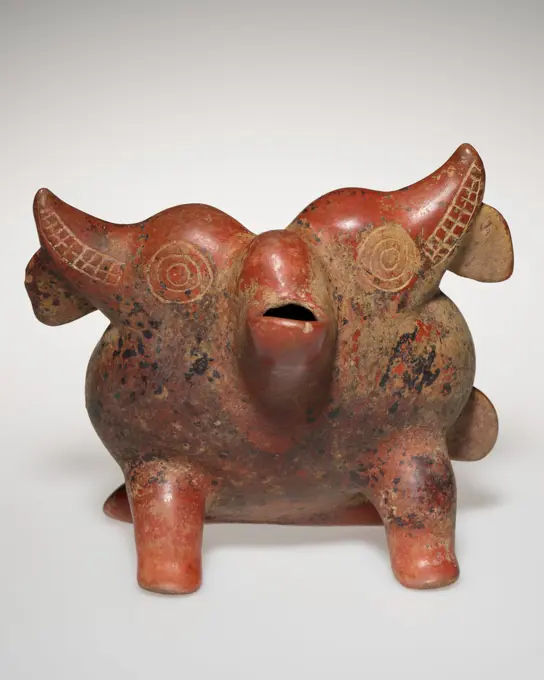
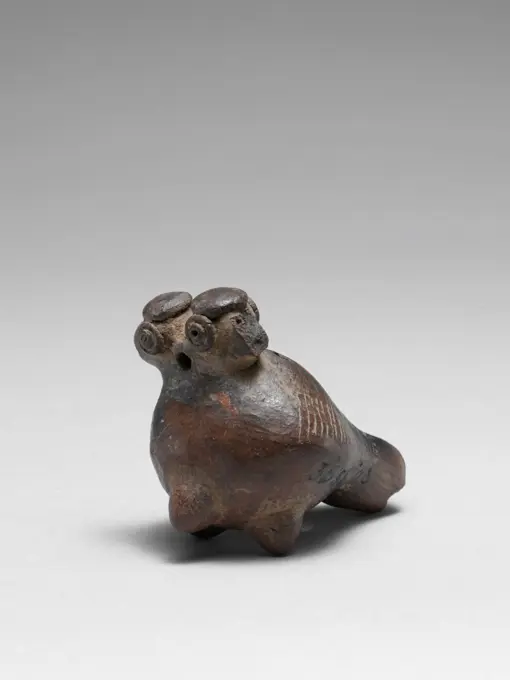
Vessel in the form of an owl, c. 100, 8 1/2 x 9 in. (21.6 x 22.9 cm), Earthenware, Mexico, 1st-2nd century, In the ancient cultures found in the Pacific Coast region, shamans were known to transform into owls during sacred journeys. In this example from the Colima culture, the object may refer to this transitional process. The form of the vessel portrays that of an owl with the beak doubling as a spout for liquids, and the large eyes can refer to the bulging and dilated eyes of a shaman in trance.
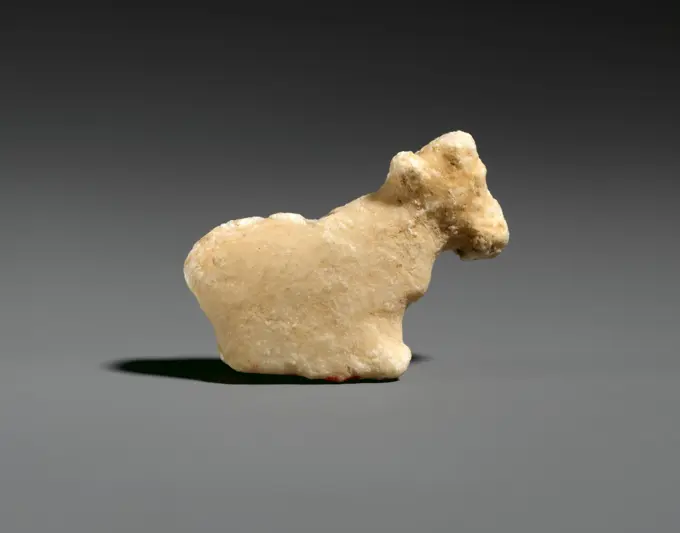
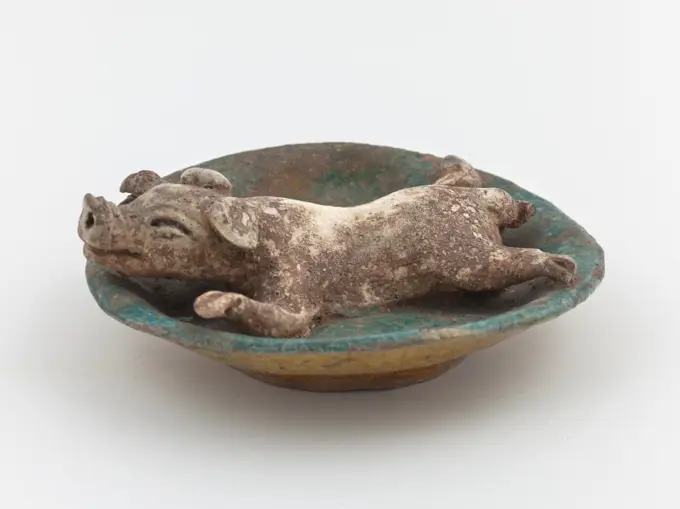
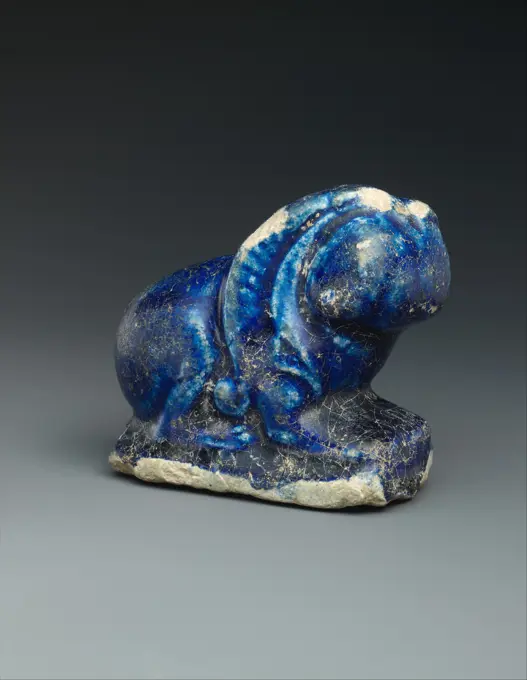
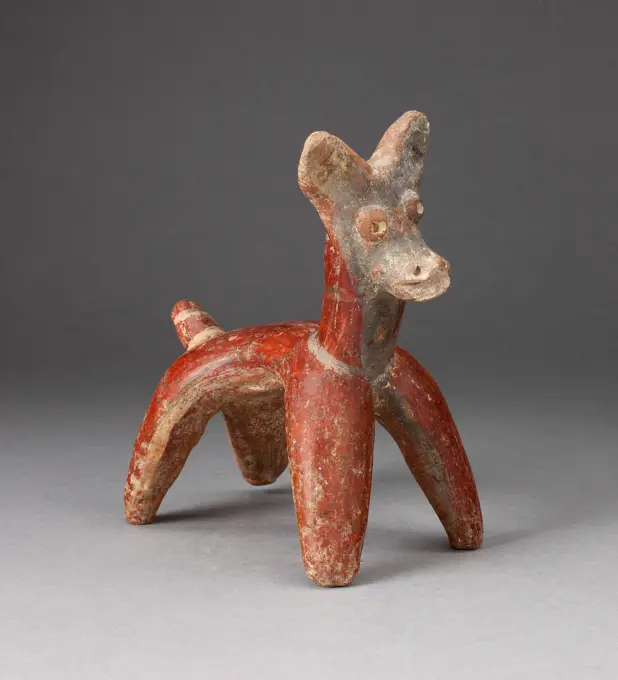
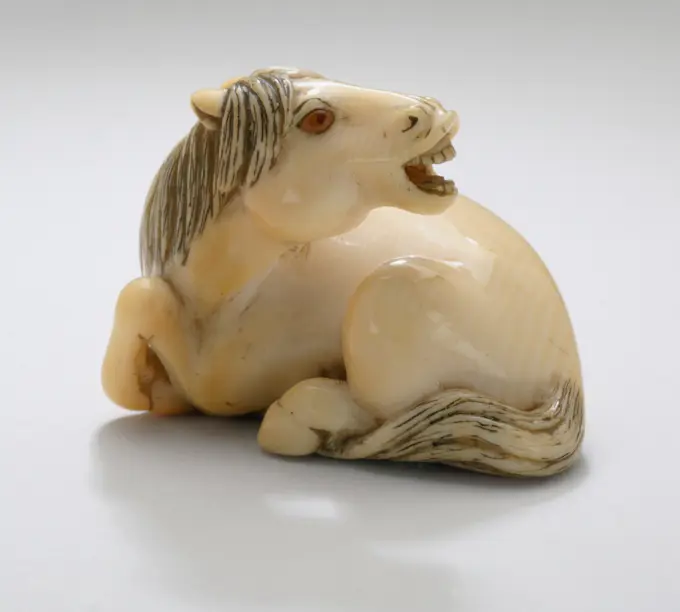
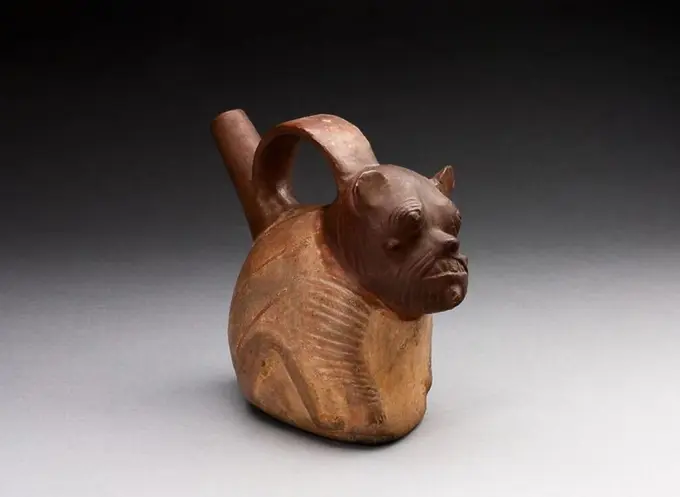
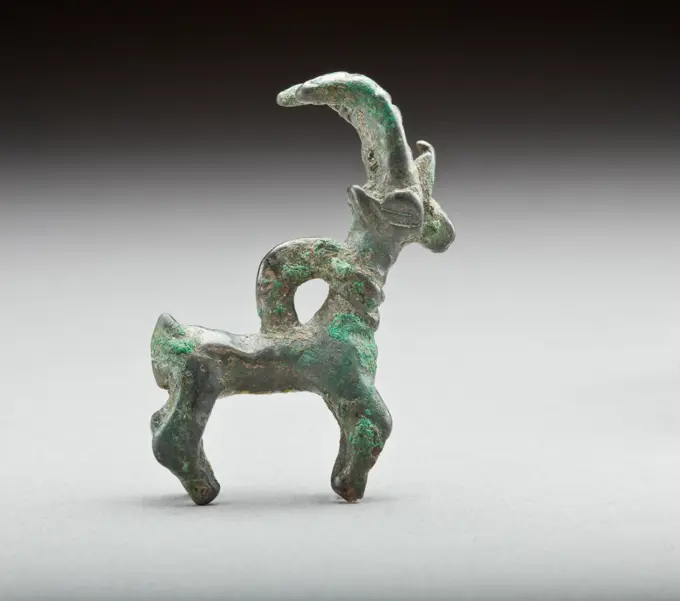
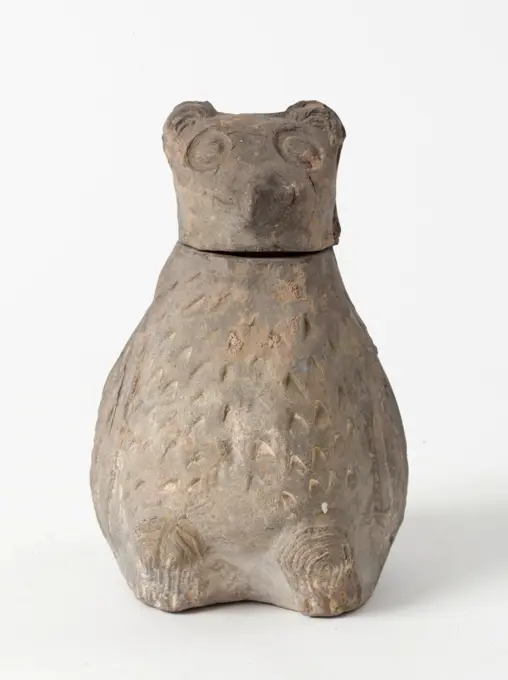
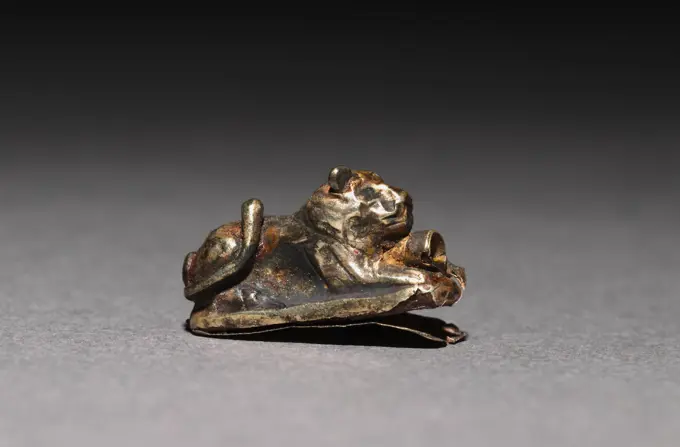
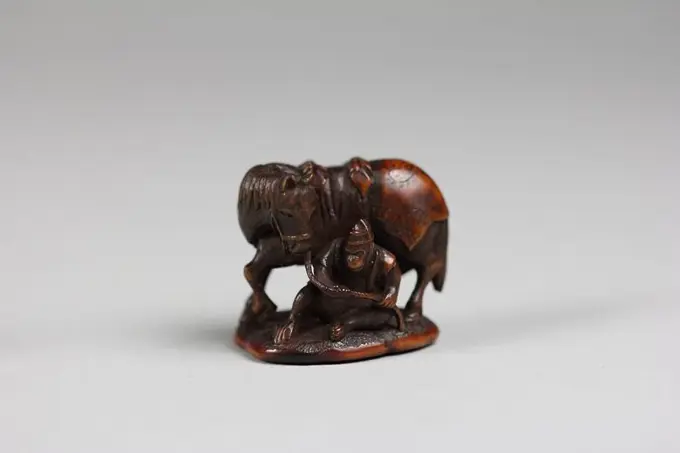
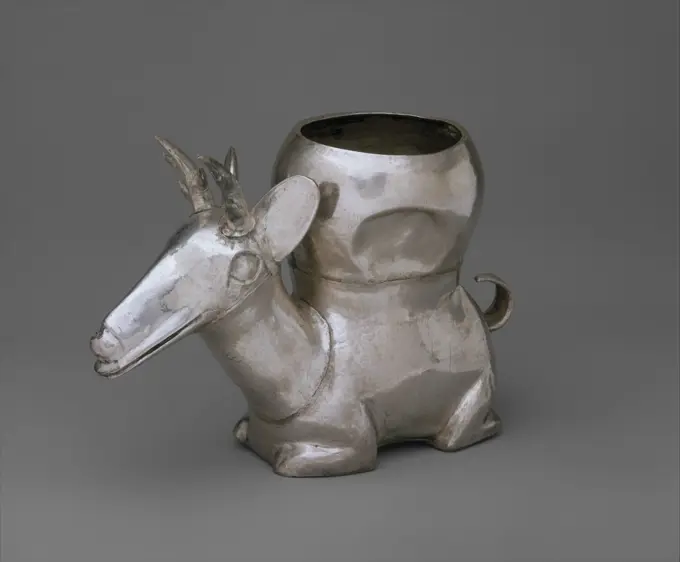
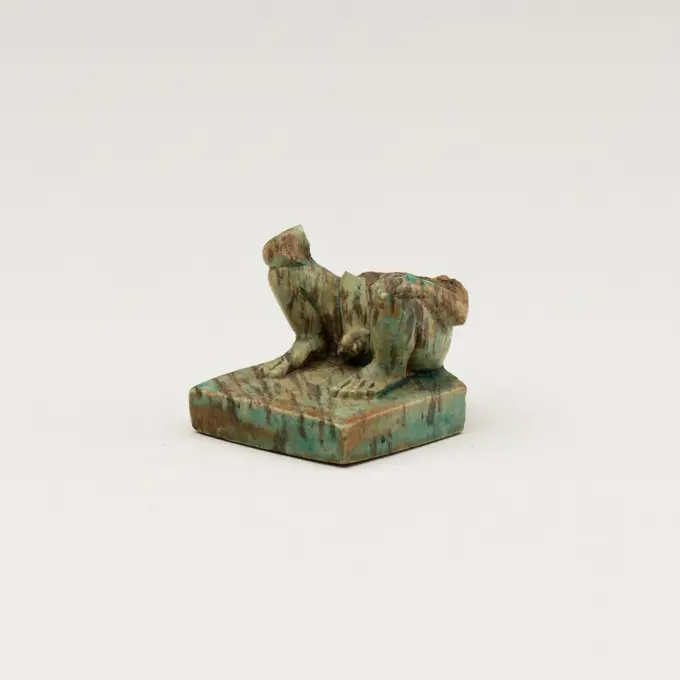
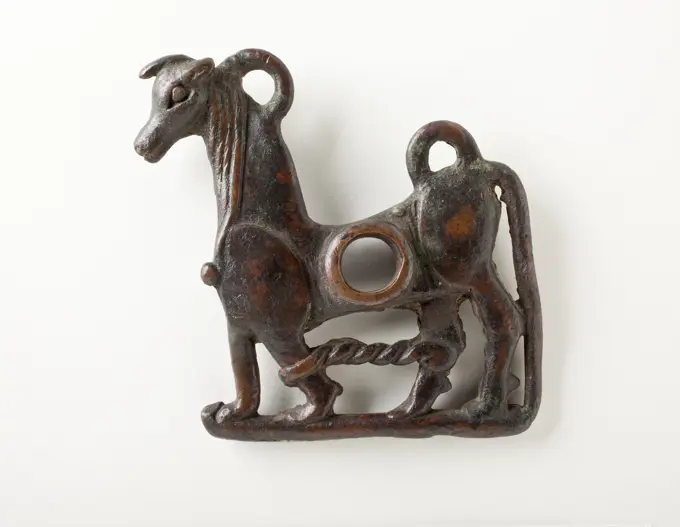
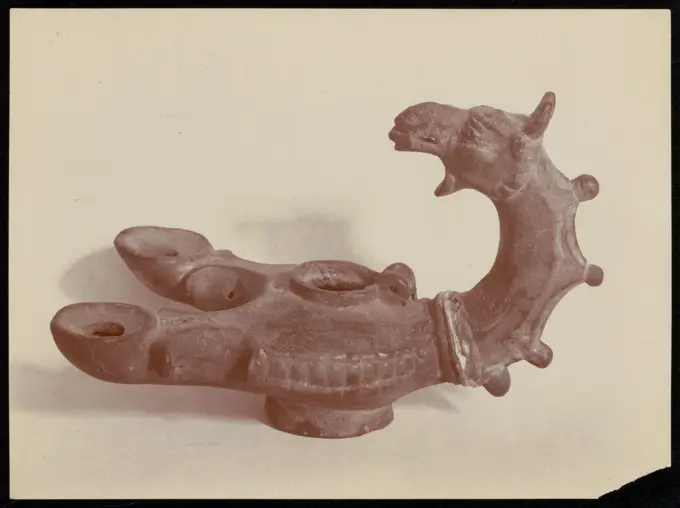
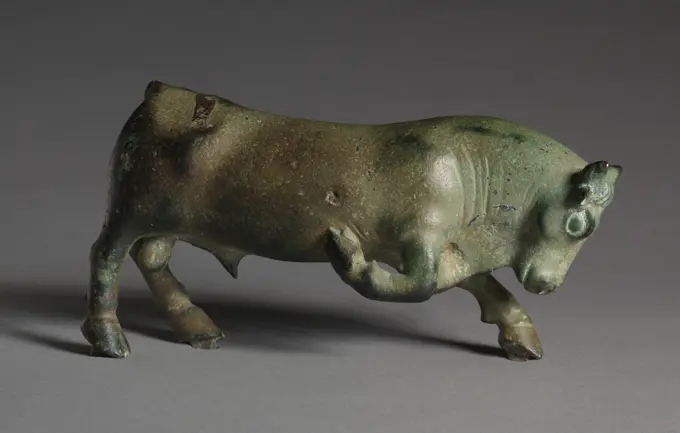
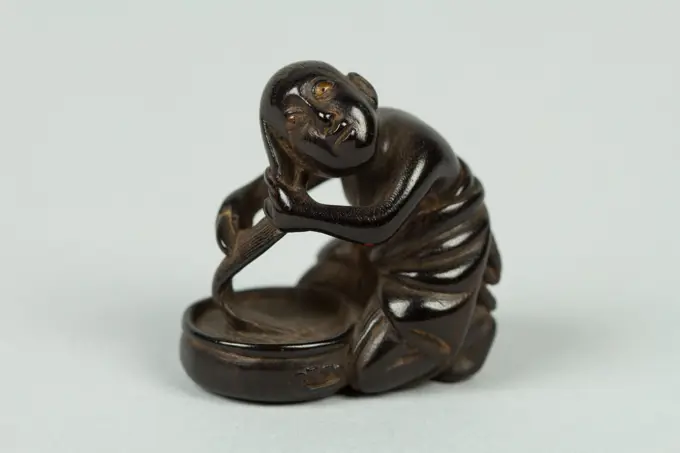
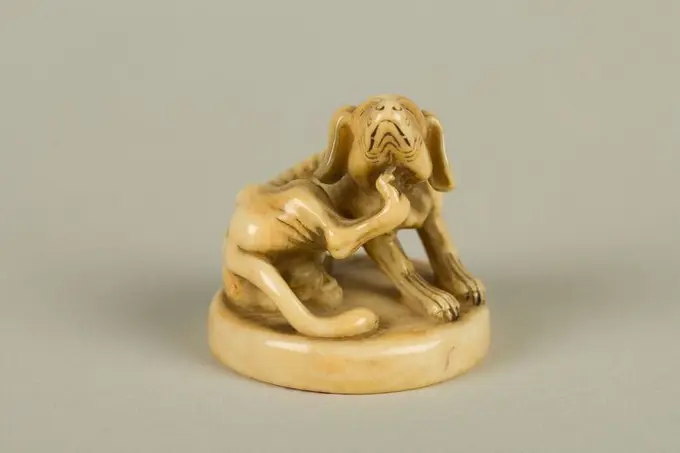
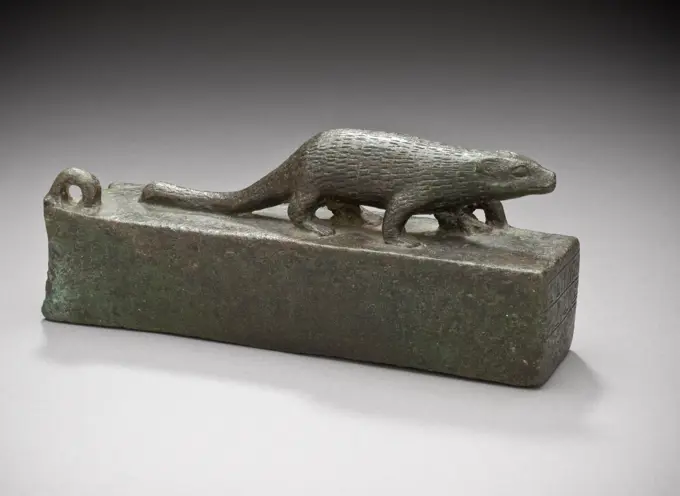
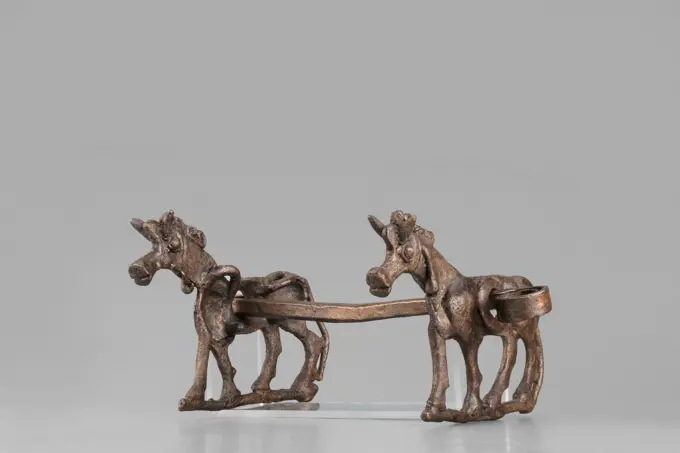
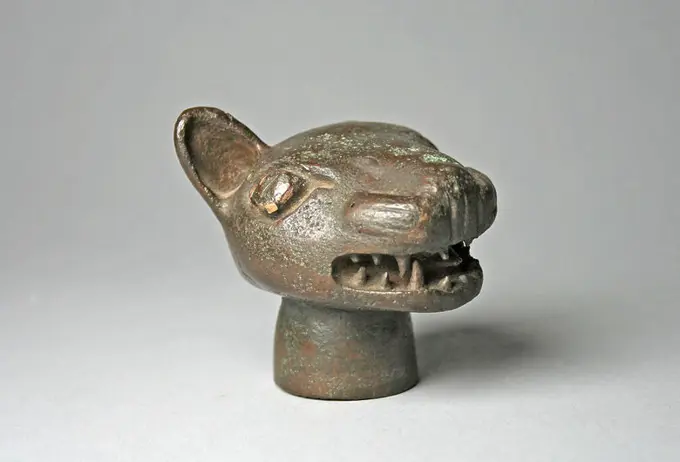
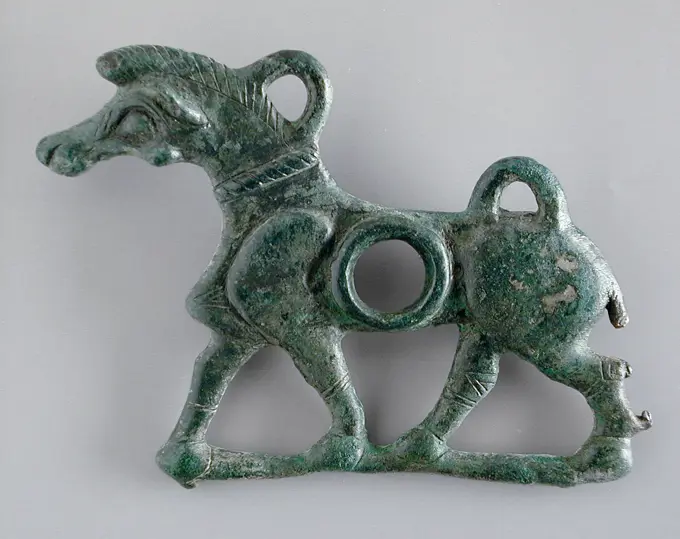
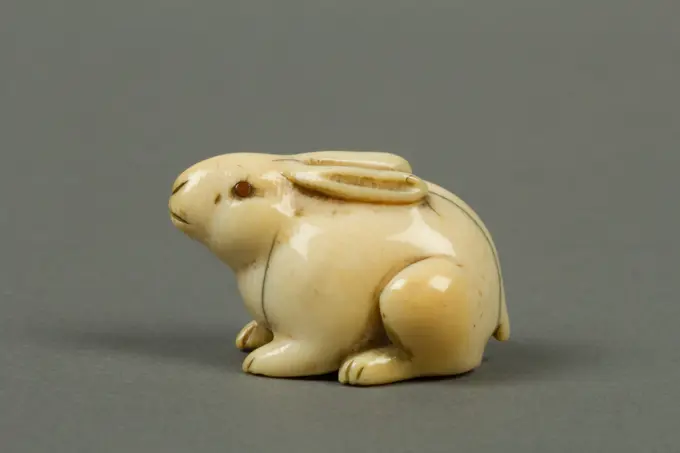
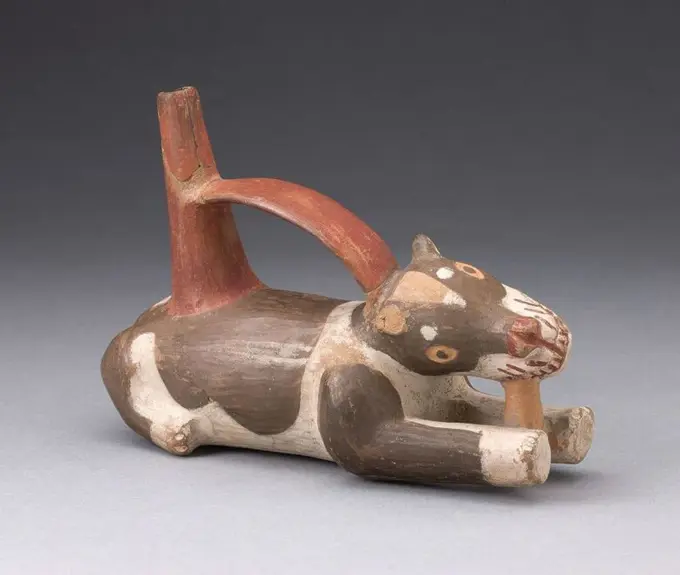
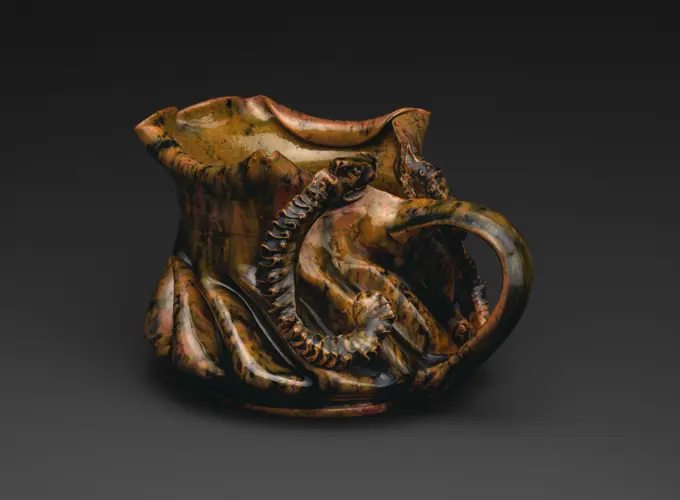
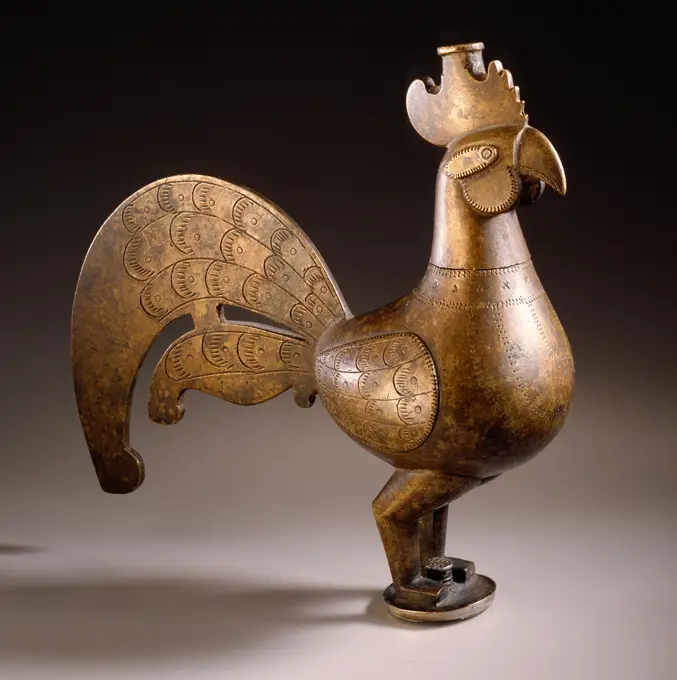
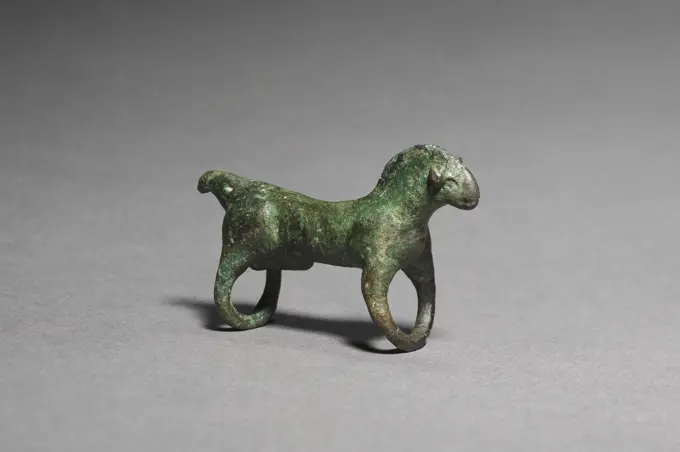
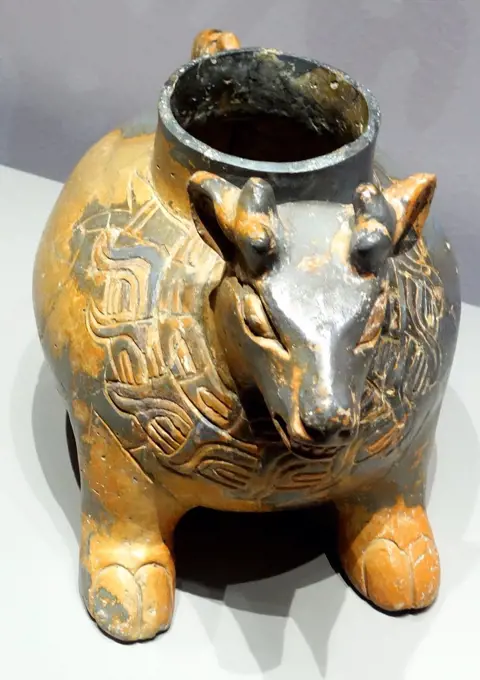
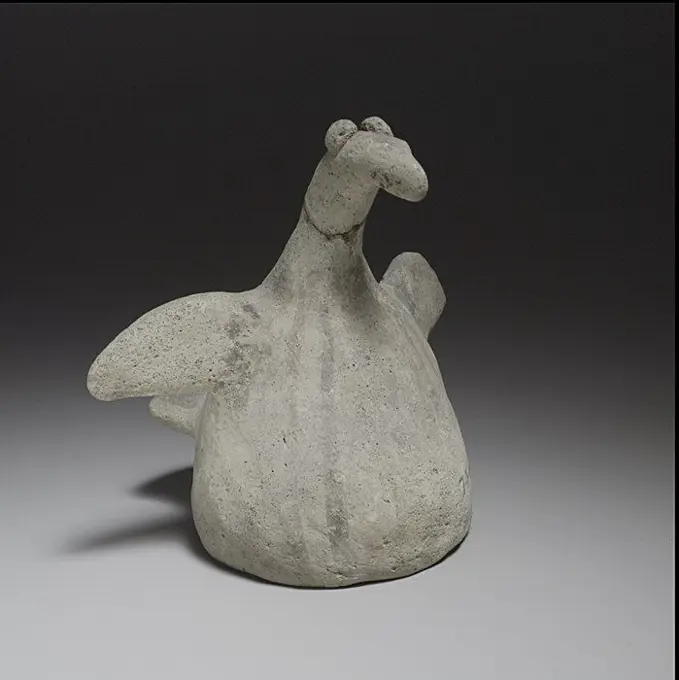
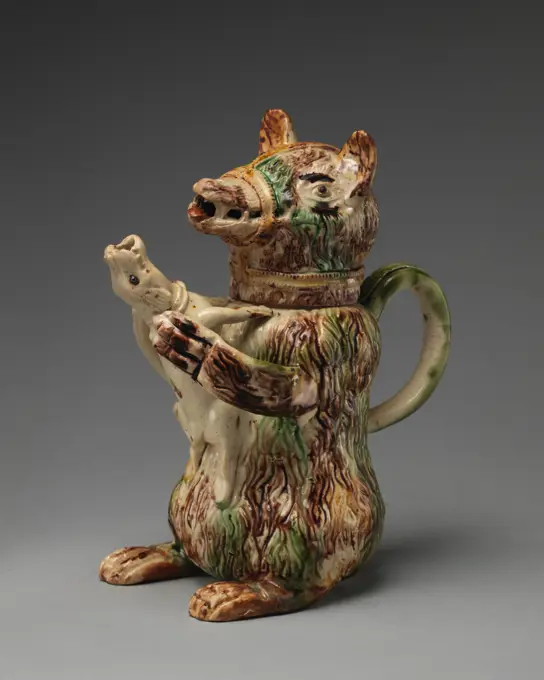
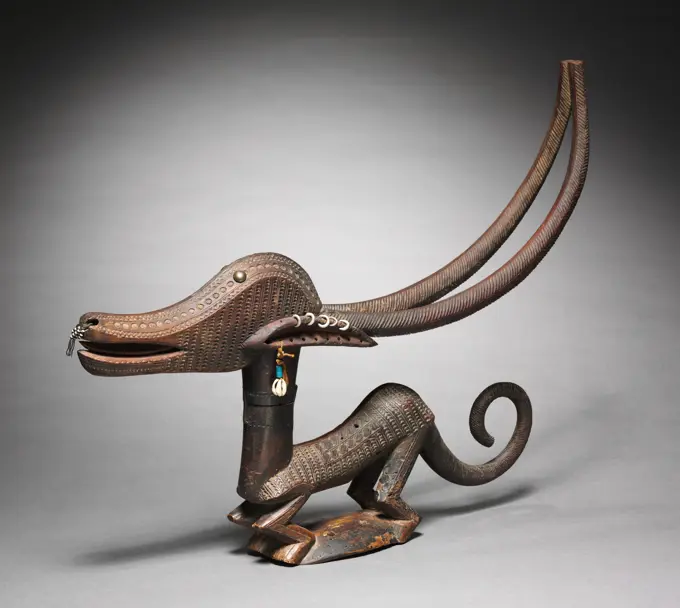
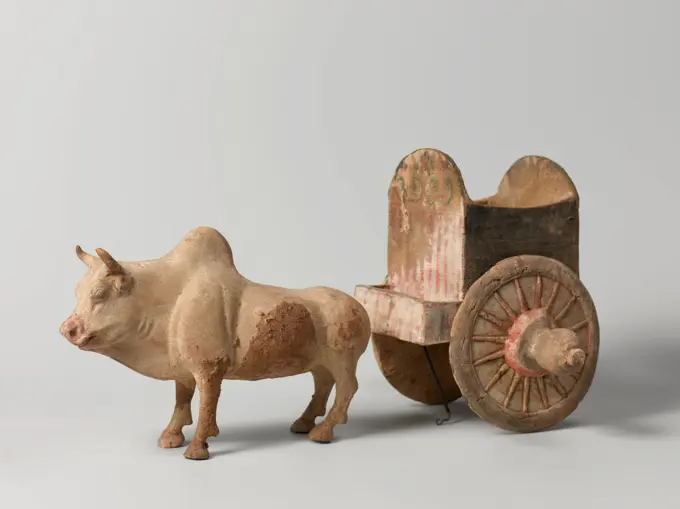
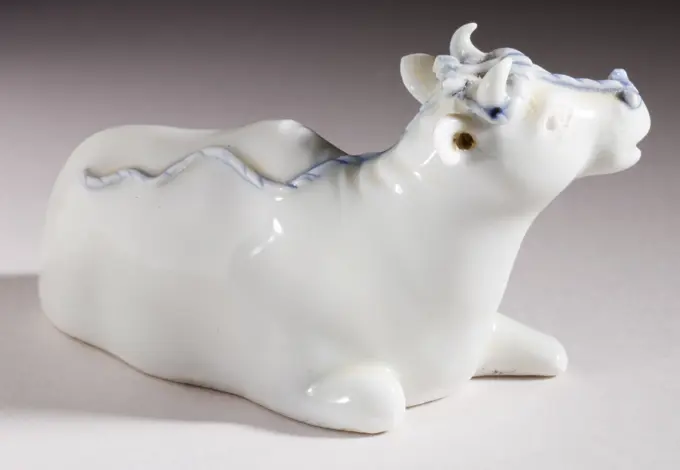
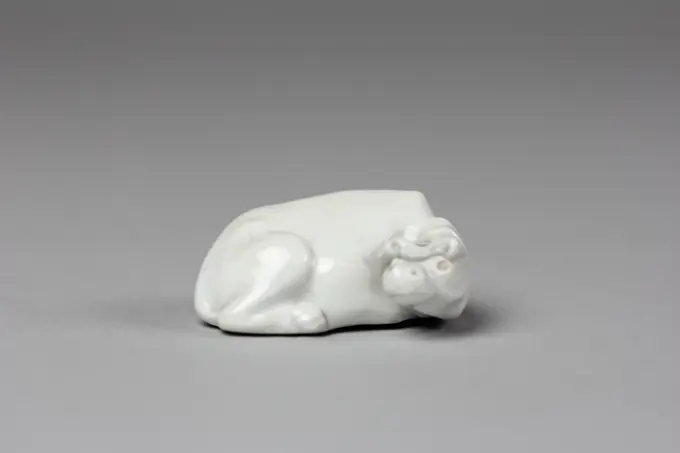
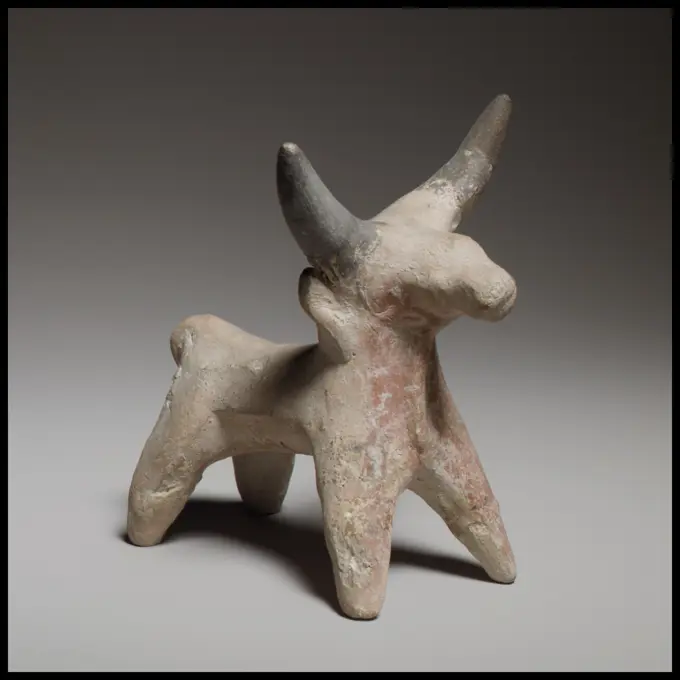
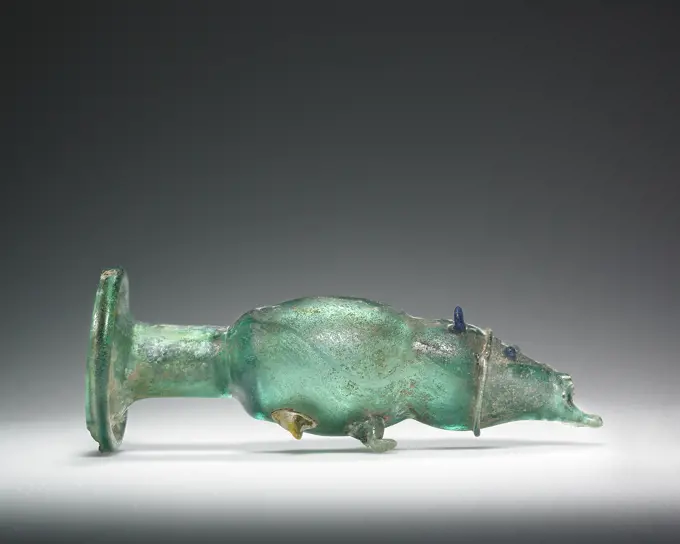
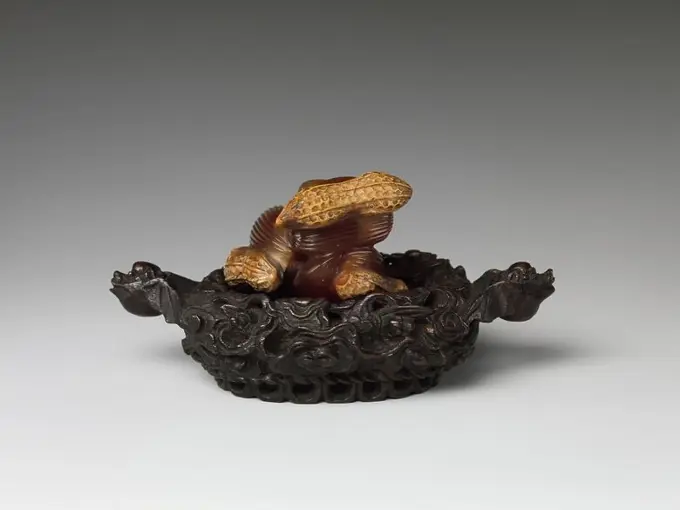
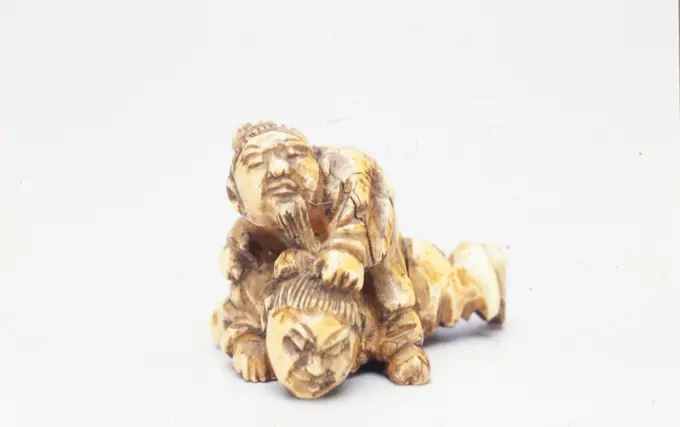
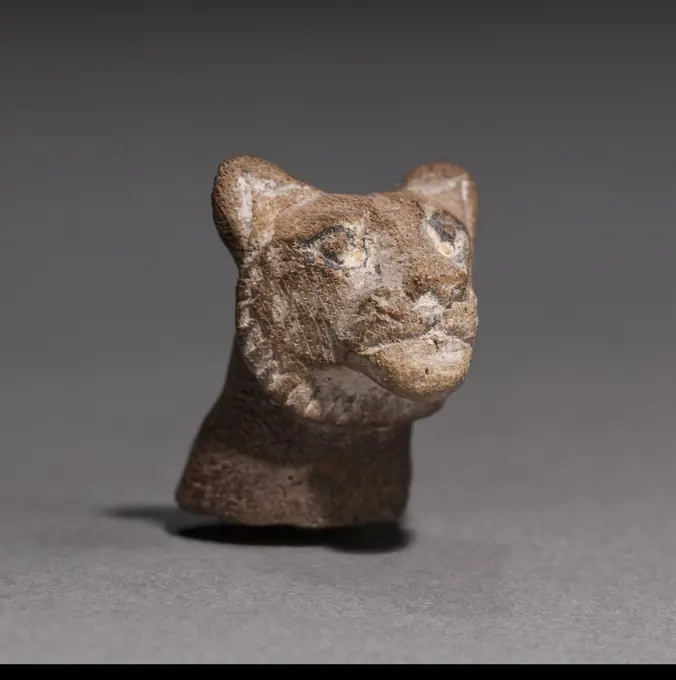
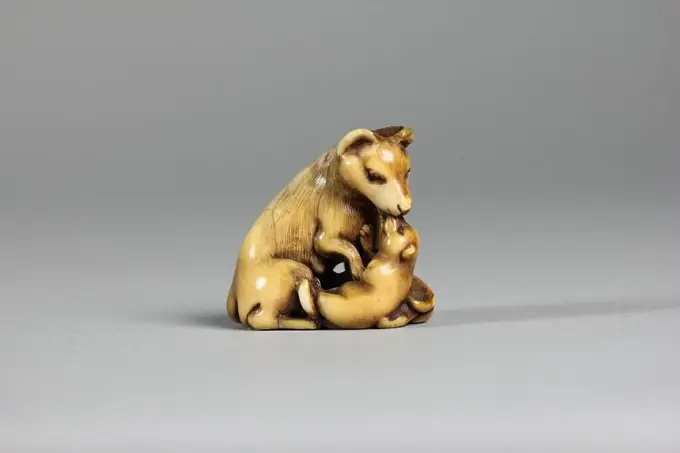
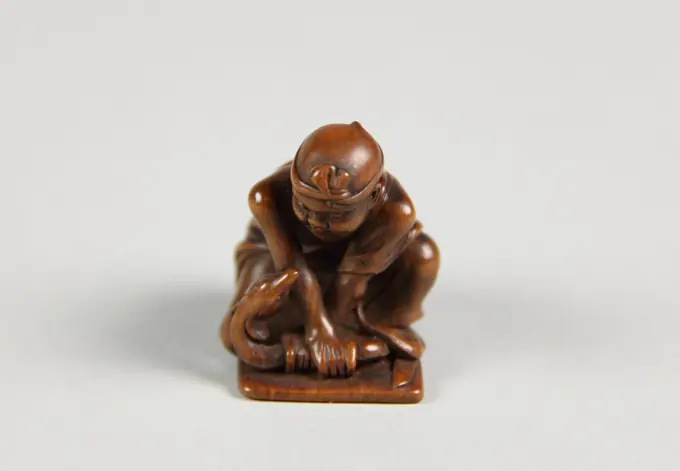
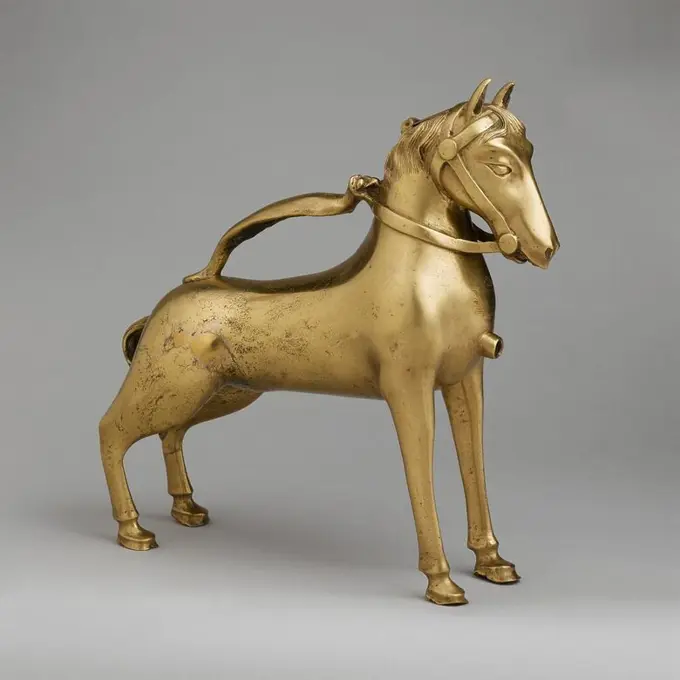
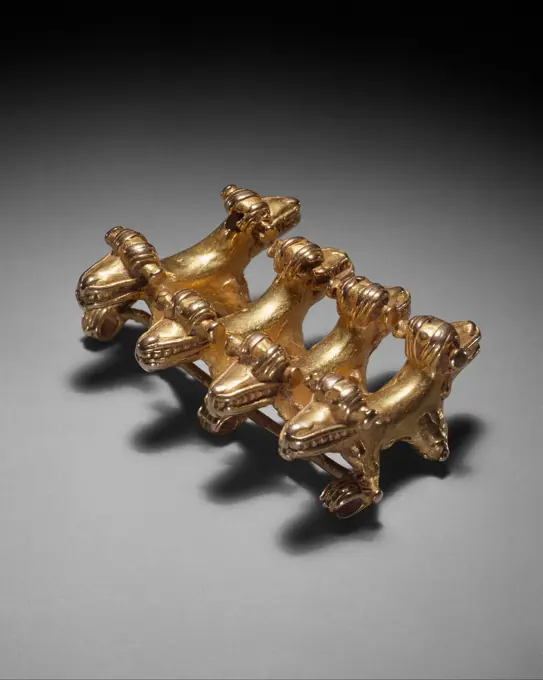
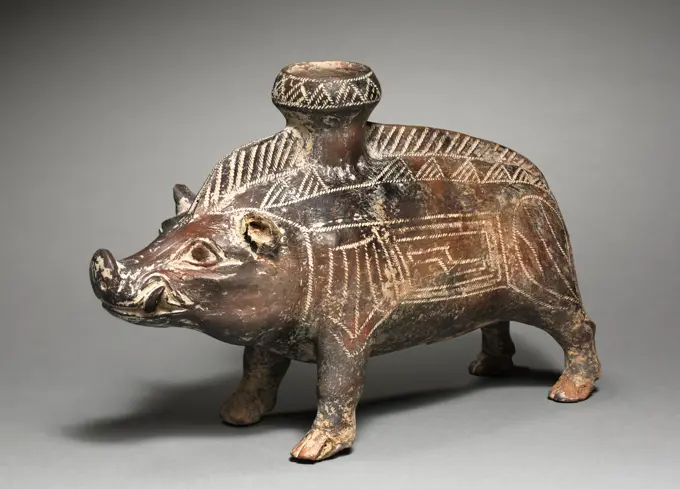
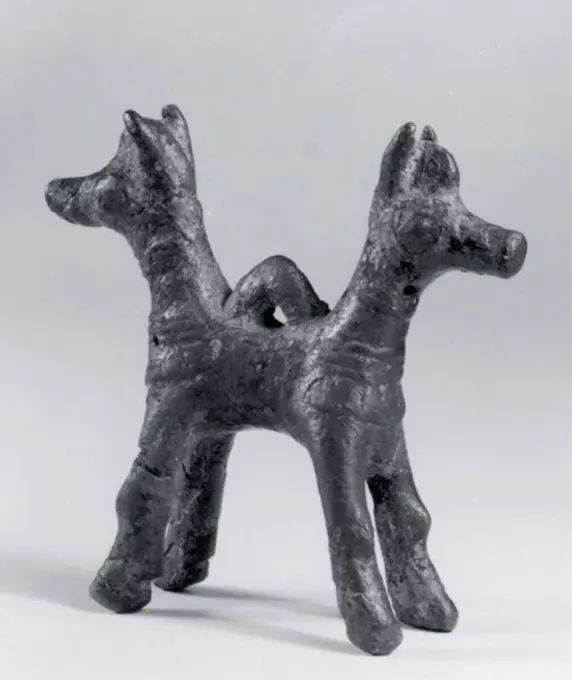
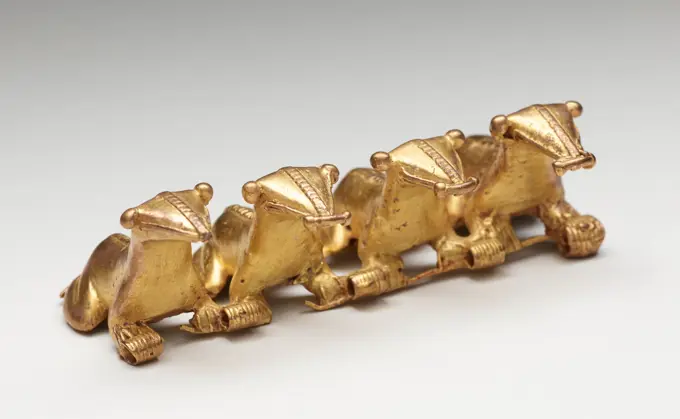
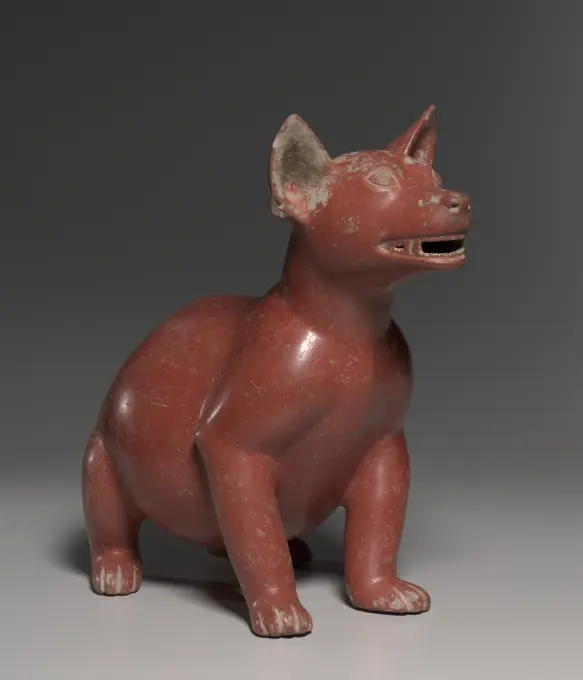
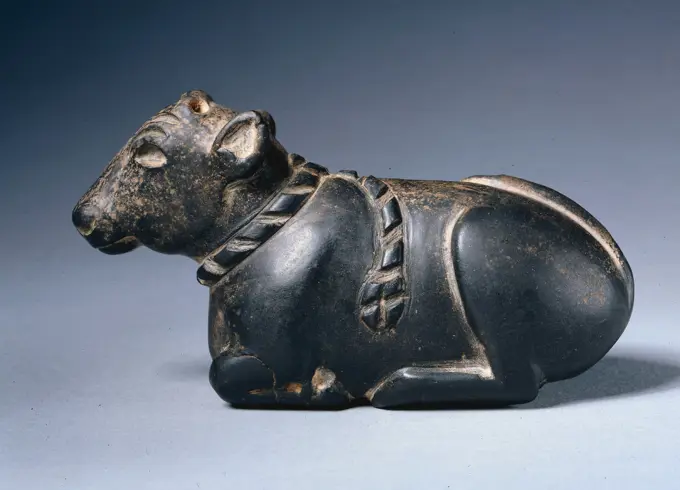
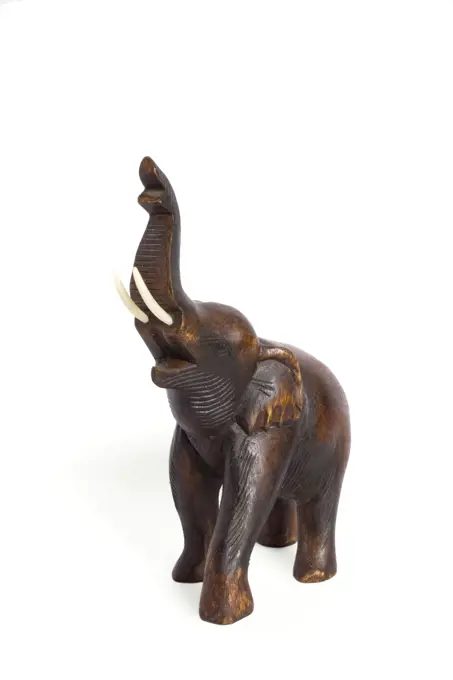
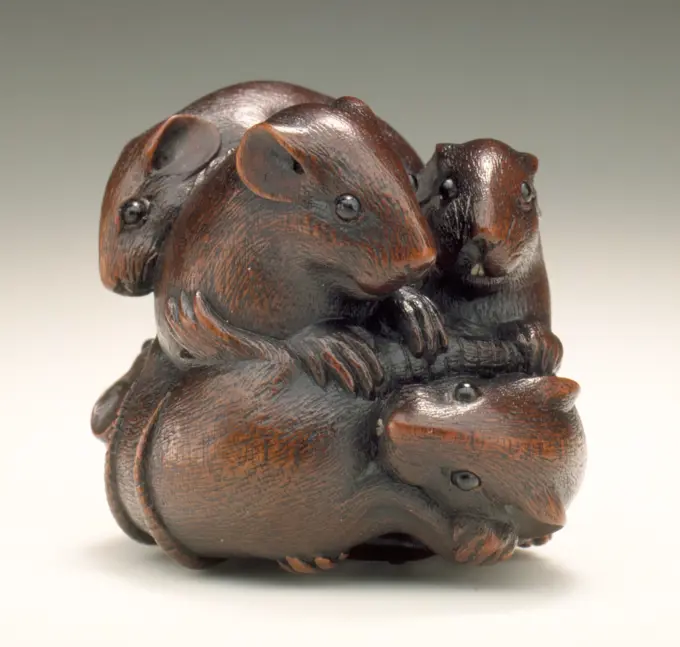
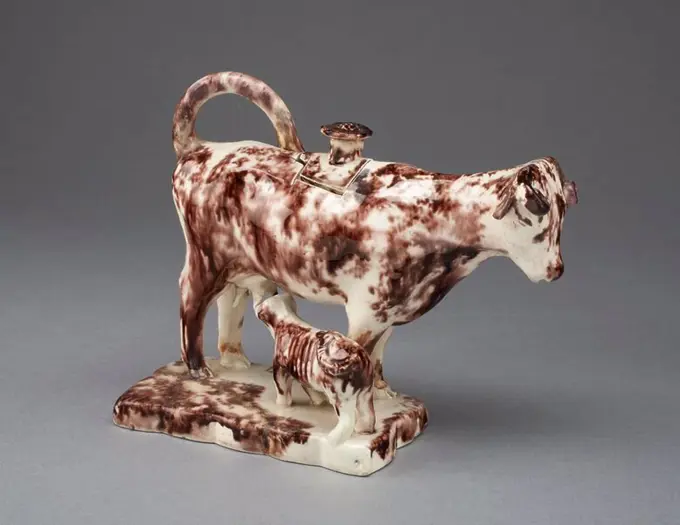
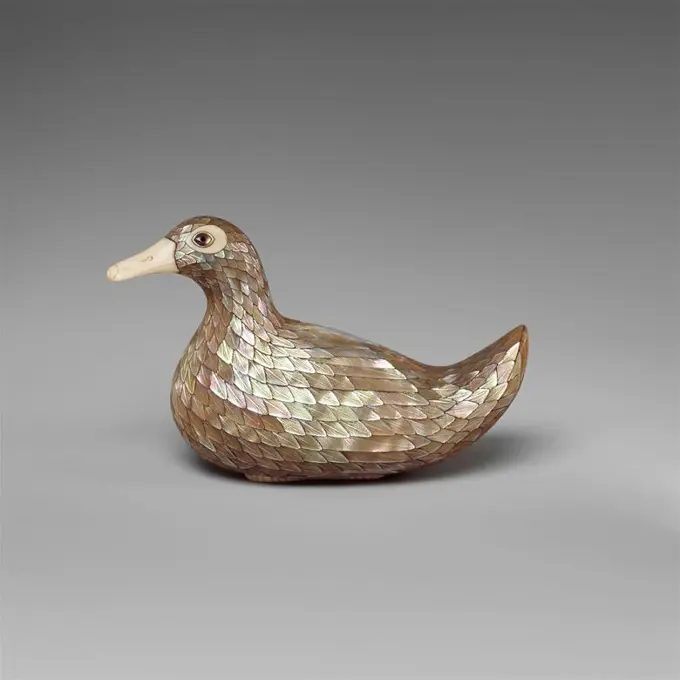
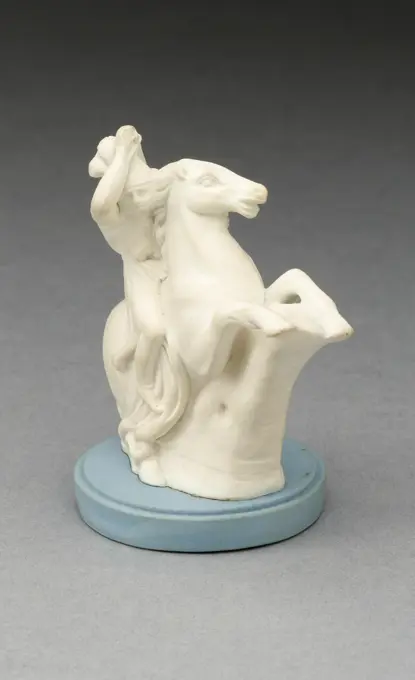
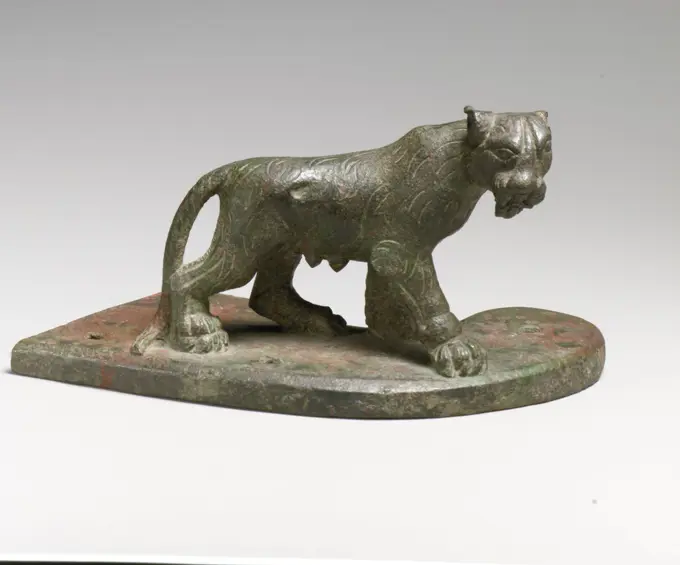
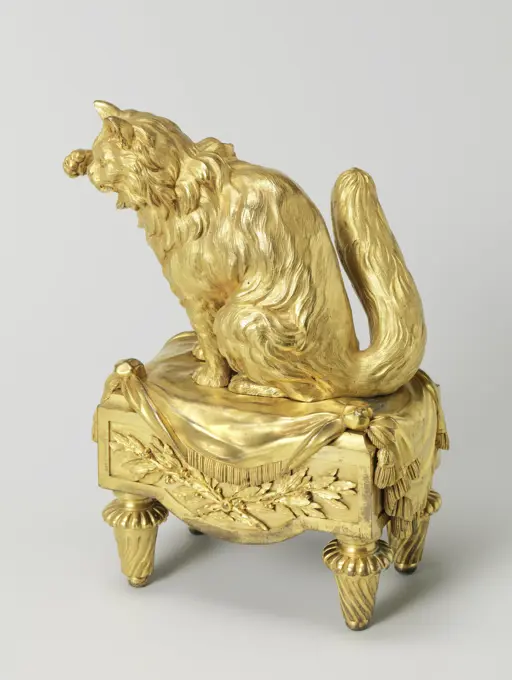
Vessel in the Form of a Lion (Huzi). China, probably Zhejiang Province, Three Kingdoms period, Eastern Jin dynasty, 317-420. Furnishings; Serviceware. Yue ware, wheel-thrown stoneware with molded and applied decoration and green glazeDeer Eating Corn Pendant, c. 1000-1550. Southern Costa Rica, (Diquís Region), Diquís Style, 11th-16th century. Cast gold; overall: 5.4 x 9.6 x 4.8 cm (2 1/8 x 3 3/4 x 1 7/8 in.).Pottery Whistle 800-1525 Costa Rican. Pottery Whistle. Costa Rican. 800-1525. Clay. Pre-Columbian. Costa Rica. Aerophone-Whistle Flute-whistleBath Scraper in the Shape of a Lion late 11th-12th century The activities performed in hammams (bathhouses) necessitated specific utilitarian objects, such as bath scrapers used to slough off rough skin and buckets to pour water. Some bath scrapers featured undersides that were made coarse adding siliceous grit to the surface. However, this lion-shaped scraper was already abrasive owing to the siliceous component of its fabric.. Bath Scraper in the Shape of a Lion 452062Miniature Figure of a Standing Deer 100 BCE-300 CE Nayarit state. Ceramic and pigment . NayaritMastiff (Tomb Figurine). China. Date: 25 AD-220 AD. Dimensions: H. 32.3 cm. Brick-red earthenware with green lead glaze. Origin: China. Museum: The Chicago Art Institute, Chicago, USA.Crouching Cat Figurine. Dimensions: l. 4.7 cm (1 7/8 in). Dynasty: Dynasty 26-29. Date: 664-380 B.C.. Museum: Metropolitan Museum of Art, New York, USA.Resting Horse. School of Nagai Rantei (Japan, mid- to late 19th century). Japan, mid-19th century. Costumes; Accessories. Ivory with staining, sumi, inlaysVessel in the form of an owl, c. 100, 8 1/2 x 9 in. (21.6 x 22.9 cm), Earthenware, Mexico, 1st-2nd century, In the ancient cultures found in the Pacific Coast region, shamans were known to transform into owls during sacred journeys. In this example from the Colima culture, the object may refer to this transitional process. The form of the vessel portrays that of an owl with the beak doubling as a spout for liquids, and the large eyes can refer to the bulging and dilated eyes of a shaman in trance.Single Spout Bottle in the form of a Animal with Lined Skin. Possibly Lambayeque; North coast, Peru. Date: 1000-1476. Dimensions: H. 16.5 cm (6 1/2 in.). Ceramic and pigment. Origin: Peruvian North Coast. Museum: The Chicago Art Institute, Chicago, USA.Bronze statuette of a stag 9th-8th century B.C. Cypriot Much corroded, with several holes and cracks; cast solid.. Bronze statuette of a stag 244468. Model for a door handle of walnut in the shape of a jumping hinde. Model of the door handles for the interiors of c.A. Lion Cachet for the house of th. G. Dentz van Schaik, Frederiksplein 50 in Amsterdam.Pendant. Iran, Luristan, circa 1000-650 B.C.. Jewelry and Adornments; pendants. Bronze, castHibou-shaped container. Terracotta. Han dynasty (206 BC-220 AD). Paris, Cernuschi museum. Chinese art, Chinese Ceramic, cover, Han dynasty, Han time, owl, container, terracotta, head coverRecumbent Lion Bead, 1980-1801 BC. Egypt, Middle Kingdom, Dynasty 12. Electrum over a clay-bulked resin core; overall: 1 x 0.5 cm (3/8 x 3/16 in.).Horus Falcon, 664-30 BC. Egypt, Late Period, Dynasty 26 or later. Bronze, solid cast; overall: 4.6 x 1.4 x 3.3 cm (1 13/16 x 9/16 x 1 5/16 in.).Netsuke of Monkey Holding Horse Rein. Culture: Japan. Dimensions: H. 1 1/3 in. (3.4 cm); W. 1 1/2 in. (3.8 cm). Date: 19th century. Museum: Metropolitan Museum of Art, New York, USA.Deer Vessel 14th-15th century Chimú Animal-shaped vessels were made on Peru's northern coast from the second millennium B.C. to the time of the conquest. This deer vessel, fabricated when metal production in Peru had reached its peak, displays the naturalism that characterized similar works in ceramic created by earlier cultures. It is made of many separately shaped pieces of sheet silver joined by soldering.. Deer Vessel 310609Stamp Seal in the Form of a Squatting Child ca. 1570-1526 B.C. New Kingdom. Stamp Seal in the Form of a Squatting Child 552449Terracotta askos (vessel) Cypriot ca. 1900-1600 BCE Three feet, spout, loop-handle, and lattice-bands of black and red. View more. Terracotta askos (vessel). Cypriot. ca. 1900-1600 BCE. Terracotta. Middle Cypriot. VasesCheekpiece from a Horse Bit. Iran, Luristan, Luristan bronzes, circa 1000-650 B.C.. Tools and Equipment; horse trappings. BronzePig still bank, c. 1900, 3 9/16 x 3 3/4 x 4 9/16 in. (9.05 x 9.53 x 11.59 cm), Ceramic, The Netherlands, 19th-20th centuryII. Late Greek lamp of bronze, now in the Boston Museum of Fine Arts.Pawing Bull, 500-475 BC. South Italy, Lucania, Greece, early 5th Century BC. Bronze; overall: 9.8 cm (3 7/8 in.).Netsuke 18th century Japan. Netsuke. Japan. 18th century. Wood. Edo period (1615-1868). NetsukeBronze with male figure and ram - Selinunte, bronze,Elephant still bank, 20th century, 2 5/8 x 4 x 2 in. (6.67 x 10.16 x 5.08 cm), Ceramic, 20th centuryNetsuke of Dog. Culture: Japan. Dimensions: H. 1 1/4 in. (3.2 cm); Diam. 1 1/8 in. (2.9 cm). Date: 19th century. Museum: Metropolitan Museum of Art, New York, USA.Pig with handle still bank, 20th century, 5 3/4 x 3 1/4 x 4 3/4 in. (14.61 x 8.26 x 12.07 cm), Ceramic, 20th centuryJumbo' (base and wheels missing) mechanical bank, c. 1883, Attributed to J. & E. Stevens Company, Cromwell, Connecticut, 1843-1950s OR;; Manufacturer: Kyser & Rex Company, Philadelphia, c. 1879-1898, 4 x 2 5/8 x 1 5/8 in. (10.16 x 6.67 x 4.13 cm), Iron, pigment, 19th centuryItaly, Lazio, Cerveteri, Etruscan-Corinthian little container used for burning essences in the shape of a man riding a horse, 570/550 B.C.Coffin of an Ichneumon. Egypt, Late Period, 712-332 BCE. Furnishings; Accessories. BronzeWędzidło. nieznany warsztat luristański, workshopBronze Mace Head in Feline Form. Culture: Inca. Dimensions: H. 2 3/8 x W. 2 1/2in. (6 x 6.3cm). Date: 15th-16th century. Museum: Metropolitan Museum of Art, New York, USA.Cheekpiece from a Horse Bit. Iran, Luristan, Luristan bronzes, circa 1000-650 B.C.. Tools and Equipment; horse trappings. Bronze, castNetsuke of Rabbit 19th century Japan. Netsuke of Rabbit. Japan. 19th century. Ivory. Edo (1615-1868) or Meiji period (1868-1912). NetsukeSingle Spout and Bridge Vessel in the Form of a Dog Gnawing a Bone. Tiwanaku-Wari; South coast, Bolivia. Date: 700 AD-1000. Dimensions: 11.4 × 16.2 cm (4 1/2 × 6 3/8 in.). Ceramic and pigment. Origin: Bolivia. Museum: The Chicago Art Institute, Chicago, USA.Cow amulet ca. 2700-2600 B.C. Sumerian. Cow amulet. Sumerian. ca. 2700-2600 B.C.. Stone. Early Dynastic II. Mesopotamia, NippurMETATE O PIEDRA DE MOLER CON FORMA DE JAGUAR-PROCEDE DE GUAPILES (COSTA RICA) - 1000-1500. Location: MUSEO DE AMERICA-COLECCION. MADRID. SPAIN.Jaguar Grinding Stone, c. 1000-1550. Costa Rica, (Atlantic Watershed Region), 11th-16th century. Stone; overall: 16 x 22 x 43.5 cm (6 5/16 x 8 11/16 x 17 1/8 in.).Vase ca. 1898-1910 George E. Ohr George Ohr of Biloxi, Mississippi, was arguably Americas quintessential art potter. He built his own kiln, dug his clay, threw his vessels with extreme proficiency on the potters wheel to wafer thinness, altered those shapes, and then covered them with his own novel glazes. In form and decoration they are essentially Abstract Expressionist objects—almost 50 years before that movement was founded. In fact, deemed ultimately very modern in this century, they had great appeal to such modern artists as Jasper Johns and Andy Warhol, who formed collections of them. Ohrs work is extraordinarily idiosyncratic and he practiced his own mantra of "no two alike," as exemplified by these works. Ohr was a colorful character, and his quirky pottery became one of the added tourist attractions on Mississippis gulf coast. Self-proclaimed the "Greatest Art Potter on Earth," he was well ahead of his time, and the vases that he deemed "worth their weight in gold" would Netsuke. Culture: Japan. Dimensions: H. 1 1/2 in. (3.8 cm). Date: 19th century. Museum: Metropolitan Museum of Art, New York, USA.Figure of a mule for the Nativity Potal isolated on a white backgroundOil Lamp (samai) Finial in the Form of a Rooster. India, Deccan, 17th century. Furnishings; Lighting. Copper alloyHorse Figurine with Looped Legs, mid 6th century BC. Northern Greece, 6th Century BC. Bronze; overall: 3.6 x 5.8 cm (1 7/16 x 2 5/16 in.).A zoomorphic pot from Mexico. The animal represented on this one is produced in a realistic manner and has a breastplate with evident religious symbolism displayed on it. Produced in the coastal region of Chiapas and Guatemala where it was imported from. 900-1250 A.D.Belt hook with twin fish 18th century China. Belt hook with twin fish 39837Terracotta bird ca. 600-480 B.C. Cypriot The figurine is handmade and hollow; to the bell-shaped body are attached open wings, a flat rectangular tail, and a solid cylindrical curving neck. Painted decoration: In black, the wings and horizontal bands on the sides. There are red and black vertical bands on the front and back.. Terracotta bird. Cypriot. ca. 600-480 B.C.. Terracotta; handmade. Cypro-Archaic II. VasesJug in the form of a bear hugging a small dog mid-18th century Style of Astbury-Whieldon. Jug in the form of a bear hugging a small dog. British, Staffordshire. mid-18th century. Lead-glazed earthenware. Ceramics-PotteryHeaddress (chi wara), early to mid-1900s. Mali, Bamana blacksmith. Wood, cowrie shells, glass beads, possibly aluminum, iron alloy, upholstery studs, and natural fibers; overall: 44.5 x 66 cm (17 1/2 x 26 in.).Camel with saddle bags. Figure of a camel with saddle bags.Figure of an oxcart, anonymous, c. 580 - c. 650 Image (grave plastic or burial gift) of earthenware with remains of polychromy. A Zeboo-Os and an ox cart on two wheels. China earthenware. dye painting Image (grave plastic or burial gift) of earthenware with remains of polychromy. A Zeboo-Os and an ox cart on two wheels. China earthenware. dye paintingFigure of an oxcart, anonymous, c. 580 - c. 650 Image (grave plastic or burial gift) of earthenware with remains of polychromy. A Zeboo-Os and an ox cart on two wheels. China earthenware. dye painting Image (grave plastic or burial gift) of earthenware with remains of polychromy. A Zeboo-Os and an ox cart on two wheels. China earthenware. dye paintingWater Dropper in the Form of a Reclining Ox. Japan, 19th century. Ceramics. Hirado Mikawachi ware; porcelain with underglaze blueAmulet of the God Amon 1070 BCE-656 BCE Egypt. Faience . Ancient EgyptianSquirrel. Culture: British, Chelsea. Dimensions: 2 5/8 × 1 7/8 in. (6.7 × 4.8 cm). Factory: Chelsea Porcelain Manufactory (British, 1745-1784, Red Anchor Period, ca. 1753-58). Date: ca. 1755. Museum: Metropolitan Museum of Art, New York, USA.Netsuke in the Shape of a Bull 18th century Japan. Netsuke in the Shape of a Bull 59145PICCI BOUQUETIN AND PENDOTOQUQUQUE. Lurctan. 1000-750 av. J.-C. Par musée musée malée. 35407-1 Iron Age, Bronze, Pendeloque, Small Bouquetin, AnimalBull figurine ca. 600-480 B.C. Cypriot The figurine is handmade and solid. It has a short cylindrical body, upward curving horns, and a tail attached to the left hind leg.. Bull figurine. Cypriot. ca. 600-480 B.C.. Terracotta; hand-made. Cypro-Archaic II. TerracottasHippopotamus Flask; Roman Empire; 3rd - 4th century; Glass; 14.6 x 4.2 cm (5 3,4 x 1 5,8 in.)Wooden hippoPeanuts and jujube dates. Culture: China. Dimensions: H. 1 1/8 in. (2.9 cm). Date: 18th century.In this charming carving, a master craftsman has cleverly adapted the sculptural design to the stone's original shape and colors. The artist used the translucent brown gem to create the glazed surface of the fruit and the yellowish opaque crust for the bumpy look of the peanut shells. The peanuts and jujube dates are rebuses: the words rhyme with the phrase "may you have children soon" (zao sheng gui zi), a common wish for newly married couples. Museum: Metropolitan Museum of Art, New York, USA.Netsuke Shigen and Kensin fighting, 19th century, Unknown Japanese, 1 1/16 x 1 7/16 x 1 1/4in. (2.7 x 3.7 x 3.2cm), Ivory, Japan, 19th centuryLion Head, perhaps a Steering Oar Butt, 2040-1648 BC. Egypt, Probably Middle Kingdom, 2040-1648 BC. Wood; overall: 2.4 x 1.8 x 2.4 cm (15/16 x 11/16 x 15/16 in.).Netsuke of Dogs. Culture: Japan. Dimensions: H. 1 5/8 in. (4.1 cm); W. 1 3/4 in. (4.4 cm); D. 1 in. (2.5 cm). Date: late 18th century. Museum: Metropolitan Museum of Art, New York, USA.Netsuke of Boy with a Snake 19th century Japan. Netsuke of Boy with a Snake. Japan. 19th century. Wood. Edo (1615-1868) or Meiji period (1868-1912). NetsukeSeal with a battleship handle unknownAquamanile in the Form of a Horse. Culture: German. Dimensions: Overall: 11 5/8 x 10 5/8 x 3 5/8 in., 5.271lb. (29.5 x 27 x 9.2 cm, 2391g)Overall PD: 11 3/4 x 3 13/16 x 11 9/16 in. (29.9 x 9.7 x 29.4 cm)Thickness PD: 7/100-9/100 in. (0.18-0.22 cm). Date: first half 15th century. Museum: Metropolitan Museum of Art, New York, USA.Double-End Animal Pendant 5th-8th century Conte () Pendants of multiple animals joined body-to-body—usually in even numbers—were produced in lower Central America and northwestern Colombia in distinct types for many centuries. In one variety, the creatures are double-ended with an identical head at both top and bottom. The identity of the animals is unclear, and they may well be mythical. They have flat, long snouts, protruding eyes, and open mouths with a single row of teeth. The animals stand side by side, their legs apart, and are connected by rods going through their feet. The pendant was cast from a wax model in a single process.. Double-End Animal Pendant. Conte (). 5th-8th century. Gold. Panama. Metal-OrnamentsVessel in the Shape of a Wild Boar, 700-500 BC or 1900s AD. Italy, Etruscan or modern forgery. Terracotta; overall: 17.5 cm (6 7/8 in.).Pendant in the form of two addorsed horses 1st millennium B.C. Iran. Pendant in the form of two addorsed horses 325238Pendant, 9th-12th century, 3 9/16 in. (9.05 cm), Gold, Panama, Pre-ColumbianStanding poodle 1849-58 Probably United States Pottery Company. Standing poodle 6642Male Dog, 200 BC-AD 300. West Mexico, Colima, Comala style (200 BC-AD 300). Earthenware with burnished red slip; overall: 39.5 x 20.8 x 47.8 cm (15 9/16 x 8 3/16 x 18 13/16 in.).Netsuke of Demon. Culture: Japan. Dimensions: H. 1 1/4 in. (3.2 cm); W. 1 3/8 in. (3.5 cm); D. 1 in. (2.5 cm). Date: 19th century. Museum: Metropolitan Museum of Art, New York, USA.Netsuke of Three Mice on a Coil of Rope 19th century Japan. Netsuke of Three Mice on a Coil of Rope. Japan. 19th century. Wood. Edo (1615-1868) or Meiji period (1868-1912). NetsukeBull Calf Polemount, c. 2700 BC. Sumerian, Iraq, c, 2700 BC. Basalt; overall: 7.7 x 5.1 x 13.1 cm (3 1/16 x 2 x 5 3/16 in.).Wooden elephant figurine from Thailand isolated on white backgroundFive Rat Group. Ikkan (Japan, 1817-1893). Japan, mid-late 19th century. Costumes; Accessories. Wood with inlaysGoldweight Quadruped, 19th-20th century, 2 1/4 x 7/8 x 2 in. (5.72 x 2.22 x 5.08 cm) (with wood base), Brass, Ghana, 19th-20th centuryCow Creamer with Calf. Staffordshire, England. Date: 1770-1795. Dimensions: 12.1 x 14.3 x 6.4 cm (4 3/4 x 5 5/8 x 2 1/2 in.). Lead-glazed earthenware (creamware). Origin: Staffordshire. Museum: The Chicago Art Institute, Chicago, USA.Pendant. Northwestern Iran, Iron Age I-II, about 1350-800 B.C.. Jewelry and Adornments; pendants. Bronze, castDog 1700-1799 France. Glass; lampwork (verre de Nevers), metal armature .Plaque in the Shape of a Grazing Kulan 2nd-1st century B.C. Northwest China. Plaque in the Shape of a Grazing Kulan. Northwest China. 2nd-1st century B.C.. Gold. Xiongnu culture. MetalworkSitting Dog Scratching Himself, c. 1525-1530. Southern Germany, possibly Nuremberg, 16th century. Bronze ; overall: 5.8 cm (2 5/16 in.).Seated Pig' still bank, 20th century, 2 5/8 x 2 1/4 x 4 3/8 in. (6.67 x 5.72 x 11.11 cm), Brass, United States, 20th centuryChicken-form ewer (one of a pair) late 17th-early 18th century China. Chicken-form ewer (one of a pair) 46785One of a Pair of Boxes in the Shape of Ducks. Culture: China. Dimensions: H. 2 3/4 in. (7 cm); W. 2 in. (5.1 cm); D. 4 1/2 in. (11.4 cm). Date: 18th century.Ducks, particularly in pairs, function as symbols of marital bliss in Chinese art, and it seems likely that this charming pair was once either a wedding gift or part of a dowry. Museum: Metropolitan Museum of Art, New York, USA.Chess Piece Knight 1800-1899 Burslem. Stoneware (jasperware) . Wedgwood Manufactory (Manufacturer)Two ducks, by Buzzi Tommaso, 1933, 20th Century, glass and silver leaf. Italy, Veneto, Venice, private collection. Whole artwork. Geese blown glass white bronze.Frog Pendant 10th-16th century Costa Rica or Panama. Frog Pendant 309845. Chassis consisting of three flat cut-out cheeks, which are placed raywise relative to the middle style and form a pair of an angle of 120 degrees. The cheeks wear profiled rules, are at the fronts of S-shaped and end in lion claws with volutes. The center style ends in a drip. With octagonal table top (BK-NM-12279-2).Scholar's rock China. Scholar's rock. China. Lingbi limestone; wood stand. Qing dynasty (1644-1911). SculptureKitten Figurine Crouching on a Long Box. Egypt, Late Period - Ptolemaic Period (664 - 30 BCE). Furnishings; Accessories. BronzeBronze statuette of a pantheress ca. 1st-2nd century A.D. Roman Statuette of a pantheress.. Bronze statuette of a pantheress 251186 Roman, Bronze statuette of a pantheress, ca. 1st2nd century A.D., Bronze, Overall: 3 3/4 x 6 7/8 in. (9.5 x 17.5 cm). The Metropolitan Museum of Art, New York. Rogers Fund, 1922 (22.139.6)PAIR OF FIRDOGS, Philippe Caffieri (Le Jeune) (Possible), c. 1770 Gilded bronze Vuurbok. A taboeret serves as a basis on four conical, diagonally spanned legs, which carry a overhanging egg edge at the top. The front board is scalloped out and shows two crossed branches with fruits on a framed field. A cloth with brushes and frills is draped over the furniture. There is a cat with a vast leg on the fire. See also BK-16903-A. Paris bronze (metal). gilding (material) gilding Gilded bronze Vuurbok. A taboeret serves as a basis on four conical, diagonally spanned legs, which carry a overhanging egg edge at the top. The front board is scalloped out and shows two crossed branches with fruits on a framed field. A cloth with brushes and frills is draped over the furniture. There is a cat with a vast leg on the fire. See also BK-16903-A. Paris bronze (metal). gilding (material) gildingNetsuke of Two Children 18th-19th century Japan. Netsuke of Two Children 59088Pork in a dish. Terracotta, glaze. Paris, Cernuschi museum. 78844-25 Asian art, ancient ceramic, covered, email, glacure, Chinese pottery, terracotta emaillee, animal, natureSet of four feet early 19th century French This winged lion with its muscular body and its curling tail may have served as a foot ornament for a clock or a candelabrum.. Set of four feet 190434Piggy Bank. Indonesia; Eastern Java. Date: 1301-1500. Dimensions: 12.2 × 17.3 × 9.1 cm (4 3/4 × 6 3/4 × 3 1/2 in.). Terracotta with brown glaze. Origin: Eastern Java. Museum: The Chicago Art Institute, Chicago, USA.