Cultural Artistic Ceramics

Unique ceramic and metal artifacts from various cultures, showcasing artistic representations of animals and decorative elements from different eras.
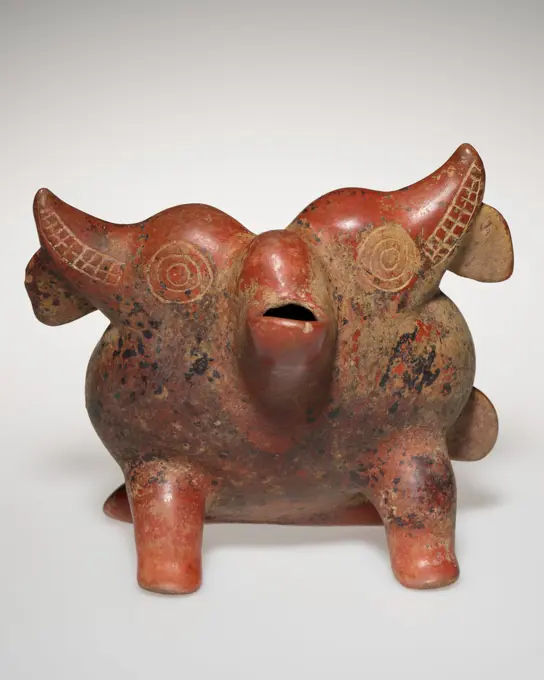
Vessel in the form of an owl, c. 100, 8 1/2 x 9 in. (21.6 x 22.9 cm), Earthenware, Mexico, 1st-2nd century, In the ancient cultures found in the Pacific Coast region, shamans were known to transform into owls during sacred journeys. In this example from the Colima culture, the object may refer to this transitional process. The form of the vessel portrays that of an owl with the beak doubling as a spout for liquids, and the large eyes can refer to the bulging and dilated eyes of a shaman in trance.
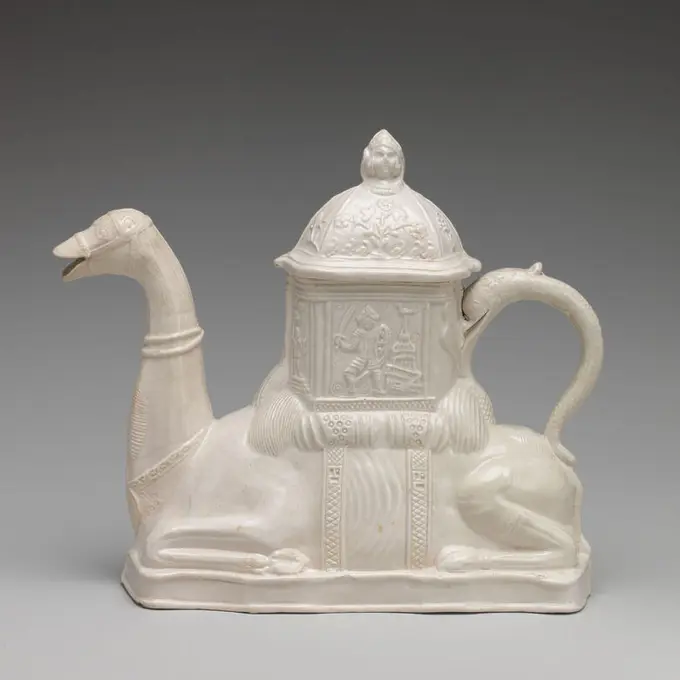
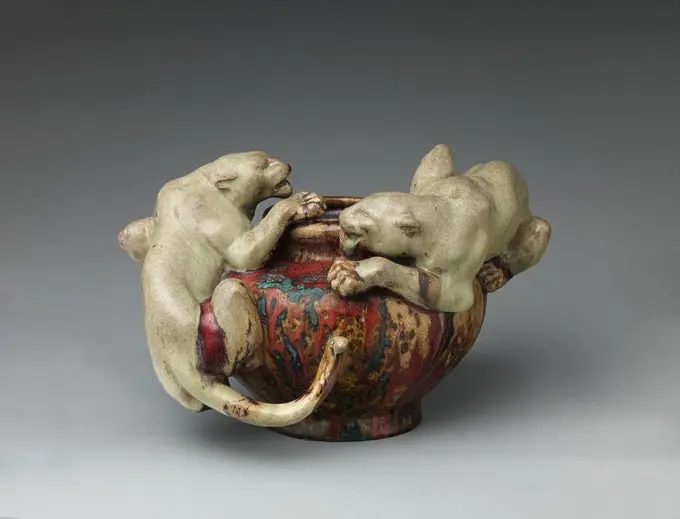
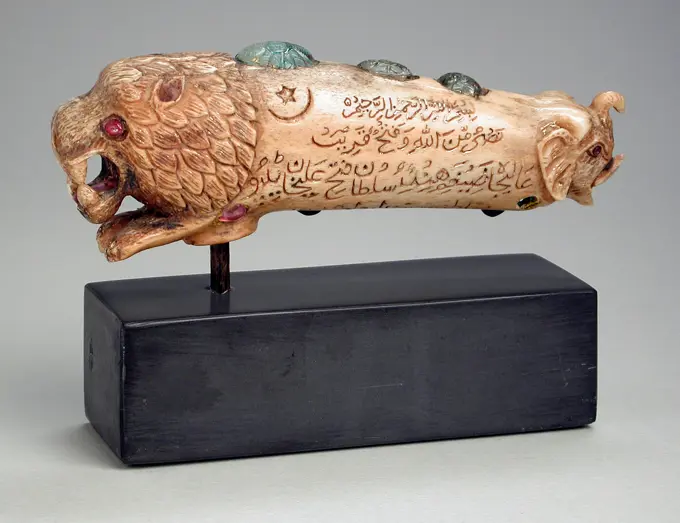
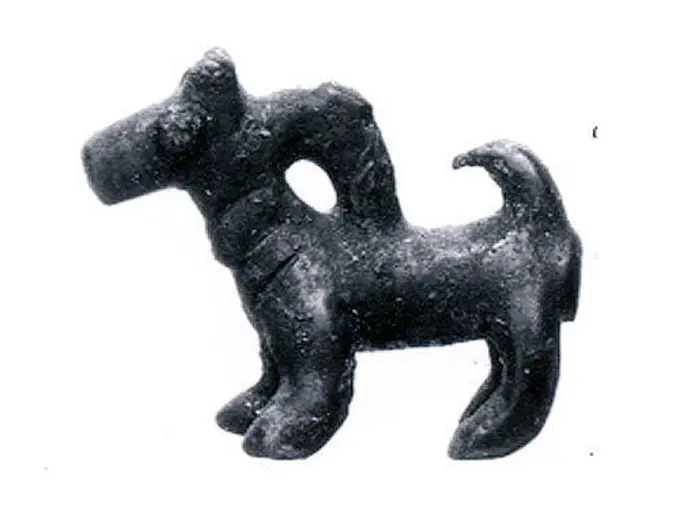
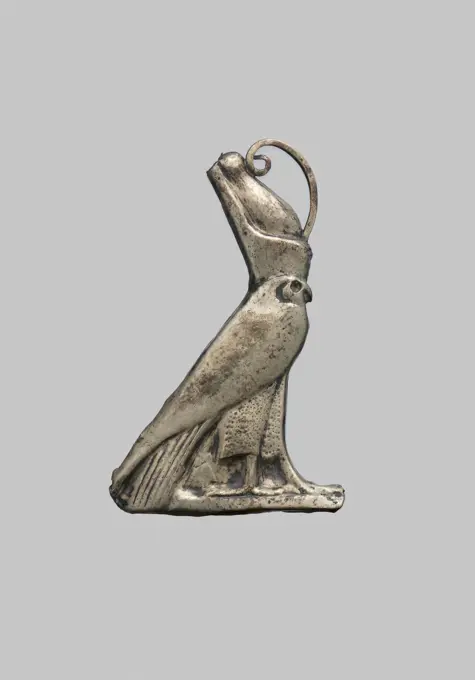
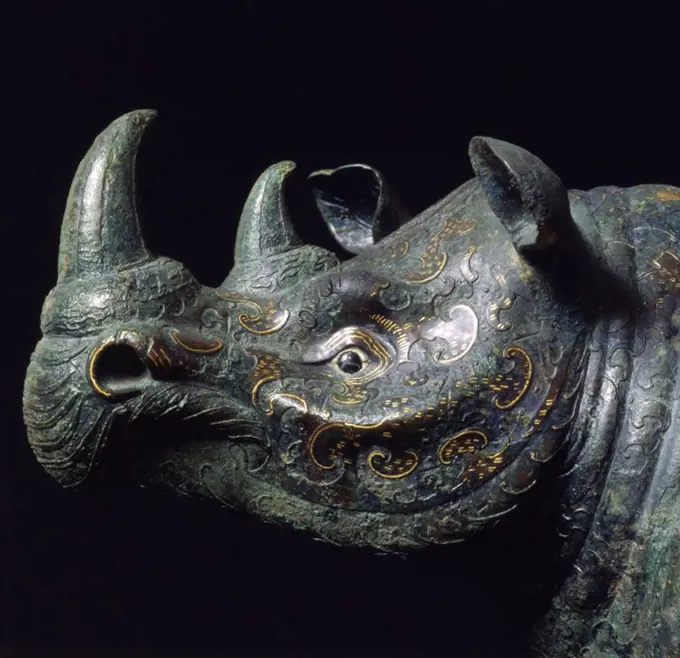
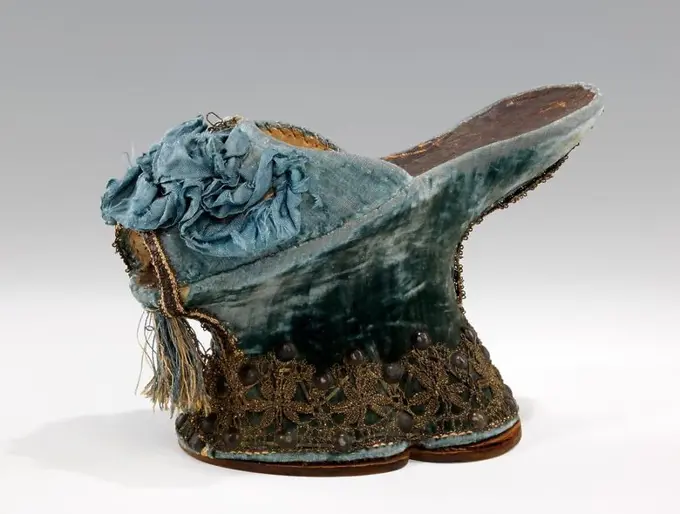
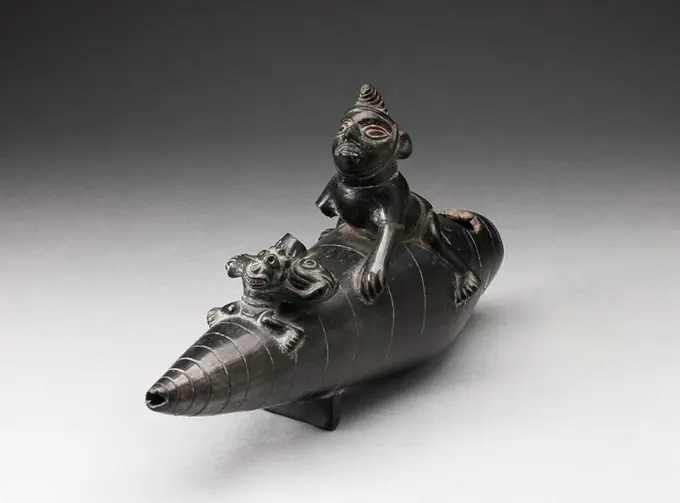
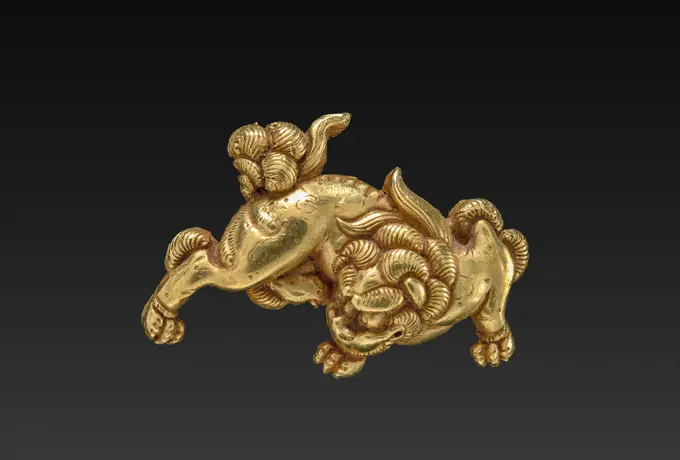
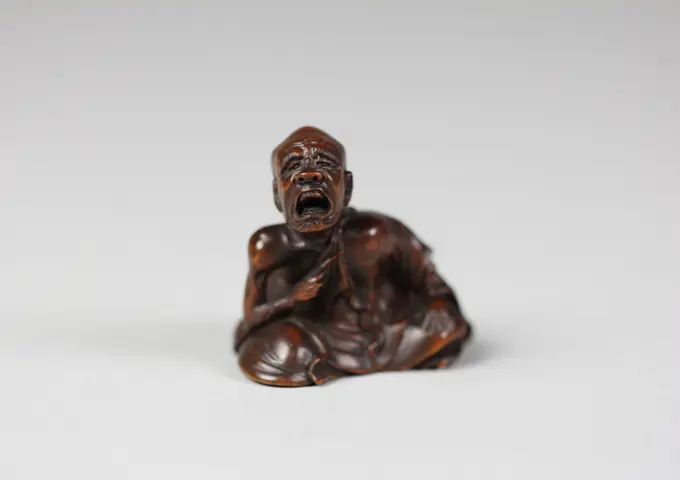
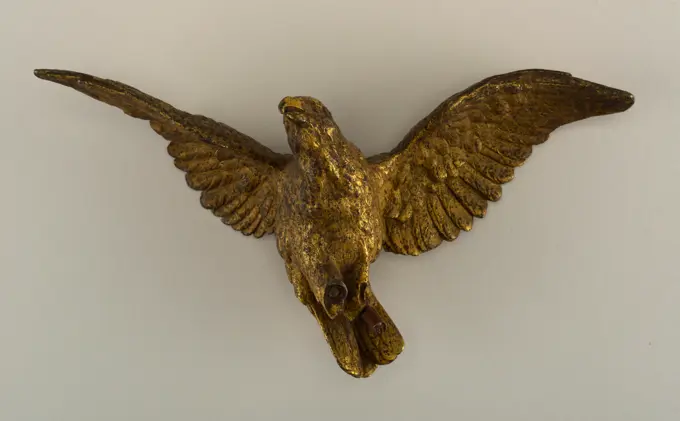
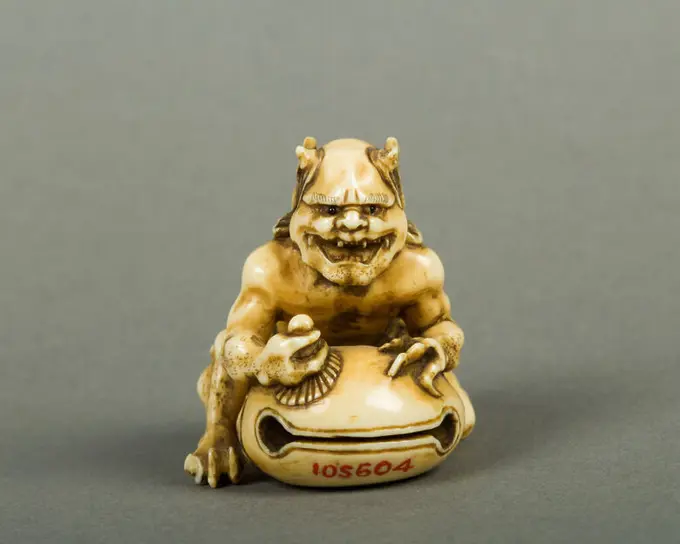
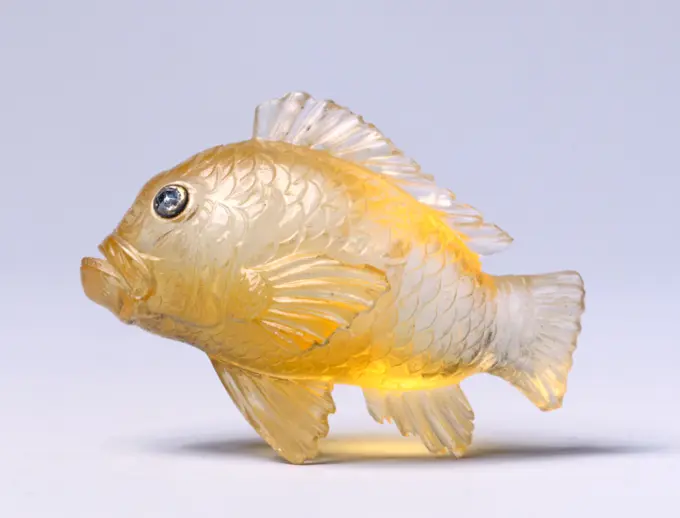
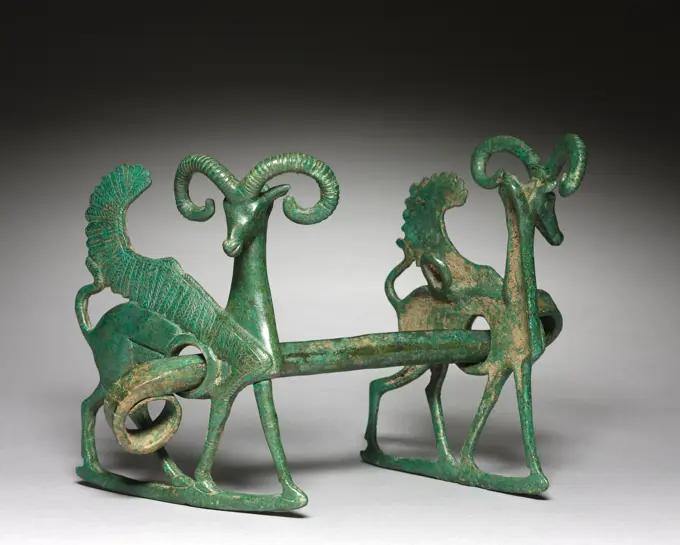
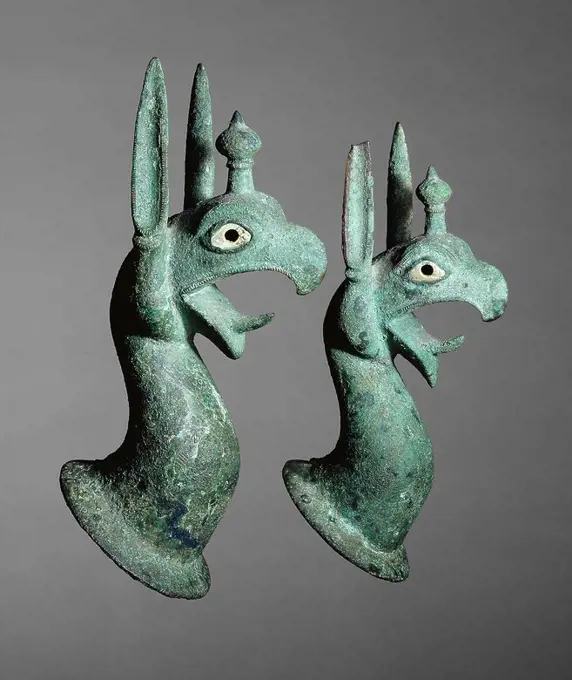
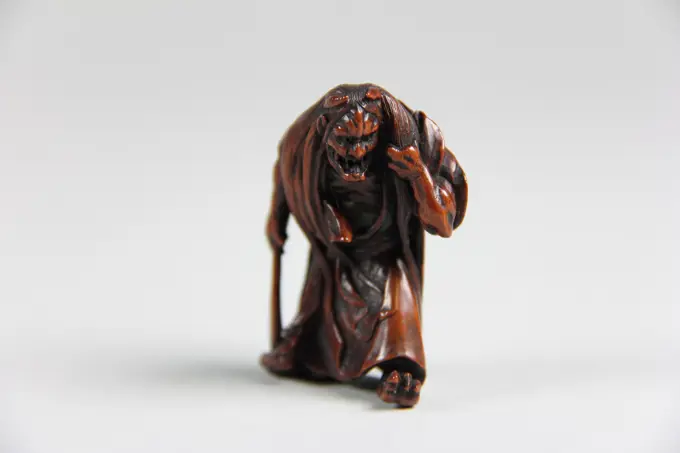
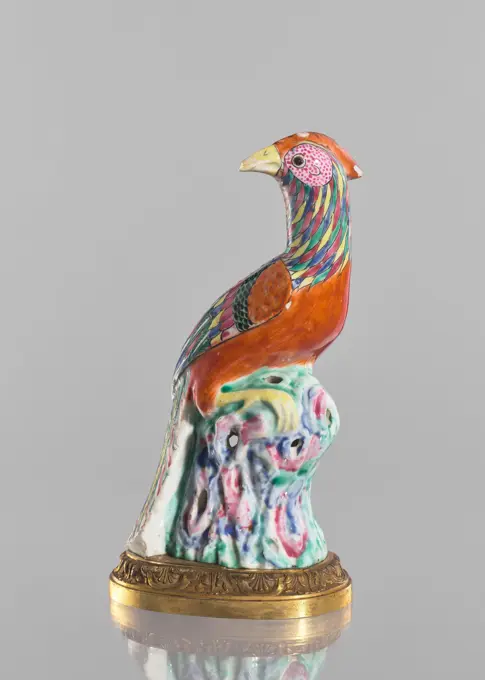
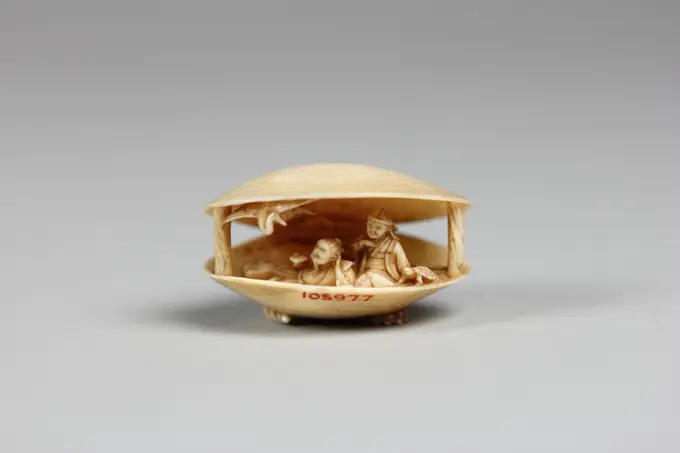
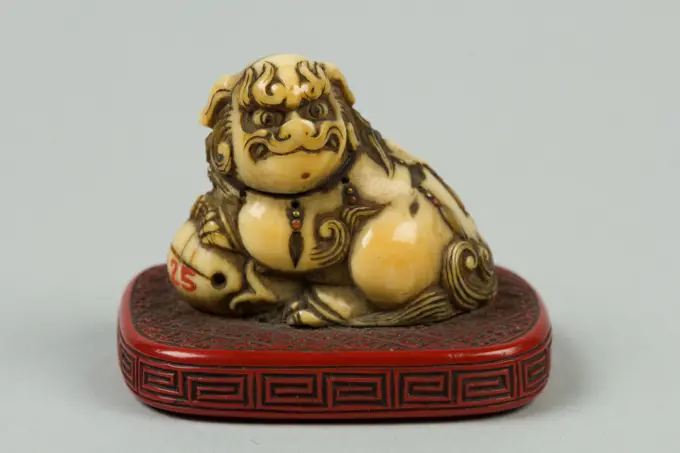
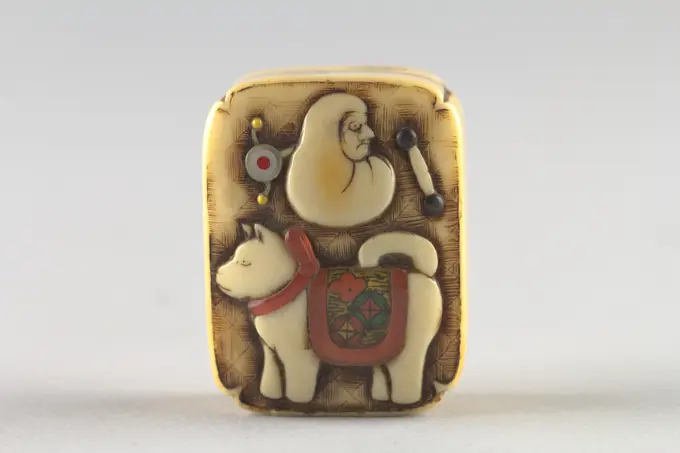
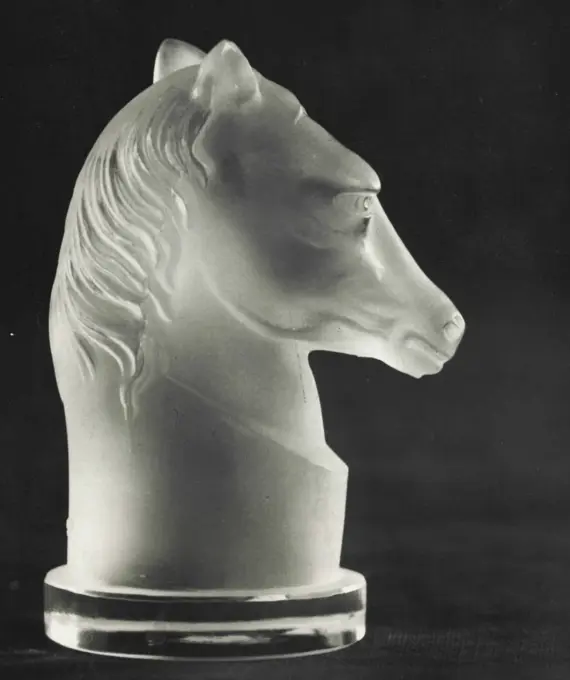
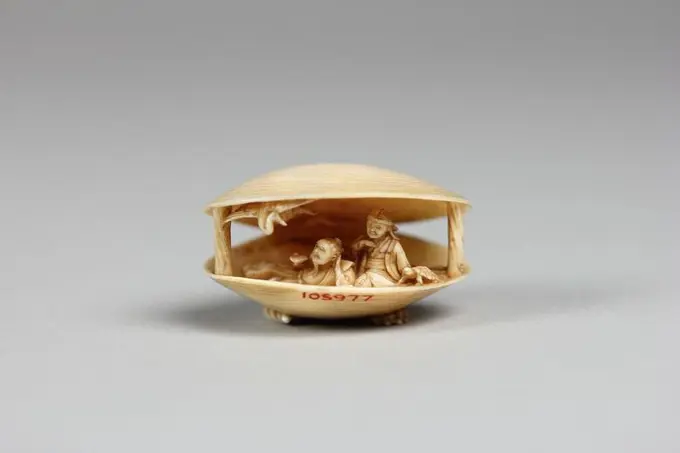
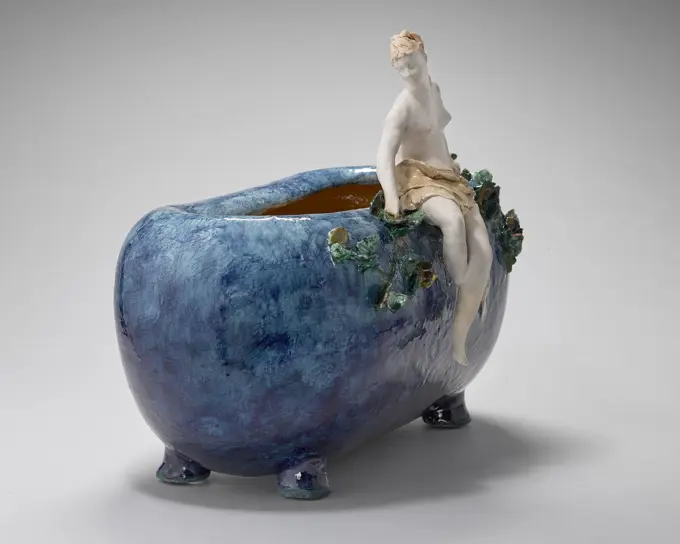
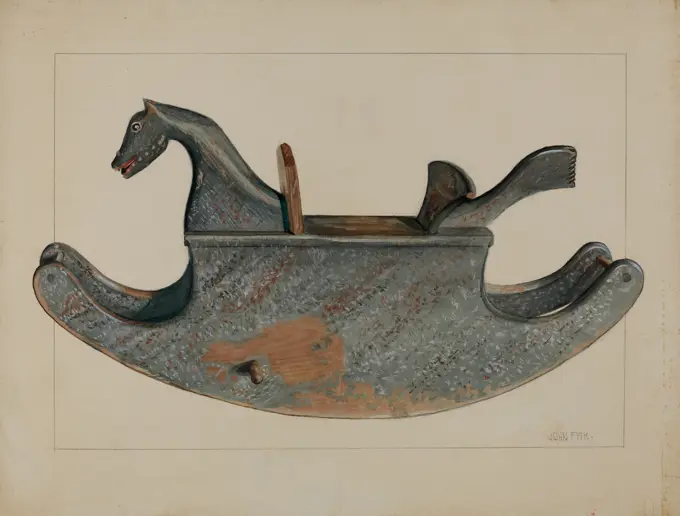
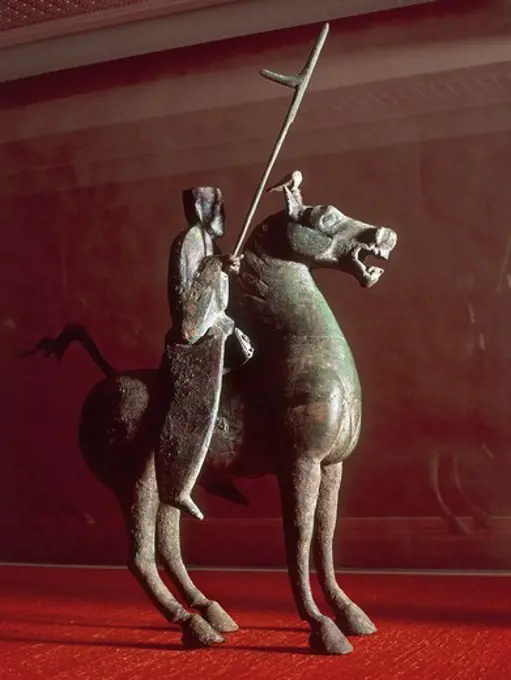
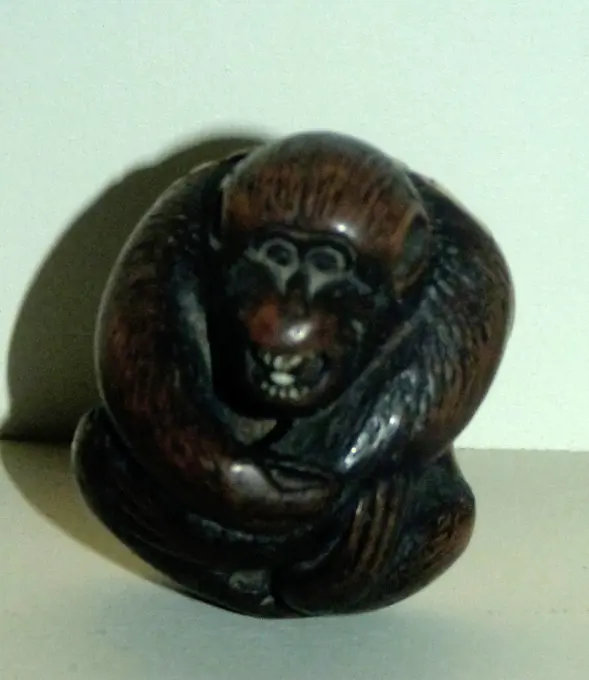
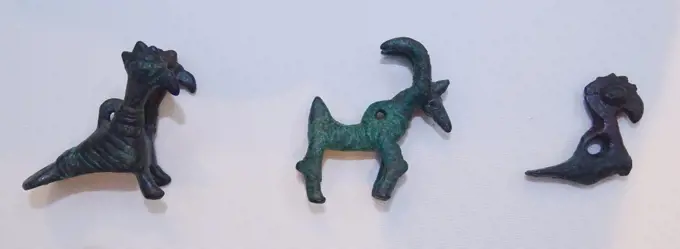
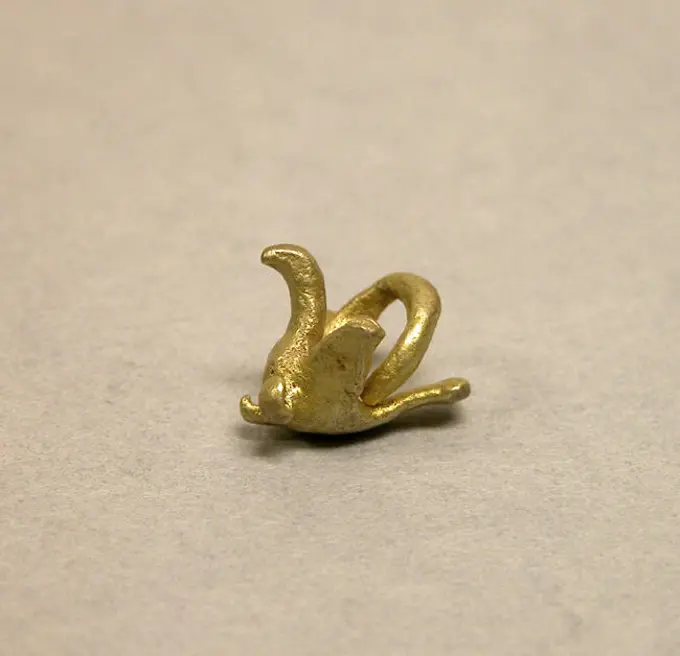
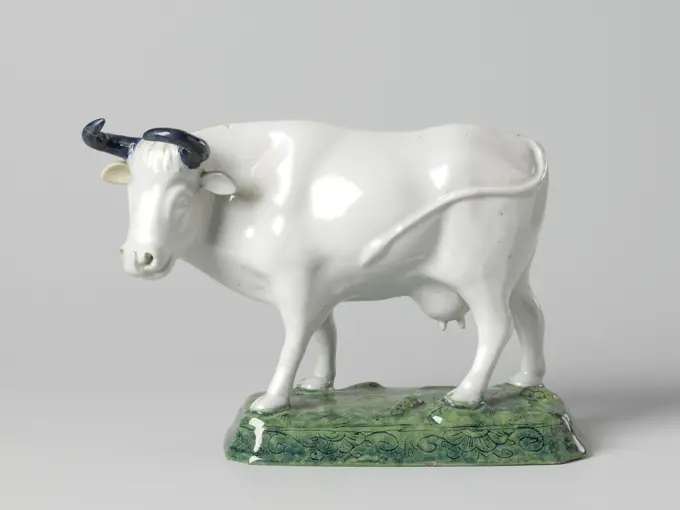
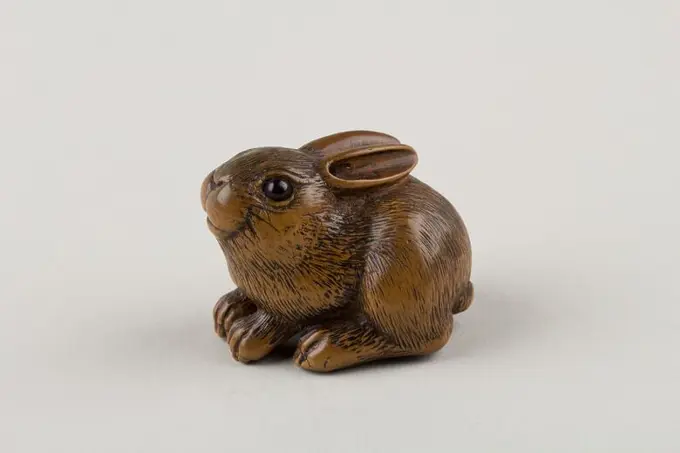
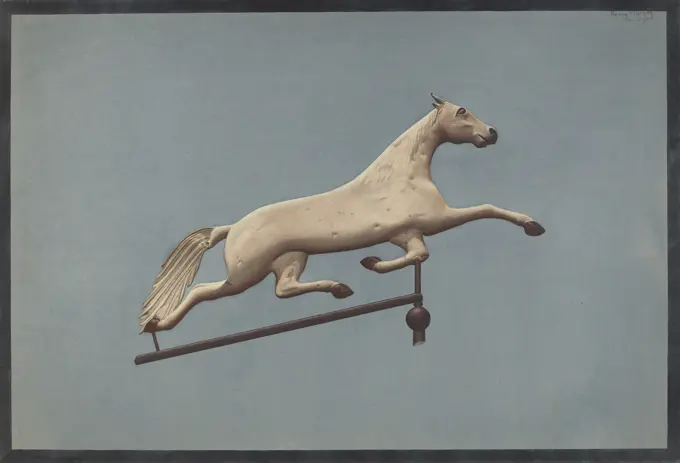
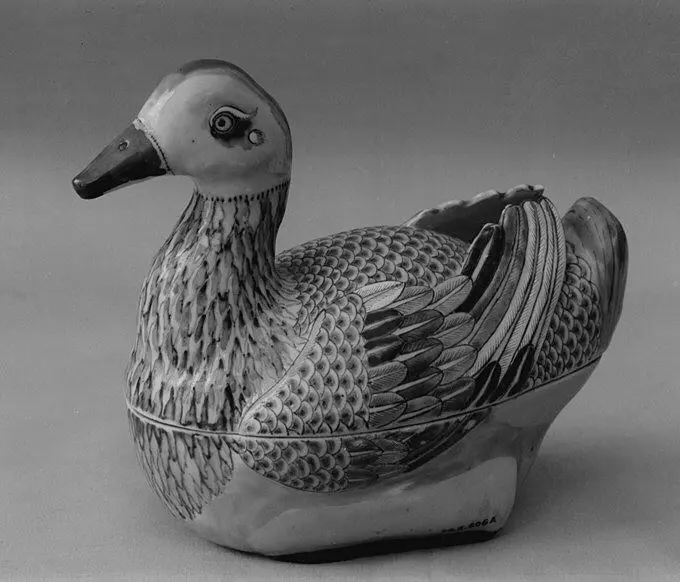
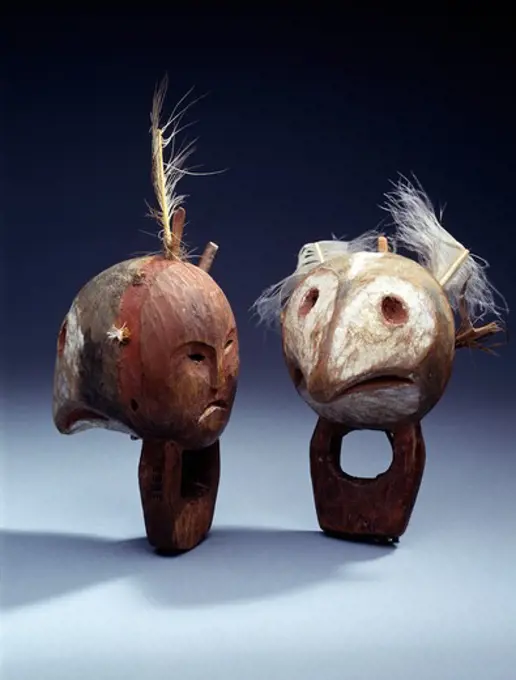
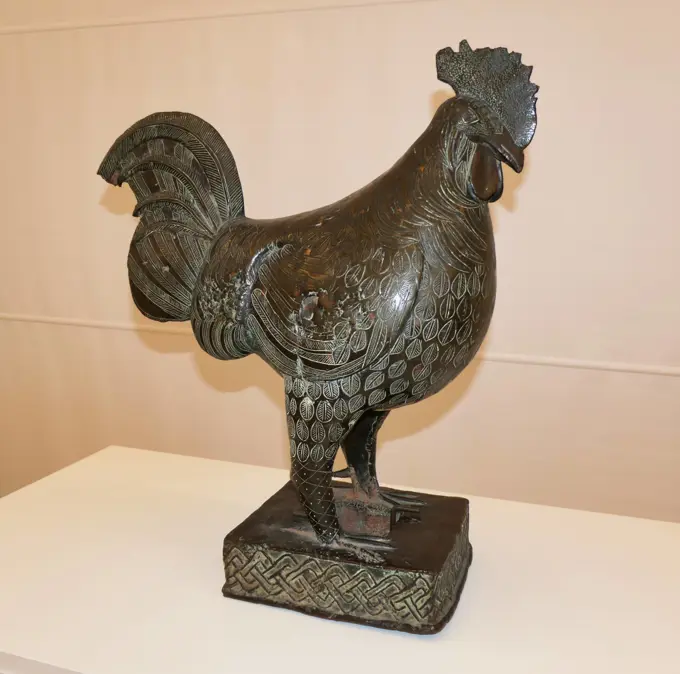
Netsuke of Monkey Catching Fleas. Culture: Japan. Dimensions: H. 1 3/8 in. (3.5 cm); W. 1 1/8 in. (2.9 cm); D. 1 in. (2.5 cm). Date: 18th-19th century. Museum: Metropolitan Museum of Art, New York, USA.Netsuke, japanese miniature sculpture. Museum: COLECCION PRIVADA.Teapot. Culture: British, Staffordshire. Dimensions: Overall: 7 3/4 × 8 in. (19.7 × 20.3 cm). Date: ca. 1745. Museum: Metropolitan Museum of Art, New York, USA.Brass and copper design fitting on antique wooden horse head, Jodhpur, Rajasthan, India Copyright: xSafatxAli/DinodiaxPhotoxSuisai: Mythical Unicorn with Carapace. School of Nagai Rantei (Japan, mid- to late 19th century). Japan, mid-19th century. Costumes; Accessories. Ivory with staining, inlaysNetsuke: Hachi Jo Jiki Kintama JapanBowl with two panthers. Culture: French, Bourg-la-Reine. Dimensions: Overall (confirmed): 9 9/16 × 14 1/8 × 11 5/8 in., 12.2 lb. (24.3 × 35.9 × 29.5 cm, 5.5 kg). Maker: Pierre-Adrien Dalpayrat (French, Limoges 1844-1910 Limoges). Date: 1894-95.This bowl reveals two key traits of Dalpayrat's work: sculptural vigor and experimental glazes. The panthers appear to climb around the bowl, poised and ready to pounce, and the glaze is an example of the famous "Dalpayrat red," a distinctive copper-red glaze mottled with streaks of blue, green, and yellow. Museum: Metropolitan Museum of Art, New York, USA.Cane Handle of Tipu Sultan (reigned 1782-1799). India, Karnataka, Mysore, dated 1783-1784. Tools and Equipment; canes. Antler with traces of gilding and foil-backed gemstones and insetsPorcelain Bull, Chinese art.Pendant in the form of a dog ca. 8th-7th century B.C. Iran This cast bronze pendant is in the form of a dog. It has a long snout, pointed ears, a tubular body and a raised tail. A thick suspension loop connects the back of its head with its shoulders.This pendant was excavated at Surkh Dum, a settlement site in Luristan in the Zagros Mountains of western Iran. It was part of a large hoard of objects buried beneath a doorjamb in a structure interpreted as a sanctuary; thus the objects were probably offerings made for a god. Indeed, in Mesopotamia dogs were often associated with specific gods. But it is unknown whether this dog had a secular or a sacred purpose, or both.. Pendant in the form of a dog. Iran. ca. 8th-7th century B.C.. Bronze. Iron Age III. Iran, Luristan, Surkh DumHorse. Iran, no date. Sculpture. Bronze, castBird Pendant 400 BCE-200 BCE China. Jade .Falcon wearing a Double Crown ca. 1850-1700 B.C. Late Middle Kingdom This piece of jewelry was found in the plundered chamber reached by a shaft in the portico of a rock-cut tomb in the Asasif section of the Theban necropolis. Among the finds were parts of a rectangular wooden coffin with green hieroglyphs on a yellow background as well as a few remains of one or more model wooden boat(s), three scarabs (13.180.8- .10), two anhydrite toilet vessels (13.180.19a- .c, .20) and the group of jewelry items (13.180.1- .18a- .l) striking for the extensive use of silver. Dates that can be ascertained by stylistic comparisons to some of the objects range from the late Middle Kingdom (ca. 1850-1700 B. C.) to the late Second Intermediate Period (ca. 1580-1550 B. C.). A number of clay pots (28.3.239- .241 now in the Oriental Institute Museum, Chicago) from the area of the tomb but not with certainty identified as found inside the shaft and chamber from which the jewelry was obtained date to the latCarving 18th century China. Carving 44146Okimono in the Form of an Eagle Landing on a Rock. Japan, 19th century. Ceramics. Hirado Mikawachi ware; porcelain with clear glaze, brown underglazeRhinoceros wine (detail) vessel dating to the Han Dynasty (206 BC  AD 9).Vase Słowicki, AntoniChopines. Culture: Italian. Date: 1590-1610.The chopine was a tall clog worn in primarily in Venice from the 15th to the early 17th centuries. While most examples are between three and five inches tall, some specimens of over a foot tall survive. Historical accounts testify to the necessity of the assistance of a pair of ladies maids to walk in the more extreme examples. As can be appreciated from the elaborate and fragile materials, the purpose of the chopine was as much to elevate the lady's sartorial reputation as to elevate her skirt from the dirt of the streets and to increase her physical prominence. While this single chopine is very typical of the form in design and decoration, the blue color is less commonly seen than red or green. An additional feature of note also found on many other surviving examples is the leather sock lining with incised pattern of concentric squares. Museum: Metropolitan Museum of Art, New York, USA.Antoine-Louis Bare (1795-1875). "Sitting Basset (Red hairs, head turned to the right)". Bronze and wax patinated plaster. 1841. Museum of Fine Arts of the City of Paris, Petit Palais. Statuette, 19th XIXth 19th 19th 19th 19th century, animalBlackware Vessel in the Form of Two Figures Seated on Reed Boat, Parts Missing. Chimú; North coast, Peru. Date: 1000-1400. Dimensions: 14.9 x 26.5 cm (5 7/8 x 10 7/16 in.). Ceramic and pigment. Origin: North Coast. Museum: The Chicago Art Institute, Chicago, USA.Lion-shaped Sword-Grip Ornament (Menuki), c. 1615-1868. Japan, possibly Edo period (1615-1868). Gilt bronze;Ornament, Christmas (USA); doughFigure of a Parrot on a rock. Image of porcelain, covered with a monochrome turquoise, blue glaze. A parrot standing on a cut-away rock. Monochromes.Worcester Porcelain Manufactory, Partridge Tureen and Cover, c. 1765, soft-paste porcelain.Dog. Lying dog from faience. Painted multi-colored.TORO IBERICO DE ORO. Location: PRIVATE COLLECTION. MADRID. SPAIN.Netsuke 19th century Japan. Netsuke. Japan. 19th century. Wood. Edo (1615-1868) or Meiji period (1868-1912). NetsukeFurniture Mounts; brassNetsuke of Demon. Culture: Japan. Dimensions: H. 1 1/4 in. (3.2 cm); W. 1 1/4 in. (3.2 cm); D. 1 1/2 in. (3.8 cm). Date: 19th century. Museum: Metropolitan Museum of Art, New York, USA.Statuette of a bull. Culture: Greek, Laconian. Dimensions: Height: 1 7/16 in. (3.7 cm). Museum: Metropolitan Museum of Art, New York, USA.PendantGoldfish, late 1800s-early 1900s. Firm of Peter Carl Fabergé (Russian, 1846-1920). Topaz, rose-cut diamond eyes set in gold; overall: 2.6 x 3.4 x 1.6 cm (1 x 1 5/16 x 5/8 in.).Winged Ibex Horse Bit , 800-600 BC. Luristan, Iran, 800-600 BC. Bronze, cast and incised; overall: 23.6 cm (9 5/16 in.).Pair of Protomes Depicting the Forepart of a Griffin. Greek; probably Samos. Date: 625 BC-575 BC. Dimensions: 1: 20.3 × 7.6 × 7.6 cm (8 × 3 × 3 in.); 2: 21.6 × 8.3 × 7 cm (8 1/2 × 3 1/4 × 2 3/4 in.). Bronze with bone or ivory inlay. Origin: Samos. Museum: The Chicago Art Institute, Chicago, USA. Author: ANCIENT GREEK.Figure, Bow Porcelain Manufactory, English, active 18th century, soft paste porcelain, vitreous enamel, Polychromed figure of a rooster on a rocaille pedestal., England, ca. 1760, ceramics, Decorative Arts, figure, figureMiniature mammoth of Siberia 1900 Russia. Miniature mammoth of Siberia. Russia. 1900. Jade (nephrite). JadeNetsuke of Demon 18th century Japan. Netsuke of Demon. Japan. 18th century. Wood. Edo period (1615-1868). NetsukeBonnet ca. 1835 American. Bonnet 169878Merlin Hawk. Rangyoku (Japan, active early 19th century). Japan, early 19th century. Costumes; Accessories. Ivory with light staining, sumi, inlaysSoup Tureen 1750-70 Chinese. Soup Tureen 7702Padlock in the Shape of a Galloping Horse 18th century or later India. Padlock in the Shape of a Galloping Horse 39447Pheasant figurine;  19th century (1801-00-00-1900-00-00);BOTIJO CON FORMA DE TORO-VIDRIADO Y POLICROMADO-FINAL S XIX. Location: ALFARERIA. SPAIN.Chinese, Pair of Fu Lions Passant, porcelain.Netsuke of Clamshell Containing Figures and Bird 19th century Japan. Netsuke of Clamshell Containing Figures and Bird. Japan. 19th century. Ivory. Edo (1615-1868) or Meiji period (1868-1912). NetsukeNetsuke of Qilin Sitting on a Nest 19th century Japan. Netsuke of Qilin Sitting on a Nest. Japan. 19th century. Ivory, red lacquer. Edo (1615-1868) or Meiji period (1868-1912). NetsukeContainer in the form of a crane, anonymous, c. 1700 - c. 1800 Lacquer box in the form of a crane, inlaid with mother -of -pearl. Probably a box for serving food. Japan wood (plant material). lacquer (coating). mother of pearl Lacquer box in the form of a crane, inlaid with mother -of -pearl. Probably a box for serving food. Japan wood (plant material). lacquer (coating). mother of pearlInkwell, Cast and gilt bronze, Inkwell in the shape of a turbaned man in robes and holding a scepter, riding on an elephant led by a boy seated on the elephants neck., Germany, ca. 1735, metalwork, Decorative Arts, InkwellNetsuke of Box with Children's Toys 19th century Japan. Netsuke of Box with Children's Toys. Japan. 19th century. Ivory; inlaid; Hako style. Edo (1615-1868) or Meiji period (1868-1912). NetsukeBird, Gold, enamel, gemstones, India, possibly 18th century, jewelry, Decorative Arts, Figure, FigureMisc - Games - Chess. December 17, 1934.Bear group Koriak folk productsFigurine of a dragon on a white background, souvenirBox for Incense with Cover. Culture: Japan. Dimensions: H. 2 1/4 in. (5.7 cm). Date: 18th century. Museum: Metropolitan Museum of Art, New York, USA.Netsuke,, 1700-1900 Presentation of a combination with fruits. There is a ladybug on one of the legumes and there is an inscription (signature from the maker) on a tomato. Japan ivory Presentation of a combination with fruits. There is a ladybug on one of the legumes and there is an inscription (signature from the maker) on a tomato. Japan ivoryNetsuke of Clamshell Containing Figures and Bird. Culture: Japan. Dimensions: H. 1 in. (2.5 cm); W. 1 5/8 in. (4.1 cm); D. 1 1/2 in. (3.8 cm). Date: 19th century. Museum: Metropolitan Museum of Art, New York, USA.Italy, Este, Zoomorphic vase decorated with geometric pattern imprinted in form of rope, from Necopoli Pela grave twoAubé, Paul (Jean-Paul Aubé dit) (n.1837-07-05-D.1916-08-20), planter (main title), 1879. Enameled terracotta and earthenware. Petit Palais, Museum of Fine Arts of the City of Paris.Golden Deer SculptureElephant Statue . Elephant Statue on white backgroundbaby puppet brown baby pupppet from clay Copyright: xZoonar.com/chrisxwilllemsenx 6581945John Fisk, Toy Rocking Horse, c 1936 Toy Rocking HorseJapan, Kansu, Wu Wai, Statuette representing a knight armed with a halberd, found in 1996, eastern Han dynasty, bronzeComposite Ibis Figure. Egypt, Late Period, 712-332 BCE. Sculpture. Wood, bronzeCadzielniczka with a lion -shaped cap;  18th century (1701-00-00-1799-00-00);Goat Head Shaped Rython. 6th c. Archaic Greek art. Ceramics. ITALY. EMILIA-ROMAGNA. Ferrara. National Museum of Archaeology.ShrineMiniature jaguar pendant 11th-16th century Costa Rica or Panama. Miniature jaguar pendant. Costa Rica or Panama. 11th-16th century. Gold (cast). Costa Rica or Panama. Metal-OrnamentsMonkey, signed Koku(sai) (a highly original and inventive carver) and Miwa (maker). Carved wood and ivory. Japan.Italy, Sicily, Acroterium (architectural ornament) representing a horse head, fragmentPIEZAS CERAMICAS. Location: MUSEO ARQUEOLOGICO-CERAMICA. ATHENS. GREECE.Pendants in the form of a goat, cockerel and a bird. Made from Luristan bronze. Dated 1000 BCBulls from Costitx. 500 BC-200 BC. Iron age. Material: bronze. Shrine of Predio de Son Corro, Costitx, Majorca, Spain. National Archaeological Museum, Madrid. Spain.North America, Mexico, Tilcajete, San Martin. Traditional arts: alibrijes, or figure carvings, made from copal wood. (MR)Brahma's Goose Pendant 8th-12th century Indonesia (Central Java). Brahma's Goose Pendant 64237Cow with blue horns, rectangular pedestal with beveled corners, anonymous, c. 1750 - c. 1780 Image of Faience. There is a cow on a rectangular pedestal with beveled corners. The cow has blue painted horns and is further undecorated. The cow has used the head to the left. The pedestal is painted green with black flowers. The image is marked. Delft Earthenware. Tin Glaze. horns and pedestal:. Remains: Gold (Metal) Image of Faience. There is a cow on a rectangular pedestal with beveled corners. The cow has blue painted horns and is further undecorated. The cow has used the head to the left. The pedestal is painted green with black flowers. The image is marked. Delft Earthenware. Tin Glaze. horns and pedestal:. Remains: Gold (Metal)Netsuke of a Seated Hare. Artist: Minko (Japanese, ca. 1735-1816). Culture: Japan. Dimensions: H. 1 1/16 in. (2.7 cm); W. 1 7/16 in. (3.7 cm). Date: late 18th-early 19th century. Museum: Metropolitan Museum of Art, New York, USA.Henry Murphy, Horse Weather Vane, 1935 1942 Horse Weather VaneTureen with cover ca. 1760-70 Chinese, possibly for Portuguese market. Tureen with cover 208931JUGUETE.Walrus Ivory Seal. Culture: Inuit. Dimensions: Height 2-1/16 in.. Date: 18th-19th century. Museum: Metropolitan Museum of Art, New York, USA.Glass Fragment. Culture: European. Dimensions: Overall: 3 1/4 x 3 3/8 in. (8.3 x 8.6 cm). Date: 14th-15th century. Museum: Metropolitan Museum of Art, New York, USA.Finger Masks, Eskimo Art, USA, Washington DC, Smithsonian Institution (National Museum of Natural History)Engraved Scarab with Youth Leading a Horse. Attributed to the Sphinx and Youth Group ISide view of orange sugar lollipop horse Side view of orange sugar lollipop horse isolated on white Copyright: xZoonar.com/AntonxStarikovx 22991292American 20th Century, Weather Vane, 1935 1942 Weather VaneHahn figure from Benin Hahnen figure from BeninSculpture in Ronda/Spain - Sculpture in Ronda/SpainGreen frog wearing a golden crown, Christmas tree decorations