Cultural Decorative Objects

A variety of historical decorative items, including mirrors and plates, showcasing intricate designs and cultural significance from different eras.
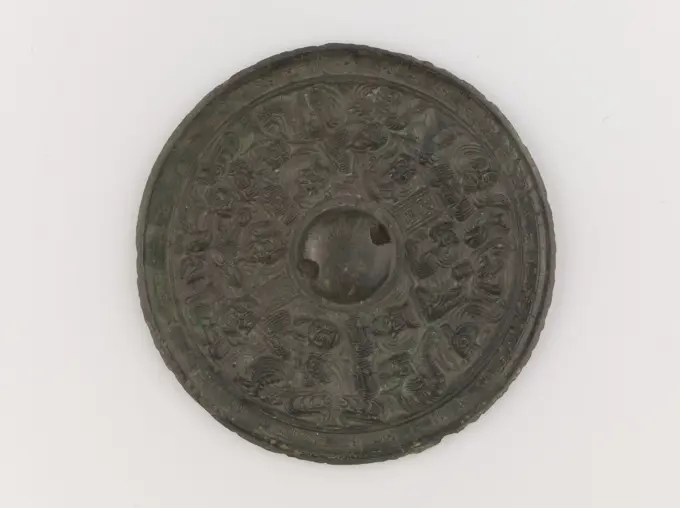
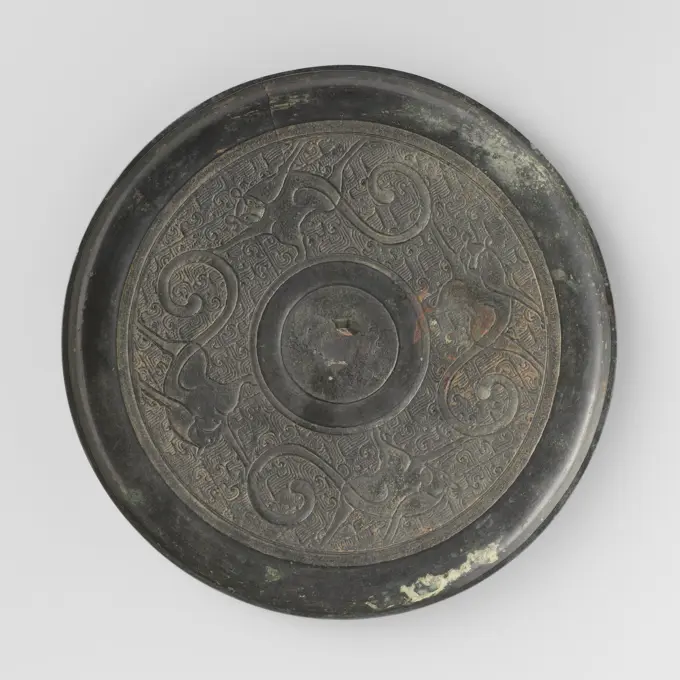
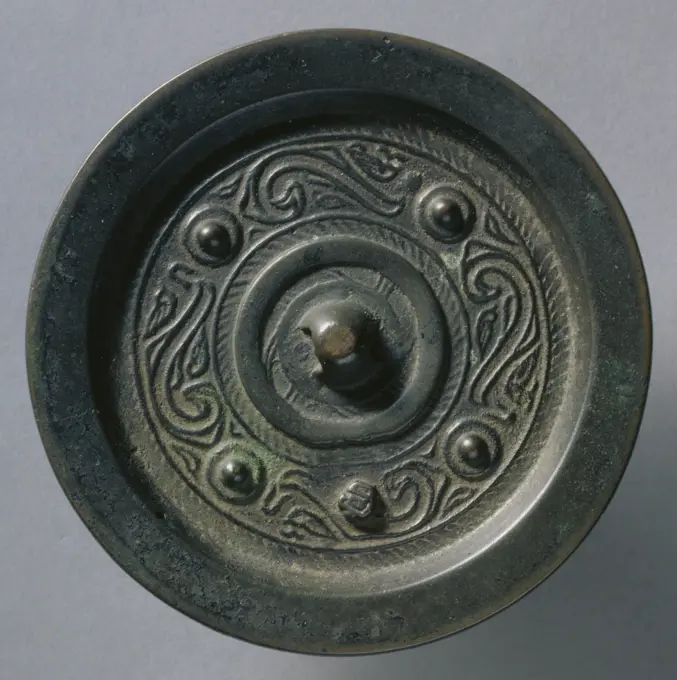
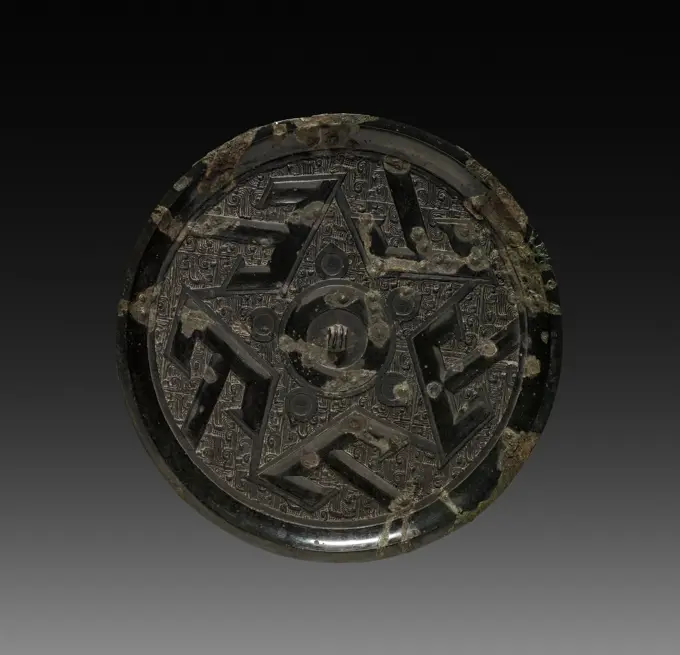
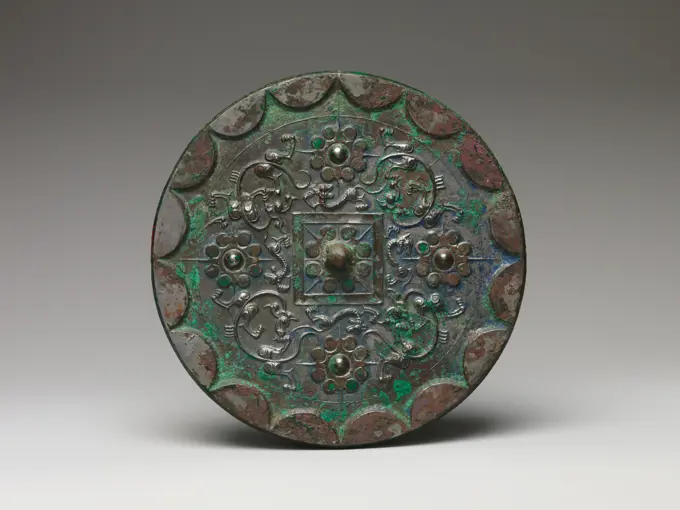
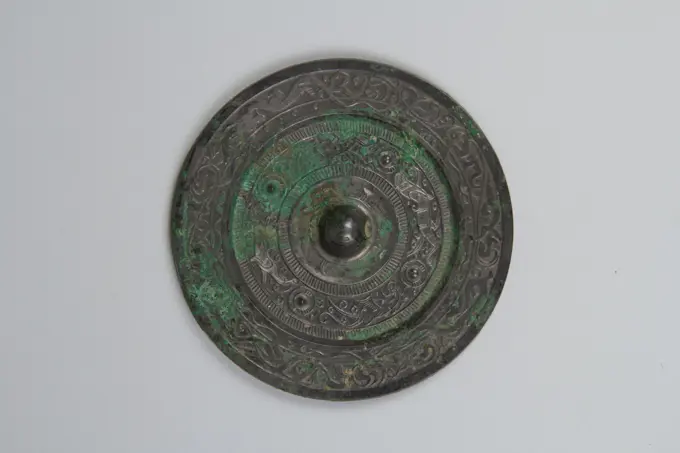
Mirror. Bronze, China, Han dynasty (206 BC AP.J.-C.). Paris, Cernuschi museum. Asian art, Chinese art, beauty, bronze, han dynasty, mirror, daily life
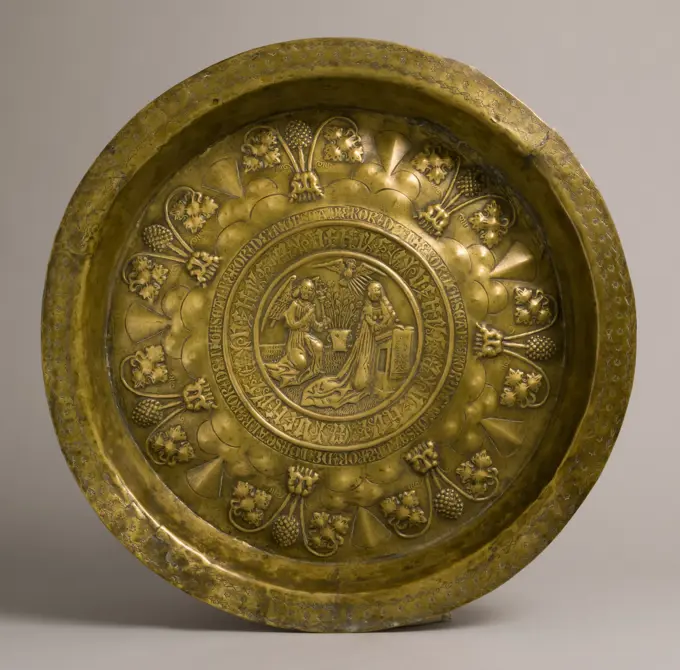
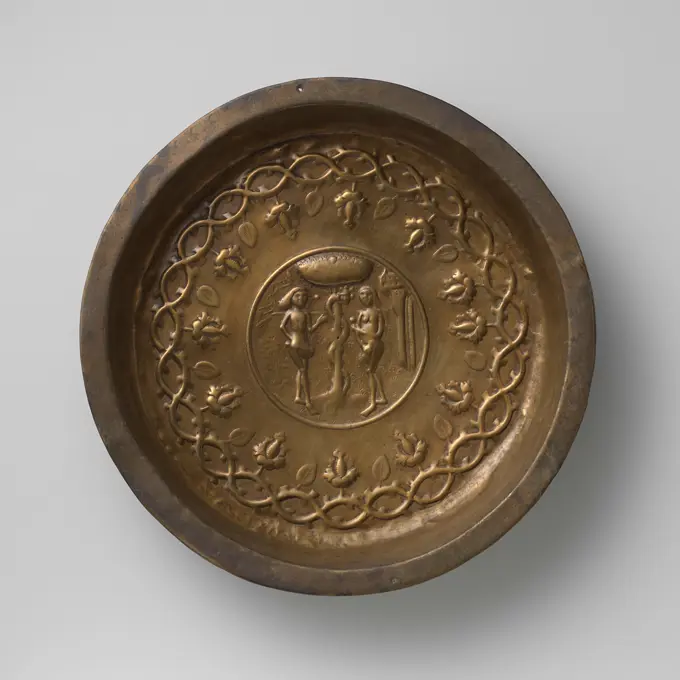
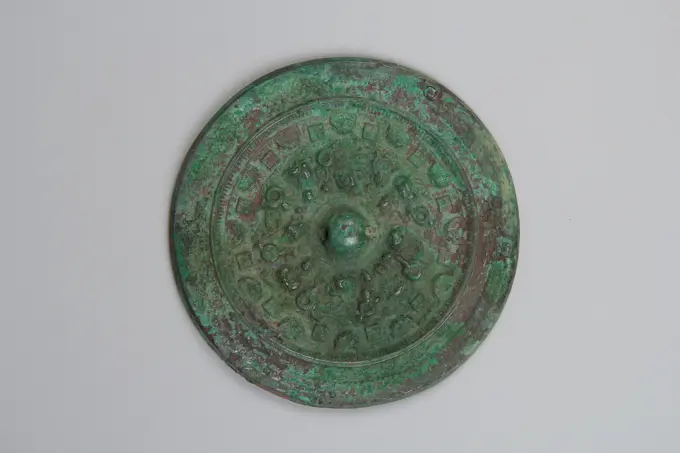
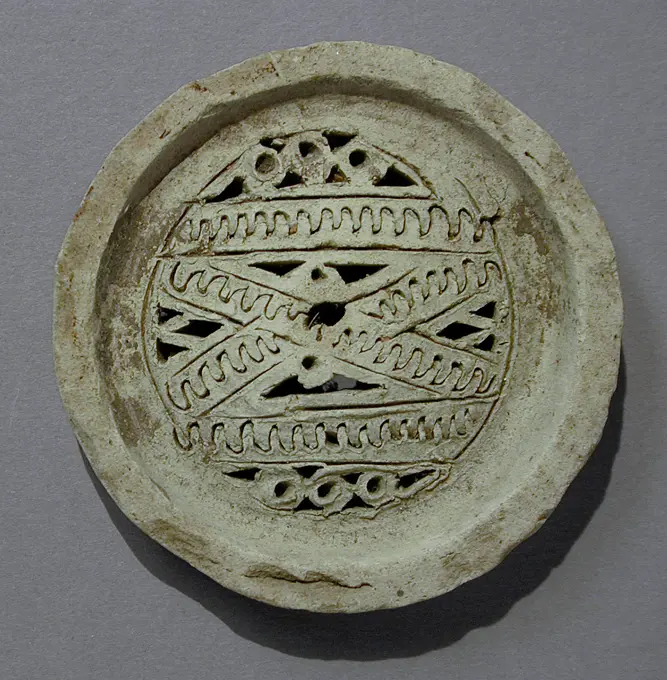
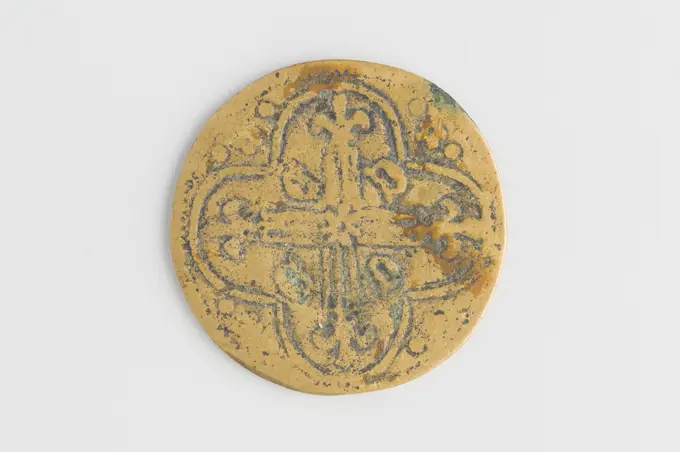
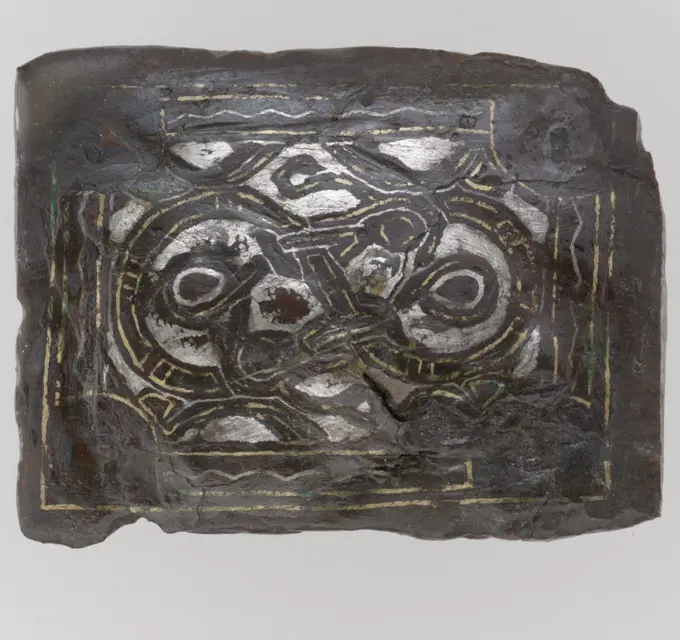
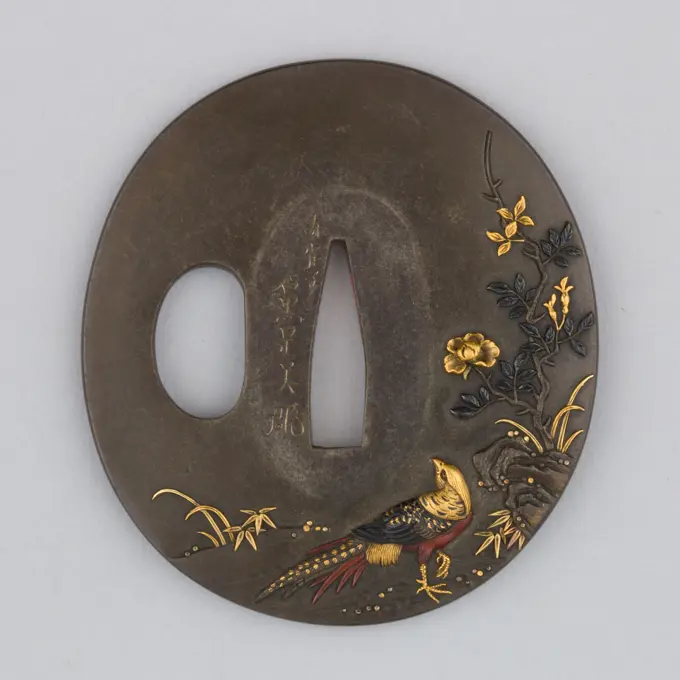
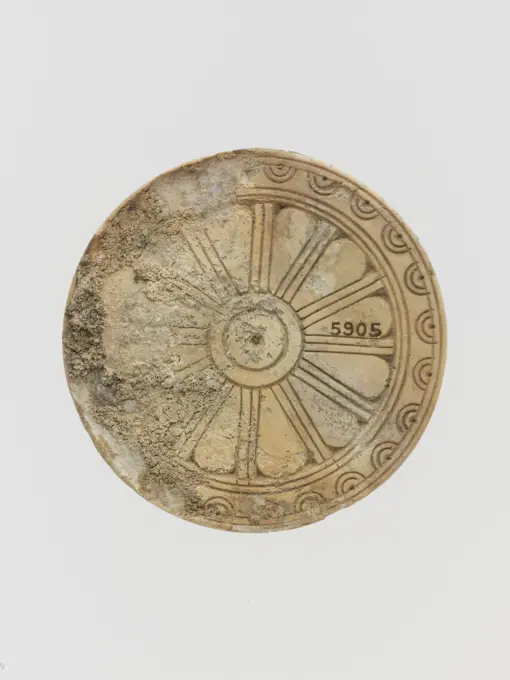
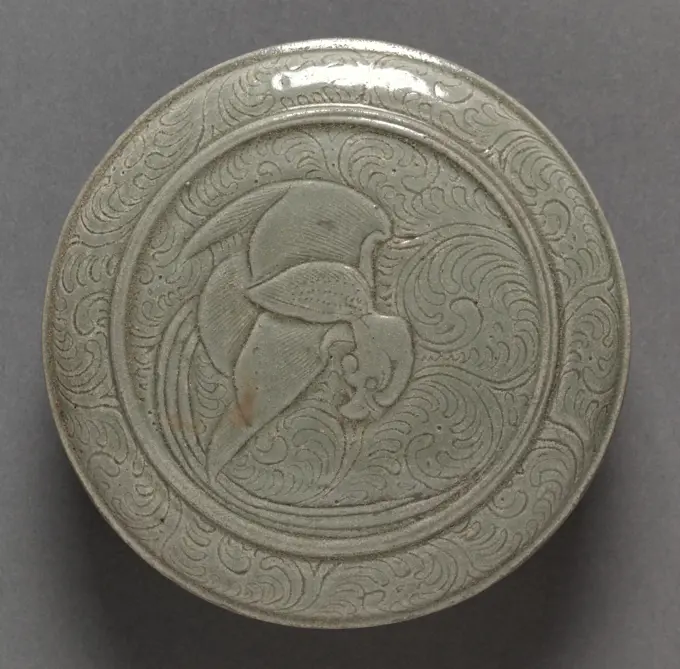
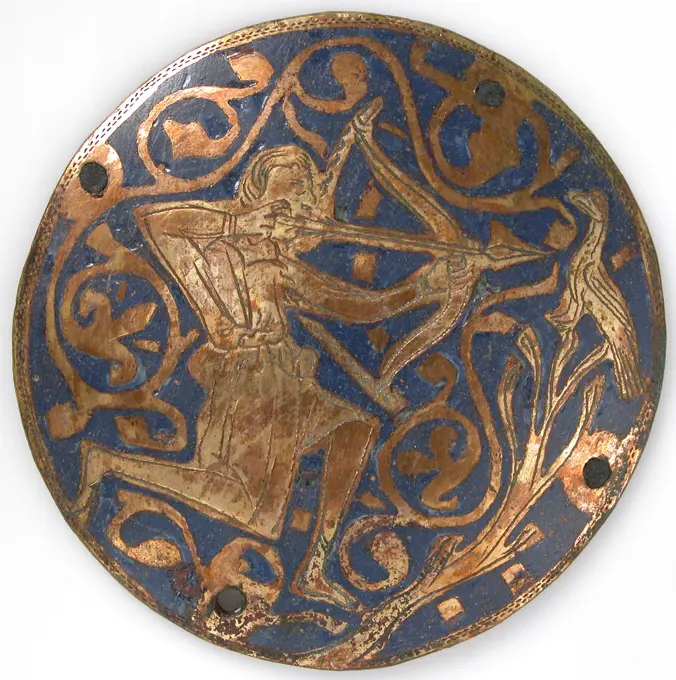
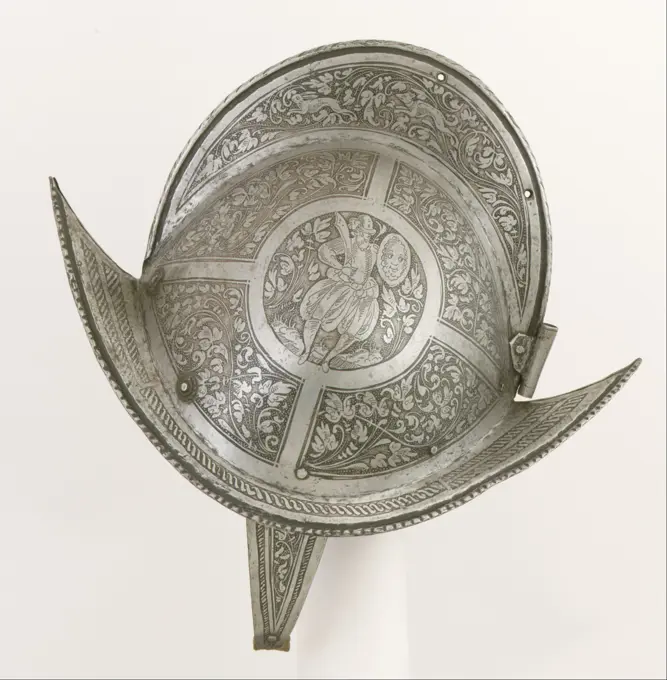
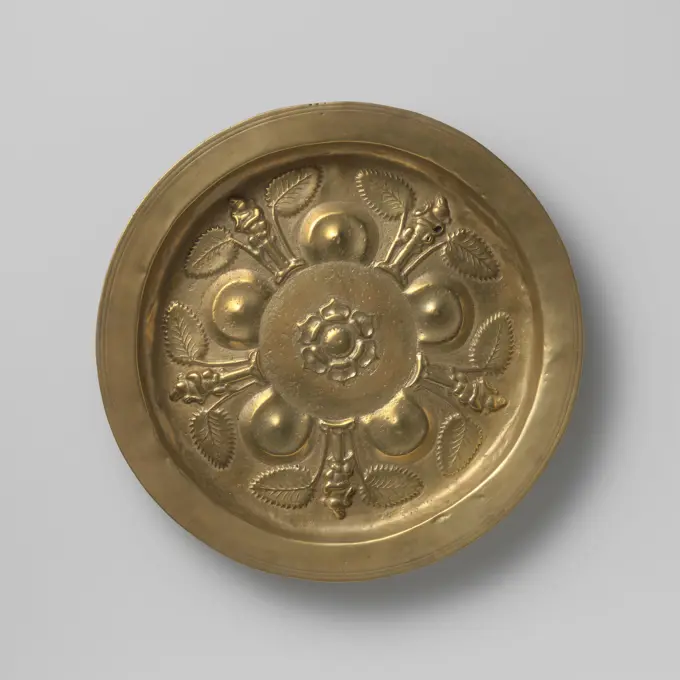
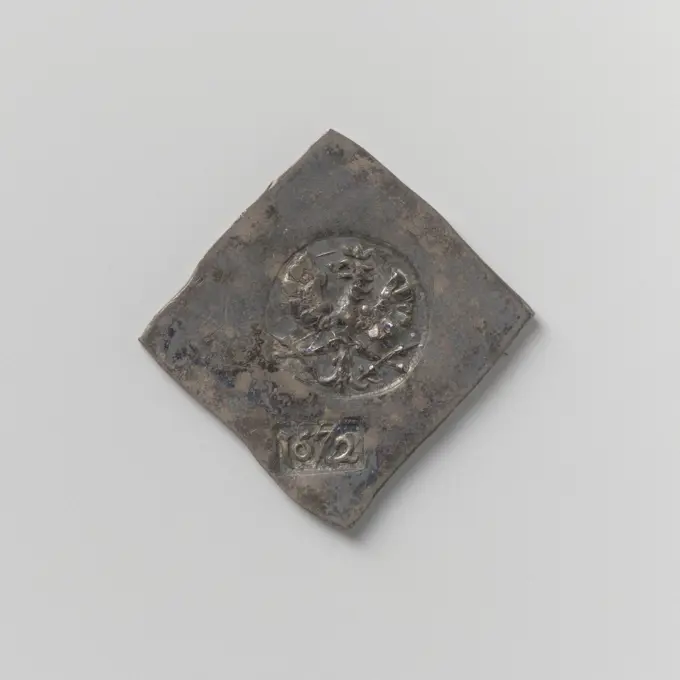
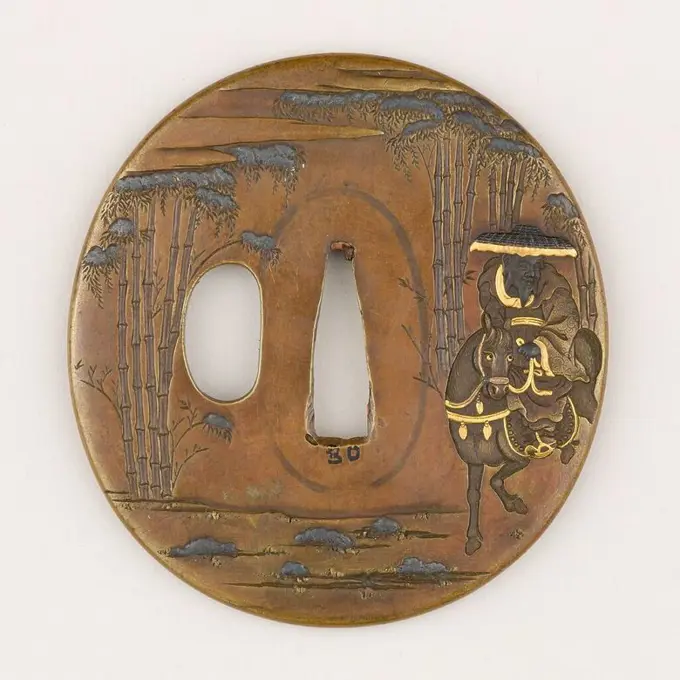
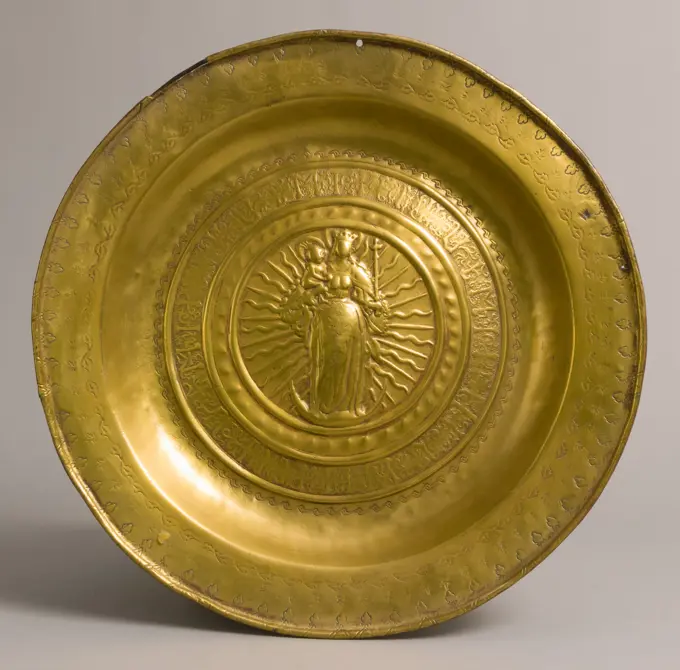
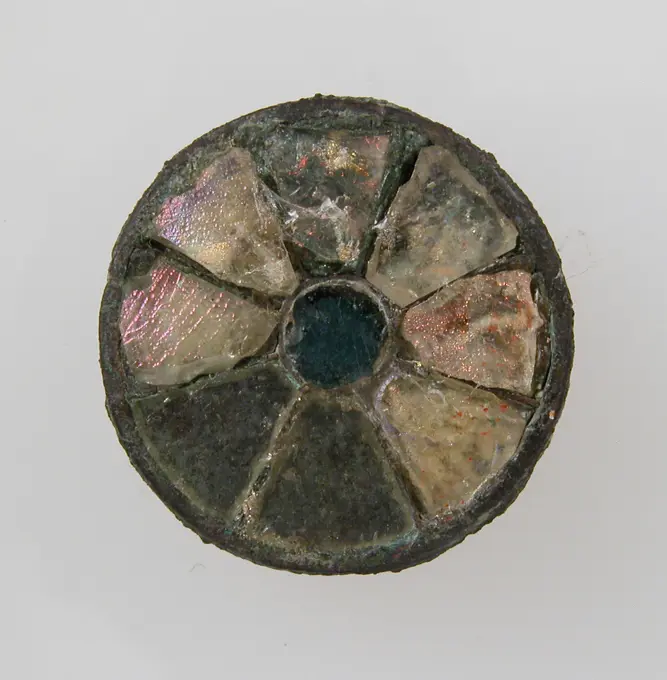
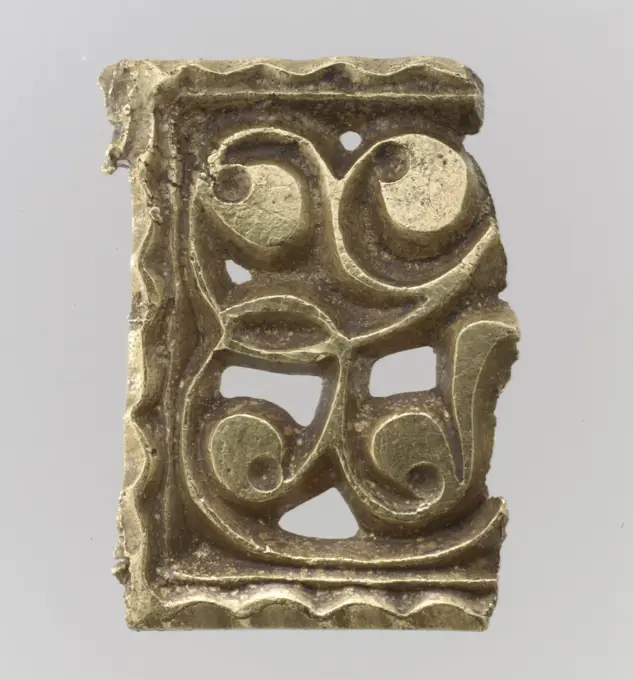
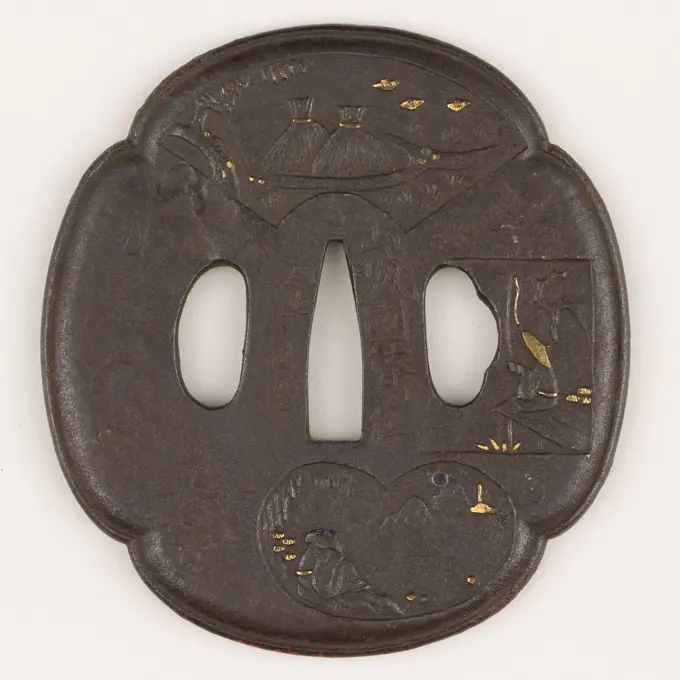
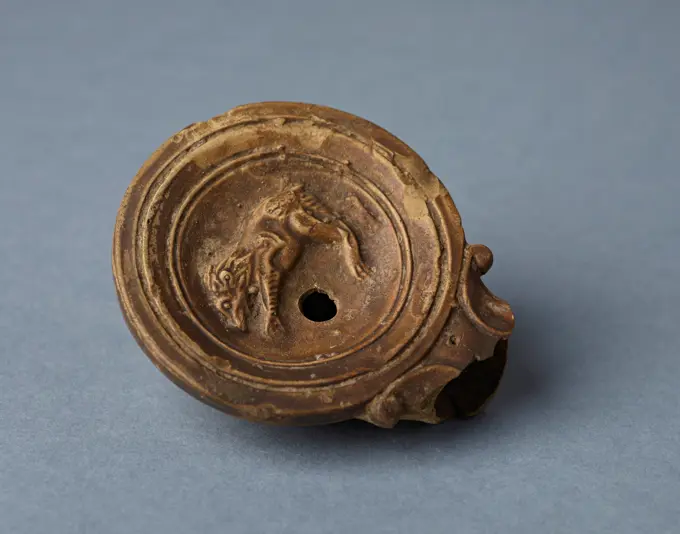
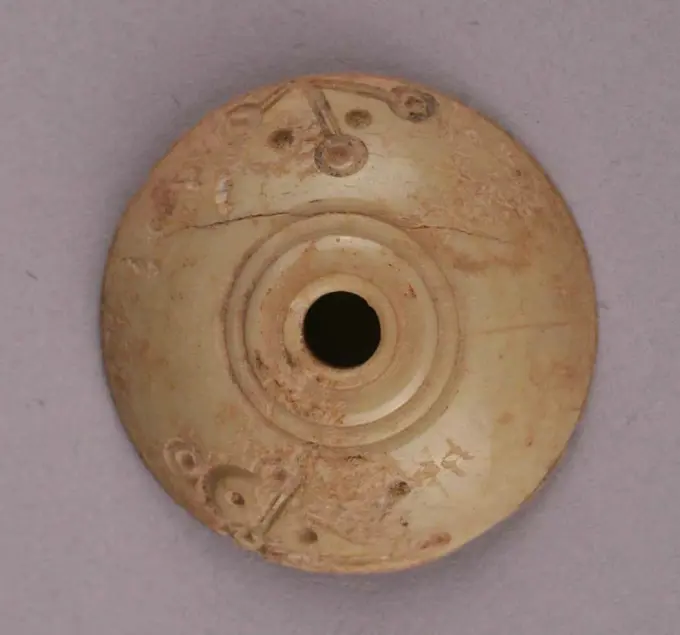
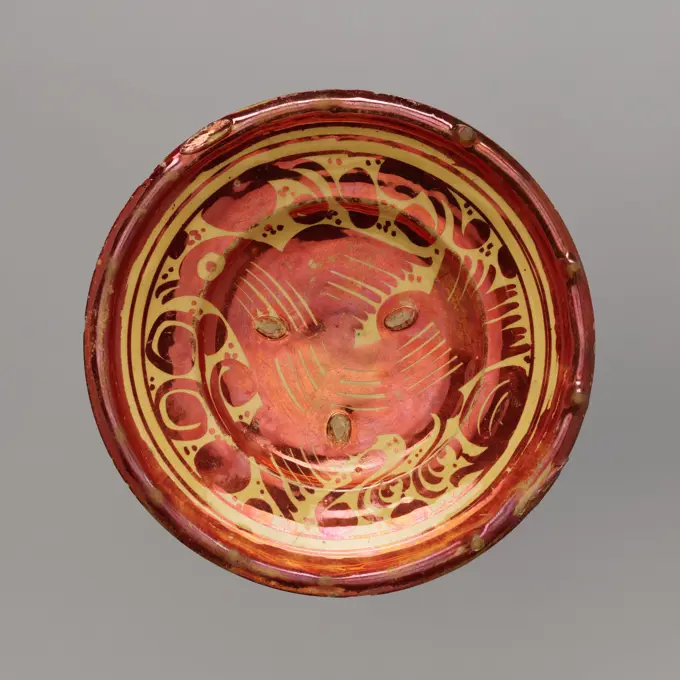
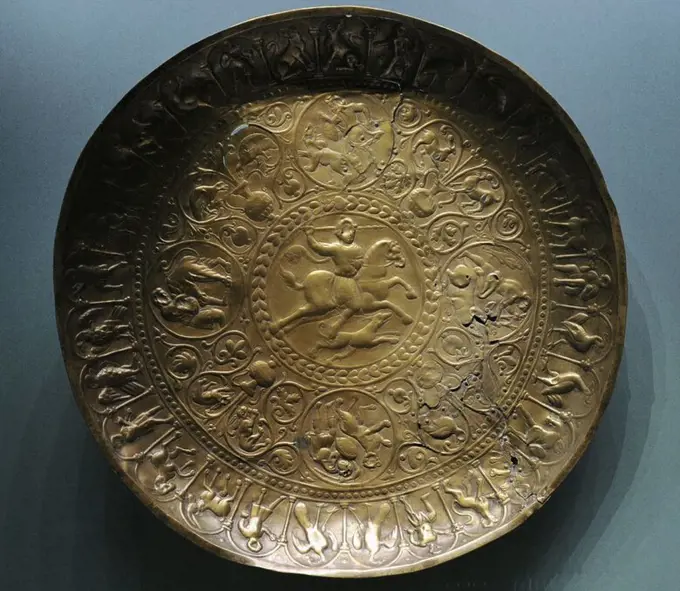
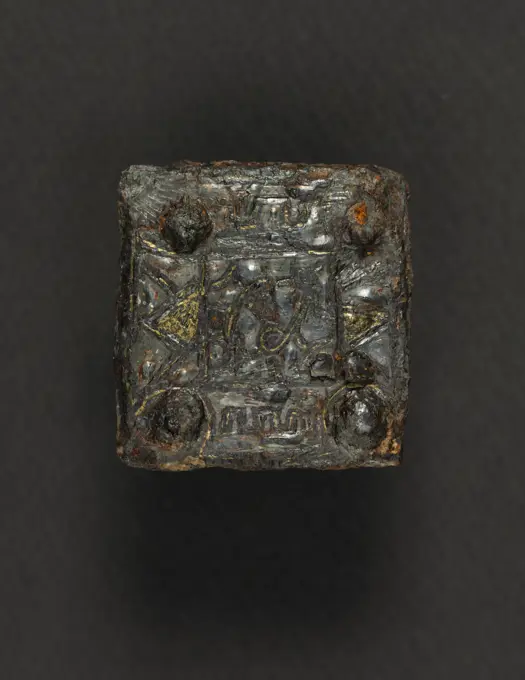
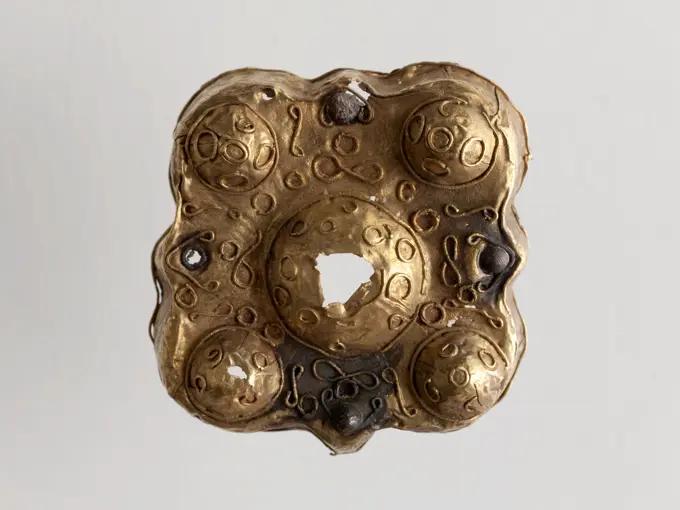
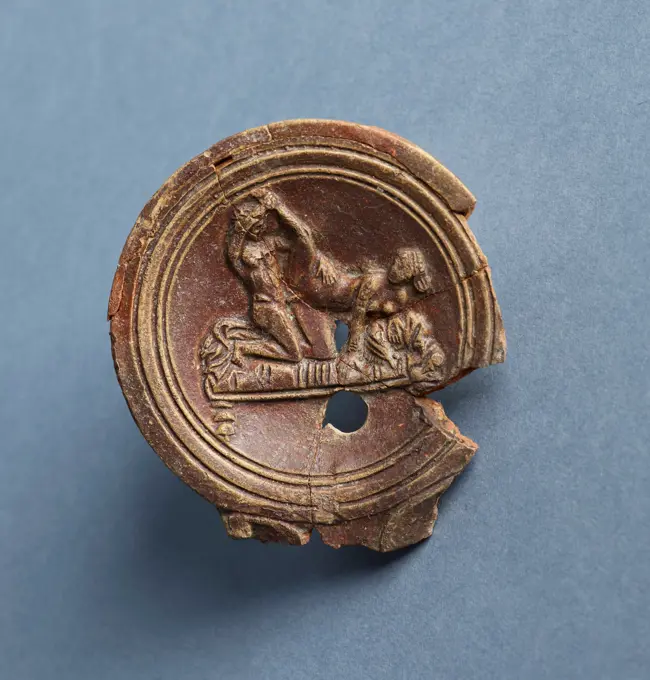
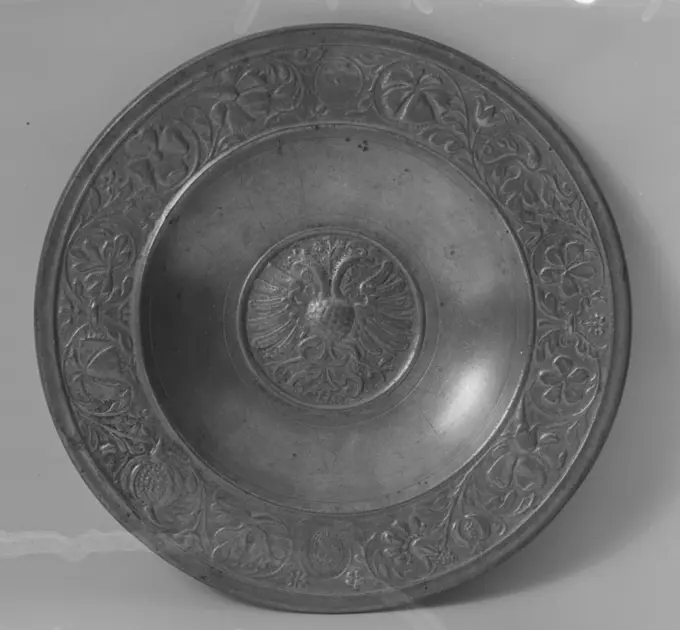
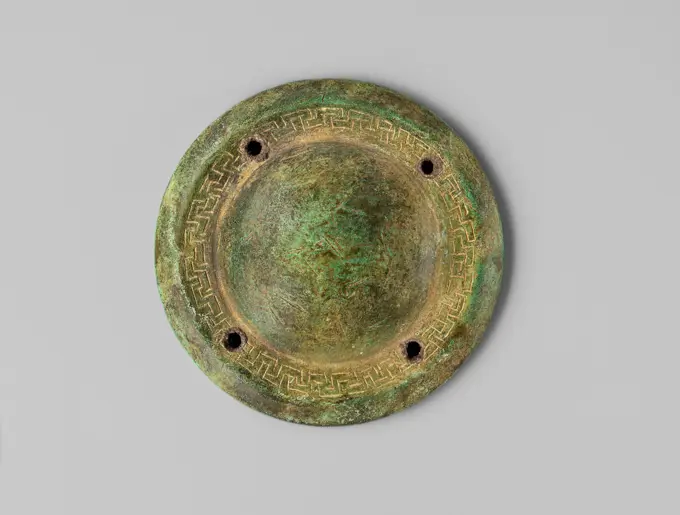
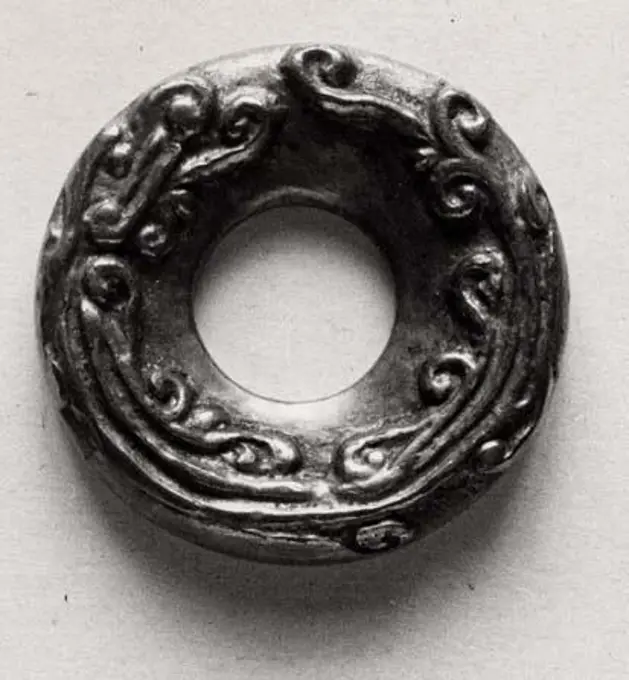
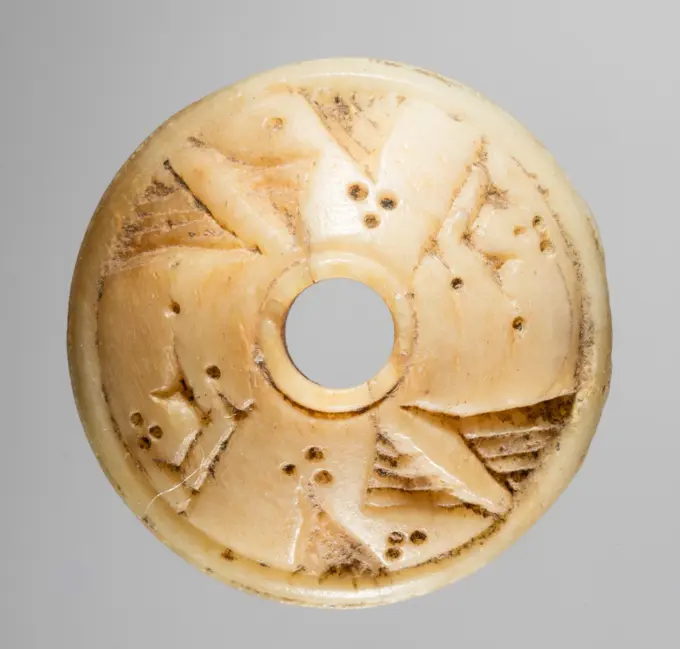
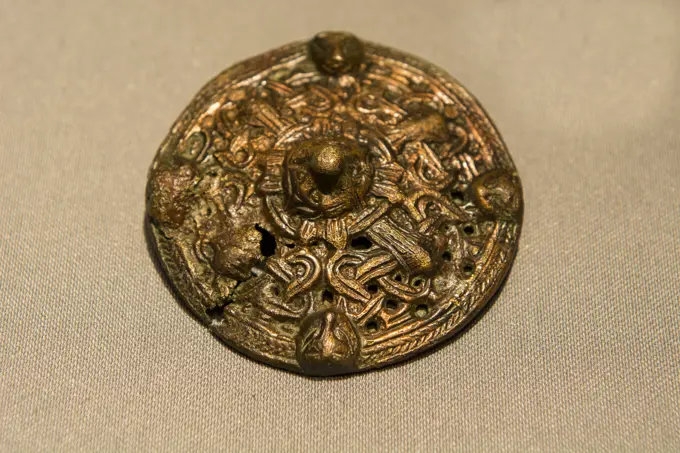
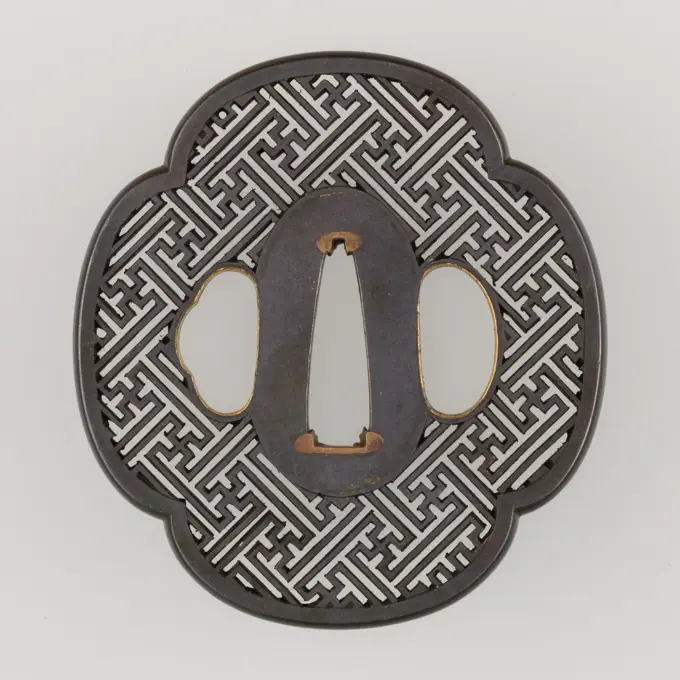
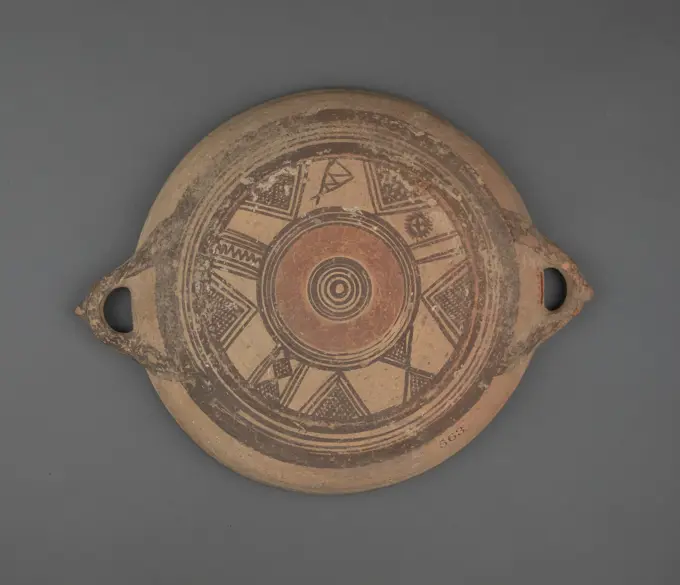
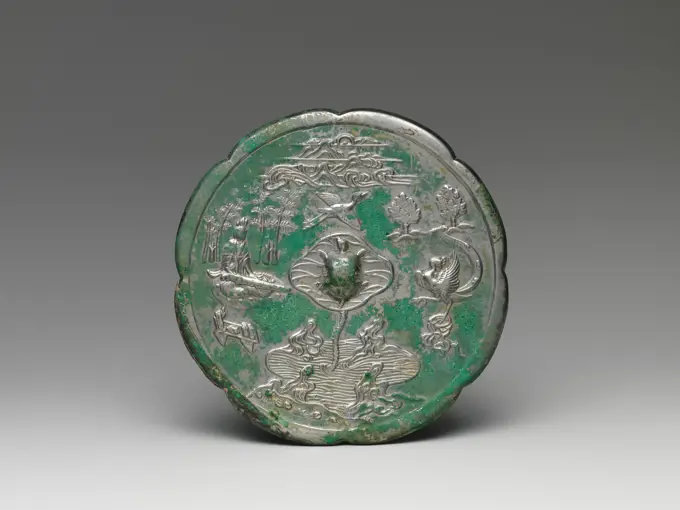
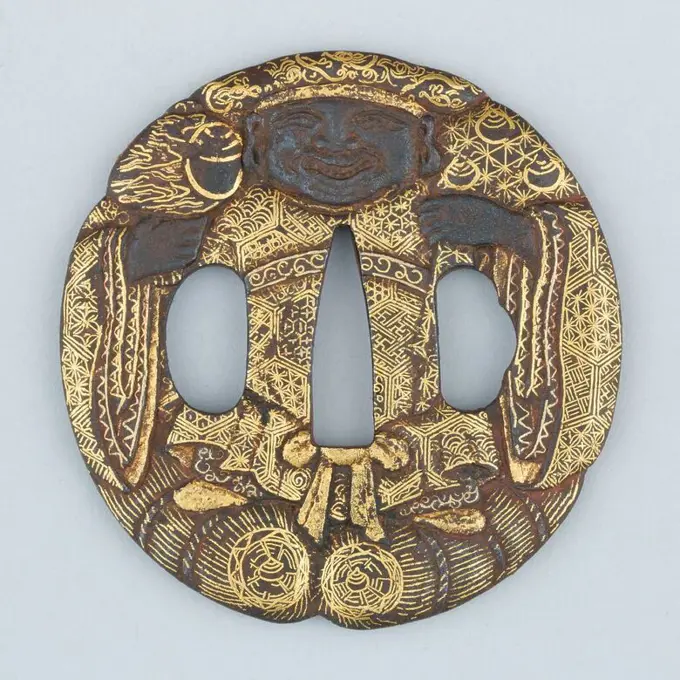
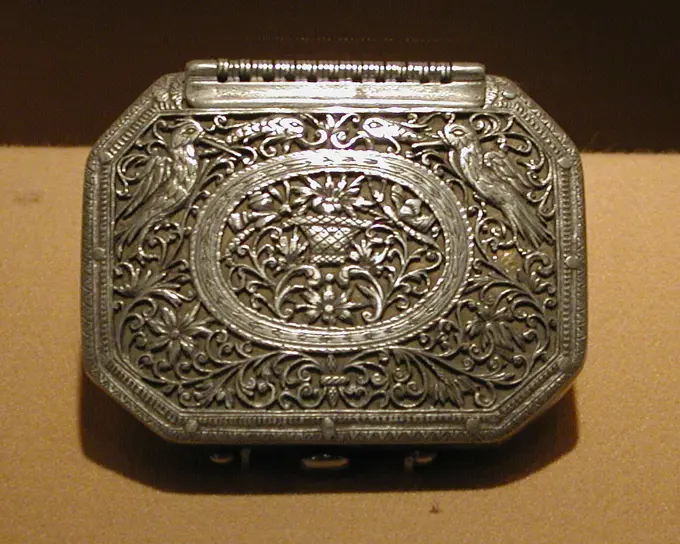
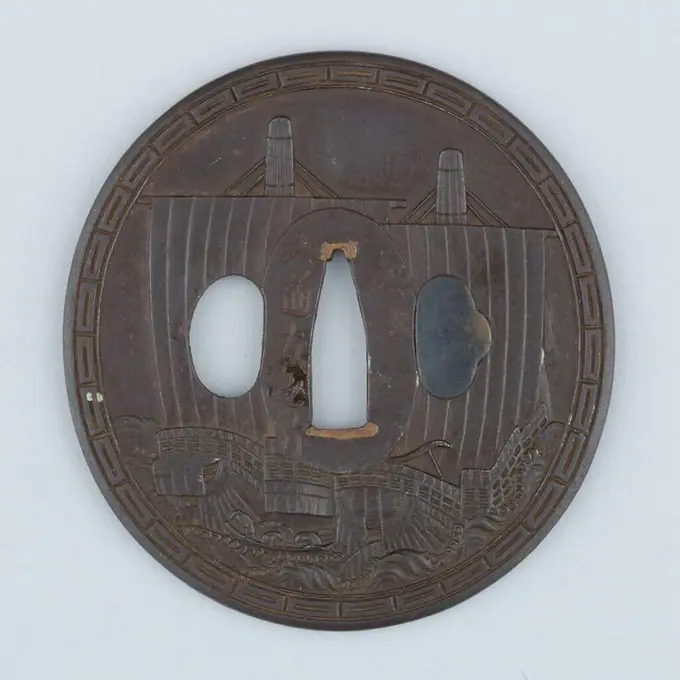
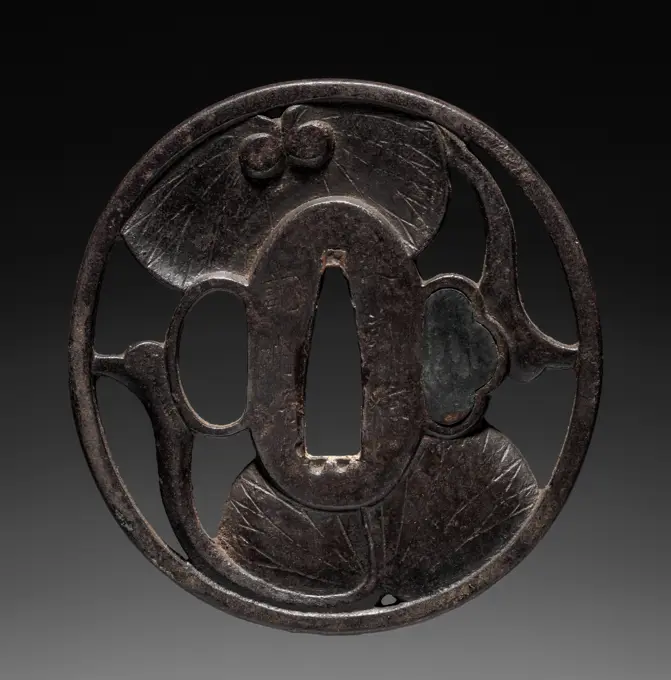
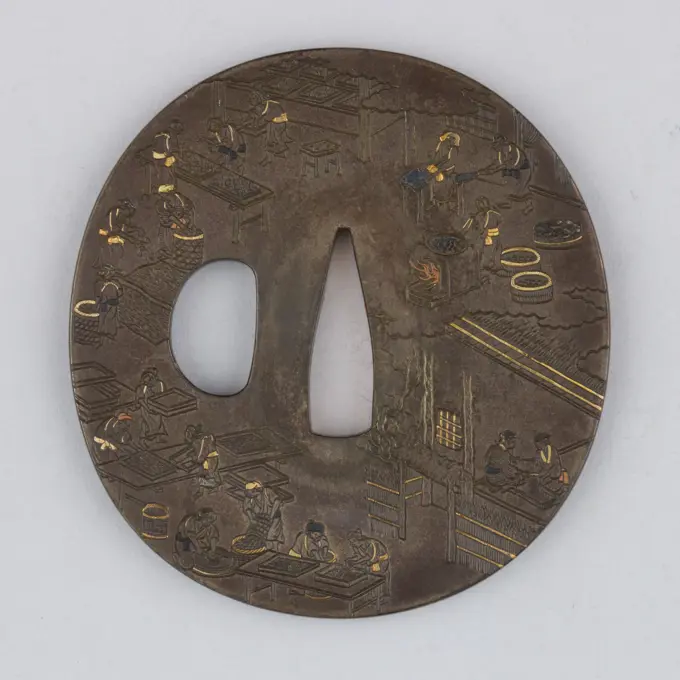
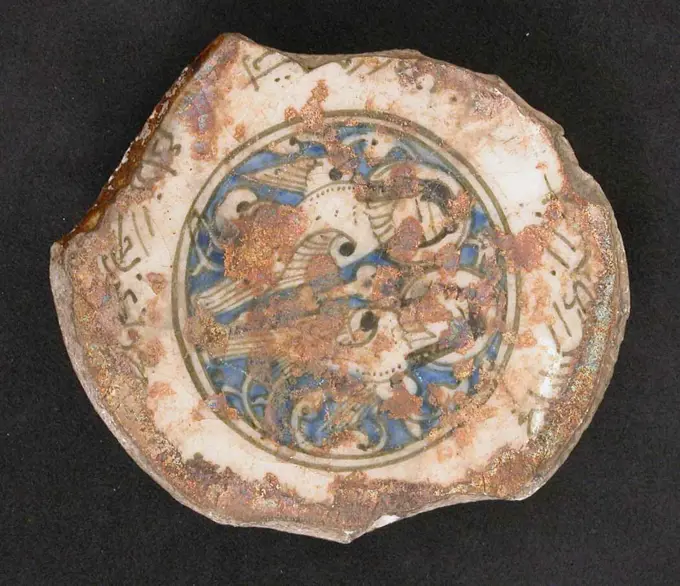
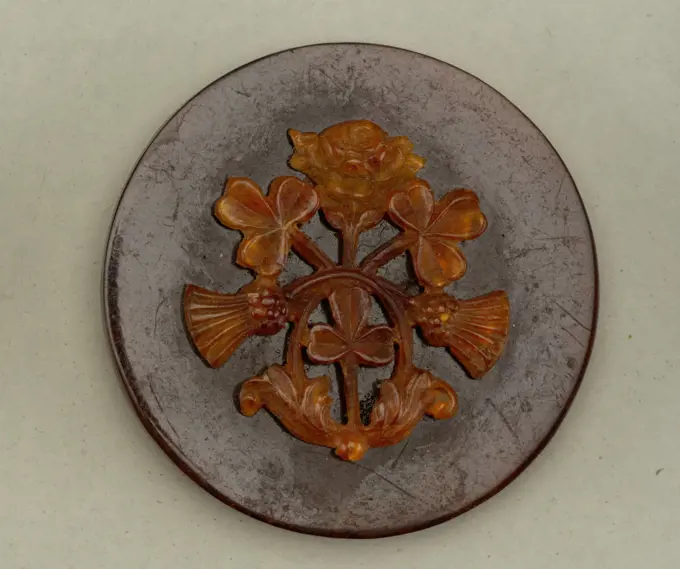
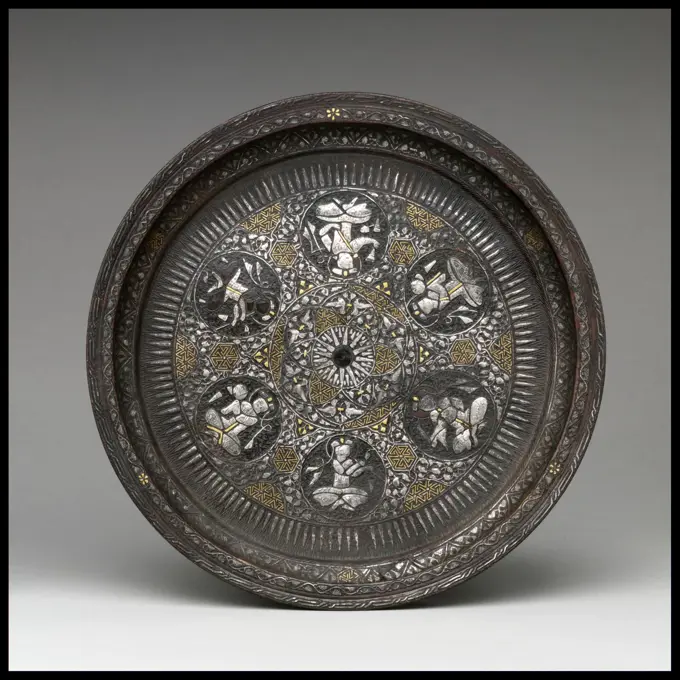
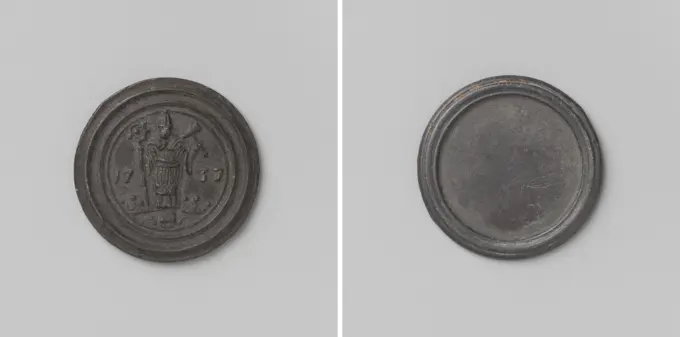
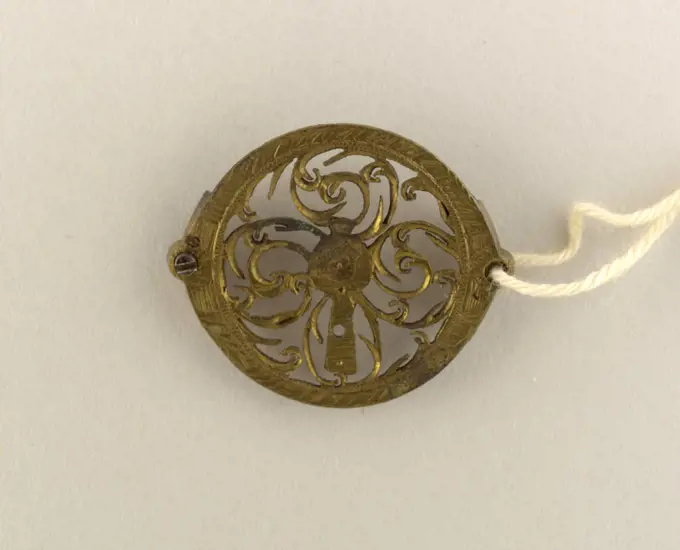
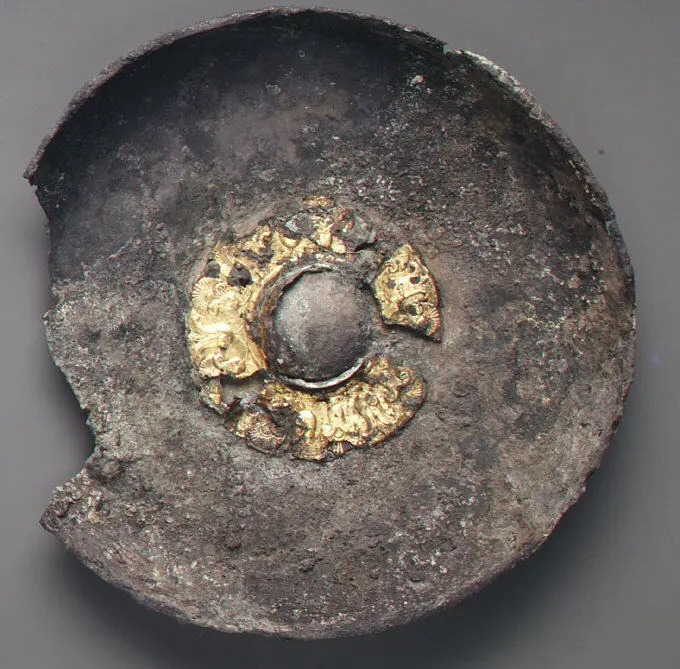
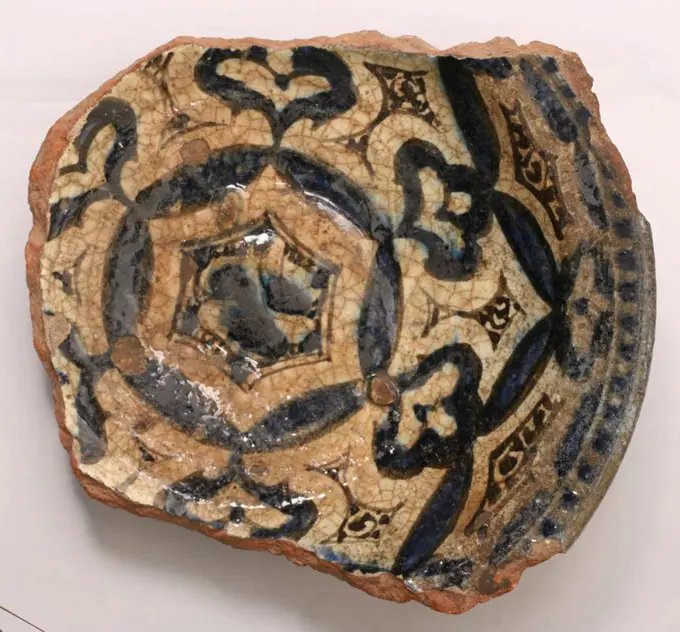
Carnavalet Museum, Medals CollectionSword Guard (Tsuba) Depicting Shōki the Demon Queller (鍾馗図鐔) late 18th to early 19th century Japanese A tsuba is a sword guard and part of a sword mounting. It is mounted between the sword’s blade and grip to protect the user’s hands.. Sword Guard (Tsuba) Depicting Shōki the Demon Queller (鍾馗図鐔) 25703Mirror (Jing) with Lions and Grapes. China, Tang dynasty, 618-906. Furnishings; Accessories. Cast bronzeMirror decorated with four monkeys, anonymous, -400 --200 Bronze mirror decorated with four monkeys that grab each other by the tail. China bronze (metal) Bronze mirror decorated with four monkeys that grab each other by the tail. China bronze (metal)Plate, The Annunciation late 15th century German. Plate, The Annunciation. German. late 15th century. Brass. Metalwork-BrassSword Guard (Tsuba) Japanese dated 1736 A tsuba is a sword guard and part of a sword mounting. It is mounted between the swords blade and grip to protect the users hands.Basin with Adam and Eva. In the flat of the pelvis, which in the middle has the center point, a representation of Adam and Eve in Paradise (Genesis 3, 1-8) and an edge of two entangled roses with stylized roses and styled roses and Leaves. Adam and Eve are on either side of the tree of good and evil. This has the trunk the crowned hose. Paradise is a garden enclosed by a fence, in which O.A. growing a rose, a lily and a carnation. On the right a spell belt, the text of which is illegible. An ornament of cross flowers is punched on the edge of the pelvis. The hanging ring on the back and the hole in the edge are arranged later.Mirror with deities and mythical creatures 3rd or 4th century China. Mirror with deities and mythical creatures. China. 3rd or 4th century. Bronze with green patina. Eastern Han (25-220)-Six Dynasties (220-589). MirrorsMirror. Bronze, China, Han dynasty (206 BC AP.J.-C.). Paris, Cernuschi museum. Asian art, Chinese art, beauty, bronze, han dynasty, mirror, daily lifeSpindle Whorl, 700s - 900s. Iran, early Islamic period, 8th - 10th century. Bone, incised; overall: 0.5 x 2.1 x 2.1 cm (3/16 x 13/16 x 13/16 in.).Plate late 15th century German. Plate. German. late 15th century. Brass. Metalwork-BrassJar FilterCarnavalet Museum, Medals CollectionSquare Plaque 6th-7th century Frankish. Square Plaque 465610 Frankish, Square Plaque, 6th7th century, Iron with silver and copper alloy inlays, Overall: 2 3/8 x 1 3/4 x 9/16 in. (6 x 4.5 x 1.5 cm). The Metropolitan Museum of Art, New York. Gift of J. Pierpont Morgan, 1917 (17.193.282)Dish with grape bunches and vulner leaves, anonymous, 1500 - 1600 In the flat of the dish, which has the center point in the middle, punched with the help of stamp shapes: a umbo surrounded by rankwork with four grape bunches and four vine leaves, as well as an edge of random letters in shaded background (repeated four times). Furthermore, a punched ornament has been applied to stylized leaf motifs in the middle and branches along the edge. Fish blowing is driven in the wall. The edge has been beaten for iron wire. The hanging ring at the rear and the hole in the edge were installed later. The center point has become a small opening. Neurenberg (possibly) brass (alloy). casting In the flat of the dish, which has the center point in the middle, punched with the help of stamp shapes: a umbo surrounded by rankwork with four grape bunches and four vine leaves, as well as an edge of random letters in shaded background (repeated four times). Furthermore, a punched ornament has been applied tFlared cut. Celadon coverage sandstone. Cernuschi Museum, Asia Museum of Asia in the city of Paris.Sword Guard (Tsuba) ca. 1615-1868 Japanese A tsuba is a sword guard and part of a sword mounting. It is mounted between the swords blade and grip to protect the users hands.. Sword Guard (Tsuba) 34409Half of desk disc with portrait: Theophano, woman from Otto II. Theophonia. Nicephori. Soror.othonis.vxor. Theophano, from 972, shown with Otto II)Ivory disk with rosette ca. 1600-1050 B.C. Cypriot Ivory was imported to Cyprus from the Near East or Egypt. The rosette was a popular decorative motif originally inspired by designs on Syrian and Phoenician minor arts and textiles.. Ivory disk with rosette. Cypriot. ca. 1600-1050 B.C.. Ivory. Late Bronze AgeCovered Box: Yue Ware (lid), 907-960. China, Shang-lin-hu kilns, Yu-yao District, Zhejiang province, Five dynasties (907-960). Glazed stoneware with incised decoration; diameter: 13 cm (5 1/8 in.).Medallion with Archer Shooting Bird ca. 1240-60 French. Medallion with Archer Shooting Bird 464210Pair of Bit Bosses late 16th - first half 17th century Italian Bit bosses were ornamental elements decorating both sides of a horse bit. The decoration of this Italian bit boss imitates traditional Venetian filigree, with a human face in the center.. Pair of Bit Bosses. Italian. late 16th - first half 17th century. Copper alloy, gold. Equestrian Equipment-BitsComb Morion ca. 1600 German This helmet is one of a series of etched morions that apparently were worn by the guard of the dukes of Hesse; the Metropolitan has one other example (acc. no. 29.158.49) and there are a dozen preserved in the Hessisches Landesmuseum, Darmstadt. Judging from the similarity in form, the use of the same rosette-shaped lead washers beneath the lining rivets on the exterior, and the pattern and style of etched decoration, the Darmstadt series was fabricated in the same center as another helmet in the Metropolitan Museum's collection, acc. no. 28.195.1.. Comb Morion 26516Dish with bears and leaf motifs, anonymous, 1450 - 1500 In the flat of the dish, where the center point is visible in the middle, with the help of stamp shapes are punched: a rosette with six leaves, surrounded by a five times repeated motif of a bear climbed into a trunk, with on both sides A leaf on a handle, alternated five times by a round stuffed leaf shape. Along the edge, two rings are grooved in parallel. The hanging ring at the rear was applied in later days. Neurenberg (possibly) brass (alloy) casting In the flat of the dish, where the center point is visible in the middle, with the help of stamp shapes are punched: a rosette with six leaves, surrounded by a five times repeated motif of a bear climbed into a trunk, with on both sides A leaf on a handle, alternated five times by a round stuffed leaf shape. Along the edge, two rings are grooved in parallel. The hanging ring at the rear was applied in later days. Neurenberg (possibly) brass (alloy) castingCarnavalet Museum, Medals Collectioneighth Daalder, emergency coin from Deventer, manufactured during the siege from the councilor for payment of the war costs, Anonymous, 1672 coin. siege coin Eighth Daalder. Unilateral, diamond -shaped emergency coin. Front: two stamps: large, round stamp: crowned eagle; Below that: rectangular stamp with year. Reverse: Blanco. Match silver (metal) striking (metalworking)  DeventerSword Pommel probably 1500 Italian. Sword Pommel 32799Black-gloss bowl. Roses workshop. (cent. 4th-3rd BC.) Greek pottery. Wheel made. Cabrera de Mar. Archaeology Museum of Catalonia.Sword Guard (Tsuba). Culture: Japanese. Dimensions: H. 2 7/8 in. (7.3 cm); W. 2 11/16 in. (6.8 cm); thickness 3/16 in. (0.5 cm); Wt. 4.5 oz. (127.6 g). Date: ca. 1615-1868. Museum: Metropolitan Museum of Art, New York, USA.Dish early 16th century German. Dish. German. early 16th century. Brass. Metalwork-BrassDisk Brooch 6th century Frankish. Disk Brooch 464848 Frankish, Disk Brooch, 6th century, Copper alloy, paste, iron core, Overall: 13/16 x 5/16 in. (2.1 x 0.8 cm). The Metropolitan Museum of Art, New York. Gift of J. Pierpont Morgan, 1917 (17.191.155)Mirror. Afghanistan, 12th-13th century. Metal. BronzeTerracotta oil lamp 5th-6th century A.D. Roman Vessberg Type 19. Mold-made with unpierced, stub handle. Discus: angular rosette; a single, large filling hole at center; a raised band around edge. Shoulder: band of ladder pattern. Raised, off-center base ring, and slightly concave base.Deep surface chips to left of nozzle on shoulder and on right underside of nozzle.. Terracotta oil lamp. Roman. 5th-6th century A.D.. Terracotta. Late Imperial or Early Byzantine. TerracottasKalkan ShieldFragment of a Gold Attachment Plate for a Buckle 700s Avar The treasure contains an array of belt fittings, some elaborately decorated, some unfinished or defectively cast. Some show no signs of use, while others are quite worn.The AvarsThe Avars were a nomadic tribe of mounted warriors from the Eurasian steppe. The Byzantine emperor Justinian negotiated with them in the sixth century to protect the Empires northern border along the Black Sea. Emboldened by their subjugation of numerous tribes, they unsuccessfully attempted to seize the Empires capital, Constantinople. They remained a scourge of both Byzantium and the Western kingdoms until Charlemagne defeated them through a series of campaigns in the 790s and early 800s.All the money and treasure that the Avars had been years amassing was seized, and no war in which the Franks have ever engaged.. brought them such riches and such booty. Up to that time the Avars had passed for a poor people, but so much gold and silver was found.. Decorative Door Nail; wrought ironSword Guard (Tsuba) 17th-19th century Japanese A tsuba is a sword guard and part of a sword mounting. It is mounted between the swords blade and grip to protect the users hands.. Sword Guard (Tsuba) 34958Mirror with Four Nipples, Four Quasi-Dragons, and Birds, mid 1300s-mid-1600s. China, Ming dynasty (1368-1644). Bronze; diameter: 10.5 cm (4 1/8 in.); overall: 1.1 cm (7/16 in.); rim: 0.8 cm (5/16 in.).traditional Chinese decorationOil LampButton or Bead 9th-10th century The dot-in-circle motif recalls designs presumed to be of magical significance, most likely an abstract eye to ward off the evil-eye, which serves an apotropaic function. Easily reproduced with a tool and visible in many cultures and times, this symbol may have lost its meaning, and become simply a decorative pattern, or may have one that we have not yet discovered.. Button or Bead. 9th-10th century. Bone; incised and inlaid with paint. Excavated in Iran, Nishapur. Ivories and BoneHalf of desk disc with portrait: Louis de Vrome. Lodowicvs. PIVs. Imp. AVGVSTVS (Lodewijk de Vrome (778-840)).A plate; Manises (ceramic family; Ca 1400-); XVI/XVII century (1591-00-00-1610-00-00);ARTE MEDITERRANEO ORIENTAL. Bandeja. Bronce (latón). Forjada y grabada. Decorada con escena de caza. Procedente de Alejandría o Antioquía. Siglo VII. Museo del Hermitage (The State Hermitage Museum). San Petersburgo. Rusia.Belt Plate, 600s. Frankish, Migration period, 7th century. Iron with silver overlay; overall: 4 x 4.8 cm (1 9/16 x 1 7/8 in.).Anonymous. Quadrilobed fibula. Gold (upper part) and bronze (flat support). 7th century -. Paris, Carnavalet museum. Bronze, quadrilobee fibula, gold, archeological vestigePlanets-manager. Cornalet Collection Sites 2013-2016. Numismatic.BowlSpindle Whorl, 700s - 900s. Iran, early Islamic period, 8th - 10th century. Bone, incised; overall: 0.5 x 2.3 x 2.3 cm (3/16 x 7/8 x 7/8 in.).Fragment of an Oil LampMirror with 'Shan' (Mountain) Pattern, 200s BC. China, probably State of Chu, possibly Hunan province, Eastern Zhou dynasty (771-256 BC), Warring States period (475-221 BC). Bronze; diameter: 18 cm (7 1/16 in.). Chinese mirror-casting achieved new elegance and precision with the technical development of stamped clay molds over which molten bronze was poured. A small rectangular unit of design was repeatedly stamped to create this background of curls and granulation, which resembles feather-covered textiles known from early tomb finds. The dominant pattern of slanting "T," pressed down upon the mold after the overall background stamps, corresponds to the modern Chinese character for shan ( or mountain). Whether the pattern was symbolic or decorative during the Zhou Dynasty is unknown. The site of manufacture is probably south China, since many mirrors of this type have been excavated from tombs in that area.Sword Guard, early 1800s. Japan, Edo period (1615-1868). Iron; diameter: 7.7 cm (3 1/16 in.).Carnavalet Museum, Medals CollectionSample (USA); brass; 1942-80-11Plate 16th-17th century possibly Italian. Plate. possibly Italian. 16th-17th century. Pewter. Metalwork-PewterLazio Viterbo Viterbo Museo Civico91. Hutzel, Max 1960-1990 Views of paintings (Middle Ages through 18th c.), frescoes, a tabernacle, coffin, sculpture reliefs, portal fragments, busts, sculpture, tapestry found in the Pinacoteca, Second floor gallery and Second floor cloister sequences. Antiquities: Many views of Etruscan and Roman fragments, sculpture, sarcophagi, pottery, masks, jewelry and other objects found in the Storeroom sequence (inventory numbers on back of prints), and the Cloister, Second floor Cloister, Valle Giulia, Sala Romana and Sala Etrusca sequences. General Notes: There are eight separate numerical sequences for this location. The cloister as an architectural structure, rather than museum site, is documented in the record and file for S. Maria della Verita, Cloister, all views of which are stored in Medieval core collection. Five views from the Museo Civico Second floor cloister sequence are stored in Medieval. German-born photographer and scholar Max Hutzel (1911-Umbo tarczy. warsztat bosporański, workshopOrnamental Ring Korea. Ornamental Ring 44820Spindle Whorl, 700s - 900s. Iran, early Islamic period, 8th - 10th century. Bone, incised; overall: 0.6 x 1.9 x 1.9 cm (1/4 x 3/4 x 3/4 in.).Fragent of a small container with floral scrolls in a medallion, anonymous, c. 1150 - c. 1224 Fragment of the bottom of a small quartet fritry with a white glassy glaze. A border of points around the circular center. On the bottom a medallion with a decor from circles segments and flower vessels with white and red accents and black outlines in the blue field. The fragment was found in Cairo. Syria earthenware. glaze painting / vitrification Fragment of the bottom of a small quartet fritry with a white glassy glaze. A border of points around the circular center. On the bottom a medallion with a decor from circles segments and flower vessels with white and red accents and black outlines in the blue field. The fragment was found in Cairo. Syria earthenware. glaze painting / vitrificationNorway, Oslo. Historical Museum of Oslo, The Viking Collection, ornate Viking Birka type metal brooch.Planets-manager. Cornalet Collection Sites 2013-2016. Numismatic.Sword Guard (Tsuba) with Fan, c. 1615-1868. Japan, possibly Edo period (1615-1868). Iron; diameter: 7 cm (2 3/4 in.).Mirror with dragons and knob and swirl design 1st century B.C. China. Mirror with dragons and knob and swirl design 74430Sword Guard (Tsuba) 18th century Japanese A tsuba is a sword guard and part of a sword mounting. It is mounted between the swords blade and grip to protect the users hands.. Sword Guard (Tsuba) 26415Carnavalet Museum, Medals CollectionHexagonal Pin 100-300 Roman. Hexagonal Pin 465841 Roman, Hexagonal Pin, 100300, Champlev enamel, bronze, Overall: 1 9/16 x 1/2 in. (4 x 1.3 cm). The Metropolitan Museum of Art, New York. Gift of J. Pierpont Morgan, 1917 (17.194.1915)Ornament of Horse Trapping 14th century Spanish. Ornament of Horse Trapping. Spanish. 14th century. Copper alloy. Miscellaneous-Buckles & Ornament. Round tsuba with a wisteria branch in a negative silhouette.Button or Bead 9th-10th century The dot-in-circle motif recalls designs presumed to be of magical significance, most likely an abstract eye to ward off the evil-eye, which serves an apotropaic function. Easily reproduced with a tool and visible in many cultures and times, this symbol may have lost its meaning, and become simply a decorative pattern, or may have one that we have not yet discovered.. Button or Bead 449274Plate 950-850 B.C. Cypriot. Plate. Cypriot. 950-850 B.C.. Terracotta. Cypro-Geometric II. VasesMirror with immortal and phoenix in a landscape late 8th century China. Mirror with immortal and phoenix in a landscape 75172Button from the wreck of the East Indians Hollandia, Anonymous, 1700 - in or before 1743 button Knoop. (1) id. NG 1980-27H1185 (2.4d) Netherlands bone (material)   SecondMirror with animals of the four directions mid 1st-late 1st century B.C. China. Mirror with animals of the four directions. China. mid 1st-late 1st century B.C.. Silver, bronze. Western Han dynasty (206 B.C.-A.D. 9), mid to late 1st B.C.. MirrorsSword Guard (Tsuba). Culture: Japanese. Dimensions: H. 2 3/4 in. (7 cm); W. 2 11/16 in. (6.8 cm); thickness 3/16 in. (0.5 cm); Wt. 4.1 oz. (116.2 g). Date: 18th century. Museum: Metropolitan Museum of Art, New York, USA.Sweetmeat box probably ca. 1680-1700 French. Sweetmeat box 196988Sword Guard (Tsuba), c. 1615-1868. Japan, possibly Edo period (1615-1868). Iron; diameter: 9 cm (3 9/16 in.).Planets-manager. Cornalet Collection Sites 2013-2016. Numismatic.Jan van Leeuwen, Fig-like container of spoon, stem is broken, spoon cutlery soil find copper metal, cast Molded bowl short rat tail Front bin smashed: crowned rose with in the crown IVL archeology Rotterdam rail tunnel food Soil discovery: trajectory rail tunnel Rotterdam.Sword Guard (Tsuba). Culture: Japanese. Dimensions: H. 3 3/8 in. (8.6 cm); W. 3 3/16 in. (8.1 cm); thickness 3/16 in. (0.5 cm); Wt. 4.8 oz. (136.1 g). Date: 18th century. Museum: Metropolitan Museum of Art, New York, USA.Sword Guard, mid-1700s. Japan, Edo period (1615-1868). Iron; diameter: 7.4 cm (2 15/16 in.).Sword Guard (Tsuba) 18th century Japanese A tsuba is a sword guard and part of a sword mounting. It is mounted between the swords blade and grip to protect the users hands.. Sword Guard (Tsuba) 30076Fragment of a Bowl 12th-13th century. Fragment of a Bowl 447190Buttons, Shell with composition ornament, brass, Four circular buttons of shell, with composition in design of spray composed of rose, shamrock and thistle., On card 2, late 19th century, costume & accessories, Decorative Arts, ButtonsCarnavalet museum, tokens collectionCream, polychrome plate decorated with a black illustration of a scorpion. This animal was associated with Venus and also had astrological connotations. 600-900 A.D.Bowl late 14th-early 15th century. Bowl 451797Tray with Sun Symbol 14th century A sun symbol occupies the center of this plate, but instead of the planets orbiting it, we find musicians and other courtly figures. Here, the sun may symbolize earthly power and physical strength rather than a heavenly body.. Tray with Sun Symbol. 14th century. Brass; cast, chased, engraved, inlaid with silver and gold. Attributed to Egypt or Syria. MetalSpindle Whorl, 700s - 900s. Iran, early Islamic period, 8th - 10th century. Bone, incised; overall: 0.5 x 2.4 x 2.4 cm (3/16 x 15/16 x 15/16 in.).Cup and saucer, counter and plaque, 1733 Round plaque with an engraved performance that completely matches the decoration of a table board. In the platform the weapons of the Schippers and Bartholomeussen families surrounded by ranks (the cover). Under the weapons a cartouche with the inscription 'Cornelis Schippers/ Judick Bartholomeussen'. Round the central performance a narrow rank-band and then a wide band with servetwork and four cartouches with two pairs of entangled hands. China mother of pearl engraving Round plaque with an engraved performance that completely matches the decoration of a table board. In the platform the weapons of the Schippers and Bartholomeussen families surrounded by ranks (the cover). Under the weapons a cartouche with the inscription 'Cornelis Schippers/ Judick Bartholomeussen'. Round the central performance a narrow rank-band and then a wide band with servetwork and four cartouches with two pairs of entangled hands. China mother of pearl engravingHand guard, anonymous, 1600 - 1800 Oval tsuba with a picenix in gold nunome-zogan that flies above a pine forest; A golden edge runs around the Ryo-Hitsu. Japan iron (metal). gold (metal) Oval tsuba with a picenix in gold nunome-zogan that flies above a pine forest; A golden edge runs around the Ryo-Hitsu. Japan iron (metal). gold (metal)Three fragments of a facade decoration. Three pieces of a facade decoration. Ornaments of sandstone with pieces of red baked stone.St. Eligius or Smids Guild of Liège, Anonymous, 1737 medal One -sided lead medal. Front: St. Eligius with hammer in the left and staff in the right hand between the year within three circles. Reverse: Blanco Liège lead (metal) casting  LiègeEarring. Dimensions: H: 7/8 in (2.2 cm)W: 1 1/4 in (3.2 cm)D: 1/8 in. (0.3 cm). Date: probably 11th-13th century.These earrings ( 95.16.2 and .3) were discovered in al-Hillah, Iraq, and are of a known type produced in the 11th -13th centuries. The hexagram in the center probably alludes to the apotropaic Seal of Solomon, a motif which is found on other objects from this period and place. According to legend, King Solomon received the Seal in the form of a signet ring directly from God, which gave him the power to command animals, and supernatural beings (jinn). The Seal of Solomon became a popular talismanic motif throughout the Islamic world and can be found on the surfaces of many objects. Museum: Metropolitan Museum of Art, New York, USA.Balance cock / coque de montre, Brass, Oval. Pierced vertical center with four foliated scrolls forming a quatrefoil. Engraved border., probably France, 18th century, metalwork, Decorative Arts, Balance cock / coque de montreSilver and gold phiale (libation bowl) late 6th century B.C. Cypriot The phiale, characterized by its wide, low proportions and by the central boss, originated in the Near East but reached the Greek world by about 700 B.C. Phialai with a zone of ornament around the omphalos (central boss) found particular favor in eastern Greece. The palmette-lotus band is of Cypro-Phoenician type but its application may reflect Greek influence.. Silver and gold phiale (libation bowl) 243837Sword Guard (Tsuba) ca. 1615-1868 Japanese A tsuba is a sword guard and part of a sword mounting. It is mounted between the swords blade and grip to protect the users hands.. Sword Guard (Tsuba) 34389Fragment of a Bowl 9th century. Fragment of a Bowl 454759False Coin, 50 Groschen, 1938, Repubiic of PolandFragment of a Bowl 15th century. Fragment of a Bowl 445169