Cultural Decorative Objects

A variety of historical decorative items, including mirrors and plates, showcasing intricate designs and cultural significance from different eras.
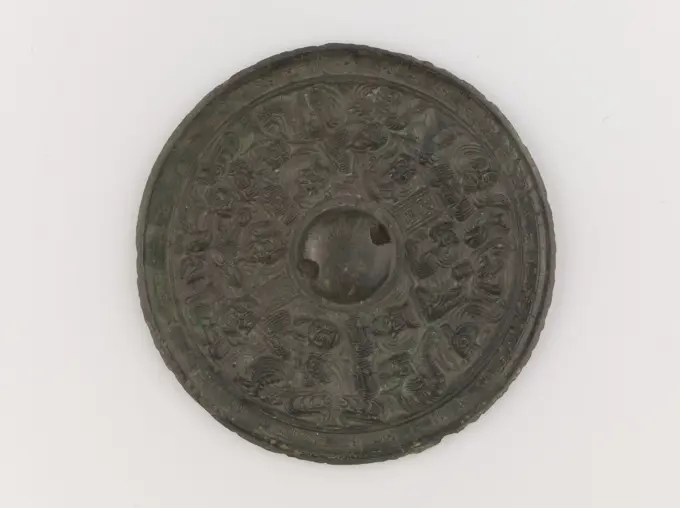
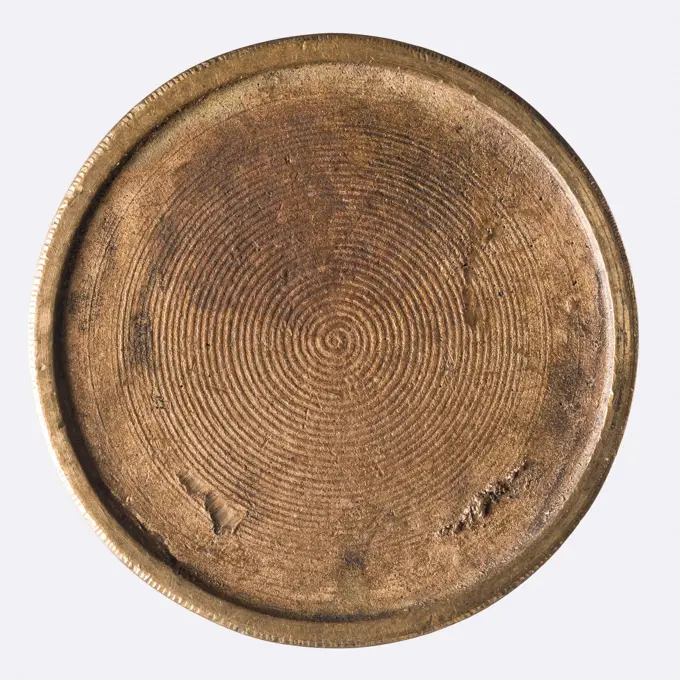
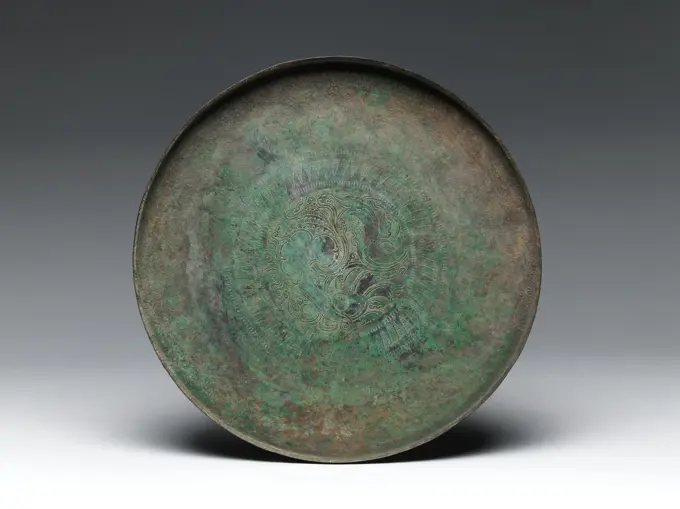
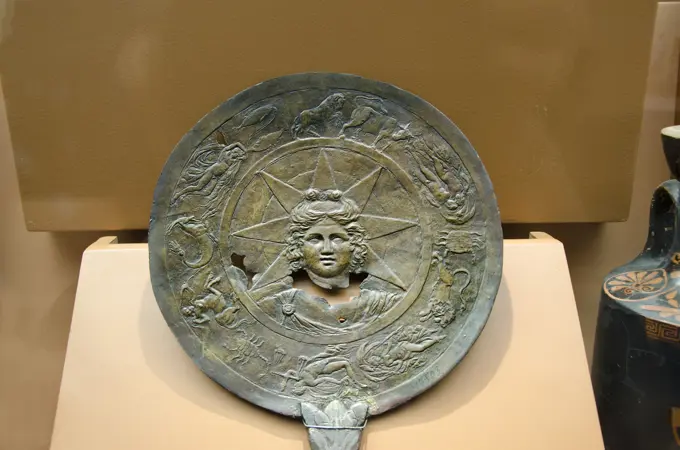
Mirror. Bronze, China, Han dynasty (206 BC AP.J.-C.). Paris, Cernuschi museum. Asian art, Chinese art, beauty, bronze, han dynasty, mirror, daily life
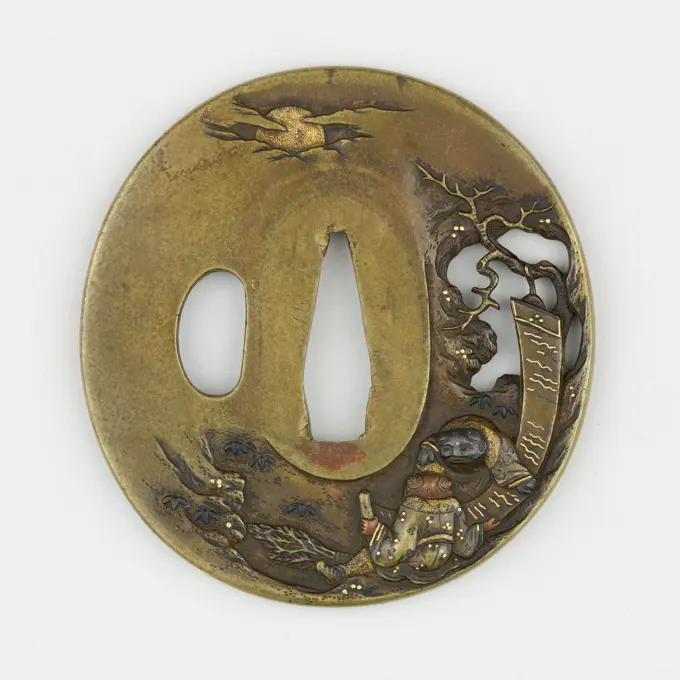
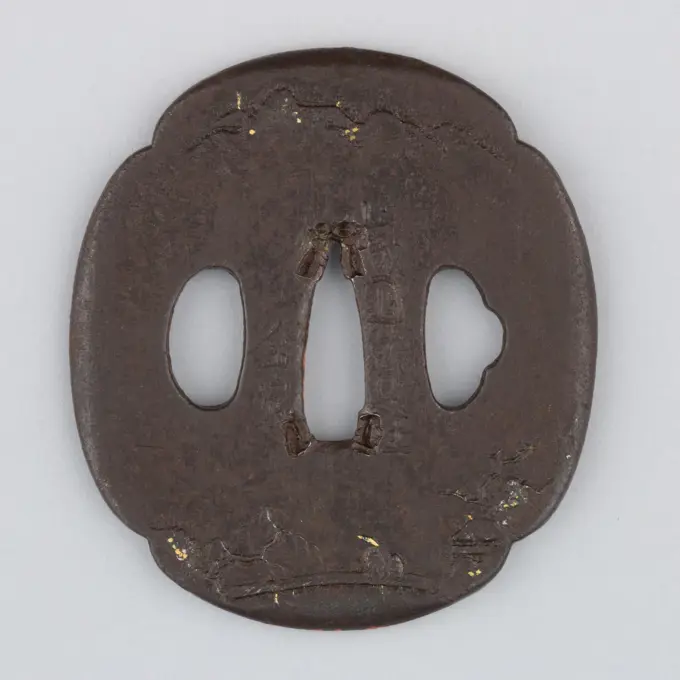
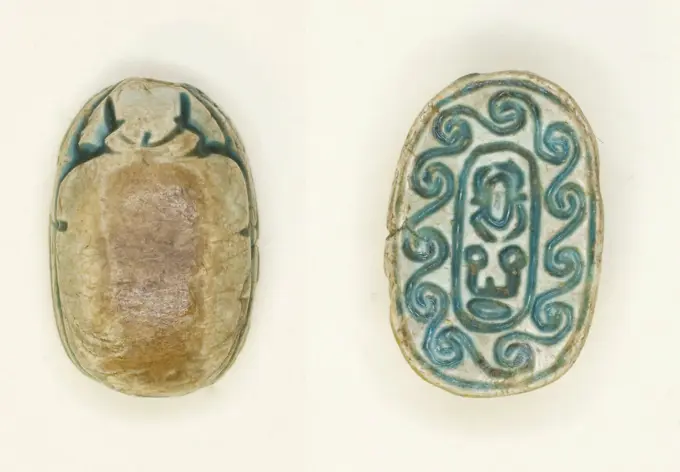
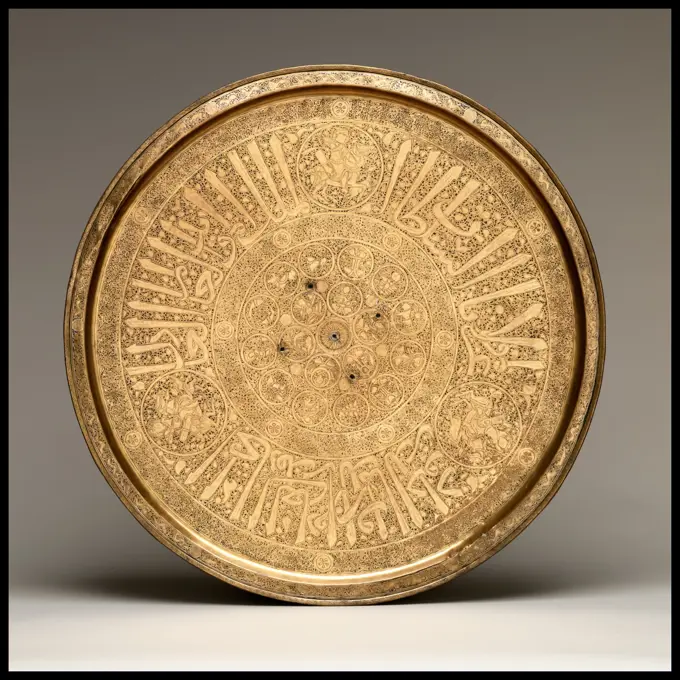
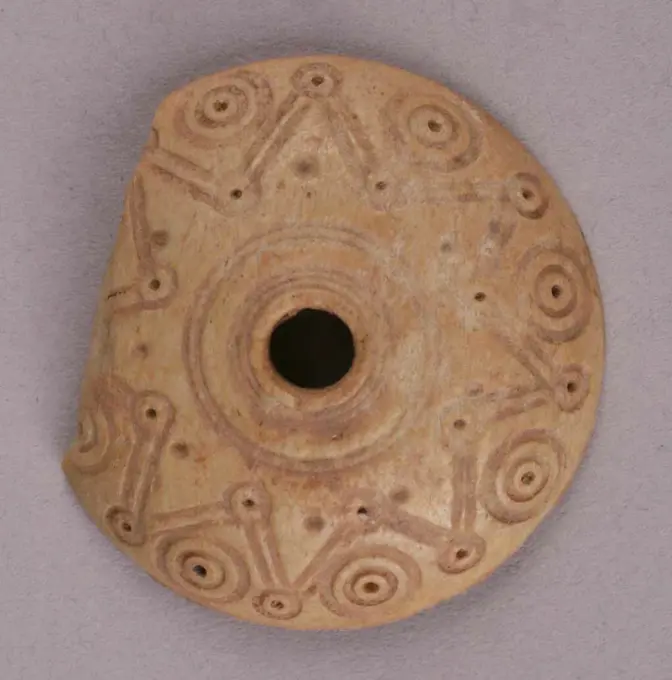
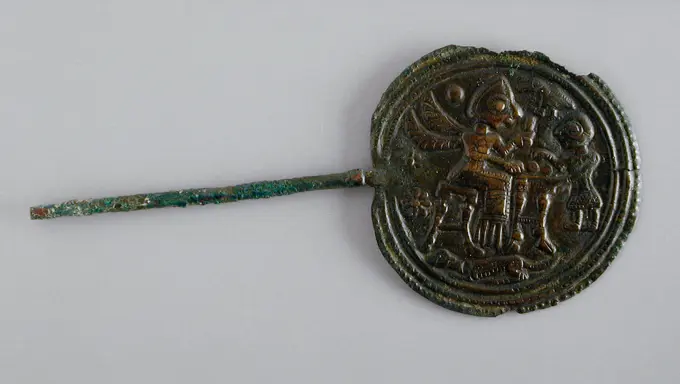
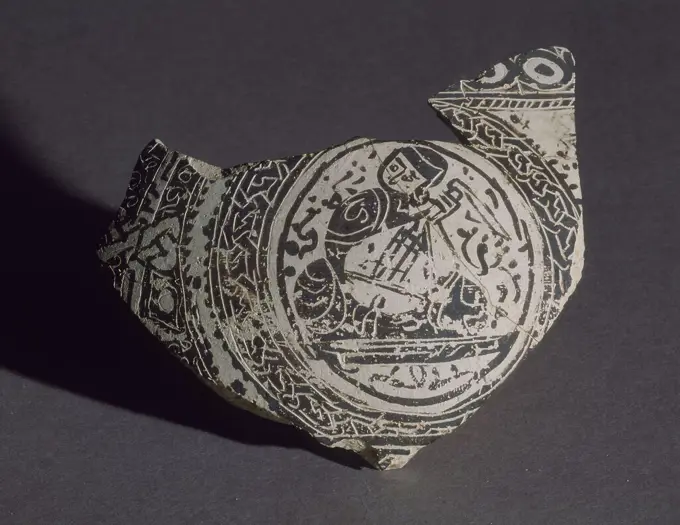
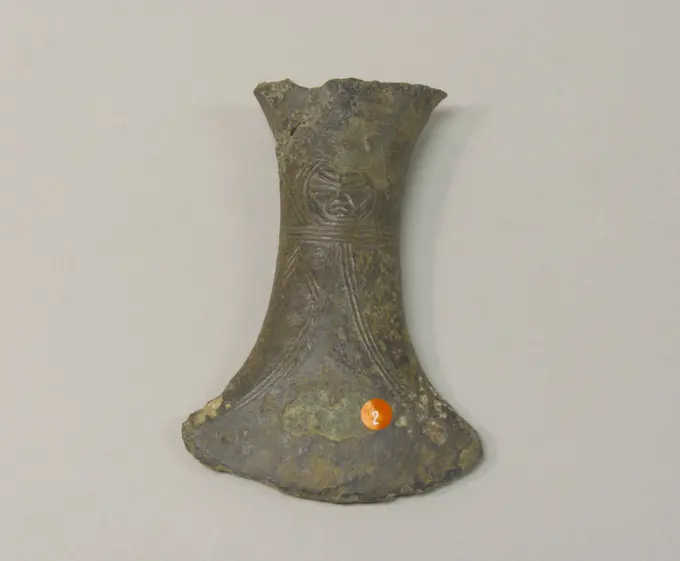
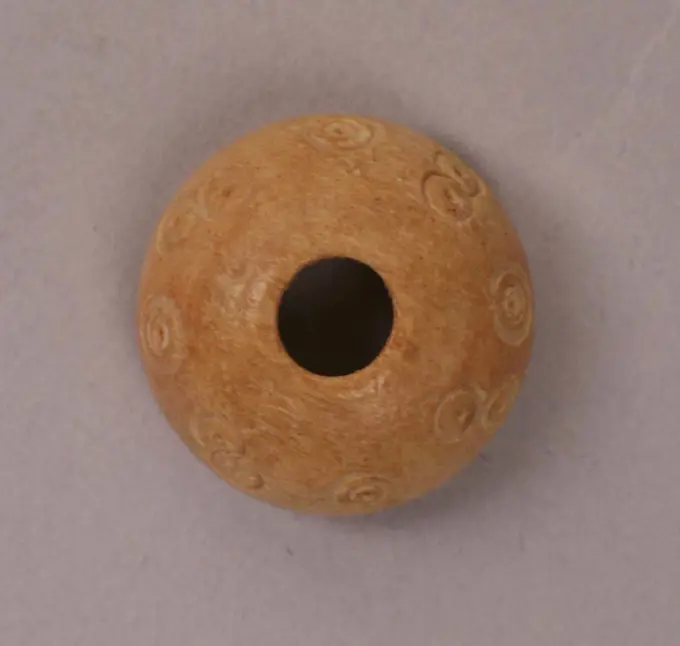
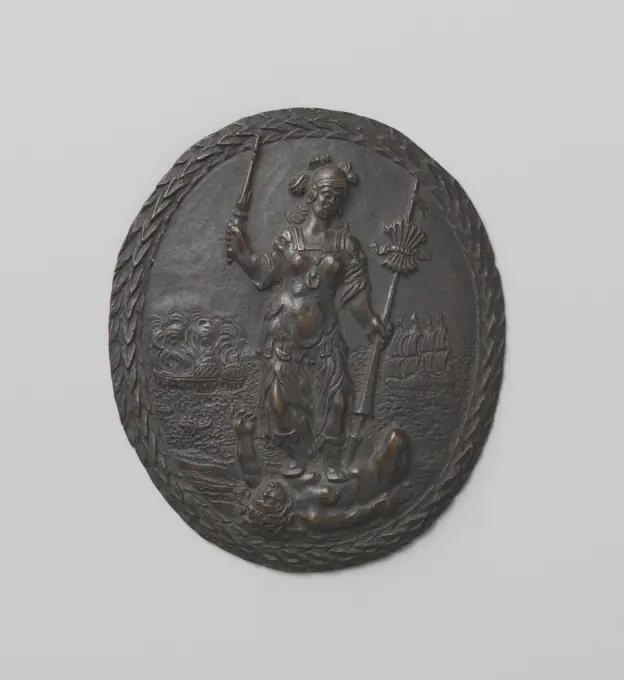
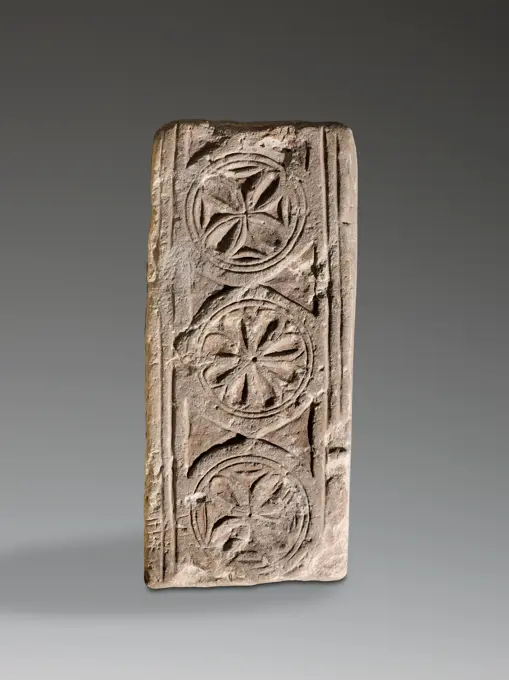
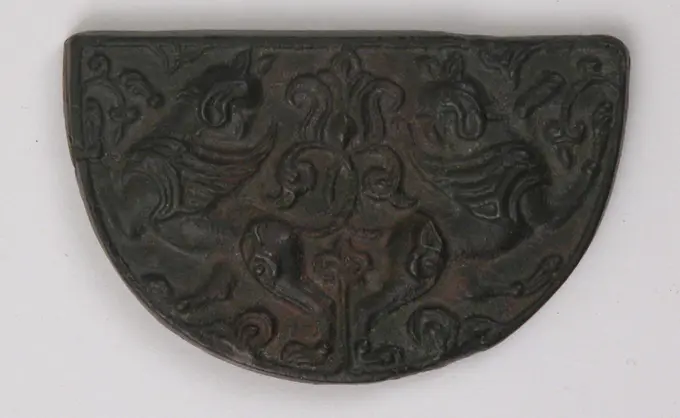
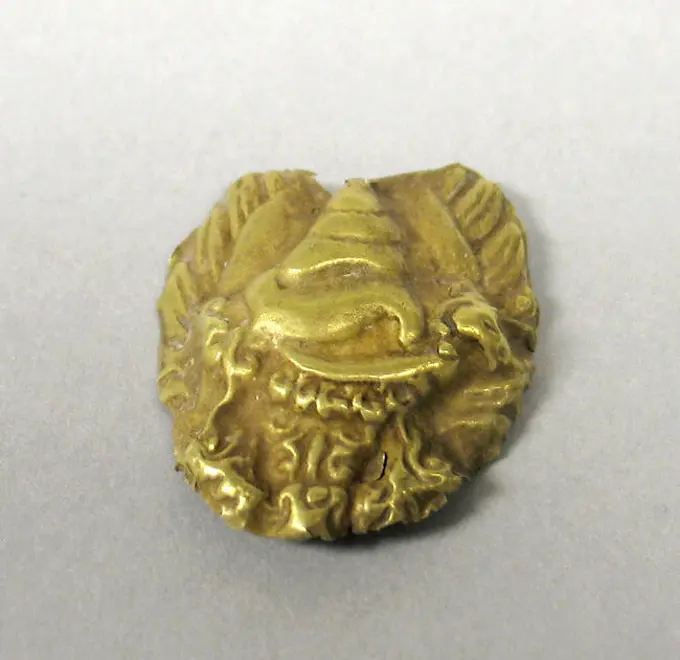
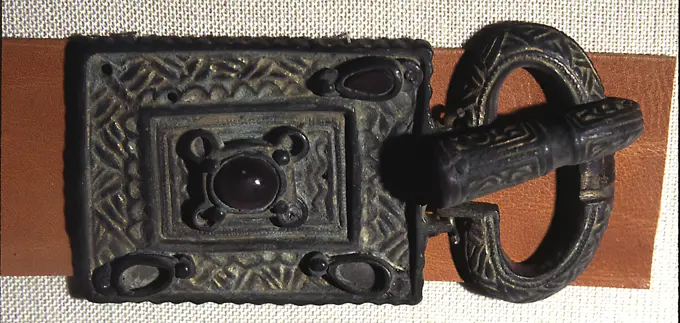
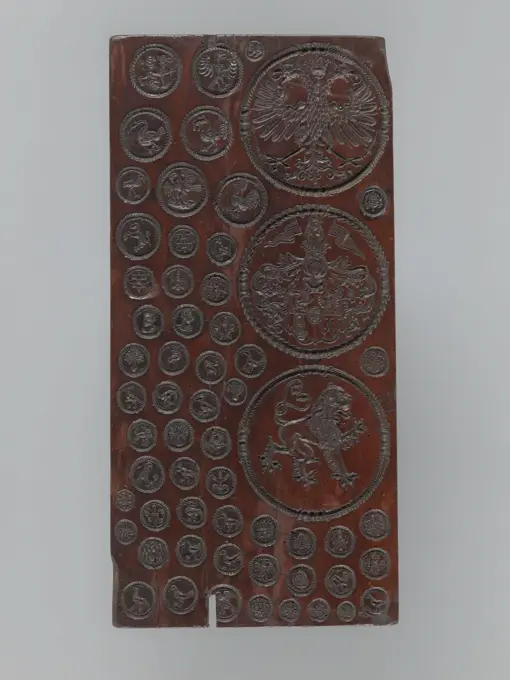
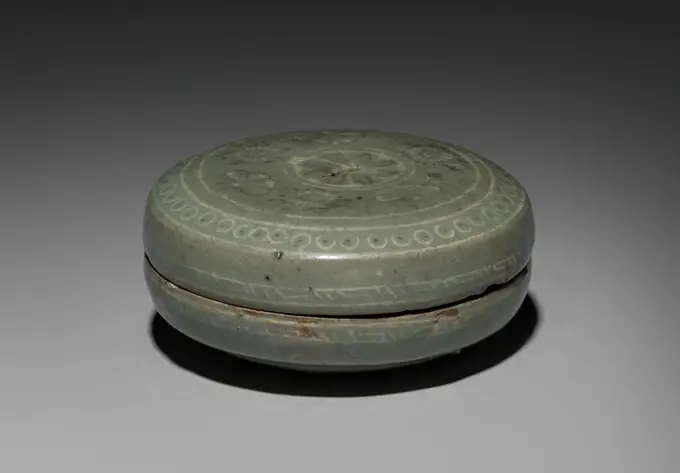
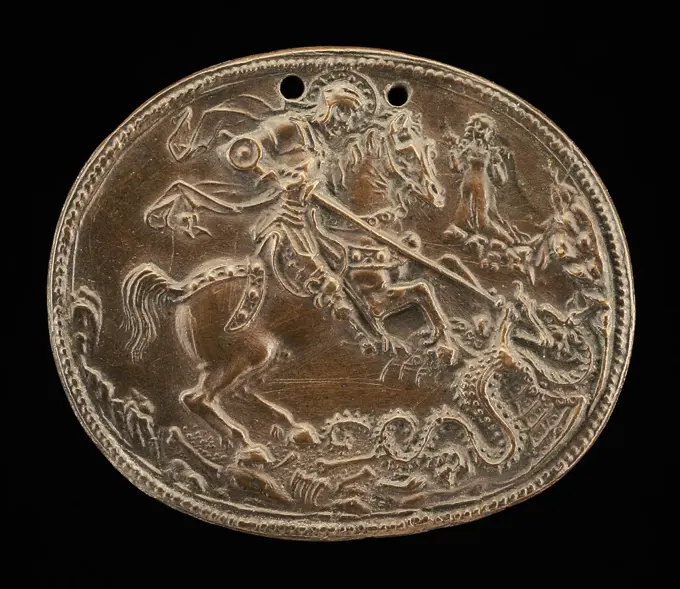
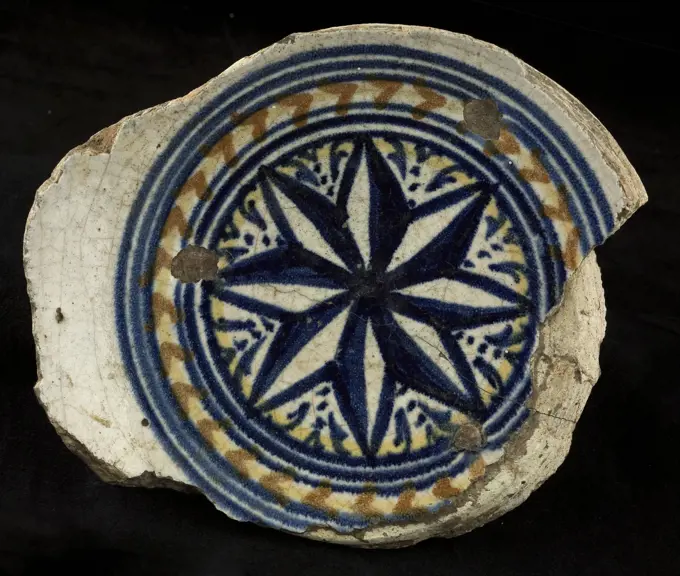
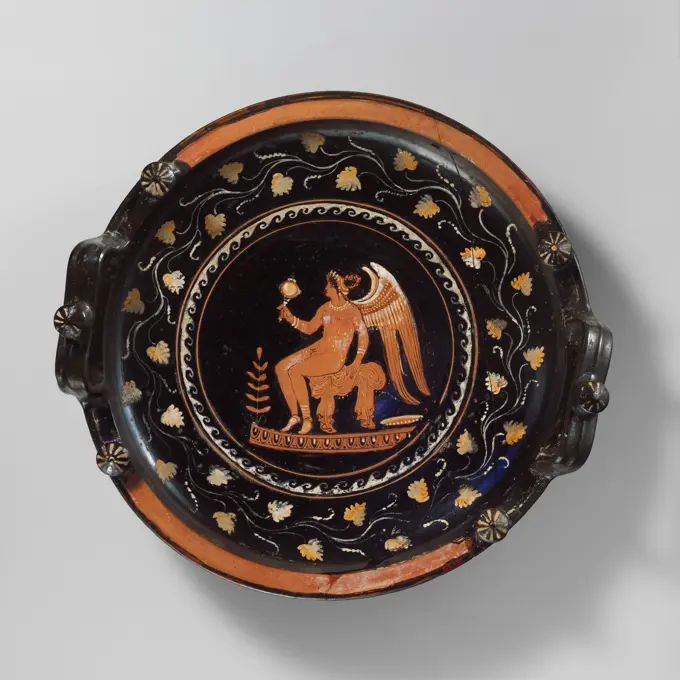
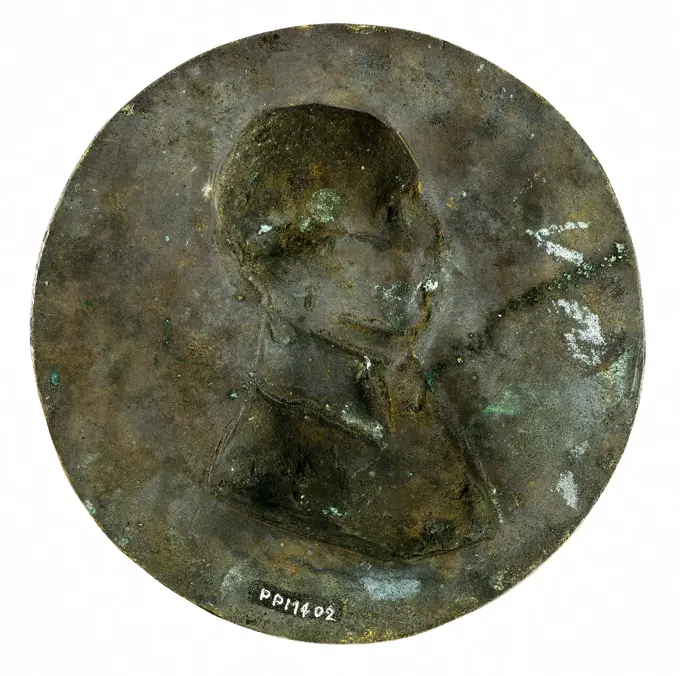
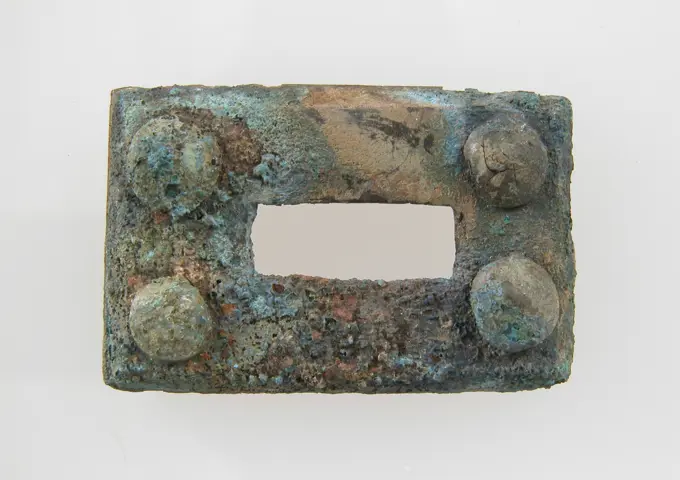
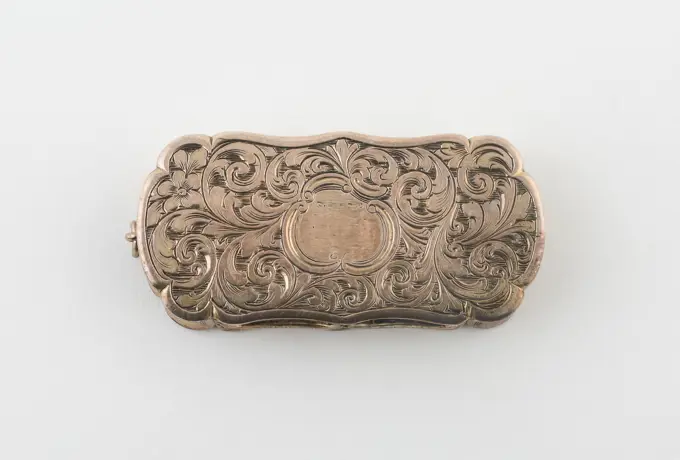
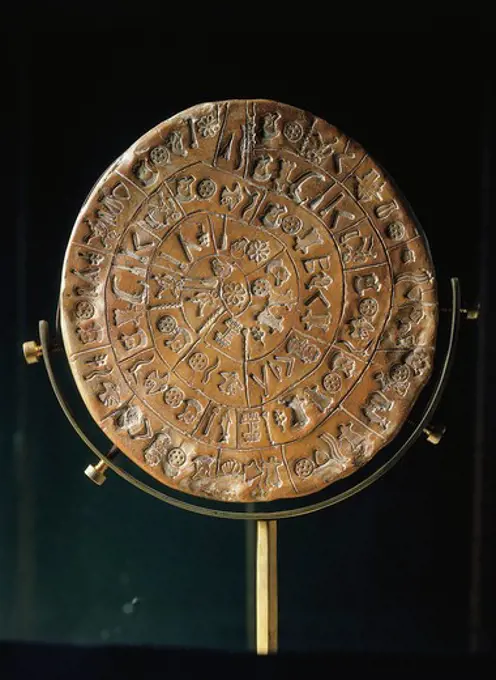
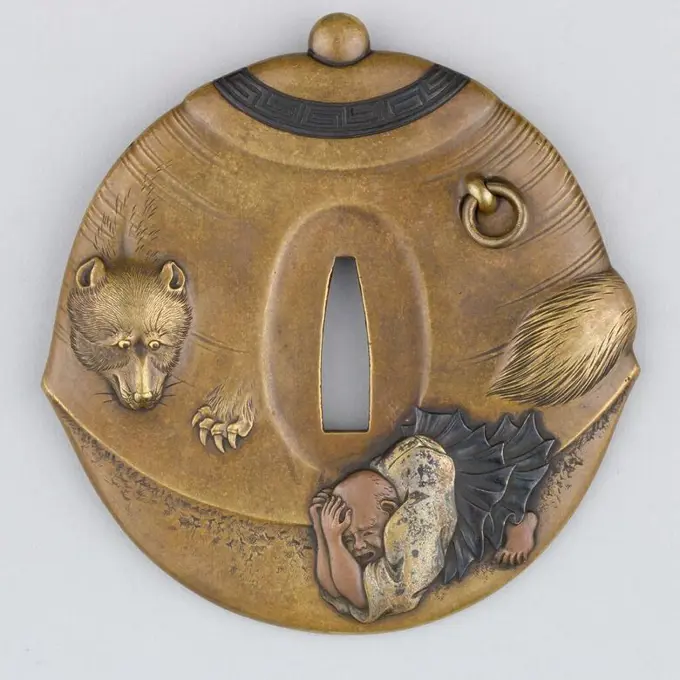
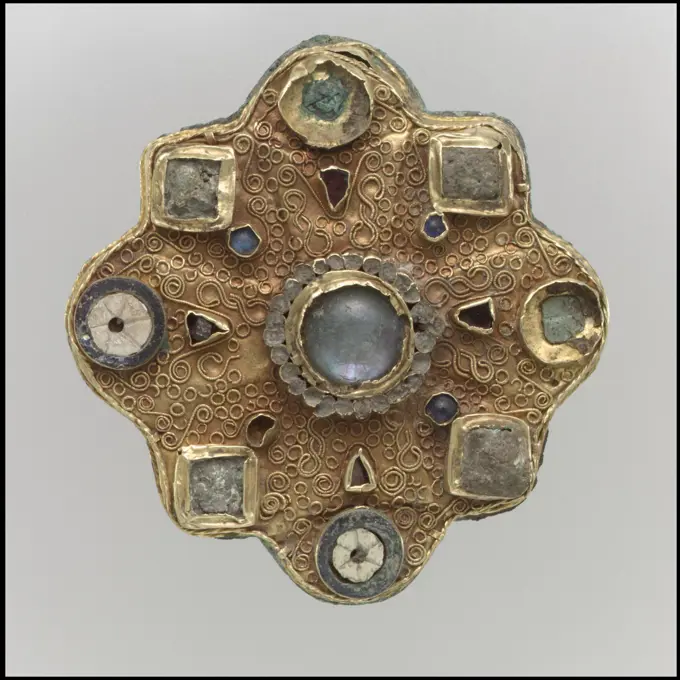
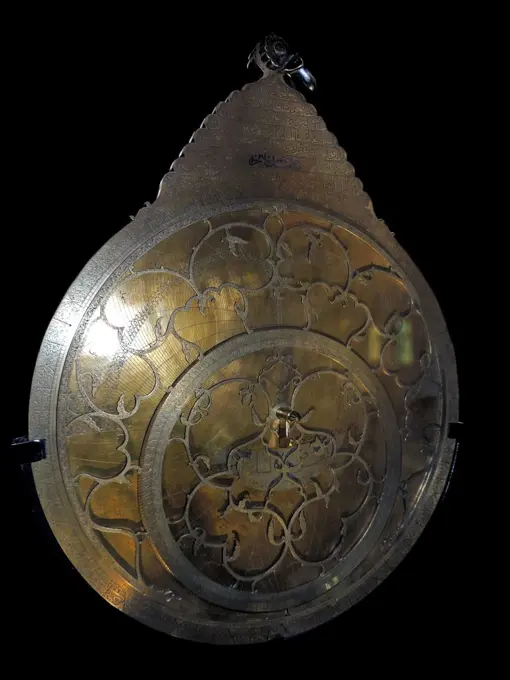
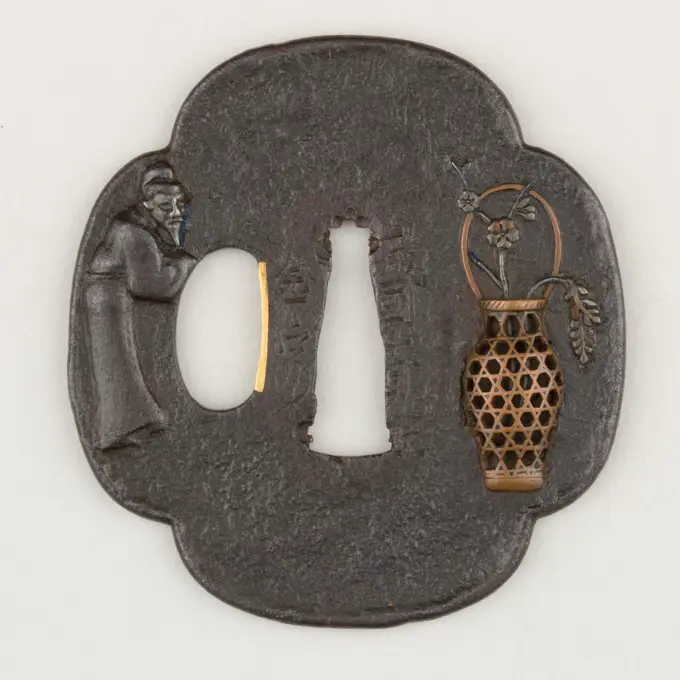
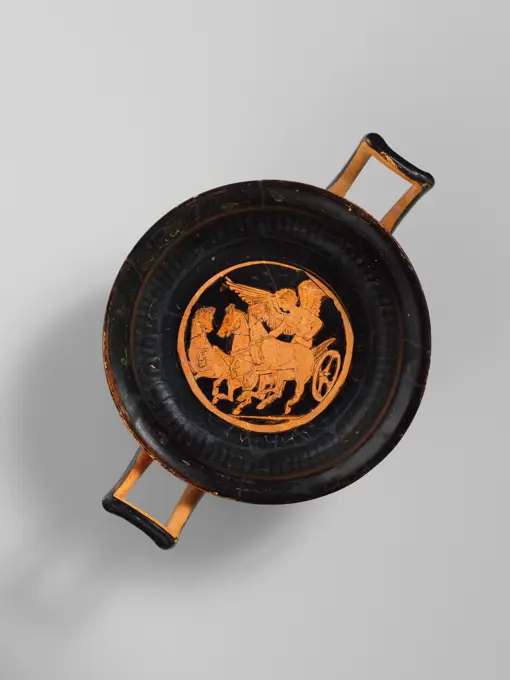
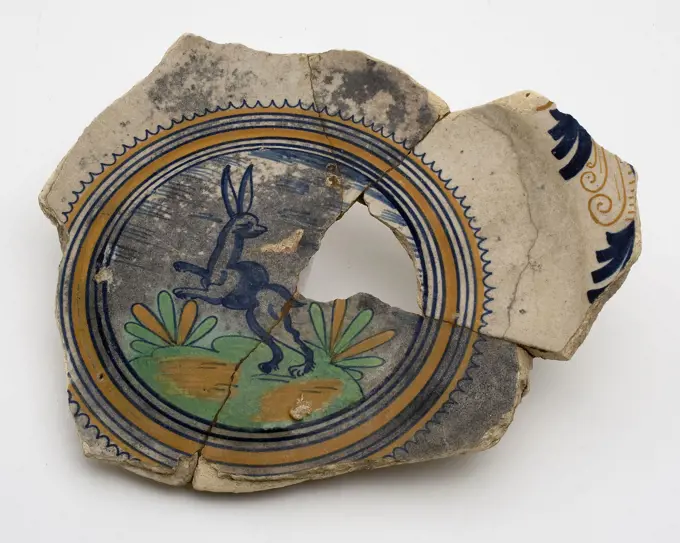
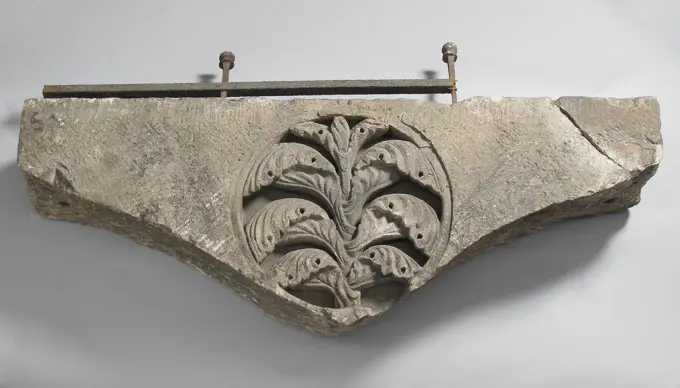
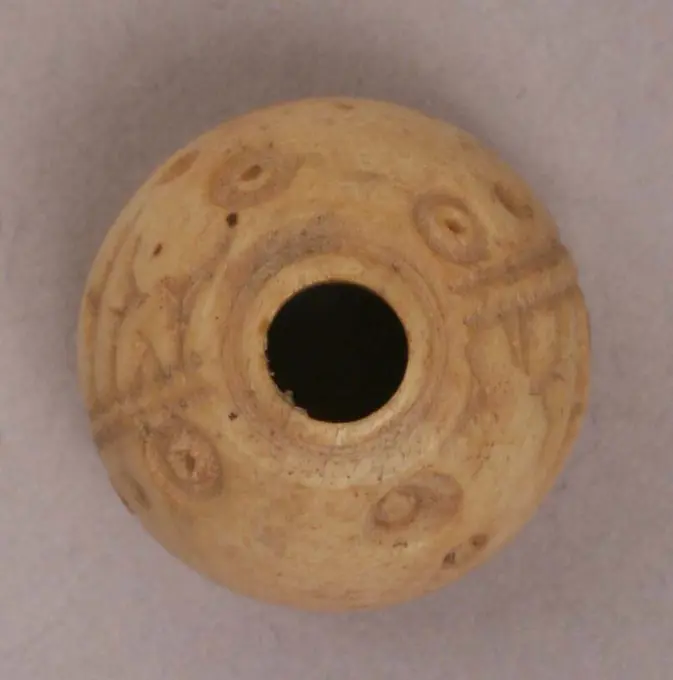
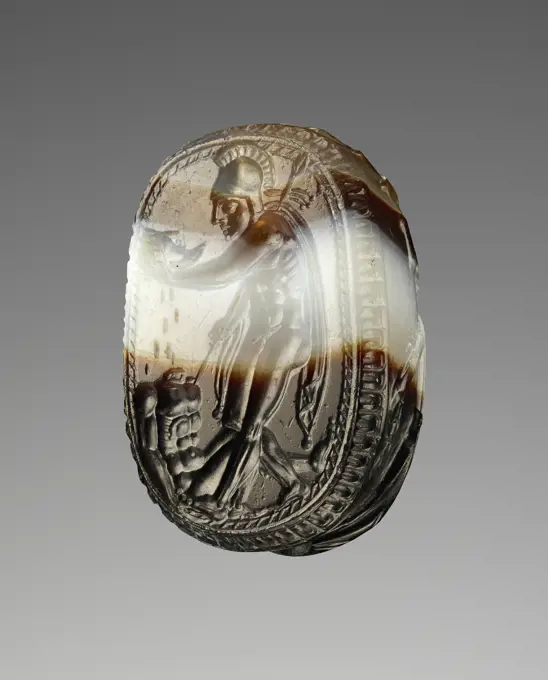
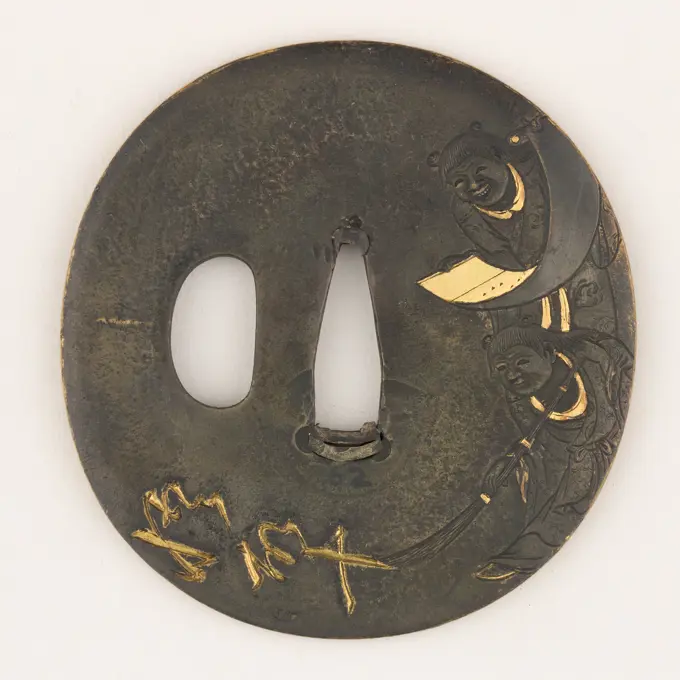
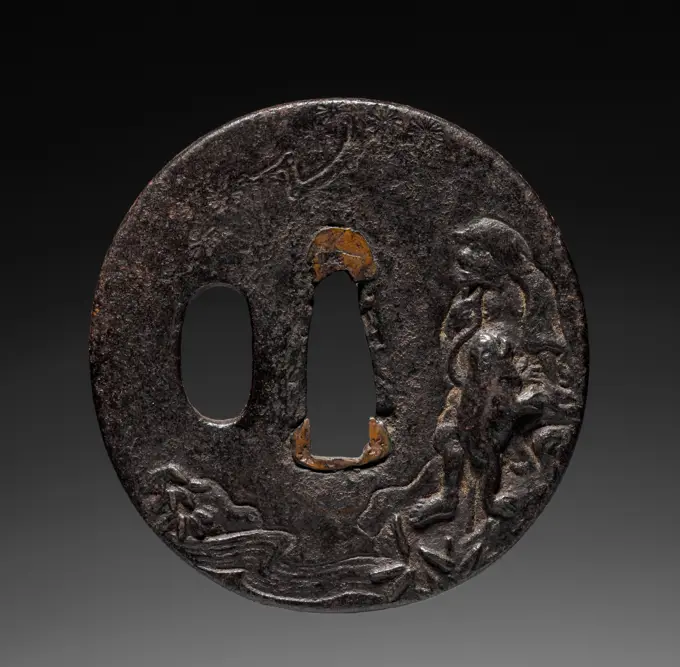
False coin, bracteate, sieciechCarnavalet Museum, Medals CollectionBit Bosses first half 17th century probably Netherlandish These bosses, adorned with a spiral motif partly covered by foliage, decorated the sides of a horse bit. The exact same bosses, which seem to have been produced in high number in the first half of the 17th century, are visible on several portraits of King Charles I of England painted by Jan van Dyck for example.. Bit Bosses. probably Netherlandish. first half 17th century. Copper alloy, gold. Equestrian Equipment-BitsHe will make for women's clothing;  End of the 17th century (1601-00-00-1700-00-00);Sword Guard (Tsuba) Depicting Hanshan and Shide (山拾得図鐔) ca. 1615-1868 Japanese The obverse of this tsuba shows at the bottom right Hanshan (山, Japanese: Kanzan) and Shide (拾得, Japanese: Jittoku), popular figures in Zen painting, with their attributes scroll and broom respectively. The right part depicts a tree in openwork and the scene continues onto the reverse. The rest of the plate, except for the moon behind clouds at the top of the obverse, is polished and left undecorated.. Sword Guard (Tsuba) Depicting Hanshan and Shide (山拾得図鐔) 25684circular buckler, 12th century, Álava Armory Museum, Vitoria, Basque Country, Spain.Sword Guard (Tsuba) ca. 1615-1868 Japanese A tsuba is a sword guard and part of a sword mounting. It is mounted between the swords blade and grip to protect the users hands.. Sword Guard (Tsuba) 33441Scarab Seal of Sesostris I 1991 BCE-1784 BCE Egypt. Ceramic . Ancient EgyptianTray Made for the Rasulid Sultan al-Mu'ayyad Da'ud ibn Yusuf early 14th century A sultan from Yemen commissioned this tray, which includes his name and titles in a large band surrounding a central medallion with the twelve signs of the zodiac and personifications of the seven planets of medieval belief (the sun, the moon, Mars, Jupiter, Mercury, Saturn, and Venus).. Tray Made for the Rasulid Sultan al-Mu'ayyad Da'ud ibn Yusuf. early 14th century. Brass; engraved and inlaid with silver and black compound. Attributed to Egypt, Cairo. MetalLamp. UnknownSword Guard (Tsuba) 18th century Japanese A tsuba is a sword guard and part of a sword mounting. It is mounted between the swords blade and grip to protect the users hands.. Sword Guard (Tsuba) 26828Button or Bead 9th-10th century The dot-in-circle motif recalls designs presumed to be of magical significance, most likely an abstract eye to ward off the evil-eye, which serves an apotropaic function. Easily reproduced with a tool and visible in many cultures and times, this symbol may have lost its meaning, and become simply a decorative pattern, or may have one that we have not yet discovered.. Button or Bead 449241Disc - headed Pin. Iran, Luristan, Luristan bronzes, circa 1000-650 B.C.. Jewelry and Adornments; pins. Bronze, hammeredSword Guard (Tsuba) with Geese and Moon, c. 1615-1868. Japan, possibly Edo period (1615-1868). Iron; overall: 8 x 8.4 cm (3 1/8 x 3 5/16 in.).Sword Guard (Tsuba) possibly 17th century Japanese A tsuba is a sword guard and part of a sword mounting. It is mounted between the swords blade and grip to protect the users hands.. Sword Guard (Tsuba) 33388Town Hall of Saint-Ouen (Seine-et-Marne), Restoration Fouquet. "Mairie de Saint-Ouen (Seine-et-Marne), Catering". Brass, Reverse.FRAGMENTO ESGRAFIADO MURCIANO DECORADO CON TAÑEDORA DE LAUD - SIGLO XII-XIII - AL-ANDALUS. Location: MUSEO ARQUEOLOGICO-COLECCION. SPAIN.Middle tileMount for a Belt Buckle() with Ram's Heads. UnknownHafted Flask-Shaped Ax with Face 500 B.C.-A.D. 300 Indonesia. Hafted Flask-Shaped Ax with Face 53059Decorative door boss and nail, Wrought iron, Hemispherical boss divided into six triangular sections channels bounded by lines. Rounded nail head flanged at neck above a square shank., Spain, 15th century, metalwork, Decorative Arts, Decorative door boss and nailDish. Gilded, knocked-out, embossd silver. Volga Bulgaria (). 10th century. Found in the Urals area and West Siberia. The State Hermitage Museum. Saint Petersburg. Russia.Offering Tray (Talam) 10th-14th century Indonesia. Offering Tray (Talam). Indonesia. 10th-14th century. Bronze. MetalworkButton or Bead 9th-10th century The dot-in-circle motif recalls designs presumed to be of magical significance, most likely an abstract eye to ward off the evil-eye, which serves an apotropaic function. Easily reproduced with a tool and visible in many cultures and times, this symbol may have lost its meaning, and become simply a decorative pattern, or may have one that we have not yet discovered. Button or Bead 455212Carnavalet Museum, Medals CollectionAugustin Dupré (1748-1833). French meeting, August 10, 1793. Steel, octagonal block. 1793 (obverse). Paris, Carnavalet museum. Medal, numismaticsPeace of Breda and destroying the English fleet at Chatham. Oval bronze medal. Front: Dutch virgin with scepter and spear with arrows bundle trampled envy lying on ground, in background burning the English fleet at Chatham inside laurel wreath. Reverse: Blank.Spindle Whorl, 700s - 900s. Iran, early Islamic period, 8th - 10th century. Bone, incised; overall: 1 x 1.8 x 1.8 cm (3/8 x 11/16 x 11/16 in.).Bronze mirror 3rd century B.C. Etruscan Inscribed (retrograde): Achle (Achilles), Crisitha (Chryseis), Elinei (Helen), Elchsntre (Paris). Bronze mirror 251053 Etruscan, Bronze mirror, 3rd century B.C., Bronze, length 10 5/16 (26.2 cm); diameter 5 3/16in. (13.2 cm). The Metropolitan Museum of Art, New York. Rogers Fund, 1921 (21.88.27)Saying in Rotterdam, Penning intended as evidence for peat carriers, fillers or tunners to be allowed to enter peat from the newlyered veins, Anonymous, 1769 identification medal One-sided lead medal with round top and rectangular underside, and hole in it. Front: Standing lion with coat of arms on chest between the year within Kerschrift. Reverse: Blanco. Rotterdam lead (metal) casting  RotterdamOpenwork PinheadP Ycin - fragment of the decoration of the gara; Unknown Nubian workshop; VII century (601-00-00-675-00-00);Faras (Sudan), relief decorations, architectural elements, crosses, rosettes (ornament), Polish excavations in Faras (Sudan), HungaryFalse coin, crown zloty, 1664, John II Casimir (1649 1668)Plaque 12th century. Plaque 451196Pendant, Conch, Flame and Foliate 8th-12th century Indonesia (Central Java). Pendant, Conch, Flame and Foliate 64215Scarab with cartouche of Usermaatre. Dimensions: L. 3 cm (1 3/16 in.). Dynasty: Dynasty 19-20. Date: ca. 1295-1070 B.C.. Museum: Metropolitan Museum of Art, New York, USA.Wedding of Peleus and Thetis. Round, lead plaque. On the right in the foreground Bacchus and a flow god. Left for a tree group Loving God pairs. Further to the second plan Different naked, Olympic figures, while in the background the bridal couple is seated to a set table in the middle of a large group under a tensioned velum. Above it has a hint of love gods.Sword Guard (Tsuba). Culture: Japanese. Dimensions: H. 3 in. (7.6 cm); W. 2 7/8 in. (7.3 cm); thickness 3/16 in. (0.5 cm); Wt. 3.7 oz. (104.9 g). Date: ca. 1615-1868. Museum: Metropolitan Museum of Art, New York, USA.Quarter Stater: Tree-like Trophy on Triad of Ringed Pellets (obverse), c. 125-20 BC. England (Ancient Britain), 2nd century B.C.. Gold; diameter: 1 cm (3/8 in.).Visigothic belt buckle. Bronze. With a jewel. 6th cent. AD. Necropolis de Castillierra, Segovia.Gingerbread form with 3 coats of arms and 52 medallions;  XVI-XVII (1501-00-00-1700-00-00);Tile. Tile painted in yellow and purple with star pattern.Sword Pommel. Culture: North Italian. Dimensions: H. 2 5/8 in. (6.7 cm); Wt. 8.5 oz. (241 g). Date: ca. 1510. Museum: Metropolitan Museum of Art, New York, USA.Sword Guard (Tsuba) 17th century Japanese A tsuba is a sword guard and part of a sword mounting. It is mounted between the swords blade and grip to protect the users hands.. Sword Guard (Tsuba) 34939Sword Guard (Tsuba) ca. 1615-1868 Japanese A tsuba is a sword guard and part of a sword mounting. It is mounted between the swords blade and grip to protect the users hands.. Sword Guard (Tsuba) 33394Box and Cover with Inlaid Chrysanthemum and Insect Design, 918-1392. Korea, Goryeo period (918-1392). Celadon with inlaid design; body: 2.2 x 8.7 cm (7/8 x 3 7/16 in.); overall: 3.7 cm (1 7/16 in.). Celadons, spoons, seals, and bronze mirrors were the most common burial objects in tombs during the Goryeo period (918-1392). Once used to contain colored powder, rouge, and eyebrow gel for makeup, this small container was one of the standard goods that furnished elites' tombs. Both women and men used the grain powder of rice or millet for whitening their skin, safflower extract for rouge, and plant ash or soot for eyebrow gel. Yet, natural-looking make-up seems to have been the most favorable one in Korean according to the travelogue by Xu Jing (1091-1153), the Chinese diplomat who visited Korea in 1123.Saint George and the Dragon. Dimensions: overall (oval): 4.9 x 5.8 cm (1 15/16 x 2 1/4 in.) gross weight: 45 gr. Medium: bronze//Medium brown patina. Museum: National Gallery of Art, Washington DC. Author: Attributed to Gianfrancesco Enzola.Belt Buckle with Beaked Ungulates 2nd century B.C. North China. Belt Buckle with Beaked Ungulates. North China. 2nd century B.C.. Gilded bronze. MetalworkRing. UnknownFragment majolica bowl, blue on white, polychrome, in the middle eight-pointed star, bowl dish tableware holder soil find ceramic pottery glaze, Cooked on prunes. Bowl or deep dish underside covered with clear lead glaze. Polychrome. Layered and red veined pottery archeology adorn serving foodTile with rosette. Tile decorated with a rosette.Star-shaped tile with a phoenix and stylized flower spray, anonymous, c. 1250 - c. 1324 Ster-shaped tile of quartz fritry with eight points, decorated with a phoenix and stylized flower branch in luster and blue on the surface of white glaze. is the earthenware. glaze. luster (textile) painting / vitrification Ster-shaped tile of quartz fritry with eight points, decorated with a phoenix and stylized flower branch in luster and blue on the surface of white glaze. is the earthenware. glaze. luster (textile) painting / vitrificationBadge (probably from Horse Harness). Culture: Spanish. Dimensions: H. 2 5/8 in. (6.7 cm); W. 2 3/8 in. (6 cm); Wt. 1.5 oz. (42.5 g). Date: 14th century. Museum: Metropolitan Museum of Art, New York, USA.Terracotta lekanis (dish) ca. 330-320 B.C. Attributed to the Menzies Group Interior, seated Eros holding a mirror. The rondel is surrounded by a vine wreath. Exterior, A, seated Eros with a mirror approached by a running women holding a rosette chain and a wreath. B: woman seated on a rock holding a wreath and a phiale (libation bowl).. Terracotta lekanis (dish) 246573Bezel Ring 7th century Frankish. Bezel Ring 465426 Frankish, Bezel Ring, 7th century, Silver, Overall: 3/4 x 1/4 in. (1.9 x 0.7 cm). The Metropolitan Museum of Art, New York. Gift of J. Pierpont Morgan, 1917 (17.193.119)Rod. Medal. Nicolas François Bellart. Metal, bronze. Nineteenth century. Museum of Fine Arts of the City of Paris, Petit Palais. 58758-12 French lawyer, bronze, medal, metal, number inventory, numismatics, profile, portrait, reverse, 19th centuryItalic civilizations, Piceni, 7th century b.C. Bronze disk.Rectangular Plaque middle of 6th century Frankish. Rectangular Plaque 465462 Frankish, Rectangular Plaque, middle of 6th century, Copper alloy, Overall: 1 3/16 x 13/16 x 1/4 in. (3 x 2 x 0.6 cm). The Metropolitan Museum of Art, New York. Gift of J. Pierpont Morgan, 1917 (17.193.150)Vinaigrette 1855-1866 Birmingham. Silver and silver gilt .Tile Wall Facing (Netherlands); tin-glazed earthenware, underglazeCrete, Phaistos clay disc covered with hieroglyphic characters arranged in spiral, side BSword Guard (Tsuba). Culture: Japanese. Dimensions: H. 3 1/2 in. (8.9 cm); W. 3 1/4 in. (8.3 cm); thickness 3/8 in. (1 cm); Wt. 7.1 oz. (201.3 g). Date: 18th century. Museum: Metropolitan Museum of Art, New York, USA.Disk Brooch second half 7th century Frankish The dress of Frankish women generally consisted of a tunic, cinched by a belt from which hung an array of pendants. A wrap or cloak went over the tunic. Shoes and hosiery, fastened with buckles, covered the legs. Earrings, necklaces, and hairpins completed the ensemble.Aspects of this dress changed from the 300s to the 600s, and brooches in particular convey changes in taste. From the 300s to the 500s, pairs of small brooches, in an array of inventive shapes, held the wrap in place. By the 600s, a single large disc brooch, usually elaborately decorated, served the same function. No other piece of jewelry is more characteristic of Frankish dress than the brooch, and no other better demonstrates the virtuosity of Frankish metalworkers.. Disk Brooch 465818 Frankish, Disk Brooch, second half 7th century, Gold sheet, filigree, moonstone/adularia, glass cabochons, garnets, mother-of-pearl, and moonstone, Overall: 2 5/16 x 3/4 x 2 5/16 in. (5.8 x An astrolabe is an elaborate inclinometer, historically used by navigators and astrologers. Its many uses include locating and predicting the positions of the Sun, Moon, Planets, Stars. Safavid dynasty, Persian, Iran 1712Dish. Culture: Spanish. Dimensions: Overall: 3 x 19 1/4 in. (7.6 x 48.9 cm). Date: late 15th-early 16th century. Museum: Metropolitan Museum of Art, New York, USA.Napoleon I, Emperor of the French (1804-1815) (usual name) Anonymous. Napoleon I, Emperor of the French (1804-1815). Steel. Between 1804 and 1815 (obverse).Plate 18th-19th century. Plate 444539Sword Guard (Tsuba) 16th century Japanese A tsuba is a sword guard and part of a sword mounting. It is mounted between the swords blade and grip to protect the users hands.. Sword Guard (Tsuba) 35061Terracotta kylix (drinking cup) ca. 350 B.C. Compared with a work near the Jena Painter In the tondo, Eros driving three-horse chariotThe cup is noteworthy for its very fine potting with vertical ribbing on the exterior of the bowl.. Terracotta kylix (drinking cup) 247349Rare Japan Gold Koban, One Ryo struck in Yedo (Tokyo) Tokugawa Shogunate 1837-1843 Fragment of a Spatula 13th-11th century B.C. China. Fragment of a Spatula. China. 13th-11th century B.C.. Bone. Shang dynasty (ca. 1600-1046 B.C.). BoneSword Guard (Tsuba) late 16th-early 17th century Japanese A tsuba is a sword guard and part of a sword mounting. It is mounted between the swords blade and grip to protect the users hands.. Sword Guard (Tsuba) 26264Fragment majolica pancake dish, polychrome, jumping hare, egret border, plate dish crockery holder soil find ceramic earthenware glaze tin glaze lead glaze, majolica baked underside covered with lead glaze. Polychrome. Curled soul of pancake dish. Wide stand ring. Yellowish shard with red veins. Pictured is jumping hare on plot of archeology Rotterdam adorning serving food archaeological find in the soil Rotterdam 1941.Ukraine, Odessa. Archaeological Museum, interior display. Ritual frying pan with Zodiac design, made of gilded bronze, Hellenistic period.Grahal-Manzara. Carnavalet 2013-2016 collection sites. Numismatics. Genie law writing the Constitution, surrounded by a rooster and a bundle surmounted by a Phrygian cap.Torque, 14 x 13 1/2 x 3 in. (35.56 x 34.29 x 7.62 cm), Silver, ChinaLombard Account Token: Albizzi, XIII-15th Century Anonymous. "Lombard account token: Albizzi, XIII-15th century". Copper. 1200-1400.Dagger Pommel 12th-13th century French. Dagger Pommel 34094taler; Four units, emergency coin from Frankenthal, beaten during the siege by Verdugo, Anonymous, 1623 coin. siege coin Unilateral, rectangular emergency coin. Front: a stamp: Hoeksteen in Zevepas; In three of six lobes of clouds that blow against cornerstone in the change. Reverse: Blanco Frankenthal silver (metal) striking (metalworking)  FrankenthalHand guard, 1700 - 1800 Round, openwork Tsuba, in the form of a wagon wheel with batter, with detailing in inlaid yellow copper. Remains of red painting, possibly a signature. Japan iron (metal). copper (metal) Round, openwork Tsuba, in the form of a wagon wheel with batter, with detailing in inlaid yellow copper. Remains of red painting, possibly a signature. Japan iron (metal). copper (metal)Watch ca. 1695-1750 Watchmaker: George Graham. Watch. British, London. ca. 1695-1750. Silver. HorologyHarness RingFragment with Relief Decoration 12th-13th century French. Fragment with Relief Decoration. French. 12th-13th century. Stone. Made in Languedoc, France. Sculpture-ArchitecturalCollared Disk (Huan), c. 1600-1050 BC. China, Shang dynasty (c.1600-c.1046 BC). Jade (nephrite); diameter: 11.4 cm (4 1/2 in.); overall: 1.4 cm (9/16 in.); inner diameter: 8.6 cm (3 3/8 in.).Tile. Tile decorated with a star and in the corners lilies.Handle plate, Brass, Elliptical in shape, horizontal. Repoussé molding and concentric concave ellipse., England, ca. 1800, metalwork, Decorative Arts, Handle plateCopper-Alloy Balance Weight with Cross in a Circular Border 5th-6th century Byzantine Crosses became a popular decoration on Byzantine weights. In Byzantium, precise measurement of goods was achieved by a set of standard balance weights.. Copper-Alloy Balance Weight with Cross in a Circular Border 473642Small round slightly conical weight with stroke stamp, weight of founding lead metal, grams cast Conical lead weight with deeply stamped house mark Topside: S pierced by an arrow above the S 4 And an I in circle archeology Rotterdam rail tunnel roads Soil discovery: rail tunnel Rotterdam.Medallion with Hound Attacking Stag ca. 1240-60 French. Medallion with Hound Attacking Stag 464215Button or Bead 9th-10th century The dot-in-circle motif recalls designs presumed to be of magical significance, most likely an abstract eye to ward off the evil-eye, which serves an apotropaic function. Easily reproduced with a tool and visible in many cultures and times, this symbol may have lost its meaning, and become simply a decorative pattern, or may have one that we have not yet discovered.. Button or Bead 449983Engraved Scarab; Etruria; 400 - 380 B.C; Banded brown and white agate; 1.1 × 0.9 × 1.7 cm (7,16 × 5,16 × 5,8 in.)Sword guard (Tsuba) Depicting Hanshan and Shide (山拾得図鐔) 18th century Japanese The obverse of this tsuba shows Hanshan (山, Japanese: Kanzan) and Shide (拾得, Japanese: Jittoku), popular figures in Zen painting, with their attributes scroll and broom respectively and with Shide performing water calligraphy of the characters for "Enlightenment." The reverse is left undecorated and the rim is highlighted in gold.The artist Jōi (乗意), real name Nara Tashichi (奈良太七), later Sugiura Sen’emon (杉浦仙右衛門), was born in Genroku 14 (元禄, 1701) as son of a retainer of the Toda-Matsudaira family (戸田松平) in Mino province. Having arrived in Edo in the early years of the Kyōhō era (享保, 1716-1736), Jōi studied with the Nara School master Toshinaga (寿永). He signed with the name Nagaharu (永春) and the art names Issandō (一蝅堂) and Jōi (乗意) and died in Hōreki eleven (宝暦, 1761).. Sword guard (Tsuba) Depicting Hanshan and Shide (山拾得図鐔) 25720Golden Kobang (Koban) from Japan with in the middle of the front in Batavia. Installation arranged: Coat of Arms of Holland; Japan, Golden Kobang with ceaserse coat of arms of Holland in the middle of front. Golden Japanese coin in the shape of an oval plate. Front: four commutment arranged in Japan and in the middle an authority arranged in Batavia, a coat of arms from Holland (climbing lion to the left). Reverse: under lake by merchants arranged round agencies, a signature in the middle. Smooth edge.Celtic civilization, Italy, 1st century b.C. Embossed silver phaleras, ornamental disks used on horse gear. From Manerbio, Brescia province.Sword Guard (Tsuba). Culture: Japanese. Dimensions: H. 2 13/16 in. (7.1 cm); W. 2 5/8 in. (6.7 cm); thickness 3/16 in. (0.5 cm); Wt. 4.7 oz. (133.2 g). Date: ca. 1615-1868. Museum: Metropolitan Museum of Art, New York, USA.Seal China. Seal 41038Fireplace of baked earth with diamond-shaped distribution. Fireplace of baked earth with diamond-shaped distribution. In the full windows the portrait of a king and the year 1581. In the other windows rosettes.Mirror. Culture: Japan. Dimensions: Diam. 8 1/8 in. (20.6 cm); D. 3/4 in. (1.9 cm). Date: 4th-5th century. Museum: Metropolitan Museum of Art, New York, USA.Sword Guard, c. 1762. Masayuki (Japanese, 1691-1764). Iron; diameter: 6.4 cm (2 1/2 in.).Baptismal Cup with the AgnusDei.  Maker: Unknown