Cultural Decorative Objects

A variety of historical decorative items, including mirrors and plates, showcasing intricate designs and cultural significance from different eras.
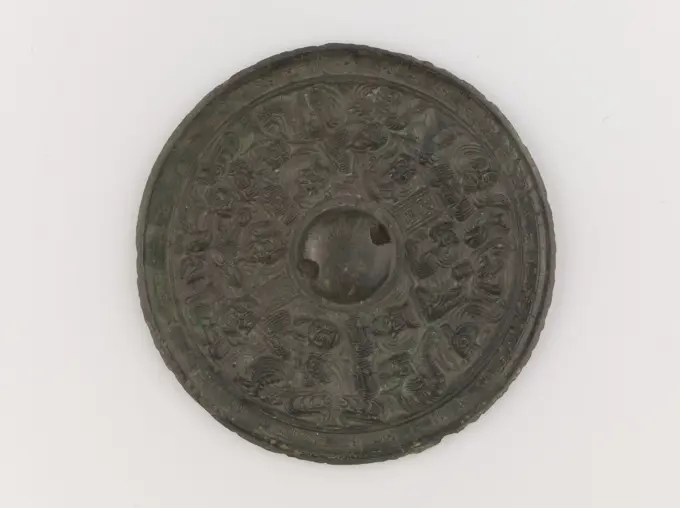
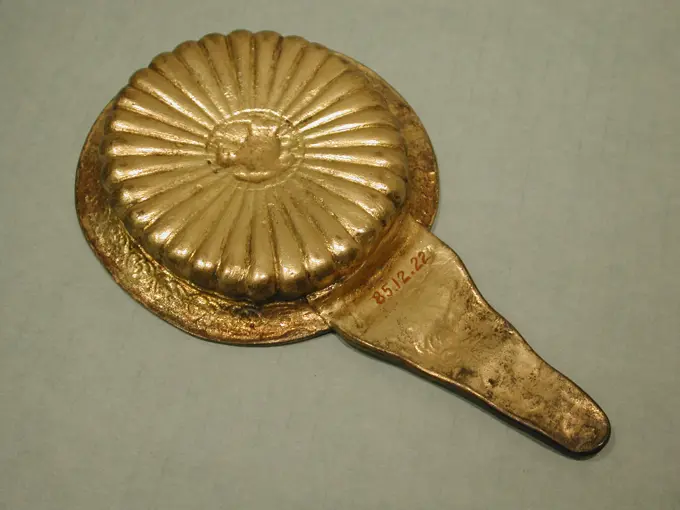
Mirror. Bronze, China, Han dynasty (206 BC AP.J.-C.). Paris, Cernuschi museum. Asian art, Chinese art, beauty, bronze, han dynasty, mirror, daily life
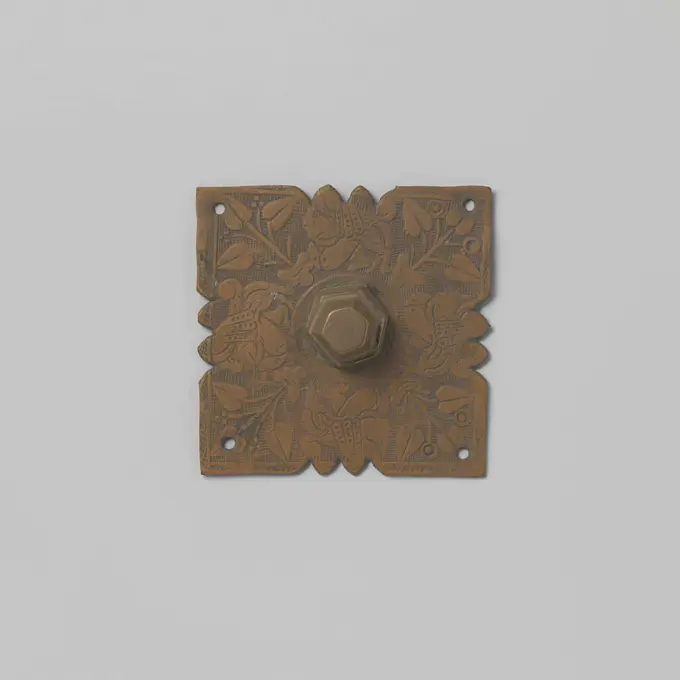
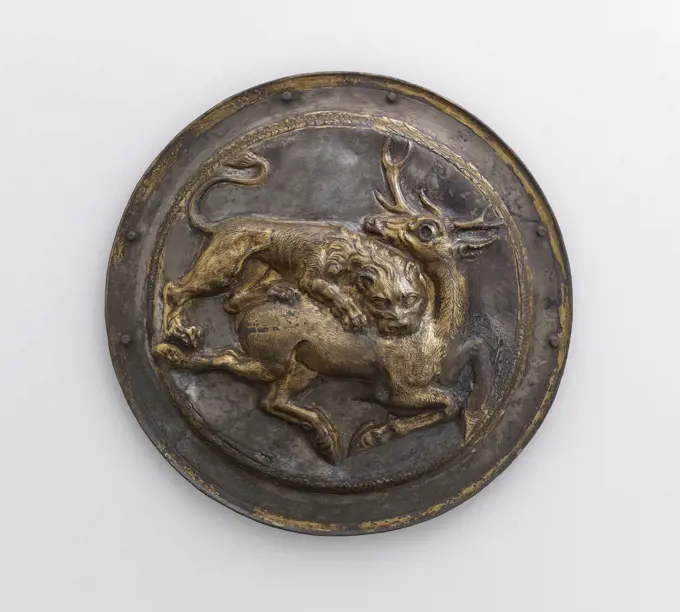
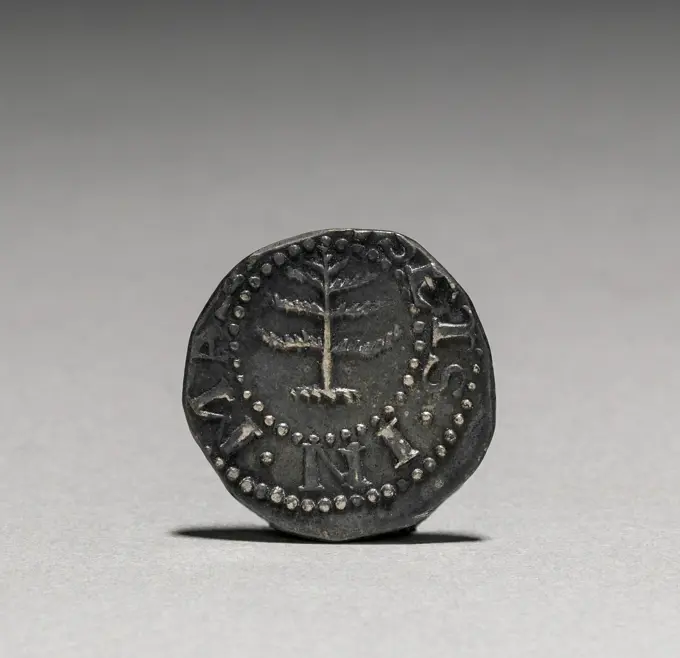
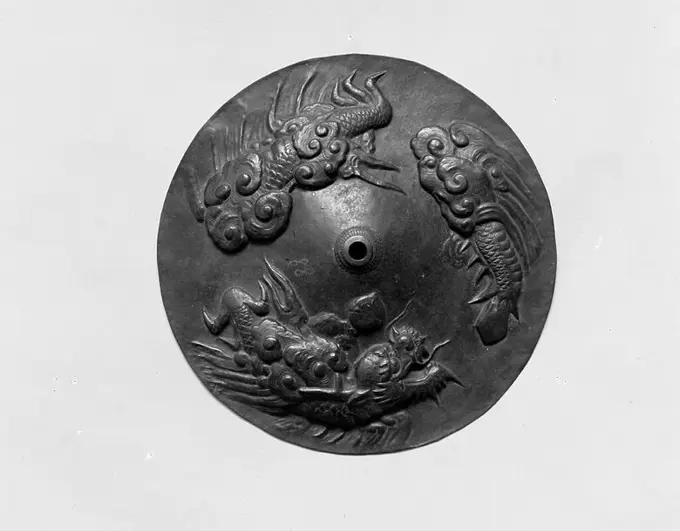
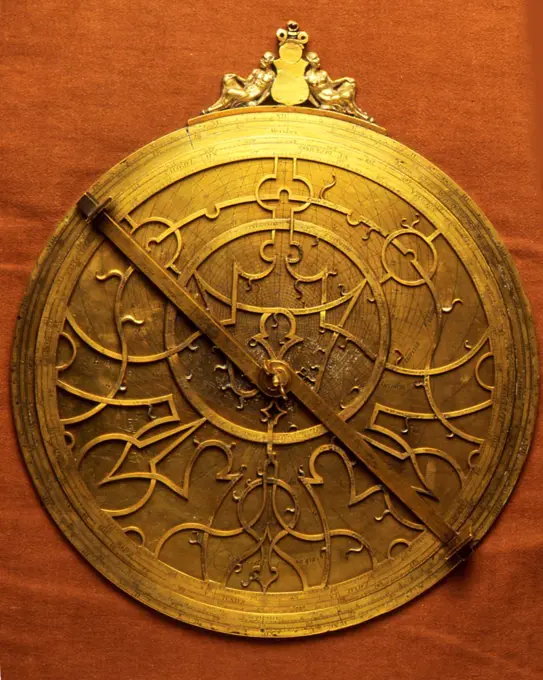
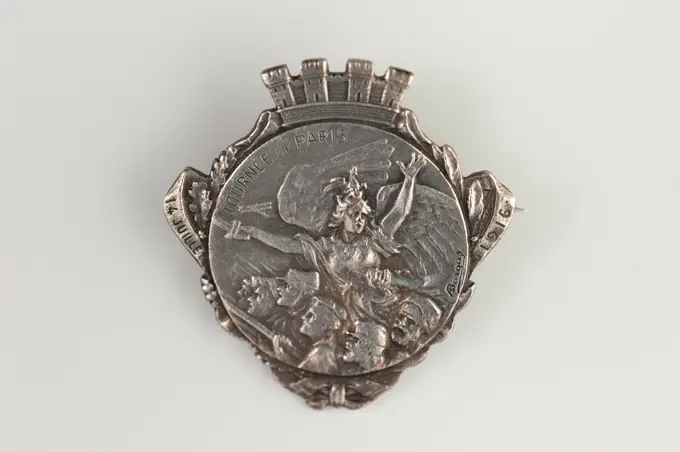
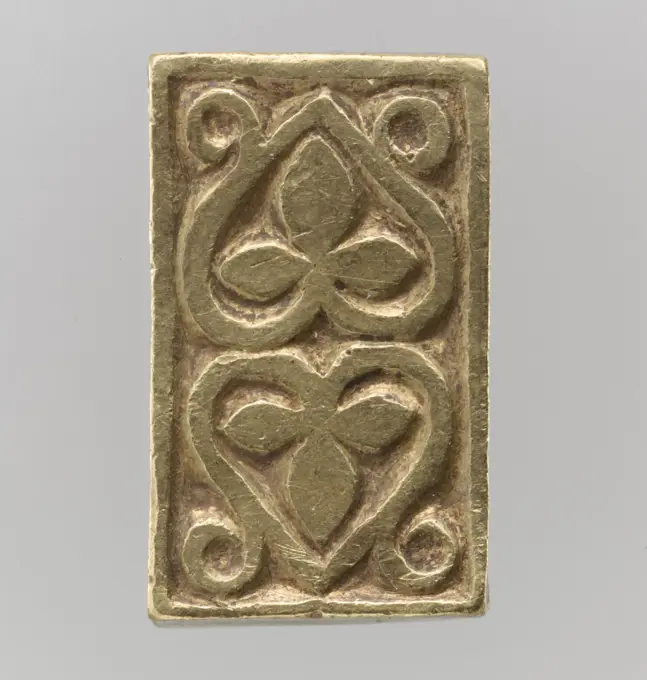
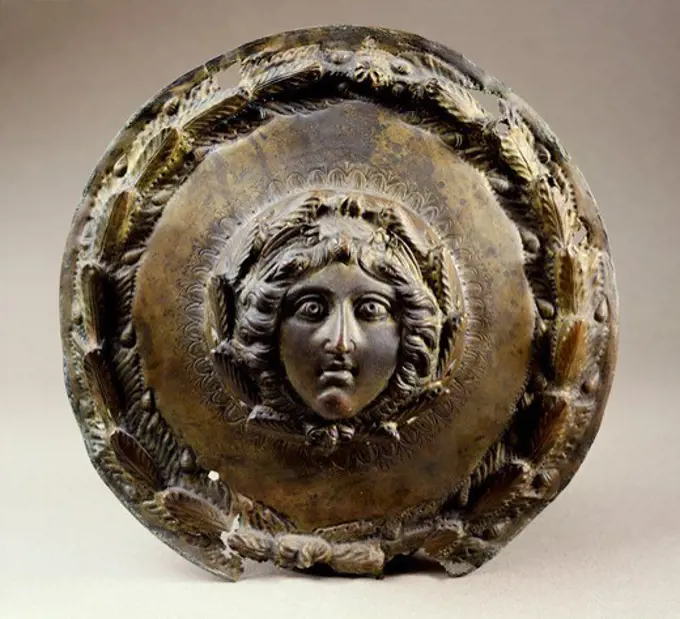
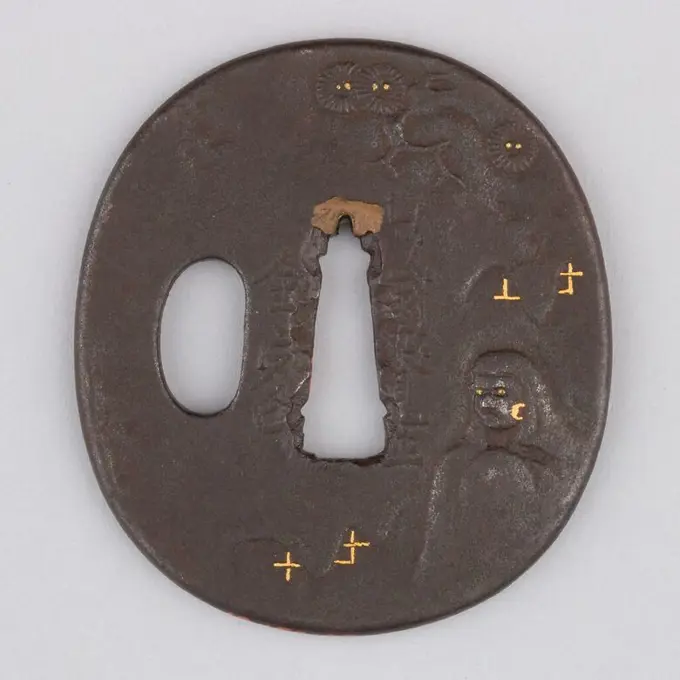
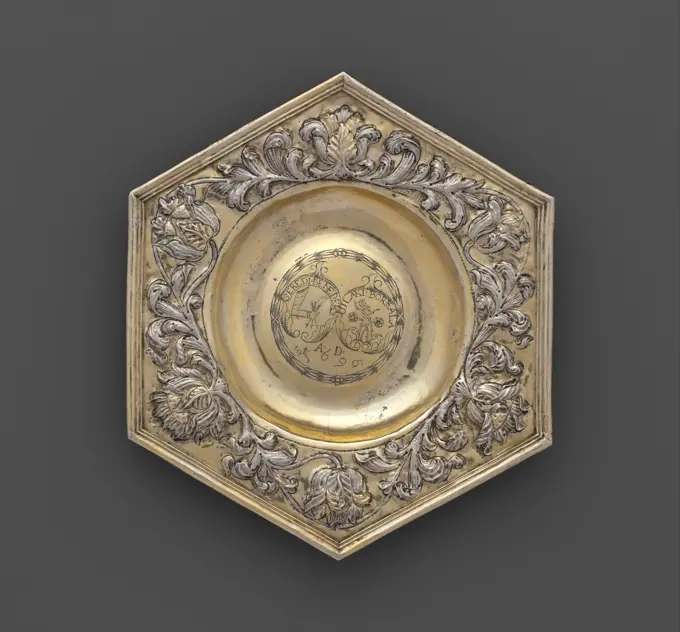
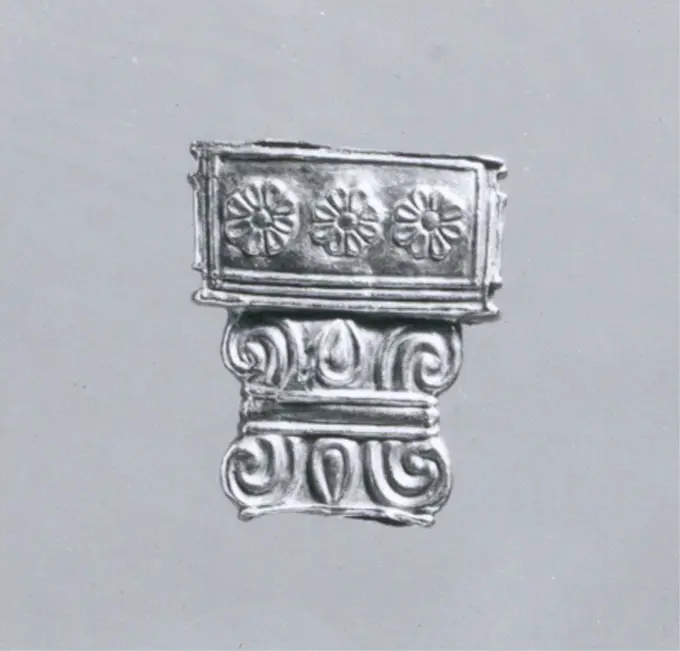
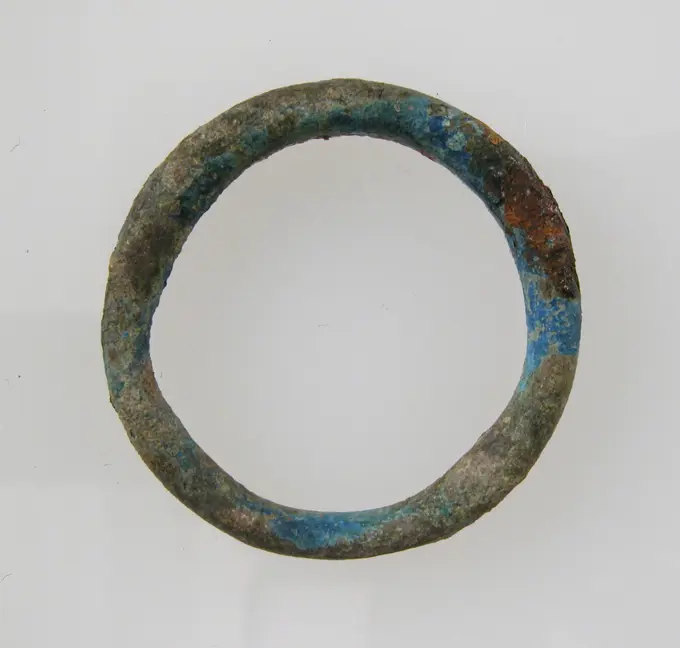
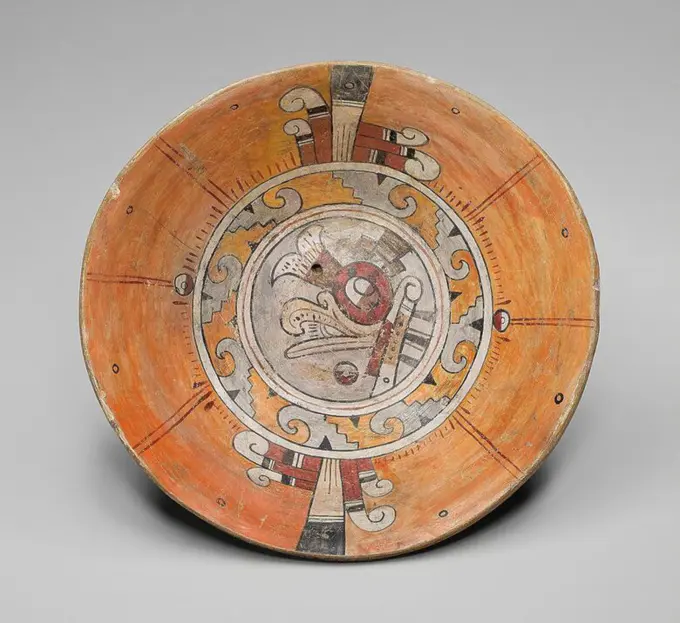
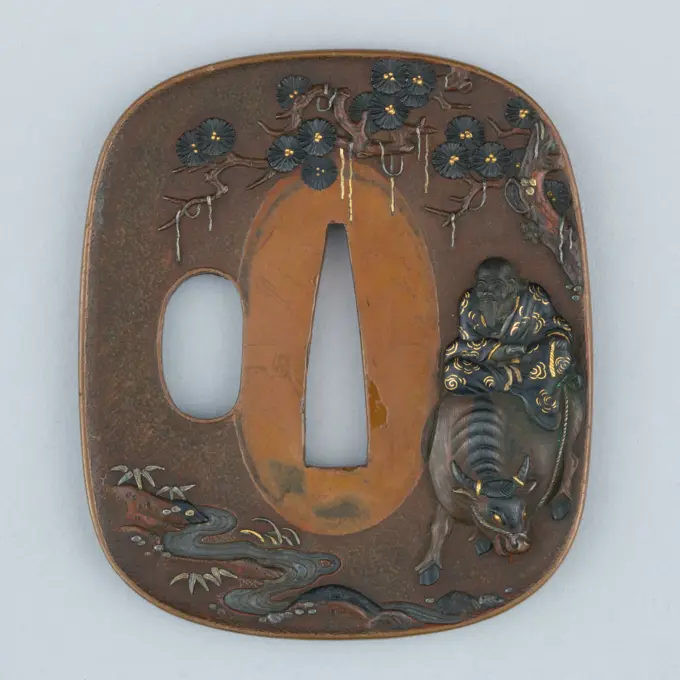
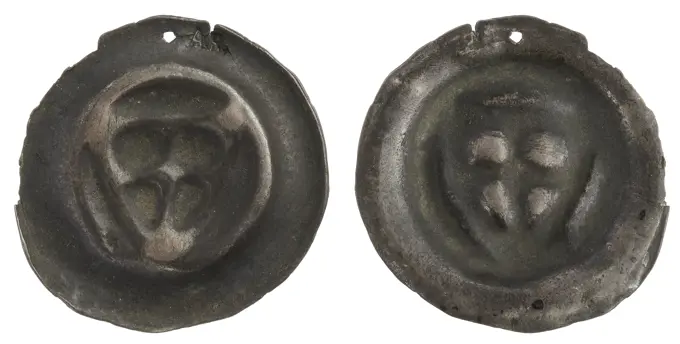
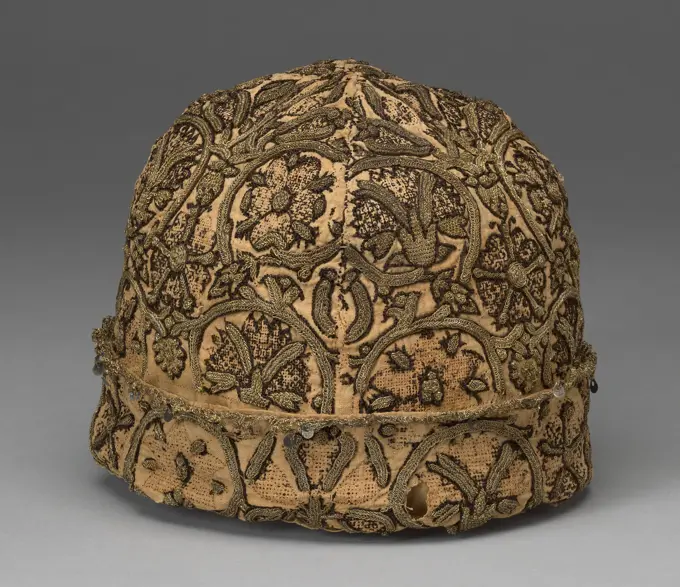
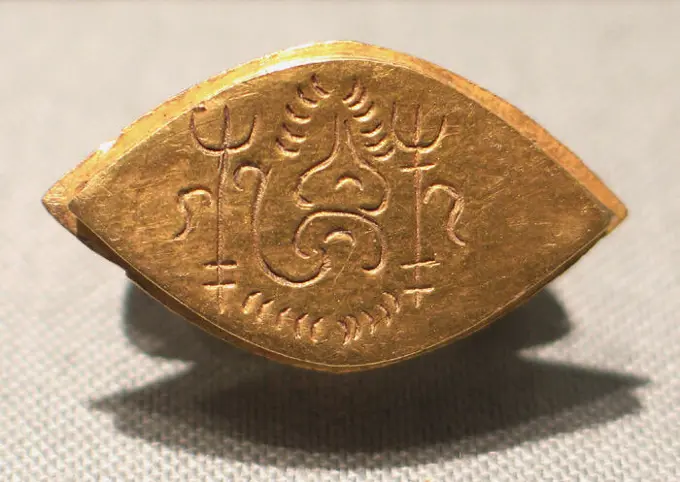
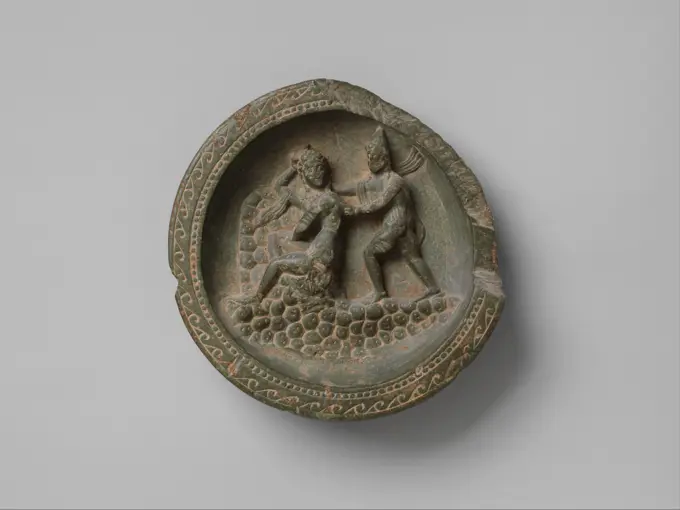
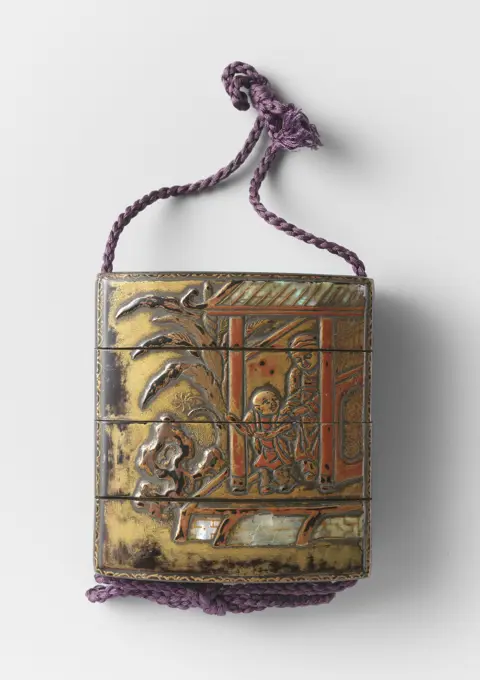
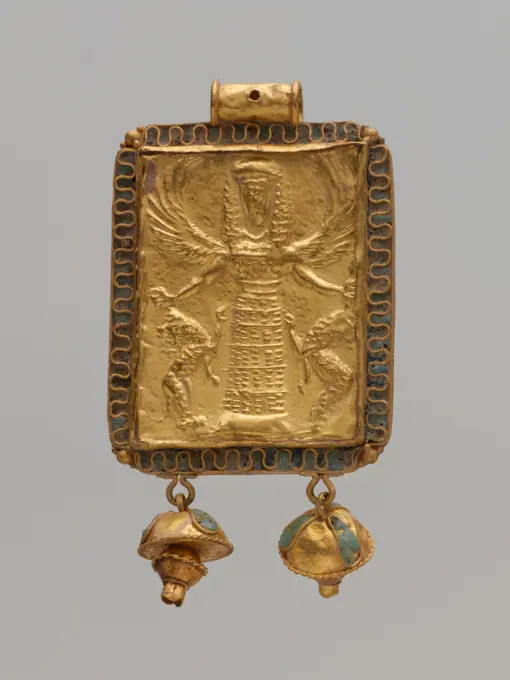
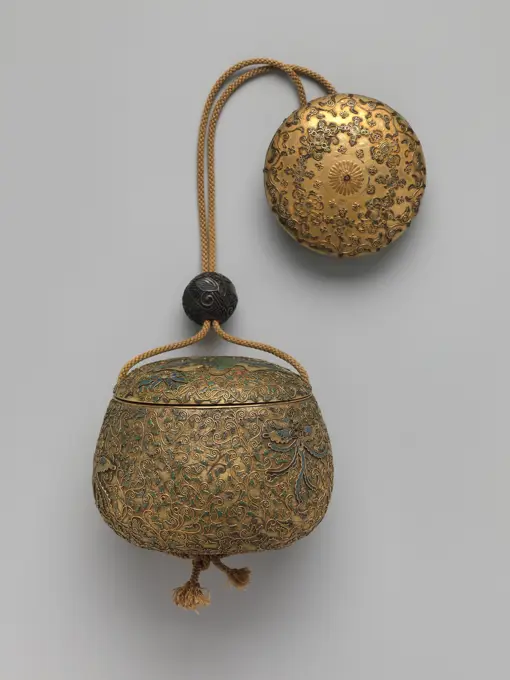
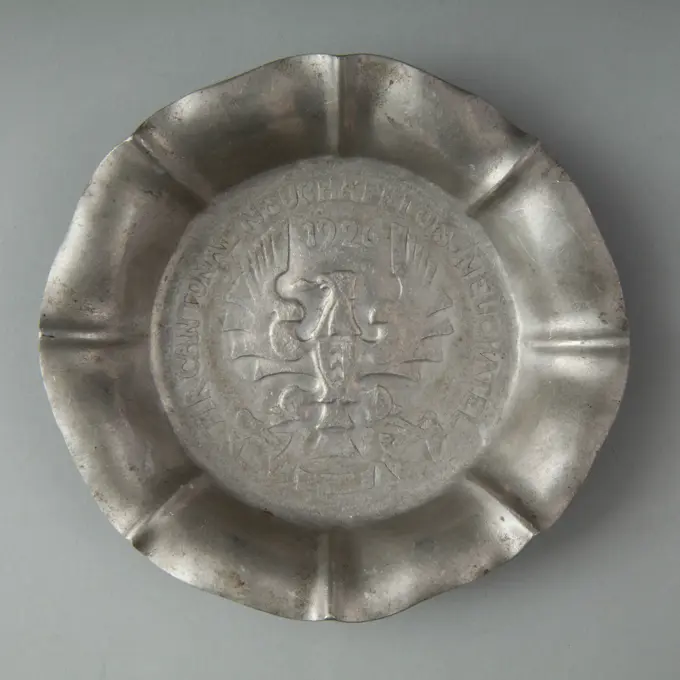
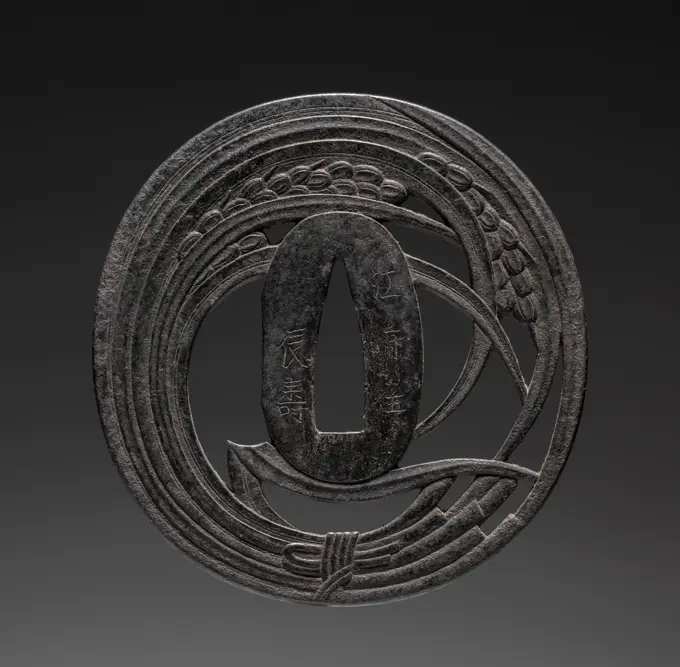
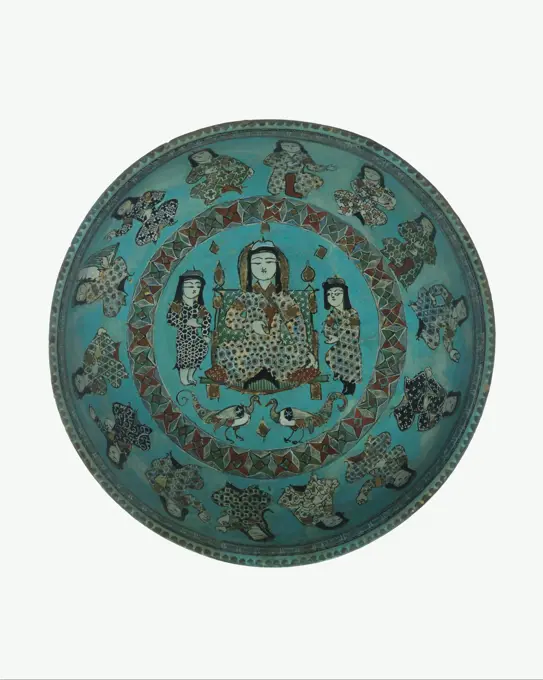
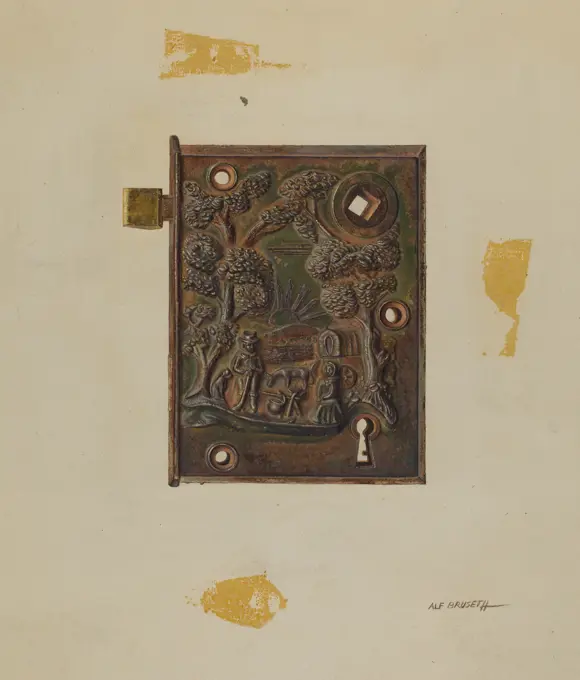
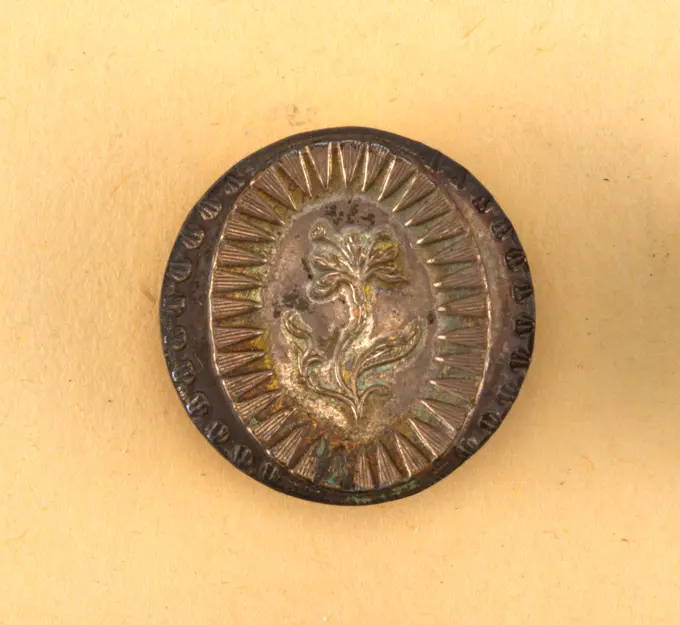
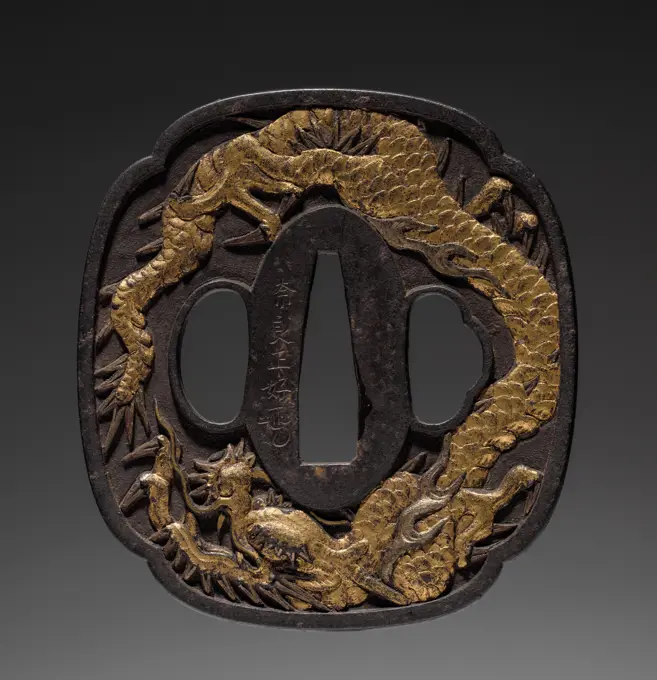
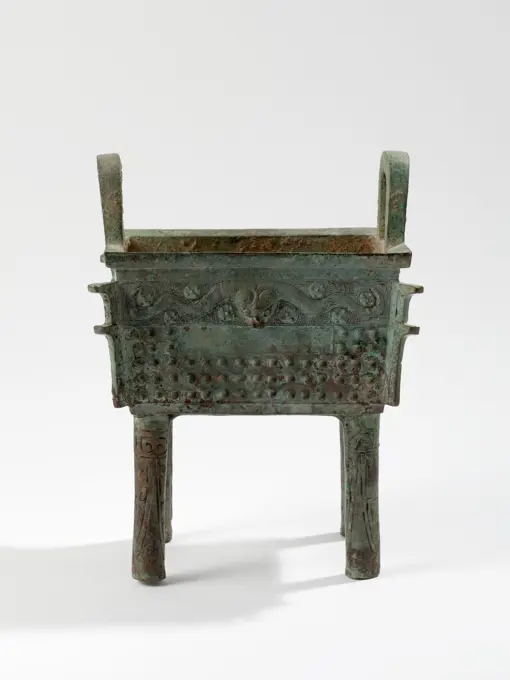
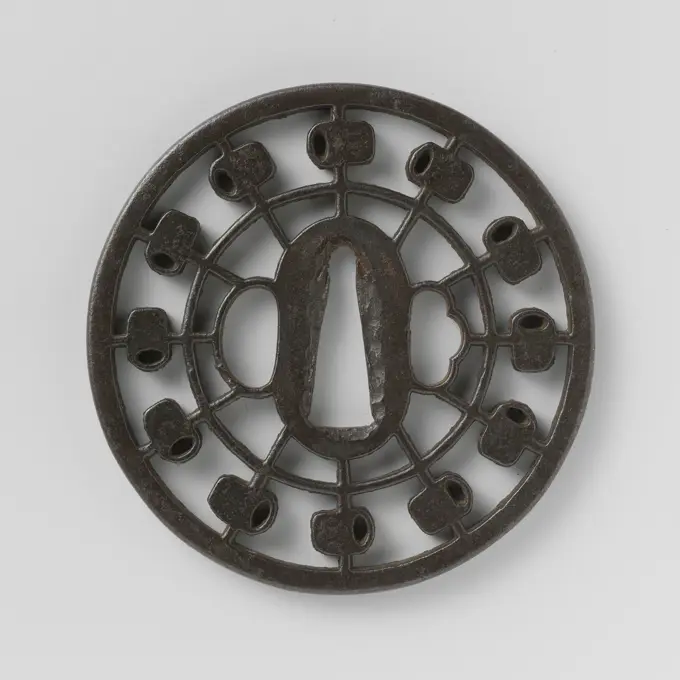
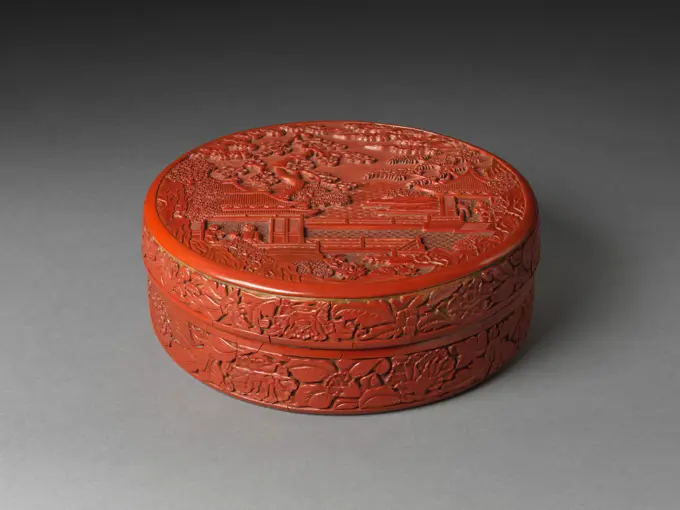
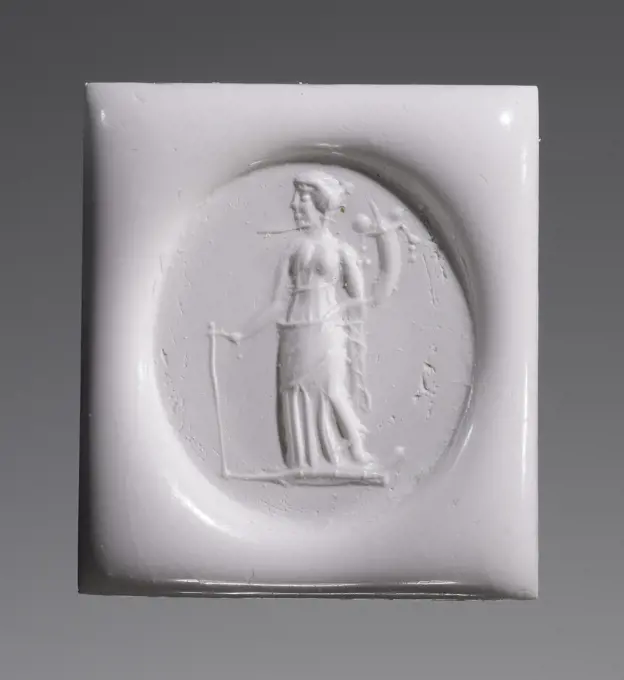
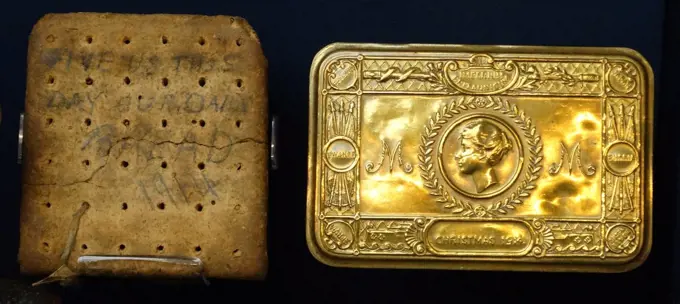
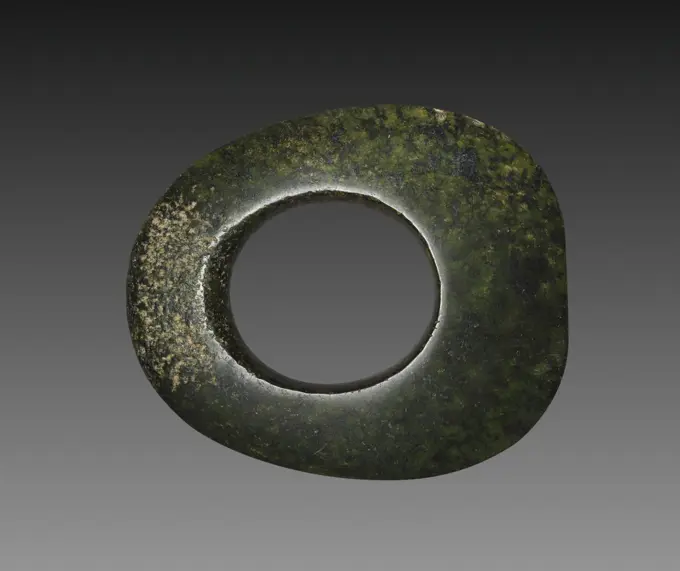
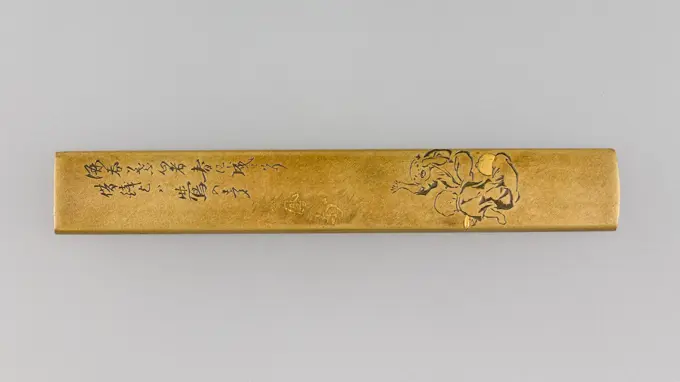
Knife Handle (Kozuka) ca. 1800 Japanese A kozuka is a handle of a by-knife that is part of a sword mounting. It is kept in a slot on the reverse of a katana scabbard, often with a matching kōgai (hairdressing tool).. Knife Handle (Kozuka) 29703Spindle Whorl, 700s - 900s. Iran, early Islamic period, 8th - 10th century. Bone, incised; overall: 0.7 x 1.4 x 1.4 cm (1/4 x 9/16 x 9/16 in.).Fragment of a Bowl 14th-15th century. Fragment of a Bowl 445177Batter of a mission tire. Ten fitting parts of a mission tape, from brass. The ten parts are cut from copper plate, driven, engraved and sponately edited. A copper button with seven facets is riveted on each of them. They are equipped with holes on the corners or along the edge to be able to turn nails, with which they were constituted on the book band. Four corner pieces have a rear edged on two sides. The remaining four have that only at the top or bottom (these were placed against the back of the book). Two sides have been deposited with an open edge of cross flowers from each corner piece. The field in the middle is taken by three-dialed tendrils. The ornament on the middle parts exists on the corners from a plant with three leaves and two flowers in a pot. The four parts in between are taken by fantasy decreases.Gold breastplate muisca. Proceeds from Chiquinquir (Boyac). Pre-Columbian art. Jewelry. COLOMBIA. CUNDINAMARCA. Bogot. Gold Museum. Proc: COLOMBIA. BOYACA.Badge of graduation of the Officers' School of the Union of Active Combat, the so called Umbrella Tetmajer, Włodzimierz (1861 1923), Miciński, W.Spindle Whorl 10th-early 16th century Mexican. Spindle Whorl 307565Medallion portrait of Henry IV of France (1553-1610), Anonymous, c. 1700 - c. 1800 Hendrik IV of France, in profile to the left, dressed in Roman costume with feathered helmet. France bronze (metal) Hendrik IV of France, in profile to the left, dressed in Roman costume with feathered helmet. France bronze (metal). Mokko-shaped tsuba with styled butterflies on both sides in the middle of tendrils in email cloisonné.Sword Guard (Tsuba) ca. 1615-1868 Japanese A tsuba is a sword guard and part of a sword mounting. It is mounted between the swords blade and grip to protect the users hands.. Sword Guard (Tsuba) 34437Phalera with Relief of Lion Attacking a Stag; Parthia; 2nd century B.C; Silver with gilding; 9 × 12.6 cm (3 9,16 × 4 15,16 in.)Coffin shield 1584 German. Coffin shield 229769Deep Dish first half 16th century Spanish. Deep Dish 471748Celtic bronze shield boss, 2nd century BC. Artist: UnknownDISCO PLATA CON CABEZA CORONA-TESORILLO MOGON-VILLACARRILLO. Location: MUSEO ARQUEOLOGICO NACIONAL-COLECCION. MADRID. SPAIN.Pine Tree Sixpence (obverse), 1652. John Hull (American, 1624-1683), Robert Sanderson (American, 1609-1693). Silver; diameter: 2 cm (13/16 in.).Floor tile decorated with a French lily (brown).War Hat (Jingasa). Culture: Japanese. Dimensions: 2 in. (5.1 cm) X 15 in. (38.1 cm). Date: 17th-18th century. Museum: Metropolitan Museum of Art, New York, USA.Sword Guard, early 1800s. Japan, Edo period (1615-1868). Iron; diameter: 7.4 cm (2 15/16 in.).Sword Guard (Tsuba). Culture: Japanese. Dimensions: H. 3 1/2 in. (8.9 cm); W. 3 in. (7.6 cm); thickness 3/16 in. (0.5 cm); Wt. 5.6 oz. (158.8 g). Date: ca. 1615-1868. Museum: Metropolitan Museum of Art, New York, USA.Shaving Dish 1769 American. Shaving Dish 7410Astrolabe by Arsenius, Gualterus (c. 1530-c. 1580)/ Universita di Padova/ Second half of the16th cen./ Flanders/ Copper, gilding/ History of science/ ObjectsGrahal-Manzara. Carnavalet 2013-2016 collection sites. Numismatics.Carnavalet museum, medal collection Right reproduction of a detail of the relief of the Arc de Triomphe, 'the departure of the volunteers' from Rude a victorious Marianne surmounting a group of soldiers; Reverse shields to the arms of the city of Paris surmounted by a turned crown and surrounded by a bay crown.Eastern Kałarz, in the collections of the National Museum in Warsaw from 1920 - general view;  around 1920 (not after 16.05.1922) (1918-00-00-1922-00-00);Lo ca. 1875-89 Chinese. Lo 505449Fragment faience plate, blue on white, cherub or putto with stick, plate dish crockery holder earth discovery ceramic earthenware glaze tin glaze, total, Cooked archeology Rotterdam archaeological find in the soil Rotterdam 1940.Medallion, Medium: Warp; S-spun linen. Wefts; S-spun linen, S-spun wool Technique: slit tapestry with supplementary wrapping, Circle with mosaic pattern in the center and a floral border., Egypt, 3rd-4th century, woven textiles, MedallionBelt Buckle with Raptors and Tigers 3rd-2nd century B.C. Northeast China. Belt Buckle with Raptors and Tigers 59531Calendar disk, sacrd tree & warriors. Aztec. 1400-1520 AD.Gold Slide for a Belt or Strap 700s Avar The treasure contains an array of belt fittings, some elaborately decorated, some unfinished or defectively cast. Some show no signs of use, while others are quite worn.The AvarsThe Avars were a nomadic tribe of mounted warriors from the Eurasian steppe. The Byzantine emperor Justinian negotiated with them in the sixth century to protect the Empires northern border along the Black Sea. Emboldened by their subjugation of numerous tribes, they unsuccessfully attempted to seize the Empires capital, Constantinople. They remained a scourge of both Byzantium and the Western kingdoms until Charlemagne defeated them through a series of campaigns in the 790s and early 800s.All the money and treasure that the Avars had been years amassing was seized, and no war in which the Franks have ever engaged.. brought them such riches and such booty. Up to that time the Avars had passed for a poor people, but so much gold and silver was found.. that one may well CERAMICA IRANI-CUENCO DE BARRO ROJIZO S XIII. Location: MUSEO ARQUEOLOGICO NACIONAL-COLECCION. MADRID. SPAIN.Citizens' Security Service Badge and Militia Militia of the Capital City of WarsawSteel button, 1790-1800. Flat steel button pierced and decorated with mille grain or raised dots & faceted steels. Pin of faceted steel boss fixes the wire shank in position.. Produced in Birmingham.Bronze central shield medallion depicting Medusa, from Venlo, Netherlands. Roman Civilization.Sword Guard (Tsuba). Culture: Japanese. Dimensions: H. 2 1/2 in. (6.4 cm); W. 2 1/4 in. (5.7 cm); thickness 3/16 in. (0.5 cm); Wt. 2.6 oz. (73.7 g). Date: ca. 1615-1868. Museum: Metropolitan Museum of Art, New York, USA.Hexagonal dish 1696 Hungarian, Transylvania The center of each dish in this set (acc. nos. 2010.110.42-49) bears an engraved laurel wreath encircling a coat of arms. Small differences in these arms could be the result of different masters working quickly to complete what was probably a much larger set for a wedding that was fast approaching. The bold blossoms in the six corners symbolize both the wish for abundance throughout marriage and the transitory glories of earthly existence. Salgo acquired two of these dishes at a later date from the others, but all eight pieces belonged to the same set of fourteen dishes that were once part of the Andrássy treasury.LiteratureEuropean Silver. Sale cat., Sothebys, Geneva, November 15, 1983, p. 19, no. 53.European Silver. Sale cat., Sothebys, Geneva, November 14, 1984, n.p., no. 34.Judit H. Kolba. Hungarian Silver: The Nicolas M. Salgo Collection. London, 1996, p. 86, no. 64.ExhibitedRégi ezüstkiállításának leíró lajstroma. Exh. cat. Museum of Miniature capital ca. 7th century B.C. Iran. Miniature capital 325677Plain Ring 7th century Frankish. Plain Ring. Frankish. 7th century. Copper alloy. Made in Niederbreisig, Germany. Metalwork-Copper alloyTile. Tile, painted in yellow, manganese. Lobby rosette, in which an eight-pointed star. In the corners a quarter octos, with a thin line connected to the rosette.Tripod Bowl Depicting Head of Bird on its Interior Surface. Cholula, Mixteca-Puebla style; Puebla, central Mexican highlands, Mexico. Date: 1200-1521. Dimensions: 8.1 × 23.5 cm (3 3/16 × 9 1/4 in.). Ceramic and pigment. Origin: Cholula. Museum: The Chicago Art Institute, Chicago, USA.Silversmith's Art, Hungary 19th century. Decorated silver snuffbox with the coloured enamels reproduction of the painting The Gleaners of Francois Millet.PLATA DEL TESORO DE TIVISSA. (ciento. 5ª-3ª BC). La cultura ibérica. Península Ibérica, Cataluña, España. M.A.C.Spindle Whorl, 700s - 900s. Iran, early Islamic period, 8th - 10th century. Bone, incised; overall: 0.6 x 1.5 x 1.5 cm (1/4 x 9/16 x 9/16 in.).Possibly French 19th Century, Head of a Pharoah, probably 19th century Head of a PharoahEurope, Sweden. Silver plate, God's hand. Sun and Moon symbols. Bohuslan region. 12th cent.Sword Guard (Tsuba) mid-19th century Japanese A tsuba is a sword guard and part of a sword mounting. It is mounted between the swords blade and grip to protect the users hands.. Sword Guard (Tsuba) 642393Ten penny, emergency coin from Oudenaarde, beaten during the siege, Anonymous, 1582 coin. siege coin Unilateral, diamond -shaped emergency coin. Front: two stamps: beat: coat of arms of Flanders; Below that round stamp: coat of arms under the value indication within Keering. Reverse: Blanco Oudenaarde tin (metal) striking (metalworking)  OudenaardeCarl Keksi, Pipe Bowl, c 1937 Pipe Bowlbracteate denarius. Zakon krzyżacki (1190-), issuerUniversal astrolabe from Iraq made by Allah al-Baghdadi, astronomer, and poet. Designed by the astronomer Abu Ja'far al-Hazin. Iraq (Baghdad). Bronze, EngravedSilver loop between 1809 and 1819.Man's Cap Made 1501-1600 England. Linen, plain weave; embroidered with silk and gold thread .Stirrup-Shaped Ring with Oblong Bezel and Conch 8th-early 10th century Indonesia (Java). Stirrup-Shaped Ring with Oblong Bezel and Conch 50390Medieval mirrors from the Eastern Islamic world, made from cast copper alloy. Dated 11th CenturyDish with Apollo and Daphne ca. 1st century B.C. Pakistan (ancient region of Gandhara) This dish from the ancient region of Gandhara dates from the second century B.C. to the first century A.D. International trade with the Hellenistic world and India as well as invasions into Gandhara by the Scythians, Parthians, and Kushans brought many new stylistic idioms that shaped the stylistic vocabulary of these objects. Similar dishes were found in the Gandharan city of Sirkap (Taxila) in contexts that suggest they were used for domestic rituals, perhaps to ensure a positive afterlife.. Dish with Apollo and Daphne 38093Inro, anonymous, 1800 - 1825 Five -part Inro with a performance of boys who look at a fish bowl in red reliamse and mother -of -pearl. Japan wood (plant material). lacquer (coating). mother of pearl Five -part Inro with a performance of boys who look at a fish bowl in red reliamse and mother -of -pearl. Japan wood (plant material). lacquer (coating). mother of pearlPlay fair of salmon-colored velvet, embroidered in gold and silver thread and multicolored silk with an unidentified (English) Alliance weapon. Play fair of salmon-colored velvet, embroidered in gold and silver thread and multicolored silk with an unidentified (English) Alliance weapon. Model: Flat soil where a wavy upright edge is provided with holes through which partially braided residues of a rope of pink silk and silver thread - ending in a drop-shaped button with wooden core and wounded with braided silver wire - has been drawn. Smaller buttons were sewn on the edge in two places. Lined with goat leather; A few chips are still visible from the silk lining. Decoration: The 20 bulges or 'ribs' are decorated with alternating stacked ornaments embossed from gold-plated silver thread and ditto lovers. At three-quarters height a double horizontal line of silver thread within which crown-shaped ornaments is relieved. The soil is circled with an edge, in which an alliance weapon of broSword Guard (Tsuba) ca. 1615-1868 Japanese A tsuba is a sword guard and part of a sword mounting. It is mounted between the swords blade and grip to protect the users hands.. Sword Guard (Tsuba) 34387Gold and enamel pendant with Mistress of Animals 7th century B.C. Greek Greek gold pendant with repousse decoration showing a Potnia Theron; traces of enamel.. Gold and enamel pendant with Mistress of Animals. Greek. 7th century B.C.. Gold. Archaic. Gold and SilverCeramic. Date: probably 8th-12th century. Museum: Metropolitan Museum of Art, New York, USA.Tobacco Box and Netsuke 19th century Japan. Tobacco Box and Netsuke 58511Souvenir of cantonal shooting competitions in Neuchtel unknown labelVessel with Bat HeadsBell (Bo Zhong), early 400s BC. China, Eastern Zhou dynasty (770-256 BC). Bronze; overall: 41.4 cm (16 5/16 in.).half taler; Two units, emergency coin from Frankenthal, beaten during the siege by Verdugo, Anonymous, 1623 coin. siege coin Unilateral, diamond -shaped emergency coin. Front: two stamps; Upstairs: Hoeksteen between the year above letter F Inside Covering; Under: Insenting: Number 2. Championship: Blanco Frankenthal silver (metal) striking (metalworking)  FrankenthalBowl 19th century. Bowl 443163Backplate 1585-1605 Italy, northern. Steel, etched . Italian SchoolSenture-eyed temple of peace, in memory of the peace of 1814 arrangement or Wooden and Paper Parts That Together Form a Temple to Celebrate The Peace of Paris (1814).Islamic coins, 8th-13th centuries, silver, bronze and copper, Evora Museum, Evora, Alentejo, Portugal, Europe.Sword Guard (Tsuba) with Sheaf of Rice, early 1800s. Japan, Edo period (1615-1868). Iron; diameter: 7.2 cm (2 13/16 in.).Sword Guard (Tsuba) 17th century Japanese A tsuba is a sword guard and part of a sword mounting. It is mounted between the swords blade and grip to protect the users hands.. Sword Guard (Tsuba) 29534Bowl with a Ruler and Attendants 12th-13th century Like many of the other mina'i ceramics, this example is concerned with courtly themeshere, the seated royal figure, holding a wine cup, is flanked by attendants and surrounded by courtiers. The peacocks at his feet underscore this theme.. Bowl with a Ruler and Attendants 451380Alf Bruseth, Door Lock, c 1940 Door LockButton; silvered copper over wood; 1936-49-9-b,cSword Guard (Tsuba). Culture: Japanese. Dimensions: H. 2 7/16 in. (6.2 cm); W. 2 1/4 in. (5.7 cm). Date: 17th century. Museum: Metropolitan Museum of Art, New York, USA.Sword Guard (Tsuba) with Dragon, mid-1800s. Japan, Edo period (1615-1868). Iron; overall: 7 x 7.7 cm (2 3/4 x 3 1/16 in.).Vase Ding ". Bronze. China, Shang Dynasty. Paris, Cernuschi Museum. 72360-7 Anse, bronze, shang dynasty, four feet, rectangular, ding vaseHand guard, anonymous, 1600 - 1699 Round tsuba with a water scoop mill in openly opened positive silhouette. Japan iron (metal) Round tsuba with a water scoop mill in openly opened positive silhouette. Japan iron (metal)Presentation box for a brush China This luxurious lacquer box was designed to hold a writing brush from the imperial workshops. The main images on the box are of bats flying over waves. In Chinese, the word for bat” is pronounced the same as fortune” (fu). Thus, the bat is an auspicious animal symbolizing good fortune, as opposed to its negative connotations in the West.. Presentation box for a brush. China. Carved red lacquer. Qing dynasty (1644-1911), Qianlong period (1736-95). LacquerCarnavalet museum, medal collectionCovered box with figures in a garden China This circular box is a classic example of carved red lacquer from the early Ming imperial workshop. Intricate diaper patterns differentiate the sky, water, and terrace, and the meticulous carving and elegant design are hallmarks of the finest quality carved lacquers from this period. A garden scene framed by a foreground rockery is seen on the cover, where a scholar seated by an elegant hall looks out over a pond of blossoming lotus while his youthful attendant prepares tea. The scene recalls the famous Song-dynasty scholar and legendary lotus-lover Zhou Dunyi (1017-1073).. Covered box with figures in a garden. China. Carved red lacquer. Ming dynasty (1368-1644), Xuande mark and period (1426-35). LacquerEngraved Gem; Europe; 20th century; Carnelian; 1.3 x 1.5 cm (1,2 x 9,16 in.)Bread epergne of the Zealous Lithuanian lodge. unknown, authorBell from 1554 (Saint Catherine, with a palm and a circle, captured to the knees, in a quadrangle)  church Saint. St. Alexandria and Małgorzata at the Augustian monastery, KrakowDisk. Culture: China. Dimensions: Diam. 2 1/4 in. (5.7 cm); Th. 3/16 in. (.5 cm). Museum: Metropolitan Museum of Art, New York, USA.Spindle Whorl 10th-early 16th century Mexican. Spindle Whorl 307697Scandinavia. Middle Ages. Probably from a popular board game in Europe of the 13th century, called Alquerque (ladies). Bone and wood.Historical Museum. Oslo. NorwayGRANADA ASTROLABE. INV. MAG 12115. DIAMETER 18, 5 CM. MUSLIM. (EXHIBITION: SPANISH ISLAMIC ART) (LOCATION: ARCHAEOLOGICAL MUSEUM OF GRANADA).Aalmoezeniersweeshuis in Amsterdam, Anonymous, 1806  One -sided, rectangular lead with hole in it. Front: coat of arms, surrounded by leaf branches between inscription AW above the year. Reverse: Blanco Amsterdam tin (metal) striking (metalworking)  AmsterdamMedallion (reverse). Jules Dupré (French, 1811-1889). Bronze; overall: 6.4 x 5.1 cm (2 1/2 x 2 in.).Wine Cup with a Lion; Attributed to Hunt Painter (Greek (Lakonian), active 565 - 530 B.C.); Sparta, Greece; about 540 B.C; Terracotta; 8.8 × 17 × 11.7 cm (3 7,16 × 6 11,16 × 4 5,8 in.)Army ration biscuit and dog tags of Sgt. E. Harper, Royal Warwickshire Regiment. Dated 1914Plaque with cartouche of Menkheperre Third Intermediate Period or later ca. 1070-664 B.C. View more. Plaque with cartouche of Menkheperre. ca. 1070-664 B.C.. Glazed steatite. Third Intermediate Period or later. From Egypt. Dynasty 21-25Two fans, anonymous, c. 1850 - c. 1890 Brisé fan of black, gold and red lacquers with flowers and leaves on which three cartouches on which Chinese for pavilions. The figures on the front differ in posture with the back. The front and back leaf is divided into three strips, separated by a meander edge. Part of the cartouche on the outdoor legs. The 21 consecutive legs are held together by a red satin ribbon. The legs of the fan have a rounded top. The closing pin is made of metal. China whole: Lacquer (coating). whole: Wood (plant material). Lint: Silk. closing pin: Metal lacquering / cutting Brisé fan of black, gold and red lacquers with flowers and leaves on which three cartouches on which Chinese for pavilions. The figures on the front differ in posture with the back. The front and back leaf is divided into three strips, separated by a meander edge. Part of the cartouche on the outdoor legs. The 21 consecutive legs are held together by a red satin ribbon. The legs of the fan have a Ceremonial Disk-Axe (Yue), c. 4700-2920 BC. Northeast China, Neolithic period, Hongshan Culture (4700-2920 BC). Serpentine stone; overall: 13.3 cm (5 1/4 in.).Two Plaques from a Tantric Ritual Apron, Kinnari, and Lotus Flower 16th century or later Tibet. Two Plaques from a Tantric Ritual Apron, Kinnari, and Lotus Flower. Tibet. 16th century or later. Bone. BoneMount, Brass, zinc, Square. Triangular plate of brass, with repoussé figure of Nike and cloud, surrounded by plain flat zinc., Italy, early 19th century, metalwork, Decorative Arts, MountButton, Paper, metal foil, thread, paillettes, Folding envelope of paper with tie closure; used as a case for ten circular buttons., On card 14, France, late 18th century, costume & accessories, Decorative Arts, ButtonBead ornaments, square, 7 3rd century A.D. Roman. Bead ornaments, square, 7 246828