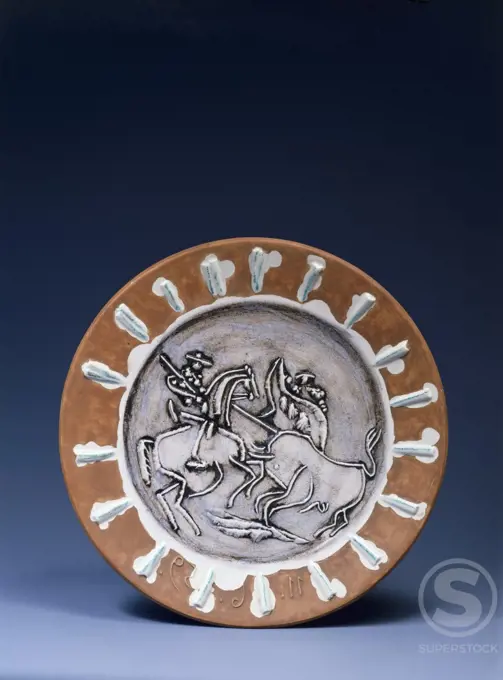
Cultural Decorative Objects

A variety of historical decorative items, including mirrors and plates, showcasing intricate designs and cultural significance from different eras.
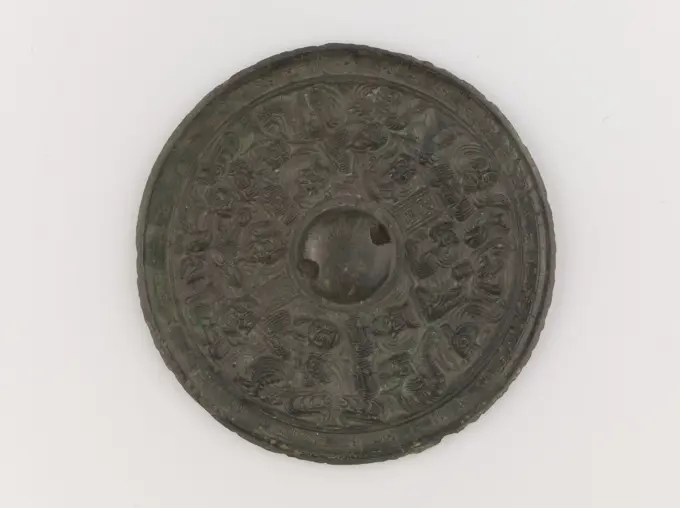
Mirror. Bronze, China, Han dynasty (206 BC AP.J.-C.). Paris, Cernuschi museum. Asian art, Chinese art, beauty, bronze, han dynasty, mirror, daily life
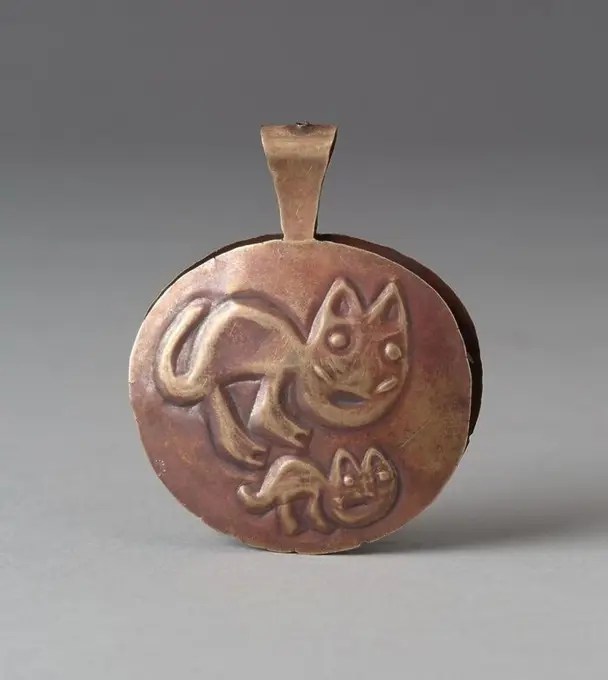
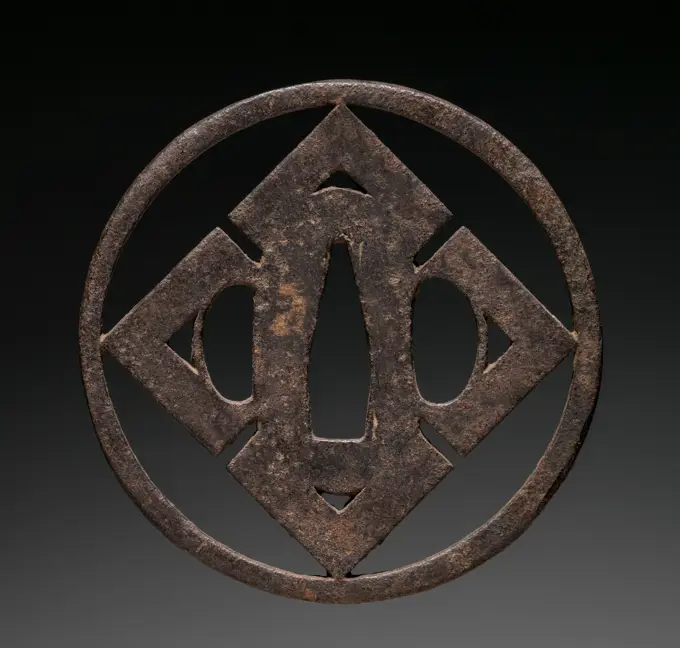
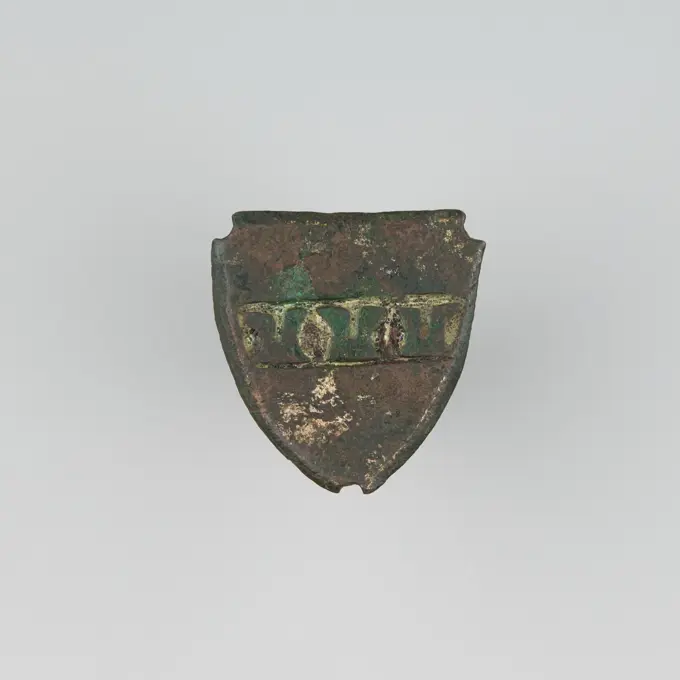
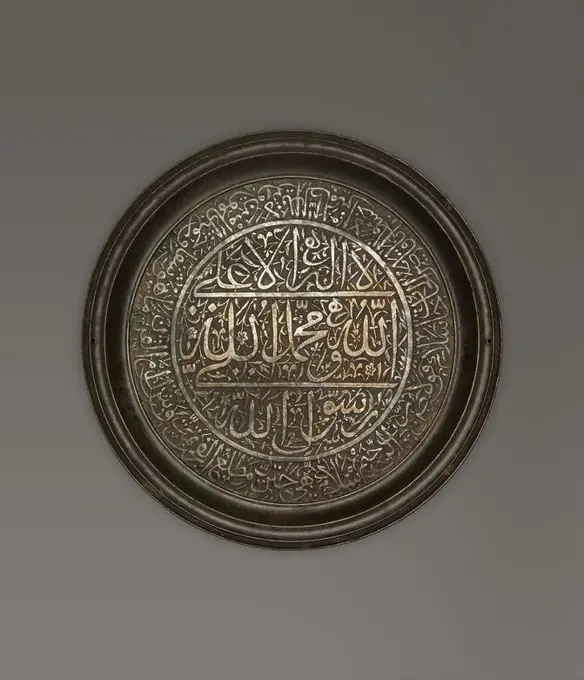
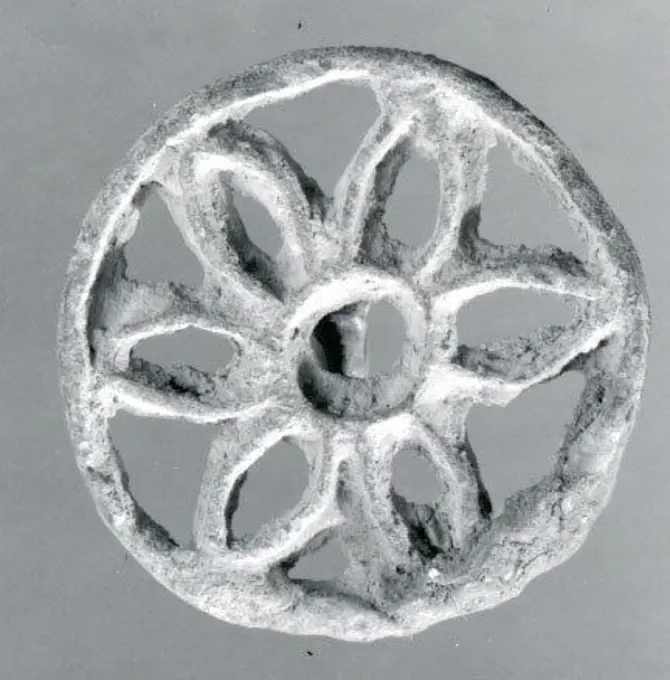
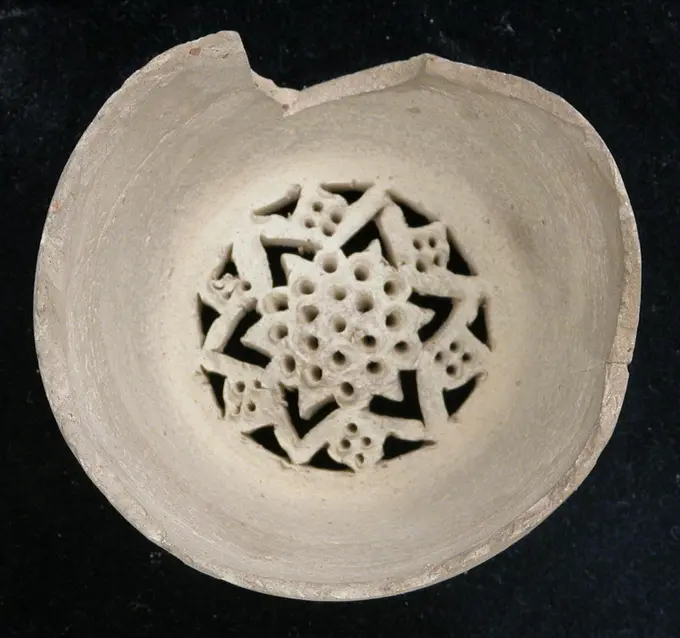
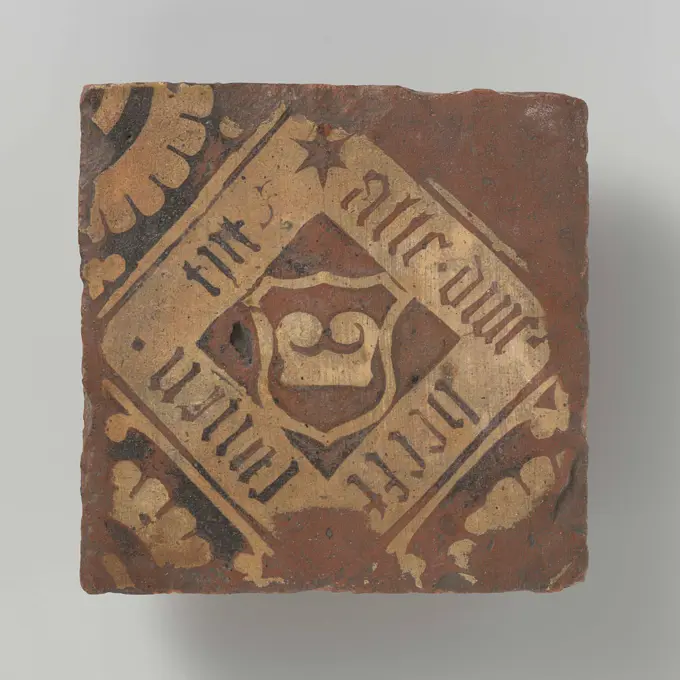
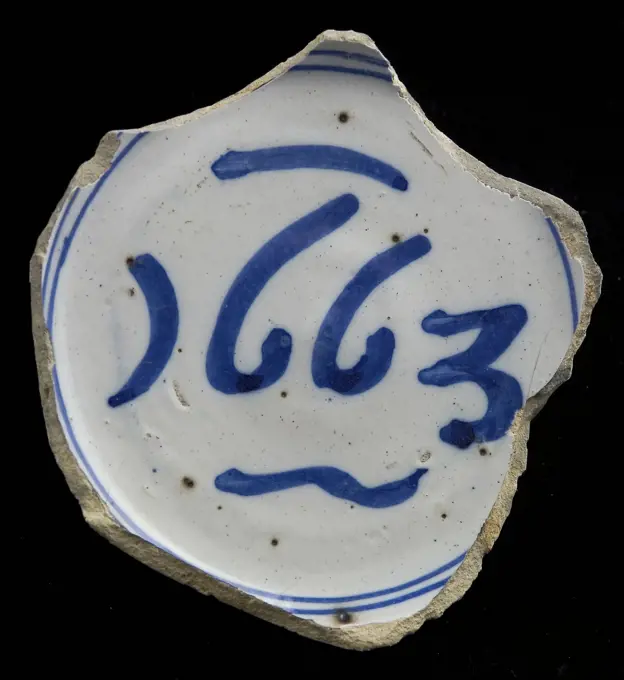
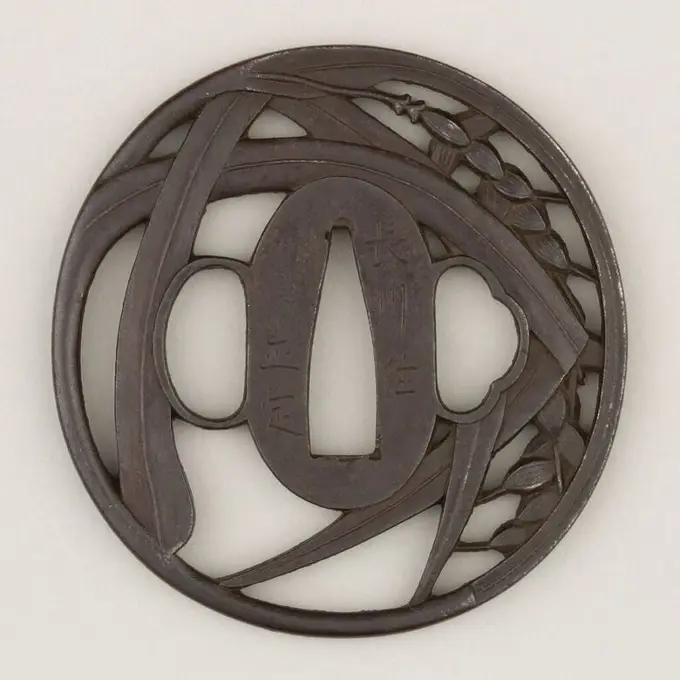
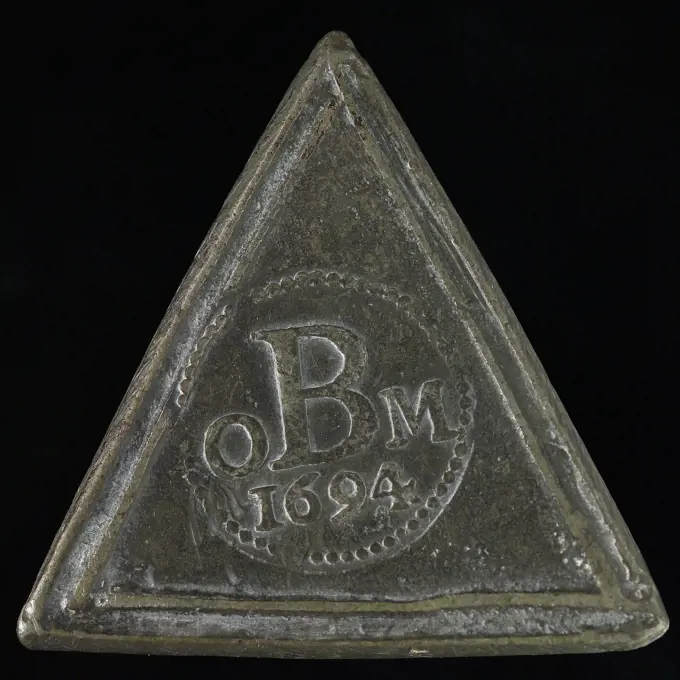
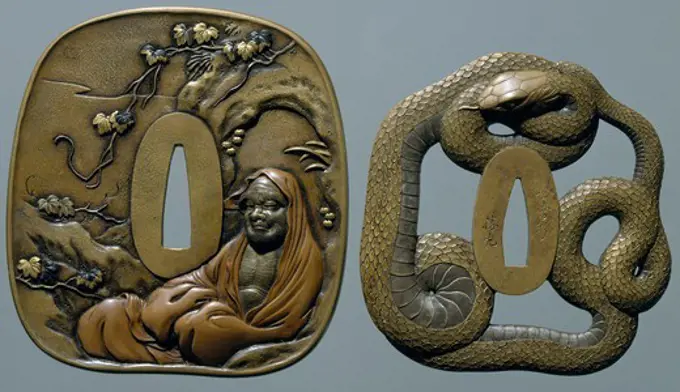
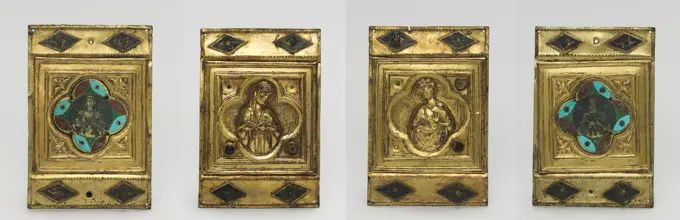
Set of Four Ornamental Plaques, c. 1380-1400. Italy, Tuscany, 14th century. Champlevé enamel, glass paste stones, and gilding on copper; overall: 11.2 x 7.7 cm (4 7/16 x 3 1/16 in.). These plaques appear to have been part of a larger ensemble forming a band of decoration affixed to a church altar. Each plaque is decorated in multiple techniques-embossing, engraving, enameling, and gilding-to create a sumptuous visual effect.Circular Tweezers with Two Felines Incised on Surface. Probably Chimú; North coast, Peru. Date: 1000-1400. Dimensions: 6 x 5.6 cm (2 3/8 x 2 3/16 in.). Gold. Origin: Peru. Museum: The Chicago Art Institute, Chicago, USA.Sword Guard (Tsuba), early to mid-1800s. Japan, Edo period (1615-1868). Iron; diameter: 7.4 cm (2 15/16 in.).Silver roundel from 1st century AD. Found in the Punjab, Pakistan.Small Box. Artist Unknown; Japanese. Date: 1601-1700. Dimensions: . Lacquer with gold and inlay. Origin: Japan. Museum: The Chicago Art Institute, Chicago, USA.Badge or Harness Pendant possibly Spanish 14th century Heraldry, or coat-of-arms, were vitally important in Europe throughout the Middle Ages and the Renaissance. Heraldic emblems were used to identify noble families, cities, regions, and even countries. In addition to being displayed on shields and flags, heraldry was incorporated into architectural decoration on the interior and the exterior of buildings, on furniture, works of art, clothing, and horse equipment. Harness pendants, like this example, would have been attached to a headstall, bridle, or other straps making up the tack of a horse ridden by a nobleman or noblewoman, or a member of their household. Many harness pendants also have decoration that is simply ornamental, or have symbols that are not specifically heraldic in nature. View more. Badge or Harness Pendant. possibly Spanish. 14th century. Copper, gold, enamel. Miscellaneous-BadgesDoor (left), early 1400s. Spain, early 15th century. Gilded and painted wood (pine); overall: 170.2 x 86.4 cm (67 x 34 in.).Calligraphic Dish. Dimensions: H. 1/4in. (0.6cm)Diam. 5 7/8in. (14.9cm). Date: ca. 1600.The central inscription on this dish is a slightly altered form of the Shi'i profession of faith and the passages around it are from the Qur'an. This dish is one of a group of about twenty objects decorated with superb thuluth script, the specific function of which is unknown. Museum: Metropolitan Museum of Art, New York, USA.Compartmented stamp seal ca. late 3rd-early 2nd millennium B.C. Bactria-Margiana Archaeological Complex. Compartmented stamp seal. Bactria-Margiana Archaeological Complex. ca. late 3rd-early 2nd millennium B.C.. Copper alloy. Bronze Age. Bactria-MargianaWater Filter 10th-12th century. Water Filter 447443Circle mirror with the Fuji Mountain motif on the obverseFloor tile: All Dinc has tough. Floor tile decorated with a square with a coat of arms around which the inscription: all Dinc has-bees-ties. In the corners, a quarter of rosette.Circular RitualObjectRectangular VotiveOfferingBronze mirror, Han dynastyGame - Backgammon Draught - 1 of Set, 1600-1700. Pinto Collection - Purchased from Edward H Pinto, 1965.. This backgammon games piece is one of a set of 28 games pieces which were made in the town of Eger in southern Germany in the 17th century. The turner has used sycamore, which has been stained black. Another specialised woodworker then built up the portrait from pieces of wood which have been glued together and then carved to make a relief marquetry known as Eger work.Fragment faience bowl with blue decoration on white ground, dated 1663, bowl crockery holder soil find ceramic earthenware glaze tin glaze, hand turned baked 2x glazed Fragment of earthenware bowl with blue decoration on white fond. Mirror fragment with dating in two blue circles. Yellow shard Standring Cooked date on mirror: 1663 archeology Rotterdam Heliport terrain indigenous pottery serving food serving table Soil discovery: Heliport site June 1978.Sword Guard (Tsuba). Culture: Japanese. Dimensions: Diam. 2 7/8 in. (7.3 cm); thickness 3/16 in. (0.5 cm); Wt. 3.7 oz. (104.9 g). Date: 18th century. Museum: Metropolitan Museum of Art, New York, USA.Triangular loin bread medal Heiligegeesthuis or Oudemannenhuis, bread penny penny swap lead metal, representation of the Holy Spirit in the guise of pigeon, no Rotterdam City Triangle High Street old men's house Holy ghost house old men's house Holy Spirit House breadOn the right, brass tsuba, engraved, pierced and damascened, depicting a snake coiled around itself, left, sentoku tsuba, engraved and inlaid with copper, silver and shibuki, depicting Daruma under a tree, Japan. Japanese Civilisation, 19th century.Seal Box (lid), 1644-1700. China, Qing dynasty (1644-1911). Jade; overall: 6.2 x 7.7 cm (2 7/16 x 3 1/16 in.).Bowl, c. 1980-1988, 6 7/16 x 12 in. (16.35 x 30.48 cm), Ceramic, pigment, Papua New Guinea, 20th century, Bowls such as this are made on the plains north of the Sepik River by the Tshuosh (Sawos), and are hand built by the women using a coiling technique. After the pots have dried, the men decorate them, carving the bottom of the bowl into elaborate curvilinear patterns. Once fired, the bowls are painted with yellow, white, red, and black, enhancing the natural contrast between pigment and clay. Although heavily abstracted, the designs applied to these pots represent specific elements of the natural world. One recognizable shape is the 'spirit face' image, a dynamic motif found eight times on this particular example. Despite their commonplace use, eating bowls such as this were always decorated, giving the vessels a spiritual charge.Two Hat Plates. American. Date: 1810-1830. Dimensions: 21 × 15.9 cm (8 1/4 × 6 1/2 in.). Tin and paint. Origin: United States. Museum: The Chicago Art Institute, Chicago, USA.Bonk from 2 pennies of the Dutch East Indies, 1818, William I (King of the Netherlands), 1818 coin Copper rectangular mint. Front: Within a rectangular list value indication 2 St. Rail side: within a rectangular frame year. Surabaya copper (metal) striking (metalworking)medieval wood and metal blue shield isolated over whiteThomas Bernard (1650-1713). Medal avec. Academy of painting and sculpture. Metal, bronze. Museum of Fine Arts of the City of Paris, Petit Palais. 58768-10 Bronze gilded, medal, metal, number inventory, numismatics, reverseCorrida by Pablo Picasso, painted ceramic, 1959, 1881-1973