Cultural Depictions of Divine Figures

Variety of historical religious art depicting divine figures and scenes, showcasing rich colors and intricate illustrations from different cultures.

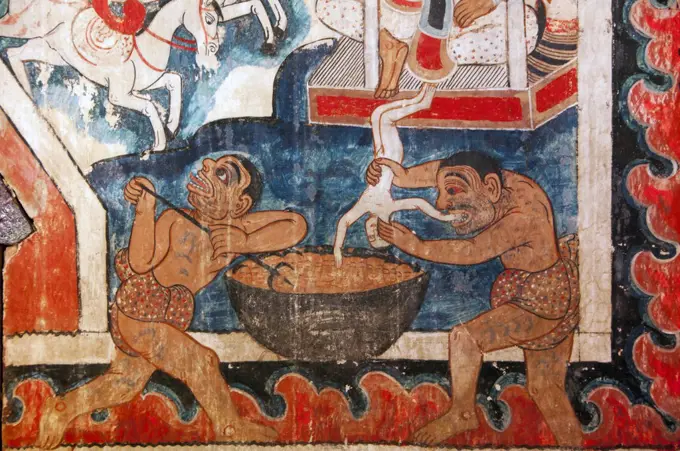
17th century murals on ceiling in Digambar Jain temple at Tirupparuttikunram, Kanchipuram, Tamil Nadu, India, Asia
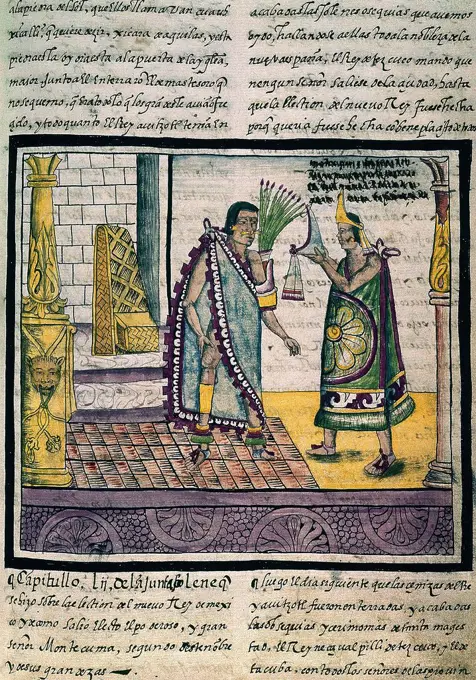
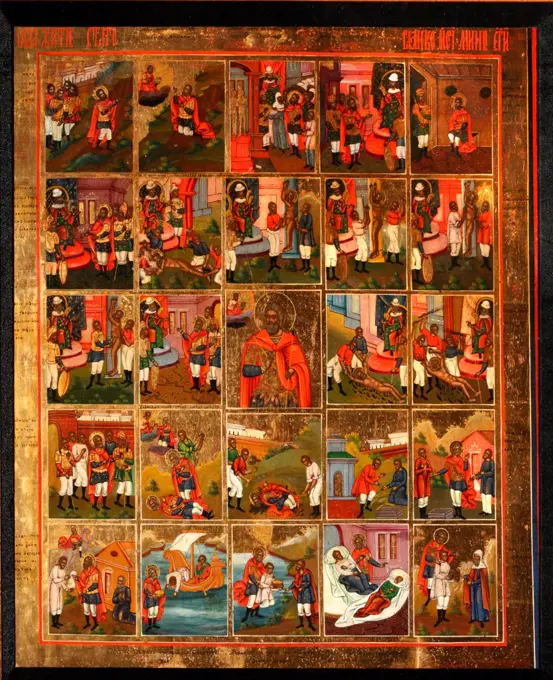
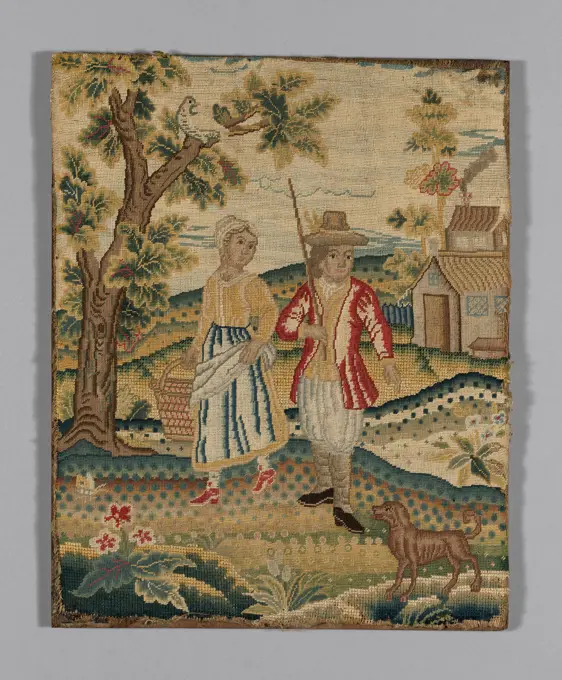
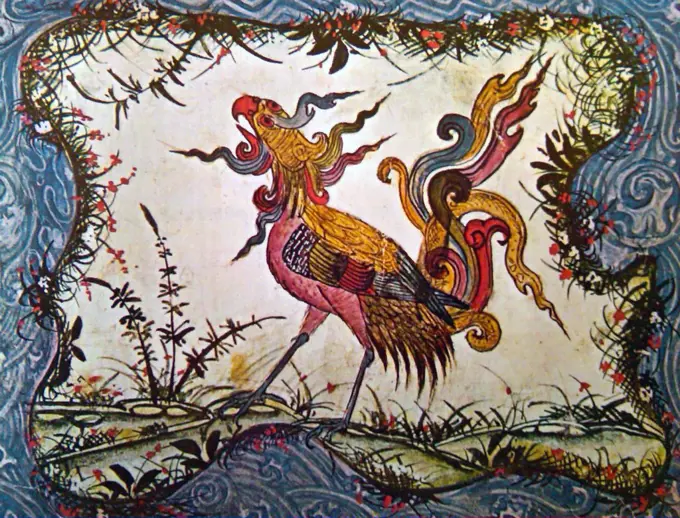
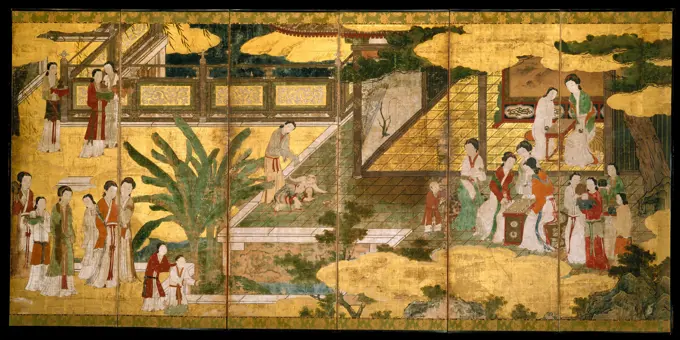
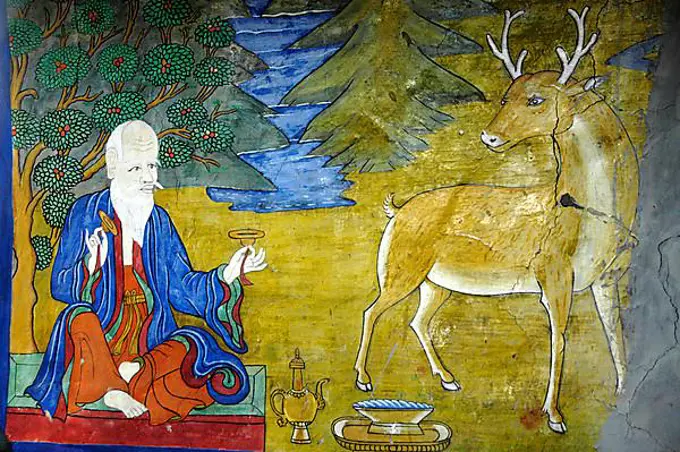
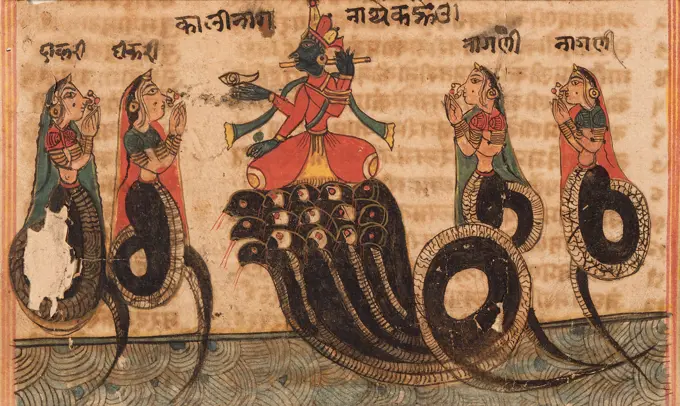
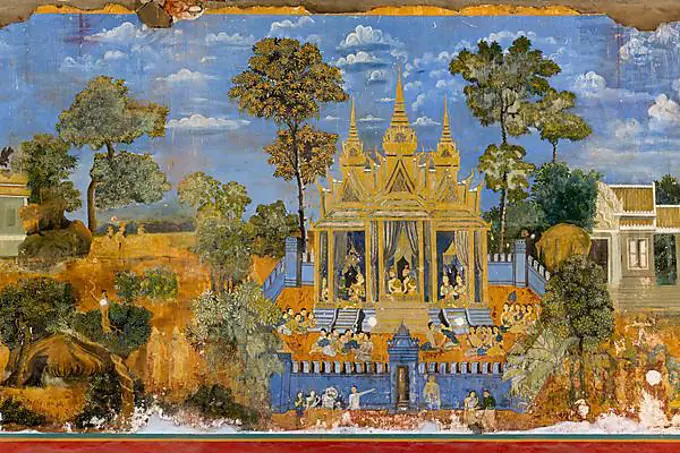
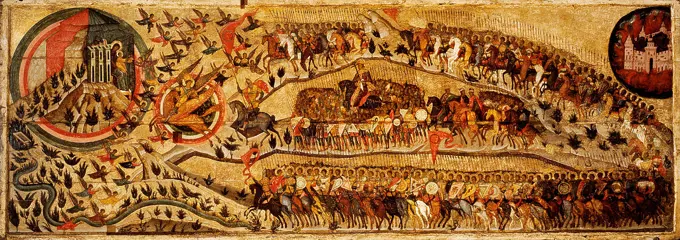
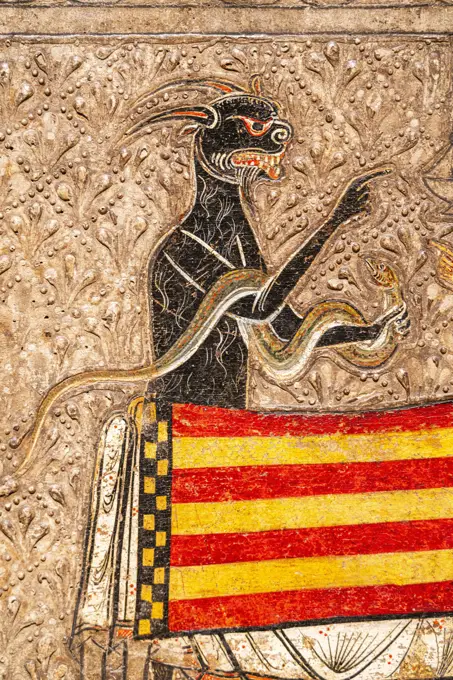
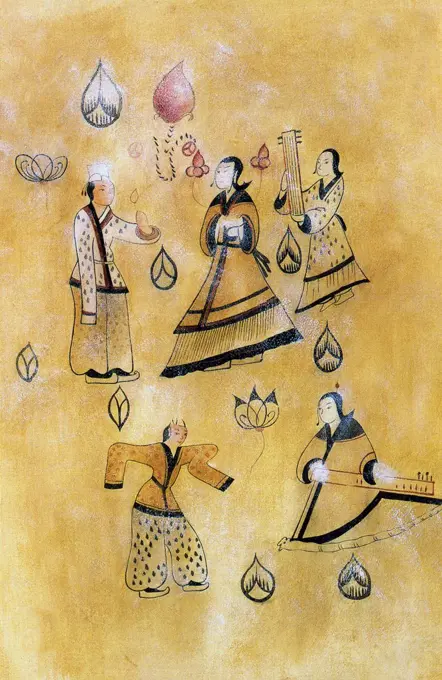
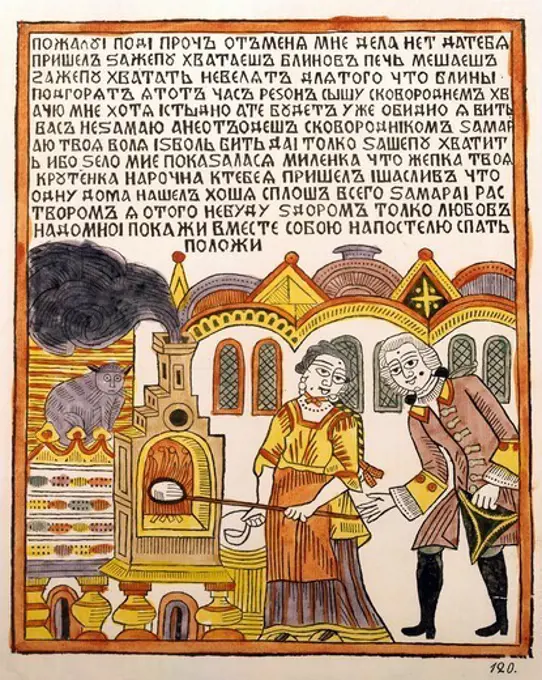
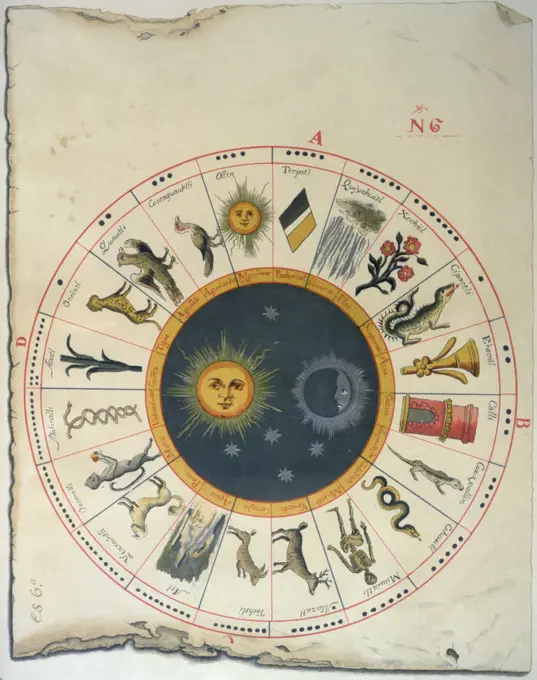
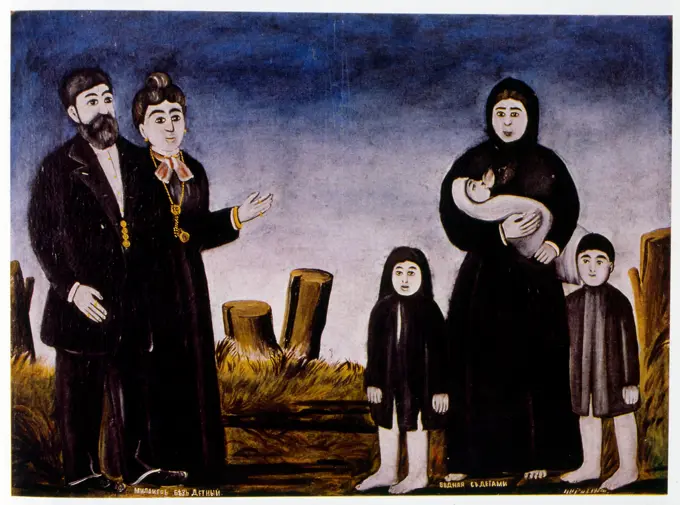
Replica, famous mosaic in the Byzantine Franciscan Monastery Church, Mount Nebo, near Madaba, Jordan, AsiaHistory of the Indians of New Spain : Moctezuma is accepting the crown of a prince. 1502. Madrid, national library. Author: DIEGO DURAN DIEGO (1537-1588). Location: BIBLIOTECA NACIONAL-COLECCION. MADRID. SPAIN.Saint Menas with Scenes from His Life by Russian icon   / Private Collection / Russian icon painting / Mid of the 19th cen. / Russia / Tempera on panel / Bible /Picture (Needlework) Made 1710-1730 England. Linen, plain weave; embroidered with wool yarns and silk floss in cross, diagonal tent and tent stitches .Tibetan fortune telling card. Watercolour, Tibet.Abu Said Ubaud Allah Ibn Bakhitshu's Ibn Bakhtishu's Manafi' al-Hayawan is an illustrated bestiary in the Persian language. The Bakhtshooa Gondishapoori (also spelled Bukhtishu and Bukht-Yishu) were Assyrian Nestorian Christian physicians from the 7th, 8th, and 9th centuries, spanning 6 generations and 250 years. Some of them served as the personal physicians of Caliphs. Like all physicians in the Abbasid courts, they came from the Academy of Gundishapur in Persia (in modern-day southwestern Iran). They were well versed in the Greek and Hindi sciences, including those of Plato, Aristotle, Pythagoras, and Galen, which they aided in translating while working in Gondeshapur. Yahya al-Barmaki, the vizier and mentor to Harun al-Rashid, provided patronage to the academy and hospital in Gondeshapur and helped assure the promotion and growth of astronomy, medicine, and philosophy, not only in Persia but also in the Abbasid empire in general.Yahya ibn Mahmod al-Wasiti was a 13th-century Arab Islamic artist. Al-Wasiti was born in Wasit in southern Iraq. He was noted for his illustrations of the Maqam of al-Hariri. Maqama (literally 'assemblies') are an (originally) Arabic literary genre of rhymed prose with intervals of poetry in which rhetorical extravagance is conspicuous. The 10th century author Badi' al-Zaman al-Hamadhani is said to have invented the form, which was extended by al-Hariri of Basra in the next century. Both authors' maqamat center on trickster figures whose wanderings and exploits in speaking to assemblies of the powerful are conveyed by a narrator. Manuscripts of al-Hariri's Maqamat, anecdotes of a roguish wanderer Abu Zayd from Saruj, were frequently illustrated with miniatures.astronomie sun moon zodiac and seasons woodcut Russia early 18th century private collection signs of the zodiac astrology summer winter spring autumn season,Chinese Women and Children in a Palace Garden 17th century Formerly attributed to Kano Eitoku Japanese This screen depicts the interior and court garden of a Chinese palace with groups of Chinese ladies, children, and servants enjoying their courtly life. The theme of Chinese court ladies was favored by high-ranking daimyo families and was exclusively depicted by academic painters of the Kano school. Formerly attached incorrectly to two panels with Chinese ladies that were painted by another artist, the paintings were later detached and remounted as a six-panel screen.. Chinese Women and Children in a Palace Garden 45695Wall painting of a meditating man and a deer in a temple Muktinath Mustang Annapurna Region NepalMozarabic Bible. 10th c. Transporting the Ark of the Covenant. Mozarabic art. Miniature Painting. SPAIN. CASTILE AND LEON. LeÑn. Library of the Royal Colegiate Church of Saint Isidoro.Krishna Quelling the Serpent King Kaliya, Folio from a Bhagavata Purana (Ancient Stories of the Lord). India, Rajasthan, Marwar, 1718. Drawings; watercolors. Opaque watercolor and ink on paperMural from the Ramayana epic, mural, Silver Pagoda, Royal Palace, Phnom Penh, Cambodia, AsiaGlass Mosaics in the Wat Xieng Thong, Luang Prabang, Laos, Anonymous master  Blessed Be the Host of the King of Heaven. Date/Period: Mid of the 16th century. Painting / icon. Tempera on wood. Height: 143.5 cm (56.4 in); Width: 395.5 cm (12.9 ft). Author: Anonymous, attributed to Athanasius.Wat Buak Khrok Luang, located in Ban Buak Khrok Luang Moo 1, Chiang Mai - Sankamphaeng Road, Chiang Mai, is a small and typically northern Thai Buddhist temple. It is believed to have been founded in the 15th century during the time of the independent Lan Na Kingdom (1292-1558), and was extensively restored during the reign of Chao Kaew Naowarat (r.1911-1939), the last King of Chiang Mai. The temple is chiefly noteworthy for its main viharn, which is purely Lan Na in inspiration, with a four-tiered roof and elegant naga balustrade entrance. The most remarkable aspect of the viharn is its extensive mural paintings, dating from around 1835 during the reign of Chao Phuttawong (r.1826-1846), the fourth ruler of the Chiang Mai Thipchang Dynasty. The murals, which are northern Thai in style with clear elements of Shan State and Konbaung Dynasty Burmese influence, are among the best in northern Thailand. They feature the jataka stories, past lives of the Buddha, and are interspersed with vernTwo Indian deities with many headed snakes. Gouache painting by an Indian artist, ca. 1750().Teufel mit einer Schlange im Arm devil with a snake in his arms, Altar of Ix, 12th century, tempera and remains of colored metal leaves on wood, Church of San Martín d Ix, MNAC, Barcelona, Catalonia, Spain Copyright: xZoonar.com/Tolox 23146523Goguryeo or Koguryŏ was an ancient Korean kingdom located in present day northern and central parts of the Korean Peninsula, southern Manchuria, and southern Russian Maritime province. Along with Baekje and Silla, Goguryeo was one of the Three Kingdoms of Korea. Goguryeo was an active participant in the power struggle for control of the Korean peninsula as well as associated with the foreign affairs of neighboring polities in China and Japan. The Samguk Sagi, a 12th century CE Goryeo text, indicates that Goguryeo was founded in 37 BC by Jumong, a prince from Buyeo, although there is archaeological and textual evidence that suggests Goguryeo culture was in existence since the 2nd century BCE around the fall of Gojoseon, an earlier kingdom that also occupied southern Manchuria and northern Korea. Goguryeo was a major dynasty in Northeast Asia, until it was defeated by a Silla-Tang alliance in 668 CE. After its defeat, its territory was divided among the Unified Silla, Balhae, and Tang dygeography/travel Russia,The Adoration of Manco Capac. UnknownCristÛbal de Olid (1487ñ1524) Spanish conquistador who led Spanish soldiers with Tlaxcalan allies in the conquests of Jalisco and Colima of West Mexico.Aztec Names of the Days of Each Month Artist Unknown Newberry Library, Chicago Władysław Jarocki (1879-1965), blessing water / Un Cortège; Galeria Polska (Kraków; Publisher), Angrer C. & Göschl (Vienna; Fotochemigraphy Department; 1870-); 1936 (or earlier) (1930-00-00-1936-00-00);Tigray region, Aksum, pictures in the muesum of the stele park of Axum, Ethiopia, AfricaPresentation of Offerings, from a Set of Initiation Cards (Tsakali). Southern Tibet. Date: 1301-1500. Dimensions: 16 x 14.5 cm (6 1/4 x 5 3/4 in.). Ink and watercolor on paper. Origin: Tibet. Museum: The Chicago Art Institute, Chicago, USA.A millionaire passing a poor peasant, 1904, by Niko Pirosmani (1862-1918), Russian, Georgian primitivist painter, who posthumously rose to prominence.