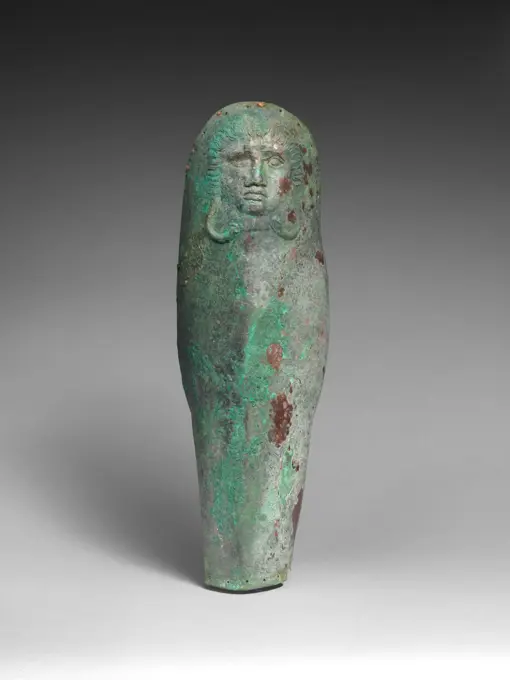
Cultural Figurines and Artifacts

Impressive ancient sculptures and amulets depicting cultural significance, showcasing craftsmanship from various historical societies.
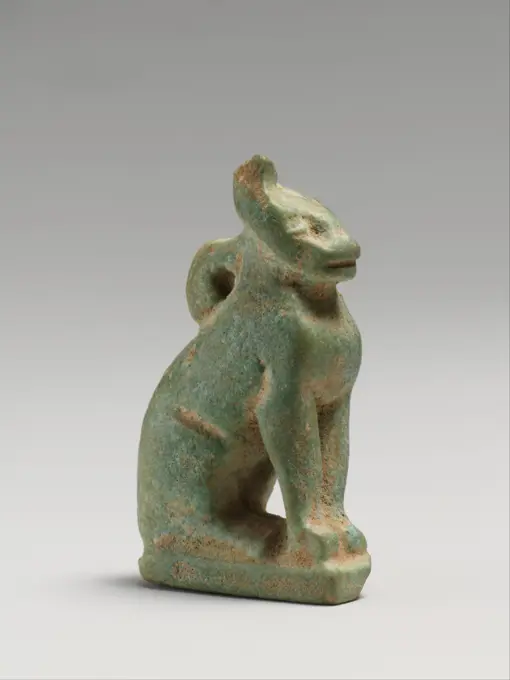
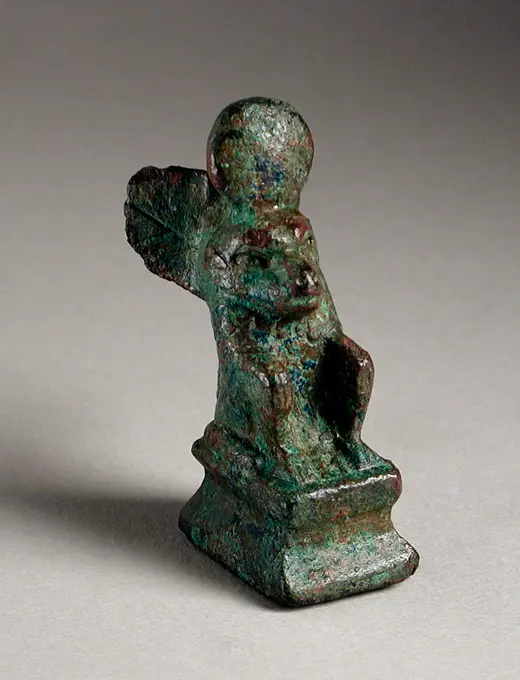
Faience amulet in the form of a cat 664-30 B.C. Egyptian Amulets representing animals were attributed to a deity: a hawk for Ra, the Sun God, a lion for Sakhmi, the War Goddess, a ram for Khnum and a cat for Bast.. Faience amulet in the form of a cat 243770
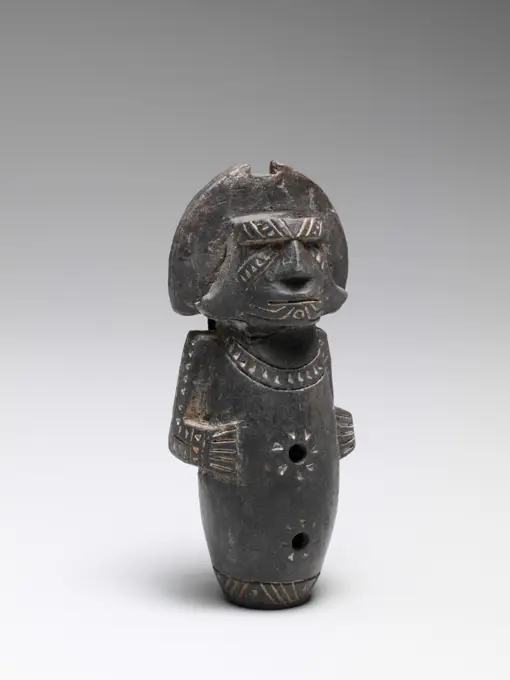
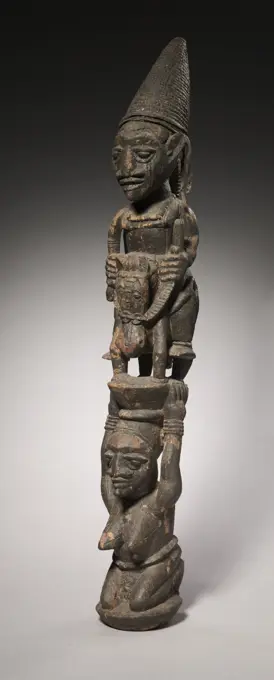
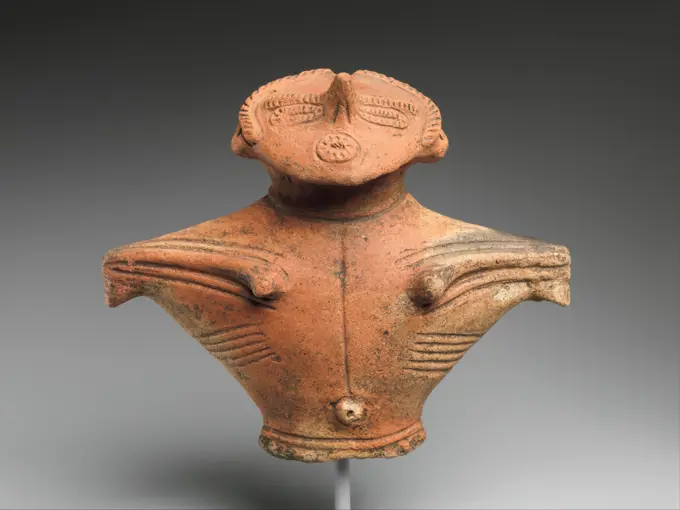
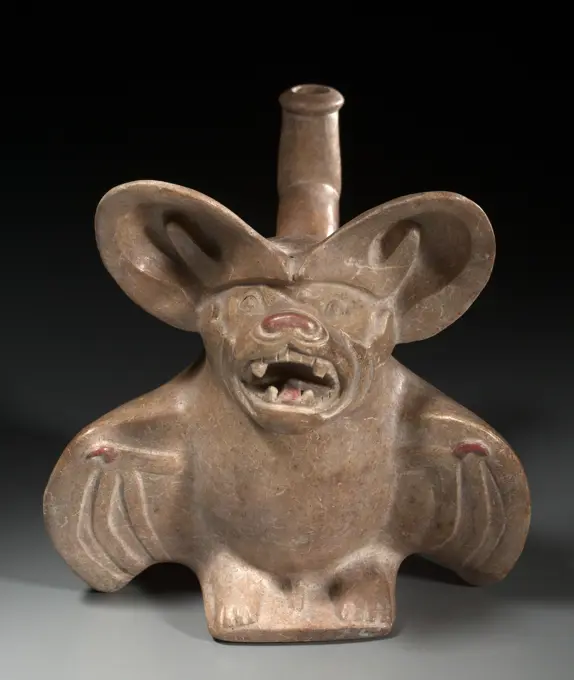
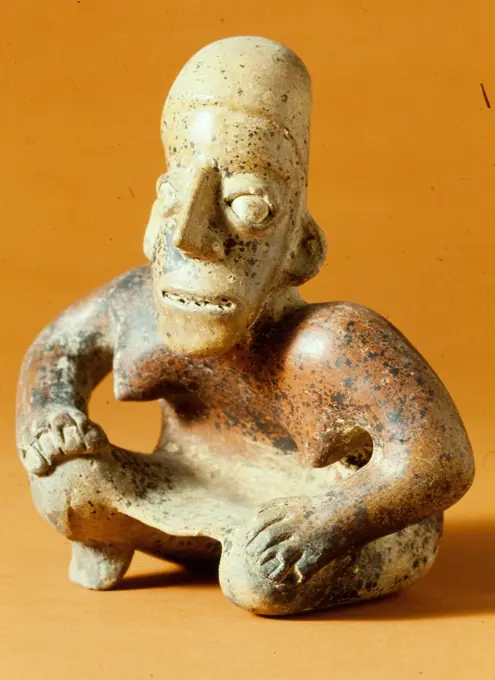
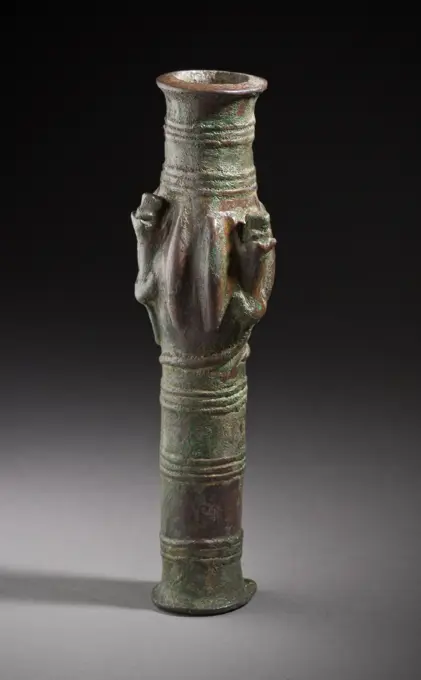
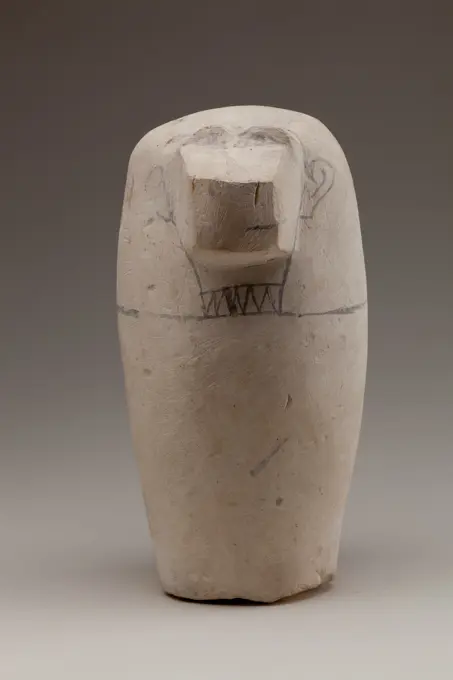
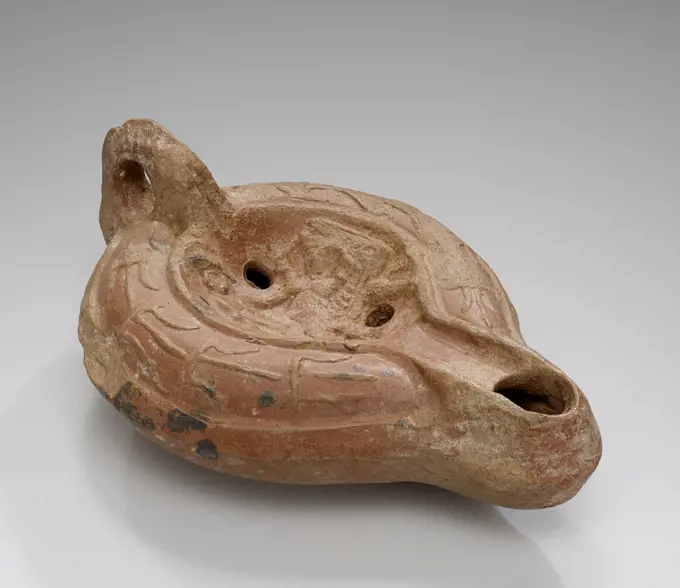
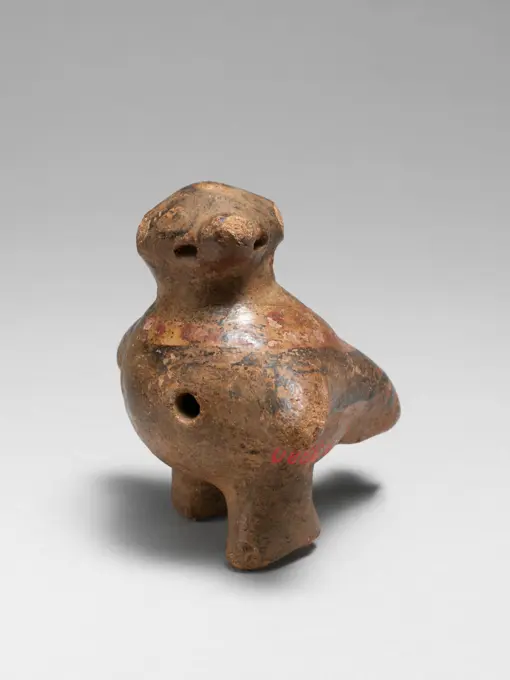
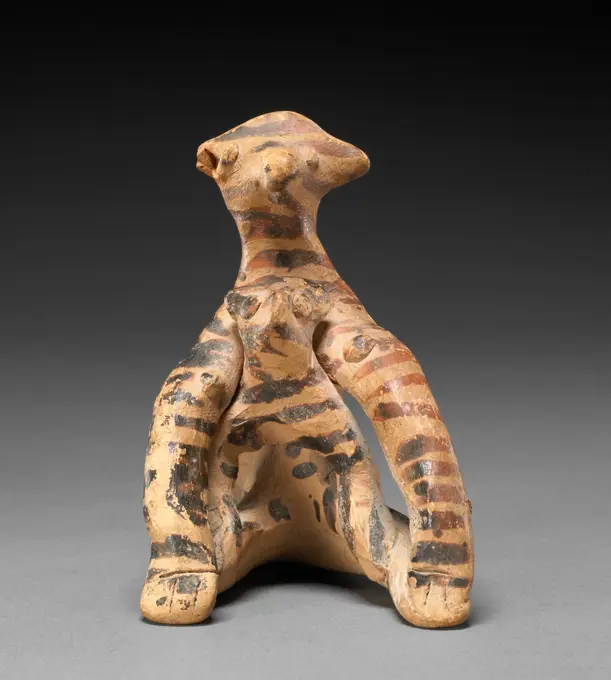
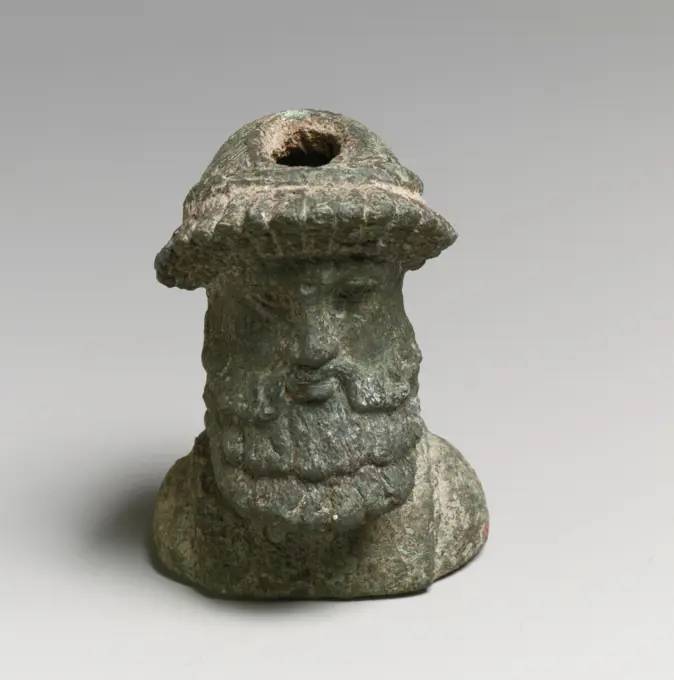
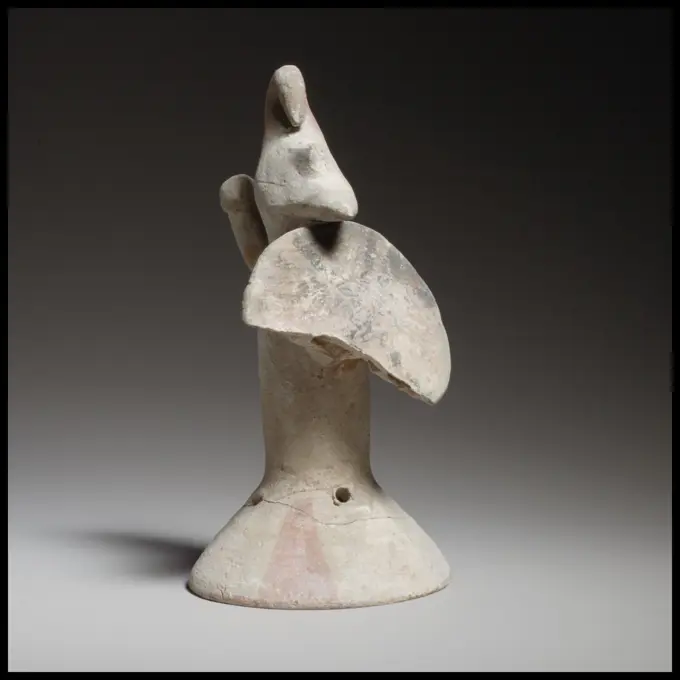
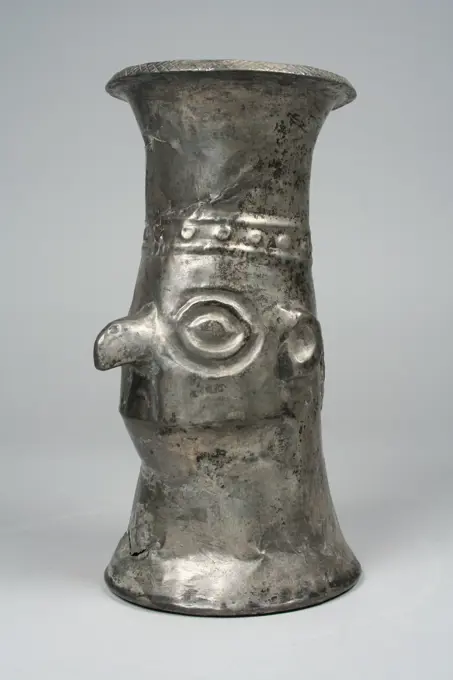
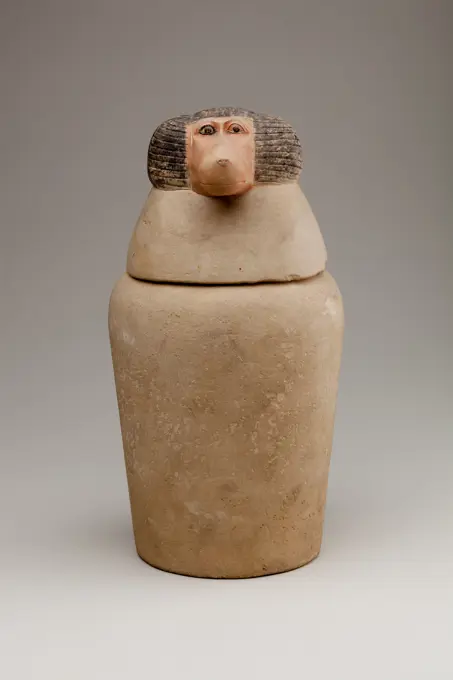
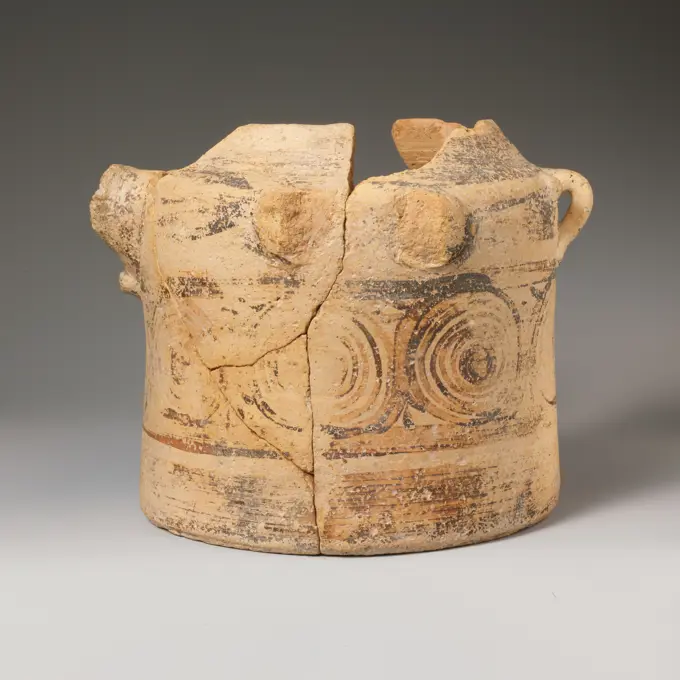
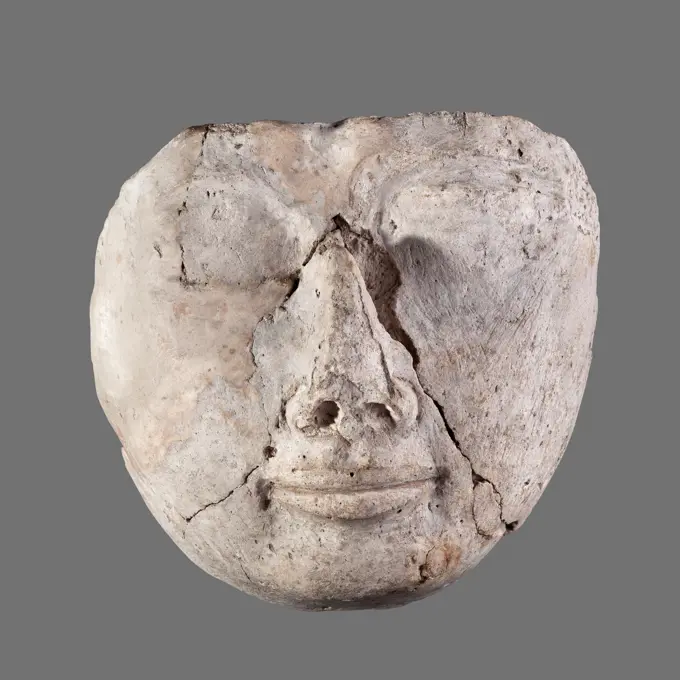
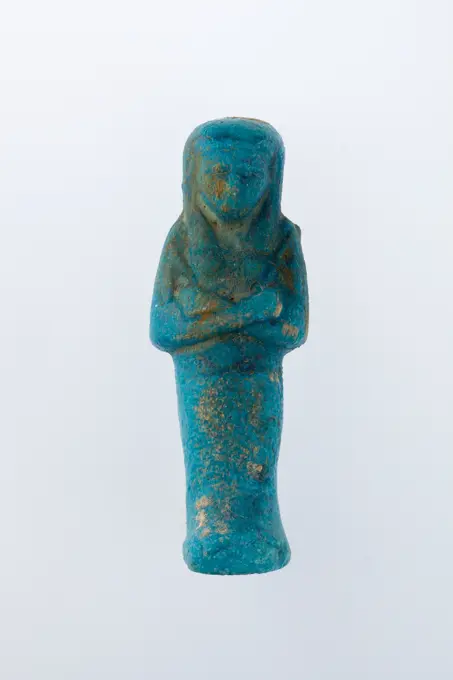
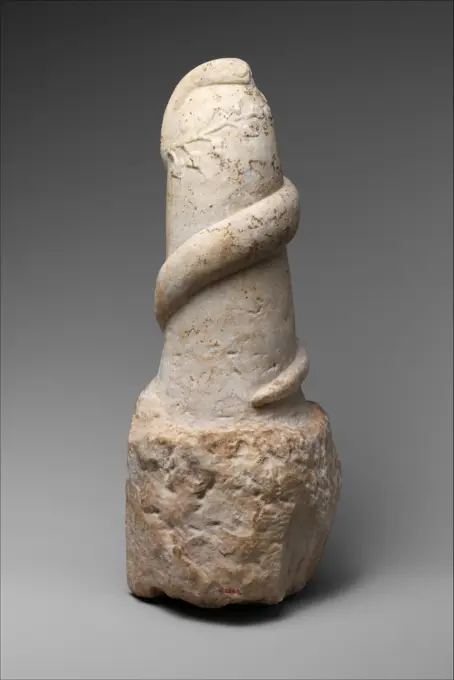
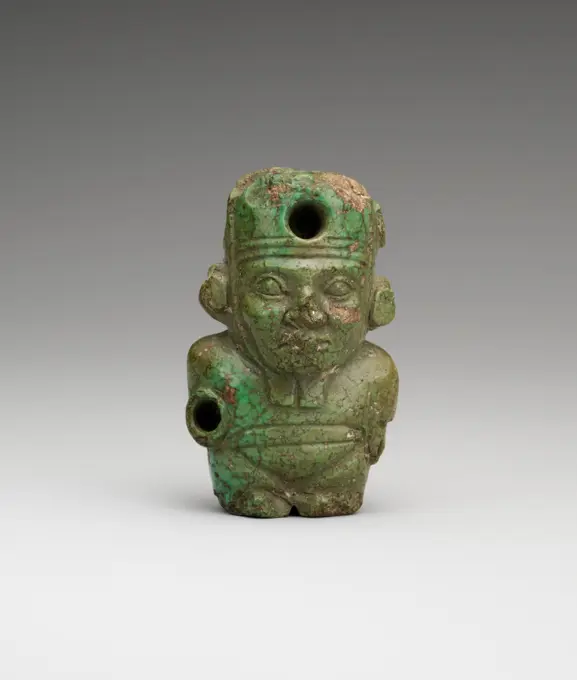
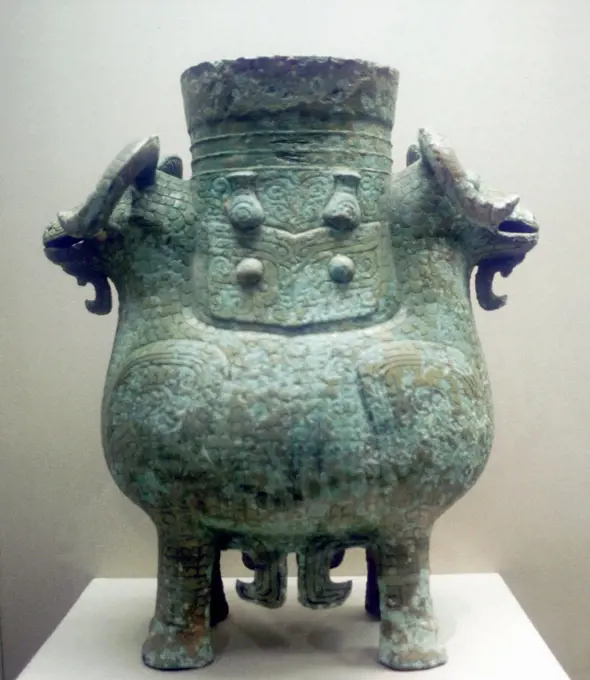
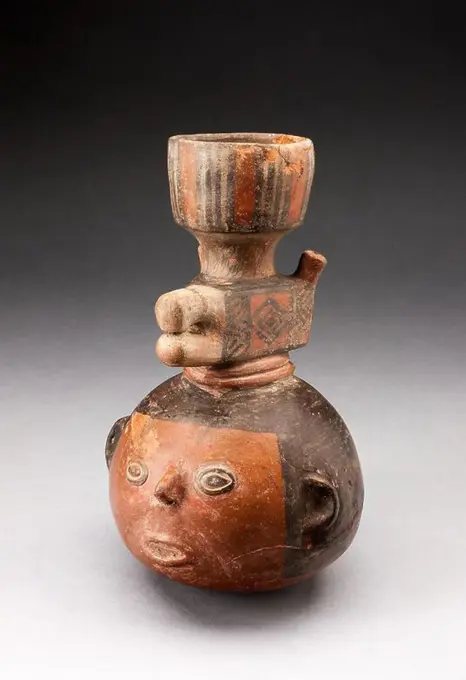
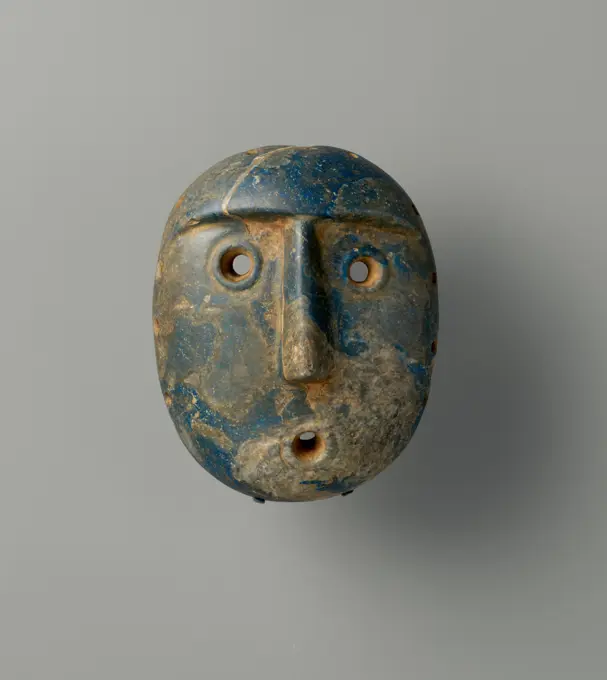
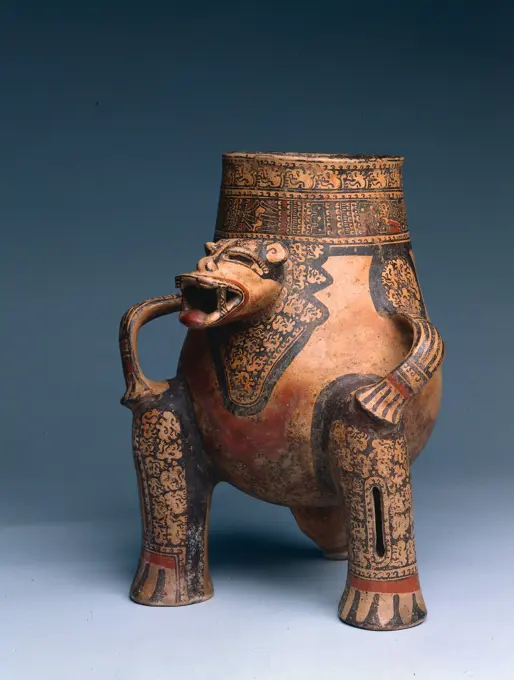
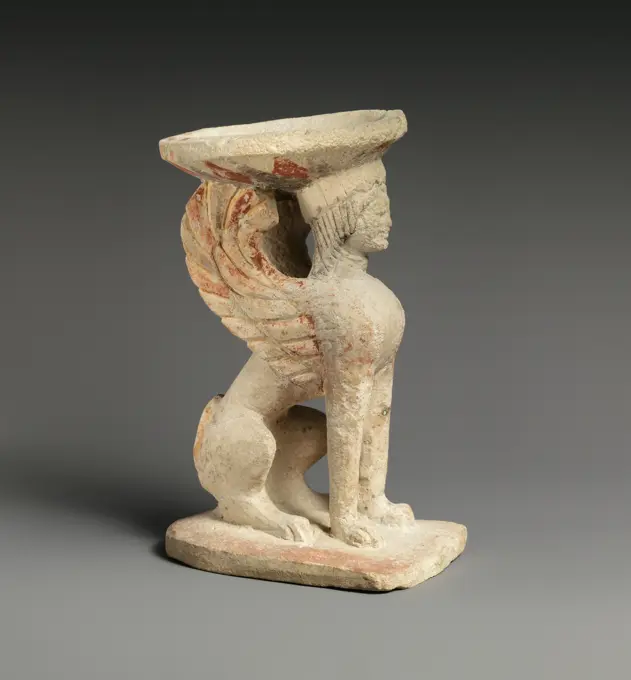
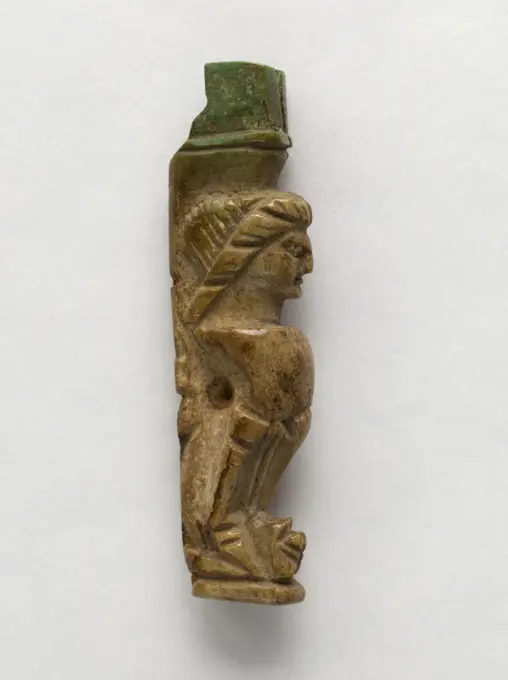
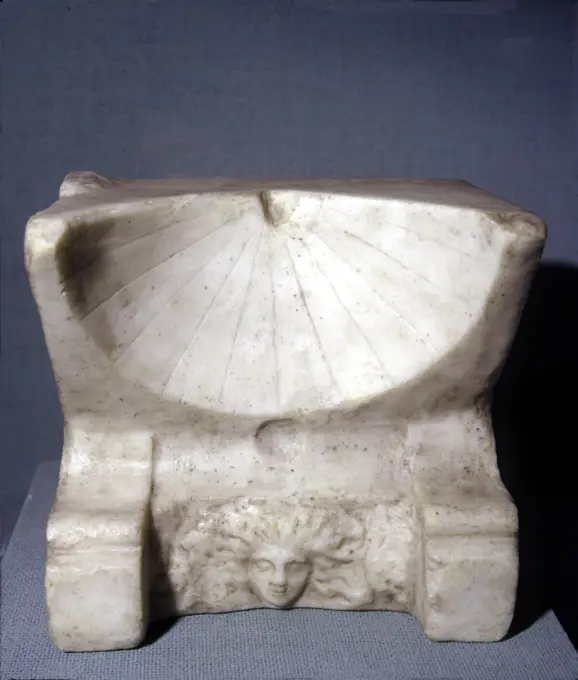
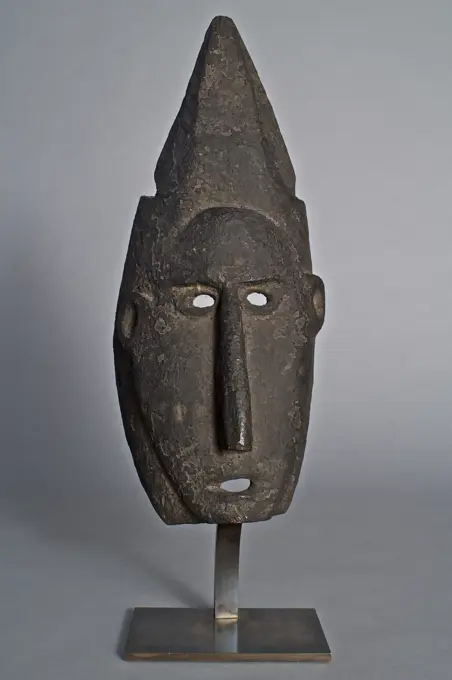
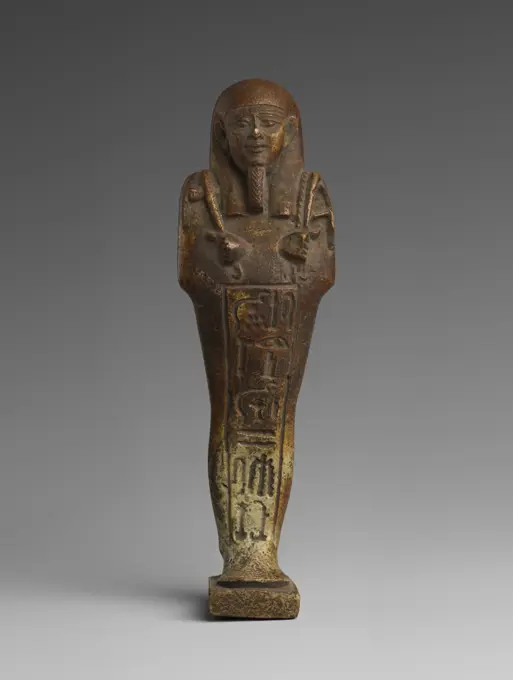
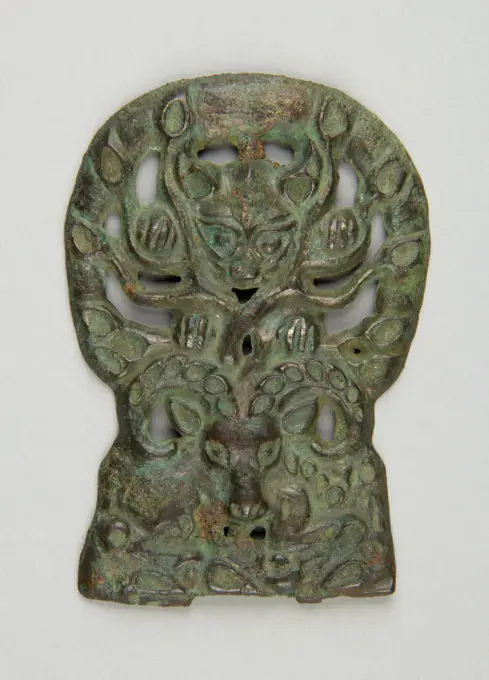
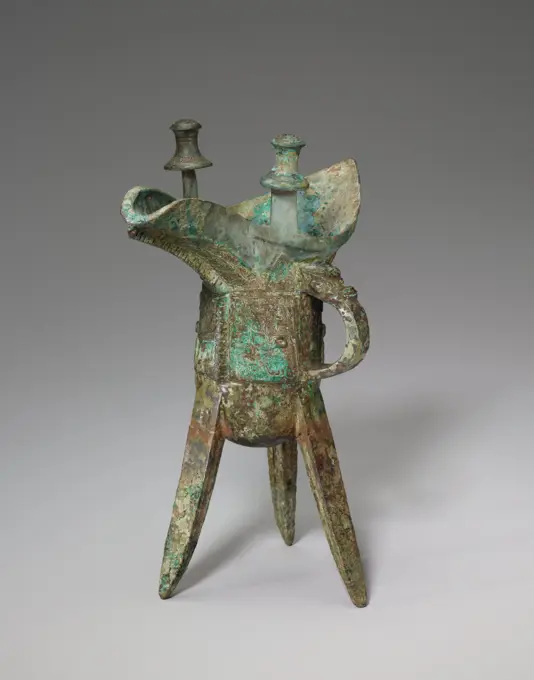
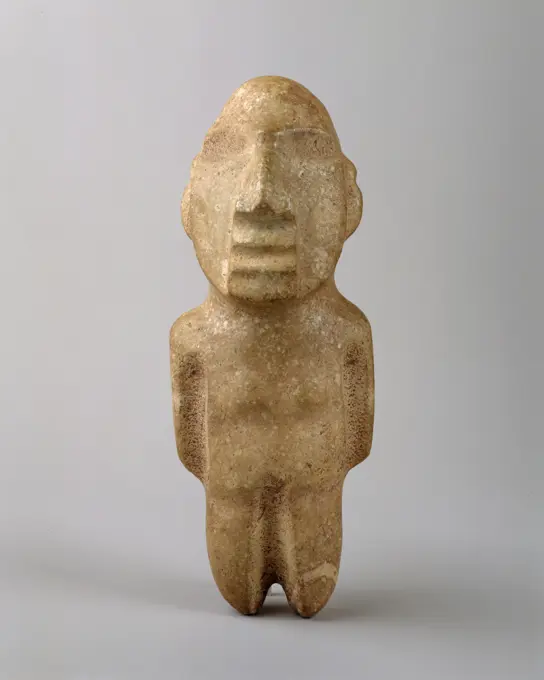
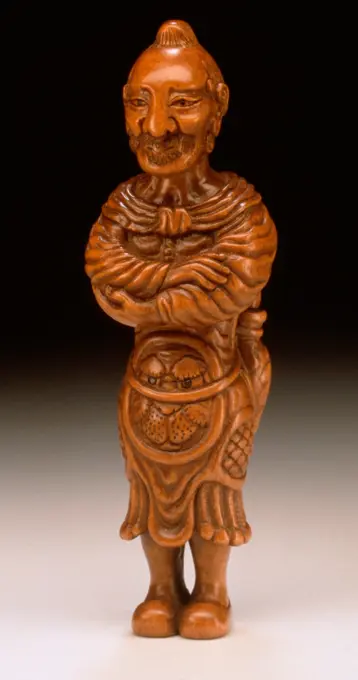
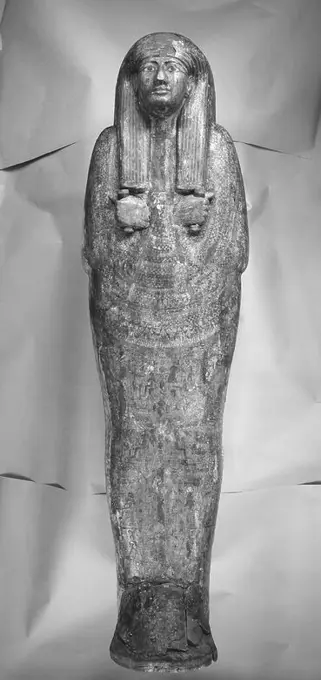
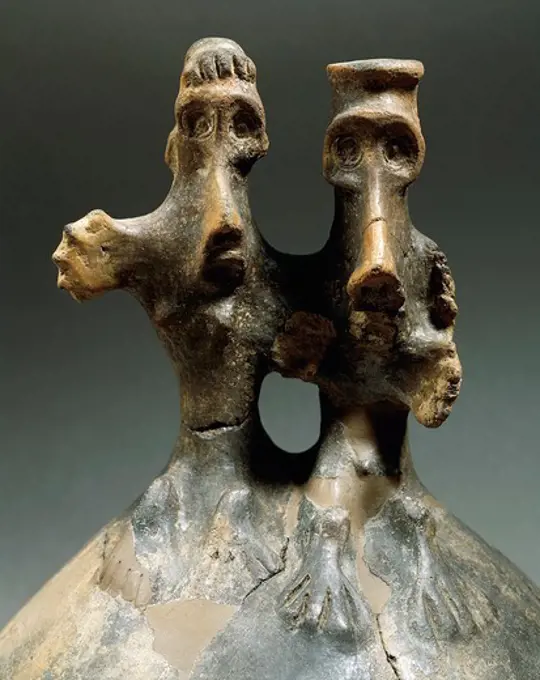
Faience amulet in the form of a cat 664-30 B.C. Egyptian Amulets representing animals were attributed to a deity: a hawk for Ra, the Sun God, a lion for Sakhmi, the War Goddess, a ram for Khnum and a cat for Bast.. Faience amulet in the form of a cat 243770Maker: Unknown, Standing MaleFigure, Copper alloy, 7 cm (2 3/4in.), Made in Central Andes, Peru, Central Andes,Inca, LateHorizon, SculptureFlute 1300-1500 Tairona People; Gayraca style Although numerous types of instruments survive from pre-conquest South and Central America, little is known of how they were used. Whistles, trumpets, and rattles in animal or human form probably had ceremonial functions or served as playthings. Smaller whistles in animal shapes, perhaps worn suspended from the neck, frequently have fingerholes that allow variation of pitch.Flutes and bells are all that remain of many musical traditions of the Tairona people of the Sierra Nevada de Santa Marta region, Colombia. The importance of these metal, terracotta, and blackware instruments is evident in their carefully detailed incising and punctuation. The symbolic meanings of the effigies are obscure, and the relationship between the forms and their musical functions is unclear. It is believed that musical effigies served as talismans and were played to link the mortal and immortal realms.. Flute. Tairona People; Gayraca style. 1300-1500. Ceramic. PFemale Figurine, c. 400-100 BC. Mexico, Guanajuato, Chupícuaro. Earthenware with pigment; overall: 7.5 x 3.5 x 1.2 cm (2 15/16 x 1 3/8 x 1/2 in.).Veranda Post (Òpó), early to mid-1900s. Probably by Agbonbiofe Adeshina (Yorùbá, c. 1880-1945). Wood, probably tar, cloth, and iron; overall: 106.6 cm (41 15/16 in.).Falcon's Head, 1350-1250 BC. Egypt, New Kingdom, late Dynasty 18 (1540-1296 BC) or early Dynasty 19 (1295-1186 BC). Face of bronze inlaid with gilt copper, wig of black copper () with copper striations; overall: 2.7 x 1.8 x 2.1 cm (1 1/16 x 11/16 x 13/16 in.).Partial statuette probably depicting a young boy ca. 3100-2650 B.C. Early Dynastic Period. Partial statuette probably depicting a young boy 547477Seated Figure 400-100 B.C. Guerrero. Seated Figure 321294Horseman 4th-3rd century B.C. Cypriot The figurine is handmade and solid, with a mold-made face. The nude, bearded figure is preserved to the hips, where it is broken diagonally from the rest of the figurine, which must have been a horse-and-rider group.. Horseman 241207Dogū (Clay Figurine) Japan Like most figurines found at Jōmon sites, this one is broken at the waist, perhaps deliberately. Archaeologists conjecture that such figurines were used in ancient practices to ensure fertility.. Dogū (Clay Figurine) 44824Standing Osiris Figure. Egypt, Late Period - Roman Period (711 BCE - 150 CE). Jewelry and Adornments. BronzeShawabty of Ankh-Hor, 595-586 BC. Egypt, Thebes, Late Period, Dynasty 26, reign of Psammetichus II-Apries. Pale turquoise, vitreous Egyptian blue; diameter: 2.1 cm (13/16 in.); overall: 9.9 x 3.4 cm (3 7/8 x 1 5/16 in.).Terracotta statuette of cradle and infant ca. 1900-1600 B.C. Cypriot Some figurines of infants in cradles were buried in tombs, probably as symbols of regeneration.. Terracotta statuette of cradle and infant 241092Mastiff (Dog-Faced) Bat Vessel, AD 200-850. Central Andes, North Coast, Moche people, Early Intermediate period (0-700). Ceramic, slip; overall: 18.4 x 17.7 x 15.8 cm (7 1/4 x 6 15/16 x 6 1/4 in.).Boat;  around 1550 1295 BC ; New PAFigure, 100-600, 7 1/2 x 7 1/2 x 5 1/2 in. (19 x 19 x 14 cm), Ceramic, pigment, Mexico, 2nd-7th centuryMacehead. Iran, Luristan, Luristan bronzes, circa 2350-2100 B.C.. Arms and Armor; maces. Bronze, castUrna kanopska z głową małpy. unknown, authorBronze statuette of Horus 304-30 B.C. Egyptian, Ptolemaic Seated, with Osirian crown and a side lock.. Bronze statuette of Horus 244503Dummy Canopic Jar with the Head of Hapy ca. 712-664 B.C. Third Intermediate Period Lying scattered beside Ankhshepenwepet's coffin were four dummy canopic jars made of solid limestone, with crudely-carved features. Their "tops" are indicated by rough black lines, and additional black paint has been used to enhance the faces of the deities.In earlier periods, the viscera (lungs, liver, stomach, and intestines) were removed from the body and separately mummified, then placed in high-shouldered jars now known as canopic jars. The earliest examples have simple tops, but by the Middle Kingdom, the stoppers were in the form of human heads. Later examples have the heads of the four "canopic" deities who protected and embodied these parts of the mummy: Hapy (baboon-headed, lungs); Duamutef (jackal-headed, stomach); Qebehsenuef (hawk-headed, intestines); and Imsety (human-headed, liver). By the 25th Dynasty, the organs were typically preserved, wrapped, and returned to the body, so there was noLamp, North Africa; 4th - 5th century; Terracotta; 3.6 x 8.5 x 12.5 cm (1 7,16 x 3 3,8 x 4 15,16 in.)Female figurine - fragment. unknown, craftsmanDAIFA - COPIA DE LAS FIGURAS PUNICAS. Location: ALFARERIA. SANTA EULALIA. IBIZA. SPAIN.Bird. Culture: China. Dimensions: H. 3 1/4 in. (8.3 cm). Museum: Metropolitan Museum of Art, New York, USA.Head 4th-7th century Coptic. Head 478480Pottery Whistle ca. 800-1525 Costa Rican. Pottery Whistle. Costa Rican. ca. 800-1525. Clay. Pre-Columbian. Central Region, Costa Rica. Aerophone-Whistle Flute-whistleStatuette of an Ape with its Baby. UnknownBronze herm 1st-2nd century A.D. Roman Hermes was the guardian of boundaries, as well as the protector of travelers. Although these small bronze head probably decorated Roman furniture, they represent the god as he appeared on the top of many rectangular stone pillars called herms that marked boundaries and stood at gateways and entrances in Greek cities and towns.. Bronze herm 250735 Roman, Bronze herm, 1st2nd century A.D., Bronze, H.: 2 7/8 in. (7.3 cm). The Metropolitan Museum of Art, New York. Rogers Fund, 1919 (19.192.1)Shield bearer ca. 750-600 B.C. Cypriot The cylindrical body is wheel-made and hollow, with a bell-shaped bottom; the upper body and the head are handmade. There is a perforation on either side just above the bell-shaped section for the attachment of movable legs.. Shield bearer. Cypriot. ca. 750-600 B.C.. Terracotta; wheel-made and hand-made. Cypro-Archaic I. TerracottasFace Beaker 12th-15th century Chimú. Face Beaker. Chimú. 12th-15th century. Silver. Peru. Metal-ContainersCanopic Jar Representing the Deity Hapy 664-525 BC 'Late Period, Saite Canopic jars were made to hold the internal organs that were removed during mummification. This canopic jar, with its baboon-headed lid, probably held the lungs and was under the protection of the god Hapy, one of the Four Sons of Horus. The other three jars of the set are 12.183.1a, c,d.. Canopic Jar Representing the Deity Hapy 543953Mortar(Pandudaan)Ceramic vessel Wari culture 500AC-1000AC Perú.Statuette of a naked bearded man, possibly a priest-king, shown presiding over religious ceremonies with arms across his chest. Uruk period, c. 3300 BC. Limestone. Louvre Museum. Paris, France.Terracotta bridge-spouted jar ca. 1600-1450 B.C. Minoan Tubular spout and three handles, with bands and spirals, dark on light ware.. Terracotta bridge-spouted jar 247640Mummy mask;  II century; Roman period (101-00-00-200-00-00);Scene.gal.eg., fragments of sarcophagus, masks, facesWorker Shabti of Henettawy (C), Daughter of Isetemkheb ca. 990-970 B.C. Third Intermediate Period See 25.3.19.. Worker Shabti of Henettawy (C), Daughter of Isetemkheb 591113Amulet of the Goddess Hathor ( ) with Cow's Head 1069 BCE-332 BCE Egypt. Faience . Ancient EgyptianMarble pillar with snake and wreath 1st-2nd century A.D. Roman This pillar may be either votive or sepulchral. The snake is both an attribute of the healing god Asklepios, suggesting this object may have been a thank offering on behalf of one cured of an illness, and a potent symbol of the underworld, alluding perhaps to a funereal function. The wreath, meanwhile, evokes victory in the broadest sense, as well as the realm of Dionysos, whose mythological rebirth makes his iconography particularly appropriate in a tomb context.. Marble pillar with snake and wreath 248671Kneeling with God Stake Bronze ca 2144-2124 BC.Shawabty of Ditamenpaankh, 715-656 BC. Egypt, Late Period, Dynasty 25. Terracotta; overall: 6.9 x 2.6 x 1.8 cm (2 11/16 x 1 x 11/16 in.).Mask 2nd-7th century Moche. Mask 315280Lamp, Asia Minor; 1st century B.C. - 4th century A.D; Terracotta; 4.1 × 7 × 10 cm (1 5,8 × 2 3,4 × 3 15,16 in.)Warrior Figure A.D. 500-800 Wari This small turquoise figurine represents a standing male warrior with a large headin scale, over half the size of the entire figurewith carefully carved features. The figure wears circular ear ornaments and a headdress with a raised circular element on the proper left side. The headdress is fastened under the chin and extends down the back. The feet and proper left hand are only minimally indicated. Two prominent carved circular voids may have once held attachments or inlays: one, at the location of the proper right arm, was likely for the insertion of a war club or shield, now missing; the other, above the forehead, may have held an inlay, also now missing. The figure wears a triangular-shaped loincloth, indicated by linear incisions. Small votive turquoise figurines are among the best-known sculptures to have survived from the Wari Empire, a polity that thrived in the Central Andes centuries before the rise of the Inca Empire. Three large groups of Terracotta statuette of a doll 3rd century B.C. Greek, South Italian, Tarentine Nude, wearing earrings and diadem.. Terracotta statuette of a doll 248605Bronze ritual vessel. Shang period, China, 12th century.Stirrup Spout Bottle with Figure A.D. 200-900 Moche. Stirrup Spout Bottle with Figure 309332Female Holding A Bowl Figurine, 600 BC-AD 250. Mesoamerica, Guanajuato or Michoacán, Chupícuaro. Ceramic, pigment; overall: 7.5 x 3.8 x 2.1 cm (2 15/16 x 1 1/2 x 13/16 in.).Figure of a Child Seated atop a Pig. UnknownTall Necked Jar in the Form of an Abstract Head with Animal Forms. Possibly Nievería; South coast Peru or northern Bolivia. Date: 500 AD-1000. Dimensions: 20.2 x 12.1 cm (7 15/16 x 4 3/4 in.). Ceramic and pigment. Origin: Nievería. Museum: The Chicago Art Institute, Chicago, USA.Winged Baboon Figurine. Egypt, probably Ptolemaic Period - Roman Period (323 BCE - 200 CE). Sculpture. BronzeVessel leg in the form of a bird China 5th-3rd century BCE One of a set of four vessel legs that originally supported a lacquer vessel that has not survived.Boat;  332-30 BC ; Ptolemean period (-332-00-00--30-00-00);Vase fragment East Greek/Sardis, Lydian Fragment with part of handle; dark lines on light ground.. Vase fragment 252701 East Greek/Sardis, Lydian, Vase fragment, Terracotta, Overall: 7 5/8 x 4 13/16in. (19.4 x 12.3cm). The Metropolitan Museum of Art, New York. Gift of The American Society for the Excavation of Sardis, 1926 (26.199.133)Figurine Head, 100 BC - 300. Mexico or Central America, Maya(). Pottery; overall: 5.4 x 4.3 x 3.7 cm (2 1/8 x 1 11/16 x 1 7/16 in.).Amulet of the Goddess Taweret (Thoeris). Egyptian. Date: 1069 BC-332 BC. Dimensions: 4 x 1.3 x 1.3 cm (1 9/16 x 1/2 x 1/2 in.). Faience. Origin: Egypt. Museum: The Chicago Art Institute, Chicago, USA. Author: Ancient Egyptian.Bottle. Egypt, 11th-12th century. Glass. Glass, mold-blown and tooled; free-blown and tooledMask 400 B.C.- A.D. 700 Condorhuasi-Alamito This mask carved in lapis lazuli features a stylized anthropomorphic face with a pronounced brow ridge, angular nose, and drilled perforations with raised carved ridges indicating the eyes and mouth. The presence of ten additional drill holes line the outer edges of the mask suggest that it was once affixed to something, perhaps a funerary bundle. The Condorhuasi-Alamito peoples were llama pastoralists in the area that is now the Catamarca province of Argentina. They were skilled artisans in a variety of media, including ceramic, metal, and stone. Archaeological evidence suggests that the Condorhuasi-Alamito peoples maintained extensive long-distance contacts with other regions, including the important site of Tiwanaku, near Lake Titicaca in what is now Bolivia. The generous use of lapis, a material probably originally obtained from the Coquimbo (Chile) region, also speaks to the reach of Condorhuasi-Alamitos interaction sphere.. Mask. CondoVessel: Jaguar(), c. 1000-1550. Costa Rica, Southern Nicoya region, Pataky Polychrome style, c. 1000-1550. Ceramic, slip; overall: 34.6 x 27 x 27.6 cm (13 5/8 x 10 5/8 x 10 7/8 in.).Limestone thymiaterion (incense burner) 2nd quarter of 5th century B.C. Cypriot A seated sphinx supports a shallow bowl in which incense was burned within a sanctuary. Like all ancient stone sculpture, the work was brightly colored, and abundant traces of red, yellow, and black pigment are still visible.. Limestone thymiaterion (incense burner) 242365Urna kanopska z ludzką głową. unknown, authorFigurine, 1325-1521. Mexico, Aztec, 14th century-16th century. Terracotta; overall: 8.6 cm (3 3/8 in.).Bronze female statuette, possibly base for furniture, 550 b.C, from Brolio, Val di Chiana, ItalySphynge -shaped knife handle. Gallo-Roman. Bone. Paris, Carnavalet museum. Sphynge -shaped knife handle Gallo-Roman, Gallo-Roman time, knife handle, bone, head profile, sphinge, archeological vestigeBottle, Figure Showing Tunic 1st-3rd century Moche. Bottle, Figure Showing Tunic 309501Boat;  664-332 BC ; Half period (-664-00-00--332-00-00);Europe, Italy, Sardinia Porto Torres - Turris Libisonis Archaeological Park, National Archaeological Museum Antiquarium TurritanoBottle. Dimensions: H. 7 1/2 in. (19.1 cm)Diam. 2 1/8 in. (5.4 cm)Wt. 4.4 oz. (124.8 g). Date: 10th century. Museum: Metropolitan Museum of Art, New York, USA.Lamp. Culture: Greek or Roman. Dimensions: Overall: 1 x 3 9/16 in. (2.5 x 9.1 cm). Date: 1st century B.C.-1st century A.D.. Museum: Metropolitan Museum of Art, New York, USA.Marble sundial, Roman period. 1st cent. AD. ITALY.Crib with Christ child. Crib with Christ child, from Pijpaarde.Head of Bacchus; Unknown; Italy, Europe; 2nd century; Bronze; copper lips; Object: H: 12.7 x W: 14.3 x D: 13.4 cm (5 x 5 5/8 x 5 1/4 in.)MaskStatuette of male youth ca. 1850-1775 B.C. Middle Kingdom. Statuette of male youth. ca. 1850-1775 B.C.. Serpentinite. Middle Kingdom. From Egypt, Memphite Region, Lisht North, cemetery south of pyramid below House A1:4, Pit 391, MMA excavations, 1920-22. Dynasty 12, late-early 13AnthropomorphicHeadShabti of Djedhor, son of Renpetnefer Late Period ca. 712-332 B.C. View more. Shabti of Djedhor, son of Renpetnefer. ca. 712-332 B.C.. Faience. Late Period. From Egypt. Dynasty 30Tubular object (common name). Cernuschi Museum, Asia Museum of Asia in the city of Paris.Dish;  332-30 BC ; Ptolemean period (-332-00-00--30-00-00);Deposit of the University of Warsaw from 1937-1939, Egyptian ceramics, Polish-French excavations in Edfu (Egypt)Stirrup Spout Bottle with Long Necked Birds. Culture: Moche. Dimensions: H. 8 x Diam. 4 1/4 in. (20.3 x 10.8 cm). Date: 1st-6th century. Museum: Metropolitan Museum of Art, New York, USA.Belt Buckle with Lynx Attacking an Argali 2nd-1st century B.C. Eastern Siberia. Belt Buckle with Lynx Attacking an Argali 65298Boat;  Half period (-664-00-00--332-00-00);Jue wine vessel, 12th-11th century BCE, 9 7/16 × 7 × 4 15/16 in., 2.4 lb. (23.97 × 17.78 × 12.54 cm, 1.1 kg), Bronze, China, 12th-11th century BCE, This jue is typical of the late Shang dynasty. The vessels large bowl counterbalances the slender, spreading legs. Unusually, the taotie (composite animal) mask around the bowls waist is blown open, that is, the masks principal components are disconnected, its horns, shield, and C-shaped mouth line are so filled with spirals that they almost merge with the similarly decorated background. The deconstructed taotie was a new fashion, just beginning to appear in the late period of the Shang dynasty. A cow-like animal head decorates the top of the handle, and whorls appear on the tops of the two small posts standing on the rim.Statuette of Hekate, 2nd Century,Head, 4 1/4 x 4 x 2 3/4 in. (10.8 x 10.2 x 7 cm), Earthenware, MexicoKey Handle 1st-7th century Roman. Key Handle 462957Carved stone heads with coloured glass inlays. These two stone heads were probably originally set into hollowed niches and inscribed with the names of individuals. They're carved from fine calcite-alabaster, a stone typically used by ancient South Arabian craftsmen. 1st Century BC and 1st Century ADLimestone statue fragment of a left hand resting on a dove 3rd-1st century B.C. Cypriot This fragment of a hand resting upon a bird likely came from a statue of a temple-boy. An idea of how the piece would have fit into the context of a complete statue is provided by the temple boy, 74.51.2757 whose left hand rests upon a tortoise.. Limestone statue fragment of a left hand resting on a dove 242271Figurine. UnknownStanding Figure 500 B.C.-A.D. 1500 Mexico; Chontal. Standing Figure. Mexico; Chontal. 500 B.C.-A.D. 1500. Greenstone. Mexico, Mesoamerica. Stone-SculptureKnife handle (); Humped bull 664-332 B.C. Late Period. Knife handle (); Humped bull 548387Standing male() figurine. Culture: Cypriot. Dimensions: H. 6 5/16 in. (16 cm). Date: ca. 600-480 B.C..The figurine, in the Kamelarga style, has a hollow, cylindrical wheelmade body, broken off at the bottom. Museum: Metropolitan Museum of Art, New York, USA.Foreigner in Fanciful Dress. Japan, 18th century. Costumes; Accessories. Boxwood with inlaysPainted Wooden Coffin. Dimensions: L. 188.3 cm (74 1/8 in). Dynasty: Dynasty 21. Date: ca. 1070-945 B.C..This coffin was not commissioned by a specific individual, but was made for general sale and was never inscribed for its eventual owner. Its inscriptions and decoration are of a type very common in Thebes during the late 21st and 22nd Dynasties, and the whole was intended to have a lavish effect. The details of the enormous necklace that extends from the shoulders, covers the arms, and fall to the tops of the thighs were painted with care, and the shiny varnish applied over the yellow background of the coffin and the raised red and blue spots were meant to suggest the shimmer of gold and precious stones. The exposed hands hold cylindrical objects that would, in real examples, have held documents. The red bands hung around the neck represent mummy braces, which are characteristic of this period. The scenes covering the lower part of the body show the deceased with various gods. It hAmulet - ibis;  332-30 BC ; Ptolemean period (-332-00-00--30-00-00);The art collection of ancient Egypt, Tyszkiewicz, Michał (1828-1897) - collections, Zachęta, Dar, IbisMale Head. Afghanistan, 4th-5th century. Sculpture. Terracotta with paintAfrican mask, Senoufo tribe, Ivory Coast, AfricaClay figure helmet, detailBronze greave (shin guard) 4th century B.C. Greek, South Italian The uppermost part of the greave, where it widens to cover the knee, is often decorated with a figural motif. The gorgoneion (Gorgon's face) is particularly appropriate in view of its round shape and power to transfix the enemy.. Bronze greave (shin guard). Greek, South Italian. 4th century B.C.. Bronze. Classical. BronzesTerracotta oil lamp 4th-5th century A.D. Roman Vessberg Type 18. Unpierced handle. Mold-made. Discus: uncertain; around edge, herringbone wreath (). Single filing hole at top center. Shoulder: uncertain. Undefined, slightly concave base, with circle of raised Greek letters. Hole in discus, part of front top of nozzle missing, and damage to surface on left side of body. Pink clay with yellowish buff wash.. Terracotta oil lamp. Roman. 4th-5th century A.D.. Terracotta. Late Imperial. TerracottasPair of bronze greaves 4th century B.C. Etruscan Used to protect the shins, they show the calf muscles rendered by deep grooves.. Pair of bronze greaves. Etruscan. 4th century B.C.. Bronze. Late Classical. Bronzes