Cultural Figurines and Artifacts

Impressive ancient sculptures and amulets depicting cultural significance, showcasing craftsmanship from various historical societies.
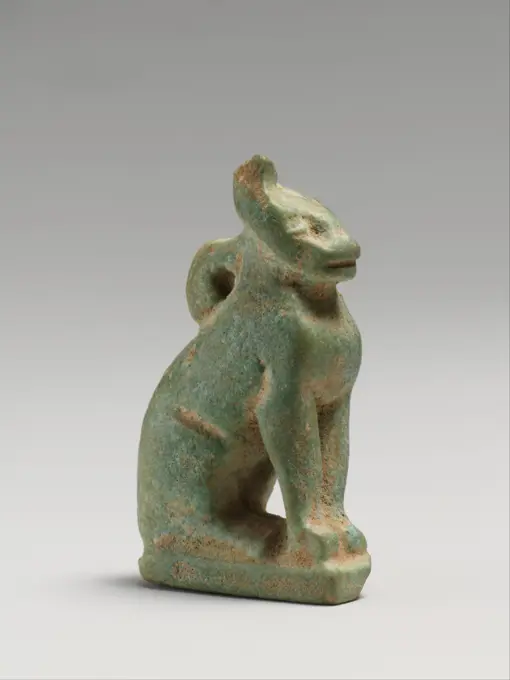
Faience amulet in the form of a cat 664-30 B.C. Egyptian Amulets representing animals were attributed to a deity: a hawk for Ra, the Sun God, a lion for Sakhmi, the War Goddess, a ram for Khnum and a cat for Bast.. Faience amulet in the form of a cat 243770
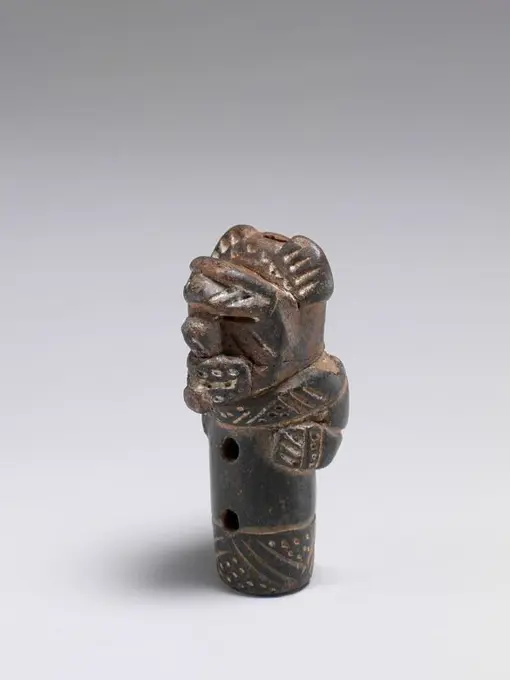
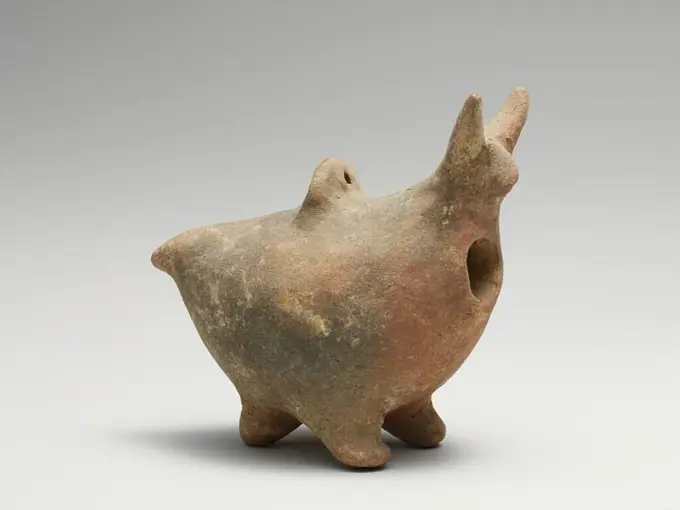
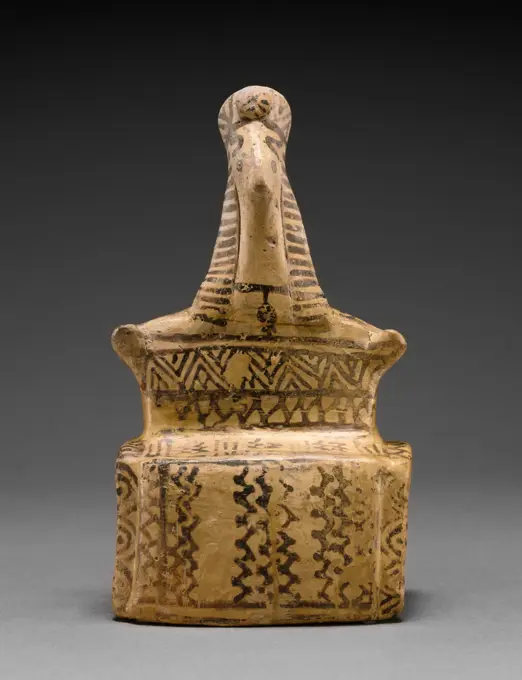
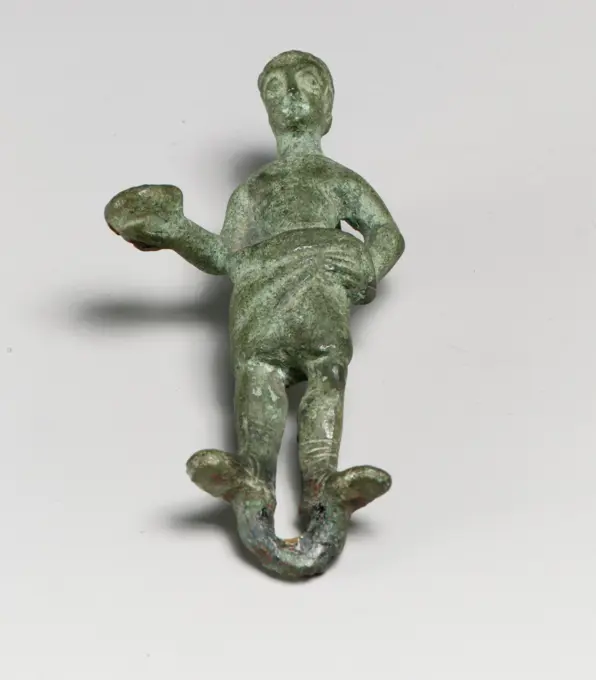
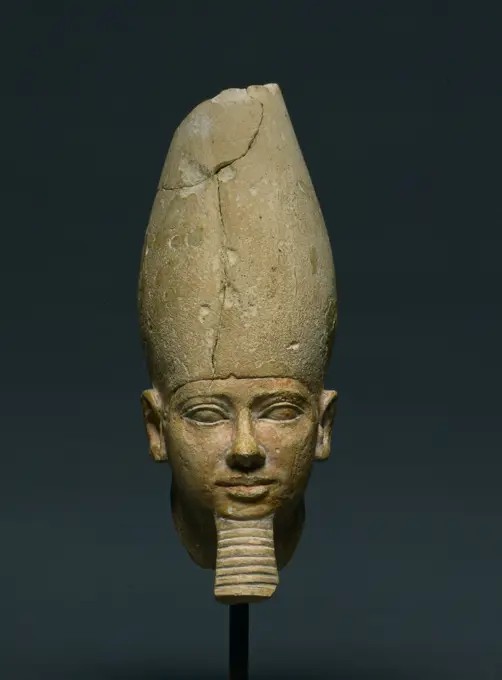
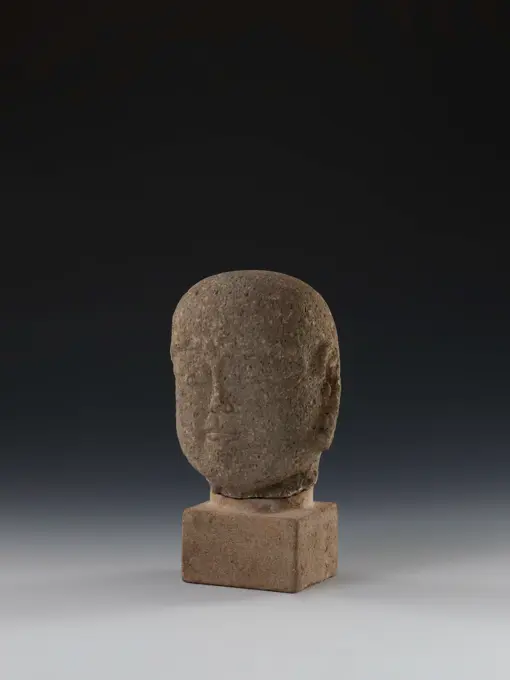
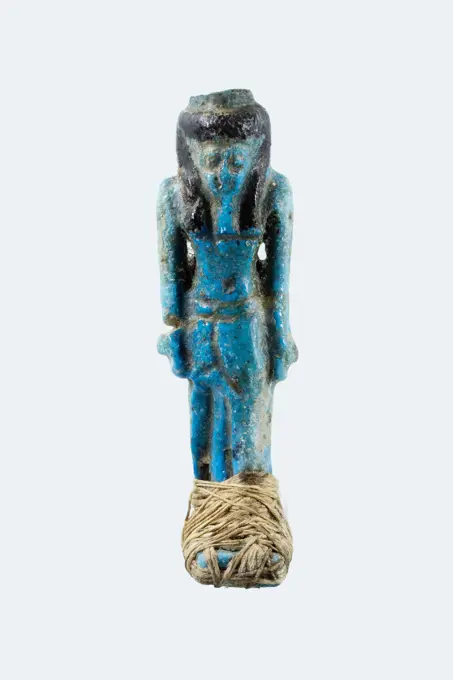
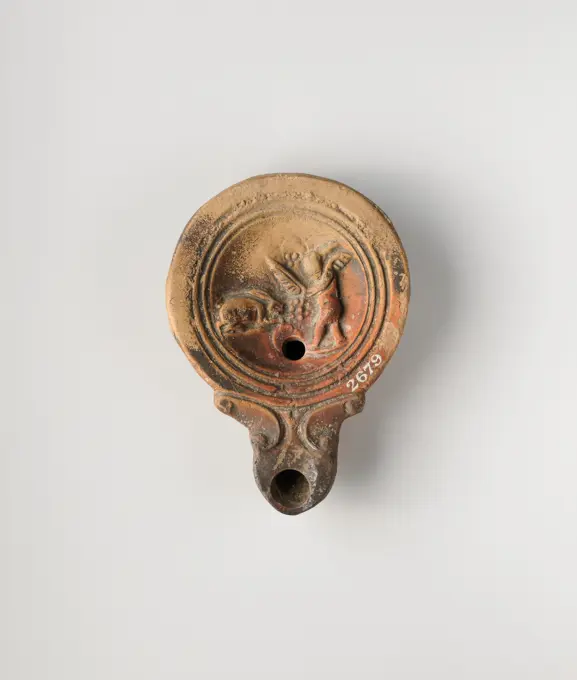
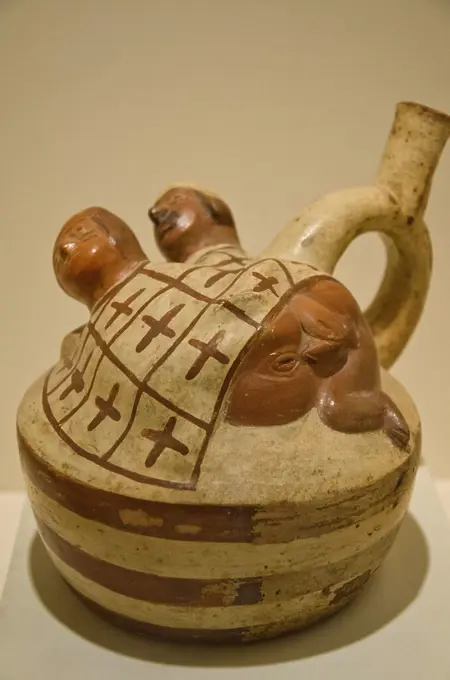
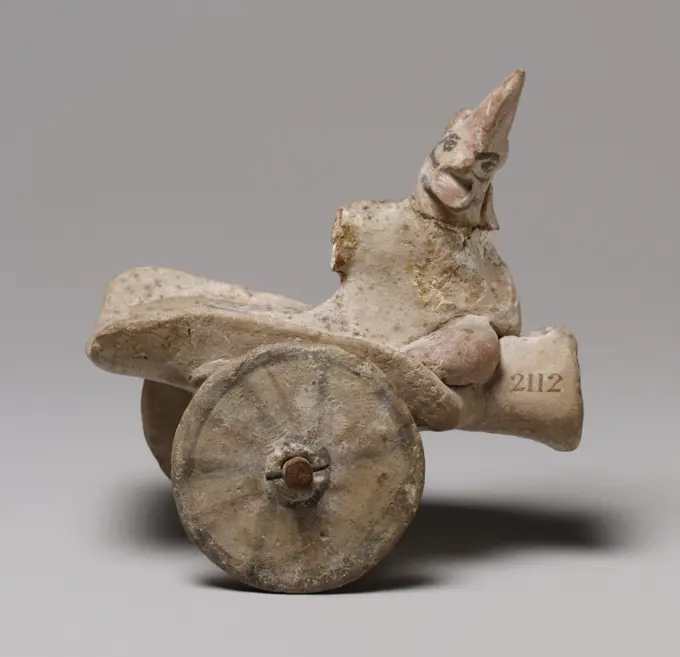
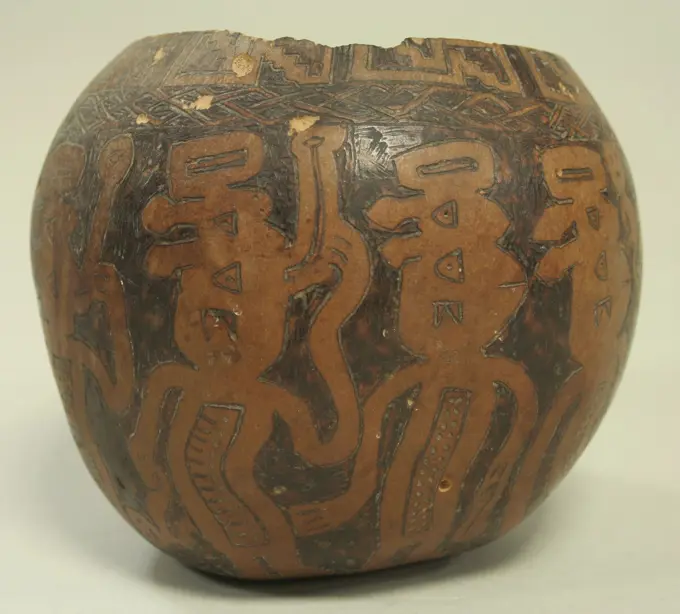
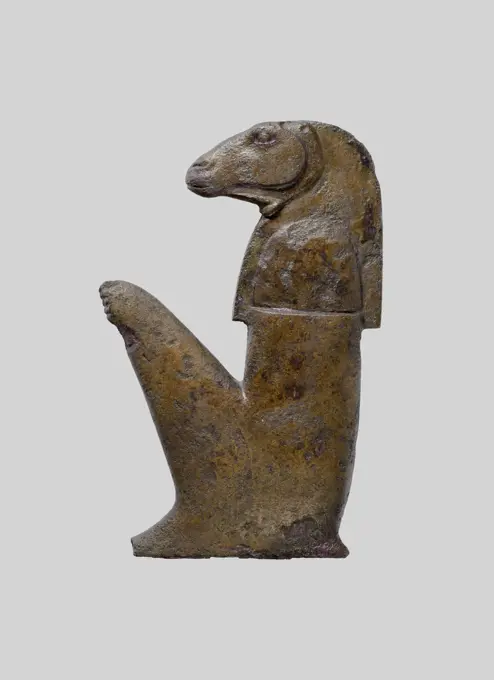
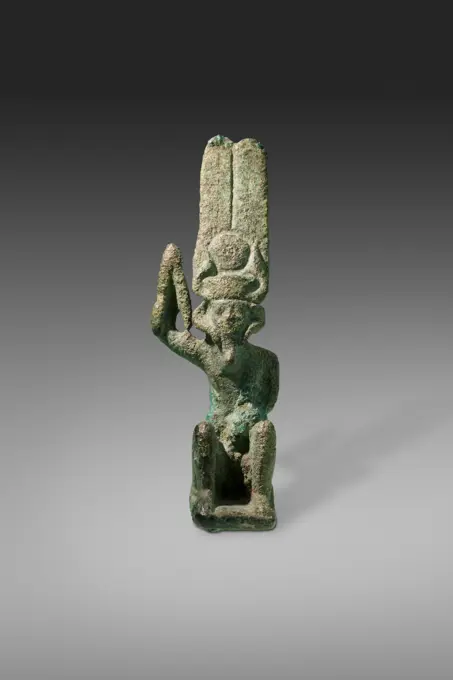
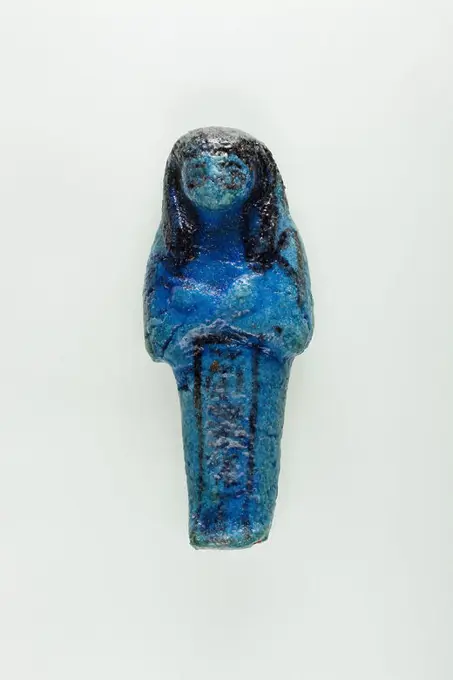
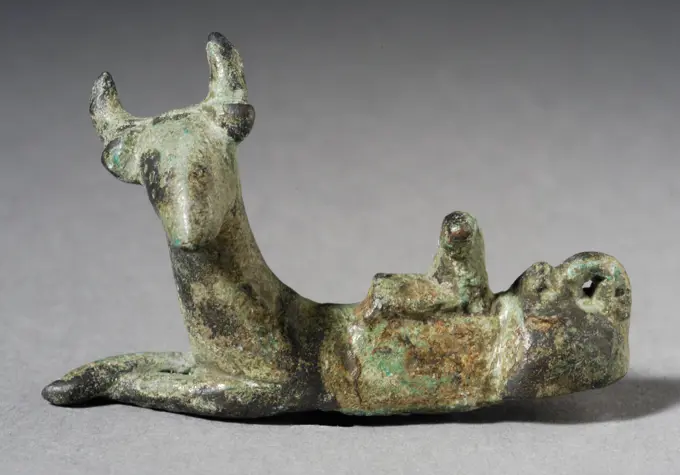
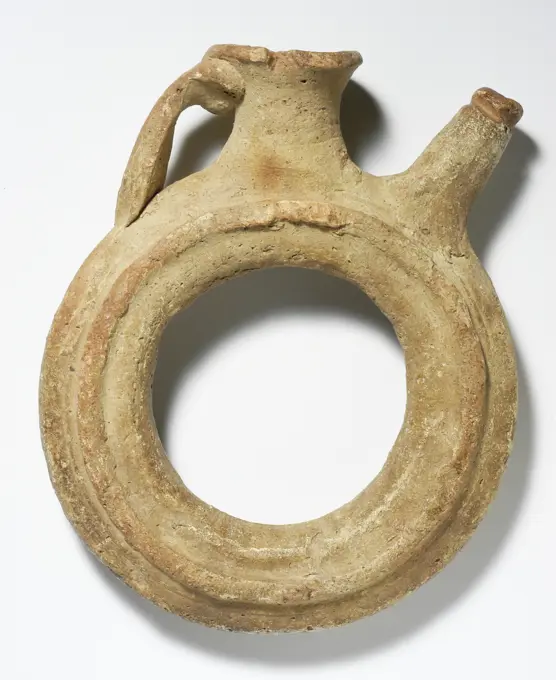
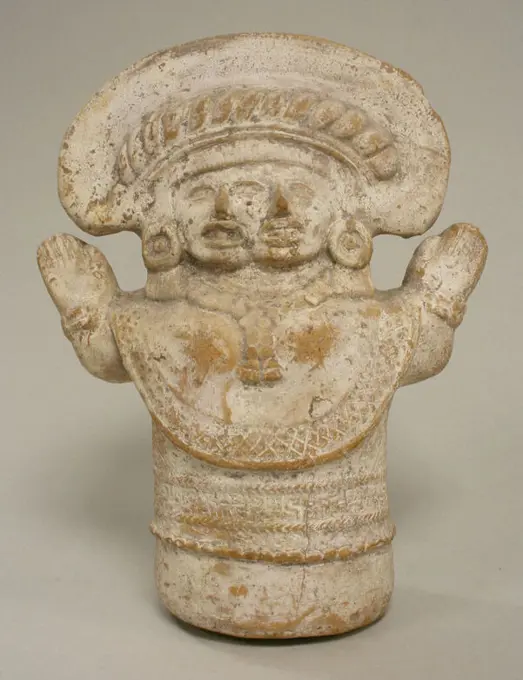
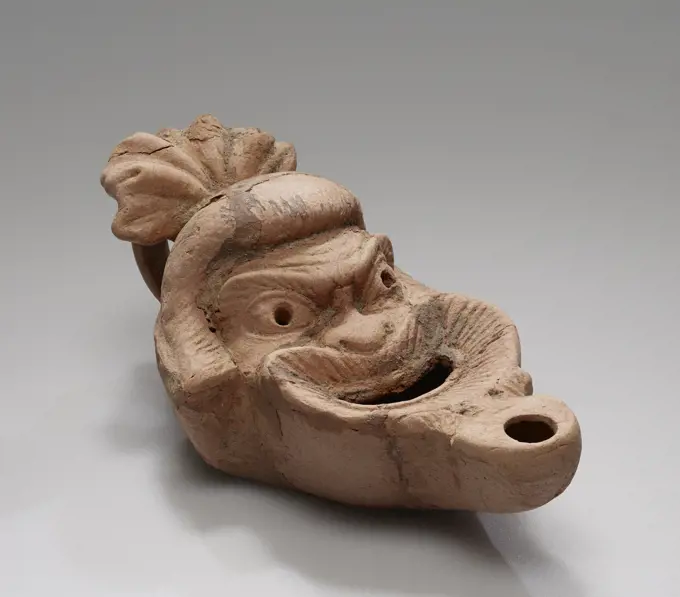
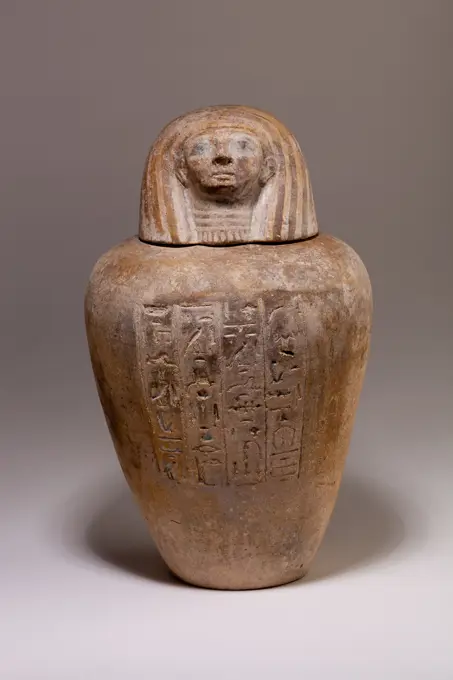
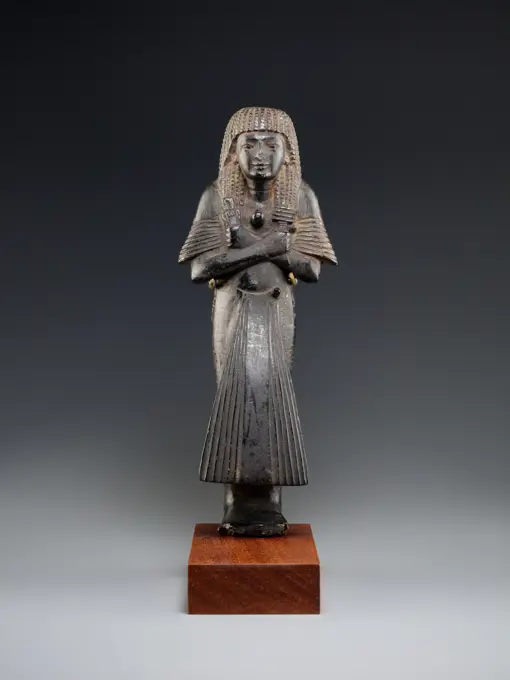
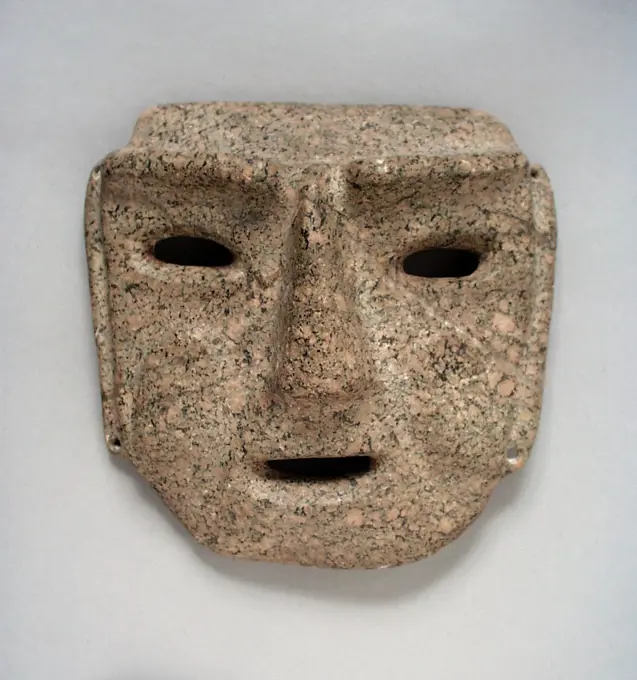
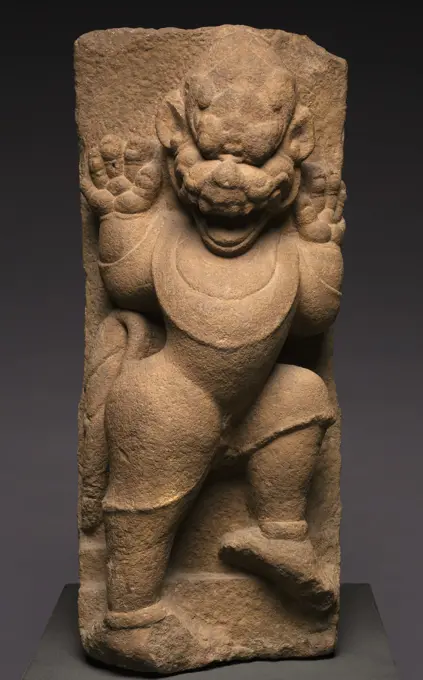
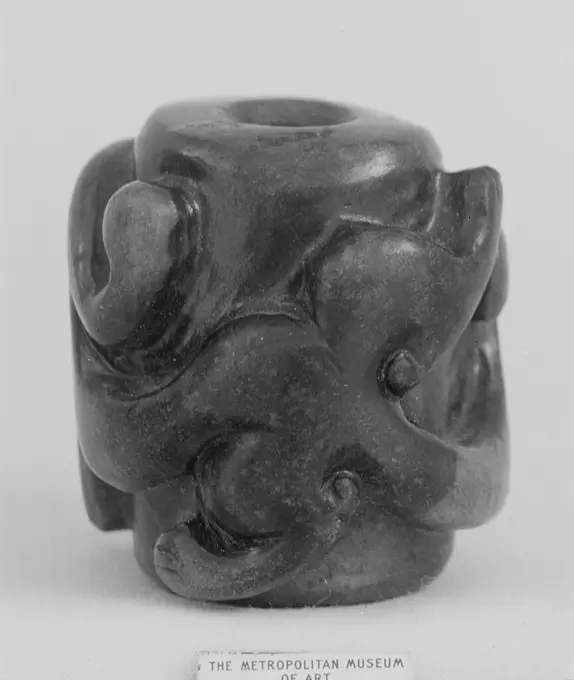
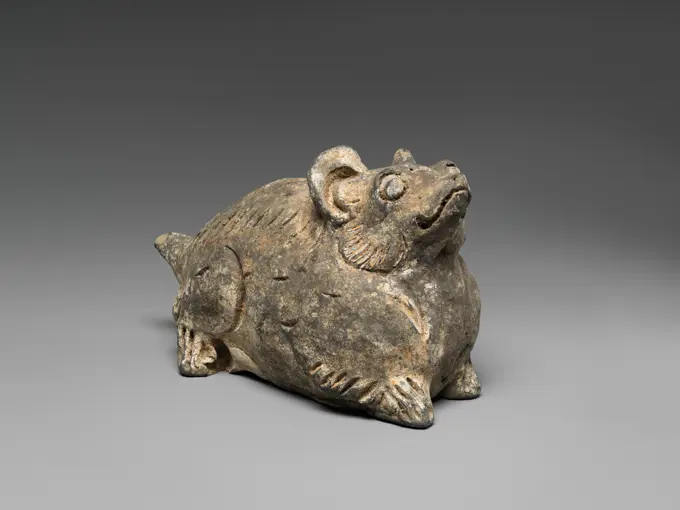
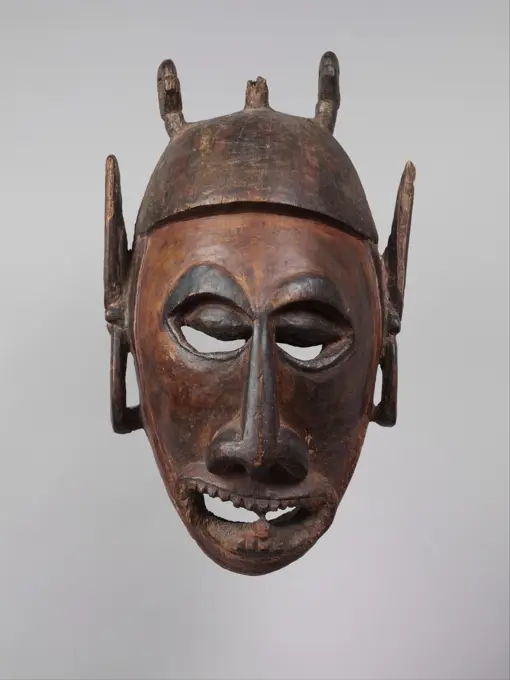
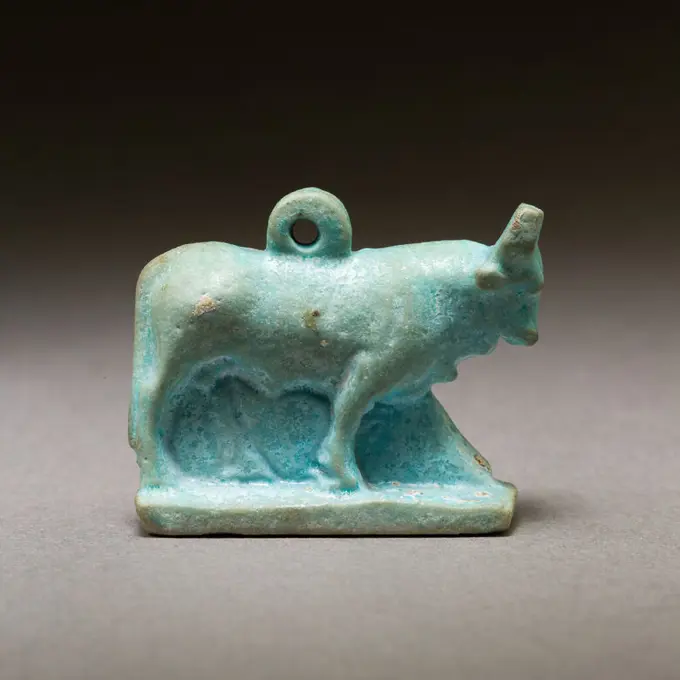
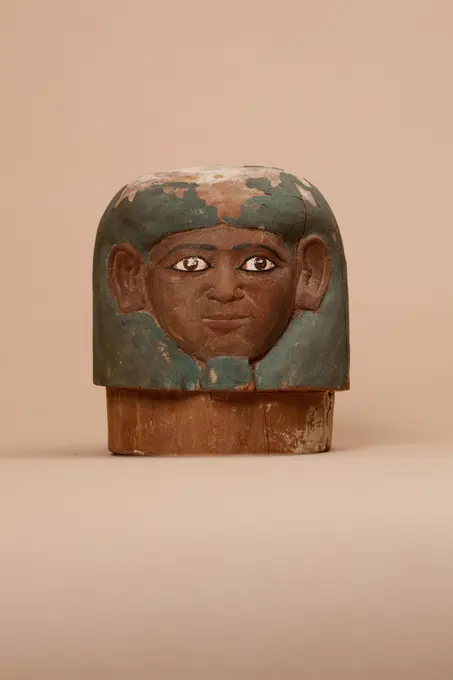
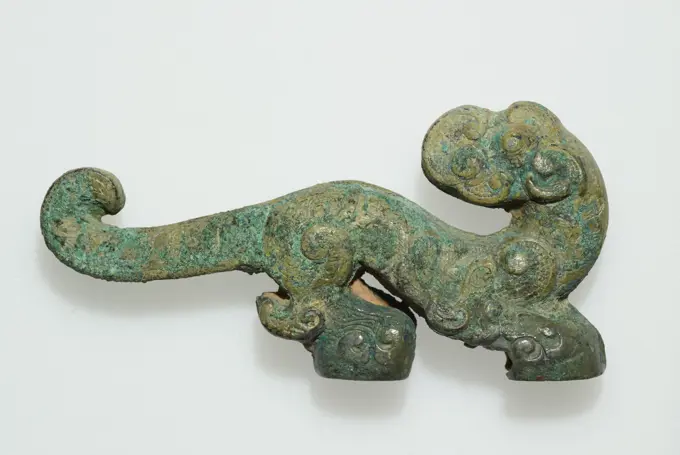
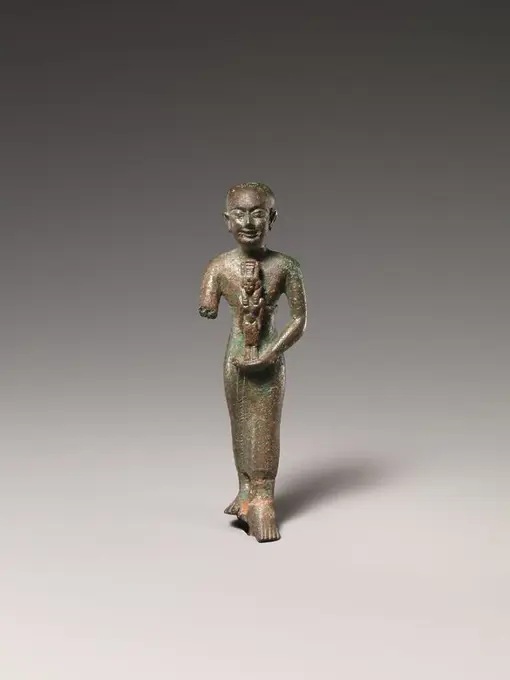
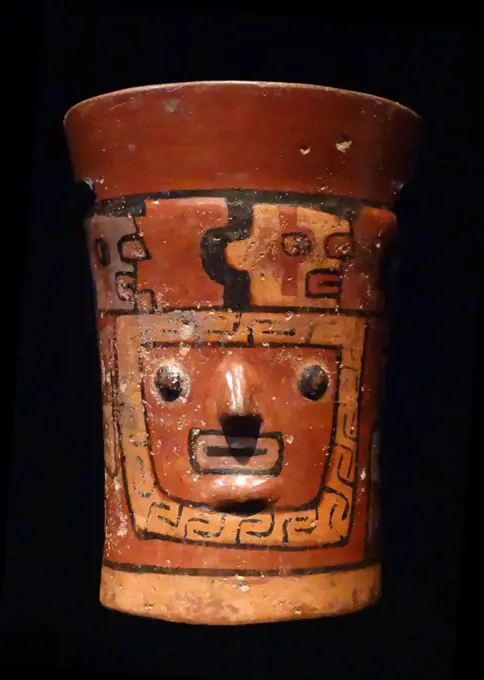
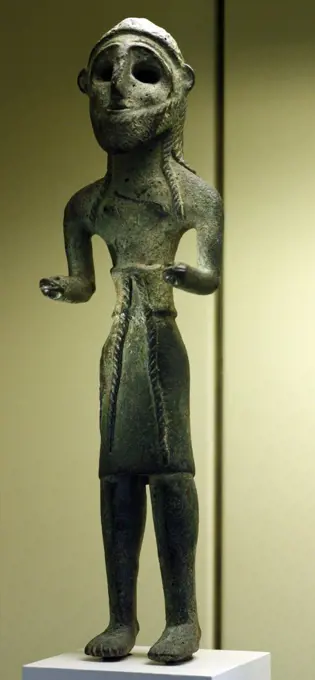
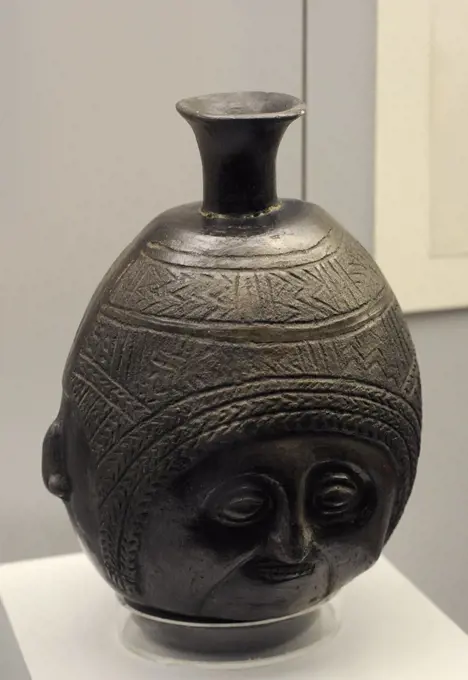
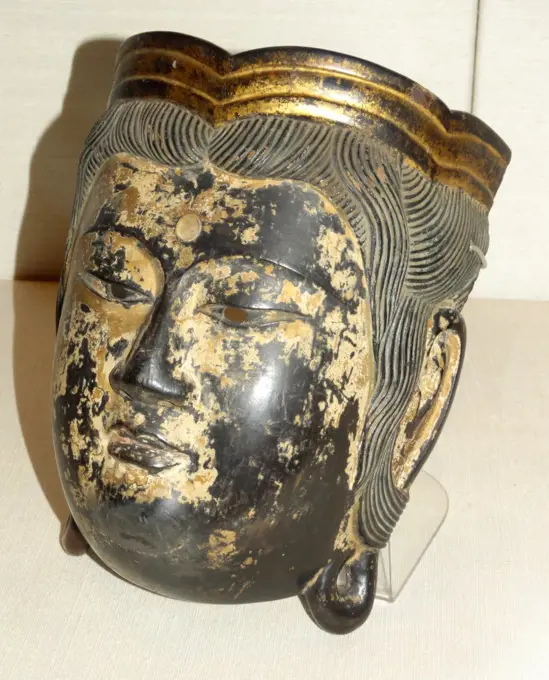
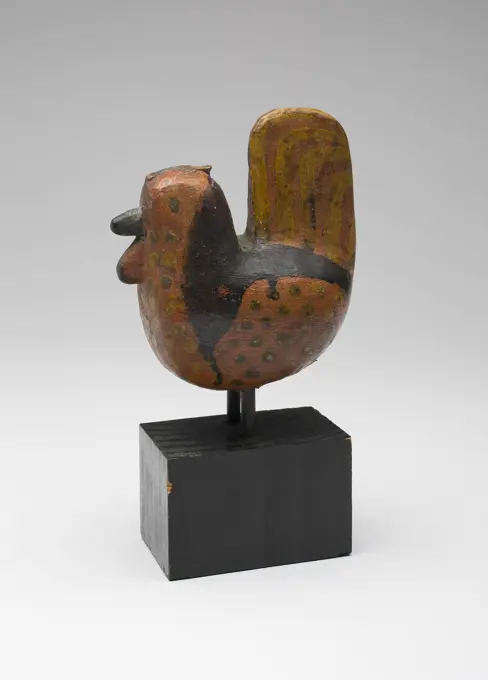
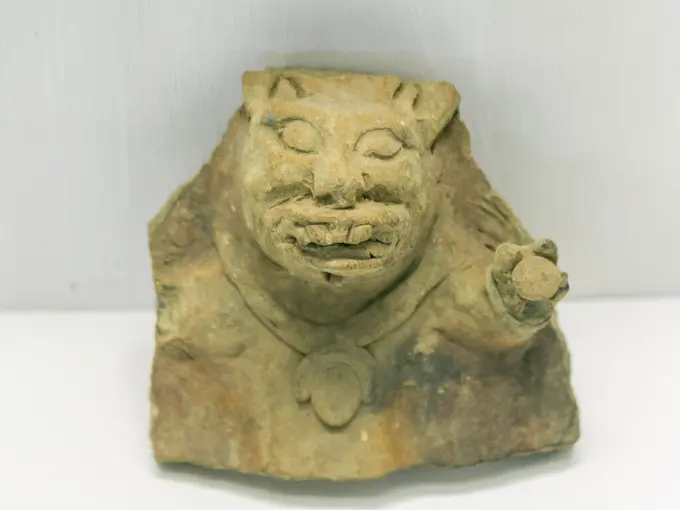
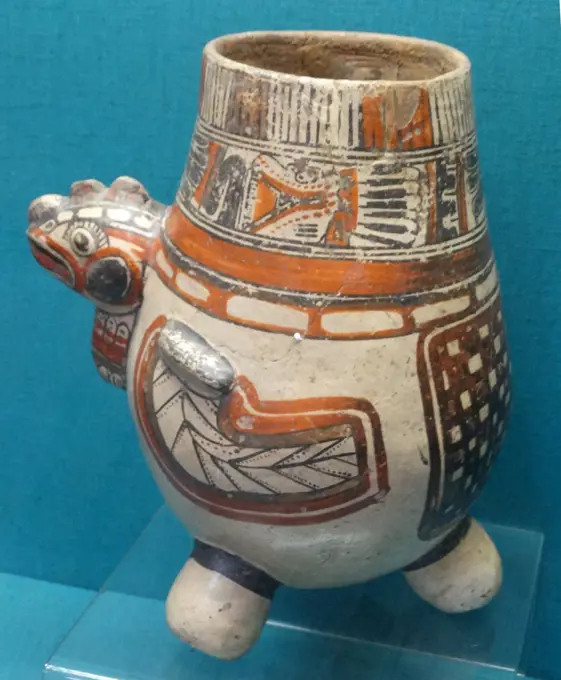
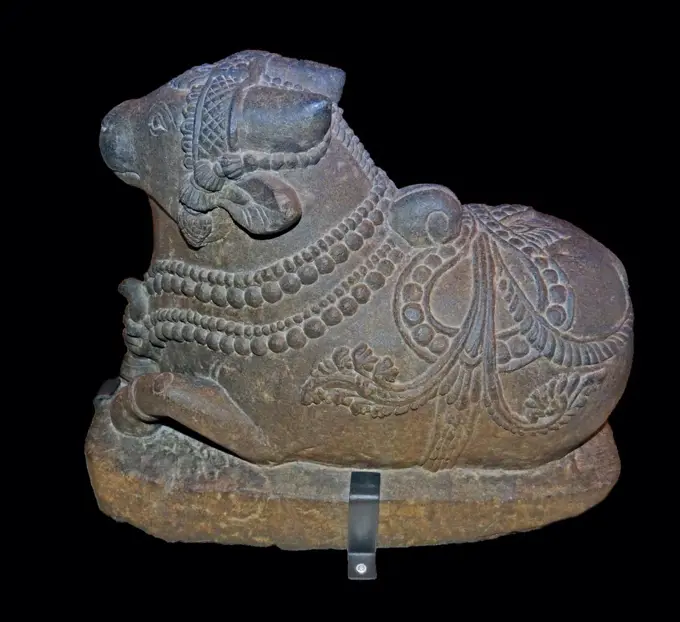
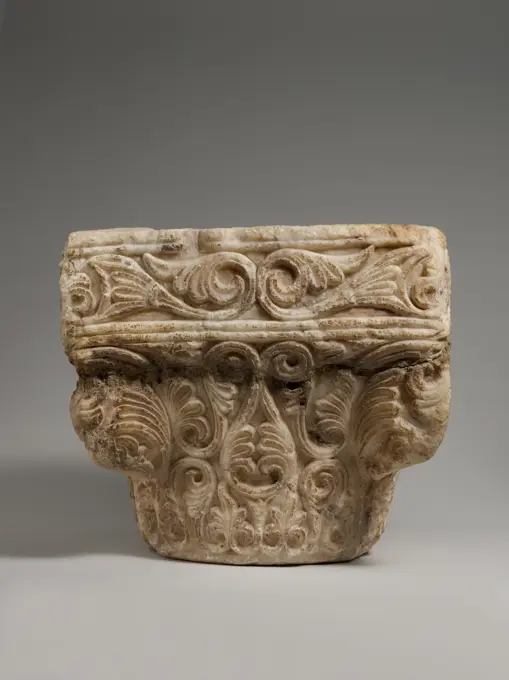
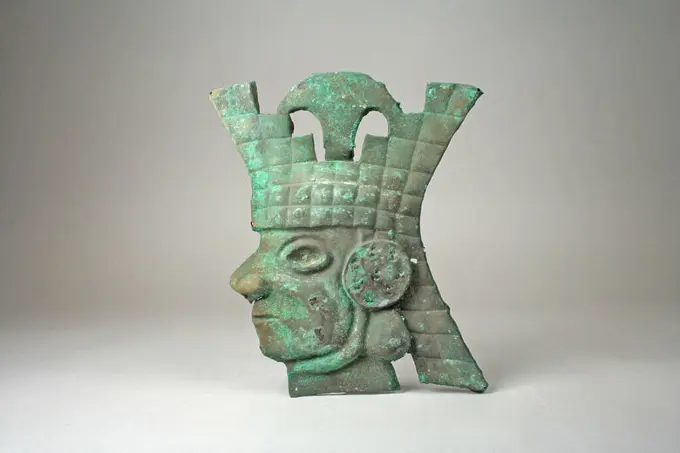
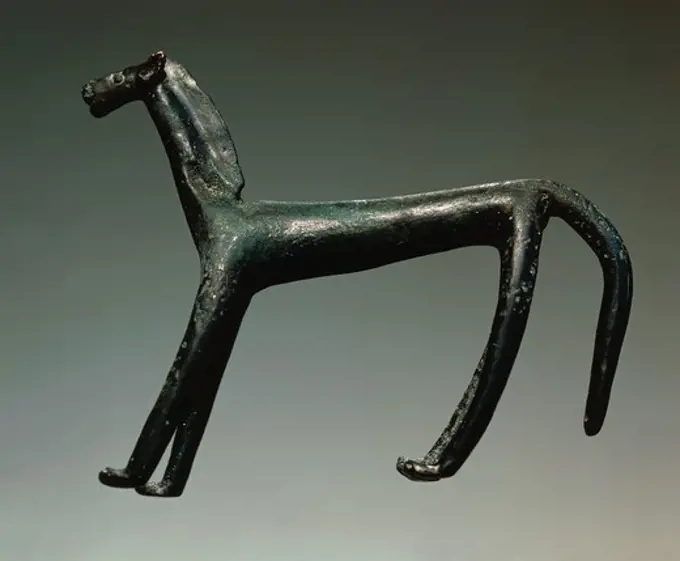
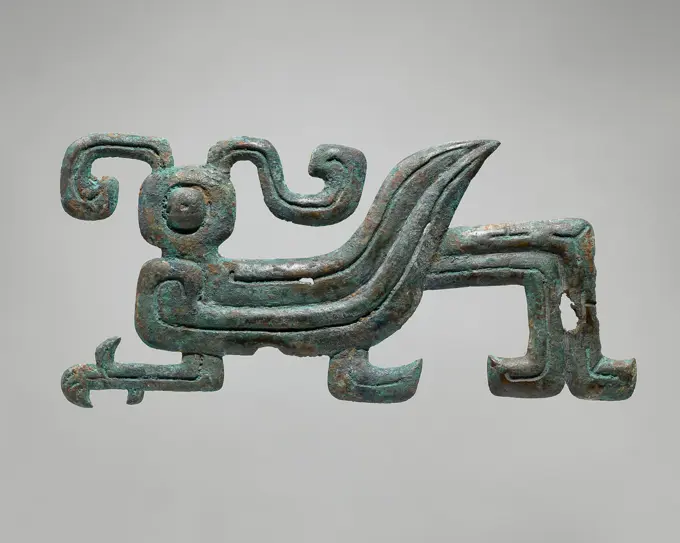
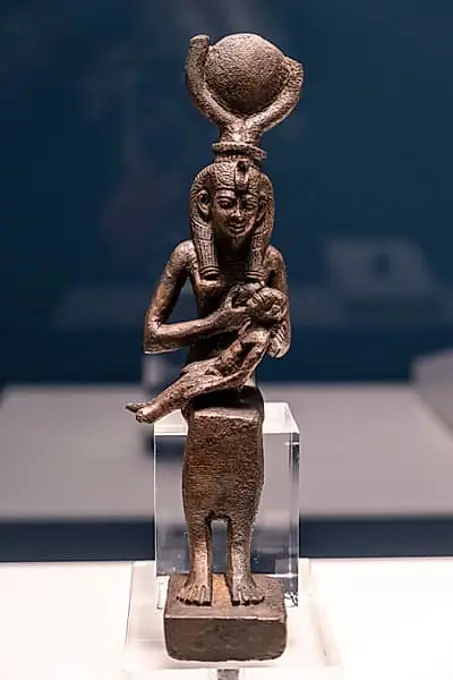
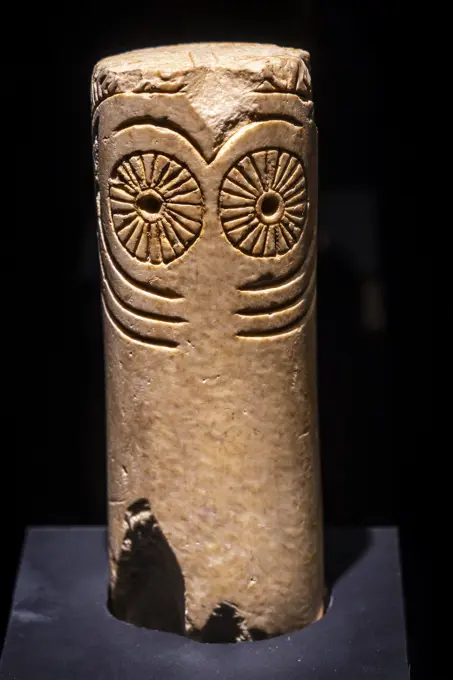
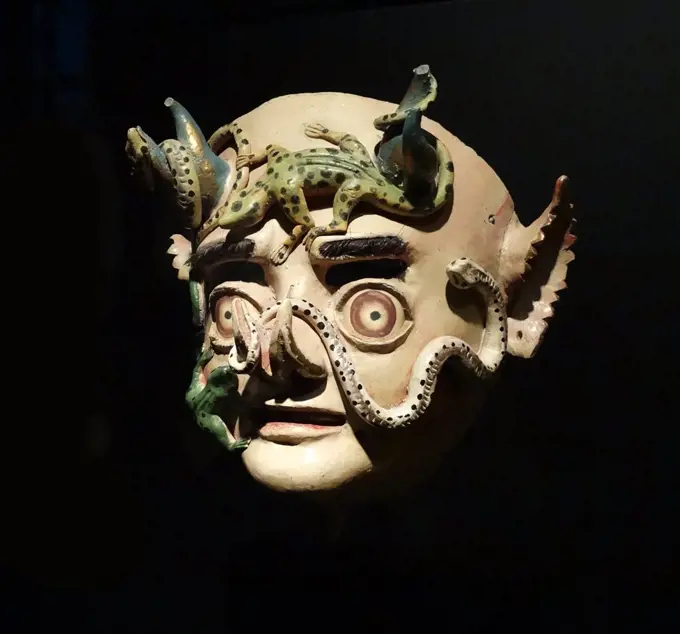
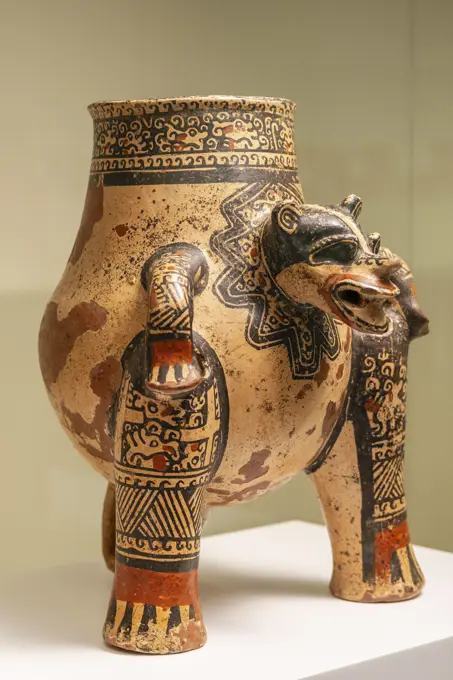
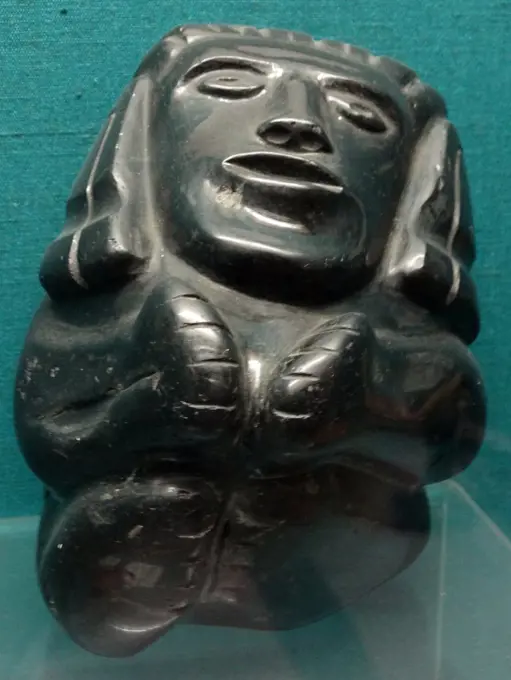
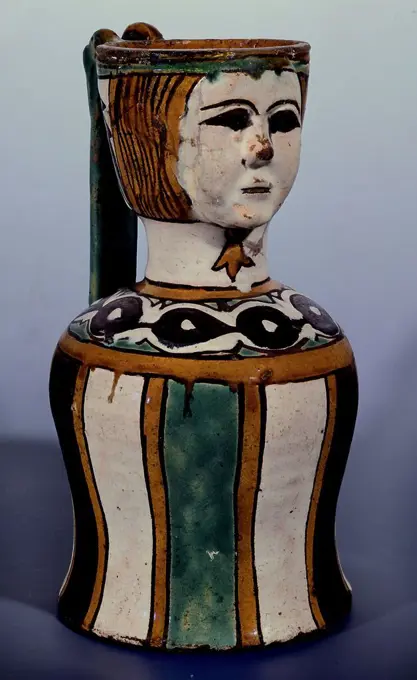
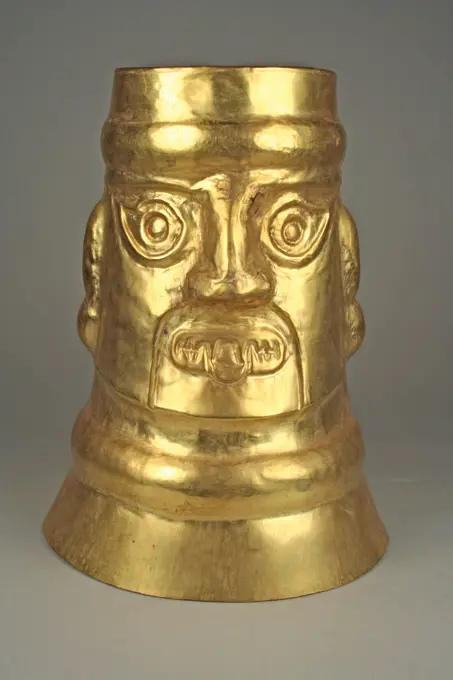
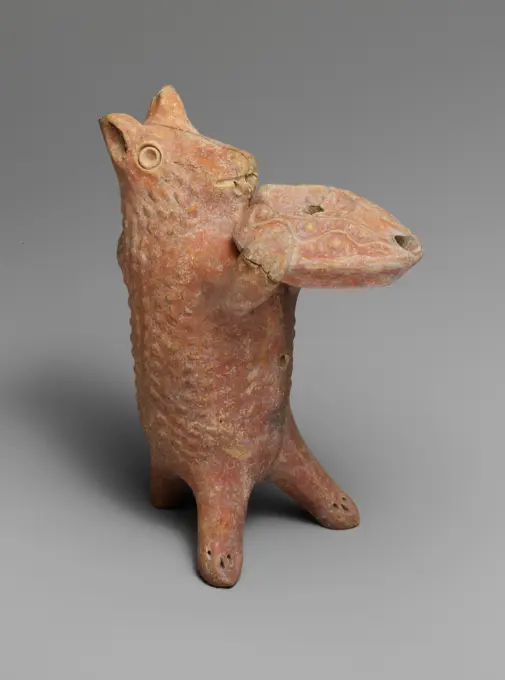
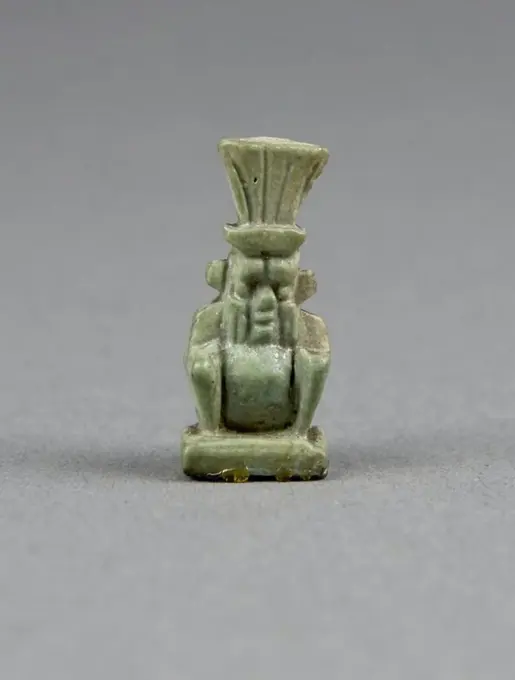
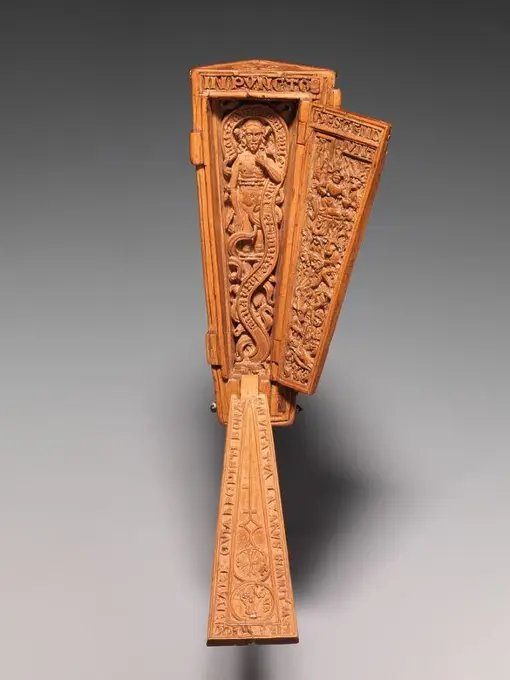
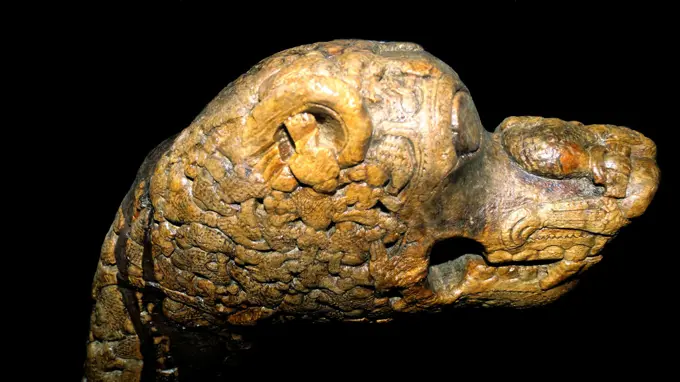
Bronze Wine Vessel, Late Western Choy Dynasty. Fox Head 6th-7th century Moche (Loma Negra). Fox Head 314536Head 4th-7th century Coptic. Head 478470Flute. Culture: Tairona People; Gayraca style. Dimensions: L. 4.6 cm (1-15/16 in.); Diam. 2 cm (13/16 in.). Date: 1300-1500. Museum: Metropolitan Museum of Art, New York, USA.Figure, 300 BCE - 300 CE, 5 x 2 3/4 x 1 in. (12.7 x 7 x 2.5 cm), Black stone with white inclusions, Mexico, 3rd century BCE - 4th century CETerracotta zoomorphic askos (vessel). Culture: Cypriot. Dimensions: H. 3 in. (7.6 cm). Date: ca. 2500-1900 B.C..Askos in the form of an animal. Museum: Metropolitan Museum of Art, New York, USA.Jar in shape of aJaguar.   Maker: UnknownFigure Amulet. Culture: Taino. Dimensions: H. 2 1/16 x W. 1 x D. 3/4 in. (5.2 x 2.5 x 1.9 cm). Date: 13th-15th century. Museum: Metropolitan Museum of Art, New York, USA.Crib with Christ Child, anonymous, c. 1475 - c. 1525 Cradle with Christ Child, of Pijpaarde. Northern Netherlands pipe clay Cradle with Christ Child, of Pijpaarde. Northern Netherlands pipe clayFace Mask Ornament 6th-7th century Moche (Loma Negra). Face Mask Ornament 315113senser made from baked clay, Mayan 600-900 AD by the Mayans along the Gulf of Mexico 600-900 ADStatuette of a Seated Woman. UnknownStatuette of a man with patera 3rd-1st century B.C. Etruscan The right arm is bent sharply at the elbow; he holds a patera in the right hand, the left is placed on his hip.. Statuette of a man with patera 246417Head of King Userkaf, c. 2454-2447 BC. Egypt, Old Kingdom, Dynasty 5, reign of Userkaf. Painted limestone; overall: 6.5 x 7.2 cm (2 9/16 x 2 13/16 in.); face: 4.8 x 4.8 cm (1 7/8 x 1 7/8 in.).Shabti 1069 BCE-715 BCE Egypt. Faience . Ancient EgyptianGłowa mnicha (Buddy). unknown, sculptorNefertum amulet Third Intermediate Period or later ca. 1070-525 B.C. View more. Nefertum amulet. ca. 1070-525 B.C.. Faience, ancient thread. Third Intermediate Period or later. From Egypt, Upper Egypt, Thebes, Deir el-Bahri, Cemetery 100, Tomb MMA 113, intrusive, MMA excavations, 1926-27Exhibit from the Gold Museum, Museo del Oro, Bogota, Columbia, South AmericaTerracotta oil lamp ca. A.D. 40-100 Roman Loeschcke Type 4. Mold-made. Discus: in high relief, winged Eros standing at right, holding a bunch of grapes with large vine leave, with ground line below; at left, hare facing right on indistinct base ground line; a single filling hole at bottom center, partially obscuring a round object between hare and Eros; band of lines and grooves towards edge. Volutes flanking nozzle, with Y-shaped design between. Large wick hole. Incised base ring, and slightly uneven, flat base. Small, raised maker's mark () at center.Intact.. Terracotta oil lamp. Roman. ca. A.D. 40-100. Terracotta. Early Imperial. TerracottasCeramic vessel, erotic art Moche culture 100 AC-800 AC Perú.Model of a cart with a human figure ca. 600-480 B.C. Cypriot The figurine is handmade. The cart has low sides with a slightly convex border, a flaring tubular socket for a pole, and wheels with painted spokes. The occupant of the cart is a reclining male figure.. Model of a cart with a human figure 241349Amulet. Egypt, New Kingdom (1500 - 1050 BCE). Jewelry and Adornments; amulets. StonePassport' mask, 3 5/16 x 2 x 1 1/2 in. (8.41 x 5.08 x 3.81 cm), Wood, LiberiaIncised Gourd Vessel Central or south coastInlay of a crouching ram-head god 7th-late 4th century BC Third Intermediate Period-Late Period. Inlay of a crouching ram-head god. 7th-late 4th century BC. Bronze or copper alloy. Third Intermediate Period-Late Period. From Egypt. Dynasty 25-30Head of a male figure, India, 4th century AD.Amulet of Min 664-30 B.C. Ptolemaic Period. Amulet of Min. 664-30 B.C.. Bronze or copper alloy. Ptolemaic Period. From EgyptBottle, Death Scene () 3rd-6th century Moche. Bottle, Death Scene () 308556Worker Shabti of Nany. Dimensions: H. 8.3 × W. 3.5 × D. 1.9 cm (3 1/4 × 1 3/8 × 3/4 in.). Dynasty: Dynasty 21. Reign: reign of Psusennes I. Date: ca. 1050 B.C..See 30.3.26.1a, b. Museum: Metropolitan Museum of Art, New York, USA.Vessel, two-faced human head. Peru, culture. 200BC-100AD.Fibula with Architectural Design. Egypt, Roman Period (30 BCE - 395 CE) or later. Jewelry and Adornments; pins. BronzeLionel Ritchey, Wooden Doll, c 1940 Wooden DollFigure 12th-13th century. Figure 451374Flask atop a Donkey. Unknownushabti, anepigraph in vitreous paste from the late Egyptian period, Huesca museum, Aragon community, Spain.Vase, Spouted with Filter. Egypt, Hellenistic Period (332-31 BCE). Furnishings; Accessories. TerracottaTwo-headed figure rattle. Culture: Aztec. Dimensions: Height 9 in. (22.8 cm). Date: 13th-early 16th century. Museum: Metropolitan Museum of Art, New York, USA.Tripod Whistle Figurine, c. 150-1 BC. Mexico, Veracruz, Remojadas, 2nd-1st Century BC. Earthenware with asphalt paint; overall: 15.4 x 14.6 x 5.3 cm (6 1/16 x 5 3/4 x 2 1/16 in.).Artefacts (Sphinx figures) from Turkey, 1800 BCLamp, Asia Minor; 1st century B.C. - 4th century A.D; Terracotta; 5.5 × 7.6 × 14 cm (2 3,16 × 3 × 5 1,2 in.)Canopic Jar of Ruiu ca. 1504-1447 B.C. New Kingdom The burial of Ruiu was found in the tomb of her father, Neferkhawet, which was excavated by the Museums Egyptian Expedition in 1935. Ruius coffin and canopic box had been placed in the east chamber of the tomb along with the burials of seven other family members. The canopic box had been badly damaged by dampness and insects, but enough was left to allow the archaeologists to reconstruct the box and its decoration and texts on paper.The box was divided into four compartments by two interlocking partitions, and the jars had been placed in these compartments. Each side of the box was decorated with the image of one of the four funerary goddesses: Isis, Nephthys, Selkit, and Neit. In the texts on the box, each goddess was associated with one of the Four Sons of Horus who protected the four internal organs that were removed during mummification and were stored in the jars inside the box.Ruius four canopic jars are made of buff-colored cShabti of Meryre with a ba-bird on his breast ca. 1353-1336 B.C. New Kingdom, Amarna Period. Shabti of Meryre with a ba-bird on his breast. ca. 1353-1336 B.C.. Serpentinite. New Kingdom, Amarna Period. Possibly from Middle Egypt, Amarna (Akhetaten); From Egypt. Dynasty 18Terracotta loom weight 6th century B.C. or later Lydian The finds at Sardis include many objects connected with specific crafts. The number of loomweights indicate that weaving must have been particularly important.. Terracotta loom weight 252656 Lydian, Terracotta loom weight, 6th century B.C. or later, Terracotta, length 3 in. (7.6 cm). The Metropolitan Museum of Art, New York. Gift of The American Society for the Excavation of Sardis, 1926 (26.199.86)MaskVery large Storage Jar (adult height) known as a PithosChess Piece, Bishop 7th-8th century. Chess Piece, Bishop 451770Heraldic Lion, 900s. Vietnam (Champa). Beige sandstone; overall: 76.2 cm (30 in.).Bead. Culture: China. Dimensions: H. 1 3/4 in. (4.4 cm); Diam. 1 5/8 in. (4.1 cm). Museum: Metropolitan Museum of Art, New York, USA.Tomb Figure of Rat 13th century China. Tomb Figure of Rat. China. 13th century. Earthenware. Jin (1115-1234)-Yuan dynasty (1279-1368). Tomb PotteryMask 19th century Probably Umboi or Siassi Islands Artists of the coastal Huon peninsula and the Vitiaz Strait in northeast New Guinea formerly practiced a closely related series of masking traditions that also extended into some portions of the neighboring island of New Britain. The masks depict stylized human faces with pointed ears and open, toothsome mouths typically shown, as here, with short protruding tongues. Representing powerful spirits associated with mens secret societies, the masks appear to have been almost universally associated with male initiation rites. This example may have originated on Umboi Island, where the masks often were worn by men in heavily padded costumes made from bark cloth, or in later times, Western shirts, which gave the performer, and the spirit he represented, a bulky and intimidating appearance.. Mask 311167Bull amulet. Dimensions: L. 3.2 × W. 1.2 × H. 2.9 cm (1 1/4 × 1/2 × 1 1/8 in.). Date: 664-30 B.C..The amulets 44.4.23-44.4.28 have a uniformity of size and detailing that constitutes a stylistic relationship. Possibly they were made in related workshops. Museum: Metropolitan Museum of Art, New York, USA.Canopic jar lid of Ukhhotep ca. 1981-1802 B.C. Middle Kingdom. Canopic jar lid of Ukhhotep. ca. 1981-1802 B.C.. Wood (Cedrus sp.), paint. Middle Kingdom. From Egypt, Middle Egypt, Khashaba excavations, 1910-11; Probably from Meir, Tomb of Ukhhotep. Dynasty 12Terracotta vase with painted decorationTigers, one of a pair, Late 6th or early 5th century BCE, Bronze, China, 6th or 5th century BCEStanding man holding statuette of Nebethetepet or Nehemetaui. Dimensions: H. 7.7 × W. 2.3 × D. 2.2 cm (3 1/16 × 7/8 × 7/8 in.)H. (with tang): 8.7 cm (3 7/16 in.). Dynasty: Dynasty 26. Date: 600-200 B.C..This small figure depicts a man in a wrapped fringed garment, and whose shaven skull could indicate he is a priest. He carries a figure of a goddess. The goddess's headdress is the sound box of a sistrum indicating she is either Nebethetepet - an aspect of Hathor - or the goddess Nehemetaui, the spouse of Thoth. Museum: Metropolitan Museum of Art, New York, USA.Mayan zoomorphic Pot, from Uxmal, Yucatan, Mexico. Post classic (900-1250 AD) Ceramic.Terracotta anthropomorphic vase from Wari culture a Middle Horizon civilization that flourished in the south-central Andes and coastal area of modern-day Peru. Dated 7th CenturyPlastic from Syria and Upper Mesopotamia.Animal-headed rhyton 1st millennium B.C. Iran. Animal-headed rhyton. Iran. 1st millennium B.C.. Ceramic. Iron Age. Northwestern Iran, Caspian regionHead shaped vessel. Ceramic. Chimu-Inca culture. Late Horizon (1470-1532 AD). Peru. Museum of the Americas. Madrid, Spain. Wooden Bodhisattva Mask. Dated 13th CenturyStanding Male Figurine Wearing a Necklace and Breechcloth 500 BCE-300 BCE Chupícuaro. Ceramic and pigment . ChupícuaroMask, first quarter 20th century, 8 7/8 x 5 5/8 x 4 1/8 in. (22.54 x 14.29 x 10.48 cm), Wood, Côte d'Ivoire or Liberia, 20th century, This mask is the oldest in the exhibition. Its age is revealed by the appearance of the wood, the rich surface crust, and the necessity of 'replacement holes' along the edges to which the costume used to be attached. The holes on the snout held a piece of fur, which would have intensified the animal-like look of the mask.Rooster c 1800-1850 Pennsylvania. Wood and paint . Artist unknownAntefix Fragment. UnknownFigure, 19th century, 20 3/4 x 3 3/4 x 2 3/4 in. (52.71 x 9.53 x 6.99 cm), Wood, Papua New Guinea, 19th centuryfigura zoomorfa, clásico tardio. , Santa María Nebaj,museo de antropologia Maya, departamento de El Quiché, Guatemala, Central America.Pre-Columbian art. Pre-Incan. Tumaco-Tolita culture. Region of the Pacific Colombo-Ecuadorian coast from 300BC-600 AD. Ceramic object. Feline figure. 12'5 x 7cm. From Ecuador. Private collection.Masquerade Element: Leopard Head (Omama). Culture: Yoruba peoples, Owo group. Dimensions: H. 6 x W. 2 1/2 x D. 1 1/8 in. (15.2 x 6.4 x 2.8 cm). Date: 17th-19th century.The influence of Benin royal art is particularly apparent in Owo, a Yoruba kingdom that came under Benin control in the fifteenth century and again in the eighteenth. Located on the eastern edge of Yorubaland, Owo is almost equidistant from Benin and Ife, the Yoruba cultural and religious center from which the reigning dynasty in Benin traces its origin. Although some Owo artworks resemble the highly naturalistic brass and terracotta sculptures of Ife, the regalia of Owo's kings and chiefs is most like that of their counterparts in Benin. Owo is renowned for its ivory carving, and many of the ivory ornaments and cups made for Owo's rulers are similar in form or imagery to objects from Benin. The highest-ranking chiefs of Owo used ivory costume elements to demonstrate their exalted status. An interest in pattern and textuNicoya ware vessel with a bird's head design from either Costa Rica or Nicaragua. Dated 750 A.D.Granite Nandi from Mysore, India. Dated 13th CenturyCapital with Leaves late 8th century This capital, carved of soft alabaster, demonstrates a vegetal style of the early Abbasid period. The classical curled leaf forms are representative of a traditionally decorated capital which later gave way to the emergence of the distinctive Beveled style form.. Capital with Leaves. late 8th century. Alabaster, gypsum; carved in relief. Made in Syria, probably Raqqa. SculptureProfile Warrior Face. Culture: Moche (Loma Negra). Dimensions: H. 8 1/2 x W. 7 1/2 x D. 1 3/16 in. (21.6 x 19.1 x 3 cm). Date: 390-450. Museum: Metropolitan Museum of Art, New York, USA.Prehistory, Czech Republic, Bronze Age. Podoli culture. Bronze horse. From Brno-Obrany.Decorative plate (common name), -1200. Incised bronze. Cernuschi Museum, Asia Museum of Asia in the city of Paris.Statuette of the goddess Isis with her son Horus, bronze, late period, Egypt, collection of the British Museum, AfricaCoin Bank; Unknown; Rome, Italy, Lazio, Europe; about 25 - 50; Bronze, copper inlay; Object: H: 12.2 x L: 13.5 cm (4 13/16 x 5 5/16 in.)cylinder idol cylinder idol, limestone, 3000-2500 BC, Cabezo de Conquero,Huelva Museum, Huelva, Andalusia, Spain Copyright: xZoonar.com/TOLOxBALAGUERx 21720768Bottle, Death Scene (). Culture: Moche. Dimensions: Overall: 6 3/8 x 4 1/2 in. (16.19 x 11.43 cm)Other: 4 1/2 in. (11.43 cm). Date: 3rd-6th century. Museum: Metropolitan Museum of Art, New York, USA.Horse and rider ca. 750-600 B.C. Cypriot The figurine is handmade and solid. The rider sits near the rump of the horse, stretching his arms forward to touch the horse's mane. His head is tilted backward.. Horse and rider 241323Stand (Japan)Handle of a cista with girl Etruscan. Handle of a cista with girl 248150China Supay Mask from Bolivia, Peru. Dated 20th CenturyDreibeinige Vase mit moderater Katze Tripod vase with moderate feline, great Nicoya, polychrome Pataki style, Nicaragua 11400 AD, polychrome ceramic, MuEC, Barcelona, Catalonia, Spain LicenseRF Copyright: xZoonar.com/Tolox 23171448Aztec figurine made from volcanic glass. Mexico. Dated 15th CenturyJARRO SEVILLANO DE CUERDA SECA DE GOLLETE ANTROPOMORFO - 1500. Location: MUSEO ARQUEOLOGICO NACIONAL-COLECCION. MADRID. SPAIN.Thracian style bronze helmet with palmette on the top, from Brestovica, Plovdiv Region, Bulgaria. Thracian Civilization, 5th-4th Century BC.Statuette of a Seated Female Figure with a Child. UnknownInverse-Face Beaker 10th-11th century Lambayeque (Sicán). Inverse-Face Beaker. Lambayeque (Sicán). 10th-11th century. Gold. Peru, La Leche River. Metal-ContainersChariot Finials with Bird, 11th century BCE, 6 7/8 in. (17.46 cm), Bronze, China, 11th century BCE, These bronze bird finials crowned the ends of chariot poles. The stylized animals, with their decorative flanges and C-shaped horns, are in keeping with the aesthetics of ritual vessels of the Shang dynasty, the era preceding the Western Zhou dynasty (c. 1046-c. 771 BCE).Miniature mask, 1500 BCE, Earthenware, Mexico, Pre-ClassicTerracotta statuette of a bear holding an oil lamp 4th-7th century A.D. Roman Bear holding a lamp, standing on hind legs and tail.. Terracotta statuette of a bear holding an oil lamp 245521Amulet of the God Bes. Egyptian. Date: 1070 BC-656 BC. Dimensions: 2.1 × 1 × .75 cm ( 3/4 × 3/8 × 1/4 in.). Faience. Origin: Egypt. Museum: The Chicago Art Institute, Chicago, USA. Author: Ancient Egyptian.Pole End. Culture: China. Dimensions: L. 12 3/8 in. (31.4 cm). Museum: Metropolitan Museum of Art, New York, USA.Fitting in the Shape of a Bird 11th-10th century B.C. China. Fitting in the Shape of a Bird 49506Figurine of head Middle Kingdom ca. 1981-1640 B.C. View more. Figurine of head. ca. 1981-1640 B.C.. Blue faience, pigment. Middle Kingdom. From Egypt, Memphite Region, Lisht North, Cemetery, debris, MMA excavations, 1906-07. Dynasty 12-13Miniature Coffin. Culture: Netherlandish. Dimensions: Open: 4 × 1 1/4 × 2 3/8 in. (10.1 × 3.2 × 6.1 cm)Closed: 2 7/16 × 1 × 11/16 in. (6.2 × 2.5 × 1.8 cm). Date: early 16th century.Most surviving boxwood carvings from this period are in the form of miniature altarpieces and rosary beads. This memento mori, or reminder of the inevitability of death, is unusual. The tiny coffin depicts scenes from the parable in the gospel of Saint Luke (16:22- 31) concerning the rich man who refused charity to Lazarus. In the Middle Ages, that man came to be identified with the name Dives (Latin for rich), and inside this casket, we see an image of Dives suffering the torments of hell. Museum: Metropolitan Museum of Art, New York, USA.Excavation of Oseberg Viking age ship discovered in a large burial mound at the Oseberg farm near Tønsberg in Vestfold County, Norway began in 1903. The Oseberg ship dated from 834 AD, was pulled ashore and used as a burial ship for the two ladies. That site also contained numerous richly decorated objects in wood. The characteristic motif of the style is gripping beasts. The gripping beast motif is what clearly distinguishes the early Viking art from the styles that preceded it.(view 2). Mid-conservation (reverse) - Model coffin and mummy, c.1400-1200 BC. New KingdomFace Mask Ornament 6th-7th century Moche (Loma Negra). Face Mask Ornament 314351