Cultural Figurines and Artifacts

Impressive ancient sculptures and amulets depicting cultural significance, showcasing craftsmanship from various historical societies.
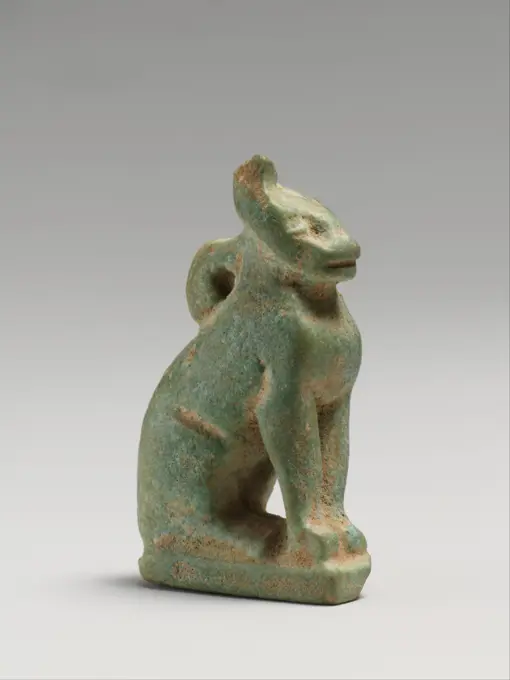
Faience amulet in the form of a cat 664-30 B.C. Egyptian Amulets representing animals were attributed to a deity: a hawk for Ra, the Sun God, a lion for Sakhmi, the War Goddess, a ram for Khnum and a cat for Bast.. Faience amulet in the form of a cat 243770
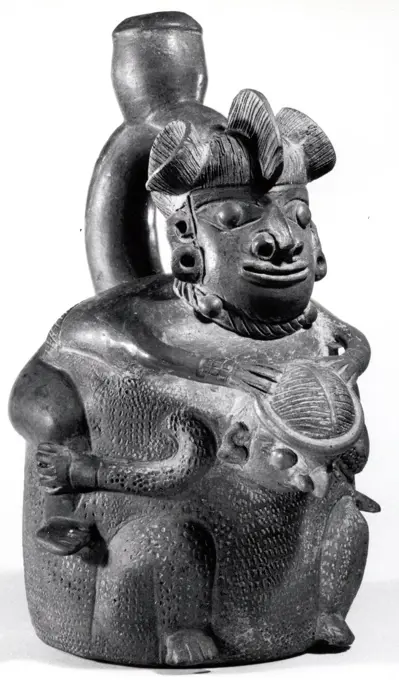
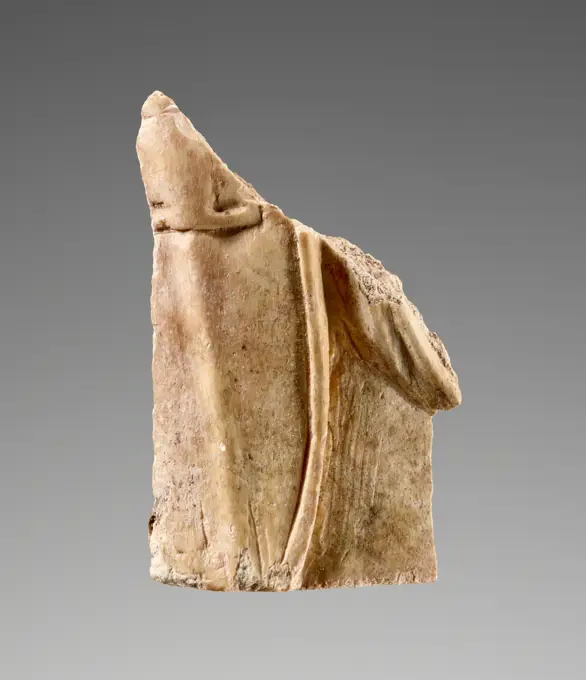
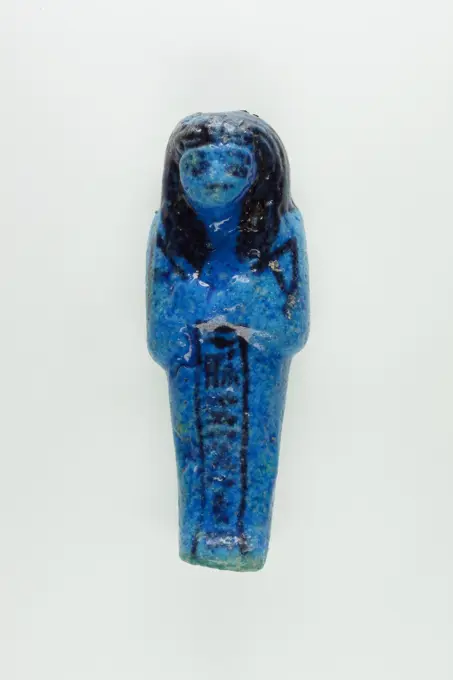
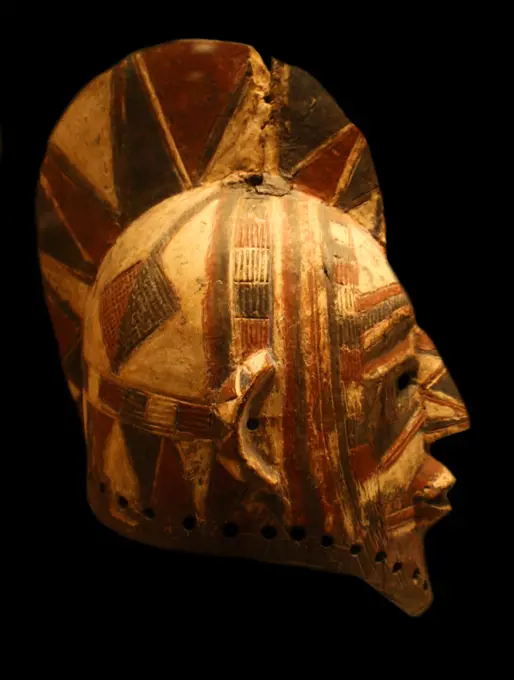
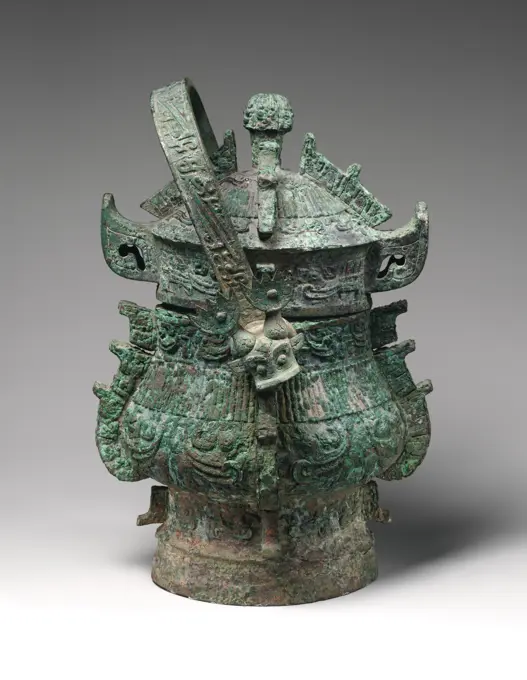
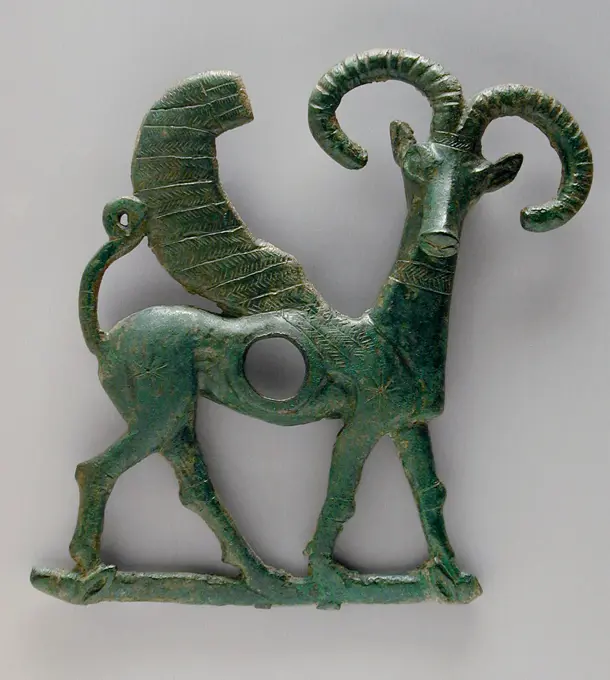
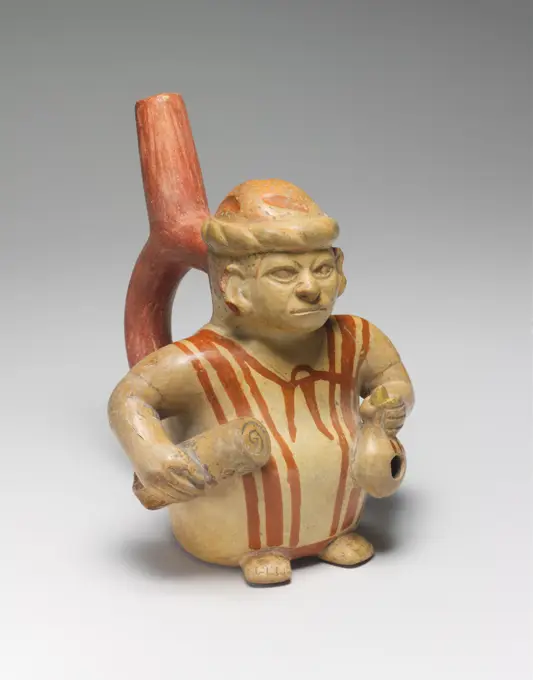
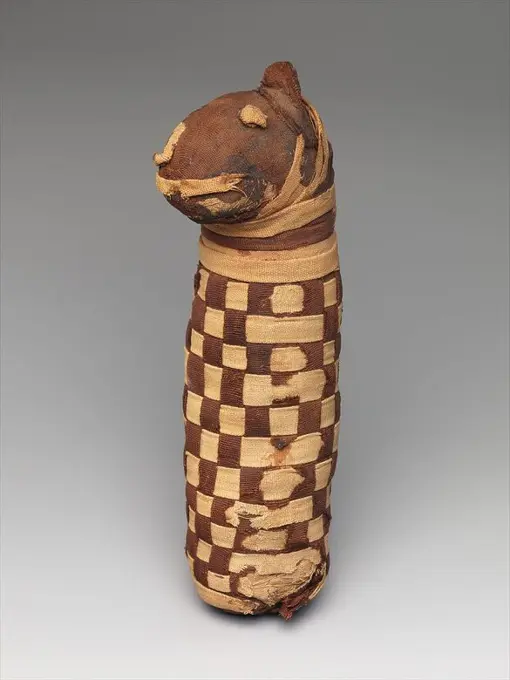
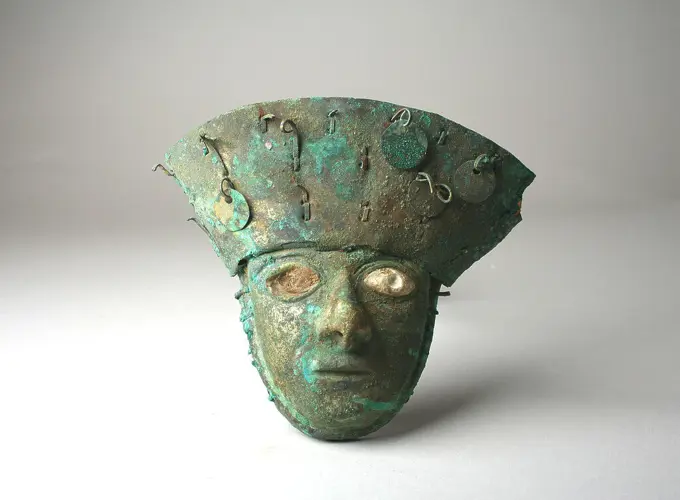
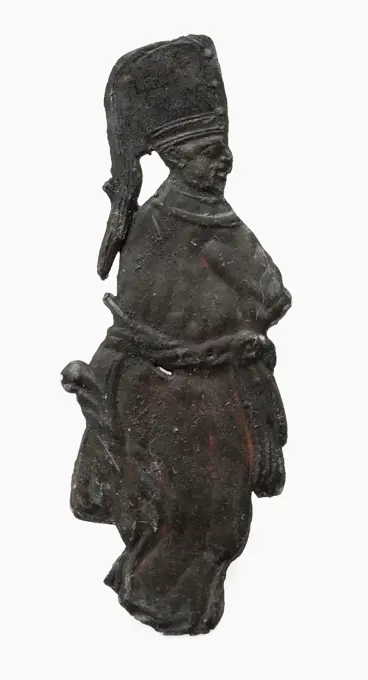
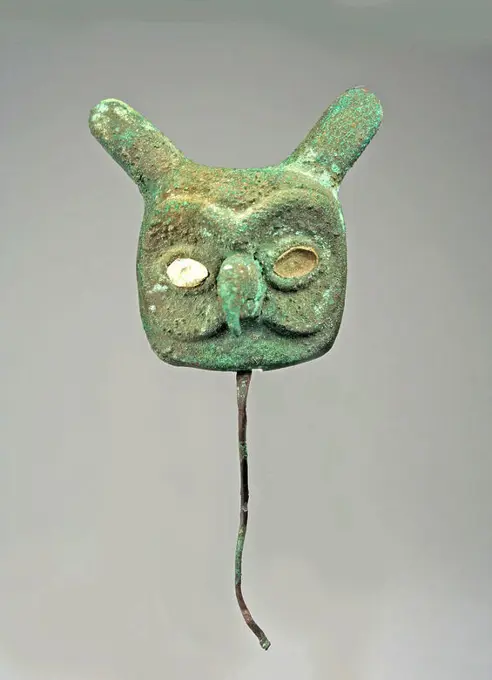
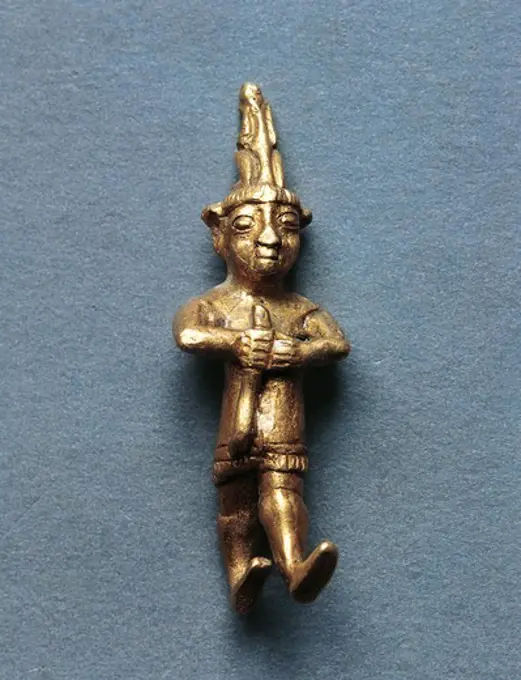
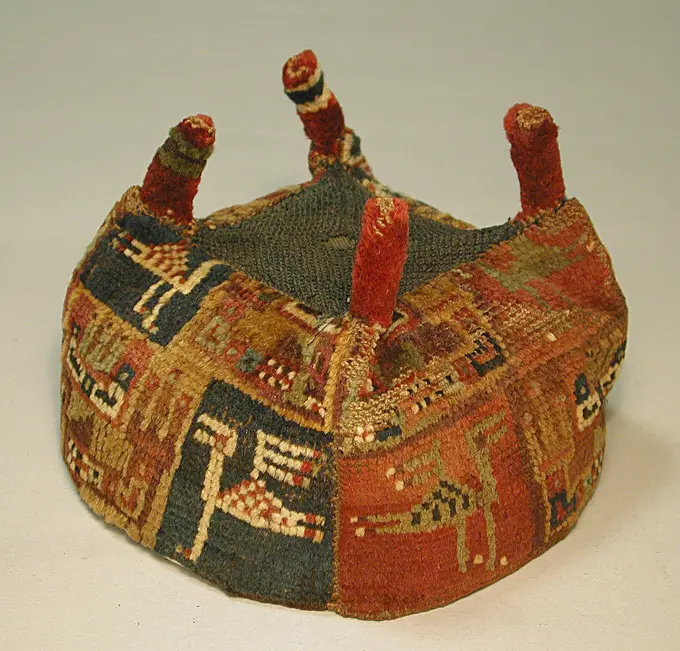
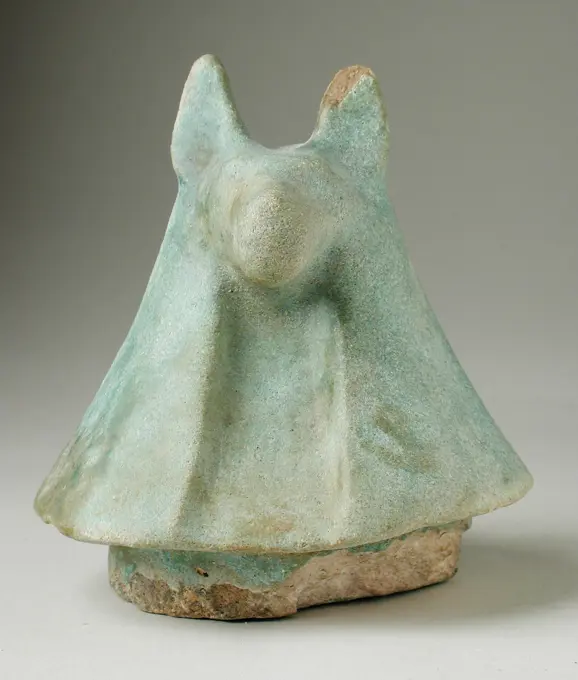
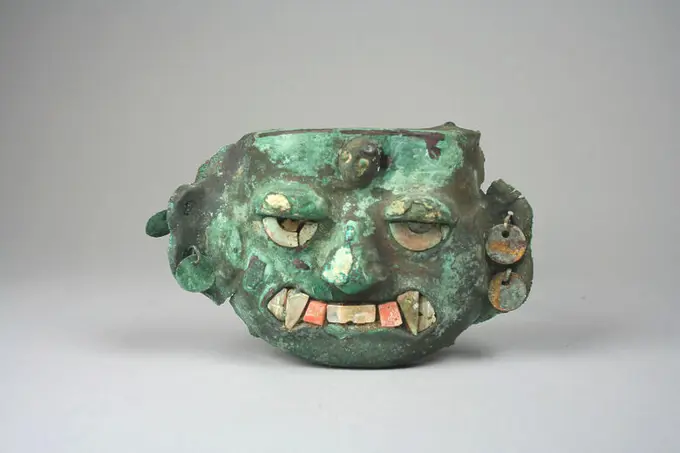
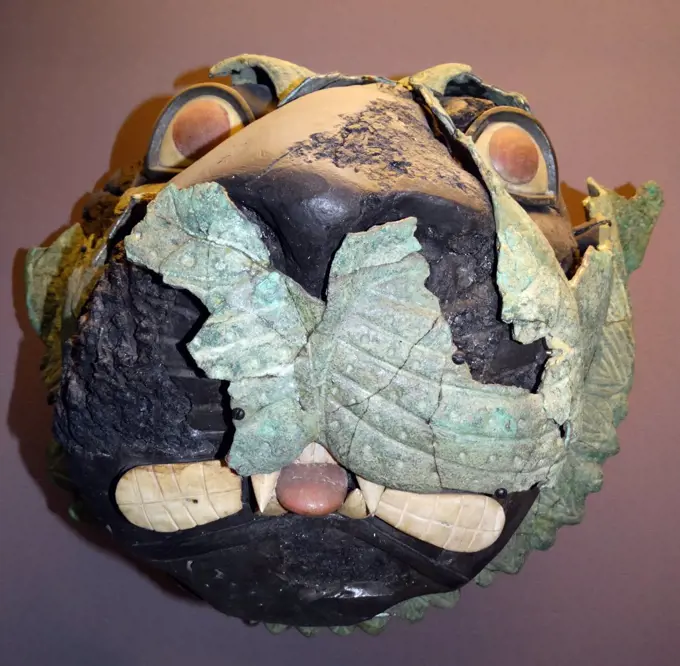
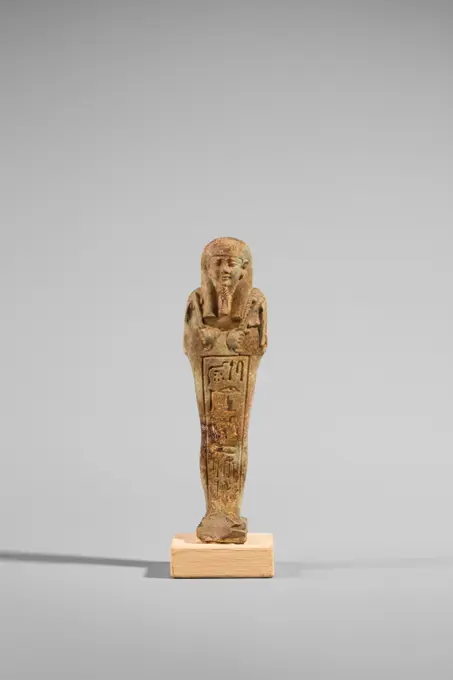
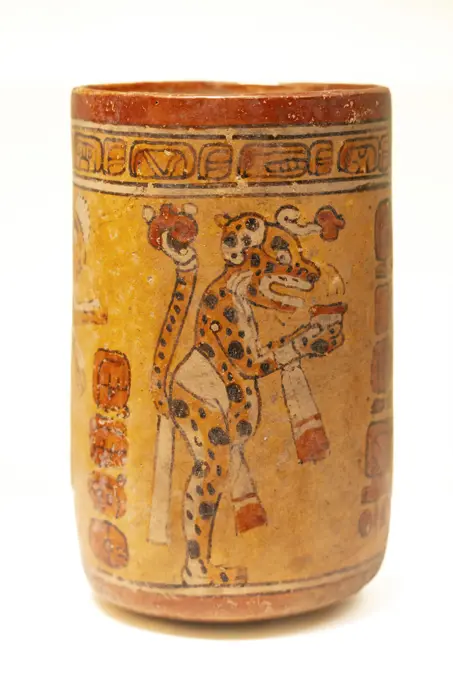
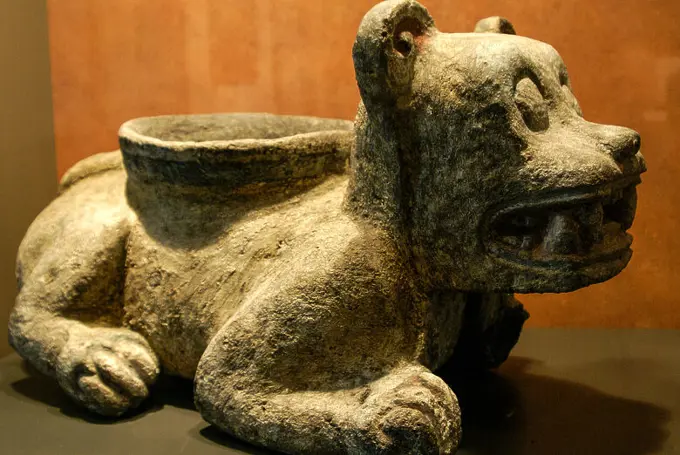
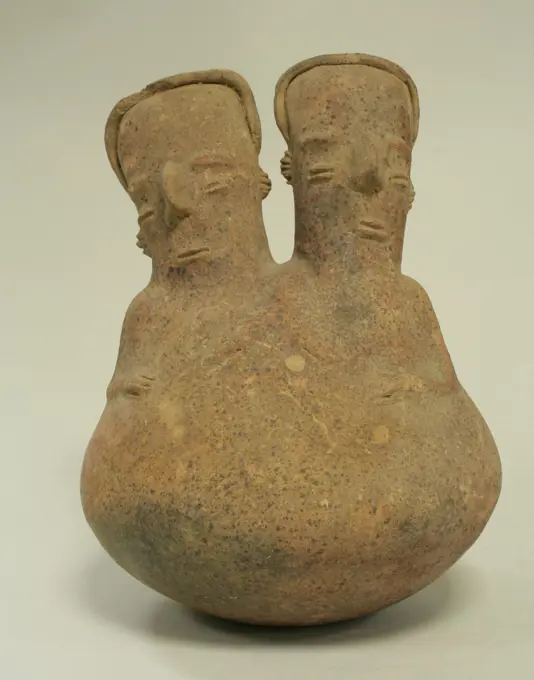
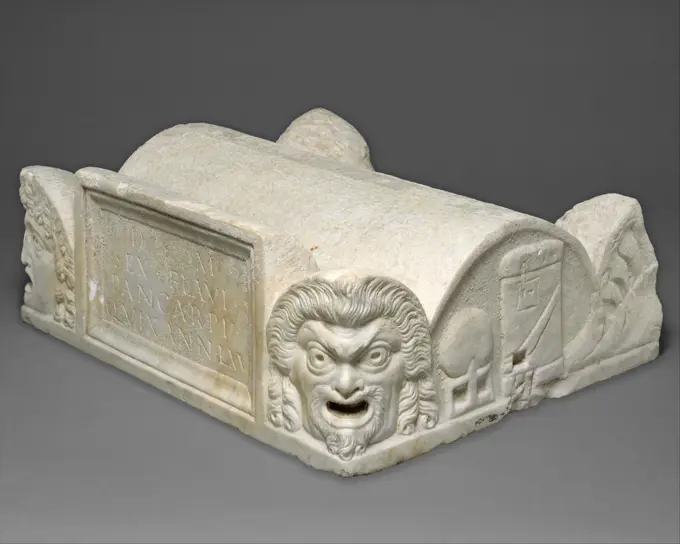
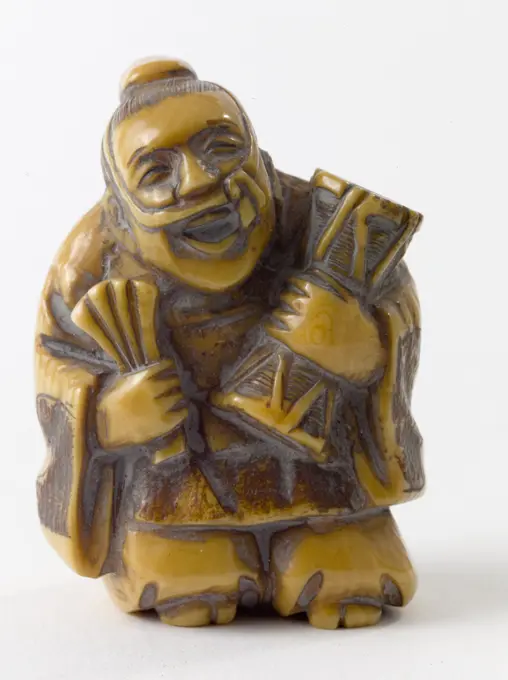
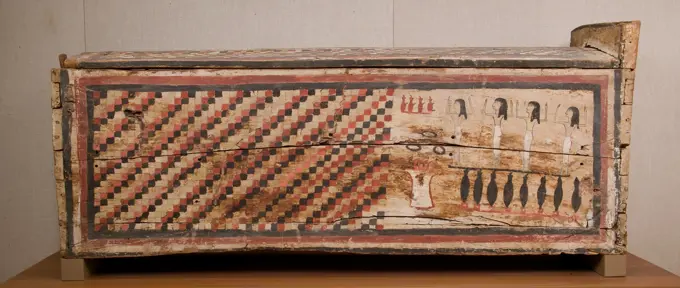
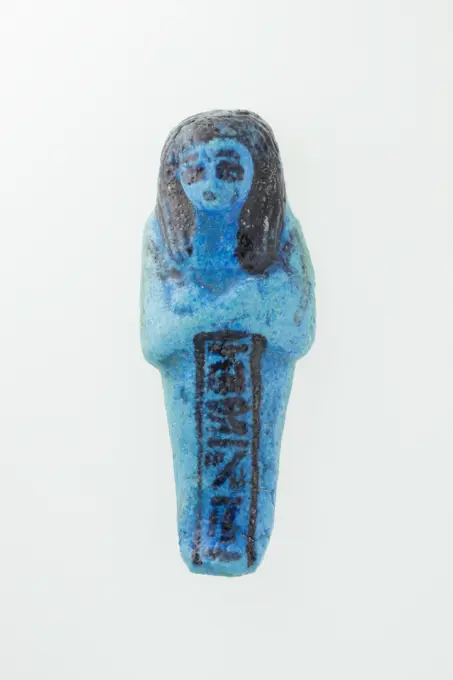
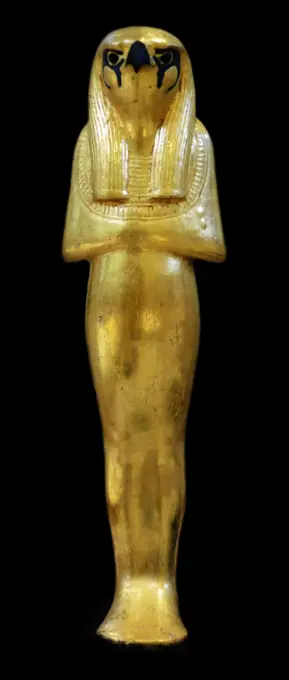
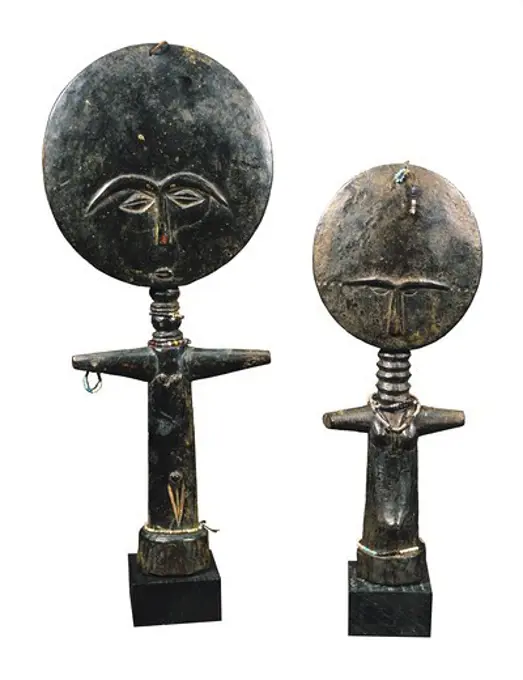
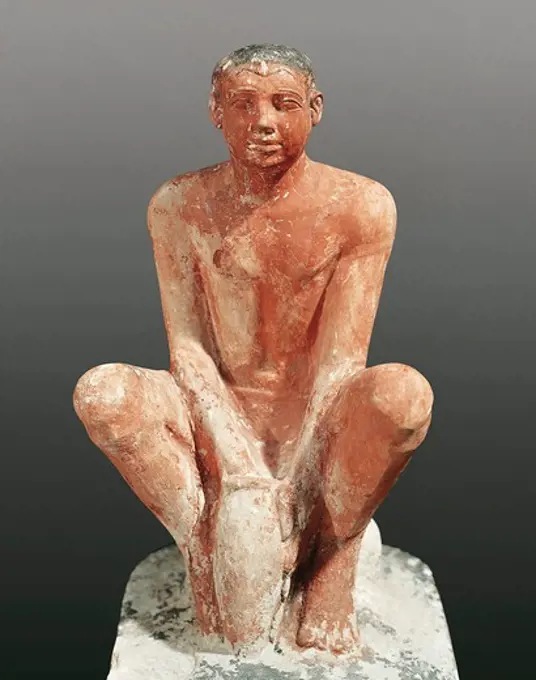
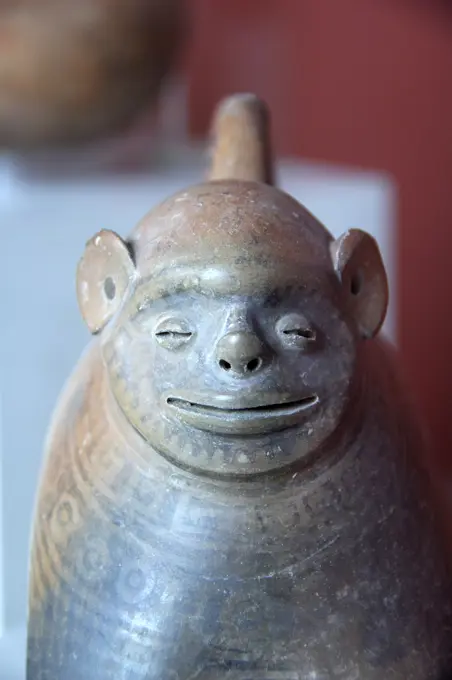
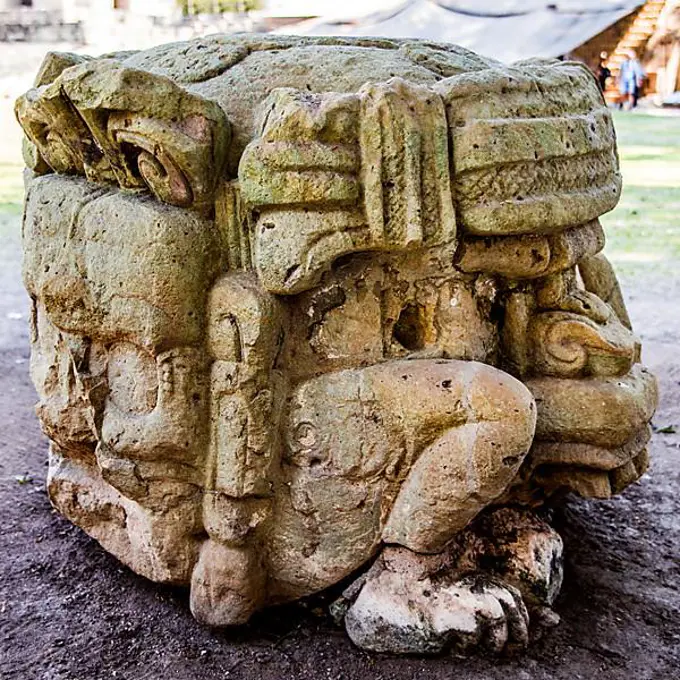
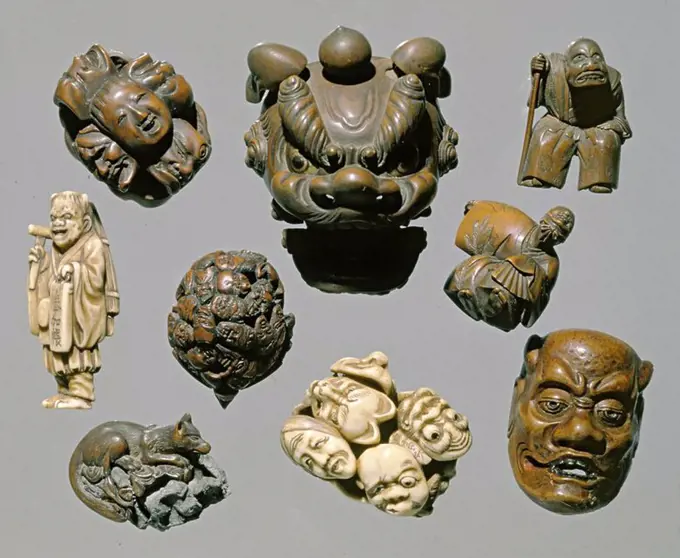
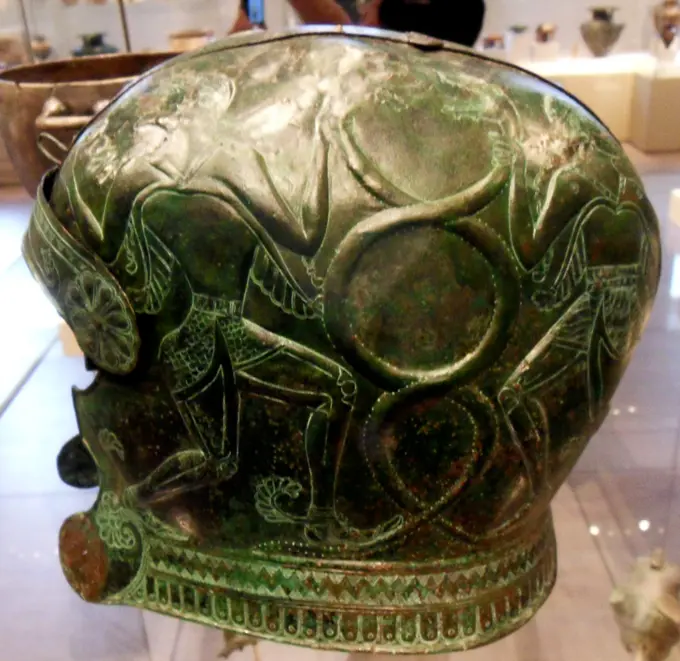
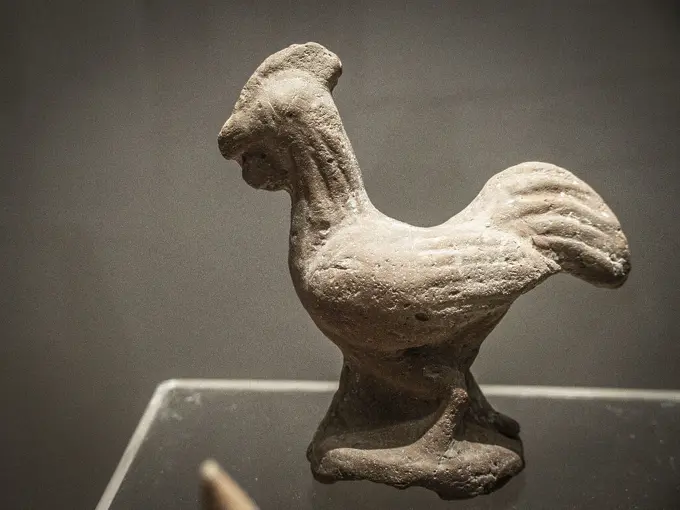
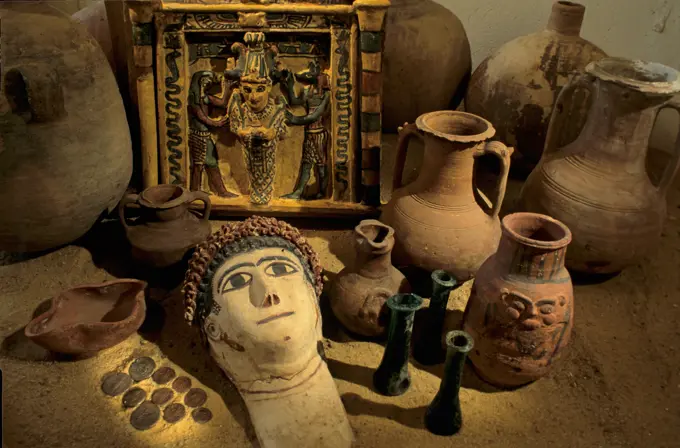
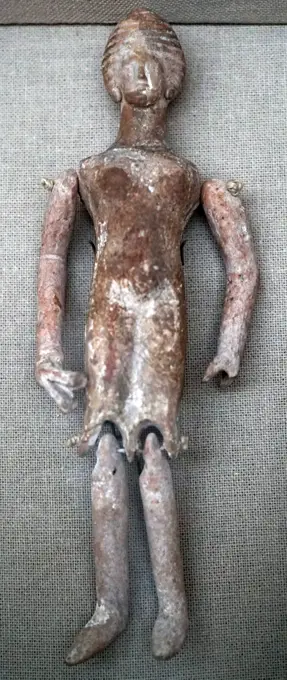
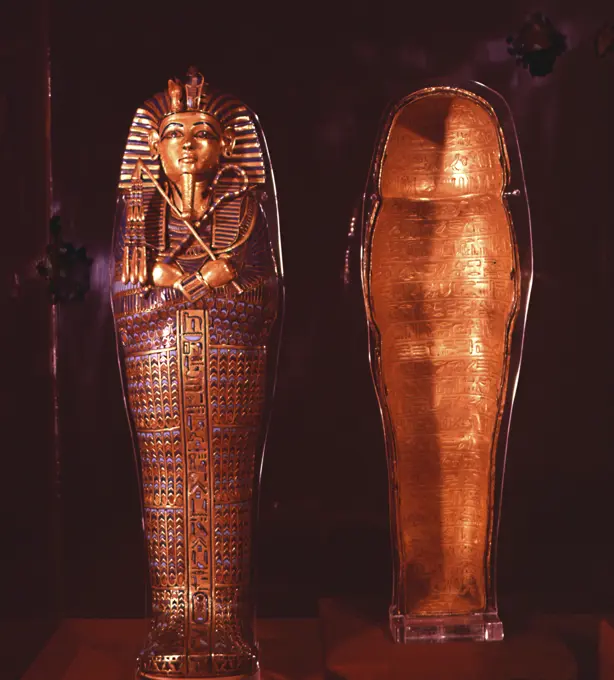
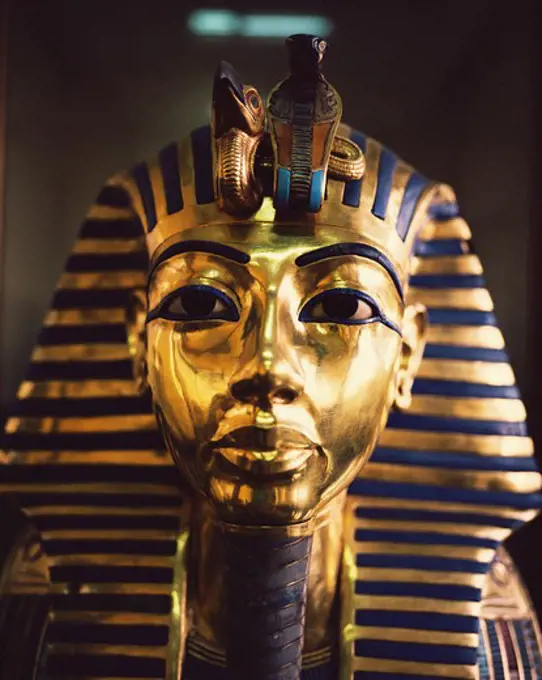
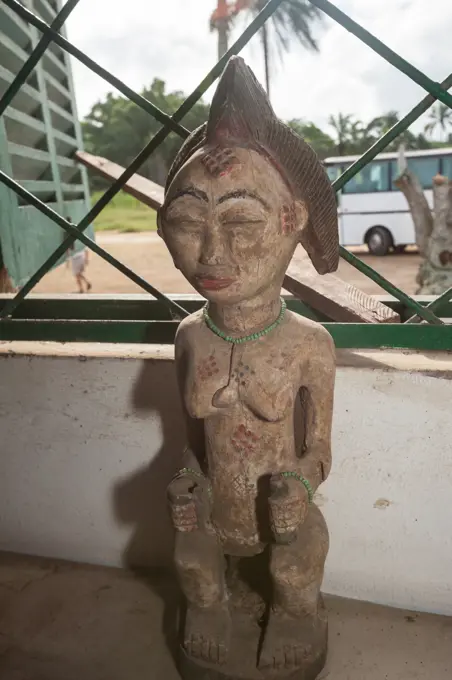
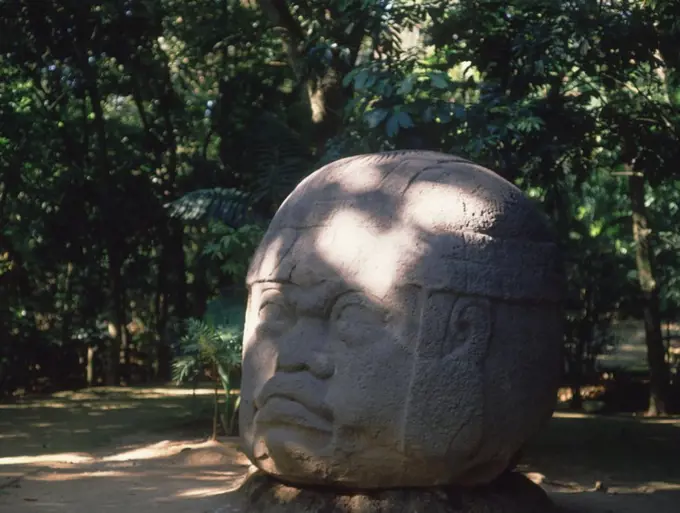
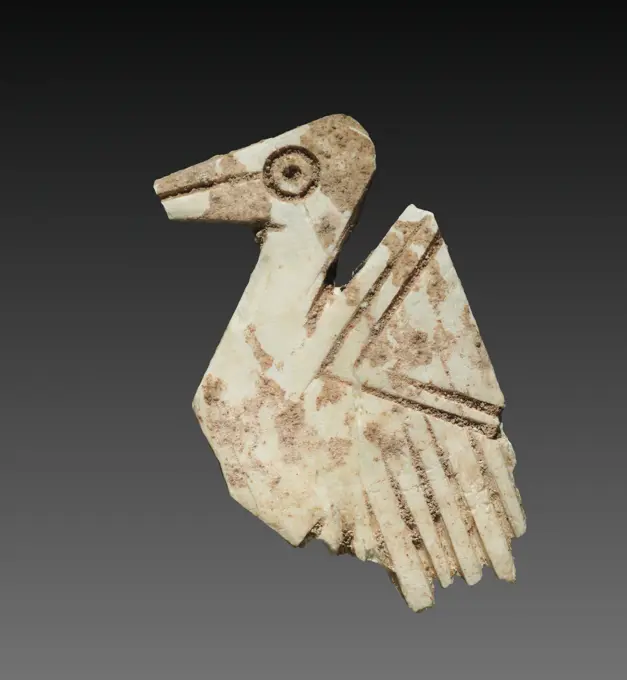
Stylized Bird: Decorative Inlay for a Box, c. 2000 BC. Israel, possibly Jericho. Bone; overall: 4.3 x 3.4 x 0.3 cm (1 11/16 x 1 5/16 x 1/8 in.).Stirrup-Spout Bottle: Two Figures 12th-5th century B.C. Cupisnique. Stirrup-Spout Bottle: Two Figures 309137Appliqué for a funeral couch. UnknownHead, Fragment 6th-9th century Remojadas. Head, Fragment 312783Worker Shabti of Nauny ca. 1050 B.C. Third Intermediate Period See 30.3.26.1a, b. Worker Shabti of Nauny 625704Pair of Obelisks of Nebsen ca. 2323-2100 B.C. Late Old Kingdom. Pair of Obelisks of Nebsen. ca. 2323-2100 B.C.. Limestone. Late Old Kingdom. From Egypt. Dynasty 6-8Helmet Mask (Bolo) Burkina Faso, Bobo peoples 19th-20th century. Wood, animal hair, resin, pigment.bronze votive offering bronze votive offering, 4th-3rd centuries BC, archaeological museum of Seville, Andalusia, Spain Copyright: xZoonar.com/Tolox 21720651Female head mid-5th century B.C. Cypriot The head is mold-made and solid. The back is handmade and flattened. The head and part of the neck are preserved.. Female head 241088Ritual Wine Container (Yu) with Lid late 11th century B.C. China This elaborate set of wine vessels provides an idea of the splendor of Shang and early Zhou ritual ceremonies. The set is said to have come from a tomb uncovered in 1901; shortly thereafter, it entered the collection of Duan Fang, a senior Manchu official and one of the preeminent antiquarians of the late Qing period. The pieces vary in style and execution. Although eleven of the vessels are inscribed, only one grouping shares identical inscriptions: the two wine containers, or you (nos. 2, 3) and the tall wine container, or zun (no. 4). A second grouping has largely comparable inscriptions: the spouted water vessel, or he (no. 5) and one cup, or zhi (no. 11).A partial reconstruction of the sets arrangement in the tomb may be established from corrosion outlines on the three principal vessels—the two wine containers, or you, and the central tall wine container, or zun—that were etched onto the surface of the altar table. Stag. Iran, circa 750 B.C.. Sculpture. BronzePair of Cheekpieces from a Horse Bit. Iran, Luristan, Luristan bronzes, circa 1000-650 B.C.. Tools and Equipment; horse trappings. Bronze, castNepali ritual mask, 19th century, Sa Bassa Blanca Museum (msbb) Yannick Vu and Ben Jakober, Alcudia, Majorca, Spain, EuropeShield (Adarga) ca. 1500 Spanish. Shield (Adarga) 34124Figure Bottle 3rd-5th century Moche This Moche stirrup spout bottle represents a man wearing a sleeved tunic with vertical bands and carrying funerary items. He is holding a rolled mat in his right hand and a dipper in his left hand. Similar Moche vessels represent mutilated individuals, skeletal beings, and anthropomorphized bats performing the same action. The preparation of the bodies, their shrouds, encasings, and funerary offerings was an elaborate process in Moche society. The body was first wrapped in one or many layers of textiles, then encased in a cane structure, or in a fiber mat, as the one illustrated here. Small copper or stone objects were often placed in the hands and mouth of the deceased. Fine ceramic vessels are the most ubiquitous offerings in Moche burials. The deceased were also frequently buried with personal adornments, gourds filled with food, metal objects, and everyday implements such as spindles, whorls, and needles. The quantity and quality of funerary offeStirrup-spout vessel with a figure holding a spear thrower. Nasca, Peru. 200-800 AD. Museum of Cultures of the World. Spain.Sacred animal mummy containing dog bones. Dimensions: H. 28 cm (11 in.); W. 6.5 cm (2 9/16 in.); D. 10 cm (3 15/16 in.). Date: ca. 400 B.C.-100 A.D..Animal cults The Egyptians considered certain individual animals to be living manifestations of a god, such as, since earliest times, the Apis bull . Those individuals were duly mummifed when they died and buried for eternal life, then replaced by another single living manifestation. During the first millennium BC, many multiples of animals associated with certain gods were specially raised in temple precincts as simultaneous avatars of that god and then mummified in large contingents and deposited in catacombs for eternal life. The ancient perception of these multiples, the evolution of the practice in this direction, and variations within the practice are not easily accessible to us. But the hundreds of thousands of often elaborately prepared animal mummies found in catacombs and other locales testify to its ancient resonance. Animal Face Mask Ornament. Culture: Moche (Loma Negra). Dimensions: H. 4 5/16 x W. 5 1/8 in. (11 x 13 cm). Date: 390-450. Museum: Metropolitan Museum of Art, New York, USA.Egyptian Ushabti or Ushabti. The Ushabti also called Ushabti or shawabti, was an Ancient Egyptian funerary figurineClose-up of an Egyptian figurineTin soldier with high hat, in uniform with musket, very thin, Soldier toy relaxant miniature soil find tin metal, w 2,2 cast Pewter soldier. Toys Thin performance of soldier in uniform with ball bag. High hat with long hanging tail or plume. Carries musket in the left hand and has saber or scimitar on the belt archeology Rotterdam indigenous tin child game play child's play archaeological find in the soil Rotterdam.Owl Head. Culture: Moche (Loma Negra). Dimensions: Height 3-3/16 in. (8 cm). Date: 390-450. Museum: Metropolitan Museum of Art, New York, USA.Gold statuette of male divinityFour-Cornered Hat 7th-9th century Wari Finely woven, brightly colored hats, customarily featuring a square crown, four sides, and four pointed tips, are most frequently associated with two ancient cultures of the Andes: the Wari and the Tiwanaku. The Wari Empire dominated the south-central highlands and the west coastal regions of what is now Peru from 500-1000 A.D. The Tiwanaku occupied the altiplano (high plain) directly south of Wari-populated areas around the same time, including territory now part of the modern country of Bolivia. The cultures not only developed and flourished as contemporaries, but also occupied adjacent lands for nearly four centuries. A Wari ceremonial center called Cerro Baúl was located a mere five miles from Tiwanaku-settled fields in the Moquegua Valley of Peru. The two cultures likely encountered each other at Cerro Baúl and elsewhere, but the nature of these interactions remains largely unknown. Four-cornered hats from both the Wari and the Tiwanaku were Green Faience Canopic Jar Lid. Egypt, Late Period (724 - 333 BCE). Furnishings; Accessories. Green faienceFace Mask Ornament. Culture: Moche (Loma Negra). Dimensions: H. 3 3/8 x W. 5 1/8 in. (8.6 x 13 cm). Date: 390-450. Museum: Metropolitan Museum of Art, New York, USA.Copper alloy heads of two lions or cubs. Babylonian models of lions, may have acted as guardian figures at the entrance to the temple.2nd millennia BCTemple Model 1st-8th century Mezcala. Temple Model 317474Kurohige. Kimura Ryūmin (Japan, active mid- to late 19th century). Japan, mid- to late 19th century. Costumes; Accessories. WoodTorch holder, bronzeUszebti Wahibre-em-acheta. unknown, authorTomb Figure of Porcupine 3rd-6th century China. Tomb Figure of Porcupine. China. 3rd-6th century. Grey earthenware with pigment. Six Dynasties (220-589). Tomb PotteryBulls from Costitx. 500 BC-200 BC. Iron age. Material: bronze. Shrine of Predio de Son Corro, Costitx, Majorca, Spain. National Archaeological Museum, Madrid. Spain.Roman theatre mask from Italy. Dated 100 ADAztec treasure. Turquoise mask of Quetzalcoalt. London, British Museum. Great Britain. Location: BRITISH MUSEUM. LONDON. ENGLAND. QUETZALCOATL.Uszebti Dżed-hora. unknown, authorZylindrische Vase Cylindrical vase, Mayan culture, Mexico or Guatemala, 600 AD-900 AD, polychrome ceramic, MuEC, Barcelona, Catalonia, Spain LicenseRF Copyright: xZoonar.com/Tolox 23171420Hunchback Vessel 2nd century B.C.-A.D. 3rd century Colima. Hunchback Vessel 318295mascara funeraria barbada, estilo púnico-ebusitano, 400-300 b.C., Ibiza and Formentera Archeological Museum, Patrimonio de la Humanidad «Ibiza, biodiv...Vessel for human sacrifices in the form of Océlotl-Cuauhxicalli. Museo Nacional de Antropologia. State of Mexico D.F. Mexico.Fragment of a Figurine of a WomanBottle with Two Heads 3rd-16th century Quimbaya. Bottle with Two Heads 312891Marble lid of a cinerary chest late 1st century A.D. Roman The lid is fashioned to look like the roof of a barrel-vaulted building with acroteria at the corners in the form of theatrical masks and palmettes. The front panel is inscribed in Latin: To the spirits of the dead, [of Sextus Flavius Pancarpus, who lived 67 years.” Despite the fact that the inscription mentions only a man, the lunettes at the sides show both male (globe and box of scrolls) and female (mirror and spindle) attributes, indicating that the chest also may have contained the remains of Pancarpus’ wife.. Marble lid of a cinerary chest 256583Netsuke. Shinto dancer. Japan. Ivory. Paris, Cernuschi museum. Clothing element, netsuke, dress object, traditional clothingCoffin of Teti ca. 1550-1458 B.C. Early New Kingdom This large rectangular coffin with a slightly arched lid most likely dates to the late 17th or early 18th Dynasty. It has been cobbled together from planks and scraps of sycomore wood. The decoration of the long sides is dominated by checkerboard patterns in black and red, with crudely-painted figural scenes added. On one side are female mourners in white kilts facing an offering stand and piles of offerings; below them is a series of jars set into pot stands. On the other side there are two illustrations, one showing a funerary boat (likely making a pilgrimage to the sacred site of Abydos), and the other, in two registers, depicting offering bearers. On the head end, the goddes Isis stands atop a shrine; an additional panel of wood has been added above this, and two wedjat eyes have been painted here rather than on one of the long sides of the coffin. Nephthys and the mortuary god Anubis in the form of a jackal adorn the foot end. A Worker Shabti of Nany ca. 1050 B.C. Third Intermediate Period See 30.3.30.1a, b. Worker Shabti of Nany. ca. 1050 B.C.. Faience. Third Intermediate Period. From Egypt, Upper Egypt, Thebes, Deir el-Bahri, Tomb of Meritamun (TT 358, MMA 65), first corridor, burial of Nany, MMA excavations, 1928-29. Dynasty 21Statuette of Geb. Gilded wood, faience and glass. Thebes, Valley of the Kings, Tomb of Tutankhamen. 1323 BC. 18th dynasty, New KingdomFertility Idols. Ashanti art. Sculpture on wood. FRANCE. ëLE-DE-FRANCE. Paris. Museum of African and Oceanic Arts. Proc: GHANA. ASHANTI.Clay funerary pots richly decorated with relief patterns. Dated 16th CenturyEgyptian civilization, painted limestone statue depicting man modeling clay, from Saqqara, EgyptCanopic jar lid. Dimensions: h. 9 cm (3 9/16 in); w. 12.3 cm (4 13/16 in); d. 13.1 cm (5 3/16 in). Date: ca. 1070-343 B.C. Museum: Metropolitan Museum of Art, New York, USA.Feline Head Ornament 6th-7th century Moche (Loma Negra). Feline Head Ornament 314488Chinese funerary mask. Liao dynasty (947-1125 A.D) silverOinochoe (wine-jug) in the form of a woman's head. From Nola. Dated 440 BCArtistic and historical artifacts, exhibits the Israel Museum in JerusalemSouth America, Peru, Lima. National Museum of Archaeology & Anthropology. Moche pottery. (Editorial Usage Only)Zoomorphic altar to Stele N, Throne of Smoke Shell, Mayan site, Copan, Honduras, Central AmericaAmber Viking playing piece, 8th-11th century. Artist: UnknownWood and ivory Netsuke Japanese, 18th century. Museum: Oriental Art Museum, Genova, ITALIA.Maske Eine Alte Bueste oder Maske aus der Römerzeit. An old bust or mask from Roman times. Copyright: xZoonar.com/HansxJuegenxKochanx 22772759Lucerne handle with representation of Gorgona, Museum-Interpretation Center of the archaeological park of Segóbriga, Saelices, Cuenca, Castilla-La Mancha, Spain.Mortuary figure. Reliquary deceased ancestor ("Bieri"). Fang peoples. Wood and iron. 19th century. Equatorial Guinea, Africa. Museum of the Americas. Madrid, Spain.bronze helmet from Crete, Greece. Late 7th century BCCockerel figurine, From the first century BC to the third century AD,Catacombs of St. Paul,,Rbat (Mdina), Republic of Malta, Europe.Egypt, Bahariya Oasis, Valley of the Golden Mummies, Bahariya Museum, Collection of grave goods, glass vessels, mask, coins, wooden panel with Osiris, Horus and AnubisOwl Ornament 6th-7th century Moche (Loma Negra). Owl Ornament 315180Ancient Greek terracotta dancing doll holding castanets. Dated 4th Century BCAnonymous, claveau decorated with a decorative mask placed in the center of a shell pattern surrounded by fins (attributed title). Rock. Carnavalet Museum - History of Paris.Caponic jars of Wadjren, overseer on the two granaries, in a chest equipped with runners for transportation. Wood. New Kingdom, 1450-1400 BC. Egyptian Museum of Turin. Italy.Standing female figure, 200-700, 3 1/4 x 1 1/2 x 1 in. (8.3 x 3.8 x 2.5 cm), Earthenware, Mexico, 3rd-8th centurySix-Armed Mahakala ca. 15th century Tibet. Six-Armed Mahakala 63050Gold and lapis lazuli figurines of Osiris, Horus and Isis: the triad of Osorkon, Middle Kingdom, Dynasty XXII, 970-730 B.C.Rattle Tlingit, Native American ca. 1890 Shaped within a hollowed wood form, the double sides of this rattle were joined together with copper rivets and designed to emulate traditional rattles made of wood. During the late 1890s Klondike Gold Rush in Skagway, Alaska, a cottage industry grew to serve travelers interested in carvings and metalwork made by Indigenous Alaskans. Native coppersmiths produced masks, daggers, and rattles such as this one. View more. Rattle. Tlingit, Native American. ca. 1890. Copper, wood, tanned leather, abalone shell, and horn. Made in Alaska, United StatesAn Egyptian necklace and  figurines.         Date: ANCIENT EGYPTTutenkhamun miniature gold canopic coffin.Egypt, Cairo Museum, Tutankhamun Death MaskAfrica, Republic of Congo, Diosso. Wooden Congolese fetish object at the Ma-Loango Museum.CABEZA COLOSAL OLMECA - 1000-400 AC. Location: MUSEO DE LA VENTA. VILLAHERMOSA. CIUDAD DE MEXICO.