Cultural Figurines and Ceramics

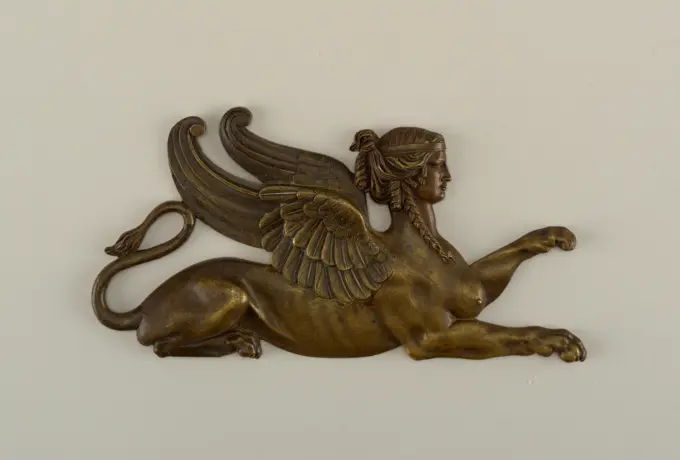
A variety of figurative artworks and ceramics, featuring mythological and animal forms, showcasing artistry from different cultures and eras, rich in detail and historical relevance.

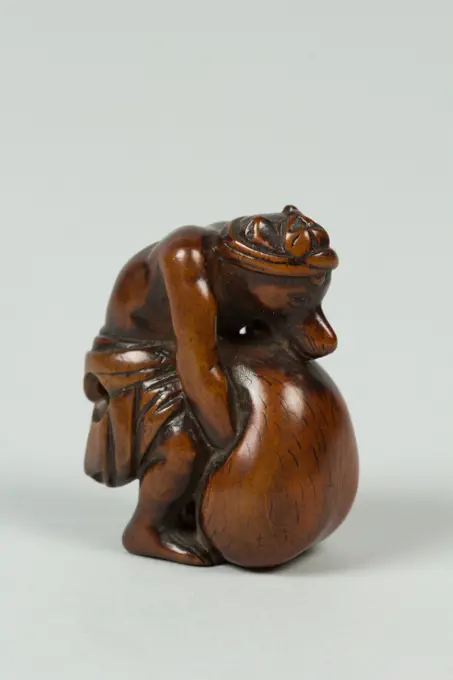
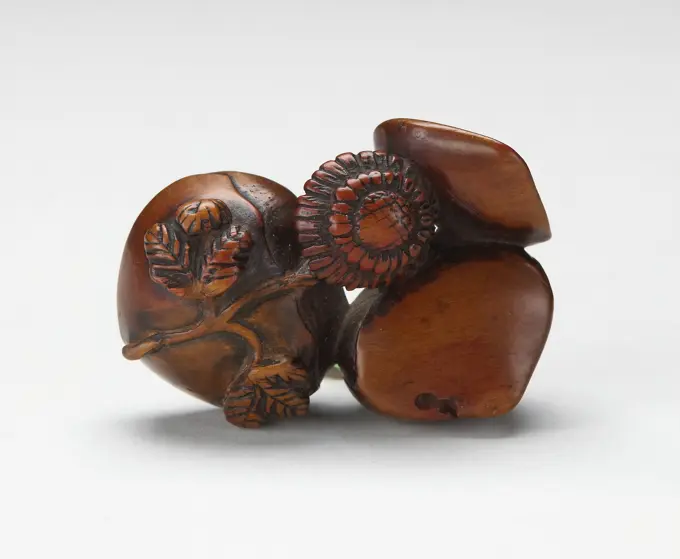
Netsuke monkey and turtle, 19th century, Unknown Japanese, 1 1/16 x 7/8 x 1 1/8in. (2.7 x 2.2 x 2.9cm), Wood, Japan, 19th century
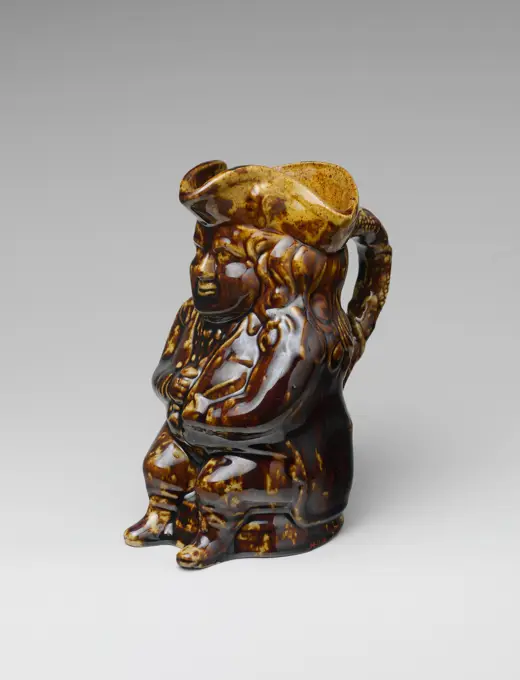
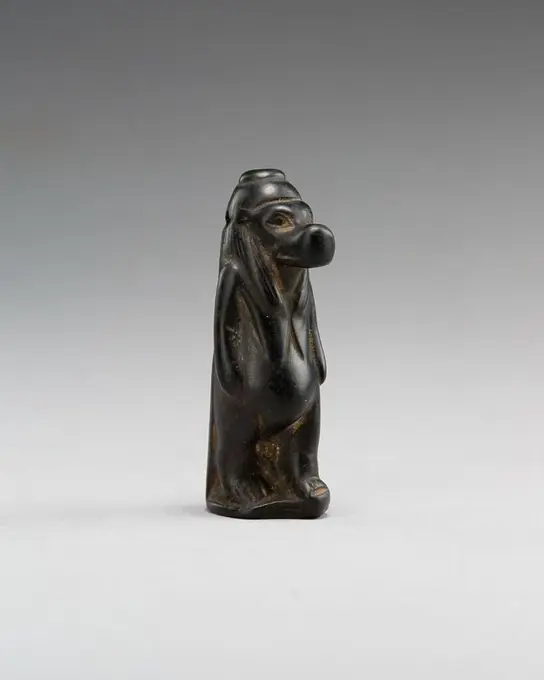
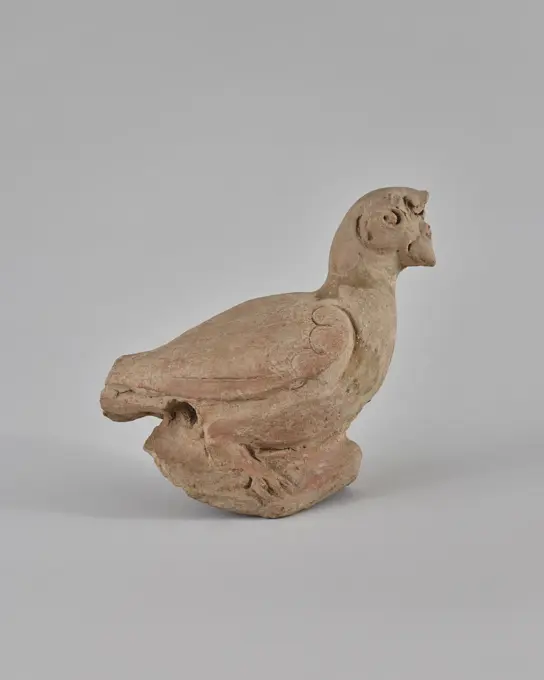
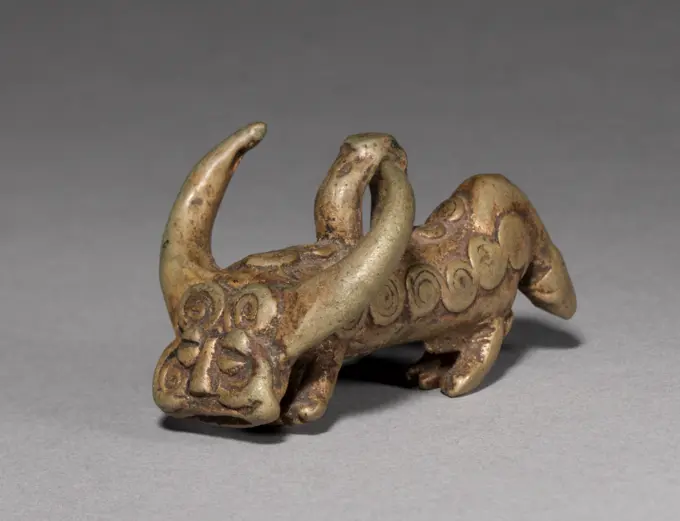
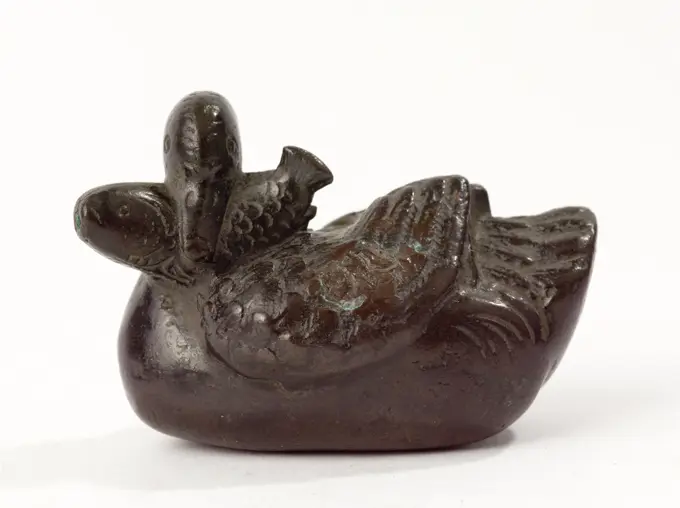
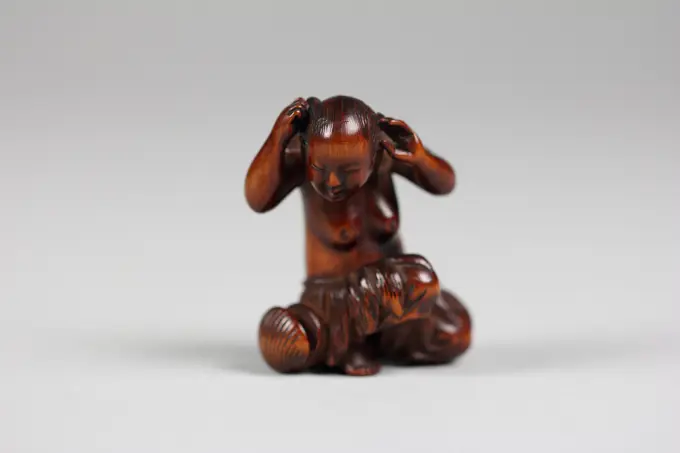
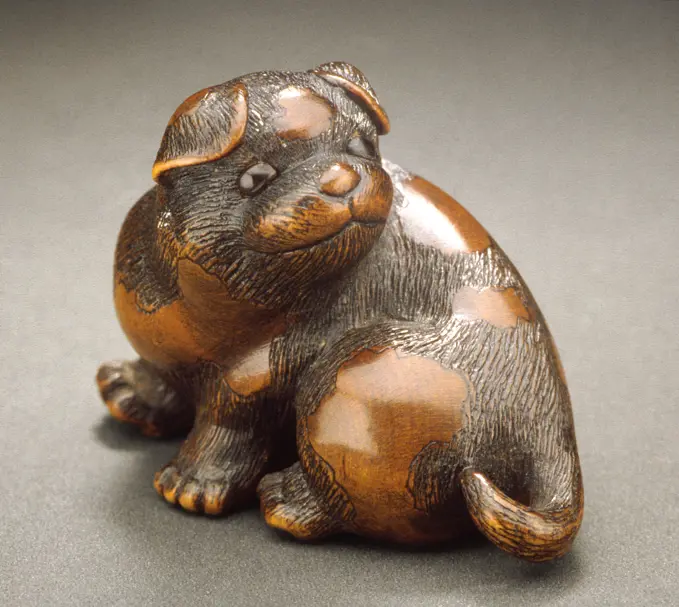
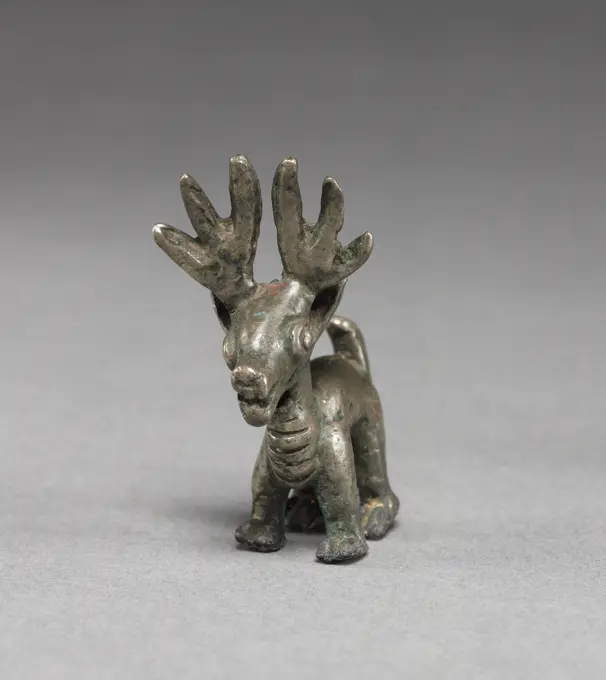
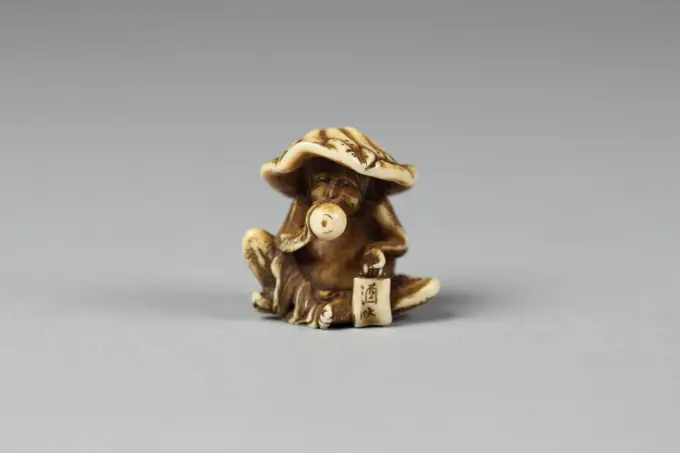
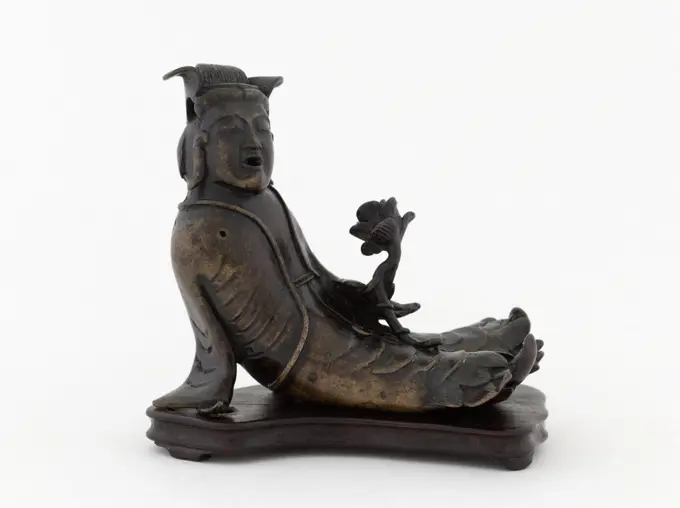
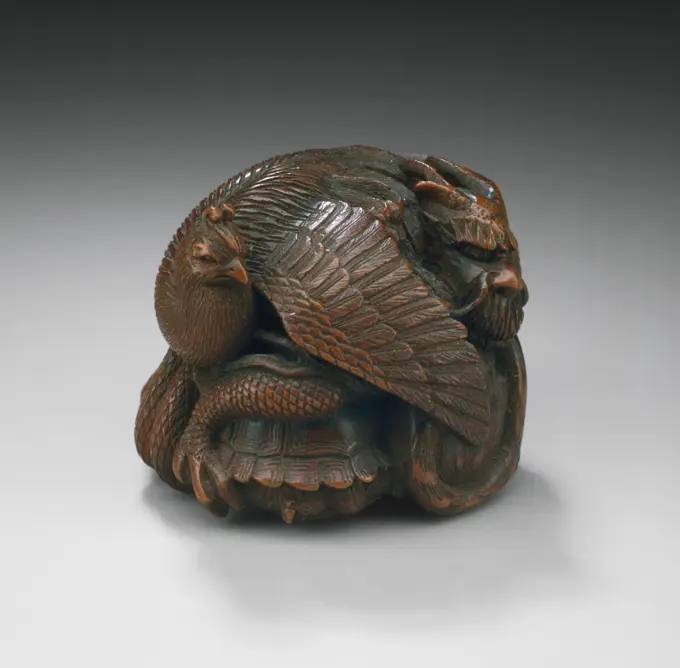
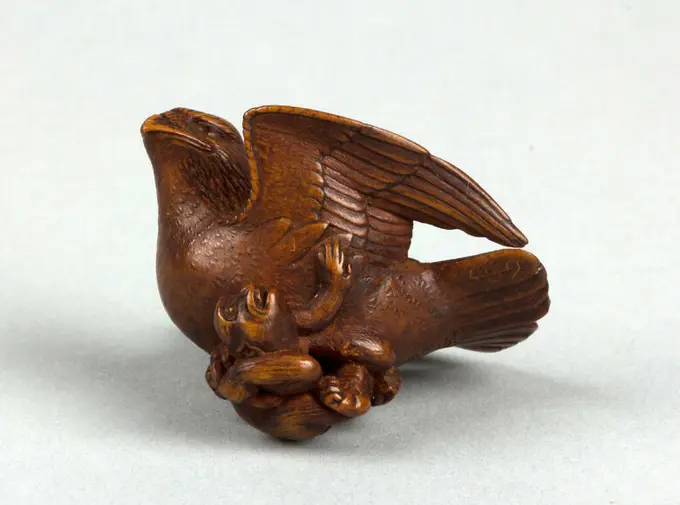
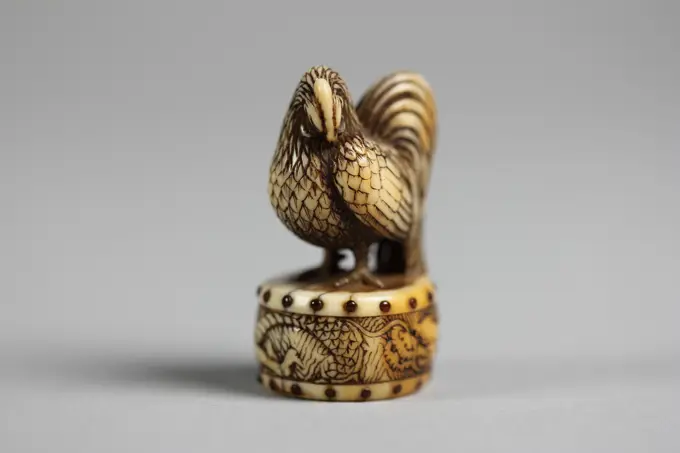
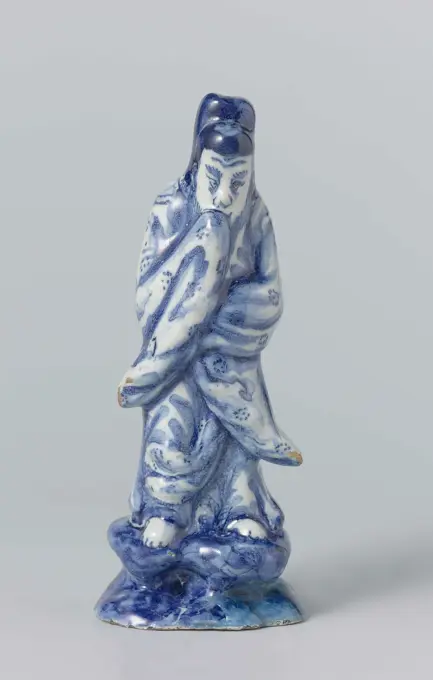
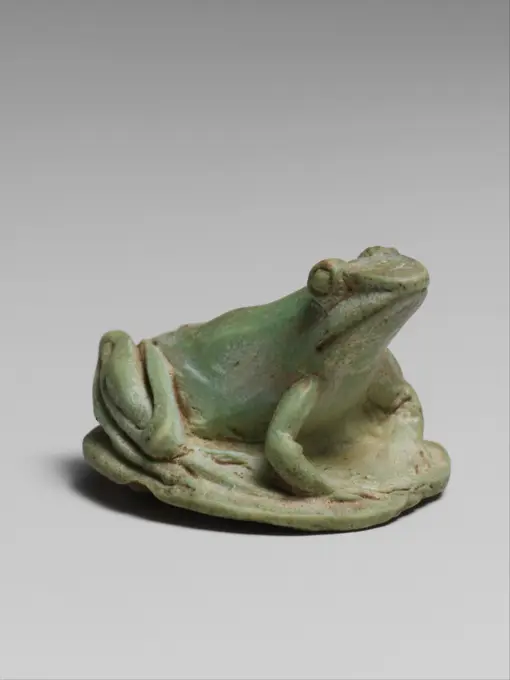
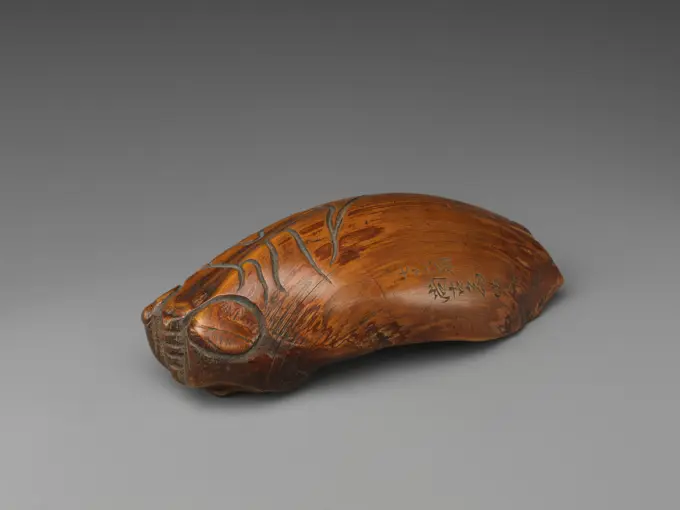
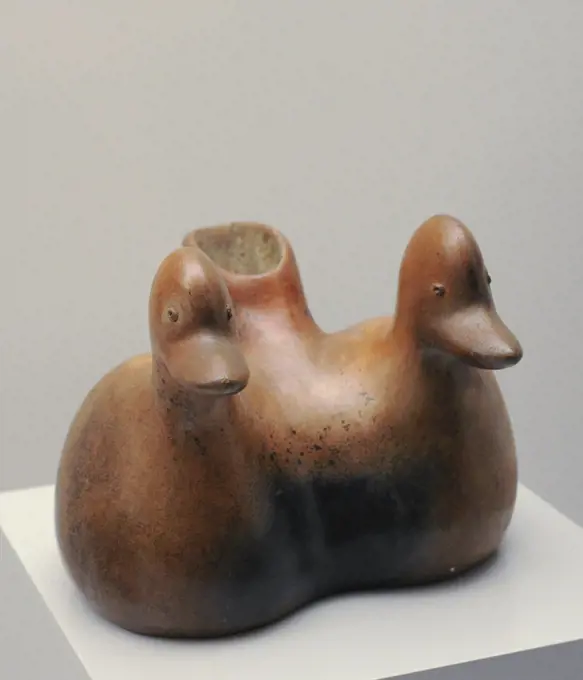
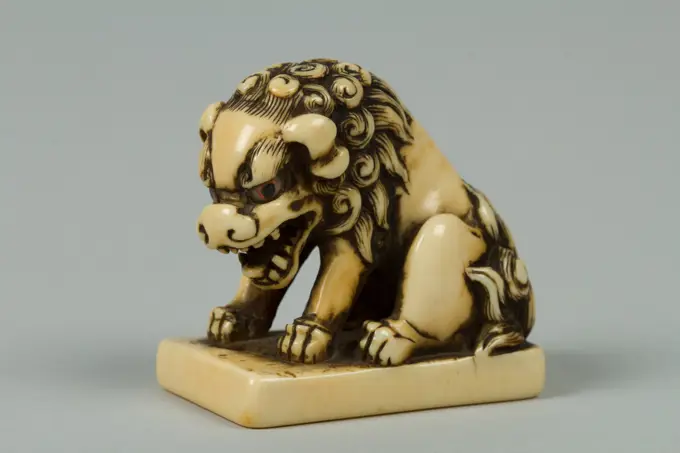
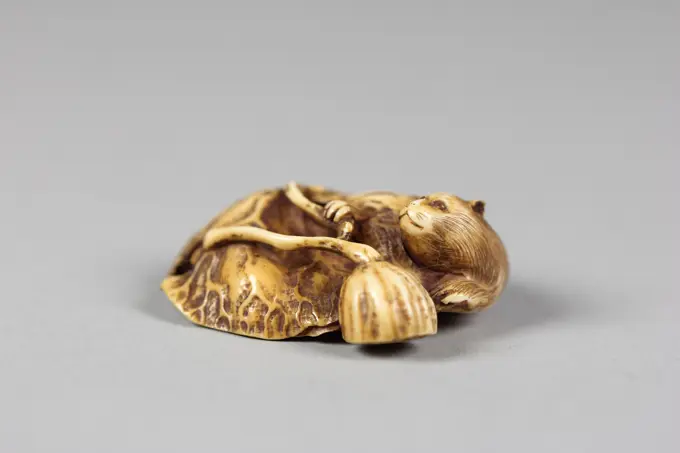
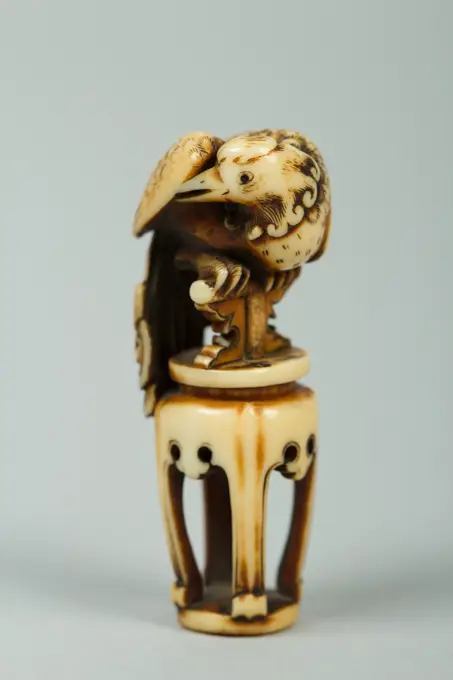
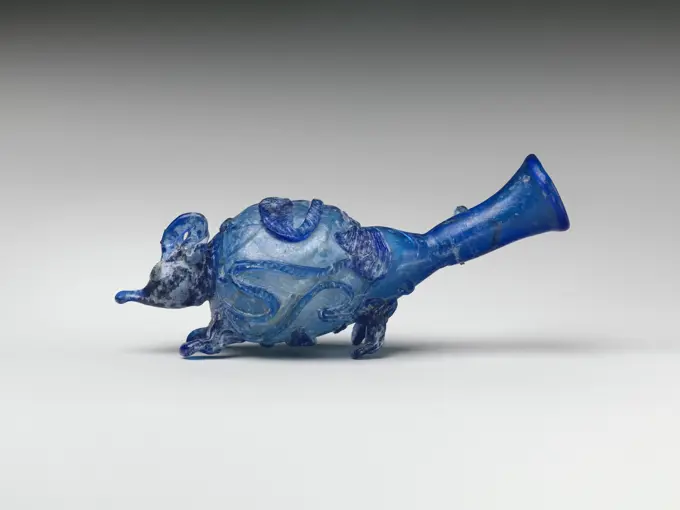
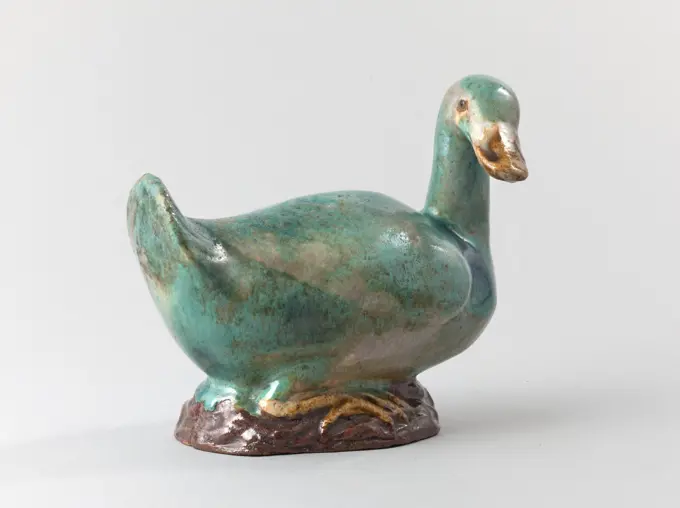
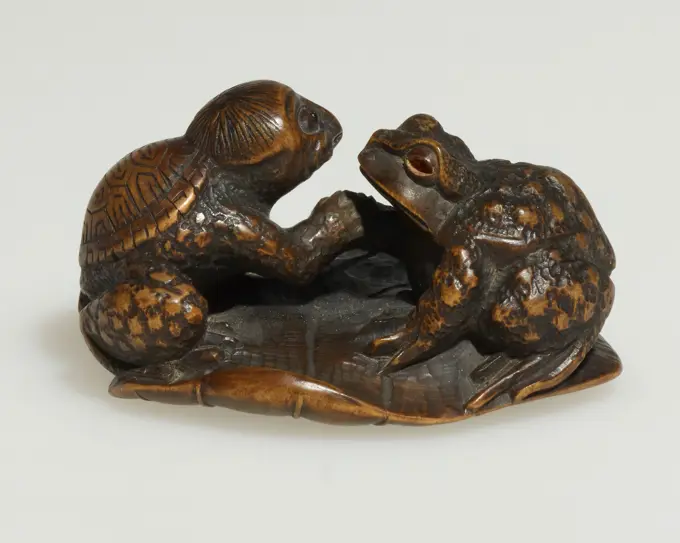
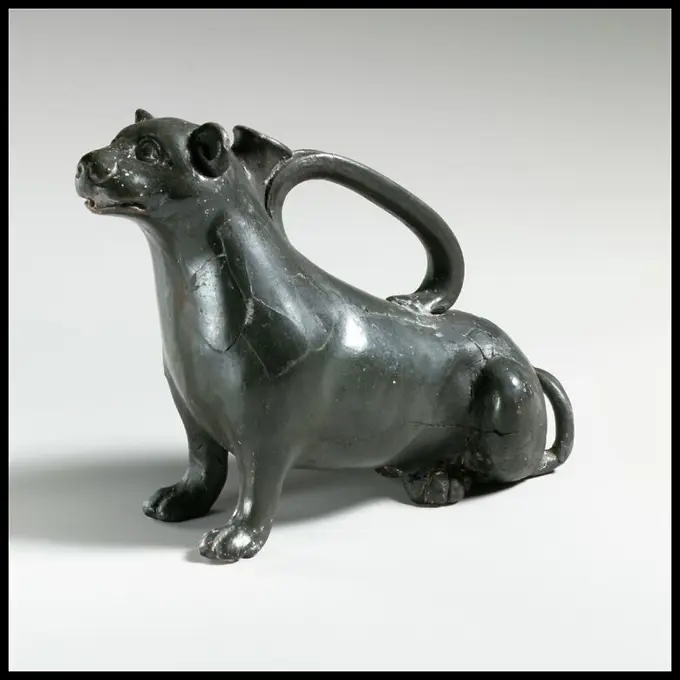
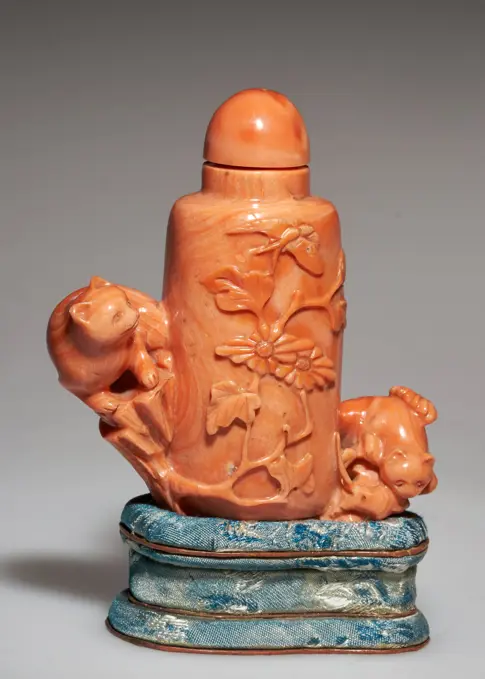
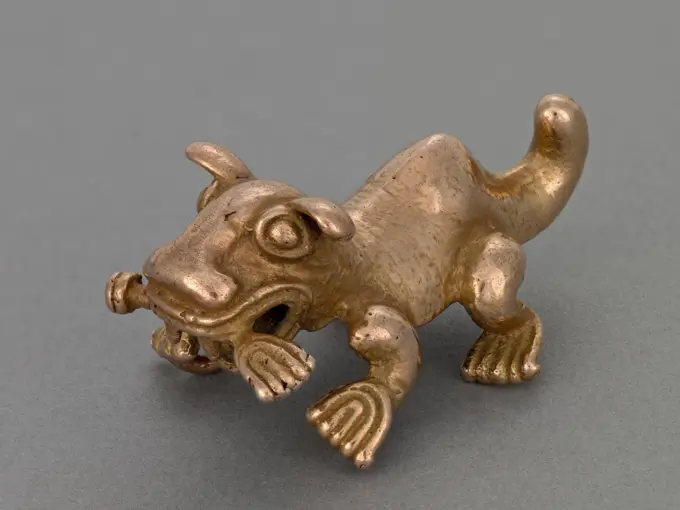
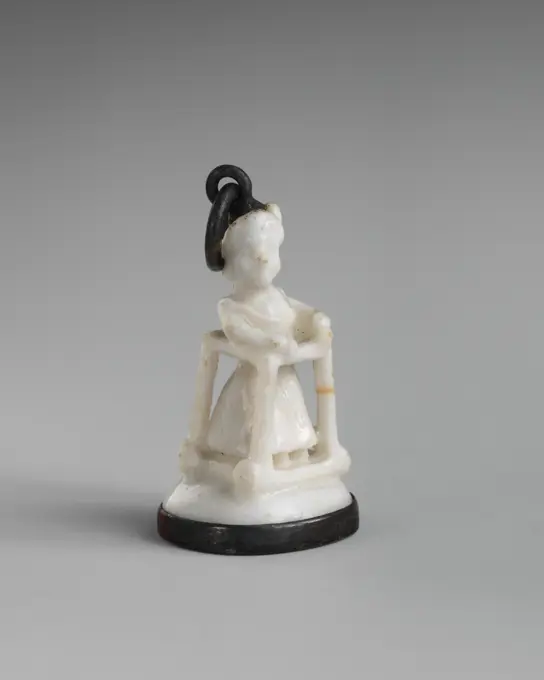
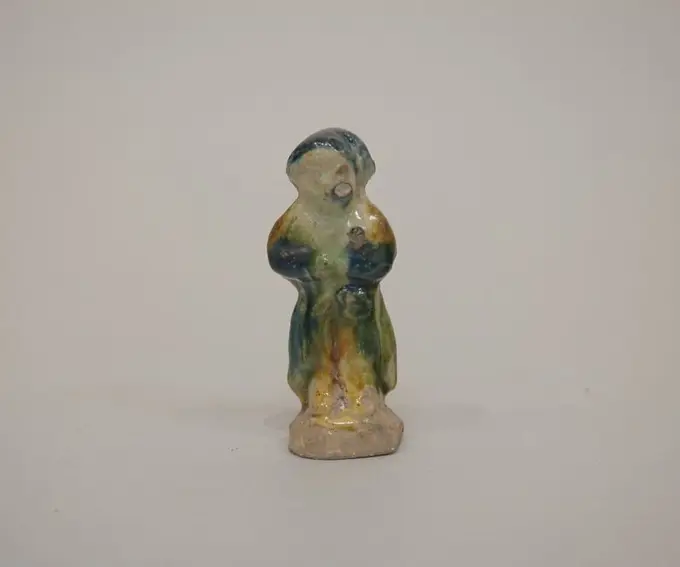
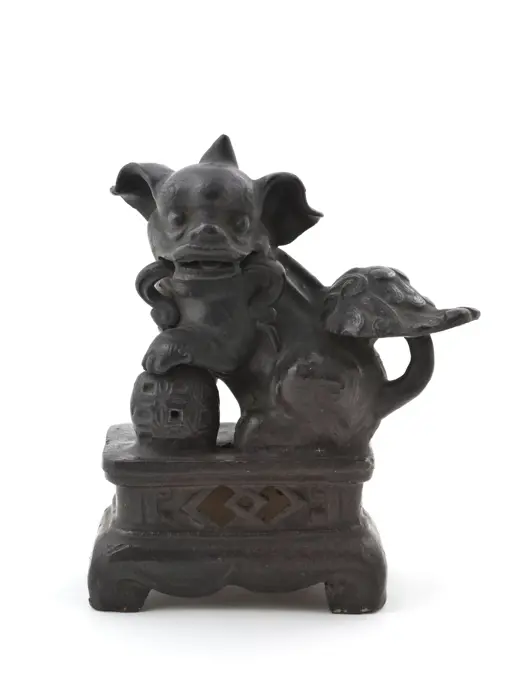
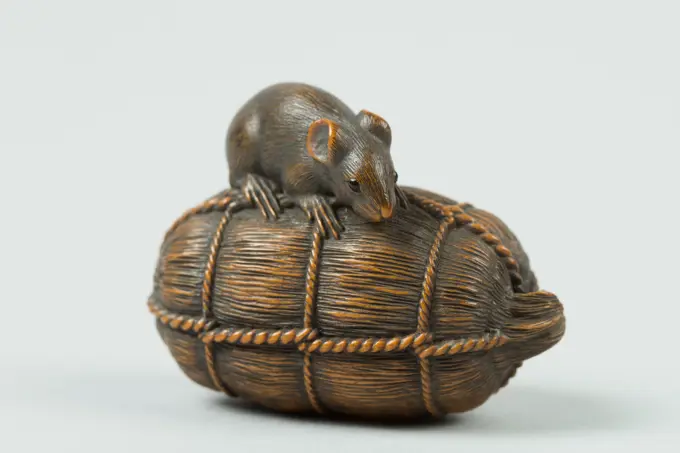
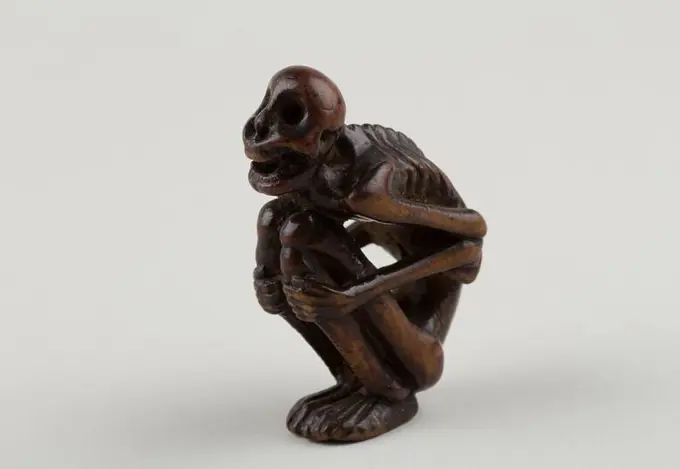
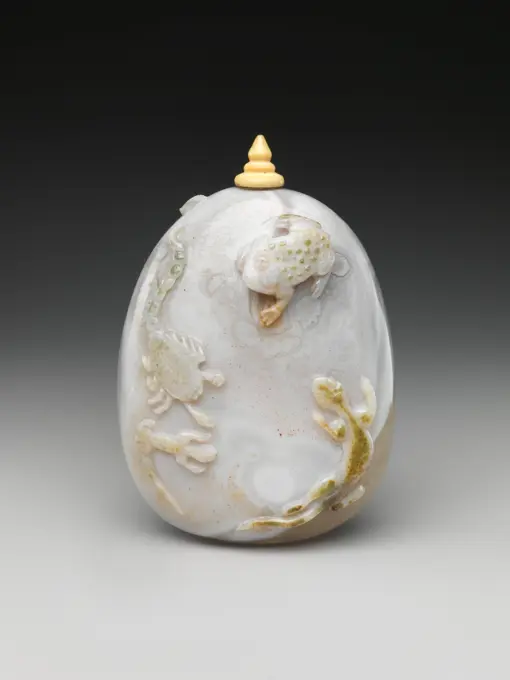
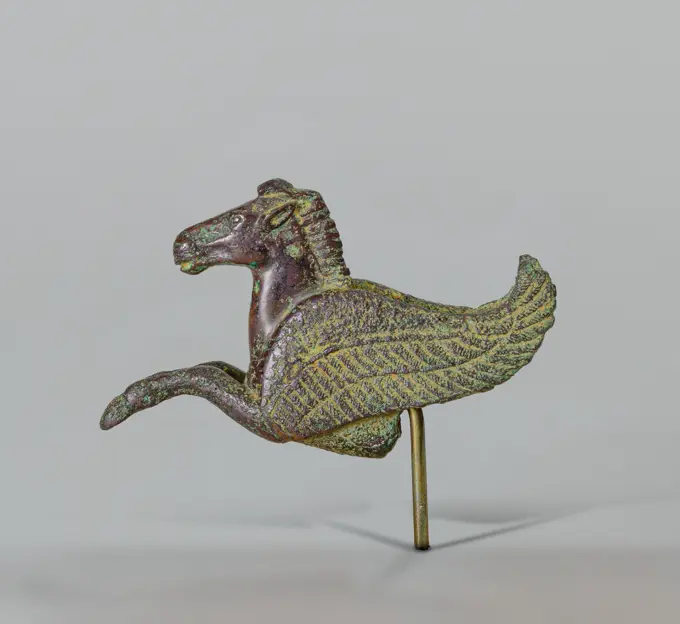
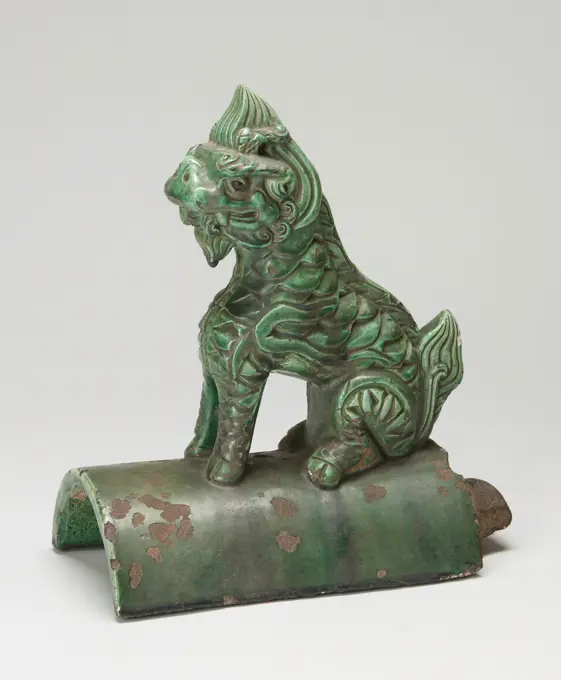
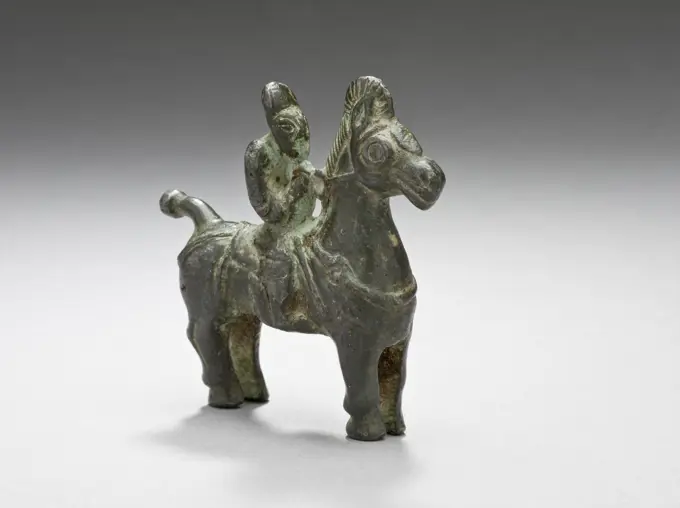
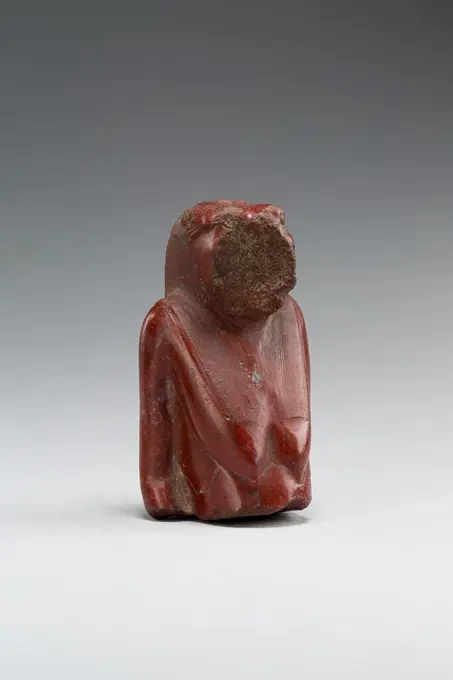
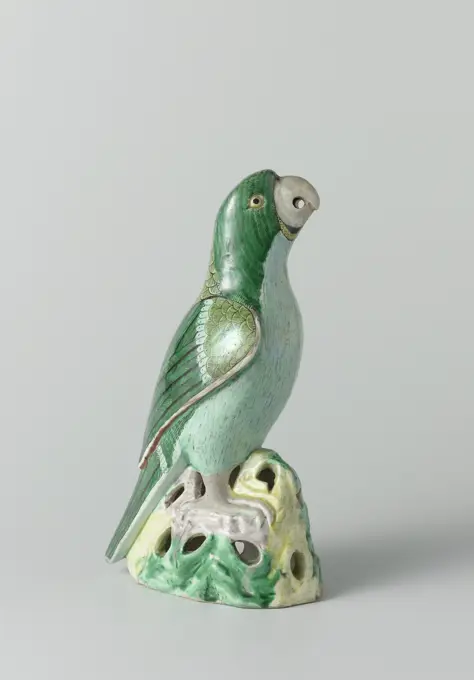
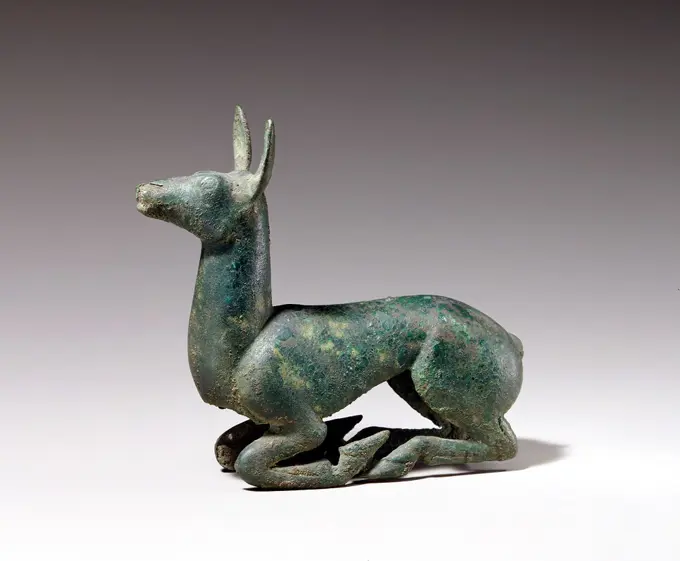
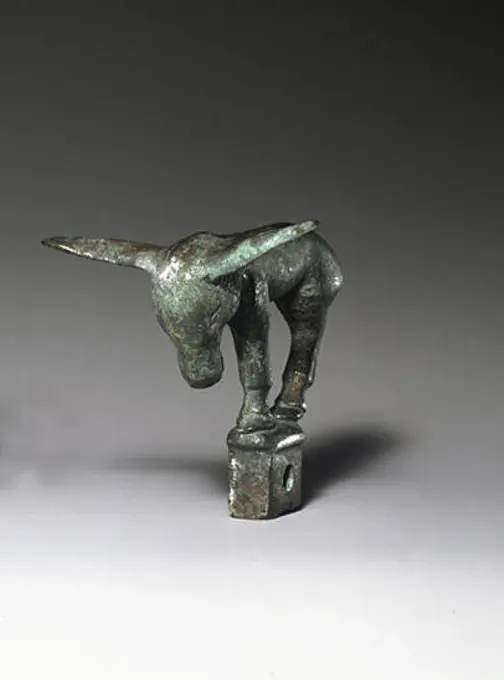
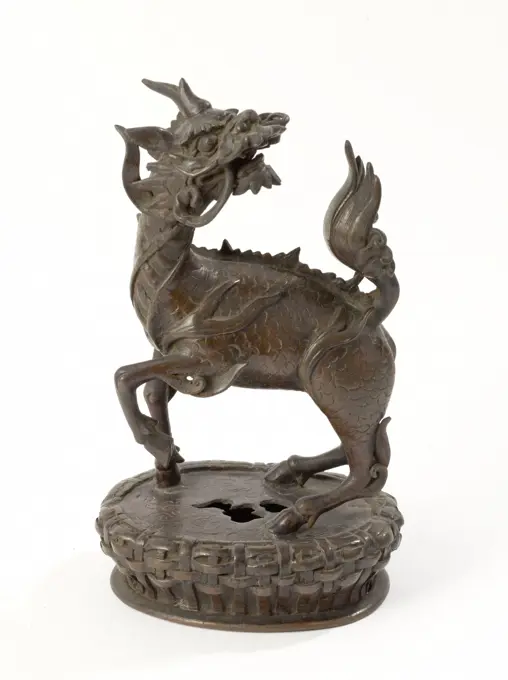
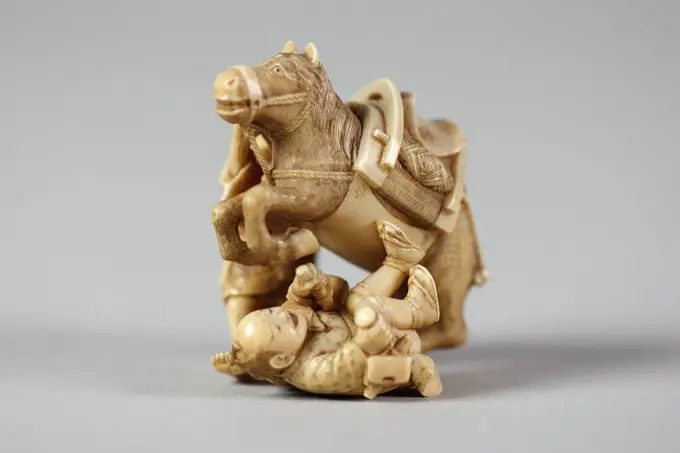
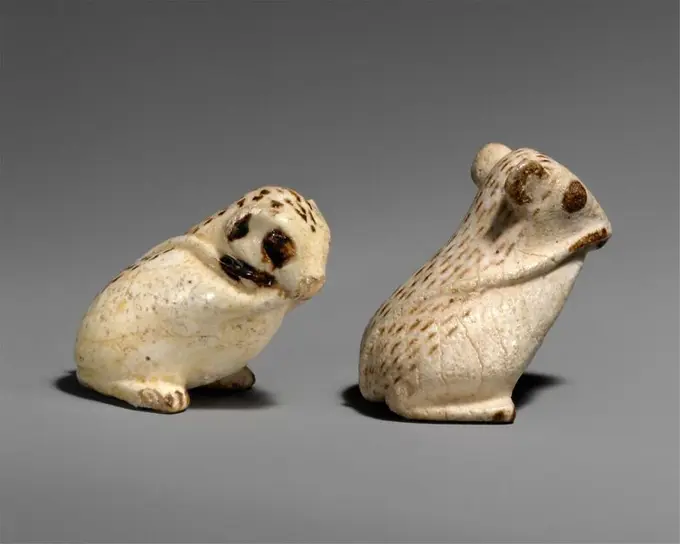
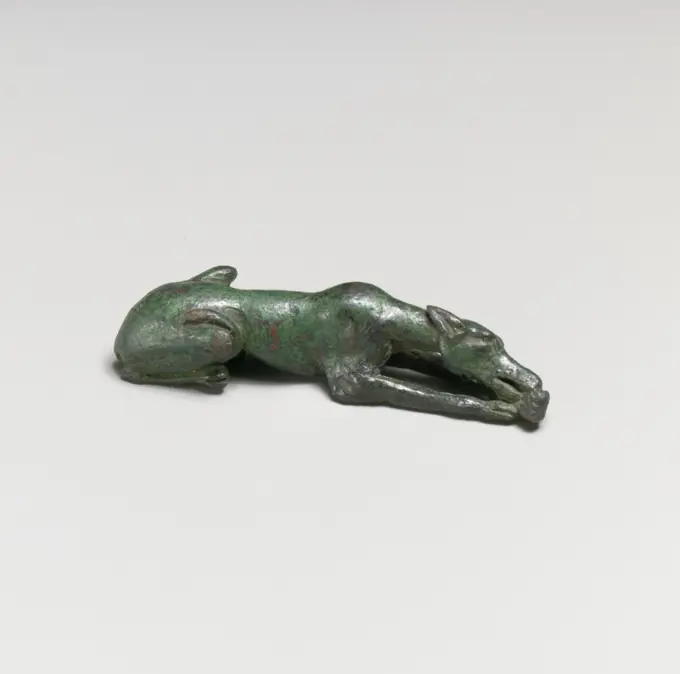
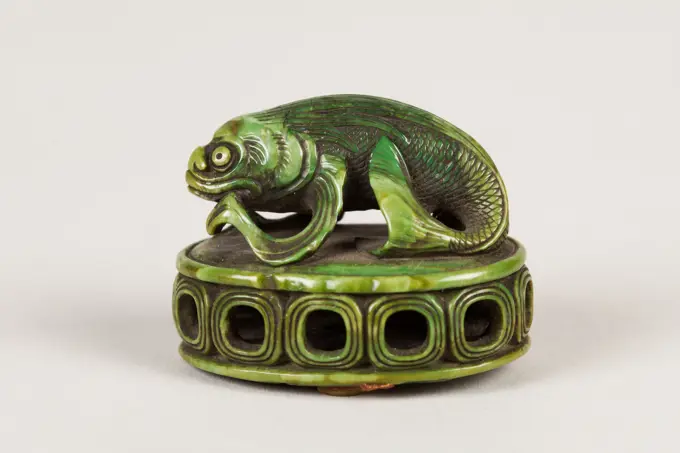
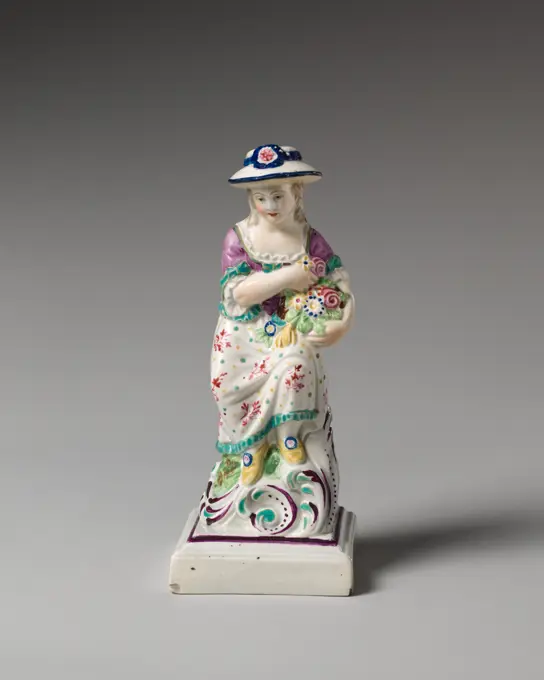
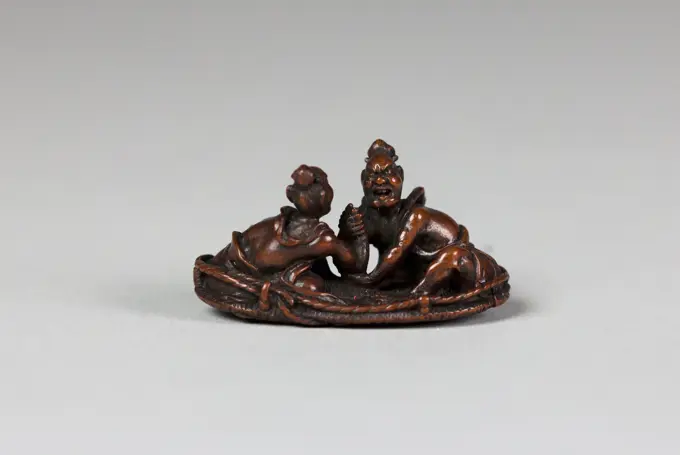
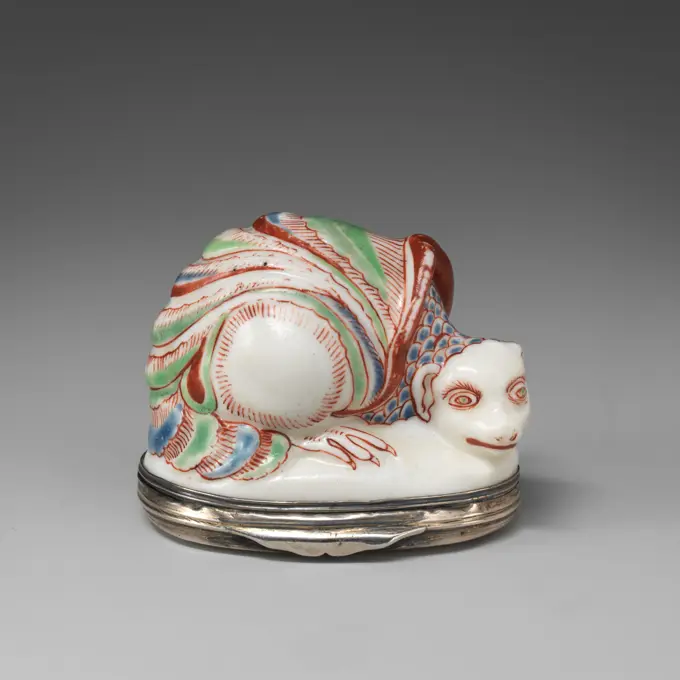
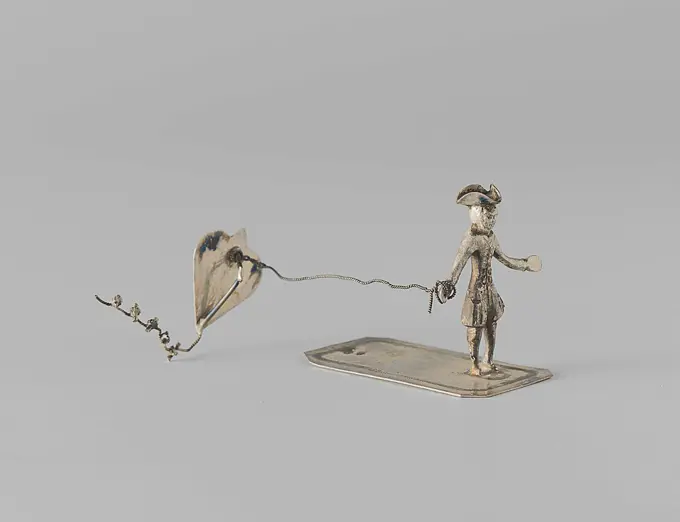
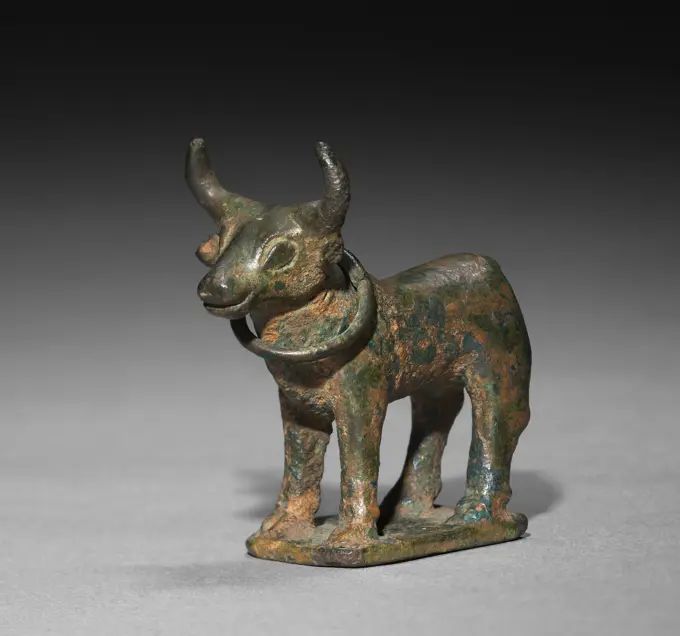
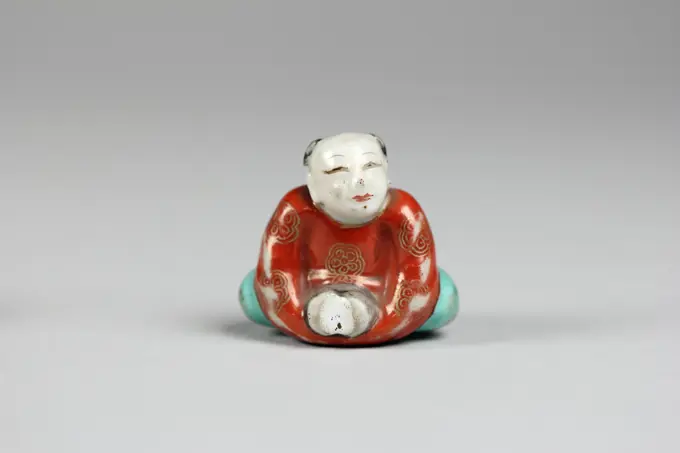
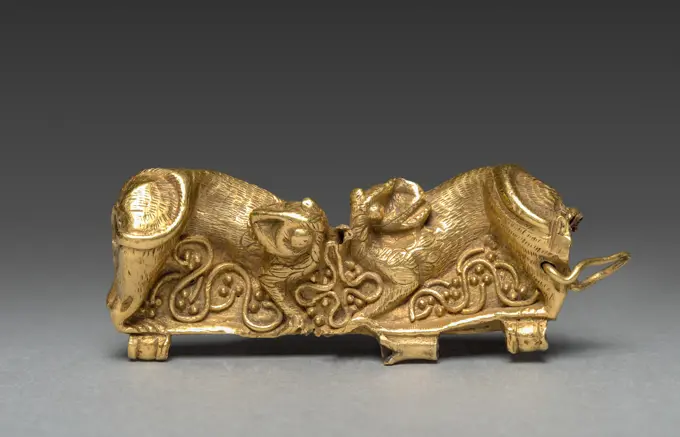
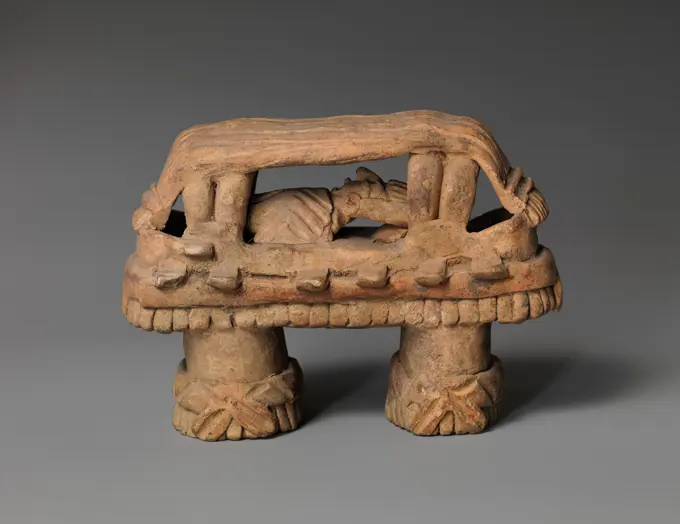
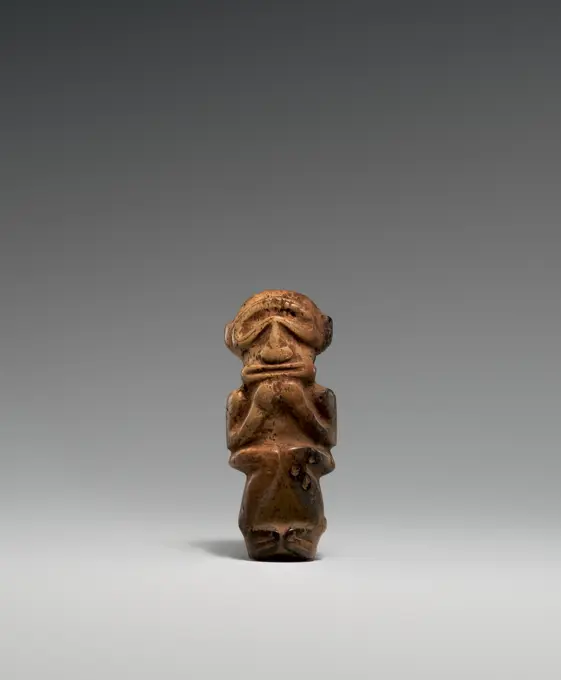
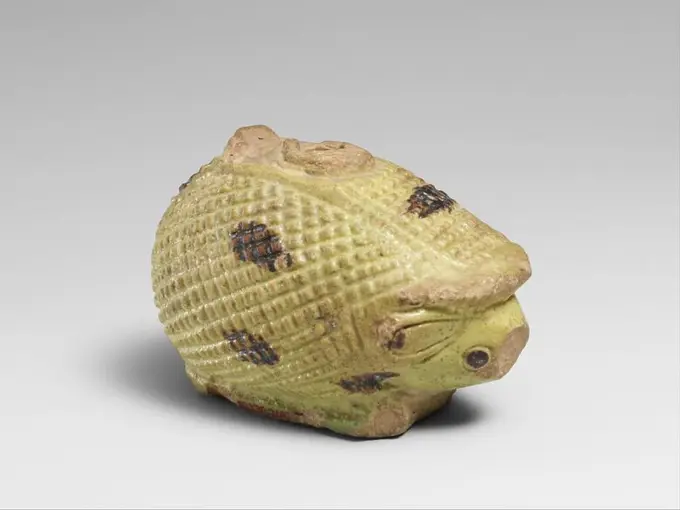
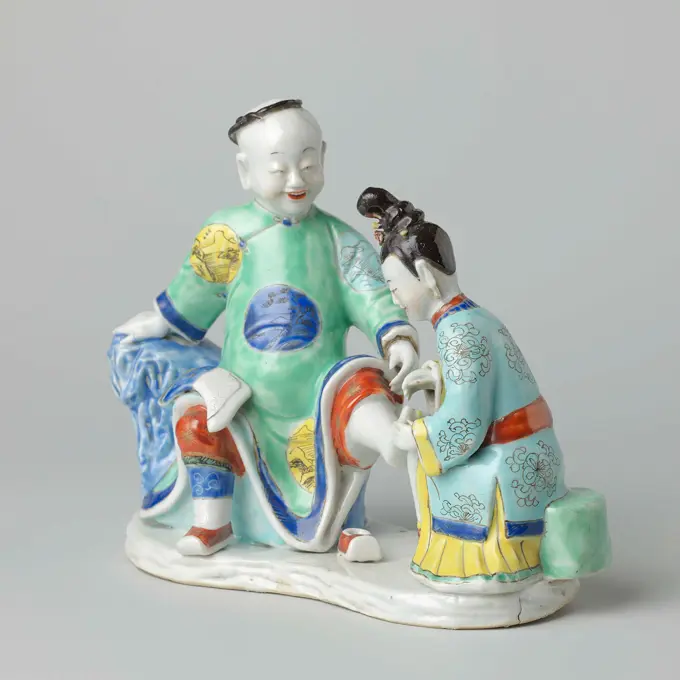
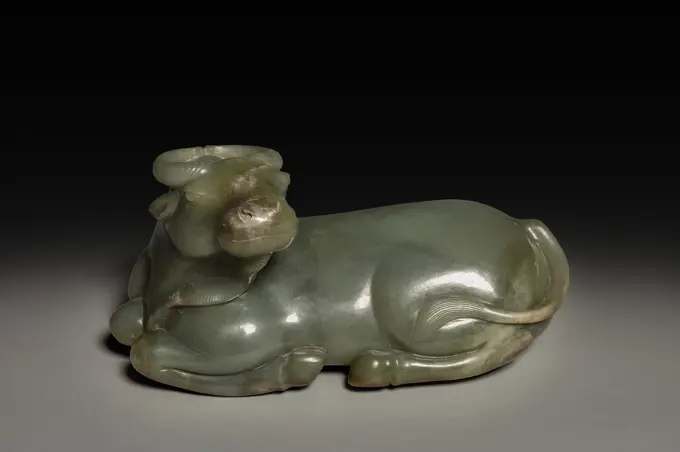
Reclining Water Buffalo, 1644-1911. China, Qing dynasty (1644-1911). Jade; overall: 21 cm (8 1/4 in.).Toby Jug 1849-58 Designed by Daniel Greatbatch British. Toby Jug. American. 1849-58. Mottled brown earthenware. Made in Bennington, Vermont, United StatesTaweret. Dimensions: H. 4.1 cm (1 5/8 in.); W. 1.5 cm (9/16 in.); D. 1.7 cm (11/16 in.). Date: 664-30 B.C..The goddess Taweret has the body of a standing pregnant hippopotamus, the limbs and paws of a lion, and the tail of a crocodile down her back, characteristics fitting her fierce protectiveness in the aid of the vulnerable. The stone of this example is quite possibly hematite which was popular for certain amulets including Taweret in the late periods. Because the stone is quite hard, the forms are very simplified - the crocodile tail is only indicated by seams at the sides along the length of her figure below her wig, her crown base (modius) is reduced to a kind of domed cap, and her paws are paraticularly undefined. A hole pierces the statuette from side to side behind her head. Museum: Metropolitan Museum of Art, New York, USA.Netsuke 19th century Japan. Netsuke 59760Bird -shaped roof ornament. Terracotta. Cernuschi Museum, Asia Museum of Asia in the city of Paris.Crouching Cat Figurine 664-380 B.C. Late Period. Crouching Cat Figurine 544119Netsuke monkey and turtle, 19th century, Unknown Japanese, 1 1/16 x 7/8 x 1 1/8in. (2.7 x 2.2 x 2.9cm), Wood, Japan, 19th centuryAnimal Pendant, 1900s. Western Sudan, Burkina Faso, Tusyan, 20th century. Copper alloy; overall: 6.4 cm (2 1/2 in.).Phoenix with a dragon and per  on the base;  18th century (1701-00-00-1800-00-00);Top of a bridge pin 2nd-1st century B.C. China. Top of a bridge pin 49536Duck holding a fish. Bronze. Japan. Paris, Cernuschi museum. Animal, Japanese art, bronze, duck, fish, hold, animalFigure (Japan); ivoryNetsuke 18th century Japan. Netsuke. Japan. 18th century. Wood. Edo period (1615-1868). NetsukeVase, 1644-1911. China, Qing dynasty (1644-1911). Glass; overall: 10.2 cm (4 in.).Dog. Naitō Toyomasa (Japan, 1773-1856). Japan, first half of 19th century. Costumes; Accessories. Wood with inlaysReindeer, 1000-1532. Peru, Ica Valley. Silver; overall: 4.8 x 3 x 4.6 cm (1 7/8 x 1 3/16 x 1 13/16 in.).. Image of stoneware in the shape of a duck and painted in blue and brown. Marked with monogrammed artist and dated.Netsuke 19th century Japan. Netsuke. Japan. 19th century. Wood. Edo (1615-1868) or Meiji period (1868-1912). NetsukeBird-Shaped Water Dropper 1140-1160 Korea. Celadon-glazed stoneware with molded and incised decoration .Netsuke of Monkey with Lotus Leaf Hat 19th century Japan. Netsuke of Monkey with Lotus Leaf Hat. Japan. 19th century. Ivory. Edo (1615-1868) or Meiji period (1868-1912). NetsukeSeated animal-faced woman, 19th century, Unknown Japanese, 1 13/16 x 1 1/16 x 1 1/16in. (4.6 x 2.7 x 2.7cm), Wood, lacquer, Japan, 19th centuryStatuette lying. Bronze. China. Paris, Cernuschi museum. 70003-14 Chinese art, bronze, bedtime, flower, man, base, statuetteAnimals of Cardinal Directions: Snake encircling Tortoise, Dragon and Tiger under Wings of a Phoenix. Masatami (Japan, circa 1850-1890). Japan, mid-19th century. Costumes; Accessories. Wood with inlaysGolden -shaped roof ornament. Orange terracotta. Cernuschi Museum, Asia Museum of Asia in the city of Paris.Netuske of Eagle Carrying Away a Small Monkey. Culture: Japan. Dimensions: H. 1 1/8 in. (2.9 cm); W. 1 3/4 in. (4.4 cm); D. 1 1/2 in. (3.8 cm). Date: 19th century. Museum: Metropolitan Museum of Art, New York, USA.Netsuke of the Fowl on the Drum of the Wise Emperor 19th century Japan. Netsuke of the Fowl on the Drum of the Wise Emperor. Japan. 19th century. Ivory. Edo (1615-1868) or Meiji period (1868-1912). Netsuke. Men's figure of faience. Painted blue.Faience amulet in the form of a tree frog ca. 3rd-1st century B.C. Egyptian, Ptolemaic Amulets representing animals were attributed to a deity: a hawk for Ra, the Sun God, a lion for Sakhmi, the War Goddess, a ram for Khnum and a cat for Bast.. Faience amulet in the form of a tree frog 243774Bamboo tea scoop in the shape of a cicada Hayakawa Shkosai I  Japanese 1891 This signed bamboo tea scoop was made by Hayakawa Shkosai I for sencha tea. It is dated 1891, and signed by Shkosai at the age of 76. The tea scoop (charyo) is used to take out tea leaves from a larger tea jar, measure the amount, and put the leaves into the small ceramic tea pot. Most charyo are made of bamboo, but they can be made of wood, ivory, or semi-precious stones as well. Most of them have a simple, half-cylinder shape, but Shkosai playfully converted the scoop into a small “sculpture” representing a cicada. In ancient China, carved jade cicadas were placed on the tongues of the dead before burial, evoking transcendence and eternal life. In Japan, cicadas also represent longevity and are associated with summer.In contrast to wabi-cha, for which matcha is whipped with hot water in a teabowl, in the sencha tea ceremony high-quality loose green tea leaves (typically gyokuro, the most expensive Incense burner in the shape of a rabbit, late 18th-early 19th century, Murata Seimin, Japanese, 1761 - 1837, 3 13/16 × 4 9/16 × 4 7/16 in. (9.68 × 11.59 × 11.27 cm), Bronze, Japan, 18th-19th centuryDoor handle in the form of a jumping Hinde, Lambertus Zijl, c. 1900 - c. 1910 Model for a door handle of walnut in the form of a jumping hinden. Model of the door handles for the interiors of C.A. Lion Cachet for Th. G. Dentz van Schaik, Frederiksplein 50 in Amsterdam. Netherlands walnut (hardwood) Model for a door handle of walnut in the form of a jumping hinden. Model of the door handles for the interiors of C.A. Lion Cachet for Th. G. Dentz van Schaik, Frederiksplein 50 in Amsterdam. Netherlands walnut (hardwood)Baku: Monster that Eats Nightmares. Japan, 18th century. Costumes; Accessories. WoodOrnament 12th century. Ornament 452820TORO DE BRONCE DE TORRALBA D'EN SALORT. HIERRO ESCULTURA. (DEPOSITO: MUSEO ARQUEOLOGICO NACIONAL).Lion and Two Monkeys' mechanical bank, c. 1883, Kyser & Rex Company, Philadelphia, c. 1879-1898, 9 1/4 x 9 1/16 x 3 1/2 in. (23.5 x 23.02 x 8.89 cm), Iron, brass, pigment, 19th centuryOwl on a Frog ca. 1620 Austrian, Innsbruck. Owl on a Frog 207026Chess piece on white background. Chess piece on whiteGeminated vessel depicting ducks. Ceramic. Colima style. Early-Middle Classic Period (100-700 AD). Western Mexico. Museum of the Americas. Madrid, Spain. Netsuke of Lion 19th century Japan. Netsuke of Lion. Japan. 19th century. Ivory. Edo (1615-1868) or Meiji period (1868-1912). NetsukeNetsuke of Beaver in Lotus Pond 18th century Japan. Netsuke of Beaver in Lotus Pond 60279Chinese Carved Brush Pot,  Qing Dynasty, 18th centuryNetsuke of Phoenix on a Pedestal 19th century Japan. Netsuke of Phoenix on a Pedestal. Japan. 19th century. Ivory. Edo (1615-1868) or Meiji period (1868-1912). NetsukeGlass snake-thread flask shaped like a mouse 3rd century A.D. Roman Translucent cobalt blue, with same color added head, ears, eyes, feet, and snake-thread decoration.Rounded and thickened rim; funnel-shaped, elongated neck with tooling marks around base; misshapen piriform body, with separate large blob of glass (solid) applied to rounded bottom of body.The neck has been turned upwards to appear like the mouse’s tail; added to the body of the vessel to create the animal are four separate tooled trails for the feet and for the head a large blob that has been drawn out to make a pointed nose; ears and eyes have also been added to the head; the body is further decorated with snake-thread trails, all flattened and notched, in the form of two long-necked, thin-legged birds, one on the animal’s back, the other on his belly between his feet, interspersed with foliage comprising tendrils and ivy leaves; a plain spiral trail is wound twice around the lower part of the neck.Broken and repairedDuck. Blue covered sandstone with turquoise reflection, rock, brown covered. Paris, Cernuschi museum. 78841-10 Asian art, ancient ceramic, covered, email, glacure, Chinese pottery, terracotta emaillee, animal, natureFox Ornament 6th-7th century Moche (Loma Negra). Fox Ornament 313470Brush rest in the form of a pair of cranes on a tree trunk, anonymous, 960 - 1279  China porcelain vitrification  China porcelain vitrificationKappa and toad hand-wrestling on a leaf, second half 19th century, Suzuki Masanao, Japanese, 1815 - 1890, 1 1/2 in. (3.81 cm), Boxwood, Japan, 19th century, A netsuke is a toggle or end piece that anchors a braided silk cord to the cloth sash of a kimono, a garment once commonly worn by Japanese men. Because kimonos had no pockets, personal belongings such as money, tobacco, or medicines were carried in small pouches and decorative lacquered cases (inro) attached to a cord which was suspended from the kimono's sash. Netsuke served both a practical and decorative function. Most netsuke featured intricate designs carved from ivory or boxwood, an art form which developed over many centuries and continues to the present day.Terracotta askos in the form of a weasel. Culture: Greek, South Italian, Campanian. Dimensions: H. 4 7/8 in. (12.4 cm). Date: 4th century B.C..With keen observation, utmost economy, and masterful sensitivity, the Campanian artists have rendered a weasel and a boar as they sit in charmed submission. Museum: Metropolitan Museum of Art, New York, USA.Snuff Bottle, 1900-1935, 2 5/8 x 1 1/8in. (6.7 x 2.9cm)1/2 x 1 7/8 in. (1.27 x 4.76 cm) (Standard), Coral, ChinaFeline Pendant, 1000-1550. Isthmian Region, Panama-Costa Rica, Veraguas-Chiriquí style, 11th century-16th century. Gold, cast; overall: 3.4 x 3 cm (1 5/16 x 1 3/16 in.). This memorable jaguar pendant is a nasty preciousnasty because it holds a severed limb (probably human) in its fanged mouth but precious due to its material, its well-polished silky surface, and the charming rendering, which reduces the jaguar to cartoon-like essentials. The warm, rosy color is the result of copper in the alloy.Miniature seal ca. 1750-55 Saint James's Factory. Miniature seal. British, London. ca. 1750-55. Soft-paste porcelain. Ceramics-PorcelainFigure of a Standing Man. Culture: China. Dimensions: H. 3 1/4 in. (8.3 cm); W. 1 1/4 in. (3.2 cm); D. 1 1/4 in. (3.2 cm). Museum: Metropolitan Museum of Art, New York, USA.Man with fish still bank, 20th century, 3 1/4 x 2 3/16 x 2 in. (8.26 x 5.56 x 5.08 cm), Metal, pigment, Japan, 20th centuryOrnament in the shape of an archaic jade disk 18th century China. Ornament in the shape of an archaic jade disk 43246Lion playing with a ball. Terracotta with black coating. Paris, Cernuschi museum. 78844-10 Asian art, ancient ceramic, covered, email, glacure, Chinese pottery, terracotta emaillee, animal, natureNetsuke of Rat on a Bale of Rice mid-19th century Japan. Netsuke of Rat on a Bale of Rice. Japan. mid-19th century. Wood. Edo period (1615-1868). NetsukeVessel in the shape of a kneeling ram ca. 4th century China. Vessel in the shape of a kneeling ram 42348Statuette of a Dead Youth. UnknownStylized Owl. Japan, 19th century. Costumes; Accessories. Jet or peat with inlaysNetsuke of Crouching Figure of a Skeleton. Culture: Japan. Dimensions: H. 2 5/8 in. (6.7 cm); W. 1 1/8 in. (2.9 cm). Date: 19th century. Museum: Metropolitan Museum of Art, New York, USA.Marichi, the Goddess of Dawn, with Seven Pigs 11th-12th century India (Bihar). Marichi, the Goddess of Dawn, with Seven Pigs. India (Bihar). 11th-12th century. Bronze with silver inlay. Pala period. SculptureSnuff Bottle with Poisonous Animals 19th century China. Snuff Bottle with Poisonous Animals 41158Incense Burner 19th century Japan. Incense Burner. Japan. 19th century. Clay covered with a transparent glaze clouded with white (Kiyomizu ware). Edo (1615-1868) or Meiji period (1868-1912). CeramicsNetsuke of Group of Animals 19th century Japan. Netsuke of Group of Animals. Japan. 19th century. Ivory. Edo (1615-1868) or Meiji period (1868-1912). NetsukeForepart of a bronze winged horse late 5th-early 4th century B.C. Greek This statuette can probably be identified the winged horse Pegasos, who was a favorite subject among Greek artists. The small size of the figure suggests that it may have been a votive dedication, or an attachment for a bronze vessel. Greek craftsmen were expert at incorporating animal forms into the design of elaborate bronze vessels.. Forepart of a bronze winged horse. Greek. late 5th-early 4th century B.C.. Bronze. BronzesMiniature seal in the form of Cupid disguised as a barrister ca. 1770 Derby Porcelain Manufactory. Miniature seal in the form of Cupid disguised as a barrister. British, Chelsea-Derby. ca. 1770. Soft-paste porcelain. Ceramics-PorcelainSeal amulet in the shape of hedgehog 664-380 B.C. Late Period. Seal amulet in the shape of hedgehog. 664-380 B.C.. Faience. Late Period. From Egypt. Dynasty 26-29Roof tile, 18th-19th century, 10 x 4 7/8 x 9 in. (25.4 x 12.4 x 22.86 cm), Pottery, China, 18th-19th centuryFigurine. China, Han dynasty. Sculpture. Lead, castTaweret statuette. Dimensions: H. 5.6 × W. 3.3 × D. 2.9 cm (2 3/16 × 1 5/16 × 1 1/8 in.). Dynasty: Dynasty 27-30. Date: 525-332 B.C.. Museum: Metropolitan Museum of Art, New York, USA.Parrot on a rock, anonymous, c. 1700 - c. 1724 Parrot on a pedestal in the form of an openwork rock of porcelain, painted on the biscuit in blue, red, green, eggplant and black. The red color on the beak and legs is worn. Email sur Biscuit. China porcelain. glaze. painting / vitrification Parrot on a pedestal in the form of an openwork rock of porcelain, painted on the biscuit in blue, red, green, eggplant and black. The red color on the beak and legs is worn. Email sur Biscuit. China porcelain. glaze. painting / vitrificationChariot Yoke Ornament in the Shape of a Recumbent Doe 5th-4th century B.C. Northwest China and southwestern Inner Mongolia. Chariot Yoke Ornament in the Shape of a Recumbent Doe 59480Finial in the Shape of Kulan 4th century B.C. Northwest China and southwestern Inner Mongolia. Finial in the Shape of Kulan. Northwest China and southwestern Inner Mongolia. 4th century B.C.. Tinned bronze. MetalworkKilin. Bronze. Japan. XVIII-XIXth century. Paris, Cernuschi museum. Animalier, Japanese art, Chinese bestiary, bronze, kilin, Japanese object, 19th 19th 19th 19th 19th 19th 19th century, 18th 18th 18th 18th 18th 18th 18 century, animalNetsuke of Horse and Two Men. Culture: Japan. Dimensions: H. 1 3/4 in. (4.4 cm); W. 1 3/4 in. (4.4 cm); D. 1 1/2 in. (3.8 cm). Date: 19th century. Museum: Metropolitan Museum of Art, New York, USA.Lion amulet with human head 1st millennium B.C.. Lion amulet with human head 326012Jerboa figurine. Dimensions: L. 4.8 cm (1 7/8 in.); W. 2.7 cm (1 1/16 in.); H. 3.6 cm (1 7/16 in.). Dynasty: Dynasty 12-13. Date: ca. 1850-1640 B.C..Already in the Early Dynastic Period, Egyptians deposited faience figurines of wild animals in temple precincts. These figurines were reintroduced in the Twelfth Dynasty, but as a component of burial equipment and with new species added to the repertoire. The controlled representation of desert animals may have assured the Egyptians of eternal safety, though they also likely had symbolic meanings. Museum: Metropolitan Museum of Art, New York, USA.Bronze statuette of a hound gnawing a bone 3rd-2nd century B.C. Greek Hound crouching and gnawing an object held in his paws.. Bronze statuette of a hound gnawing a bone 253516 Greek, Bronze statuette of a hound gnawing a bone, 3rd2nd century B.C., Bronze, length 3in. (7.6cm). The Metropolitan Museum of Art, New York. Fletcher Fund, 1936 (36.11.12)Netsuke of Fish on a Seal 19th century Japan. Netsuke of Fish on a Seal 59694Spring (part of a set of four) ca. 1780 Neale & Co. One of a set of four figures of children symbolizing four seasons (see 50.211.45-.48). Spring (part of a set of four). British, Hanley, Staffordshire. ca. 1780. Enameled earthenware. Ceramics-PotteryNetsuke of Two Figures Arm-Wrestling 19th century Japan. Netsuke of Two Figures Arm-Wrestling. Japan. 19th century. Wood. Edo (1615-1868) or Meiji period (1868-1912). NetsukeSnuffbox in the form of an armadillo ca. 1740-50 Saint-Cloud factory In the first half of the eighteenth century, Saint-Cloud produced a wide range of bagatelles, or trifles, in the form of soft-paste porcelain snuffboxes, pommels, cutlery, and cane handles. They were often decorated with exotic figures and landscapes inspired by Asian motifs. This unusual snuffbox depicts an armadillo. A mammal native to South America, armadillos featured in allegorical representations of America as early as the sixteenth century, (seen for example Adrien Collaerts depiction of America riding a giant armadillo 59.654.10). More than the anatomical accuracy of a naturalist, this smiling creature reflects the imagination of the porcelain modeler and the consumers fascination for the exotic.. Snuffbox in the form of an armadillo. French, Saint-Cloud. ca. 1740-50. Soft-paste porcelain with enamel decoration; silver mounts. Ceramics-PorcelainFlyer. On an elongated album there is a man with the rope of a kite above his head in his right hand. The man wears a stitch. Along the edge of the plate is a engraved zig-zag line. The image is marked with a sword and a master sign.Statuette of a Bull with Curved Horns, probably late 2nd millennium BC. Provenance uncertain, Probably late 2nd millennium BC. Bronze; overall: 6.1 x 2.9 x 6.4 cm (2 3/8 x 1 1/8 x 2 1/2 in.); with base: 7.4 x 2.9 x 6.4 cm (2 15/16 x 1 1/8 x 2 1/2 in.).Jade Ink Pot,  Qing Dynasty, 18th centuryNetsuke of Boy 19th century Japan. Netsuke of Boy 59619Prikslee, anonymous, c. 1750 - c. 1800 Man with stab, sitting on a puncture. The man has a puncture in both hands. The image is marked with an illegible brand and a dolphin. Netherlands silver (metal) Man with stab, sitting on a puncture. The man has a puncture in both hands. The image is marked with an illegible brand and a dolphin. Netherlands silver (metal)Mount (France), 19th century; bronzeRepoussé Gold Clasp, 1200s. Europe, 13th century. Repousé gold ; average: 7.7 cm (3 1/16 in.).Bed Figure 3rd century B.C.-A.D. 4th century Michoacan This figure features a modelled human figure complete with appliqued facial features, coiffure, and ear spools lying stretched out on a flat surface supported on four legs at the corners, hence the name bed figures. The figure appears to be strapped to the bed with a wide decorated band across the midsection. Across the top and bottom ends of the bed are arches, and an additional cover stretching over the top and bottom arches. The bed has modelled and incised decoration and remains of red and white pigment.. Bed Figure. Michoacan. 3rd century B.C.-A.D. 4th century. Ceramic. Mexico, Mesoamerica. Ceramics-SculptureFigure of an animal ca. 7th-8th century A.D. Sasanian or Islamic. Figure of an animal 322768Figurine of rooster on rock. unknown, craftsmanHanging Lamp with a Griffin's Head. Culture: Byzantine. Dimensions: Overall: 6 1/2 x 9 3/16 x 3 1/16 in. (16.5 x 23.3 x 7.7 cm)Chain length: 12 3/8 in. (31.4 cm). Date: 4th-6th century.This griffin, a mythical beast associated in the classical world with light and protection, was adapted for Christian use by placing on its side a variation of the Chi-Rho Christogram, the monogram for Christ's name. Museum: Metropolitan Museum of Art, New York, USA.Figure Pendant 13th-15th century Taíno This stone pendant, worn by Taíno leaders and healers, features a crouching anthropomorphic figure known as a zemí. Zemí (or cemí) is a term used by Taíno peoples, the diverse societies that inhabited the Antilles archipelago before European contact, that linguistically relates to a quality akin to sweetness. Zemí refers not to an object or image but to an immaterial, spiritual, and vital force pertaining to deities and ancestors. There are several known zemí identities recorded by the Spanish, some of which have been linked to archaeological images.. Figure Pendant. Taíno. 13th-15th century. Bone. Dominican Republic, Caribbean. Stone-OrnamentsSeated hound third quarter 18th century Chinese, Dehua, for European market. Seated hound. Chinese, Dehua, for European market. third quarter 18th century. Hard-paste porcelain. Ceramics-Porcelain-ExportTortoise, 1368-1644. China, Ming dynasty (1368-1644). Yellowish green jade with brown markings; overall: 6.1 cm (2 3/8 in.).Faience aryballos (oil bottle) in the form of a hedgehog. Culture: East Greek. Dimensions: Overall: 1 3/4 x 2 9/16 in. (4.4 x 6.5 cm). Date: 6th century B.C..Hedgehogs are among the most common forms of faience oil flasks. The center of production of these vases has traditionally been identified as Naucratis, a Greek trading colony on the Nile Delta, in Egypt. Museum: Metropolitan Museum of Art, New York, USA.Figure of A Chinese couple. Image of a chinese porcelain couple on a pedestal, painted on the glaze in blue, turquoise, red, green, yellow, black and gold. The man is sitting on a rock, the woman on a stool next to him. He has pulled his left shoe, which lies between the couple on the ground. His sock is on his right leg. The man is based with his bare foot on the left leg. Her dress has been raised above the knee, so that her bound foot is visible. Porcelain with email colors.Three chestnuts, late 19th century, Masano (of Ise), Chinese, 3/4 x 1 7/8 x 1 3/8 in. (1.91 x 4.76 x 3.49 cm), Wood, China, 19th centuryDoor knocker 19th century, after 16th century original British, after Italian, Venice original This electrotype is after a sixteenth-century original in the Botkine collection, St. Petersburg, at the time of reproduction. See also 83.18.216b, the plate or anvil belonging to this knocker.. Door knocker 186642