Cultural Figurines and Ceramics

A variety of figurative artworks and ceramics, featuring mythological and animal forms, showcasing artistry from different cultures and eras, rich in detail and historical relevance.

Netsuke monkey and turtle, 19th century, Unknown Japanese, 1 1/16 x 7/8 x 1 1/8in. (2.7 x 2.2 x 2.9cm), Wood, Japan, 19th century
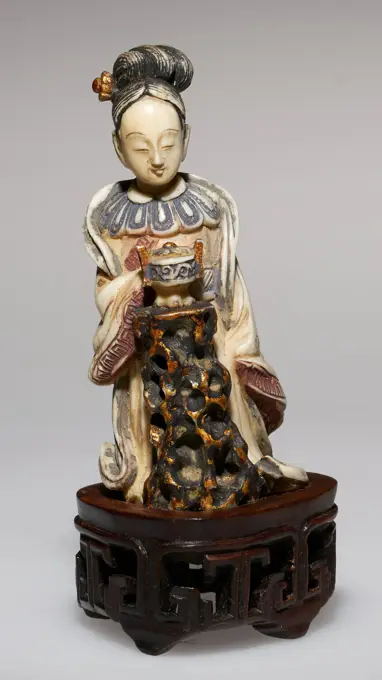
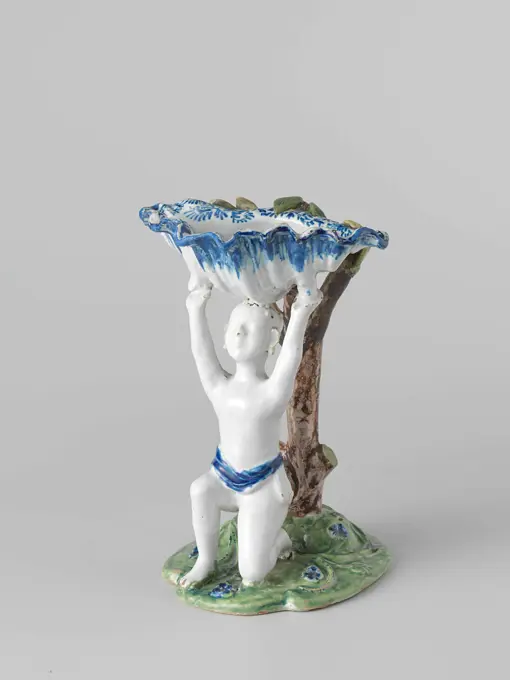
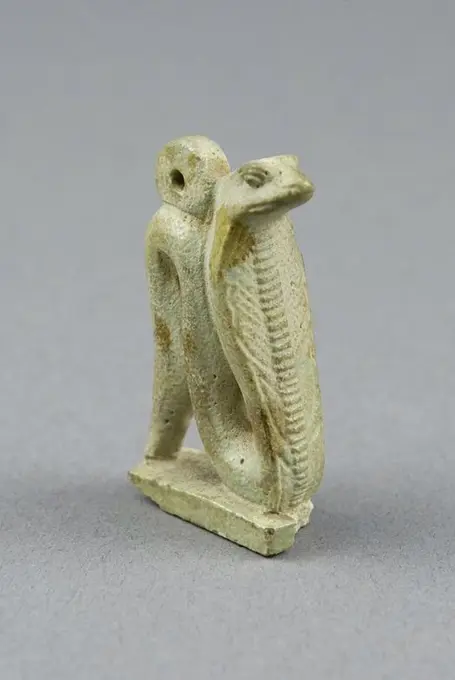
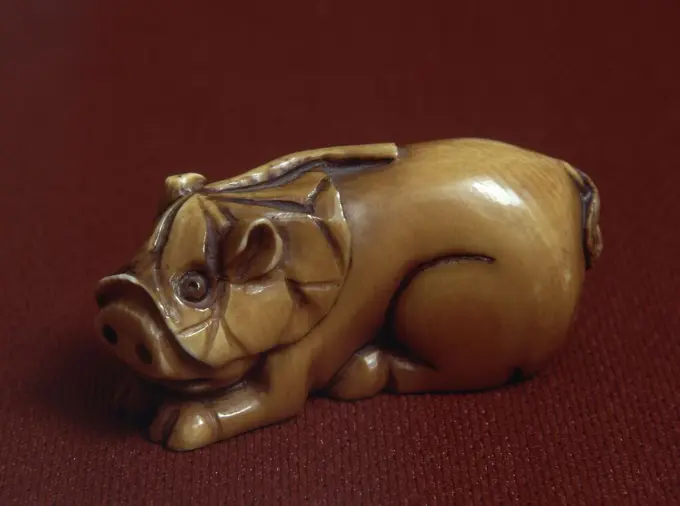
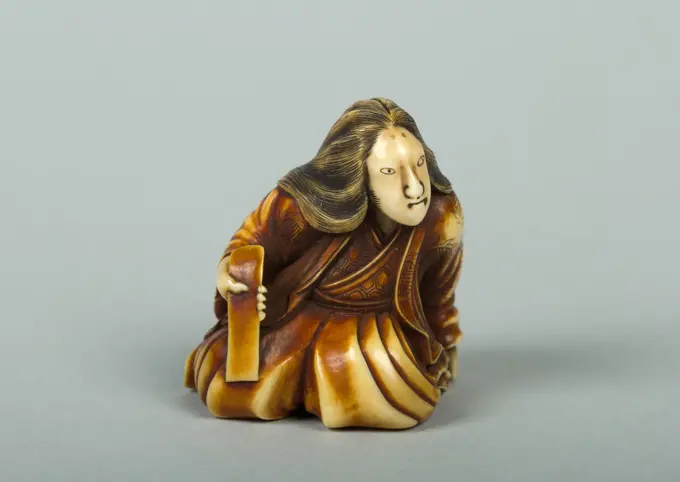
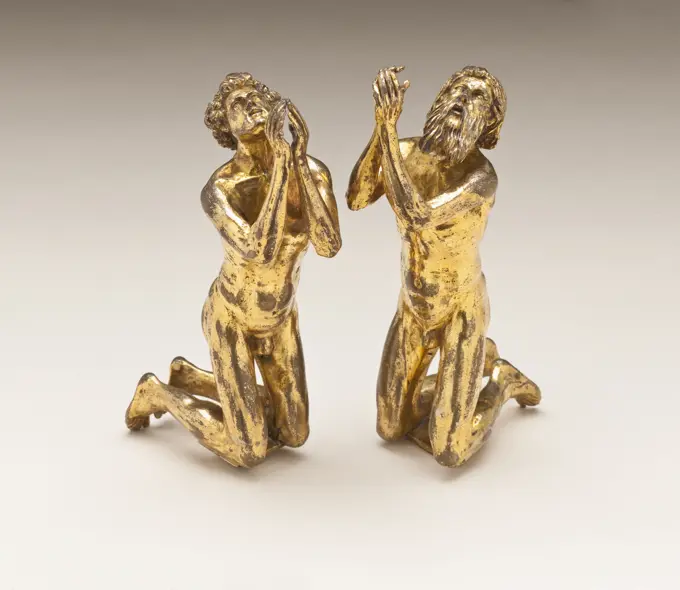
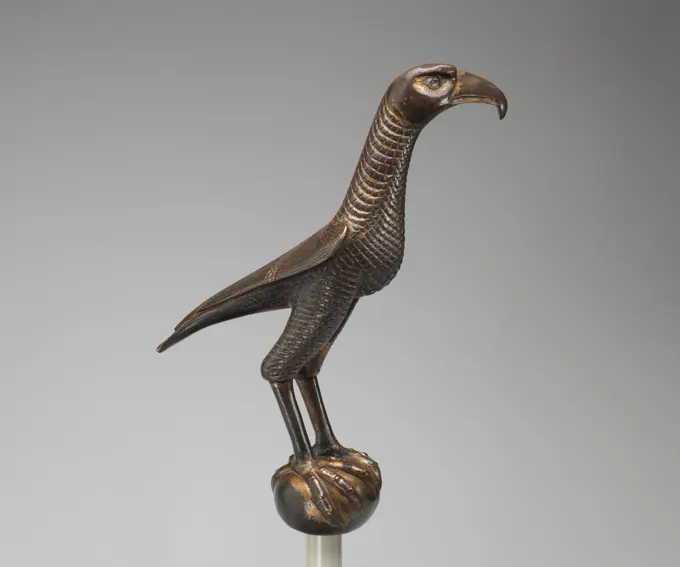
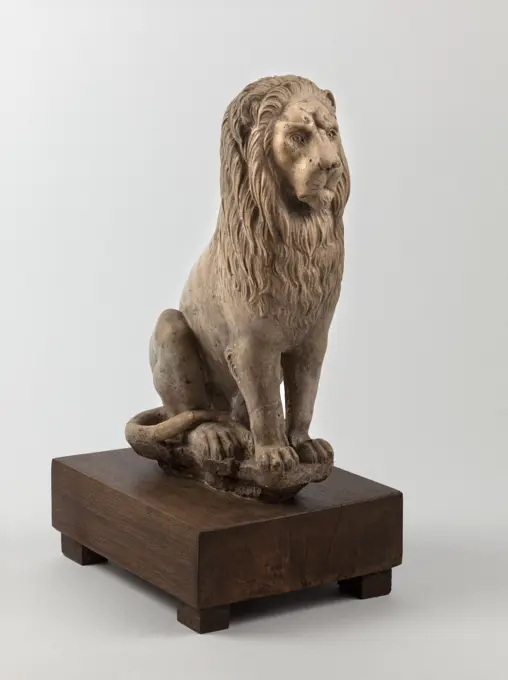
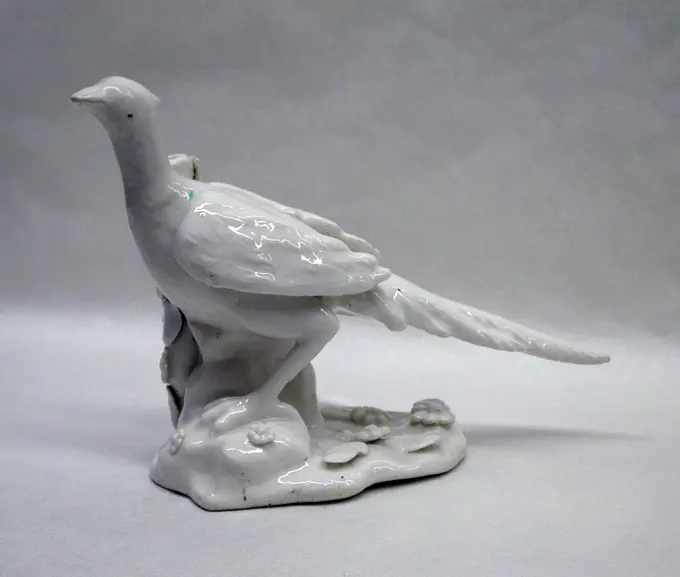
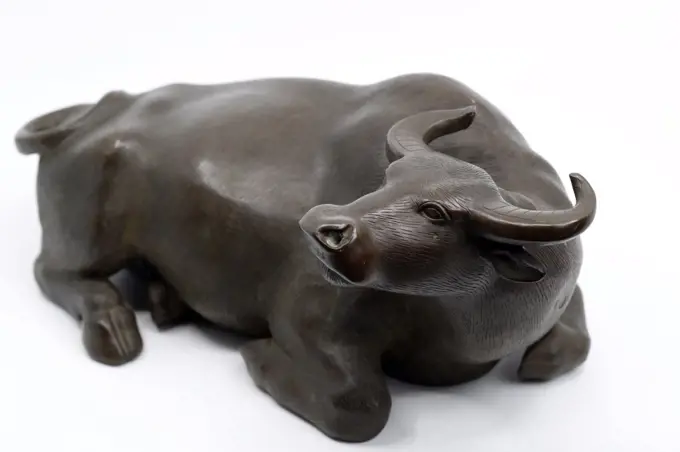
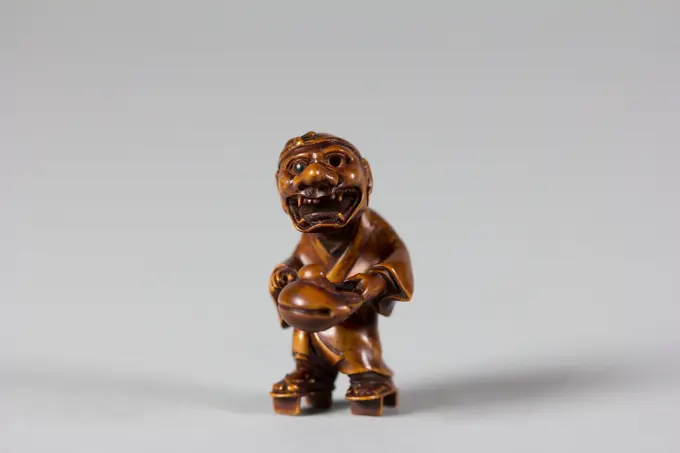
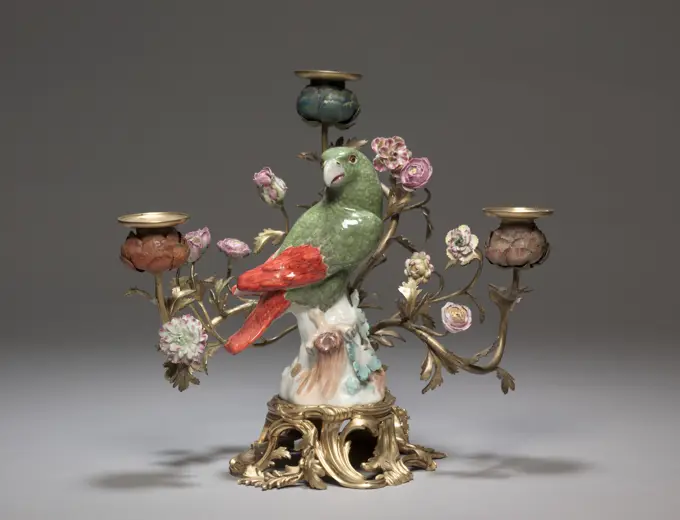
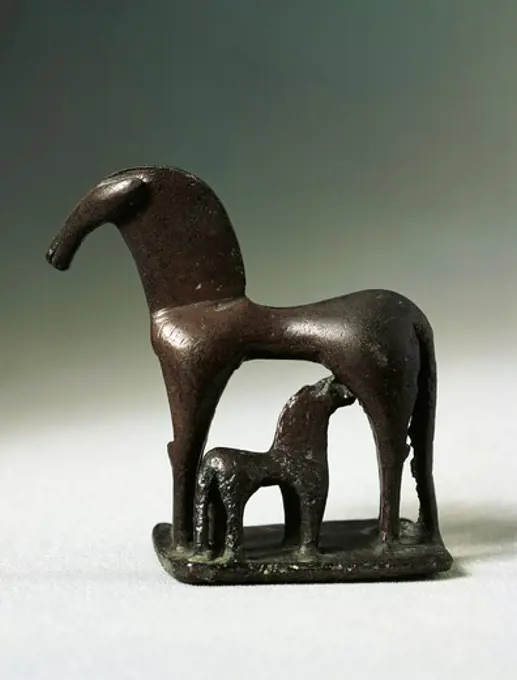
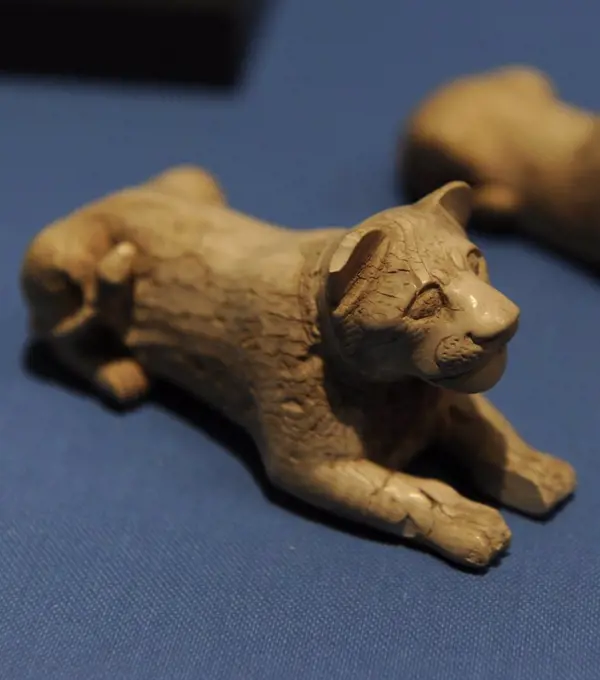
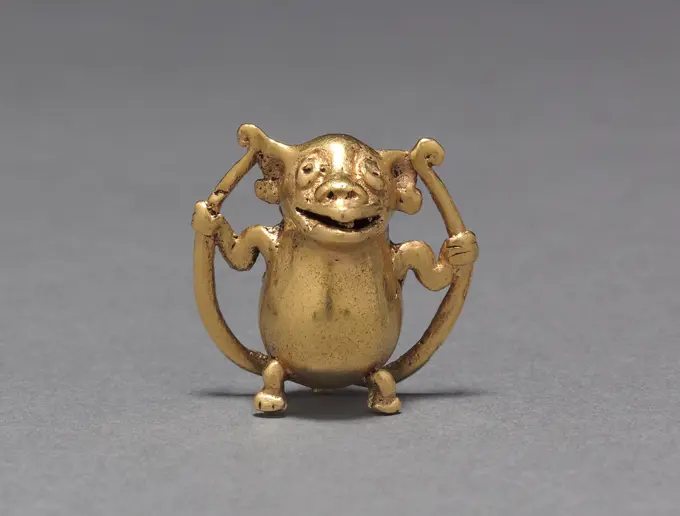
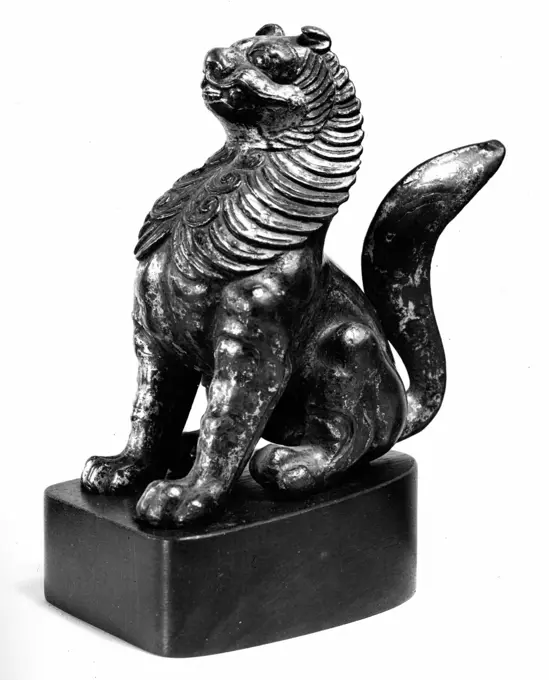
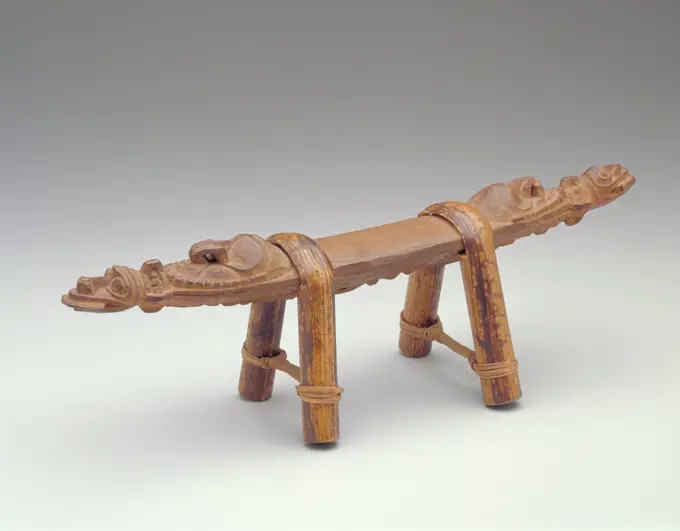
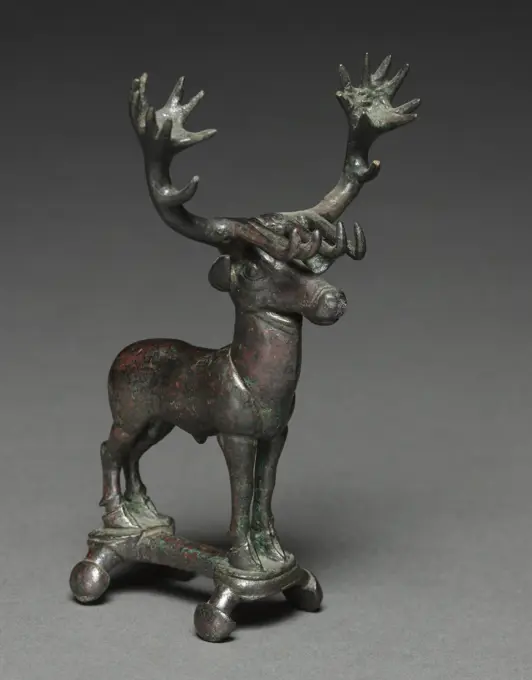
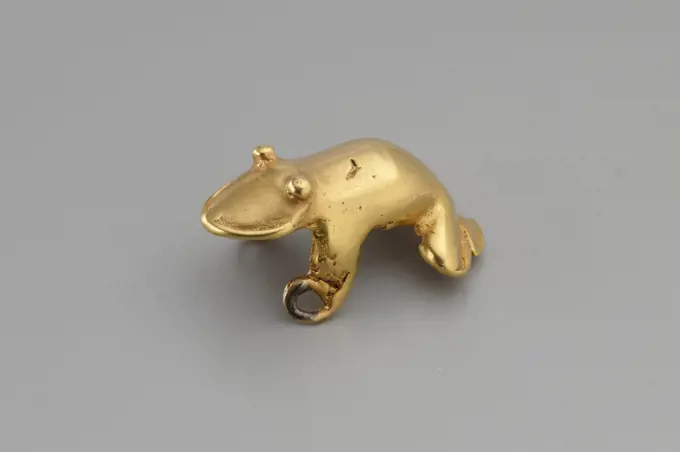
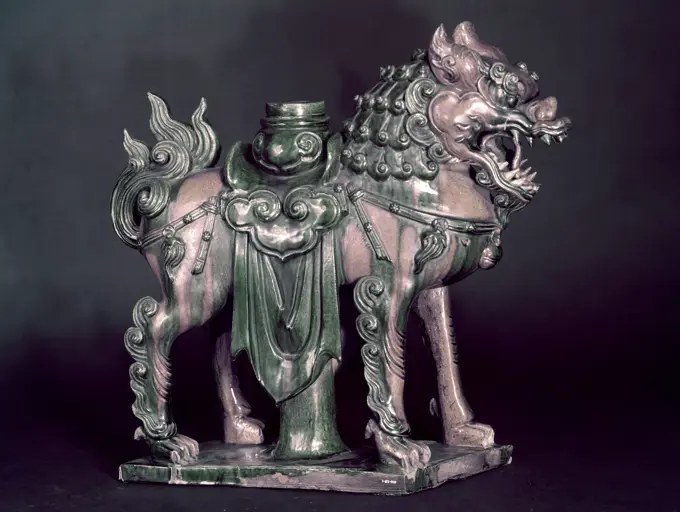
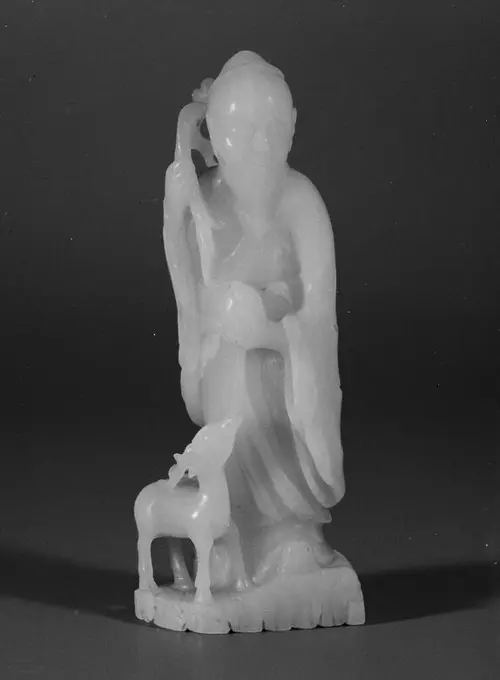
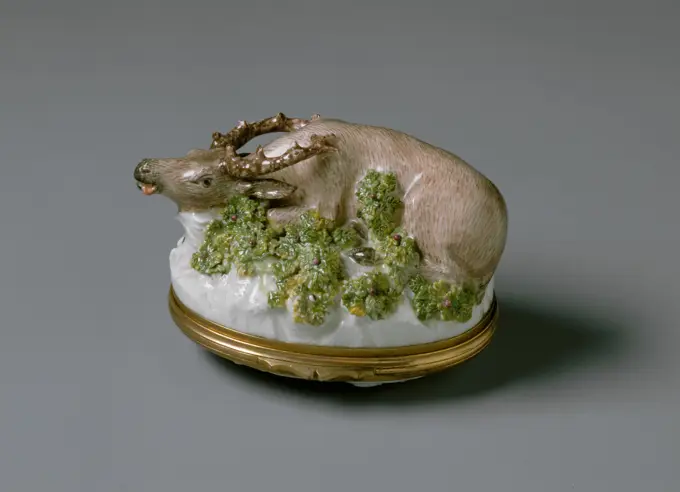
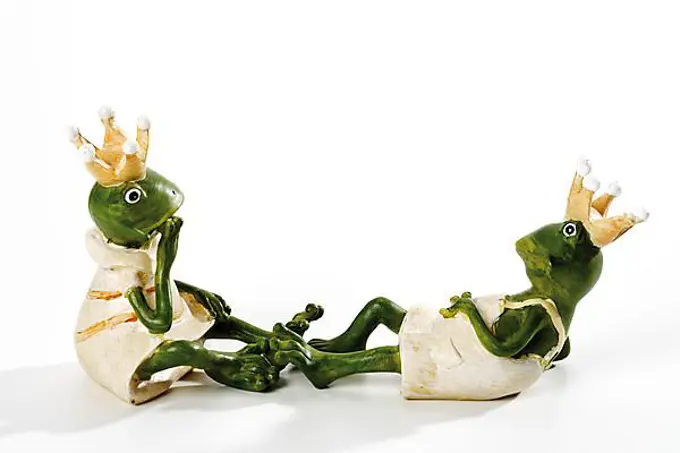
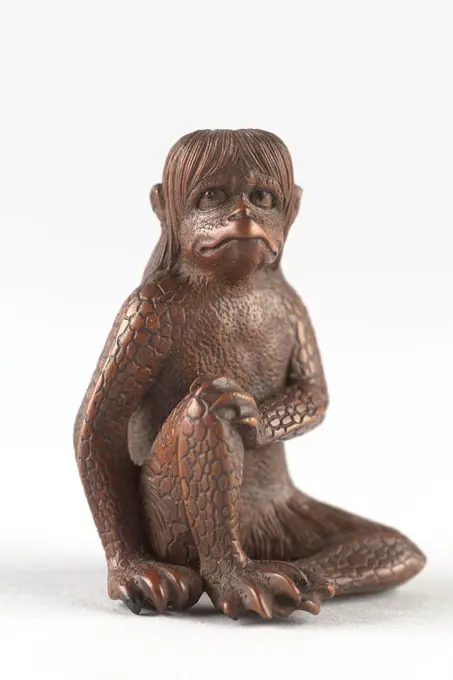
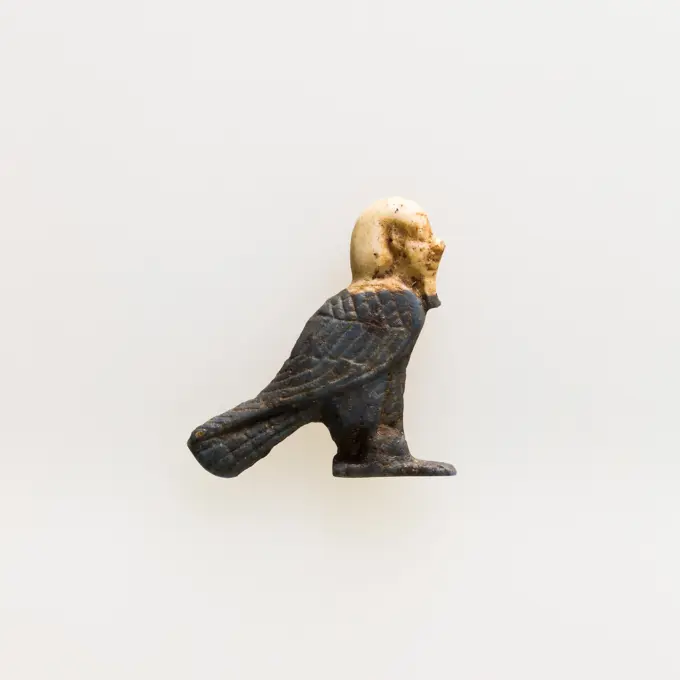
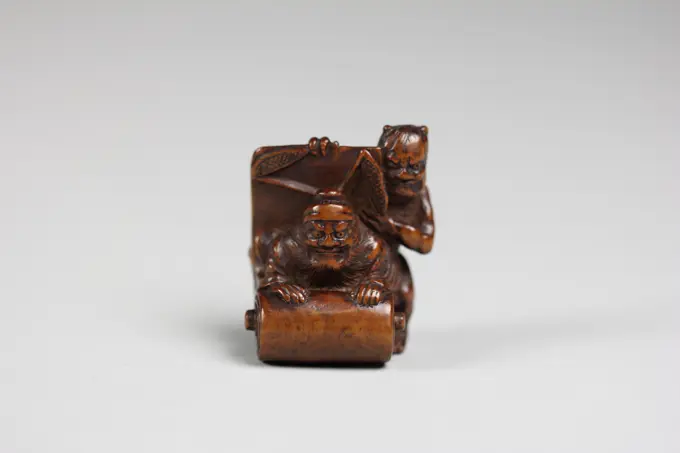
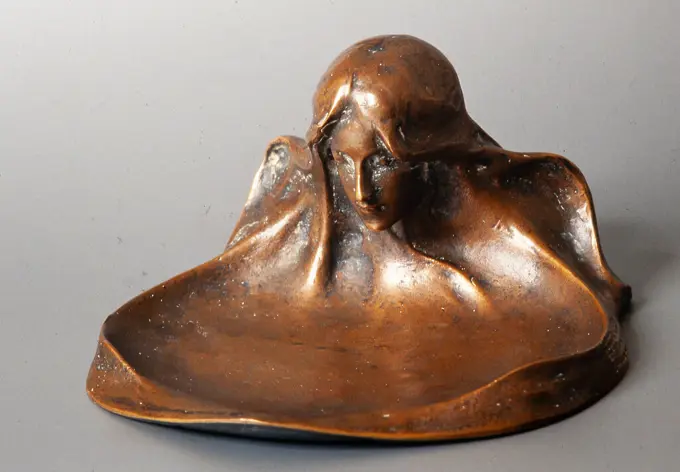
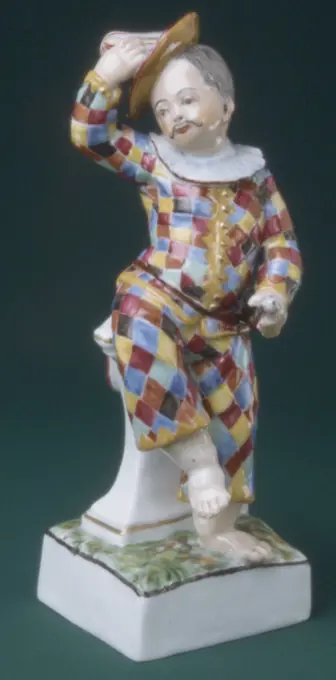
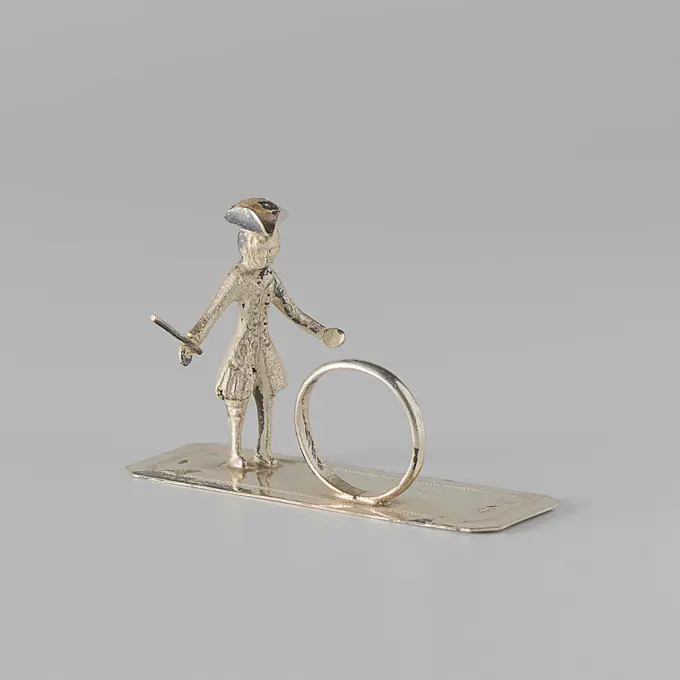
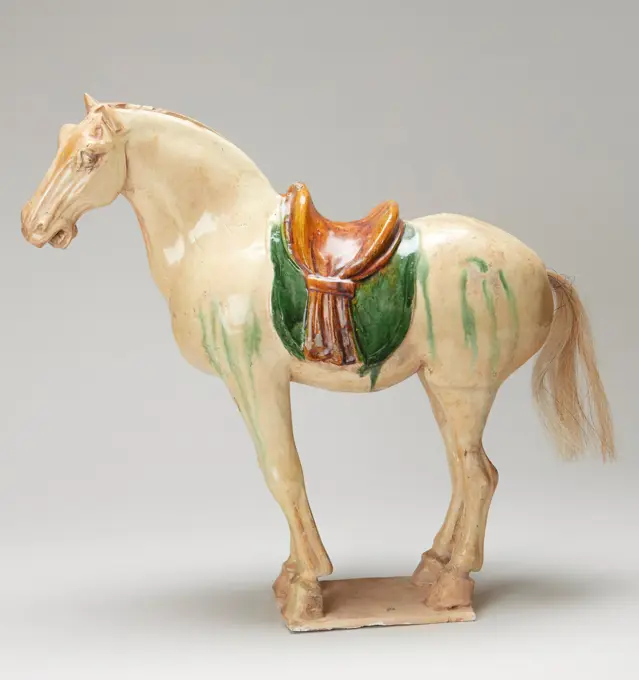
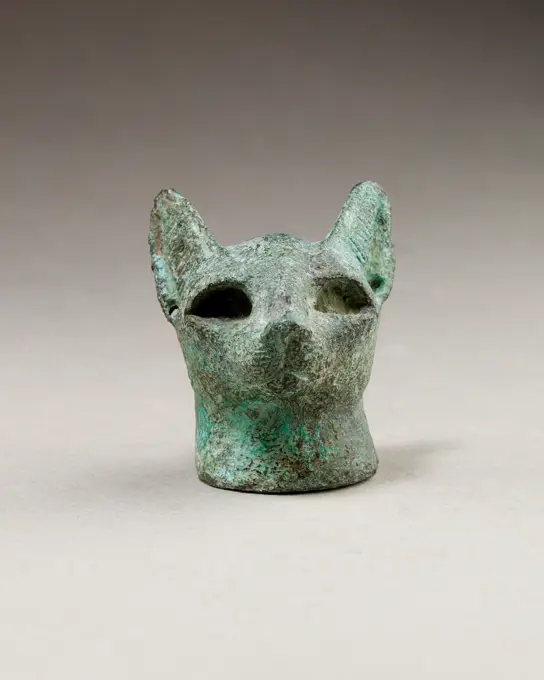
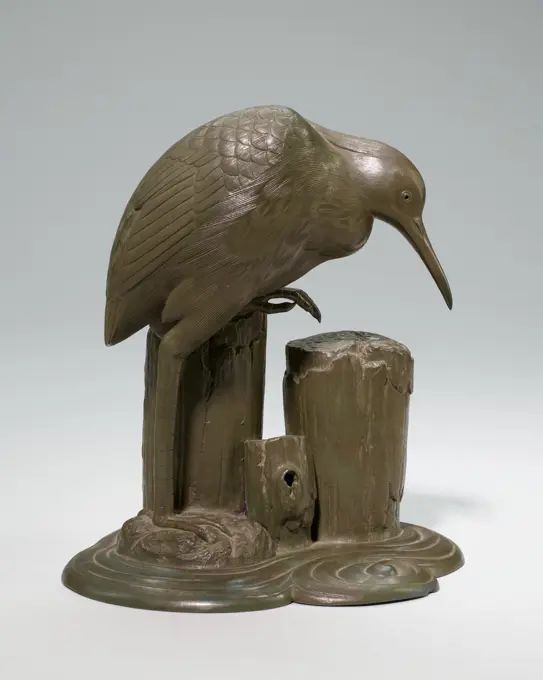
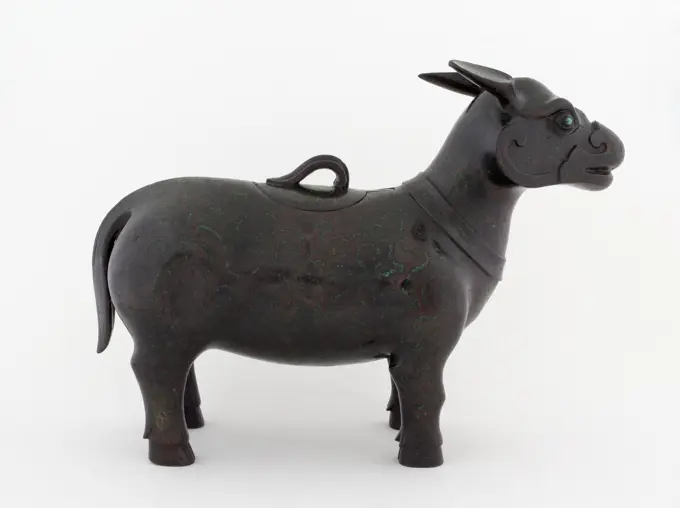
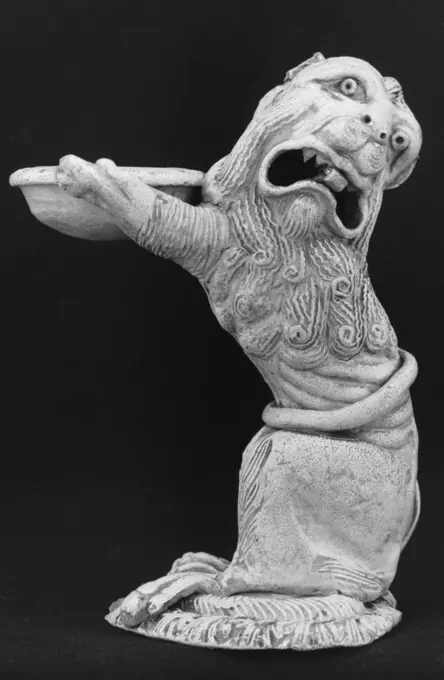
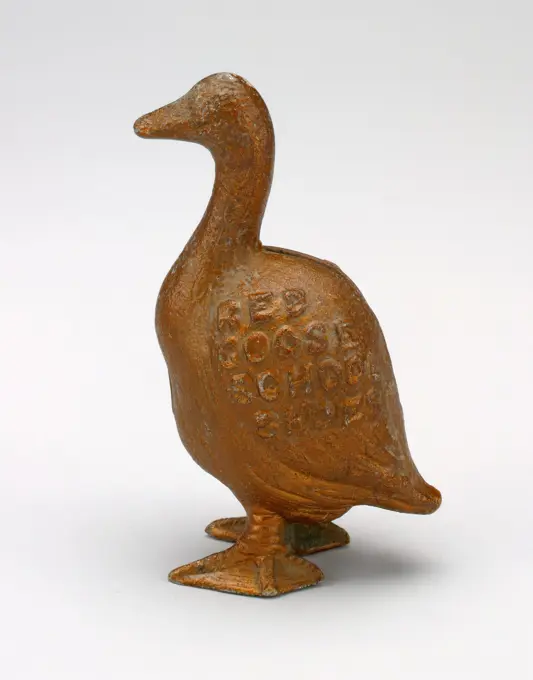
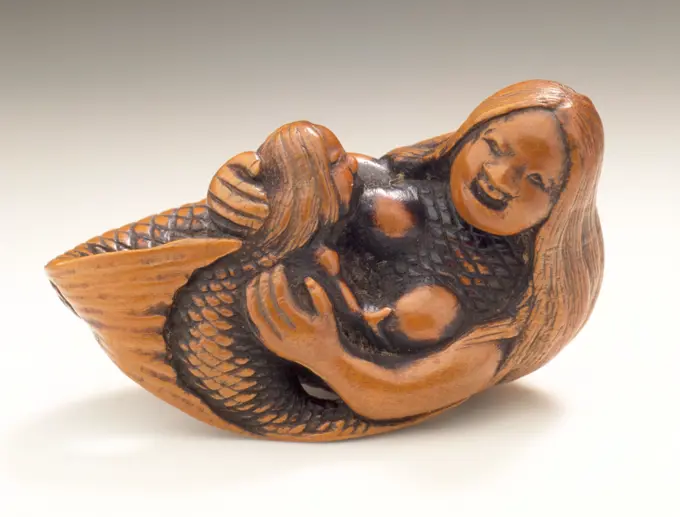
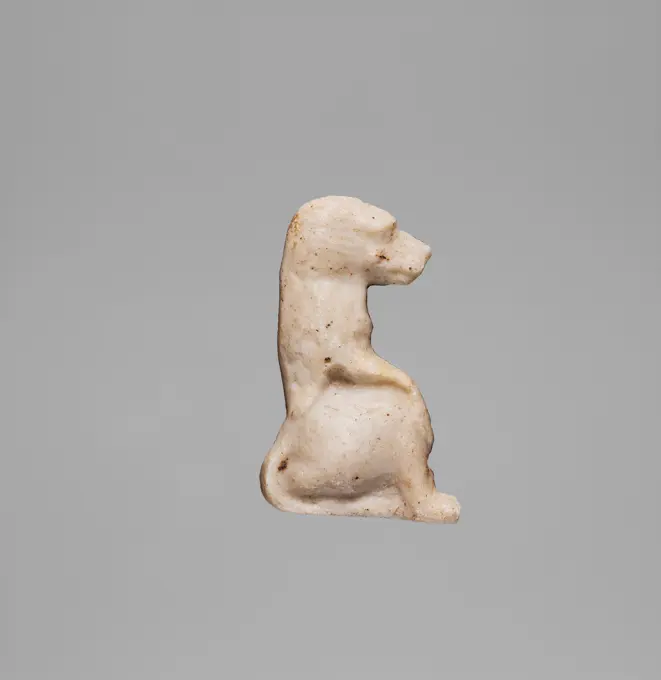
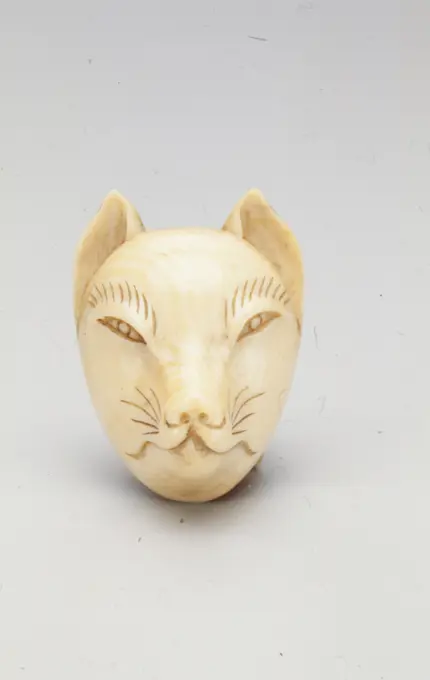
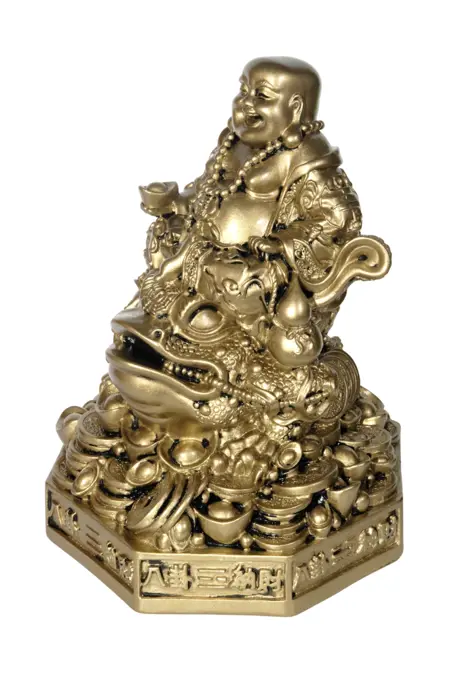
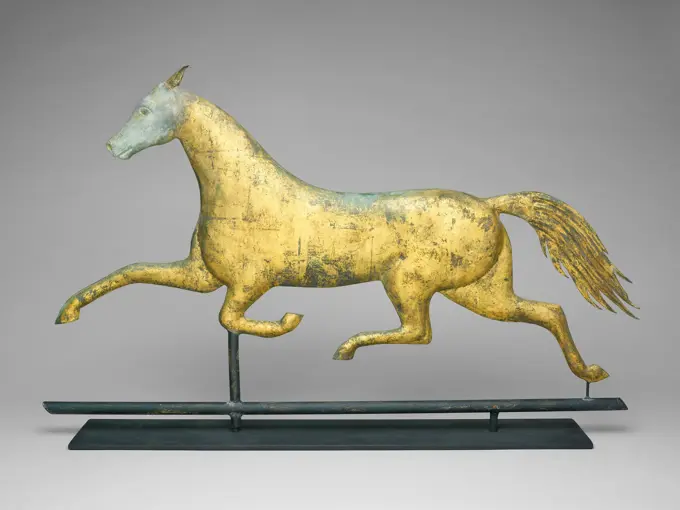
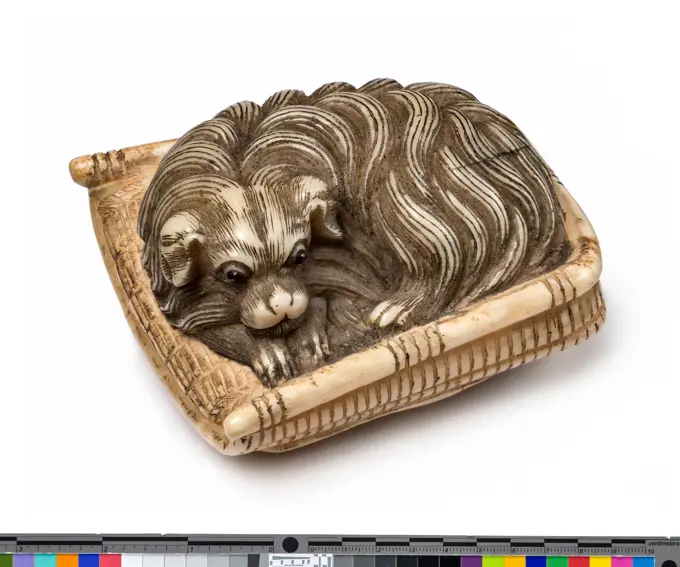
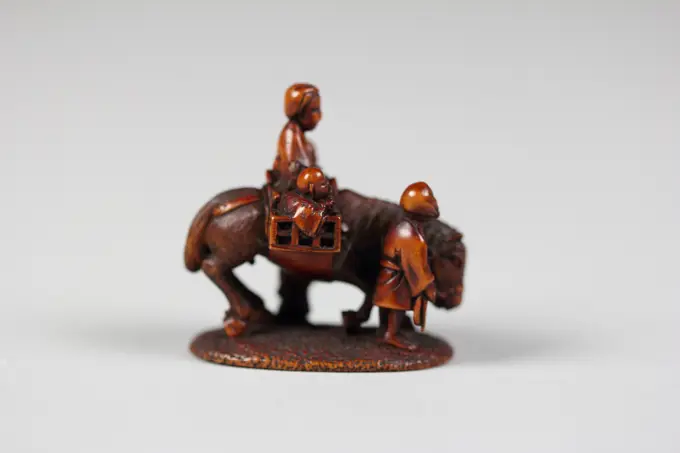
Hook with Raptor-Headed Ungulate 3rd-2nd century B.C. North China. Hook with Raptor-Headed Ungulate 59450Amulet of a Hawk 1070 BCE-656 BCE Egypt. Faience . Ancient EgyptianChoir Stall Fragment () late 15th century Franco-Netherlandish. Choir Stall Fragment () 463898Snuff Bottle, 19th century, 2 x 1 1/8in. (5.1 x 2.9cm), Ivory, China, 19th centurySalt barrel. Salt barrel of multicolored painted faience. On a ground is a tree with a naked kneeling boy's figure for that. Above his head, he holds a large, deep shell. The salt barrel includes an identical salt barrel.Fibula Greek, Cypriot. Fibula. Greek, Cypriot. Bronze. BronzesAmulet of a Cobra. Egyptian. Date: 1070 BC-656 BC. Dimensions: 3.8 × 2.2 × 0.6 cm (1 1/2 × 7/8 × 1/4 in.). Faience. Origin: Egypt. Museum: The Chicago Art Institute, Chicago, USA. Author: Ancient Egyptian.NETSUKE EN MARFIL. Location: PRIVATE COLLECTION. MADRID. SPAIN.Netsuke of a Woman 19th century Japan. Netsuke of a Woman. Japan. 19th century. Ivory. Edo (1615-1868) or Meiji period (1868-1912). NetsukeSugar Caster with Cover (one of a pair) 1732-1742 Meissen. Hard-paste porcelain, polychrome enamels, and gilding . Meissen Porcelain Manufactory (Manufacturer)Figure: Grape picker .. Figure presented a grape picker painted multi-colored with a basket with grapes on her head and a second higher basket in her right hand. Marked with crowned double c in underglazing blue. Ludwigsburg porcelain.Dog in red porcelain (attributed title). Painted porcelain. House of Victor Hugo - Hauteville House.Hornbill, 1900s. Guinea Coast, Ivory Coast, Senufo, 20th century. Copper alloy; overall: 4.8 x 8.7 cm (1 7/8 x 3 7/16 in.).Nightlight in the form of a cat. When a candle is placed inside the porcelain cat, the light shines through its eyes. The small lamp was intended for children who were afraid of the dark, but was also used to scare off rats. It comes from the collection assembled by the 18th-century Hague Sinologist Jean Theodore Royer.Alms Dish with Two Supplicant Figures. Spain, Córdoba, circa late 16th century. Furnishings; Serviceware. Silver with gilt bronze figuresFalcon ca. 1200-1220 South Italian This skillfully cast falcon, said to have been found in Italy in 1925, has been associated with the Hohenstaufen emperors, a Germanic dynasty ruling over much of what are now Germany and Italy. As symbols of their authority, they carried staffs surmounted by eagles, but the heavy copper alloy of this example suggests that it decorated a throne or other piece of furniture, such as the top of a tent pole. The falcon, which appears to be a specific type called a gerfalcon, suggests a link to Emperor Frederick II (r. 1215-50), who wrote the standard medieval treatise on the art of falconry, an aristocratic sport that he pursued avidly.. Falcon. South Italian. ca. 1200-1220. Bronze, traces of gilding. Metalwork-BronzeVase, Earthenware, Figure of seated cat, upturned tail forming handle; top of head open; exterior body glazed black, eyes yellow, muzzle white. Interior clear-glazed over light cream body., Italy, late 19th century, ceramics, Decorative Arts, VaseMetate in the Form of a Jaguar, 900-1299, 24 1/2 x 10 in. (62.2 x 25.4 cm), Volcanic stone, Costa Rica, 10th-13th centuryAncient China: Owl-shaped vessel, Shang Dynasty, 1600 - 1027 BC. Bronze.Taurus statuette. Copper alloy. 1st-nd centuries. Magne collection. Coming from: rue Laromiguière, 7, 1900. Paris, Carnavalet Museum. Taurus statuette Copper alloy, statuette, bull, animalAnonymous. "Venice lion (from a pair)". Stone statue, oak base. Paris, Museum of Romantic Life. Lion of Venice, pair, patinae stone, chene base, statue, animalPheasant ca. 1750 William Littler. Pheasant 209999Themis a statue of Themis on a white background Copyright: xZoonar.com/OleksandrxPakhayx 3253378Buffalo bronze statue.  France..Metal figurine - the Egyptian cat Metal figurine - the Egyptian cat, isolated on white background Copyright: xZoonar.com/AndreyxEreminx 2368473Netsuke 19th century Japan. Netsuke 60429Animal-Shaped Brooch 2nd-4th century Late Roman. Animal-Shaped Brooch 468365Candelabrum with Parrot , c. 1740. Meissen Porcelain Factory (German), Johann Joachim Kändler (German, 1706-1768). Porcelain mounted in gilt bronze; part 1: 19.6 cm (7 11/16 in.); part 2: 29.6 x 32.1 cm (11 5/8 x 12 5/8 in.).Cover of box in the form of a duck, Meissener Porzellan Manufaktur, c. 1750 Cover of painted porcelain, head and back of a duck. The duck is partially painted in blue, brown, gray, violet and black; The head in Violet and blue gray with a light red beak. Float porcelain. bronze (metal) gilding Cover of painted porcelain, head and back of a duck. The duck is partially painted in blue, brown, gray, violet and black; The head in Violet and blue gray with a light red beak. Float porcelain. bronze (metal) gildingGreek civilization, Bronze sculptural group depicting two horses in geometric style, From Olympia, GreeceGame piece of ivory in lion-shaped. Found in a tombs in Abydos. 1st Dynasty. Early Dynastic Period. 3000-2890 BC. Ny Carlsberg Glyptotek Museum. Copenhagen. Denmark.Scent bottle ca. 1750-55 Saint James's Factory. Scent bottle. British, London. ca. 1750-55. Soft-paste porcelain. Ceramics-PorcelainMonkey Bell Pendant, c. 700-1550. Western Panama, Veraguas-Gran Chiriquí Style, c. 700-1550. Cast gold; overall: 3.2 x 3.3 x 2.2 cm (1 1/4 x 1 5/16 x 7/8 in.).Multicolored painted rooster from Faïence. Animal figure of Faïence, representing a rooster. Painted multi-colored.Seated lion 6th century China This noble lion may have been one of a pair flanking a Buddhist deity.. Seated lion 49589Headrest, 4 15/16 x 4 15/16 x 15 1/4 in. (12.54 x 12.54 x 38.74 cm), Wood, cane, fiber, Papua New GuineaCarved and polished Onyx (tecali) vessel with a seated figure. Post-Classic Date900-1521. Found at Isla de Sacrificios, tomb, Veracruz, MexicoStag Poletop, 1400-1200 BC. Eastern Anatolia, Hittite, 15th-13th century BC. Bronze, solid cast; overall: 13.8 x 7.9 x 9.2 cm (5 7/16 x 3 1/8 x 3 5/8 in.).vaso ritual con forma de asno llevando anforas, 425-400 antes de Cristo, Museo arqueológico de Ibiza y Formentera, Patrimonio de la Humanidad «Ibiza, biodiversidad y cultura», Ibiza, balearic islands, Spain.Figure of a parrot on a rock, anonymous, c. 1700 - c. 1799 Image of porcelain, covered with a monochrome turquoise, blue glaze. A parrot standing on an openwork rock. Monochrome. China porcelain. glaze vitrification Image of porcelain, covered with a monochrome turquoise, blue glaze. A parrot standing on an openwork rock. Monochrome. China porcelain. glaze vitrificationFrogpendant, ca.1200, Gold, 3.4 × 2.8 cm (1 5/16 × 1 1/8in.), Made in Costa Rica, Costa Rica,Diquis, JewelryFigure, Dragon, Antiques, Decorative ArtsStatuette. Culture: China. Dimensions: H. 6 1/4 in. (15.9 cm); Gr. W. 2 1/2 in. (6.4 cm). Date: 18th century. Museum: Metropolitan Museum of Art, New York, USA.Snuffbox in the Form of a Stag ca. 1760 Ludwigsburg Porcelain Manufactory. Snuffbox in the Form of a Stag. German, Ludwigsburg. ca. 1760. Hard-paste porcelain, gold. Ceramics-Porcelain. The naked child is sitting on a hexagonal taboo. With his right hand, he holds a cup against his mouth, while he likes the dish. There is a large gift jug to his feet. Signed on the ground: Perales.Figurines, frogs wearing crown, sitting, contemplatingNetsuke of a Kappa. Culture: Japan. Dimensions: H. 1 7/8 in. (4.8 cm); W. 1 1/2 in. (3.8 cm); D. 1 1/8 in. (2.9 cm). Date: mid-19th century. Museum: Metropolitan Museum of Art, New York, USA.Craft of pottery of area tapatia. Guadalajara Craft of pottery of area tapatia. Guadalajara, Jalisco. Mexico Copyright: xZoonar.com/Pascopixx 22082329Ba-bird amulet 400-30 BC Ptolemaic Period Starting in the later Late Period and continuing through the Ptolemaic Period, a type of glass amulet cast by pressing the glass into a shallow open mold appears. The back was left rough, and the amulets may look ragged because glass overflowed the mold around the edges. The earlier amulets are monochrome, bi- or multicolor amulets supplement the repertoire during the Ptolemaic Period.Some of the amulets can be specifically tied to spells of the Book of the Dead - for example, acc. no. 17.194.2526 - and most are clearly funerary amulets, presumably meant to be wrapped between the bandages of the mummy where the presence of the amulet would do its job irrespective of its degree of finish.. Ba-bird amulet. 400-30 BC. Glass. Ptolemaic Period. From EgyptLong-nosed Mask. Japan, late 18th-early 19th century. Jewelry and Adornments; masks. Wood, lacquer, brassNetsuke of Demon and an Old Man with a Scroll 19th century Japan. Netsuke of Demon and an Old Man with a Scroll 59310Lluís Masriera / Cenicero con figura femenina, siglo XX. Colección privada. Author: LLUÍS MASRIERA I ROSÉS.Profile Warrior Ornament 6th-7th century Moche (Loma Negra). Profile Warrior Ornament 314713Netsuke brewer and Tanuki, 19th century, Hirotoshi, Japanese, 1 1/2 x 1 9/16 x 1 3/16in. (3.8 x 4 x 3cm), Ivory, Japan, 19th centuryStork with Branch of Peaches China. Stork with Branch of Peaches. China. Jadeite. Ming dynasty (1368-1644). JadeKohl Flask. Dimensions: 1 11/16 x 1 15/16 in. (4.3 x 5 cm). Date: probably 10th-12th century.This charming object was designed to hold kohl, a black cosmetic powder applied around the eyes. In the past, kohl was widely used by men and children as well as women. It was thought not only to accentuate the beauty of the eyes, but also to guard against the glaring sun, ward off evil, and discourage eye disease. The narrow drill hole at the top of this flask would have accommodated a slender stick to collect the cosmetic. Museum: Metropolitan Museum of Art, New York, USA.Falcon figurine. unknown, craftsmanHarlequin ca. 1770-80 Gardner Manufactory In 1766, the English entrepreneur Francis Gardner, with the permission of Catherine the Great, established the first great porcelain factory in the Russian empire, in the town of Verbilky. The factory operated under the Gardner name until 1892, when it was acquired by M. S. Kusnetsov, who continued the production as Kusnetsov Brothers until 1917.This pair of porcelain figures (see also 1982.60.158) reflects the enchantment of the Saint Petersburg nobility and the imperial court with masquerades, metamorphoses, and theme balls. Such figures also reflect the fascination of the so-called Venice of the North with southern Europe and its theatrical characters, such as those of the commedia dell'arte.. Harlequin 207058Hooping boy. There is a man behind a hoop on an elongated album. The boy wears a stitch and he has a stick in his right hand. The plate has a engraved zig-zag line along the edge. The image is marked with a sword and a master sign.Hare censer, ca.1830. Bronze figure. A small key in the mouth released smoke and incense through the ears. From China. Naval Museum. Madrid. Spain.Cat amulet 664-380 B.C. Late Period. Cat amulet. 664-380 B.C.. Faience. Late Period. From Egypt. Dynasty 26-29Horse, 7th-10th century, 18 3/4 x 18 1/2 x 6 3/4in. (47.6 x 47 x 17.1cm), Ceramic, China, 7th-10th centuryHorse and Rider Made 1630 Ulm. This extraordinary sculptural group, which consists of a male nude astride a rearing horse, is a rare example of the work of Hans Ludwig Kienle, a German silversmith who specialized in depicting animals. Conceived as a drinking cup, this work was destined for display on a buffet or sideboard. Kienleís work belongs to a larger body of German Renaissance and Baroque sideboard silver that includes cups in the form of three-dimensional horses, lions, stags, and other animals. Horse-and-rider figural groups have their roots in earlier Greek and Roman sculpture. Renaissance princes often had themselves depicted in monumental form, wearing Classical dress or contemporary armor and sitting atop prancing or rearing steeds. That Kienle based this silver cup on an earlier sculptural model is suggested by the existence of a bronze group of virtually identical subject, composition, and scale, made in northern Italy during the second half of the sixteenth century. KienHead of a cat 664-30 B.C. Late Period-Ptolemaic Period The cat was sacred to the goddess Bastet, and was offered in sanctuaries and deposited in animal necropoleis throughout Egypt. This cat has a narrow face but large deep-cut eyes for the addition of inlay. Close, repeated incised lines mark the hairs in the ears and the whiskers below the nose. Both ears are pierced and would have had earrings, probably of precious metal.The function of these large cat heads is ambiguous. They have been found in offering contexts, and it is commonly assumed that they formed part of a composite statuette; the full statuette, when intact, probably would have had a hollow wooden body and held a cat mummy inside, much as similar large hollow copper alloy statuettes did. However, these figures are almost never found with the composite bodies, even at sites where wood is relatively well preserved. It is possible that in some cases these cat heads were dedicated on their own, or were purposefully disassembLioness (one of a pair). Culture: German, Meissen. Dimensions: Overall (confirmed): 19 x 29 7/8 x 13 in. (48.3 x 75.9 x 33 cm); Pedestal: 45 x 34 x 21 in. (114.3 x 86.4 x 53.3 cm). Factory: Meissen Manufactory (German, 1710-present). Modeler: Johann Gottlieb Kirchner (German, Merseburg 1706-after 1738 Berlin, active at Meissen 1727-28 and 1731-33). Date: ca. 1732.This lioness and its pair (1988.294.1) belong to one of the most ambitious ceramic commissions of all time. They were among the 150 mammals and 300 birds produced in the 1730s for one of the Dresden royal palaces known as the Japanese Palace. This menagerie of porcelain animals was made for the ruler of Saxony, Augustus the Strong (1670-1733), who had established the Meissen factory in 1710.No one had ever attempted porcelain sculpture on this scale, and the various imperfections - notably the firing cracks - indicate the degree of difficulty in modeling and firing porcelain objects of this scale. A special ceramic paste wasSix loquats, late 19th century, Unknown Japanese, 1 1/2 x 3/4 x 7/8in. (3.8 x 1.9 x 2.2cm), Wood with gold lacquer, Japan, 19th centuryHovering Angel with Banderole, anonymous, c. 1700 - c. 1720  sculptor: Northern NetherlandsSouthern Netherlands linden  sculptor: Northern NetherlandsSouthern Netherlands lindenRecumbent lion. Weesper porseleinfabriekmodel attributed to Nicolas Gauron (1736-after 1775)Weesp, c. 1764hard-paste porcelainHeron, c. 1750, Unknown Japanese, 7in. (17.8cm), Bizen ware; glazed stoneware, Japan, 18th centuryFigurine: Gardener; Kaiserliche Porzellanmanufaktur in Wien (1744-1864); approx. 1770 (1765-00-00-1775-00-00);Simplified Child. Anonymous Folk Artist. Japan, mid-19th century. Costumes; Accessories. WoodPaperweight in the shape of a horse China 13th-14th century This silver standing horse very likely functioned as a paperweight on a scholars desk. The horses combination of naturalistic details and archaistic pose matches archaeologically recovered depictions in bronze and stone dating to the late thirteenth century. View more. Paperweight in the shape of a horse. China. 13th-14th century. Silver, lead. Southern Song (1127-1279) to Yuan dynasty (1271-1368). MetalworkCocker Spaniel. Ceramic figurine, dog breed isolated on whiteNetsuke of Mother Bat with Two Young 19th century Japan. Netsuke of Mother Bat with Two Young. Japan. 19th century. Wood. Edo (1615-1868) or Meiji period (1868-1912). NetsukeAnimal. Bronze. China. Paris, Cernuschi museum. 70003-12 Chinese art, cover, handle, profile, animalSand container 18th century German, Westerwald. Sand container 191296Italian 16th Century, A Crow, 16th century A CrowSleeping Duck Amulet, 1350-1296 BC. Egypt, New Kingdom, late Dynasty 18. Polychrome faience; overall: 1.1 x 1 cm (7/16 x 3/8 in.).Actor puppet;  1st century BC (-100-00-00--1-00-00);Polish excavations in MyrmekionRed Goose Shoes' still bank, c. 1920s, 3 7/8 x 1 1/2 x 2 in. (9.84 x 3.81 x 5.08 cm), Iron, pigment, 20th centuryMermaid and Child. Kokei (Japan, active late 18th-early 19th century). Japan, late 18th century. Costumes; Accessories. Wood'Pedestal with a Dolphin (fragment of a fountain composition)'. Italy, 17th century. Dimensions: height 34,0 cm; lenght 28,0. Museum: State Hermitage, St. Petersburg.Figurine  Man in a court outfit sitting on a pedestal unknownIncense Burner in the Shape of a Dog. Culture: China. Dimensions: H. 4 5/8 in. (11.7 cm); L. 5 7/8 in. (14.9 cm). Date: first half of the 19th century. Museum: Metropolitan Museum of Art, New York, USA.Amulet - siedzący pawian. unknown, authorFrustrated Rat Catcher. Shōai (Japan, active late 19th century). Japan, late 19th century. Costumes; Accessories. Ivory with staining, sumiNetsuke fox mask, 19th century, Unknown Japanese, 1 7/16 x 1 1/16 x 7/8in. (3.7 x 2.7 x 2.2cm), Ivory, Japan, 19th centuryToothpick Holder 1880-90. Toothpick Holder 8759Statuette of Hotei (Buddha) to the toad on the white backgroundRunning Horse Weather Vane c 1860 Waltham. Before the advent of modern mechanized devices, weather vanes were an important source of information on shifting weather conditions. The horse shape was common; in fact, weather vanes often memorialized famous racehorses. The elegant simplicity of this example is characteristic of the works of Alvin L. Jewell, one of the most important 19th-century weather vane designers. At his metal manufacturing firm, A. L. Jewell and Company, Jewell invented a molding process so that he could mass-produce his handcrafted work. In this example, Jewell made the head of a solid, heavier metal, so the weather vane would balance properly and point toward the windís source. Jewellís innovative manufacturing and advertising methods helped to change the growing American weather vane industry.. Copper, lead or zinc, and gilding . Alvin L. JewellSnuff Box, c. 1750-60. Germany, Berlin or Dresden, 18th century. Chalcedony, gold rubies; overall: 4.5 x 4.1 cm (1 3/4 x 1 5/8 in.).Netsuke dancer, 19th century, Unknown Japanese, 1 5/8 x 15/16 x 5/8in. (4.1 x 2.4 x 1.6cm), Wood, pigment, Japan, 19th centuryChinese woman with teapot and tea cup beside themselves. Figure presented a seated Chinese woman with a teapot and a cup beside. Marked with a climbing lion in underglazing blue.Howard Weld, Circus Wagon Lion, c 1937 Circus Wagon LionTrinket Box 1830-70 American. Trinket Box. American. 1830-70. Parian porcelain. Probably made in Bennington, Vermont, United StatesIncense Burner in Shape of Cicada late 19th century Japan. Incense Burner in Shape of Cicada. Japan. late 19th century. Red lacquer (negoro). Meiji period (1868-1912). LacquerSugar bowl in the shape of a woman at a basket. Porcelain sugar bowl, in the form of a woman with a bowl with a basket with lid on a ground with leaves. The woman wears a rose-beige skirt with a golden edge and a white headscarf around the hair. A branch with lemons has been applied to the basket lid. The inside of the basket and the lid are completely plated. The image has been marked.Dog Sitting in Padded Basket. Attributed to Garaku School (Japan, late 18th-early 19th century). Japan, late 18th-early 19th century. Costumes; Accessories. Narwhal tusk with sumiNetsuke of Figures with Horse 19th century Japan. Netsuke of Figures with Horse 59144beautiful angel playing on violin isolated on white background