Cultural Figurines and Ceramics

A variety of figurative artworks and ceramics, featuring mythological and animal forms, showcasing artistry from different cultures and eras, rich in detail and historical relevance.

Netsuke monkey and turtle, 19th century, Unknown Japanese, 1 1/16 x 7/8 x 1 1/8in. (2.7 x 2.2 x 2.9cm), Wood, Japan, 19th century
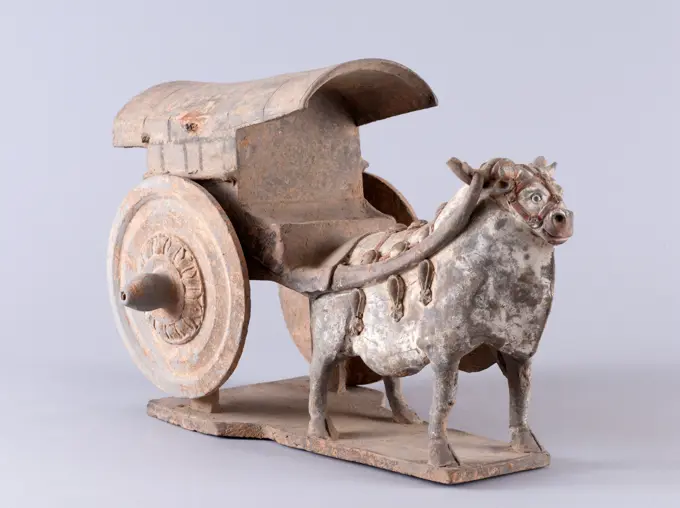
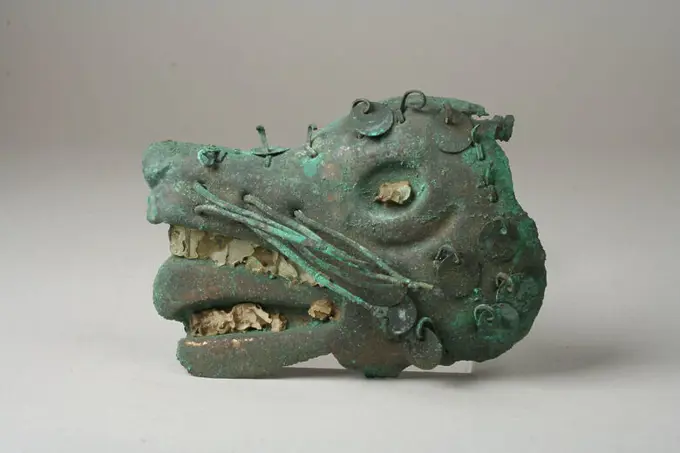
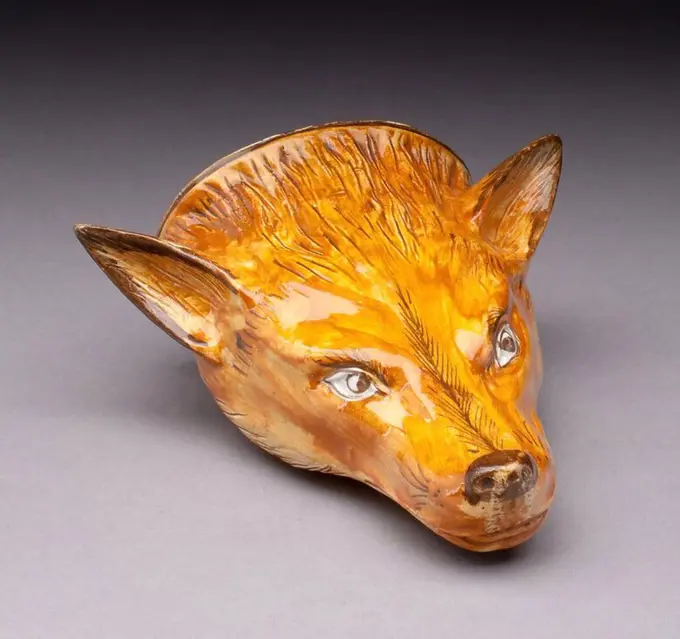
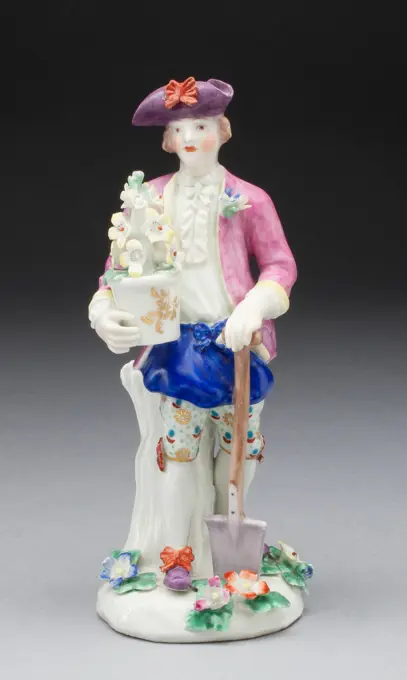
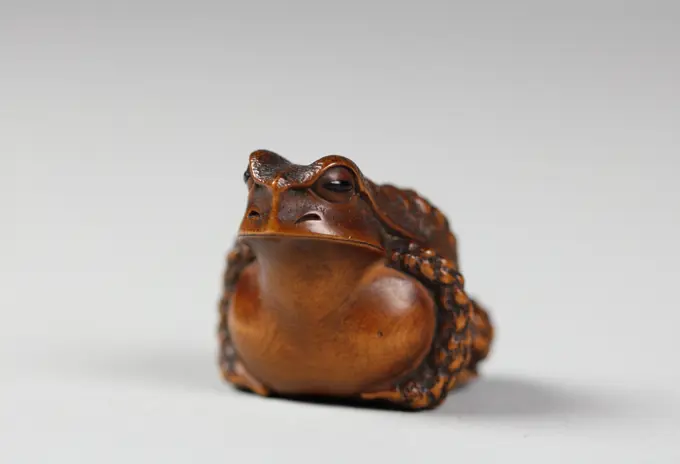
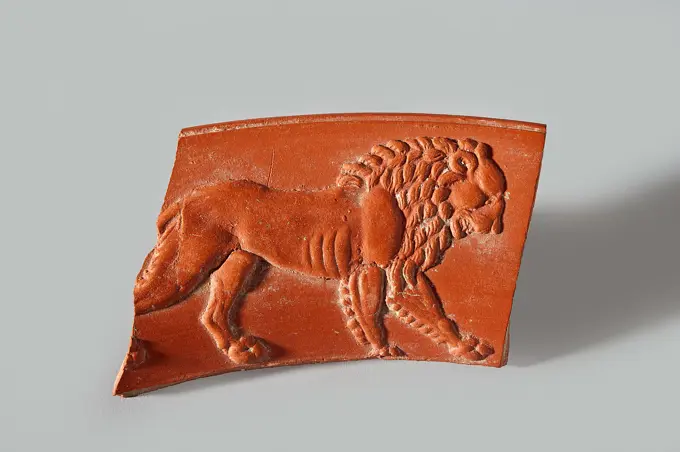
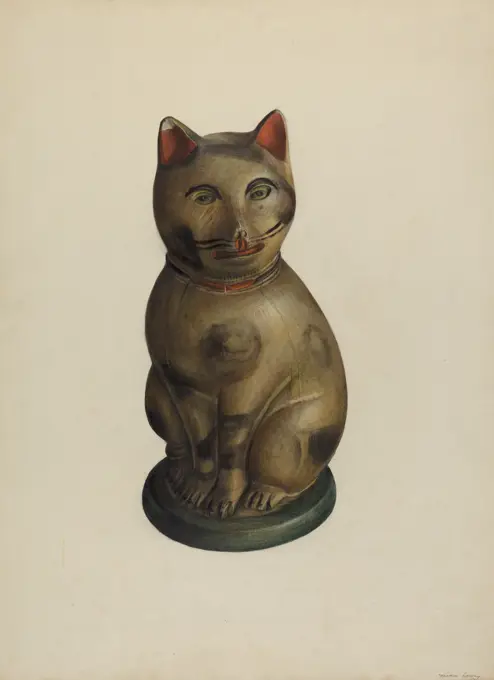
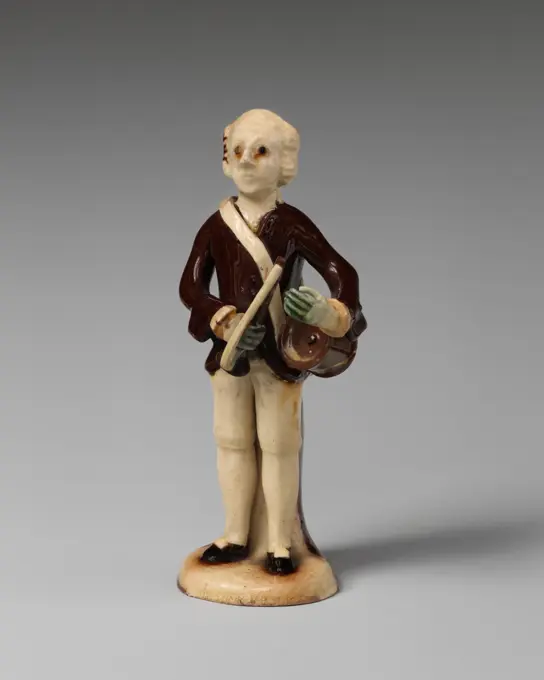
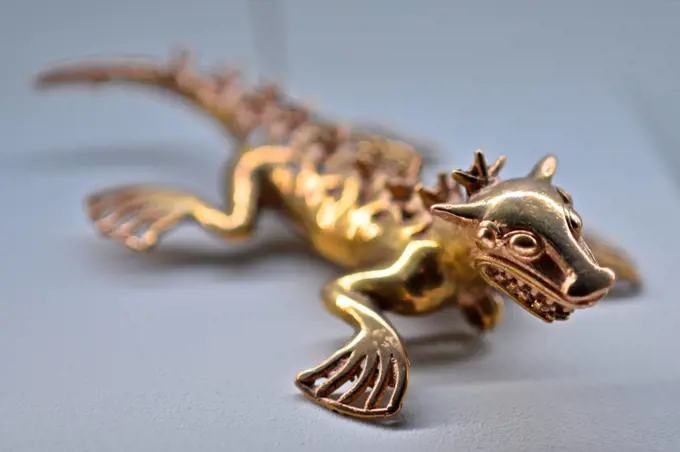
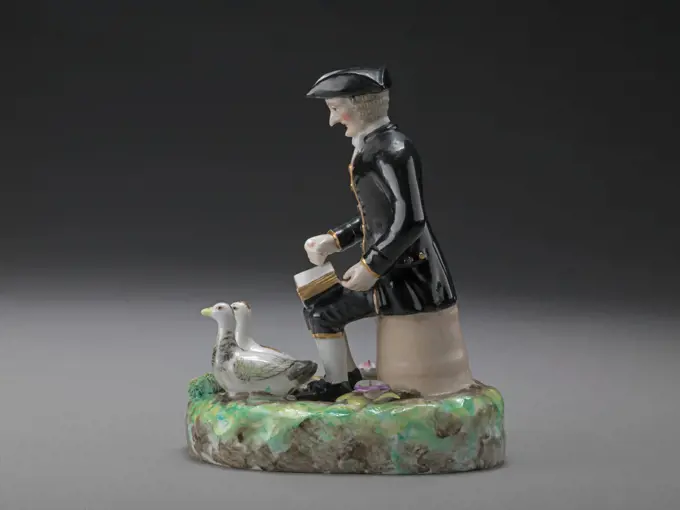
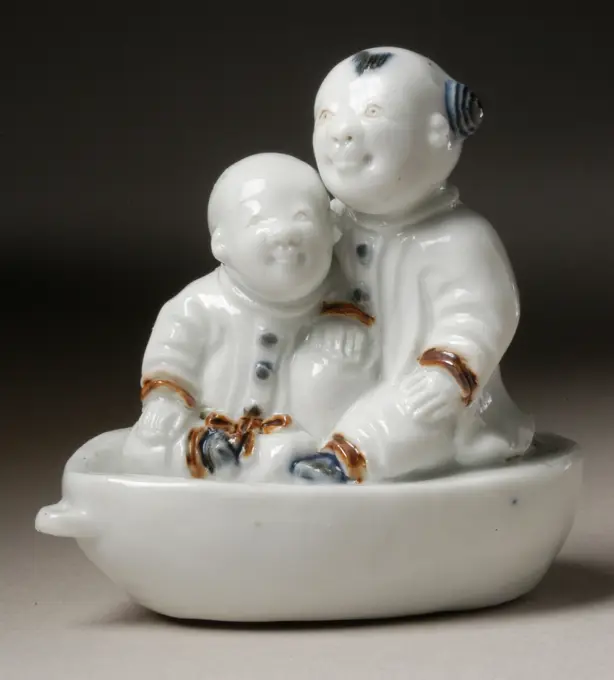
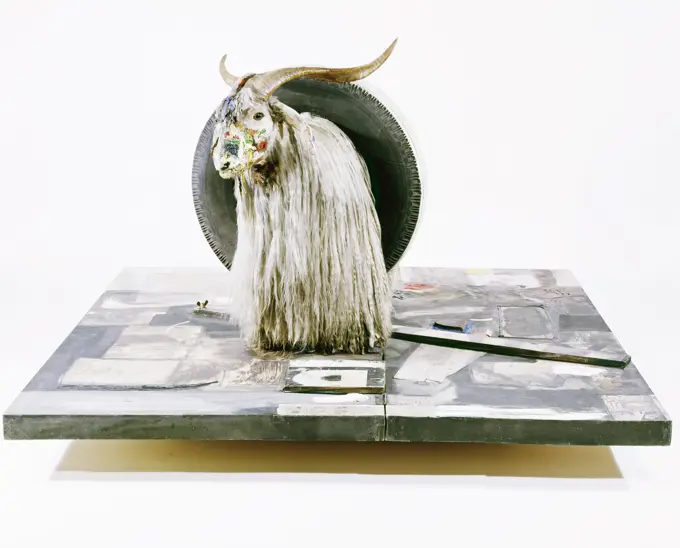
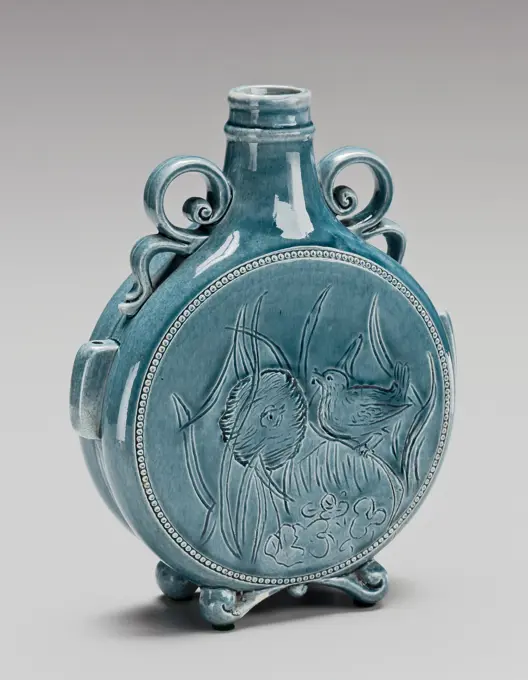
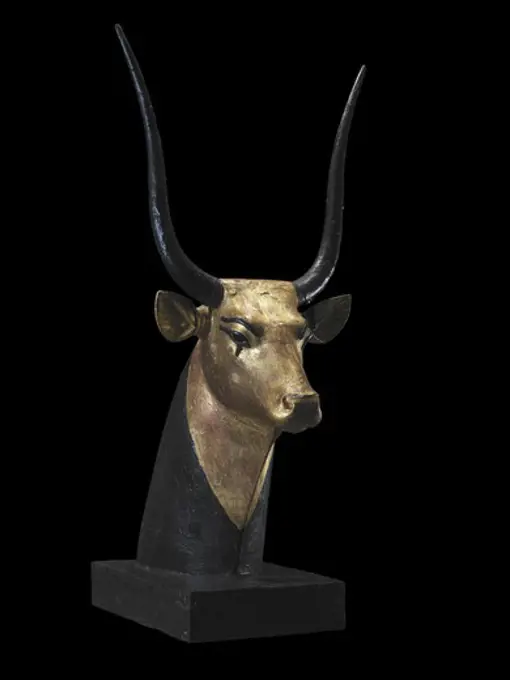
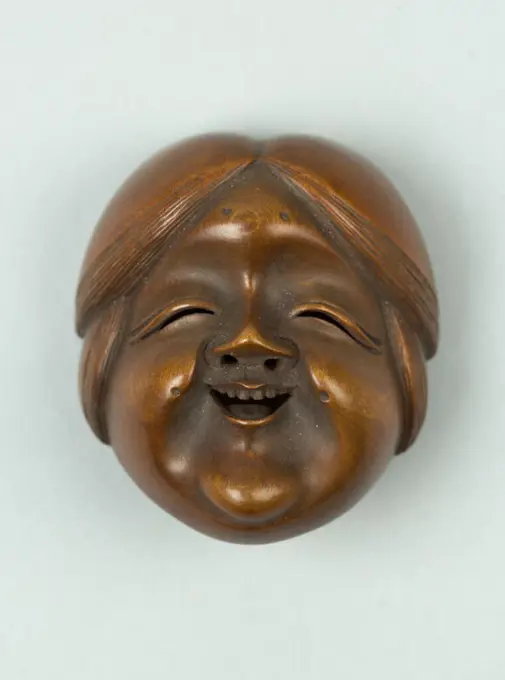
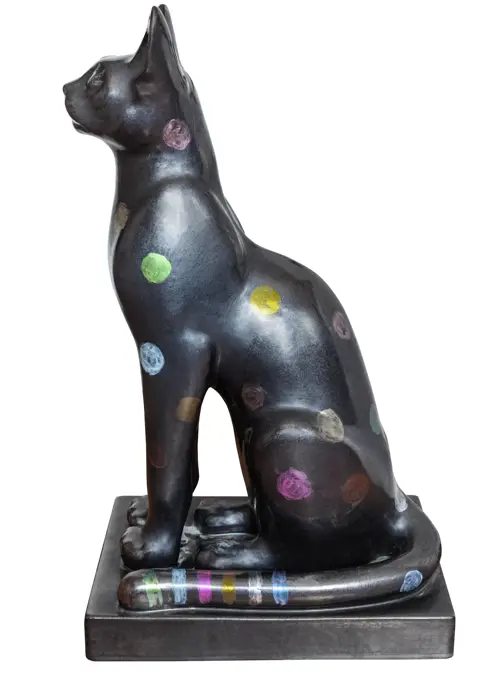
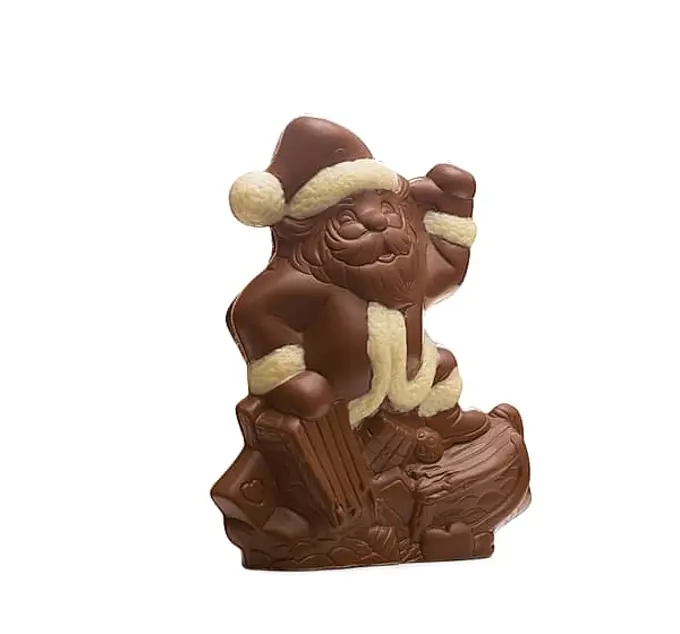
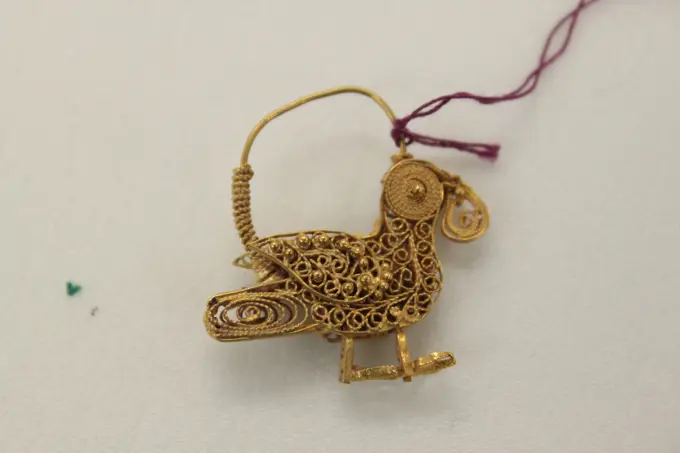
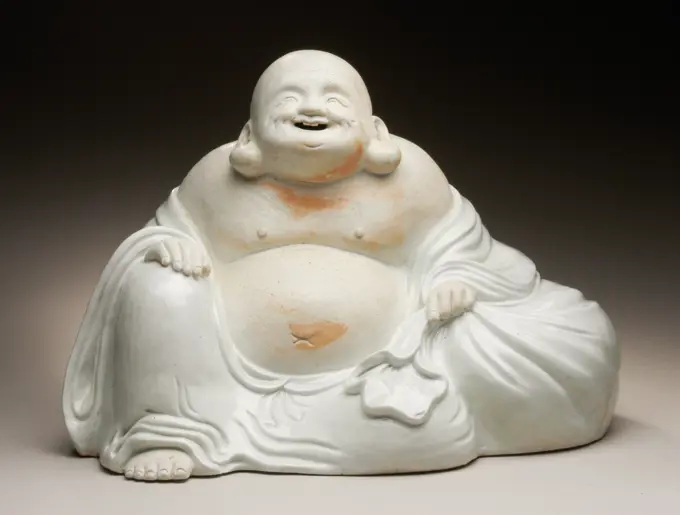
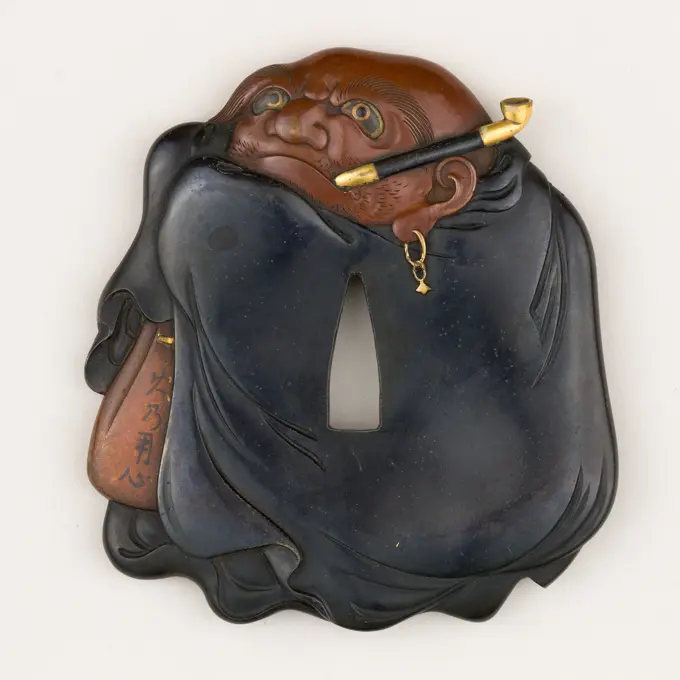
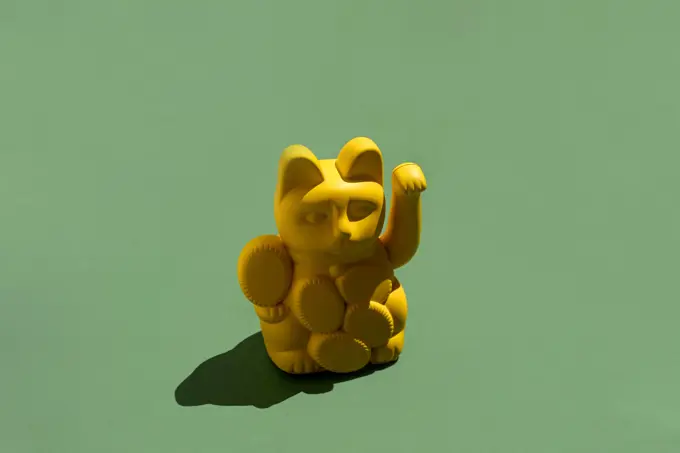
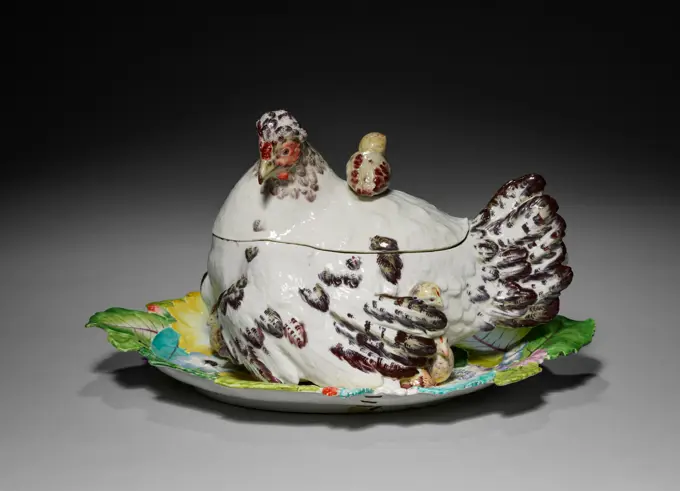
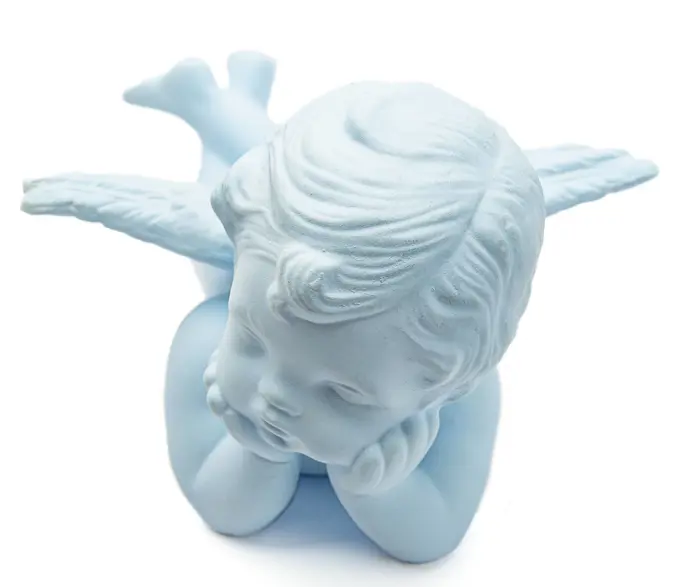
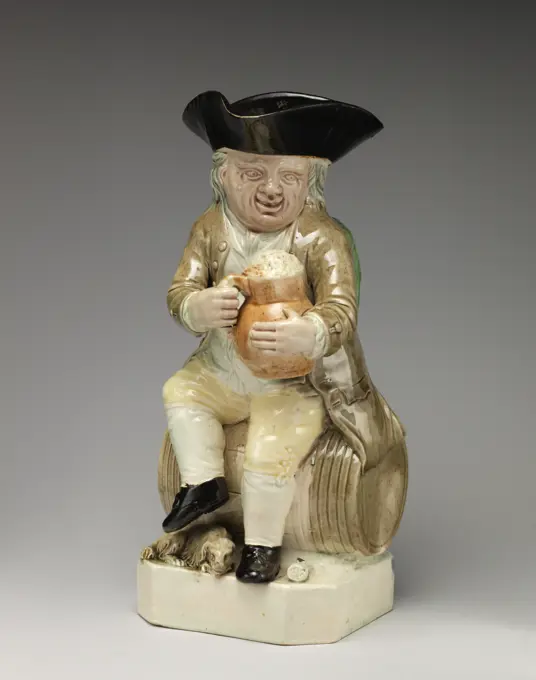
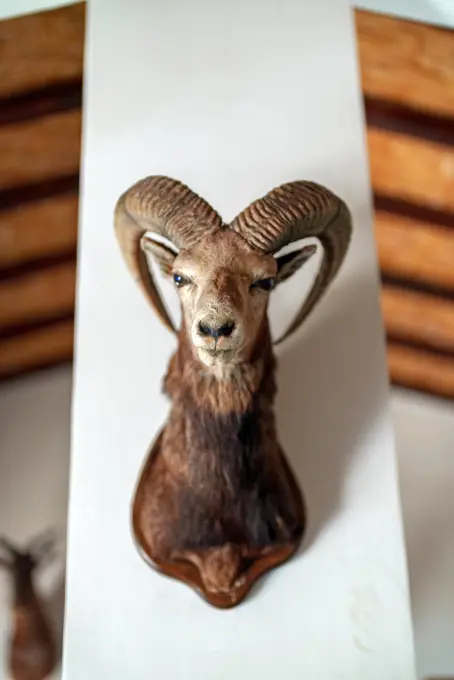
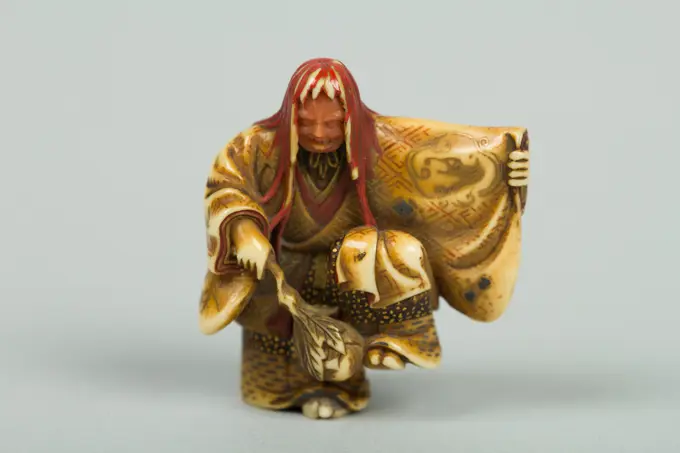
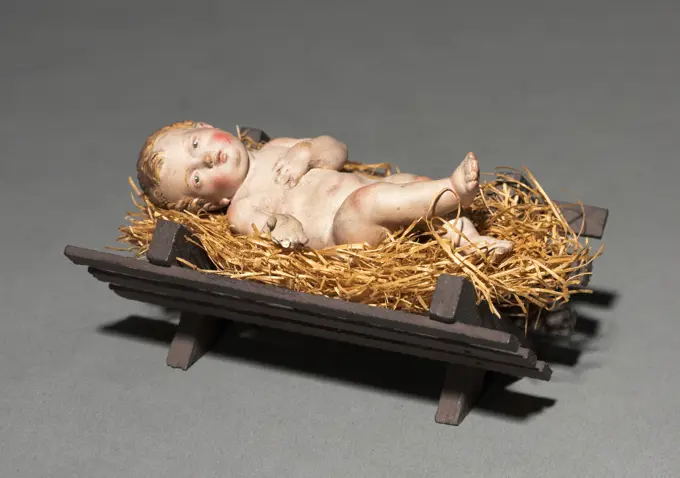
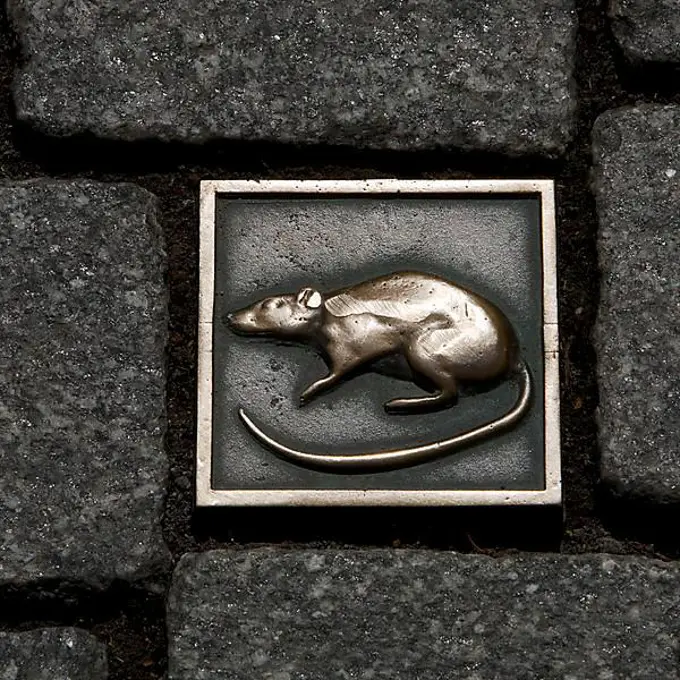
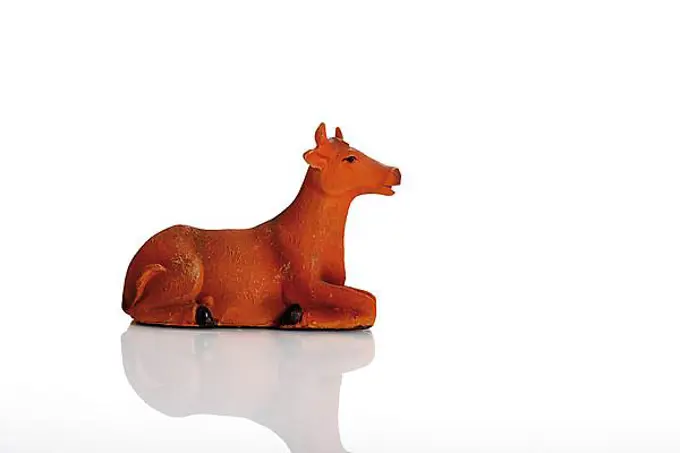
Nativity figurine, ox, Christmas decorationMingqi Boeuf harnessed. Terracotta. China, suis dynasty. Paris, Cernuschi museum. Chinese art, Essle beef, China, sui, mingqi dynasty, funeral statuette, terracottaBaigneuse Zoubaloff by Auguste Rodin, sculpture, bronze patina, (1840-1917), UK, England, London, Christie'sProfile Fox Face. Culture: Moche (Loma Negra). Dimensions: H. 3 3/16 x W. 4 1/2 x D. 1 1/2 in. (8 x 11.4 x 3.8 cm). Date: 390-450. Museum: Metropolitan Museum of Art, New York, USA.Rhyton Cup in the form of a Fox. England, Staffordshire. Date: 1775-1799. Dimensions: 7 x 13 x 13.7 cm (2 3/4 x 5 1/8 x 5 3/8 in.). Lead-glazed earthenware (creamware). Origin: Staffordshire. Museum: The Chicago Art Institute, Chicago, USA. Author: Staffordshire Potteries.. This pair of lions, with two others (now in the Hermitage, Saint Petersburg), originally supported a bronze baptismal font shaped like a large bucket. Fonts such as these are known in churches in Lübeck and elsewhere in northern Germany. The unknown coats of arms are probably those of the patrons who commissioned the font.Lluís Masriera / Figura en plata con base en mármol. Obra diseñada por LLuís Masriera y realizada por el escultor Eusebi Arnau entre 1901-1906. Colección privada. Author: LLUÍS MASRIERA I ROSÉS.Gardener 1760-1770 Worcester . Worcester Royal Porcelain Company (Manufacturer)Przeszo Przyszoci Bia And undergroundTrinket Box 1830-70 American. Trinket Box. American. 1830-70. Parian porcelain. Probably made in Bennington, Vermont, United StatesNetsuke of Frog 18th century Japan. Netsuke of Frog. Japan. 18th century. Wood. Edo period (1615-1868). NetsukeClose-up of jade sculptureFragment wylewu talerza czerwonopokostowanego (terra sigillata). unknown, authorBoat (common name). Sandstone, molding, celadon. Cernuschi Museum, Asia Museum of Asia in the city of Paris.Yorimasa. Kimura Ryūmin (Japan, active mid- to late 19th century). Japan, mid- to late 19th century. Costumes; Accessories. WoodMina Lowry, Pa German Seated Chalkware Cat, 1935 1942 Pa. German Seated Chalkware CatFigure of a seated Chinese man ca. 1760 Nymphenburg Porcelain Manufactory. Figure of a seated Chinese man 209368Bugler ca. 1760 Style of Whieldon type. Bugler. British, Staffordshire. ca. 1760. Lead-glazed earthenware. Ceramics-PotteryPorcelain Pillow, Sung Dynasty. Lovers with a Birdcage 1736-40 Meissen Manufactory German. Lovers with a Birdcage 199038Fitting. Southern Siberia, 1st century B.C.. Tools and Equipment; horse trappings. Bronze, castCosta Rica, San Jose, Pre-Columbian Gold Museum, Gold metalworking with animal shapeDr. Syntax: Seated on a Bucket Sketching a Landscape, Derby porcelain factory, founded 1756, British, undated, Derby (Stevens & Hancock) fiture, Sheet: 5 1/8in. (13cm), bucket, caricature, ducks, medicine, physician, science, sketchingRolling Toy in the Form of Two Chinese Boys in a Boat. Japan, late 19th century. Ceramics. Hirado Mikawachi ware; porcelain with underglaze blue and iron glazeCandlesticks, Bow Porcelain-Shanzi Zhang, 1760, UK, London, London MuseumMonogram by Robert Rauschenberg, 1925Pilgrim flask ca. 1878-80 Chelsea Keramic Art Works The Chelsea Keramic Art Works was the first American ceramics firm to designate itself an "art pottery." It was founded in Chelsea, Massachusetts, by members of the Robertson family, all of whom had honed their skills in the ceramics industry in Britain before coming to this country. This pilgrim vase is typical of Hugh Robertsons work in the late 1870s and early 1880s. Although its form relates to medieval canteens, this vessel is more directly aligned with contemporary English art wares, notably vases executed at the Mintons and Doulton potteries. Here, a carved design of two nesting marsh wrens on the front and flowering plants on the back are hand-incised in a fluent styles. The plants on the back side are arranged asymmetrically, a gentle reminder of the influence of Japanese aesthetics in this country.This vase is from the Robert A. Ellison Jr. Collection of American art pottery donated to the Metropolitan Museum in 2017 and 20Paper-Blowing Game: Kamifuki. Gashō (Japan, active mid- to late 19th century). Japan, late 19th century. Costumes; Accessories. Ivory with staining, sumiEgypt, Thebes, Luxor, Valley of the Kings, Tomb of Tutankhamon, Gold head of cow-goddess HathorNetsuke. Culture: Japan. Dimensions: H. 1 5/8 in. (4.1 cm); W. 1 1/2 in. (3.8 cm). Date: 19th century. Museum: Metropolitan Museum of Art, New York, USA.dragon An image of a nice golden dragon sculpture Copyright: xZoonar.com/magannx 2527234profile view of cat statue from Ancient Egypt profile view of modern hand made ceramic replica of cat statue from Ancient Egypt isolated on white background ,property released Copyright: xZoonar.com/ValeryxVoennyyx 8554404 ,model released, Symbolfoto ,property releasedImage of delicious chocolate Santa Claus, isolated on whiteEarring 11th-12th century Animals-especially birds-composed from gold filigree were popular forms in earrings and pendants in medieval Syria and Iran. The wire in this piece has been twisted like a rope and scrolled into arabesque motifs which comprise the body of the bird. This example has been further ornamented with granulated gold beads on the wing, beak and eye.. Earring 447616Gooseneck Gourd. Ōhara Mitsuhiro (Japan, 1810-1875). Japan, mid-19th century. Costumes; Accessories. Ivory with light staining, sumiFigure of a seated boy with fruit, Höchst, 1770 - 1780 Image of porcelain, painted on the glaze in email colors and gold. The image represents a boy sitting on the grass with a hat full of fruit (pears) next to him. The boy just takes a bite from one of the pears. Marked on the bottom with the wheel and no. 179. Maximum porcelain. glaze. gold (metal) painting / gilding / vitrification Image of porcelain, painted on the glaze in email colors and gold. The image represents a boy sitting on the grass with a hat full of fruit (pears) next to him. The boy just takes a bite from one of the pears. Marked on the bottom with the wheel and no. 179. Maximum porcelain. glaze. gold (metal) painting / gilding / vitrificationCenser in the Form of Hotei with His Bag. Japan, late 18th-early 19th century. Ceramics. Hirado Mikawachi ware; porcelain with biscuit reserve and clear glazeBottle 18th century possibly Spanish. Bottle. possibly Spanish. 18th century. Glass. GlassSword Guard (Tsuba) 19th century Japanese This tsuba is shaped to resemble Bodhidharma (Japanese: Daruma) smoking a pipe and wearing a large robe, with only a small part of his body exposed which bears the inscription "Watch out for fire!" Due to a usually dense urban layout in major towns and materials used for residential and non-residential construction, fires were a permanent threat throughout the history of Japan. Thus, much was done to remind people to be careful when handling fire and so we see written and pictorial warnings on many objects of daily life.. Sword Guard (Tsuba) 25713Very Small Horse (Très Petit Cheval). Raymond Duchamp-Villon (France, 1876-1918). France, 1914. Sculpture. Bronze'Mantel Clock with a Sculptural Group "The Night Watch of the Young Cossack"'. V. Gavrilov Factory. Russia, Second half of the 19th century. Dimensions: height: 32 cm. Museum: State Hermitage, St. Petersburg. Author: Eugene Lanceray.Man and Horse 18th-19th century China. Man and Horse. China. 18th-19th century. Bronze. SculpturePair of partridges ca. 1750-52 Chelsea Porcelain Manufactory. Pair of partridges. British, Chelsea. ca. 1750-52. Soft-paste porcelain. Chelsea Porcelain Manufactory (British, 1744-1784). Ceramics-PorcelainYellow Maneki neko lucky cat figurine on green background with copy spaceA Pointer Bitch ca. 1886 Medalist: Victor Peter French. A Pointer Bitch. Medalist: Victor Peter (French, Paris 1840-1918 Paris). French. ca. 1886. Bronze. Medals and PlaquettesHen and Chicks Covered Tureen on Stand, c. 1755. Chelsea Porcelain Factory (Britain, London, 1745-84). Soft-paste porcelain; overall: 24.8 x 34.9 x 25.7 cm (9 3/4 x 13 3/4 x 10 1/8 in.). The ceramic factory at Chelsea, located along the river Thames in western London, was Britains most renowned factory of decorative porcelain in the mid-1700s. Large tureens in the form of chickens or rabbits appealed to wealthy aristocrats, who took great care in developing specimen animal and poultry breeds on their country estates. The design for this particular tureen was taken from a popular seventeenth-century print by Francis Barlow depicting a farmyard.Augustus the Strong as Roman Emperor ca. 1728 Meissen Manufactory German. Augustus the Strong as Roman Emperor 203106Figurine of laughing and cheerful golden BuddhaToby Jug Made 1780-1790 Staffordshire. Lead-glazed earthenware .Cachepot 1895-1905 England. Copper . William Arthur Smith BensonFlorian Rokita, Toy Bank  I Always Did 'Spise a Mule, c 1937 Toy Bank: I Always Did 'Spise a MuleZS Lupus, Dog (Mantel Ornament), c 1938 Dog (Mantel Ornament)Santa On Deer Statuette of Santa Klaus on isolated background Copyright: xZoonar.com/AndreyxSkatx 7801799Blue baby angel statue blue ceramic baby angel statue isolated on white background Copyright: xZoonar.com/YannxPoirierx 12419088Toby jug ca. 1770-80 Ralph Wood the Younger. Toby jug. British, Burslem, Staffordshire. ca. 1770-80. Lead-glazed earthenware. Ceramics-PotteryClose-up of a toy cockBaby Jesus Christmas rustic isolated on a white backgroundSnuff Bottle. Culture: China. Dimensions: H. 2 7/8 in. (7.3 cm). Date: 18th-19th century. Museum: Metropolitan Museum of Art, New York, USA.Wand mit ausgestopftem Tierkopf dekoriert. Taxidermie. Wall decorated with stuffed animal head. Taxidermy. LicenseRF Copyright: xZoonar.com/DmitrixMarutax 23319300Netsuke of Noh Dancer with Long Red Hair and Peony 19th century Japan. Netsuke of Noh Dancer with Long Red Hair and Peony. Japan. 19th century. Ivory; decoration in gold and red lacquer; face of pink stone. Edo period (1615-1868). NetsukeFigure from a Crèche: Infant Christ with Crib and Straw, 1780-1830. Italy, Naples, late 18th-early 19th century. Painted terracotta; overall: 36.1 cm (14 3/16 in.). The practice of creating scenes of the Nativity for the home dates from the early 1700s in Italy, where people began to set up doll-like figures of about a foot or less in height. The custom was particularly popular in Naples around 1800, where crèche scenes (crèche means cradle, or crib) included many figures, whose heads and hands of painted terracotta, stuffed cloth bodies, and clothing adapted from contemporary local costumes gave them an amazingly realistic character.Jack-in-the-Box' still bank, c. 1895, 4 3/4 x 2 3/8 x 2 1/8 in. (12.07 x 6.03 x 5.4 cm), Ceramic, United States, 19th-20th centuryRat Stone, circular walk through the old town based on the Pied Piper legend, German Fairytale Route, Hamelin, Lower Saxony, Germany, EuropeBlack African long horn Rhinoceros rhino vintage classic metal sculpture on wood table - Close up detailPiggy Bank (amber)' still bank, 20th century, 3 11/16 x 2 1/4 x 5 3/16 in. (9.37 x 5.72 x 13.18 cm), Glass, United States (probably), 20th century