Cultural Sculptures and Masks

Diverse sculptures and masks from different cultures, representing historical craftsmanship and cultural identity with rich details.
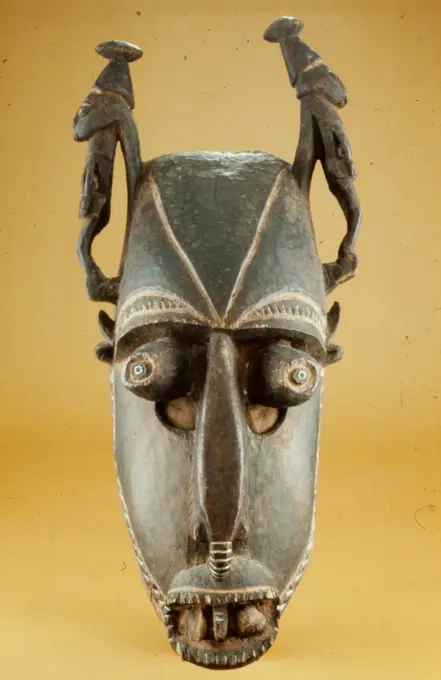
Asa Kate Mask, late 19th century, 21 1/2 x 12 3/8 in. (54.61 x 31.43 cm), Wood, Papua New Guinea, 19th century, This mask represents Asa, a child-devouring spirit who appears during male initiations to challenge and attempt to frighten the initiates. As part of the transformation process, boys between the ages of four and fifteen are taught secret information about their group's traditions and ritual objects. They live in a special house apart from the rest of the village during this time. When their initiation is complete, a big festival is held and the young men are returned to their homes riding on the shoulders of their fathers or maternal uncles.
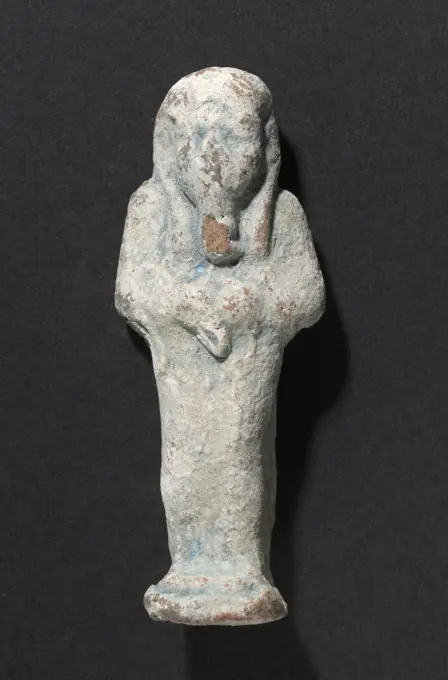
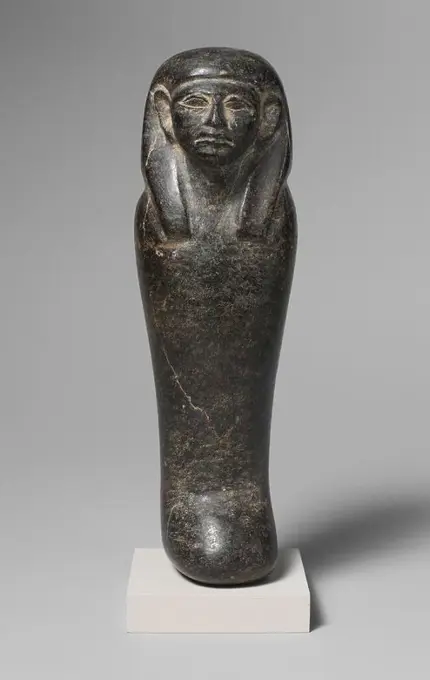
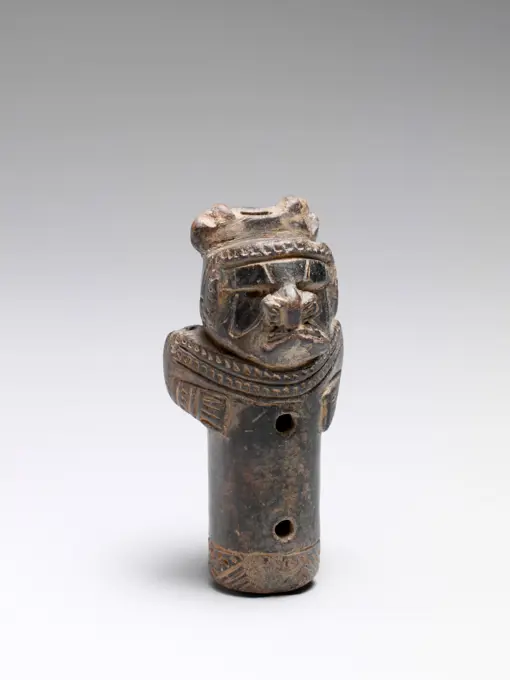
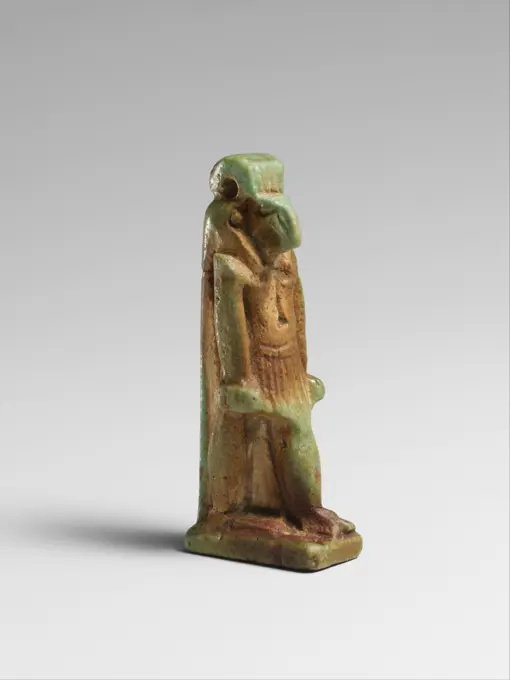
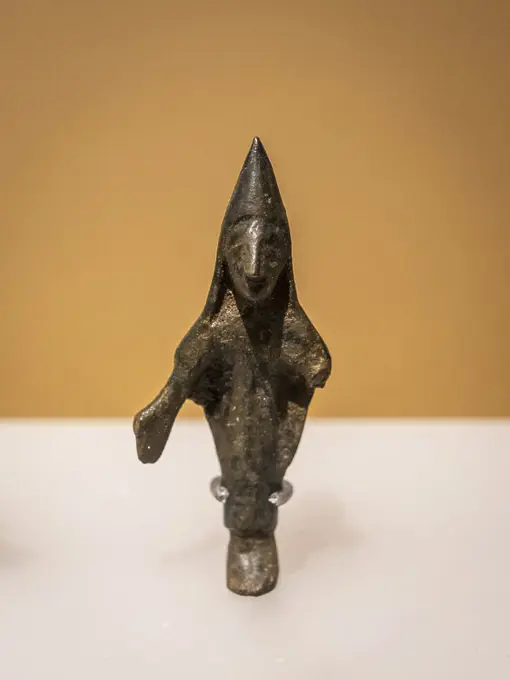
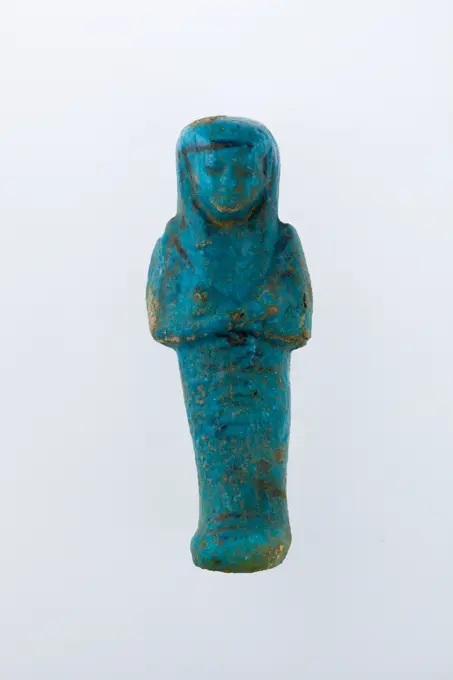
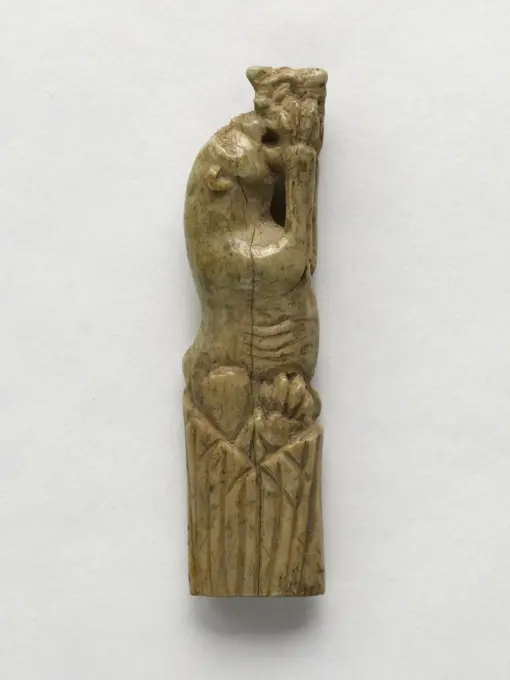
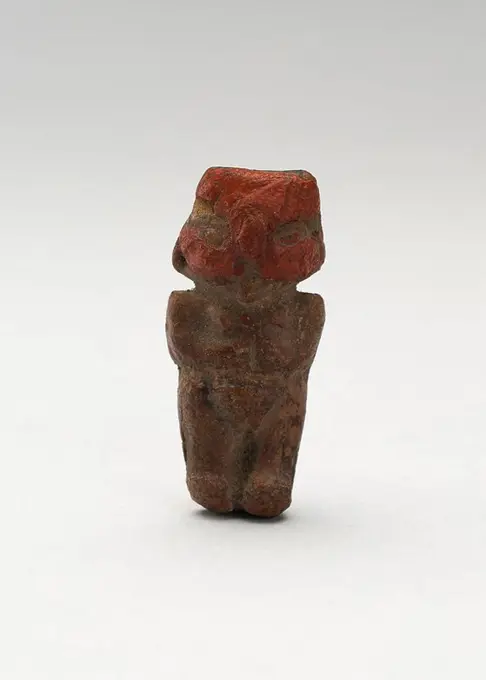
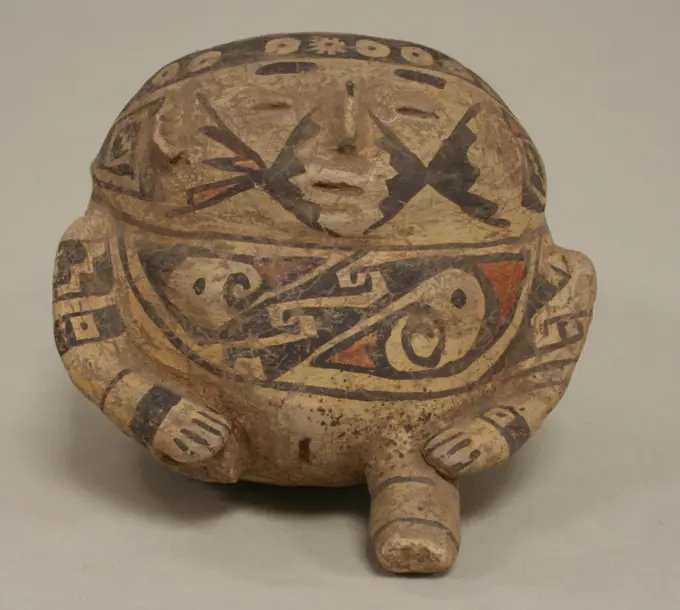
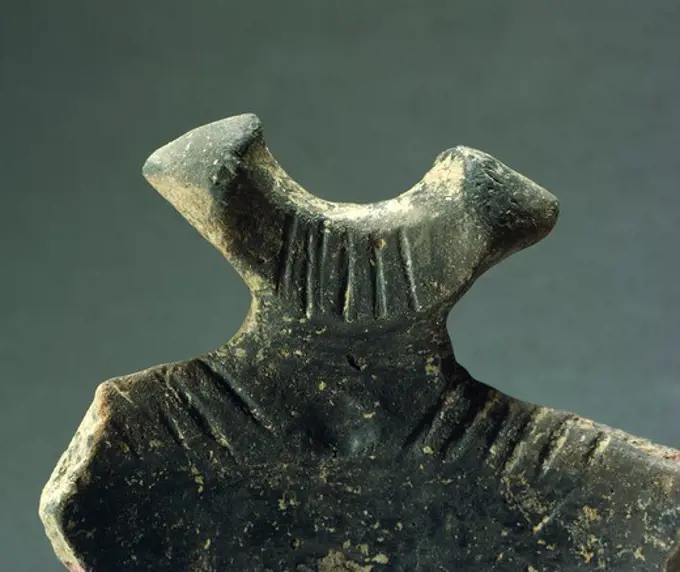
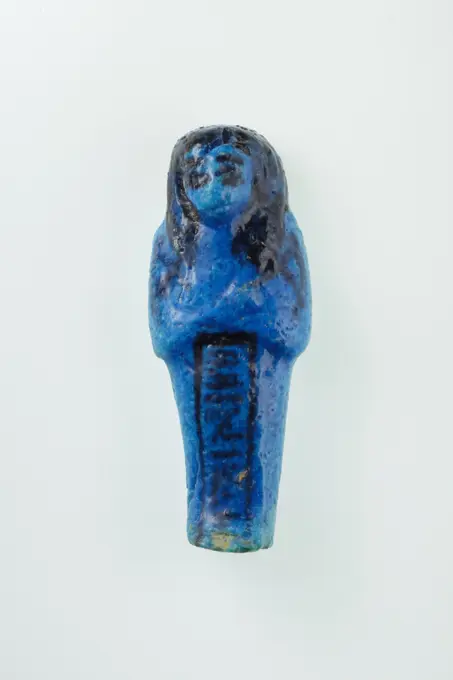
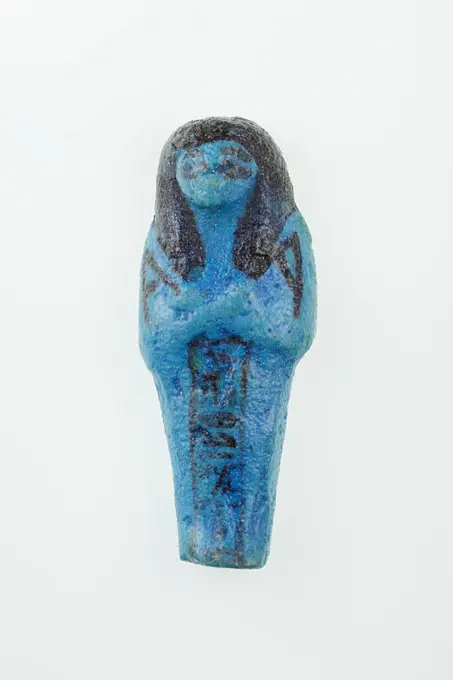
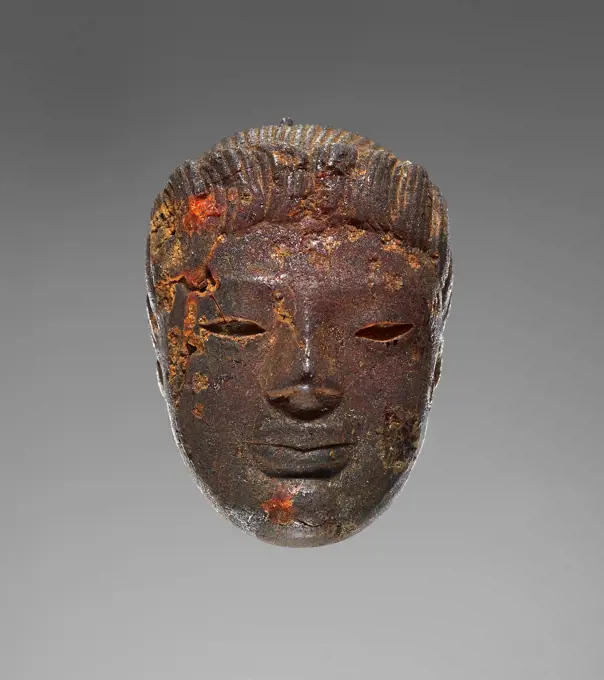
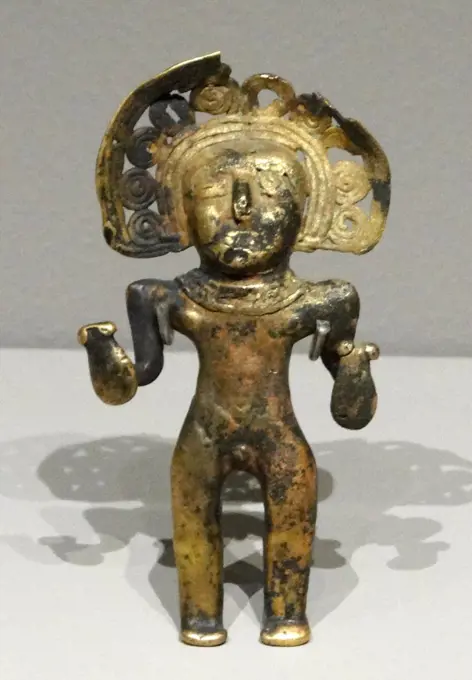
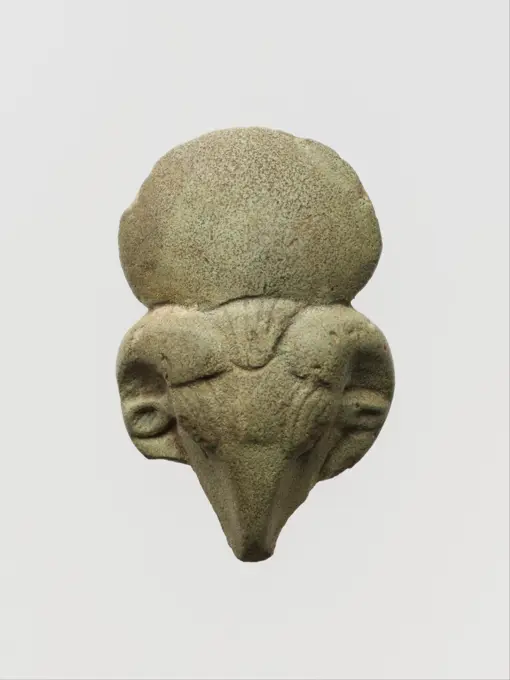
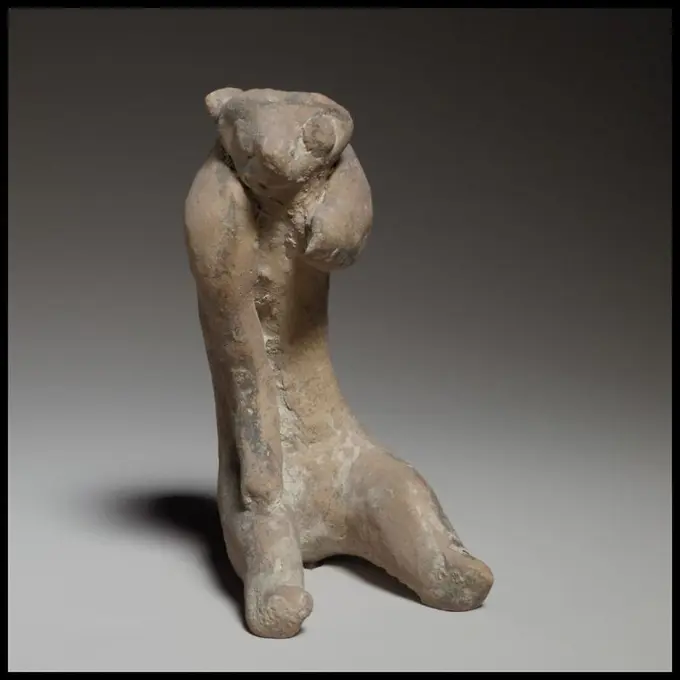
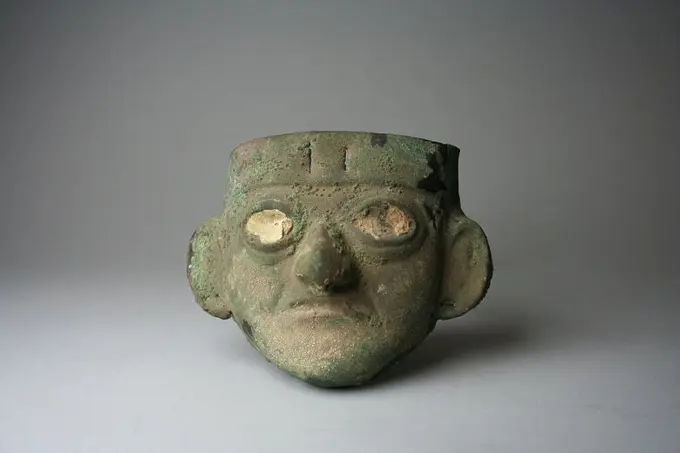
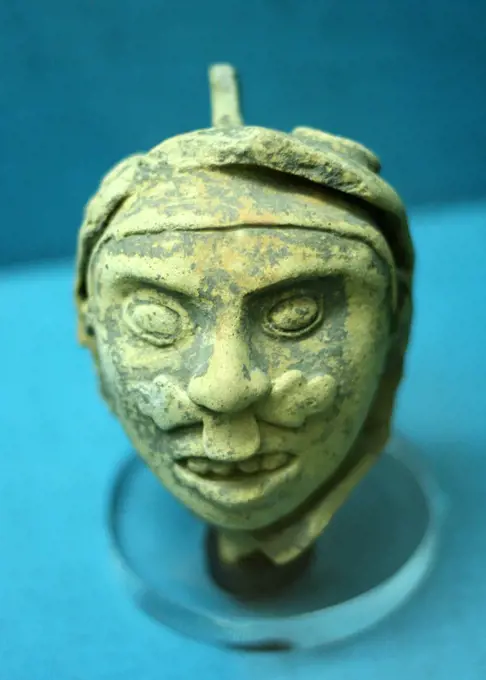
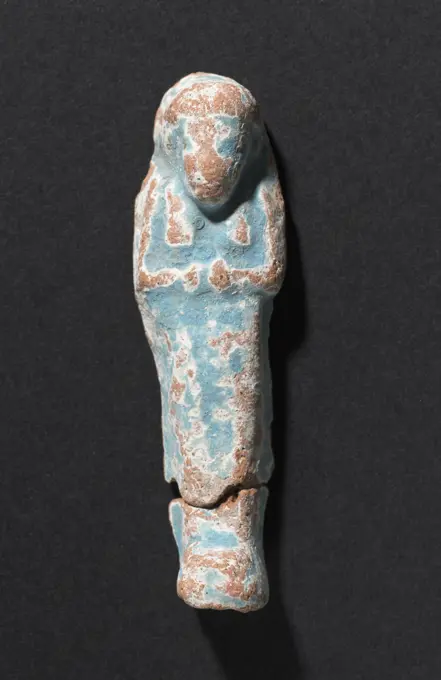
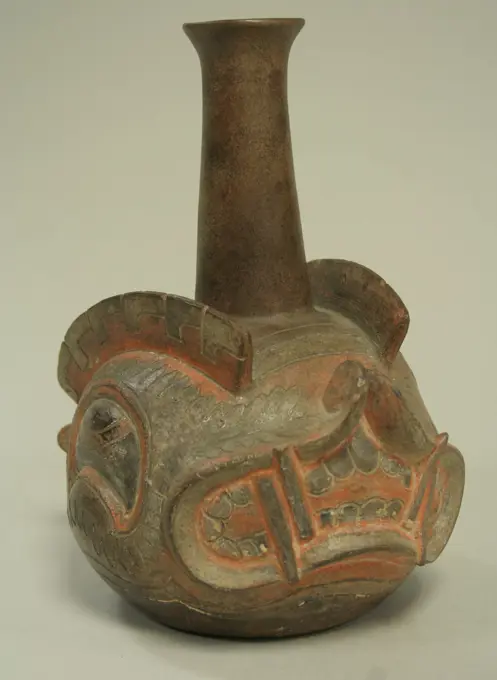
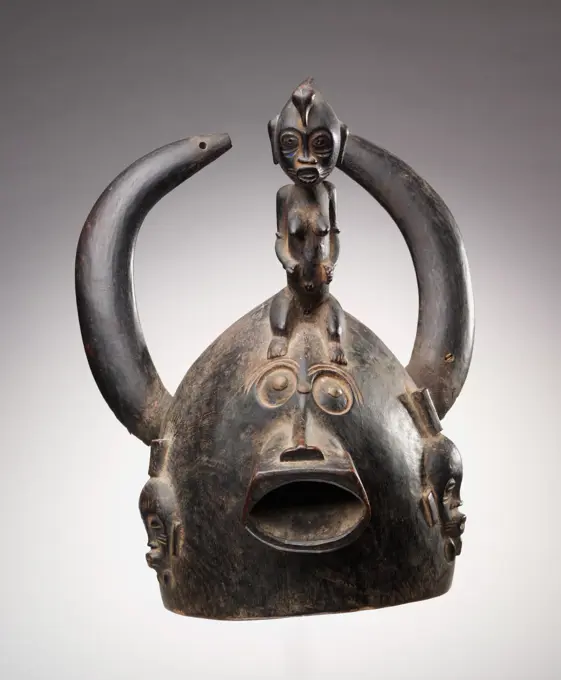
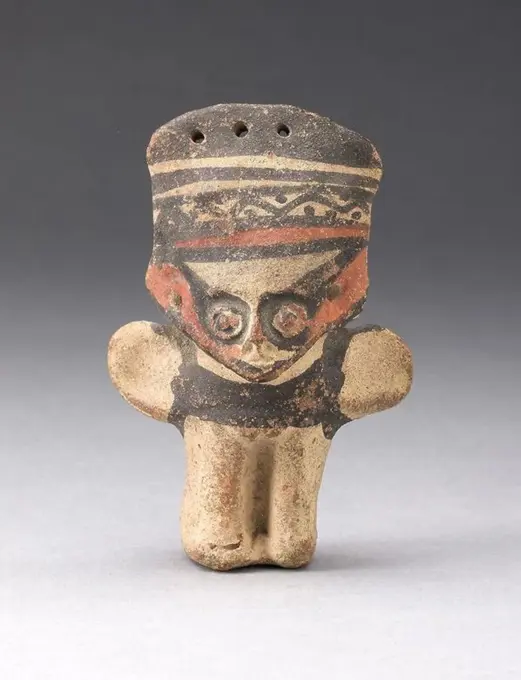
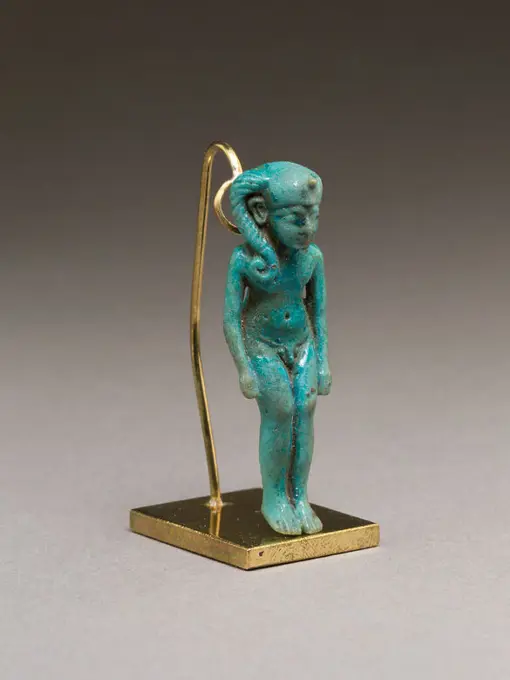
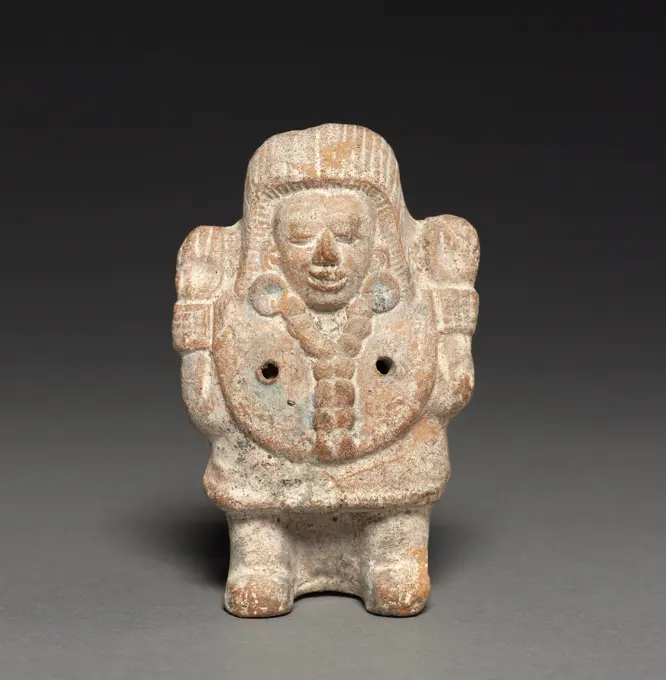
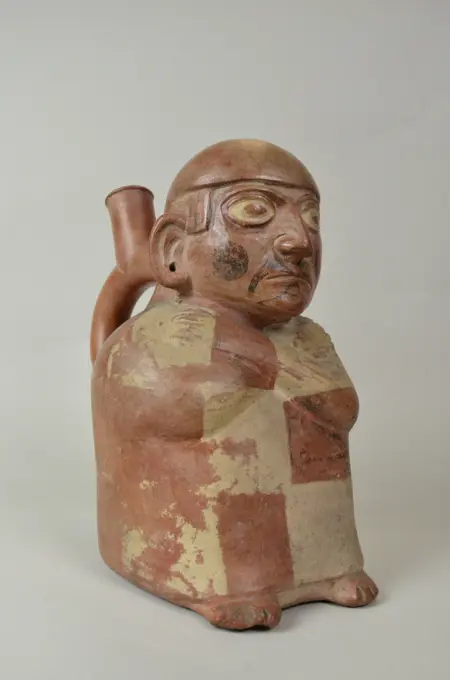
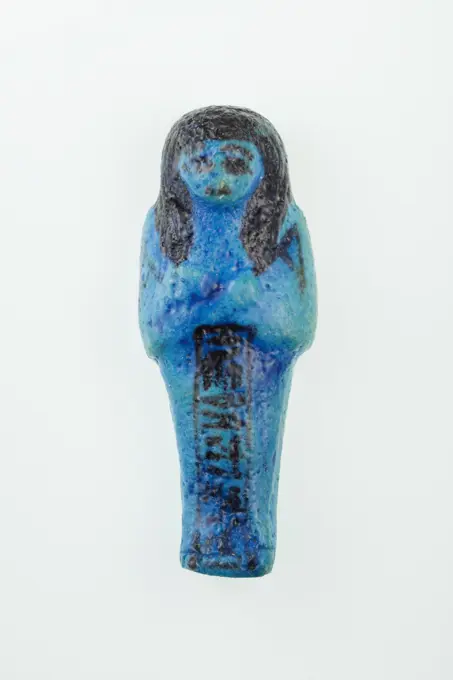
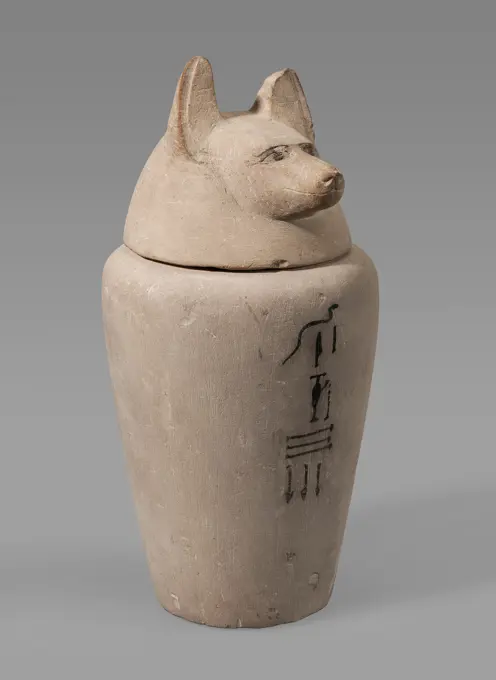
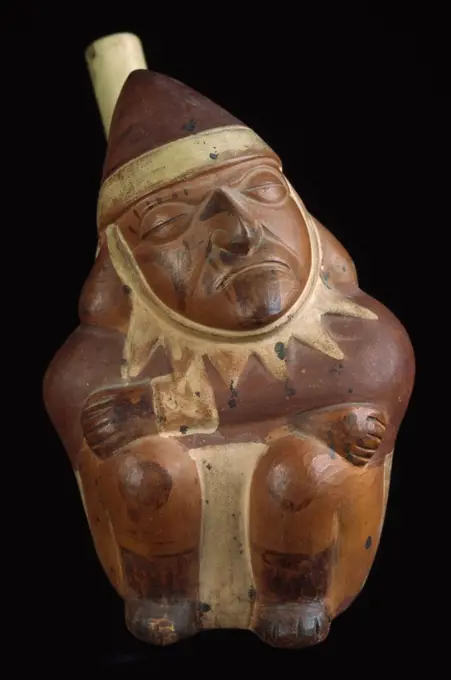
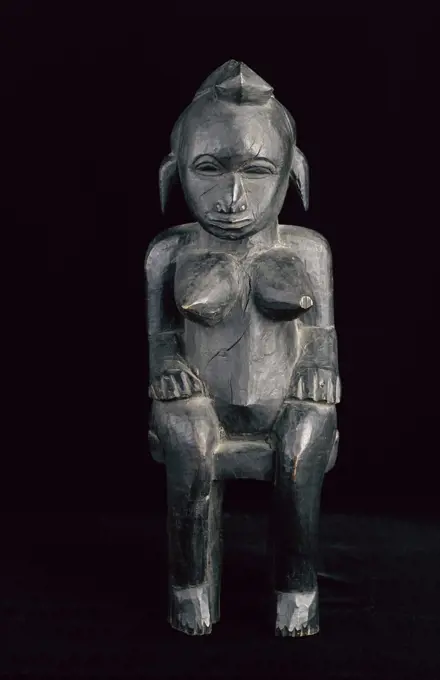
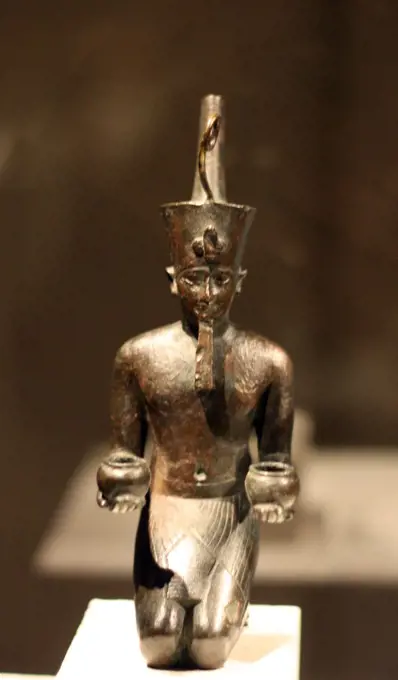
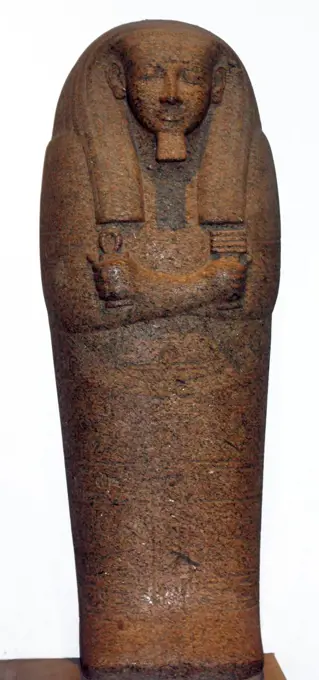
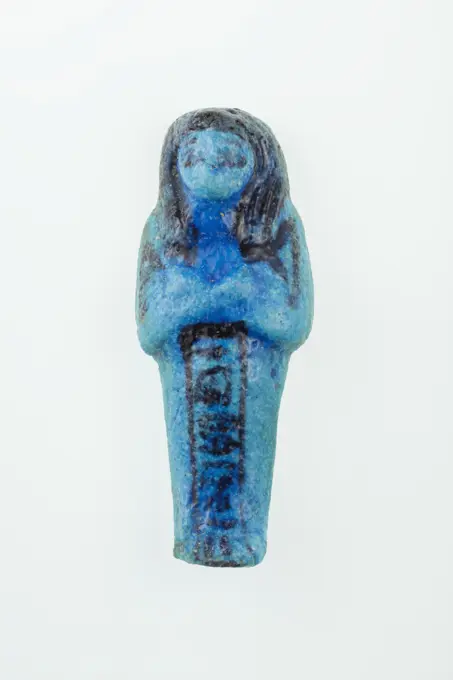
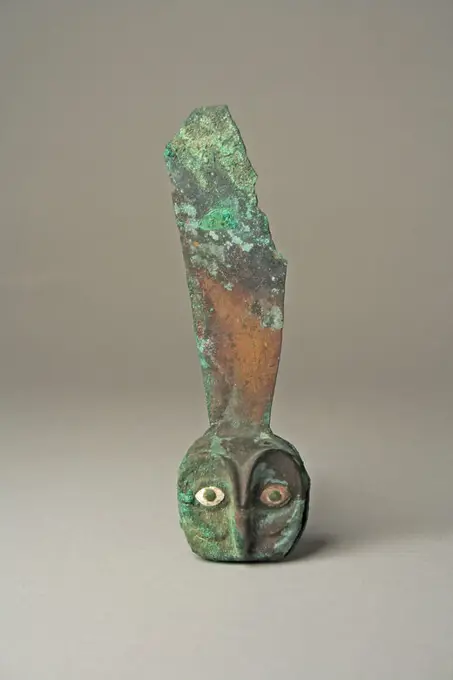
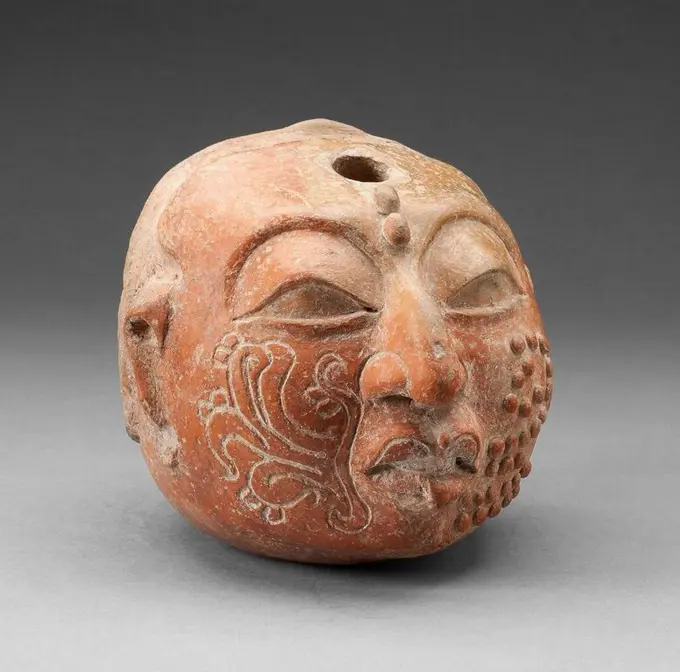
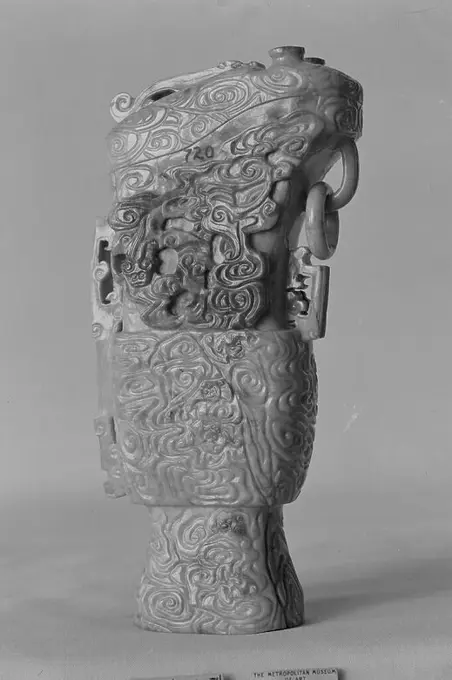
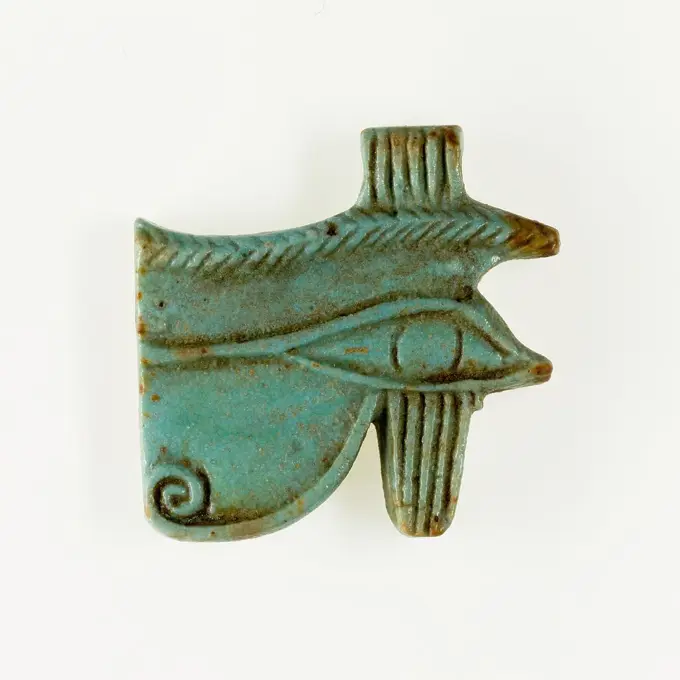
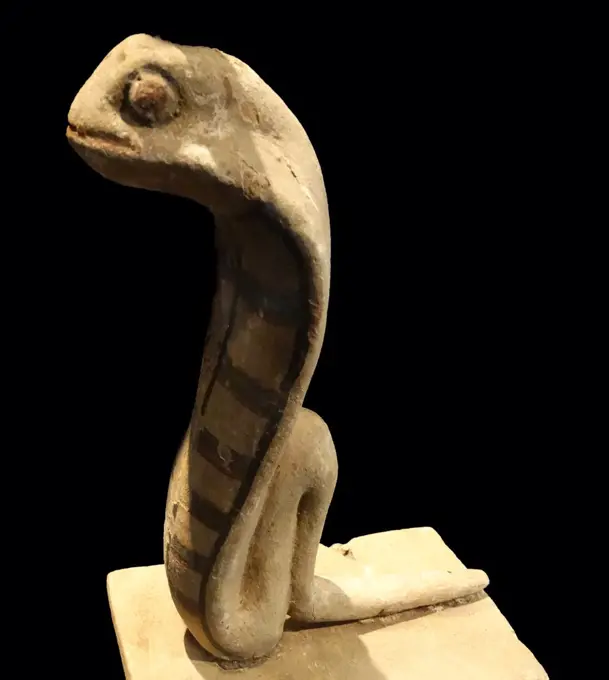
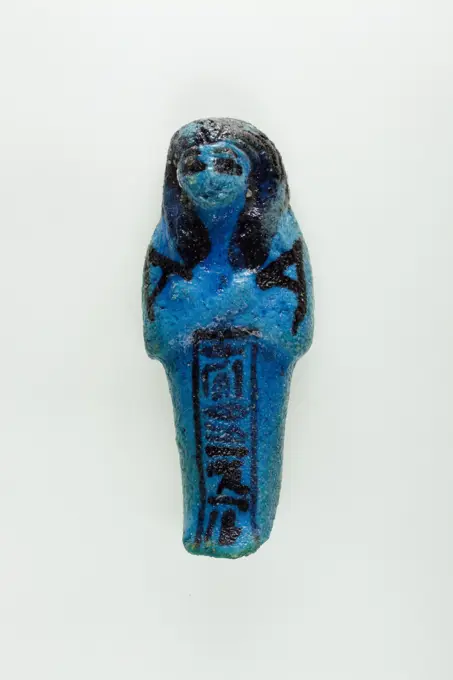
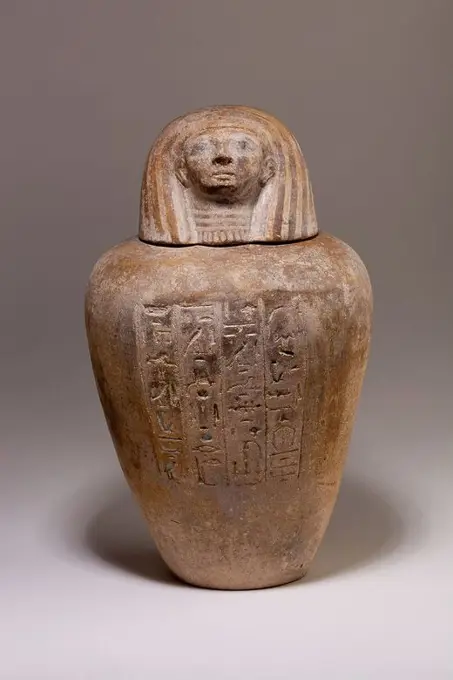
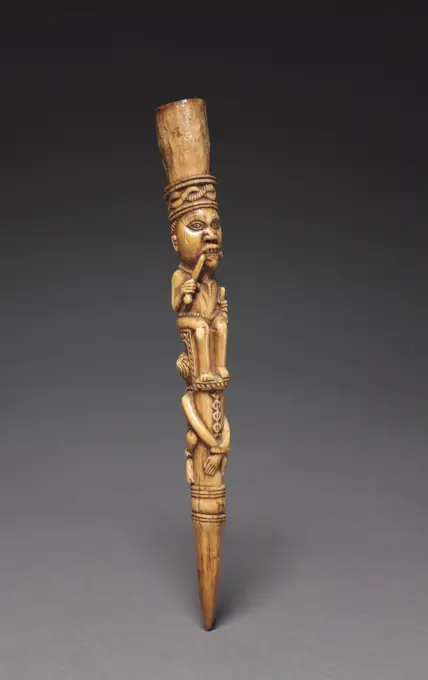
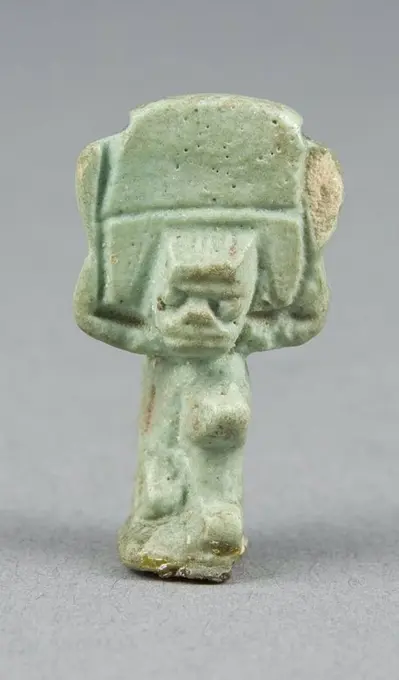
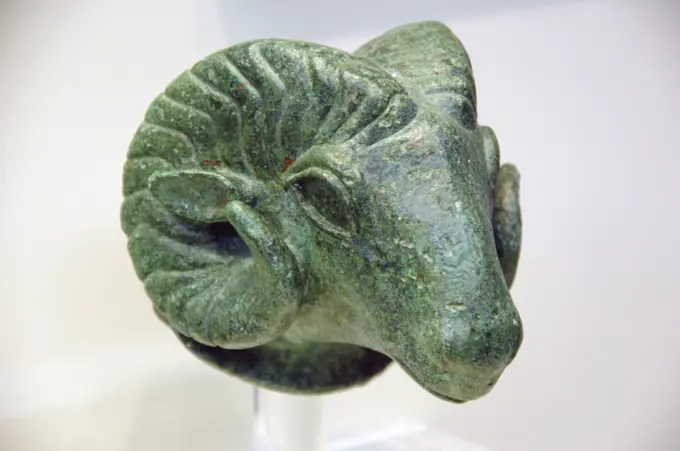
Maker: Unknown, Standing FemaleFigure, Copper alloy, 6.2 cm (2 7/16in.), Made in Central Andes, Peru, Central Andes,Inca, LateHorizon, SculptureShabti. Dimensions: H.18 × W. 5.5 × D. 5.5 cm (7 1/16 × 2 3/16 × 2 3/16 in.). Dynasty: Dynasty 12-18. Date: ca. 1981-1550 B.C.. Museum: Metropolitan Museum of Art, New York, USA.Asa Kate Mask, late 19th century, 21 1/2 x 12 3/8 in. (54.61 x 31.43 cm), Wood, Papua New Guinea, 19th century, This mask represents Asa, a child-devouring spirit who appears during male initiations to challenge and attempt to frighten the initiates. As part of the transformation process, boys between the ages of four and fifteen are taught secret information about their group's traditions and ritual objects. They live in a special house apart from the rest of the village during this time. When their initiation is complete, a big festival is held and the young men are returned to their homes riding on the shoulders of their fathers or maternal uncles.Flute 1300-1500 Tairona People; La Aguja Style. Flute. Tairona People; La Aguja Style. 1300-1500. Ceramic. Pre-Columbian. Sierra Nevada de Santa Marta, Colombia. Aerophone-Whistle Flute-recorderBell: Face. Culture: Lower Niger Bronze Industry. Dimensions: H. 7 7/8 x W. 4 x D. 3 11/16 in. (20 x 10.2 x 9.4 cm). Date: 15th-19th century. Museum: Metropolitan Museum of Art, New York, USA.Faience amulet of Thoth 664-30 B.C. Egyptian Amulets representing animals were attributed to a deity: a hawk for Ra, the Sun God, a lion for Sakhmi, the War Goddess, a ram for Khnum and a cat for Bast.. Faience amulet of Thoth 243749Iberian female bronze votive offering, Castulo, Linares,, Iberian Museum of Jaén, Andalusia, Spain.Worker Shabti of Henettawy (C), Daughter of Isetemkheb ca. 990-970 B.C. Third Intermediate Period See 25.3.19.. Worker Shabti of Henettawy (C), Daughter of Isetemkheb 591101Profile Face 6th-7th century Moche (Loma Negra). Profile Face 313433Lioness -shaped knife handle. Gallo-Roman. Bone. Paris, Carnavalet museum. The handle was sculpted in the shape of a lying lioness, devouring a bovid head placed between its previous legs. The animal's hindquarters are masked by a tree trunk. Gallo-Roman time, feline, Gallo-Roman, lioness, knife handle, bone, archeological vestige, animalStanding female figure, 200-700, 5 1/2 x 1 3/4 x 1 in. (14 x 4.4 x 2.5 cm), Earthenware, Mexico, 3rd-8th centuryMold-Made Female Figurine. Possibly Moche; Possibly north coast, Peru. Date: 100 AD-600 AD. Dimensions: 4.9 x 2.3 cm (1 15/16 x 7/8 in.). Ceramic and pigment. Origin: Peru. Museum: The Chicago Art Institute, Chicago, USA.Amulet of the God Nefertem 1069 BCE-664 BCE Egypt. Faience . Ancient EgyptianStanding female figurine. Culture: Cypriot. Dimensions: H. 10 7/8 in. (27.6 cm). Date: ca. 600-480 B.C..The figurine is mold-made and solid. The back was hollowed and reworked by hand. Museum: Metropolitan Museum of Art, New York, USA.Painted Vessel in the Form of a Seated Woman 4th century Casas Grandes. Painted Vessel in the Form of a Seated Woman 313361Vessel Handle. Iran. Tools and Equipment; handles. Bronze, castUninscribed shabti Third Intermediate Period ca. 1070-720 B.C View more. Uninscribed shabti. ca. 1070-720 B.C. Faience. Third Intermediate Period. From EgyptAmulet - BaboonStirrup Spout Bottle with Portrait Head 1st-4th century Moche. Stirrup Spout Bottle with Portrait Head 308529Hacha with Human Face, 600-1000. Mexico, Veracruz, San Andres Tuxtla, late Classic period. Gray volcanic stone; overall: 41.6 x 14 x 24.5 cm (16 3/8 x 5 1/2 x 9 5/8 in.).Prehistory, Italy, Bronze Age. Terramare culture. Horned handle. From Emilia Romagna Region.Shabti of Petosiris, son of Djedhor Late Period-Ptolemaic Period ca. 360-300 BC This small funerary figure (shabti) comes from the tomb of the Djedhor family, which contained the burials of Djedhor, his wife Nebtaihet, and their three sons. Petosiris, the owner of this shabti, was buried in one of the vaulted chambers along with his two brothers. The three coffins had been covered with sand, and the inhabitants canopic chests had been placed on top. Three of Petosiriss three hundred and eighty-five shabtis were in his coffin and the rest were scattered over the sand.All of Petosiriss shabtis are mummiform, and hold agricultural tools (a distinctively curved pick in the left hand, a hoe in the right, and a basket, held by a rope in the right hand, over one shoulder). Most were uninscribed, but thirty-six (for example, 02.4.110, bore his name, titles, and the name of his father Djedhor, along with lines from Spell 6 of the "Book of the Dead." This text promised that the shabti would cWorker Shabti of Nany ca. 1050 B.C. Third Intermediate Period See 30.3.27.1a, b. Worker Shabti of Nany. ca. 1050 B.C.. Faience. Third Intermediate Period. From Egypt, Upper Egypt, Thebes, Deir el-Bahri, Tomb of Meritamun (TT 358, MMA 65), first corridor, burial of Nany, MMA excavations, 1928-29. Dynasty 21Shabti of Petosiris, son of Djedhor Late Period-Ptolemaic Period ca. 360-300 BC View more. Shabti of Petosiris, son of Djedhor. ca. 360-300 BC. Faience. Late Period-Ptolemaic Period. From Egypt, Northern Upper Egypt, Abydos, Cemetery G, Petrie Tomb 50 (Djedhor), Egypt Exploration Fund excavations. Dynasty 30 or laterWorker Shabti of Nany. Dimensions: H. 8.7 × W. 3.5 × D. 2 cm (3 7/16 × 1 3/8 × 13/16 in.). Dynasty: Dynasty 21. Reign: reign of Psusennes I. Date: ca. 1050 B.C..See 30.3.29.1a, b. Museum: Metropolitan Museum of Art, New York, USA.Pendant: Head of a Female Divinity or Sphinx; Tarentum (), Italy; 550 - 520 B.C; Amber; 34.5 × 24 × 16 mm (1 3,8 × 15,16 × 5,8 in.)Mayan, Anthropomorphic gold figure found at Chichen Itza, Yucatan Mexico. Dated 900-1250 ADBracket 18th century. Bracket 445998Faience ram's head amulet 712-664 B.C. Egyptian Amulets representing animals were attributed to a deity: a hawk for Ra, the Sun God, a lion for Sakhmi, the War Goddess, a ram for Khnum and a cat for Bast.. Faience ram's head amulet 243777Bronze statuette of a warrior 5th century B.C. Etruscan The small warrior strides forward, brandishing a bent spear held in his right hand. His left arm is lowered and held beside his thigh; perhaps originally, he held a shield in his left hand. He wears an incised crested helmet with raised cheek- pieces, a breastplate, and greaves decorated with spiral patterns. A tang extends from the bottom of each foot, indicating that the statuette was originally mounted on a wooden or clay base.. Bronze statuette of a warrior 246433Terracotta statuette of a monkey or bear. Culture: Cypriot. Dimensions: H. 4 3/16 in. (10.6 cm). Date: ca. 600-480 B.C..The effect of Cypriot terracottas often derives from the spontaneity and vivacity of the subjects represented. Even if the species is not surely identifiable, this small animal is lithe and alert. Museum: Metropolitan Museum of Art, New York, USA.Shabti of Petosiris, son of Djedhor Late Period-Ptolemaic Period ca. 360-300 BC This small funerary figure (shabti) comes from the tomb of the Djedhor family, which contained the burials of Djedhor, his wife Nebtaihet, and their three sons. Petosiris, the owner of this shabti, was in one of the vaulted chambers along with his two brothers. The three coffins had been covered with sand, and the inhabitants canopic chests had been placed on top. Three of Petosiriss three hundred and eighty-five shabtis were in his coffin and the rest were scattered over the sand.All of Petosiriss shabtis are mummiform, and hold agricultural tools (a distinctively curved pick in the left hand, a hoe in the right, and a basket, held by a rope in the right hand, over one shoulder). Most were uninscribed, but thirty-six (for example, 02.4.110 bore his name, titles, and the name of his father Djedhor, along with lines from Spell 6 of the "Book of the Dead." This text promised that the shabti would carry outNetsuke fox woman, c. late 18th century, Unknown Japanese, 3 1/8 x 1 3/8 x 5/8in. (7.9 x 3.5 x 1.6cm), Ivory, Japan, 18th-19th centuryPendant. Western Iran, circa 150 B.C.-A.D. 225. Jewelry and Adornments; pendants. Bronze, castLamp. Culture: Roman. Dimensions: Overall: 1 1/2 x 3 3/8 in. (3.8 x 8.6 cm). Date: 3rd century A.D.. Museum: Metropolitan Museum of Art, New York, USA.Amulet of the Goddess Bastet. Egyptian. Date: 1069 BC-656 BC. Dimensions: 4.4 × 1.6 × 1 cm (1 3/4 × 5/8 × 3/8 in.). Faience. Origin: Egypt. Museum: The Chicago Art Institute, Chicago, USA. Author: Ancient Egyptian.Face Mask Ornament. Culture: Moche (Loma Negra). Dimensions: H x W: 3 1/2 x 4 3/4in. (8.9 x 12cm). Date: 390-450. Museum: Metropolitan Museum of Art, New York, USA.Passport' mask, 3 7/16 x 1 5/8 x 1 1/4 in. (8.73 x 4.13 x 3.18 cm), Wood, LiberiaShawabty of Ditamenpaankh, 715-656 BC. Egypt, Late Period, Dynasty 25. Terracotta; overall: 6.8 x 2.5 x 1.8 cm (2 11/16 x 1 x 11/16 in.). High demand for shawabtys in the Late Period, a time when as many as 400 or more shawabtys were placed in the tomb with the deceased, gave rise to a specialized container for storing them: the shawabty box. This example is inscribed for the lady of the house, Ditamenpaankh, and was probably one of a pair originally made for her. The single-masted boat on the box's lid is perhaps an allusion to the pilgrimage of the deceased to the holy city of Abydos, the cult city of Osiris, king of the dead. The shawabtys inside are crude, mass-produced examples cast in an open mold. Made of terracotta, their blue paint imitates more costly shawabtys made of faience. As for the shawabty spell, it has been removed from its traditional location on the shawabty's front and relocated onto the sides of box, where it needed only to be written once, thus expediting produFace Mask Ornament 6th-7th century Moche (Loma Negra). Face Mask Ornament. Moche (Loma Negra). 6th-7th century. Gilded copper, shell, turquoise (). Peru. Metal-OrnamentsBull head-shaped spout of vessel 4th-3rd millennium B.C. (). Bull head-shaped spout of vessel. 4th-3rd millennium B.C. (). Stone. Western AsiaPottery head ' Mixtec, Mexico AD 1300-1400.Figurine, 1-750. Mexico, Teotihuacan. Pottery; overall: 12 x 9 x 5 cm (4 3/4 x 3 9/16 x 1 15/16 in.).Shawabty of Ditamenpaankh, 715-656 BC. Egypt, Late Period, Dynasty 25. Terracotta; overall: 5.9 x 1.6 x 1.3 cm (2 5/16 x 5/8 x 1/2 in.).Ceramic Face Mask 2nd-7th century Moche. Ceramic Face Mask 315676Bottle: Leaf-Nosed Bat Head 9th-5th century B.C. Tembladera Spouted ceramic vessels from the Peruvian Formative period (1800-200 B.C.) were usually designed with elaborately sculpted bodies, such as this bottle in the shape of an animal head with bared teeth. The fanged mouth paired with an upward curled nose is diagnostic of the leaf-nosed bat (Phyllostomidae) commonly found in the Andes. In addition to the nose leafa spear-shaped structure on the muzzlea bat’s ears are a critical tool in their ability to locate objects based on sound (or echolocation). Rendered as three-dimensional crests on either side of the bottle’s spout, the ears of this figure are alert as if ready to receive soundwaves. Located under the ears, the highly burnished black eyes remind the viewer of the bats' night vision, and mimic the creature’s glistening black eyes seen against the gray or tan fur. This piece is said to have been found at the archaeological site of Tembladera (1200-800 B.C.) in the JequetepeAmulet of a Seated Lion. Egypt, Late Period - Ptolemaic Period (724 - 30 BCE). Jewelry and Adornments; amulets. Blue faienceSeated Figure, before 1921. Colombia, 19th-20th century. Red ware; overall: 26.6 x 18.2 x 15.9 cm (10 1/2 x 7 3/16 x 6 1/4 in.).Helmet Mask, early to mid-1900s. Africa, West Africa, Côte d'Ivoire, Senufo-style carver. Wood, upholstery studs, and colorant; overall: 34.9 cm (13 3/4 in.).Mask, 19th century, Possibly Unknown Bali, 16 x 12 1/2 in. (40.6 x 31.8 cm), Wood and pigments, Cameroon, 19th centuryFigurine of Abstract Figure with Arms Held Outwards. Chancay; Central coast, Peru. Date: 1000-1476. Dimensions: . Ceramic and pigment. Origin: Central Coast. Museum: The Chicago Art Institute, Chicago, USA.Double-spouted Hanging Lamp with the Figure of a Comic Actor. UnknownChild god (Harpokrates) amulet. Dimensions: H. 5 × W. 1.6 × D. 1.4 cm (1 15/16 × 5/8 × 9/16 in.). Date: 664-30 B.C.. Museum: Metropolitan Museum of Art, New York, USA.Staff, 19th-20th century, 41 1/16 x 2 7/8 x 1 1/2 in. (104.3 x 7.3 x 3.8 cm), Wood, brass tacks, Democratic Republic of the Congo, 19th-20th centuryHead, 1-750. Mexico, Teotihuacan. Pottery; overall: 7.6 x 9.2 x 2.5 cm (3 x 3 5/8 x 1 in.).Female figurine. Culture: Inca. Dimensions: H. 5 7/8 x W. 1 3/8 in. (14.9 x 3.5 cm). Date: 1400-1533.This female figurine resembles other Inca metal figurines, often associated with the ritual performance of capac hucha, in terms of its appearance and design. Made of hammered sheet, of the approximate composition of 52% silver and 44% gold, by XRF, the figurine shows a woman standing with arms and hands close to the chest. Her hair is pulled back, extending to the lower back, into two tresses that have been tied at this end. Capac hucha has been defined in varied ways by 16th century Spanish chroniclers (Cieza de León 1959, 190-193; Diez de Betanzos 1996, 46, 132), but they note that it typically involves offerings in Cusco or in provincial regions made in honor of the Sun or in reverence of the Sapa Inca, the paramount Inca ruler. In some cases, it may involve gathering children from provinces, bringing them to Cusco, and then sending them to distant locations along with a range of oFemale Figurine Rattle, 600-900. Mexico, Campeche, Jaina Island, Maya. Ceramic, pigment; overall: 9.5 x 6.3 x 4.5 cm (3 3/4 x 2 1/2 x 1 3/4 in.).Amulet, Khepera. Amulet, Khepera. Clay, glazed. Gold and SilverCarved seal; Crete, Greece; about 2300 B.C. - 2000 B.C; Ivory or bone; 2.8 × 1 × 1.5 cm (1 1,8 × 3,8 × 9,16 in.)Stirrup Spout Bottle with Seated Figure A.D. 200-600 Moche This ceramic stirrup-spout bottle in the shape of a seated man wearing a checkerboard tunic was created by potters of the Moche culture of Perus North Coast. The figures hair is enveloped in a tight fitting head wrap that extends down his back, with locks of hair extending down in front of each ear. Over his left shoulder he carries a small bag of the type used to carry coca leaves, decorated with horizontal stripes and a fringe at the bottom (see Donnan and Donnan 1997:227, fig. 29 and 233, fig. 42 for related imagery). Traces of black circular tattoos or paint adorn his cheeks, and he sports a moustache and a small beard. There are holes in his ear lobes for ear ornaments. His eyes are open, indicating that, unlike other figures in a seated position, he is not sleeping (see accession number 64.228.33 in the Mets collection for an example of a sleeping figure). His arms are crossed under his tunic, perhaps for warmth, or peShabti of Psamtek 664 BCE-332 BCE Egypt. Faience . Ancient EgyptianWorker Shabti of Nany ca. 1050 B.C. Third Intermediate Period See 30.3.29.1a, b. Worker Shabti of Nany. ca. 1050 B.C.. Faience. Third Intermediate Period. From Egypt, Upper Egypt, Thebes, Deir el-Bahri, Tomb of Meritamun (TT 358, MMA 65), first corridor, burial of Nany, MMA excavations, 1928-29. Dynasty 21Duamutef (mitol.), Kebehsenuf (mitol.Seated Chieftain Ai Apec c. 200-500 A.D. Moche IV, Peru Ceramic Pre-Columbian Collection of The Museum of Contemporary Art, Jacksonville, FloridaHead of Attendant 11th-12th century China. Head of Attendant 61547Figurine, 1325-1521. Mexico, Aztec, 14th century-16th century. Terracotta; overall: 7 cm (2 3/4 in.).Figurine. UnknownSeated Female Fertility Figure Senufu Culture African Art Wood with Black Stain Collection of The Museum of Contemporary Art, Jacksonville, FloridaTwo statuettes of Kushite kings , 25 Dynasty around 670 BC bronzeHead of falcon ca. 712-343 B.C. Late Period. Head of falcon 558358Tiny Man on Toy Monkey's Back. Anonymous Folk Artist. Japan, 19th century. Costumes; Accessories. Wood with lacquerRed granite sarcophagus lid of Pahemnetjer. Nineteenth Dynasty (approx. 1250 BC) Egyptian. Possibly from Saqqara. Belonged to the coffin of the high priest of Ptah.Worker Shabti of Nauny ca. 1050 B.C. Third Intermediate Period See 30.3.30.1a, b. Worker Shabti of Nauny. ca. 1050 B.C.. Faience. Third Intermediate Period. From Egypt, Upper Egypt, Thebes, Deir el-Bahri, Tomb of Meritamun (TT 358, MMA 65), first corridor, burial of Nauny, MMA excavations, 1928-29. Dynasty 21Owl Tab Ornament. Culture: Moche (Loma Negra). Dimensions: L. 5 in. (12.8 cm). Date: 390-450. Museum: Metropolitan Museum of Art, New York, USA.Rhyton in the form of a female head. Rhyton in the form of a female head. Bronze. BronzesMacrophallic Figurine ca. 332-30 B.C. Ptolemaic Period This male figures overly large phallus identifies it as belonging to a group of ithyphallic figures known from the late first millennium. Here the phallus is supported by a round object that appears to be a drum. Although harps are a more common musical instrument associated with these figures, because the figurines are linked to the celebration of festivals of a divine birth, a drum would certainly be appropriate choice.. Macrophallic Figurine. ca. 332-30 B.C.. Faience. Ptolemaic Period. From EgyptCarvedHeadAmulet - ibis. unknown, authorImitation of an Alabastron. UnknownRitual Vessel in the Form of a Head. Late Classic Maya; Yucatán, Mexico. Date: 600 AD-900 AD. Dimensions: H. 10.2 cm (4 in.). Ceramic. Origin: Mexico. Museum: The Chicago Art Institute, Chicago, USA.Sacrificial Vessel with Cover. Culture: China. Dimensions: H. 6 in. (15.2 cm); W. 3 1/4 in. (8.3 cm); D. 1 3/8 in. (3.5 cm). Date: 1796-1875. Museum: Metropolitan Museum of Art, New York, USA.Wedjat eye amulet. Dimensions: L. 3.3 × H. 3.2 cm (1 5/16 × 1 1/4 in.). Dynasty: Dynasty 26. Date: 664-332 B.C..One of the most popular amulets in ancient Egypt, the wedjat eye represents the healed eye of the god Horus. It depicts a combination of a human and a falcon eye, since Horus was often associated with a falcon. Its ancient Egyptian name, wedjat, means "the one that is sound (again)." In Egyptian mythology Horus' eye was injured or stolen by the god Seth and then restored by Thoth. The wedjat eye embodies healing power and symbolizes rebirth. An amulet in this shape was thought to protect its wearer and to transfer the power of regeneration onto him or her. It was used by the living as well as for the dead. Museum: Metropolitan Museum of Art, New York, USA.Tunjos (Votive Offering Figurine), c. 900-1550. Colombia, Muisca style, 10th-16th century. Cast gold; overall: 11.6 x 2.6 x 0.8 cm (4 9/16 x 1 x 5/16 in.). Unlike the other gold ornaments made in the isthmian region, tunjos were not worn; instead, they served as offerings that were deposited in sacred places such as lagoons and caves. They often depict humans who hold something.wooden cobra from the base of a funeral bed found in an Egyptian tomb 715-332 BCStanding Female FigurineStirrup Spout Bottle with Figure. Culture: Moche. Dimensions: H. 7 3/8 x W. 5 3/16 in. (18.7 x 13.2 cm). Date: 4th-6th century. Museum: Metropolitan Museum of Art, New York, USA.Worker Shabti of Nany ca. 1050 B.C. Third Intermediate Period See 30.3.26.1a, b. Worker Shabti of Nany. ca. 1050 B.C.. Faience. Third Intermediate Period. From Egypt, Upper Egypt, Thebes, Deir el-Bahri, Tomb of Meritamun (TT 358, MMA 65), first corridor, burial of Nany, MMA excavations, 1928-29. Dynasty 21StandingFemaleCanopic Jar of Ruiu. Dimensions: Overall H. 33 cm (13 in.). Lid: H. 11.5 cm (4 1/2 in.); Diam. 12.8 cm (5 1/16 in.); Diam. of rim 8.5 cm (3 3/8 in.). Jar: H. 24.5 cm (9 5/8 in.). Dynasty: Dynasty 18, early. Reign: reign of Thutmose I-early sole Thutmose III. Date: ca. 1504-1447 B.C..The burial of Ruiu was found in the tomb of her father, Neferkhawet, which was excavated by the Museum's Egyptian Expedition in 1935. Ruiu's coffin and canopic box had been placed in the east chamber of the tomb along with the burials of seven other family members. The canopic box had been badly damaged by dampness and insects, but enough was left to allow the archaeologists to reconstruct the box and its decoration and texts on paper.The box was divided into four compartments by two interlocking partitions, and the jars had been placed in these compartments. Each side of the box was decorated with the image of one of the four funerary goddesses: Isis, Nephthys, Selkit, and Neit. In the texts on the bTotem, 20th century. America, North American Indian, Alaska. Wood and bone; overall: 42.3 x 7.7 x 5.3 cm (16 5/8 x 3 1/16 x 2 1/16 in.).Scepter, late 1800s-early 1900s. Africa, Central Africa, Democratic Republic of Congo (most likely), Cabinda, or Republic of Congo, probably Kongo (Yombe sub-group) carver. Ivory; overall: 28 x 2.5 x 4 cm (11 x 1 x 1 9/16 in.).Bronze griffin attachment. Culture: Etruscan. Dimensions: H. 7 3/16 in. (18.2 cm). Date: ca. 600-575 B.C..This heavy, solid-cast griffin was the finial for another object, perhaps an andiron. Originally, the eyes were inlaid with other materials, such as amber and ivory, to create a more lifelike realism. Museum: Metropolitan Museum of Art, New York, USA.Stirrup Spout Bottle with Llama Head 12th-14th century Chimú. Stirrup Spout Bottle with Llama Head. Chimú. 12th-14th century. Ceramic. Peru. Ceramics-ContainersAmulet of the God Shu. Egyptian. Date: 664 BC-332 BC. Dimensions: 3.2 x 1.9 x 1 cm (1 1/4 x 3/4 x 3/8 in.). Faience. Origin: Egypt. Museum: The Chicago Art Institute, Chicago, USA. Author: Ancient Egyptian.Neck ornament (Heitiki) New Zealand. Neck ornament (Heitiki). New Zealand. Nephrite, pear-leaf green. JadeBastet amulet Late Period-Ptolemaic Period 664-30 B.C. View more. Bastet amulet. 664-30 B.C.. Faience. Late Period-Ptolemaic Period. From EgyptHead 750 CE-1450 Veracruz. Ceramic and pigment . HuastecHorse head (Valahassa Jataka) (common name), 0100,. Limestone. Cernuschi Museum, Asia Museum of Asia in the city of Paris.Model of a Bell (Zheng). China. Date: 400 BC-201 BC. Dimensions: H. 15 1/4 in. Gray stoneware with incised decoration. Origin: China. Museum: The Chicago Art Institute, Chicago, USA.Ram's head from the early 6th century B.C .Olympia Archaeological Museum. Ilia Province. Peloponnese region. Greece.