Cultural Sculptures and Masks

Diverse sculptures and masks from different cultures, representing historical craftsmanship and cultural identity with rich details.
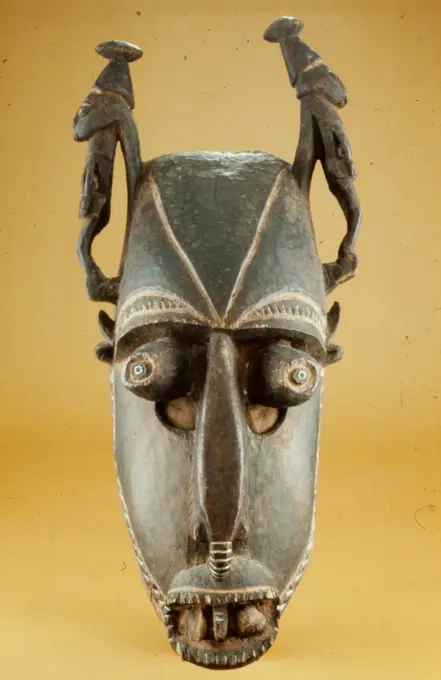
Asa Kate Mask, late 19th century, 21 1/2 x 12 3/8 in. (54.61 x 31.43 cm), Wood, Papua New Guinea, 19th century, This mask represents Asa, a child-devouring spirit who appears during male initiations to challenge and attempt to frighten the initiates. As part of the transformation process, boys between the ages of four and fifteen are taught secret information about their group's traditions and ritual objects. They live in a special house apart from the rest of the village during this time. When their initiation is complete, a big festival is held and the young men are returned to their homes riding on the shoulders of their fathers or maternal uncles.
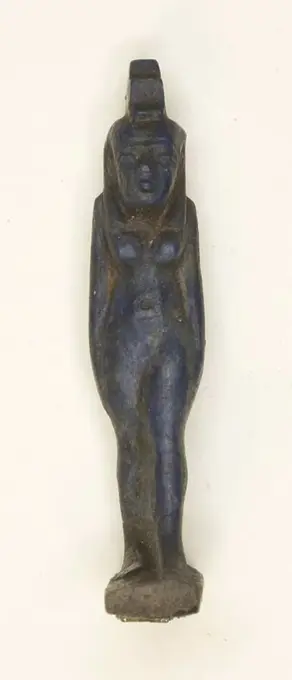
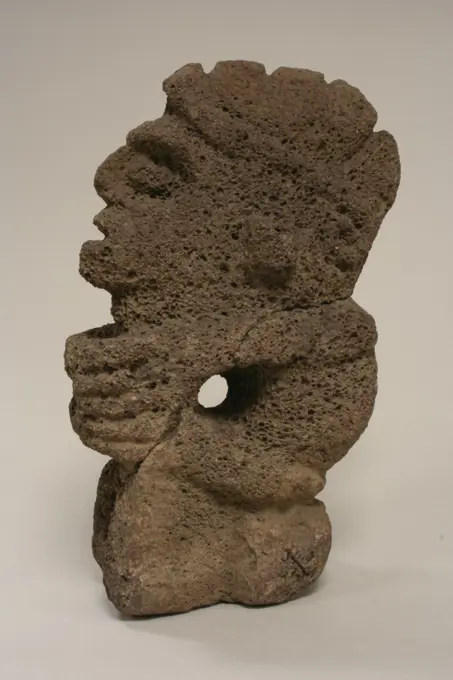
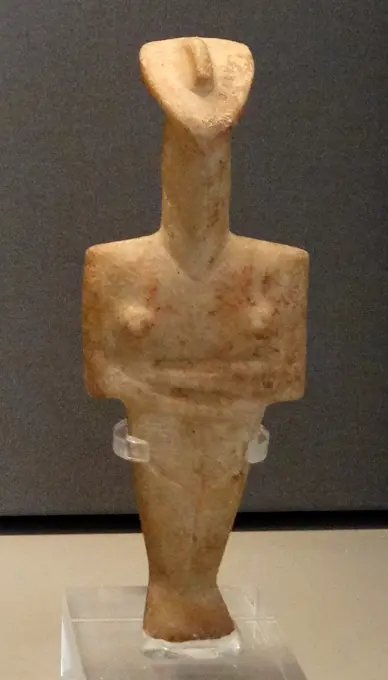
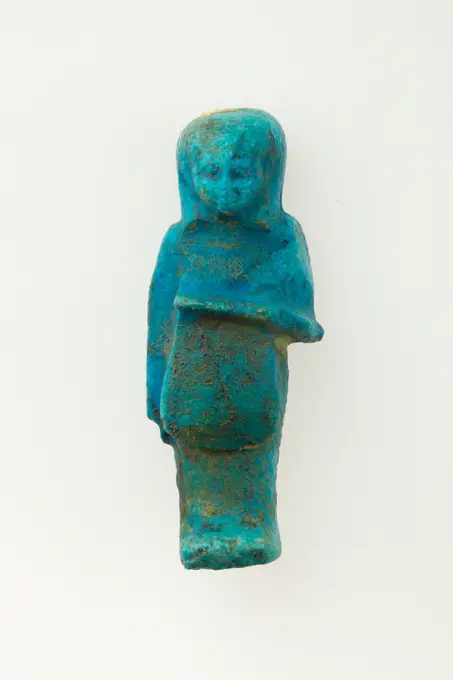
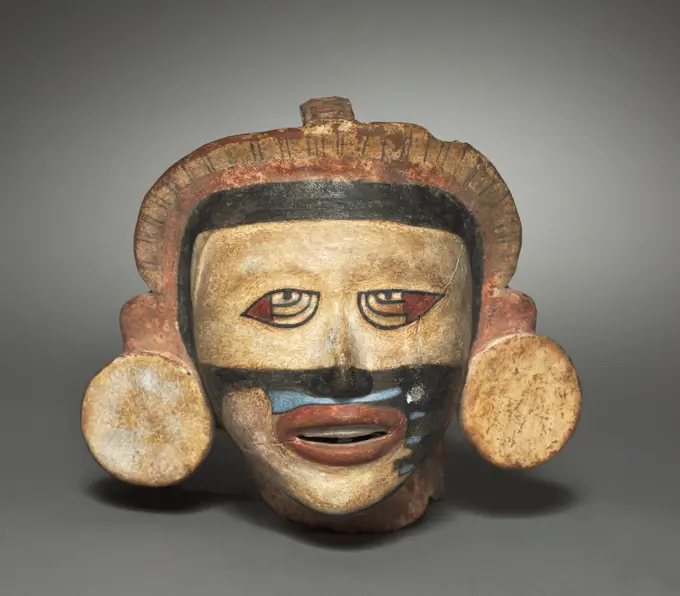
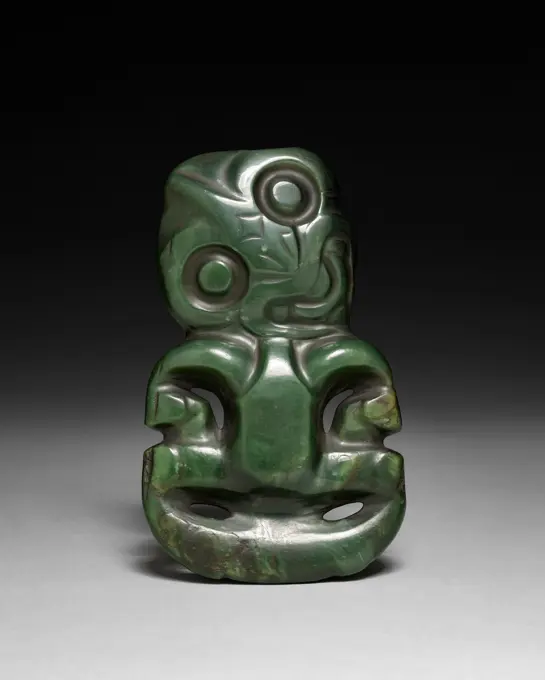
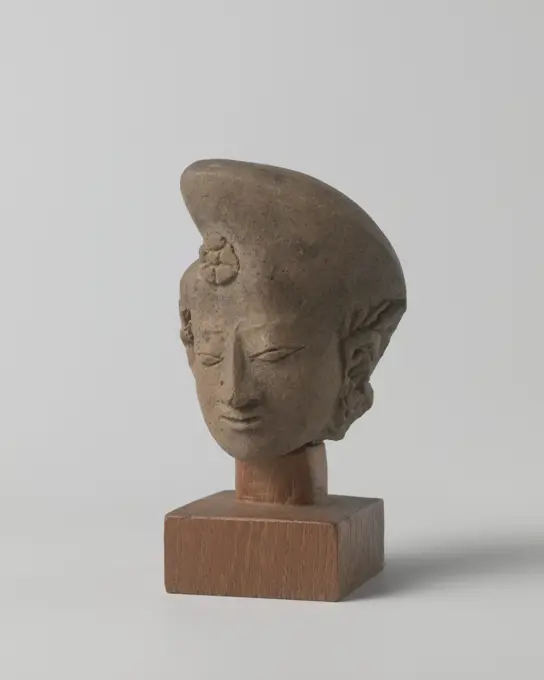
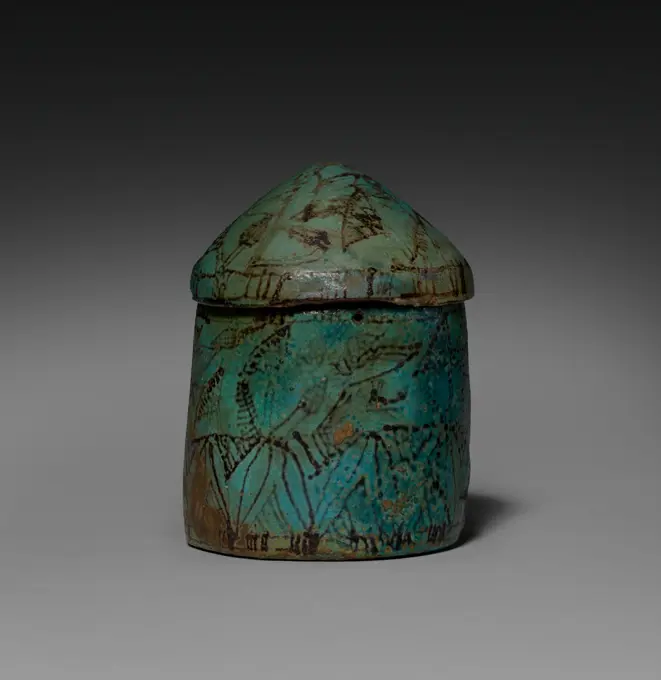
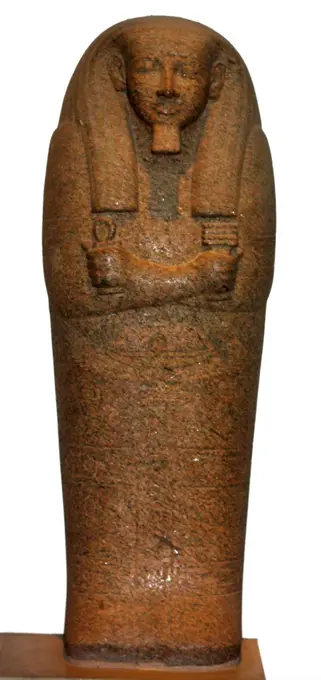
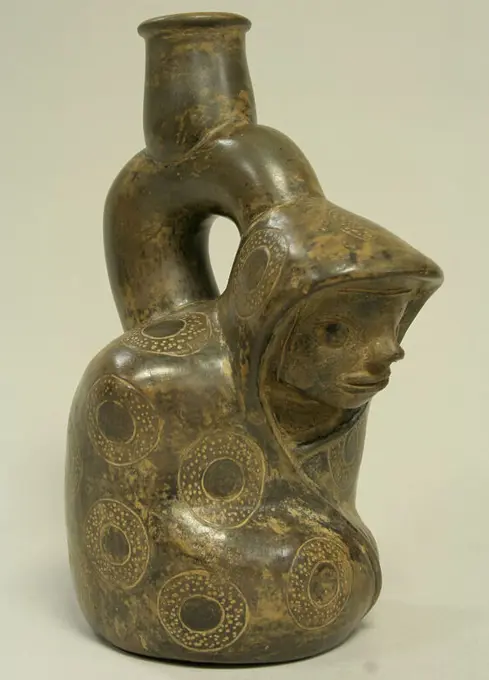
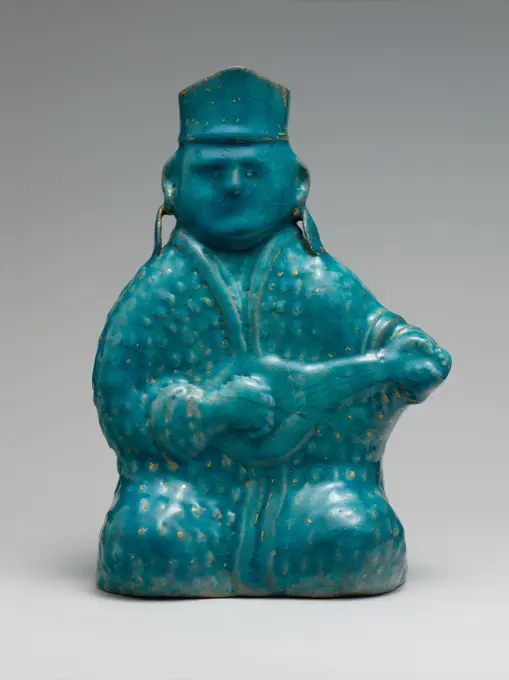
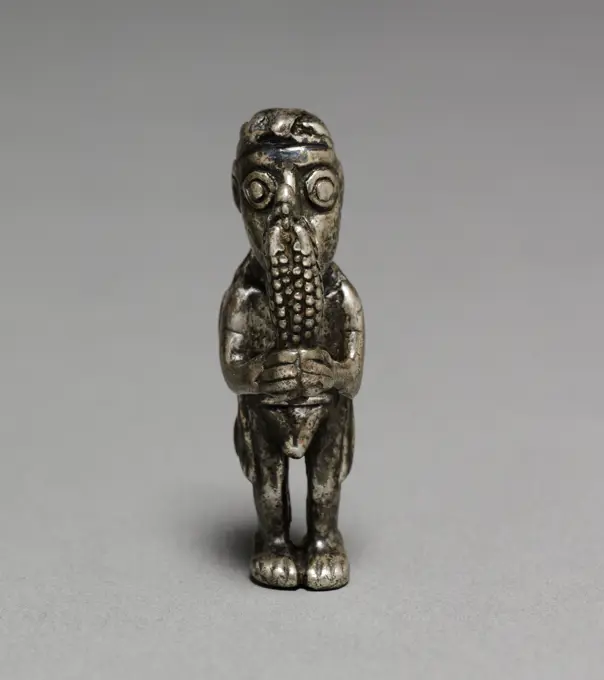
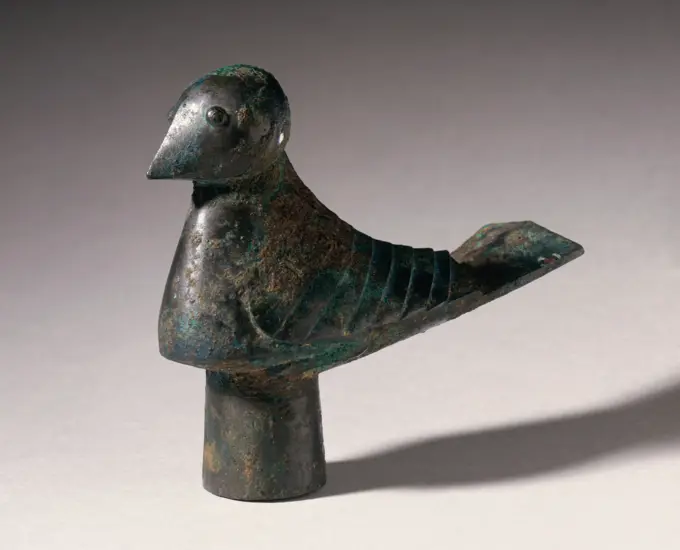
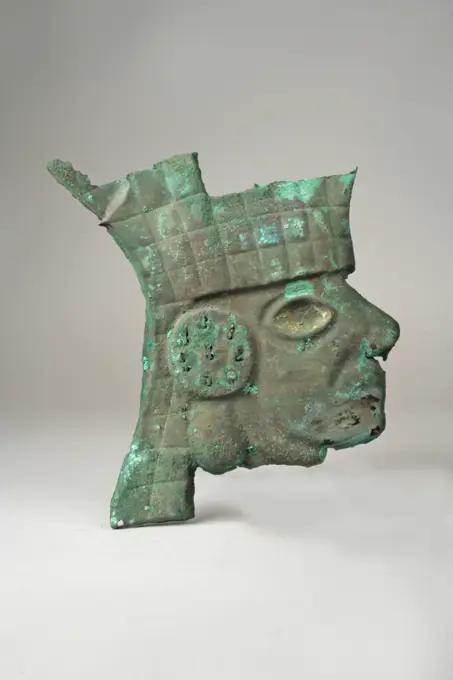
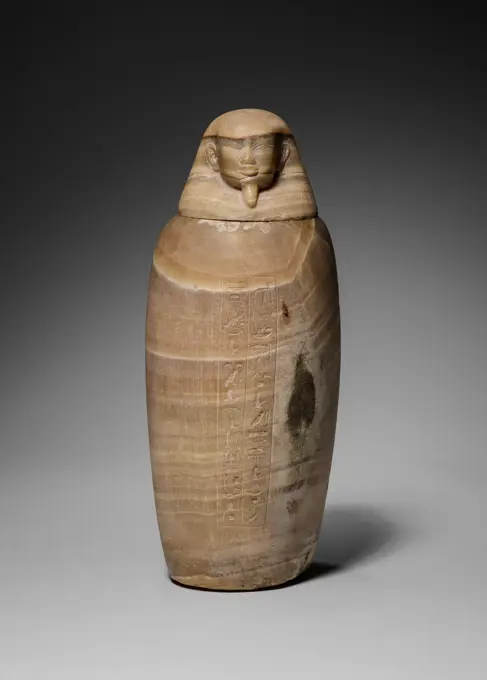
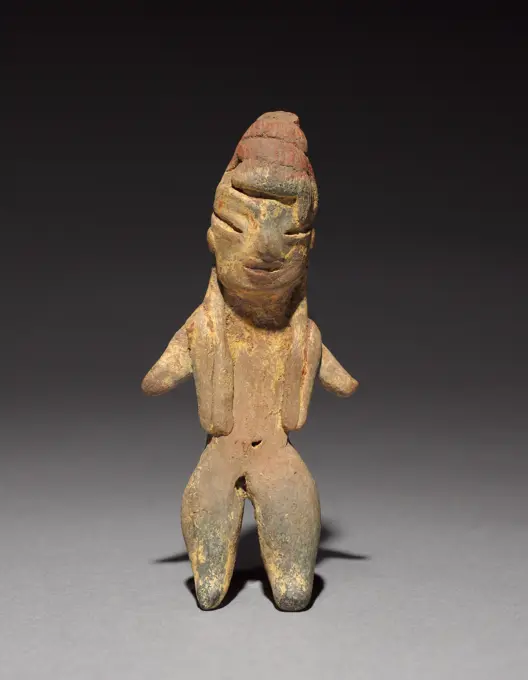
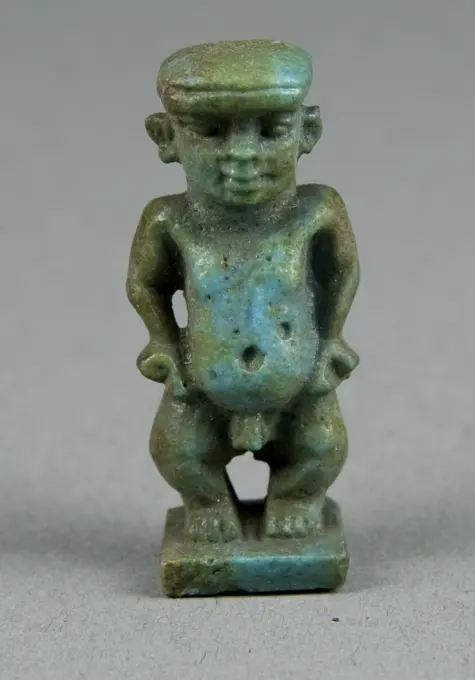
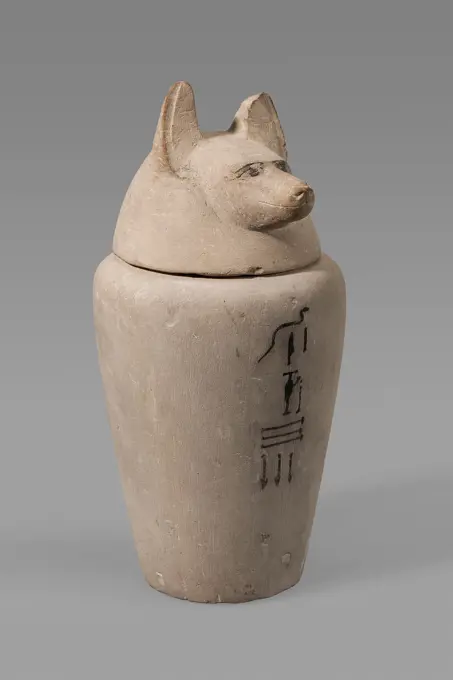
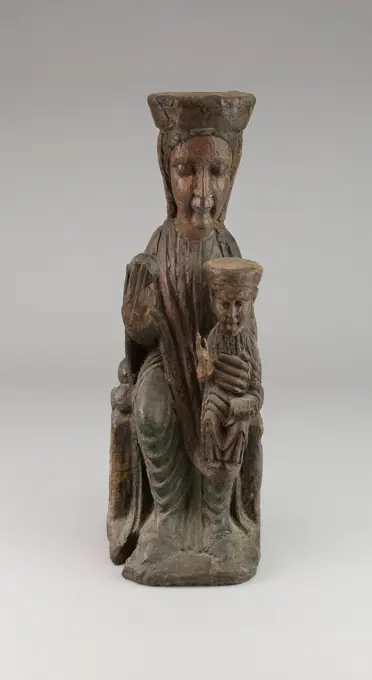
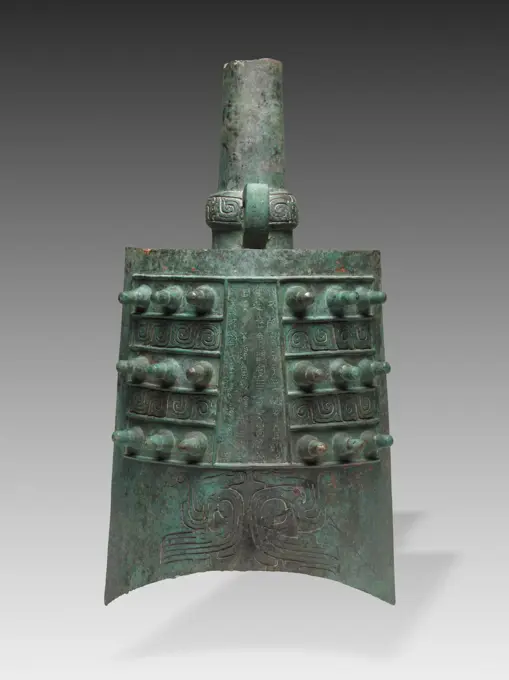
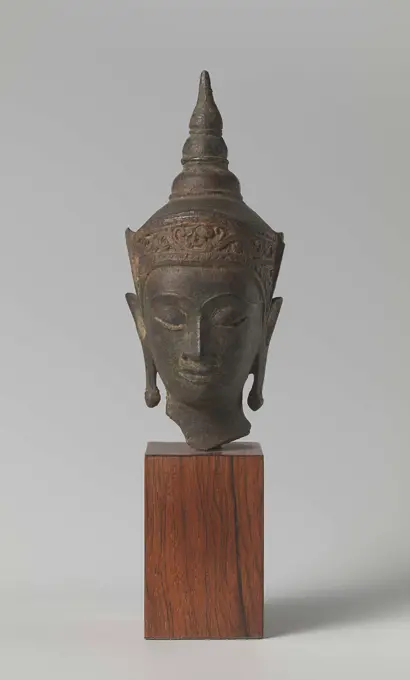
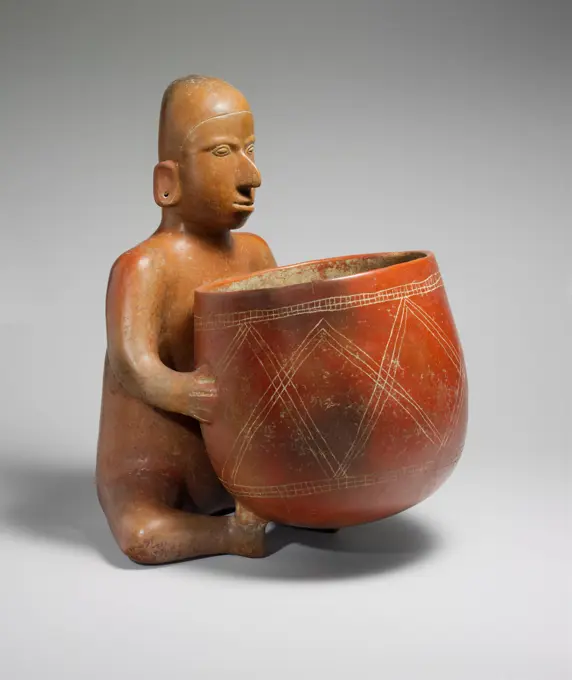
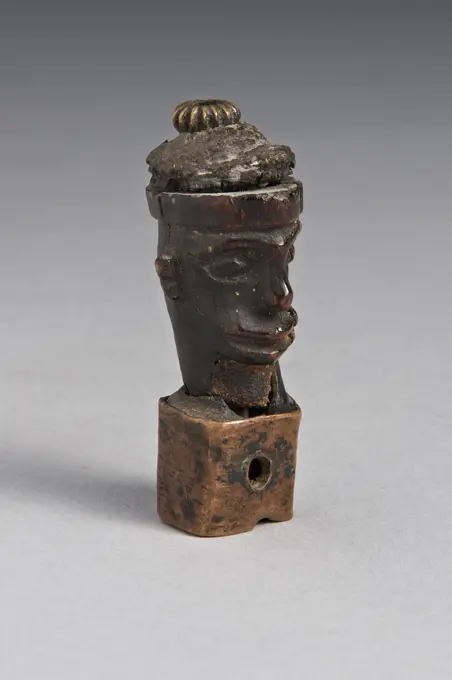
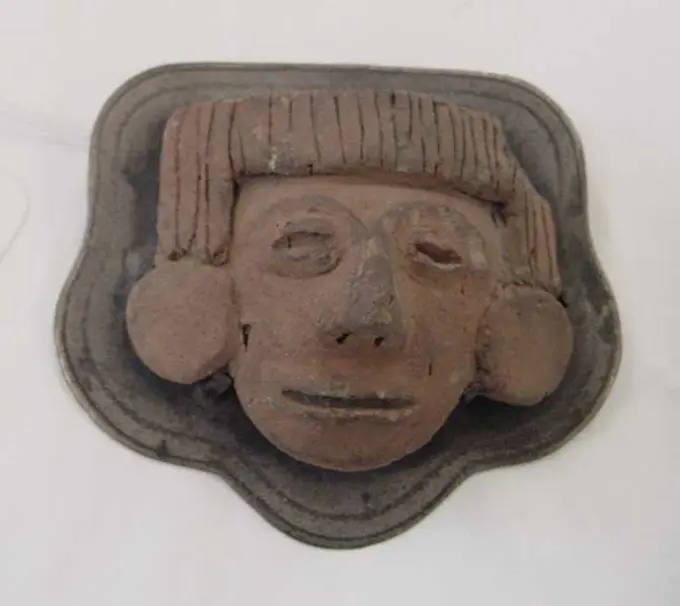
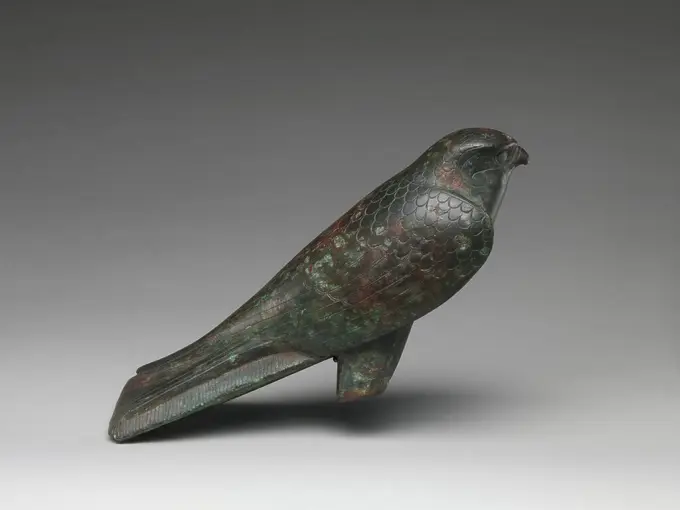
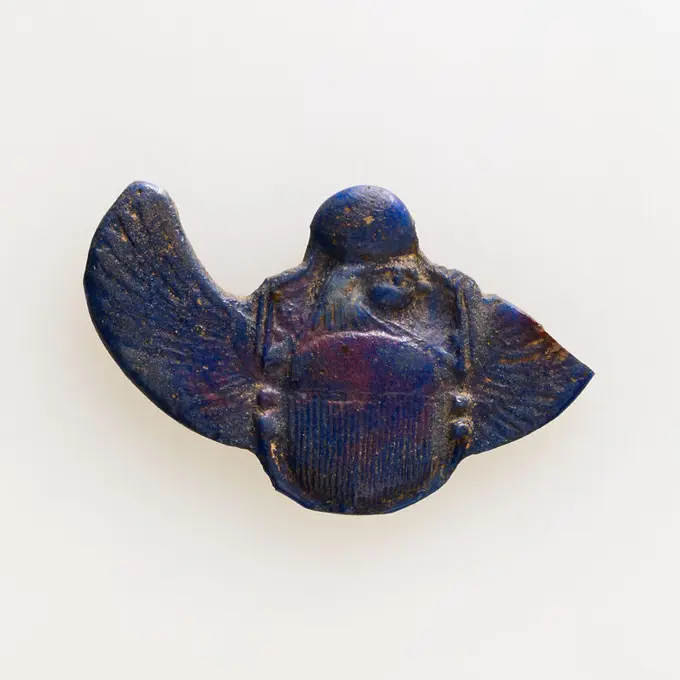
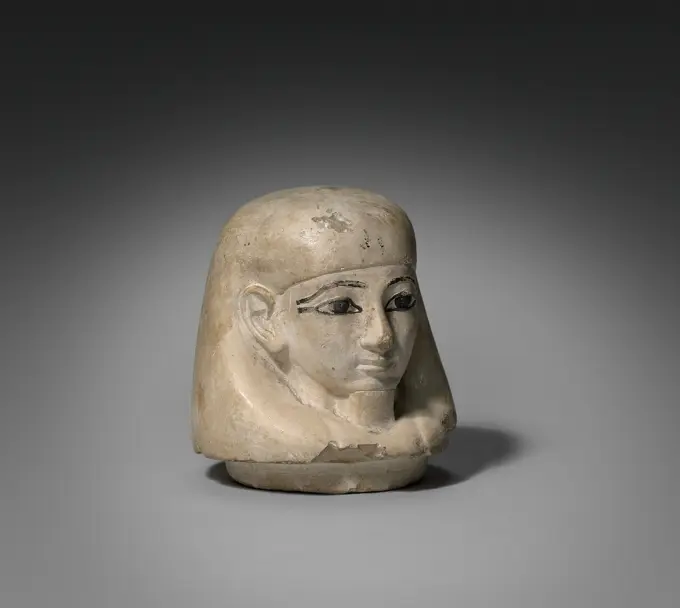
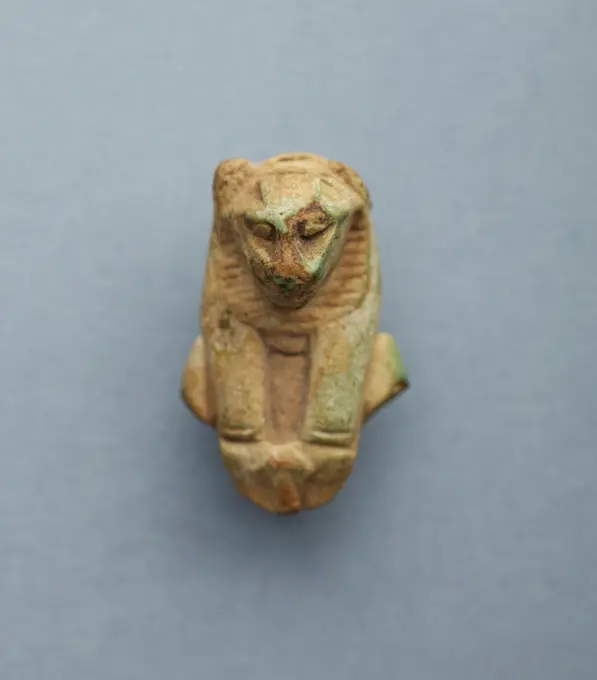
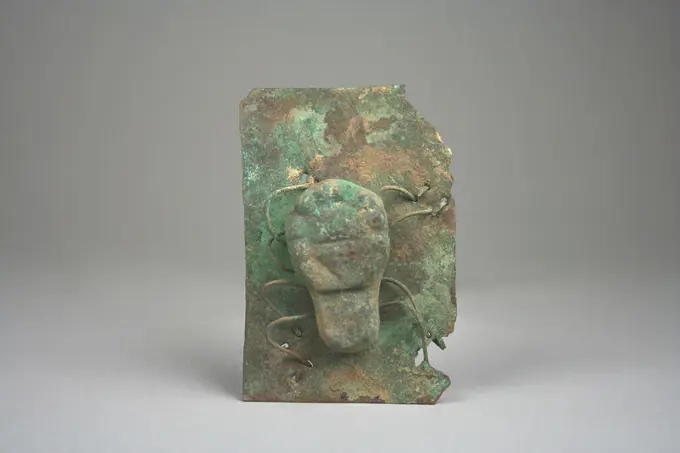
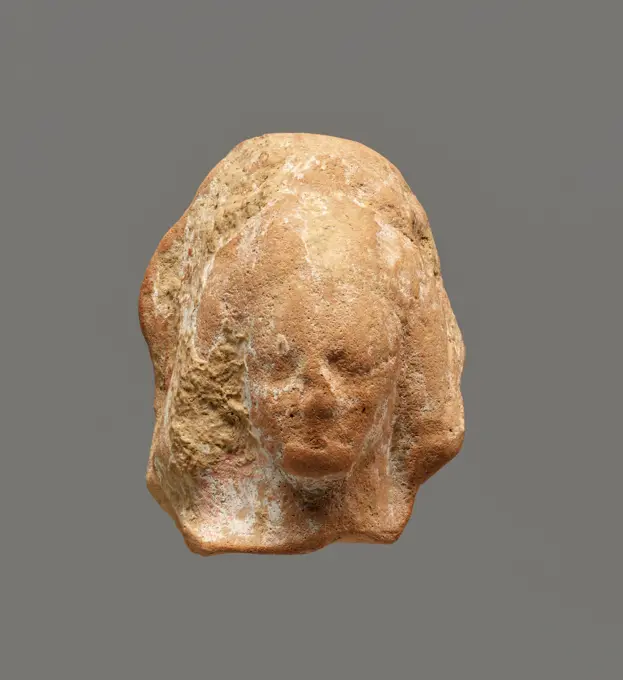
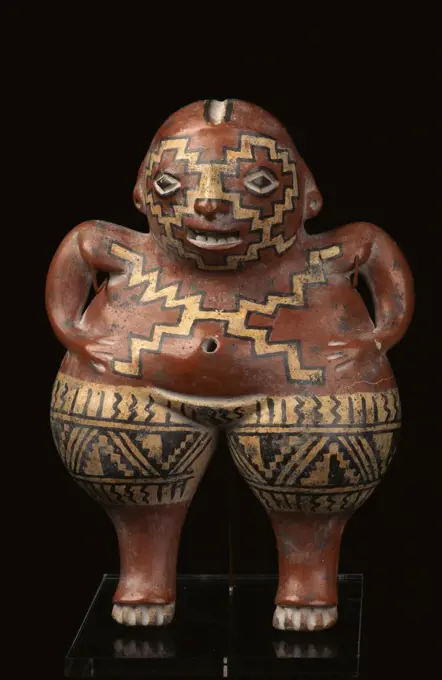
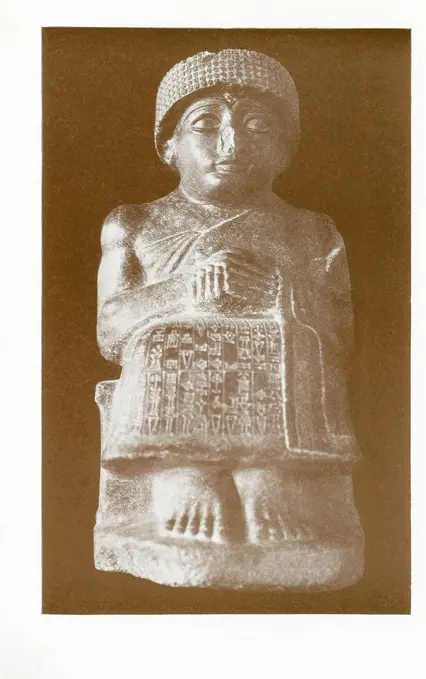
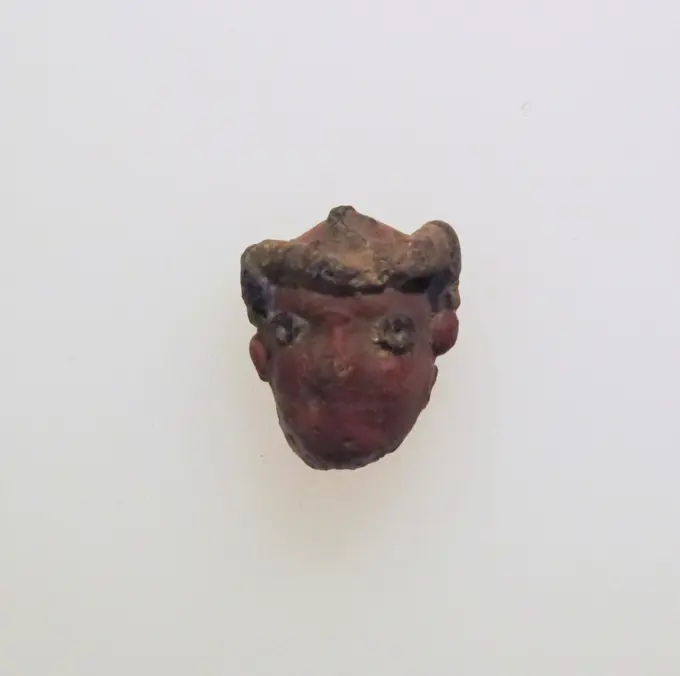
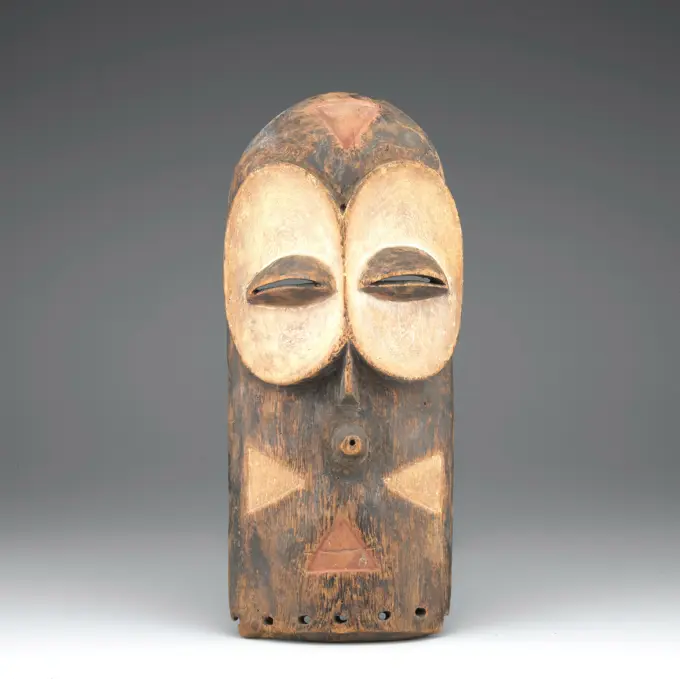
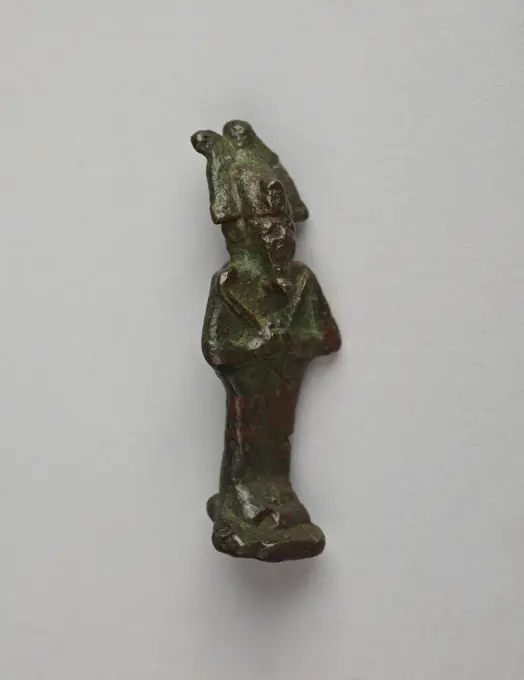
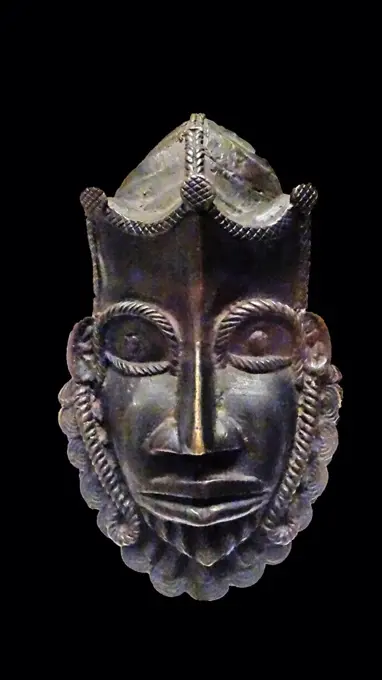
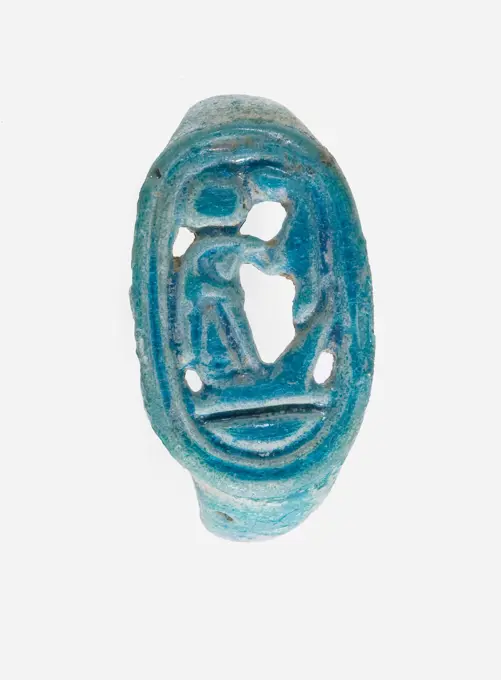
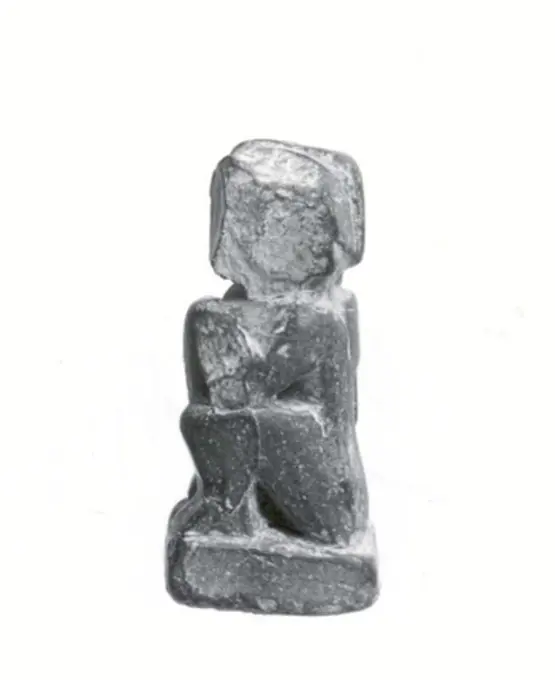
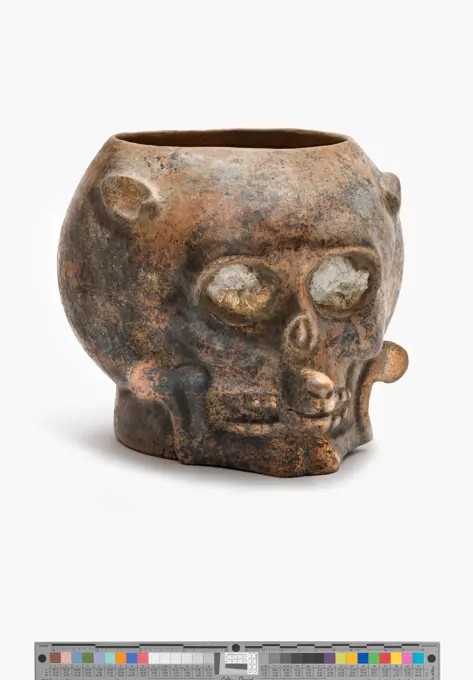
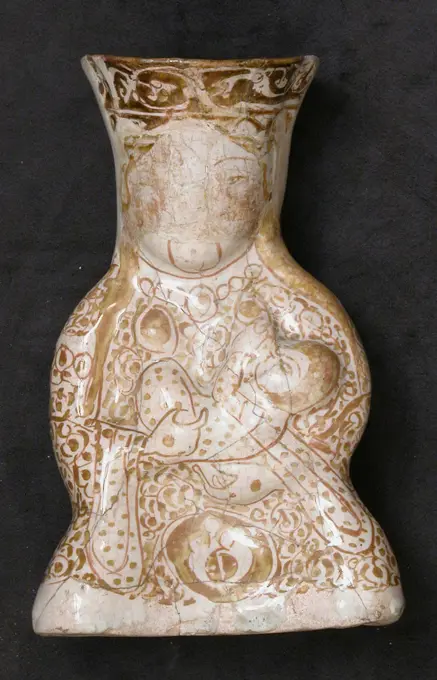
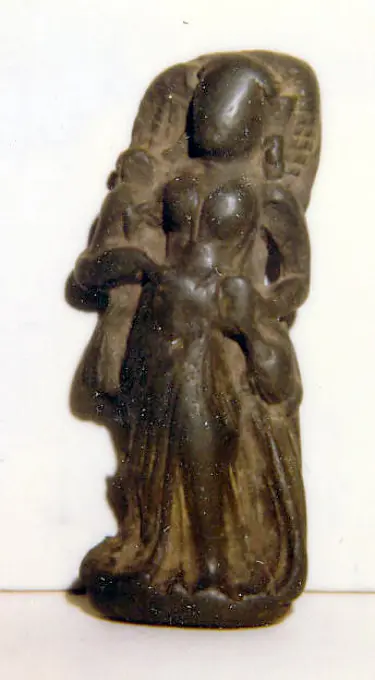
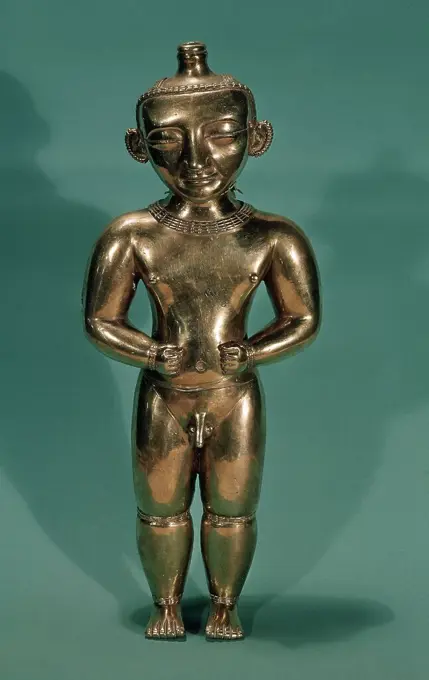
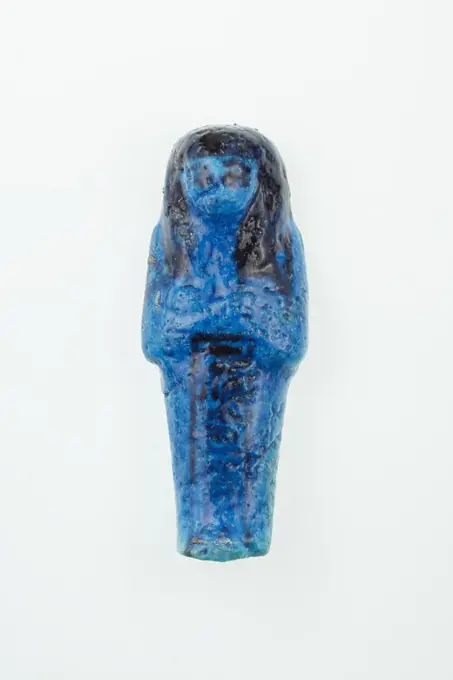
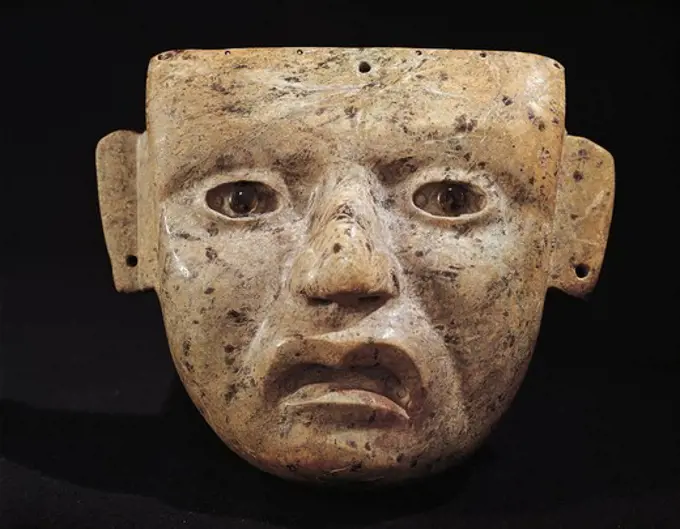
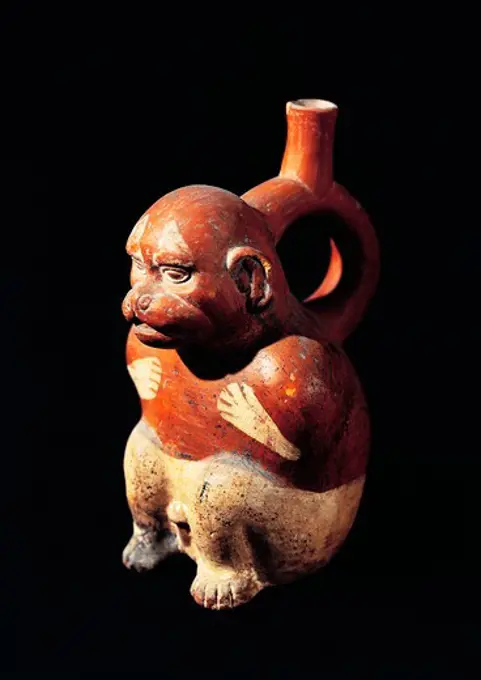
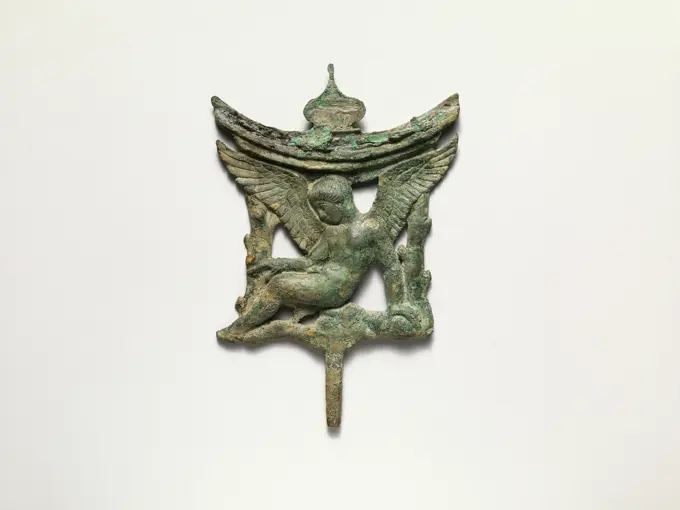
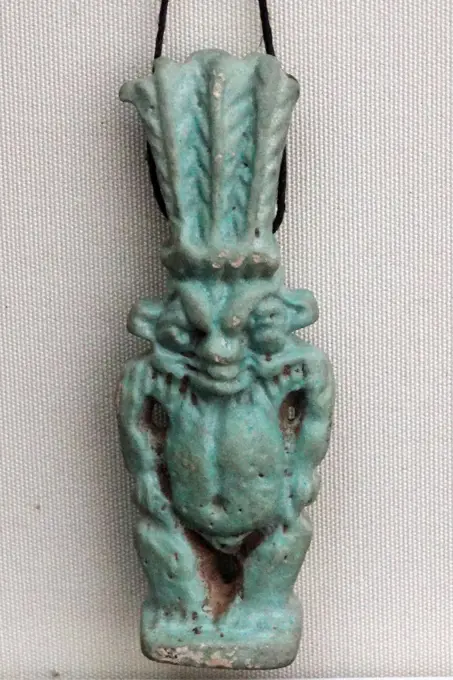
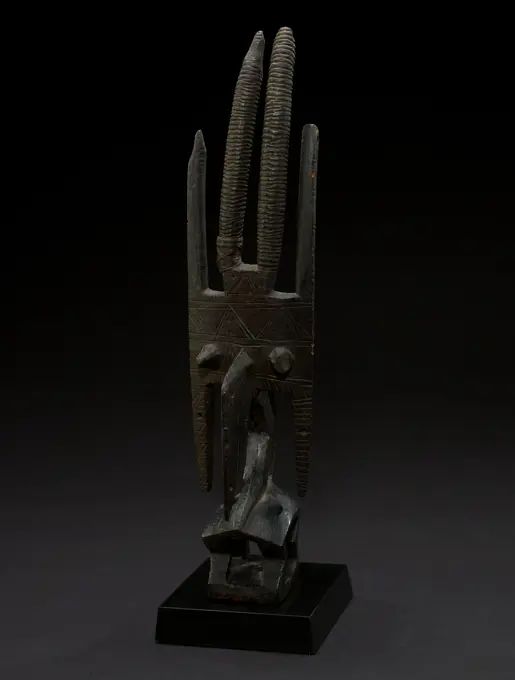
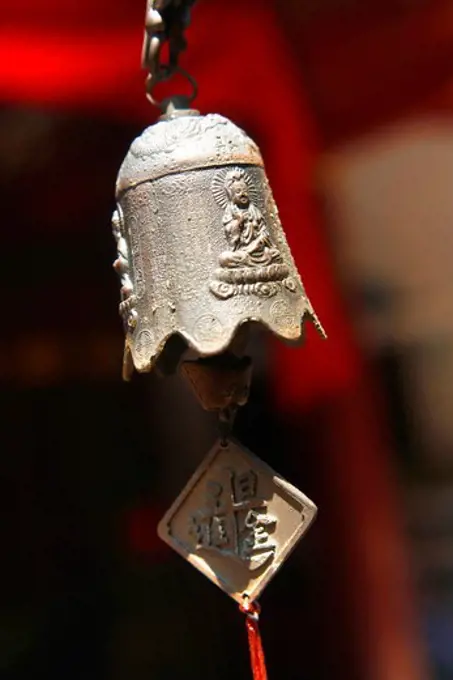
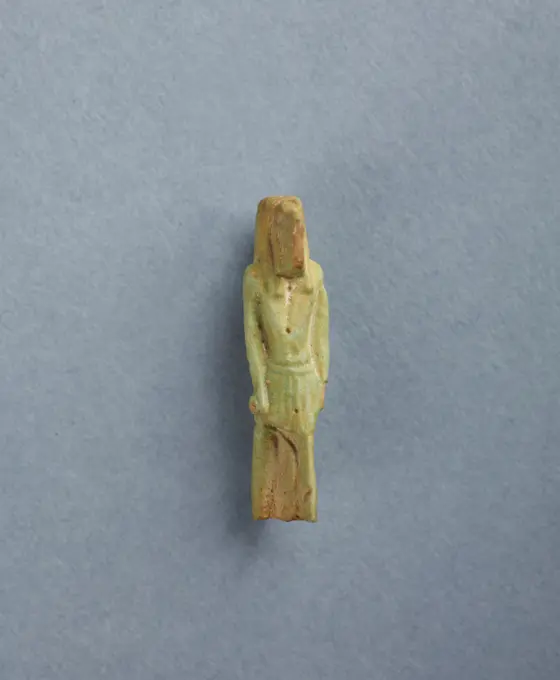
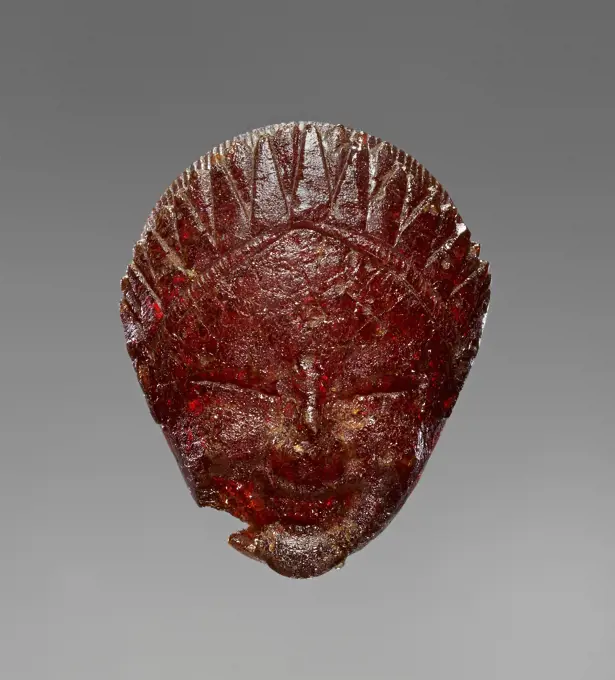
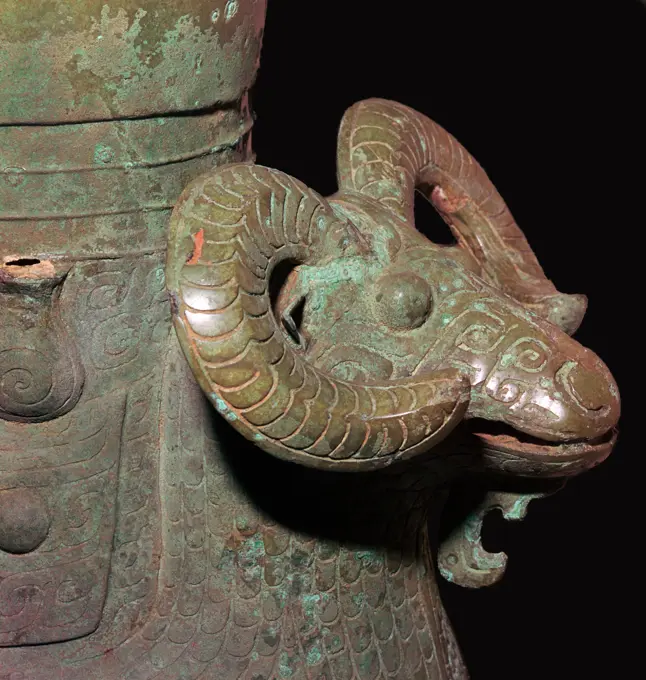
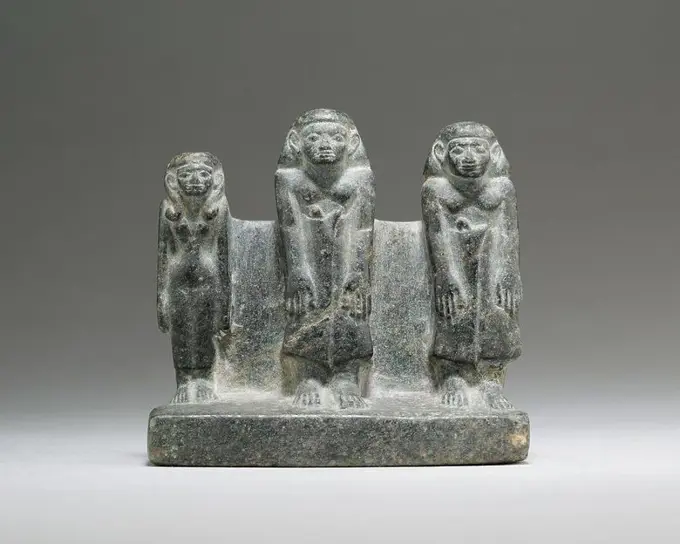
Falcon symbolising the Egyptian God Horus in his early form as a sky godOverseer Shabti of Henettawy (C), Daughter of Isetemkheb ca. 990-970 B.C. Third Intermediate Period See 25.3.19.. Overseer Shabti of Henettawy (C), Daughter of Isetemkheb 590984Head, 600-1100. Mexico, Classic Veracruz (Totonac or Tajin). Pottery; overall: 17 x 20 x 14.5 cm (6 11/16 x 7 7/8 x 5 11/16 in.).Statuette, striding man ca. 1635-1458 B.C. Second Intermediate Period-Early New Kingdom. Statuette, striding man 546871Face Mask Ornament. Culture: Moche (Loma Negra). Dimensions: H x W: 4 7/16 x 3 3/8in. (11.2 x 8.6cm). Date: 390-450. Museum: Metropolitan Museum of Art, New York, USA.Neck Pendant (Hei-tiki), 1800s. Pacific Islands, Polynesia, New Zealand, Māori people. Greenstone (pounamu) (nephrite); overall: 16.9 x 10.2 cm (6 5/8 x 4 in.). Among the Mori, leaders are hereditary and imbued with mana, power and prestige that can be embodied and passed down in the artworks associated with them. Hei-tiki are among these treasured, mana-charged heirlooms, which connect the living to ancestors of the islands’ pre-European past. They may represent Hine-te-Iwaiwa, a legendary ancestress who is the exemplar of Mori womanhood and the patron of childbirth.Power figure, early 20th century, 7 5/8 × 2 5/8 × 2 5/8 in. (19.37 × 6.67 × 6.67 cm) (including base), Wood, plant fibers, leaves, cloth, Democratic Republic of Congo, 20th centuryBronze etruscan horse sculpture on white background. Horse miniatureTerracotta figurines, Late Neolithic, 5300-4500 BC, probably from Greece, are widely produced in the eastern Mediterranean region during the Neolithic period.Head of a Female 2nd century India. Head of a Female 38382Head of a sculpture, anonymous, 1300 - 1500 Fragment (head) of woman (), With high one -sided hairstyle. On a pedestal. Indonesia terracotta (clay material). sokkel: wood (plant material) Fragment (head) of woman (), With high one -sided hairstyle. On a pedestal. Indonesia terracotta (clay material). sokkel: wood (plant material)Pyxis with Lid, c. 1901-1525 BC. Egypt, Late Middle Kingdom to early New Kingdom. Turquoise faience with black decoration; overall: 11 cm (4 5/16 in.); diameter of box: 8.3 cm (3 1/4 in.).Mochica stirrup-spout vessel of a fisherman. Artist: UnknownRed granite sarcophagus lid of Pahemnetjer. 19th dynasty, about 1250 BC. From Saqqara. This lid belonged to the coffin of the high priest of Ptah at Memphis, Pahemnetjer. The figure of Nut can be seen on the chest.Stirrup Spout Bottle; Kneeling Figure. Culture: Cupisnique. Dimensions: Height 8-1/2 in. (21.6 cm). Date: 12th-5th century B.C.. Museum: Metropolitan Museum of Art, New York, USA.Bottle in the Form of a Lute Player early 20th century Some details of this lute player, such as the position of his hands, suggest modern manufacture; thermoluminescence analysis recently confirmed its twentieth-century date.In 1907 the Frenchman L.-O. Olmer, a professor of physics and chemistry in Tehran, wrote of a visit to a ceramics workshop that produced imitations of ancient pieces, sometimes with excellent results, and sold them to foreigners. Listen to experts illuminate this artwork's story Listen Play or pause #6779. Molded bottle in the form of a lute player Supported by Bloomberg Philanthropies We're sorry, the transcript for this audio track is not available at this time. We are working to make it available as soon as possible.. Bottle in the Form of a Lute Player. early 20th century. Stonepaste; molded, turquoise-glazed, partially gilded. CeramicsCanopic Jar of Minmose. Dimensions: H. 42 cm (16 9/16 in.). Dynasty: probably mid-Dynasty 18. Date: ca. 1450-1400 B.C..The owner of this canopic jar was Minmose, a troop captain whose name and title appear in the left hand column of the inscription. The rest of the text invokes the goddess Nephthys and the god Imsety, asking their protection for the contents of the jar. Nephthys was one of the four goddesses who protected the dead, and Imsety was one of the "four sons of Horus" who protected the four internal organs that were removed from the body during mummification. Imsety was usually linked with the goddess Isis to protect the canopic jar that held a person's liver. The association of Nephthys with Imsety in this inscription is a variant that is sometimes found in the New Kingdom.Traces of a pigment known as Egyptian blue are still visible in the hieroglyphs. The eyebrows, the pupils, and the cosmetic lines around the eyes were also originally painted. Museum: Metropolitan Museum oAncestor Figure(Aitos)Agricultural Figurine, 1400-1532. Peru, Inka style (1400-1532). Cast silver; overall: 5 x 1.4 cm (1 15/16 x 9/16 in.).Hands 10th century Cambodia. Hands 38881Finial (Dingshi) in the Form of a Bird. China, Han dynasty, 206 B.C.-A.D. 220. Architecture; Architectural Elements. Cast bronzeNative American carved wooden figure. Artist: UnknownEye idol ca. 3700-3500 B.C. This type of figurine known as an eye idol, made of stone and having incised eyes, has been excavated at Tell Brak, where thousands were found in a building now called the Eye Temple. They were probably dedicated there as offerings. Many are incised with multiple sets of eyes, others with jewelry, and still others with representations of "children"smaller eyes and body carved on the body of the larger idol. Wide eyes demonstrate attentiveness to the gods in much of Mesopotamian art.. Eye idol 324145Profile Warrior Face 6th-7th century Moche (Loma Negra). Profile Warrior Face 313432Canopic Jar with Man's Head, 664-525 BC. Egypt, Late Period, Dynasty 26. Travertine; diameter: 16.6 cm (6 9/16 in.); diameter of mouth: 9 cm (3 9/16 in.); overall: 38.8 cm (15 1/4 in.). In the process of mummification, the liver, lungs, stomach, and intestines were removed, separately embalmed, and stored in specialized jars known as canopic jars (after a sailor in Greek mythology, who died at the town of Canopus in the Nile Delta and was worshipped there in the form of a human-headed jar). Each organ was identified with one of four funerary deities collectively known as the Sons of Horus: the liver with Imsety (man's head), the lungs with Hapy (baboon's head), the stomach with Duamutef (jackal's head), and the intestines with Qebehsenuef (falcon's head). It was their duty to protect the deceased and restore to him his body parts in the hereafter.Candlestick in the shape of a lion. The standing lion has used the head to the left and the tail stranged against the back under his right hind leg. The mane and the ornament on the back are engraved. A round, up to the belly continuous candle pin with a square-grifted fat catcher is arranged in the back near the head of the lion.Portrait Head Bottle. Culture: Moche. Dimensions: Overall: 10 3/8 x 6 3/8 in. (26.35 x 16.21 cm)Other: 6 3/8 in. (16.21 cm). Date: 3rd-6th century. Museum: Metropolitan Museum of Art, New York, USA.Archaic Figurine, c. 1200-900 BC. Central Mexico, Tlatilco, 12th-9th century BC. Earthenware with pigment; overall: 8.2 cm (3 1/4 in.).Stylized Bird: Decorative Inlay for a Box, c. 2000 BC. Israel, possibly Jericho. Bone; overall: 3.4 x 2.2 x 0.3 cm (1 5/16 x 7/8 x 1/8 in.).Amulet of the God Pataikos 664 BCE-332 BCE Egypt. Faience . Ancient EgyptianUrna kanopska z głową szakala. unknown, authorSeated Madonna and Child 1300-1400 Spanish. Painted wood .Bell (Lai Zhong), c. 800-700 BC. China, Shaanxi province, Meixian, Western Zhou dynasty (c. 1046-771 BC). Bronze; overall: 70.3 x 37 x 26.6 cm (27 11/16 x 14 9/16 x 10 1/2 in.).Fragment of a Buddha image.Cup of a Crowned Buddha, Spire Tapered Headdress (Paré). On Base.Amulet - Ba. unknown, authorSeated Figure with Vessel 200 B.C.-A.D. 300 Colima. Seated Figure with Vessel 318997Amulet of the Goddess Isis. Egyptian. Date: 700 BC-1 BC. Dimensions: 3.25 × .75 × 1 cm (1 1/4 × 1/4 × 3/8 in.). Lapis Lazuli. Origin: Egypt. Museum: The Chicago Art Institute, Chicago, USA. Author: Ancient Egyptian.Steelyard Weight with a Bust of a Byzantine Empress and a Hook 400-450 Byzantine Steelyard weights often took the shape of busts of Byzantine empresses. This unusually detailed image may depict an empress of the Theodosian dynasty, which ruled from 379 to 450. The weightitself about five pounds, or seven Byzantine litraewould have been used for heavier goods.. Steelyard Weight with a Bust of a Byzantine Empress and a Hook. Byzantine. 400-450. Copper alloy, filled with lead, brass hook. Metalwork-Copper alloyStatuette of a male holding a vase, from Jalisco, Mexico.AmuletFragmentPin 2300 B.C.-A.D. 1492 Indigenous American (Olmec peoples) This collection of largely ethnographic jewelry includes examples from cultures in South America, North America, Europe, Asia, and Africa and dates from the Pre-Columbian period to the twentieth century. Owned by renowned art collector and fashion enthusiast Muriel Kallis Newman, the collection represents her knowledge and appreciation of a wide range of jewelry design and making traditions. Numerous items in her collection are composite artifacts made from various cultures and time periods reappropriated as modern jewelry creations by or for Muriel. It is important to note that Newman wore many of the pieces in the collection, interpreting them to suit and express her own singular, often avant-garde style.. Pin 141482Falcon statue serving as a sarcophagus for a sacred animal. Dimensions: L. 23.2 cm (9 1/8 in.); W. 3.3 cm (1 5/16 in.); H. 18.1 cm (7 1/8 in.). Date: 664-30 B.C..This bronze falcon is hollow. X-rays have revealed animal bones on the interior, presumably those of a falcon, and an opening beneath the tail through which the animal body had been inserted. The opening is closed with a close-fitting bronze plate. Museum: Metropolitan Museum of Art, New York, USA.Amulet of winged scarab with falcon head. Dimensions: H. 3.1 × W. 4.8 cm (1 1/4 × 1 7/8 in.). Date: 525-30 BC.Starting in the later Late Period and continuing through the Ptolemaic Period, a type of glass amulet cast by pressing the glass into a shallow open mold appears. The back was left rough, and the amulets may look ragged because glass overflowed the mold around the edges. The earlier amulets are monochrome, bi- or multicolor amulets supplement the repertoire during the Ptolemaic Period.Some of the amulets can be specifically tied to spells of the Book of the Dead - for example, acc. no. 17.194.2526 - and most are clearly funerary amulets, presumably meant to be wrapped between the bandages of the mummy where the presence of the amulet would do its job irrespective of its degree of finish. Museum: Metropolitan Museum of Art, New York, USA.Mummy and mummy case of a princess, Ancient Egyptian, 21st Dynasty, 1069-945 BC. Artist: UnknownCanopic Jar with Lid (lid), 1540-1296 BC. Egypt, New Kingdom, Dynasty 18. Limestone; diameter: 23 cm (9 1/16 in.); diameter of mouth: 10.6 cm (4 3/16 in.); overall: 48.4 cm (19 1/16 in.).Fragment of the Figurine of Bastet or SekhmetTerracotta mask ca. 100 B.C-A.D. 50 Greek or Roman. Terracotta mask. Greek or Roman. ca. 100 B.C-A.D. 50. Terracotta. Late Hellenistic or Early Imperial. TerracottasAfrica, Cameroun, tribal art, Namji people, cowrie shells dollSpider Ornament. Culture: Moche (Loma Negra). Dimensions: Length 3-15/16 in. (10 cm). Date: 390-450. Museum: Metropolitan Museum of Art, New York, USA.Female Head. UnknownPole Top with Double Bird-Shaped Bell (one of pair) 599 BCE-400 BCE Northern China. Bronze .Fertility Figure c. 800 B.C.-200 A.D. Chupicuaro, Western Mexico Ceramic Pre-Columbian Collection of The Museum of Contemporary Art, Jacksonville, FloridaGudea was  prince of the independent kingdom of Lagash in southern Mesopotamia, in the late 3rd millennium. He was known for his piety and for the many temples he built. This statuette is the only complete extant statues of a series of diorite representations of Gudea. The inscription engraved on his robe indicates that it is dedicated to the god Ningishzida. This statue was found during the excavations at Tello (ancient Girsu), capital of the kingdom of Lagash (in present-day Iraq).Amulet - WadjetStatuette of a man 3rd-1st century B.C. Italic With arms extended sidewise.. Statuette of a man 246294Female Head. UnknownHorse and rider. Culture: Cypriot. Dimensions: H. 7 1/4 in. (18.4 cm). Date: ca. 750-600 B.C..The figurine is handmade and solid. The rider seems to be standing and leaning forward slightly. Museum: Metropolitan Museum of Art, New York, USA.Glass head pendant 6th-5th century B.C. Phoenician or Carthaginian Translucent blue, opaque streaky red, and opaque white.Oval with irregular flat back; two spiral trails applied to sides of head with headband across forehead; vertical hole under chin; remains of suspension loop on top of the head.Eyes as small circles of applied blue glass and ears as applied coils of red glass; indistinct features apart from snub nose; headband decorated with spiral trails in red, blue, and white.Intact except for suspension loop and chip in headband; dulling, slight pitting, and brownish enamel-like weathering.. Glass head pendant. Phoenician or Carthaginian. 6th-5th century B.C.. Glass; rod-formed and trailed. Archaic or Classical. GlassFigure of a Boy China. Figure of a Boy 47431Owl Mask, 20th century, 16-11/16 x 7-3/8 x 3-3/16 in. (42.4 x 18.7 x 8.1 cm), Wood, pigment, Democratic Republic of the Congo, 20th centuryHelmet Mask, early 1900s. Equatorial Africa, Cameroon, possibly Kom, early 20th century. Wood, paint, organic material, and iron alloy; overall: 33 x 63.5 x 41.9 cm (13 x 25 x 16 1/2 in.).Weight in the Form of a Feline 2nd-1st century B.C. China. Weight in the Form of a Feline 44718Figurine of OsirisHead shaped vessel. Ceramic. Chimu-Inca culture. Late Horizon (1470-1532 AD). Peru. Museum of the Americas. Madrid, Spain.Belt mask representing a Portuguese soldier. From Nigeria. Made from copper alloy.Bottle, Throne with Figures. Culture: Chimú. Dimensions: H. 9 1/4 x W. 4 3/8 x D. 6 1/2 in. (23.5 x 11.1 x 16.5 cm). Date: 1300-1500.This dazzling silver bottle evokes the enigmatic U-shaped structures, known as audiencias, near the great courtyards and storage facilities within Chan Chan palaces. The upper part of the stepped platform forming the chamber of this vessel serves as two seats or thrones for the central figures, wearing conical caps and large ear ornaments. They are each receiving two individuals, one wearing a similar conical headdress and one with a sack over his back, perhaps bearing tribute or gifts. The platform is decorated on all sides with shallow repoussé motifs reminiscent of the adobe reliefs at Chan Chan. The work is a rare survival of Chimú silver work, a tradition for which they were famed. Museum: Metropolitan Museum of Art, New York, USA.Pierced Ring, Prenomen of Amenhotep III ca. 1390-1353 B.C. New Kingdom. Pierced Ring, Prenomen of Amenhotep III. ca. 1390-1353 B.C.. Faience, blue. New Kingdom. From Egypt, Upper Egypt, Thebes, Malqata, Palace of Amenhotep III, MMA excavations, 1911-12. Dynasty 18Incense holder 18th century China. Incense holder 39875Wooden ritual Ekpo mask, Ogoni; Nigeria; West Africa 20th centurySeated figure ca. 3rd-7th century A.D. Sasanian. Seated figure 323035Vessel in Form of a Skull. Mesoamerica, Maya (), 600-1100 CE. Ceramics. Slip-painted ceramic and micaItaly, Massa Carrara, Verrucola di Fivizzano, Stele-statue of LunigianaStirrup Spout Bottle with Figure 3rd-7th century Moche. Stirrup Spout Bottle with Figure 309331Hollow Vessel in the Shape of a Woman Holding a Child 12th-13th century This figurine in the shape of a seated, jeweled woman nursing a baby is made in luster technique. Both this and a similar figural vessel are hollow, suggesting that the pieces were probably used for storing and dispensing water. Hollow vessels such as this one have been attributed to Rayy, Iran.. Hollow Vessel in the Shape of a Woman Holding a Child 452028Mirror Handle 6th-8th century India (Jammu & Kashmir, ancient kingdom of Kashmir). Mirror Handle. India (Jammu & Kashmir, ancient kingdom of Kashmir). 6th-8th century. Chloritic phyllite. SculptureTESORO DE LOS QUIMBAYAS - FIGURA MASCULINA DE ORO - COLOMBIA - 200-1000 DC. Location: MUSEO DE AMERICA-COLECCION. MADRID. SPAIN.Top of a flagpoleCABEZA DE COLOSO REAL. PROCEDENTE DE KARNAK. GRANITO ROSA. PERIODO TARDIO XXV DINASTIA. 97 CMS ALTO. Location: EGYPTIAN MUSEUM. KAIRO. EGYPT.Bottle, Guardian 2nd-4th century Nasca. Bottle, Guardian 308570small idol, Retortillo, pre-Roman, Museum of prehistory and archeology (MUPAC), Santander, Cantabria, Spain.Shabti, Nany. Dimensions: H. 8.4 × W. 3.2 × D. 2 cm (8.4 × 3.2 × 2 cm). Dynasty: Dynasty 21. Reign: reign of Psusennes I. Date: ca. 1050 B.C..Seven shabti boxes were interred with Nany; five came to New York in the division of finds (30.3.26-.30), two of them are now in the Egyptian Museum in Cairo. All are made of sycamore wood and have high ends and flat lids. A white stucco wash was applied after the lids were closed. The shabtis, made of faience, were packed tightly in each box, in an upright position. They are of two types: foremen and workmen, with a ratio of one forman to ten workers (see 30.3.28a-h). Museum: Metropolitan Museum of Art, New York, USA.Mask made from green stone from Principal Temple of Teotihuacan, Mexicoidol plate, schist, 3600-2500 BC, Idanha-a-Nova, Castelo Branco, Portugal, Huelva Museum, Huelva, Andalusia, Spain.Peru, Inca civilization, Zoomorphic vessel in shape of monkeyBronze support for a mirror 4th century B.C. Greek, South Italian, Locrian  Seated ErosThe mirror disk fit into the curved surface above; the tang below was inserted into a handle made of ivory, bone, or wood.. Bronze support for a mirror 254976 Greek, South Italian, Locrian , Bronze support for a mirror, 4th century B.C., Bronze, Overall: 5 7/16 x 3 3/4in. (13.9 x 9.5cm). The Metropolitan Museum of Art, New York. Rogers Fund, 1958 (58.11.3)Figurine of Bes, used to protect homes and household itemsShaffron (Horse's Head Defense) 16th century German. Shaffron (Horse's Head Defense) 27200Boat;  664-525 BC ; Half period, 26 dynasty (-664-00-00--525-00-00);Headcrest, 20th century, 15 3/4 × 3 5/8 × 4 1/4 in. (40.01 × 9.21 × 10.8 cm), Wood, cordage, Mali, 20th centuryStirrup Spout Bottle with Figure 3rd-6th century Moche. Stirrup Spout Bottle with Figure 309497Bell at Thian Hock Keng Temple, Chinatown, SingaporeAmulet - ThotFragment of the carton;  indefinite (0-00-00-0-00-00);Upper Part of a Small AltarFinial(): Ram's Head. UnknownPendant: Head of a Female Divinity or Sphinx; Italy; 550 - 525 B.C; Amber; 32 × 26 × 12 mm (1 1,4 × 1 × 1,2 in.)Kneeling Male Figure 15th-early 16th century Aztec. Kneeling Male Figure 307655Cycladic 'Apeiranthos style' figurine, from Naxos, Greece, Early Cycladic culture evolved in three phases, between c. 3300 - 2000 BCE, when it was increasingly swamped in the rising influence of Minoan CreteChinese bronze ritual vessel, 12th century BC. Artist: UnknownGroup statuette of two men and a woman. Dimensions: L. 8.3 cm (3 1/4 in.); H. 7.9 cm (3 1/8 in.); W. 3.3 cm (1 5/16 in.). Dynasty: Dynasty 12-18. Date: ca. 1981-1550 B.C.. Museum: Metropolitan Museum of Art, New York, USA.