Cultural Sculptures and Masks

Diverse sculptures and masks from different cultures, representing historical craftsmanship and cultural identity with rich details.
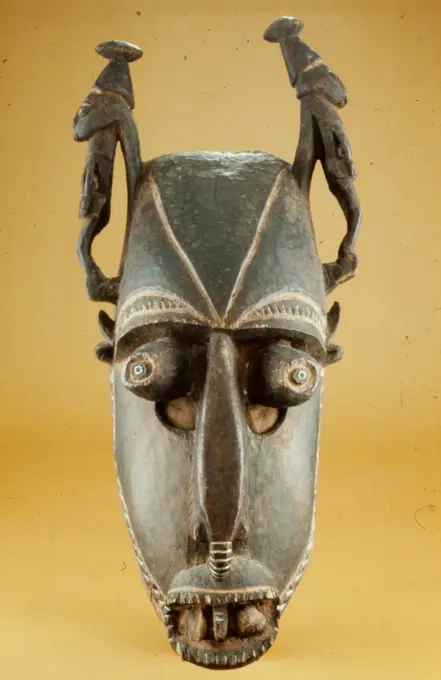
Asa Kate Mask, late 19th century, 21 1/2 x 12 3/8 in. (54.61 x 31.43 cm), Wood, Papua New Guinea, 19th century, This mask represents Asa, a child-devouring spirit who appears during male initiations to challenge and attempt to frighten the initiates. As part of the transformation process, boys between the ages of four and fifteen are taught secret information about their group's traditions and ritual objects. They live in a special house apart from the rest of the village during this time. When their initiation is complete, a big festival is held and the young men are returned to their homes riding on the shoulders of their fathers or maternal uncles.
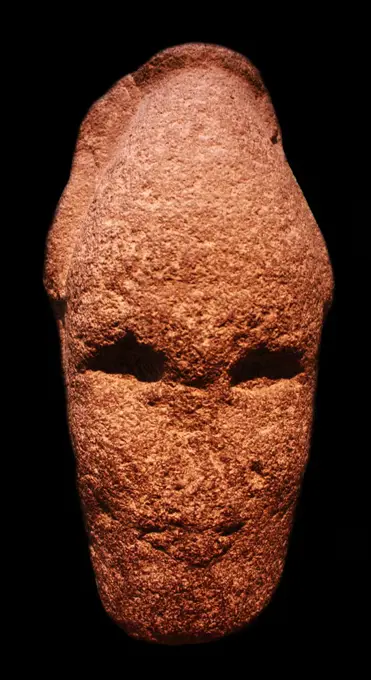
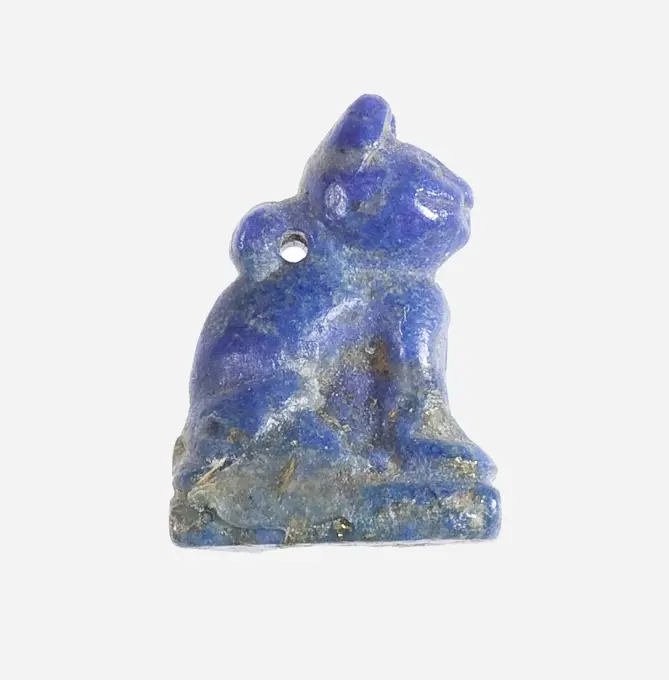
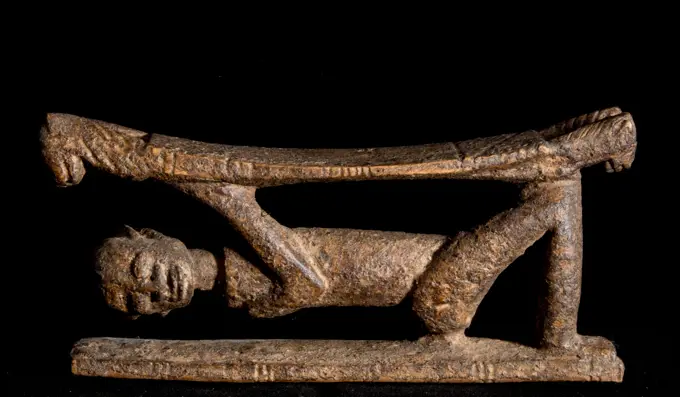
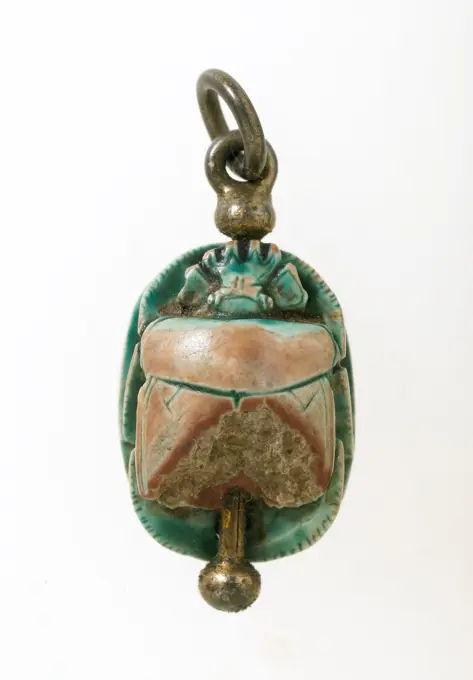
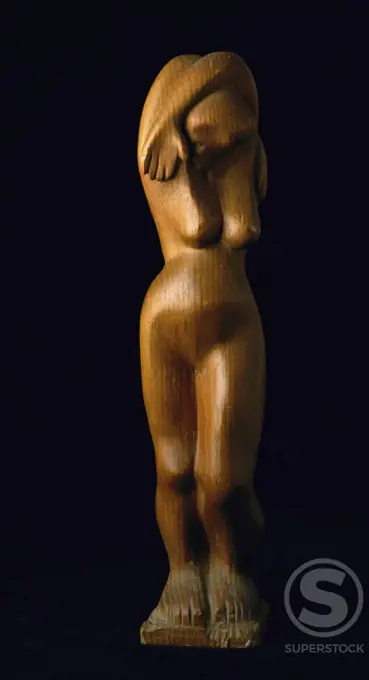
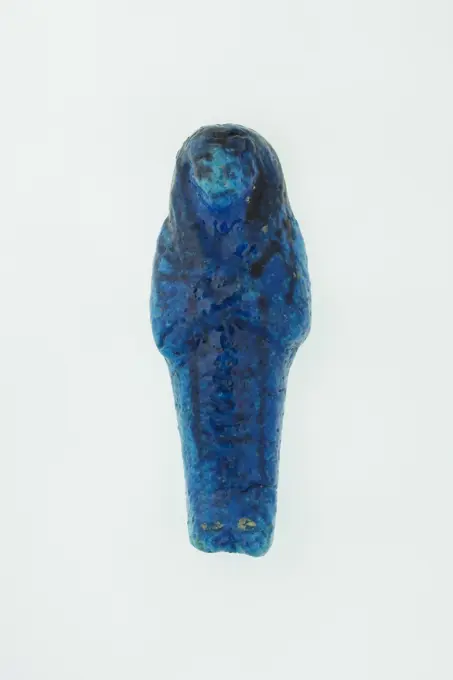
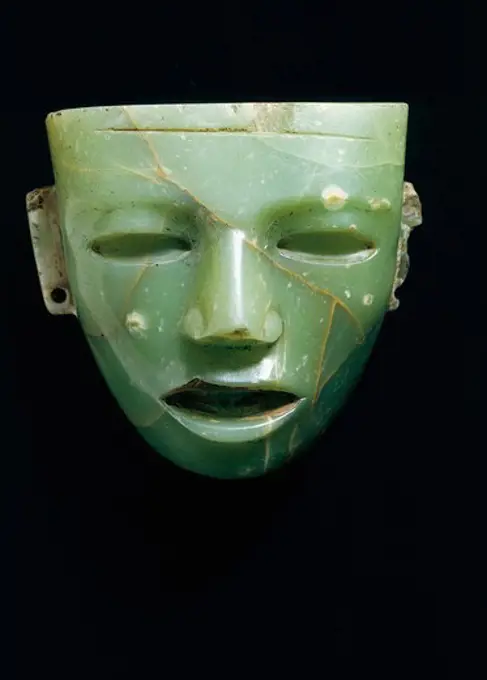
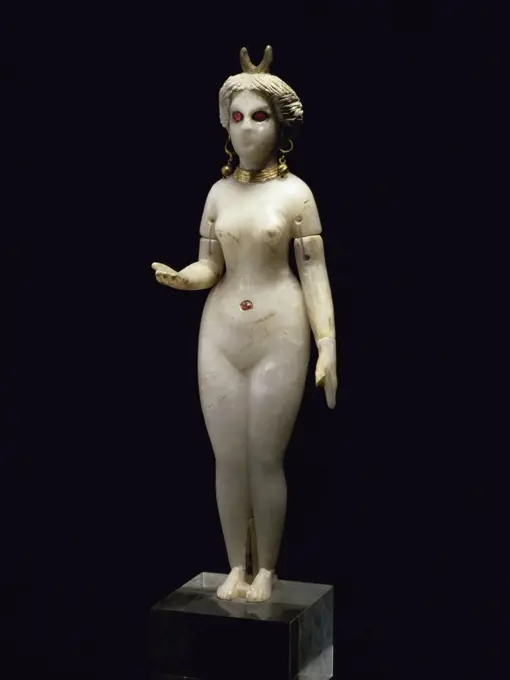
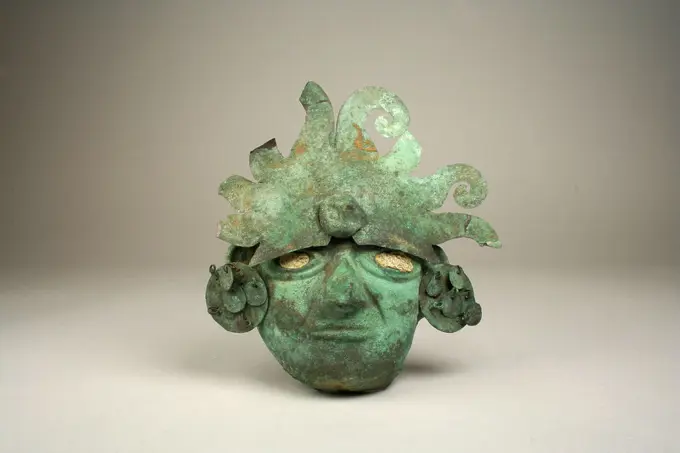
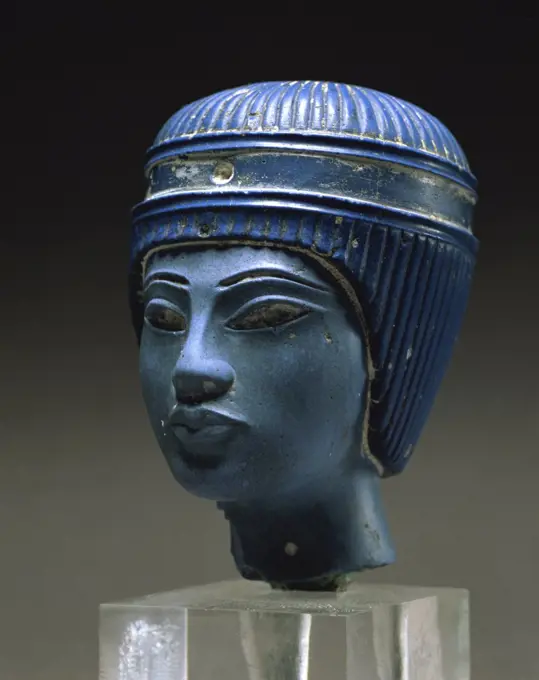
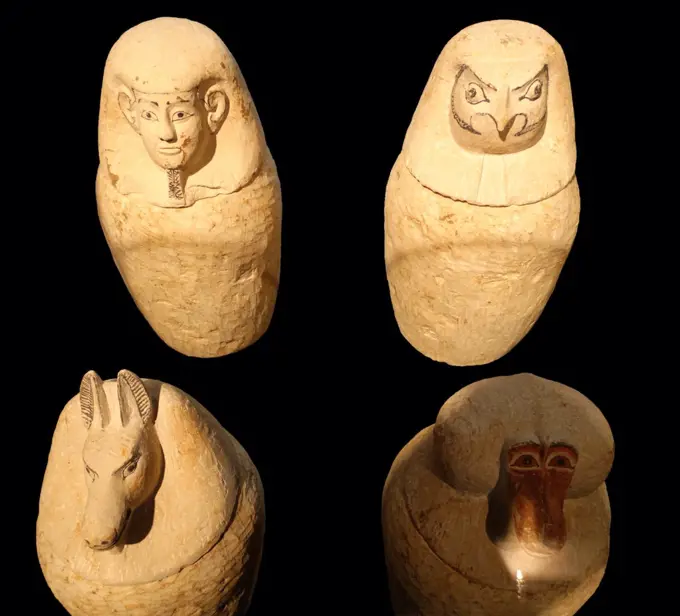
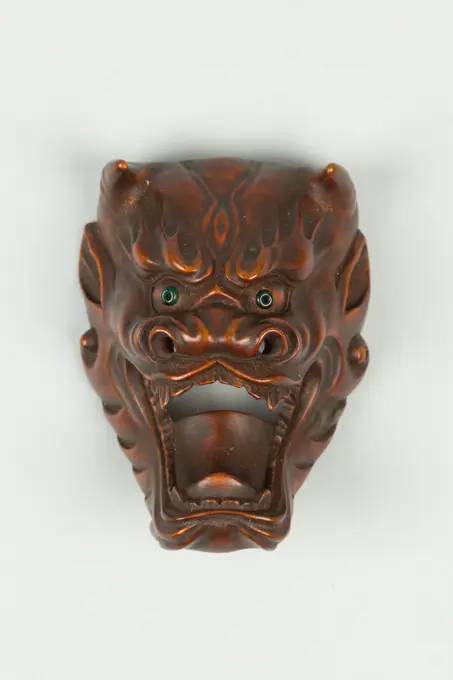
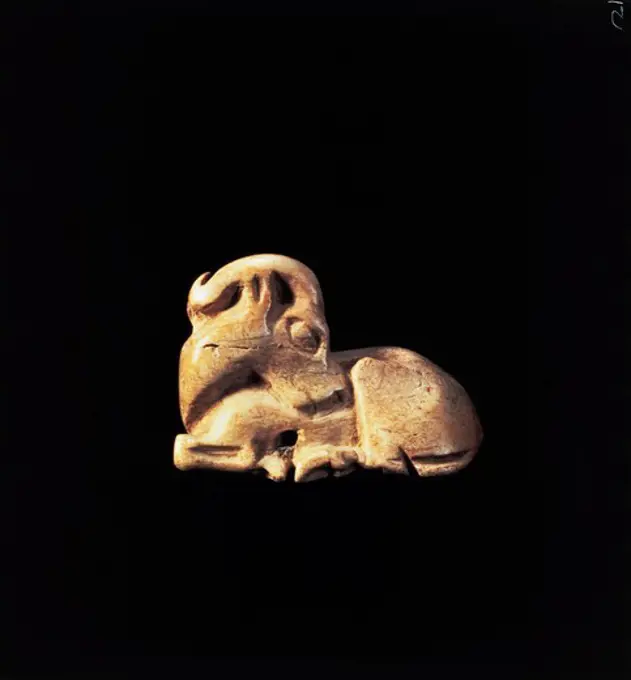
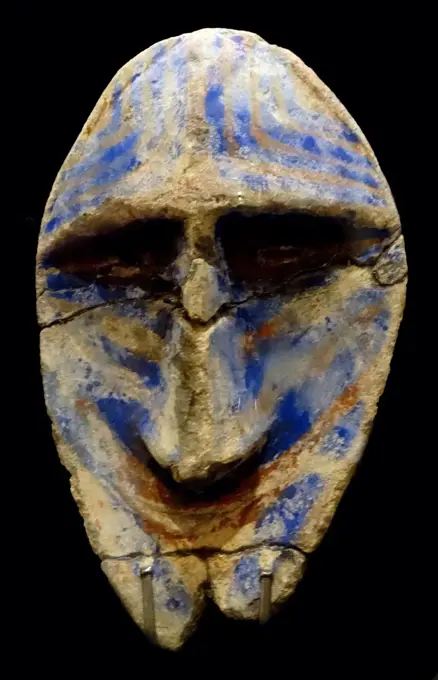
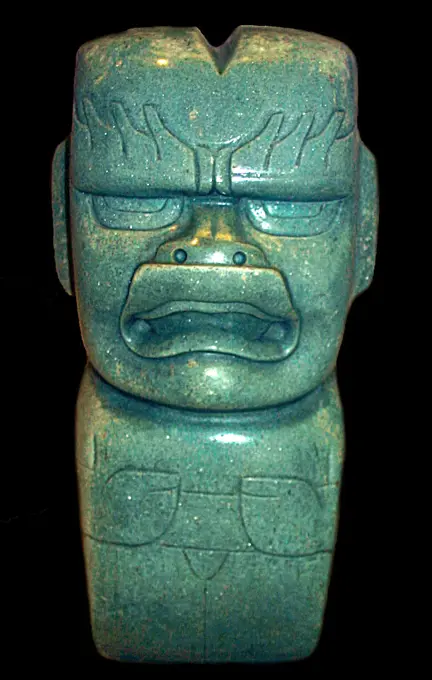
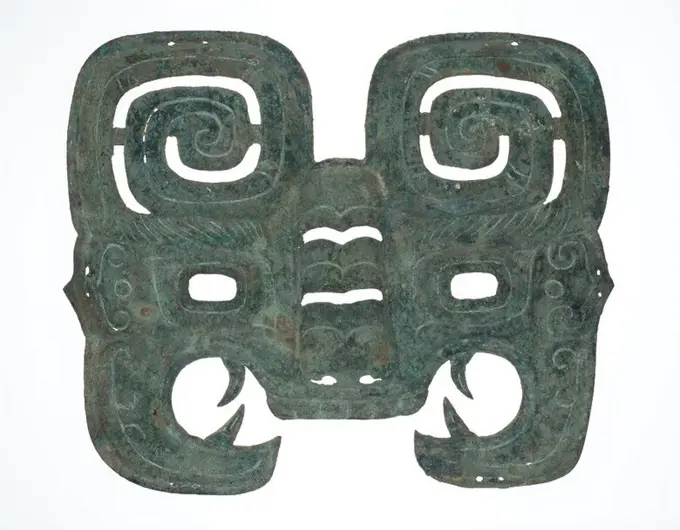
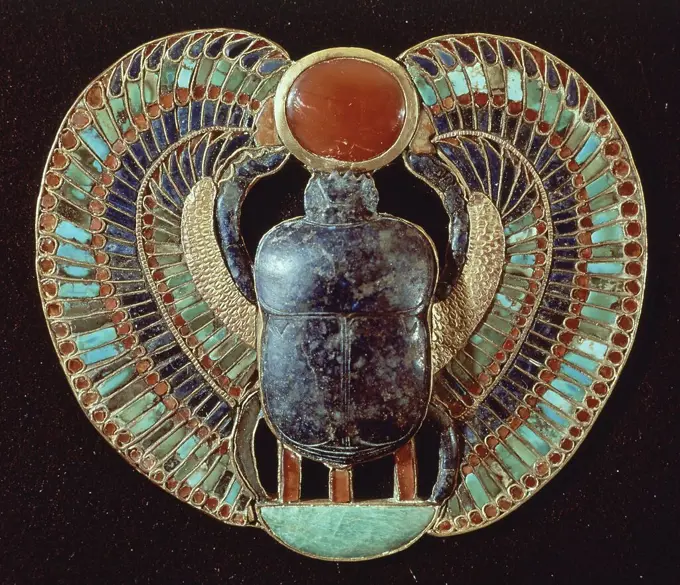
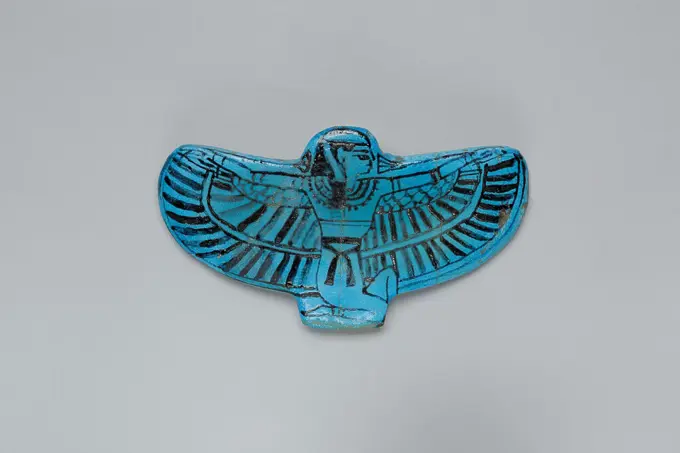
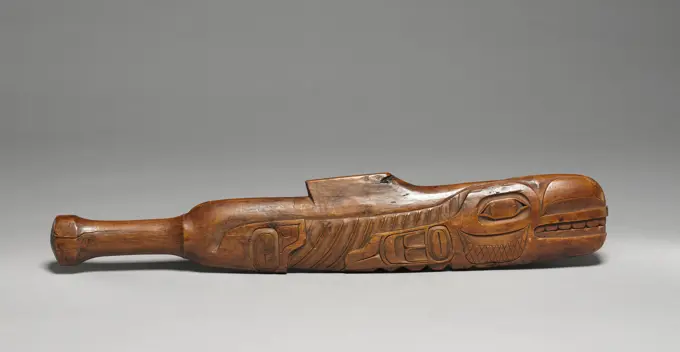
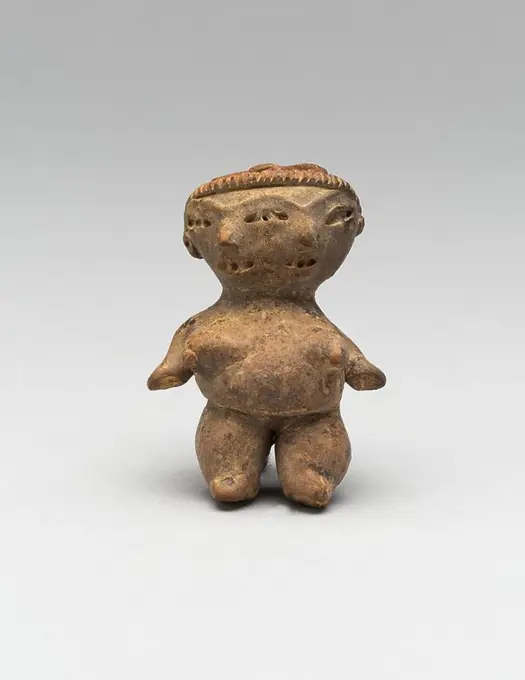
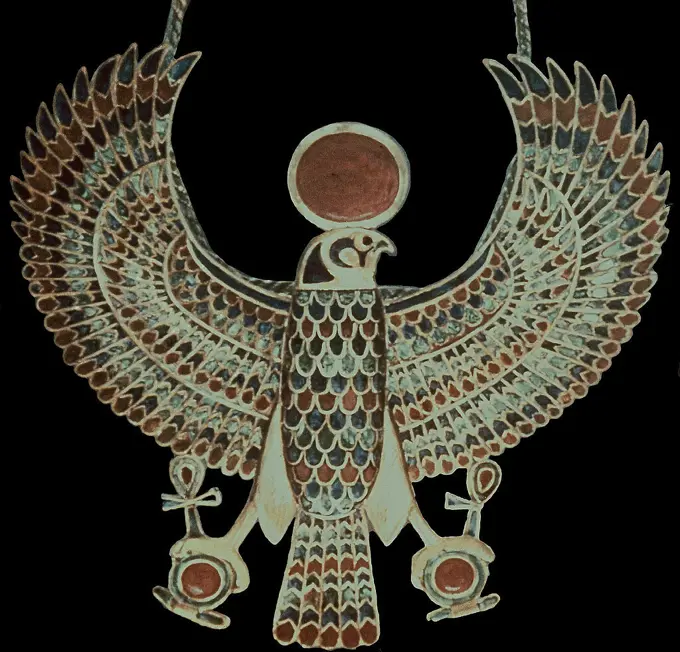
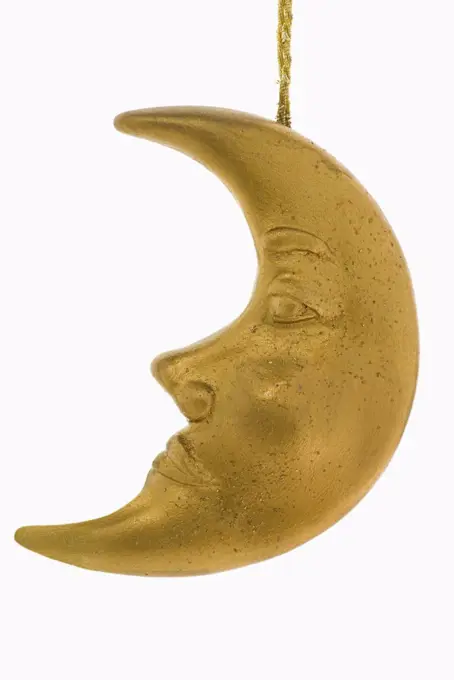
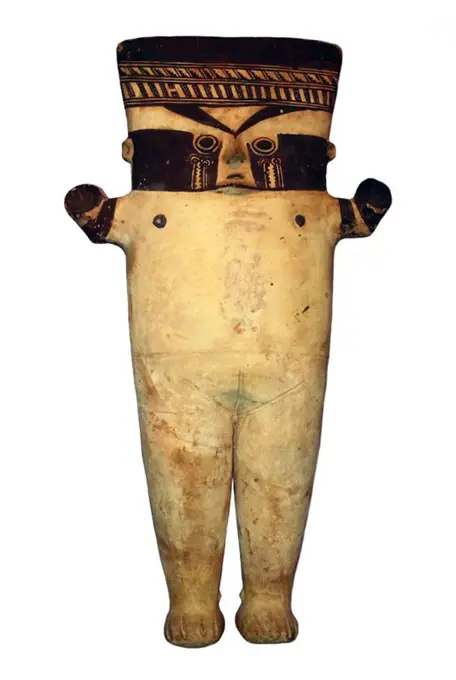
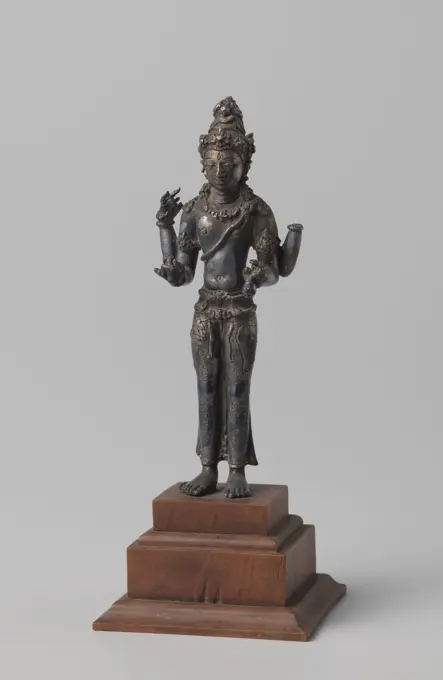
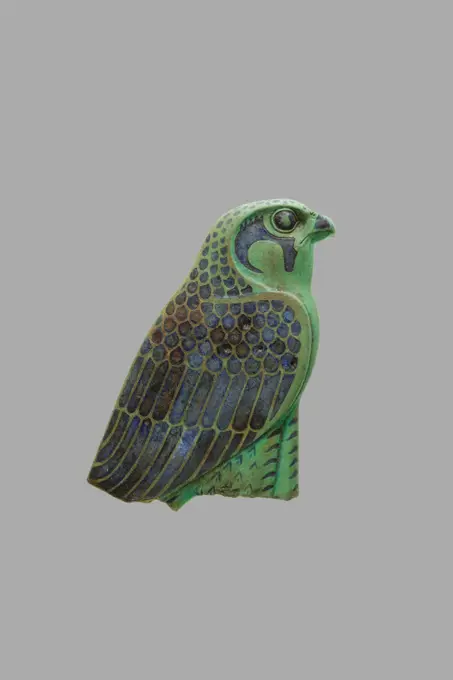
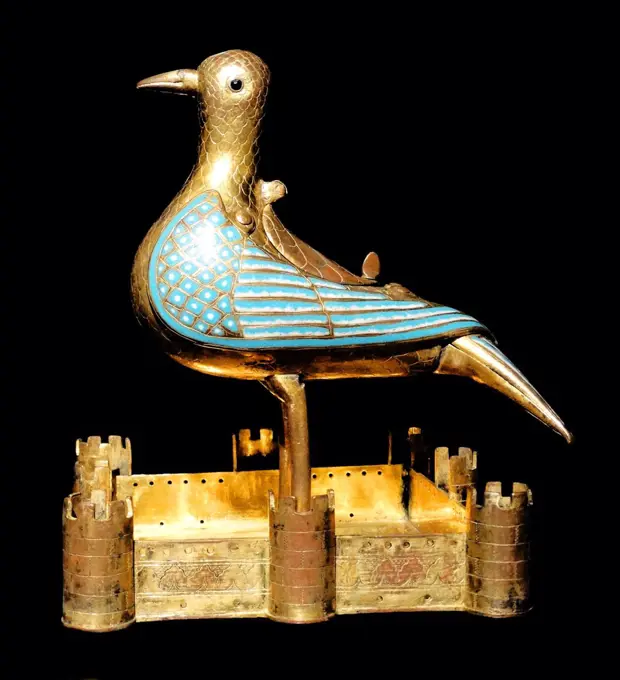
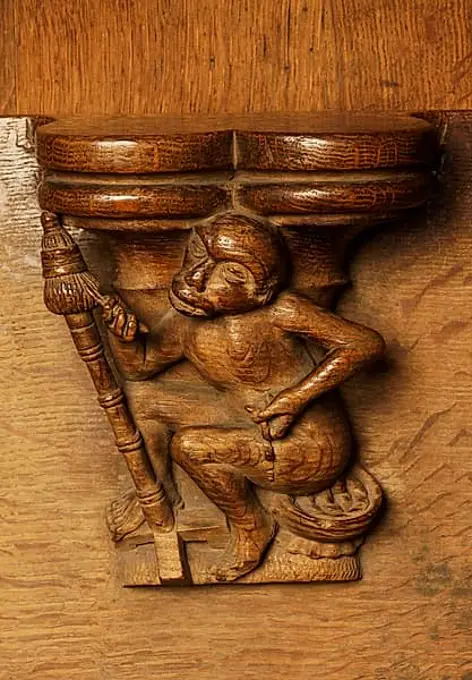
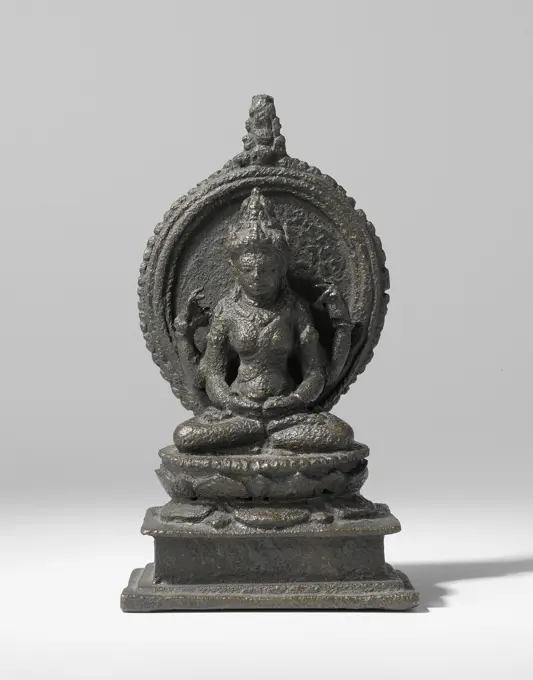
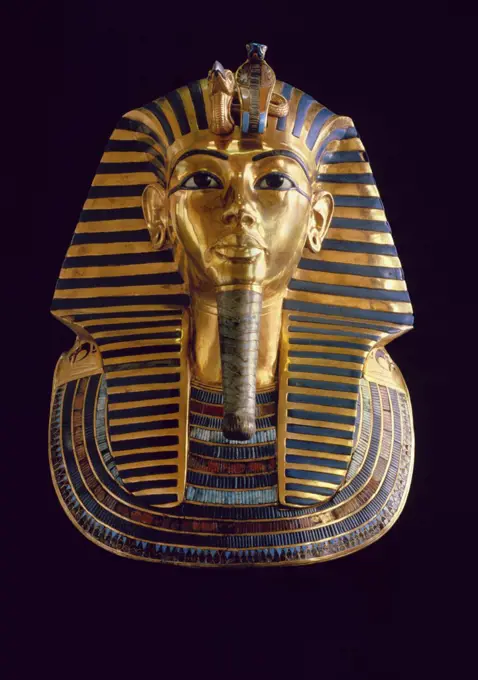
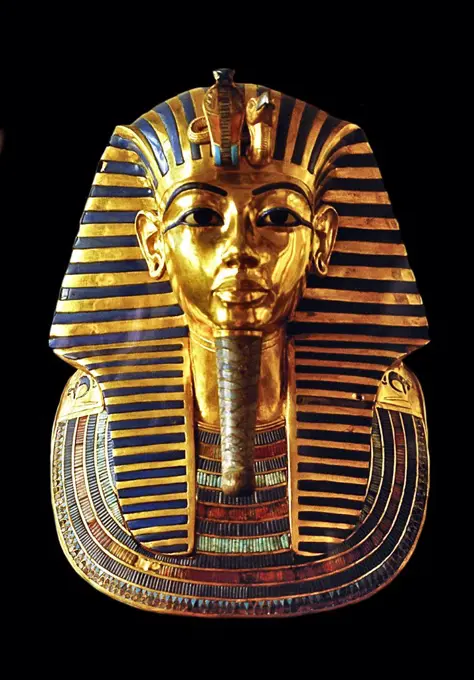
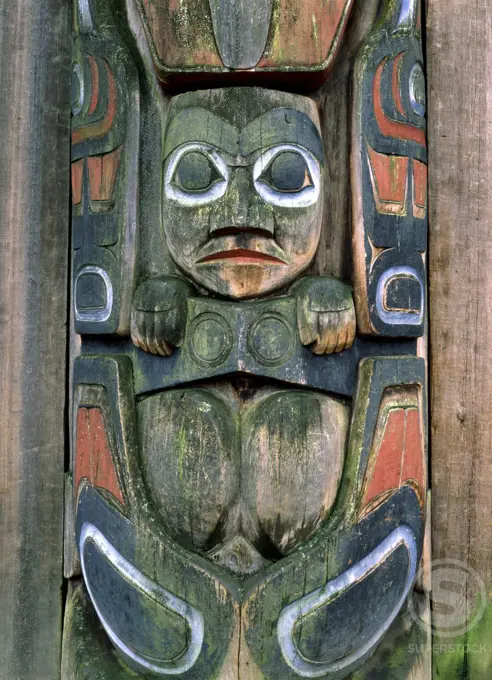
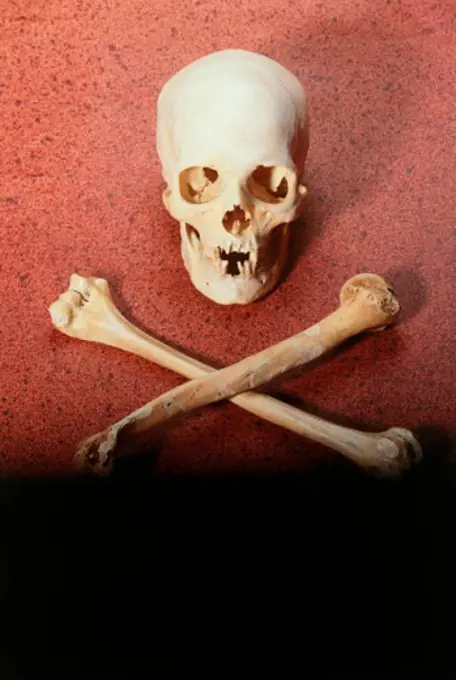
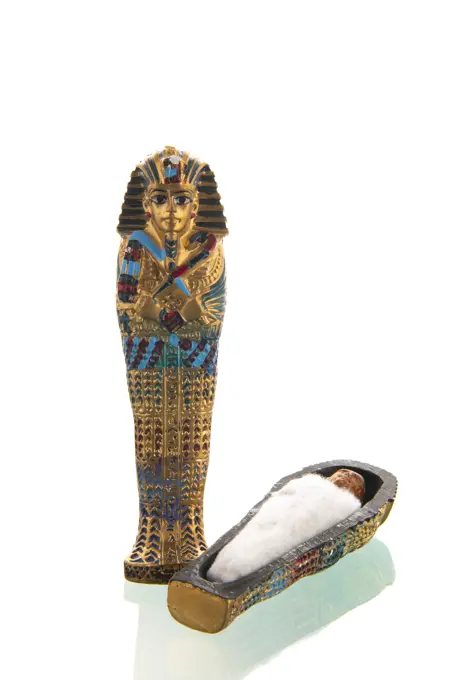
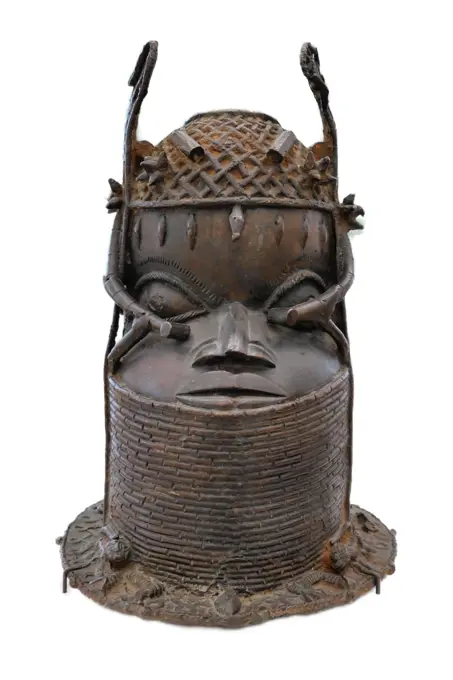
Gedenkkopf aus Benin Gedenkkopf aus Benin Copyright: xZoonar.com/HGVorndranx 22076025Head of Ammonite king Iron Age II, 8th century BC from Amman. This basalt head wearing Egyptian style headdress was found in the bed of the river Zarqa near Amman. It is a one of a number of similar pieces all recovered from the region Amman and which together seem to represent a local school of free standing sculpture. The piece is thought to depict a king or possibly a god.Cedar coffin of Ramses II with its cartouche from the exhibition: Ramses the Great and the Gold of the Pharaohs, Cologne, North Rhine-Westphalia, Germany, EuropeLamp. UnknownAmulet, cat ca. 1550-1295 B.C. New Kingdom. Amulet, cat. ca. 1550-1295 B.C.. Lapis lazuli. New Kingdom. From Egypt. Dynasty 18Amulet of the Soul as a Human-Headed Bird. Egyptian. Date: 780 BC-343 BC. Dimensions: 3.5 × 3 × 0.5 cm (1 3/8 × 1 1/8 × 1/4 in.). Glass. Origin: Egypt. Museum: The Chicago Art Institute, Chicago, USA. Author: Ancient Egyptian.Africa, Mali, tribal art, anthropomorphic headrestScarab, 1580-945 BCE, 1/4 x 1 x 1/2 in. (0.6 x 2.5 x 1.3 cm), Glazed steatite, Egypt, 16th-10th century BCEStanding Woman  1974 Pablo Rivera (b. 1936/American) Sculpture  Private Collection Worker Shabti of Nany ca. 1050 B.C. Third Intermediate Period See 30.3.27.1a, b. Worker Shabti of Nany. ca. 1050 B.C.. Faience. Third Intermediate Period. From Egypt, Upper Egypt, Thebes, Deir el-Bahri, Tomb of Meritamun (TT 358, MMA 65), first corridor, burial of Nany, MMA excavations, 1928-29. Dynasty 21repeated image 86001535Appliqué for a funeral couch. UnknownPricket Candlestick ca. 1300 South Netherlandish. Pricket Candlestick 467703Jade Mask, Teotihuacan cultureShabti of Henuttawy 1096 BCE-945 BCE Egypt. Faience . Ancient EgyptianPre-Inca era. Valdivia culture. Ecuador 3500-1800 BC. Ceramic female figurine. Museum of Cutures of the World. Spain.Passport' mask, 3 1/2 x 2 x 1 in. (8.89 x 5.08 x 2.54 cm), Wood, LiberiaPicrolite figure. Culture: Cypriot. Dimensions: H.: 3 3/16 in. (8.1 cm). Date: ca. 3900-2500 B.C..The form and material are characteristic of figures from the Chalcolithic (literally "copper-stone") period on Cyprus. These works, found mainly in graves, may have been deposited as offerings or worn as pendants. Museum: Metropolitan Museum of Art, New York, USA.enthroned deity enthroned deity, 400-300 BC, Archaeological Museum of Ibiza and Formentera, Ibiza, Spain Copyright: xZoonar.com/Tolox 23005386Statue of the Goddess Ishtar Mesopotamian Art  Musee du Louvre, Paris  Main young people; Unknown Italian workshop; 1st century BC (-100-00-00--1-00-00);Fragmentary Neolithic seated male figurine; Greece; 6th - 5th millennium B.C; Terracotta; 4.4 × 3.5 × 3.4 cm (1 3,4 × 1 3,8 × 1 5,16 in.)Shabti ca. 1295-1070 B.C. New Kingdom, Ramesside. Shabti 558338Peasant. Japan, 18th century. Costumes; Accessories. WoodAnthropomorphic bronze votive offerings, Iron Age, Evora Museum, Evora, Alentejo, Portugal, Europe.Egyptian gold pectoral with scarab. Artist: UnknownZoomorphic polychrome terracotta vessel in shape of parrot, Vicus culture, circa 100 B.C.Face Mask Ornament 6th-7th century Moche (Loma Negra). Face Mask Ornament 315172Sweden, Blekinge, Blekinge, Karlskrona, Karlskrona, external marina (depicted, town).Sweden, Blekinge, Blekinge, Karlskrona, Karlskrona, External War Gogs (depicted, City)Mask. Culture: Moche (Loma Negra). Dimensions: H. 6 5/8 x W. 6 1/4 x D. 1 3/4 in. (16.8 x 15.9 x 4.5 cm). Date: 390-450. Museum: Metropolitan Museum of Art, New York, USA.Figurine ca. 150 B.C. Parthian. Figurine. Parthian. ca. 150 B.C.. Ceramic. Parthian. Mesopotamia, NippurHead of the Crown Prince Amarnienne  Egyptian Art Jade ceremonial axe in form of feline monster from Vera Cruz Mexico. Museum: Museum of Mankind, NAPOLES, UK.wooden african mask isolated on white backgroundBowl 850-1050 Mimbres. Bowl 319550Ancient Egyptian funerary urns or Canopic jars 26th Dynasty, 664-525 BCDoor and Lock: Figures. Culture: Dogon peoples. Dimensions: H. 36 7/16 x W. 23 1/2 x D. 2 3/8 in. (92.6 x 59.7 x 6.1 cm). Date: 16th-19th century. Museum: Metropolitan Museum of Art, New York, USA.Netsuke of Devil Mask with Wide-Open Mouth 19th century Japan. Netsuke of Devil Mask with Wide-Open Mouth. Japan. 19th century. Wood, dark brown; inlaid green glass eyes. Edo (1615-1868) or Meiji period (1868-1912). NetsukeAmulets made of bone inshape of gazelles on ir hunkers from 'Eye Temple' in Tell Brak, SyriaPainted and gilded mummy case of an infant. The constructional details of this case are not fully visible, but the materials used included linen and plant fibre. A painted bead-net on a pink background imitates the garment often shown worn by Osiris.Mask, late 19th century, 9 3/8 x 7 1/8 x 4 3/8 in. (23.8 x 18.1 x 11.1 cm), Wood, pigment, kaolin, Democratic Republic of the Congo, 19th century, The filed upper teeth and black headdress indicate that were looking at a high-ranking woman of Yombe society. Because this highly realistic mask shows her as an ancestor, her face is painted white, the color of the supernatural. When worn by a male dancer during ritual ceremonies, the spirit of the deceased woman would appear from the otherworld to bring fertility, appeasement, and wellbeing to the living.Handle in the form of a youth Cypriot. Handle in the form of a youth 244559Head of Wood, France, Paris, Musee du LouvreMask with blue pigment from New Hebrides. Dated 1883Beer case model containing three vesselsJade votive axe: Olmec, 1200-400 BC. Mexico Mesoamerican Artefact Pre-ColumbianNature Goddess (). India, Uttar Pradesh, Mathura, circa 200. Sculpture. Mottled red sandstoneCenser Support 3rd-8th century Teotihuacan. Censer Support. Teotihuacan. 3rd-8th century. Ceramic. Mexico, Mesoamerica. Ceramics-SculptureMask. China; Reportedly found in Shaanxi province. Date: 899 BC-800 BC. Dimensions: 26.4 × 32.2 × 0.3 cm (10 1/2 × 12 7/8 × 3/32 in.). Bronze. Origin: China. Museum: The Chicago Art Institute, Chicago, USA.Bead Net Mummy Shroud 664 BCE-525 BCE Egypt. In the Saite Period, a wrapped mummy might be covered with a net-like shroud of beads that incorporated amulets or protective symbols. The scarab beetle is the hieroglyph that means ìto existî and is the symbol of rebirth.. Faience beads . Ancient EgyptianPigsty and Latrines 99 BCE-99 CE China. Han grave goods extended to the most mundane aspects of rural life. As illustrated here, latrines were customarily built above a pigsty and connected by pipes to a cesspool. Stylistically, this well-constructed tomb object corresponds to models excavated in Huixian, Henan province.. Gray earthenware with stamped decoration .Minerva or Roma; Roman Empire; 3rd - 4th century; Sardonyx; 2.7 × 1.4 × 0.9 cm (1 1,16 × 9,16 × 3,8 in.)ATEUCO - PECTORAL EN FORMA DE ESCARABAJO ALADO - TESORO DE TUTANKAMON - XVIII DINASTIA - 1325 AC. Location: EGYPTIAN MUSEUM. KAIRO. EGYPT. CHEPRE.Anthropomorphic vase decorated with figures of ears of cornBakers and Brewers from Meketre's Model Bakery and Brewery. Dimensions: H. of tallest baker: 18 cm (7 1/16 in.)H. of tallest brewer: 20 cm (7 7/8 in.). Dynasty: Dynasty 12. Reign: reign of Amenemhat I, early. Date: ca. 1981-1975 B.C.. Museum: Metropolitan Museum of Art, New York, USA.Nut pectoral for a mummy. Dimensions: H. 10.7 × W. 19 × Th. 2.8 cm (4 3/16 × 7 1/2 × 1 1/8 in.). Dynasty: Dynasty 19. Date: ca. 1295-1185 B.C.. Museum: Metropolitan Museum of Art, New York, USA.Prayer, enlarged version, by Rodin (plaster), back view, 1909 Jacques-Ernest Bulloz. Prayer, enlarged version, by Rodin (plaster), back view, 1909. Charcoal draw. 1910. Museum of Fine Arts from the city of Paris, small palace.Tjes-Knot Amulet ca. 1479-1458 B.C. New Kingdom. Tjes-Knot Amulet. ca. 1479-1458 B.C.. Wood (cedar). New Kingdom. From Egypt, Upper Egypt, Thebes, Deir el-Bahri, Tomb of Senenmut (TT 353), Foundation deposit, MMA excavations, 1926-27. Dynasty 18Mandala of Amitayus, the Buddha of Eternal Life. Central Tibet, 18th century or earlier. Sculpture. Terracotta with red paintKiller Whale Club, late 1800s-early 1900s. America, Native North American, Northwest Coast, Tlingit, 19th century. Carved wood; figure: 10.5 x 4 cm (4 1/8 x 1 9/16 in.).Tsa Tsa, votive offering in stupa-reliquary, Tibet, 18th century, ash and clay, Anthropology National Museum, Madrid, Spain.Republic of Colombia, Bogota, exhibits in the Gold Museum, face mask, Museo de Oro, Colombia, South AmericaDouble-Faced Female Figurine. Tlatilco; Tlatilco, Valley of Mexico, Mexico. Date: 500 BC-400 BC. Dimensions: H. 5.7 cm (2 1/2 in.). Ceramic and pigment. Origin: Tlatilco. Museum: The Chicago Art Institute, Chicago, USA.PECTORAL EN FORMA DE AGUILA - TESORO DE TUTANKAMON - XVIII DINASTIA. Location: EGYPTIAN MUSEUM, KAIRO, EGYPT.Christmas tree decorationSmall coffin ensemble for memorabilia, Tutankhamun's tomb treasures, archaeological world sensation, replicas, Valley of the Kings, most famous burial site in the world, Luxor, Thebes West, Egypt, Luxor, Thebes, West, Egypt, AfricaPre-Columbian art: Cuchimilco female figure, Chancay culture, Peru, 1200 AD.Shiva, anonymous, 850 - 925 Shiva, silver. On a pedestal. Indonesia silver (metal). sokkel: wood (plant material) Shiva, silver. On a pedestal. Indonesia silver (metal). sokkel: wood (plant material)Falcon inlay Late Period-Ptolemaic Period 664-30 B.C. View more. Falcon inlay. 664-30 B.C.. Faience, Paste. Late Period-Ptolemaic Period. From EgyptWinged Nut. Dimensions: H. 11.5 x W. 23.6 cm (4 1/2 x 9 5/16 in.). Dynasty: Dynasty 21-25. Date: ca. 1070-664 B.C..The goddess of the sky, Nut, is represented here with her protective outspread wings. On her head are cows' horns and the sundisk, which are elements that could be worn by various goddesses. The small holes were made for sewing the pieces onto a mummy's wrappings, but such elements could also be incorporated into beaded nets, which were placed on top of a mummy's wrappings. Museum: Metropolitan Museum of Art, New York, USA.Gilded Cooper Dove. Dated 13th CenturyChoir stalls, (1505-1508), Misericordia with spinning monkey on chamber pot, St., Sankt, SaintBottle, Anonymous, 800 - 850 Sculpture representing Cunda. Middle Java bronze (metal) Sculpture representing Cunda. Middle Java bronze (metal)Tutankhamen:  The Gold Mask  1342 BCE Gold Inlaid with jewels  Egyptian National Museum, CairoThe burial mask of Tutankhamun, Cairo Museum, Egypt.Colour photograph of the gold death mask of Tutankhamen; Egyptian pharaoh of the 18th Dynasty. Dated 1930Close-up of a Haida totem poleClose-up of a skull and crossbonesEgypt mummy pharao Egypt mummy pharao isolated over white background Copyright: xZoonar.com/IvonnexWierinkx 17827362Souvenirs, souvenirs, handicrafts in Madurai, South India, India, AsiaAncient greek sculptures, leon statue, vases and column. Male body part and hands. Antique mythology silhouettes, vintage moon goddess. Vector decorative design cartoon flat isolated illustration. Ancient greek sculptures, leon statue, vases and column. Male body part and hands. Antique mythology silhouettes, vintage moon goddess. Vector decorative design cartoon illustration