Cultural Textile Art

An array of textile samples and ceremonial skirts featuring intricate patterns and designs, showcasing traditional craftsmanship from various cultures.
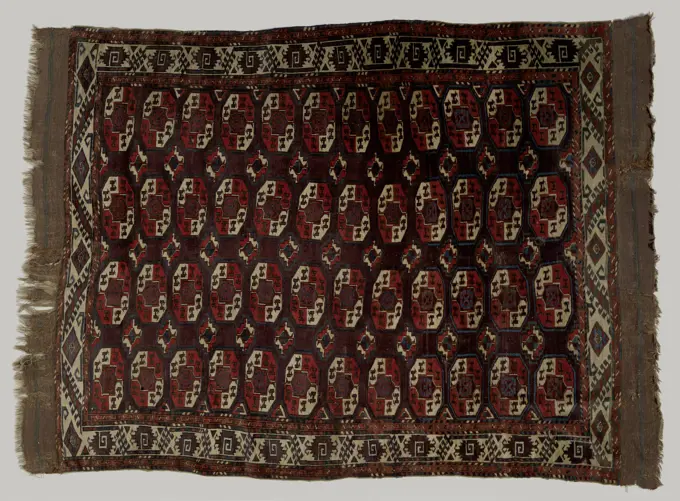
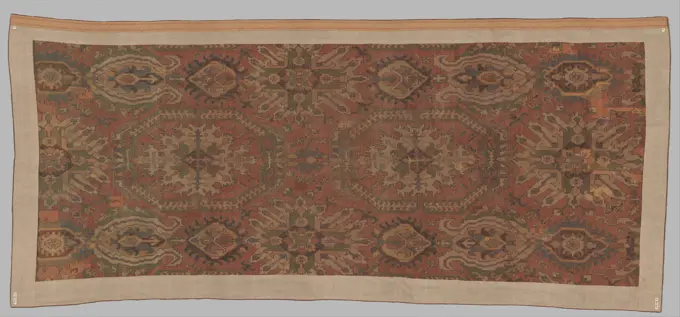
Eastern carpet, Kizil -Ayak Volk, 1800 - 1850 Eastern carpet, huge dressing. Against a deep purple fond are octagonal "tauk nuska" generous, interspersed by Chuval Gul. The widest edge is decorated with a stylized leaf vank. Central Asia Necklace and impact: Wool Eastern carpet, huge dressing. Against a deep purple fond are octagonal "tauk nuska" generous, interspersed by Chuval Gul. The widest edge is decorated with a stylized leaf vank. Central Asia Necklace and impact: Wool
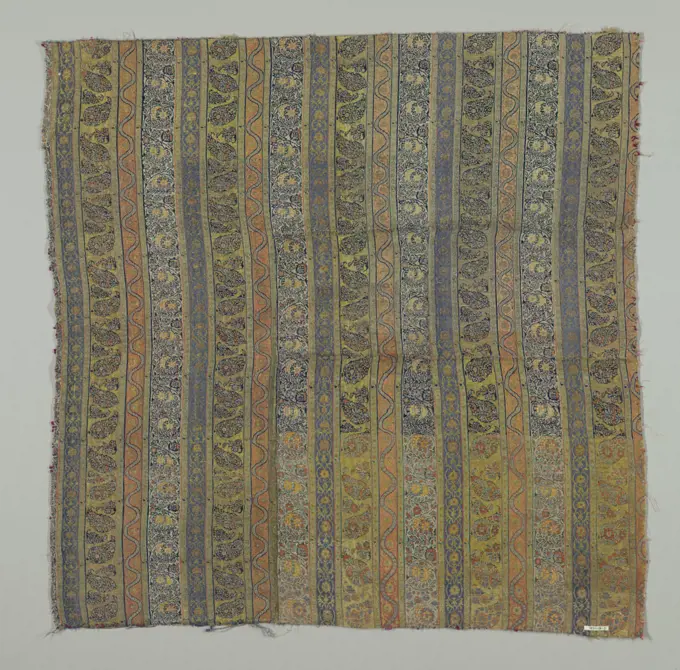
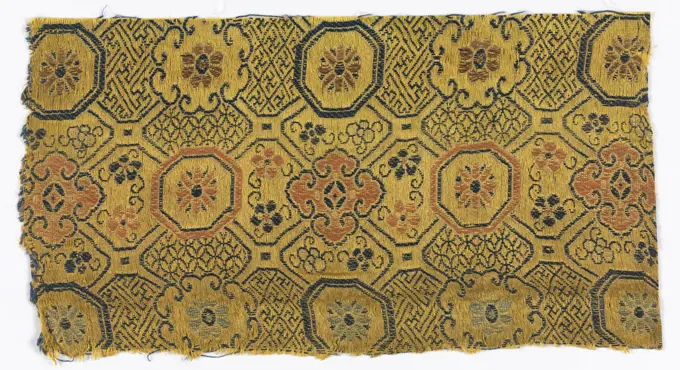
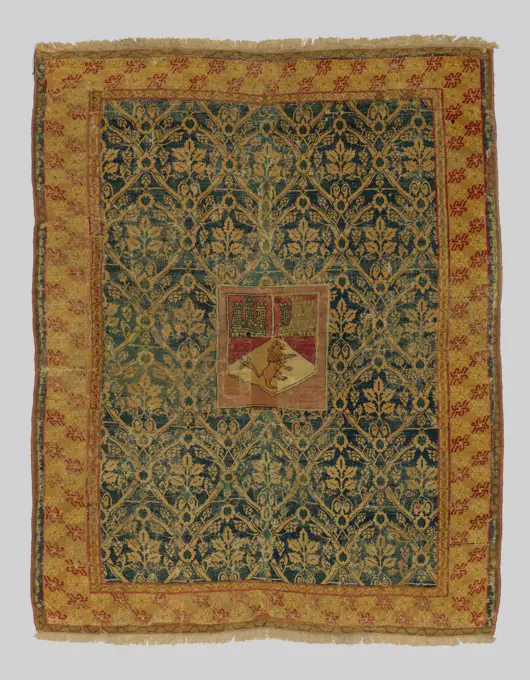
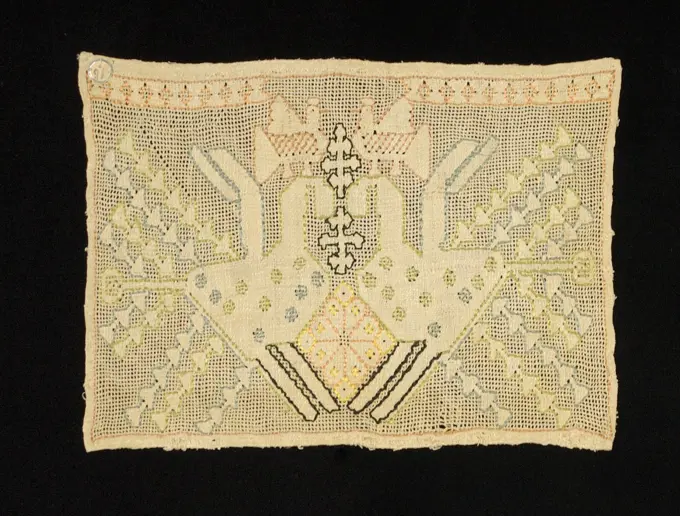
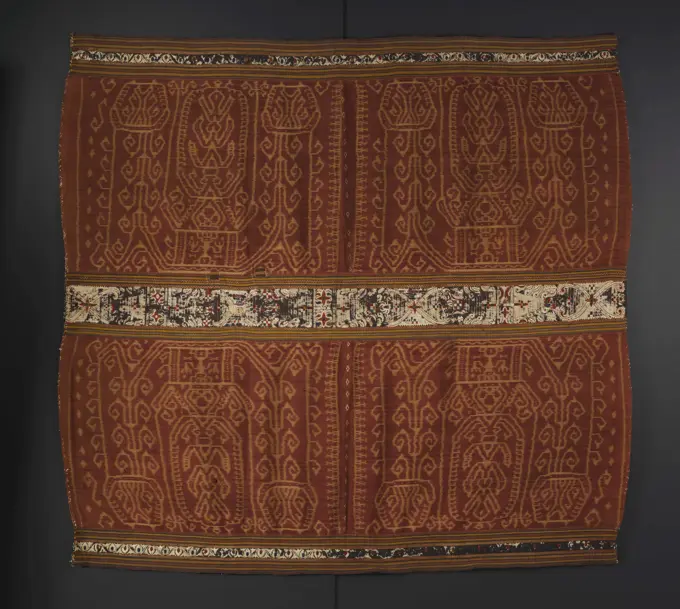
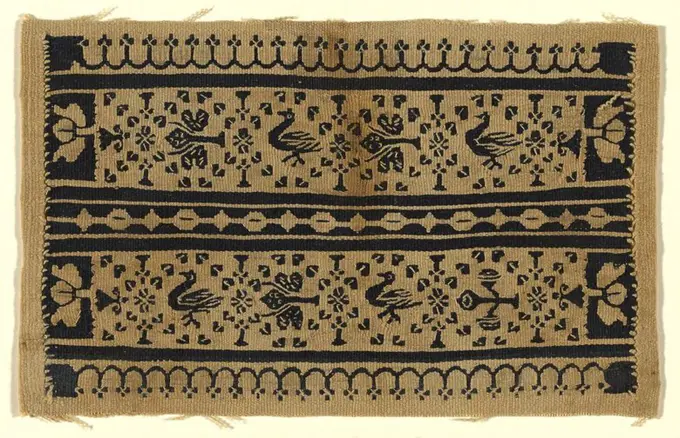
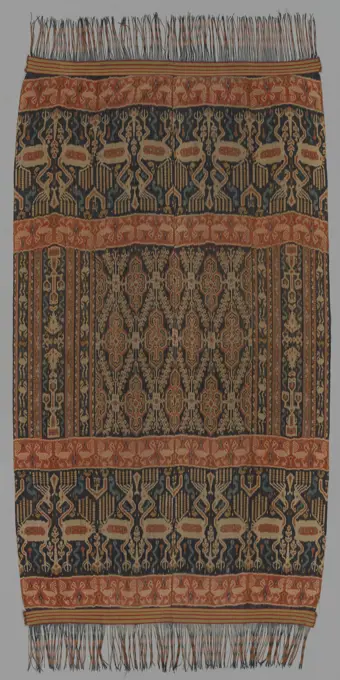
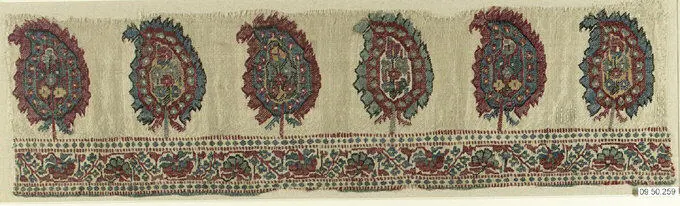
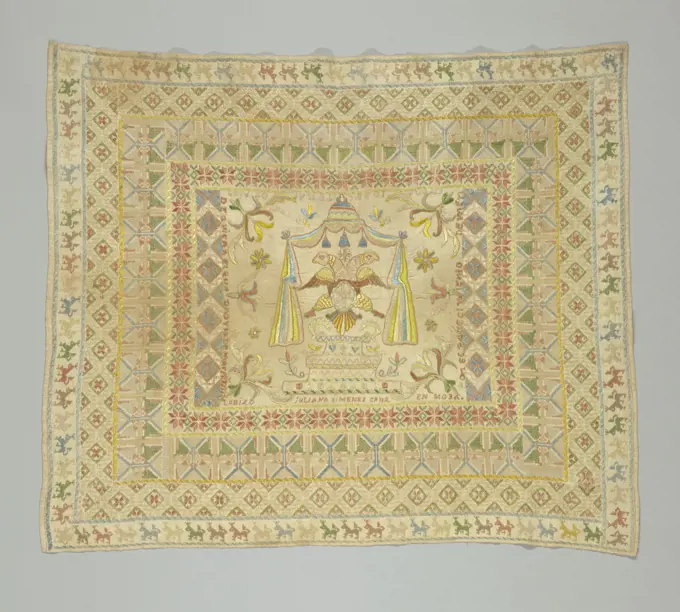
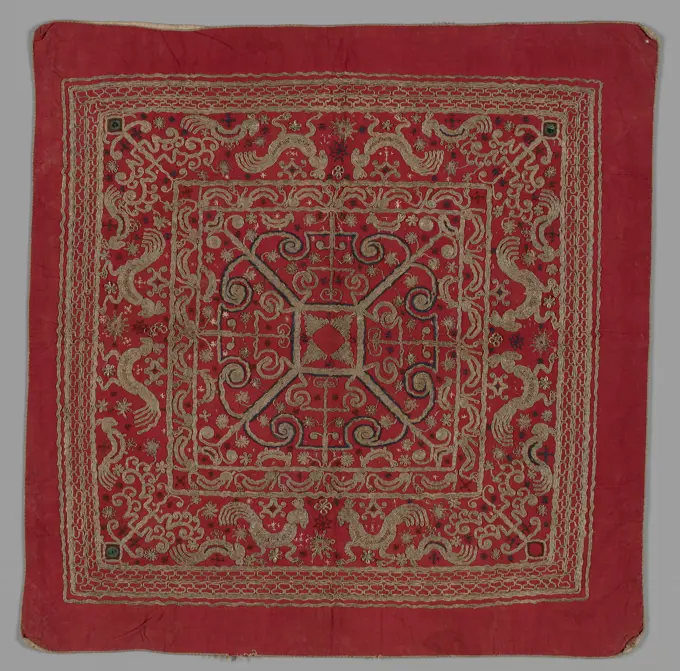
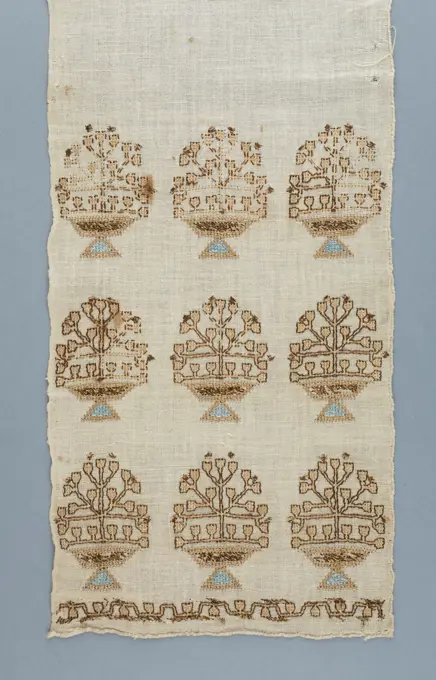
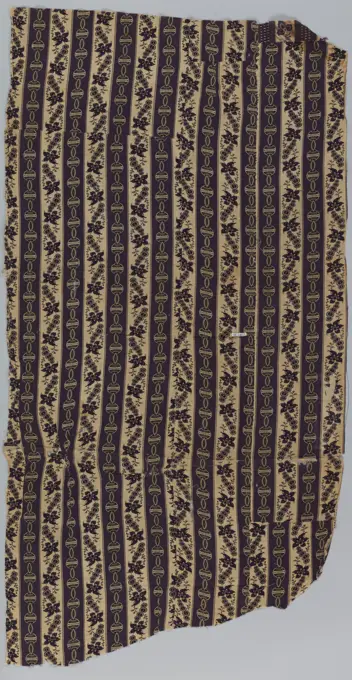
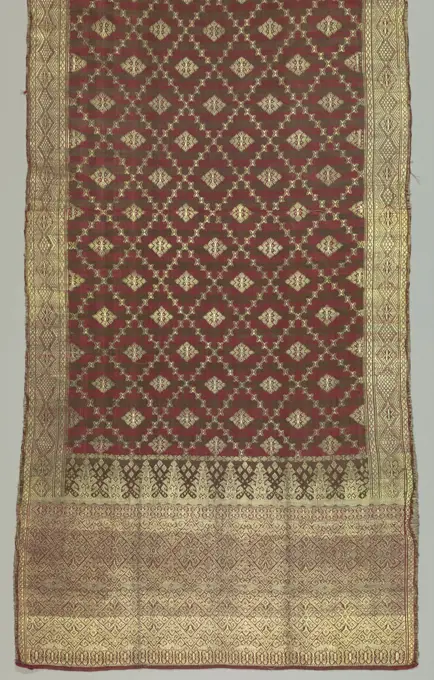
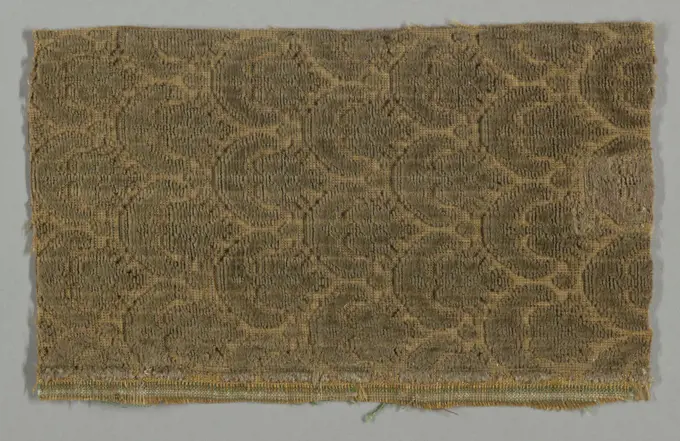
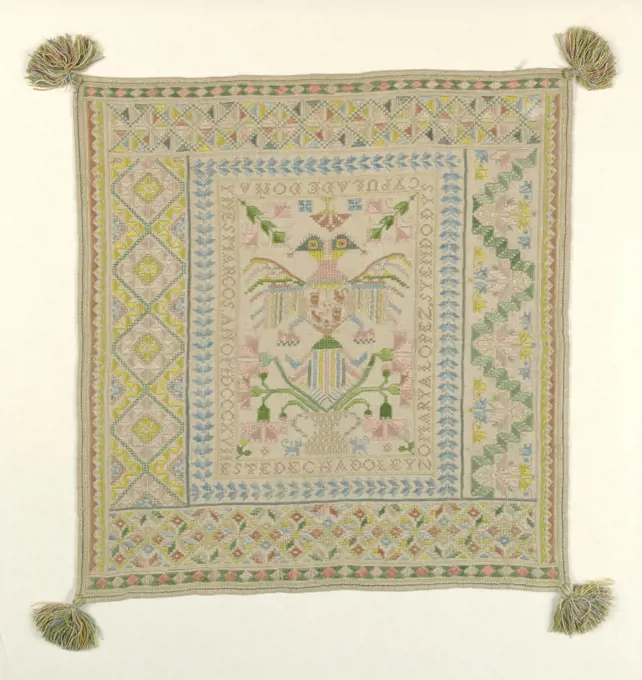
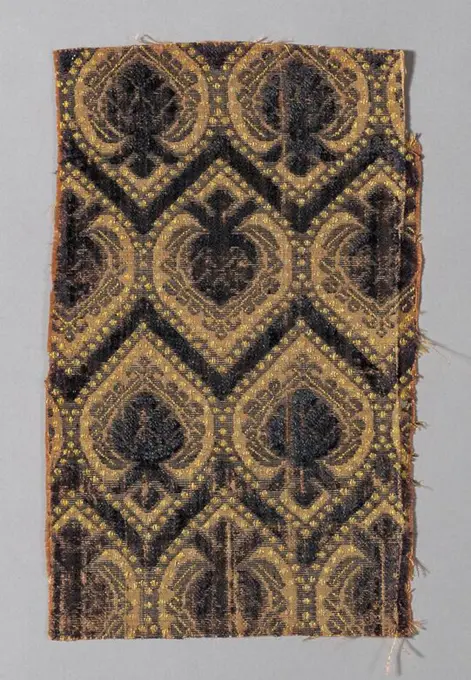
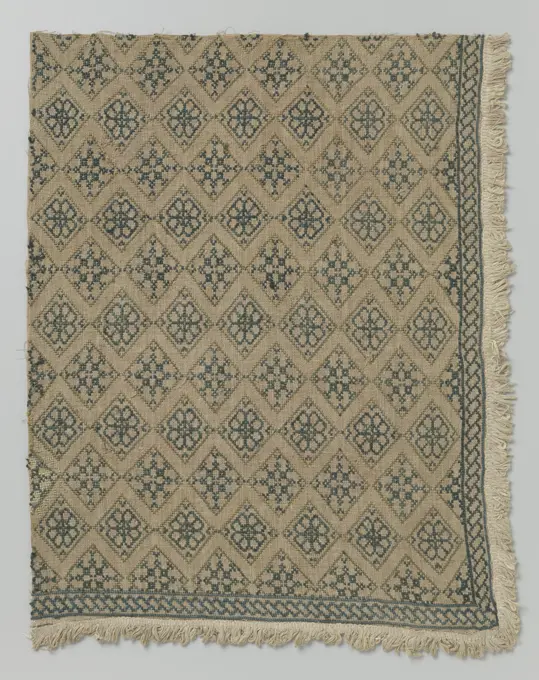
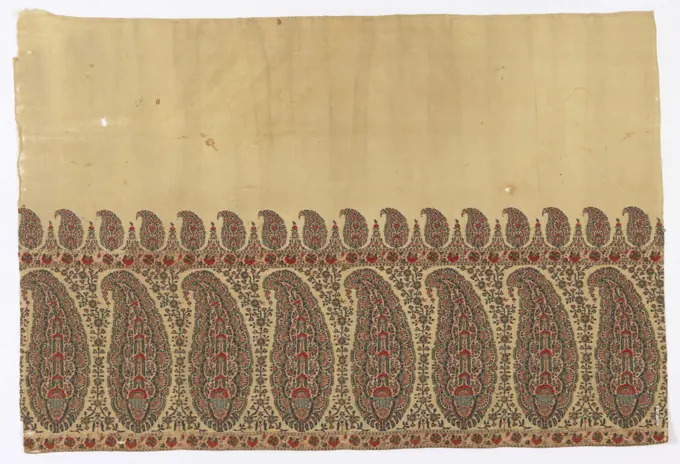
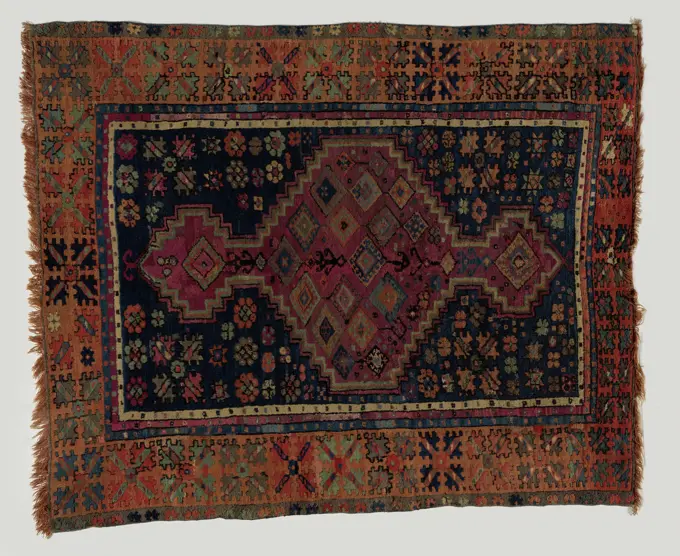
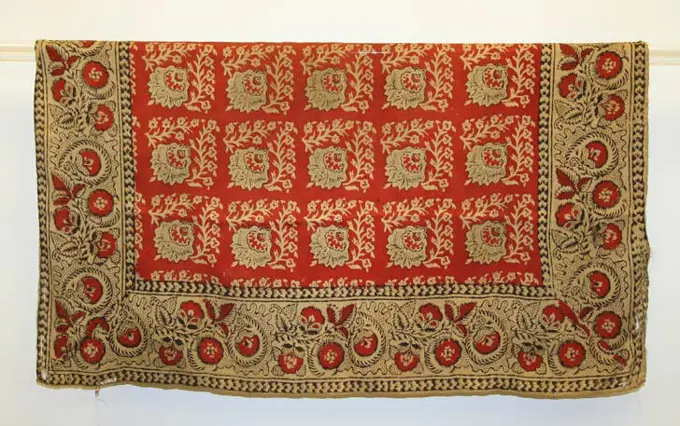
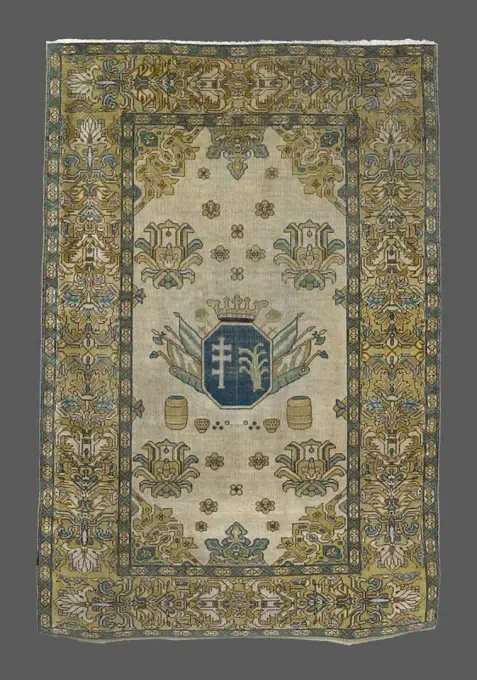
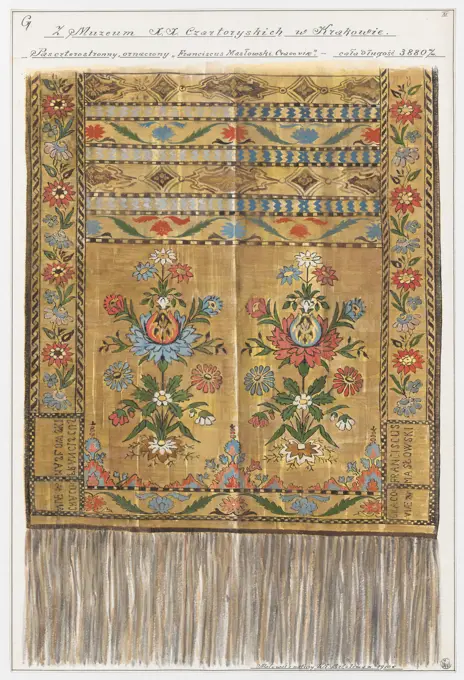
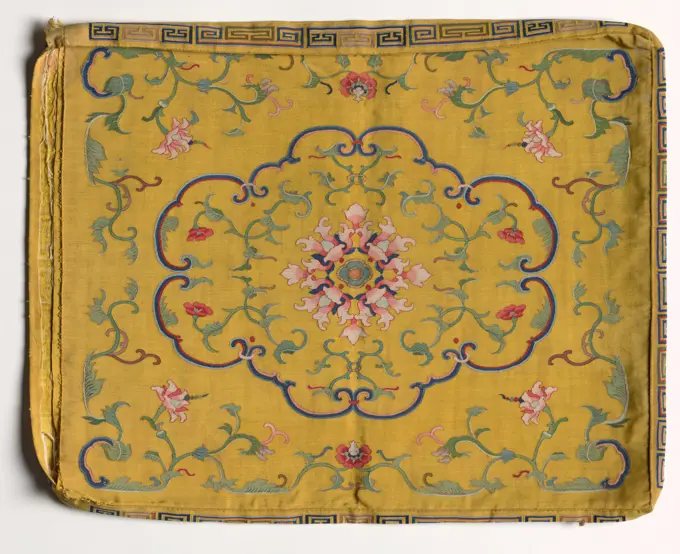
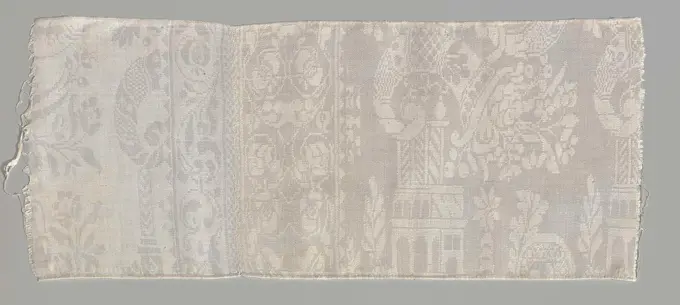
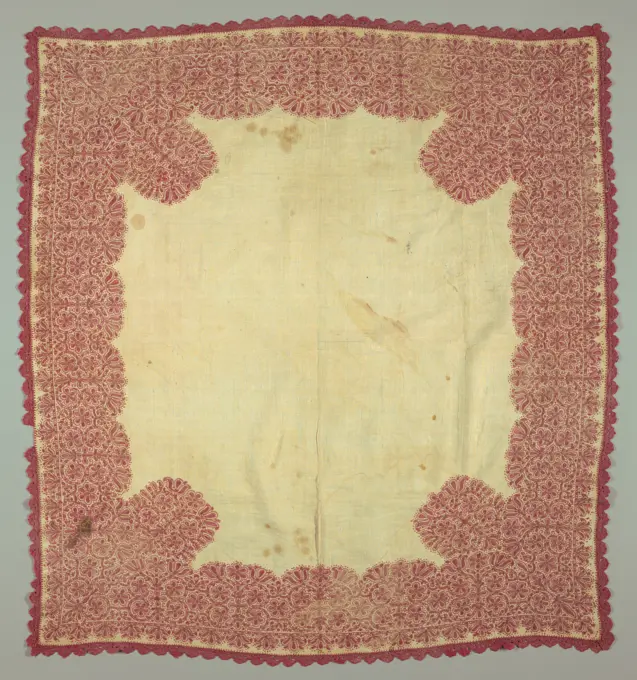
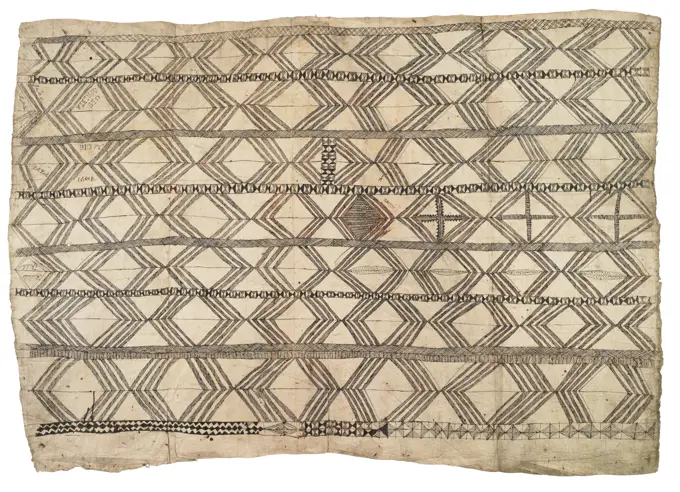
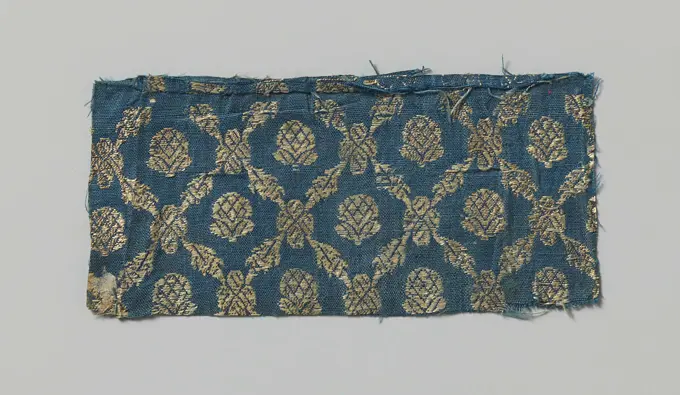
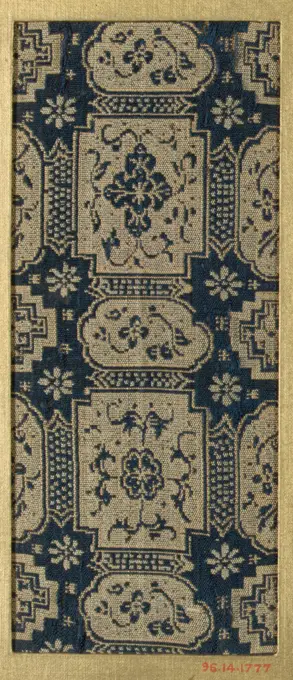
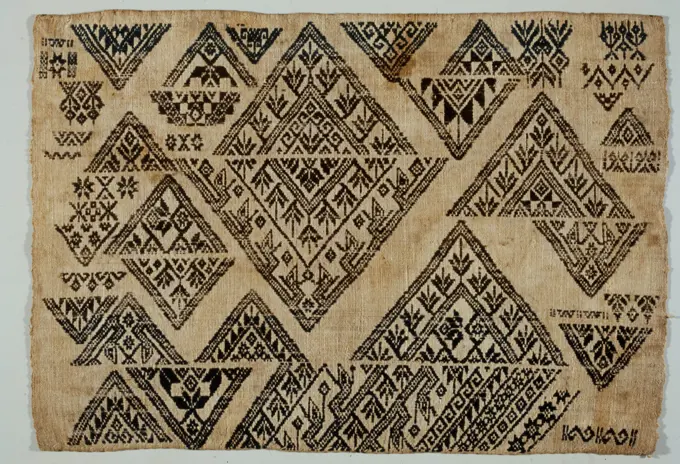
Sampler 1833 Spanish. Sampler 228204Woman's Ceremonial Skirt (Kain pantang) Made 1801-1900 Sumatra. Silk and gold-leaf-over-lacquered-paper-strip wrapped silk, warp and weft resist dyed (double ikat), plain weave with supplementary brocading wefts .Sampler(Limar)Oosters tapijt.Oriental carpet of knotted wool, decorated with rectangular medallions, filled with squares and octos. Five edges, the middle of which is decorated with S-shaped motifs.Eastern carpet, Kizil -Ayak Volk, 1800 - 1850 Eastern carpet, huge dressing. Against a deep purple fond are octagonal "tauk nuska" generous, interspersed by Chuval Gul. The widest edge is decorated with a stylized leaf vank. Central Asia Necklace and impact: Wool Eastern carpet, huge dressing. Against a deep purple fond are octagonal "tauk nuska" generous, interspersed by Chuval Gul. The widest edge is decorated with a stylized leaf vank. Central Asia Necklace and impact: WoolFragment, Medium: silk, metallic threads Technique: plain compound twill with brocading (), Striped textile with details in silver. Four repeated motifs within the stripes include Indian palm motif flowers and arabesques. Dark blue, green, pink and tan., Iran, 17th century, woven textiles, FragmentTrim, Medium: silk Technique: fancy compound satin, Dark red-orange ground with a design formed by primary dark blue weft and secondary wefts of light and dark blue, green, pink, tan and yellow. Geometric design with minute lozenges and swastikas grouped into squares with rosettes in some areas of the design. Lotus medallions at intersections. With insects or butterflies. Right selvage present., China, 19th century, woven textiles, TrimOrphrey band fragment, Medium: silk, linen, metallic Technique: complementary weft twill, Fragment of orphrey band with rosette and trees., 15th century, woven textiles, Orphrey band fragmentCeremonial Cloth Made 1600-1800 India. Cotton, plain weave; block printed, resist-dyed; both selvages present .Carpet. Dimensions: Textile: L. 98 1/2 in. (250.2 cm)W. 86 in. (218.4 cm). Date: late 15th-early 16th century.Documents first refer to Cairo as a carpet-weaving center in the last quarter of the fifteenth century. Carpets of this type figured significantly in Mediterranean commerce and appear in Venetian paintings as early as the sixteenth century. They are characterized by kaleidoscopic profusion of tiny motifs and a limited color range, resulting in an iridescent effect. Production of these so-called Mamluk carpets continued until the mid-sixteenth century, after the 1517 Ottoman conquest of Egypt. Museum: Metropolitan Museum of Art, New York, USA.Shroud(Sekomandi)Fragment, Medium: silk Technique: plain compound satin, brocaded, Allover geometrical design in greenish gold and rose with blue outlines., China, 19th century, woven textiles, FragmentCarpet with Coat of Arms 15th-16th century Spanish. Carpet with Coat of Arms. Spanish. 15th-16th century. Wool. Textiles-RugsFragment (Japan)Towel border 1800-1850 Russian. Towel border. Russian. 1800-1850. Linen, silk. Textiles-LacesWoman's Ceremonial Skirt (Tapis) 18th century or earlier Lampung. Woman's Ceremonial Skirt (Tapis) 318546Carpet with Geometricized Floral Design late 18th century This carpet is representative of the Caucasian weaving tradition with its geometricized motifs and overall design, red ground and other warm colors. The field is composed of repeating large-scale medallion-motifs formed with stylized palmettes, lotus and other flowers, combined with polygonal or star-like patterns. Stylized cypress trees on a stand against a white ground are repeated in the narrow border. A few flowers with rounded leaves on the star-like medallions are remnants of Persian influence and soften the geometrized composition. This powerful design is especially striking on a carpet of this large size and was preferred by commercial workshops, where such carpets with their low knot-count were produced in large quantities for trade.. Carpet with Geometricized Floral Design. late 18th century. Wool (warp, weft, and pile); symmetrically knotted pile. Attributed to Caucasus. Textiles-RugsSkirt Cloth (KainKebat)Carpet Fragment Made 1475-1525 Egypt. Wool, plain weave with supplementary wrapping wefts forming cut pile through a technique known as Sehna knots .Fragment early 16th century Northern Italian. Fragment 230452Tapis (Woman's Sarong) Made 1801-1900 Indonesia. Cotton, silk, and mirror pieces . SumatraAltar Frontal Made 1575-1600 Italy. Bands of linen, plain weave; linen, plain weave; pulled thread work; embroidered with silk in back, four-sided, overcast, running, single faggot, and two-sided Italian cross stitches; and linen, plain weave; pulled thread work; embroidered with linen in Russian overcast and cloth stitches; edged with linen and silk, plain weave extended weft uncut fringe and silk, buttonhole loops and bullion picots .Fragment; silkPanel; silk on cottonSleeve Band. Coptic; Egypt. Date: 401 AD-600 AD. Dimensions: 22.2 × 13.7 cm (8 3/4 × 5 3/8 in.). Wool, tapestry weave. Origin: Egypt. Museum: The Chicago Art Institute, Chicago, USA.Oriental carpet ,, 1850 - 1900 Eastern carpet, medailla, made of knotted wool. There are six diamond -shaped medallions, palmets and rosettes in midfield. Halved medallions along the edges. Around five edges, the widest of which is decorated with a spiral band and rosettes. Hamad wool Eastern carpet, medailla, made of knotted wool. There are six diamond -shaped medallions, palmets and rosettes in midfield. Halved medallions along the edges. Around five edges, the widest of which is decorated with a spiral band and rosettes. Hamad woolPanel Made 1401-1425 Italy. Silk, warp-float faced 4 1 satin weave with two-color supplementary pile warps forming cut, voided velvet .Fragment of a silk carpet, anonymous, c. 1600 - c. 1625 Fragment of a carpet, a so -called polent carpet, knotted silk. The midfield is decorated with spiral vessels ending in leaf shapes and cloud tires. The secondary decorative system carries lotus flowers and palmets. Midfield is framed by a border with a floral pattern. Isfahan cotton (textile). silk Fragment of a carpet, a so -called polent carpet, knotted silk. The midfield is decorated with spiral vessels ending in leaf shapes and cloud tires. The secondary decorative system carries lotus flowers and palmets. Midfield is framed by a border with a floral pattern. Isfahan cotton (textile). silkTurkmen Okurjais Carpet unknownSampler. Date/Period: 18th century. Sampler. Medium: silk embroidery on linen foundation. Technique: embroidered in counted satin, double running, wrapped bars, and stem stitches on plain weave. Author: UNKNOWN.Oriental carpet, Anonymous, 1800 - 1900 Eastern carpet, grid work, in Soumak-Techniek. In midfield there is a grid work of sawded tand against a yellow stock. There is a braid or button motif within each Maas. Triple edge, the widest of which is decorated with kufic motifs. At the top and bottom frills. The rug has been shortened. Eastern Caucasus (Possible) wool Eastern carpet, grid work, in Soumak-Techniek. In midfield there is a grid work of sawded tand against a yellow stock. There is a braid or button motif within each Maas. Triple edge, the widest of which is decorated with kufic motifs. At the top and bottom frills. The rug has been shortened. Eastern Caucasus (Possible) woolMans Mantle or Hip Cloth (Hinggi)Shawl Border 19th century. Shawl Border 445648Fragment, Medium: silk Technique: compound twill (samite) Label: silk compound twill, Fragment of woven silk containing six pearl roundels, in sky blue and dark green on a red ground. The top two roundels enclose confronted elephants, the middle two addorsed senmurvs, and the bottom two confronted hippocampi. Four-lobed rosettes with elaborate floriated edges in interspaces., Spain, Byzantium, or Eastern Mediterranean, 11th-12th century, woven textiles, FragmentSampler, Juliana Ximenez Cruz, Medium: silk embroidery on linen foundation Technique: cross, counted satin, square, fishbone and stem stitches on plain weave, In the center is a double-headed eagle surrounded by flowers and an inscription. Four wide borders of geometric forms and lions () and five narrow borders., Spain, 1826, embroidery & stitching, SamplerFood Offering Cover (TutupMakan)Towel made of embroidered IInen unknownOriental carpet. Oriental carpet, floral rug. In the midfield there are staggered rows of flowers. Quadruple edge. Four-duplication rank. Beard with embroidery sign.Maniple fragment. unknown, authorHexagon rug, Karabagh or Shirwan. Hexagon rug, Karabagh or Shirwan. Midfield: White center bar and side railways, on which hexagons alternate with small windows. The hexagons turn blue and red, the diamonds of goudoo, light blue, light yellow and light green. There is a cross-shaped flower within each hexagon. Edge: the middle might form the original main rug of the rug, one of which is an out-of-side, tilting from reciprocalque in dark brown and light blue.Fragment ca. 1870 British. Fragment. British. ca. 1870. Cotton. Textiles-PrintedTextile, Medium: silk, metallic threads Technique: plain weave with discontinuous supplementary weft patterning (brocade), Long silk textile, probably a shoulder cloth (selendang), in dark brown against red. Plaid ground with all-over brocading of geometric pattern with center motif on main ground. Heavy brocading in borders., West Sumatra, Indonesia, 19th century, woven textiles, TextilePart of a chasuble 16th century Spanish. Part of a chasuble 219890Fragment (Italy); silk; Bequest of Richard Cranch Greenleaf in memory of his mother, Adeline Emma Greenleaf; 1962-56-117-aFragment, Medium: silk, metallic Technique: supplementary warp with cut and uncut pile (velvet) on plain weave foundation faced with metal., Pattern of plant forms set on crescents. selvage on right., 17th century, woven textiles, FragmentFragment Made 1800-1825 China. Silk, complementary weft twill weave with inner warps .Band, Medium: linen, silk Technique: embroidered, a) Dark blue embroidery on natural linen, the pattern in natural linen: band with a continuous vine made up of mirror image z-scroll, narrow border with geometric leaf or floral forms at top and bottom., b) Small section of A., Europe, 16th-17th century, embroidery & stitching, BandSampler, Marya Lopez, Medium: silk embroidery on linen foundation Technique: embroidered in cross, satin, stem, long-armed cross, four-sided, chain, eyelet, running, back, and wrapped stitches on plain weave foundation, In the center, a double-headed eagle and the shield of Castile and Leon, framed by the inscription. With deep borders of geometric pattern bands. Trimmed with four green tassels., Spain, 1817, embroidery & stitching, SamplerFragment. Italy. Date: 1625-1675. Dimensions: 27.6 x 17.1 cm (10 7/8 x 6 3/4 in.). Cut and uncut velvet. Origin: Italy. Museum: The Chicago Art Institute, Chicago, USA.Fragment from a funeral garment or pall, 1649-1955 (radiocarbon date, 95% probability). Iran , in the style of the Buyid period (945-1055). Silk: lampas weave; overall: 21 x 23.5 cm (8 1/4 x 9 1/4 in.).Sampler (England); Embroidered by Mary Soveli () (English); wool embroidery on linen foundationPart of a rug of pattern, decorated with diamond shapes, c. 1800 - c. 1930 Part of a rug of pattern. In diamond shapes, geometric figures have been worked in the wire cross stitches. Along two sides closed with fringe.  linen (material) Part of a rug of pattern. In diamond shapes, geometric figures have been worked in the wire cross stitches. Along two sides closed with fringe.  linen (material)Piece 16th century Italian. Piece 224470Shawl border, Medium: silk Technique: twill weave with discontinuous supplementary weft patterning (brocade) Label: Woven and embroidered silk, Fragment of a shawl border with an ivory colored field and a deep boder of boteh or paisley forms filled with tiny floral forms. Flanked top and bottom with a narrow band with a repeating design of carnations, alternating frontal and profile view. Above, a smaller row of paisleys is adjacent to the field. In shades of red and blue., France, early 19th century, woven textiles, Shawl borderAltar Frontal Made 1700-1725 France. Linen, plain weave; underlaid with linen, plain weave; embroidered with silk and wool in satin and split stitches; laid work, couching, padded couching, and French knots; painted glass beads; backed with linen, plain weave .Pillow cover, Medium: silk embroidery on linen foundation Technique: embroidered in counted running stitches on plain weave foundation, Rectangle of embroidery with a large central lozenge surrounded by four incomplete lozenges, embroidered in red, white and yellow silks on a blue ground. Voided geometric forms resembling Arabic script., Thasos, Greece, 18th century, embroidery & stitching, Pillow coverEastern carpet, supposedly tibodia and flowers rug. Manufactured with senneh button., 1600 - 1650 Carpet, decorated with large floral figures connected by thin branches and here and there, forming a certain climbing ornament in a background that is slightly brownish yellow, for half of light, slightly red. On the edge the same flower figures against a ground of dark Indigo. Noord-perie Ketting an element: Cotton (Textile) Carpet, decorated with large floral figures connected by thin branches and here and there, forming a certain climbing ornament in a background that is slightly brownish yellow, for half of light, slightly red. On the edge the same flower figures against a ground of dark Indigo. Noord-perie Ketting an element: Cotton (Textile)Millefleur Carpet with a Flower-and-Trellis Pattern. Dimensions: Max. H. 99 3/4 in. (251.5 cm); Min. H. 97 3/4 in. (248.3 cm)Max. W. 53 1/2 in. (135.9 cm); Min. W. 51 in. (129.5 cm). Date: late 18th-early 19th century.A lozenge diaper pattern of floral stems provides visual structure to this millefleur carpet with hundreds of densely arranged flowers. In a break from more typical millefleur designs in which flowers fill a niche-like space or simply cover the entire field with an abundance of blossoms, the flowers of this carpet are arranged in a repeating geometric pattern. The presence of five and seven blossoms clustered on each stem was typical of millefleur carpets produced in the preceding century in Kashmir. Museum: Metropolitan Museum of Art, New York, USA.Fragment, Medium: silk Technique: cut supplementary warp pile (velvet) in a woven foundation, Sample of 'velours miniatures' has vertical stripes of flower sprigs and flower garlands., France, late 18th century, woven textiles, Fragment. Cover for an animal. Midfield is decorated with a flower inside a diamond. Left and right sections of concentric windows. Edge shaded with octos. Top and bottom of a beard.Fragment (Furnishing Fabric). China. Date: 1401-1500. Dimensions: 30.5 × 29.6 cm (12 × 11 5/8 in.). Brocaded plain compound twill, silk and gilt paper wound on yellow silk core. Origin: China. Museum: The Chicago Art Institute, Chicago, USA.Fragment Made 1722-1727 France. Silk, warp-float faced 7 1 satin weave with supplemenatry patterning wefts bound in 3 1 twill interlacings and self-patterning ground wefts tied by supplementary binding warps in plain interlacing .Textile, Medium: silk, metal thread Technique: damasse brocaded, A rich red approaching brown with silver. The first stripe has flat clearly drawn leaves and flowers in a pattern that receeds and interlockingscrolls in silver. The second stripe is a ribbon with decorative edges., Northern Europe, 1680-90, woven textiles, TextileMedaillonkleed, YURUK of SULTAN, anonymous, c. 1800 - c. 1900 Medaillon suffering, Yuruk or "Sultan". Midfield: Dark blue fond with a cardinal savings medallion with shoots at the head and tail and filled with windows in many muted colors. Field filling of four large flowers in kaleidos -headed color boxes and many small rosettes. Rand: multiple. The widest is orange, on which cross flowers stand. Three plain inside in white, cerise and blue. The outside zoom is brown. Southeast Asia Klein (Possible) wool Medaillon suffering, Yuruk or "Sultan". Midfield: Dark blue fond with a cardinal savings medallion with shoots at the head and tail and filled with windows in many muted colors. Field filling of four large flowers in kaleidos -headed color boxes and many small rosettes. Rand: multiple. The widest is orange, on which cross flowers stand. Three plain inside in white, cerise and blue. The outside zoom is brown. Southeast Asia Klein (Possible) woolKerchief ca. 1830 American. Kerchief 119146Carpet with coats of arms of Potocki and Mniszech families. unknown, authorCeremonial Weaving(Paporitonoling)Sidewall - Sample (USA); Made by M.H. Birge & Sons Co. (United States); machine-printed; 49 x 52 cm (19 5/16 x 20 1/2 in.)Textile Fragment late 17th century. Textile Fragment 452088Anonymous, oriental patterned carpets (attributed title). Textile. Petit Palais, Museum of Fine Arts of the City of Paris.Kontusz belt bearing the signature `Franciscus Masłowski Cracoviae`, from the collection of the Princes Czartoryski Museum of Kraków ; drawing for the publication: `Starodawne pasy polskie przedstawione staraniem i nakładem Dominika Jeżewskiego, malował z. Sztolcman, Władysław Roman (1873-1950), painterChasuble. Probably Italy or Sicily. Date: 1601-1675. Dimensions: 113.5 x 66.8 cm (44 5/8 x 26 1/4 in.). Silk, warp-float faced satin weave; underlaid with linen, plain weave; embroidered with linen, silk, gilt-metal strips, and gilt-metal-strip-wrapped silk in satin and split stitches; laid work, couching, padded couching; beaded with coral beads; edged with gilt-metal strip and gilt-metal-strip-wrapped silk, twill and plain weaves; lined with silk, plain weave. Origin: Italy. Museum: The Chicago Art Institute, Chicago, USA.Sampler (Spain); wool, linen; 11 X 25 in. framedHeadClothSampler. Culture: Dutch. Dimensions: H. 22 x W. 15 1/2 inches (55.9 x 39.4 cm). Date: 1736-37. Museum: Metropolitan Museum of Art, New York, USA.Fragment of embroidery  regular pattern made of a rhombus net unknownCushion Cover, 1700s. China, Qing dynasty (1644-1911). Silk, metallic thread; overall: 51.8 x 42 cm (20 3/8 x 16 9/16 in.).Towel Greece. Silk, plain weave embroidered with stem stitch, two-sided plaited Spanish stitch .Fragment van een tafellaken met een hoorn des overvloeds.Fragment of a tablecloth of Linnendamast with a cornucopia. Law side by side repeated asymmetrical motifs from the upper part of a tower and to the right opening, strongly curved, checkered and cared horn, from which flowers appear. Wide edge of symmetrically doubled spiral drinks with pomegranate and other flower.Eastern carpet ,, 1800 - 1900 Oriental carpet, zigzag rug. The midfield is decorated with zigzag tires in different colors; The tops are crowned with U-shaped hooks. Kaukasus (possibly) wool Oriental carpet, zigzag rug. The midfield is decorated with zigzag tires in different colors; The tops are crowned with U-shaped hooks. Kaukasus (possibly) woolTextile (Indonesia); cottonTable Cover, 18th century. Italy, 18th century. Brocade; silk and metal; average: 101.6 x 84.5 cm (40 x 33 1/4 in.).Cushion front leaf with blue griddessin, spiked triangles, rosettes and margrites. ,, c. 1875 - c. 1900 Cushion front leaf of which the midfield is divided into windows by a blue grid, diagonally colored. Double edge. The inner with spoted triangles, the outer with rosettes and Margrites. At the top and bottom an embroidered beard. Kurdistan Necklace and impact: Wool Cushion front leaf of which the midfield is divided into windows by a blue grid, diagonally colored. Double edge. The inner with spoted triangles, the outer with rosettes and Margrites. At the top and bottom an embroidered beard. Kurdistan Necklace and impact: WoolSquare (Italy); silk on linenShawl, Medium: wook Technique: embroidered, Square shawl with a small red center. Embroidered in a multicolored cone and flower design., India, 19th century, costume & accessories, ShawlFragment Made 1750-1800 China. Brocaded fancy compound satin, silk and gilt paper; 2 1/2 strips to m.m. .Holbein Ezine Carpet probably early 19th century. Holbein Ezine Carpet 452576Panel (Spain); silk on silk, metallic thread trimPrayer rug with top panel, Mudjur ,, 1850 - 1900 Prayer rug with top panel, mudjur. Midfield: Steenrode Mihrab with pointed top with four -colored step line. The you are in bottle green, each with a large flower and a small white oil man. A narrow Frisian runs above it with a white "omegalijn" between tilting in lilac, red and black. Edges: multiple. The middle and Bredest is in Geel, on which sleek squares are saved on which a star flower between four overhoek leaves; All richly colored courses, kaleidoscopically arranged. The inner hem is blue, on which Rangn stands and is caught in fine, zigzag and speckled piping. The Outzoom is black with crosarflowers. Mudjur wool Prayer rug with top panel, mudjur. Midfield: Steenrode Mihrab with pointed top with four -colored step line. The you are in bottle green, each with a large flower and a small white oil man. A narrow Frisian runs above it with a white "omegalijn" between tilting in lilac, red and black. Edges: multiple. The middle and BrPiece 18th-19th century Japan. Piece 67020Textile, Indian Diaper; Made by Morris & Co. (United Kingdom); England; cottonConciliate belt;  18th century (1701-00-00-1800-00-00);Hiapo (tapa cloth) ceremonial objectsFragment oosterse textiel.A fragment of blue silk and cotton, with a diamond pattern in gold. The diamond pattern is formed by flour and leaf lines, in which a stylized flower.Fragment, Medium: silk Technique: cut and uncut supplementary warp pile (velvet), Fragment of green cut and uncut velvet on an orange-tan ground. Surface broken up into eight-sided spaces, each enclosing a tiny flowering branch., Italy, late 16th-early 17th century, woven textiles, FragmentPiece 18th-19th century Japan. Piece 67490Back doubleur. 1899 - 1902. bindings (gathered matter components), Book covers. Spencer Collection. BookbindingTent bag card. Tent bag card, Salor Chuval. In the midfield there are three whole and six cuts. Edges with geometric motif, interspersed by diamond-shaped figure. Borders are cut.Fragment of IInen and wool fabric unknownSampler, 20th century, 18 1/2 x 12 5/8 in. (46.99 x 32.1 cm), Cotton; needlework, Thailand, 20th century