Cultural Textile Art

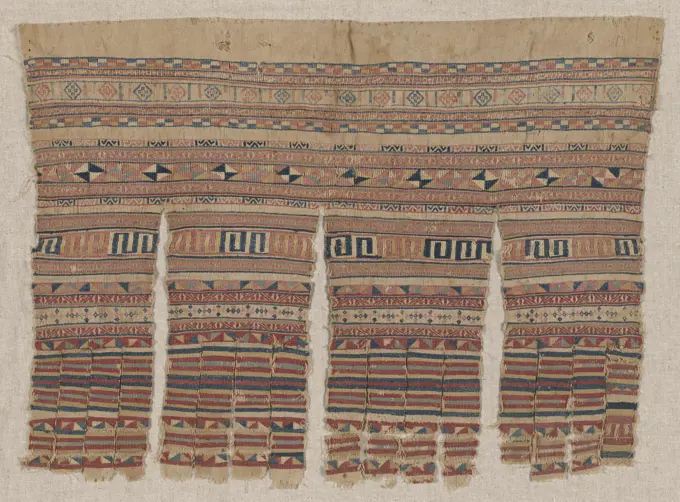
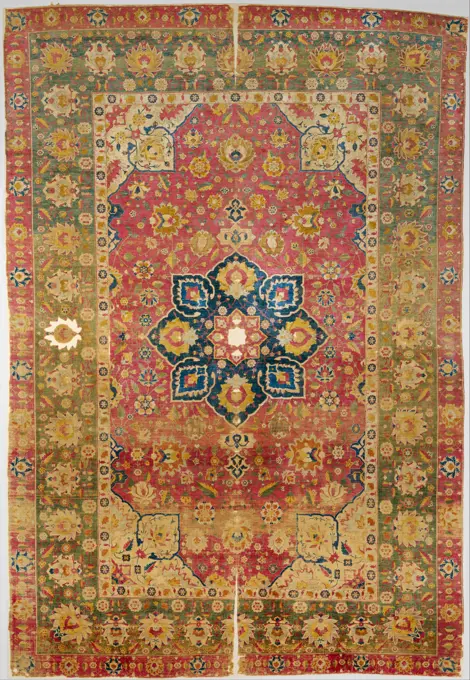
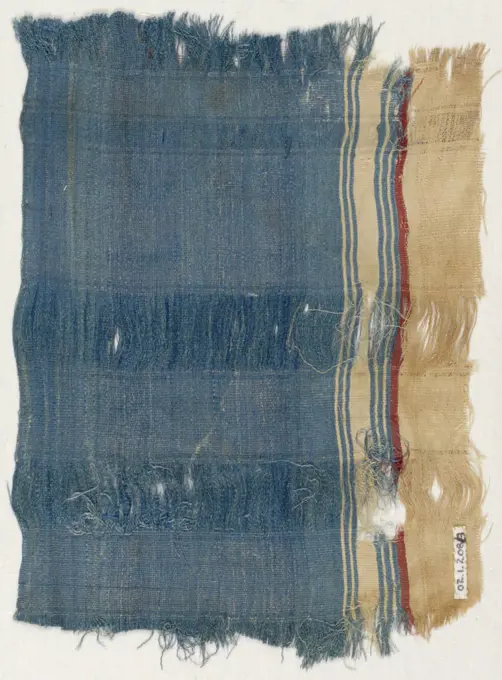
An array of textile samples and ceremonial skirts featuring intricate patterns and designs, showcasing traditional craftsmanship from various cultures.
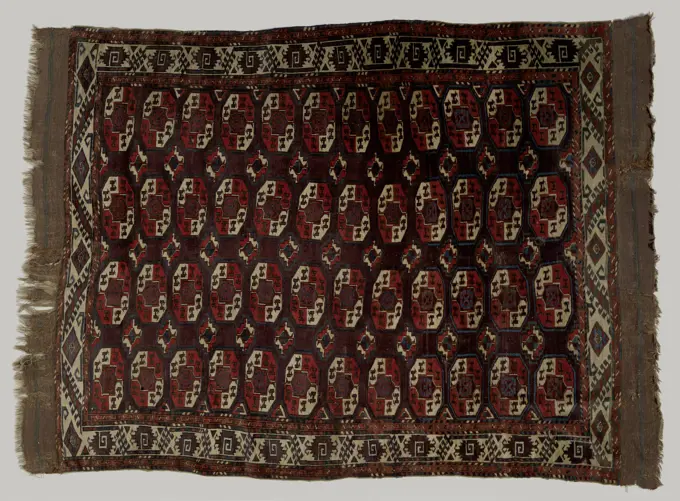
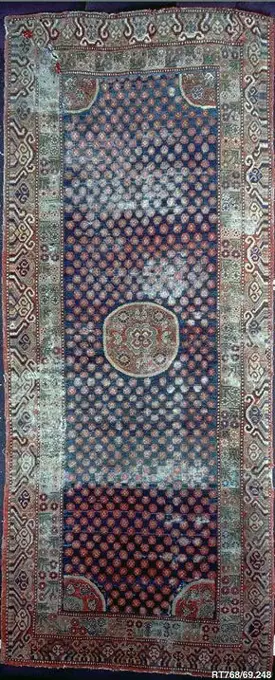
Eastern carpet, Kizil -Ayak Volk, 1800 - 1850 Eastern carpet, huge dressing. Against a deep purple fond are octagonal "tauk nuska" generous, interspersed by Chuval Gul. The widest edge is decorated with a stylized leaf vank. Central Asia Necklace and impact: Wool Eastern carpet, huge dressing. Against a deep purple fond are octagonal "tauk nuska" generous, interspersed by Chuval Gul. The widest edge is decorated with a stylized leaf vank. Central Asia Necklace and impact: Wool
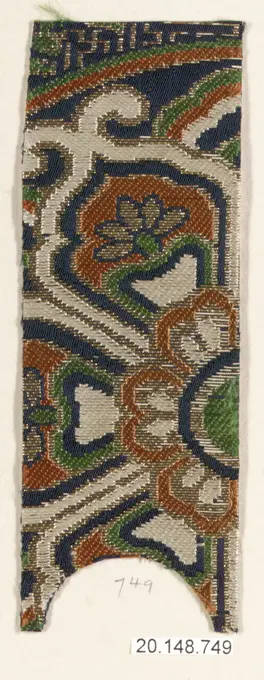
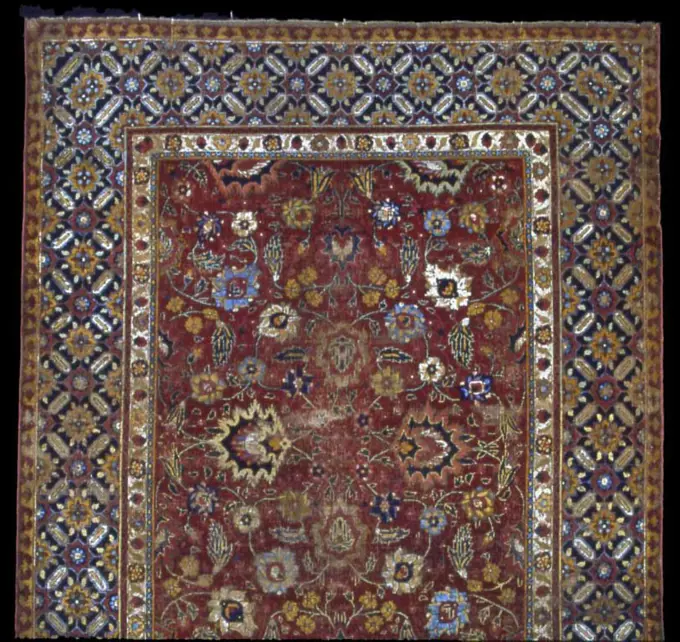
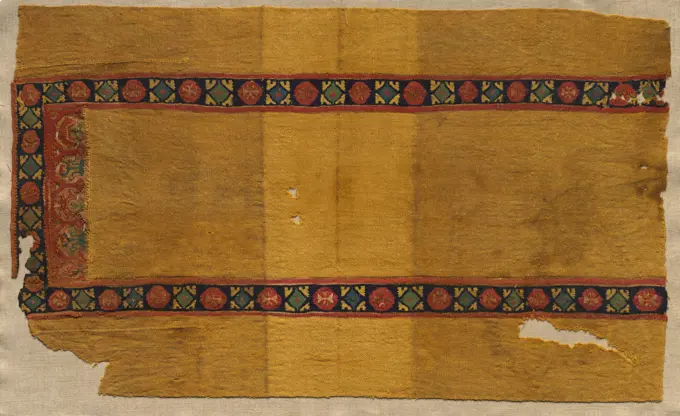
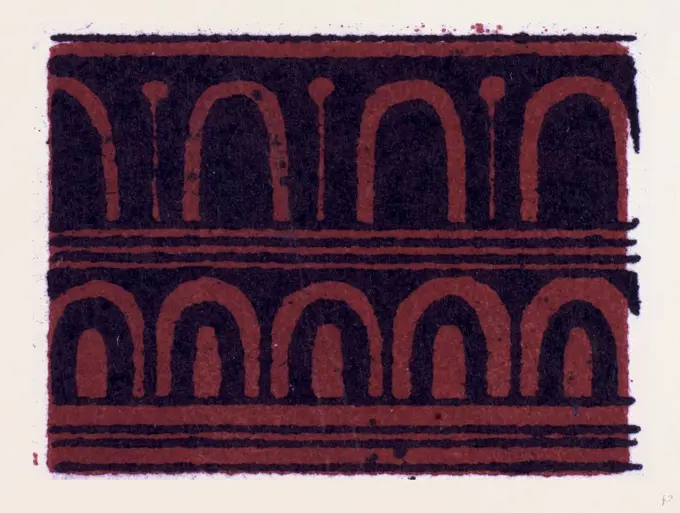
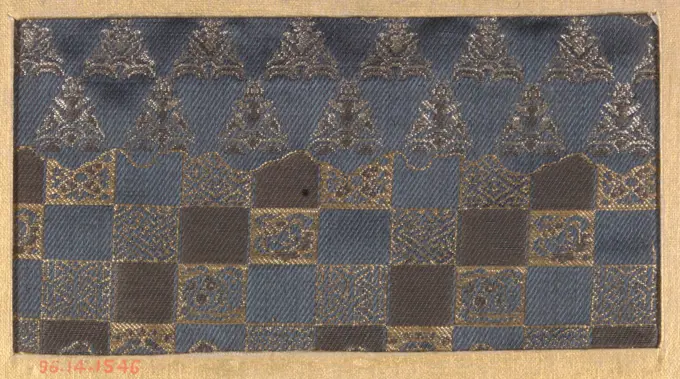
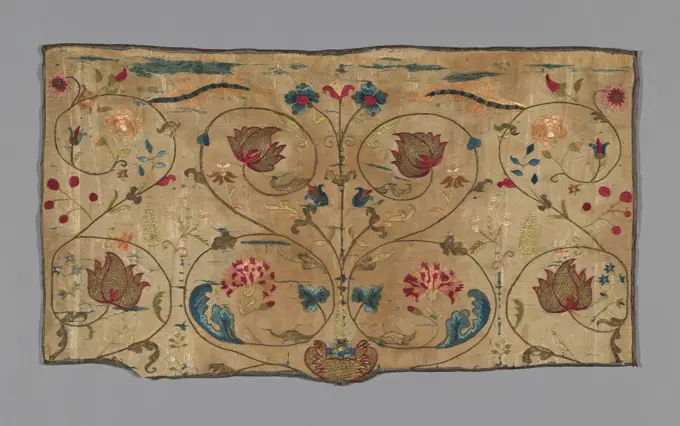
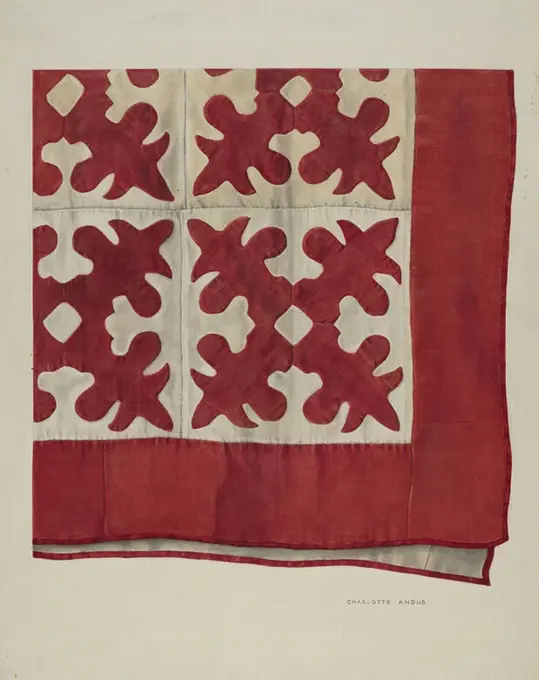
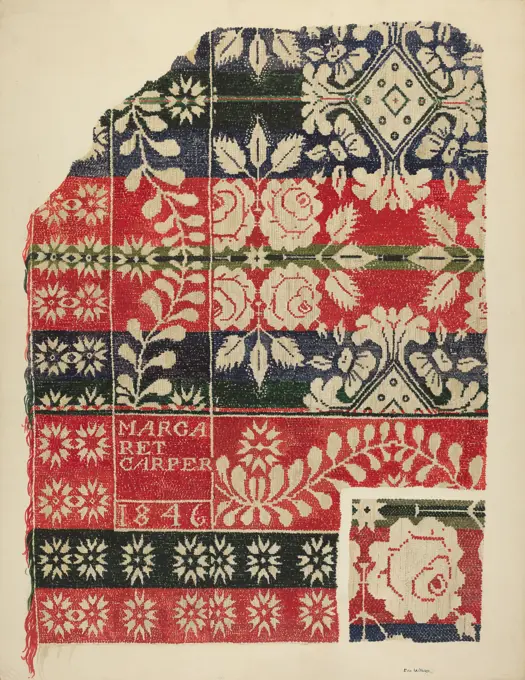
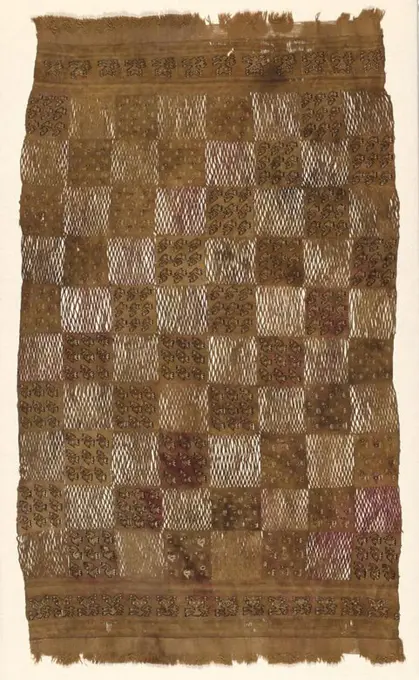
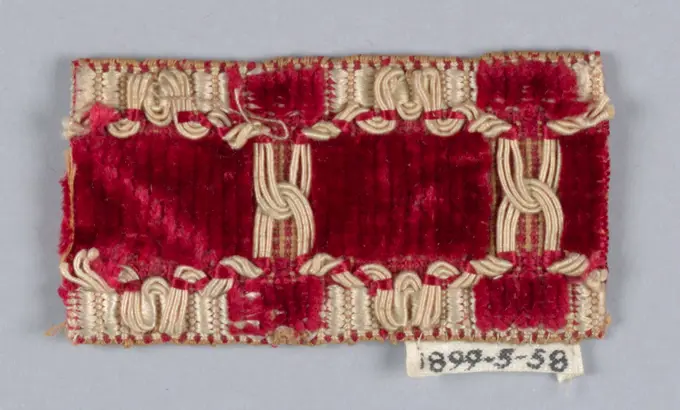
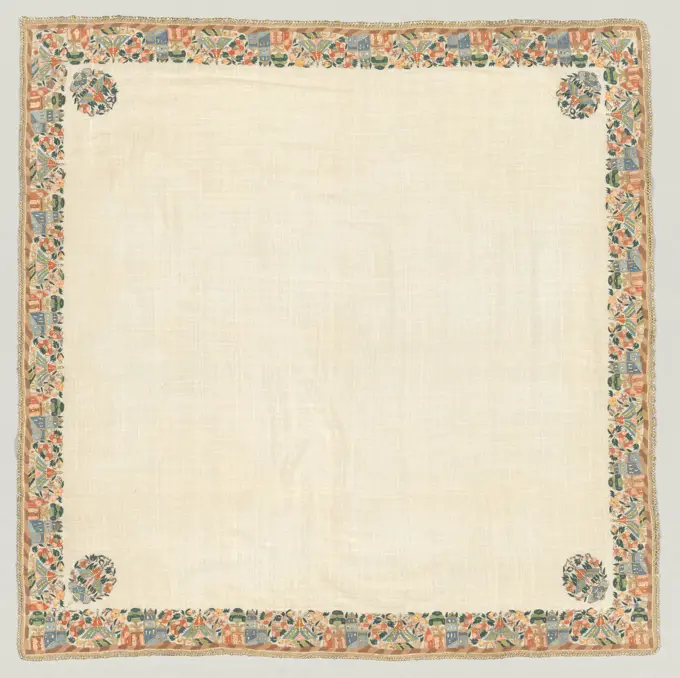
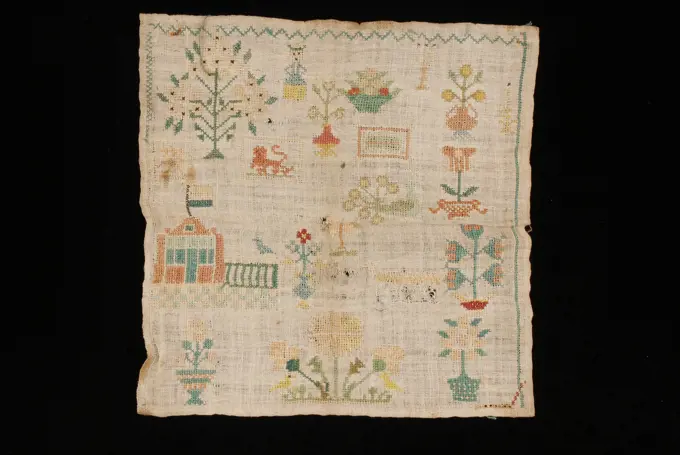
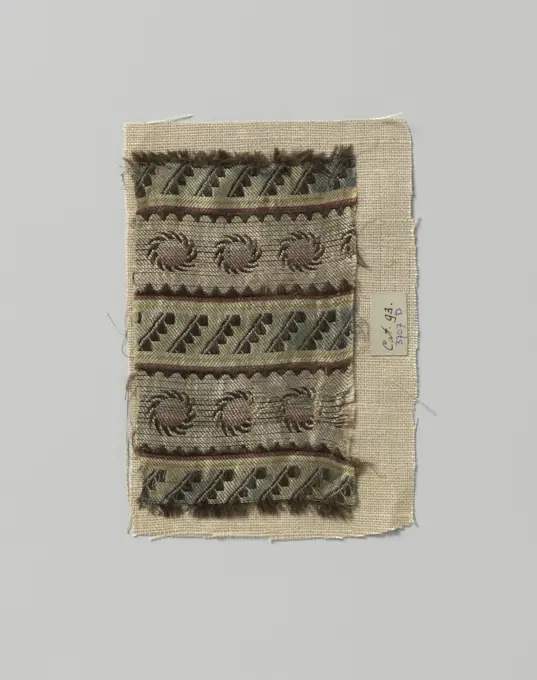
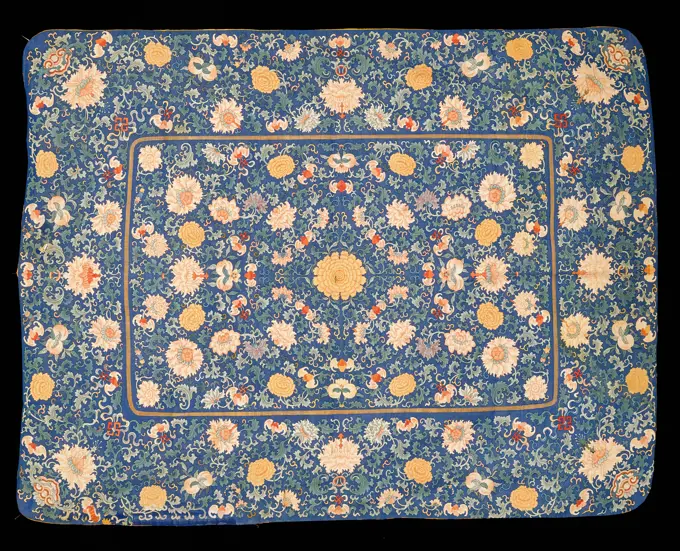
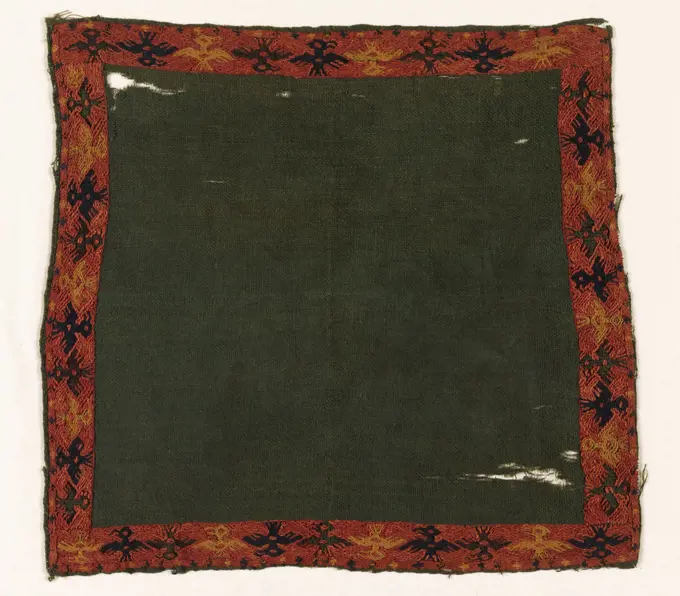
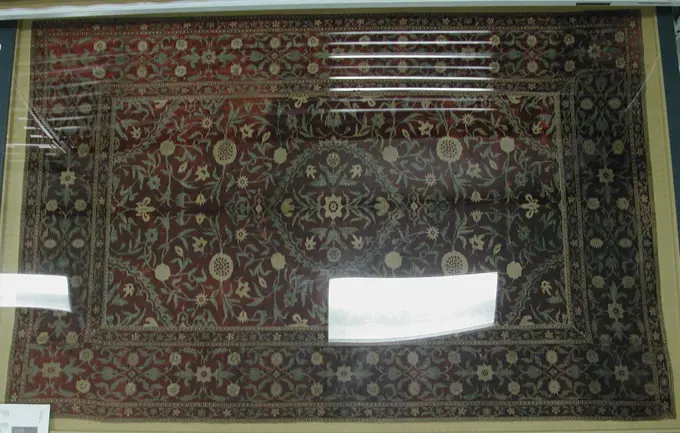
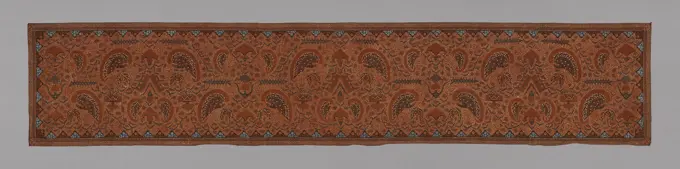
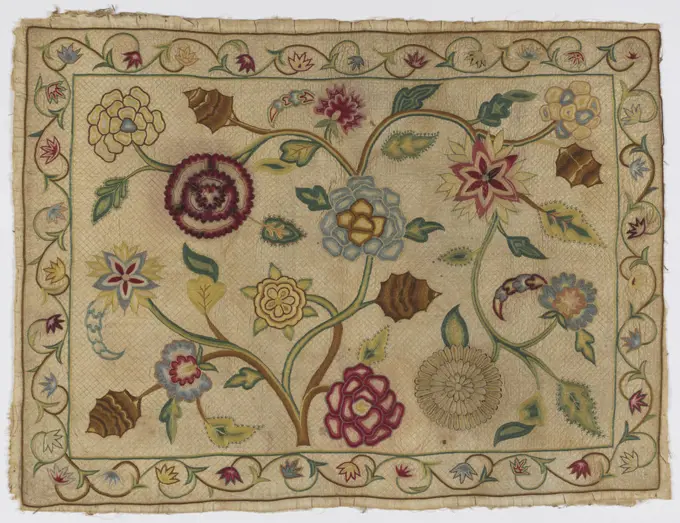
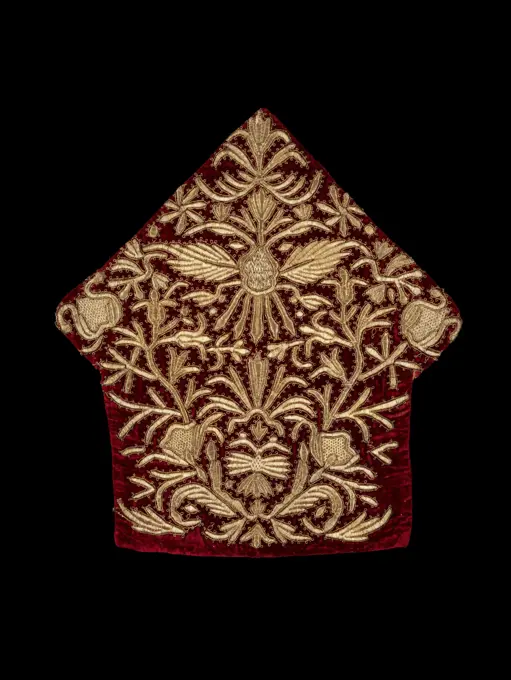
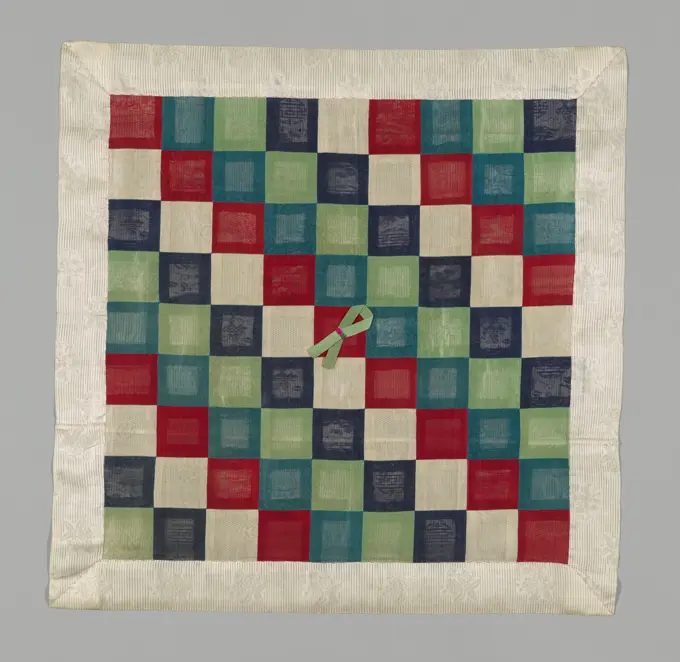
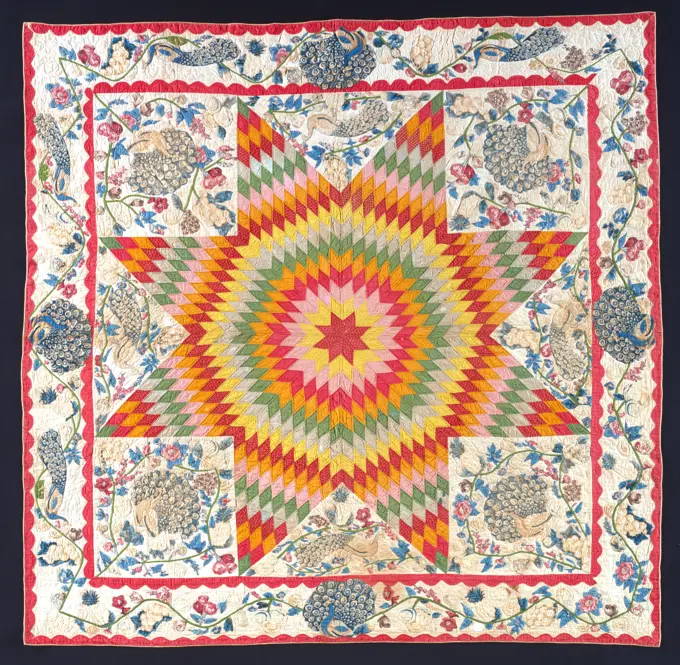
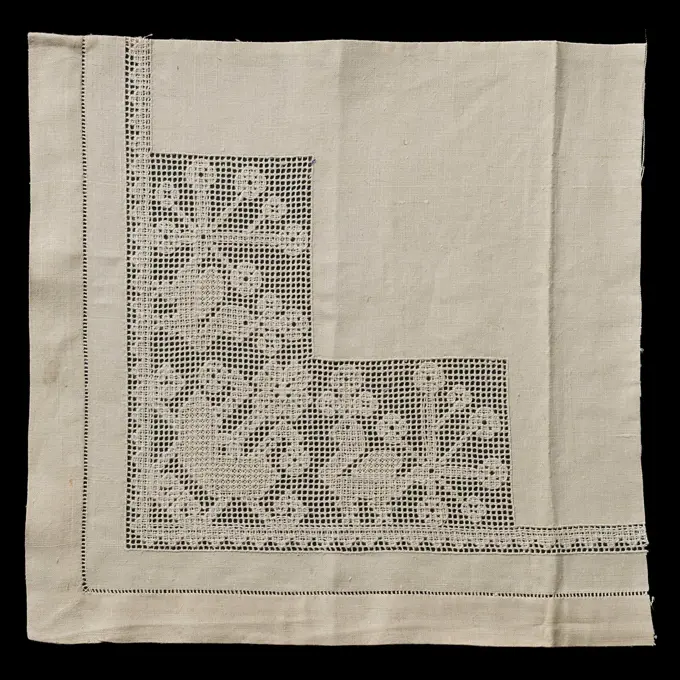
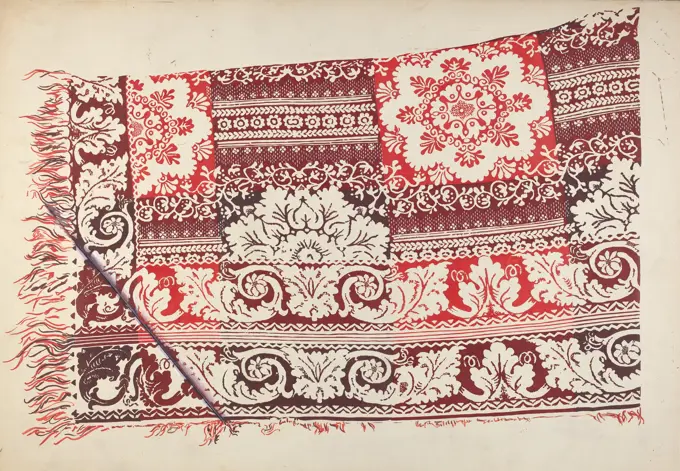
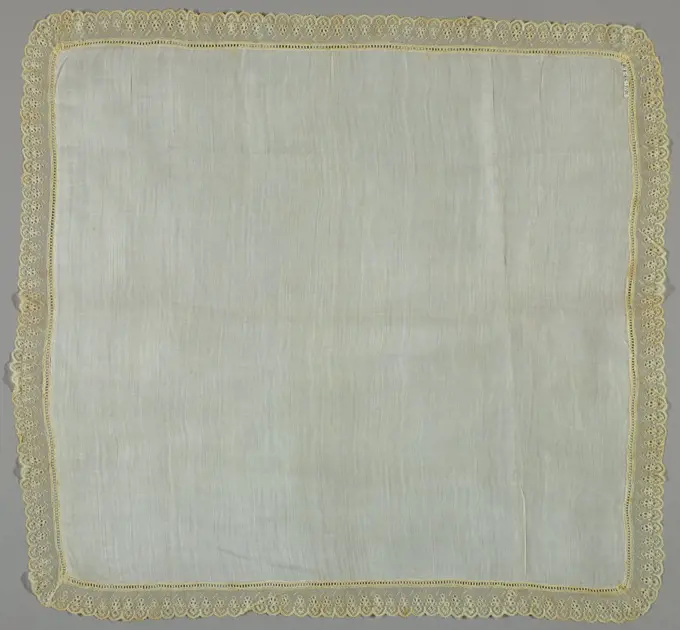
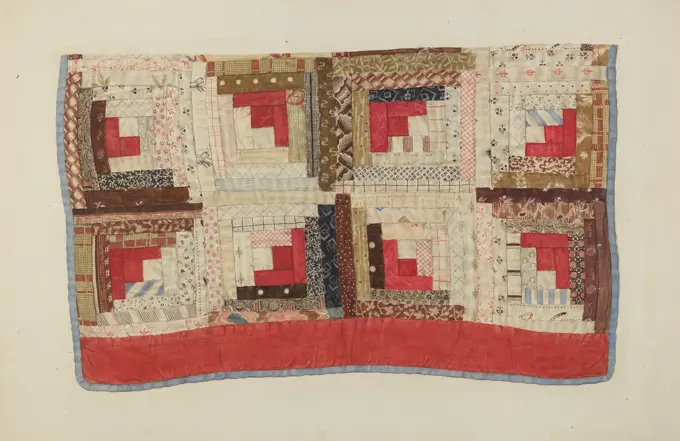
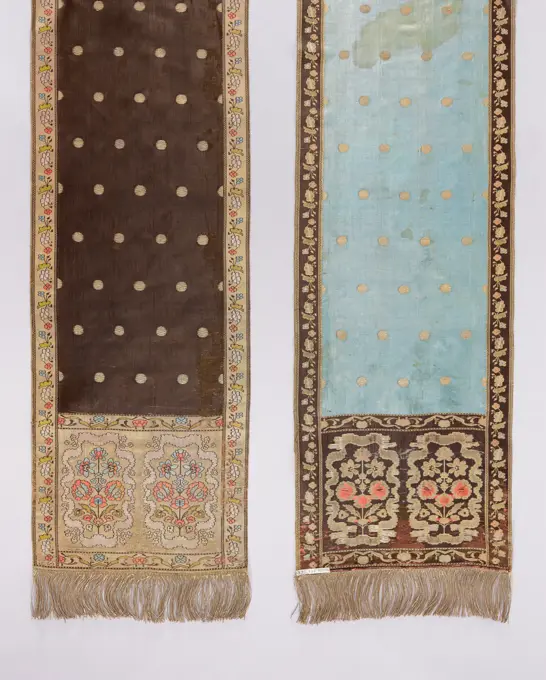
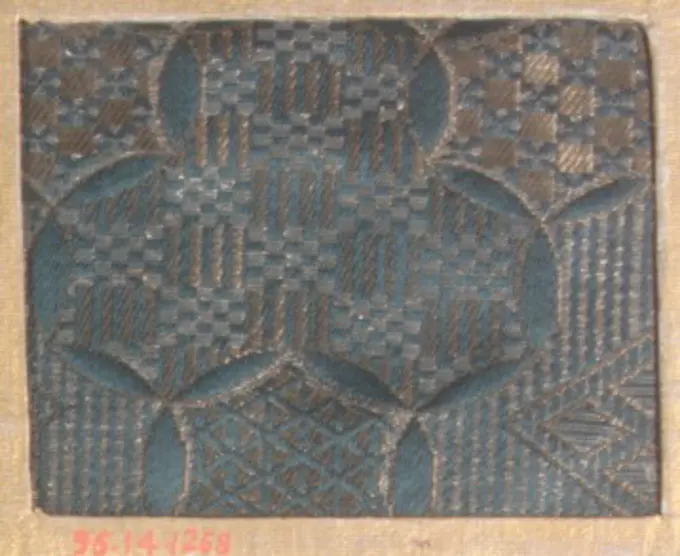
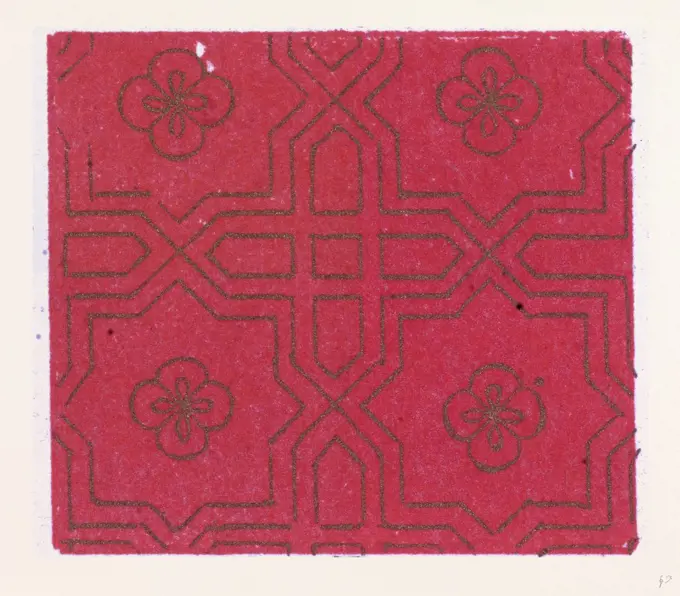
Square; warp; s-spun z-twist linen. wefts; s-spun linen, s-spun woolCushion Cover. England. Date: 1689. Dimensions: 55.3 × 49.8 cm (21 3/4 × 19 5/8 in.). Linen and cotton, weft-float faced twill weave; embroidered with wool yarns in arrowhead, back, buttonhole, herringbone, running, satin, sheaf filling, and stem stitches; wool tassels at corners. Origin: England. Museum: The Chicago Art Institute, Chicago, USA.Piece 17th century China. Piece 71738Batiki decorative cloth with arabesk, c. 1910 Silk batik jorny cloth with a design of an arabesk consisting of a lobed circle with floral motifs in Écru on a green stock. Haarlem silk Silk batik jorny cloth with a design of an arabesk consisting of a lobed circle with floral motifs in Écru on a green stock. Haarlem silkCarpet probably 18th century. Carpet 445361Mongolian saddle-rug with an 'endless knot' design, 15th century. Artist: UnknownTextile (France); silkCarpet Made 1675-1700 India. Cotton and wool, plain weave variation with supplementary wrapping wefts forming cut pile through a technique known as Persian (Sehna) knots .Carpet fragment, Medium: Technique: cut velvet (moquette or velour d'Amiens), Serpentine of roses in deep pinks and green on white ground, edged with scalloped guard bands in same colors; outer pencil stripes in shades of yellow. Brownish hemp ground., France, 18th century, woven textiles, Carpet fragmentMan's Shirt Man's Shirt, 19th century. Embroidered muslin, 66 15/16 x 44 1/2 in. (170 x 113 cm).   Arts of Africa 19th centuryFragment of a Tunic, 400s - 600s. Egypt, Byzantine period, 5th-7th century. Tabby weave with inwoven tapestry ornament, linen and wool; overall: 64.1 x 38.7 cm (25 1/4 x 15 1/4 in.); mounted: 71.1 x 45.7 cm (28 x 18 in.).Windscreen and grid. Windscreen and grid. Midfield: in a widely diked orange grid work are windows in blue, gray-green, dark terra and brown with inner windows in cardinal savings, green, blue and white, on which a star flower in distant color. Edges: Triple. The widest has jointed cartouches in green, blue, black, terra, orange and rust color. There are double hook stars in opposite colors. The indoor zoom is purple, with a green-running-dog motif. The outside zoom is rusted with equal motif in light blue. Beard: short, brown beards and embroidered finish in dirty cotton color.Greek Ornament and Etruscan OrnamentSaddle bag, decorated with windows, Jaffi Volk, c. 1800 - c. 1900 Cover sheet of a saddle bag, Jaffi-Kurdistan-Mosul, of which the midfield is decorated with windows. The edge is decorated with windows and white flowers. Short beard on the top and top with white flowers. Kurdistan Necklace and impact: Wool Cover sheet of a saddle bag, Jaffi-Kurdistan-Mosul, of which the midfield is decorated with windows. The edge is decorated with windows and white flowers. Short beard on the top and top with white flowers. Kurdistan Necklace and impact: WoolFragment; silk, linen (), metallicChasuble Made 1601-1700 England. Silk, plain weave; appliquÈd with linen, plain weave; embroidered with silk in chain, individual back, running, and stem stitches; spangles; edged with silk, warp-faced cut weft fringe; lined with silk, plain weave .Saddle bag, decorated with windows. Cover magazine of a saddle bag, Jaffi-Kurdistan Mosul, of which the midfield is decorated with windows. The edge is decorated with windows and white flowers. Short beard on top and top with white flowers.Lampas with animals in squares, late 1200s - 1300s. Probably Iran. Lampas and taqueté: silk and metal thread; overall: 23.2 x 10.7 cm (9 1/8 x 4 3/16 in.).Piece 18th-19th century Japan. Piece 67259Fragment, 1400s . India, 15th century (). Stamped resist, stamped mordant dyed; cotton ground; overall: 25.5 x 6.7 cm (10 1/16 x 2 5/8 in.).Roundel with Botanical and Geometric Decoration Coptic. Roundel with Botanical and Geometric Decoration, 5th-7th century C.E. Flax, wool, 4 5/16 x 4 5/16 in. (11 x 11 cm).   Egyptian, Classical, Ancient Near Eastern Art 5th-7th century C.E.Piece Japan 18th-19th century View more. Piece. Japan. 18th-19th century. Silk. Textiles-WovenClose-up of a Khotan rug, East Turkistan, ChinaFragment Made 1601-1700 France. Front and back of silk, plain weave; stitched and embroidered together with silk floss and gold gilt strip wound silk core in long and short, running, satin and stem stitches (reversible) .Border (France); linen; Warp x Weft: 126 x 16 cm (49 5/8 x 6 5/16 in.); Bequest of Elinor Merrell; 1995-50-307Oak Leaf Pattern Quilt. Dated: 1935/1942. Dimensions: overall: 40.6 x 32.6 cm (16 x 12 13/16 in.). Medium: watercolor and graphite on paper. Museum: National Gallery of Art, Washington DC. Author: Charlotte Angus.Kerchief 1790-1810 probably American. Kerchief 170551Eva Wilson, Coverlet, c 1939 CoverletBark Cloth (Samoa); broussonetia barkTextile; silkMerklap with embroidery. The embroidery has a deer in a shit (South Holland), the initials DMK and ICR among crowns, the initials HC and HC in double star stitch, the initial IP, at the top of a wreath HTB and CK and the initials DK and AR under crowns . The LAP is connected to a brand steak with INFNR by an intermediate site. BK-KOG-2671 .. Merklap with embroidery. The embroidery has a deer in a shit (South Holland), the initials DMK and ICR among crowns, the initials HC and HC in double star stitch, the initial IP, at the top of a wreath HTB and CK and the initials DK and AR under crowns . The LAP is connected to a brand steak with INFNR by an intermediate site. BK KOG-2671.Panel. Chancay; Central coast, Peru. Date: 1000-1476. Dimensions: 89.2 x 53.3 cm (35 1/8 x 21 in.). Cotton and wool (camelid), slit and single dovetail tapestry weave; edged with weft-faced plain weave with extended weft cut fringe. Origin: Peru. Museum: The Chicago Art Institute, Chicago, USA.Wall pocket, Medium: silk, metal Technique: embroidered, Wall pocket with three pockets, in red silk velvet embroidered in gold and silver threads in heavy symmetrical floral designs. Pockets outlined with narrow silver lace, and whole edged with same., Italy, 17th century, embroidery & stitching, Wall pocketIndian ornamentFragment. Italy. Date: 1601-1700. Dimensions: 15.2 x 21.6 cm (6 x 8 1/2 in.). Silk, simple satin damask. Origin: Italy. Museum: The Chicago Art Institute, Chicago, USA.budapest hungary buda museum old embroidery patternTrimming Fragment; silk, cottonEmbroidered head scarf, 1800s. Turkey. Plain weave: linen; embroidery, double-running stitch: silk, gilt-metal strips and thread; overall: 92 x 92.5 cm (36 1/4 x 36 7/16 in.).Small square sampler worked in cross stitch in colored silk on coarsely bleached linen, sampler embroidery needlework images silk linen, textile embroidery cross stitch Square linen cloth with hem edge of 0.3 cm on all sides. The piece is embroided in cross stitch with silk in the colors gray blue greyish beige light blue ivory orange orange pink pink and black. The patch is not symmetrically arranged and the motifs differ from the left hand piecesFragment zijdeweefsel, anonymous, 1700 - 1725 Fragment silk tissue. The fabric has a striped pattern. Jobs with sloping stripes alternate with jobs in which circular shapes. Germany (possibly) silk twill Fragment silk tissue. The fabric has a striped pattern. Jobs with sloping stripes alternate with jobs in which circular shapes. Germany (possibly) silk twillThrone Seat Cover, c. 1800, H.51-7/8 x W.41-3/8 in., silk, China, 18th-19th centuryChaIIce veil made of silk fabric unknownTextile; silkFragment. Italy. Date: 1601-1625. Dimensions: 20.7 x 11 cm (8 1/8 x 4 3/8 in.). Silk; velvet: cut, uncut, and voided; with additional patterning wefts in gold and silver foil (cut strips wound around silk core); forming loops where required; against plain weave foundation. Origin: Italy. Museum: The Chicago Art Institute, USA.Francis Law Durand, Needlework Picture, 1935 1942 Needlework PictureTextile, Medium: wool Technique: stem stitch on plain weave, Green rectangle with embroidered outer borders with small yellow, green, and blue birds on a red background., Peru, 600-300 BC, woven textiles, TextileFragment, Cocheco Print Works, (Dover, NH, USA), Medium: cotton Technique: printed, Small fragment of a centennial print in shades of brown, red and dark yellow. Diamond shape in center has a shield flag with '1876' and 'Peace.', USA, 1876, printed, dyed & painted textiles, FragmentFragment Made 1775-1825 Japan. .Hanging with a Medallion Carpet Design 1628-58 The design of this velvet hanging is organized as it would be on a carpet, with a central and corner medallions, guard borders, and a main border. For special occasions, Mughal palaces and pavilions were spread with silk hangings, carpets, and velvets such as this.. Hanging with a Medallion Carpet Design 450465Slendang (Shawl) Made 1801-1900 Java. Cotton, batik dyed .Pillow cover, Medium: silk on cotton Technique: chain, back, knot and stem stitch embroidery on plain weave; quilted, Horizontal panel filled with fantastic flower heads, leaves, spreading branches of a small flowering tree, narrow border on four sides with running floral scroll. In polychrome silk chain stitch on undyed cotton ground with fine quilting in beige silk outline stitch on diamond framework. Details in knot, buttonhole, outline sittch., England, ca. 1700, embroidery & stitching, Pillow coverSewing Instruction Book Samples (USA); linen, woolFragment, Medium: silk Technique: uncut supplementary pile in plain weave foundation (velvet), Pattern of small stylized leaf forms within horizontal zigzag rows. Pattern in pinkish tan on dull yellow ground., 17th century, woven textiles, FragmentShawl, Medium: wool Technique: tapestry weave, Long, very fine twill shawl with deep end borders of elongated boteh forms., India, 1800-1825, woven textiles, ShawlMary Berner, Crewel Bedspread, c 1937 Crewel BedspreadHeaddress 1830-80 Russian This object is from the collection of Natalia de Shabelsky (1841-1905), a Russian noblewoman compelled to preserve what she perceived as the vanishing folk art traditions of her native country. Traveling extensively throughout Great Russia, she collected many fine examples of textile art of the wealthy peasant class. From the 1870s until moving to France in 1902, Shabelsky amassed a large collection of intricately embroidered hand-woven household textiles and opulent festival garments with rich decoration and elaborate motifs. The Brooklyn Museum holdings include many fine examples including the majority of the garments. Portions of Shabelsky's collection are also housed at the Museum of Fine Arts, Boston, the Cleveland Art Museum, and the Russian Museum of Ethnography in St. Petersburg.In this example, the traditional imperial eagle has been transmuted into a plant form, combining the tree of life with Russia's heraldic symbol.. Headdress 157581Fragment, Medium: linen Technique: bobbin lace (continuous tape with connections), Leaf forms in alternating directions., 17th century, lace, FragmentSampler, Gabriella Magneda, Medium: silk embroidery on cotton foundation Technique: embroidered in cross, satin, stem, four-sided, and back stitches on plain weave foundation, Center field with spot motifs, including double-headed eagle, surrounded by bands of geometric pattern in concentric squares. Tassels at each corner., Spain, 1822, embroidery & stitching, SamplerWrapping Cloth (pojagi) Made 1801-1900 Korea. Silk, eighty-one pieced squares, outer edge, and backing, ribbons of plain gauze weave self-patterned by areas of plain weave; squares joined with silk in overcast stitches; edging joined with silk in back stitches; ribbon embellished with silk, plain weave tapes .Quilt, 'Blazing Star with Peacocks'Byzantine ornamentFragment Made 1601-1625 Italy. Linen and silk, plain weave, tied double cloth .Lap of edge embroidery with peacocks. Lap of natural-colored edge embroidery, work with joined wires and penetration. In the corner of a linen LAP, work with joined wires has been created an L-form of grade land on which crossing is applied. In the corner of the l is a vase or flower pot with an upright rosette flower and two smaller ended rosette flowers. This motif is caught between two to the corner waves with tints and shades. The piece is finished to two sides around the pattern with a zoom. The other two sides are not finished. The piece seems to be cut from a larger square or a larger rectangle.Ralph Atkinson, Coverlet, c 1936 CoverletHeadband 7th-10th century Wari. Headband 316936Kontusz sash/belt. unknown, authorTextile Fragment, 16th century. Turkey, Bursa, 16th century. Brocaded silk with metal thread weft; average: 29.2 x 22.9 cm (11 1/2 x 9 in.).Fragment (Italy); silk, linen wound with silvered goldbeater's skin; 79 x 27 cm (31 1/8 x 10 5/8 in. ); 1938-84-1Handkerchief, Medium: linen Technique: bobbin lace made in Lille style with heavy outlining thread, Handkerchief made in Lille-style edging., USA, ca. 1800, lace, HandkerchiefSampler (Netherlands); silk embroidery, cotton foundationCover or Handkerchief Made 1801-1900 Turkey. Embroidered .Fragment (Chair Seat Cover) Made 1810-1830 Austria. Linen and cotton; printed .Mina Greene, Patchwork Bedspread, 1935 1942 Patchwork BedspreadLace Pattern (probably USA); cottonTrimming fragment, Medium: silk Technique: woven, Terra cotta roses on yellow/beige background., France, 19th century, woven textiles, Trimming fragmentTextile Fragment 4th century. Textile Fragment 443513Fragment red lamp axle with pattern of stylized leaves, lions and arms of Granada. Fragment red lamp axle with pattern in blue, green, white and gold of stylized leaves and flowers and ditto lions with covered cup, as well as crowned coats of arms with diagonal beam (Granada weapon with leaves).Gobelin cover;  PO PO. 18th century (1750-00-00-1780-00-00);Conciliate belt;  18th century (1701-00-00-1800-00-00);Stick;  XVII century (1601-00-00-1700-00-00);Piece 18th-19th century Japan. Piece 66713Piece 18th-19th century Japan. Piece. Japan. 18th-19th century. Silk. Textiles-WovenMedieval ornamentRug 19th century China, Turkestan. Rug. China, Turkestan. 19th century. Foundation: bast fiber warp, cotton weft; wool knotting. Textiles-RugsShrine Surround Made 1800-1850 China. .arabian saddlebagSampler 19th century German. Sampler. German. 19th century. Silk on linen. Textiles-EmbroideredStomacher. Culture: European. Date: 1750-75. Museum: Metropolitan Museum of Art, New York, USA.Fragment of the fabric;  2. PO. 18th century (1751-00-00-1800-00-00);Bobińska, Jadwiga (1862 - 1940) - collection, gift (provenance), fabricsFragment. United States. Date: 1801-1825. Dimensions: 23.8 x 6.7 cm (9 1/8 x 2 5/8 in.). Sample of stripe and check patterns of blue, white and tan. Origin: United States. Museum: The Chicago Art Institute, Chicago, USA.Headhunters Turban (Siga)Sampler (England); Embroidered by Agnes Hodge; silk embroidery, linen foundationTextile; silk, metallic yarnsFragment of Peruvian fabric unknownTray  colourful flowers on a blue background unknownHead Cloth (PiluSaluf)Sarong (Indonesia); cotton, micaSilk Kashan Carpet 16th century This carpet is one of a small group of luxurious weavings notable for their extremely high knot density and entirely silk construction. While their appearance and feel is akin to velvet, the pattern is created by row upon row of minute, hand-tied knots of fine silk thread. Only about twenty carpets of this type are known to survive, four of which are in the Museum's collection. They are referred to as silk Kashan carpets, after a city in Iran where silk carpets are said to have been produced as early as the sixteenth century. The designs of these carpets, however, have been likened to works produced in the contemporary Safavid capital of Tabriz, suggesting a connection between Kashan and the royal design workshops of Tabriz.. Silk Kashan Carpet 451470Steel needle side with two openwork squares. Steel natural colored knotted needle side: ivory side. Attachment of reticella with a geometric motif of two opened squares in a rectangular piece of linen. In both squares a four-pointed star, crossed by two diagonal lines. Curved lines, at the angular points and the outline of the star.Fragment, Medium: silk, linen Technique: plain weave, Bands and stripes., Middle East, 13th century, woven textiles, Fragment