Cultural Textile Samplers

Unique textile pieces showcasing embroidery and designs from different periods, emphasizing craftsmanship and cultural heritage.

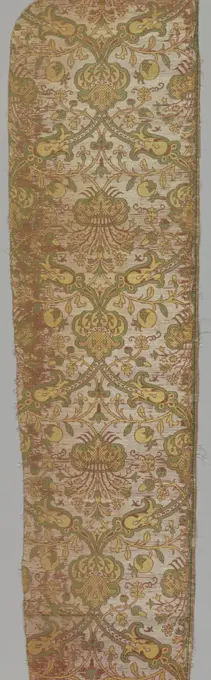
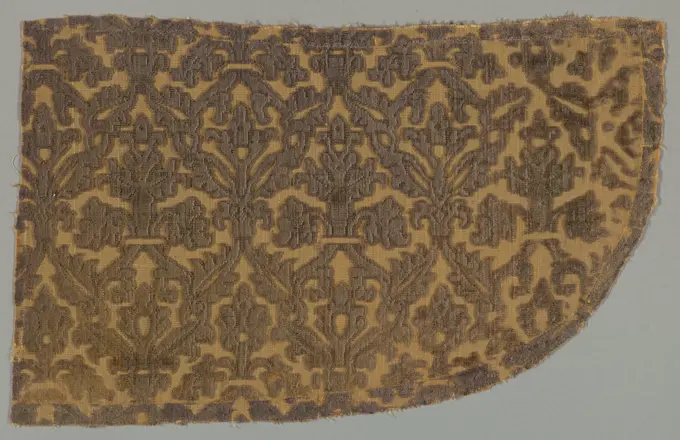
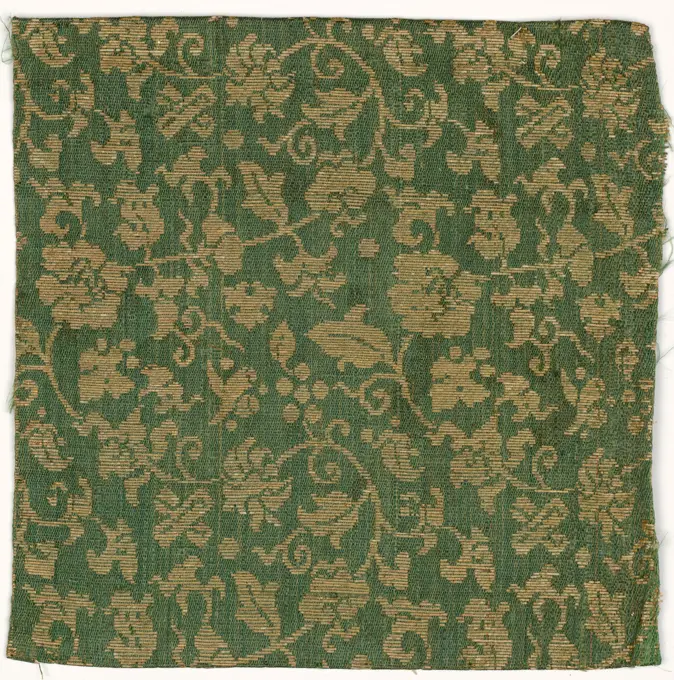
Chasuble;  XVII/18th century (1690-00-00-1710-00-00);Wróblewski, Bolesław (Fl. Ca 1926) - collection, gift (provenance), lace ornaments, plant ornaments, patterned fabrics
Chasuble; XVII/18th century (1690-00-00-1710-00-00);Wróblewski, Bolesław (Fl. Ca 1926) - collection, gift (provenance), lace ornaments, plant ornaments, patterned fabrics
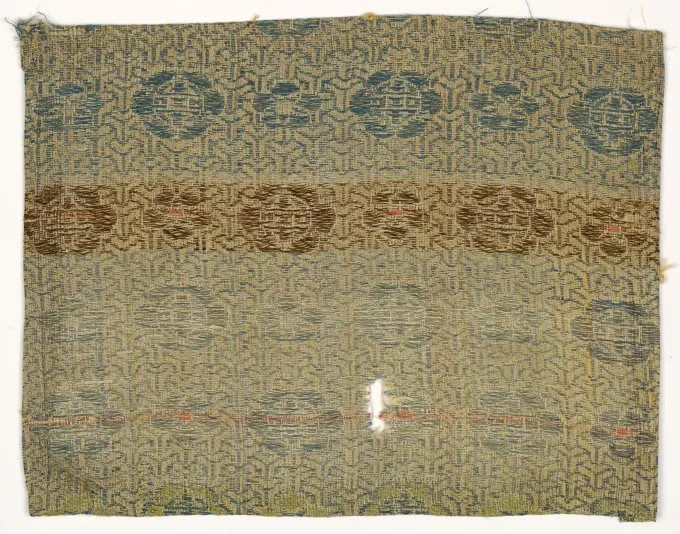
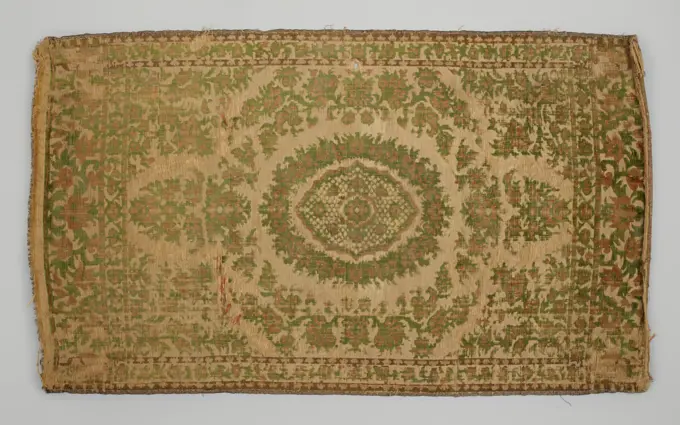
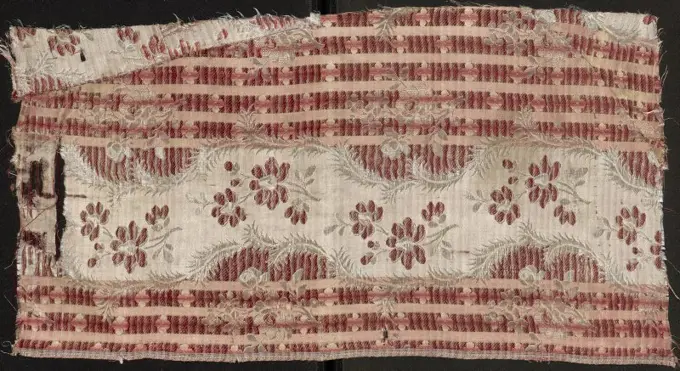
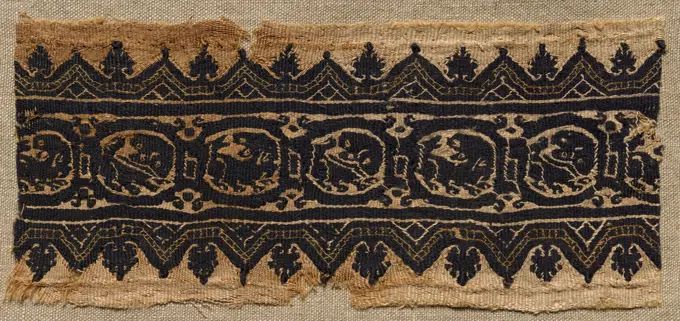
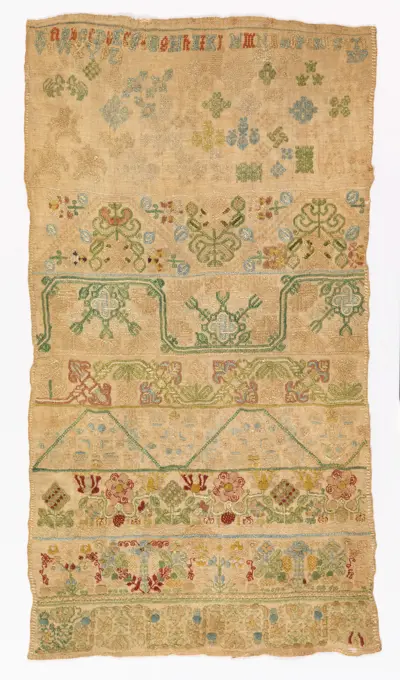
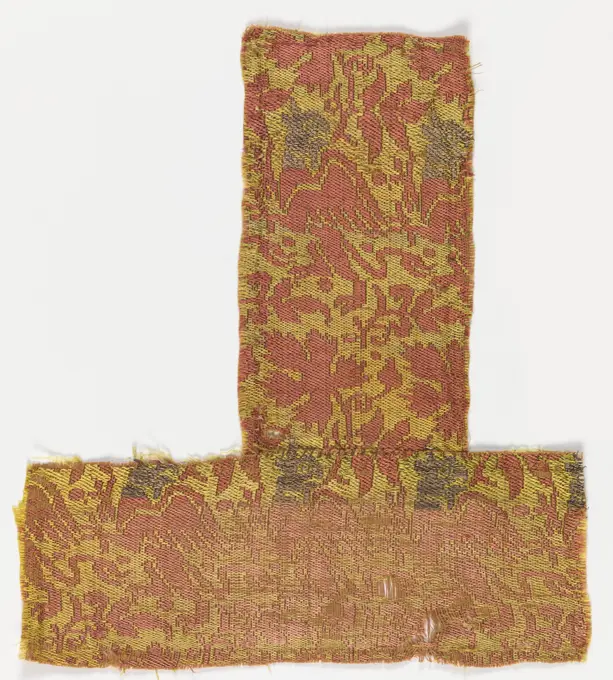
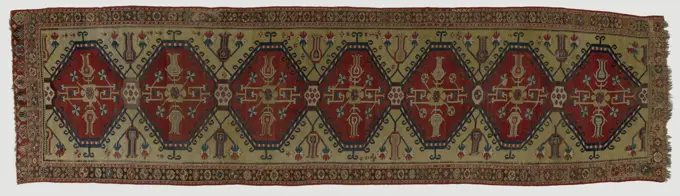
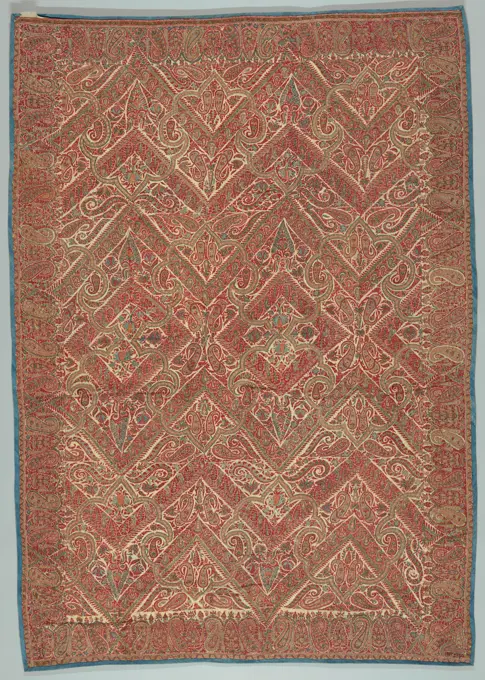
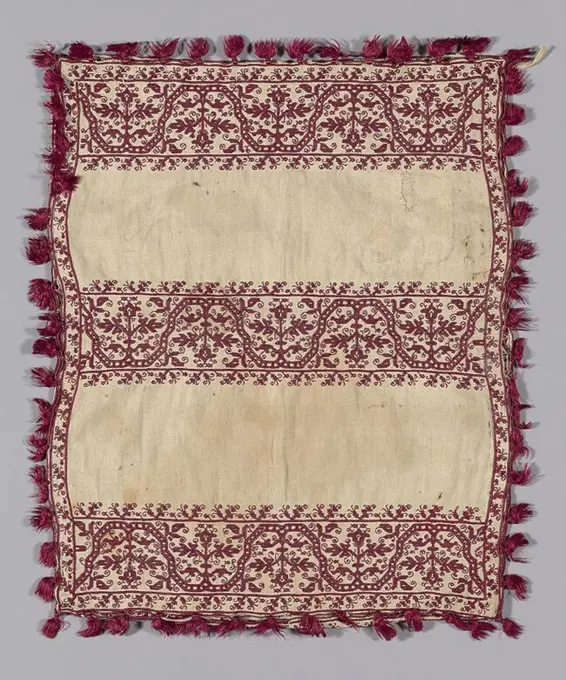
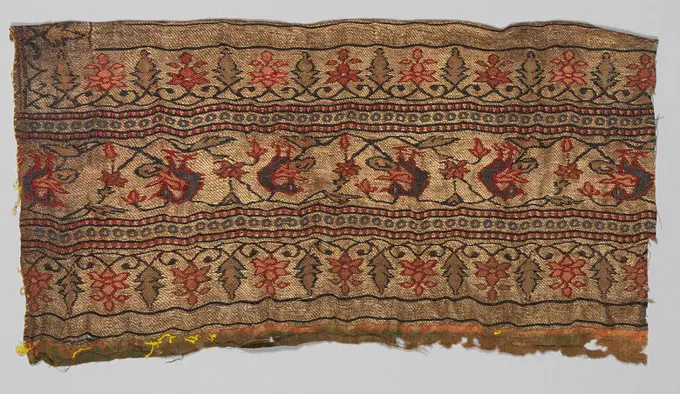
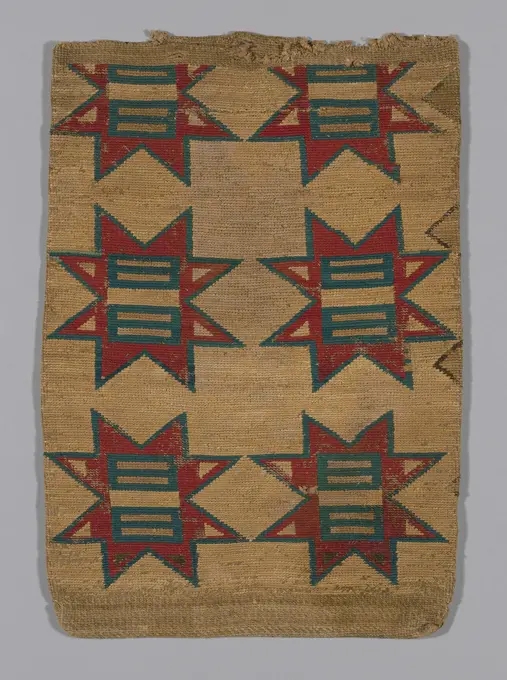
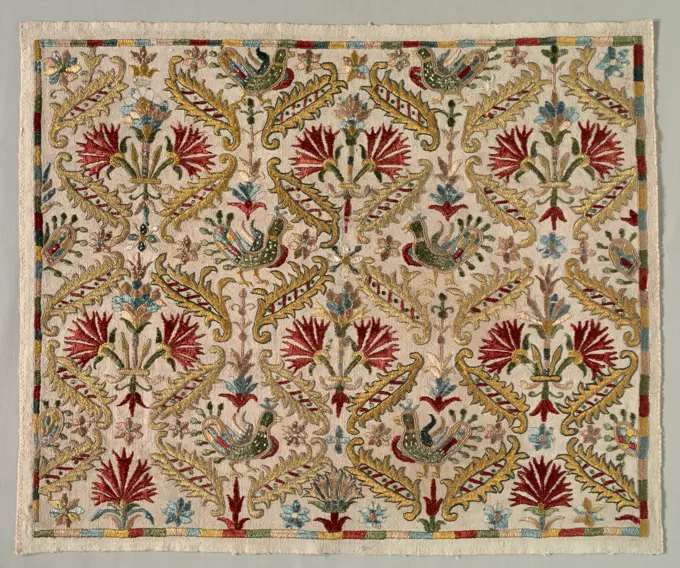
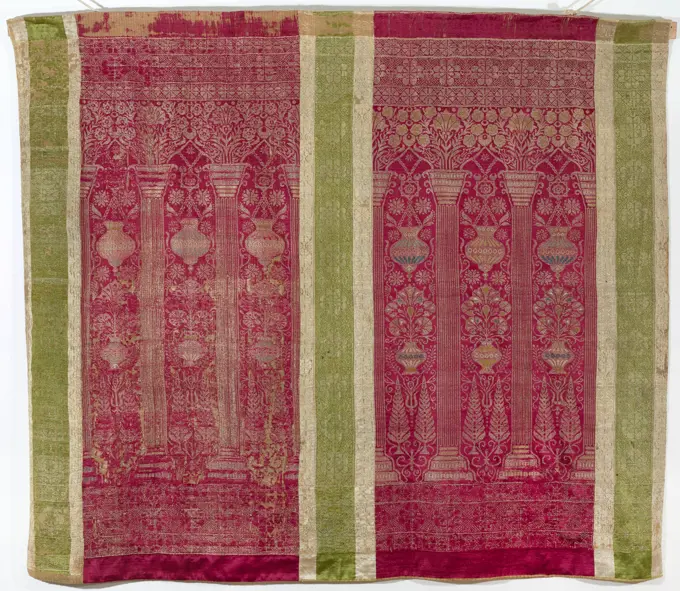
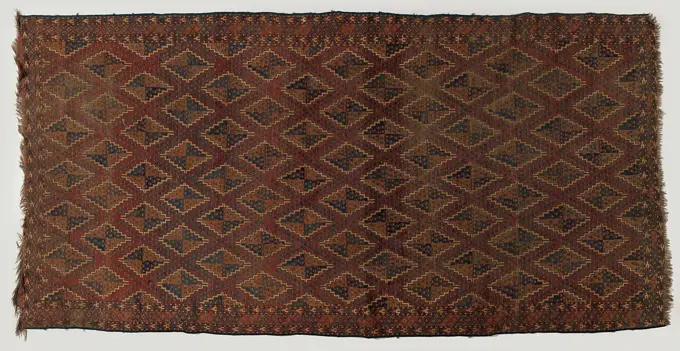
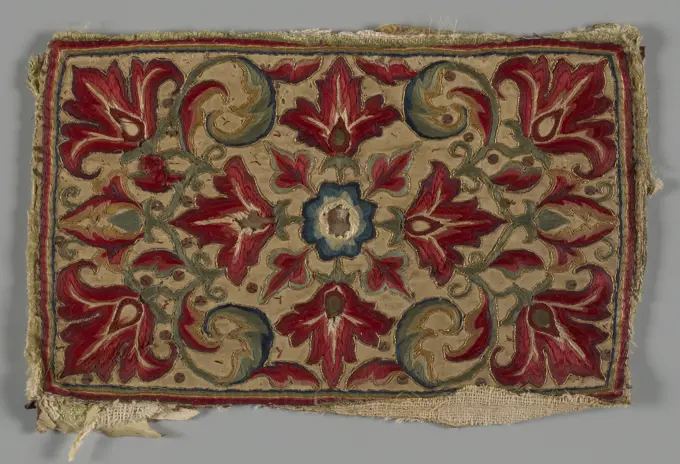
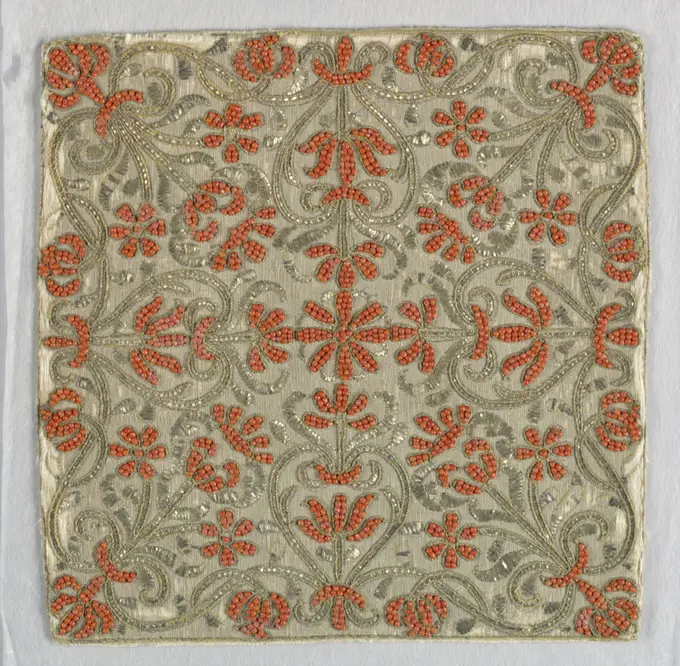
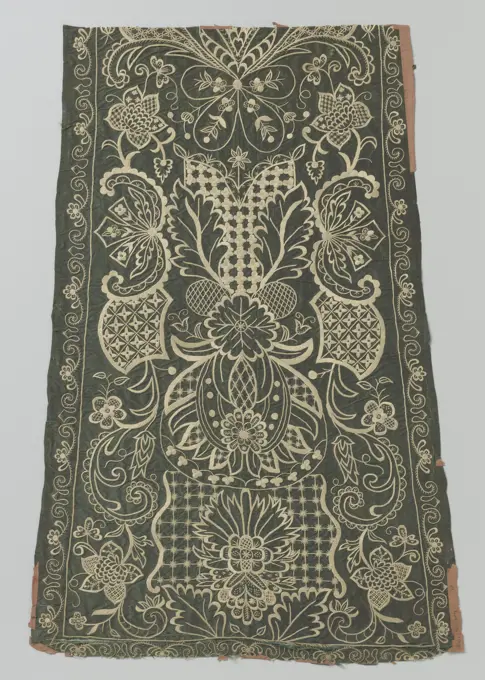
Corner Fragment of a Shawl, late 1700s. India, Kashmir, late 18th century. Tapestry twill; overall: 24.1 x 27.3 cm (9 1/2 x 10 3/4 in.).Sampler 19th century Spanish. Sampler. Spanish. 19th century. Silk on cotton. Textiles-EmbroideredTextile Fragment 16th-17th century. Textile Fragment. 16th-17th century. Silk, metal thread. Made in Turkey, Uskudar. TextilesSampler(Limar)Fragment, 1800s. China , 19th century. Silk; overall: 14 x 10.8 cm (5 1/2 x 4 1/4 in.).Chasuble;  XVII/18th century (1690-00-00-1710-00-00);Wróblewski, Bolesław (Fl. Ca 1926) - collection, gift (provenance), lace ornaments, plant ornaments, patterned fabricsTextile Fragment 17th century. Textile Fragment 454457Eastern carpet, anonymous, c. 1820 - c. 1825 Oriental carpet, flower rug, knotted wool, decorated with a double mihrab in midfield; A diamond -shaped medallion decorated with flowers. Around rows of Botehs. Five edges around, the middle of which is decorated with rosettes. Khila (Possibly) wool Oriental carpet, flower rug, knotted wool, decorated with a double mihrab in midfield; A diamond -shaped medallion decorated with flowers. Around rows of Botehs. Five edges around, the middle of which is decorated with rosettes. Khila (Possibly) woolTextile Panel, 1600s. Italy, 17th century. Plain compound satin; silk and metal thread; overall: 64.3 x 150.6 cm (25 5/16 x 59 5/16 in.).Skoutari” carpet unknownFragment (China); silkBand, Medium: silk on linen Technique: embroidered, Small piece of linen, embroidered in red silk, showing floral and geometric shapes., Europe, 16th-17th century, embroidery & stitching, BandFragment, 700s. China or Japan, 8th century. Compound twill, silk; overall: 5.5 x 7.7 cm (2 3/16 x 3 1/16 in.).Piece of fabric. unknown, authorCushionCoverWelum;  18th century (1701-00-00-1800-00-00);Fragment, Probably Part of a Clavus, 400s - 600s. Egypt, Byzantine period, 5th - 7th century. Tapestry; wool and linen; overall: 8.3 x 18.5 cm (3 1/4 x 7 5/16 in.).Sampler (England); silk embroidery on linen foundationFragment (Italy); silk, linen, and metallicFragments, Medium: silk, linen Technique: two integrated structures; 4&1 satin plus 3/1 twill, Chasuble fragments with design of cartouches and checkered escutcheons., 17th century, woven textiles, FragmentsShawl. Culture: European. Date: 1825-30. Museum: Metropolitan Museum of Art, New York, USA.Eastern carpet ,, c. 1799 - c. 1899 Oriental carpet of which the midfield is completely filled with diagonal stripes in various colors. The widest edge is decorated with rosettes interspersed by quadrants, against a white background. Caucasus wool Oriental carpet of which the midfield is completely filled with diagonal stripes in various colors. The widest edge is decorated with rosettes interspersed by quadrants, against a white background. Caucasus woolAltar frontal. Culture: Italian, Sicily. Dimensions: L. 120 1/2 x H. of lace and fringe 18 1/4 inches; total H. 28 inches306.1 x 46.4 cm; total H. 71.1 cm. Date: 17th century. Museum: Metropolitan Museum of Art, New York, USA.Cushion Cover. Turkey, Bursa. Date: 1601-1700. Dimensions: 109.7 x 65.5 cm (43 1/4 x 25 3/4 in.). Silk, velvet. Origin: Turkey. Museum: The Chicago Art Institute, Chicago, USA.Medailla rug in carpet format. In midfield seven medallions with hook motifs, rosette, tulips and flower vines ,, 1700 Eastern carpet in carpet format, medailla rug. Seven medallions with hook motifs in midfield. In the medallions a rosette, tulips and flower vines. Rand with rosette flowers with star filling. Konya wool Eastern carpet in carpet format, medailla rug. Seven medallions with hook motifs in midfield. In the medallions a rosette, tulips and flower vines. Rand with rosette flowers with star filling. Konya woolCarpet probably early 19th century. Carpet. probably early 19th century. Wool (warp, weft and pile); symmetrically knotted pile. Attributed to Caucasus. Textiles-RugsFragment, Medium: linen, cotton Technique: plain weave with supplementary weft, Supplementary blue weft floating alternatively face to face creating a pattern of quatrefoil rosettes., Italy, 17th century, woven textiles, FragmentFragments (Spain); silk, metallicTextile, Medium: silk, metal Technique: woven, Fragment of a narrow border pattern. Red silk with design of lozenge shapes in flat silver foil strips., India, 18th-19th century, woven textiles, TextileSampler, Matea Gonzalez, Medium: silk embroidery on linen foundation Technique: embroidered in satin, cross, back, four-sided, and stem stitches on plain weave foundation, Bands of geometric pattern arranged in concentric squares., Spain, 1821, embroidery & stitching, SamplerRussian sash Unknown, Manufacturing Kiakow g.Band. Culture: Greek Islands, possibly Cyclades or Patmos. Dimensions: L. 3 x W. 7 1/4 inches (7.6 x 18.4 cm). Date: 18th century. Museum: Metropolitan Museum of Art, New York, USA.. Cotton, plain weave; embroidered with wool threads in chain stitch; quiltedCarpet (France); wool, linen or hemp, cottonSampler(Limar)Bliżej Kultury unknownPanel (Bolster Cover) Made 1700-1900 Greece. Linen, plain weave; cut and drawn work embroidered with silk in darning and overcast stitches; embroidered in double running, split, and stem stitches .Sash possibly 1790 Manufactured by Jacob Paschalis. Sash 219019Fragment early 16th century Spanish or Portuguese. Fragment 230597WaistWrapper, 19thcentury, Silk, weft ikat, 356.87 × 98.43 cm (140 1/2 × 38 3/4in.), Made in Cambodia, Cambodian, 20thcentury, TextilesFragment (Japan)Fragment silk tissue. Fragment of red silk with pattern in white of vertical rows styled flowers between flower garlands.Fragment of a Tiraz-Style Textile, late 1000s. Egypt, Fatimid period, late 11th century. Tabby ground with inwoven tapestry ornament; linen and silk; overall: 10 x 20.6 cm (3 15/16 x 8 1/8 in.).Textile; cottonOriental carpet. Oriental carpet, medallile rug, knotted wool, runner format. There are two diamonds in middle field and three half medallions along both sides. The fond is covered with irregular railing and rosettes. Around four edges.Schön newes Modelbuch (Page 77r) 1608 Sigismundus Latomus German Published by Sigismundus Latomus, Frankfurt a.M.Illustrated and hand-colored title page, 94 pages of designs for lace and embroidery.. Schön newes Modelbuch (Page 77r) 685216Sampler (England); Embroidered by Sarah Davenport (English); silk and linen embroidery on linen foundationShawl (India); woolOriental carpet. Oriental carpet, prayer dress. Midfield with light green mihrab with stepping top. Upper resource panel with rows of flower bouquets. Widest edge also decorated with flower bouquets.Textile; woolBand, Medium: linen, silk Technique: compound weave, Fragment of a woven band or border with narrow dentelle on long edges. White stags alternate with vases and flowering trees, against a ground which is striped in red, green and yellow., Italy, 16th century, woven textiles, BandPillow Cover. Italy. Date: 1601-1700. Dimensions: 42.5 x 36.2 cm (16 3/4 x 14 1/4 in.). Linen and silk. Origin: Italy. Museum: The Chicago Art Institute, Chicago, USA.Fragment, Medium: silk Technique: supplementary warp forming raised pile in plain weave foundation (velvet), Diamond grid containing quatrefoils in tan., 17th century, woven textiles, FragmentSampler (Spain); wool and silk embroidery on cotton foundationTextile (China); silk, paper with applied gold foil; Warp x Weft: 14.6 x 30.3 cm (5 3/4 x 11 15/16 in.)Food Cover (TutupLamaran)Four Chandanri Sari Border Fragments. Dimensions: Largest sari border: L: 13 in (33 cm) x W: 6.5 in (16.5 cm). Date: ca. 18th century. Museum: Metropolitan Museum of Art, New York, USA.Fragment 17th century Italian. Fragment 230051Medaillonkleed, KARABAGH of KAZAK, anonymous, 1850 - 1900 Medailla, karabagh or kazak. Midfield: Ceriserode fond with six octagonal medallions in blue, sea green and bleu; Here on four -fold blocks in purple, white and red, all surrounded by a composite cross of hooks. Furthermore, spread. Rand: triple. Narrow middle edge of white with eight -leaf flowers. Binnen edge wider and from sea green; The outer edge also wider and of blue, both with widely spread diamond flowers on straight stem. Karabakh (Possibly) wool Medailla, karabagh or kazak. Midfield: Ceriserode fond with six octagonal medallions in blue, sea green and bleu; Here on four -fold blocks in purple, white and red, all surrounded by a composite cross of hooks. Furthermore, spread. Rand: triple. Narrow middle edge of white with eight -leaf flowers. Binnen edge wider and from sea green; The outer edge also wider and of blue, both with widely spread diamond flowers on straight stem. Karabakh (Possibly) woolStorage bag Made 1850-1870 United States. Storage bags such as this one were produced by women in Native American tribes located in the plateau area of the pacific Northwest, of which the Nez Perce is perhaps the best known. Made of cornhusk and sometimes wool on a bast fiber foundation, the bags often feature geometric patterns of stars and triangles and were used for storing and transporting foods such as berries, roots, and seeds, as well as small personal possessions.-A Global View Recent Acquisitions of Textiles, 2012-2016, April 8-September 5, 2016. Bast fiber, 2 strand weft-twining; with wool and cornhusk, supplementary weft-twining (false-embroidery) .Rug;  around 1825-50 (1825-00-00-1850-00-00);rugFragment of a Skirt Border, 1700s. Greece, Crete, 18th century. Embroidery: silk on linen tabby ground; overall: 48.9 x 40 cm (19 1/4 x 15 3/4 in.).Woman's necktie 1870-80 French. Woman's necktie 221669Kain Panjang (long Sarong) (Indonesia); cottonHead Cloth(Limar)Floor cloth fragment, Medium: paint, linolium Technique: painted, One repeat of a floor cloth simulating a floral tapestry design., USA, 1850-60, printed, dyed & painted textiles, Floor cloth fragmentTapestry;  End of the 17th century (1691-00-00-1700-00-00);Macathable, Turkish fabrics, purchase (provenance)Fragment (Egypt); linen, silk; 1939-11-20Oriental carpet. Oriental carpet, windows. Drawed windows in sloping rows in midfield. Filling of double rows of flowers. Middle edge decorated with windows.Ceremonial cloth and sacred heirloom dodot with central diamond field. Date/Period: 17th - 18th century. Textile. Cotton, block printed, batik and mordant dyes, two stitch-joined panels. Height: 303 mm (11.92 in); Width: 199 mm (7.83 in). Author: UNKNOWN.Belt or Sash 18th century. Belt or Sash. 18th century. Silk. Attributed to Morocco, Fez. Textiles-WovenSampler 1736-37 Dutch. Sampler 228116CushionCoverTextile (France); silk, metallic yarnsWaist Wrapper (SoraLangi’)Fragment 16th century Italian. Fragment 230256FragmentTowel, 19th century, L.66-3/4 x W.28 in., linen, silk; needlework, Turkey, 19th centuryChef de piece, Medium: cotton Technique: block printed on plain weave with separate blocks for red, blue and yellow, Floral sprigs and floral stripes on a red background. Faded yellow and blue present., Thann, Haut Rhin, France, 1810-1813, printed, dyed & painted textiles, Chef de pieceKokerdoek, anonymous, c. 1950 Tube cloth with geometric motifs. Babar cotton (textile) Tube cloth with geometric motifs. Babar cotton (textile)Sarong (Indonesia); cottonAntependium;  18th century (1701-00-00-1800-00-00);Fragment Made 1390-1410 Lucca. Silk and gilt-metal strip, plain weave with supplementary facing wefts and supplementary pile warps forming cut and uncut voided velvet .Fragment (Spain); silkTextile (Greece); silk embroidery on linen foundationCarpet late 19th century. Carpet 447470Fragment, Medium: silk on linen foundation Technique: embroidered, Fragment of a cover with a geometric and floral border in dark orange and light blue., Spain, 18th or 19th century, embroidery & stitching, FragmentEmbroidered cushion cover, 1700s. Turkey. Plain weave: linen; embroidery, self-couching and herringbone stitches: silk; average: 127 x 59.7 cm (50 x 23 1/2 in.).Barred, Mihrab. Barred, Mihrab. Ice blue and outer edge yellow.Waist Wrapper (Sarung, Bang Biru CindangBanji)Chalice cover, Medium: silk, metal and coral beads Technique: embroidered and beaded, Square, probably top of chalice cover; cloth of silver, with symmetrical design of stylized plant forms and jars at corners and sides, pointing toward center rosette. Coral beads form leaves and tips of plants which are worked in flat silver., Spain, 17th century, embroidery & stitching, Chalice coverEmbroidered Pillow Case, 19th century. Morocco, Salé, 19th century. Embroidery: silk on cotton tabby ground; average: 86.4 x 45.1 cm (34 x 17 3/4 in.).Satin Fragment, 15th-16th century. Spain, 15th-16th century. Lampas weave, silk; average: 25.1 x 20 cm (9 7/8 x 7 7/8 in.).Textile 15th century German. Textile 463296Fragment embroidery with symmetrical drawing, anonymous, 1800 - 1900 Fragment embroidery, possibly upholstery fabric. On a trapezoidal piece of dark green taft side, a symmetrical drawing of flowers, leaves and fillings with Jeux-de-Fond is embroidered in white. On three sides lined with symmetrical thin tifles with flowers.  taffeta embroidering Fragment embroidery, possibly upholstery fabric. On a trapezoidal piece of dark green taft side, a symmetrical drawing of flowers, leaves and fillings with Jeux-de-Fond is embroidered in white. On three sides lined with symmetrical thin tifles with flowers.  taffeta embroideringTextile Fragment, 1800s. Japan, 19th century. Silk, metallic thread; average: 12.1 x 12.1 cm (4 3/4 x 4 3/4 in.).Fragment (France); silk, metal thread; Warp x Weft: 22.5 x 22.3 cm (8 7/8 x 8 3/4 in.); 1972-6-19Woman's Sleeve Bands Made 1875-1900 China. Figures and geometric patterns embroidered on gauze. . Han-ChineseChaIIce veil, embroidered, white unknownTextile (Near East); silk, metallic thread