Cultural Textile Samplers

Unique textile pieces showcasing embroidery and designs from different periods, emphasizing craftsmanship and cultural heritage.

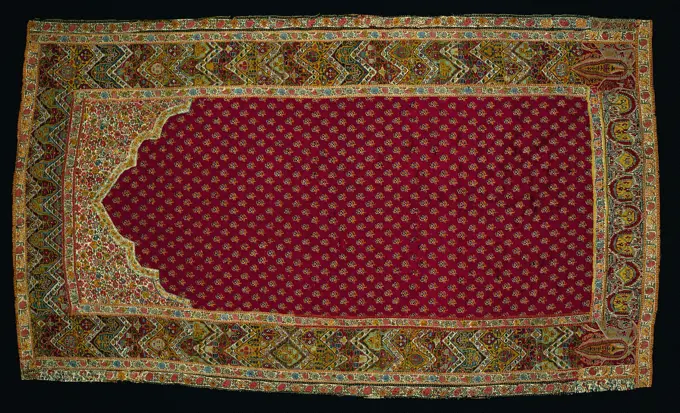
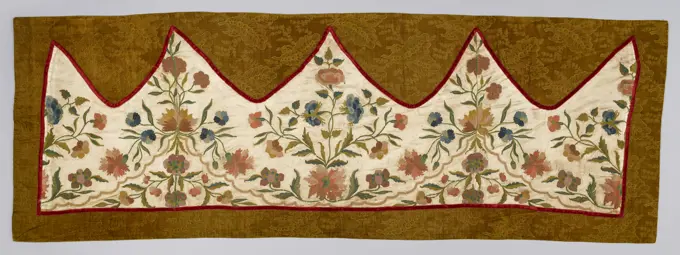
Chasuble;  XVII/18th century (1690-00-00-1710-00-00);Wróblewski, Bolesław (Fl. Ca 1926) - collection, gift (provenance), lace ornaments, plant ornaments, patterned fabrics
Chasuble; XVII/18th century (1690-00-00-1710-00-00);Wróblewski, Bolesław (Fl. Ca 1926) - collection, gift (provenance), lace ornaments, plant ornaments, patterned fabrics
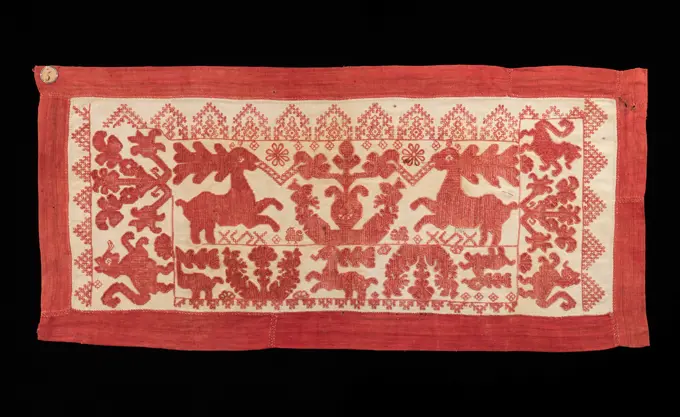
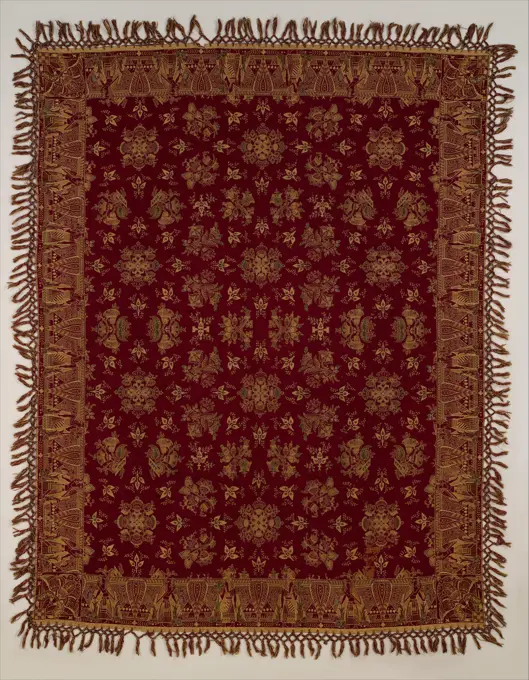
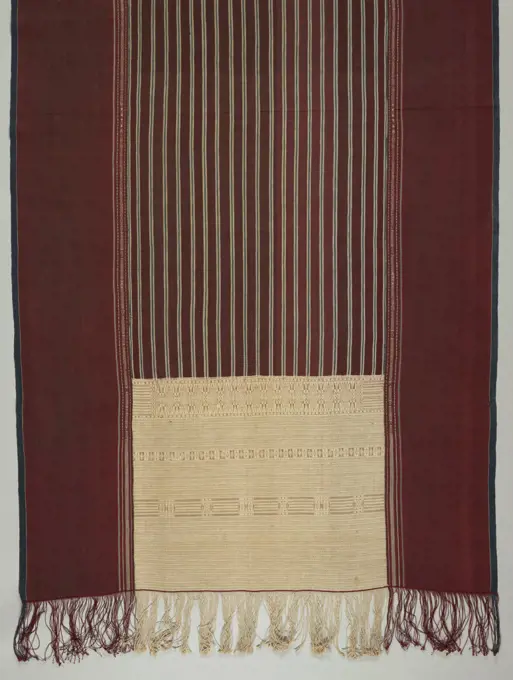
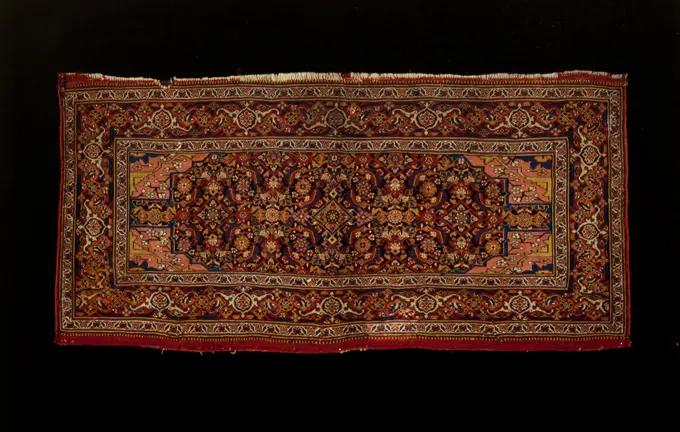
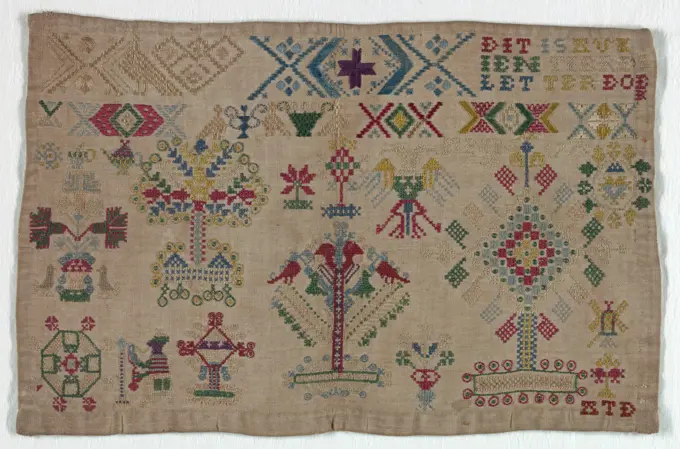
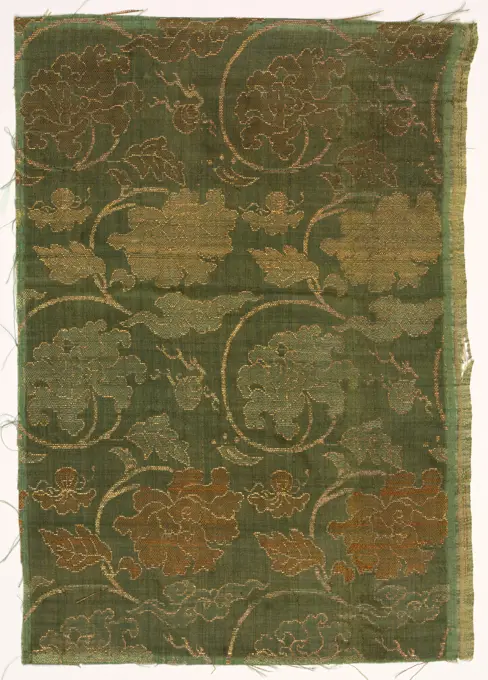
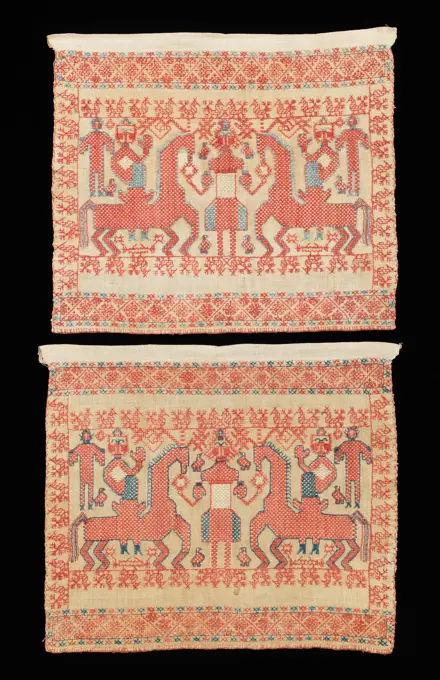
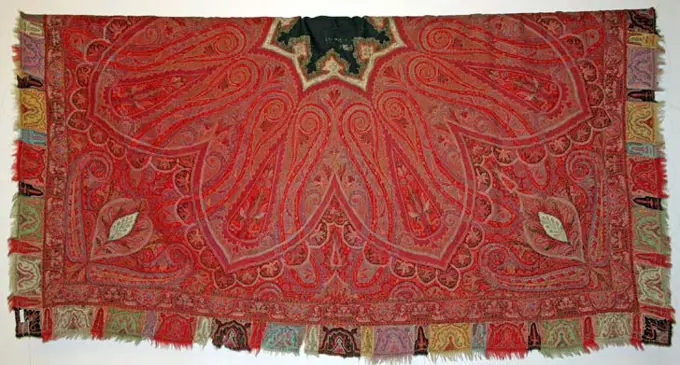
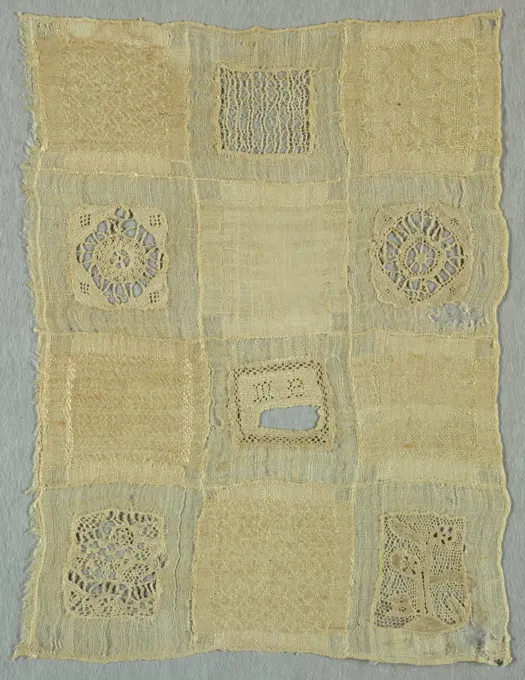
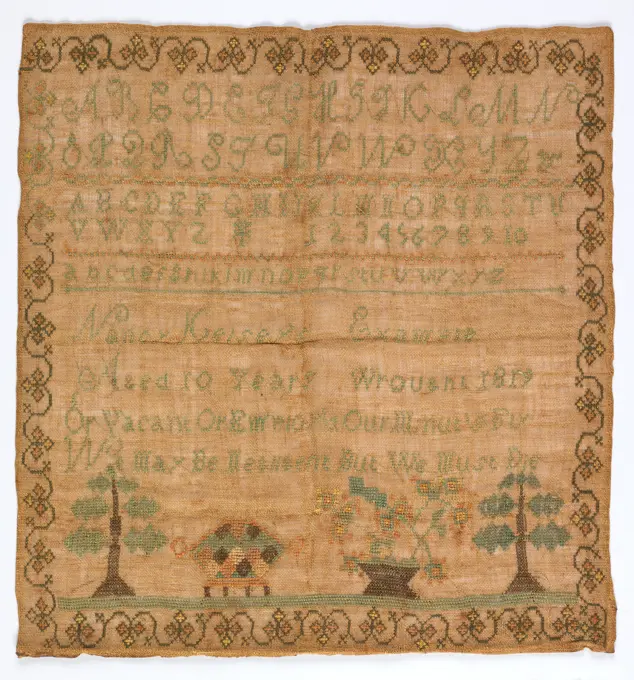
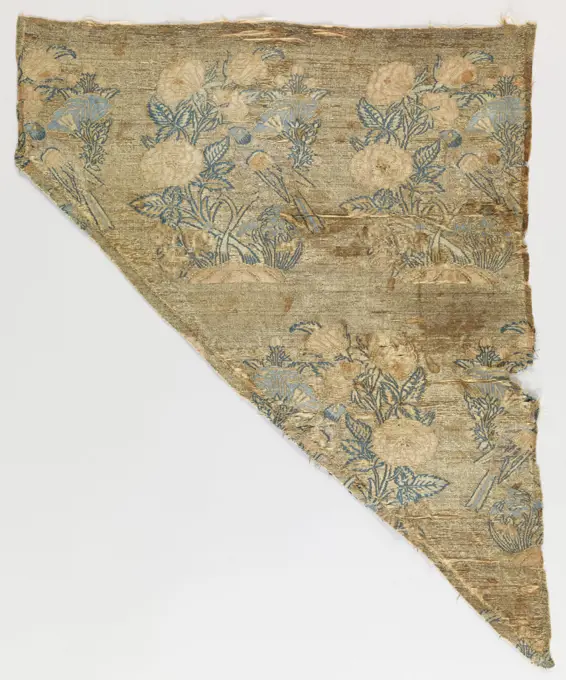
Piece 17th century() Japan. Piece 67247Border late 18th century Russian This object is from the collection of Natalia de Shabelsky (1841-1905), a Russian noblewoman compelled to preserve what she perceived as the vanishing folk art traditions of her native country. Traveling extensively throughout Great Russia, she collected many fine examples of textile art of the wealthy peasant class. From the 1870s until moving to France in 1902, Shabelsky amassed a large collection of intricately embroidered hand-woven household textiles and opulent festival garments with rich decoration and elaborate motifs. The Brooklyn Museum holdings include many fine examples including the majority of the garments. Portions of Shabelsky's collection are also housed at the Museum of Fine Arts, Boston, the Cleveland Art Museum, and the Russian Museum of Ethnography in St. Petersburg.The liveliness of the animals in this piece is typical of work prior to the 19th century. In Russian history, the stag was an important symbol of a hunting culture whichHead scarf (Amendil), early 20th century, 40-5/8 x 24-7/8 in. (103.2 x 63.2 cm), Wool, cotton; henna painted, Morocco, 20th centuryFragment; silk and linen; Warp x Weft: 41.2 x 26.7 cm (16 1/4 x 10 1/2 in.)Fragment of Sash dated A.H. 1236/A.D. 1820. Fragment of Sash 454480Sari, 1800s. India, Gujarat, 19th century. Satin, tied and dyed; overall: 298.5 x 102.2 cm (117 1/2 x 40 1/4 in.).Egyptian Revival Table Cover ca. 1880 American. Egyptian Revival Table Cover 20173Fragment, 1100s - 1300s. India, 12th-14th century. Plain cloth, resist dyed; cotton; overall: 9.6 x 12.5 cm (3 3/4 x 4 15/16 in.).Towel border 1800-1850 Russian. Towel border 173360Sampler, Teresa Alvares, Medium: silk embroidery, linen foundation Technique: counted satin, double running, stem and cross stitches on plain weave, Central square with decoration and inscription ('Made by Teresa Alvares in this year 1700'). Surrounded by a wide border with corner designs. Tassels at each corner., Spain, 1700, embroidery & stitching, SamplerTextile 19th century Japan. Textile 68016Ulos ragidup (ceremonial shoulder cloth), Medium: cotton Technique: tied resist patterning in warp or weft (ikat) on plain weave, with supplementary weft patterning, Ulos ragidup, 'the cloth with the pattern of life', is a large ceremonial selendang (shoulder cloth) which is wrapped around the groom's mother by the bride's father at a wedding. Center area in dark maroon with vertical stripes of light blue and a bright red-brown. Ornamented on either end with intricate insets of cream color with horizontal bands of design, by making use of one additional warp. Wide borders in dark red, with a narrow stripe of dark blue on outer-most side and a stripe showing a geometric pattern in gold on the inner most side (touching the center panel), run the length of the piece on both sides of the center panel. Woven in three sections and fringed., North Sumatra, Indonesia, 19th century, woven textiles, Ulos ragidup (ceremonial shoulder cloth)Fragment; silk, linen; Warp x Weft: 31.2 x 10 cm (12 5/16 x 3 15/16 in.)Fragment of Samiet with star patterns and bumps. Fragment of a tissue of silk with black chain wires and white, black, red and yellow fees together forming a rand ornament consisting of adjacent black-and-white designed 16 corners on red ground in which an ornament of star-shaped crossing cuffs and a yellow Star as heart trim. Along the sides of the 16 corners small white surfaces in which black characters. A white and black edge decoration encloses the red fields.Sample Made 1825-1850 France. Silk and straw, bands of complex gauze weave with supplementary facing wefts and self-patterned by main warp floats and bands of complex gauze weave self-patterned by areas of main warp floats over plain interlacing .Oriental carpet. Oriental carpet, block rug. In the narrow rectangular midfield, blocks with cross motifs are interspersed by eight corners. Multiple edge, the widest of which is decorated with rosette flowers.Piece 18th century Japan. Piece 71204Piece 18th-19th century Japan. Piece 67828Rug, 19th century, L.43 x W.21 in., wool, India, 19th centuryPiece 19th century Japan. Piece 67888Textile Fragment 18th century. Textile Fragment 454545Textile (USA); cottonFragment, Medium: Technique: printed, USA, 19th century, printed, dyed & painted textiles, FragmentSampler (Netherlands); silk embroidery on linen foundationFragment, 1800s. China , 19th century. Silk; overall: 29.9 x 20.4 cm (11 3/4 x 8 1/16 in.).Cover 16th-17th century Italian. Cover 228758Towel border early 19th century Russian This object is from the collection of Natalia de Shabelsky (1841-1905), a Russian noblewoman compelled to preserve what she perceived as the vanishing folk art traditions of her native country. Traveling extensively throughout Great Russia, she collected many fine examples of textile art of the wealthy peasant class. From the 1870s until moving to France in 1902, Shabelsky amassed a large collection of intricately embroidered hand-woven household textiles and opulent festival garments with rich decoration and elaborate motifs. The Brooklyn Museum holdings include many fine examples including the majority of the garments. Portions of Shabelsky's collection are also housed at the Museum of Fine Arts, Boston, the Cleveland Art Museum, and the Russian Museum of Ethnography in St. Petersburg.This charming work of folk art incorporates some interesting and unique interpretations of traditional motifs. The central goddess figure flanked by mounted horseFragment (USA); Manufactured by A .G. Jennings & Sons; silkFragment of a Dress or Furnishing Fabric with 'Chintamani' Design. Turkey, Bursa or Istanbul, mid-16th century. Textiles; altar cloths. Silk satin with silk and silver-metallic supplementary weft patterning bound in twill (lampas)Ribbon, Medium: silk and metallic thread, Globular shapes arising from central stem in red and gold. Picot edges made by weft., Italy, 18th century, trimmings, RibbonFragment, Medium: silk Technique: cut (brown) and uncut (green) pile on a satin ground (velvet), Spotted cats and birds in a field of diagonal plant forms. White background., 17th century, woven textiles, FragmentStrook linnen met opengewerkte cirkeltjes met zonnetjes en sterretjes.Strip natural colored linen with openwork circles: English embroidery. The lower half of the strip has been edited. The pattern consists of thirteen rows openwork circles with embroidered edges. In the center the circles are decorated with alternating suns, asterisks and cogs. In a few rows, cozettes also occur, which are made with a smaller cut-away circle around which six other circles lie like petals. Between the consecutive circles in the upper row, triangles are built up with ten of these small circles. The slip edge along the bottom of the strip is finished with a wavy line of these small circles, around which small lobes are made per scallop. The strip is probably intended or used for confirmation to a dress.Border, Medium: cotton on linen foundation Technique: cross stitch embroidery on plain weave, Border from a table cover or hanging made from three pieces stitched together. The top has a repeat of a star in an octagon in red embroidery. The middle piece has a narrow scroll in red embroidery along the top and bottom edge. The bottom has a woven tape with weft fringe alternately red and white. The tape turns the corner at one end and ends halfway up the side., Switzerland, 19th century, embroidery & stitching, BorderFragment with Botanical Decoration Coptic. , 5th-7th century C.E. Linen, wool, 2 x 4 1/4 in. (5.1 x 10.8 cm).   Egyptian, Classical, Ancient Near Eastern Art 5th-7th century C.E.Patolu, 19th century. India, Gujarat, 19th century. Tabby weave, double ikat; silk and cotton; overall: 475 x 120 cm (187 x 47 1/4 in.).Band 18th century possibly German. Band 215656Cover Made 1601-1725 Turkey. .Fragment (France); cottonLength China. Length. China. Silk / Woven. Qing dynasty (1644-1911). Textiles-WovenShawl ca. 1870 Indian. Shawl 123048Fragment, Medium:silk Technique: supplementary wefts on satin foundation, Bar and tree motfs in green and yellow on red., 17th century, woven textiles, FragmentSample Made 1801-1900 France. Silk and straw, plain weave self-patterned by areas of twill interlacing over plain interlacing; woven on loom with Jacquard attachment .Velvet Fragment, 1400s. Italy, 15th century. Velvet (cut, voided, and brocaded); overall: 23.9 x 27 cm (9 7/16 x 10 5/8 in.).Fragment 1650-1700 Italy. Silk, plain compound cloth .Scarf fragment, 20th century, 25-1/8 x 16-1/4 in. (63.8 x 41.3 cm), Silk; supplementary weft patterning, Thailand, 20th centuryCharlotte Angus, Woven Coverlet, c 1940 Woven CoverletSampler (Mexico); silk on cottonMedallonkleed, Z.G. Medallonushak, Anonymous, 1600 - 1699 Medailla suffering, so -called medallionnus heel. Midfield: Cherry Red Fond, on which a sapphire blue six -sided medallion with wide spoiled circumference in light TurkoisGroen. In the heart a fine red eight -sided star with four radiating symmetrical palmets with light blue, white and yellow motifs and four light red arabes skins on slender stems. Moreover, two darker red and two yellow arabesks and two pairs of large chalice flowers grow around it. To top and foot of the medallion each time a blue palmet. In the corners of star medailoons - slightly higher than a quarter star - in bottle green with yellow -rande red arabesks and palmets. Field filling with solid cobalt blue branched whimsical leaves. Rand: sapphire blue border with palm flowers in red, light blue and yellow, interspersed with leaves in red, on which flowers in loose rosters in blue, yellow, green and brown. Ushak (possibly) wool Medailla suffering, so -called Fragment 16th century Italian. Fragment 230316Bed curtain, fragment from a border 18th century Greek Islands, Kos or Patmos. Bed curtain, fragment from a border 216492Quilt, 'Mosaic' and 'Bars'. United States, 1880s. Textiles; quilts. Silk plain weave with silk satin and silk plain weave with silk supplementary weft patterning, pieced and knitted with silk embroidery.Sampler, Medium: linen Technique: darning and interlacing stitches on net, Machine-made net marked off in fifty-four squares; with forty-seven showing embroidery design., Germany, mid-19th century, embroidery & stitching, SamplerTextile Fragment 18th-19th century. Textile Fragment 445643Unknown, Lavar Kirman Carpet, last quarter 19th century, wool.Sampler (Mexico); Made by Anna Joaquina Aguirre y Guadalajara; glass beads, cottonFragment, Medium: silk and metal Technique: raised cut pile on a silver faced foundation (velvet), Rust and black colored pile enclosing silver floral shapes., 18th century, woven textiles, FragmentOriental floral carpet of knotted wool. Oriental carpet of knotted wool. Midfield: Three straight stalks with rosettes and diamonds with hooks on red fonds, between which rows multicolored rosettes with toothed contours and white seeds and lying S-shapes. Midfield is surrounded with a triangles edge in which O.A. octos with barriers. Dark blue inner edge with red hooks and a red outer edge with angled stripes in white, blue and yellow. Board: two zigzag hem.Hanging with niche design, late 18th - early 19th century. India, late 18th - early 19th century. 2 1/2 twill tapestry weave S with double interlock, pieced:wool; overall: 146 x 85.4 cm (57 1/2 x 33 5/8 in.).Fragment of embroidery  tiny motifs of floral twigs unknownBand (Italy); linen, silkRex F Bush, Coverlet, c 1937 CoverletCarpet Made 1575-1600 Spain. Wool, plain weave with supplementary wrapping wefts forming cut pile through a technique known as Sapnish knots .Pall, embroidered, red unknownPiece 18th-19th century Japan. Piece 67090Carpet early 17th century From the sixteenth century on, court and travelers accounts mention the city of Kirman as a production and export center of high-quality carpets, known for their rich color palette and sturdy structure. Bold interlaced arabesque bands in blue and white and dense floral patterns add to a field containing stylized dragonlike creatures, deer, and lions.. Carpet 451494Altar frontal. Culture: Italian or Spanish. Dimensions: L. 84 1/2 x H. 20 inches214.6 x 50.8 cm. Date: 17th century. Museum: Metropolitan Museum of Art, New York, USA.Shawl India 19th centurySpread of white twill with tambouring work, on which a piece of sits is sewn, c. 1750 Sprei consisting of four sewing fragments. The middle part with upper and bottom edge is worked with thin tifles with various flowers, including carnations in tambooering work. A piece of worn -out sits is sewn on the top edge. Eastern textile. Persia cotton (textile) printing / embroidering Sprei consisting of four sewing fragments. The middle part with upper and bottom edge is worked with thin tifles with various flowers, including carnations in tambooering work. A piece of worn -out sits is sewn on the top edge. Eastern textile. Persia cotton (textile) printing / embroideringCushion cover, 1800-1850. Turkey. Velvet, brocaded: silk and metal thread; average: 121.3 x 59.1 cm (47 3/4 x 23 1/4 in.).Border. Coptic; Egypt. Date: 1201-1400. Dimensions: 27.9 × 7.6 cm (11 × 3 in.). Silk and linen. Origin: Egypt. Museum: The Chicago Art Institute, Chicago, USA.Textile Fragment 17th century. Textile Fragment 454529Oriental carpet. Oriental carpet, floral rug. In the midfield a herati pattern of pink-red tendrils against a dark blue fond. Cobalt blue border with flowers. At the top of a blue-white beard.Fragment; linenTextile with Brocade 13th century Spanish or Italian. Textile with Brocade 468119Piece 18th-19th century Japan. Piece 67242Silk decorative icon cloth. Date/Period: 1797. Emblem. Height: 870 mm (34.25 in); Width: 750 mm (29.52 in). Author: UNKNOWN ARTIST.Rug;  the twenties of the 20th century (1920-00-00-1929-00-00);gift (provenance), plant ornaments, decorative fabrics, equipment and home equipmentFragment (China); silk and metallic threadsFragment, Medium: silk on linen Technique: needlework on gauze weave, Border fragment showing a curving vine with geometric flowers in red silk on linen., Italy, 16th century, embroidery & stitching, FragmentSampler, Medium: linen embroidery on linen foundation Technique: embroidered in cutwork with pattern darning or needle-made fillings on plain weave foundation, White sampler. Twelve squares containing pattern darning alternate with squares of cutwork with needle made fillings., England, late 18th-early 19th century, embroidery & stitching, SamplerTextile Fragment 8th-9th century. Textile Fragment 449532Piece. Culture: Italian. Dimensions: L. 10 x W. 4 1/2 inches (25.4 x 11.4 cm). Date: 17th century. Museum: Metropolitan Museum of Art, New York, USA.Fragment, 1800s. India, 19th century. Brocade; silk and metal; overall: 31.8 x 10.2 cm (12 1/2 x 4 in.).Fragment Of A Tomb Cover (Iran); silkPanel Made 1601-1625 Turkey. Silk, cotton, gilt-metal-strip-wrapped silk, satin weave with brocading wefts; cut voided velvet .Antepensium van Velvine ,, 1800 - 1900 A velvet brokaat with pomegranate pattern of scarlet red on gold and yellow. "Goudlaken" is the term of time. The piece is mounted as an antipendium and shows four standing and one thwart. At the bottom of a gold frain. Linen lining. Spain (possibly)Italy (possibly) silk. velvet (fabric weave). ciselé velvet. linen (material) A velvet brokaat with pomegranate pattern of scarlet red on gold and yellow. "Goudlaken" is the term of time. The piece is mounted as an antipendium and shows four standing and one thwart. At the bottom of a gold frain. Linen lining. Spain (possibly)Italy (possibly) silk. velvet (fabric weave). ciselé velvet. linen (material)Fragment (England); cottonOriental carpet. Oriental carpet, zigzag rug. Midfield with zigzag pattern with hooks. The widest edge is decorated with angular leaves in a zigzag pattern.Piece 17th century Japan. Piece 71735Vestment. Culture: Russian. Dimensions: 32 x 17 in. (81.3 x 43.2 cm). Date: 1775-1825.This object is from the collection of Natalia de Shabelsky (1841-1905), a Russian noblewoman compelled to preserve what she perceived as the vanishing folk art traditions of her native country. Traveling extensively throughout Great Russia, she collected many fine examples of textile art of the wealthy peasant class. From the 1870s until moving to France in 1902, Shabelsky amassed a large collection of intricately embroidered hand-woven household textiles and opulent festival garments with rich decoration and elaborate motifs. The Brooklyn Museum holdings include many fine examples including the majority of the garments. Portions of Shabelsky's collection are also housed at the Museum of Fine Arts, Boston, the Cleveland Art Museum, and the Russian Museum of Ethnography in St. Petersburg. Museum: Metropolitan Museum of Art, New York, USA.Textile Fragment 5th century. Textile Fragment 444061Fragment, Medium: silk Technique: plain weave with continuous supplementary warp patterning, Light orange taffeta ground with vertical ribbon-like stripes and serpentine small-scale flowering vines passing behind stripes in supplementary warps of blue, rose, terra cotta, yellow, white and green silks., France, late 18th century, woven textiles, FragmentSampler (USA); Embroidered by Nancy Keisey; silk embroidery on linen foundation; 1976-100-63Sampler Made 1801-1900 México. .Fragment of the fabric;  XVII century (1601-00-00-1700-00-00);clothCoverlet (USA); cotton, woolFragment, Medium: silk, metallic yarns Technique: compound twill weave with discontinuous supplementary weft patterning (brocade), Fragment of woven silk with a repeating pattern of a bird perched on a branch of roses arising from a mound. In pale blue, green, and pink silks on a silver metallic ground., Persia, present-day Iran or India, 17th century, woven textiles, FragmentCover; silk embroidery on cotton foundationCoat tail, mid 20th century, 19 3/8 x 14 in. (49.21 x 35.56 cm), Cotton, Vietnam, 20th centuryFragment of embroidery on wool fabric with diagonal braid unknown