Decorative Ancient Jugs

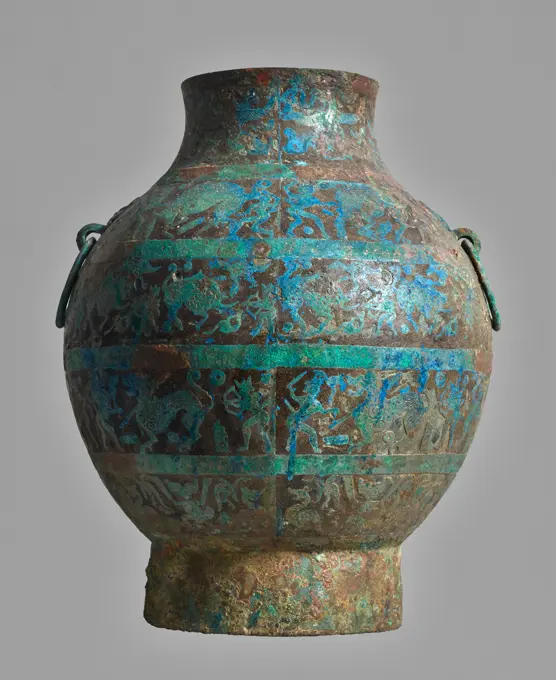
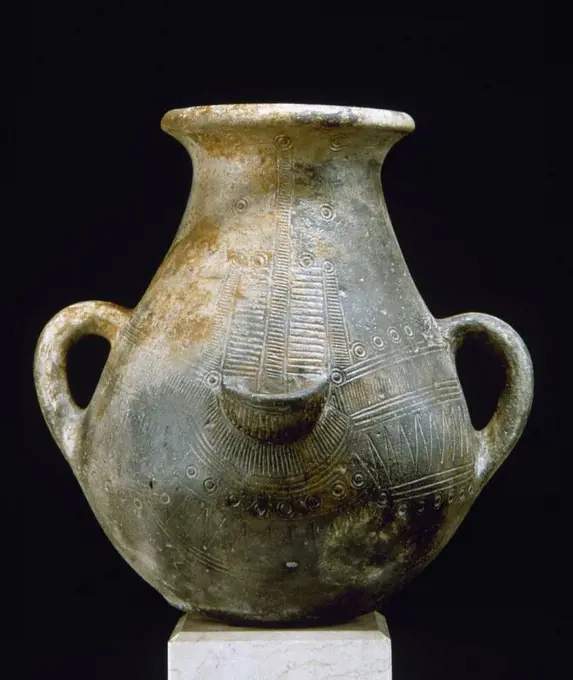
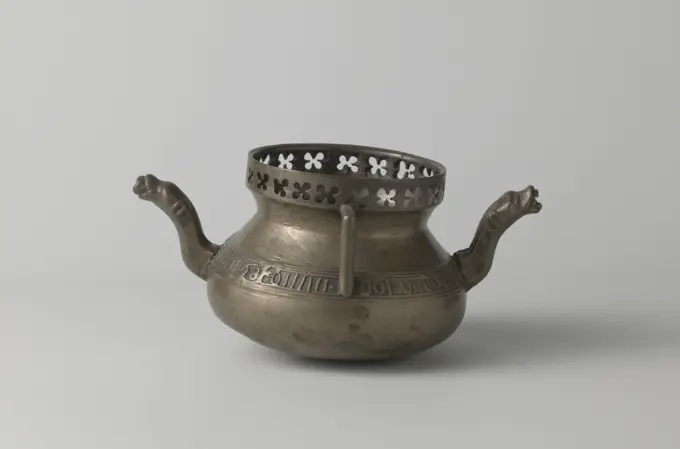
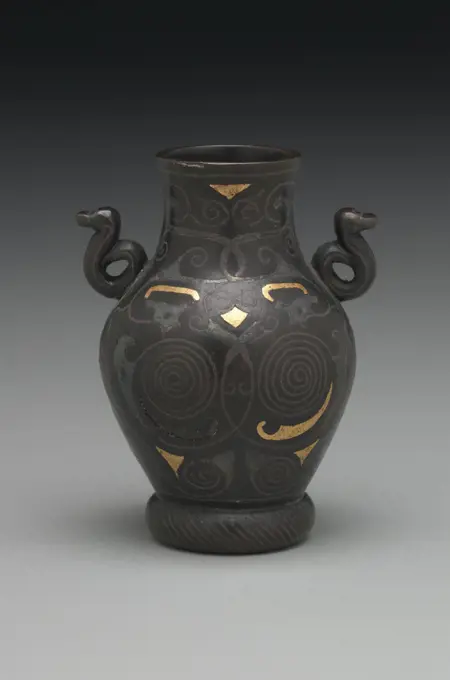
Historical ceramic jugs from various cultures, showcasing intricate designs and craftsmanship reflective of their respective eras.
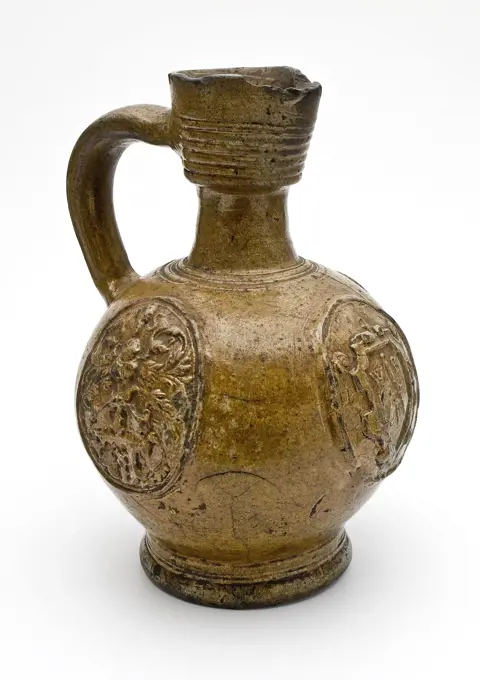
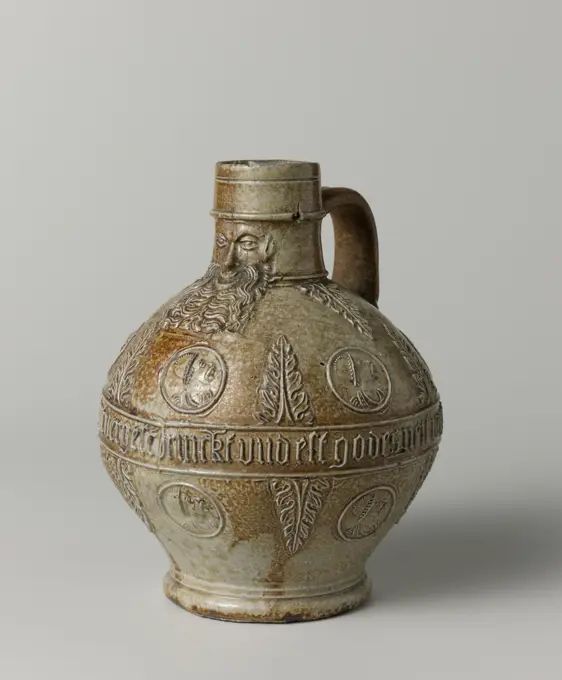
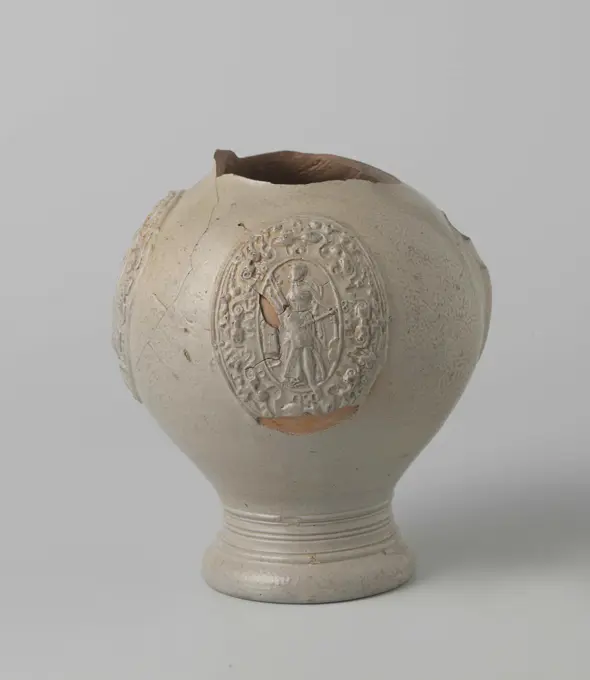
Stoneware jug be decorated with cartouches, slender neck and broadened neck edge, dated, jug crockery holder soil find ceramic stoneware glaze salt glaze h 16.2 neck 4.2 belly 11.3 standing surface 7.1 hand-turned baked glazed Stoneware jug gray shard with salt glaze mocha brown wide flared cuff-shaped mouth rim with pouring lip bandor with pointed tail. Mondrand shoulder and foot profiled. Cartouche at the front has coat of arms with tool in the shield under the year as an image. The right cartouche shows under two letters right clawing lion on coat of arms the left under two letters coat of arms in four quarters divided by serrated cross 1n middle weapon medallion the year 1587 underneath the letters WS archeology Rotterdam heraldry handicraft import serving serve drinking table Soil discovery: found during digging in Rotterdam.
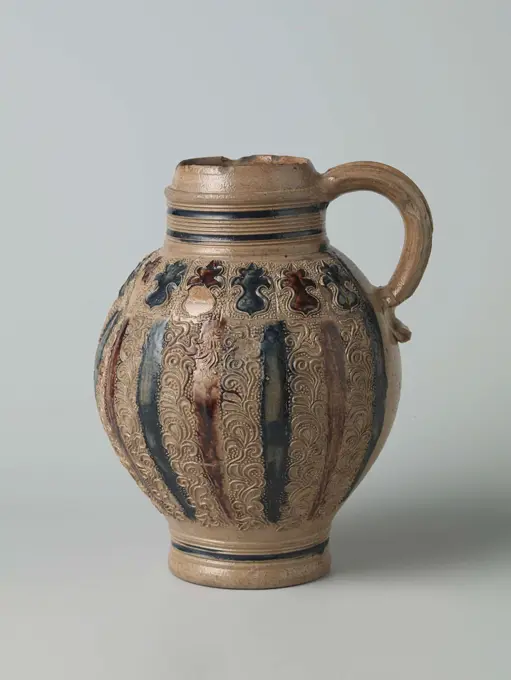
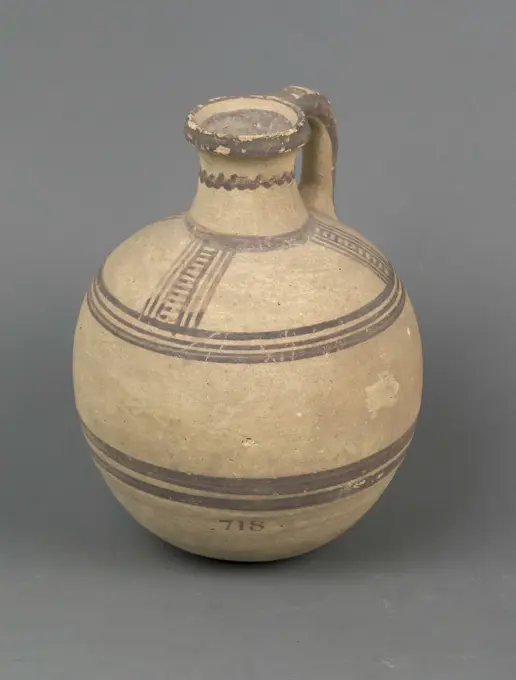
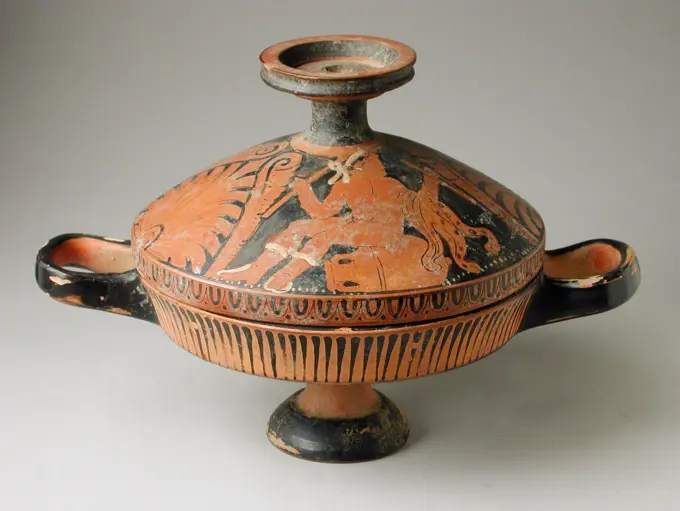
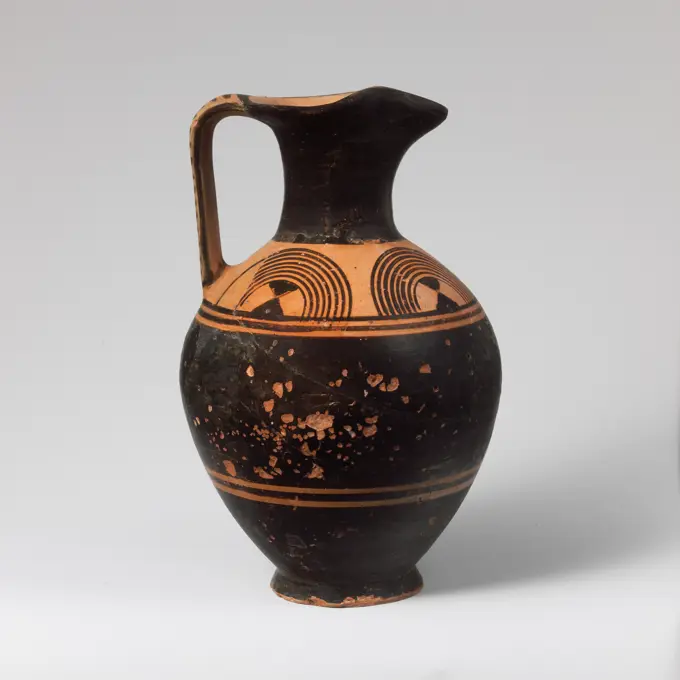
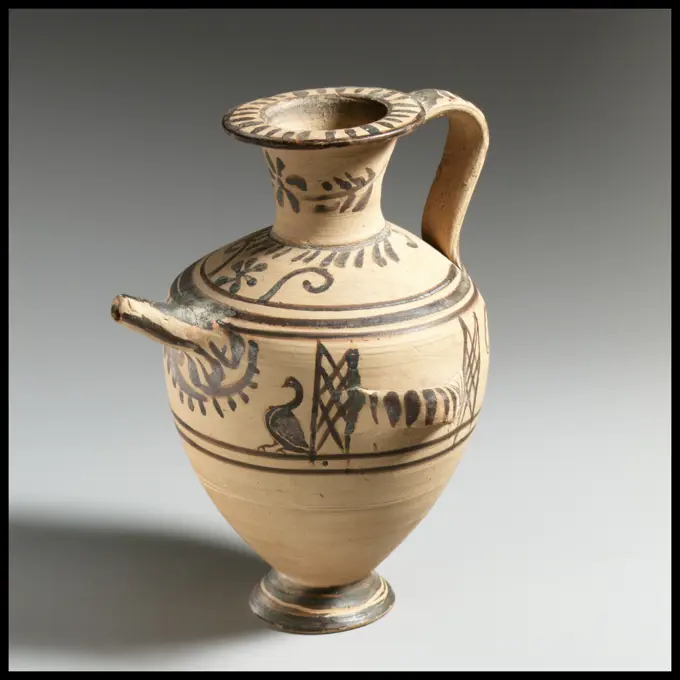
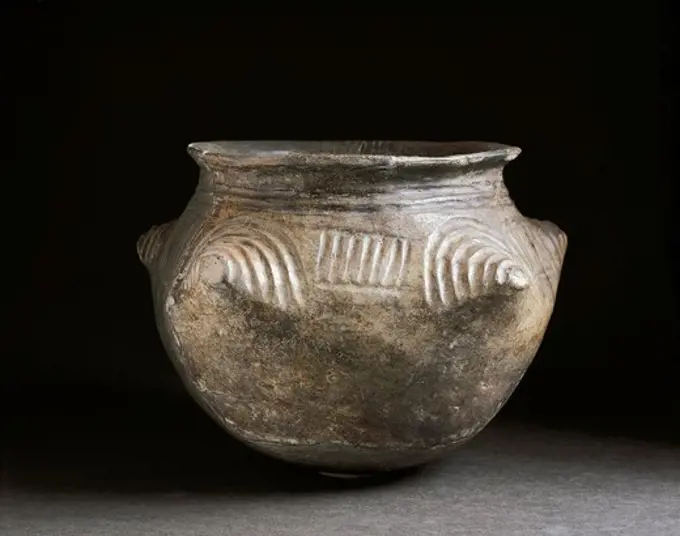
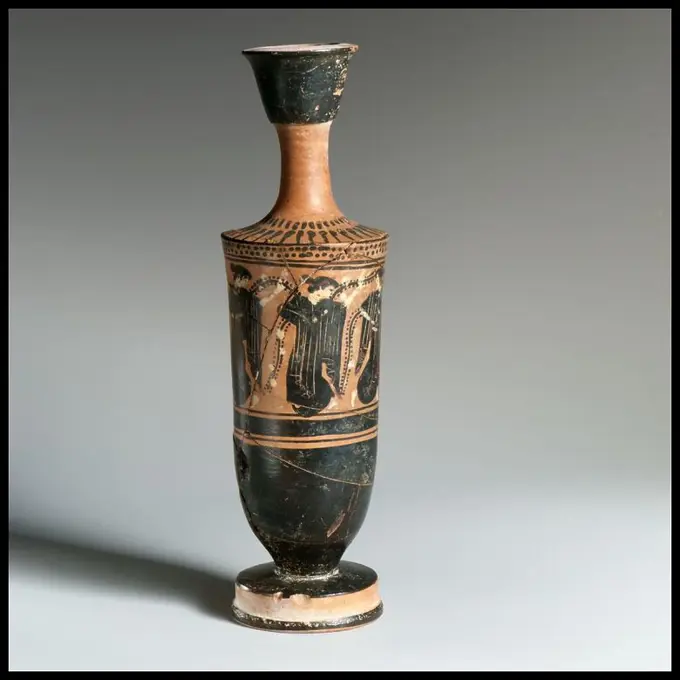
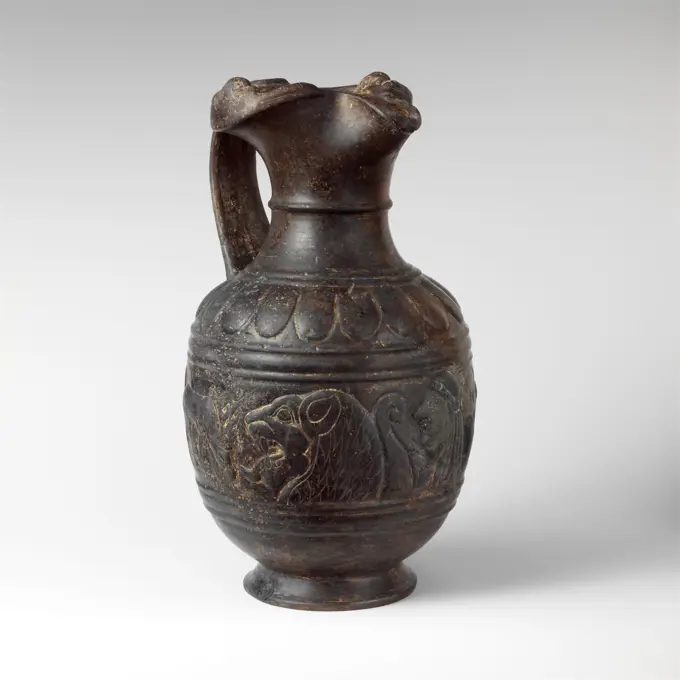
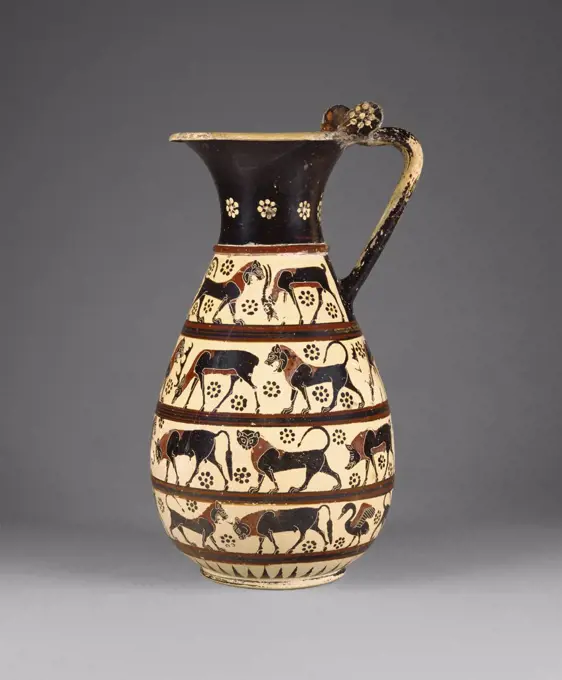
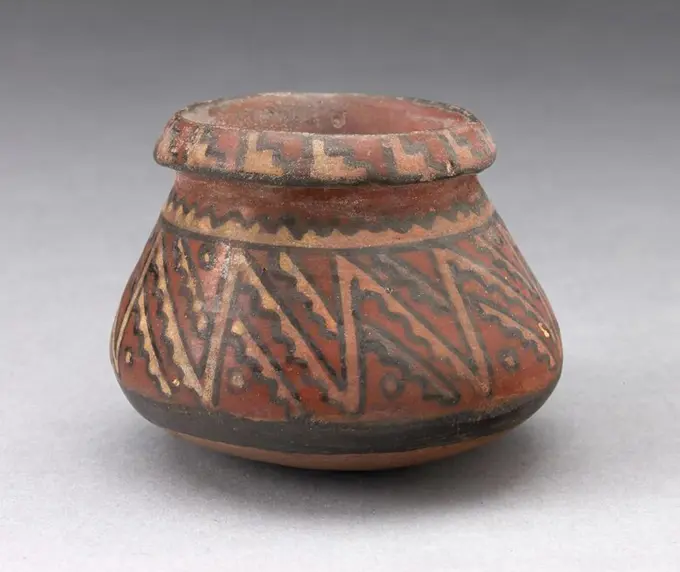
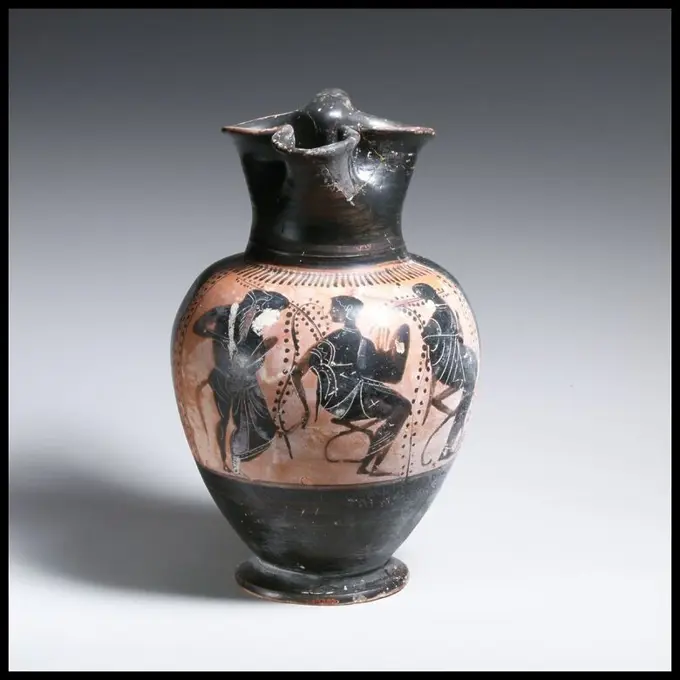
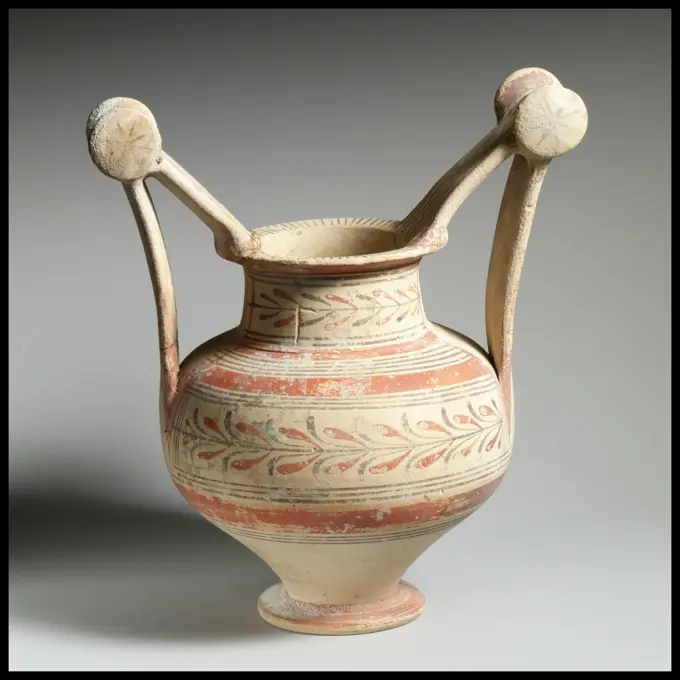
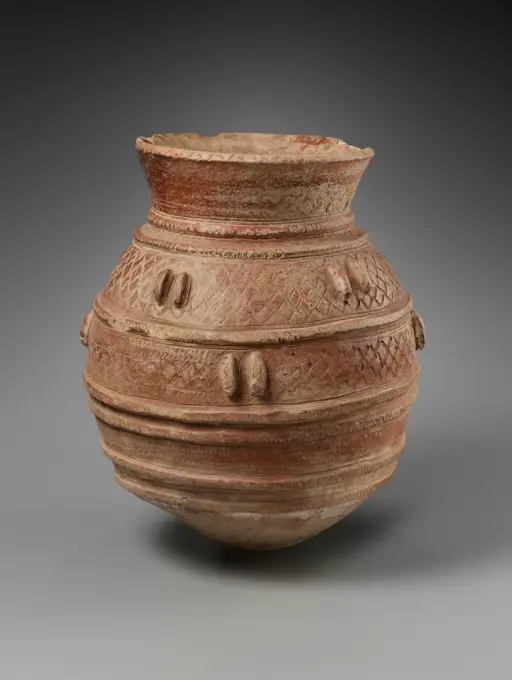
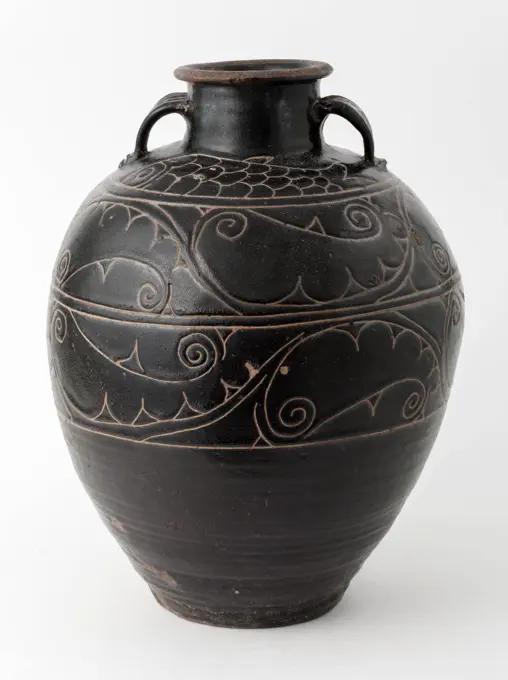
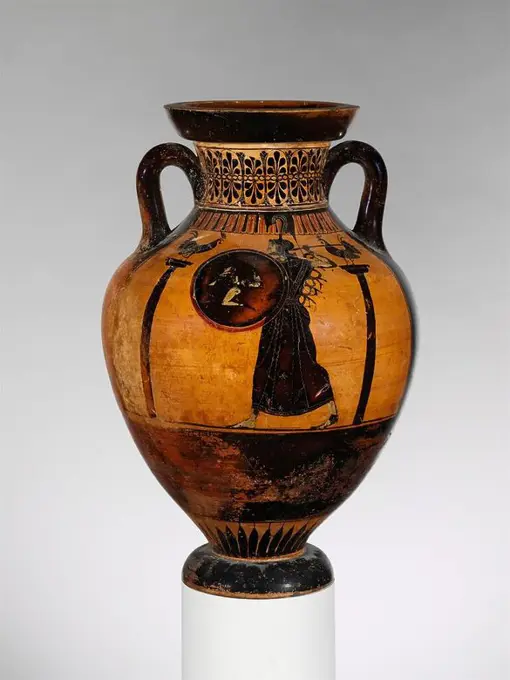
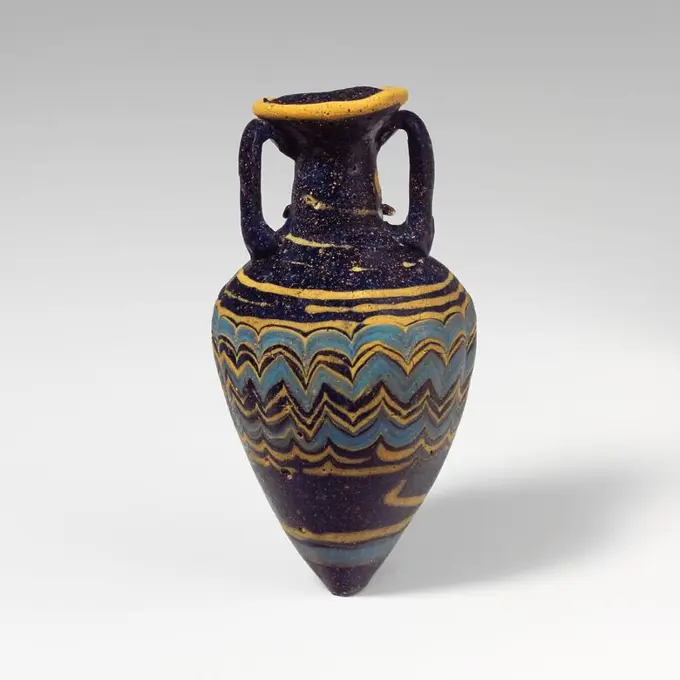
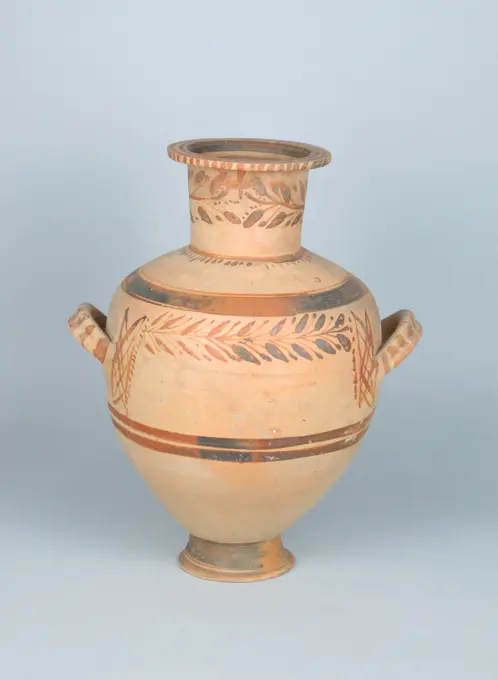
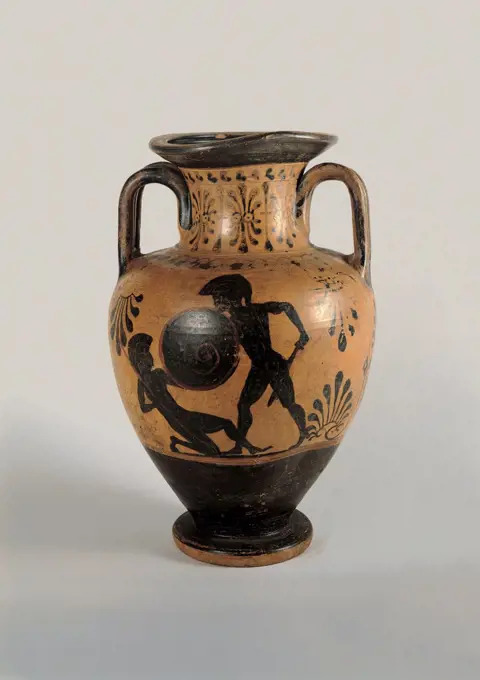
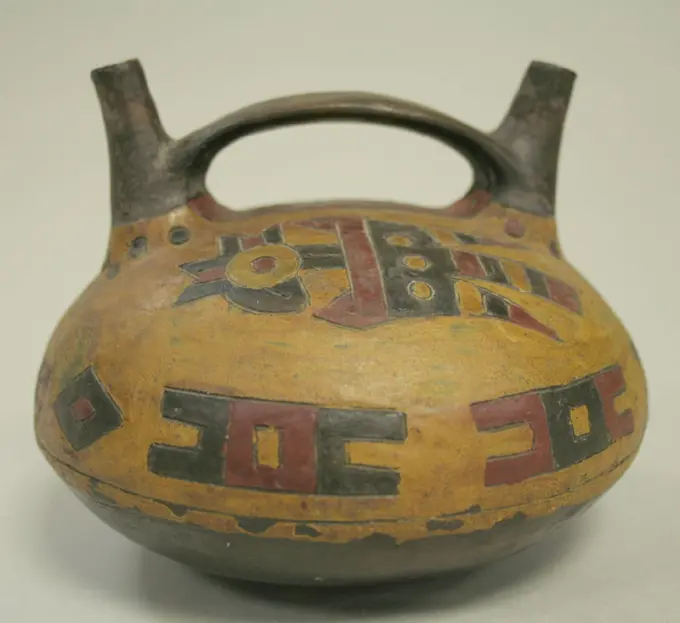
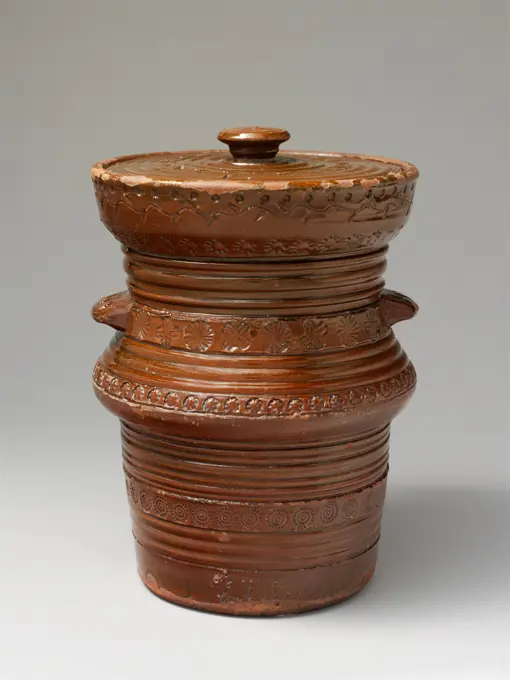
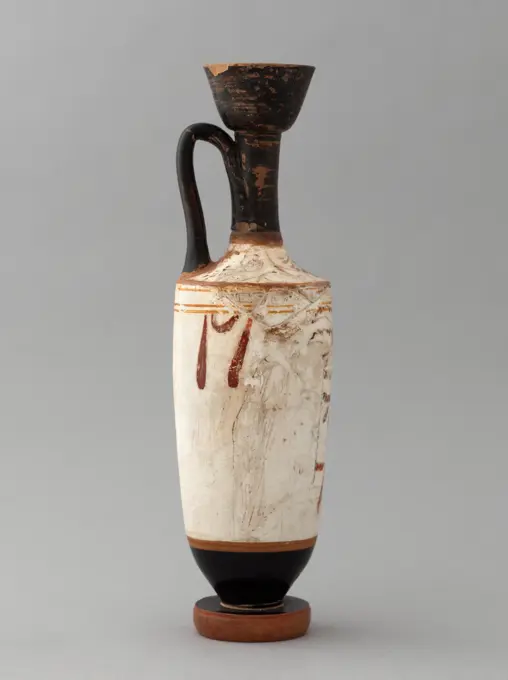
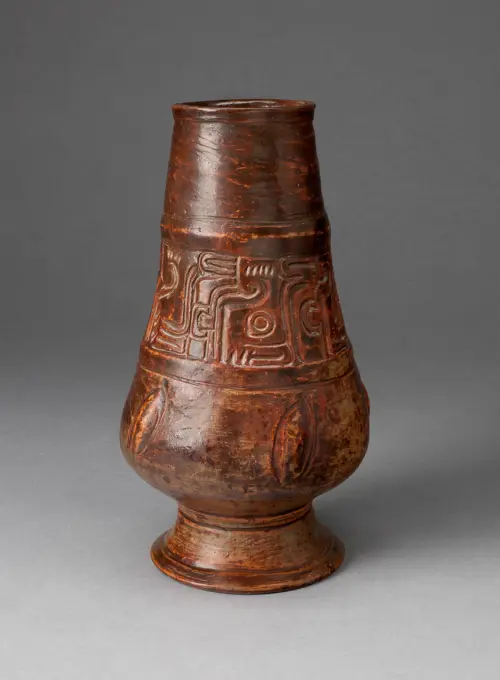
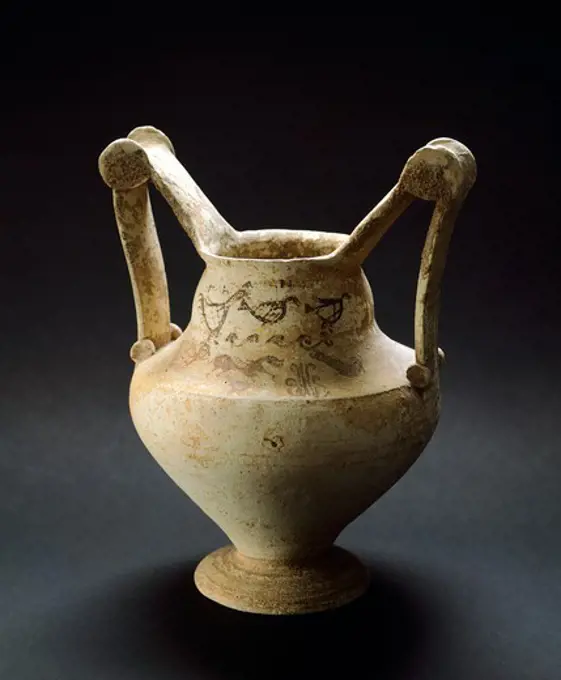
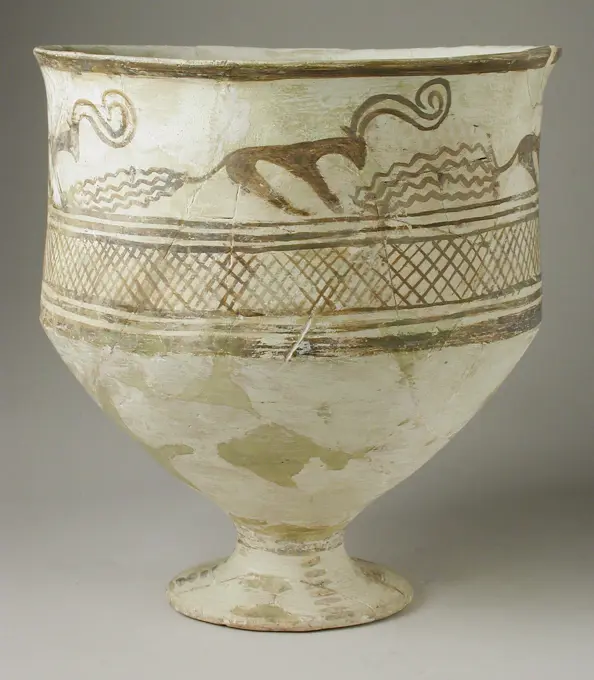
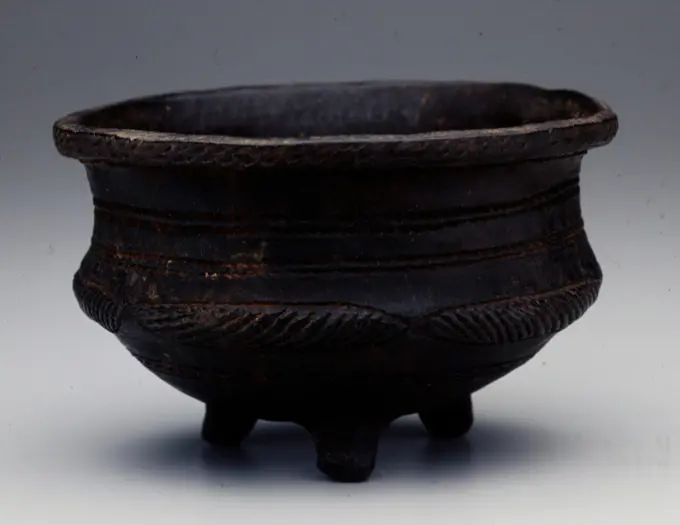
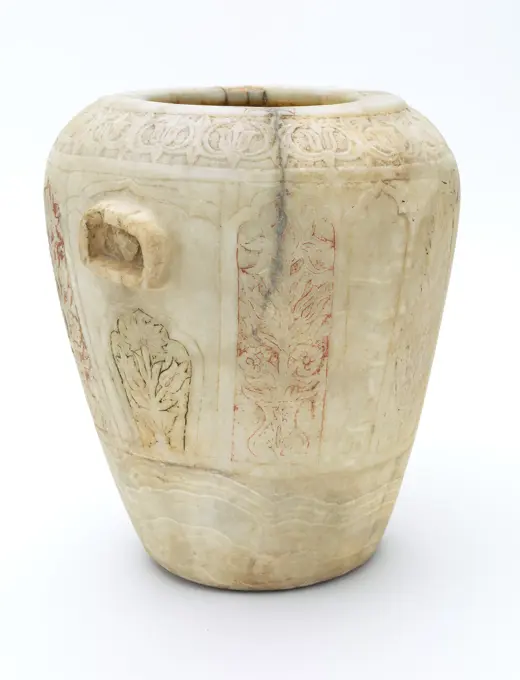
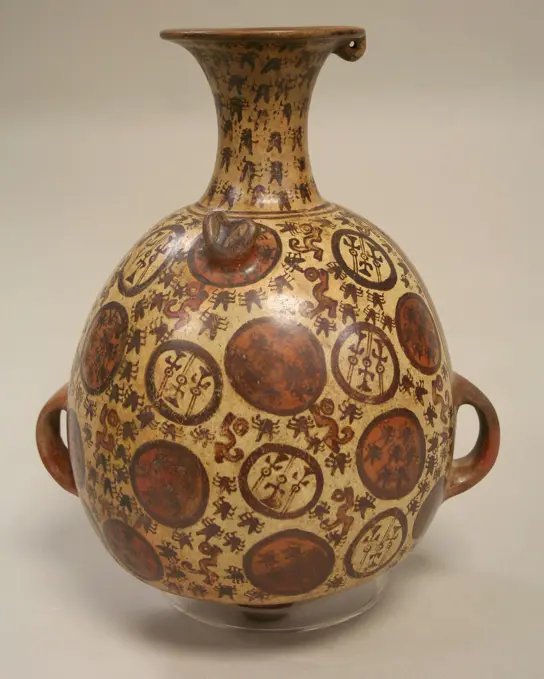
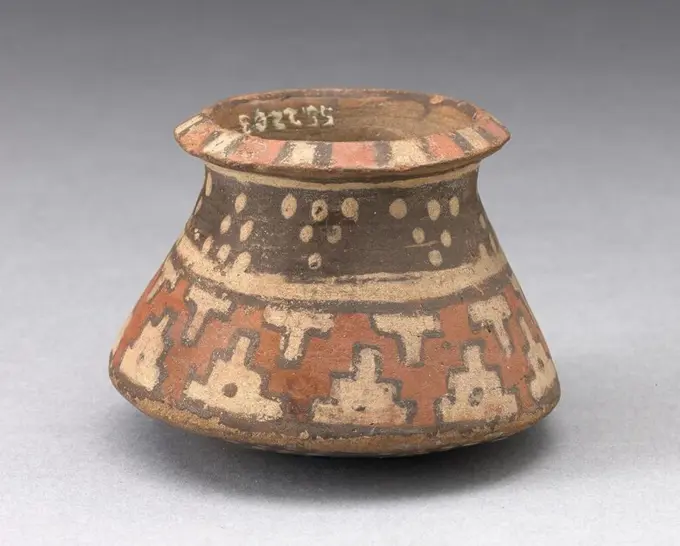
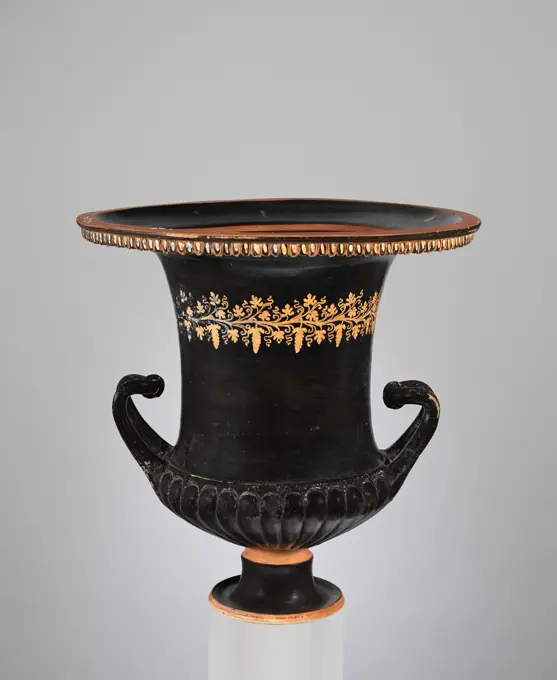
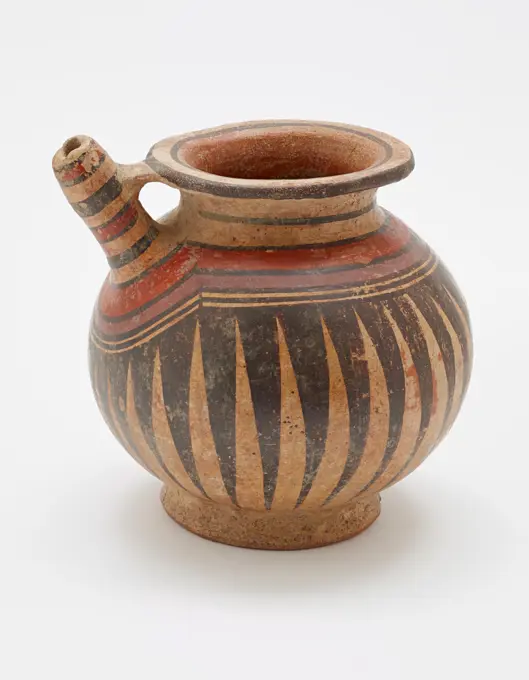
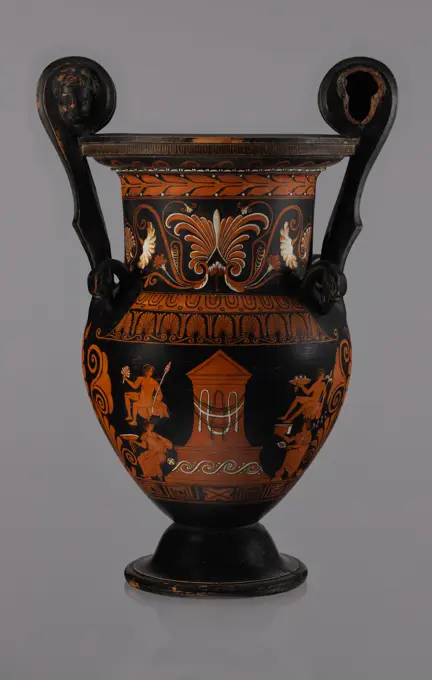
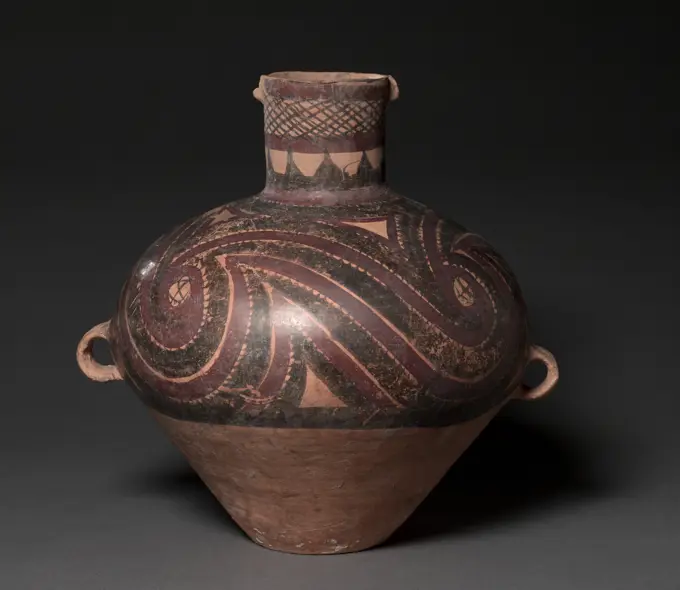
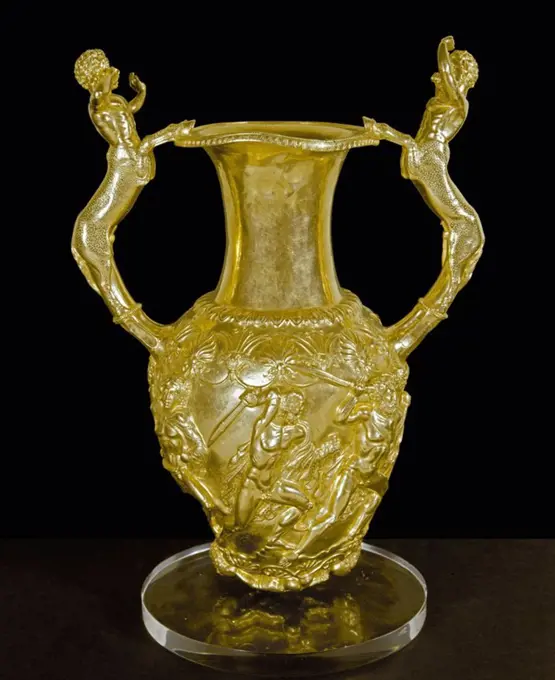
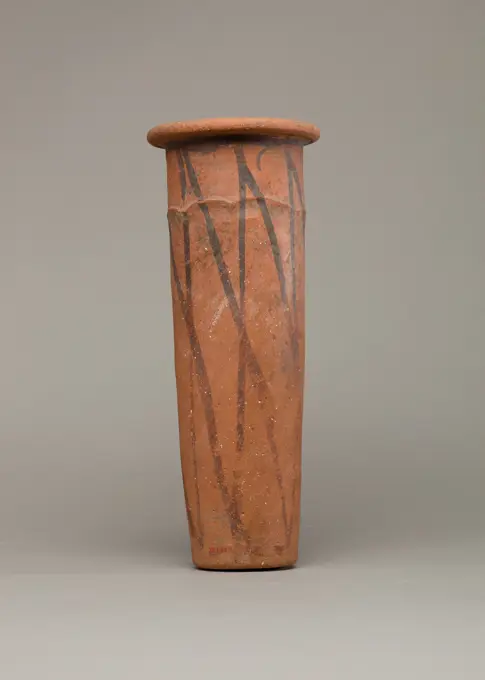
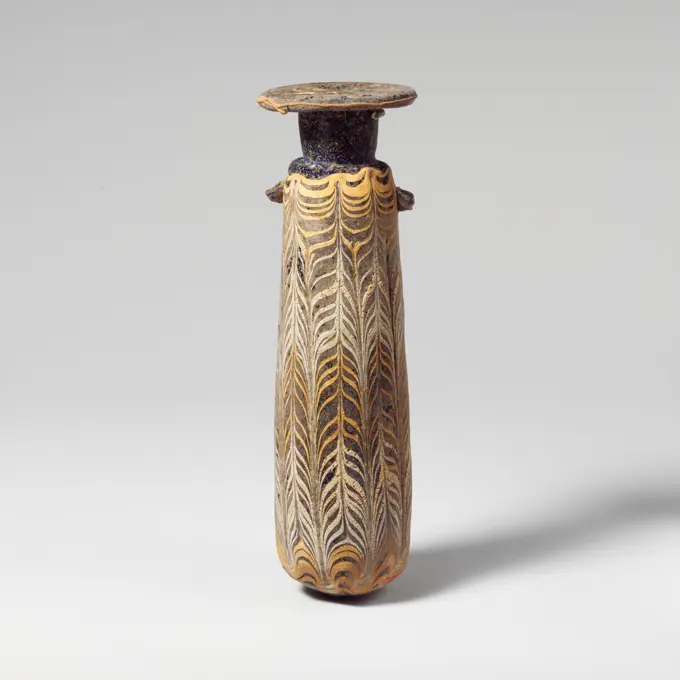
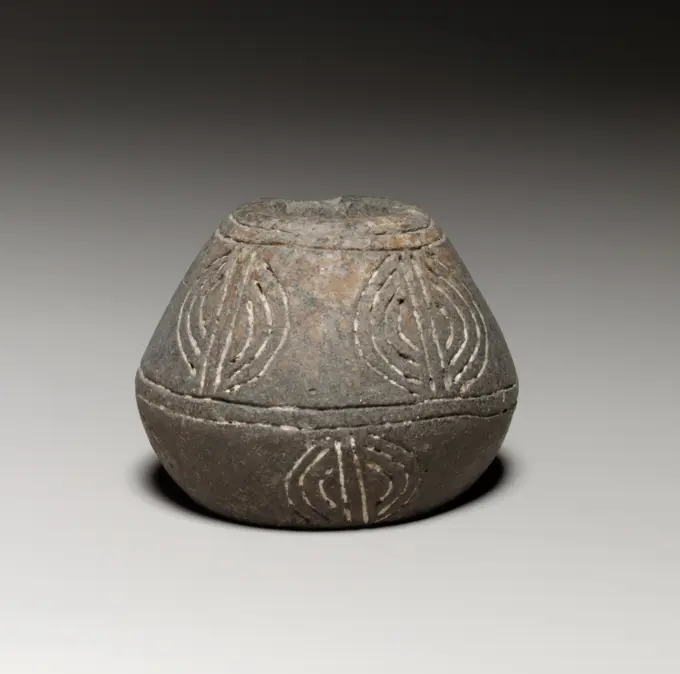
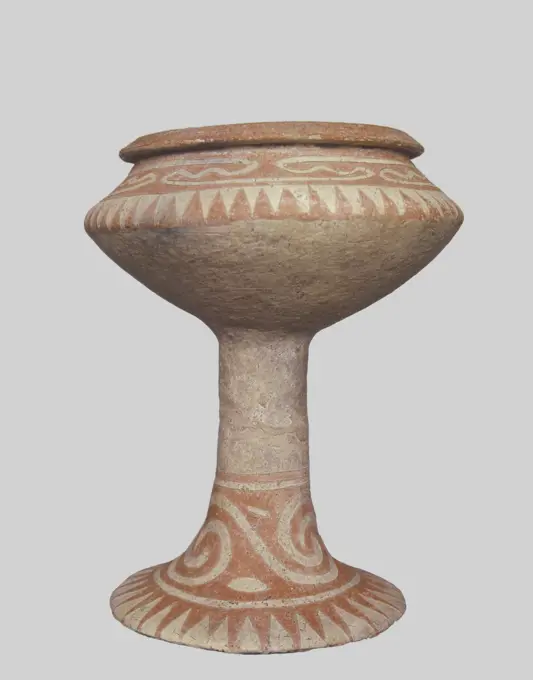
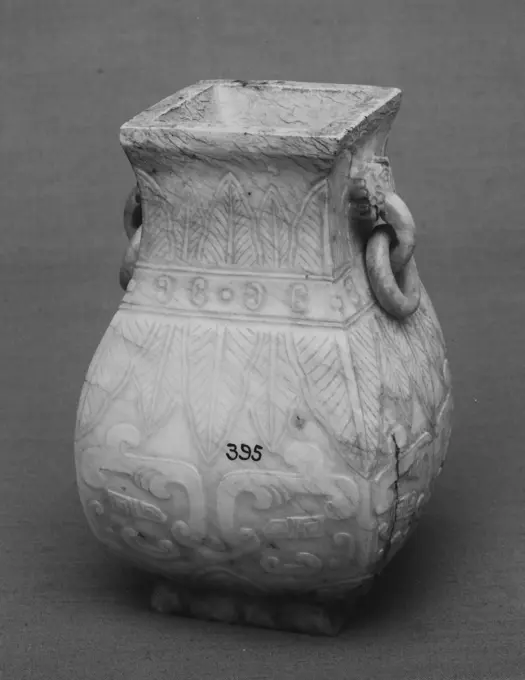
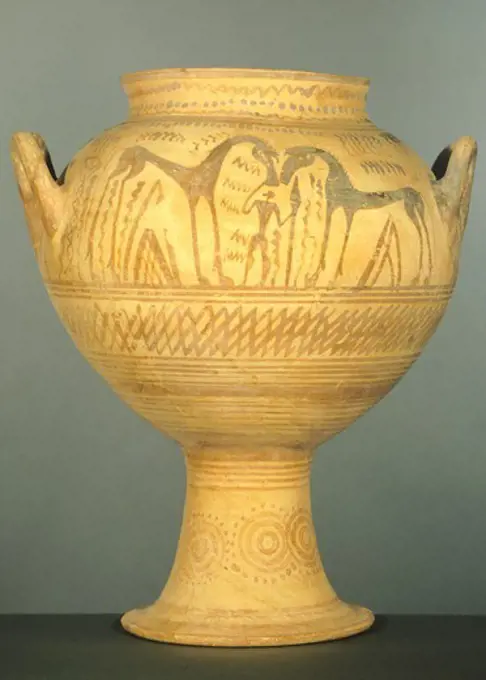
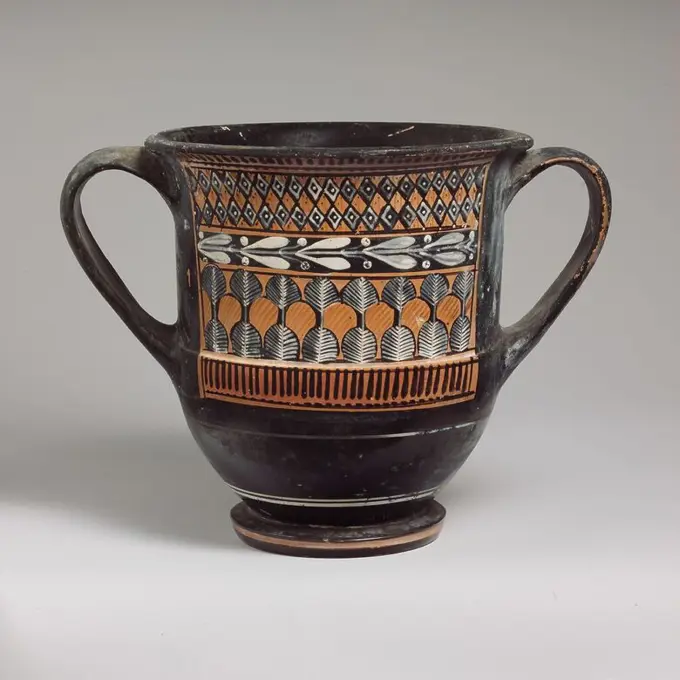
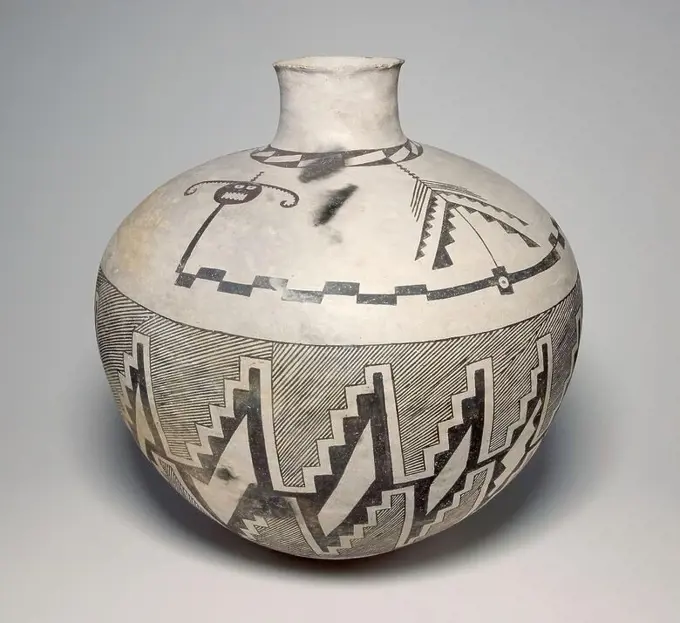
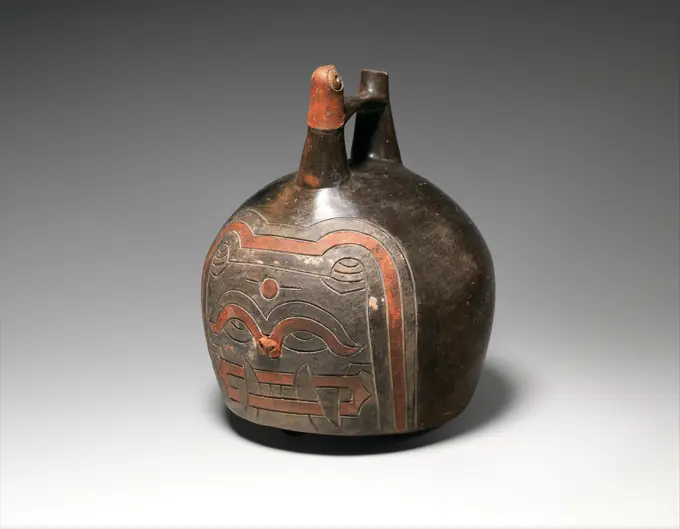
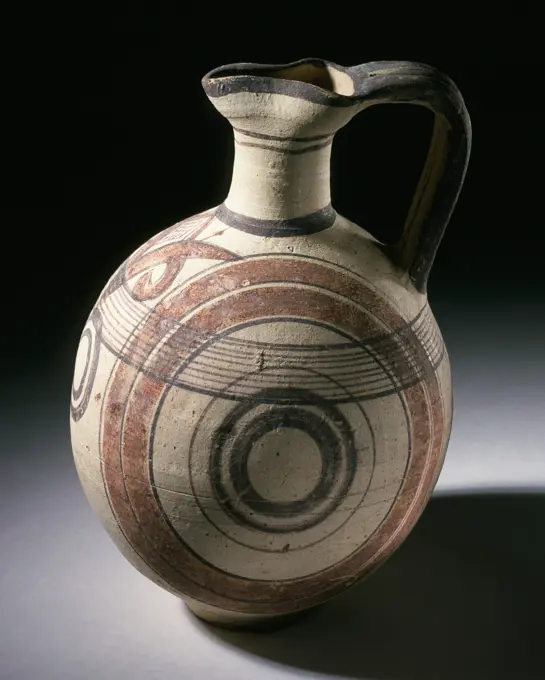
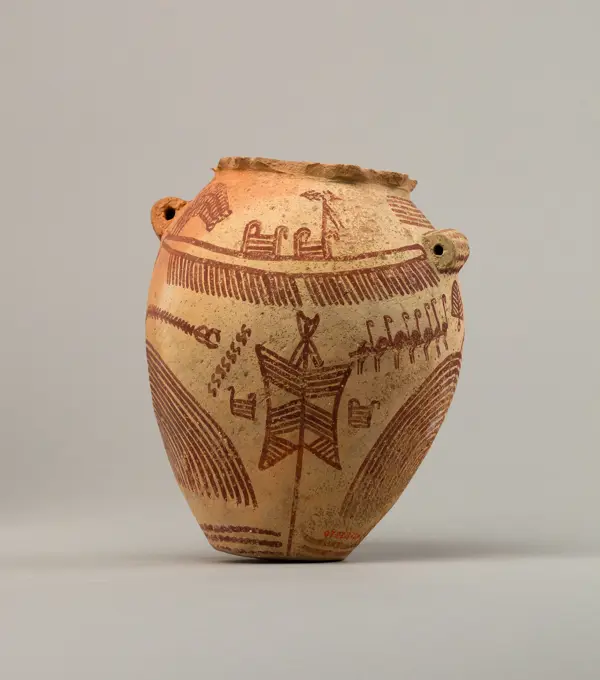
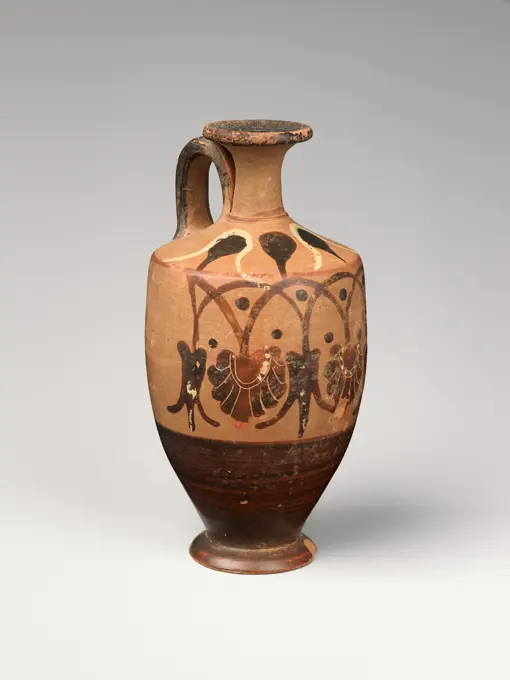
Terracotta lekythos (oil jar) late 6th century BC Greek, Euboean On the shoulder, pendant lotus budsOn the body, linked pendant lotuses and palmettes. Terracotta lekythos (oil jar). Greek, Euboean. late 6th century BC. Terracotta; black-figure. Archaic. VasesGlobular Jar, 6th-9th century, 7 9/16 x 8 1/2 in. (19.2 x 21.59 cm), Glazed ceramic, China, 6th-9th centuryJug (Bartmann jug) with portraits, leaves and an ornamental border, anonymous, c. 1530 - c. 1560 Beard fancier for stoneware on a high base with a spherical body and wide neck. The C-shaped ear is attached to the neck and shoulder. Profiles on the neck and foot. Covered with a brown Engobe. On the belly in relief a printed and imposed decorative bond with the inscription 'Drinckt und Est Godes does not forgot', repeated twice. On either side of the inscription medallions with portraits and profil and leaf motifs. On the neck, continuously on the shoulder, a bearded man. Cologne/ Frechen. Cologne (possibly) stoneware. glaze. engobe vitrification Beard fancier for stoneware on a high base with a spherical body and wide neck. The C-shaped ear is attached to the neck and shoulder. Profiles on the neck and foot. Covered with a brown Engobe. On the belly in relief a printed and imposed decorative bond with the inscription 'Drinckt und Est Godes does not forgot', repeated twice. On either sidStoneware jug be decorated with cartouches, slender neck and broadened neck edge, dated, jug crockery holder soil find ceramic stoneware glaze salt glaze h 16.2 neck 4.2 belly 11.3 standing surface 7.1 hand-turned baked glazed Stoneware jug gray shard with salt glaze mocha brown wide flared cuff-shaped mouth rim with pouring lip bandor with pointed tail. Mondrand shoulder and foot profiled. Cartouche at the front has coat of arms with tool in the shield under the year as an image. The right cartouche shows under two letters right clawing lion on coat of arms the left under two letters coat of arms in four quarters divided by serrated cross 1n middle weapon medallion the year 1587 underneath the letters WS archeology Rotterdam heraldry handicraft import serving serve drinking table Soil discovery: found during digging in Rotterdam.Can be decorated with vertical tires in blue and manganese. Can be made of stoneware with round belly and short straight neck. On the abdomen a decoration of vertical tires to and around blue and manganese purple. In between relief, ranks have been raised in plane.Glass amphoriskos (perfume bottle) late 6th-5th century B.C. Greek, Eastern Mediterranean Opaque white, with handles and base-knob in same color; trails in translucent purple.Broad, inward-sloping rim-disk; cylindrical neck tapering upward; broad, sloping shoulder; elongated ovoid body; circular base-knob with rounded edge; two vertical strap handles drawn up from shoulder, turned in, and pressed on to underside of rim-disk.One thick, rounded trail attached at edge of rim-disk; another trail applied on shoulder and wound round spirally, at first in horizontal lines, then tooled into a zigzag pattern with rounded tops and close-set vertical tooling indents, ending in irregular, thick line around bottom; another thick trail applied to knob-base.Complete, except for part of rim-disk and two-thirds of knob-base; dulling, pitting, and iridescent creamy weathering.. Glass amphoriskos (perfume bottle) 245754Jug 850-750 B.C. Cypriot Horizontal bands, ladder-pattern on shoulder, and no foot.. Jug. Cypriot. 850-750 B.C.. Terracotta. Cypro-Geometric III. VasesPalm Wine Vessel (kuh mendu), 1900s. Cameroon, probably Babessi or Bamessing, Cameroon Grassfields potter. Terracotta; overall: 45 cm (17 11/16 in.).Pharmacy Jar with the Arms of the Hospital of Santa Maria della Scala 1425-50 Italian A short ladder surmounted by a cross was the emblem of the hospital of Santa Maria della Scala in Siena, where it stood in front of the steps (scala) of the city's cathedral. The hospital also had a branch in Florence, and this work could have served as a drug container in the pharmacy of either location.. Pharmacy Jar with the Arms of the Hospital of Santa Maria della Scala. Italian. 1425-50. Tin-glazed earthenware. Made in probably Siena, Tuscany, Italy. CeramicsGlass amphoriskos (perfume bottle). Culture: Greek, Eastern Mediterranean. Dimensions: Height: 3 1/8 × 1 1/2 × 1 5/8 in. (8 × 3.8 × 4.1 cm)Diam. of rim: 13/16 in. (2 cm). Date: 3rd century B.C..Translucent honey brown with same color handles and base-knob; trails in opaque white and opaque yellow.Horizontal rim with rounded edge and radiating tooling marks on top surface; tall slender cylindrical neck; broad sloping shoulder, slightly concave below handles; ovoid body; coiled base-knob applied to pointed bottom; two vertical handles applied to shoulder, drawn up in a curve, then turned in and down, and attached to top of neck and underside of rim.White trail applied on neck, wound spirally around and drawn down across shoulder to body; another yellow trail applied to top of body in a band over the white and tooled into a zigzag pattern with close-set vertical indents around top of body; the white trail continues as a zigzag band below, and then as a horizontal line around center ofLekanis with Satyrs on the LidTerracotta oinochoe (jug) ca. 900 B.C. Greek, Attic From the Hymettos deposit (see 30.118.1). Terracotta oinochoe (jug). Greek, Attic. ca. 900 B.C.. Terracotta. Geometric. VasesAmphora. Artist: Boston Ready Painter, Greek, Southern Italy ca. 330-315 B.C.Terracotta feeding bottle 3rd century B.C. Greek The vase is in the form of a miniature Hadra hydria. It was probably made in Crete and may have been used as a feeding bottle for infants.. Terracotta feeding bottle 255330Small pottery grape on three legs, two pinched ears, grape cooking pot tableware holder kitchen utensils earthenware ceramics earthenware glaze lead glaze, hand turned glazed baked Red shard sparing lead glaze two angular flattened ears slippery Pouch-shaped belly and high neck edge obliquely standing. Traces of spores at the bottom archeology Heenvliet Bernisse indigenous pottery food preparation cooking kitchen Soil discovery: Heenvliet Branderf ditch filling Found 1971 1972.Oinochoe. Volunteer Painter (Etruscan)Italy, Emilia Romagna region, Decorated vaseLekythos. Culture: Greek, Attic. Dimensions: Height: 7 7/8 in. (20 cm)Diameter: 3 9/16 × 1 9/16 × 2 1/8 in. (9 × 4 × 5.4 cm). Date: ca. 480 B.C.. Museum: Metropolitan Museum of Art, New York, USA.Amphora ca. 1050-900 B.C. Cypriot Bands and rows of concentric circles.. Amphora. Cypriot. ca. 1050-900 B.C.. Terracotta. Iron Age. VasesTerracotta oinochoe (jug) ca. 550 B.C. Etruscan Trefoil lip, with two stags, two lion-heads, and two human heads in relief.. Terracotta oinochoe (jug) 246164Terracotta oinochoe (jug) late 8th century B.C. Greek, Attic The neck shows a man with two horses; a file of mules grazes in the panel on the shoulder; a bird perches on top of the handle.. Terracotta oinochoe (jug). Greek, Attic. late 8th century B.C.. Terracotta. Geometric. VasesOlpe; Painter of Malibu 85.AE.89 (namepiece); Greece (Corinth); 650 - 625 B.C.; Terracotta; Object (with rotellae): H: 32.8 x Diam. (body): 17 cm (12 15/16 x 6 11/16 in.), Object (rim, with rotellae): H: 30.6 x Diam. (rim with rotellae, approx.): 14.3 cm (12 1/16 x 5 5/8 in.), Object (foot): Diam.: 10.2 cm (4 in.)Miniature Jar with Textile-Like Geometric Pattern. Inca; South coast or southern highlands, Peru. Date: 1450-1532. Dimensions: 5.4 x 7 cm (2 1/8 x 2 3/4 in.). Ceramic and pigment. Origin: Peru, southern. Museum: The Chicago Art Institute, Chicago, USA.Oinochoe. Culture: Greek, Attic. Dimensions: Other: 8 1/2 × 5 1/2 × 3 1/8 in. (21.6 × 13.9 × 8 cm). Date: last quarter of the 6th century B.C.. Museum: Metropolitan Museum of Art, New York, USA.Terracotta trozella (two-handled jar) 4th century B.C. Native Italic, Apulian, Messapian The Messapians occupied the area of the heel of the Italian boot. The trozella is characterized by the presence of two pairs of disks, one at the top of each handle and another at the base; one pair is missing from this example. By the fourth century B.C., trozelle were made for the tomb.. Terracotta trozella (two-handled jar). Native Italic, Apulian, Messapian. 4th century B.C.. Terracotta. Late Classical. VasesCan. Light gray can with 3 medallions on the spherical belly 3 in which representations of women playing musical instruments.VesselJarre .tery. Grès à Couvere brown. Paris, museum beeré. Anse, Chinese art, Chinese Ceramic, brown coverage, gres, jar, decorative motif, sea, fish, waveStoneware bell jar on foot, completely covered with appliqués, rosettes, Bullet pewter jug crockery holder soil find ceramic stoneware glaze salt glaze, hand turned stamped glazed glazed baked Stoneware jug gray shard with salt glaze profiled bandoor with curled tail profiled neck and foot. Bullet round jug serve archeology import pottery on stand foot with short cylindrical neck serve serving drink wine beerOvoid jar with ornamental borders and flower sprays, anonymous, c. 1550 - c. 1600 Egg -shaped pot of stoneware with a narrow neck and a round edge, covered with a gray -colored white sludge and brown under the glaze. On the belly twice a band with a wavy line. A strap with flower branches on the shoulder. The neck also has a band with a wavy line. The underside is unglazed. Glaze releases in some places. Cizhou. China stoneware. glaze painting / vitrification Egg -shaped pot of stoneware with a narrow neck and a round edge, covered with a gray -colored white sludge and brown under the glaze. On the belly twice a band with a wavy line. A strap with flower branches on the shoulder. The neck also has a band with a wavy line. The underside is unglazed. Glaze releases in some places. Cizhou. China stoneware. glaze painting / vitrificationMiniature limestone amphora (jar) ca. 1200-1100 B.C. Cypriot Wide mouth, two handles and geometric ornament.. Miniature limestone amphora (jar) 243989Vase, anonymous, c. 1500 - c. 1600 Vase with lid; Image of the eight immortals (Pa Hsien) in Bas-relief and further, among other things, cranes and Phoenixen. China limestone Vase with lid; Image of the eight immortals (Pa Hsien) in Bas-relief and further, among other things, cranes and Phoenixen. China limestoneSilver situla (pail) with swinging handles 6th century B.C. East Greek The shape and decoration of this situla find parallels in the art of the Achaemenids, a Persian dynasty that conquered most of Asia Minor during the sixth century B.C.. Silver situla (pail) with swinging handles. East Greek. 6th century B.C.. Silver. Archaic. Gold and SilverPolychrome Jar c 1770 New Mexico (Object made in). Ceramic and pigment . Cochiti (Kʾúutìimʾé)Terracotta Panathenaic prize amphora. Culture: Greek, Attic. Dimensions: H. 18 15/16 in. (48.2 cm). Date: ca. 510 B.C..Obverse, AthenaReverse, chariotThis amphora is different from the typical prize vase. It does not have the inscription identifying it as being from the games in Athens. Furthermore, the chariot on the reverse is at rest, not in competition. Museum: Metropolitan Museum of Art, New York, USA.Vase with dragon-shaped handles ". Terracotta with cream glaze. China, Tang dynasty (618-907). Paris, Cernuschi museum. Anse Dragon, Chinese art, Chinese Ceramic, container, Tang dynasty, extended shape, amphora form, container, terracotta, vaseGlass alabastron (perfume bottle) mid-4th-early 3rd century B.C. Greek, Eastern Mediterranean or Italian Translucent cobalt blue, with handles in same color; trail in uncertain color (opaque white ).Broad horizontal rim-disk, sloping slightly outward; tall cylindrical neck; narrow horizontal shoulder; straight-sided cylindrical body, with upward taper; convex bottom; below shoulder, two vertical ring handles, both pierced, with short pointed trails, applied over trail pattern.A single fine trail wound around body, tooled from top to bottom of body into a close-set zigzag pattern in ten vertical panels with deep vertical indents.Broken and repaired around lower body, with three large holes; some large white inclusions; dulling, deep pitting, and weathering, leaving little trace of the trail decoration.. Glass alabastron (perfume bottle) 250013Glass amphoriskos (perfume bottle). Culture: Greek, Eastern Mediterranean. Dimensions: H. 3 9/16 in. (9 cm). Date: late 6th-5th century B.C..Translucent dark cobalt blue, with handles in same color; trails in opaque yellow and opaque turquoise blue.Broad inward-sloping rim-disk; cylindrical neck, expanding slightly downwards; broad, angular shoulder; tall conical body, tapering downwards to pointed bottom; two vertical strap handles applied to top of shoulder, drawn up, and pressed onto underside of rim-disk.One yellow trail attached at edge of rim-disk; another yellow trail applied to neck and wound in a spiral across shoulder and around top of body, then tooled into an uneven zigzag pattern on upper half of body, where a turquoise blue trail is added, mingling with the yellow; below this, both trails drawn down and wound horizontally once around lower body.Complete, except for base-knob; parts of trails completely weathered, leaving only indentation in body; dulling, pitting, andTerracotta Hadra hydria (water jar) 3rd century B.C. Greek, Egypt, Alexandria-Hadra. Terracotta Hadra hydria (water jar). Greek, Egypt, Alexandria-Hadra. 3rd century B.C.. Terracotta. Hellenistic. VasesBlack-figured amphora, 8th Century, ceramic,Double Spout and Bridge Bottle 7th-5th century B.C. Paracas A thick application of mustard-yellow paint on the body of this double-spout and bridge vessel provides a vivid backdrop for the red and green geometric and figural designs. Displayed parallel to the bridge of the vessel, two stylized birds extend lengthwise on either side of the vessel. The figures may represent an abstract raptor. The birds bodies are formally segmented with stamped circles and incised stripes with alternating red and green colors. Below the birds is a band of bracketed concentric-squares punctuated by a single concentric-diamond. Informal registers of figural and geometric decorations are often-used techniques in Paracas art. This vessel is from the Paracas culture of the south coast of Peru and dates between the 7th-5th century BC. Paracas affinity for symmetry and curvilinear forms is also apparent in their sophisticated textiles, as seen in textile fragments in the MMA collection, such as 33.149.24, whiTerracotta trozella (two-handled jar). Culture: Native Italic, Apulian, Messapian. Dimensions: H. with handles 9 1/4 in. (23.5 cm). Date: 4th century B.C..The Messapians occupied the area of the heel of the Italian boot. The trozella is characterized by the presence of two pairs of disks, one at the top of each handle and another at the base; one pair is missing from this example. By the fourth century B.C., trozelle were made for the tomb. Museum: Metropolitan Museum of Art, New York, USA.Jar 1838 John M. Safford Trained as a potter in Exeter, New Hampshire, Safford came to Monmouth in 1830. This is one of the more highly decorated known examples of Maine redware. The rather unusual form may indicate that it was a stew pot, possibly intended to be set into the hole of an iron stove.. Jar 14489Amphoriskos. UnknownLécythe with white background. Polychromy. Athens (Greece), around 430 BC. AD Museum of Fine Arts of the City of Paris, Petit Palais. 58664-13 Greek antiquity, funeral art, Greek art, ceramic, perfume oil, white background white, ritual object, offering, funeral offering, polychromy, funeral rite, ancient scene, body care, ancient vase, funeral vase, veme ve v 5th 5th 5th 5th 5th 5th 5th 5th 5th 5th 5th 5th 5th 5th 5th 5th 5th 5th 5th 5th 5th 5th 5th 5th 5 CENTURY AV.JCFooted Jar Incised with Pseudo-Gylphs 250 CE-600 CE México. Ceramic and pigment . MayaVase with painted decoration, Apulia, Italy. Messapian Civilization, 4th-3rd Century BC.Hydria, miniature. Culture: Greek, Attic. Dimensions: H. 11.51 cm.. Date: late 5th century B.C..Nike with two torches. Museum: Metropolitan Museum of Art, New York, USA.Chalice. Western Iran, late 4th millennium B.C.. Furnishings; Serviceware. Buff wareTerracotta oinochoe (jug) early 8th century B.C. Greek, Attic Flat-bottomed jug with handle, decorated with bands, dots, and serpent pattern at shoulder.. Terracotta oinochoe (jug). Greek, Attic. early 8th century B.C.. Terracotta. Geometric. VasesBowl, 20th century, 4 1/8 x 6 1/4 in. (10.48 x 15.88 cm), Earthenware, Liberia, 20th centuryWater Jar. Egypt, 16th-17th century or later. Stone. Marble, carved and paintedStorage Jar (Aryballus) 15th-early 16th century Inca. Storage Jar (Aryballus) 309389. Can be decorated from quartz fritgoed embossed with dancing ladies on the belly and running animals on the neck. On the belly blue stripes under a transparent alkalilation. The neck ends in a five-lubbous clock shape.Glass alabastron (perfume bottle) 2nd-mid-1st century B.C. Greek, Eastern Mediterranean. Glass alabastron (perfume bottle). Greek, Eastern Mediterranean. 2nd-mid-1st century B.C.. Glass; core-formed, Group III. Hellenistic. GlassBrennbrenner Brennbrenner LicenseRF Copyright: xZoonar.com/Tolox 23160113Jar with two ornamental borders, anonymous, c. 1300 - c. 1599 Pot of stoneware with a spherical body and a narrow, short neck, painted under the glaze in black and covered with a green glaze. A decorative band on the belly and shoulder. Two semicircular ears from the shoulder attached to the neck. The lower part of the pot is unglazed. Celadon. Thailand stoneware. glaze vitrification Pot of stoneware with a spherical body and a narrow, short neck, painted under the glaze in black and covered with a green glaze. A decorative band on the belly and shoulder. Two semicircular ears from the shoulder attached to the neck. The lower part of the pot is unglazed. Celadon. Thailand stoneware. glaze vitrificationMiniature Jar with Textile-Like Pattern. Inca; South coast or southern highlands, Peru. Date: 1450-1532. Dimensions: 5.1 x 6.8 cm (2 x 2 11/16 in.). Ceramic and pigment. Origin: Peru, southern. Museum: The Chicago Art Institute, Chicago, USA.Vase;  19th century (1801-00-00-1900-00-00);Terracotta calyx-krater (mixing bowl) ca. 350-300 B.C. Greek, South Italian, Apulian, Gnathian The crisp outlines of the shape and the ribbing on the lower part of the body indicate that a metal vase was the source of inspiration. On more luxurious pieces, such as the hydria 23.74 nearby, the ornament is gilded. On simpler pieces, it is painted.. Terracotta calyx-krater (mixing bowl). Greek, South Italian, Apulian, Gnathian. ca. 350-300 B.C.. Terracotta; applied color. Late Classical. VasesMORTERO PINTADO Y VIDRIADO AL MODO ARABE DEL S XV - ARTE POPULAR. Location: ALFARERIA. SPAIN.Jar. Panama, Coclé, Coclé, 600-800 CE. Ceramics. Slip-painted ceramicMycenean Cup. Greece, circa 1300 B.C.. Furnishings; Serviceware. TerracottaAmphora vase, Etruscan. Wolff, Karol (wytwórnia fajansu ; 1783-ca. 1800)Jar with Curvilinear Designs, 2650-2350 BC. Northwest China, Neolithic period, Majiayao culture, Banshan phase (2650-2350 BC). Earthenware with slip-painted decoration; diameter: 36.8 x 30.5 cm (14 1/2 x 12 in.); overall: 36.2 cm (14 1/4 in.).Amphora Rhyton from Panagyurishte with Silenus and Herakles 4-3rd century BC. Museum: ARCHAEOLOGICAL MUSEUM, PLOVDIV, BULGARIA.Vase Hu R24 (common name), 0453. CERUNUSCHI Museum, Museum of Asia Arts in the city of Paris. Vase decorated with hunting scenesVase;  19th century (1801-00-00-1900-00-00);Italy. Sardinia. Nuragic civilization. Ceramic vase with geometric decoration. 8th century BC. From Santa Anastasia di Sardara. Archeological Museum of Cagliari.Vase. Culture: China. Dimensions: H. 16 3/4 in. (42.5 cm); W. 5 in. (12.7 cm). Museum: Metropolitan Museum of Art, New York, USA.Lavabo with four passes and religious text, anonymous, c. 1450 - c. 1550 The object is cast in two halves. The boiler has a somewhat flat -ball shape, the upper of which makes a blunt angle with the hollow round neck in diameter. The vertical collar is perforated with four passes, and has a sloping rim inwards. The two curved in diameter hexagonal spots are placed in each other's extended. The ends have the shape of animal heads. Perpendicular to that are the rectangular handle on the abdominal wall and on the transition from neck to collar. On the abdominal wall an incomprehensible religious text is applied by spouts and handle. Brazier: Westphaliamaker: Northwest Germany copper alloy casting / die cutting The object is cast in two halves. The boiler has a somewhat flat -ball shape, the upper of which makes a blunt angle with the hollow round neck in diameter. The vertical collar is perforated with four passes, and has a sloping rim inwards. The two curved in diameter hexagonal spots Vessel in Shape of ArchaicHu, 16th - 17thcentury, Bronze with inlaid gold and silver, 2 5/16 × 1 3/4 in. (5.9 × 4.4cm), China, Chinese, Ming dynasty (1368 -1644), Containers -MetalsWavy-handled jar with cross-hatched design ca. 4500-4000 B.C. () Predynastic Period. Wavy-handled jar with cross-hatched design 547508Lamp. UnknownTerracotta beaker ca. 1st-2nd century A.D. Roman As well as the floral relief decoration, the beaker has a stamped inscription in Greek that reads, Gift of Gorgios”. Terracotta beaker. Roman. ca. 1st-2nd century A.D.. Terracotta. Imperial. VasesLi tripod food vessel, 13th century BCE, 6 7/16 × 5 9/16 × 5 3/8 in., 2 lb. (16.3 × 14.1 × 13.7 cm, 0.9 kg), Bronze, China, 13th century BCE, This three-lobed vessel is cast in flat relief with three taotie masks comprising the chief decoration. While the motifs on the upper frieze, where space is more restricted, are simple stylized Ts, the masks on the legs are impressively complex. The pronounced bulging eyes are surrounded by coiled horns; its body and curled tail is shown in profile surrounded by spirals. The tripod is a good example of a Shang bronze ritual vessel whose basic shape evolved from Neolithic and early Bronze Age ceramics.Doofpot, anonymous, c. 1650 - c. 1780 Doffpot made of lead glaze pottery, with lid. The pot is on three legs and has two ears. The pot is richly ornamented with human figures, animals and weapons in relief, between which pressed rosettes. The lid has a button and is decorated with rosettes pressed. Netherlands earthenware. lead glaze Doffpot made of lead glaze pottery, with lid. The pot is on three legs and has two ears. The pot is richly ornamented with human figures, animals and weapons in relief, between which pressed rosettes. The lid has a button and is decorated with rosettes pressed. Netherlands earthenware. lead glazeGlass alabastron (perfume bottle) 4th-3rd century B.C. Greek, Eastern Mediterranean or Italian Translucent cobalt blue, with handles in same color; trails in opaque yellow and opaque white.Broad horizontal rim-disk, made as a spiral coil around top of neck; cylindrical neck, tapering downwards; narrow, almost horizontal shoulder; straight-sided cylindrical body, with slight upward taper; faceted bottom ending in slight point; below shoulder, two small horizontal ring handles, only one of which is pierced through vertically, applied over trail pattern.A fine yellow trail attached at edge of rim-disk; on body, alternating bands of yellow and white, tooled from shoulder to undercurve at bottom into a close-set feather pattern in eight vertical patterns with alternating upward and downward strokes, with well-defined loops at top and bottom.Intact; dulling, pitting, and some creamy iridescent weathering.. Glass alabastron (perfume bottle) 250016Fragment of Bartmann jug, also called Bellarmine jug, frieze with text around belly, portrait medallions and acanthus leaves, Bartmann jug jug crockery holder soil find ceramic stoneware glaze salt glaze, hand turned stamped glazed glazed baked stoneware jug gray shard brown brindled salt glaze Profiled foot. Probably Bartmann jug. Text tape across the middle of the belly with on both sides decoration of round medallions with men's cups and acanthus leaf Text line: HAF GOT FUR DEINEN AUGEN DIN (twice: keep God in mind) archeology import pottery serve drink wine beer donate religionTerracotta biconical spindle-whorl ca. 1900-1600 B.C. Cypriot Spindle whorls aided in the making of cloth for garments and bedding. They were placed in tombs, perhaps so that the deceased could continue to spin wool in the afterlife.. Terracotta biconical spindle-whorl 240528Small Jar (Guan) ca. 2300-2000 B.C. China. Small Jar (Guan) 40206Ban Chiang prehistoric pottery, Suan Pakkad Museum collection, Bangkok Thailand, Southeast Asia, AsiaLamp. UnknownQuadrangular Vase (Fang Hu) China. Quadrangular Vase (Fang Hu). China. Nephrite, white with pale greenish tint, calcined in part to a very faint brown. Ming dynasty (1368-1644). JadeVesselDing food vessel, 1st century, 9 3/16 x 10 1/4 x 8 1/8 in. (23.3 x 26 x 20.6 cm), Earthenware with green glaze, China, 1st centuryTerracotta stamnos (jar) with lid second half of the 4th century B.C. Greek, South Italian The primary decoration on this miniature stamnos, a womans head, was a widespread motif in South Italian vase painting during 4th century B.C. South Italian vases decorated with isolated heads have been found overwhelmingly in funerary contexts, either within or above tombs. The significance of these female representations is not known, and likely varied from region to region.. Terracotta stamnos (jar) with lid 330012Lamp. UnknownVase 3rd-2nd century B.C. China. Vase 48351Olla standing, depicting a horse, geometric pottery. Etruscan Civilization, ca 700 BC.Terracotta sessile kantharos (deep cylindrical drinking cup with two handles). Culture: Greek, Attic. Dimensions: H. 6 in. (15.3 cm); diameter mouth 5 7/8 in. (14.9 cm); diameter foot 3 1/16 in. (7.7 cm). Date: ca. 450 B.C..Sessile kantharoi are often decorated with stylized foliate patternwork and other motifs. Museum: Metropolitan Museum of Art, New York, USA.Jar with Horned Serpents and Interlocking, Hatched-and-Black Stepped Designs. Ancestral Pueblo (Anasazi), Socorro Black-on-white; West-central New Mexico, United States. Date: 950 AD-1400. Dimensions: 42.6 × 41.3 cm (16 3/4 × 16 1/4 in.). Ceramic and pigment. Origin: New Mexico. Museum: The Chicago Art Institute, Chicago, USA.Bottle, Feline Face 4th-3rd century B.C. Paracas In the second half of the first millennium B.C., a favorite vessel form on the southern coast of Peru was the double-spout-and-bridge bottle. Often the spout is modeled as a stylized bird head, as here, which functions as a whistle, producing a gentle sound when the liquid inside the bottle is poured out. These bottles are named for the dry Paracas Peninsula and have been found in the valleys to the north and south of it, particularly in the southern Ica Valley. Fired to dark brown tones in a reducing atmosphere, many are decorated with incised feline-based imagery, probably derived from the northern Chavín style. The impressive frontal face of a snarling feline decorates the side of the vessel chamber directly under the whistle spout. The creature's features are geometricized into a series of parallel bands filled in with red and white resin paint. Applied after firing, most of the paint is now missing. Elegantly curved brows over half-Bichrome Pitcher. Cyprus, Archaic period (circa 700-600 B.C.). Furnishings; Serviceware. CeramicDecorated jar depicting boats ca. 3850-2960 B.C. Predynastic Period. Decorated jar depicting boats. ca. 3850-2960 B.C.. Pottery, paint. Predynastic Period. From EgyptBowl 13th century. Bowl 449075Mexico.Mexico city.National Museum of Anthropology.Ceramic of the Northern Cultures.Vase, c. 1820-1830. St. Petersburg Imperial Porcelain Factory (Russian). Gilt porcelain; overall: 55.3 x 29.3 cm (21 3/4 x 11 9/16 in.).Bowl ca. mid-2nd millennium B.C.. Bowl 325637Bottle, c. 300-500. Peru, Chimu, 4th-5th Century. Pottery; overall: 24 x 15.5 cm (9 7/16 x 6 1/8 in.).