Decorative Ancient Jugs

Historical ceramic jugs from various cultures, showcasing intricate designs and craftsmanship reflective of their respective eras.
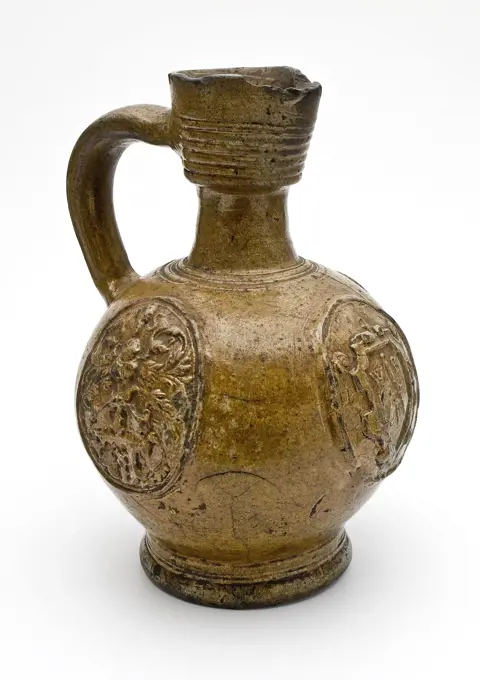
Stoneware jug be decorated with cartouches, slender neck and broadened neck edge, dated, jug crockery holder soil find ceramic stoneware glaze salt glaze h 16.2 neck 4.2 belly 11.3 standing surface 7.1 hand-turned baked glazed Stoneware jug gray shard with salt glaze mocha brown wide flared cuff-shaped mouth rim with pouring lip bandor with pointed tail. Mondrand shoulder and foot profiled. Cartouche at the front has coat of arms with tool in the shield under the year as an image. The right cartouche shows under two letters right clawing lion on coat of arms the left under two letters coat of arms in four quarters divided by serrated cross 1n middle weapon medallion the year 1587 underneath the letters WS archeology Rotterdam heraldry handicraft import serving serve drinking table Soil discovery: found during digging in Rotterdam.
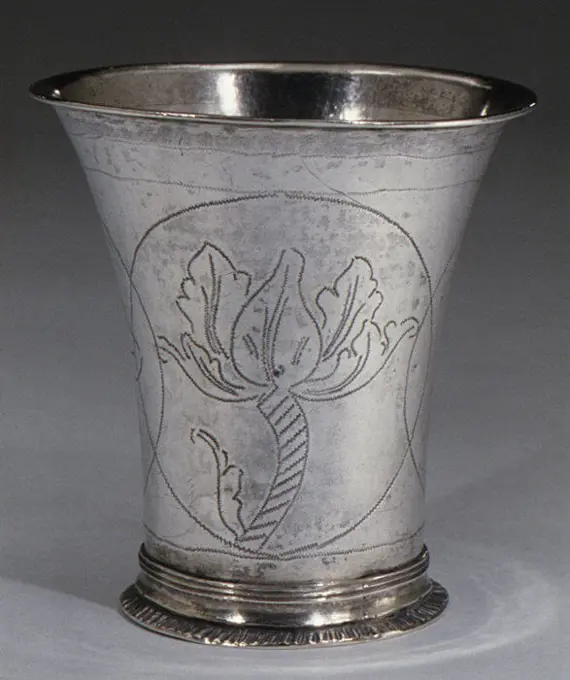
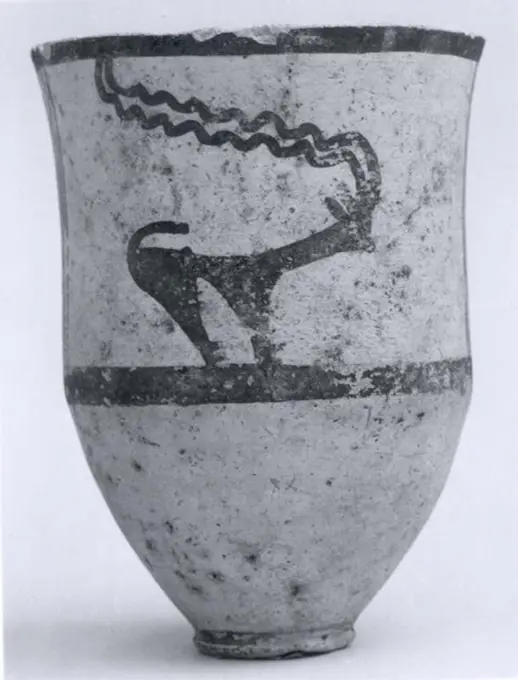
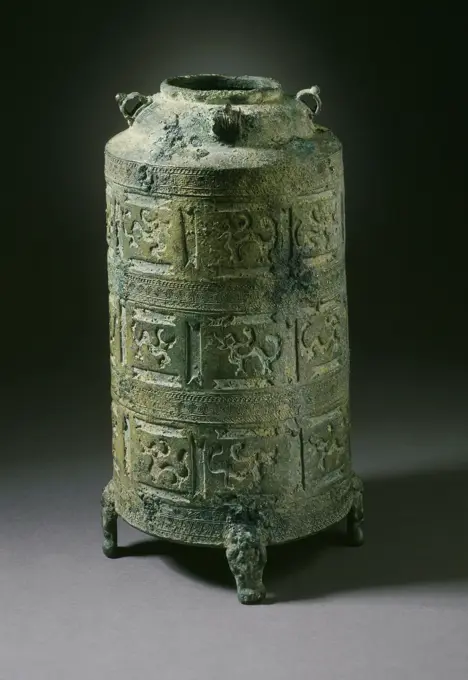
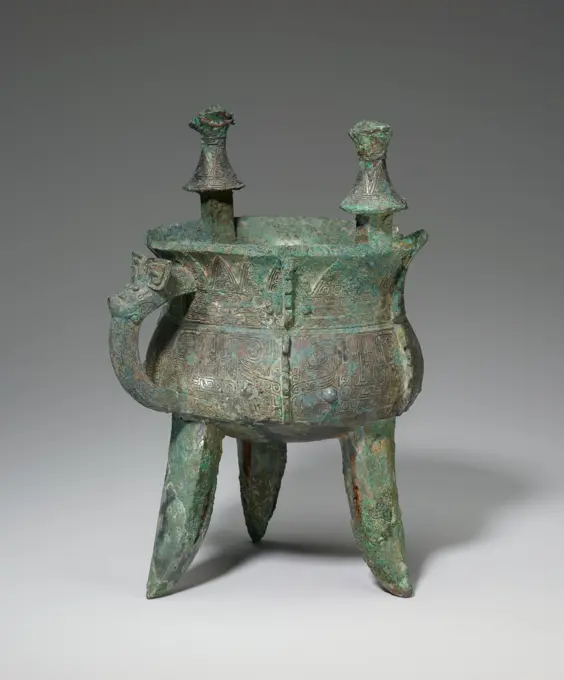
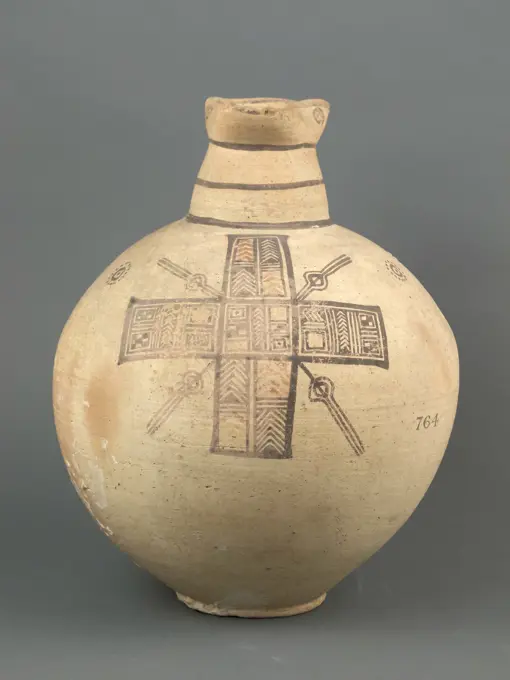
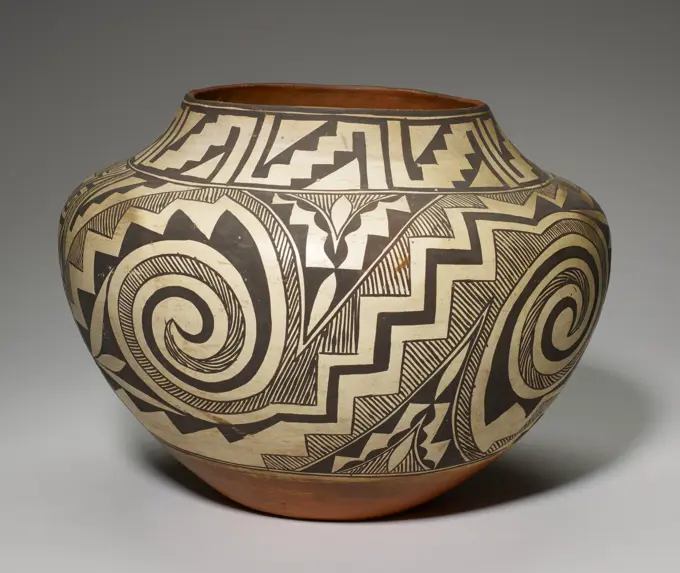
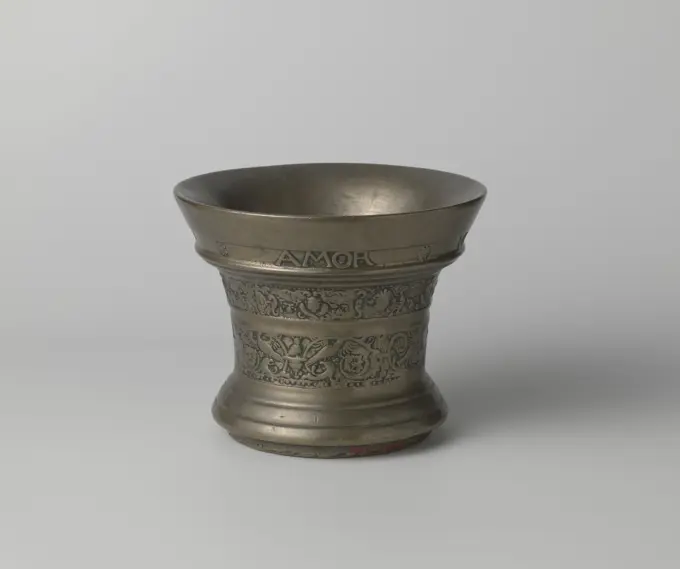
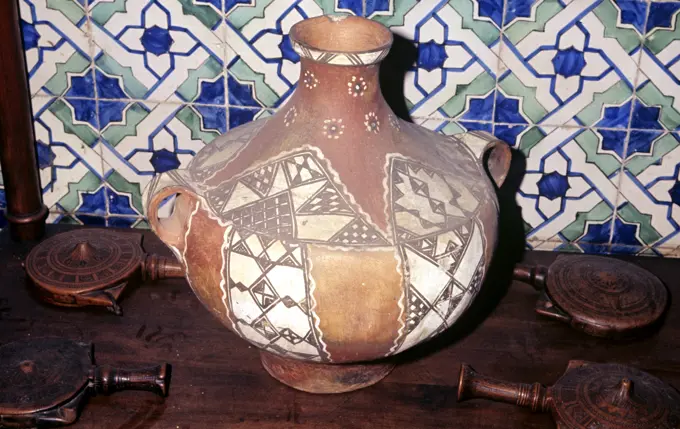
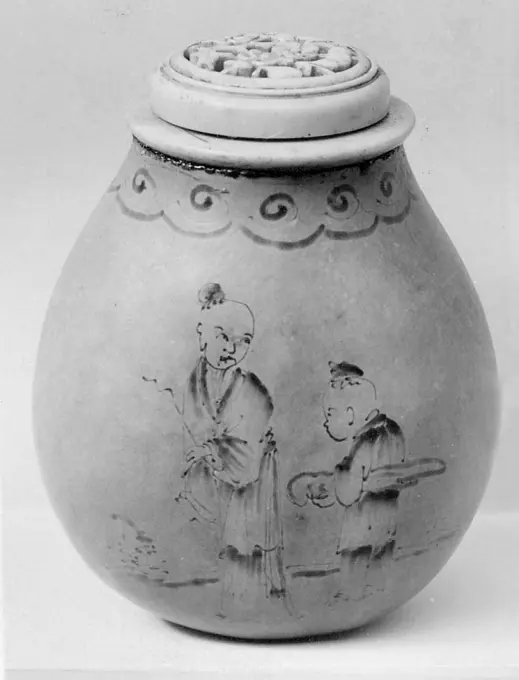
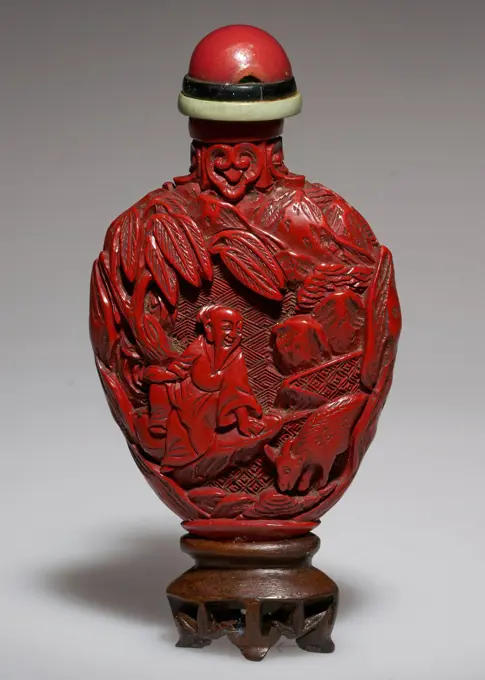
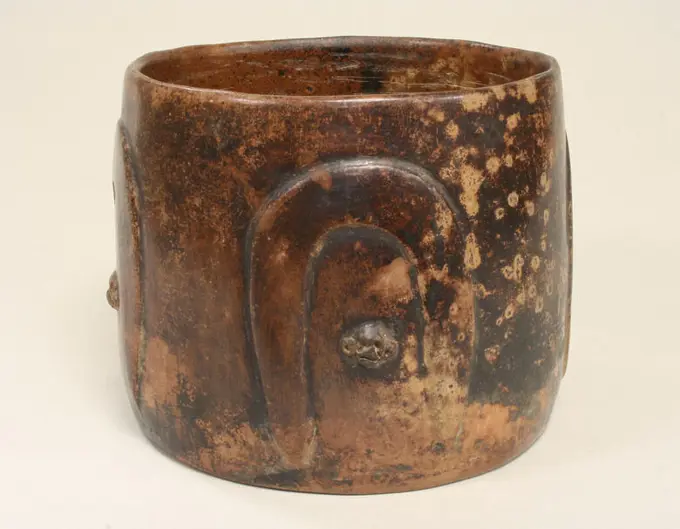
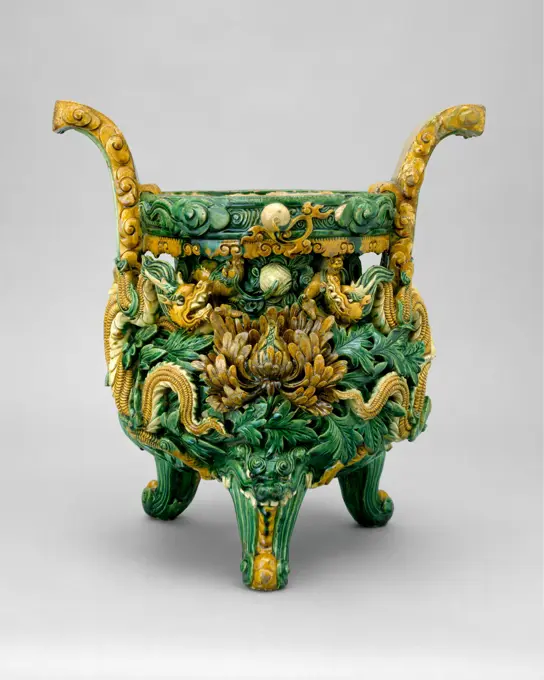
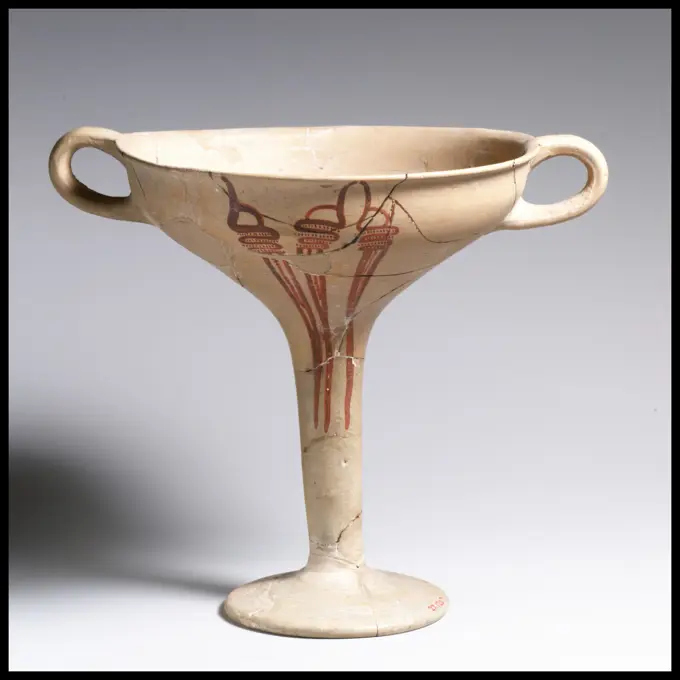
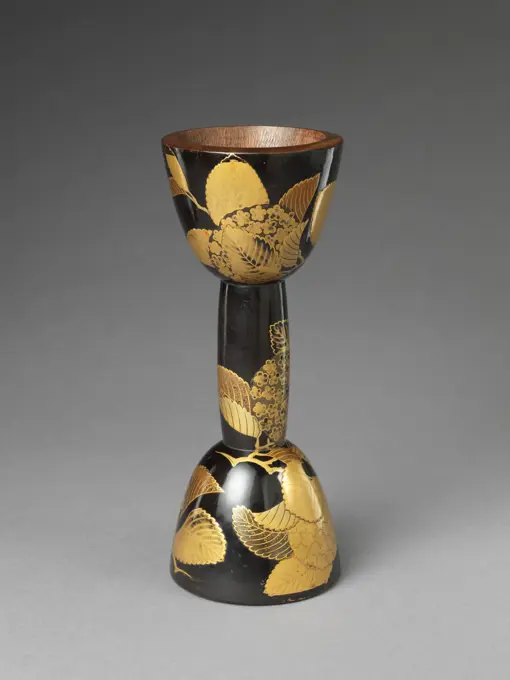
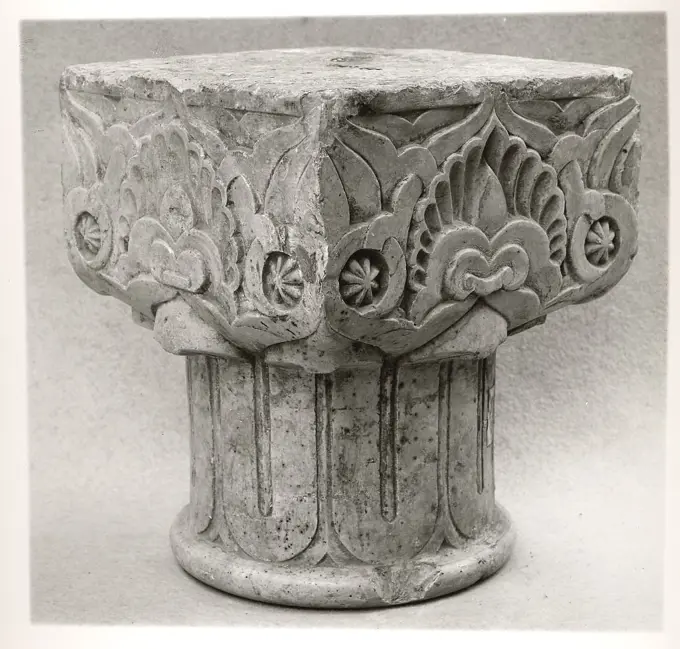
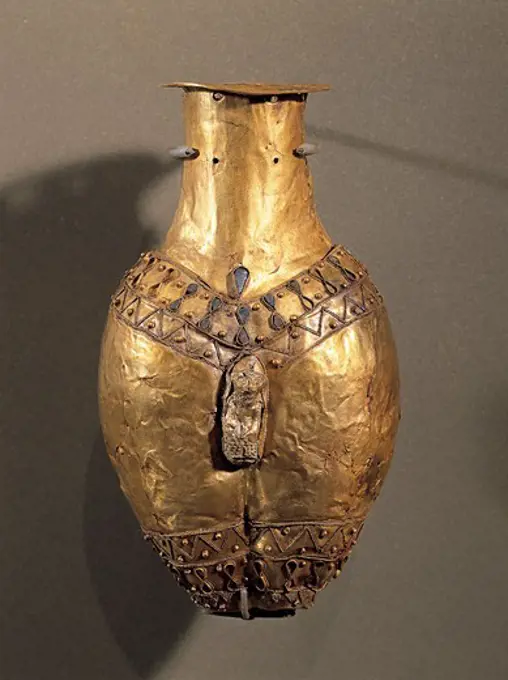
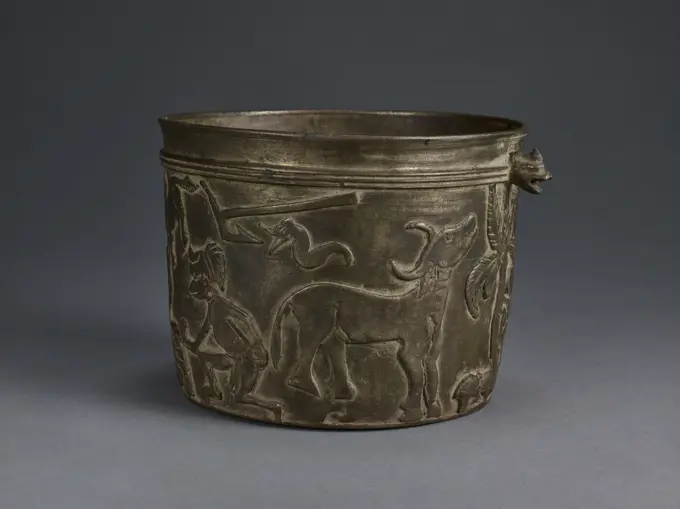
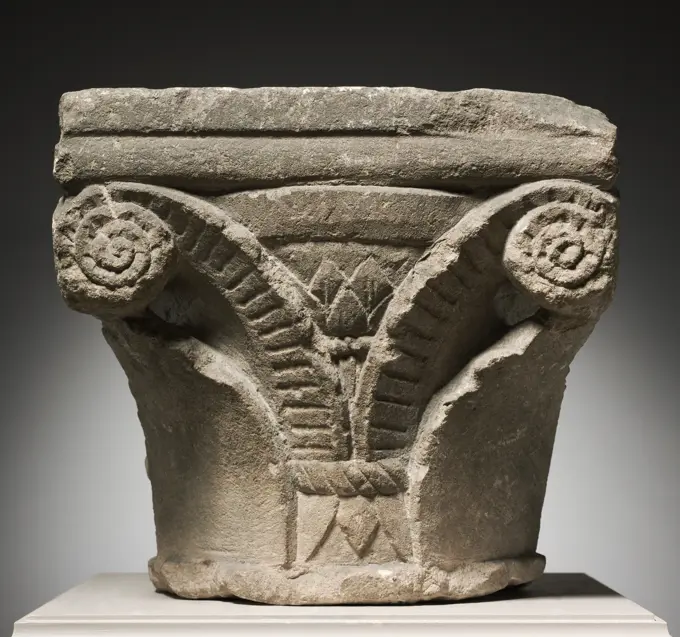
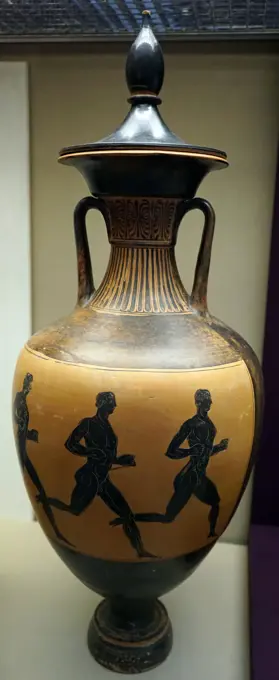
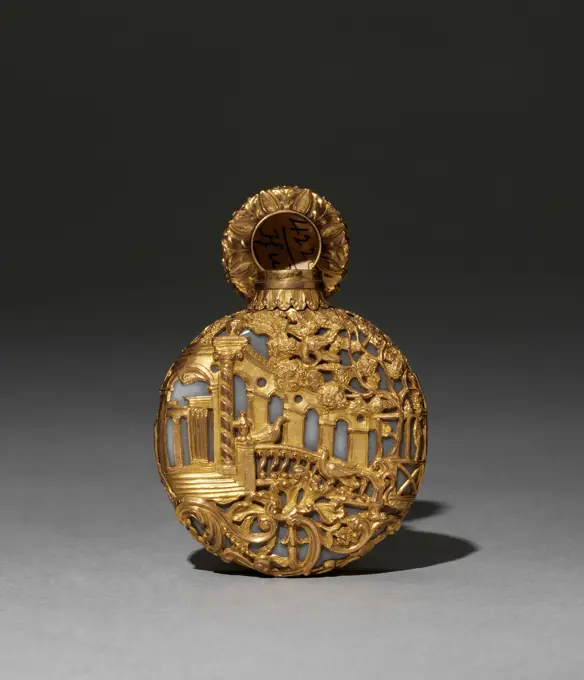
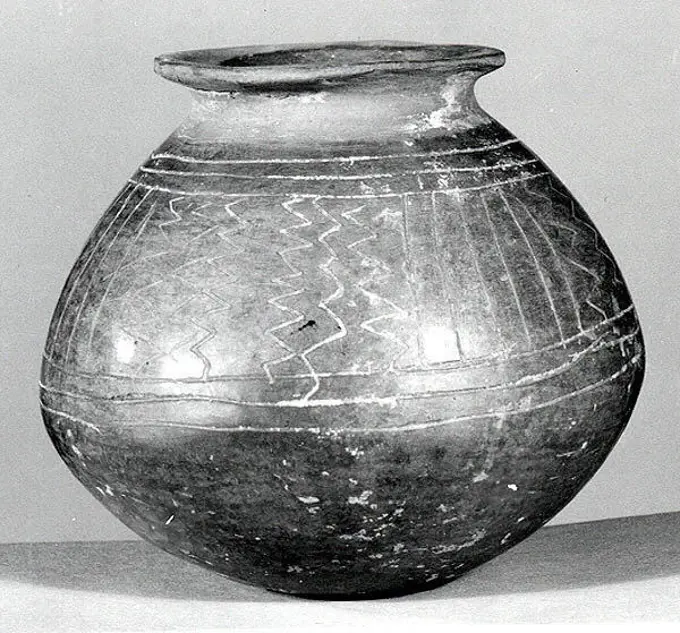
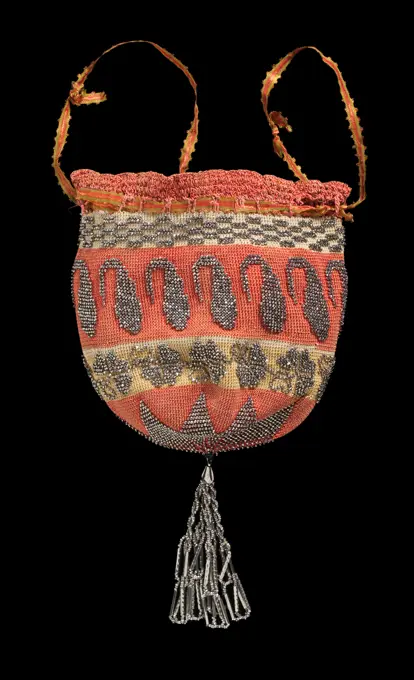
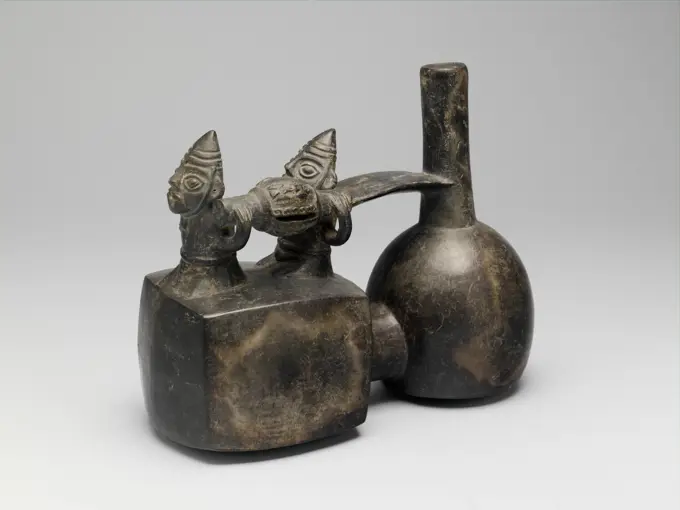
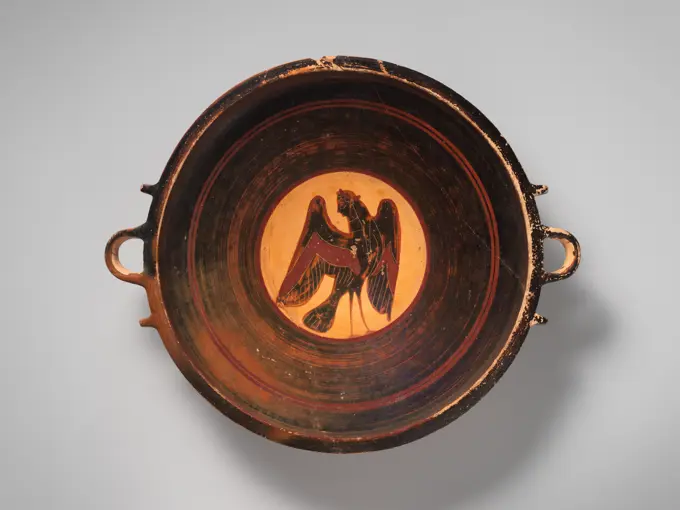
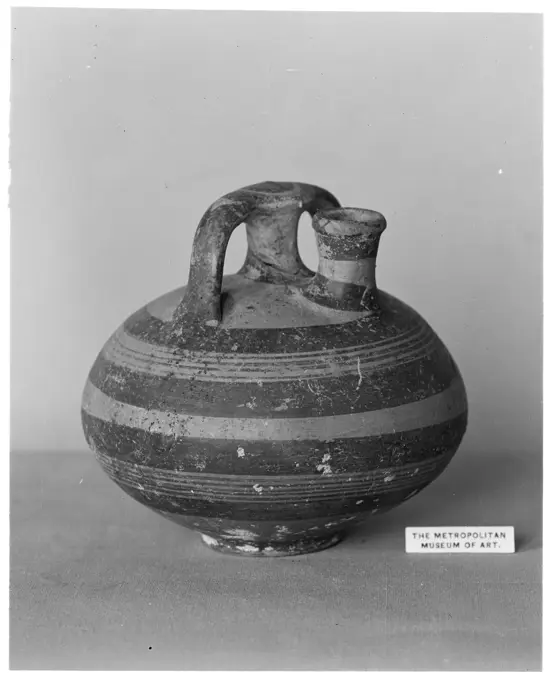
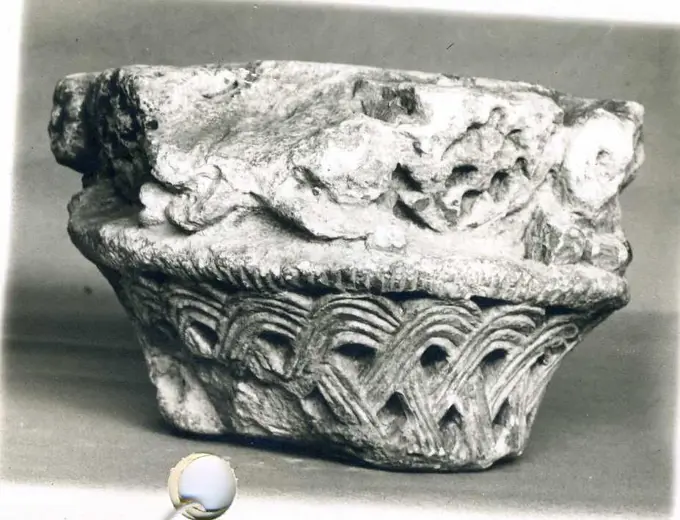
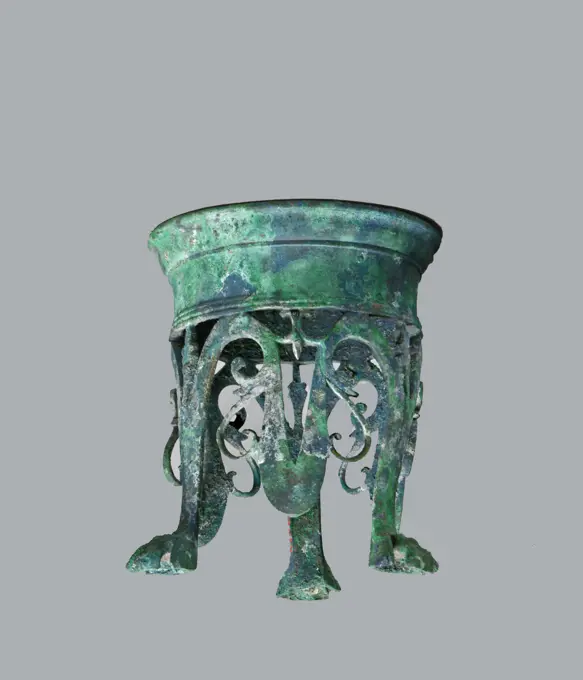
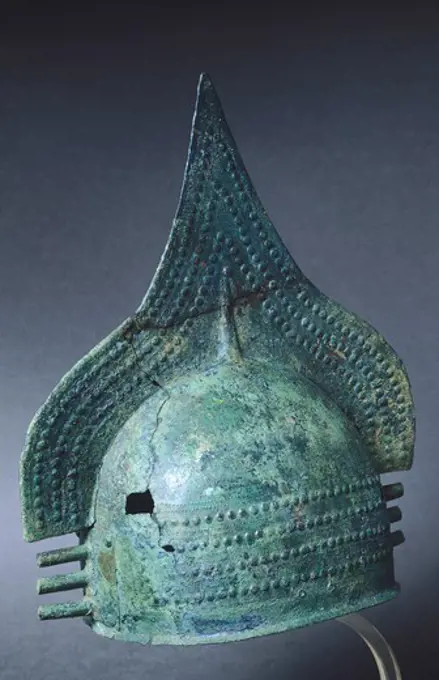
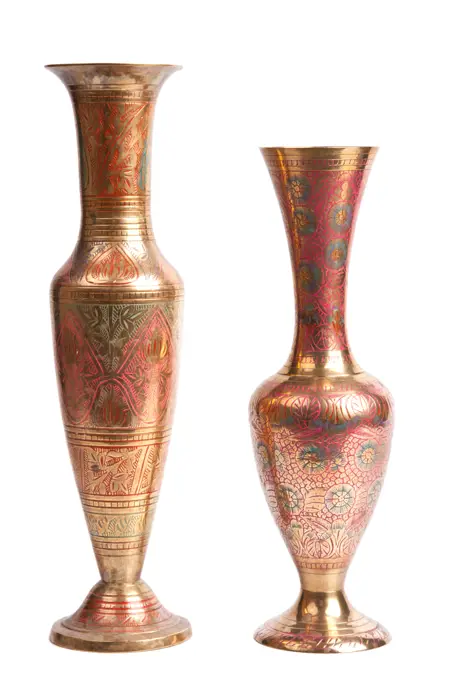
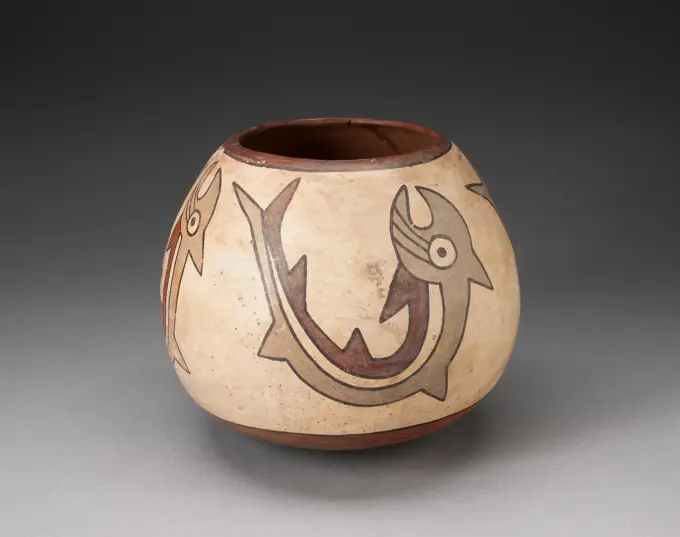
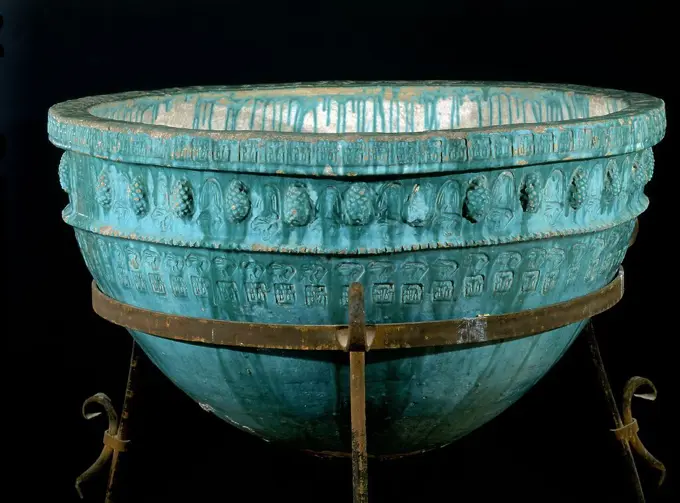
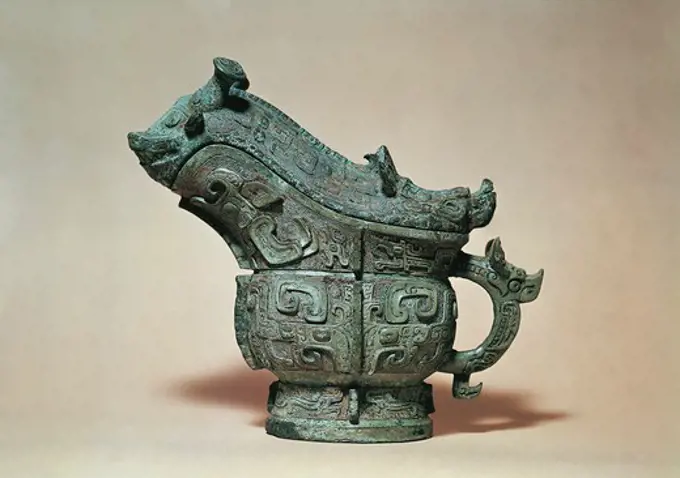
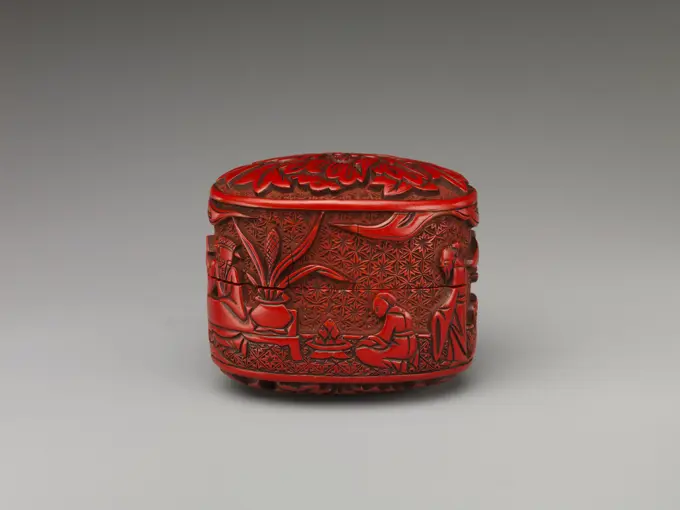
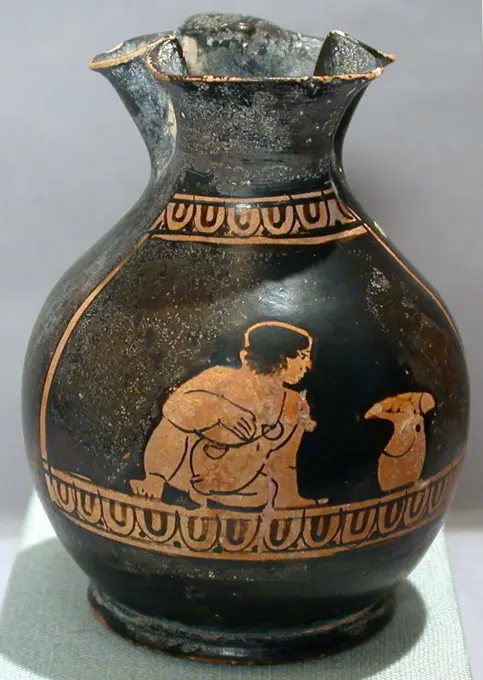
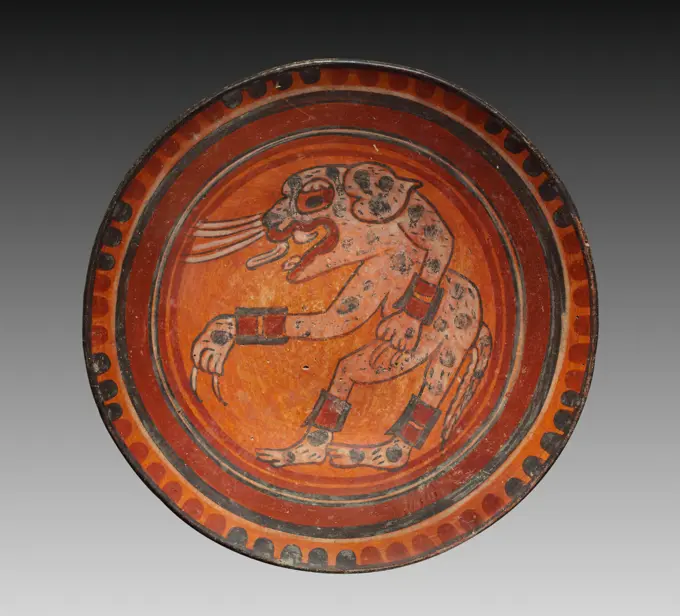
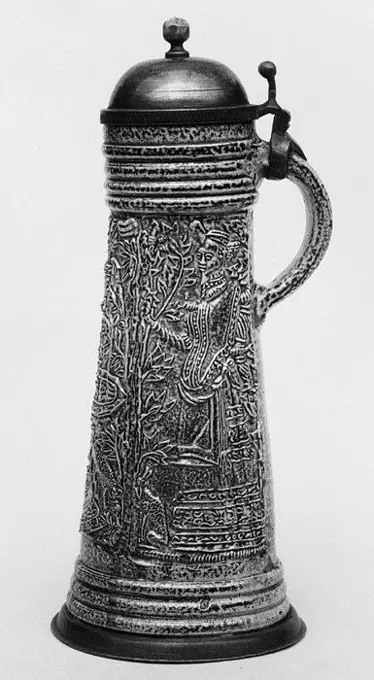
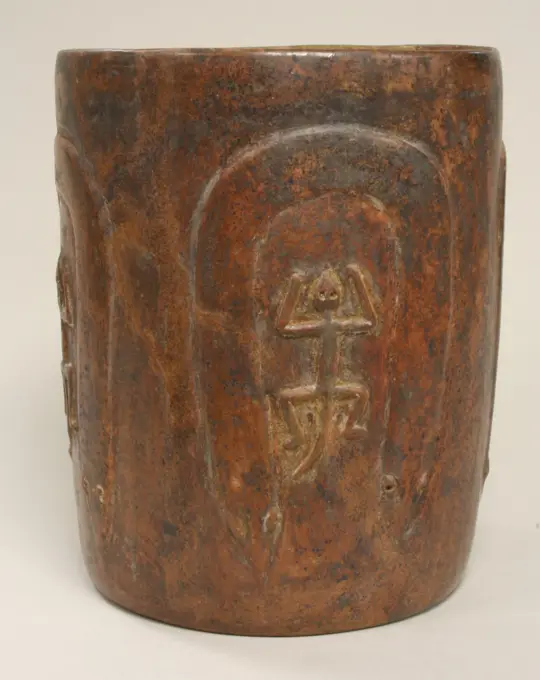
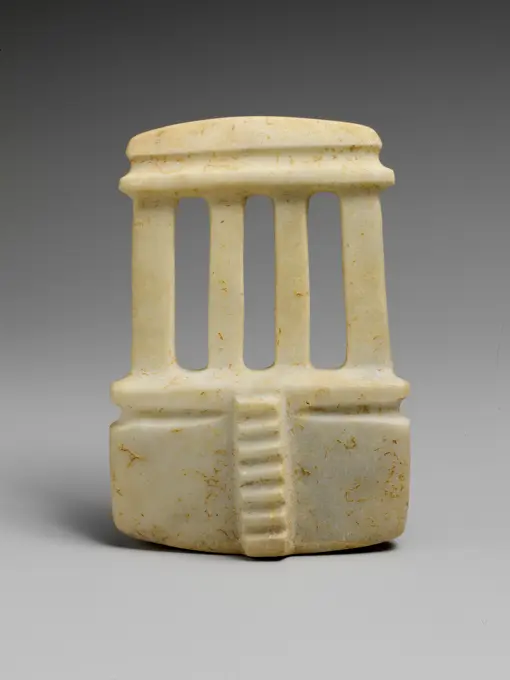
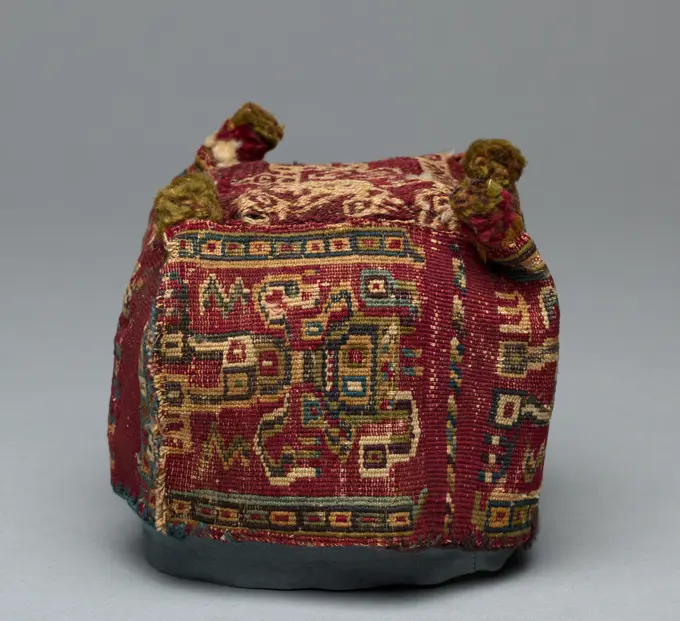
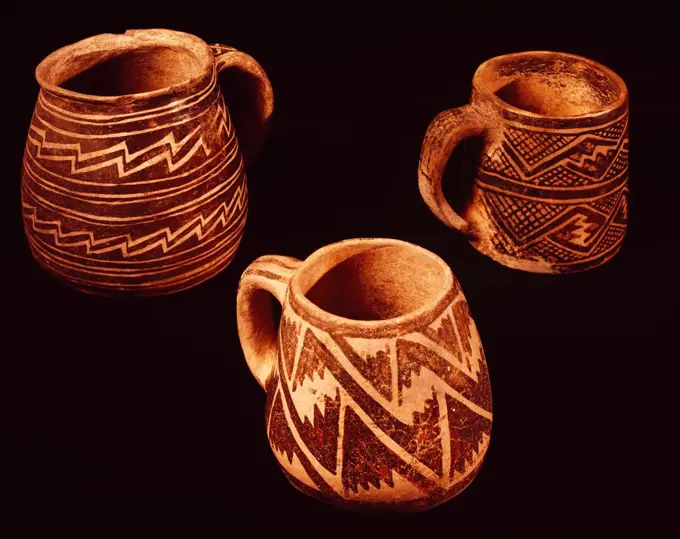
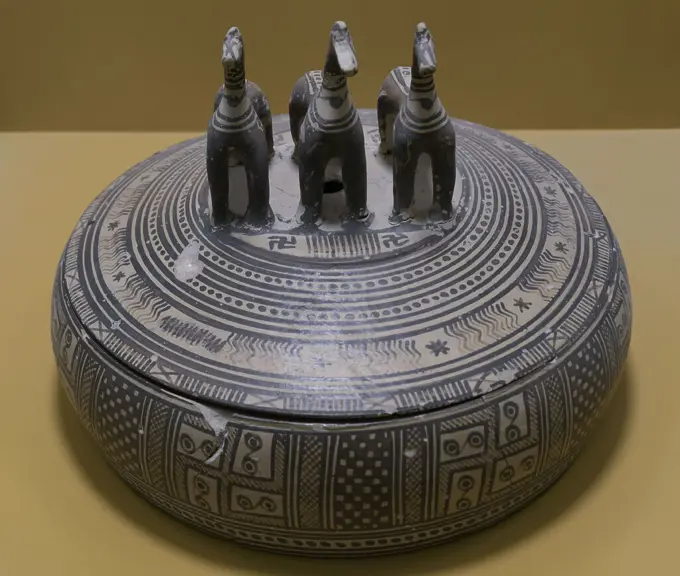
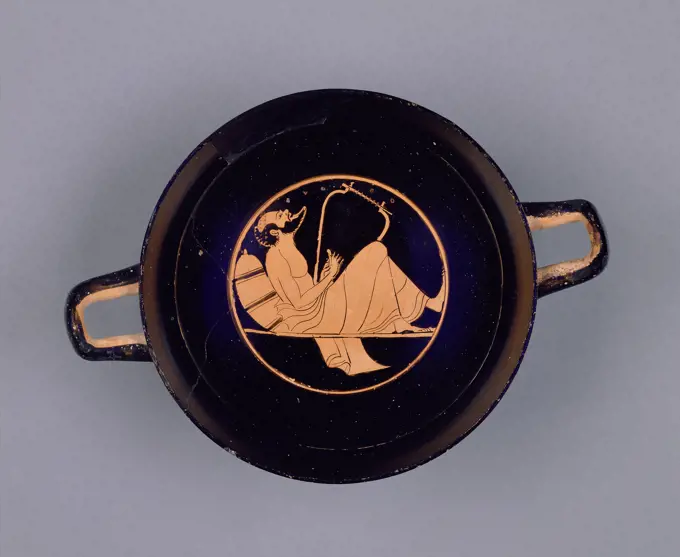
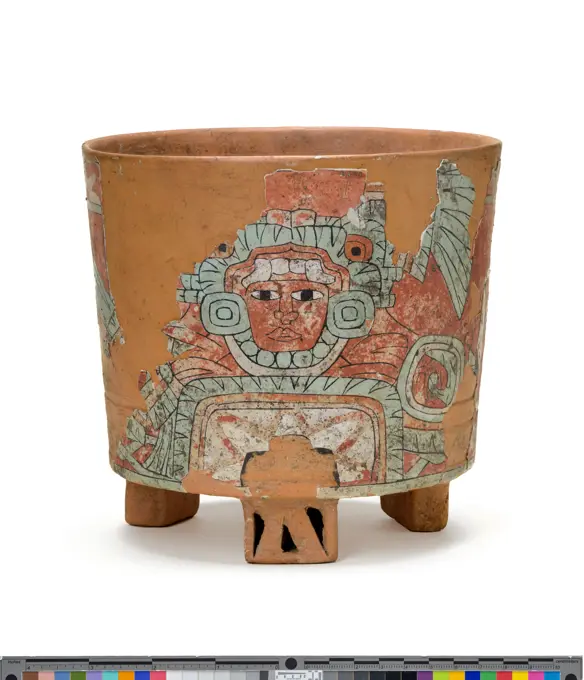
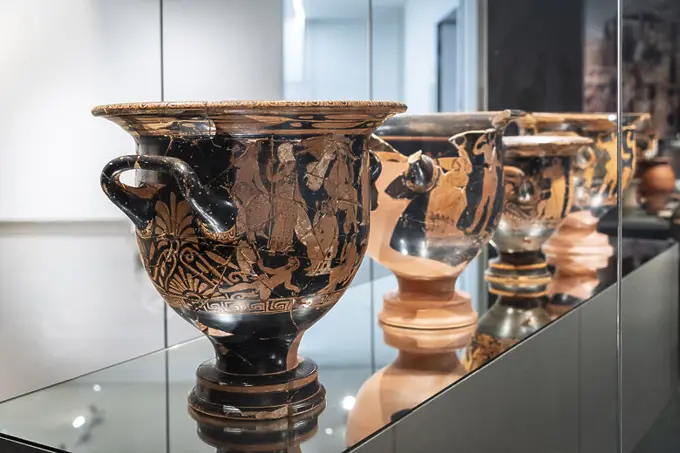
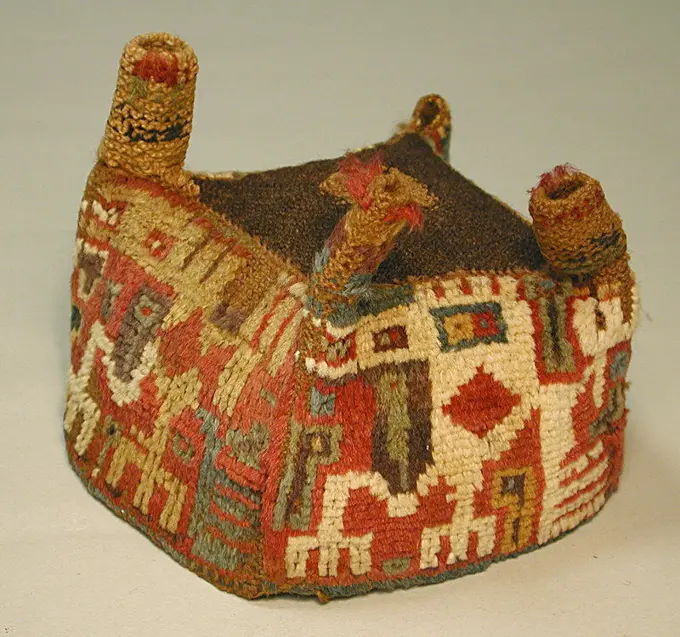
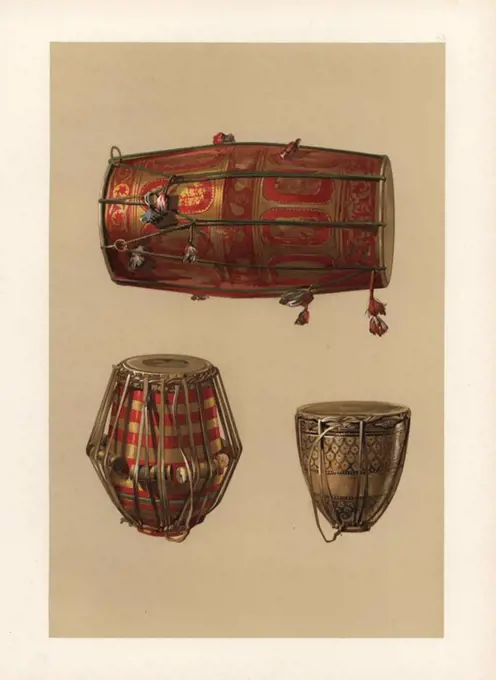
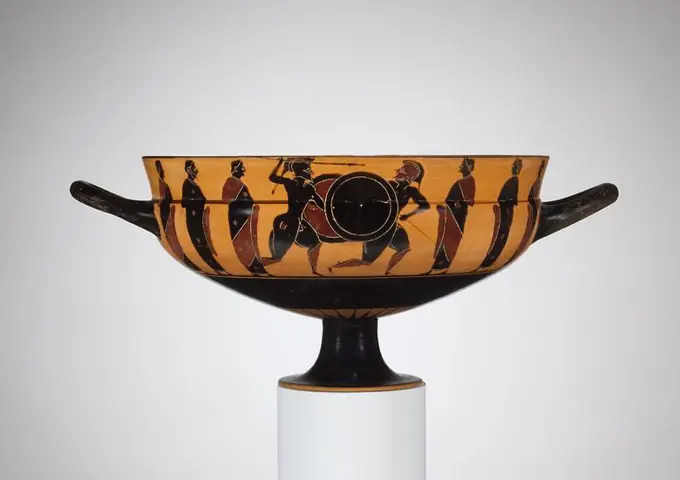
Terracotta kylix: Siana cup (drinking cup). Culture: Greek, Attic. Dimensions: H. 6 3/16 in. (15.7 cm)diameter 9 13/16 in. (24.9 cm). Date: ca. 560-550 B.C..Interior, runner.Exterior, obverse and reverse, combat between onlookers. Museum: Metropolitan Museum of Art, New York, USA.Cup or beaker 1748 Swedish, Stockholm. Cup or beaker 192133Cup decorated with horned animals ca. 4000-3600 B.C. This beaker has a narrow, flat base, straight sides, and an everted rim. It is made of buff clay, with painted brown decorations. These decorations feature a horned animal with a stylized body, a long neck, a curled tail, and undulating horns that extend to the rim. Wheel lines on the interior indicate that it was made on a potters wheel.The shape and decoration of this beaker closely resemble that of vessels excavated at Tepe Sialk, near Kashan in central Iran. The site of Sialk is spread over two mounds. The northern mound was inhabited from ca. 6000 to 4000 B.C., and the southern mound, where similar pottery to this was found, from ca. 4000 B.C. until 2500 B.C., when the site abandoned for nearly a millennium.The animal on this beaker, though seemingly some sort of caprid, cannot be identified with any specific species. No doubt this is intentional. Rather than illustrating the natural world as it appeared, the maker of this beakContainer with Supernatural Creatures and Four Legs in the Form of Bears. China, probably Guangxi or Yunnan Province, Early Western Han dynasty, about 206-100 B.C.. Furnishings; Accessories. Cast bronzeANFORA DE TRES ASAS-BARRO COCIDO BARNIZADO-PROCEDE DE IRAK-SIGLO II-III. Location: STAATLICHE MUSEUM. BERLIN. DEUTSCHLAND.Corinthian Vase (lid), 600s BC. Greece, 7th Century BC. Earthenware; overall: 14.5 cm (5 11/16 in.).Royal vessel of the reign of Pepi II Old Kingdom ca. 2289-2255 B.C. The thick walls of stone vessels helped to keep cool the valuable cosmetic oils and ointments they frequently held, and their exquisite workmanship and high quality underlined the precious nature of the contents. This toilet vessel bears the cartouches of Pepi II. View more. Royal vessel of the reign of Pepi II. ca. 2289-2255 B.C.. Travertine (Egyptian alabaster). Old Kingdom. From Egypt. Dynasty 6VASO ZOOMORFO DE TERRACOTA REPRESENTANDO UN EQUIDO (ESTILO PUNICO). DEPOSITO: MUSEO DE PUIG DES MOLINS.Jia wine vessel, 13th-12th century BCE, 10 13/16 × 7 1/2 × 7 13/16 in., 5.7 lb. (27.46 × 19.05 × 19.84 cm, 2.6 kg), Bronze, China, 13th-12th century BCEOvale vinaigrettehouder, anonymous, c. 1790 Oval vinaigrette holder () Of gilded silver with precious stones. The body first broadens itself to rejuvenate itself. The wall is made up of 12 segment -shaped standing panels of different types of precious stones. A gilded silver inner tray in the vinaigrette. Great Britain silver (metal). gilding (material). precious stone (material) gilding Oval vinaigrette holder () Of gilded silver with precious stones. The body first broadens itself to rejuvenate itself. The wall is made up of 12 segment -shaped standing panels of different types of precious stones. A gilded silver inner tray in the vinaigrette. Great Britain silver (metal). gilding (material). precious stone (material) gildingCinerary urn belonging to the Urn-field Culture (1000-700 BC), between the Late Bronze and the Iron Age. Bronze Age. Ceramics. SPAIN. CATALONIA. BARCELONA. Barcelona. Archaeology Museum of Catalonia. Proc: SPAIN. CATALONIA. GERONA. Agullana. Necropolis of Can Bech de Baix.Jug 750-600 B.C. Cypriot Geometric ornament, a large cross in front.. Jug. Cypriot. 750-600 B.C.. Terracotta. Cypro-Archaic I. VasesTubular Fitting. China. Date: 399 BC-222 BC. Dimensions: H. 14.4 cm (5 5/8 in.); diam. 3.6 cm (1 7/16 in.). Bronze inlaid with gold and silver. Origin: China. Museum: The Chicago Art Institute, Chicago, USA.Pot, c. 1930, 9 7/16 × 12 9/16 × 12 9/16 in. (23.97 × 31.91 × 31.91 cm), Clay, pigments, United StatesGreek imitation scyphus cup, Iberian culture, Archeological Museum. Úbeda, Jaén province, Andalusia, Spain.Vijzel with inscription Amor Omnia Vincit 1676, Gerhard Schimmel (attributed to), 1676 The cast round mortar extends upwards, has a high protruding border and a profiled base, which is applied higher than the bottom of the object. On the edge in Latin Majuskels the inscription Amor Omnia Vincit 1676 with punctures consisting of a six -leaf rose with six stamens (four times). The wall is decorated with two Frisians, which are worn. The top consists of a partially repeated motif of a mask with a trophy () And a cartouche on both sides, all surrounded by other ornament and connected by festons and with a pearl edge along the top and bottom. The lower frieze consists of an upper and bottom. The lower frieze consists of an owl between symmetrical terny with stylized flowers, acanthus leaves and two birds with spread wings (twice), and with a pearl edge along the bottom. Deventer bronze (metal) casting The cast round mortar extends upwards, has a high protruding border and a profiled base, wAfrica, Algeria. Pottery, Oumel Bouaghi, Algiers Bardo Museum.policrome ceramics, late postclassic, museum of the central square, Chichicastenango,.Bronze tripod bowl, Da Ke ding, Western Zhou period, Shanghai Museum, China.Pennsylvania German Puzzle Jug. Dated: c. 1938. Dimensions: overall: 40.7 x 30.9 cm (16 x 12 3/16 in.) Original IAD Object: 8" high. Medium: watercolor, graphite, and gouache on paperboard. Museum: National Gallery of Art, Washington DC. Author: Yolande Delasser.Cricket cage 18th-19th century China. Cricket cage. China. 18th-19th century. Gourd, ivory. Qing dynasty (1644-1911). Cricket cagesSnuff Bottle, 1750-1825, 2 7/8 x 1 3/4in. (7.3 x 4.4cm), Cinnabar lacquer, glass, ChinaBowl 19th century. Bowl 443161Cylinder Vessel. Culture: Colima. Dimensions: Height 7 in.Diameter: 8 in.. Date: 2nd-3rd century. Museum: Metropolitan Museum of Art, New York, USA.Incense Burner dated 1512 China. Incense Burner 42193Covered Jar mid-11th-12th century Cambodia. Covered Jar 38308Anthropomorphic VesselTerracotta kylix (drinking cup) with whorl shells ca. 1300-1190 B.C. Mycenaean The use of vertical whorl-shells is characteristic of decoration of the Late Helladic IIIB period.. Terracotta kylix (drinking cup) with whorl shells 252905 Mycenaean, Terracotta kylix (drinking cup) with whorl shells, ca. 13001190 B.C., Terracotta, H. 7 5/16 in. (18.5 cm.) Diameter 6 9/16 in. (16.6 cm.). The Metropolitan Museum of Art, New York. Gift of the Greek Government, 1927 (27.120.7)Octagonal box with pommel scrolls late 14th-early 15th century China. Octagonal box with pommel scrolls. China. late 14th-early 15th century. Carved black lacquer with red layers (tixi). Ming dynasty (1368-1644). LacquerSmall drum body (kotsuzumi) with hydrangea 18th century Japan In Japan, small hand drums called kotsuzumi, and the slightly larger tsuzumi, were played at temple dedications, for sarugaku and shirabyshi dances of the Kamakura period (1185-1333), and formed an important part of the musical accompaniment for the Noh and later the Kabuki theatre. Examples of double-headed, waisted drums were also used in popular entertainments until the end of the Edo period (1615-1868). The hourglass shape that characterizes this piece and other examples of tsuzumi reflects the manner of its use; the drum was held over the left shoulder, and the horsehide traditionally lashed to the core, to cover each cup-shaped drum head, would be struck with the palm of the right hand. The wooden body of this drum core was covered with layers of black lacquer upon which the flat maki-e (sprinkled gold) design was applied. Some of the lines were left in black reserve, while others were executed in gold hiramaki-e. ThCup Depicting Long-Necked Birds Made 180 BCE-500 CE Peruvian South Coast. Ceramic and pigment . NazcaCapital 15th century. Capital 454635Gold vase decorated with geometric patterns and with applied female figure, from Byblos, Temple of the Obelisks, LebanonGREECE, ATHENS, NATIONAL ARCHEAOLOGICAL MUSEUM, AMPHORA 760 BC LPZBowlVASIJA DE CERAMICA TRONCO-CONO PINTADA CON MOTIVOS GEOMETRICOS. Location: ARCHAEOLOGICAL MUSEUM. LAS PALMAS. GRAN CANARIA. SPAIN.Capital, 700s-800s. Italy, Migration period, 8th-9th Century. Marble; overall: 31.1 x 33.7 x 33.7 cm (12 1/4 x 13 1/4 x 13 1/4 in.).Panathenaic prize amphora with three runners. Dated 4th Century BCPear-Shaped Vessel with God L. Belize, Guatemala, Honduras, or Mexico, Maya, 800-950 CE. Ceramics. Slip-painted ceramicVASIJA TRIPODE - 1000-1500 - PROCEDENTE DE COSTA RICA. Location: MUSEO DE AMERICA-COLECCION. MADRID. SPAIN.Scent Bottle, 1800s. Germany (), 19th century. Blue-gray opaline glass mounted in gold; overall: 8.1 x 5.6 x 2.7 cm (3 3/16 x 2 3/16 x 1 1/16 in.).Jar with incised decoration ca. 2800 B.C. Iran This ceramic jar has a globular body, a flat base, a short neck and an everted rim. It is decorated with incised lines, both horizontal and vertical, as well as vertical zigzags. It is made of gray clay and has been burnished. It was excavated at Yarim Tepe in northeastern Iran, six miles south of the modern town of Gonbad-e Kavus. Yarim Tepe was a small settlement, inhabited from the Neolithic to the Parthian period, with many interruptions. This jar probably dates to the Early Bronze Age, when this region served as an important link between the emerging cities of Mesopotamia and Afghanistan, one of the few sources of both tin and lapis lazuli in the ancient Near East.. Jar with incised decoration 325598Woman's Bag (Reticule). Europe, 1830-1850. Costumes; Accessories. Silk crochet with metallic beads and silk plain-weave ribbonStirrup Spout Bottle: Litter Scene 1350-1470 Chimú. Stirrup Spout Bottle: Litter Scene 308414Lazio Roma Subiaco Monastery of S. Scolastica Archaeological Museum6. Hutzel, Max 1960-1990 Antiquities: Views of antiquities in museum, including sarcophagi, plates, vases, coins. General Notes: Hutzel guide says we have negatives, but we cannot find them. German-born photographer and scholar Max Hutzel (1911-1988) photographed in Italy from the early 1960s until his death. The result of this project, referred to by Hutzel as Foto Arte Minore, is thorough documentation of art historical development in Italy up to the 18th century, including objects of the Etruscans and the Romans, as well as early Medieval, Romanesque, Gothic, Renaissance and Baroque monuments. Images are organized by geographic region in Italy, then by province, city, site complex and monument.Terracotta lekane (bowl) mid-6th century B.C. Greek, Boeotian Sirens, represented as birds with female human heads, were fabulous creatures capable of luring men to destruction with their song. A siren decorates the interior of this bowl, and another encircles the outside along with panthers and a deer.. Terracotta lekane (bowl). Greek, Boeotian. mid-6th century B.C.. Terracotta; black-figure. Archaic. VasesFlaring flower vase, 18th century, Unknown Japanese, 8 1/2 × 8 5/8 × 8 5/8 in. (21.59 × 21.91 × 21.91 cm), Bronze, Japan, 18th centuryTerracotta stirrup jar ca. 1400-1300 B.C. Helladic, Mycenaean With spout and two handles, decorated in red with broad and narrow bands.. Terracotta stirrup jar. Helladic, Mycenaean. ca. 1400-1300 B.C.. Terracotta. Late Helladic IIIA. VasesOctagonal jar with cover 19th century China. Octagonal jar with cover 46251Ceramic pitcher with geometric decoration in the form of spirals. Second half of the 16th century BC. From Akrotiri (Thera). National Archaeological Museum. Athens, Greece.Fragment of a Capital with a Basket-Weave Pattern and Crosses 6th-7th century In the 500s Apa (Father) Jeremias founded a Coptic monastery at Saqqara, the ancient Egyptian necropolis (cemetery) of the city of Memphis, near the oldest pyramids. He and the earliest monks lived in tombs at the site. As the monastery grew, several grand churches with lavish decoration were built, as well as many chapels, public buildings, and complexes of cells (rooms) for each monk. The monastery continued to grow after the Arab conquest with materials from early Byzantine tomb structures being reused for additional monastic structures. Inscriptions record prayers to numerous holy figures. Sculptural elements from Saqqara are often carved with deeply undercut patterns to intensify the play of light and shadow and to mask the solidity of the architecture. This sculptural style was popular throughout the Byzantine world in the 500s.. Fragment of a Capital with a Basket-Weave Pattern and Crosses 456176Carved wooden basket with flowers, fragment of paneling, ornament wood carving sculpture footage wood.Pyksis z pokrywką. nieznany warsztat beocki, authorBronze stand 1st century A.D. Roman A circular disk, set in a rim which rests on three legs. The legs terminate in paws and continue above into arabesque patterns in the spaces between the legs.. Bronze stand. Roman. 1st century A.D.. Bronze. Imperial. BronzesCrested helmet with bronze covering, from Fermo, Marche, Italy. Italic Civilization, 8th Century BC.Two stamped brass vases isolated on white backgroundRounded Jar Depicting Abstract Fish or Sharks Made 180 BCE-500 CE Peru. Ceramic and pigment . NazcaEAST GERMANY, MEISSEN, PORCELAIN MUSEUM, DISPLAYCovered Wine Vessel (Jiao) 13th-11th century BC China. Covered Wine Vessel (Jiao) 53553 China, Covered Wine Vessel (Jiao), 13th11th century BC, Bronze, H. incl. knob 9 1/8 in. (23.2 cm); W. at handle 3 3/4 in. (9.5 cm); L. 6 5/8 in. (16.8 cm). The Metropolitan Museum of Art, New York. Gift of Mrs. Edward S. Harkness, 1946 (46.55.2a, b)PILA BAUTISMAL SEVILLANA CON PIÑAS EN RELIEVE Y ESTAMPILLADOS - ATURQUESADO - SIGLO XIV/XV. Location: PRIVATE COLLECTION. Sevilla. Seville. SPAIN.Guang (wine pitcher) decorated with a tao tieh design, Shang dynasty, bronzeGreek civilization, Amphoras, from Eretria, GreeceBox with figures in a landscape and peony 18th century Japan Unlike most netsuke, this red carved lacquer box could have been opened and may have held medicine or seal ink.. Box with figures in a landscape and peony 59273Drum, 1832 musical instrument. percussion instrument. drum Trom of the militia. The brass kettle is equipped with a veal sheet on both sides, held by a hoop and tense by means of a tension with tractors and screws. Both hoops are decorated with a motif of triangles in the colors red, white and blue. With engraved numbers: 1832-29. Netherlands Kettle: Brass (Alloy). Hoop: Wood (Plant Material). Team resorts: RopeTerracotta chous late 5th century B.C. Greek, Attic Toward the end of the 5th century B.C., Athenian potters and painters created a large number of miniature vessels decorated with scenes involving young children. They are connected with the Anthesteria, a three-day celebration of the new vintage of wine and the arrival of spring, in which children also participated. These little vessels are called choes (sing. chous), which means libations, after the name of the second day of the festival. They provide additional insights into the lives of Greek children. Terracotta chous 330014Terracotta kylix (drinking cup). Culture: Greek, Attic. Dimensions: 3 5/8in. (9.2cm). Date: ca. 350 B.C..In the tondo, Eros driving three-horse chariotThe cup is noteworthy for its very fine potting with vertical ribbing on the exterior of the bowl. Museum: Metropolitan Museum of Art, New York, USA.Plate, c. 800. Mexico, Campeche, Maya. Earthenware with colored slips; overall: 6.5 x 41.5 cm (2 9/16 x 16 5/16 in.).Prehistory, Denmark, Bronze Age. Female ornaments: collar, bracelet, buckle. From Kertinge.Tankard (Schnelle) ca. 1560-70 Workshop of Eigelstein German stoneware tankards were brought to America in large numbers on Dutch fur-trading ships. Shards of these popular vessels have been uncovered at seventeenth century sites in New York and New England.. Tankard (Schnelle) 201755Torah scroll case (Tik), early 20th century, 37 1/2 x 11 5/16 x 11 11/16 in. (95.25 x 28.73 x 29.69 cm) (closed, overall), Brass, cloth, beads, wire, Iraq, 20th centuryDrinking Vessel Depicting Otherworldly Toad, Jaguar, and Serpent. Mexico, Southern Campeche, Maya, 650-800 CE. Ceramics. Slip-painted ceramicTriple Covered Box with Branches of Floral Heads. China. Date: 960 AD-1279. Dimensions: H. 5.7 cm (2 1/4 in.); diam. 7.3 cm (2 7/8 in.). Celadon-glazed stoneware with molded and applied decoration. Origin: China. Museum: The Chicago Art Institute, Chicago, USA.Cylindrical Vessel 2nd century B.C.-A.D. 3rd century Colima. Cylindrical Vessel 310361CombBROCAL DE POZO CORDOBES - SIGLO XIII-XIV - DECORACION ESTAMPILLA E INCISA. Location: MUSEO ARQUEOLOGICO-COLECCION. CORDOBA. SPAIN.Pigsty with Tower. China. Date: 25 AD-220 AD. Dimensions: 26.3 × 25.0 × 28.5 cm (10 3/8 × 9 13/16 × 11 1/4 in.). Earthenware with green lead glaze. Origin: China. Museum: The Chicago Art Institute, Chicago, USA.Temple 1st-8th century Mezcala. Temple 317125BOTE DE FARMACIA VIDRIADO Y DECORADO AL MODO ARABE DEL S XV-ARTE POPULAR. Location: ALFARERIA. SPAIN.Four-Cornered Hat, c. 700-1100. Peru, South Coast, Wari Culture, Middle Horizon, 8th-12th Century. Sides: cotton and wool plain cloth, brocaded; top: wool fancy cloth (); overall: 10.8 x 13 x 13 cm (4 1/4 x 5 1/8 x 5 1/8 in.).Ancestral Pueblo mugs, Pueblo II-III, McElmo Black-on-White in front and two Mesa Verde Black-on-White mugs in back, Edge of the Cedars State Park Museum, Blanding, Utah. (ECPR-3445, ECPR-3754. ECPR-3335)   Mugs owned by the Utah Navajo Development Council / Utah Navajo Trust Fund.  Contact Fred Hirschmann prior to any publication.Apulian red-figured stemless-cup, 4th Century, cm 7 diamentro orlo 13.8 cm, piede 5.8 cmPyxis and lid with handle in the form of three terracotta horses, 725-700 BC. Offering from a woman's grave in the family burial ground, to the southeast of the Tholos of Athens. Late Geometric Period. Museum of the Ancient Agora. Athens, Greece.Wine Cup with a Singing Reveler; Epiktetos (Greek (Attic), active about 520 - 490 B.C.); Athens, Greece; about 510 B.C; Terracotta; 7.8 × 25.3 × 18 cm (3 1,16 × 9 15,16 × 7 1,16 in.)Tassilo Communion Cup Artisti Unknown Terracotta pyxis (box) with lid ca. 460 B.C. Attributed to the Painter of Philadelphia 2449 Interior scene with six women conversing and working woolThe woman to the right of the column, who has just arrived, offers a long fillet (band) to her seated friend and receives a flower in return. Behind her, another woman walks toward a seated woman holding up a necklace. Two women work wool. One stands with a distaff in her left hand. From the hank of wool wound around it, she has drawn out a length of fibers and is twisting them into yarn with her right hand by twirling the long spindle that hangs over a wool basket. The other woman sits with one leg propped up and her skirt raised above the knee. She apparently is winding wool into a skein and drawing the yarn over her leg to prevent it from snarling.. Terracotta pyxis (box) with lid. Greek, Attic. ca. 460 B.C.. Terracotta; red-figure. Classical. VasesTripod Vessel with Image of Warrior. Mexico, Basin of Mexico, Teotihuacan, Teotihuacan, 450-650 CE. Ceramics. Stuccoed Thin Orange ceramic with postfire applied pigmentsWhite-ground alabastron (perfume bottle) showing an armed Amazon warrior, in a trouser suit Greek, made in Athens, about 470 BCthe hero and the goddess, bell crater from the funerary chamber of Prince Iltirtiiltir, 4th century BC, necropolis of Piquia, Arjona, Iberian culture, Iberian Museum of Jaén, Andalusia, Spain.Four-Cornered Hat 7th-9th century Wari Finely woven, brightly colored hats, customarily featuring a square crown, four sides, and four pointed tips, are most frequently associated with two ancient cultures of the Andes: the Wari and the Tiwanaku. The Wari Empire dominated the south-central highlands and the west coastal regions of what is now Peru from 500-1000 A.D. The Tiwanaku occupied the altiplano (high plain) directly south of Wari-populated areas around the same time, including territory now part of the modern country of Bolivia. The cultures not only developed and flourished as contemporaries, but also occupied adjacent lands for nearly four centuries. A Wari ceremonial center called Cerro Baúl was located a mere five miles from Tiwanaku-settled fields in the Moquegua Valley of Peru. The two cultures likely encountered each other at Cerro Baúl and elsewhere, but the nature of these interactions remains largely unknown. Four-cornered hats from both the Wari and the Tiwanaku were Ancient China: Pale green glazed pottery, granary vessels (Qingbai) , Sung Dynasty, 960 - 1279 AD. With decorative reliefs showing dragons, tortoises, snakes and monks.Clay jug. Ancient amphora with pattern greek cup and other vessel vector cartoon pictures isolated. Illustration of clay old ancient vase, antique jar. Clay jug. Ancient amphora with pattern greek cup and other vessel vector cartoon pictures isolatedCypriot clay vessels, Cyprus, vases, flasks and jugs, Historic, digitally restored reproduction of a 19th century original, exact date unknown, EuropeSet of ancient vase hand drawn ink sketch. Engraved style vector illustration.Indian percussion instruments: small copper tabla (right), m'ridang with striped body and leather braces (left) and earthenware tam-tam played by street musicians called Nahabat (top). Chromolithograph from an illustration by William Gibb from A.J. Hipkins' "Musical Instruments, Historic, Rare and Unique," Adam and Charles Black, Edinburgh, 1888. Alfred James Hipkins (1826-1903) was an English musicologist who specialized in the history of the pianoforte and other instruments. William Gibb was a master illustrator and chromolithographer and illustrated "The Royal House of Stuart" (1890), "Naval and Military Trophies" (1896), and others.Old jug on shelves. Antique vessel in museum history clay cups and amphoras vector cartoon concept. Illustration of exhibition ancient amphora, pottery exposition. Old jug on shelves. Antique vessel in museum history clay cups and amphoras vector cartoon concept