Decorative Animal Figurines

Artistic small sculptures of animals, including frogs and kangaroos, highlighting intricate craftsmanship from different cultures.

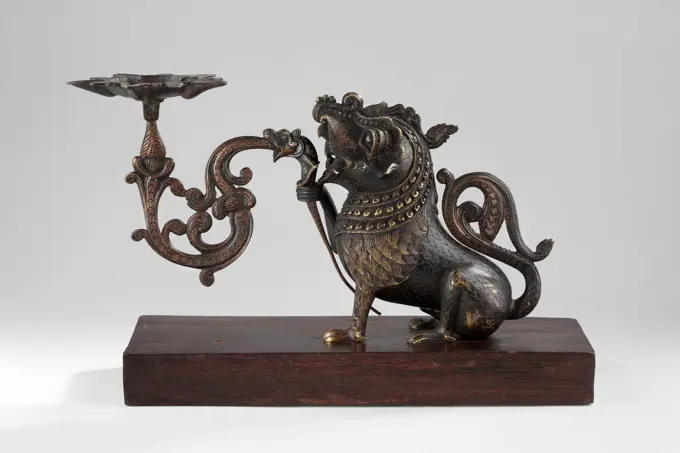
Lamp, Turkey; 4th - 5th century; Bronze; 2.8 × 3.1 × 8.3 cm (1 1,8 × 1 1,4 × 3 1,4 in.)
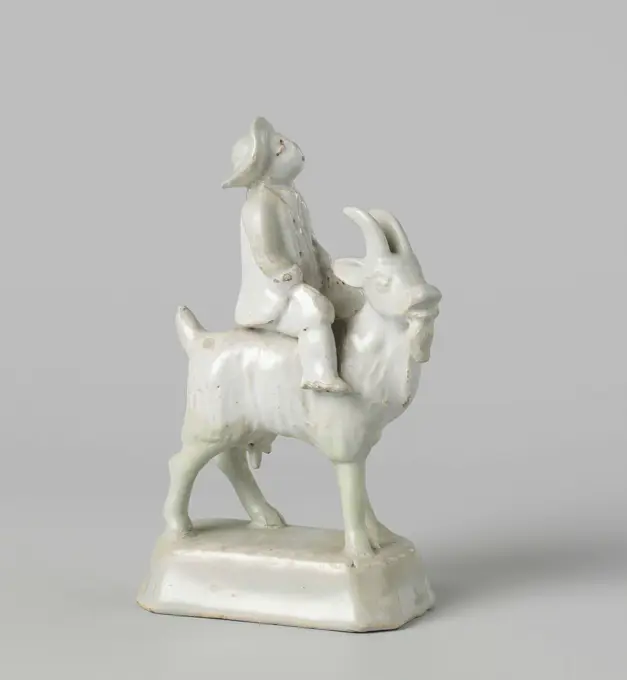
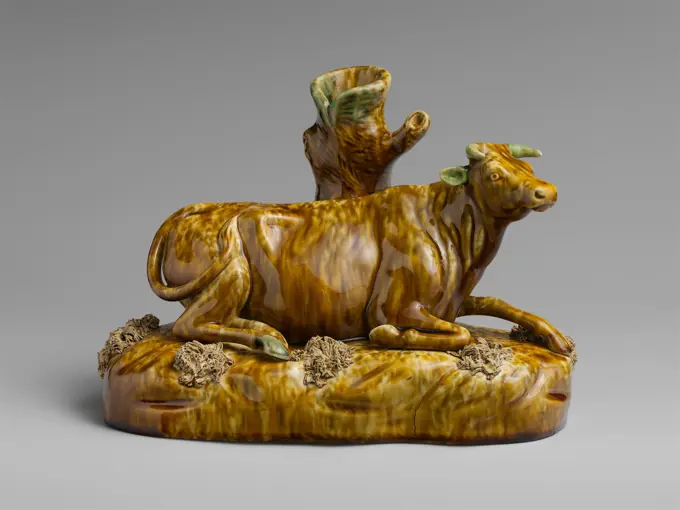
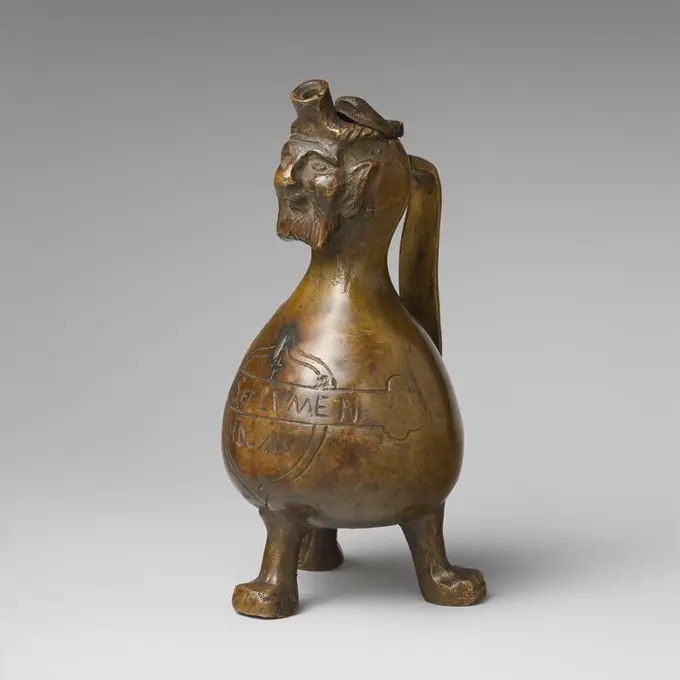
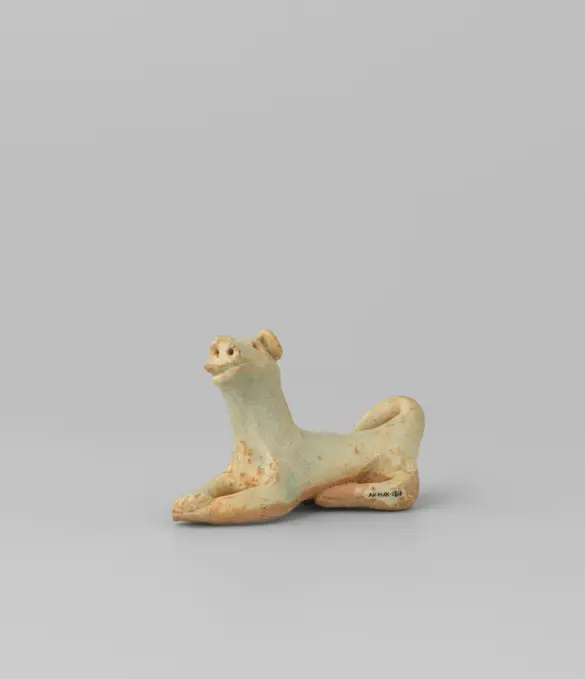
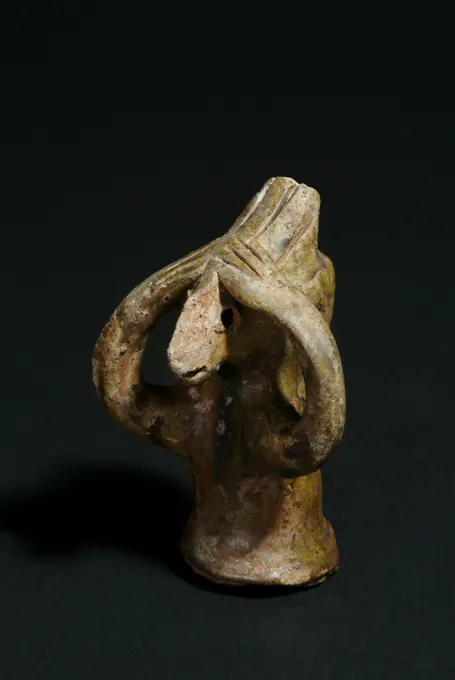
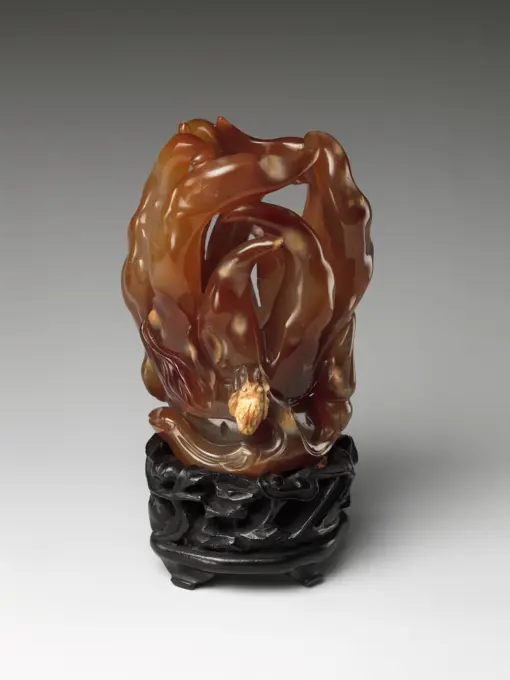
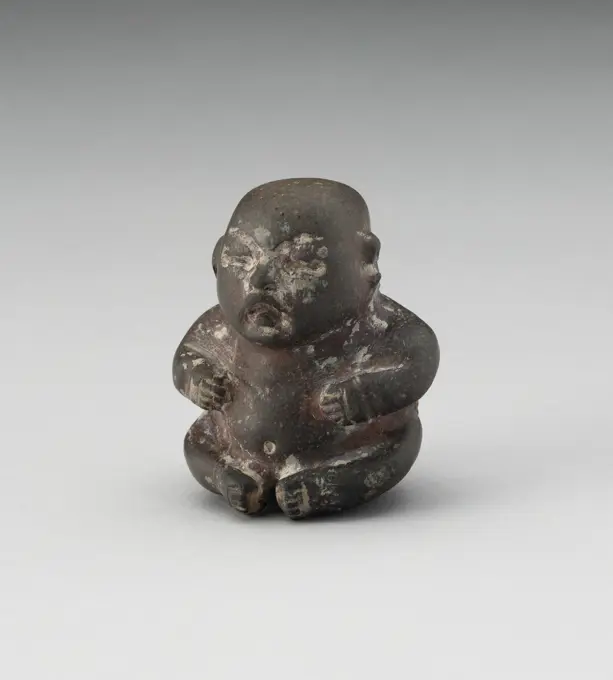
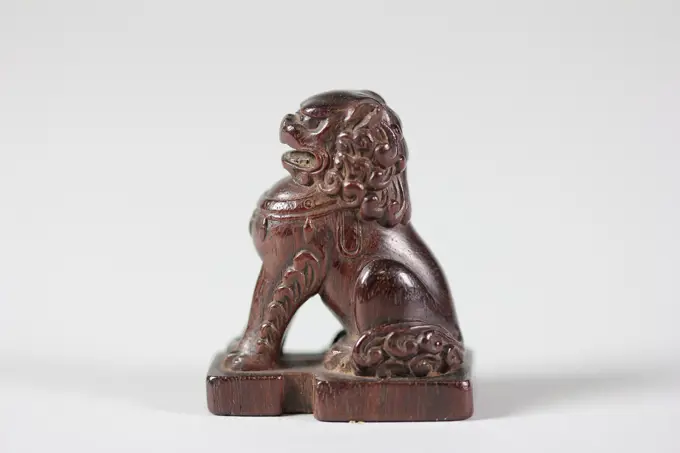
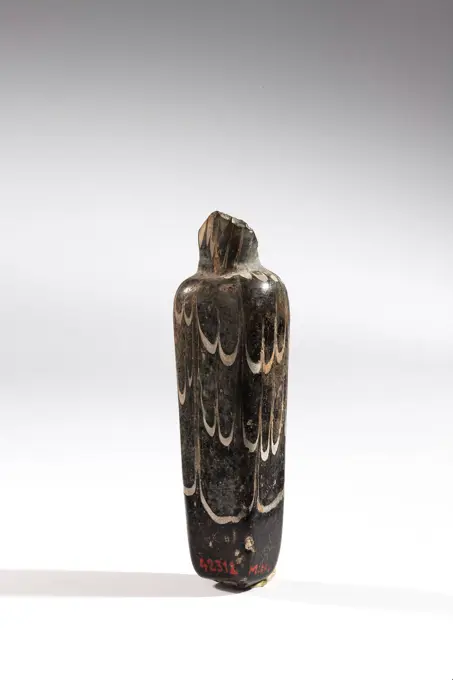
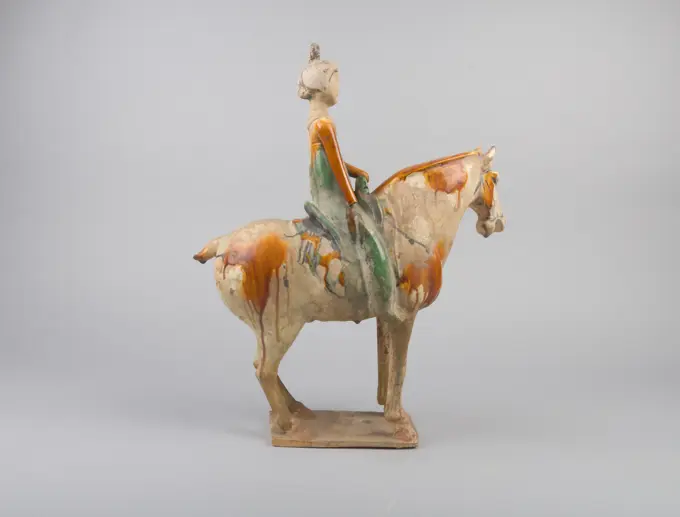
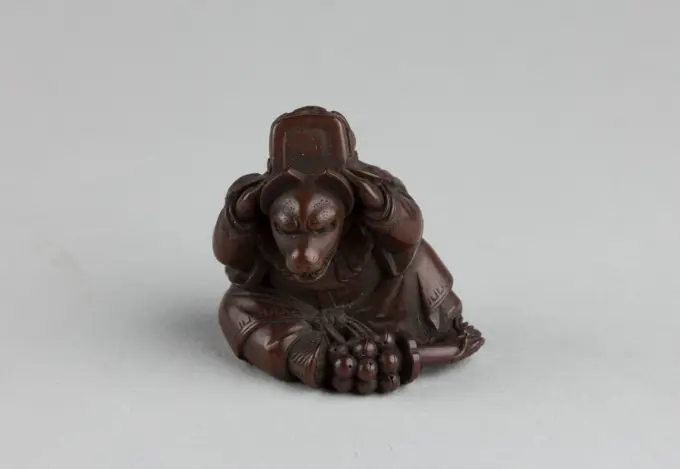
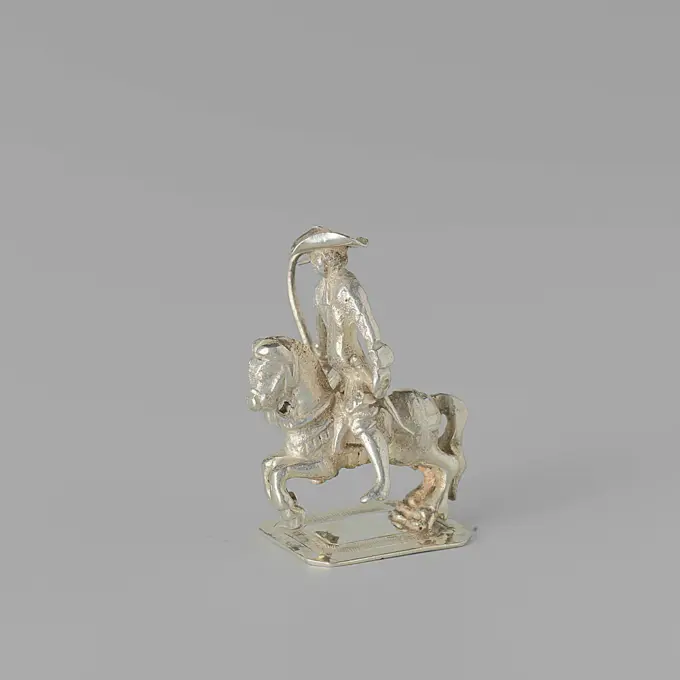
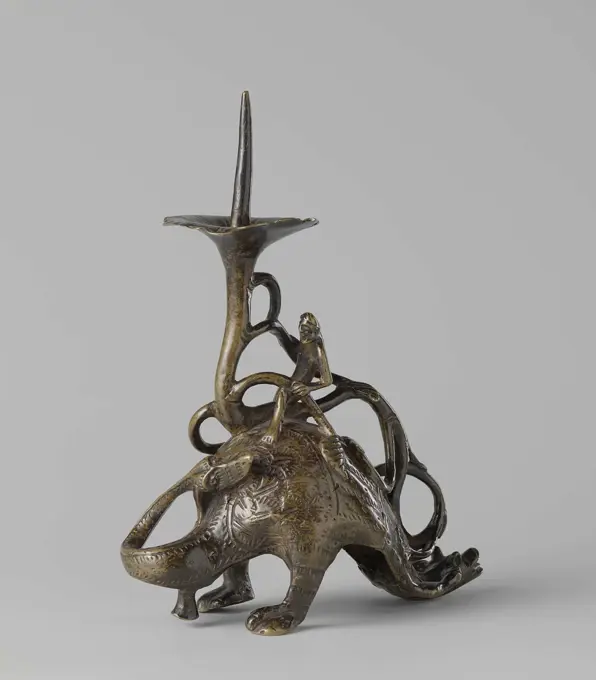
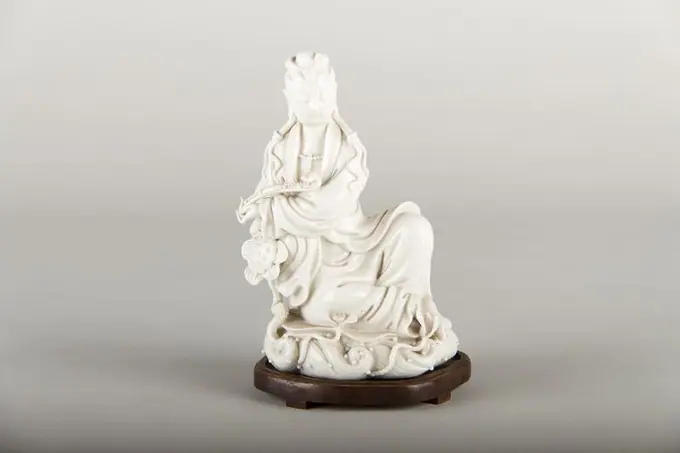
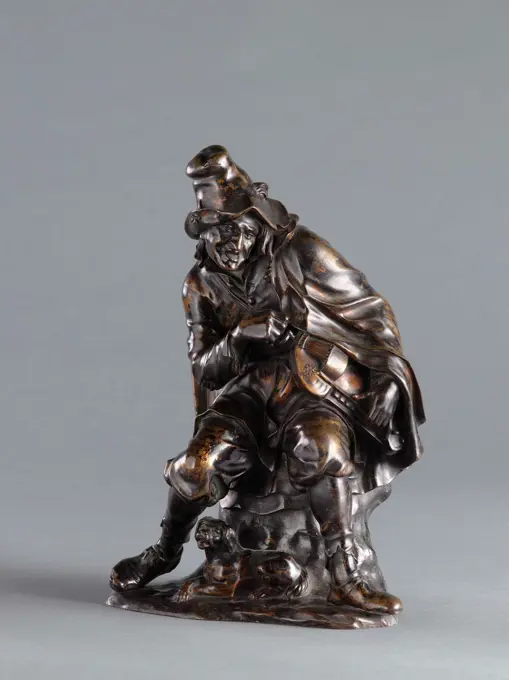
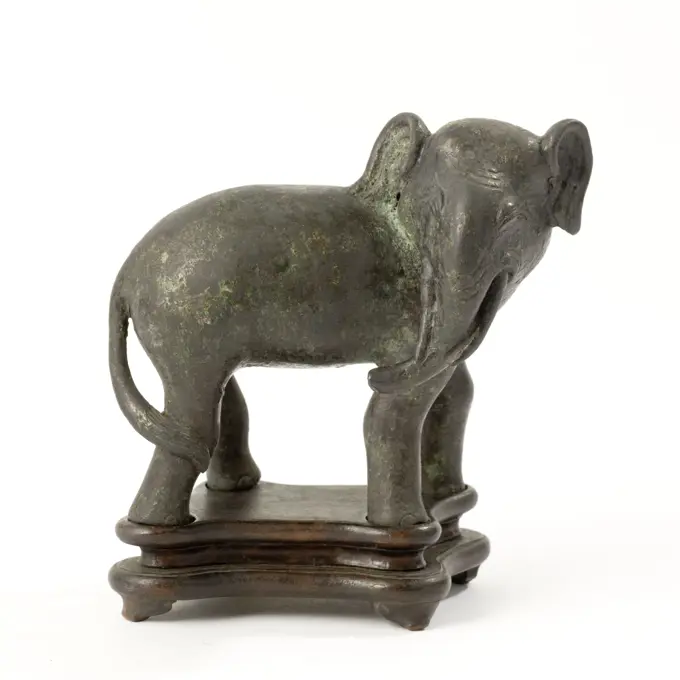
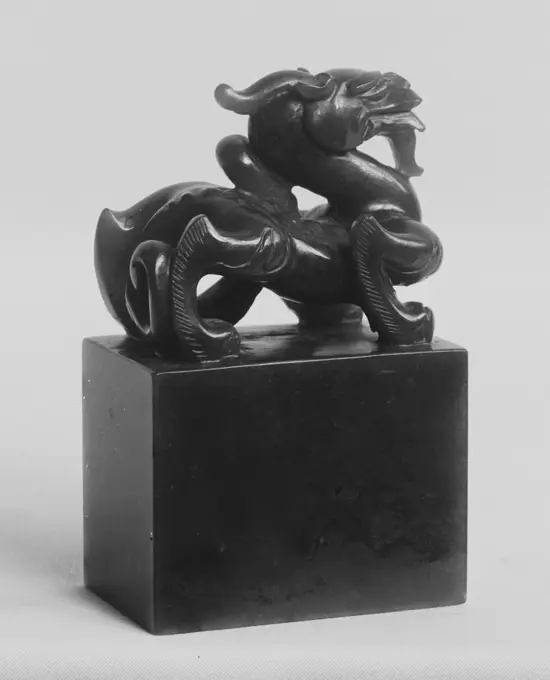
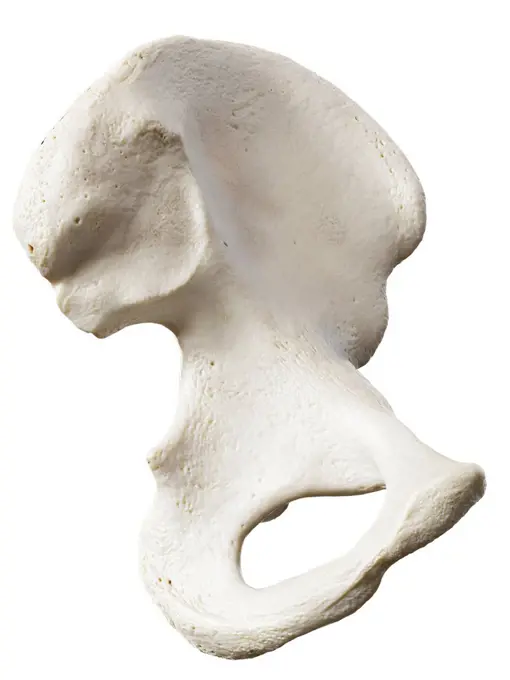
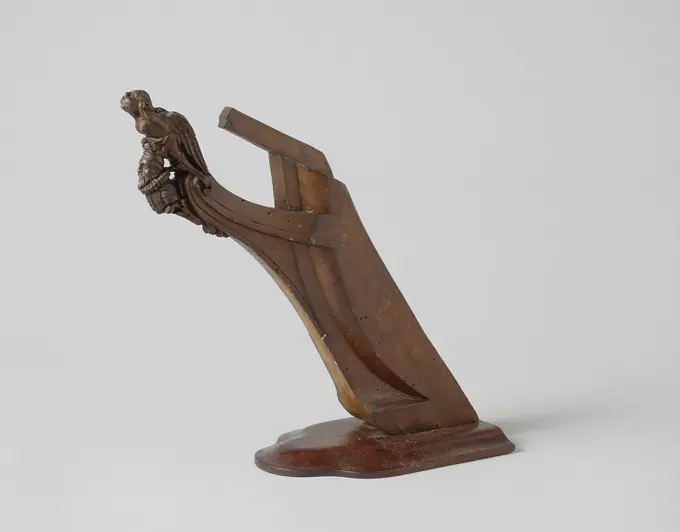
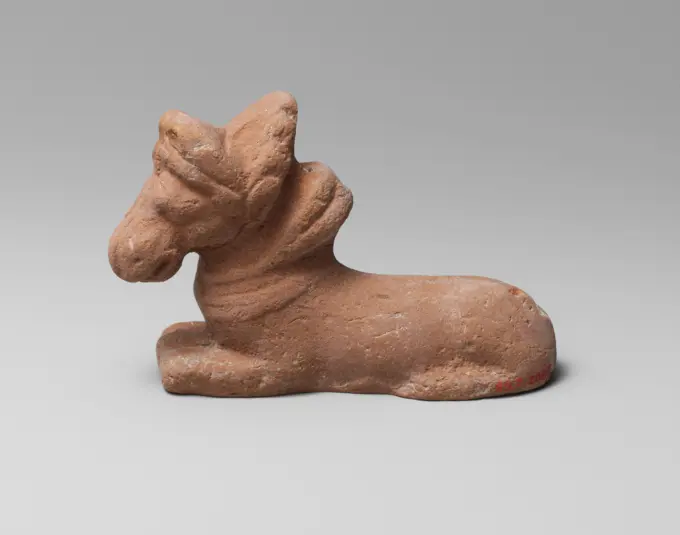
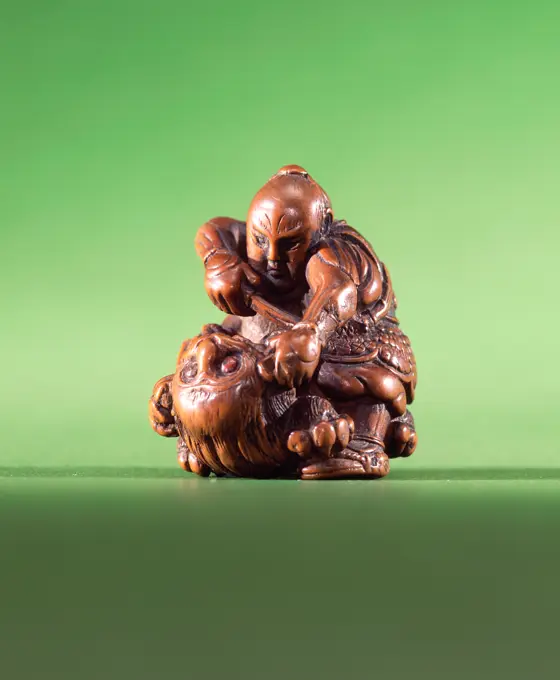
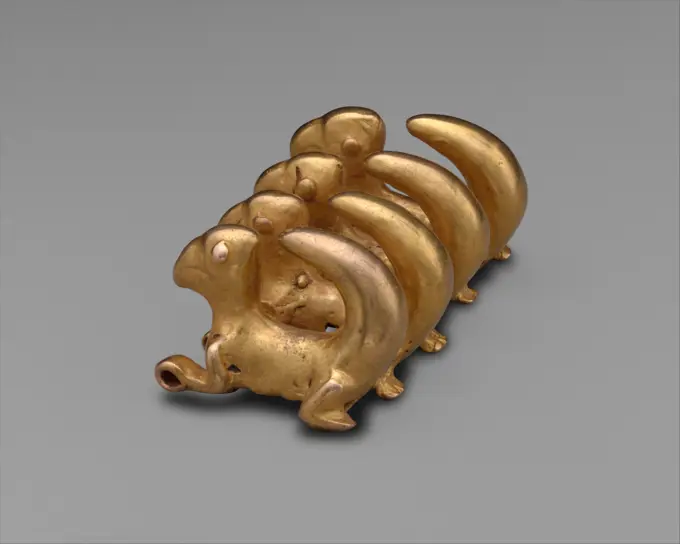
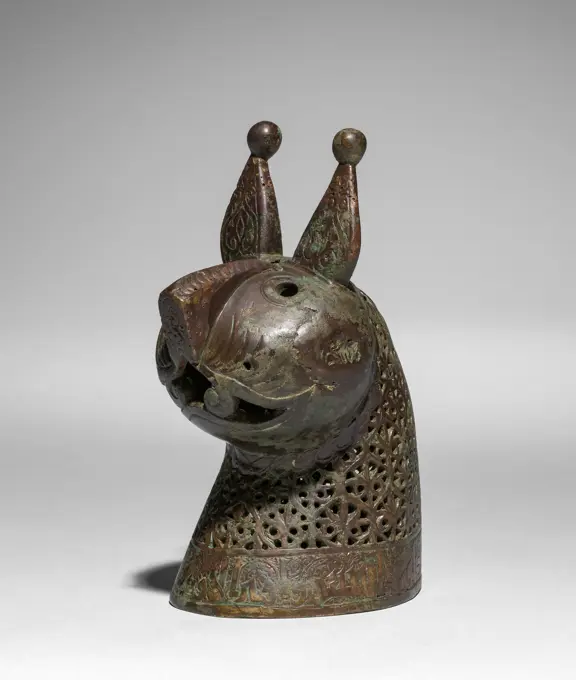
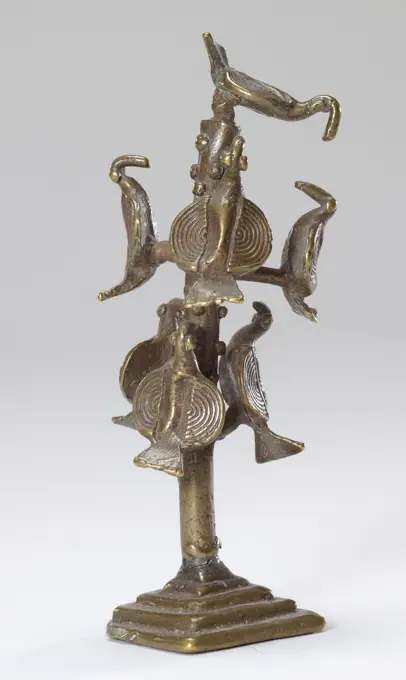
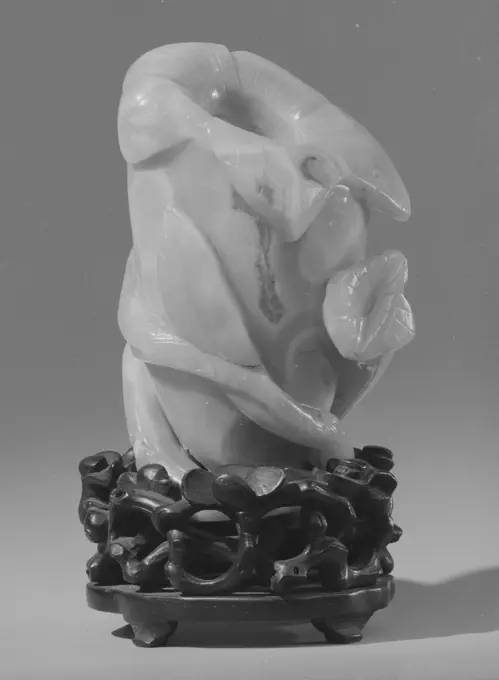
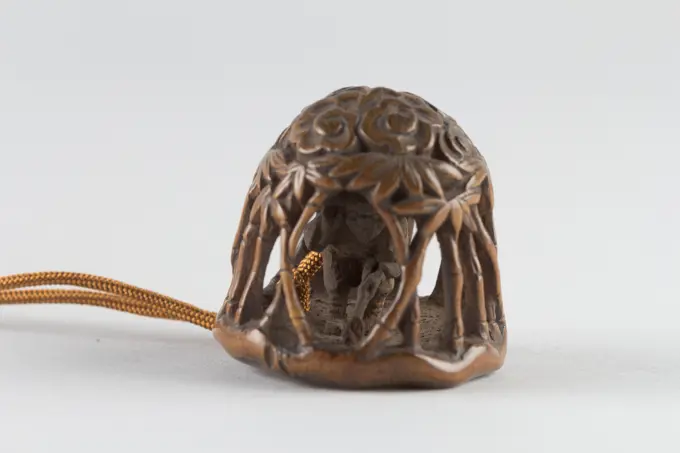
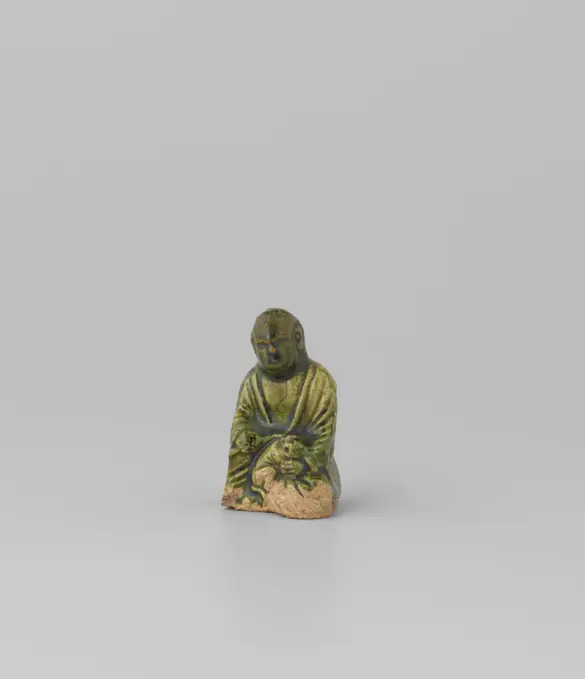
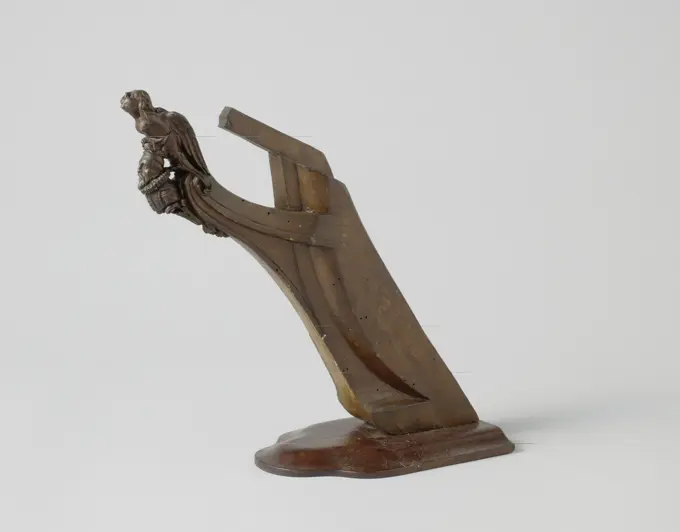
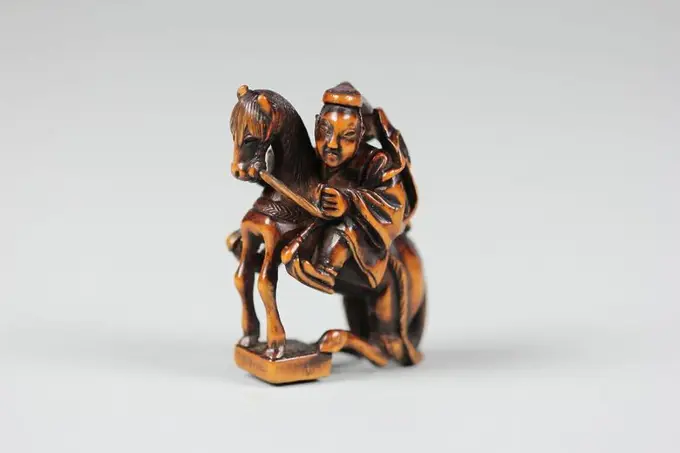
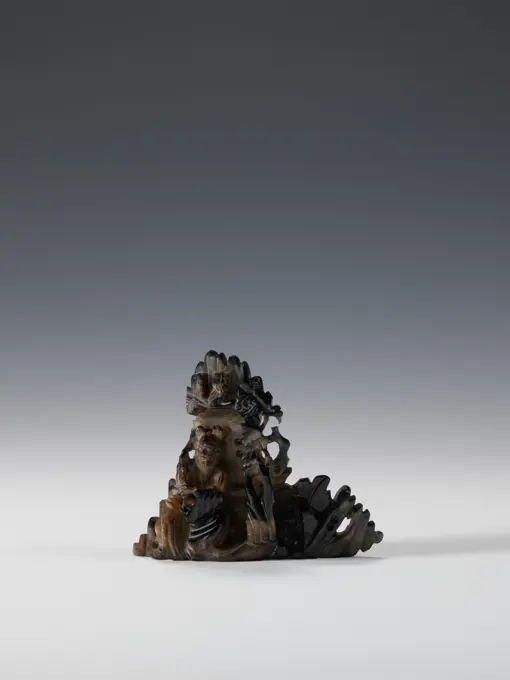
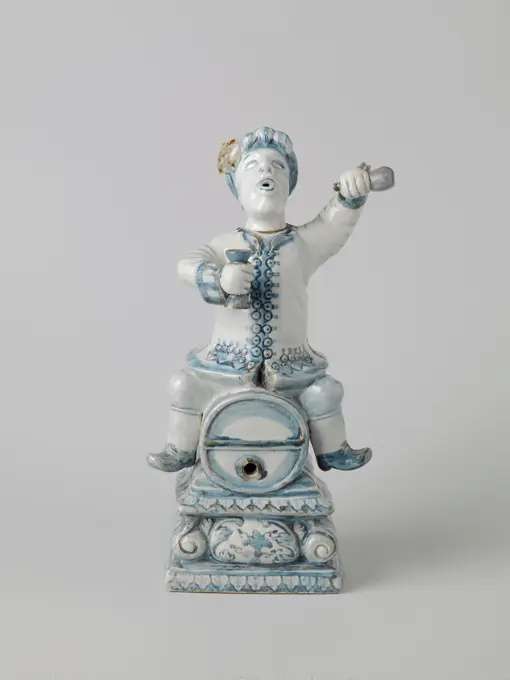
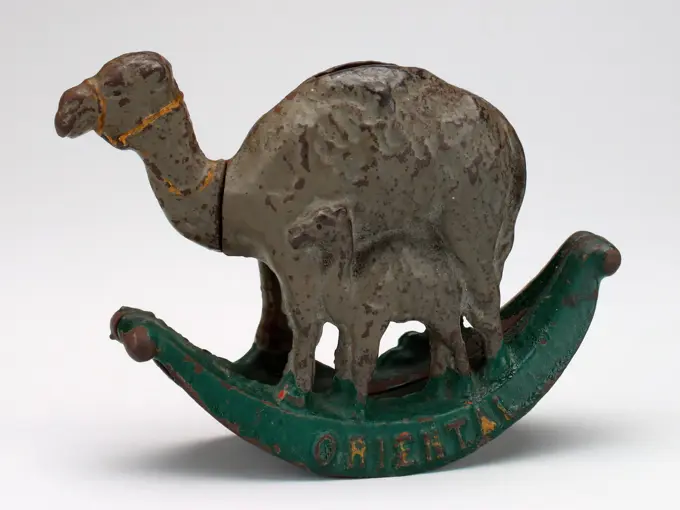
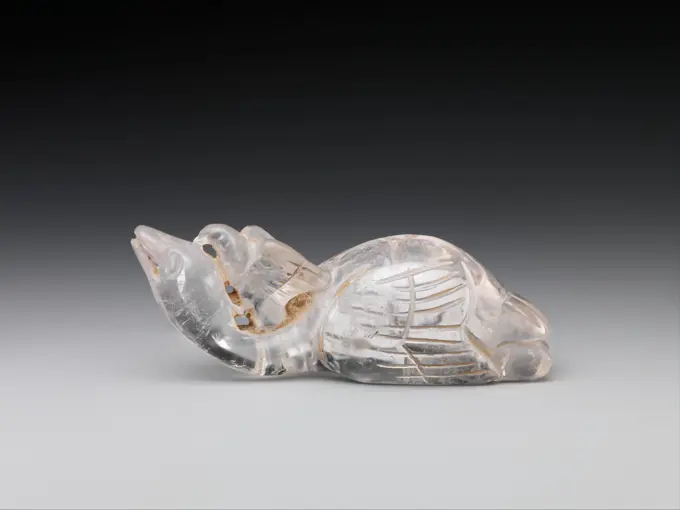
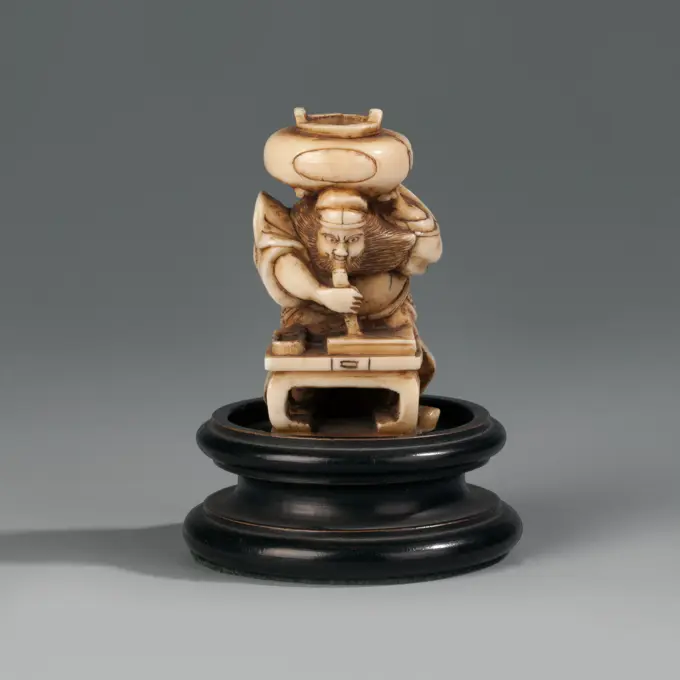
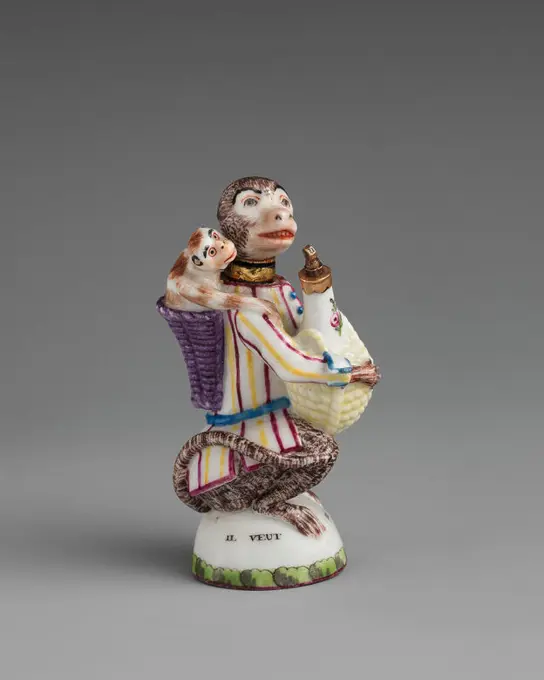
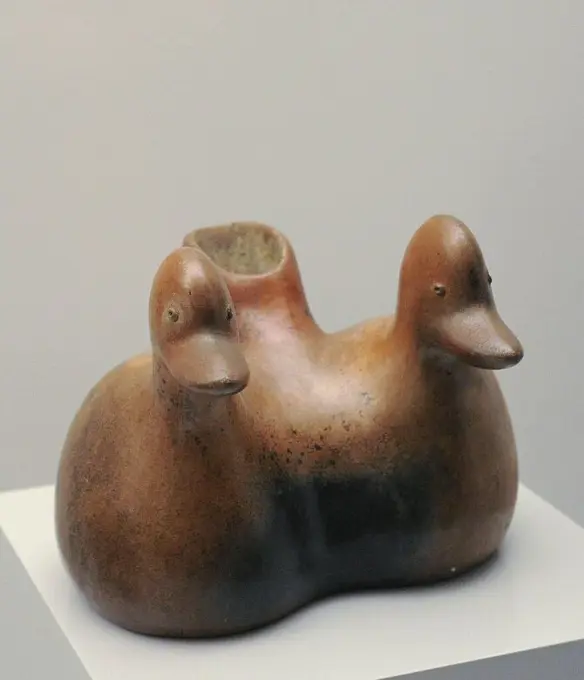
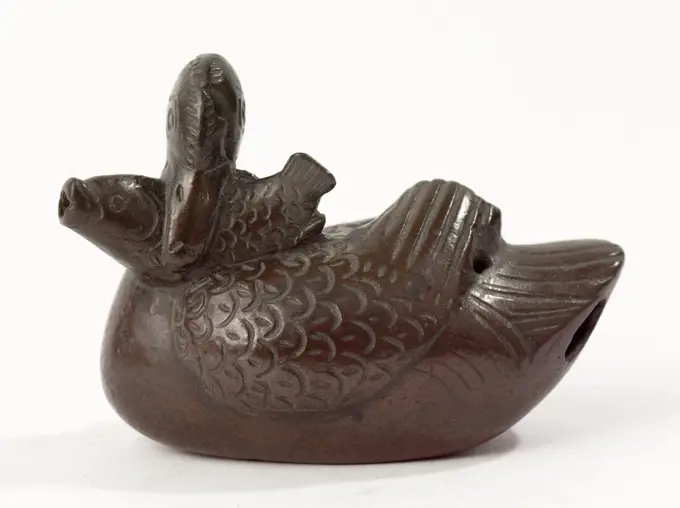
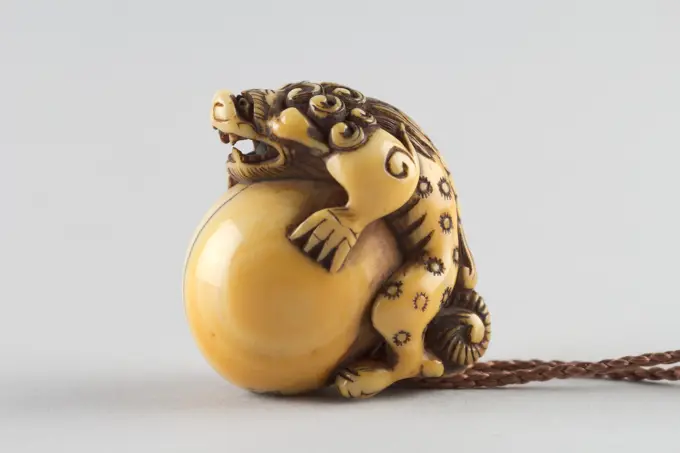
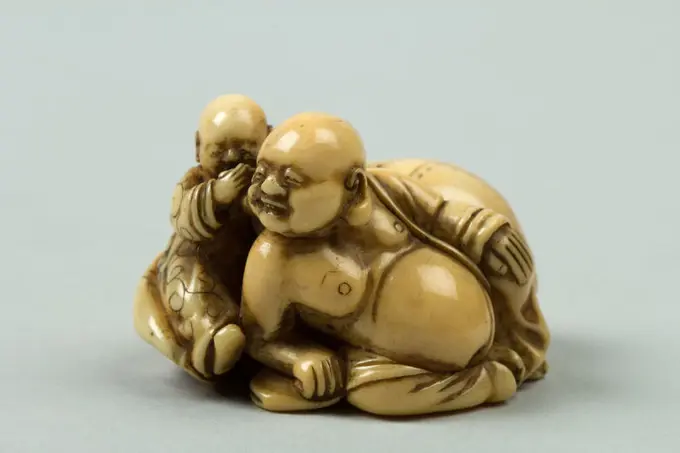
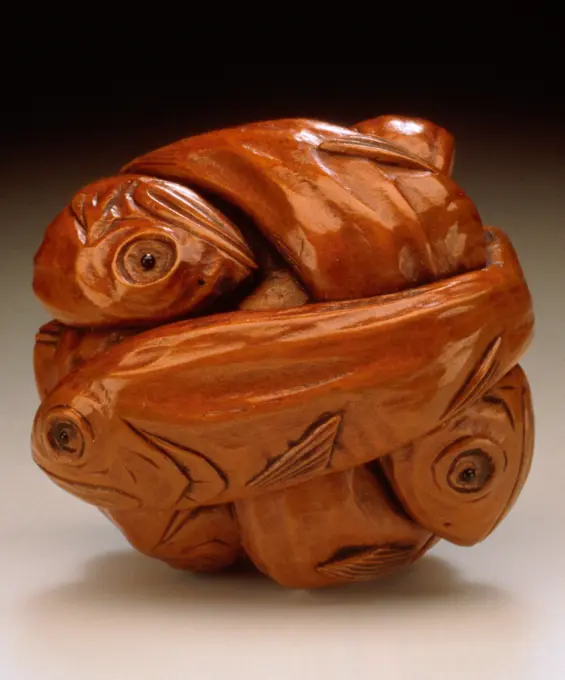
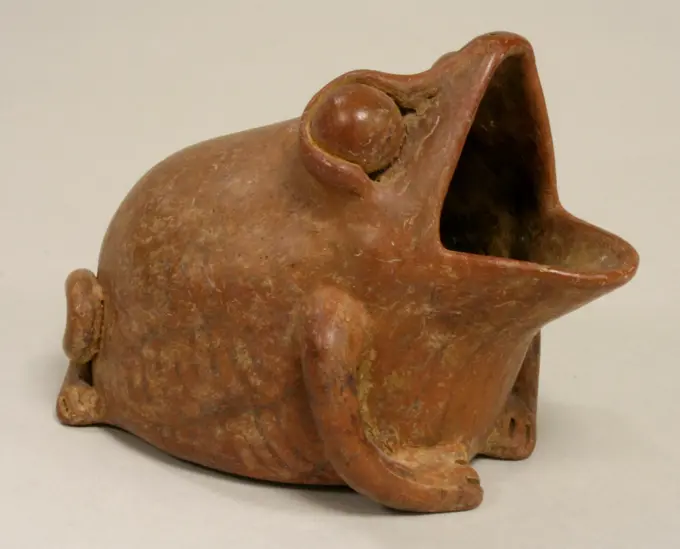
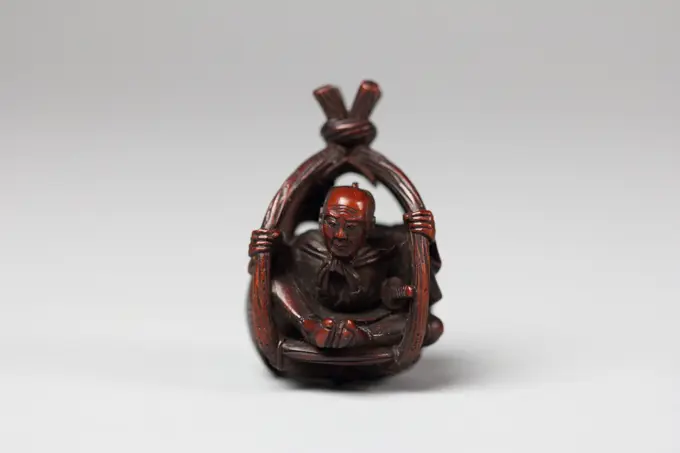
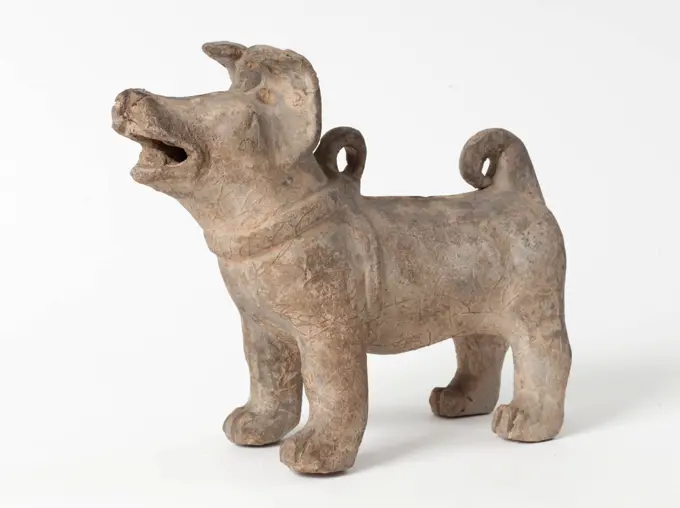
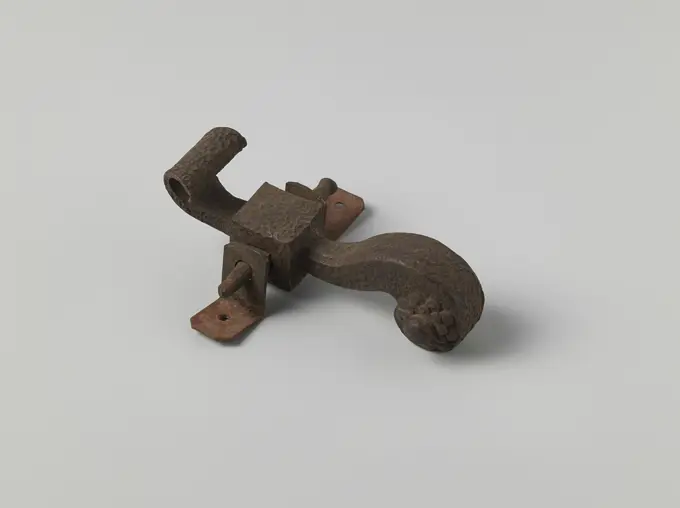
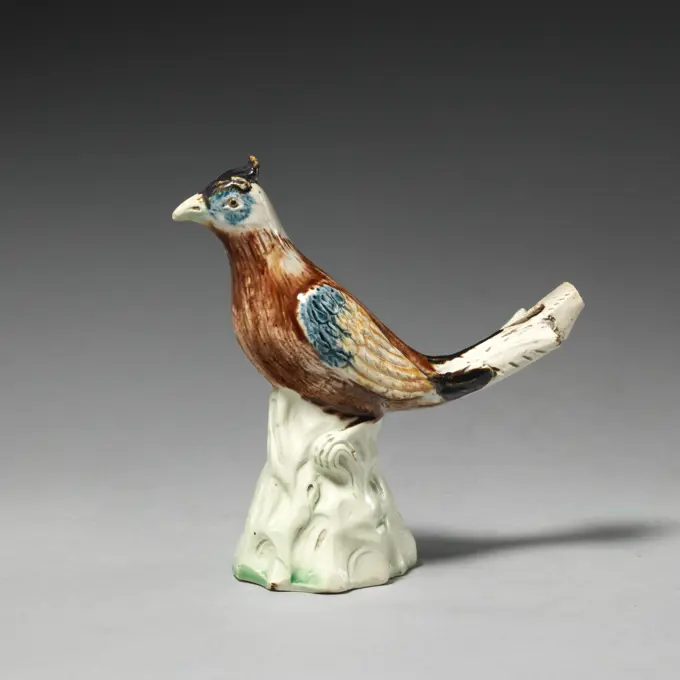
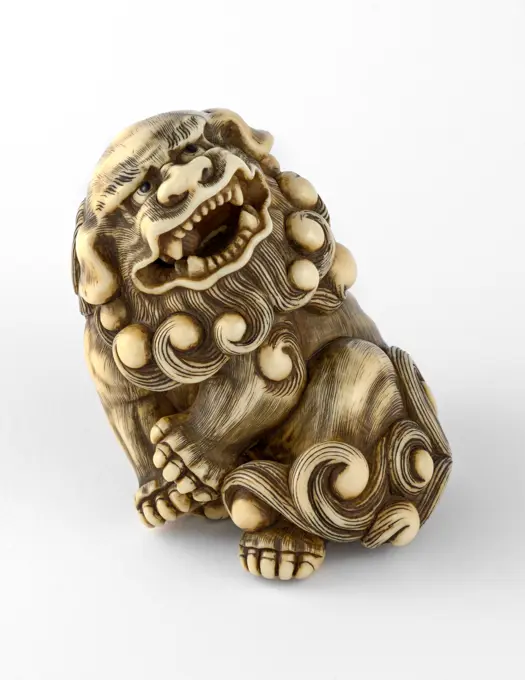
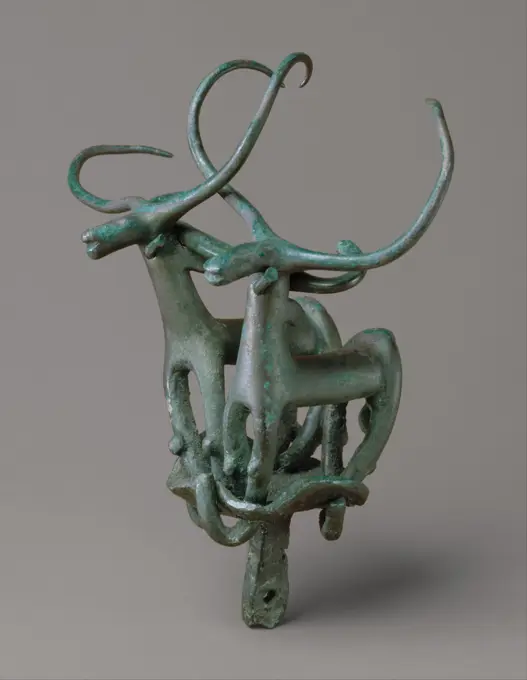
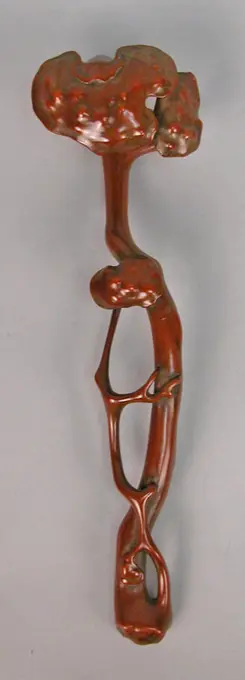
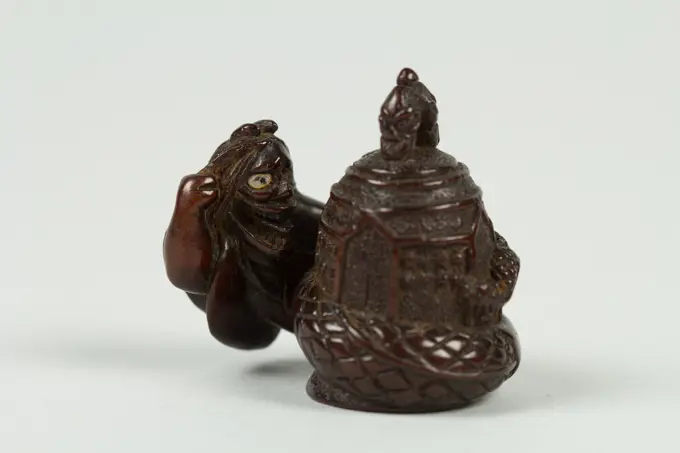
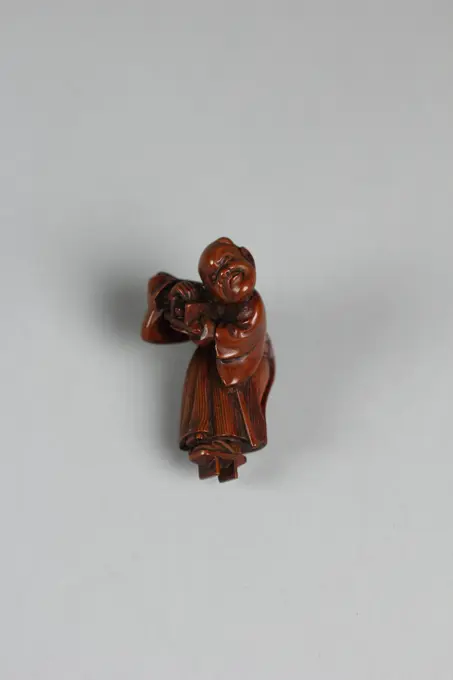
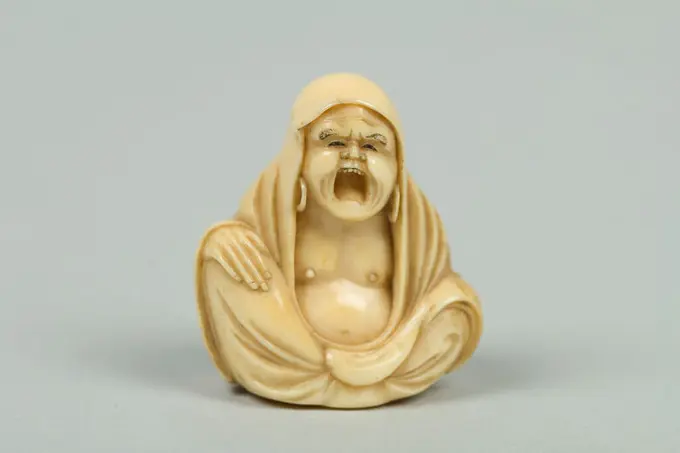
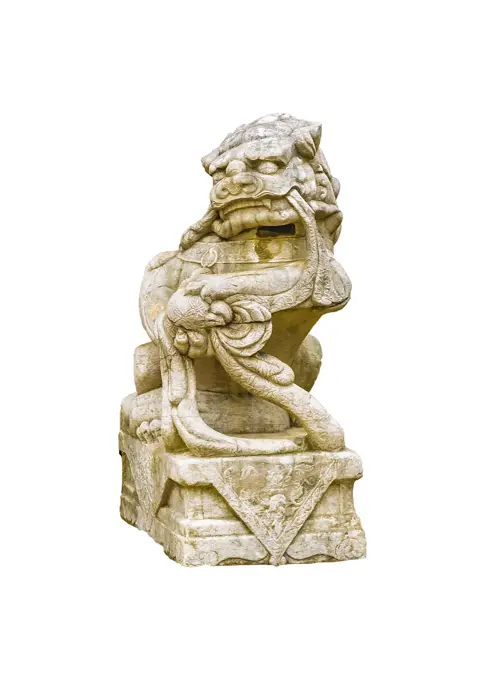
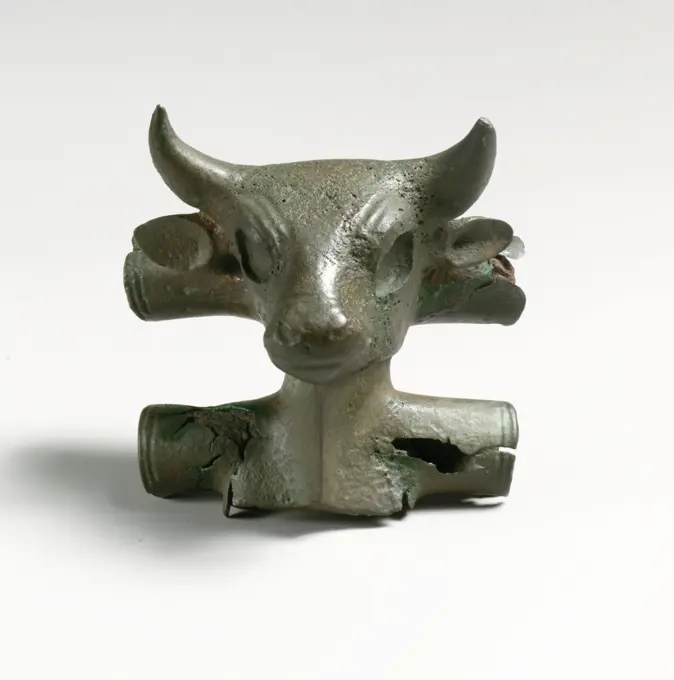
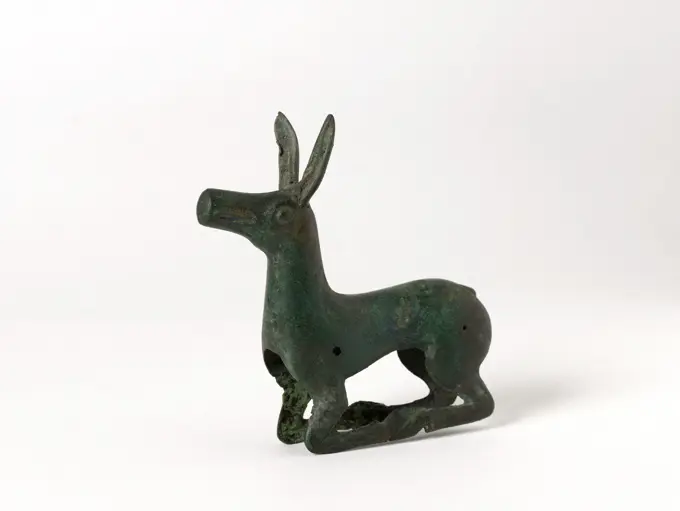
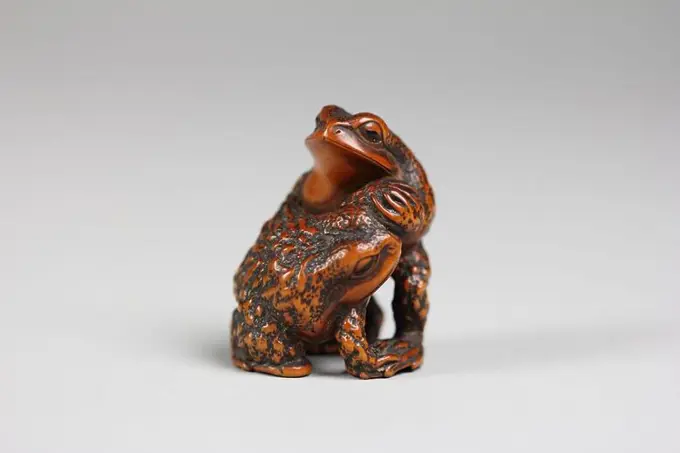
Netsuke of Two Frogs Wrestling. Culture: Japan. Dimensions: H. 1 1/2 in. (3.8 cm); W. 1 in. (2.5 cm); D. 1 1/8 in. (2.9 cm). Date: 19th century. Museum: Metropolitan Museum of Art, New York, USA.Lamp. UnknownLamp, Turkey; 4th - 5th century; Bronze; 2.8 × 3.1 × 8.3 cm (1 1,8 × 1 1,4 × 3 1,4 in.)Kangaroo, 1800s. Bronze; overall: 13.2 x 12.2 x 4.8 cm (5 3/16 x 4 13/16 x 1 7/8 in.).Goat with rider. Image of unforded faience. On a rectangular pedestal with beveled corners is a goat with a man with a hat on the back. The right hinter leg of the goat is placed for the left rear leg.Recumbant cow 1849-52 Lyman, Fenton & Co.. Recumbant cow 2578Demon, 1615-1868. Japan, Edo period (1615-1868). Wood; overall: 3.6 cm (1 7/16 in.).Nostalgia; Wittig, Edward (1879-1941); around 1903 (1902-00-00-1903-00-00);Faience amulet of Taweret. Culture: Egyptian. Dimensions: H.: 1 15/16 in. (5 cm). Date: 664-30 B.C..Amulet, Thueris. Museum: Metropolitan Museum of Art, New York, USA.Aquamanile in the Form of a Gourd with aHuman Head. Culture: German. Dimensions: H. 19.5 cm.. Date: 19th century. Museum: Metropolitan Museum of Art, New York, USA.Dog, anonymous, 960 - 1279 The dog lies with its head to the left, his vast front legs are crossed. China porcelain vitrification The dog lies with its head to the left, his vast front legs are crossed. China porcelain vitrificationTerracotta Zoomorphic Roof Finial, 1280-1320. Found at Weoley Castle, Birmingham, a Birmingham Museums Trust heritage siteanimal Sculpture; inv2013 lBuddhas hand 18th century China The Buddhas-hand citron takes its common name from the shape of its fruit, which resembles the idealized fingers of the Buddha. Although the fruit is not edible, it has a strong fragrance and is used as an offering at the altar. Its name in Chinese, foshou, has almost the same sound as the words for “fortune” (fo) and “longevity” (shou), adding another layer of good wishes.. Buddhas hand 44147Seated Figurine 1150 BCE-900 BCE México. Stone .Netsuke of Seated Lion 18th century Japan. Netsuke of Seated Lion 59730Bottle. unknown, craftsmanTerracotta inkwell 2nd half of 3rd century B.C. Greek Inkwells were made of a variety of materials, from terracotta, as here, to precious metals such as silver. Originally, this example would have had a stopper to keep the ink from drying up.. Terracotta inkwell 255580Female Figure Carrying a Vessel for Chicha (Maize Beer) orWater.  Maker: UnknownHorse and female rider 7th-8th century China. Horse and female rider. China. 7th-8th century. Earthenware with three color (sancai) glaze. Tang dynasty (618-907). Tomb PotteryPeasant Czechowski Wojnacki (ceramic studio)Netsuke man holding a Tai fish, 19th century, Ryumin, Japanese, 1 7/8 x 1 1/8 x 1in. (4.8 x 2.9 x 2.5cm), Ivory, Japan, 19th centuryNetsuke of Fox Disguised as Shishimai Dancer 19th century Japan. Netsuke of Fox Disguised as Shishimai Dancer. Japan. 19th century. Wood. Edo (1615-1868) or Meiji period (1868-1912). NetsukeRider on horseback. On an elongated plate, a rider with a stitch and in his right hand is a whip. A zig-zag line is engraved along the edge of the plate. The image has been marked: STK. = Amsterdam, Mt. = Pieter van Somerwil I and an ax.. .Painted Wooden Hawk, Ancient EgyptGuanyin. Culture: China. Dimensions: H. (without stand) 6 1/8 in. (15.6 cm); W. 4 1/8 in. (10.5 cm); D. 3 1/8 in. (7.9 cm). Date: 18th-19th century. Museum: Metropolitan Museum of Art, New York, USA.. The beggar is seated on a stump or rocky base and let his dragonkeeper rest on his left. His left hand plays the tests of his instrument, while he swapped the instrument with his right hand. The man turns to the left singing while he looks to the right. Between his legs lies a dog with crossed front legs. Striking are refined details such as buckles, buttons and the holes and rafes in its clothing. The image consists of two parts: the figure itself and the base with the dog. The parts are attached to each other using rivets, one of which is missing, and a screw on the, completely hollow inside. There are two weatherpatinas on the bronze. A black patina is applied over a yellow-red patina. The patina has been strongly worn on the hat, the shoulders, the back and the knees. There is some green oxidation under the pouch and in the pleats around the left knee and lease.Elephant standing. Bronze. Japan. XVIII-XIXth century. Paris, Cernuschi museum. Animalier, Japanese art, bronze, elephant, Japanese object, 19th 19th 19th 19th 19th 19th 19th century, 18th 18th 18th 18th 18th 18th 18 century, animalSeal China. Seal. China. Nephrite, spinach-green. Ming dynasty (1368-1644). SealsHip bone, illustrationModel or a figureehead. Model of a sheek image on sheas, on a base board, incomplete. The figure consists of a man's head, which is crowned with a laurel wreath by a harpy above him; The harpy also blows on a trumpet, which is missing smane with the right arm. The figure presents from Oldenbarneveldt, crowned by fame.Terracotta figure of a kneeling horse 2nd-1st century B.C. Greek, Ptolemaic With large head and ornamental housings.. Terracotta figure of a kneeling horse 245519Incense burner in the shape of a Chinese boy on a water buffalo, 19th century, Unknown Japanese, 5 1/4 × 4 13/16 × 2 1/8 in. (13.34 × 12.22 × 5.4 cm), Bronze, Japan, 19th centuryVase, Union Porcelain Works, porcelain, ca. 1880, ceramics, Decorative Arts, VaseI no Hayata Killing the Nue. Minkō School (Japan, 19th century). Japan, late 18th-early 19th century. Costumes; Accessories. Wood with inlaysCurly-Tailed Animal Pendant A.D. 100-500 Chiriquí (), Initial Style Artists in the lands that are now part of the modern nations of Colombia, Panama, and Costa Rica created pendants and figures of a hybrid creature known to scholars as the curly-tailed animal. This pendant features four such creatures side by side, their wide tails arching over their backs. The head of each animal has a lightly defined snout or bill, as well a protruding eye. The diversity of zoological attributes present on this and similar pendants precludes a definitive identification of any specific animal, but the capuchin monkey (Cebus capucinis), coatimundi (Nasua narica), or even domestic dog (Canis lupus familiaris) may have provided inspiration. The four animals on this pendant share six legs. Those in the front have loops, presumably to allow for suspension on a cord, with the snouts facing the wearer. Gold pendants of one, two, three, four, or six curly-tailed animals are common, and others made from agateHead for a Feline Incense Burner, 1150-1200. Iran, Khurasan, Seljuq period of Iran (1037-1194). Copper alloy, cast, engraved, chased, and pierced; overall: 36 cm (14 3/16 in.). In Iran during the 1000s and 1100s, vessels in the shape of animals gained popularity, especially as incense burners. Felines were favored in Persian art and this piece may represent a caracal, a type of lynx. The head of the creature was cast separately and is removable to fill its body with hot coals and incense. Quranic verses on the neck and spine remind worshippers to set work aside, attend prayer, and then disperse to seek Gods bounty. The diffusion of perfumed smoke through the burners pierced palmette design may have served as a sensorial reminder of this teaching.Goldweight Birds in a Tree, 19th century, 3 7/8 x 1 5/8 x 1 3/4 in. (9.8 x 4.1 x 4.4 cm), Brass, Ghana, 19th centurySmall Female Figure, Possibly a Finial for Pin or Blade. Possibly Inca; South coast or southern highlands, Peru. Date: 1450-1532. Dimensions: H. 3 cm (1 3/16 in.). Bronze. Origin: Peru. Museum: The Chicago Art Institute, Chicago, USA.Flower holder late 19th century China. Flower holder. China. late 19th century. Agate. HardstoneNetsuke of man in a bamboo grove 18th century Japan. Netsuke of man in a bamboo grove. Japan. 18th century. Carved wood. Edo period (1615-1868). NetsukeLohan with a dog, anonymous, 907 - 1125 The bald Lohan, dressed in a long pleated jacket, with a belt around his waist, sits in a cross -maker and keeps a small dog on the line on the lap. China earthenware. putty (sealing compound) vitrification The bald Lohan, dressed in a long pleated jacket, with a belt around his waist, sits in a cross -maker and keeps a small dog on the line on the lap. China earthenware. putty (sealing compound) vitrificationSeven Rat Group. Ittan (Japan, circa 1820-1877). Japan, mid-19th century. Costumes; Accessories. Wood with inlaysModel of a Figurehead, anonymous, 1800 - 1850 scale model Model of a sheg image on Scheg, on a ground board, incomplete. The figure consists of a men's head, which is crowned with a laurel wreath by a harpij above him; The harpij also blows on a trumpet, which, however, is missing S bute with the right arm. The figure represents Van Oldenbarneveldt, crowned by fame. Netherlands wood (plant material)Netsuke of Equestrian Figure on a Go Board. Culture: Japan. Dimensions: H. 2 1/8 in. (5.4 cm); W. 1 3/4 in. (4.4 cm); D. 1 in. (2.5 cm). Date: 19th century. Museum: Metropolitan Museum of Art, New York, USA.The wise man under the tree;  19th century (1801-00-00-1900-00-00);Spirit keg in the shape of a Dutchman sitting astride a barrel, anonymous, c. 1750 Jeneverbank of porcelain, painted in under -glaze blue. The jug is sitting on a barrel in the form of a jolly Dutch man, a bottle of persistent in his raised left hand and a glass in his other hand. The head is separate from the body and serves as a cap; A suspended hat on the head. At the front of the barrel, a hole has been made for a (missing) brass tap. The barrel rests on a pedestal with with volute ornaments in European style; The pedestal is decorated with leaf vines. Blue White. Japan (possibly) porcelain. glaze. cobalt (mineral) painting / vitrification Jeneverbank of porcelain, painted in under -glaze blue. The jug is sitting on a barrel in the form of a jolly Dutch man, a bottle of persistent in his raised left hand and a glass in his other hand. The head is separate from the body and serves as a cap; A suspended hat on the head. At the front of the barrel, a hole has been made for a (missing)Oriental' still bank, c. 1900, 4 1/8 x 5 3/8 x 1 13/16 in. (10.48 x 13.65 x 4.6 cm), Iron, pigment, United States, 19th-20th centuryPlastic in the form of two flea-flea-flea-flea-flea, Joseph Mendes da Costa (1863-1939), c. 1900 Plastic of earthenware, painted in blue, in the form of two flea -up monkeys. Netherlands earthenware Plastic of earthenware, painted in blue, in the form of two flea -up monkeys. Netherlands earthenwareToggle in the shape of a falcon attacking a swan 10th-11th century China. Toggle in the shape of a falcon attacking a swan 72574Fish (Dolphin). Syria or Palestine, 300-400. Sculpture. Thread decor aquamarine glassSnuff Bottle, 1900-1935, 2 x 1 1/2in. (5.1 x 3.8cm), Coral, ChinaHead, held by a seated victory. Cup of porcelain, plated. The head is held by a sitting winged victory in biscuit. Limoges Chri Wu Zixu (Japanese Goshisho); Netsuke;  beginning of the 19th century (1801-00-00-1900-00-00);Bersohn, Mathias (1824-1908) - collection, Goshisho (mitol.Tiger Pair. Tanaka Minkō (Japan, 1735-1816). Japan, late 18th-early 19th century. Costumes; Accessories. Wood with inlaysMonkey with young. Culture: British, London. Dimensions: 2 7/8 × 1 1/2 in. (7.3 × 3.8 cm). Maker: Saint James's Factory (British, ca. 1748/49-1760). Date: ca. 1750-55. Museum: Metropolitan Museum of Art, New York, USA.Netsuke,, 1700-1900 A group of five people (family). There are an inscription between their unshoesed voeyten - on one of them (at the bottom). Japan ivory A group of five people (family). There are an inscription between their unshoesed voeyten - on one of them (at the bottom). Japan ivory. Sauce bowl of silver, four feet. Children's fights are applied to the middle of the long side, the arms of which form a handle. Under the donations, the coat of arms of Graaf Ivan Grigorjevich is engraved.Camel Pair. Japan, second quarter of 19th century. Costumes; Accessories. Wood with inlaysGeminated vessel depicting ducks. Ceramic. Colima style. Early-Middle Classic Period (100-700 AD). Western Mexico. Museum of the Americas. Madrid, Spain.A crawling children's figure of soapstone, c. 1800 - c. 1899 A crawling children's figure of ivory soapstone. Flower branches on the back. China soapstone (metamorphic rock) A crawling children's figure of ivory soapstone. Flower branches on the back. China soapstone (metamorphic rock)Duck holding a fish. Bronze. Japan. Paris, Cernuschi museum. Animal, Japanese art, bronze, duck, bird, fish, hold, volatile, animalBird ca. 1752 Chelsea Porcelain Manufactory. Bird. British, Chelsea. ca. 1752. Soft-paste porcelain. Chelsea Porcelain Manufactory (British, 1744-1784). Ceramics-PorcelainNetsuke in the Shape of a Lion with a Ball 19th century Japan. Netsuke in the Shape of a Lion with a Ball. Japan. 19th century. Ivory. Edo (1615-1868) or Meiji period (1868-1912). NetsukeNetsuke. Culture: Japan. Dimensions: H. 1 1/8 in. (2.9 cm); W. 1 3/4 in. (4.4 cm); D. 1 1/2 in. (3.8 cm). Date: 19th century. Museum: Metropolitan Museum of Art, New York, USA.Group of Fish. Shunzan (Japan, active late 18th century). Japan, 19th century. Costumes; Accessories. Wood with inlaysSeated Doll. Japan, 19th century. Costumes; Accessories. Gold lacquer, ivory with staining, sumiJack-o-Lantern' still bank, 20th century, 5 1/2 x 3 x 2 5/8 in. (13.97 x 7.62 x 6.67 cm), Ceramic, United States, 20th centuryFrog Vessel 2nd century B.C.-A.D. 3rd century Colima. Frog Vessel 312554Dried Salmon. Japan, 19th century. Costumes; Accessories. Ivory with stainingNetsuke. Culture: Japan. Dimensions: H. 1 3/8 in. (3.5 cm); W. 1 3/8 in. (3.5 cm). Date: 19th century. Museum: Metropolitan Museum of Art, New York, USA.Oil lamp in the shape of mythical creature. unknown, sculptorHorse Bust. Afghanistan, 5th-6th century. Sculpture. TerracottaCrawling Krishna;  20th century (1901-00-00-1940-00-00);Netsuke of Old Man in a Basket 19th century Japan. Netsuke of Old Man in a Basket 59364Mingqi Chien ". Terre Cuite. Dynasty desk (206 AV (220 AP. J.-C.). Paris Causer cans. Chinese art, Chinese ceramic, han dynasty, han, mingqi, terracotta, animal, dogPendant in the Form of a Frog. Veraguas; Panama. Date: 1000-1500. Dimensions: 4 x 5.1 x 2.5 cm (1 9/16 x 2 x 1 in.). Gold. Origin: Panama. Museum: The Chicago Art Institute, Chicago, USA.Door knocker. An iron door knocker.Amulet Seal in the Form of a Bull, c. 3250 BC. Pre-Sumerian, Iraq, C. 3250 BC. Limestone with black stone inlaid eyes; overall: 2.7 x 4.7 x 3.9 cm (1 1/16 x 1 7/8 x 1 9/16 in.).Terracotta plaque of a boar 6th-5th century BC Greek, Corinthian The style and decoration of this small plaque resemble three-dimensional versions of Corinthian animal-shaped vases. The articulation of the animals fur with glaze dots and lines is a feature often found on Corinthian examples. Corinth produced such plastic vases in great numbers in the forms of animals, mythical creatures, and human figures.. Terracotta plaque of a boar. Greek, Corinthian. 6th-5th century BC. Terracotta appliqué, painted. Early Corinthian. TerracottasBird in the form of a whistle ca. 1750-70 Style of Whieldon type. Bird in the form of a whistle. British, Staffordshire. ca. 1750-70. Glazed earthenware. Ceramics-PotteryChinese Lion. Gechū (Japan, active 18th century). Japan, 18th century. Costumes; Accessories. Ivory with staining, sumi, inlaysStandard with two long-horned bulls ca. 2300-2000 B.C. Hattian During the Early Bronze Age in central Anatolia (3000-2000 B.C.), a number of nonliterate, localized cultures having little contact with urban Mesopotamia produced spectacular metal vessels, jewelry, weapons, and musical instruments to be buried with their rulers.This pair of long-horned bulls probably served as a finial for a religious or ceremonial standard. Cast separately, they are held together by extensions of their front and back legs, bent around the plinth. A pierced tang at the base suggests that the pair was connected to another object. The bulls' elaborate, curving horns are half again as long as their bodies, and though impossible in nature, constitute an effective stylistic convention. The tendency to emphasize important features in the representation of animals is a common motif in ancient Near Eastern art.. Standard with two long-horned bulls 324444Ruyi Scepter in the Shape of a Fungus of Longevity 17th-18th century China One translation of the Chinese term ruyi is "as you wish," and scepters in this shape were often given as gifts because of the good wishes they implied. Although they may have had certain ritual functions, scepters frequently appeared in displays, either placed on stands or in vases and brush pots alongside other functional and/or exotic goods. Ruyi scepters were made in a range of materials including metals, various types of wood, and ivory.. Ruyi Scepter in the Shape of a Fungus of Longevity 61919Dog. Germany, Swabia, circa 1600. Sculpture. Bronze mounted on modern black marble baseDuck China. Duck. China. Silver. Tang dynasty (618-907). SculptureSarah Bernhardt, Self-portrait as a Chimera, inkwell, c. 1879, bronze, dark-brown patina.Netsuke of Group of Figures 19th century Japan. Netsuke of Group of Figures 60017Chinese Carved Pine Trunk Vase and Stand,  Qing Dynasty, 18th centurySeal shaped as a Buste of an African Man with carved intaglio carnelian base showing a male portrait en profil., anonymous, c. 1700 - c. 1725 Cachet in the form of a bust of an African man. The bust is cut from layered Onyx. A diamond jewel on the white turban. The Intaglio on the bottom shows the portrait of a man and profile, possibly a Roman emperor. Germany gold (metal). diamond (mineral). carnelian. onyx (mineral) cutting Cachet in the form of a bust of an African man. The bust is cut from layered Onyx. A diamond jewel on the white turban. The Intaglio on the bottom shows the portrait of a man and profile, possibly a Roman emperor. Germany gold (metal). diamond (mineral). carnelian. onyx (mineral) cuttingCoffin with Cobra (Atum) and Ostrich Feather of Goddess Maat on the Top 664 BCE-30 BCE Egypt. Bronze . Ancient EgyptianNetsuke of Kiyohime with the Bell 19th century Japan. Netsuke of Kiyohime with the Bell. Japan. 19th century. Wood. Edo (1615-1868) or Meiji period (1868-1912). NetsukeNetsuke 18th-19th century Japan. Netsuke 59285Netsuke. Culture: Japan. Dimensions: H. 1 1/2 in. (3.8 cm); W. 1 1/4 in. (3.2 cm). Date: 19th century. Museum: Metropolitan Museum of Art, New York, USA.Chinese Lion Sculpture Isolated Photo Mythologic chinese stone lion sculpture isolated on white background Copyright: xZoonar.com/DanielxFerreira-LeitesxCiccarinox 13564189Bronze bull's head early 7th entury B.C. Possibly Cypriot Bull's head attachment from a tripod with horizontal tubular socket. Painstaking scholarship over twenty years has discovered that these pieces and others now in Berlin originally belonged to one bronze and iron rod tripod. Luigi Palma di Cesnola and his brother Alessandro divided their finds made in Kourion in 1873-74 and sold them to New York and Berlin, respectively. Bronze tripods represent one of the most prestigious and costly creations of the Archaic period. While they originated in the Near East, by the eighth century B.C. they were exported westward to the Greeks and Etruscans as well as copied locally. Thanks to its copper mines, Cyprus was probably an important production center; numerous examples have come to light on the island.The tripod originally had six bulls' heads at the top and three bovine hooves forming the feet. The missing heads and feet are in Berlin.. Bronze bull's head 244499Doe. Ordos. Northwest China. 5th-century before our era. Paris, Cernuschi museum. 35415-1 Biche, bronze, northwest China, hetao, Mongolia Meridional, Ordos, Prehistory, Prehistoric, AnimalIncense Burner 12th century This object represents a type of zoomorphic incense burner, many of which have survived. The square opening in the feline's chest once held a drawer for the placement of incense whose aroma would escape through the perforated areas.. Incense Burner 449156matchsafe, wood, late 19th century, containers, Decorative Arts, matchsafe