Decorative Antique Art

A collection of ornate antiques including spoon racks and decorative engravings, highlighting artistic designs and historical elements.
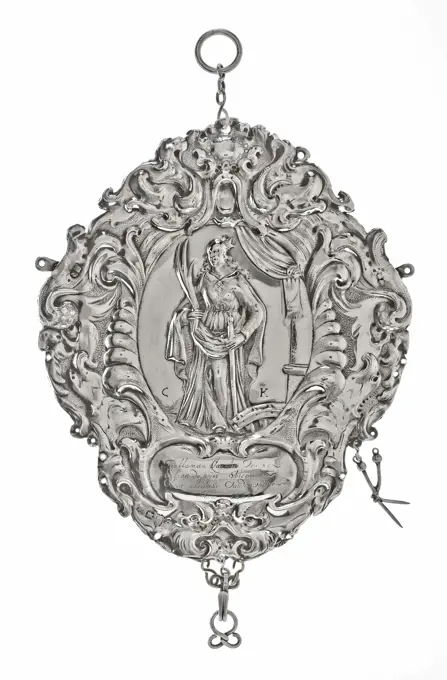
Eldert Entvogel(), Silver chief shield of the St. Catharine Guild: the pin, needles and crocheted guild, head shield shielded silver, driven hammered Shield ring top hook at the bottom front left bottom (debossed) Pin-needle and hookmaker's guild St. Catharinagilde Tielleman Jacobse Vries Elias Denyse Stierman Claes Awamse van the Pond 1669 symbolize
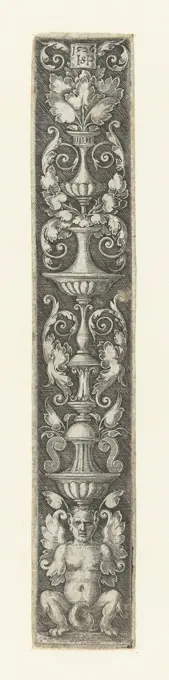
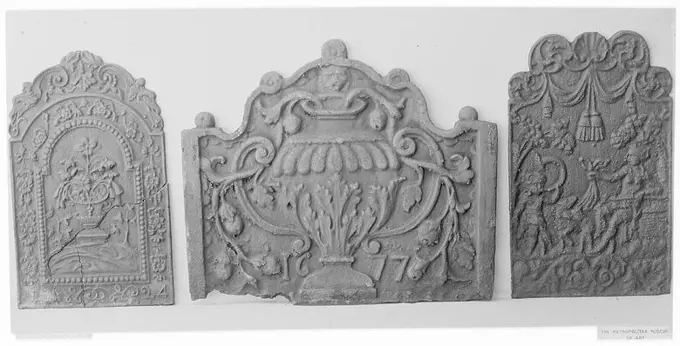
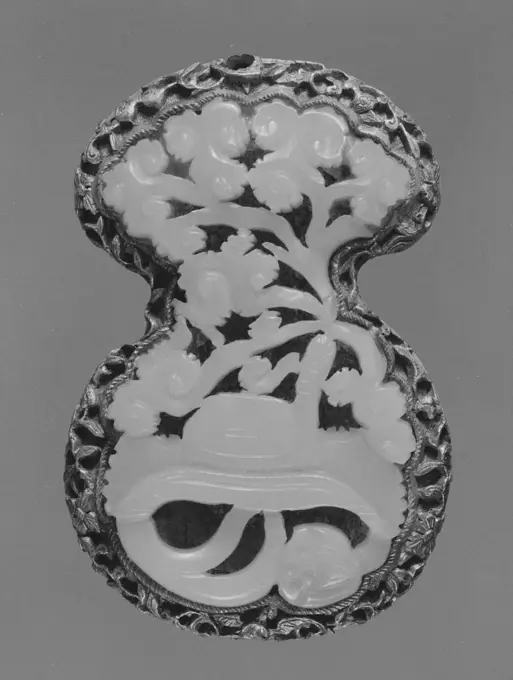
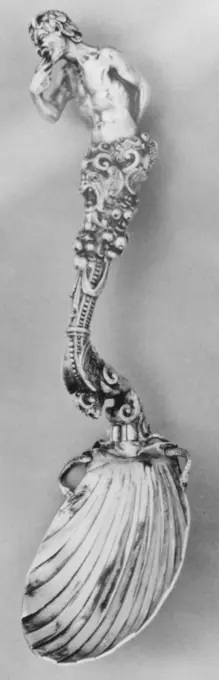
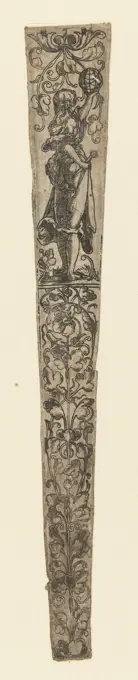
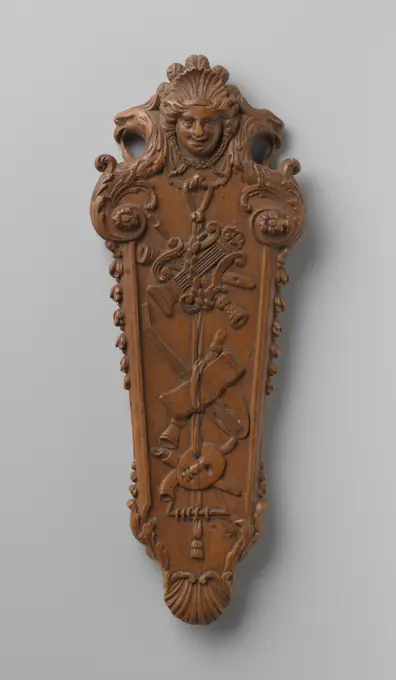
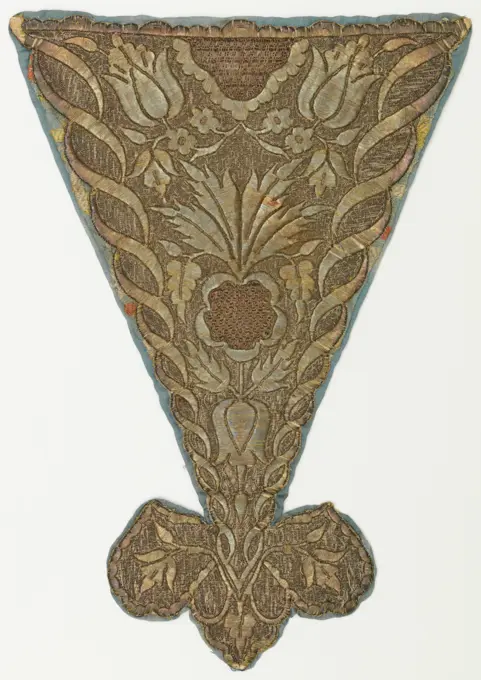
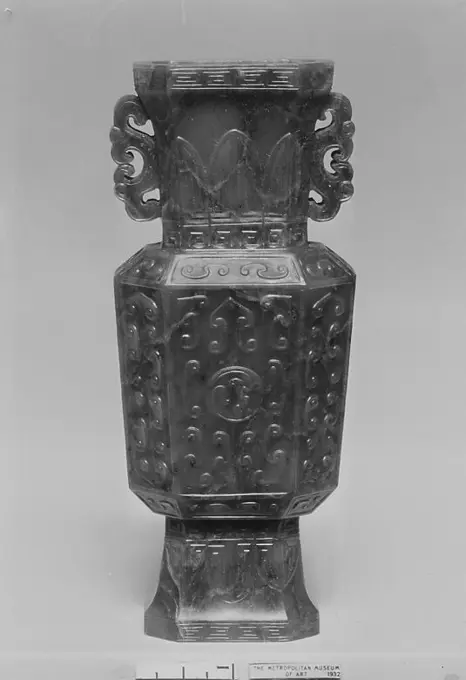
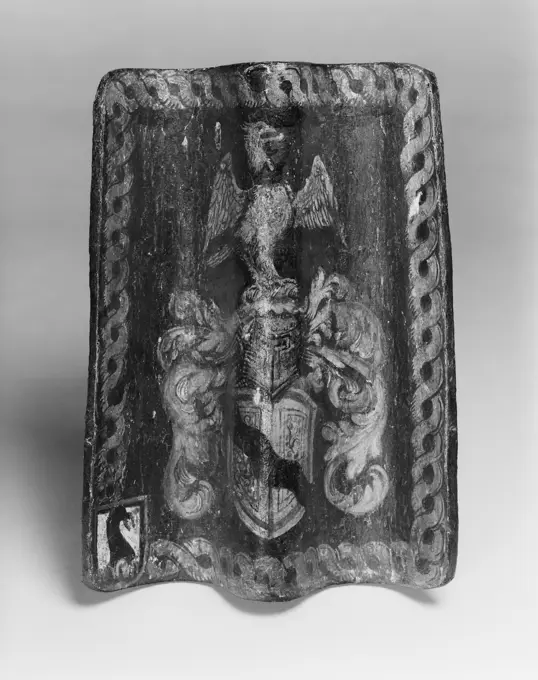
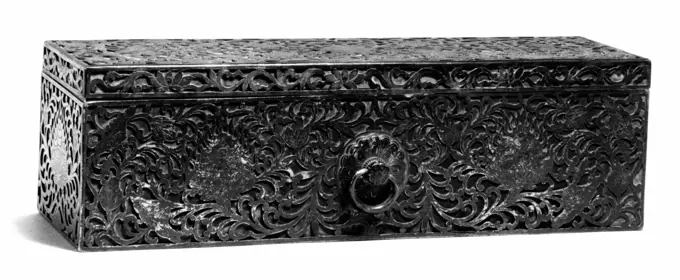
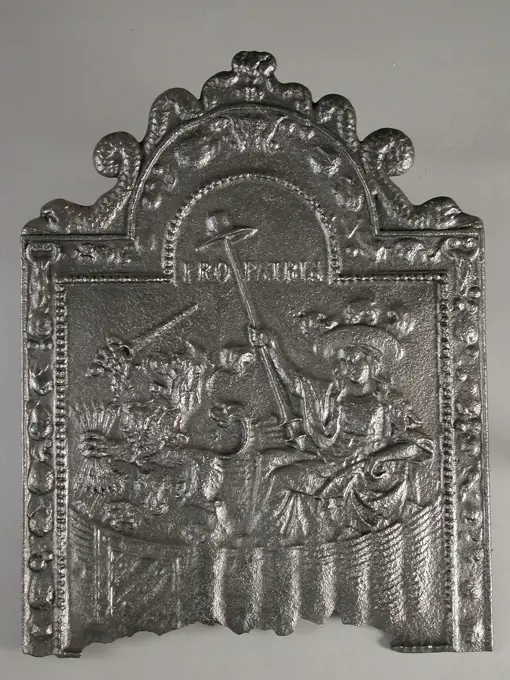
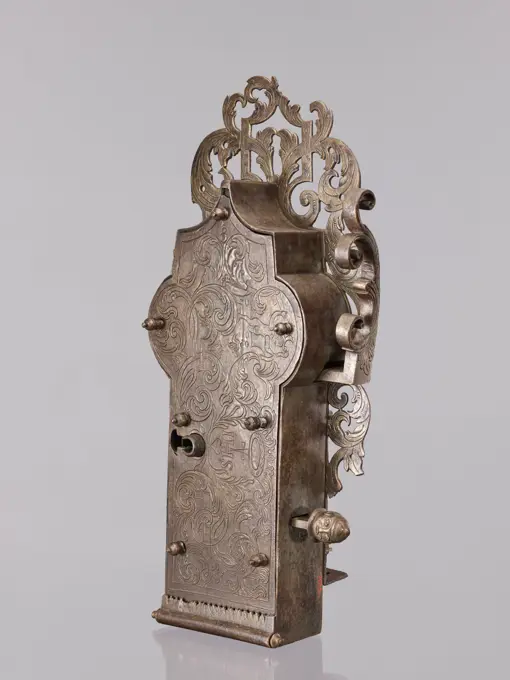
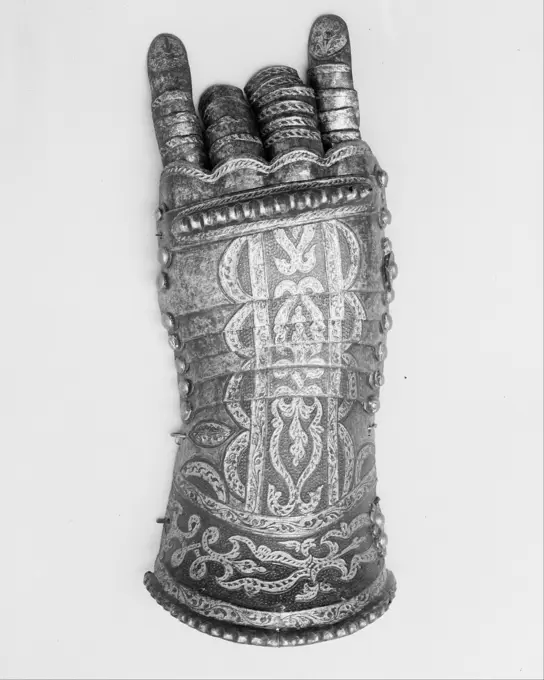
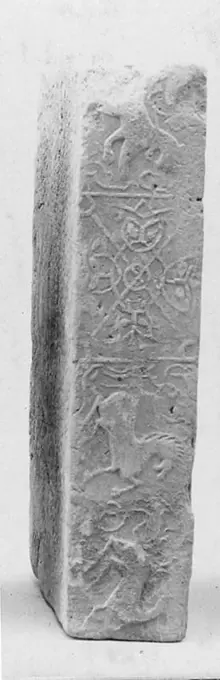
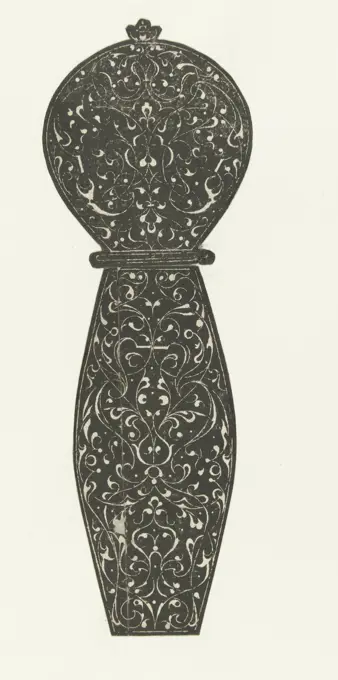
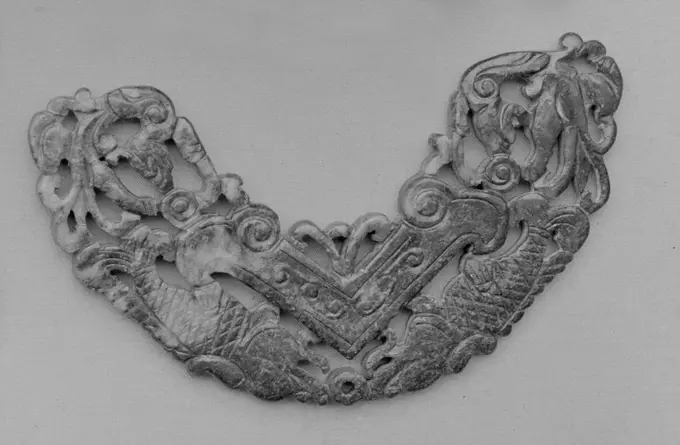
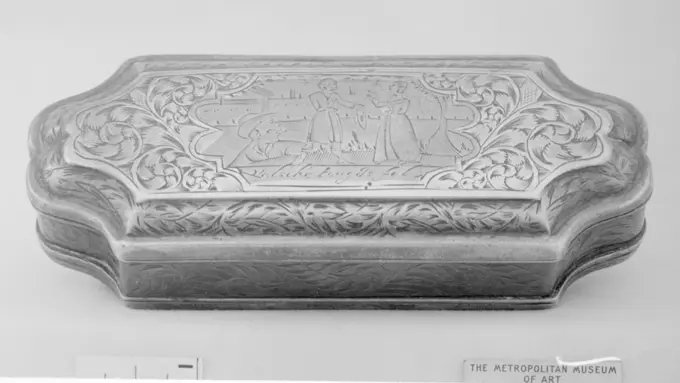
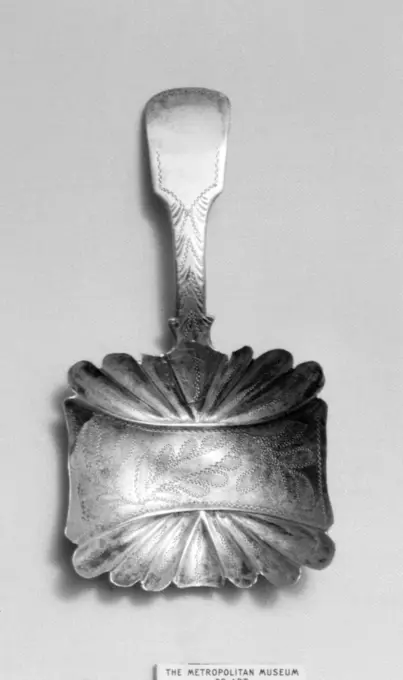
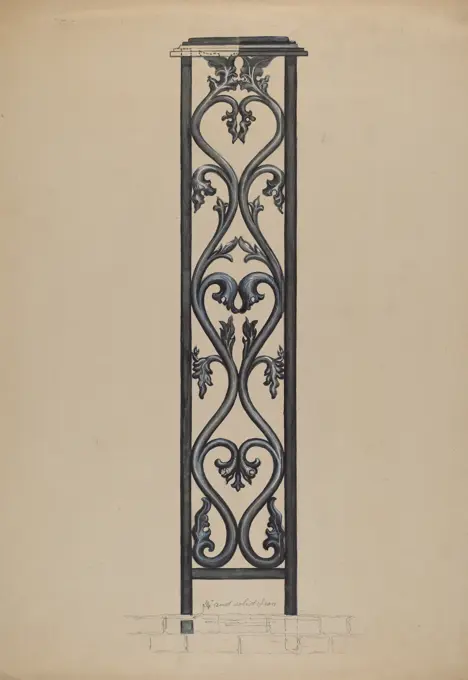
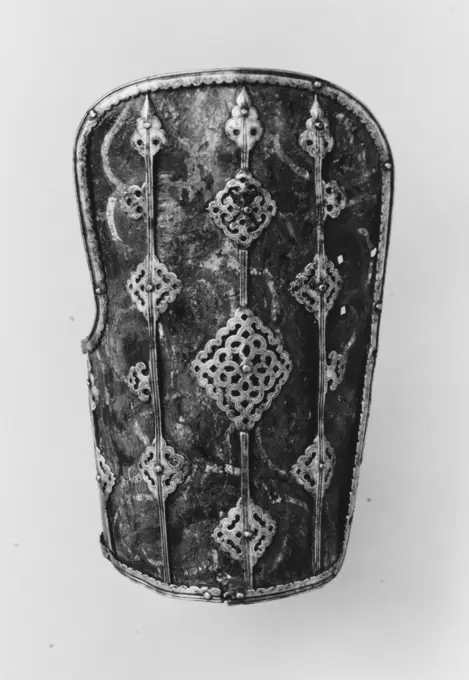
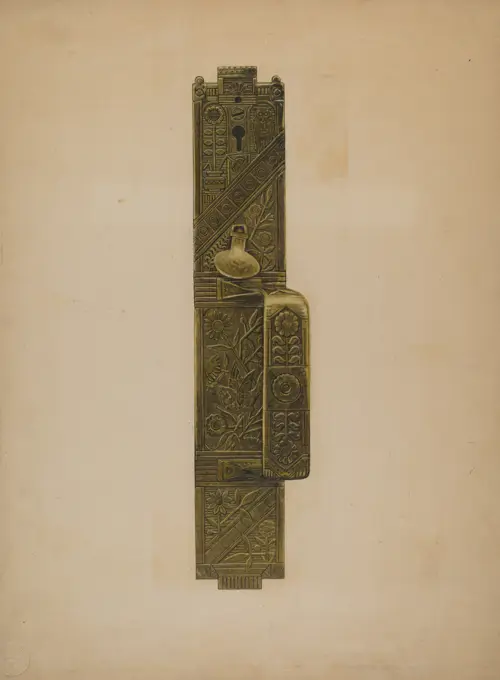
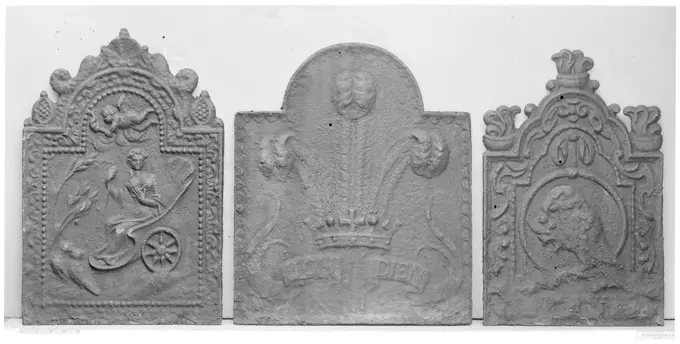
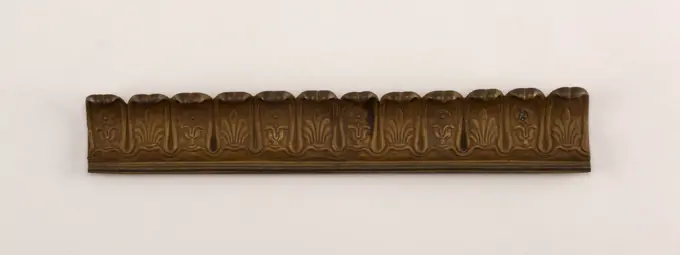
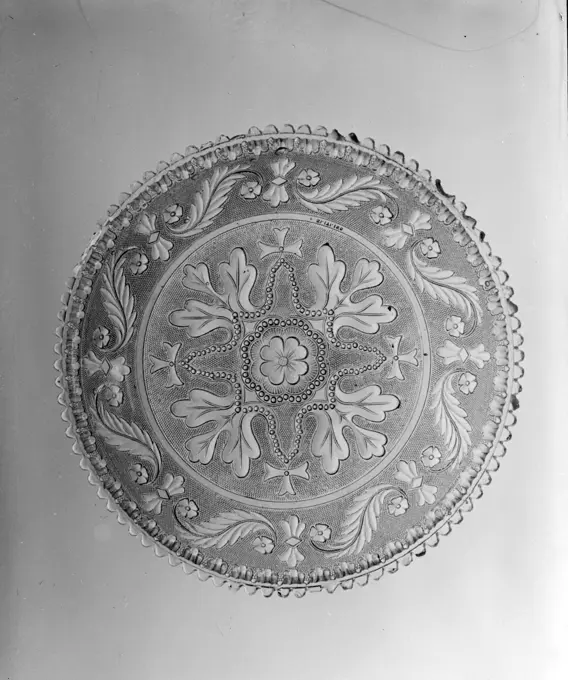
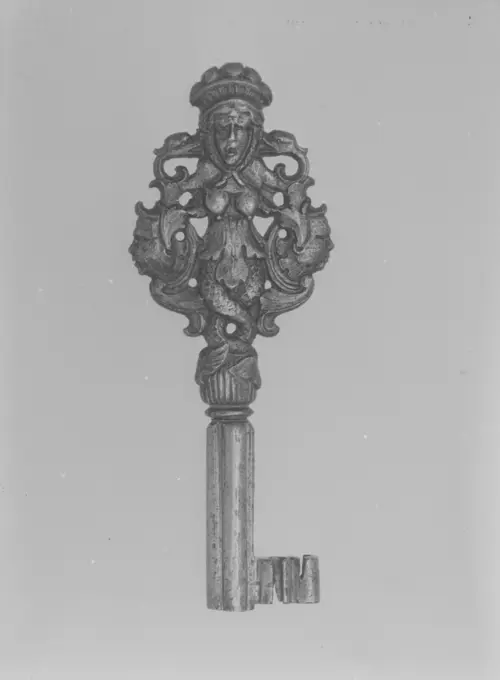
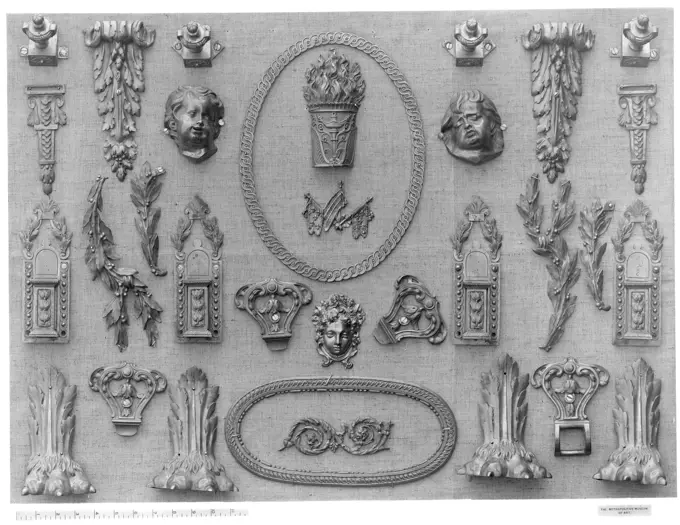
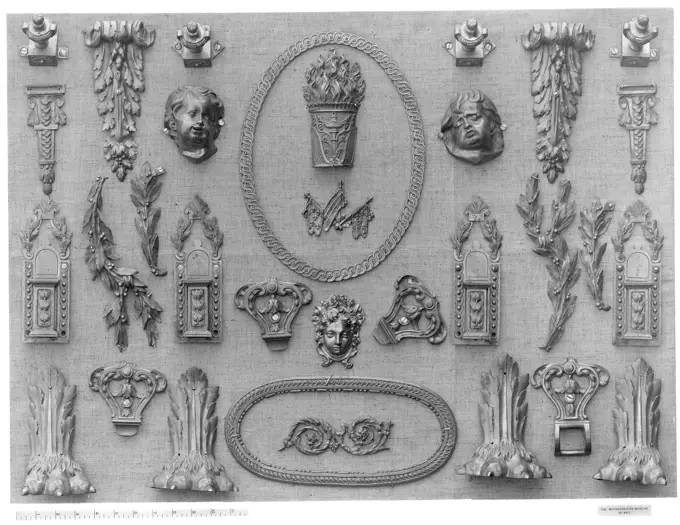
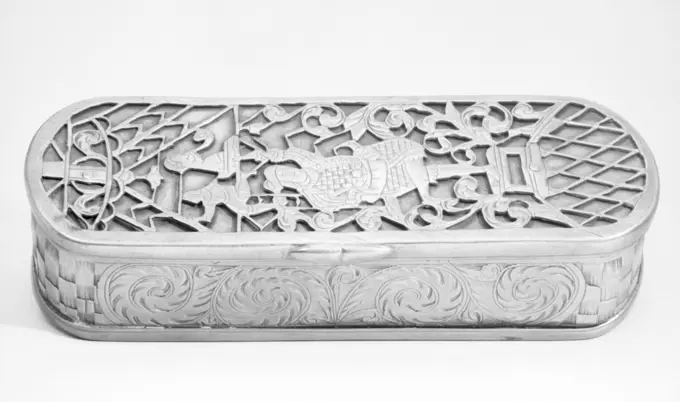
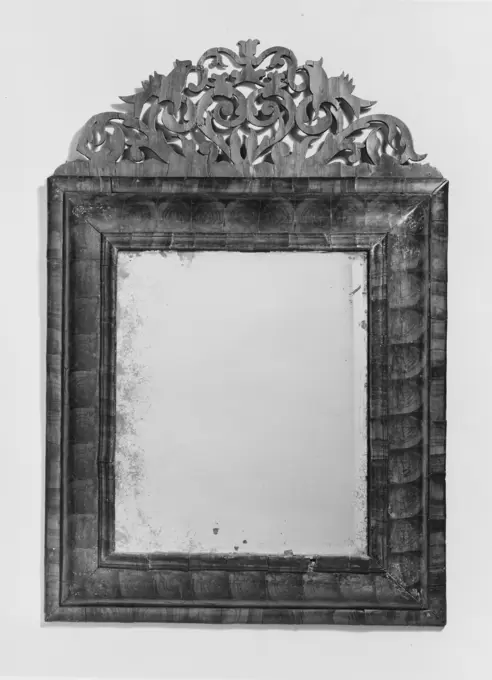
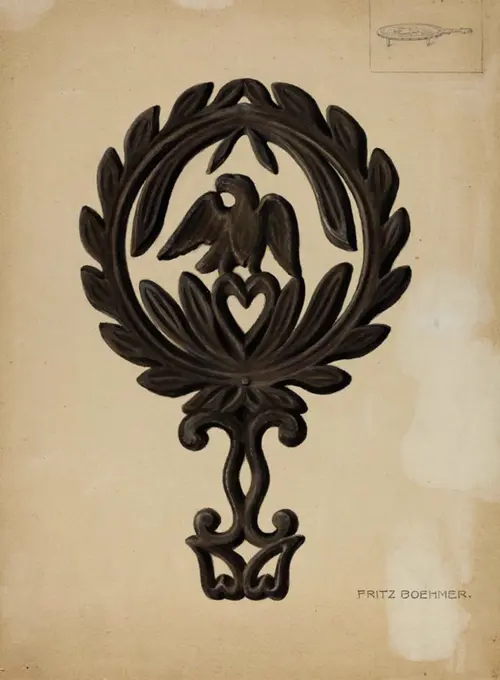
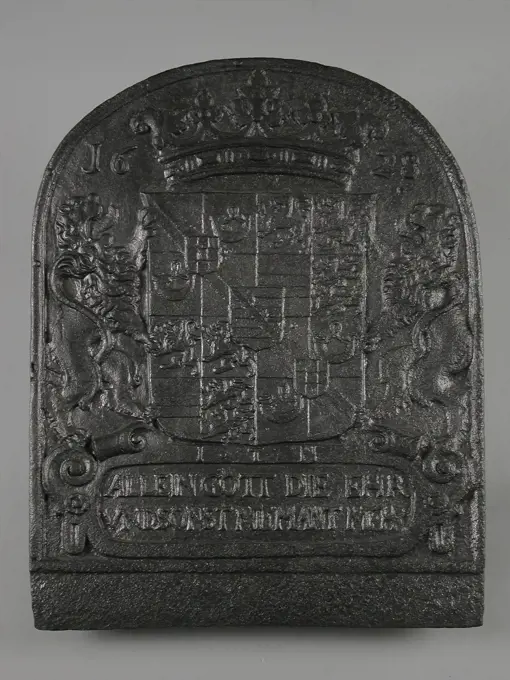
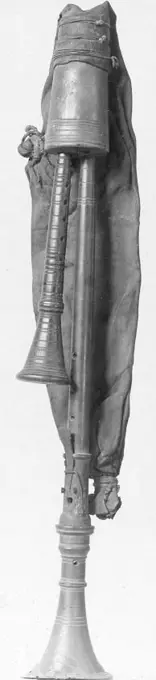
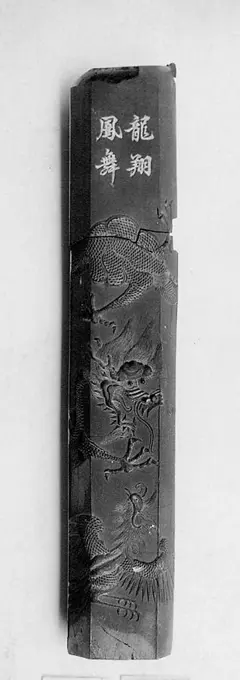
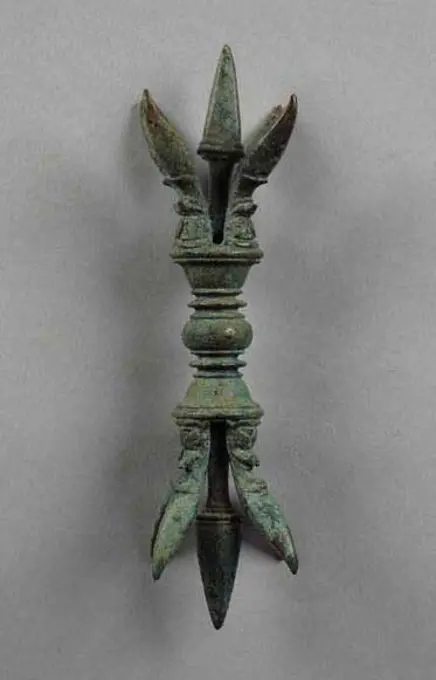
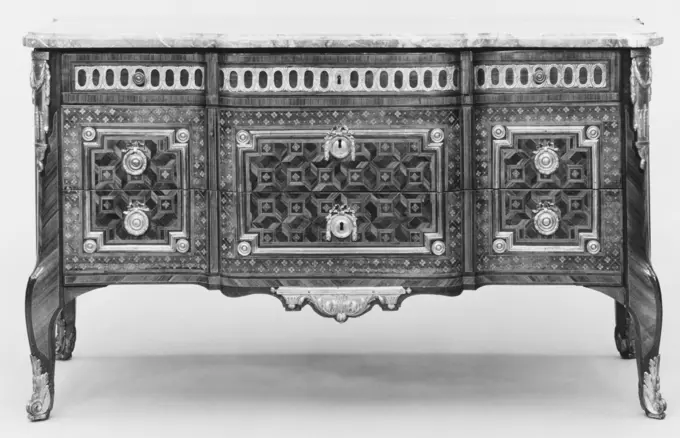
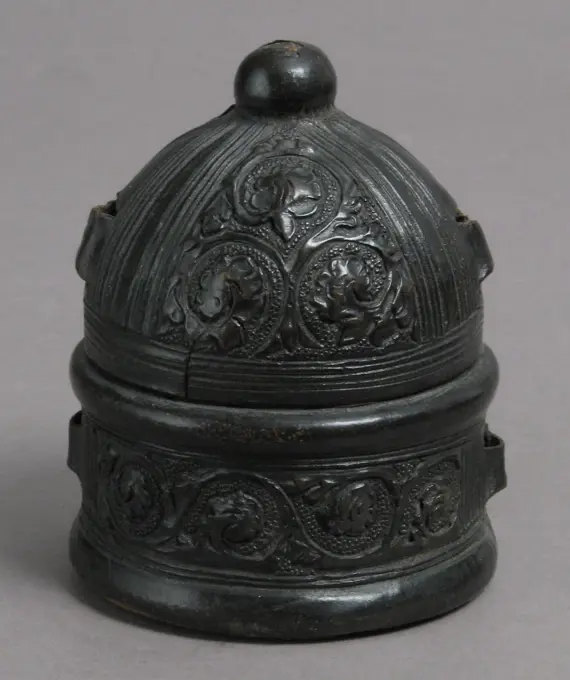
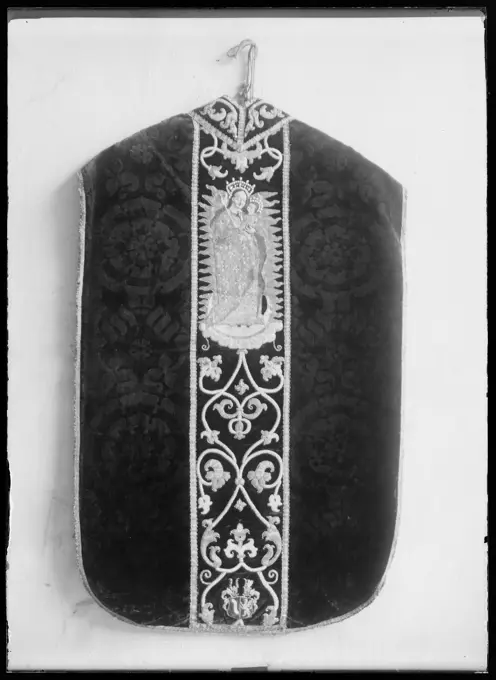
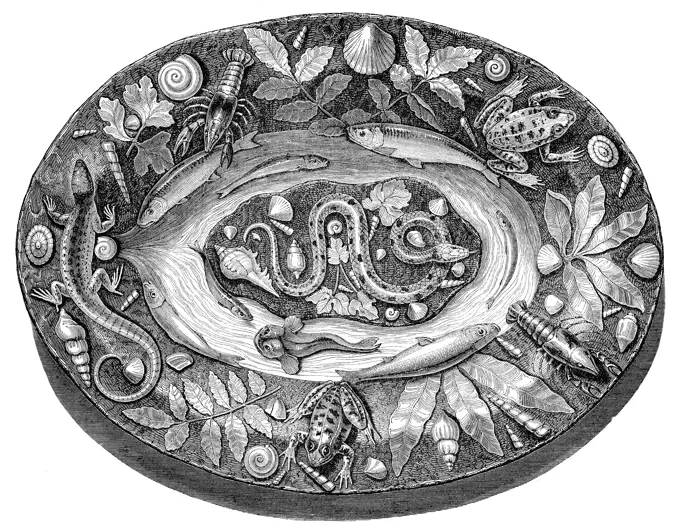
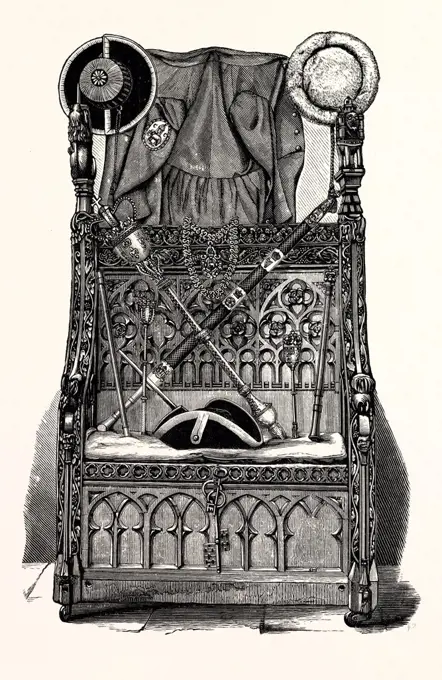
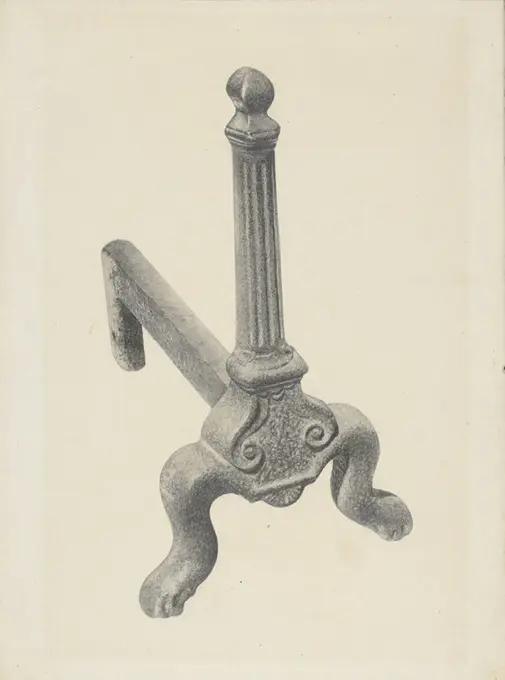
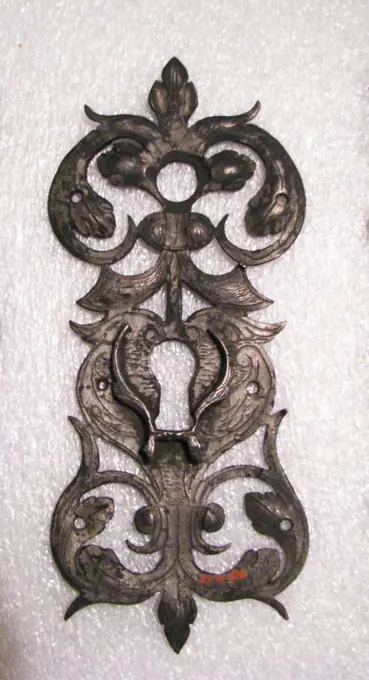
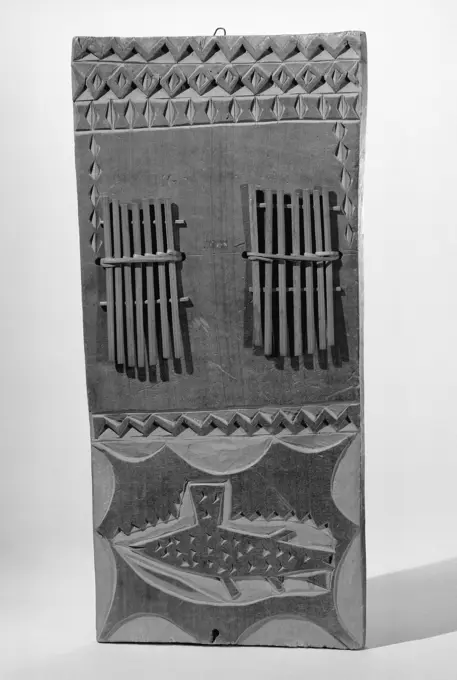
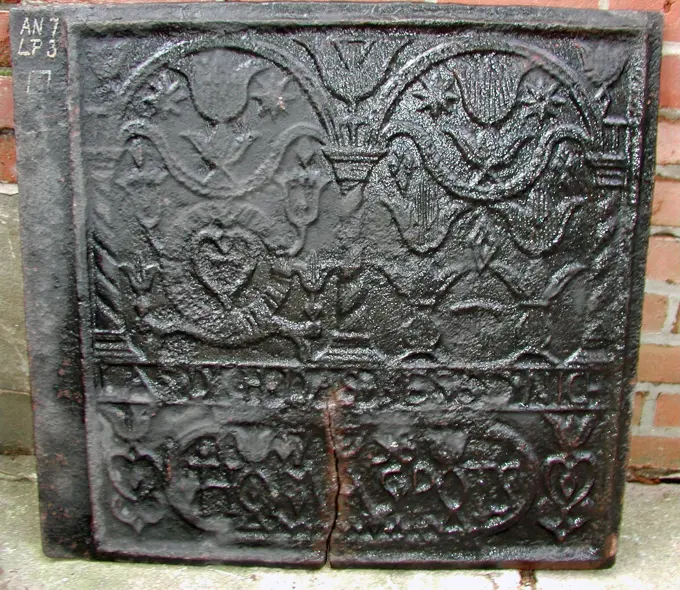
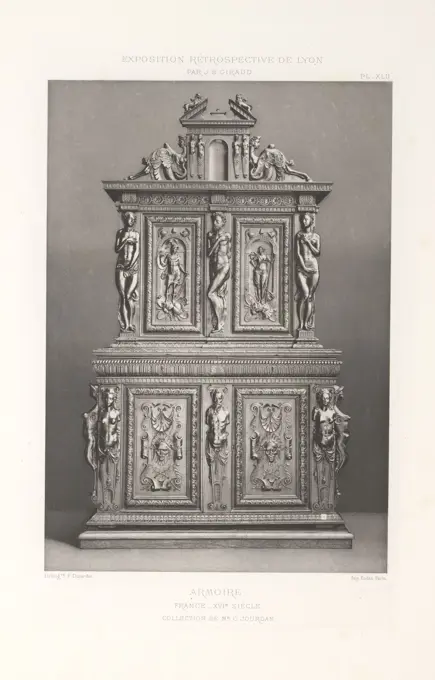
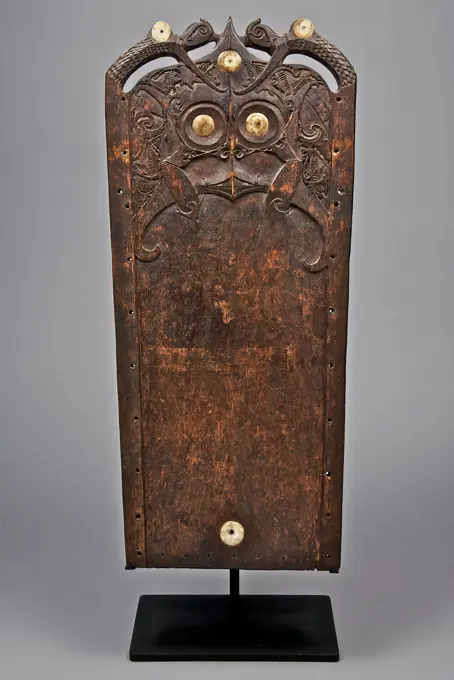
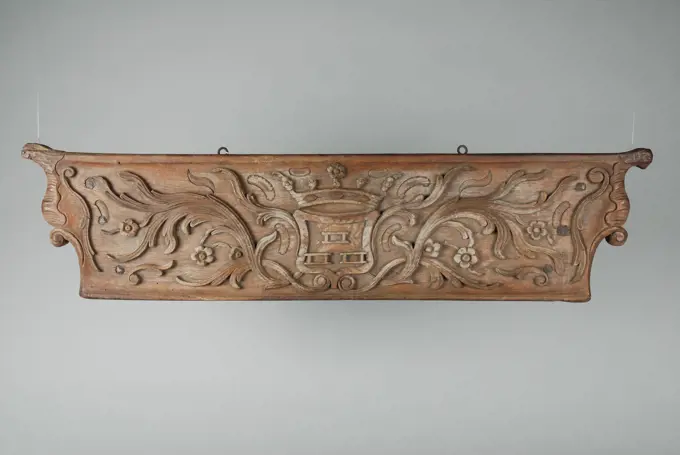
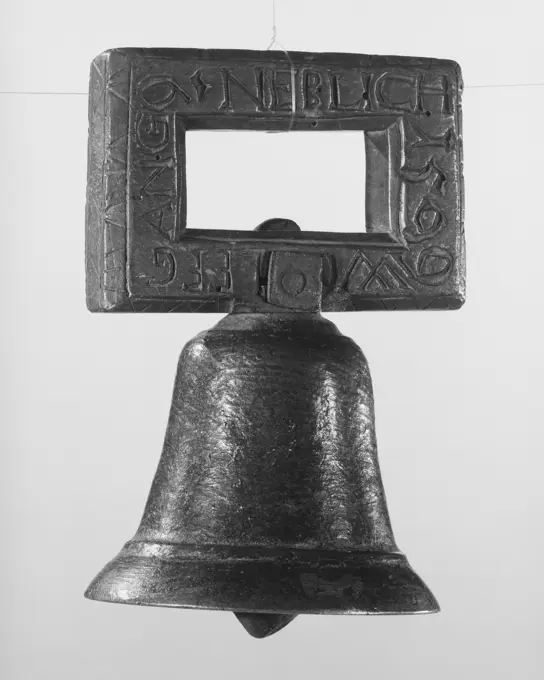
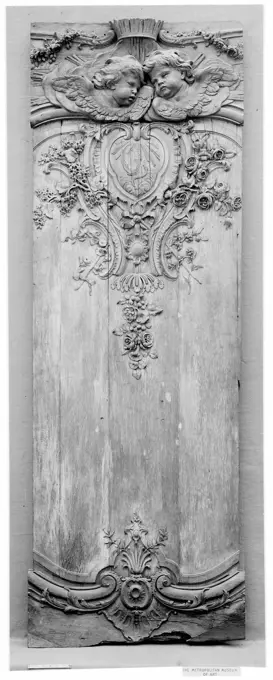
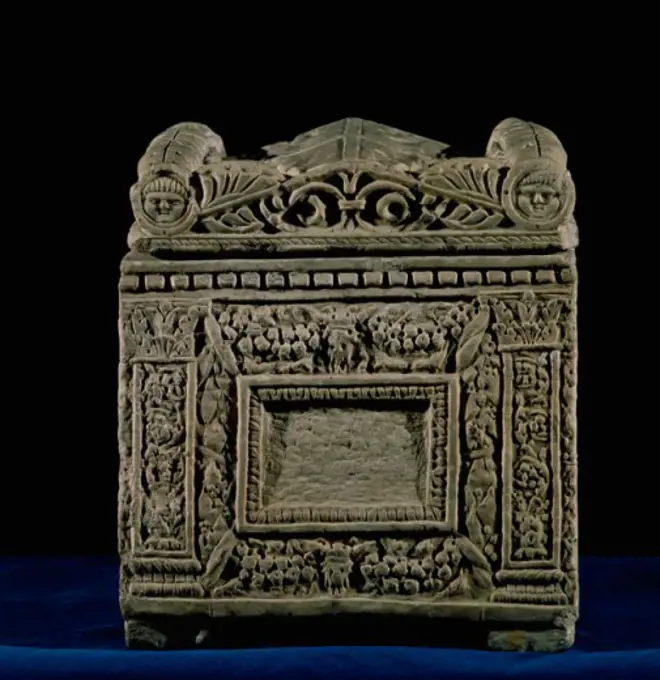
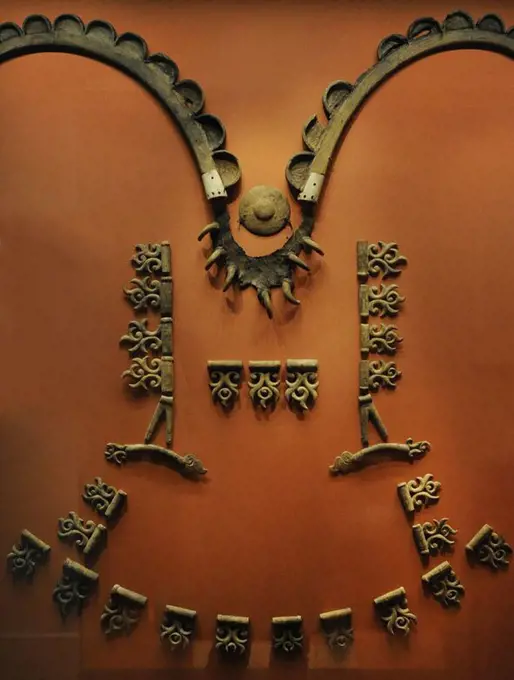
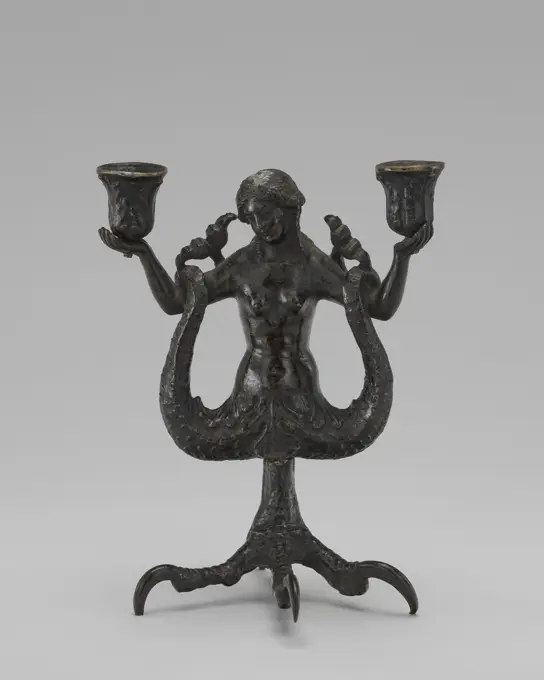
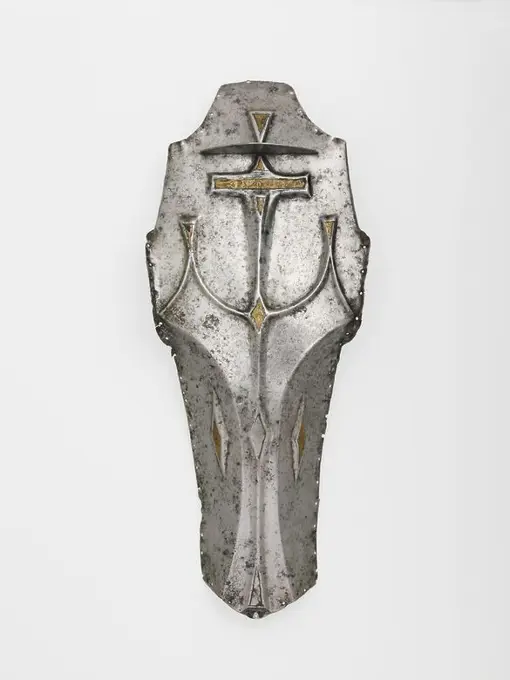
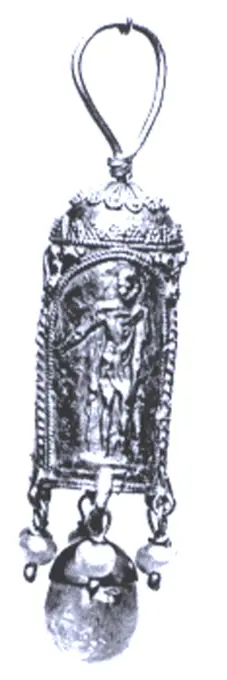
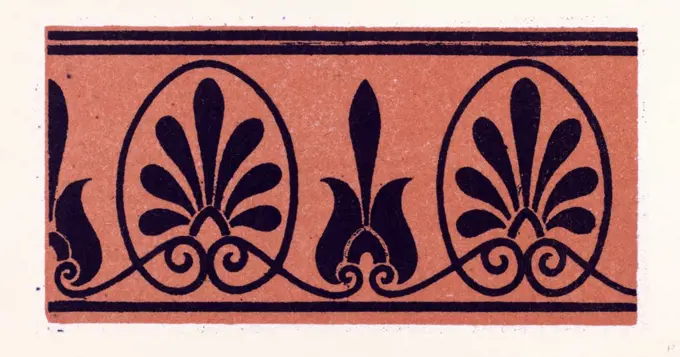
Spoon Rack 1700-1800 European. Spoon Rack 7858Print, Design for a Knife Handle Showing Faith; Made by Giullaume du Thielt; Netherlands; engraving and etching on off-white laid paper; L x W: 9 x 1.3 cm (3 9/16 x 1/2 in.)Flat decoration with at the bottom of one squeer sater; Level decorations: Kandelabers with grotesken and bladken.The Squat, Winged SITER CARRIES A Candelabar or Vases and Leaf RAFT. Shaded Background. One or 2 sheets.Portion of fireback. Culture: British or Dutch. Dimensions: Overall: 23 1/2 × 27 1/4 in. (59.7 × 69.2 cm). Date: 1677. Museum: Metropolitan Museum of Art, New York, USA.Buckle 18th century China. Buckle. China. 18th century. Jade, gilt bronze. JadeSpoon (one of a set) late 16th century Attributed to Antonio Gentili (Antonio da Faenza) Italian Designed to sit comfortably in the hand, the handles consist of ornamented bases supporting half figures of satyrs. Crisp details, such as the snakes that frame the spoons shell-shaped bowl, contribute to the utensils sculptural quality. The sets precious material and sophisticated decoration indicate that it was made for an affluent household. (See also companion fork and knife, and spoon, 47.52.1 and .2.). Spoon (one of a set). Italian, Rome. late 16th century. Silver. Metalwork-SilverSheath with a woman on the back at the top. The woman holds a passer and a globe (Geometria). The lower part is decorated with leaf raft.Eldert Entvogel(), Silver chief shield of the St. Catharine Guild: the pin, needles and crocheted guild, head shield shielded silver, driven hammered Shield ring top hook at the bottom front left bottom (debossed) Pin-needle and hookmaker's guild St. Catharinagilde Tielleman Jacobse Vries Elias Denyse Stierman Claes Awamse van the Pond 1669 symbolizeRasp van palmhout versierd met wapenschild.Grater of Palmout. On the back a crowned oval coat of arms, flanked by miter and staff, covered by an archbishop's hat. In the arms of Charles Daniel Gabriel de Gerstel de Le 'Vie de Thubieres de Caylers. The coat of arms is composed as follows: item divisions. 1. Theraldic to the right of red with shared shield of gold, geimoard. Left of gold with three-door from Zwart, Leris-Nirepoix. 2 and 3. from blue with three lilies of gold. Bourbon Maause. 4. Shared, heraldry to the right of silver with a sang box of red, accompanied by six andries cross three to three, Gertel. Heraldic left of gold with three kepers of black. Louis-Mirepoix. Heart shield of blue with three six-fighting stars of gold in a shield of the same. Thubieres de Caylus.Indian ornamentStomacher; silk, metallic, paperboardVase. Culture: China. Dimensions: H. 5 3/4 in. (14.6 cm). Museum: Metropolitan Museum of Art, New York, USA.Shield ca. 1450 German, Nuremberg. Shield. German, Nuremberg. ca. 1450. Wood, iron, gesso, polychrome, pigskin, silver leaf. Nuremberg. ShieldsSutra box Japan. Sutra box 52199Water tray from in pear wood with a pigeon in a jet wreath crowned by a cross, anonymous, c. 1740 - c. 1760 Water tray, sculpted in pear wood decorated with a pigeon in a jet wreath, crowned by a cross. Remains of polychromy. At the bottom of a shell motif. France. Damaged.  wood (plant material). pear (wood) Water tray, sculpted in pear wood decorated with a pigeon in a jet wreath, crowned by a cross. Remains of polychromy. At the bottom of a shell motif. France. Damaged.  wood (plant material). pear (wood)Fireback Dutch virgin in garden, text Pro Patria, hob plate cast iron, cast Rectangular bow at the top on which dolphins Around wide rim with fruit hangers between the frame and the pearl necklace. In the middle the sitting Dutch virgin with the right hand holding hat up on stick. Next to her the Dutch lion with sword and bundle arrows. Virgo and lion are in braided wooden fence the so-called 'garden' Above the Dutch virgin: PRO PATRIA living environment interior warming freedom fight politics Dutch virgin Dutch gardenCastle with a church in Warsaw;  1. PO. 18th century (1920s-1930s) (1701-00-00-1750-00-00);Bliżej Kultury unknownLeft Gauntlet ca. 1560 possibly Spanish. Left Gauntlet. possibly Spanish. ca. 1560. Steel, gold. Armor Parts-GauntletsDish 1830-45 American. Dish. American. 1830-45. Lacy pressed glass. Made in New England, United StatesTile China. Tile 51963Pier glass. Culture: American. Dimensions: 67 x 31 in. (170.2 x 78.7 cm). Date: 1800-1820. Museum: Metropolitan Museum of Art, New York, USA.Knipsot, c. 1400 - c. 1950   iron (metal)   iron (metal)Hilt a sword, decorated with white arabesks on a black stock, c. 1516 - c. 1571 print  France (possibly) paperGirdle ornament China. Girdle ornament. China. Jade. Han dynasty (206 B.C.-A.D. 220). JadeTobacco box 17th century Flemish An oblong box with shaped ends, its copper cartouche of a shape similar to that of the box. The cartouche on the lid portrays a couple conversing in a landscape. The bust of a second man, much larger in scale, appears in the foreground; this should be seen as the personification of the evil tongue, a gossiper, perhaps. (See also 57.108.2.) Inscribed below: Valsche tong is fel (An evil tongue is fierce).In the cartouche on the underside the couple is seated with a pitcher and glass in front of a house. A clergyman stands next to them with a crucifix in his hand. Inscribed below: Doet geen mens wel (Doesn't do anybody good).Rims are lined, edges molded. Leaf scrolls are found flanking the cartouches, on the borders, and on the front and ends of the side. The back side has geometrical ornament. This is one of the inscriptions that frequently occur on tobacco boxes, according to Van der Linden, "Les boîtes en cuivres," p. 203.. Tobacco box. Flemish. 17th cePendant 19th century China. Pendant 40808Caddy spoon 1827-28 J. C. (probably), Birmingham. Caddy spoon 188203 Maker: J. C. (probably), Birmingham, Caddy spoon, 182728, Silver, Length: 2 3/4 in. (7 cm). The Metropolitan Museum of Art, New York. Gift of Mrs. Samuel P. Avery, 1897 (97.2.179)Vase in the form of a Neolithic ritual object cong 19th century China. Vase in the form of a Neolithic ritual object cong. China. 19th century. Porcelain with turqoise blue glaze (Jingdezhen ware), gilt bronze cover. Qing dynasty (1644-1911). CeramicsEscutcheon 1580-1620 German or Swiss. Escutcheon 186930 German, Escutcheon of lock, 15801620, Iron, 7 x 2 in. (17.8 x 5.1 cm). The Metropolitan Museum of Art, New York. Gift of Henry G. Marquand, 1887 (87.11.383)Albert Eyth, Fence Post, c 1937 Fence PostPhotograph, Photograph of the Construction of a Mass-operational House Designed by Hector Guimard (No. 19); Architect: Hector Guimard ((French, 1867-1942)); France; photographic print on sensitized paper mounted on gray paper; 33.4 x 28.5 cm (13 1/8 x 11 1/4 in.)Bouwfragment, anonymous, c. 1400 - c. 1950 Fragment of sculpted oak frame, curl of a paneling in 's' shape, decorated with leaf, curl and flower ornaments. Netherlands oak (wood) Fragment of sculpted oak frame, curl of a paneling in 's' shape, decorated with leaf, curl and flower ornaments. Netherlands oak (wood)Forearm Guard possibly 15th-16th century Tibetan Leather armor was widely used in both Europe and Asia for many centuries. Despite this, only a handful of early pieces have survived from either culture. This defense is part of a very small group of closely related arm defences from Tibet, all of which appear to have been for the left arm. Unusual as it is, this piece offers several close points of comparison with other types of Tibetan objects. The decoration on the iron ribs is similar to that found on an early group of Tibetan wicker shields (acc. no. 2001.55). The pierced ironwork technique also compares well with that used to produce the pierced and engraved iron-filigree panels on the Museum's Tibetan horse-armor elements (acc. no. 1997.242a-c). In addition, both its painted leather surface and its iron fittings are very similar to those found on Tibetan leather boxes and wooden furniture, some of which have been shown to date from the fourteenth to the sixteenth century. This comPair of pilasters from an armoire late 17th-early 18th century French. Pair of pilasters from an armoire 189317 French, Pair of pilasters from an armoire, late 17thearly 18th century, Oak, Overall (each): 63  4 1/4 in. (160  10.8 cm). The Metropolitan Museum of Art, New York. Gift of J. Pierpont Morgan, 1906 (07.225.27a, b)Saucer with Thai mythical figures 19th century China. Saucer with Thai mythical figures. China. 19th century. Porcelain painted in overglaze polychrome enamels (Bencharong ware for Thai market). Qing dynasty (1644-1911). CeramicsAbruzzo, L'Aquila, Celano, Museum, Italy, 20th century, photo, photography, EuropePaul Poffinbarger, Door Latch and Handle, c 1939 Door Latch and HandleDoor of a cupboard, c. 1500   wood (plant material)   wood (plant material)Head of Sword or Dagger 2nd-3rd century Roman. Head of Sword or Dagger. Roman. 2nd-3rd century. Copper alloy. Metalwork-BronzeFireback 18th century Dutch or British. Fireback. Dutch or British. 18th century. Iron. Metalwork-IronJewel in the tomb of Constance of Aragon, in Palermo, vintage engraving. Jewel in the tomb of Constance of Aragon, in Palermo, vintage engraved illustration. Magasin Pittoresque 1842. Copyright: xZoonar.com/PatrickxGuenettex 10660215CorniceBowl 1835-40 American. Bowl. American. 1835-40. Lacy pressed glass. Made in New England, United StatesKey 16th century European. Key. European. 16th century. Iron. Metalwork-IronOne -sided gingerbread form from scenes ceremonies for Lubin;  XVIII-XIX century (1790-00-00-1810-00-00);Child's head French 17th-18th century View more. Child's head. French. 17th-18th century. Gilt bronze. Metalwork-Gilt BronzeOrnament French 18th century View more. Ornament. French. 18th century. Gilt bronze. Metalwork-Gilt BronzeTobacco box 1781 Dutch This box is oblong with rounded ends. The lid has openwork decoration in brass against a copper ground. A harlequin and two smaller musicians in the background are surrounded by pierced scroll and fretwork decoration.The underside shows a dancing woman surrounded by the same pierced scroll and fretwork ornament.Inscribed on front edge of cover, I. W. B.; dated 1781 on front side, among leaf scrolls. The initials and date were probably added at a later time.With lined rims. The brass sides are engraved with leaf scrolls, the decoration of the rounded ends consists of small squares.Two openwork tobacco boxes were sold at Christies in Amsterdam: on May 24, 1985, lot 368, and on September 12-13, 1985, lot 352.. Tobacco box 201979Looking glass 1685-1705 British, probably Looking glasses were among the most prized furniture imports from England, and their prices remained inflated well into the eighteenth century when the value of many other objects had decreased. This piece is typical of late seventeenth century William and Mary design, characterized by the use of figured walnut veneers and a dramatic, pierced cresting.. Looking glass. British, probably. 1685-1705. Walnut veneer, red pine, and glass. Probably made in EnglandFlat Iron Holder. Dated: c. 1937. Dimensions: overall: 30.6 x 22.9 cm (12 1/16 x 9 in.) Original IAD Object: 5 7/8" wide; 9" long. Medium: watercolor and graphite on paperboard. Museum: National Gallery of Art, Washington DC. Author: Fritz Boehmer.Lambal or strip of application embroidery, anonymous, c. 1500 - c. 1599 Lambal or strip of application registration on a wine red velvet stock. The pattern has symmetrical s-ranks, tied together in the middle with a lily and a rose. The richly branched rank is occupied with leaf rosettes and ends in volutes of acanthus leaves and silver sutures. The strip is finished with gold consideration and gold frills along the bottom. The strip is part of three strips. Italy (possibly) velvet (fabric weave). silk. embroidering Lambal or strip of application registration on a wine red velvet stock. The pattern has symmetrical s-ranks, tied together in the middle with a lily and a rose. The richly branched rank is occupied with leaf rosettes and ends in volutes of acanthus leaves and silver sutures. The strip is finished with gold consideration and gold frills along the bottom. The strip is part of three strips. Italy (possibly) velvet (fabric weave). silk. embroideringFireback coat of arms Prins Maurits, text ALLEIN GOTT DIE EHR UND SONST NIEMAND MEHR, year 1628, hob plate cast iron, cast Rectangular with curved upper side. In the middle crowned weapon held by lions. The year on both sides of the crown. At the bottom cartouche with German saying In cartouche: ALLEIN GOTT DIE EHR UND SONST NO MEHR; on both sides of the crown date 16 and 28 heraldry living environment interior heating nobility royal house Oranjehuis Oranje eliteZampogna 18th century Italian. Zampogna 501674Stamp seal ca. 3rd-7th century A.D. Sasanian. Stamp seal. Sasanian. ca. 3rd-7th century A.D.. Carnelian. Sasanian. Iran or MesopotamiaInk Tablet with Dragon and Phoenix Deign late 19th-early 20th century Zhan Dayou Chinese. Ink Tablet with Dragon and Phoenix Deign 41771Vajra ca. 8th-9th century Indonesia (Java). Vajra. Indonesia (Java). ca. 8th-9th century. Bronze. Central Javanese period. MetalworkThe key from the 17th century with a cannulated shaft with a hole, from the collection of Roman Szewczykowski, in the collections of the National Museum in Warsaw from 1918;  Not after 16.05.1922 (1914-00-00-1922-00-00);Commode ca. 1770 Possibly by Louis Moreau. Commode 202223Pendant 20th century China. Pendant. China. 20th century. Jade, seed pearls. JadeTie or hat of chips from Kloskant with two violin -shaped medallions, anonymous, c. 1850 - c. 1860 Das or hat slip of black bobbin: Chantilly side. A narrow rectangle has been widened pear -shaped at the ends. Aside of a Mazenfond littered with mushes and incised Mazenfond runs a straight profile frame and a scallop of a cord of flower and leaf branches. At the ends, the list distorts itself into a violin -shaped medallion with incised leaf, while the edge widens itself and shows a large dependent petunia () At the top. Belgium silk bobbin lace Das or hat slip of black bobbin: Chantilly side. A narrow rectangle has been widened pear -shaped at the ends. Aside of a Mazenfond littered with mushes and incised Mazenfond runs a straight profile frame and a scallop of a cord of flower and leaf branches. At the ends, the list distorts itself into a violin -shaped medallion with incised leaf, while the edge widens itself and shows a large dependent petunia () At the top. Belgium silk bobbin laBox 15th century Italian Ink containers of different shapes and sizes frequently appear in manuscript illuminations and in paintings depicting scribes or scholars in their studies. Although it is difficult to determine their material from the pictorial evidence, ink containers are known to have been made not only of horn, but also of silver, tin, and leather, and, in later periods, of glass and stoneware. Horn was used early in the Middle Ages; a twelfth-century manuscript shows two containers made of ox horns set in holes in the scribes desk. By the fifteenth century, however, ink pots were designed as free-standing containers. Twelfth-century recipes for ink indicate that pigments, made of lampblack, gallnut, and similar materials, were stored in powder form and mixed with liquid in small amounts according to the scribes immediate requirements. This practice, which continued throughout the Middle Ages, allowed ink containers to be carried without fear of spilling. Portable writing Bliżej Kultury unknownChancellerie with arms of France. unknown c. 1700-1725 Tapestry Dimensions: H 10'10" x W 8'9" Tapestry Materials/Techniques: unknown Culture: French Weaving Center: Aubusson Ownership History: French & Co. received from Mr. Strohmeyer 9/14/1916; returned 6/19/1919 SS 10254. French & Co. purchased from American Art Association (Andres-Blake sale), invoiced 4/8/1931; sold to Henri Van Hove 3/31/1956 SS 38082. Cherubim hold the Arms of France, impaling Spain under the royal crown, also held by 2 cherubim, with fleur-de-lys back-drop (BRD) spiraling acanthus leaves with flowers The top & bottom borders have been moved inward, toward each other. French & Co. stock sheet in archive, 10254 French & Co. stock sheet in archive, 38082Pin ca. 8th-7th century B.C. Iran. Pin 327332Panel 13th-14th century. Panel 445128Rusticware platter by Bernard Palissy, French Huguenot potter, 16th century Rusticware platter by Bernard Palissy, French Huguenot potter, 16th century Copyright: xZoonar.com/Heinz-DieterxFalkensteinx 21665284Knocker 1800-1830. Knocker 3372Double -sided gingerbread formSpoonrackStamp seal ca. 6th century A.D. Sasanian. Stamp seal. Sasanian. ca. 6th century A.D.. Agate, banded. Sasanian. Iran or MesopotamiaDouble -sided gingerbread form A: Post Niemie, Page B: different floral and geometric ornaments;  1810 (1810-00-00-1810-00-00);Door and doorway with overdoor. Culture: French. Dimensions: Overall (door): 89 3/4 × 45 1/4 in. (228 × 114.9 cm); Overall (crown): 27 1/2 × 53 3/8 in. (69.9 × 135.6 cm). Date: ca. 1780. Museum: Metropolitan Museum of Art, New York, USA.Bead 11th-12th century. Bead. 11th-12th century. Gold. Attributed to Iran. JewelryCorporation Plate, Insignia, and chair of State, Coventry, UK, britain, british, europe, united kingdom, great britain, europeanAndiron (one of pair). Dated: c. 1938. Dimensions: overall: 40.6 x 30.5 cm (16 x 12 in.) Original IAD Object: 18 1/8" high; 16 1/2" deep; 10 3/8" wide; thickness of shaft: 1/1/2". Medium: graphite on paperboard. Museum: National Gallery of Art, Washington DC. Author: Herman Bader.Escutcheon 1561-1620 German. Escutcheon 186928 German, Escutcheon of lock, 15611620, Iron, 6 1/2 x 2 3/4 in. (16.5 x 7 cm). The Metropolitan Museum of Art, New York. Gift of Henry G. Marquand, 1887 (87.11.378)Walninist with a notebook and a pencilZanze Cameroonian late 19th century Double Lamellaphone with two groups of seven tongues each. Lamellaphone is a term to designate instruments consisting of thin tongues of metal or split cane, mounted on a resonating board or box. Depressing the free ends of the tongues with the thumbs produces a gentle ringing sound, sometimes augmented by jingling objects attached to the board, and amplified by holding the instrument in a hollow gourd. Tuning is accomplished by sliding the tongues in or out in order to change their vibrating length. Lamellaphones are distributed across sub-Sahara Africa and were brought by slaves to Latin America. They are known by many names that may also be shared with xylophones. Most names have word stems which include: -mbila; -mira; -limba; or -rima. Westerners, not recognizing differences in construction, have simplified the name to two regional terms calling them either mbira or sanza. View more. Zanze. Cameroonian. late 19th century. Wood. Republic of CamerStove plate, Good for Evil of 1758”.   Maker: Thomas Potts, American, 1721-1762Paris, Imprimerie Eudes, Dujardin, Lyon, Garcin, Jacques, 16th century French wooden cabinet, at the Exposition Rétrospective of 1877 in Lyon, France, recto - printed, This print is part of a cover with 79 prints on 54 sheets and 65 text sheets., photomechanical print, photographs, photographically illustrated books, EXPOSITION RÉTROSPECTIVE DE LYON, PAR JB GIRAUD., PL. XLII., ARMOIRE, FRANCE_XVIe SIÈCLE, COLLECTION DE Mr C. JOURDAN., height 463 mm, width 313 mm, photographer, 1877 - 1878, paper, papier, heliogravure, clichémaker, French, printer, drukkerTextile Fragment 3rd-4th century. Textile Fragment 443816Support Board for a Backpack or Working Board forBeadworkWooden ornament with coat of arms and floral motifs, part of car, ornament part wood carving sculpture sculpture wood metal iron, Oak wood panel decorated with carvings: coat of arms with three lying stone shapes Flanked by exuberant curl heraldry adorn status driving car characteristicsBell 1599 German This bell has a curious square wooden handle. Printed on one side: Wolffgang Neblich 1599.. Bell. German. 1599. Bronze, wood. Germany. Idiophone-Struck-bell-without clapperSilver Wine-Cooler. Sixteenth Century. Italian WorkPanel fragment early 18th century French. Panel fragment. French. early 18th century. Oak. WoodworkShoe Buckle 1760-85 American. Shoe Buckle. American. 1760-85. Silver plate on brass. Probably made in United StatesBowl ca. 1525 German, Nuremberg. Bowl 203964Urn Of The Ashes  Roman Art(- )  Pair of clock ornaments French 18th century View more. Pair of clock ornaments. French. 18th century. Gilt bronze. Metalwork-Gilt BronzeNomadic peoples. Siberia. Pazyryk culture. Horse decoration. Wood, leather, horn. 6th-5th c. BC. Tuekta burial site, barrow 1. The State Hermitage Museum. Saint Petersburg. Russia.Stand (part of a service) ca. 1765-75 Worcester factory Eighteenth- and nineteenth-century porcelain tea sets usually comprised a teapot and stand, milk jug, sugar bowl, tea caddy, spoon tray, slop basin, six or twelve tea bowls with or without handles, and six or twelve saucers, a coffee pot and six or twelve coffee cups and a dish for cake. The Worcester factory made tea bowls with a handle if the decoration was European and without a handle for Oriental designs.. Stand (part of a service) 198460Hindu ornamentImage of the lock on the inside of the front door of the Oudegracht Weerdzijde house 4 "De Hazenwind") in Utrecht.n.b.: The address Oudegracht Weerdzijde 4 was changed to Oudegracht 169 in 1917.Severo da Ravenna, Siren Candleholder, c 1510 1530 Siren CandleholderLoopShaffron (Horse's Head Defense). Culture: Turkish. Dimensions: H. 21 in. (53.3 cm); W. 8 1/2 in. (21.6 cm); Wt. 1 lb. 14 oz (847 g). Date: possibly 16th century. Museum: Metropolitan Museum of Art, New York, USA.Earring A.D. 4th century or later Roman Period, later than. Earring 549611Greek Ornament and Etruscan Ornament