Decorative Antique Art

A collection of ornate antiques including spoon racks and decorative engravings, highlighting artistic designs and historical elements.
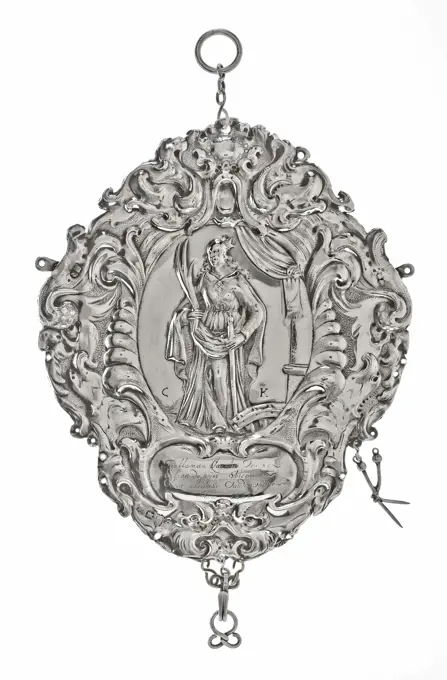
Eldert Entvogel(), Silver chief shield of the St. Catharine Guild: the pin, needles and crocheted guild, head shield shielded silver, driven hammered Shield ring top hook at the bottom front left bottom (debossed) Pin-needle and hookmaker's guild St. Catharinagilde Tielleman Jacobse Vries Elias Denyse Stierman Claes Awamse van the Pond 1669 symbolize
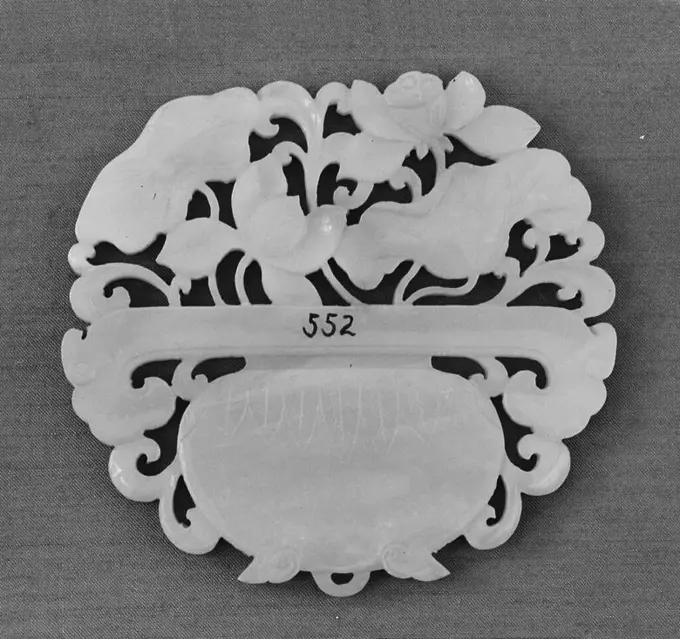
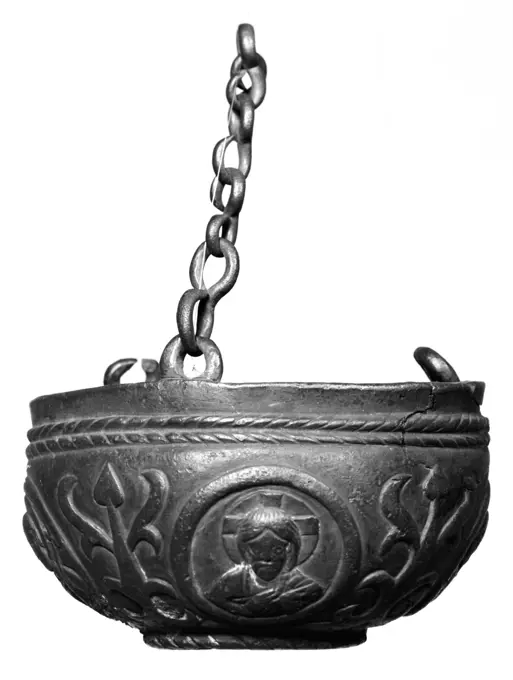
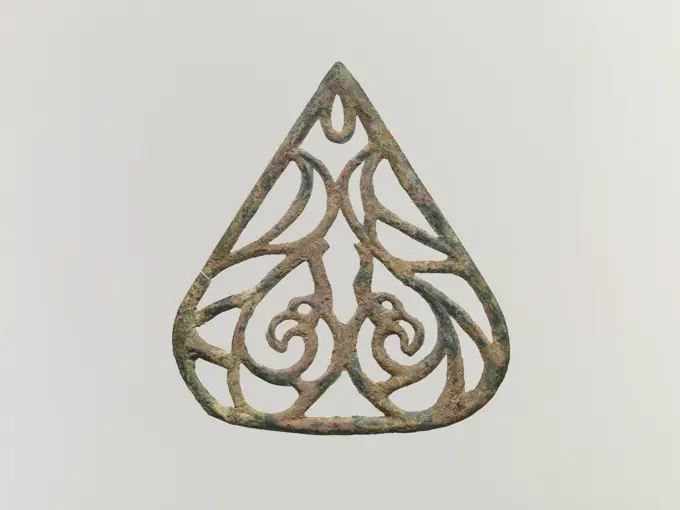
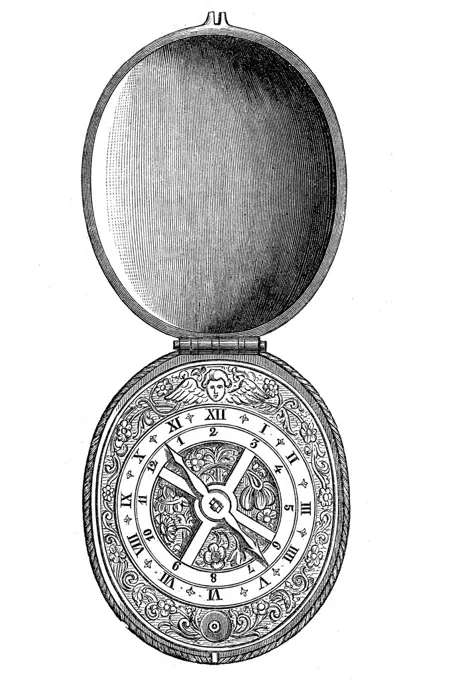
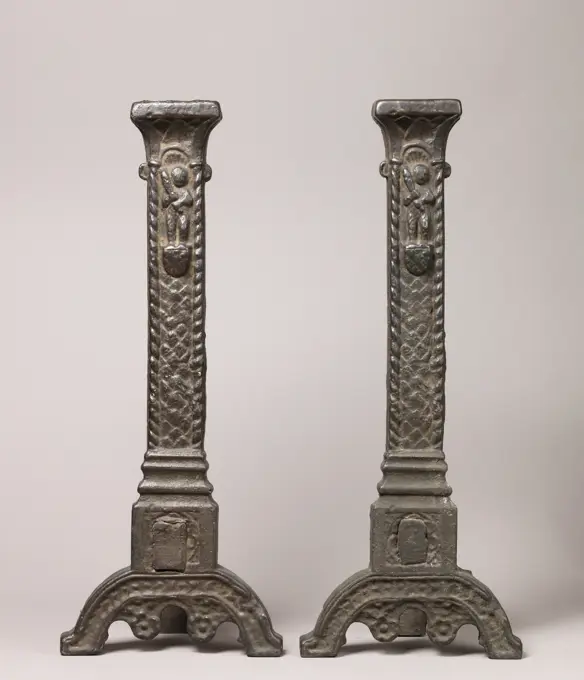
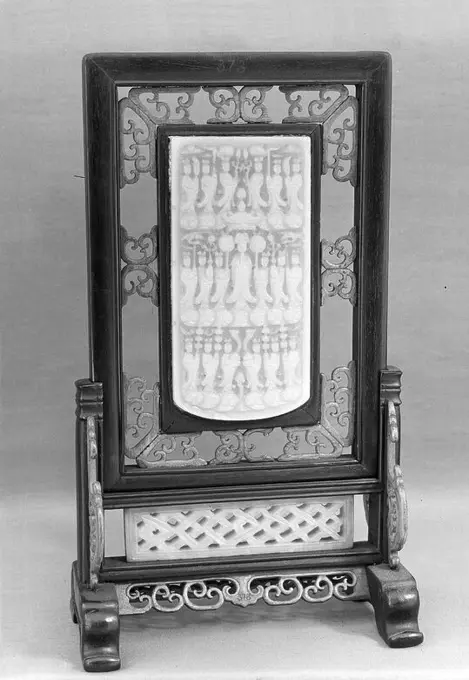
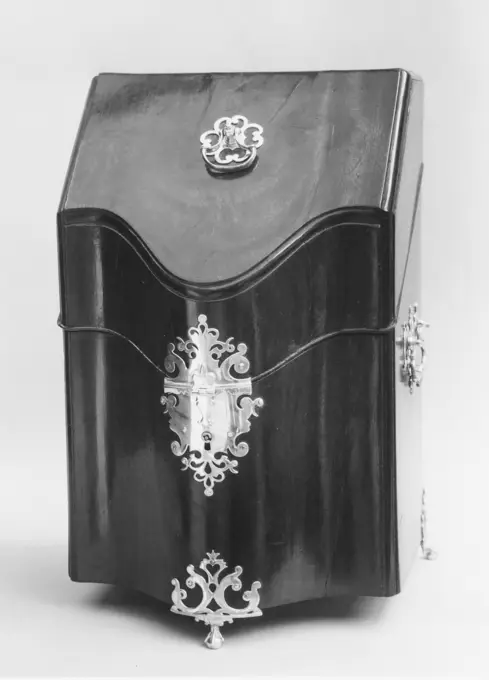
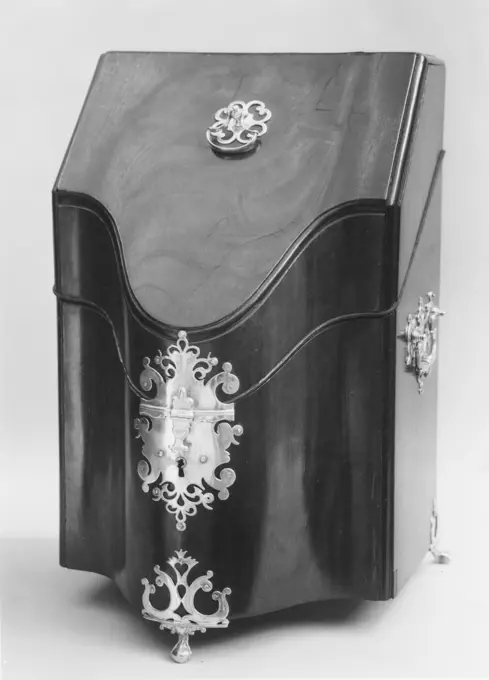
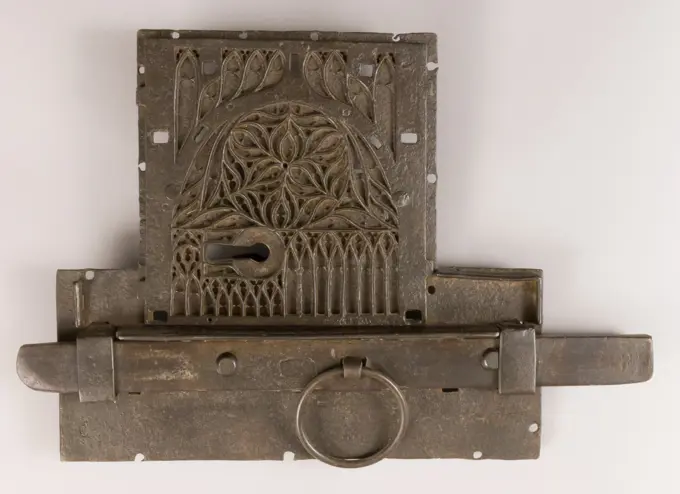
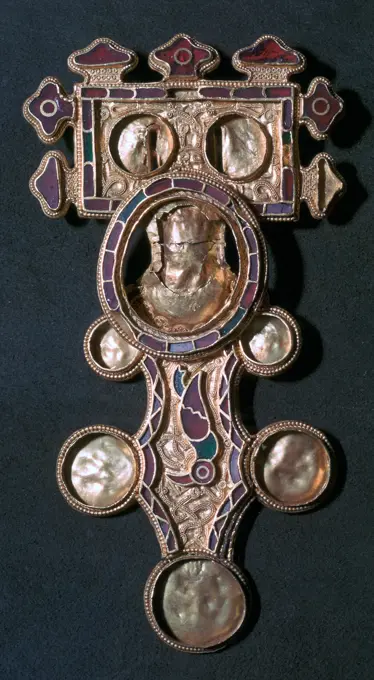
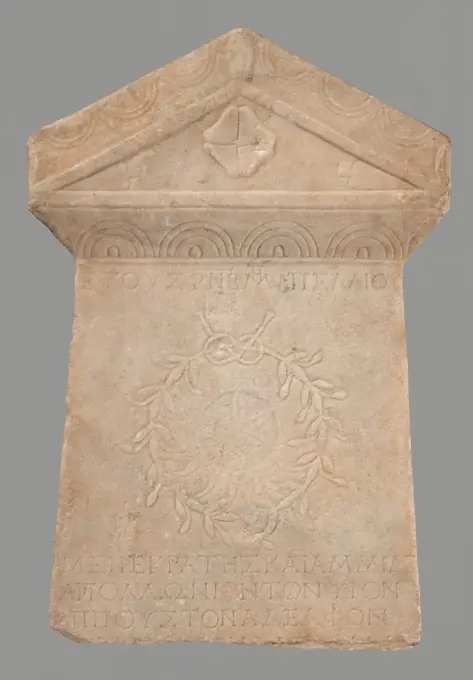
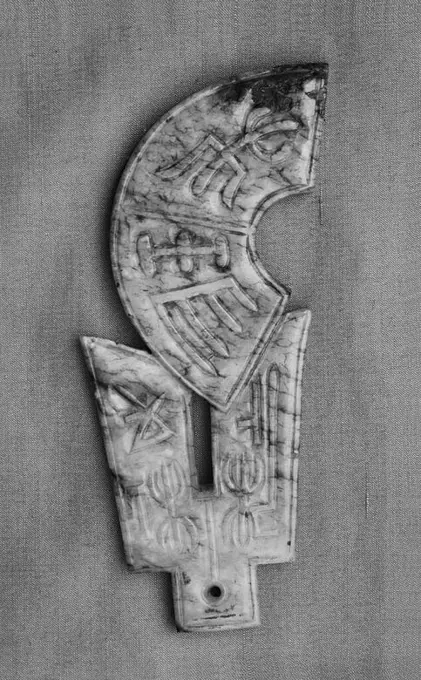
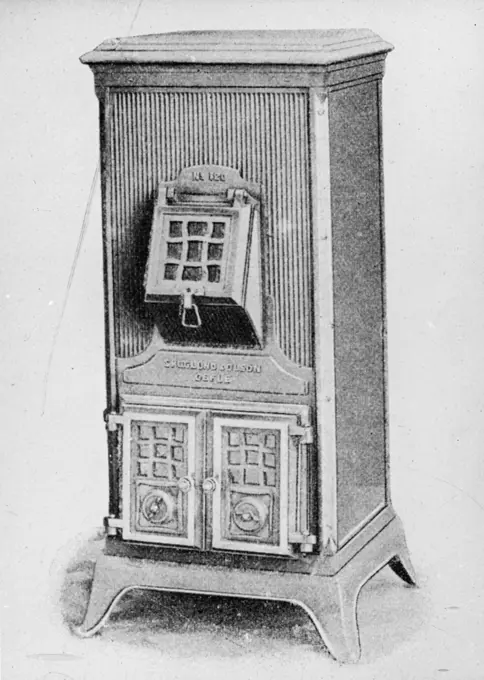
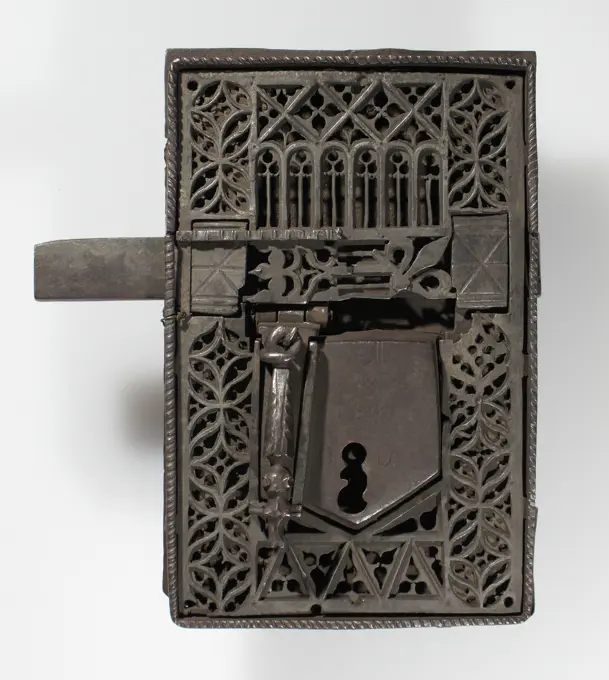
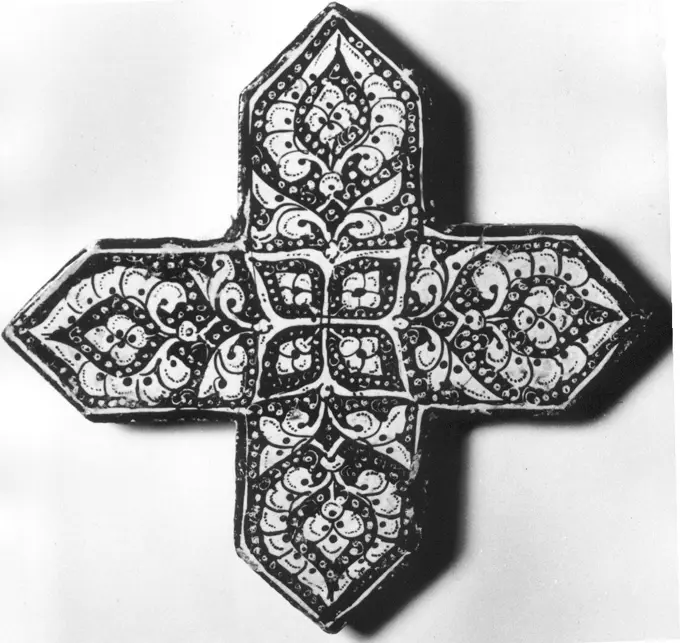
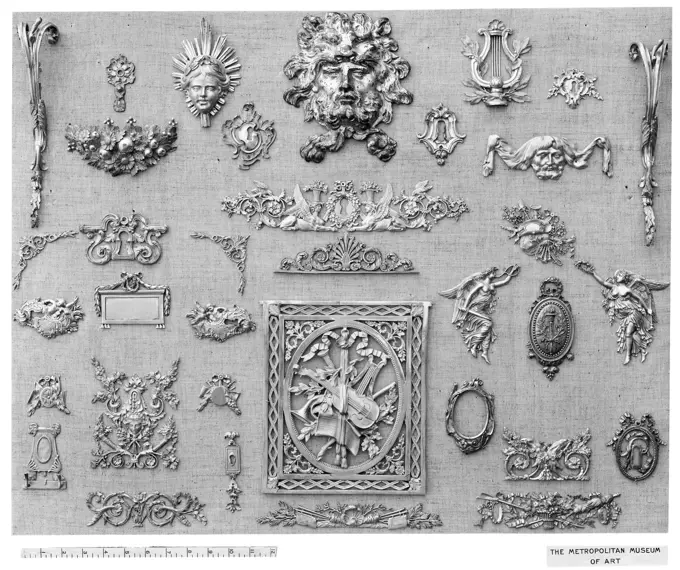
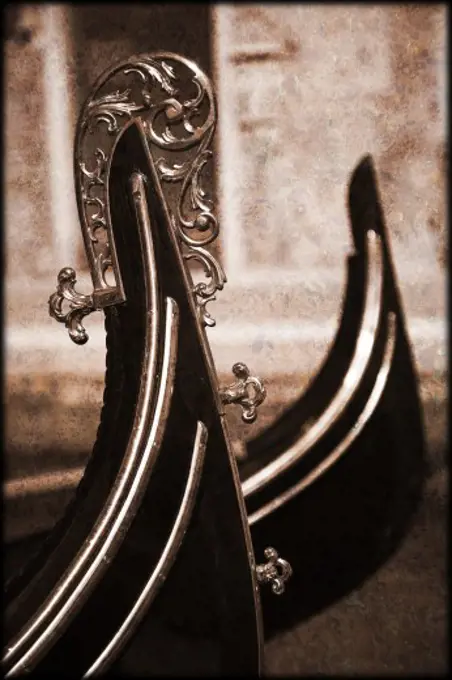
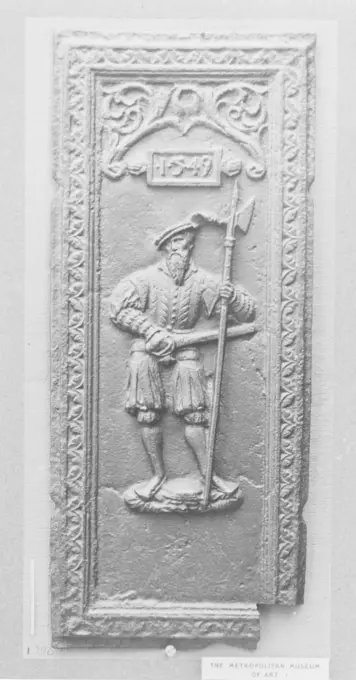
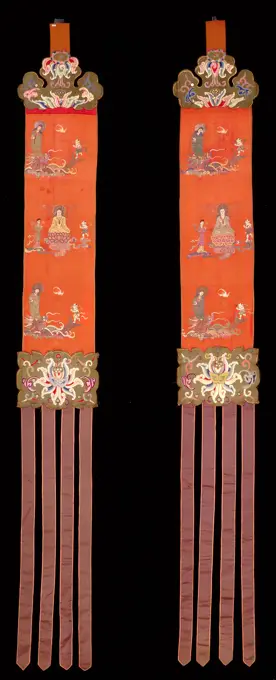
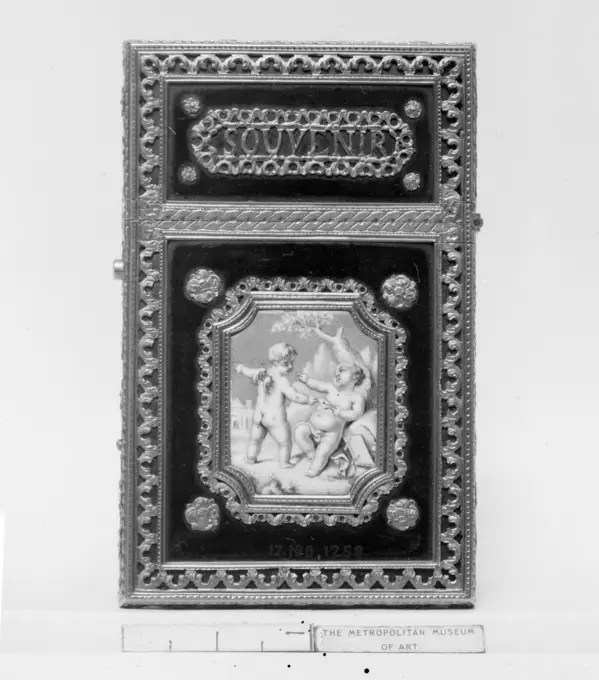
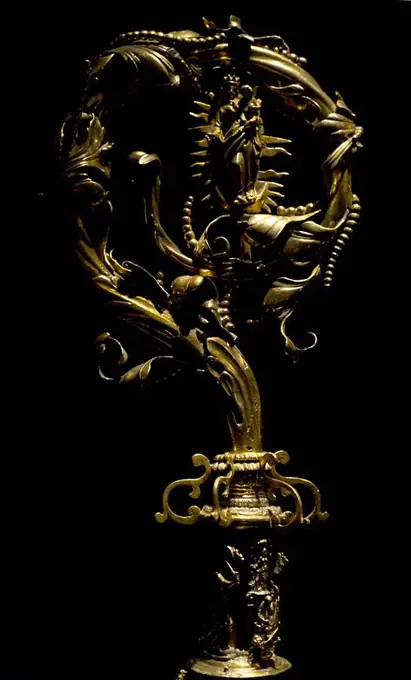
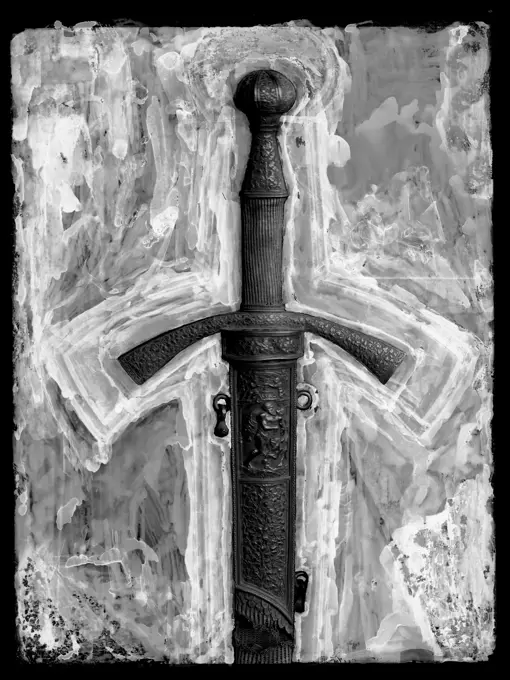
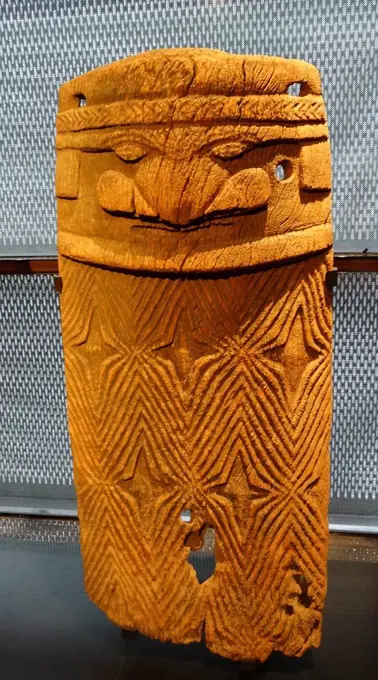
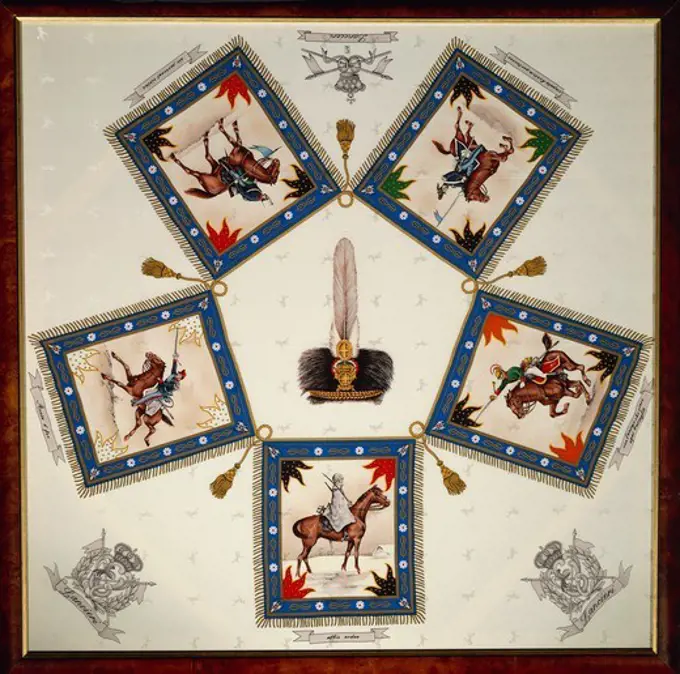
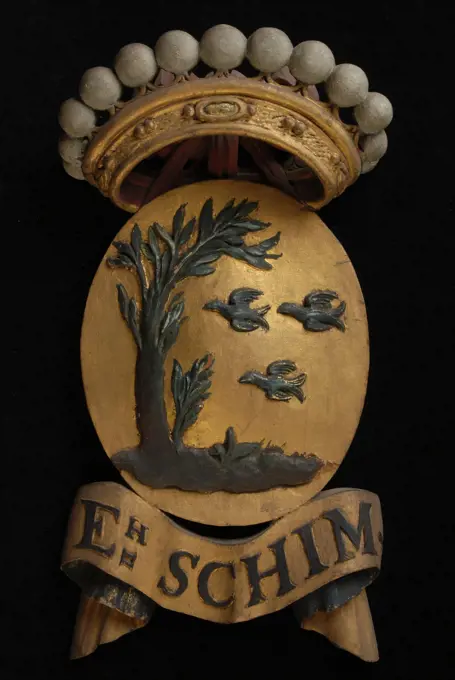
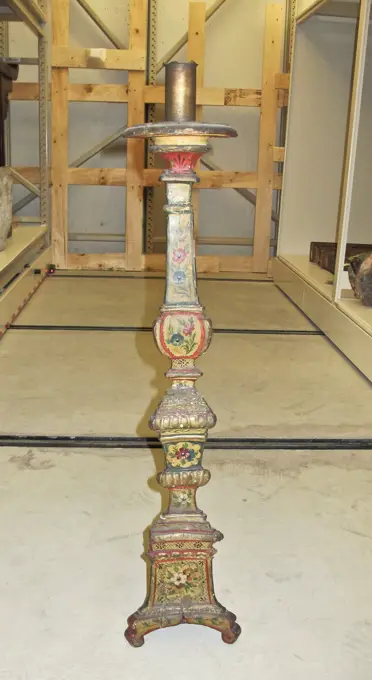
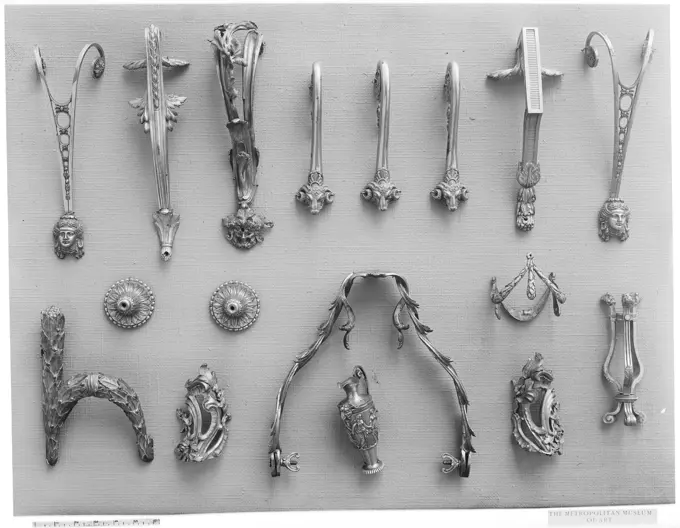
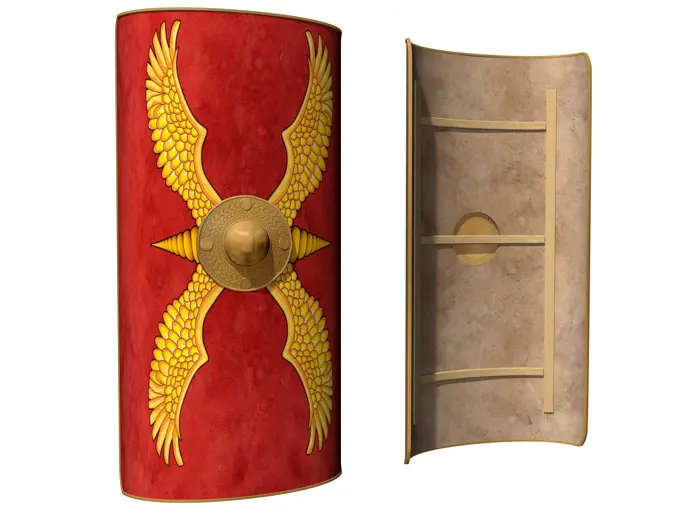
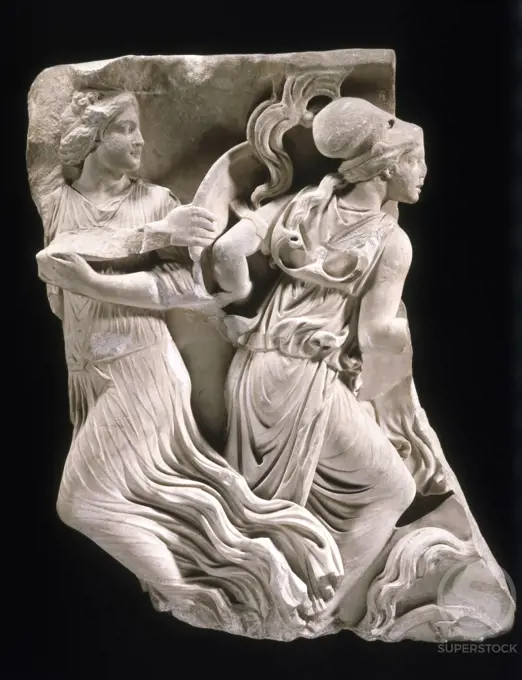
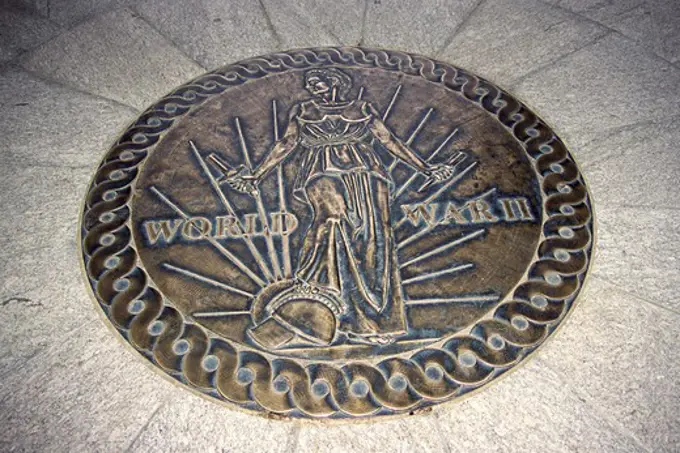
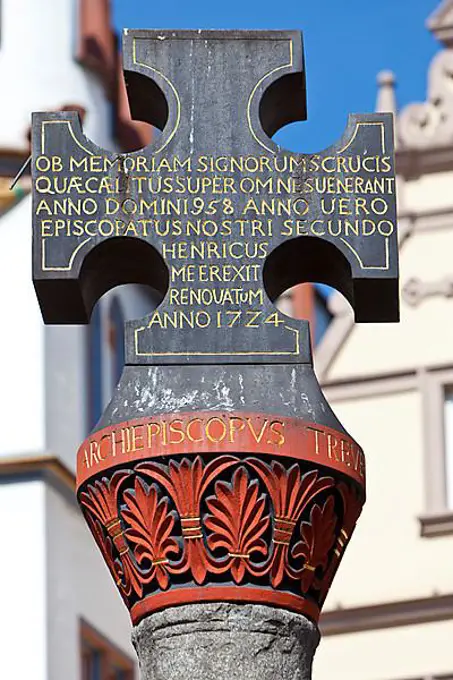
. Lock plate in the form of a Tuscan portique with weapons sign (Gorkum or neighbors) and the year 1587.Medallion. Culture: China. Dimensions: H. 2 13/16 in. (7.2 cm); W. 3 1/16 in. (7.7 cm); D. 3/16 in. (0.5 cm). Museum: Metropolitan Museum of Art, New York, USA.Censer with an Image of Christ and Saints. UnknownA shield with an eagle in the southern shaking of the apse  Basilica Assumption of the Virgin Mary (Mariacki), KrakówHarness Trapping 5th century B.C. China. Harness Trapping 61129flower carved wood on white backgroundCruciform and square-headed fibulae, 1893.  Artist: A HousselinTaschenuhr aus dem 16. Jahrhundert  /  Pocket watch from the 16th century, Historisch, historical, digital improved reproduction of an original from the 19th century / digital restaurierte Reproduktion einer Originalvorlage aus dem 19. Jahrhundert, genaues Originaldatum nicht bekannt.Head Ornament 18th-19th century. Head Ornament 454097Nad Wietle (Filung) with a JG monogram;  1. PO. 18th century (1700-00-00-1750-00-00);Fragment of Kandelaber with vases and leaf refrences awarded by two putti with shields; Ornament panels ..astronomy instruments astrolabe second half of the 15th century National Technical Museum Prague,Door; walnut, carvedFire Fan Made 1701-1725 England. Linen, plain weave; embroidered with silk and wool in tent stitches; edged with silk and silvered-metal-strip-wrapped silk, plain weave with supplementary patterning wefts; backed with linen, plain weave; glazed; wood handle .Seal with the Legend "Zhi xi wo gui" 18th century China. Seal with the Legend "Zhi xi wo gui" 41959fireback soil foundry cast iron, cast Rectangular with arch at the top. On top of shell flanked by two dolphins and two shells Border between frame and pearl necklace without decoration. In the middle an angel with shield living environment interior heating bible Christianity religionWatch ca. 1630 Watchmaker: Probably Jean Cusin. Watch 194168Back of Cap Made 1801-1900 France. Linen, plain weave; embroidered with linen threads in buttonhole, crossed back, satin and square openwork stitches .Dish 1835-50 American. Dish. American. 1835-50. Lacy pressed glass. Made in Midwest, United States2 vases, 1 of which is decorated with a mask; And a table candlestick decorated with 3 sphinxes.Stove plate with Battle of Gibon and Opening, 1660 Cast iron stove, consisting of two zones. Central to the upper zone is the Battle of Gibeon (Joshua 10: 1-27). In the foreground are four armed men in armor around a man located on the ground. In the background, a man is led into a cave on the right and a man is hung on a tree on the left. The lower zone is decorated with curly slens. The plate has an opening at the top. Germany iron (metal). copper (metal) casting Cast iron stove, consisting of two zones. Central to the upper zone is the Battle of Gibeon (Joshua 10: 1-27). In the foreground are four armed men in armor around a man located on the ground. In the background, a man is led into a cave on the right and a man is hung on a tree on the left. The lower zone is decorated with curly slens. The plate has an opening at the top. Germany iron (metal). copper (metal) castingFragment 15th century European. Fragment. European. 15th century. Pot-metal glass and vitreous paint. Glass-StainedMedieval ornamentenglish national opera - london coliseum digital image number 37Firedog model mid-16th century (possibly cast 19th century) French (). Firedog 460876Amulet. 1500 -1000 BC. From Arca de l'Espina. Bronze Age. Decorative Arts. SPAIN. CATALONIA. BARCELONA. Vic. Vic Episcopal Museum.Cluny Museum, Italian Lamp of the sixteenth century, vintage engraving. Cluny Museum, Italian Lamp of the sixteenth century, vintage engraved illustration. Magasin Pittoresque 1873. Copyright: xZoonar.com/PatrickxGuenettex 10679613Table screen. Culture: China. Dimensions: H. 11 15/16 in. (30.3 cm); W. 6 7/8 in. (17.5 cm); L. 4 3/16 in. (10.7 cm). Museum: Metropolitan Museum of Art, New York, USA.Ceiling late 15th or early 16th century Austrian. Ceiling. Austrian. late 15th or early 16th century. Red pine and paint. Made in Tyrol, Austria. Woodwork-FurnitureKnife Box 1765-95 Lewis Fueter. Knife Box 4626Knife Box 1765-95 Lewis Fueter. Knife Box 4625Bliżej Kultury unknownAfrica, South Africa, Mpumalanga province (Eastern Transvaal), Panoramic Route, Pilgrim's rest, the post has been transformed into a museum, slot machineConsole in the nave, St., Saint, SaintCupboard Door. Egypt, second half of 13th century. Wood. Wood, carved ivory, and marquetryLock 15th-16th century European The decoration of Gothic iron locks and keys was often elaborate and of the highest standard of workmanship. The motifs were frequently drawn from Gothic architecture, reproducing on a miniature scale complicated tracery patterns and even tiny statuettes. A number of these tiny locks were compound, with some of the mechanisms concealed from view, and required two or even three keys used in sequence to open them. It has been suggested that the greatly expanded use of locks on doors, or coffrets and other types of storage chests was a result of the increasing urbanization of life and the new emphasis on material wealth and private ownership which developed in the late Middle Ages.. Lock. European. 15th-16th century. wrought iron. Metalwork-IronFramed Chinese Bridal Hair Ornaments,  Qing Dynasty, Daoguang Period (early 19th Century)Lid. Unknown about A.D. 20-40 The lid combines a rooftop form with a gable, and an altar form with volutes. The gable is framed by a twisted band, and at the top, with a row of dentils as well. Within the gable frame, two birds drink from a bowl. In the corners are shells from which lions' heads protrude. There is a flower in each of the volutes. In the spandrels between the gable and volutes, palmettes. On top of the roof, leaves and fruits. A strip runs along the ridge of the roof, and another divides the two sides. (Description after Koch and Wight 1988)Gold Iron Age Fibula. Artist: UnknownTurkish ornamentPiece 18th-19th century Japan. Piece 66036Chest Front, 18th century. India, 18th century. Wood; overall: 43.9 x 128 cm (17 5/16 x 50 3/8 in.).Epitafium Apolloniosa i członków jego rodziny. unknown, authorGirdle ornament. Culture: China. Dimensions: H. 4 3/8 in. (11.1 cm); W. 1 7/8 in. (4.8 cm); D. 1/4 in. (.6 cm). Museum: Metropolitan Museum of Art, New York, USA.Knife with lift in the form of a man with musket and hunting dog. It consists of a men's figure cast in two parts in the 17th century clothing with a musket and a hunting dog.Skiopticone image. Stove for firing peat.tragbarer Altar portable altar, 10th century, monastery of Sant Pere de Roda, high Emporda, Girona art museum, Girona, Catalonia, Spain Copyright: xZoonar.com/TOLOxBALAGUERx 22282721Glass Fragment. Culture: European. Dimensions: Overall: 3 1/8 x 7 5/8 in. (7.9 x 19.4 cm). Date: 16th century. Museum: Metropolitan Museum of Art, New York, USA.Woman ,. Messenger CollectionLock 15th-16th century European The decoration of Gothic iron locks and keys was often elaborate and of the highest standard of workmanship. The motifs were frequently drawn from Gothic architecture, reproducing on a miniature scale complicated tracery patterns and even tiny statuettes. A number of these tiny locks were compound, with some of the mechanisms concealed from view, and required two or even three keys used in sequence to open them. It has been suggested that the greatly expanded use of locks on doors, or coffrets and other types of storage chests was a result of the increasing urbanization of life and the new emphasis on material wealth and private ownership which developed in the late Middle Ages.. Lock. European. 15th-16th century. Iron. Metalwork-IronRoundel China. Roundel 70526Cross-Shaped Tile 13th century. Cross-Shaped Tile 450451Copón, siglo XIV. Iglesia de Ulldecona, Tarragona. Museo de Historia de Barcelona.Lock ornament French early 18th century View more. Lock ornament. French. early 18th century. Gilt bronze. Metalwork-Gilt BronzeCup; Huta Kryszta around 1720-1730 (1720-00-00-1730-00-00);Brześciański, Stanisław ( -1735), Kossecki, Franciszek Ksawery ( -1857), Kossecki, Stanisław (1739-1820), Kossecki, Stanisław ( -1873), Nowosielski, Józef ( -1730), Sas (Herb) , Strzałecki, Antoni Jan (1844-1934)-collection, Wisłocka, Józef (-), Wisłocka, Zofia (--), Wisłocki, Males (Crucifix. Culture: Spanish. Dimensions: Overall (with tang): 10 1/8 x 5 5/8 x 3/16 in. (25.7 x 14.3 x 0.5 cm)Overall (without tang): 7 15/16 x 5 5/8 x 3/16 in. (20.2 x 14.3 x 0.5 cm). Date: ca. 1150. Museum: Metropolitan Museum of Art, New York, USA.Textile with Partial Pattern of Chrysanthemums Japan. Textile with Partial Pattern of Chrysanthemums. Japan. Silk twill brocaded with silk. Edo period (1615-1868). Textiles-WovenPorringer.   Maker: Daniel Russell, Sr., American, 1698-c. 1780Campania Caserta Capua Museo Campano15. Hutzel, Max 1960-1990 Medieval: Byzantine architectural fragments; parchment fragments with miniatures (12th century) from Montecassino; painted wooden crucifix (13th century); Carolingian crucifixes; Bishop's miter (11th century) of gold and silver damask; fresco (13th century). Post-medieval: Architecture (15th century). Formerly the Palazzo Antignano. Unusual Catalan/Moorish-style portal; Paintings on panel and canvas (15th-18th centuries); marble intarsia (16th century); marble sculpture: busts of Christ and Mary (17th century); sculpture of saints in marble and in wood (15th century); painted and gilded sculpture in wood; marble grave sculpture (16th century); sarcophagus with allegorical carvings; gold reliquary "Rosa d'Oro"; crucifix made of elephant tusk Specific Location: Pianterreno Antiquities: Italic sculpture (seated women holding babies); inscription. Photo campaign #1: 533 photos. Roman relief and sculpture; cinerary urns; Greek anGondola prow, Venice   Orphrey Band (France); silk, linenAntoine-Louis Bare (1795-1875). "Panther walking". Bronze brown brown bonoré. 1831 (between) -1845 (and). Museum of Fine Arts of the City of Paris, Petit Palais. Statuette, 19th XIXth 19th 19th 19th 19th century, animalStove plate 16th century German. Stove plate. German. 16th century. Iron. Metalwork-IronTemple Banner, 19th century, 10 1/2 x 14 3/4in. (26.7 x 37.5cm), Silk, tapestry weave, China, 19th centuryAnonymous, at the deer 1745. Sign of wine merchant. 120. Rue Saint-Martin, 10th arrondissement, Paris (dummy title), 1745. Bois. Carnavalet museum, history of Paris.Souvenir 1768-74 French, Paris In eighteenth-century Europe, Paris led the production of high-quality luxury goods. Parisian goldsmiths made a wide range of small, personal articles such as snuffboxes; étuis to hold sealing wax, tweezers, or utensils for sewing; souvenirs, which contained thin ivory tablets for note taking; and shuttles for knotting lace. Gold snuffboxes and boxes decorated with portrait miniatures were prized and frequently given as royal gifts, often to ambassadors or members of the court in lieu of cash payments for their services. Coveted and admired, these boxes were produced from a variety of materials. The best were skillfully made of gold and embellished with diamonds, enameled decoration, lacquer, and other luxurious materials. By the middle of the century, the taking of snuff had become an entrenched social ritual, and the snuffbox, too, had become an important social prop. Snuffboxes were considered highly fashionable accessories, with some merchants advertiChair 18th century Swiss. Chair. Swiss. 18th century. Wood. Woodwork-FurnitureEmilia-Romagna Ferrara Ferrara Museo Civico di Schifanoia39. Hutzel, Max 1960-1990 General Notes: INCOMPLETE RECORD--NEGATIVES PROCESSED, PRINTS FILED German-born photographer and scholar Max Hutzel (1911-1988) photographed in Italy from the early 1960s until his death. The result of this project, referred to by Hutzel as Foto Arte Minore, is thorough documentation of art historical development in Italy up to the 18th century, including objects of the Etruscans and the Romans, as well as early Medieval, Romanesque, Gothic, Renaissance and Baroque monuments. Images are organized by geographic region in Italy, then by province, city, site complex and monument.Statuette of a Flying Eros Carrying a Kithara. UnknownStorage hook in the form of a pair, anonymous, c. 1450 - c. 1500 The object consists of four parts: the front of the hook in the form of a pair, the marker, which is stabbed by the eye at the bottom, and the two small pieces of the missing bracket. The hook has been broken down. Nuremberg brass (alloy) casting The object consists of four parts: the front of the hook in the form of a pair, the marker, which is stabbed by the eye at the bottom, and the two small pieces of the missing bracket. The hook has been broken down. Nuremberg brass (alloy) castingThirty Years' War (1618-1648). Spoils of war. Crosier to Johannes Dresselius, 1625, Monastery of Ebrach, Bavaria. Swedish History Museum. Stockholm. Sweden.Bliżej Kultury unknownbox door jamb from New Caledonia (French: Nouvelle-Calédonie) a special collectivity of France located in the southwest Pacific OceanMilitaria, Italy. Scarf of the Regiment of the Lancers of Novara, Aosta, Milan, Montebello and Florence.Desk Accessory. Culture: American or British. Dimensions: 9 x 5 1/4 x 2 1/4 in. (22.9 x 13.3 x 5.7 cm). Date: 1850. Museum: Metropolitan Museum of Art, New York, USA.Carved wooden crowned coat of arms including the name Eh. Shim, coat of arms information form wood carving sculpture visual material wood paint gold, Family coat of arms of Eh. Phantom with the shield in gold on the right planted tree hanging down to the left accompanied by three upward flying black birds with crown with eleven pearls above name under escutcheon: Eh. Schim heraldiek regent regent Rotterdam City center Stadsdriehoek Hoogstraat Gasthuis Rotterdam.Pair of Candleholders, 1700s. Italy, Florence, 18th century. Carved and painted wood; overall: 78.7 cm (31 in.).Capital 14th century French. Capital. French. 14th century. Stone. Sculpture-ArchitecturalVase handle French 18th century View more. Vase handle. French. 18th century. Gilt bronze. Metalwork-Gilt BronzeRoman Scutum Shield Isolated illustration of a Roman shield viewed from the front and from behind Copyright: xZoonar.com/PaulxFleetx 2041171Anonymous, at the vineyard. Wine merchant brand. Angle of the Saint-Thomas-d'Aquin and Saint-Germain streets, 7th arrondissement, Paris (dummy title), 1750. Wrought iron, cut and rejected; Leather (leaves added in the 19th century) Painted in black. Carnavalet museum, history of Paris. Vine foliage.Artefacts in the gold museum, Bogota, Colombia, South AmericaPhoto collection Government information service. DIAS Landscapes Friesland Continuous series of 4. Undated. FrieslandRoman Marble Sarcophagus Fragment Depicting the Battle of the Gods and the Giants c. 175 A.D.  Roman Art World War II Memorial sign, National World War II Memorial, National Mall, Washington, DC, USAMarktkreus, Market Cross, Hauptmarkt square, Trier, Rhineland-Palatinate, Germany, EuropeMadonna  Studio of Lorenzo Ghiberti  Sculpture  Hermitage Museum, St. Petersburg