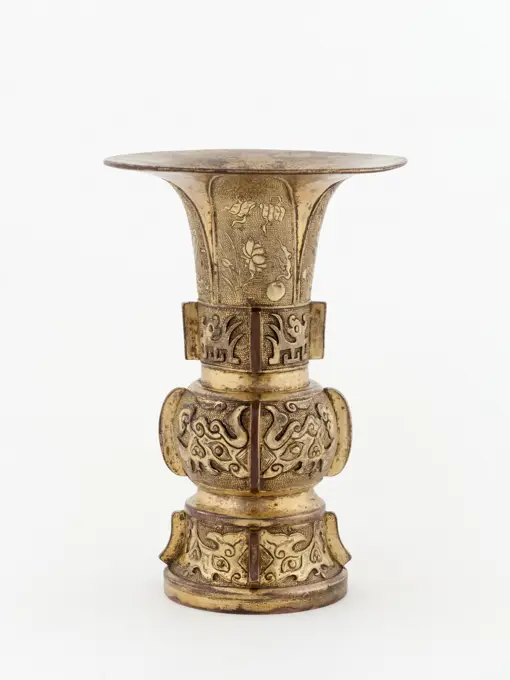
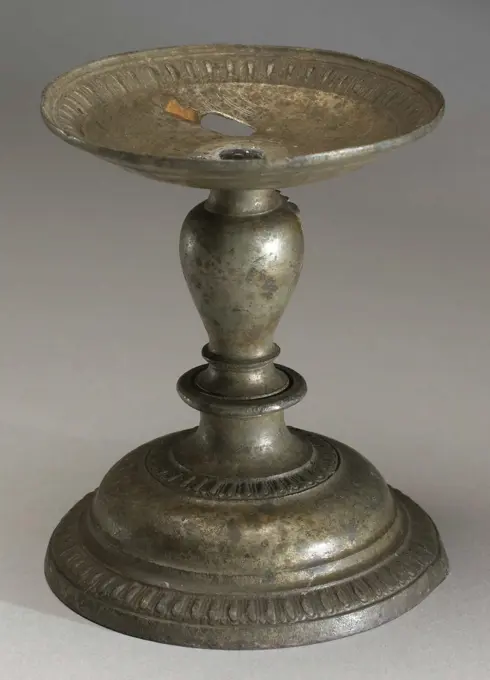
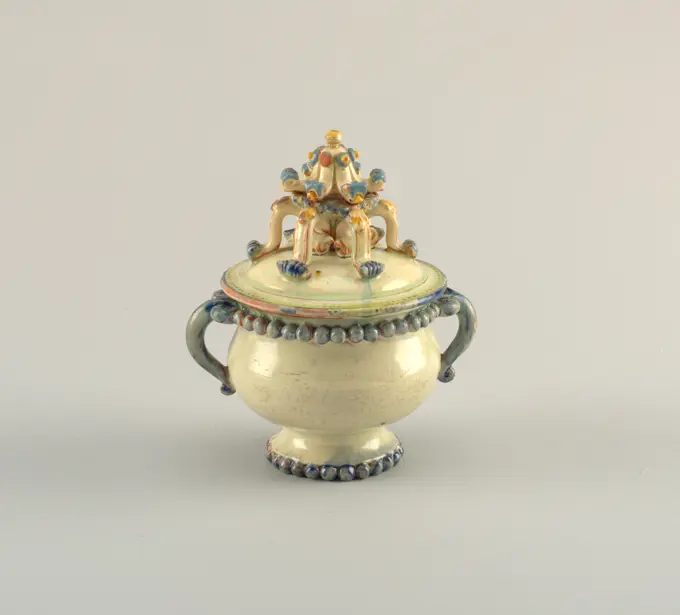
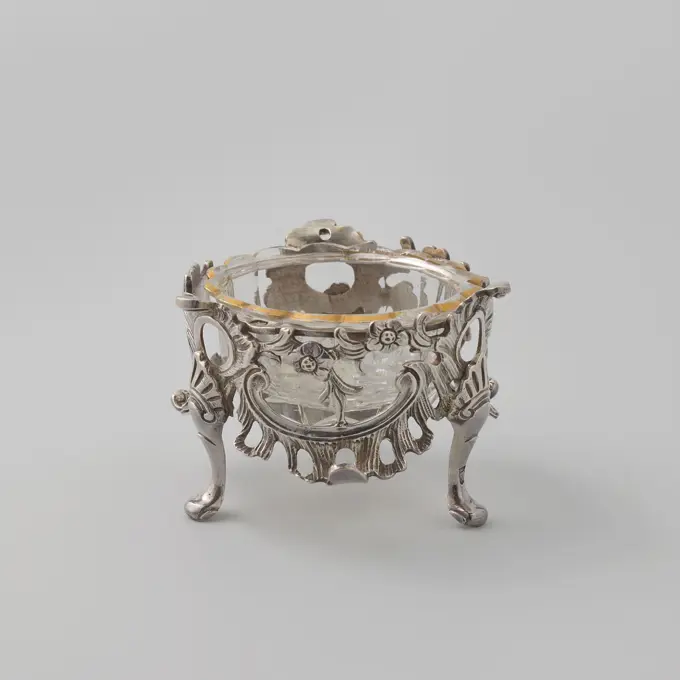
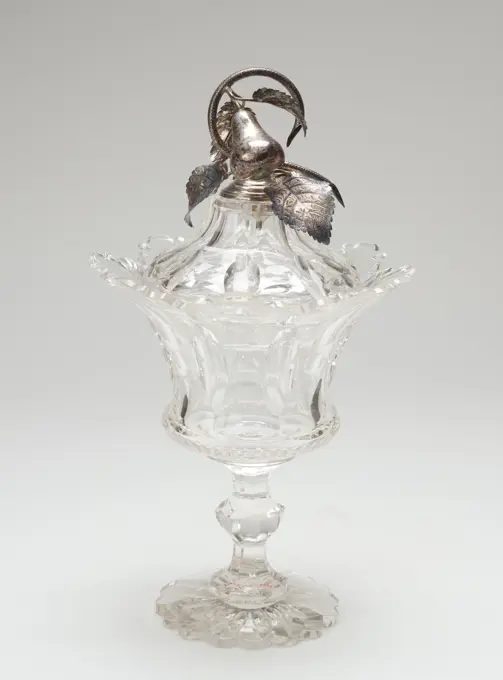
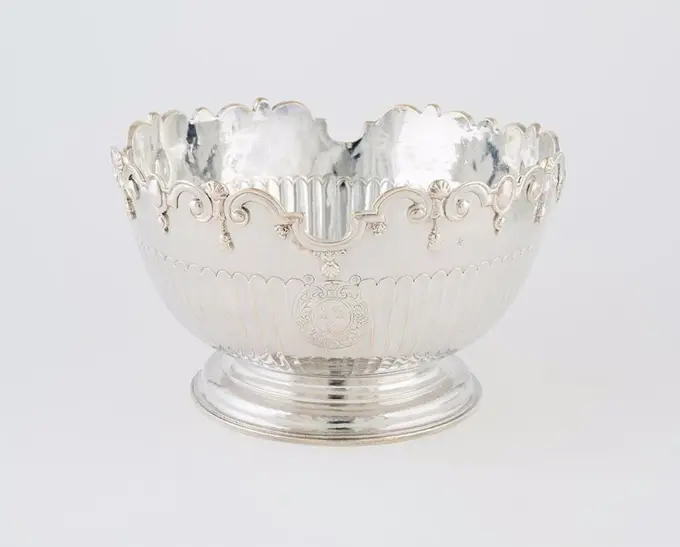
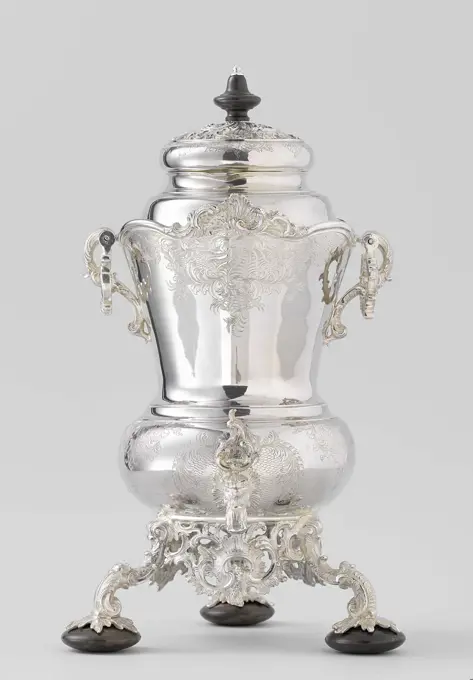
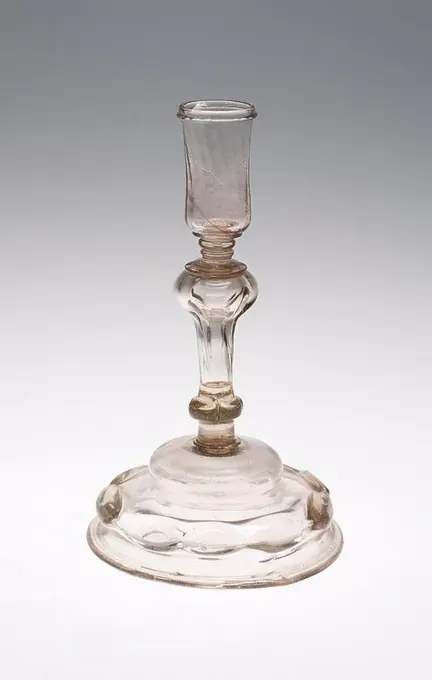
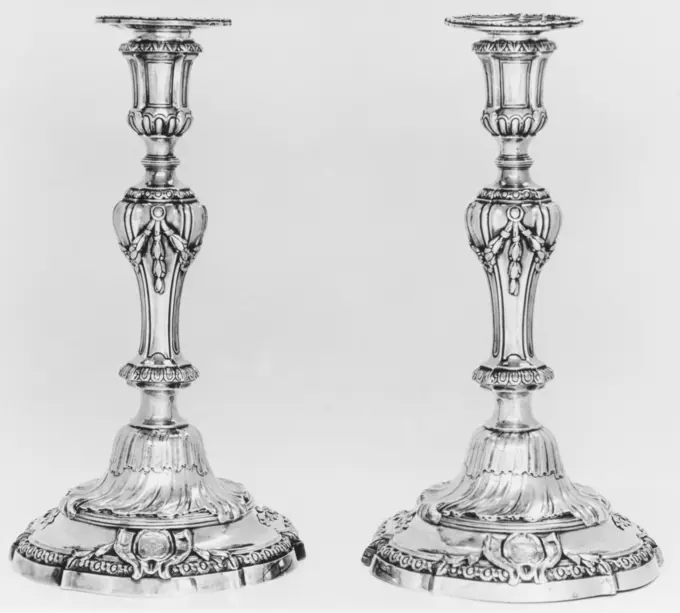
Decorative Antique Vessels

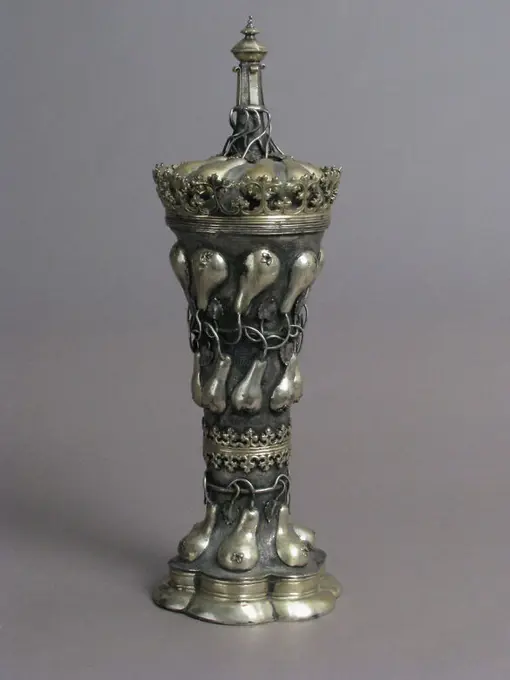
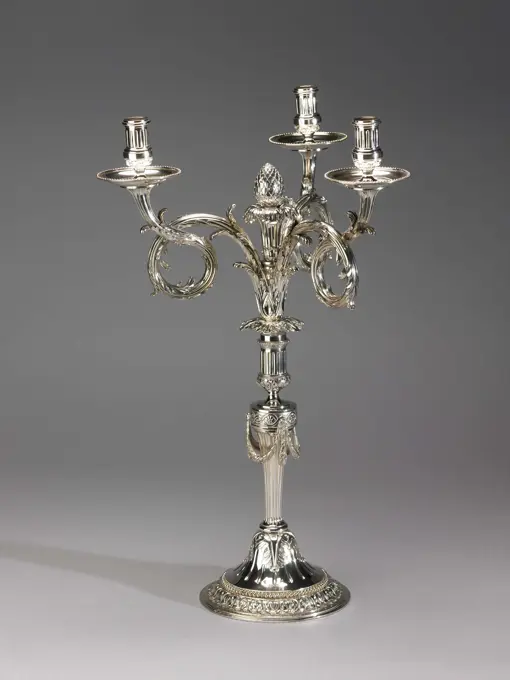
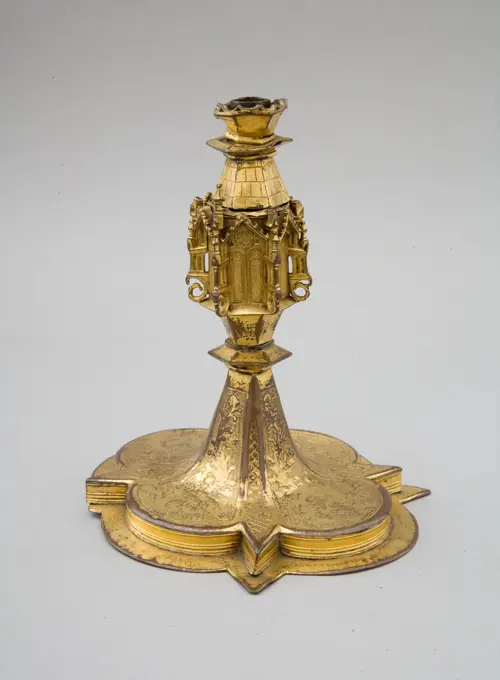
A variety of ornate vessels including goblets, jars, and candlesticks, featuring intricate designs in silver and bronze, ideal for decorative displays.
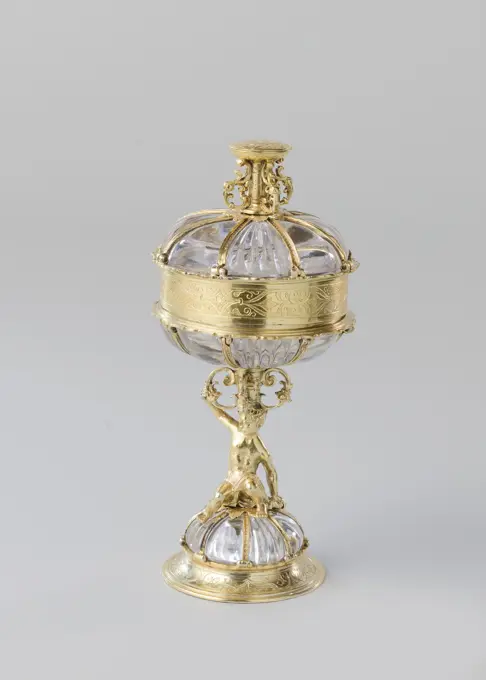
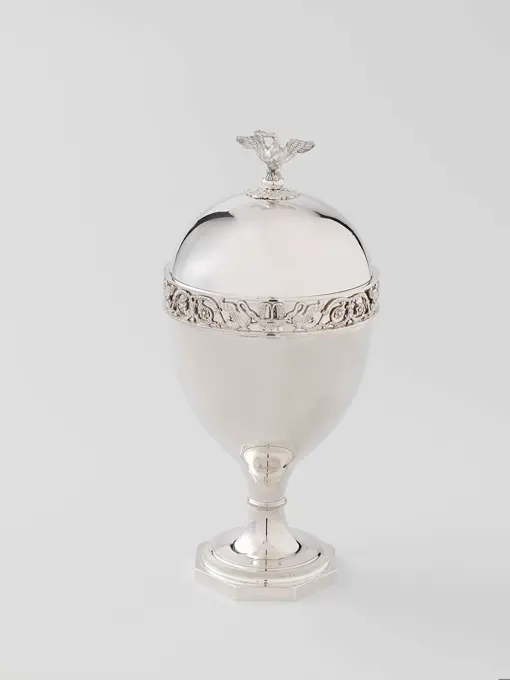
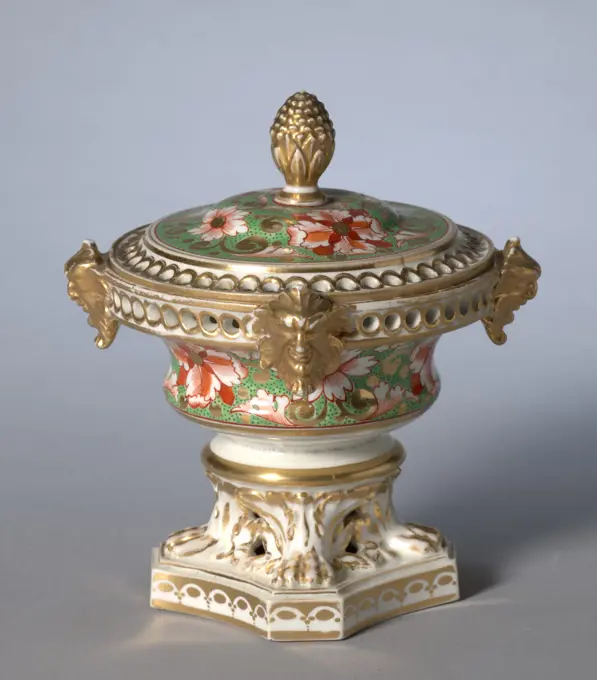
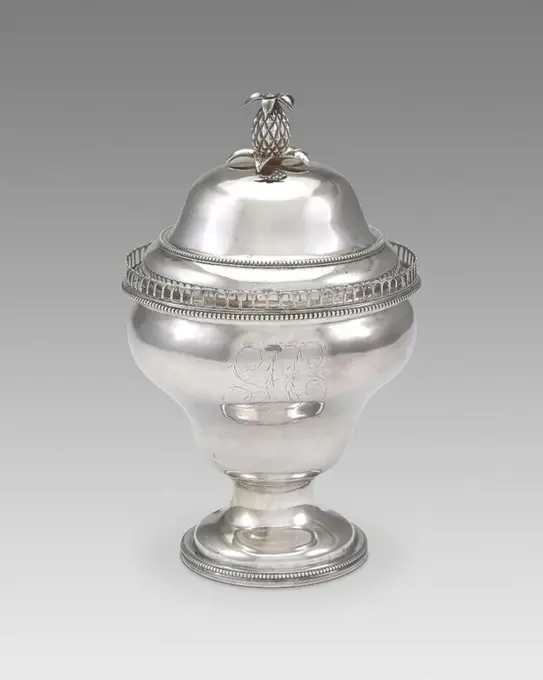
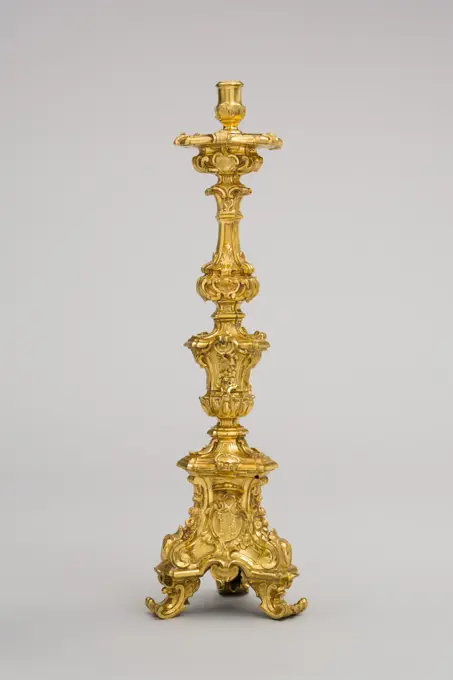
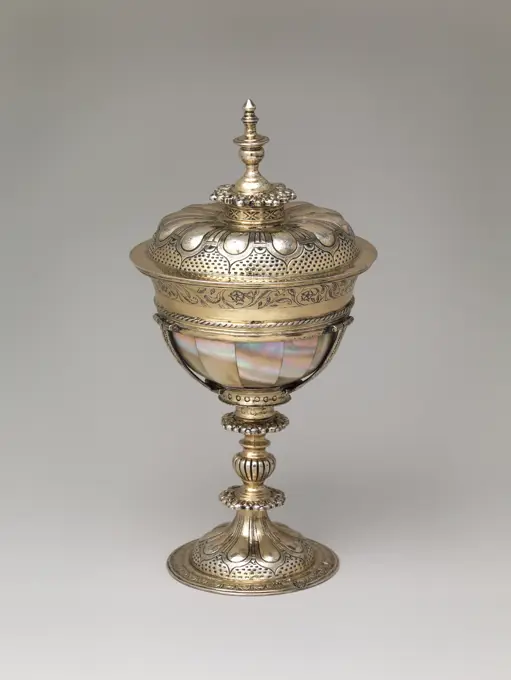
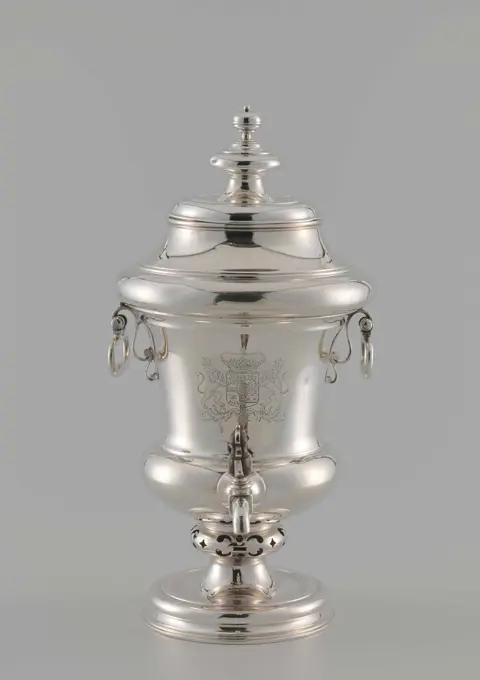
Cup with frame of gilded silver. On dome -shaped foot a naked young man who holds the frame of the barrel with one hand., Anonymous, 1590 - 1610 Small jar with gold -plated silver frame. On the dome -shaped foot there is a naked young man who holds the frame of the barrel with one hand. Southern Germany silver (metal). gilding Small jar with gold -plated silver frame. On the dome -shaped foot there is a naked young man who holds the frame of the barrel with one hand. Southern Germany silver (metal). gilding
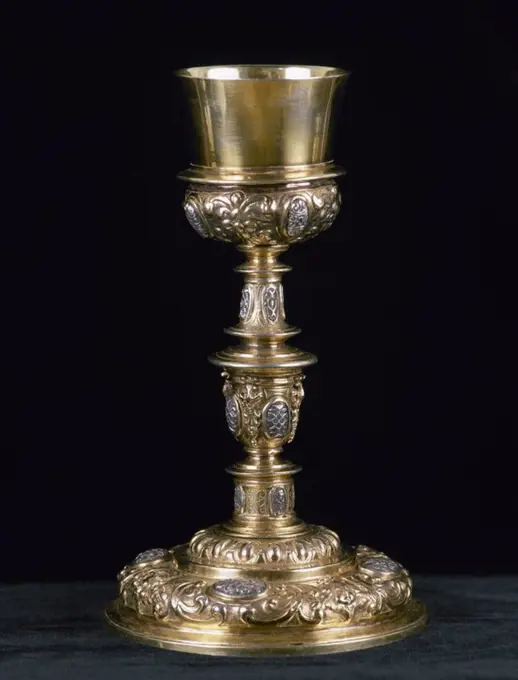
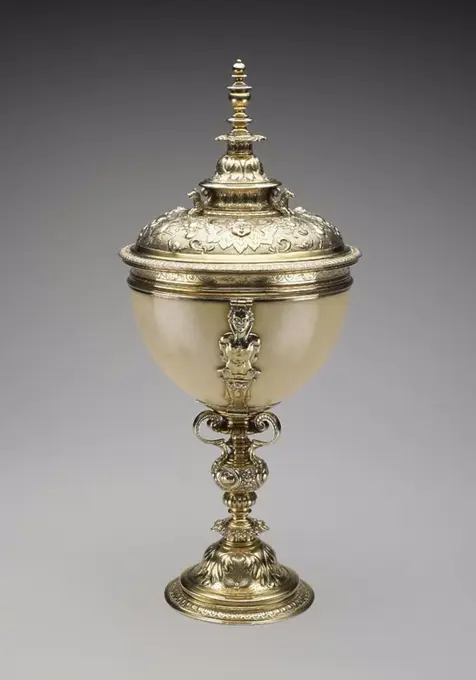
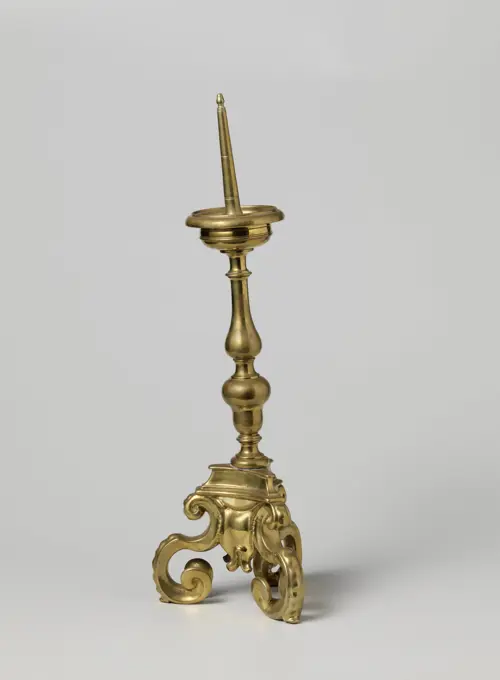
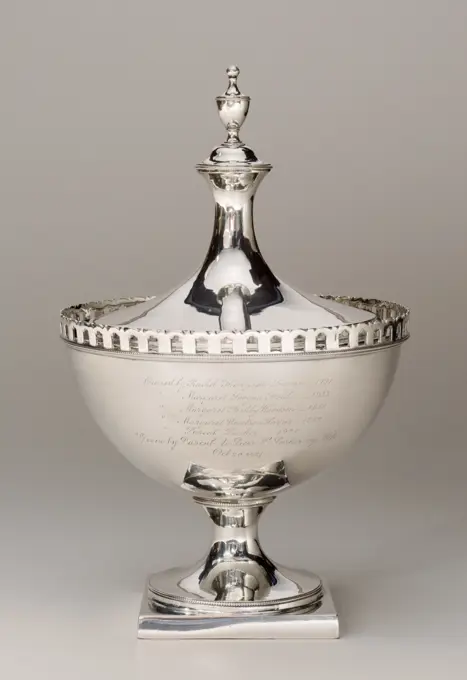
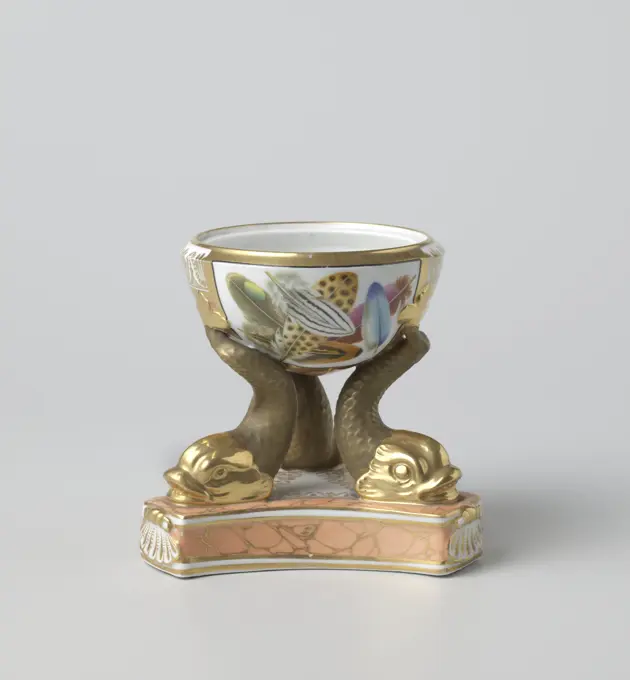
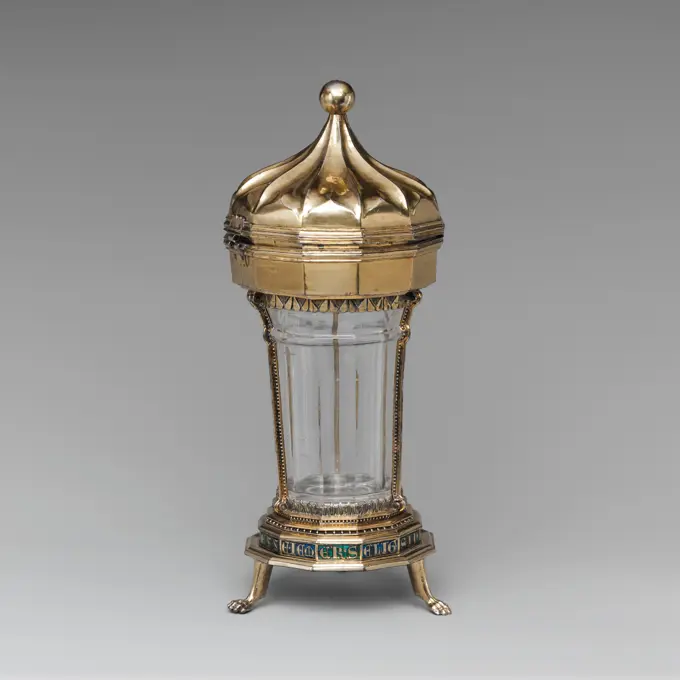
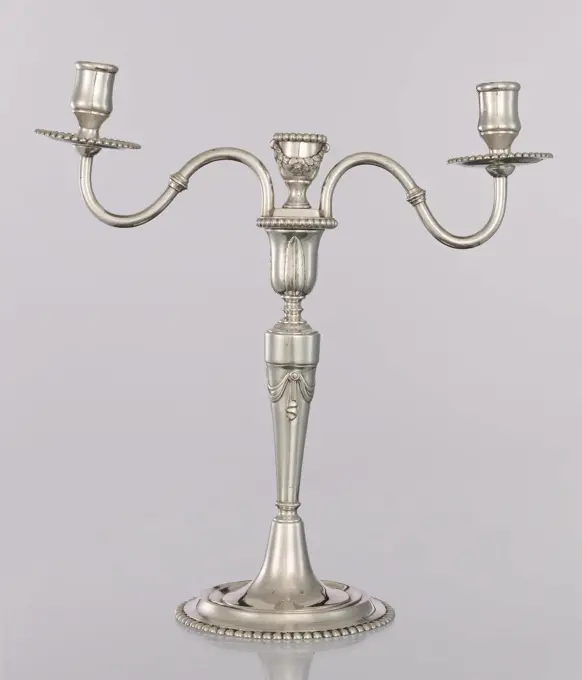
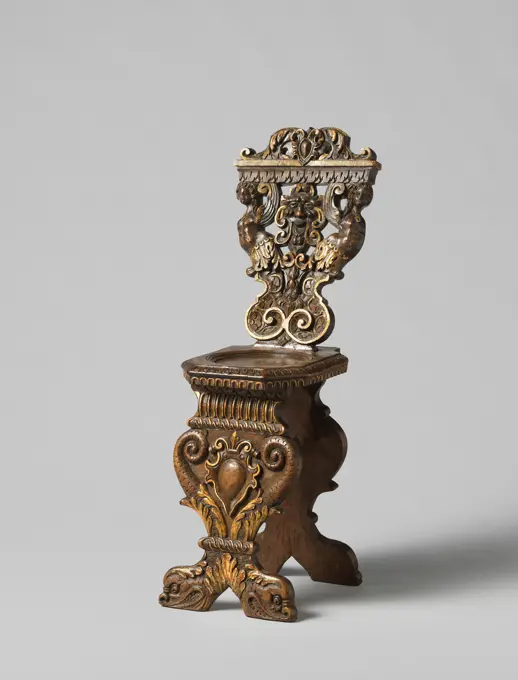
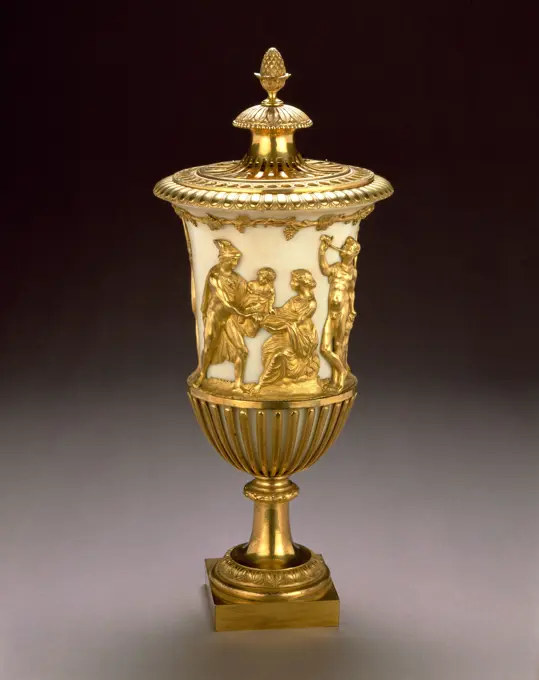
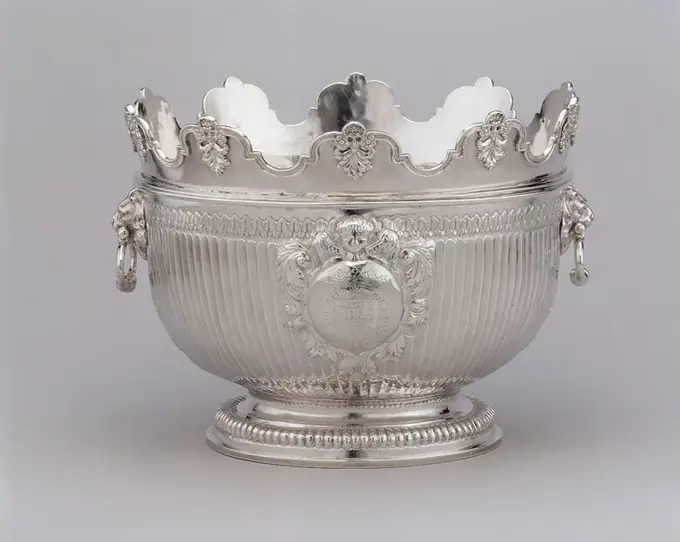
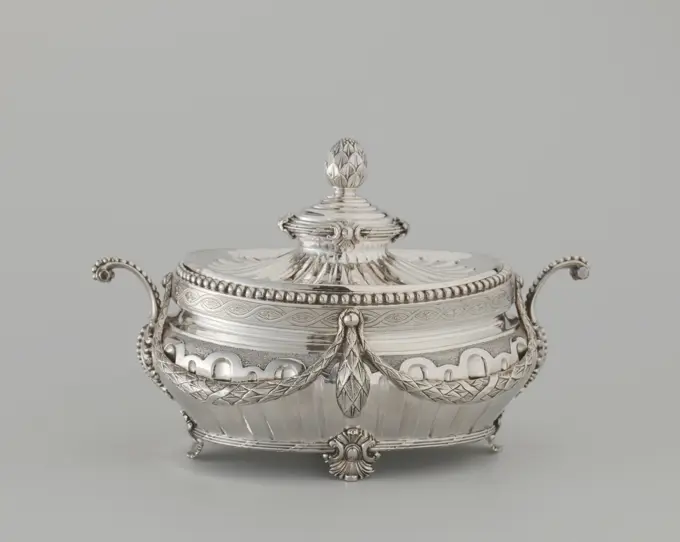
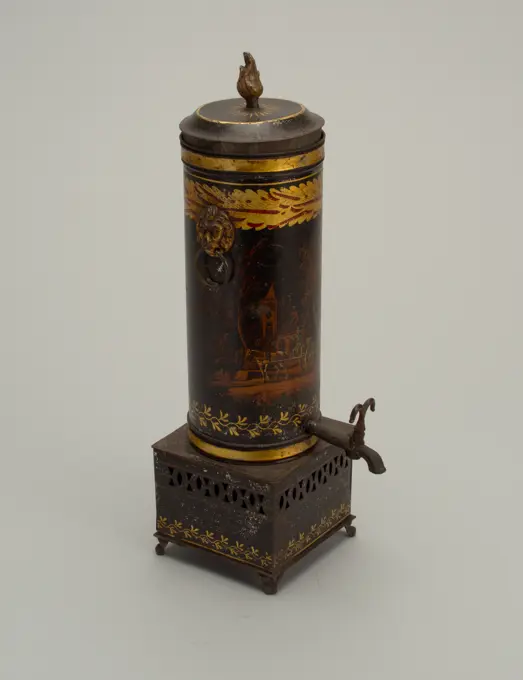
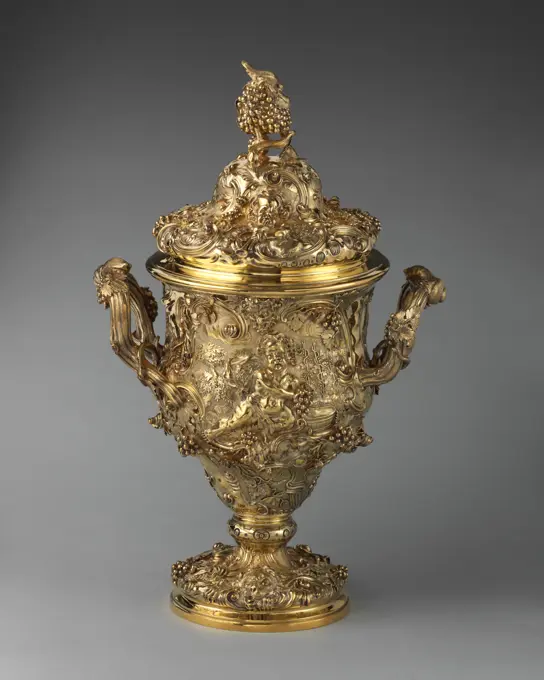
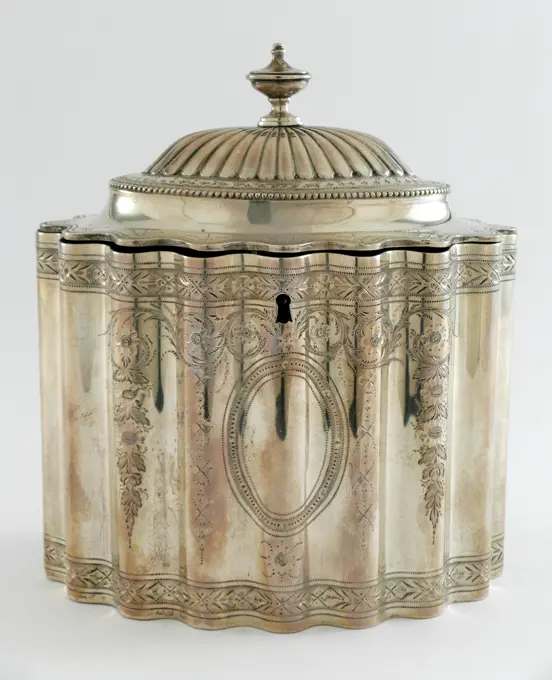
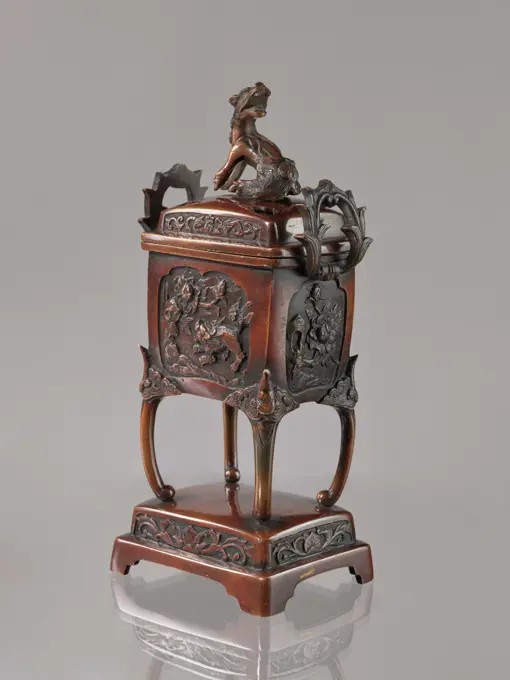
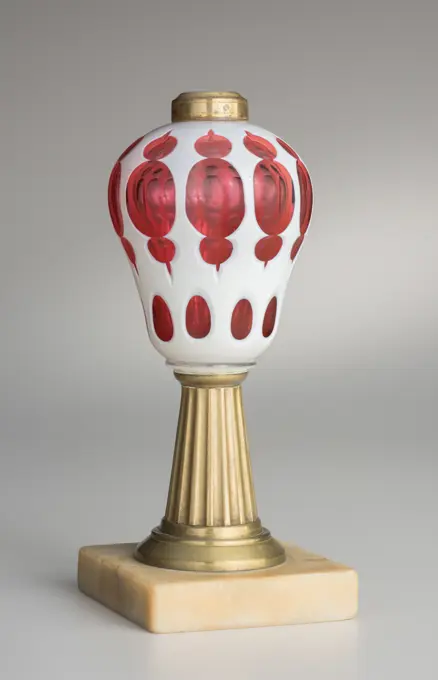
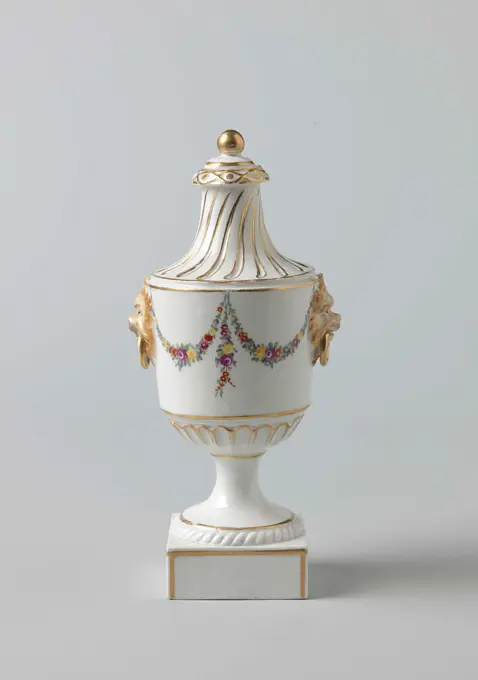
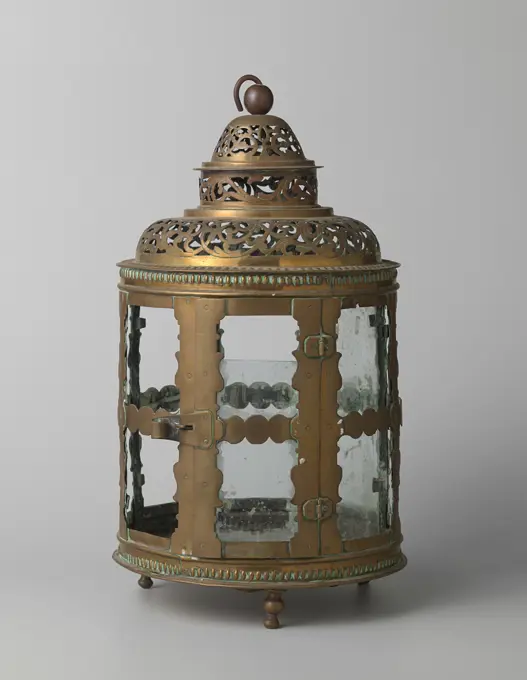
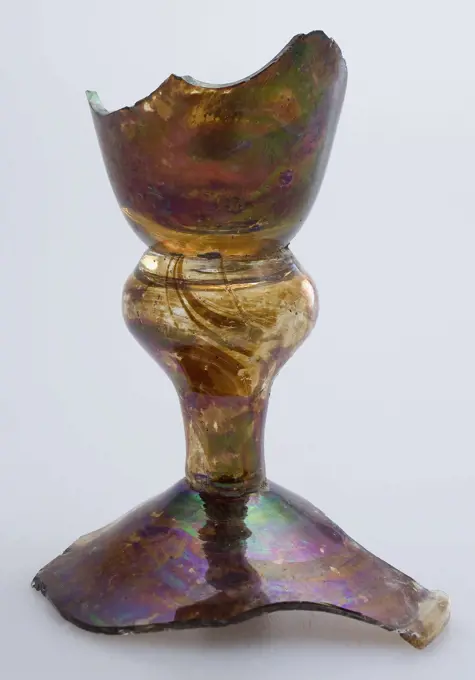
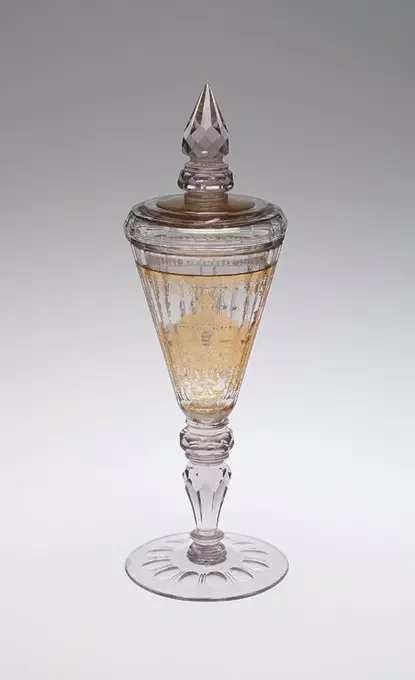
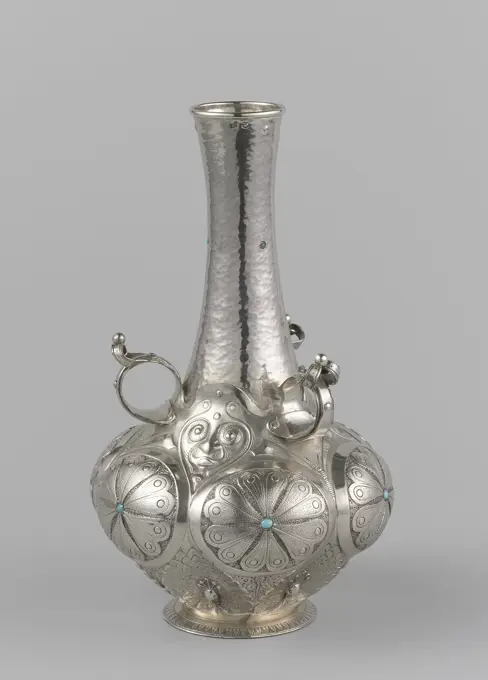
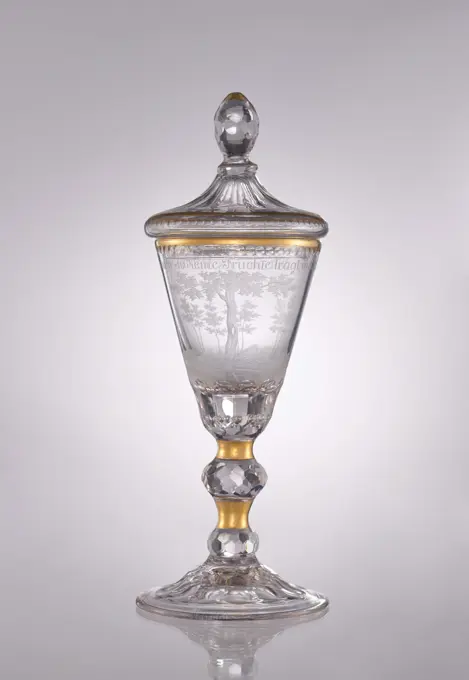
Goblet and cover. Zechlin (huta szkła ; 1736-1890), creatorCup with frame of gilded silver. On dome -shaped foot a naked young man who holds the frame of the barrel with one hand., Anonymous, 1590 - 1610 Small jar with gold -plated silver frame. On the dome -shaped foot there is a naked young man who holds the frame of the barrel with one hand. Southern Germany silver (metal). gilding Small jar with gold -plated silver frame. On the dome -shaped foot there is a naked young man who holds the frame of the barrel with one hand. Southern Germany silver (metal). gildingTwo glass holders, Leendert Claesz (attributed to), 1609 Cup screw of gilded silver. On the high, vaulted foot the cogs and the coat of arms of the city of Amsterdam. The vase -shaped baluster tribe is decorated with a ecclesiastical symbols. The upper part consists of a half -sphere to give by 4 tritons and mermaids, which can grab the foot of a glass. Amsterdam silver (metal). gilding (material) gilding  Amsterdam Cup screw of gilded silver. On the high, vaulted foot the cogs and the coat of arms of the city of Amsterdam. The vase -shaped baluster tribe is decorated with a ecclesiastical symbols. The upper part consists of a half -sphere to give by 4 tritons and mermaids, which can grab the foot of a glass. Amsterdam silver (metal). gilding (material) gilding  AmsterdamVase. Bronze. Chine. Par musée musée malée. 70974-5 Chinese art, bronze, gild, extended shape, decorative motif, vaseCandlestickCup crowned with a figure of a knight. Lauer, David (fl. 1583-1619), goldsmithBeaker and Cover. Artist: Probably Friedrich Hillebrand (German, 1580-1608). Culture: German. Dimensions: Overall: 14 15/16 x 5 1/8 in. (37.9 x 13 cm). Date: 19th century (16th century style). Museum: Metropolitan Museum of Art, New York, USA.. Kandodelaber from silver, on a round foot and decorated with pearl and palm teeth. The three arms are flush-shaped. The trunk is awarded by a pine cone.The foot and core of the Gothic monstrance. .Medicis Vase; Made by Cristalleries de Saint-Louis; France; pressed glassARTE BARROCO. ESPAÑA. CALIZ en plata sobredorada (27,8cm x 16cm x 16cm). Obra datada en el año 1647 y que se corresponde con el modelo generalizado por la platería hispánica del siglo XVII. Basílica de Santa Maria del Mar. Barcelona. Cataluña.Pair of vases Greek vase Duplessis rectifiedGroup of Vases, Porcelinfabriek aan den Amstel, c. 1784 Vase of porcelain. The convex barrel is on a high foot. The top that spreads upwards is open. On either side s-shaped ears, and a gilded, openwork lid. Ouderkerk aan de Amstel porcelain Vase of porcelain. The convex barrel is on a high foot. The top that spreads upwards is open. On either side s-shaped ears, and a gilded, openwork lid. Ouderkerk aan de Amstel porcelainCandlestick (one of a pair) 1760 Jonas Thomasson Ronander. Candlestick (one of a pair) 194993Ostrich Cup. John Spilman (English, born Bavaria, died 1626); England, London. Date: 1590. Dimensions: Cup: 21.3 x 13.5 cm (8 3/8 x 5 5/16 in.)Lid: 11.4 x 14.1 cm x (4 1/2 x 5 9/16 in.)Overall: 32.1 x 14.1 cm (12 5/8 x 5 9/16 in.). Silver gilt and ostrich egg. Origin: London. Museum: The Chicago Art Institute, Chicago, USA.Cup of the chapter of St. Marie in Utrecht, Thijmen van Leeuwen, 1686 Cup with lid of gilded silver from the chapter of St. Marie in Utrecht. A emperor crown on the lid. Decorated with acanthus leaf and pearl edges. Utrecht silver (metal) gilding  Utrecht Cup with lid of gilded silver from the chapter of St. Marie in Utrecht. A emperor crown on the lid. Decorated with acanthus leaf and pearl edges. Utrecht silver (metal) gilding  UtrechtCandlestick with foot in lobe style, anonymous, c. 1650 - c. 1700 Foot, trunk, fat catcher and pin are cast separately. The triangular in tabstyle is made up of three S-Voluten, which are connected by three cartouches, and which carry the triangular basis for the trunk. This consists of a vase and a baluster. The profiled fat catcher has a rib in the middle of the strongly protruding edge. The candle pin decorated with grooved rings is carefully profiled at the foot and ends in a acorn at the top. The candlestick is weighted inside at the bottom to give more firmness. The trunk and candle pin are slightly skewed in relation to the foot. Low Countries brass (alloy) casting Foot, trunk, fat catcher and pin are cast separately. The triangular in tabstyle is made up of three S-Voluten, which are connected by three cartouches, and which carry the triangular basis for the trunk. This consists of a vase and a baluster. The profiled fat catcher has a rib in the middle of the strongly protrudinDouble loft with lid. Conical foot with beaten edge. The stem made up of two buttons and two discs. Cylindrical chalice with blown on the underside and landscaped ribs. Vaulted lid with blown and landscaped ribs. The lid also serves as a foot for the upper jar. The shape of this jar is identical to the lower jar, but smaller. The vaulted lid is ribbed and has a knot with two discs. On the bottom chalice, in an oval, a landscape with a farm under a radiant sun. Right a flower drink. Above the oval the inscription: Erwartte Nur der Zeit. A floral rank on the downside. On the lid a stylized leaf rank. On the upper jar a continuous band with flowers, birds and a beehive in a landscape. On the lid also a stylized leaf rank.Cover for a Trophy Cup, 1792-93. Firm of Peter Bateman (British, 1740-1825). Silver gilt; overall: 59.7 x 40 cm (23 1/2 x 15 3/4 in.). Silver fulfilled a prominent role in projecting wealth, status, power, and ritual in British life during the 1600s and 1700s. Elaborate forms such as the trophy that accompanies this lid, with its swags of flowers, neoclassical rosettes, and acanthus spears, not only represented wealth in its sheer silver weight but also provided royal and aristocratic owners a surface for displaying engraved coats of arms. Engraved on one side of the trophy cup can be found the arms of Robert Grosvenor (1767-1845), the first Marquess of Westminster, and Lady Eleanor Egerton (1770-1846), whom he married in 1794, a year after the trophys completion. The other side depicts preparations for a horserace, the most culturally significant leisure activity enjoyed by aristocratic families in the 1700s. Grosvenor owned a number of famous horses and was likely awarded this tropCandlestick 16th century Italian, probably Venice Both the bulbous profile and assembly of its parts distinguish this European candlestick from its smaller Islamic models. Its surface ornamentationthe scrolling stems, rhomboid knots, quatrefoils, and strapwork panelshowever, is similar to Islamic metalwork, especially the work of Mahmud al-Kurdi.. Candlestick 193607Standing cup 1850-51 Jean-Valentin Morel Romantic historicism was one of many nineteenth-century revival styles, and Morel was unsurpassed in his skill in fashioning hard stones, enameling, and an eclectic assortment of decorative motifs into highly refined evocations of seventeenth-century goldsmiths' work. Trained under the pre-Revolution maker of gold boxes Adrien Vachette (act. 1779-1839), Morel is a direct link to the long history of French jewelers and goldsmiths. Morel practiced in Paris for many years before moving to London in 1848, following the adverse settlement of a business dispute (an expatriation that lasted until 1852, when he returned to France). In London he established a workshop staffed by more than fifty craftsmen and enjoyed the patronage of Queen Victoria and the exiled Louis-Philippe. The culmination of Morel's London career was his display at the Great Exhibition of 1851, at which he showed jewelry, silver sculpture, and numerous neo-Renaissance cups. Our examJohn D. Germon, Sugar Bowl and Cover, c. 1790, silver.. Round shutter with loose lid. Signature and dated.Potpourri Vase with Cover, c. 1810. Derby (Crown Derby Period) (British). Porcelain; diameter of mouth: 11.5 cm (4 1/2 in.); overall: 15.1 cm (5 15/16 in.); container: 10 cm (3 15/16 in.).Sugar Bowl. Abraham Carlile; American, 1764-1837; Philadelphia, Pennsylvania. Date: 1790-1794. Dimensions: 21.6 × 8.6 cm (8 1/2 × 3 3/8 in.). Silver. Origin: Philadelphia. Museum: The Chicago Art Institute, Chicago, USA.PEBETERO - S XX. Location: ALFARERIA. SPAIN.Silver goblet of Association 'The Metal Cross', J.M. van Kempen & Zoon, 1863Pair of Chestnut Vases, Company Bennewitz a Zone, 1822 The round vase rests on an octagonal right -wing base. The vaulted, rejuvenating foot has a multiple vaulted bottom edge over which a vertically ribbed band runs, and is closed at the top by a second vertically ribbed band. The smooth, egg -shaped body with lid is decorated along the top edge of the barrel with a loose openwork edge with swans on either side of fountains and volutes with leaves and flowers, which is clamped around the vase. The lid button has the shape of a printed ball on a stylized rosette, on which a swan with spread wings and left to the left is seated. Amsterdam silver (metal) The round vase rests on an octagonal right -wing base. The vaulted, rejuvenating foot has a multiple vaulted bottom edge over which a vertically ribbed band runs, and is closed at the top by a second vertically ribbed band. The smooth, egg -shaped body with lid is decorated along the top edge of the barrel with a loose openwork edge withBokaal with lid and inscription "To our parents J: D: V: WZ & C: J: C: Den 23 Nov 1809", Anonymous, c. 1750 - c. 1775 Conical foot, baluster -shaped trunk with two nodi, conical chalice with rounded underside. Vaulted lid with a button made up of a nodus under a point. Foot, trunk, underside chalice, top cover and button faceted. On the chalice, in a medallion built -up from a ribbon tough at the bottom, the assignment "to our parents/J: D: V: Wz/&/C: J: C:/den 23 Nov 1809". The glass is depicted in the eighth book of W: G: J: & Ch de Vos, October 1809, fol.5 (J. de Vos del.) Northern Netherlandsglassblower: Bohemen glass grinding Conical foot, baluster -shaped trunk with two nodi, conical chalice with rounded underside. Vaulted lid with a button made up of a nodus under a point. Foot, trunk, underside chalice, top cover and button faceted. On the chalice, in a medallion built -up from a ribbon tough at the bottom, the assignment "to our parents/J: D: V: Wz/&/C: J: C:/den 23 Nov 1809".Arm with candle holder of candle crown of two heights, each with eight arms, 1525 - 1550 Candle arm belonging to a candle crown of two heights with maria figure at the top. The arm is bent twice and is decorated with four grapes bunches and five vine leaves. The round fat catcher is decorated at the bottom with six round lobes. The candle holder is six -flared, open, on a single hollow -rounded pedestal, transferring to a protruding with thread. This is the fifth arm of the upper ring, numbered with 5 round points. The candle holder is unnumbered. Southern Netherlands brass (alloy) casting Candle arm belonging to a candle crown of two heights with maria figure at the top. The arm is bent twice and is decorated with four grapes bunches and five vine leaves. The round fat catcher is decorated at the bottom with six round lobes. The candle holder is six -flared, open, on a single hollow -rounded pedestal, transferring to a protruding with thread. This is the fifth arm of the upper ring, nCandlestick 1765-1766 Italy. This magnificent altar set, made by the Roman Rococo goldsmith Leandro Gagliardi, is comprised of statuettes of four apostlesóSaints Andrew, John, Peter, and Paul; four candlesticks; a crucifix; and three frames to hold cards indicating the part of the Mass being performed. The altar set was made for Flavio Chigi (1711ñ1771) and bears the Chigi and Albani coats of arms. It might have been intended for use in the family chapel of the Palazzo Chigi in the Piazza Colonna, Rome.. Gilt bronze . Leandro GagliardiCandlestick, five -part, anonymous, c. 1590 - c. 1596 candlestick Candlestick, five -part with a wide -ranging circular foot decorated with two egg frames. The candlestick has a baluster -shaped shaft or trunk with a disk -shaped knot on the bottom. The grease scale is concave and decorated with an egg list. The candlestick has a baluster -shaped shaft and a cylindrical candle holder with two round leakage holes and on top egg list. The cast seams are visible over the eggs. Netherlands tin (metal) casting  Nova Zembla. Saving HuysCup with cover 1590-91 R W British Principally sourced from the interiors of exotic shells, Indian mother-of-pearl was admired and sought after by Europeans, and imports sold at astronomical prices. Though some vessels worked by Gujarati craftsmen (from Western India) were kept in their original forms, otherssuch as this onewere carefully dismantled and their mother-of-pearl inlays set in new precious-metal mounts. The extremely delicate gilded silver foot and cover decorated with miniature heraldic roses locate this piece to Elizabethan London.[Elizabeth Cleland, 2017. Cup with cover 204926Salt vessel, resting on three dolphins, Worcester, c. 1840 - c. 1852 salt (condiment vessel) Porcelain salt vessel, resting on three dolphins, decorated in marbled salmon color and gold and with multicolored feathers. Marked: Chamberlains Worcester. Worcester porcelainCovered Beaker ca. 1325-50 (vessel); ca. 1340-60 (mounts) Italian (vessel); Austrian (mounts) Hard-stone vessels such as this twelve-sided rock crystal example are among the most treasured products of the Middle Ages. This beaker was likely produced in Venice, known as an import center for the cutting and polishing of rock crystal. The silver-gilt mounts, however, compare closely with pieces produced in Vienna. The silver is inscribed in verse around the base in a German dialect: WER/HIEV/DR/INCE/ETW/INDE/RMV/EZZ/EIEM/ERS/ELIG/SIN (He who drinks wine from me, ever shall happy be). That exhortation leaves little doubt that this vessel was intended for secular use.. Covered Beaker 469921Candlestick 15th century German. Candlestick. German. 15th century. Brass. Metalwork-BrassTwo -country candelab; Bandau, Johann Georg I (1734-1812); approx. 1785 (1781-00-00-1790-00-00);Stand with St John Nepomuk 1827-1837 Bohemia. Glass . Glassworks Harrachov Czechoslovakia (Manufacturer)SgabaLo with dolphins on the front plate. Chair of partially plated walnut, resting on a, in spread position, front and rear plate. The preface shows two dolphins around an empty coat of arms, resting with distant heads on the floor and together at the neck. Their tails end in Volutes. The front seat bears links. The open-worked back carries a mascaron with volutes, flanked by winged women's figures, the lower-end of which ends in a volute. Ter award a leaf edge, volutes and coat of arms.Sugarbowl And Cover; pewterCandlestick, fifty. Candlestick, fifty-part with a wide range of circular base decorated with two egg lists. The candlestick has a baluster-shaped shaft or strain with a disc-shaped button at the bottom. The bowl is concave and decorated with an egg list. The candlestick has a baluster-shaped shaft and a cylindrical candle holder with two round leak holes and on top of egg list. The casting seams are visible over the egg lists.Ewer and basin. The decoration of this ewer and basin shows how the earth (the goddess Ceres) triumphs over the sea (the god Neptune). This is an allusion to the person who commissioned them, Joan van Hellemont, who sat onvarious polder boards. Van Hellemonts widow took a second husband, the naval hero Cornelis Tromp. His arms are later engraved in the middle of the basin.Salt 1500-1599 Innsbruck. Glass with gilding .Compote -Candlestick 1755-60 Myer Myers American. Candlestick 1321Bowl And Lid (Switzerland); earthenwareCandelabrum 1765-1775 Birmingham. Derbyshire fluorspar and gilt bronze with tortoiseshell veneered wood . Matthew BoultonTwo -armed candlestick from brass, anonymous, c. 1475 - c. 1500 The profiled Konical foot has a raised edge, so that he can also serve as a fat catcher. The round trunk is sounded on the foot, which is decorated with two knots, and whose upper part of a thread is provided. The foot of the trunk is marked by shill. The two-armor turner is placed on the trunk. This has a round hole in the middle, which on the inside only shows a thread profile on one side. The arms have the shape of three passes. In the flat pointed horizontal ends, the candle holders are screwed on the round with grooved rings of decorated fat catchers. The profiled round candle holders are provided with holes at the front and rear. Northern Netherlands (possibly) brass (alloy) casting The profiled Konical foot has a raised edge, so that he can also serve as a fat catcher. The round trunk is sounded on the foot, which is decorated with two knots, and whose upper part of a thread is provided. The foot of the trunk is marCup with a cover Ludwig Moser & SonsVase. Twisting sea gods, monster-like fish heads on the base and mermaids wrapping themselves around the handles: this dynamic silver vase is crawling with mythological sea creatures. The central depiction features Neptune, ruler of the sea, tamer of the waves. Nineteenth-centuryartist Antoine Vechte executed these fantastic designs with a hammer and punch, both the flat and the threedimensional decoration. He drew his inspiration from the work of famous 16th-century Renaissance artists.Christ and the Samaritan woman. There is a semicircular, cylindrical well on a rectangular plate. In addition to the well there is a man with beard. His left hand is on the edge of the well. Opposite the man is a woman. The image represents Christ with the Samaritan woman. The plate is on four ball legs, has a engraved zig-saw line along the edge and has engraved leaves in a corner. The image is marked with an unreadable brand.Inner box of Zoutvat, Wijnand Warneke (attributed to), 1791 Inner box of faceted sharpened, colorless glass. This has a lobed, gilded upper edge (slightly damaged). Amsterdam glass Inner box of faceted sharpened, colorless glass. This has a lobed, gilded upper edge (slightly damaged). Amsterdam glassCompote, One of a Pair, 18th-19th century, H.13 in. (Compote with lid), Glass, silver, England, 18th-19th centuryMonteith. Robert Cooper; English, active 1706; London, England. Date: 1706-1707. Dimensions: 15.2 x 26 cm (6 x 10 1/4 in.). Silver. Origin: London. Museum: The Chicago Art Institute, Chicago, USA.Galvanoplastic reproduction of a Tazza with a representation of a ship, Fa. Elkington & Co., 1881 Galvanoplastic reproduction of a Tazza. The drinking scale is decorated with a driven performance of the ship of Evert Hendricksen with an inscription around it. The dish is worn by a baluster -shaped trunk with hooks. The foot is decorated with fruits and flowers. London copper (metal). silver (metal) Galvanoplastic reproduction of a Tazza. The drinking scale is decorated with a driven performance of the ship of Evert Hendricksen with an inscription around it. The dish is worn by a baluster -shaped trunk with hooks. The foot is decorated with fruits and flowers. London copper (metal). silver (metal)Candlestick with round, shared in sixties that gradually turns into the trunk with a disc -shaped nodus., Papus et Dautun, 1725 - 1750 Candlestick with round, shared in six -part foot, which gradually turns into the trunk with a disc -shaped nodus. Marked. Lausanne silver (metal) Candlestick with round, shared in six -part foot, which gradually turns into the trunk with a disc -shaped nodus. Marked. Lausanne silver (metal). Krantjeskan Van Silver. The vessel is borrowing from below and has a conical upper top piece with a scalloped edge. Decorated with scilated seedilles.Candlestick. France. Date: 1700-1750. Dimensions: 19.7 × 11.4 cm (7 3/4 × 4 1/2 in.). Glass; blown and molded. Origin: France. Museum: The Chicago Art Institute, Chicago, USA.Josias Belle (); Taller Parisino; Hellenistic workshop () / 'Sardonyx cup with eagle's head'. After 1689. Diamond, Enamel, Emerald, Gold, Ruby, Ágata sardónice. Museum: Museo del Prado, Madrid, España.Pair of candlesticks 1767-68 Jean-Baptiste-François Chéret. Pair of candlesticks 200079Bacchanalian Vase, 1776-1778. Ormolu and white marble. Makers: Boulton & Fothergill... Boulton & Fothergill. designed to hold essence or perfume.. It was based on the antique Gaeta vase created by the Greek sculptor Salpion, now in the National Museum, Naples.. During the second half of the eighteenth century ornamental vases were very popular, in some cases sets of up to seven vases were produced to be placed together on a chimneypiece. Boulton was one of the first manufacturers to seize on the commercial opportunities created by the craze for the 'antique taste', or neo-classicism as we now refer to it, and especially for ornamental vases, which flourished in the 1760s.Candelabrum; Silver Products Factory K.F. Malcza (Warsaw; Sreber label; 1828-1864), Malcz, Karol (1797-1867); 1852 (1852-00-00-1852-00-00);Covered Vase 1795-1805 England. Glass .Cock from Bokaal, Anonymous, 1875 - 1899 Pointed lid with a button on top and three studs. The entire glass and the lid engraved with the diamond in a pattern of stylized twigs. Venice glass glassblowing Pointed lid with a button on top and three studs. The entire glass and the lid engraved with the diamond in a pattern of stylized twigs. Venice glass glassblowingCandlestick; gilded brassMonteith. Thomas Bolton; Irish, active 1686-1730; Dublin, Ireland. Date: 1703. Dimensions: 27 × Diam. 36.8 cm (10 5/8 × Diam 14 1/2 in.). Silver. Origin: Dublin. Museum: The Chicago Art Institute, Chicago, USA.A lid of small oval terrine in Louis XVI style, Philippus Priee, 1773 Inner box of small oval terrine. Middelburg silver (metal) Inner box of small oval terrine. Middelburg silver (metal)Coffee Pot And Lid (England); enameled tôleKiddush (sanctification) cup, 5 1/2 x 2 9/16 x 2 9/16 in. (13.97 x 6.51 x 6.51 cm), SilverCandlestick of silver with hexagonal base and trunk and with a fat catcher in the form of lobed leaf. On foot engraved weapon Rotterdam, Rudolphus Sondagh, 1772 Silver candlestick. The foot and trunk are hexagonal. The fat catcher has the shape of a lobed leaf. The engraved weapon of Rotterdam on the foot. Rotterdam silver (metal) Silver candlestick. The foot and trunk are hexagonal. The fat catcher has the shape of a lobed leaf. The engraved weapon of Rotterdam on the foot. Rotterdam silver (metal)Flower vase with a sepia miniature: seascape. Korzec (manufaktura porcelany ; 1790-1832), factoryCelestial Globe (Globe céleste).Tazza (footed dish). European porcelain factories flourished thanks to scores of important commissions. Prussian princes ordered large and lavish items from the Königliche Porzellan Manufaktur. King Frederick William III of Prussia presented this tazza as a gift to the Dutch royal house. The decoration reveals the international orientation of porcelain painters. The angel carried by two children -Night -derives from a relief in Munich by the popular classicizing sculptor Bertel Thorvaldsen.Loving cup with cover 1742-43 Paul de Lamerie British Paul Lamerie, the maker of this loving cup, was appointed goldsmith to the king in 1716. His long career began when the Queen Anne style was paramount and lasted through the early stages of the Rococo in the 1730s to the extravagantly energetic phase of the style in the 1740s. This loving cup, silver-gilt throughout, is an example of the full-blown Rococo of the early 1740s, of which Lamerie was the leading exponent. The bell-shaped cup with a pear-shaped "dropped bottom" is completely covered with chased ornament. The figure and most of the surrounding applied ornament allude to the young Bacchus as the god of wine. The ribbed handles are vine branches and the cover finial is a bunch of grapes. The arms of the owner, a member of the Hodgson family, are engraved on the side, with the motto "Pax et Fides" (Peace and Faith).Lamerie maintained a busy workshop that catered to London clientele but also exported much of its product to EurCandle holder. Golden, twisted round candlestick on a vaulted foot. The edge of the foot is scalloped. The trunk is baluster-shaped. The candle holder is smooth and the fat catcher has the shape of a six-leaf flower. The candlestick is labeled: STK. = Amsterdam, JRL. = W (1781) and MT. = Jan Bronnet.Tea Caddy. Hester Bateman (England, 1709-1794). England, London, 1788. Furnishings; Serviceware. SilverCenser (kôro) with lid. unknown, craftsmanCup with handle with a coat of arms and peony sprays, anonymous, c. 1725 - c. 1749 Porcelain ear head with C-shaped ear, painted on the glaze in blue, red, pink, green, yellow, black and gold. On the flat an unidentified family crest with three bird heads on a white background with a red/golden twill. The weapon is surrounded by leaf vines and palm branches. On either side of the weapon peon branches. On the outer edge a tire with servetwork interrupted by cartouches with a flower drink; Above the weapon a cartouche with the helmet sign, a bird. Weapon porcelain with email colors. China porcelain. glaze. gold (metal) painting / gilding / vitrification Porcelain ear head with C-shaped ear, painted on the glaze in blue, red, pink, green, yellow, black and gold. On the flat an unidentified family crest with three bird heads on a white background with a red/golden twill. The weapon is surrounded by leaf vines and palm branches. On either side of the weapon peon branches. On the outer edge Maker Unknown, Lamp, c. 1860-65, red and opaque white glass, brass, and marble.Altar cross on standard. The object consists of a foot and a cross. These are cast, scilated and engraved in a few places, and then plated. The round base is placed on three legs, which have the shape of dragons, which have put their heads on the ground between the claws of their front legs. They have two ears and eyes and keep the mouth closed. The neck is marked by a pearl edge, the turn of their trunk through three cannelures. The round pedestal is surrounded by a rib used between two convex rings. The subsequent bulb round portion is taken by a border of grains and is also limited at the top by a slightly convex ring. The hollow part, which forms the transition to the strain, is decorated with cannelure-like motifs and is closed by a convex border, in which diamond motifs are engraved with a small round circle in the middle of them. The strain is arranged by sloping engraved lines such that triangles arise, which are granulated over and around. The nodus is surrounded on top and to. Betel was a widespread stimulant chewed in Asia, one also used by Europeans. Offering a betel chewing quid to others was an integral part of social occasions. Magnificent boxes and silver receptacles were made in which to preserve the ingredients - including betel leaves - for rolling a quid.Taperstick 1782-83 John Scofield. Taperstick. British, London. 1782-83. Silver gilt. Metalwork-Silver. Candlestick of faience. Painted blue.Lid of chestnut. Lid of chestnut.Box, 20th Century. Java. Glass; overall: 3 x 4.6 cm (1 3/16 x 1 13/16 in.).Standing cup with cover ca. 1755 German, Silesia. Standing cup with cover. German, Silesia. ca. 1755. Glass. Glass. Can in the shape of a garden vase with one tap and two handles. The coat of arms of Stadholder Willem IV is engraved at the front. Signature and dated.4058 Dish, Lid, And Tray; Manufactured by Copeland & Garrett (United Kingdom), Spode Ceramic Works; England; porcelain, overglaze enameling and gilding; a&b: 15.5 x 20 cm (6 1/8 x 7 7/8 in.) c: 22.6 x 3.2 cm (8 7/8 x 1 1/4 in.); Bequest of Emily H. Chauncey; 1959-155-6-a/cVase, painted with flour glulands and lion's heads. Vase with porcelain lid, painted with multicolored flower glu lands. The lion heads in brown, red and black with golden ring in the mouth. Golden piping along various edges. Button plated.Copper lantern, circular, with twelve rhombuses of which one hinged, on three ball legs and with three-piece articulated dome-shaped crown. Copper lantern, circular with faint bumped base plate on three solid-bubbled legs, with raised perlet edge and a circular perlé top edge. In between eight windows, one of which hinged, with flat baluster-shaped styles and rule. Dome in three rings separated by profile rim with Ajour tendrils. The lower articulation is flattened spherical. A solid knob with hook. On the inside a tin plate with two candle holders.Fragment of part of foot and of stem of goblet, drinking glass drinking utensils tableware holder soil find glass, hand-blown Fragments of part of foot of trunk and of part of chalice of three (very similar) chalice glasses (5-7) ) in clear colorless glass. Pontil mark under slightly ascending foot one with folded foot edge. Hollow reverse baluster stem. Bell-shaped smooth chalice archeology Soil discovery: loose finds collapses.Set of four candlesticks 1741-42 George Wickes. Set of four candlesticks 205220Epergne 1766-67 Thomas Heming. Epergne. British, London. 1766-67. Silver. Metalwork-SilverCovered tea -mer with landscapes and flowers decorated, anonymous, c. 1775 - c. 1850 The painted, looks tea -mer has a square foot, which turns into a round trunk on which the actual bucket rests. This is ribbed at the bottom and turns into a slightly wider cylinder form. The edge is decorated with imposed, gilded garlands and gilded rams heads, where two rings are hung. Two medallions with landscapes and figures are painted on the cylindrical bucket, surrounded by flowers. Netherlands tin plate. paint (coating) The painted, looks tea -mer has a square foot, which turns into a round trunk on which the actual bucket rests. This is ribbed at the bottom and turns into a slightly wider cylinder form. The edge is decorated with imposed, gilded garlands and gilded rams heads, where two rings are hung. Two medallions with landscapes and figures are painted on the cylindrical bucket, surrounded by flowers. Netherlands tin plate. paint (coating). Box on chassis, paint in brown and gold. Both parts are round and five-lobby. The chassis is on five legs. On the lid of the box and the top surface of the chassis, landscapes with houses, rocks, trees and mountains are shown, on the sagneys. The lower and insides are decorated with salvokat. In the box there is a loose plate (decorated with salvokat) with upright walls, between which five large round dizes and one small round box are placed. These boxes are gilt and decorated on the lids with a rosette. A closing five-spetteial dish is placed over these boxes, also decorated with a landscape.Covered Goblet (Pokal). Bohemia, Czech Republic. Date: 1725-1735. Dimensions: H. 27.3 cm (10 3/4 in.); diam. 8.3 cm (3 1/4 in.). Double-walled glass with gold leaf decoration. Origin: Bohemia. Museum: The Chicago Art Institute, Chicago, USA.Vaas, Frans Zwollo (I), 1900 The low, rejuvenating base of the round vase is decorated with an engraved strap of stylized leaf motifs. This rests the vase, which is made up of a sphere of body and a high, slightly constricted neck. The body is divided into six oval lobes at the widest point, each decorated with a stylized flower pattern on a punched background. A turquoise has been applied in the middle of each flower pattern. Six peacocks, seen from the front, are shown under this edge of six lobes. They are separated by flowers. Above the edge of the lobe are three masks and three dragonflies alternately. This richly ornamented part curls at the top, with an ear being formed above every dragonfly. Through realistically displayed nails and even series of holes as for the closure of a buckle, the illusion of curling leather is aroused in this rolling zone. The slender neck rises from this, which is characterized by a pronounced hammer blade structure. Just under the narrowest part, theFruit shell, cut-away and gold-plated and with polychrome flowers. Fruit shell of porcelain, openwork and gold-plated and decorated with polychrome flowers.Cáliz, Punxo de Barcelona, siglo XV-XVI. Museu Nacional d'Art de Catalunya.