Decorative Art and Ornaments

Images of historical decorative pieces, including mounts and wall lamps, exhibiting craftsmanship in gold detailing and intricate designs.
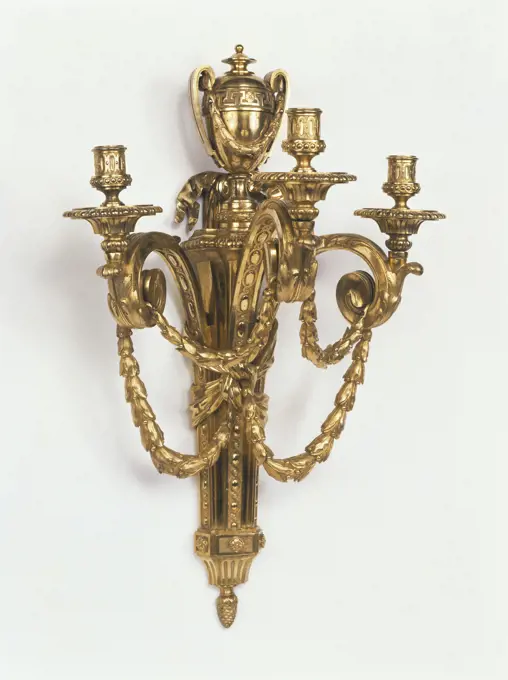
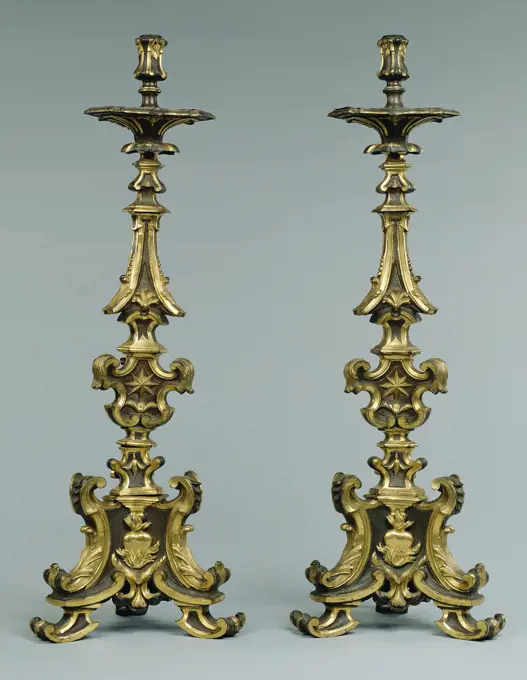
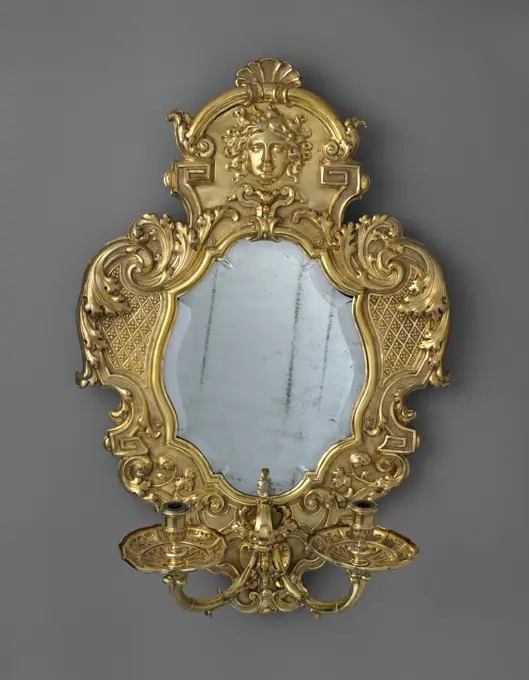
Wall Light; Philippe Caffieri (French, 1714 - 1774 (master 1743)); Paris, France; about 1765 - 1770; Gilt bronze; 64.8 x 41.9 x 31.1 cm (25 1,2 x 16 1,2 x 12 1,4 in.)
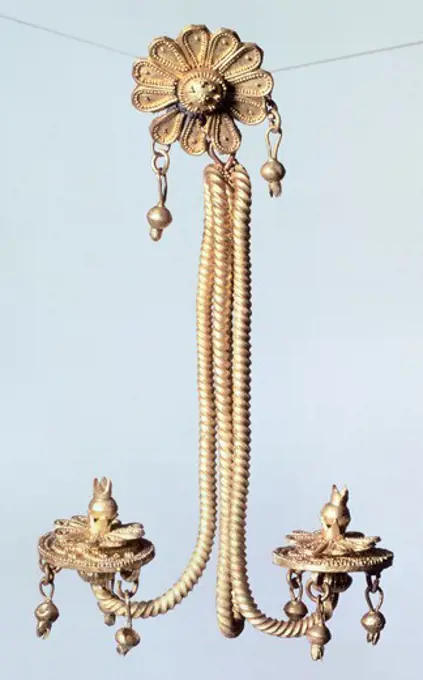
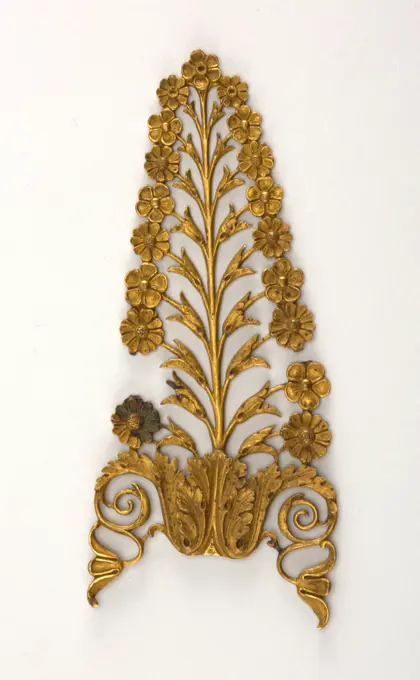
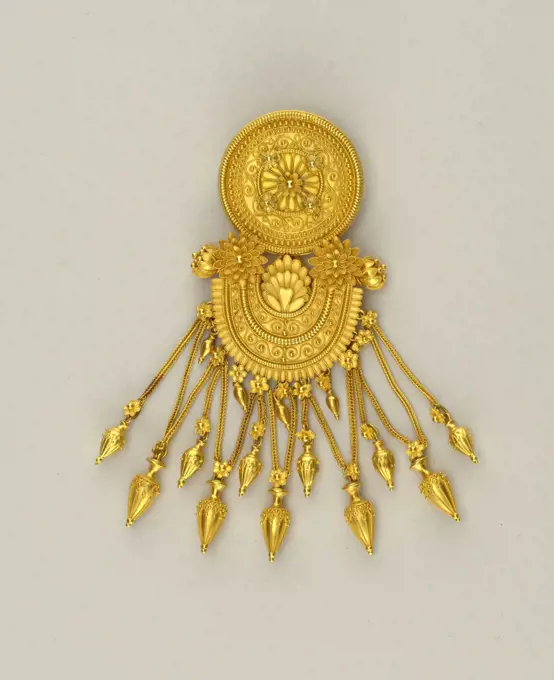
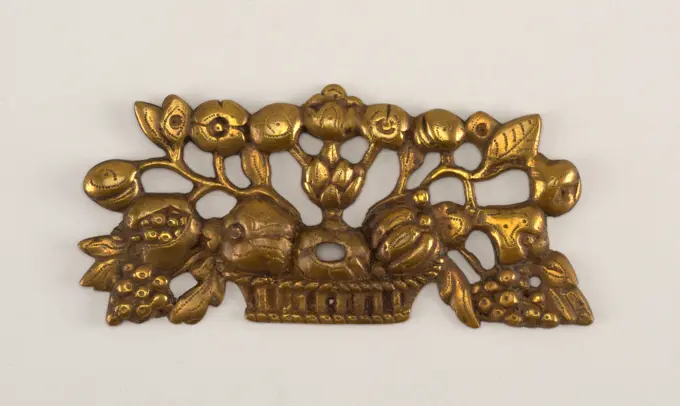
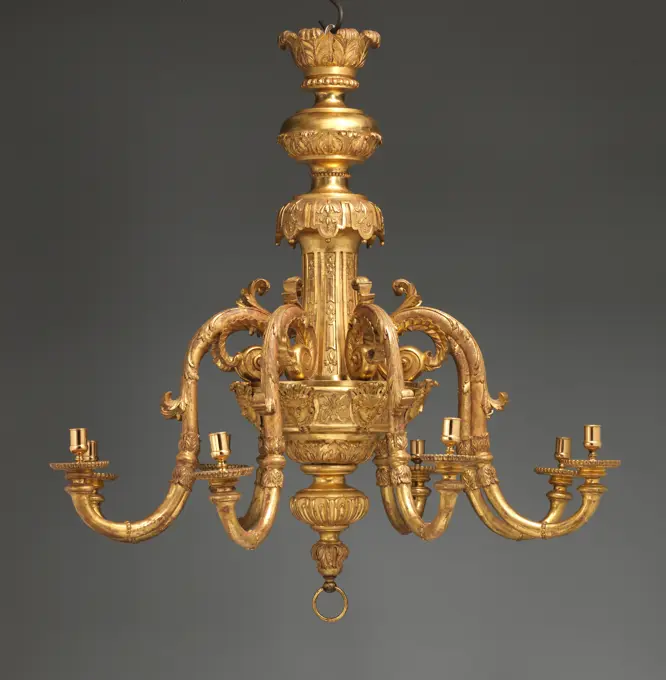
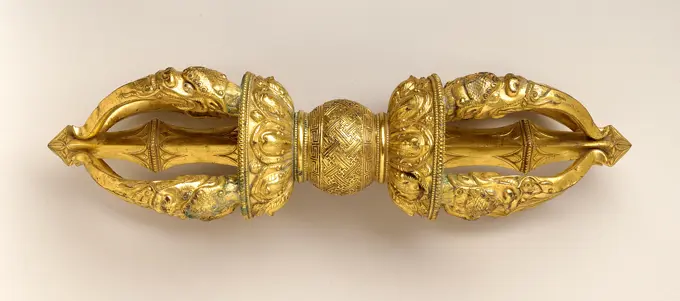
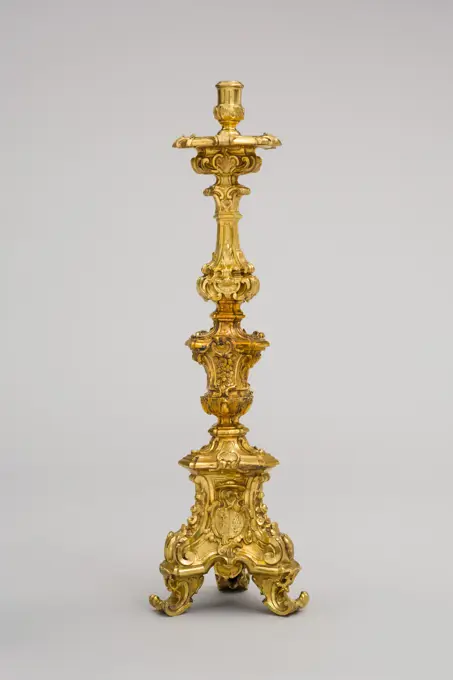
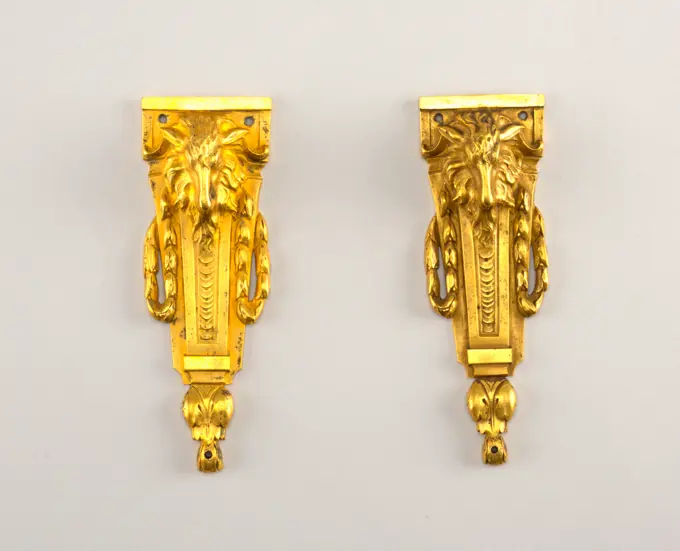
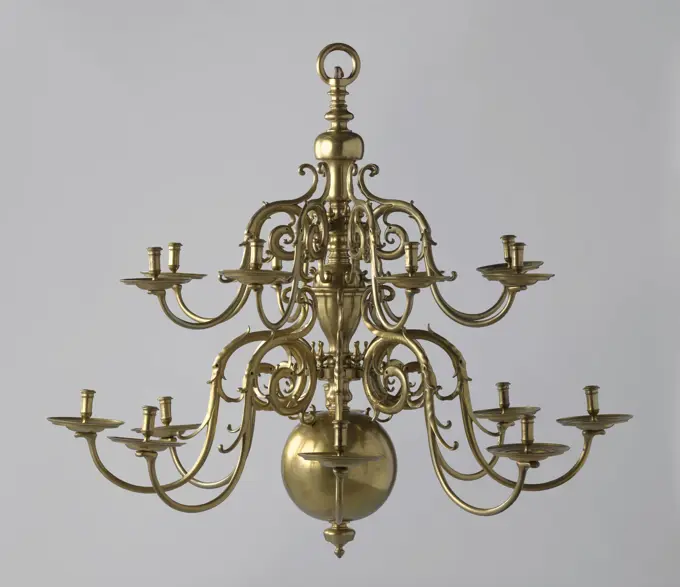
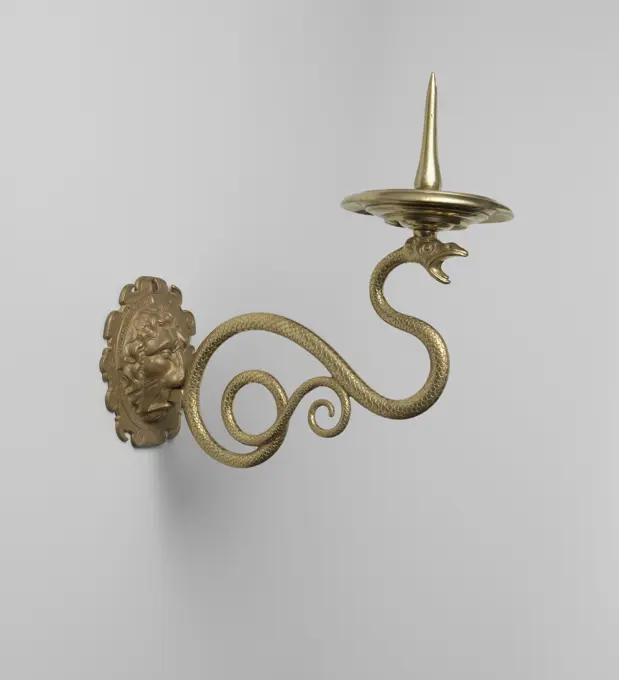
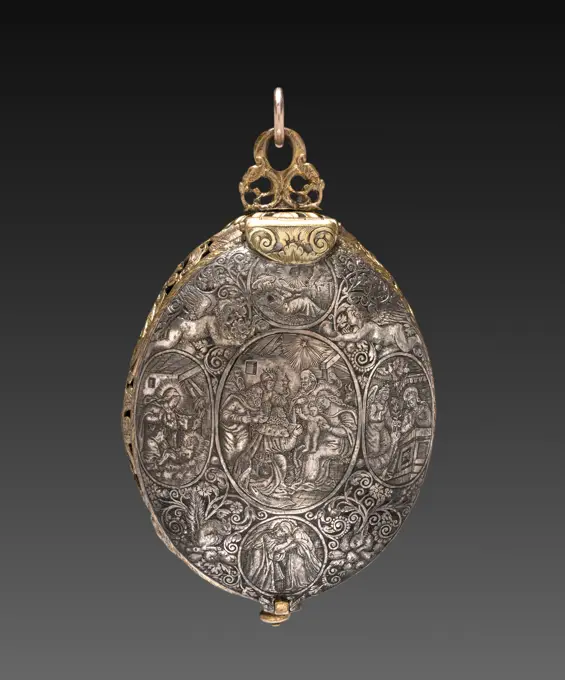
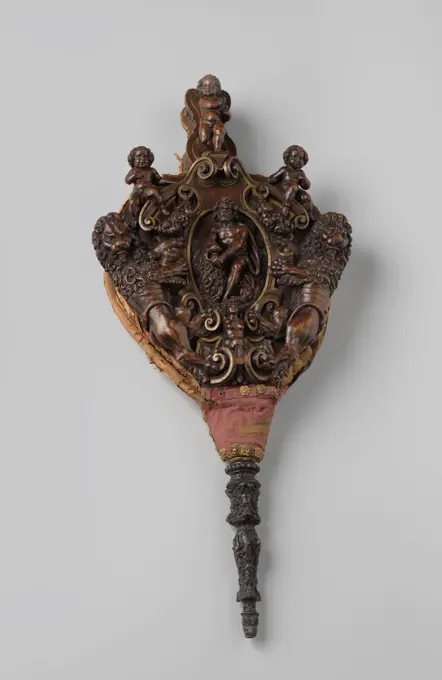
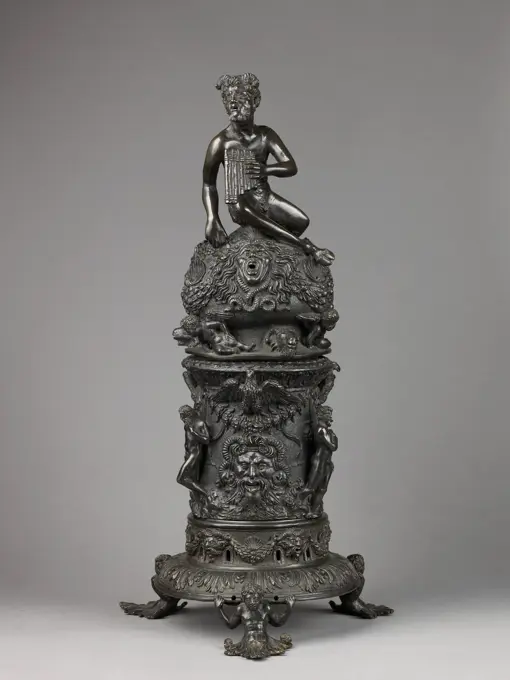
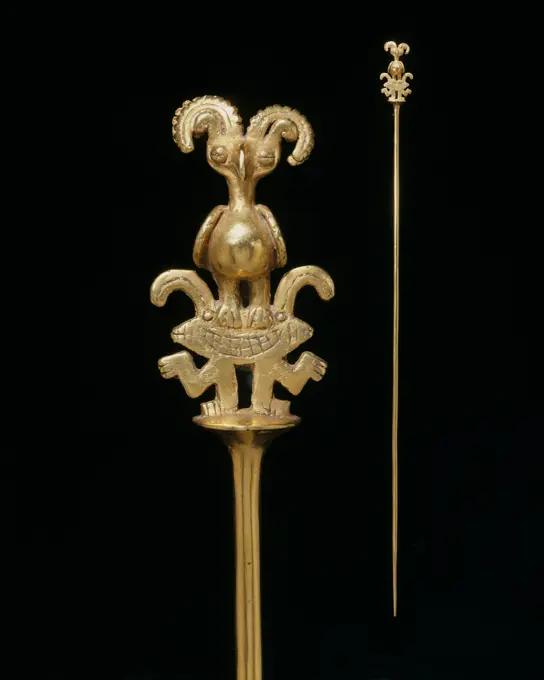
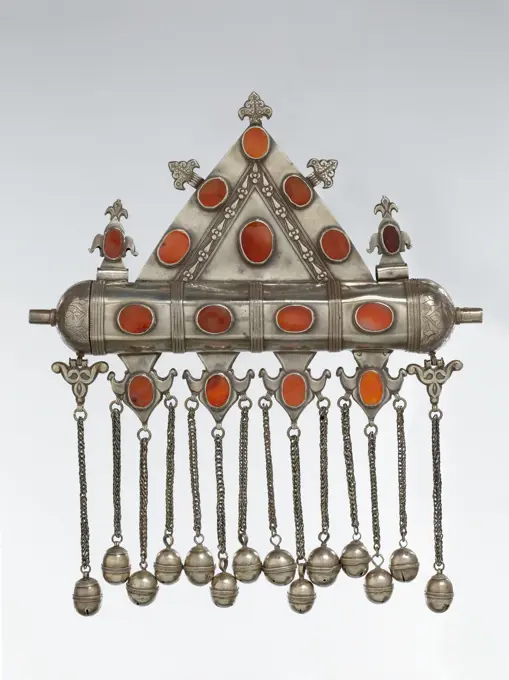
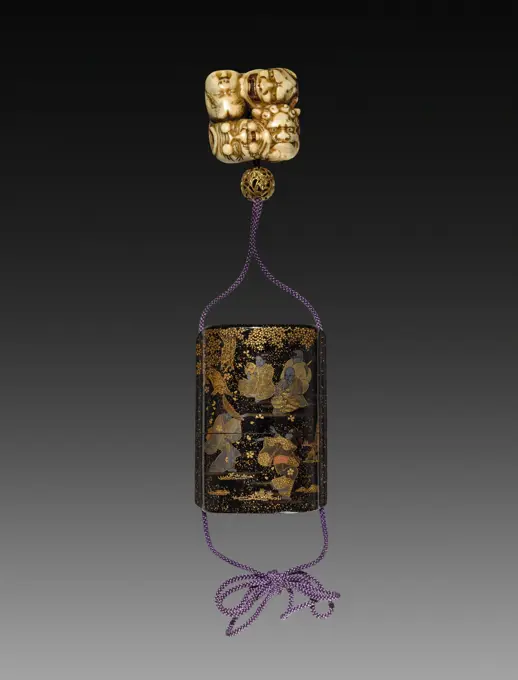
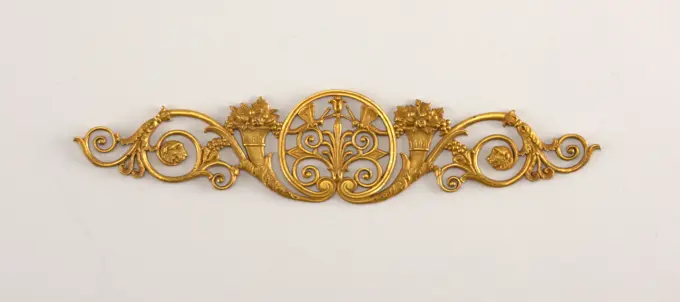
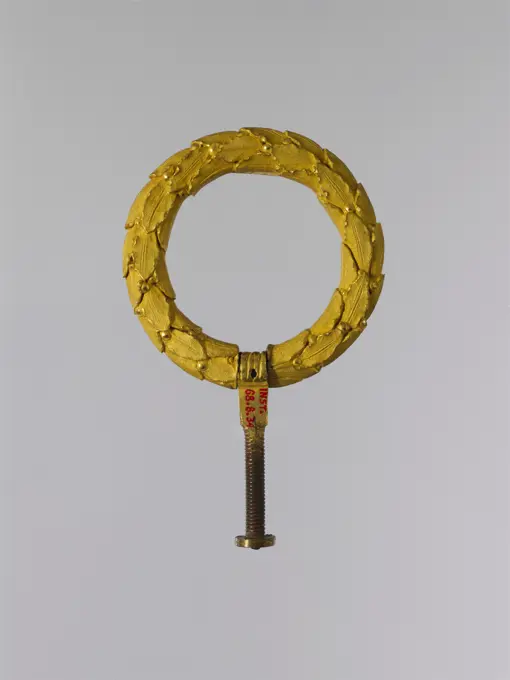
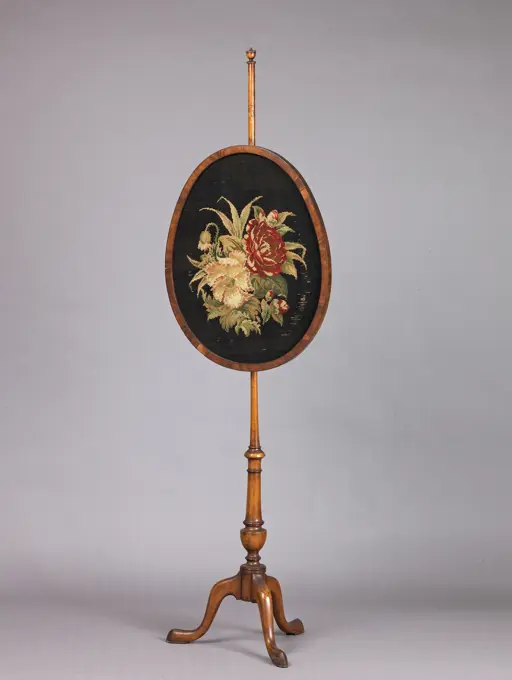
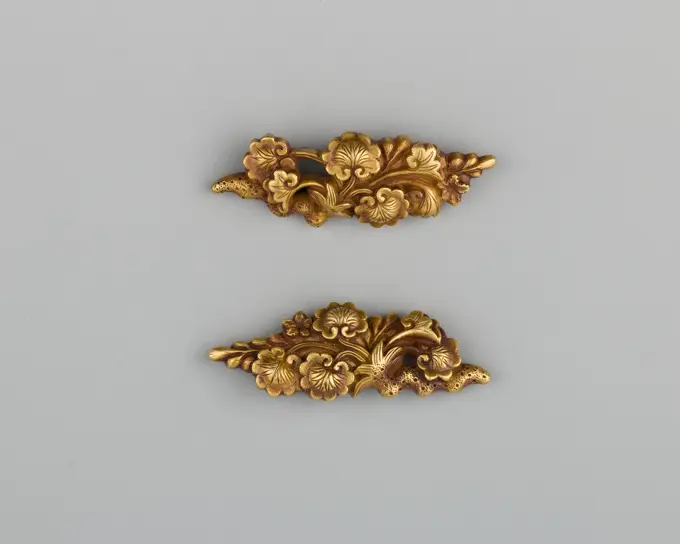
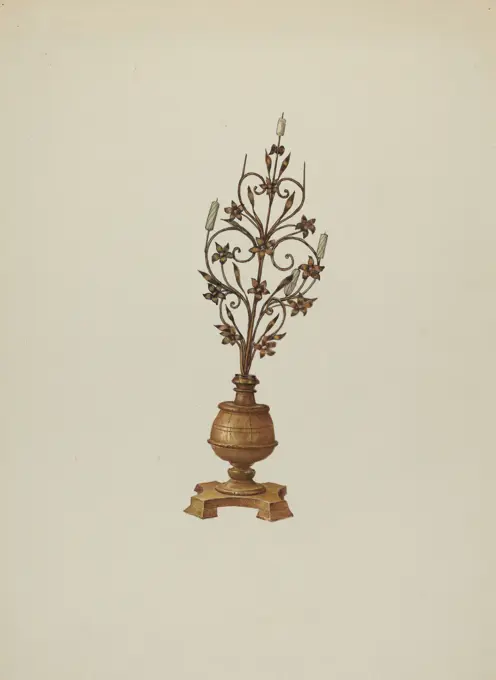
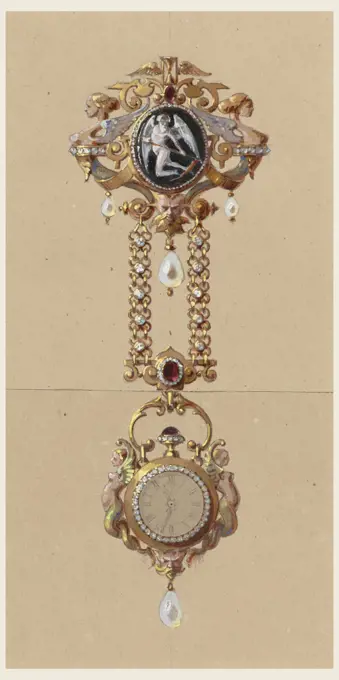
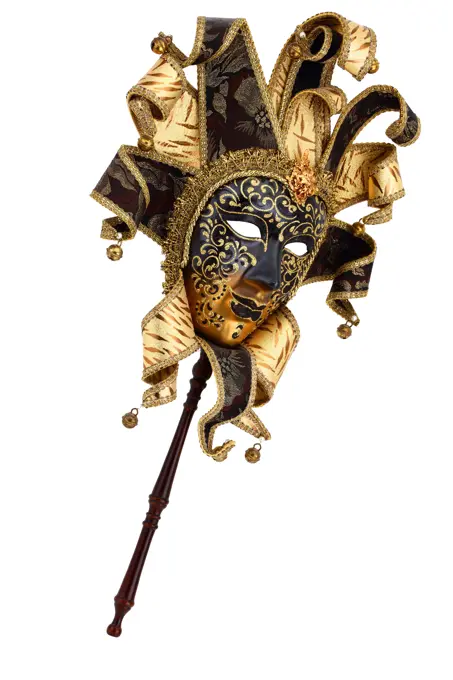
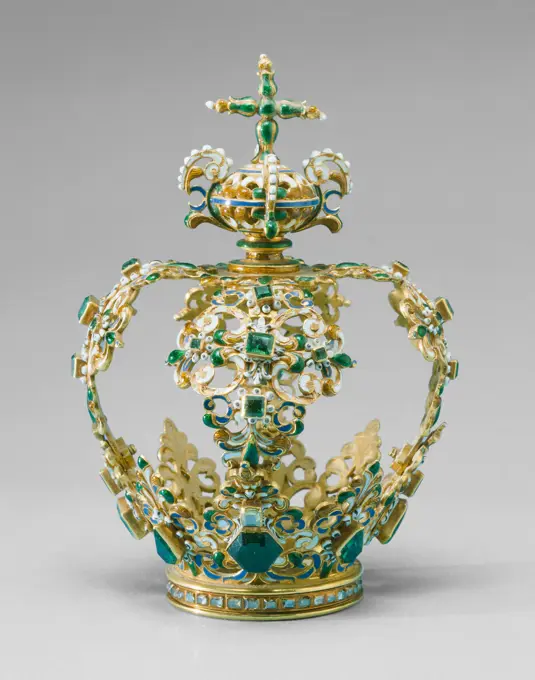
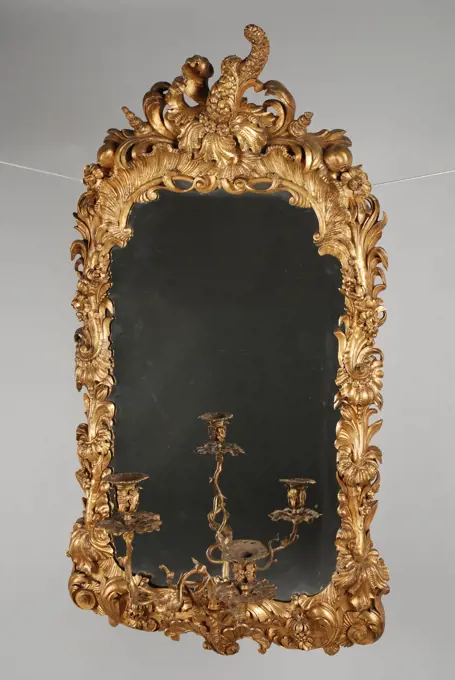
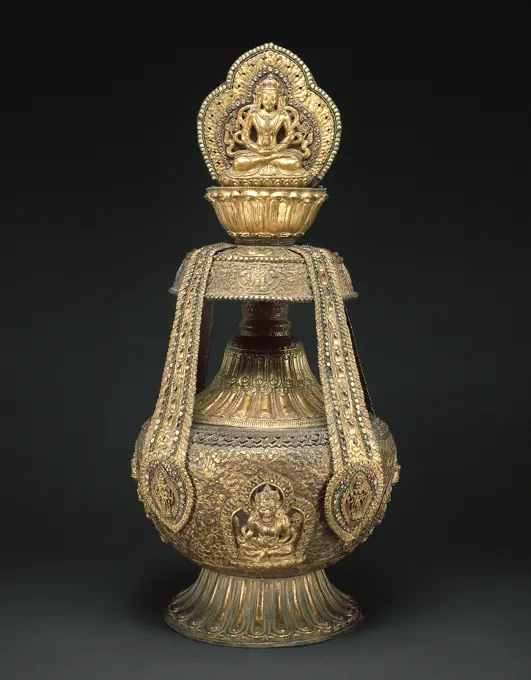
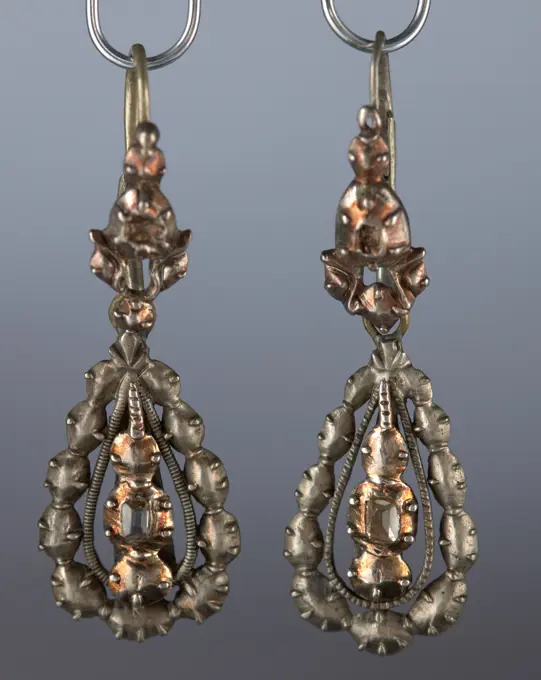
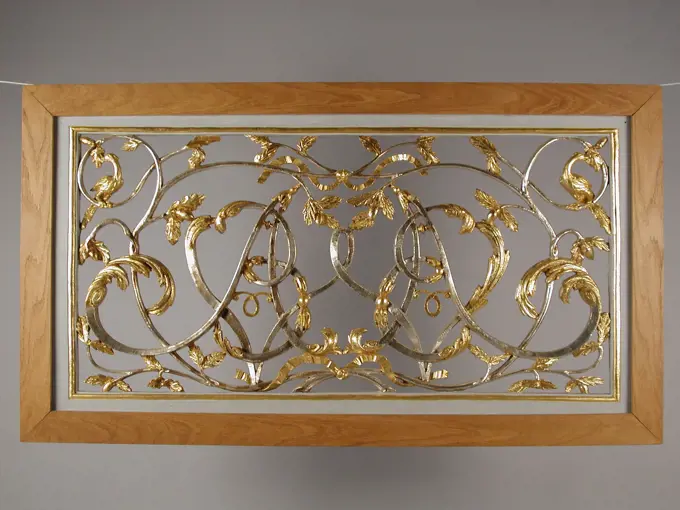
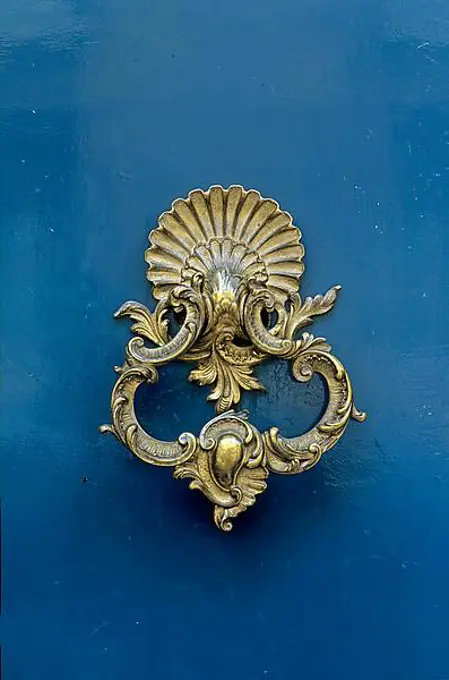
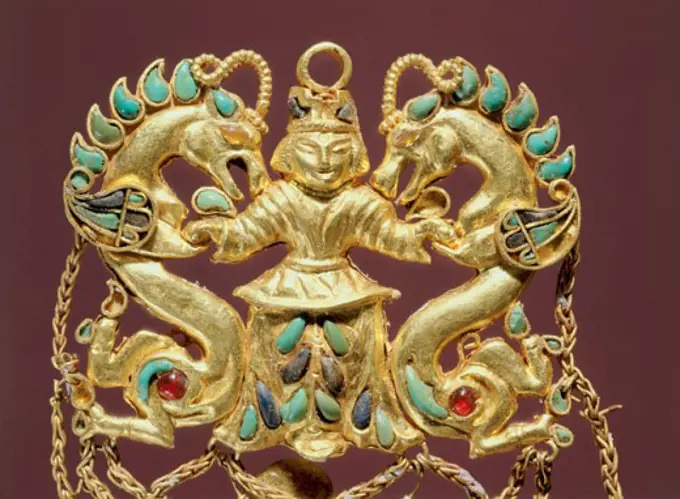
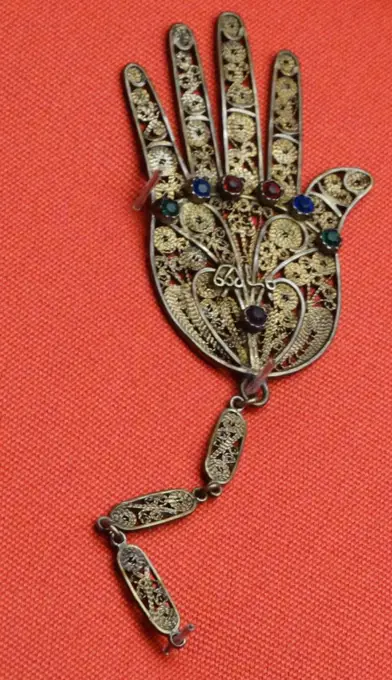
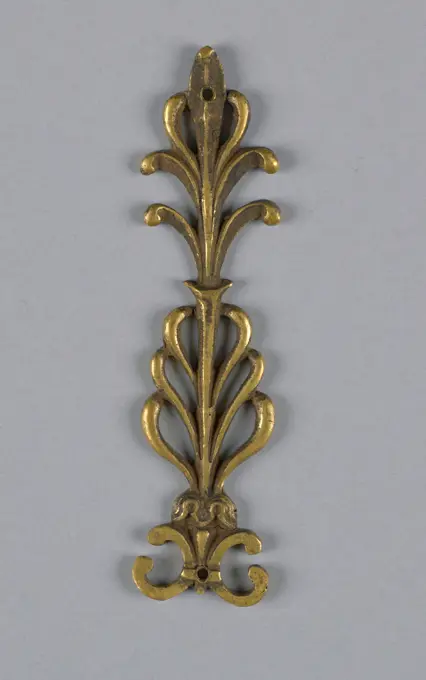
MountWijzer from the timepiece in the Stadstoren in Middelburg, Anonymous, 1600 - 1699 Wijzer from the timepiece in the Stadstoren in Middelburg. Partly old, partly of a later date. Gold paint. The point has been broken down. Northern Netherlands (possibly)Netherlands (possibly) wood (plant material) Wijzer from the timepiece in the Stadstoren in Middelburg. Partly old, partly of a later date. Gold paint. The point has been broken down. Northern Netherlands (possibly)Netherlands (possibly) wood (plant material)Wall Light; Philippe Caffieri (French, 1714 - 1774 (master 1743)); Paris, France; about 1765 - 1770; Gilt bronze; 64.8 x 41.9 x 31.1 cm (25 1,2 x 16 1,2 x 12 1,4 in.)Gold earring from Milo (Greece). Goldsmith art, Greek Civilization.Pendant in the form of Cupid in a niche, anonymous, c. 1560 - c. 1580 Pendant of gold, email and precious stones. Proposing an amorphic, standing in a niche surrounded by a Renaissance list. Germany gold (metal). pearl Pendant of gold, email and precious stones. Proposing an amorphic, standing in a niche surrounded by a Renaissance list. Germany gold (metal). pearlOne of a pair of Wall Lights; French; Paris, France; 1745 - 1749; Gilt bronze; 72.4 x 47.6 x 26.7 cm (28 1,2 x 18 3,4 x 10 1,2 in.)Mount; 1904-22-7Mount Mount; bronzeMount, bronze, Quiver with arrows, and surrounded by a wreath of flowers., 1780, metalwork, Decorative Arts, mount, mountMountClip. Bronze, China, Han dynasty (206 BC AP.J.-C.). Paris, Cernuschi museum. Staple, Asian art, Chinese art, bronze, Han dynastyMount; L x W x D: 17.7 x 7.2 cm (6 15/16 x 2 13/16 in.)Kul Oba, Gold, Large gold pendant broach with circular top, arched section below from which hang 11 vase-shaped pendants. Fine gold granulation work throughout., The design of this brooch, like some other pieces made by the Castellanis, is based closely on jewelry unearthed at an important archeological site at Kol Oba in Southern Russia, discovered in 1830. Drawings of the jewels, which date from the 4th century BCE, were published after their transferral to the Hermitage in St. Petersburg., Rome, Italy, ca. 1875, jewelry, Decorative Arts, Brooch, BroochCandle Bracket Pair, c. 1750-1760. Attributed to Jean Joseph de Saint-Germain (French, 1720-1791). Gilt bronze; overall: 52.7 x 30.5 cm (20 3/4 x 12 in.).Mount; 1904-21-25Arm of a candle crown in two heights, Anonymous, 1890 - 1910 The arm has an S-shape, ending out in a snake head and on the other end in bird heads. The arm is decorated with curls there. Screws have been applied in the protrusion on the candle holder, the arm or at the end of the connecting rod. In the middle the arm also has a stylized animal head. This is the fourth arm of the lower position ring, numbered with the number 4. Netherlands brass (alloy) casting The arm has an S-shape, ending out in a snake head and on the other end in bird heads. The arm is decorated with curls there. Screws have been applied in the protrusion on the candle holder, the arm or at the end of the connecting rod. In the middle the arm also has a stylized animal head. This is the fourth arm of the lower position ring, numbered with the number 4. Netherlands brass (alloy) castingChandelier ca. 1710-15 Attributed to John Gumley This is one of a pair of chandeliers commissioned about 1710 by James, third Viscount Scudamore (1684-1716), for the state apartments at Holme Lacy, Herefordshire.1 They may have been ordered to celebrate his marriage in 1710. In the richly decorated Baroque plasterwork of the saloon and dining room where they were hung, the chandeliers were a particularly harmonious addition. Holme Lacy later descended to the earls of Chesterfield; it was sold in 1910 by the tenth earl, who in 1917 moved many of the contents to Beningbrough Hall, North Yorkshire, where the chandeliers remained until 1958.2With its eight acanthus-scroll branches, its lambrequined octagonal stem, and its gilt-metal mounts in the form of feather-plumed masks, the chandelier is in the French "arabesque" manner of William III's architect Daniel Marot (1661-1752), who included designs for similar chandeliers in his Nouveau livre d'orfèvrerie, a pattern book for goldsmithsThunderbolt (Vajra; Tibetan: Dorje). Eastern Tibet or China, 18th-19th century. Tools and Equipment. Gilt copper alloyMountMountCandlestick 1765-1766 Italy. This magnificent altar set, made by the Roman Rococo goldsmith Leandro Gagliardi, is comprised of statuettes of four apostlesóSaints Andrew, John, Peter, and Paul; four candlesticks; a crucifix; and three frames to hold cards indicating the part of the Mass being performed. The altar set was made for Flavio Chigi (1711ñ1771) and bears the Chigi and Albani coats of arms. It might have been intended for use in the family chapel of the Palazzo Chigi in the Piazza Colonna, Rome.. Gilt bronze . Leandro GagliardiMountBookslot with presentation of Aaron, Anonymous, c. 1685 - c. 1700 Kerkboekslot of silver, with a representation of Aaron. Two evangelists in the corners. Marked: Advdl. Hoorn (North Holland) silver (metal) Kerkboekslot of silver, with a representation of Aaron. Two evangelists in the corners. Marked: Advdl. Hoorn (North Holland) silver (metal)Pair of hand jewels with rings (hathiphul), anonymous, c. 1750 Hands jewelry (Hathiphul) consisting of a solid gold rosette with filig train work, which is kept in the middle of the hand back by 4 golden chains of leaf -shaped links with a ring worn around the finger at the end. Two more chains end in a hook, which goes through a cord that is attached to the wrist. The rings are partly inlaid with stones. Not complete. Surat gold (metal) filigree Hands jewelry (Hathiphul) consisting of a solid gold rosette with filig train work, which is kept in the middle of the hand back by 4 golden chains of leaf -shaped links with a ring worn around the finger at the end. Two more chains end in a hook, which goes through a cord that is attached to the wrist. The rings are partly inlaid with stones. Not complete. Surat gold (metal) filigreeBelt hook, 3rd century BCE, 9 1/8 × 1 1/4 × 1 1/2 in., 0.4 lb. (23.18 × 3.18 × 3.81 cm, 0.2 kg), Gilt bronze with jade inlay, China, 3rd century BCE, The bronze body of this belt hook is inset with six jade plaques, five of which are carved in shallow relief with matching scroll motifs suggesting entwined animals and stylized taotie (composite animal) masks. Dragon heads emerge at either end. The combination of precious materials here is quite luxurious. Jades had been worn as personal ornaments throughout most of the Bronze Age, and it seems natural that they would be combined with bronze and gold to create utilitarian but exceedingly sumptuous items of personal dress. The plain shield-shaped jade plaque is probably a later replacement.Arm with candle crown candle crown of two heights, Anonymous, 1650 Candle belonging to a brass candle crown of two heights. The S-shaped arm has a curl at the start, halfway through a dolphin head and turns outside into the flat thickening with a screw hole. The candle holder is secured with the fat catcher. The fat catcher is ribbed at the bottom of the opening and has one down and a slightly excellent edge. The Cylindrian candle holder has a profiled and an excellent edge, two grooved rings, a rib and a profiled narrower bottom piece, which turns into a protrusion with a thread with a center hole. The pin to attach the arm is cone -shaped with a round button on top. The Vetvanger has closed a close one, which indicates that the candle crown has ever been elected. This is the first arm of the upper position ring, numbered with the number 6. Amsterdam (possibly) brass (alloy) casting Candle belonging to a brass candle crown of two heights. The S-shaped arm has a curl at the start, halfArm with candle crown candle crown of two heights, Anonymous, 1650 Candle belonging to a brass candle crown of two heights. The S-shaped arm has a curl at the start, halfway through a dolphin head and turns outside into the flat thickening with a screw hole. The candle holder is secured with the fat catcher. The fat catcher is ribbed at the bottom of the opening and has one down and a slightly excellent edge. The Cylindrian candle holder has a profiled and an excellent edge, two grooved rings, a rib and a profiled narrower bottom piece, which turns into a protrusion with a thread with a center hole. The pin to attach the arm is cone -shaped with a round button on top. The Vetvanger has closed a close one, which indicates that the candle crown has ever been elected. This is the first arm of the upper position ring, numbered with the number 5. Amsterdam (possibly) brass (alloy) casting Candle belonging to a brass candle crown of two heights. The S-shaped arm has a curl at the start, halfWall Alder with Leeuwenkop and Snake, Hans Rogiers van Harelbeke, 1599 The object consists of four cast parts: the wall plate, the arm, the fat catcher, the candle pin. The wall plate is cast from the same shape as that of BK-BR-946-R, has the shape of a lion's head with opened mouth, in which a square hole. Around it a spell tape shared in four with the name and the inscription .sterck.alsden.leev. / VoorSictich.voort. / .Tslanghen.vier. / .Fe.hans.rogier.1599. Around a roll work ornament, on which various decorations are punched, including four -leaf roses. A hole has been applied at the top. An eye is soldered at the back. The arm is executed as a scaly-wrinkled snake. This is equipped with a protrusion in the tail part that fits in the mouth of the lion of the wall plate. A hole has been applied in the head with open mouth, in which the candle pin can be screwed. The round fat catcher has a profiled edge and bottom. The candle pin has the shape of a baluster looped in a point. AmstPair of Torchères.Engraved Egg Watch, 1590-1600. Denis Martinot (French), attributed to Theodor de Bry (Flemish, 1528-1598). Silver, steel, and rock crystal; overall: 7.4 x 4.8 x 3.2 cm (2 15/16 x 1 7/8 x 1 1/4 in.).Bladderbalg of partially gilded walnut with Samson, among others, that breaks the Lion's Muil, Anonymous, 1550 - 1600 Bladderball made of partially gilded walnut. The top sculpted in relief shows two lions who hold a roller work cartouche with Simson that breaks the lion's mouth open; Below a female figure, ending from below in leaf volutes. There are two putti on the rolling works on the top; On the handle a putto with bird. The red velor of the back leaf is nailed with gilded copper nails with lion masks. The articulated blowpipe shows various figures and masks. Italy wood (plant material). walnut (hardwood). velvet (fabric weave). bronze (metal) gilding Bladderball made of partially gilded walnut. The top sculpted in relief shows two lions who hold a roller work cartouche with Simson that breaks the lion's mouth open; Below a female figure, ending from below in leaf volutes. There are two putti on the rolling works on the top; On the handle a putto with bird. The red velor of the baMountPerfume Burner Surmounted by a Satyr ca. 1530-40 Workshop of Desiderio da Firenze Italian Perfume burners were used in wealthy Renaissance domestic interiors to impart fragrant aromas through the burning of scented pastilles. The scents emanating from perfume burners were believed to prevent disease and promote physical and mental well-being.This perfume burner and 1975.1.1397 are of exceptional size, complexity, and quality. Holes throughout the body of the piece as well as in the mouth and ears of the satyr would have allowed the scented smoke to escape from the interior. However, this particular object shows no signs of use, either suggesting that it served a purely decorative function or that the present bottom plate is a later replacement.. Perfume Burner Surmounted by a Satyr 460455Oorhanger van strass, anonymous, c. 1750 - c. 1850 Strass Ear pendant. Forms a few with BK-1972-60-A. Portugal (possibly) paste (glass) Strass Ear pendant. Forms a few with BK-1972-60-A. Portugal (possibly) paste (glass)Pendant in the Form of an Abstract Bird with Outstretched Wings and Tail 1000-1550 Panama. Gold . VeraguasArm van sabbathlamp, unknown, 1700 - 1800 Arm from a Sabbath lamp. The S-shaped arm ends towards the trunk in a curl and turns outside into a flat mounting part, in which the bulb and hollow round is screwed to the base of the foot on the profiled round fat catcher. This is the fourth arm, unnumbered. Nuremberg brass (alloy) casting Arm from a Sabbath lamp. The S-shaped arm ends towards the trunk in a curl and turns outside into a flat mounting part, in which the bulb and hollow round is screwed to the base of the foot on the profiled round fat catcher. This is the fourth arm, unnumbered. Nuremberg brass (alloy) castingLime Dipper or Pin 1st-7th century Calima (Yotoco). Lime Dipper or Pin. Calima (Yotoco). 1st-7th century. Gold. Colombia. Metal-OrnamentsTriangular Amulet Holder late 19th-early 20th century Group of Turkman Ornaments, nos. 2018.922.1-.6a, .6bThese bold silver ornaments come from the world of the Turkman tribes of Central Asia. Some of the forms such as the lozenge shaped amulet holder or Quran box relate to the styles of jeweled arts of the courts and urban centers. But most of these large and vibrant ornaments are a final expression of the unique sensibility of the Turkman people as their nomadic life gives way to modernity.. Triangular Amulet Holder. late 19th-early 20th century. Silver; with twisted wire chains and bells, chased and embossed decoration, and table-cut cut carnelians. Attributed to Central Asia or Iran. JewelryInro, early to mid-1800s. Japan, Edo period (1615-1868). Lacquer; overall: 8 x 5.5 cm (3 1/8 x 2 3/16 in.).Pair of Altar Candlesticks; Italy; early 18th century; Bronze, partially gilded;Tieback. Large arm of candle wreath.MountGold disc earrings, Italy. Goldsmith art. Greek civilization, Magna Graecia.Goldsmith's art, 19th century. Gold and diamonds aigrette, feather-shaped hair jewel mounted ""en tremblant"", 1820-1840.Badge (probably from Horse Harness). Culture: Spanish. Dimensions: H. 2 13/16 in (7.1 cm); W. 2 1/8 in. (5.4 cm); Wt. 1.5 oz. (42.5 g). Date: 15th century. Museum: Metropolitan Museum of Art, New York, USA.Furniture Mount (France); gilt bronzeMountBliżej Kultury unknownPendant, 1700s. Belgium, 18th century. Silver gilt and enamel; overall: 11.5 cm (4 1/2 in.).Laurel Wreath Drawer Pull ca. 1810-30 Henry Kellam Hancock. Laurel Wreath Drawer Pull 6790Reverse of Ariadne Necklace .British, Provincial Rococo frame, Unknown framemaker, 3rd quarter of 18th century, Carved wood, later oil gilding over original gilding and sanded friezeWatch ca. 1835 Watchmaker: de Choudens. Watch. Swiss, Geneva. ca. 1835. Gold, enamel, silver. HorologyVotive crown of Suintila, Visigoth goldsmith work of the 7th century, Royal Arms of Madrid. The Arts of the Middle Ages and at the Period of the Renaissance by Paul Lacroix, 1874Escutcheon; 1904-21-16Tripod pole fire screen last quarter of 18th century British. Tripod pole fire screen 461488Pair of Stirrups. Culture: Netherlandish. Dimensions: H. 3 3/8 in. (8.57 cm);W. 3 1/4 in. (8.26 cm); Wt. of each, 13 oz. (368.54 g). Date: first half 17th century.This kind of stirrup, evolved from 16th-century German types, also became very popular in several other European countries in the first half of 17th century. The horseshoe shape, however, came back into fashion in the northern part of Europe around the 1650s. Museum: Metropolitan Museum of Art, New York, USA.Plaque (Italy); stone; diam.: 11.7 cm (4 5/8 in.); 1917-23-3-a,bPair of Sword-Grip Ornaments (Menuki) 18th century Japanese Menuki are a pair of ornamental sword fittings attached to either side of a sword hilt.. Pair of Sword-Grip Ornaments (Menuki). Japanese. 18th century. Gold. Sword Furniture-MenukiTortoise Pendant Set withGemRobert WR Taylor, Candelabrum, c 1937 CandelabrumApplication;  18th century (1701-00-00-1800-00-00);Dagger. Sri Lanka, Kandy period, 18th century. Arms and Armor; daggers. Ebony handle inlaid with silver and gold; steel bladeMount; 1904-21-40Ornament, 1600s-1700s. Nepal, Kathmandu Valley. Gold with jewels; overall: 2.9 cm (1 1/8 in.).Arm with candle holder of candle crown of two heights, c. 1800 - c. 1875 Candle belonging to a brass candle crown of two heights. The S-shaped arm has a curl at the start, halfway through a dolphin head and turns outside into the flat thickening with a screw hole. The candle holder is secured with the fat catcher. The fat catcher is ribbed at the bottom of the opening and has a slightly excellent edge and is decorated with grooved hefty rings. The Cylindrian candle holder has a profiled and a little excellent edge, two grooved rings, a rib and a profiled hollow bottom, which turns into a protrusion with a thread with a center hole. This is the third arm of the lower position ring, numbered with 3 round points. Netherlands brass (alloy) casting Candle belonging to a brass candle crown of two heights. The S-shaped arm has a curl at the start, halfway through a dolphin head and turns outside into the flat thickening with a screw hole. The candle holder is secured with the fat catcher. ThePhoenician civilization, golden earring, from Tharros, Sardinia, ItalyDesign for a Chatelaine with Watch, Alexis Falize, French, 1811-1898, Brush and gouache, gum varnish, graphite on buff-colored laid paper, Design for a diamond-encrusted golden watch hanging from a heavy golden brooch (chatelaine). Ornamented in neo-Renaissance style with pearls and rubies, this stunning jewel features a golden hour-glass and a figure of Father Time holding a scythe. Winged female sea creatures support the brooch and watch case., Paris, France, ca. 1875, jewelry, Drawing, DrawingMonstrans, anonymous, c. 1600 - c. 1625 The object is made up of parts that are driven, beaten, cast, sawn or forged, and confirmed by soldering, bream or using pens. The design is poor. Remarkable are the cherubin heads on the Nodus, the co -curl east against the buttresses, the two rosettes with five -leaf florets in the middle on the spherical lid and the four excellent leaves on either side against the onset of the lantern. The lunula, the cylinder glass and parts of the lantern are missing. Cologne (possibly) brass (alloy) striking (metalworking) / casting / sawing / forging / soldering The object is made up of parts that are driven, beaten, cast, sawn or forged, and confirmed by soldering, bream or using pens. The design is poor. Remarkable are the cherubin heads on the Nodus, the co -curl east against the buttresses, the two rosettes with five -leaf florets in the middle on the spherical lid and the four excellent leaves on either side against the onset of the lantern. The lunulMatch Safe 1825-1835 Denmark. Silver and silver gilt .State clock with passj; Horst, David (Fl. Ca 1720),  around 1720 (1720-00-00-1720-00-00);Monstrans, anonymous, c. 1450 The object consists of the following parts: six edge pieces under the foot; the foot; the decorative element to the onset of the tribe; the trunk with the nodus (where two pins are sounded); the transition from tribe to cupboard; the soldered high decorations on both sides; a horizontal serrated and tilted edge; the narrowing part (on which six stars are fixed split -wise) with the upper serrated edge; the two lower soldered parts of the vertical connecting pieces (buttresses), to which two stars are attached each time; the two upper parts of the buttresses, each with two pens sounded and where two protrusions are soldered inwards; the upper cylinder frame, on which two protrusions are soldered, which are sounding in the vertical connecting parts; the lid, which can be attached to the upper cupboard frame with a horizontal and vertical protrusion, and on which six star stars are fixed split -wise, and is also soldered; the image of Maria with the child, whThe so called belt Przeworski with the mentioned buckleKarneval Maske aus Venedig Italien gold schwarz isoliert auf einem weißen mit Clipping-Pfad A carnival mask from Venice Italy gold black isolated on a white with clipping path LicenseRF Copyright: xZoonar.com/NigelxStripex 16935657Two Candle Stands Gueridons, Anonymous, c. 1700 Couple carved gueridons of gilded Lindehout, conceived as each other's pendant. Three kinked S-shaped legs are placed around a vase baluster, ending in an acanthus button. They are decorated with leaf and flower arrangements and crowned by a women's head. On a triangular leaf with concave sides and beveled corners there is a dressed hermcaryatide with a hanging flowerguirle. On the head an ionic capital that she supports with one hand. A vase with chalice -shaped crown rests on this. The Hague (possibly) wood (plant material). linden. gilding (material) gilding Couple carved gueridons of gilded Lindehout, conceived as each other's pendant. Three kinked S-shaped legs are placed around a vase baluster, ending in an acanthus button. They are decorated with leaf and flower arrangements and crowned by a women's head. On a triangular leaf with concave sides and beveled corners there is a dressed hermcaryatide with a hanging flowerguirle. On theCrown, Probably for a Statue of the Christ Child 1600-1650 Spain. Gold, enamel, emeralds, diamonds, and pearls .Applique: Eagle-Griffin Tearing a Hare (Harness Ornament). UnknownGold plated wooden rococo mirror frame, interior mirror wood linden wood gold leaf gold paint 105,0, Shell and flower decoration and accompanying two-armed candelawa rococoVase of Longevity (Kalasha) with Buddha Amitabha 1601-1700 Nepal. Gilded copper inlaid with semiprecious stones, with brass elements .A pair of earringsGold Mounted Enamel And Moonstone Pendant, James Cromar Watt (Aberdeen, Scotland, 1862 - 1940) c. 1907Lock, Steel, fire-gilt bronze, Case of steel, with border of fire-gilt bronze on face, and bronze arms top and bottom., ca. 1775, metalwork, Decorative Arts, LockPhoenix weight, one of a pair, 2nd century BCE, 1 3/4 x 2 3/4 x 2 1/2 in. (4.4 x 7 x 6.4 cm), Gilt bronze, China, 2nd century BCEAustria, Wachau Valley, Melk. 900 year old baroque Melk Abbey (aka Benediktinerstift). Monastery art collection, gold chalice.Goldsmith's art, Italy, 17th century. Odoardo Vallet (1542-1622), rock crystal vase with enamelled gold mount, set with rubies and emeralds, 1618-1619, height cm. 38. Detail.Headlight with cut monogram in the middle of tendrils with leaves, in new frame, cutting frame surface light carvings sculpture sculpture wood gold silver, d 5.0Door knockerKnitted Bible Mark (Two of Four), 18th-19th century. Spain, 18th-19th century. Knitted silk; overall: 54.5 x 73.5 x 2.5 cm (21 7/16 x 28 15/16 x 1 in.).Bow Brooch 5th-7th century Germanic. Bow Brooch 474276Standard of iron, tripod. An iron standard, tripod, probably served as a baptism of baptism.Monumental mirror sconce (one of a pair) 1717-18 Peter Rahm Once part of Augustus the Strongs substantial silver-gilt furniture ensemble at Dresden Palace, these monumental reflective wall-lights embodied the power, wealth, and magnificence of their patron, who was Elector of Saxony and King of Poland. During his grand tour of Europe, in 1687, Augustus visited Versailles, where he admired the already-legendary silver furniture of the Sun King shortly before Louis XIV had it melted down. After ascending the throne in 1694, Augustus emulated the French monarchs solar symbolism, including, as here, the powerful and energetic design referencing the sun god Apollo. This allusion would have been especially pronounced when the sconces were in use because the mirrors intensified the flickering golden light of the candle flames.. Monumental mirror sconce (one of a pair). German, Augsburg. 1717-18. Silver, embossed, chiseled, engraved and gilded; mirror glass (19th century replacement); wood fBliżej Kultury unknownDagger and sword, early 16th century, (1843).Artist: Henry ShawBactrian Gold: Ruler & Dragon Pendant (Detail) Artist Unknown Kabul Museum, Afghanistan Figure Pendant, c. 1000-1550. Southern Costa Rica, (Diquís Region), Diquís Style, 11th-16th century. Cast gold; overall: 5.9 x 5.8 x 1.1 cm (2 5/16 x 2 5/16 x 7/16 in.).gold baroque ornament design element A gold baroque ornament featuring intricate scrolls and flourishes against a white background. the ornament has a vintage, antique appearance with a metallic Copyright: xZoonar.com/GallóxGusztávx 22976177Goldsmith's art, 19th century. Gold and black enamel earrings, around 1830-1840.Silver loop. GAL1990.148.16Amulet from a collection of Algerian, Italian and Tunisian amulets. Amulets such as this would have been kept in the home or worn on the body in order to provide protection against evil spirits or in order to help cure ill health.