Decorative Artifacts

Historical pottery and decorative items showcasing intricate designs and textures. Neutral tones and artistic forms evoke cultural heritage.
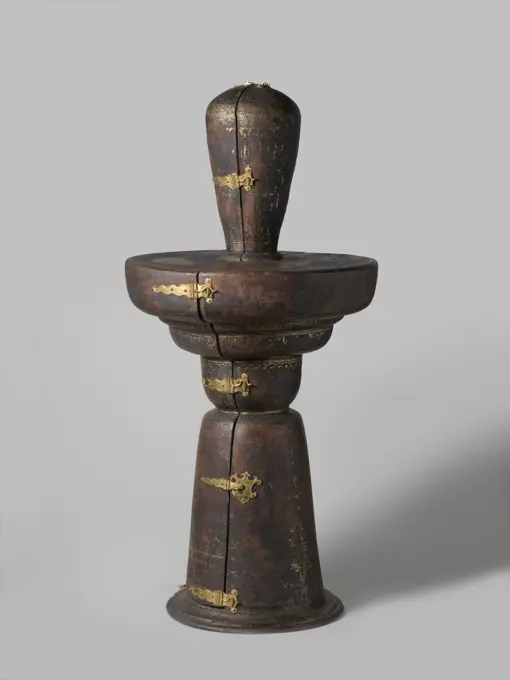
Case for the centrepiece of Wenzel Jamnitzer, anonymous, 1549 Foedraal van de Merkelsche Table Aufsatz. Nuremberg wood (plant material). leather Foedraal van de Merkelsche Table Aufsatz. Nuremberg wood (plant material). leather
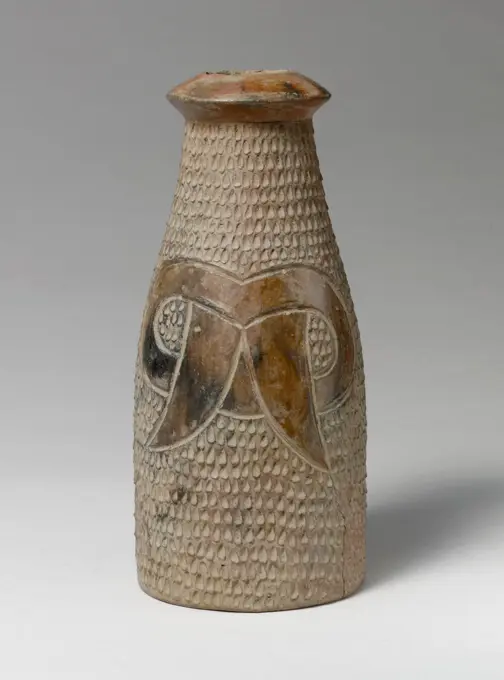
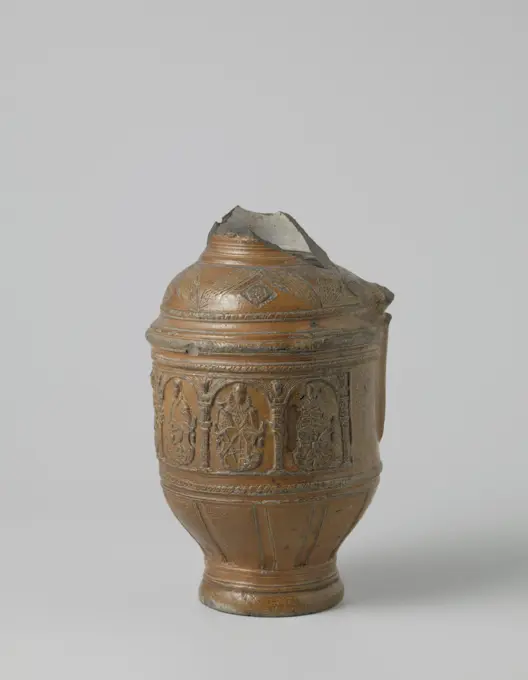
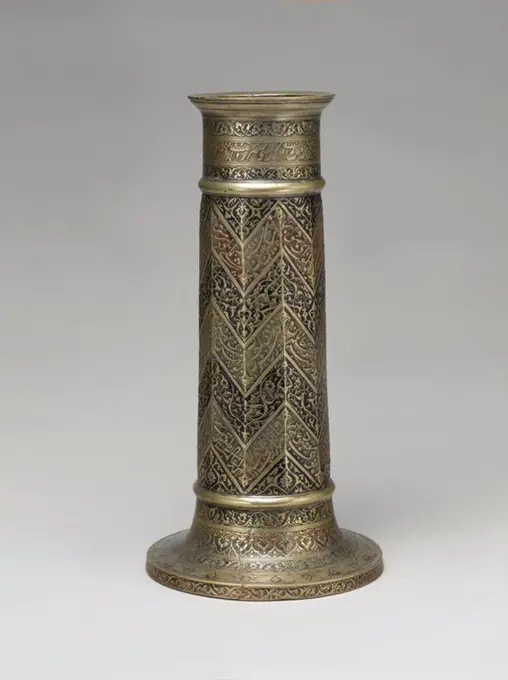
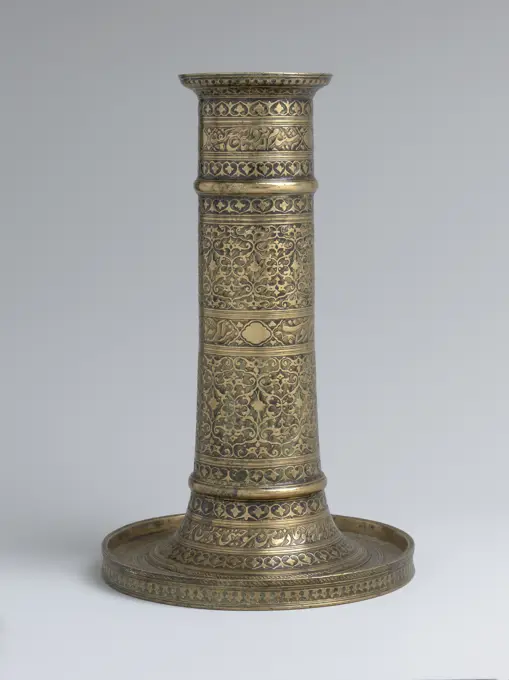
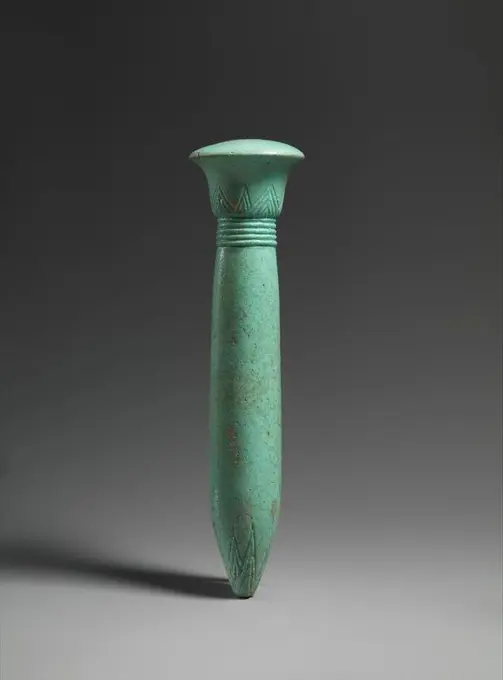
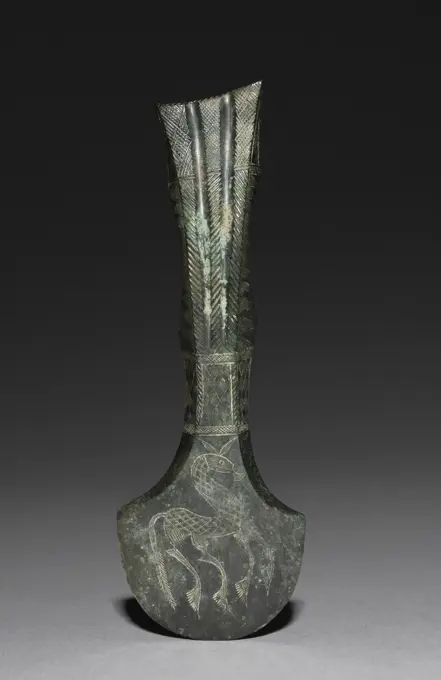
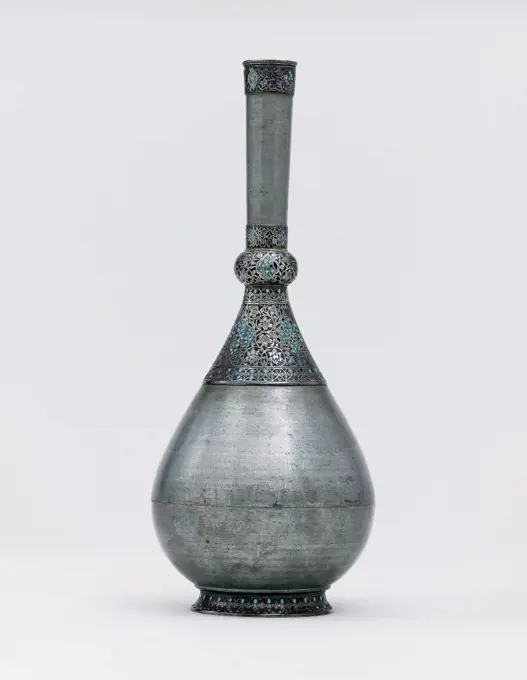
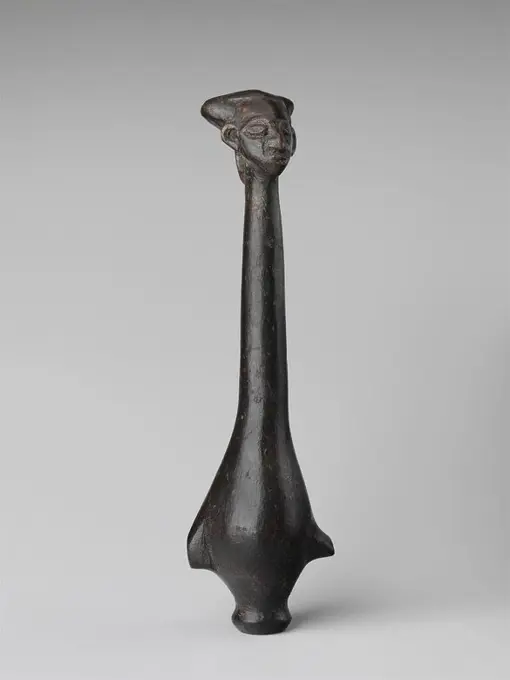
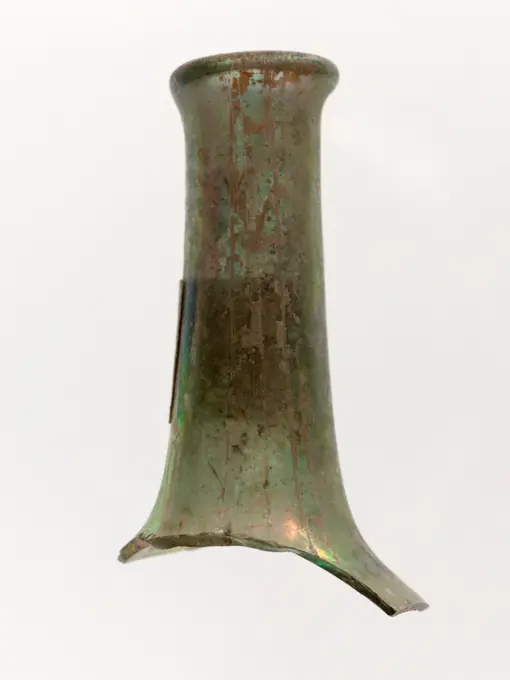
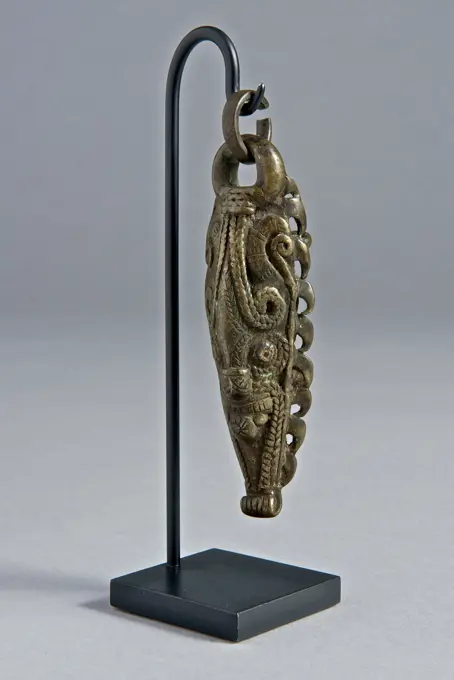
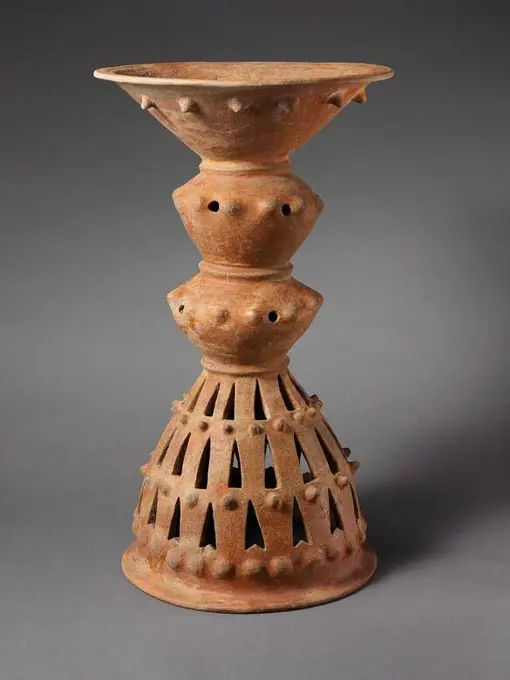
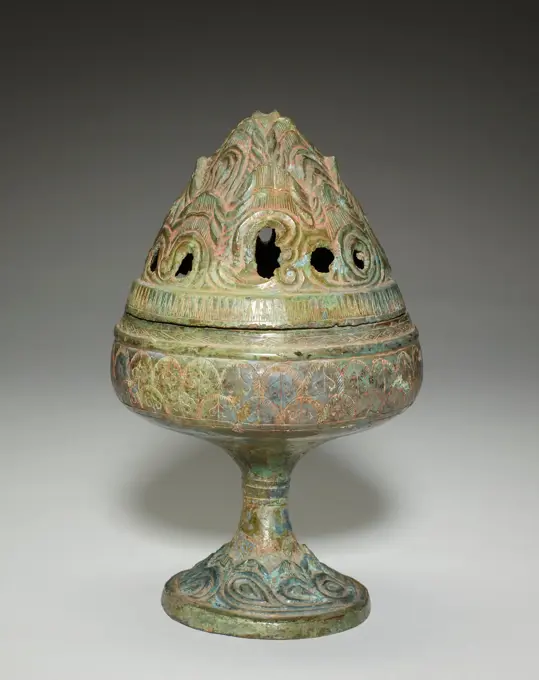
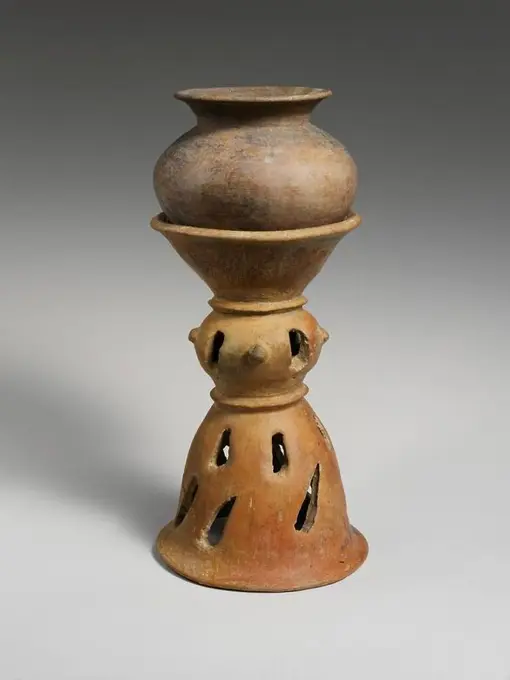
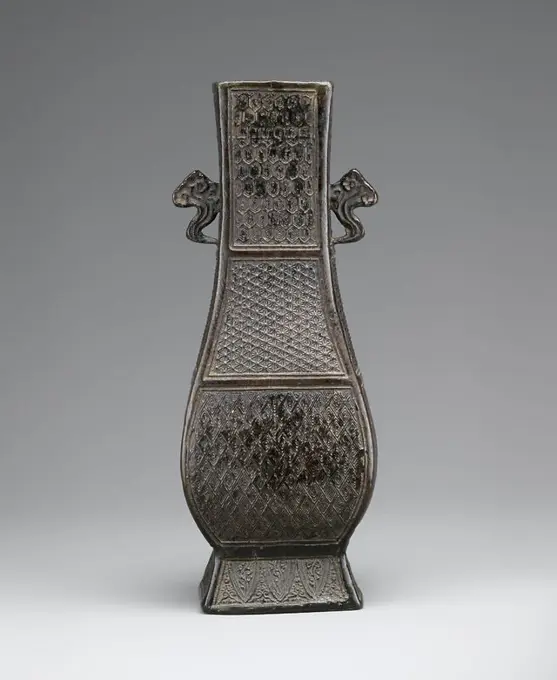
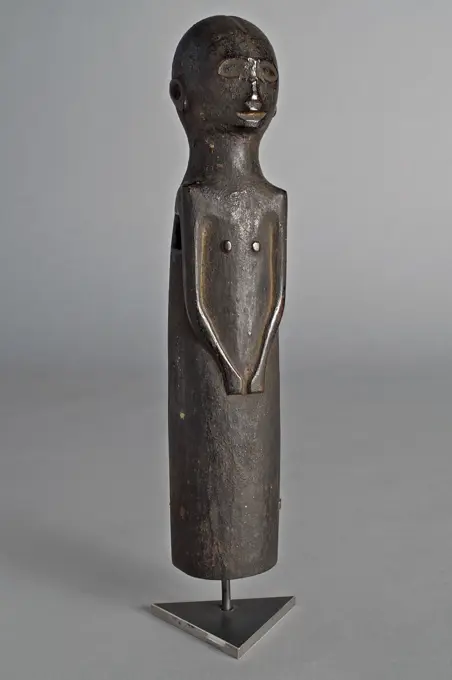
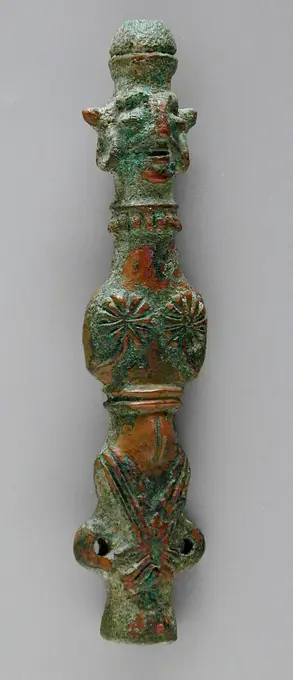
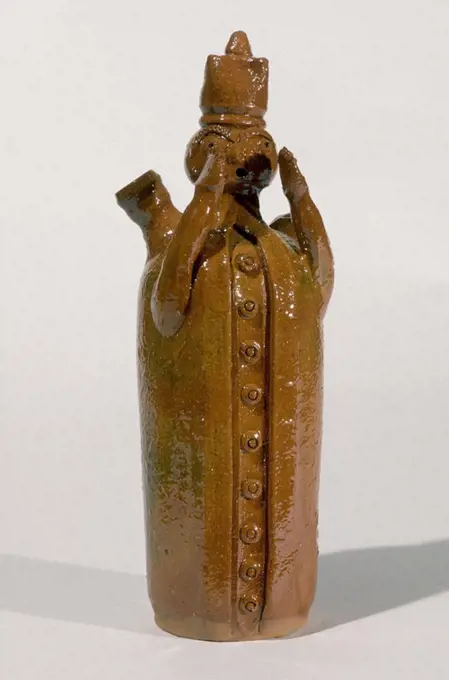
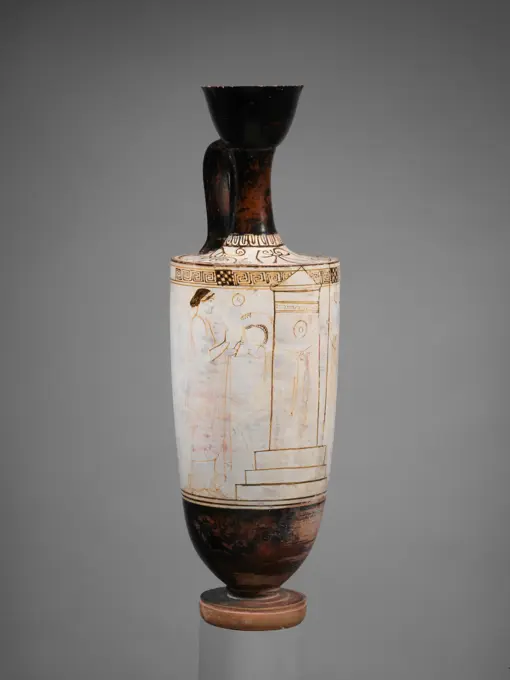
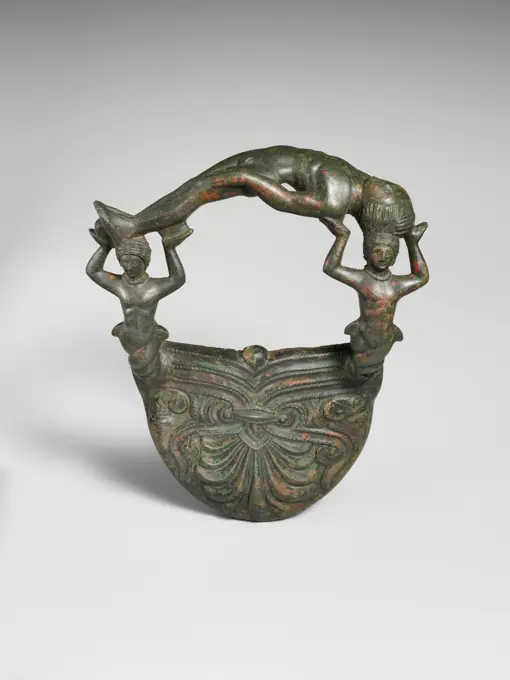
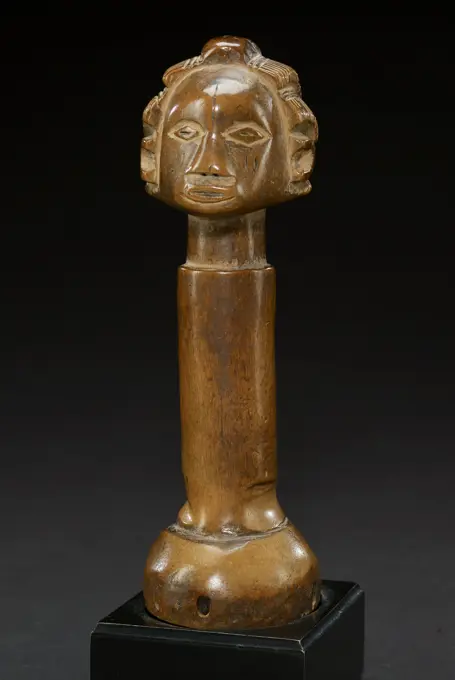
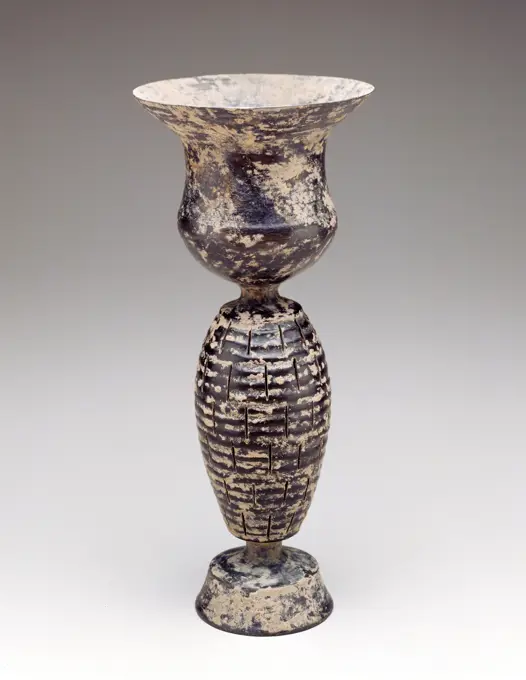
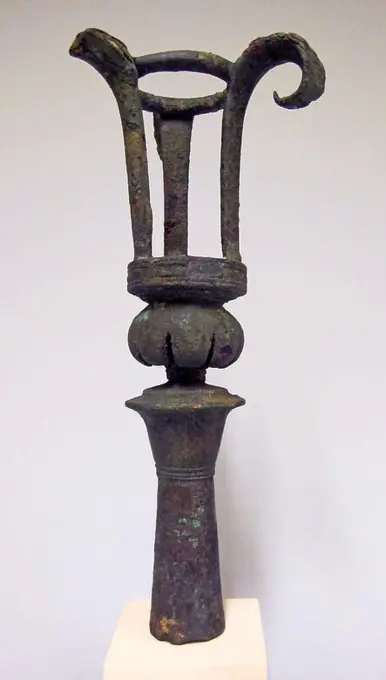
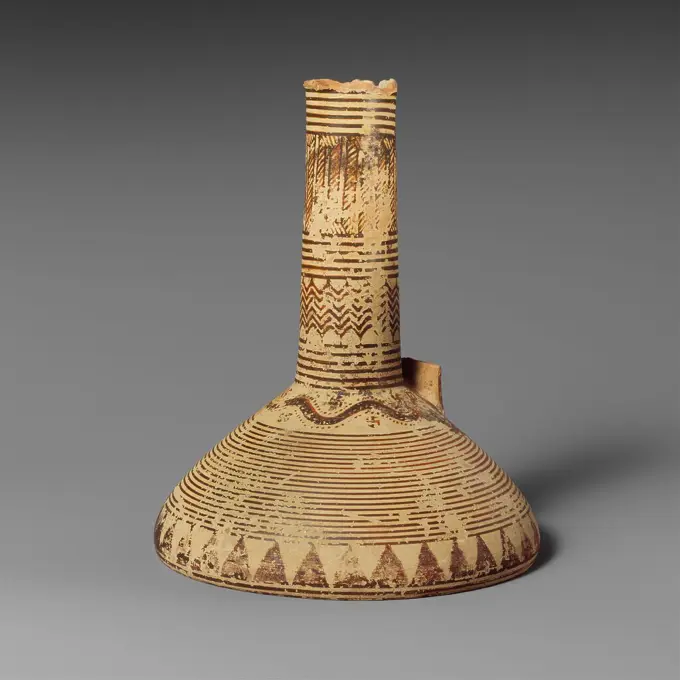
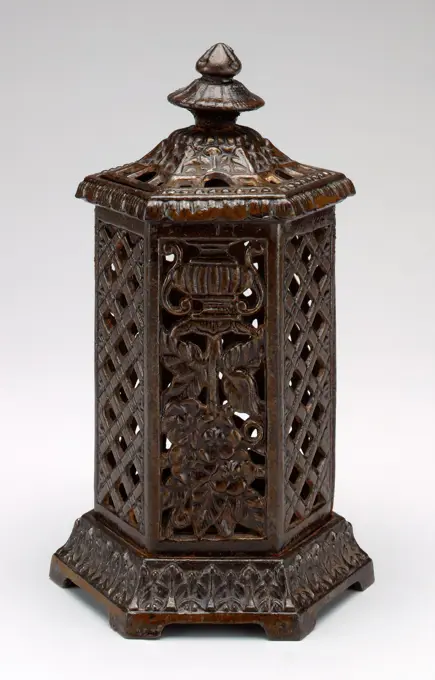
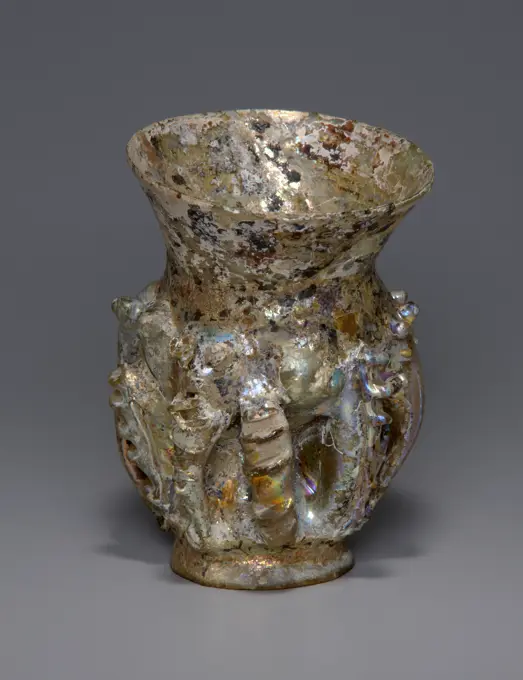
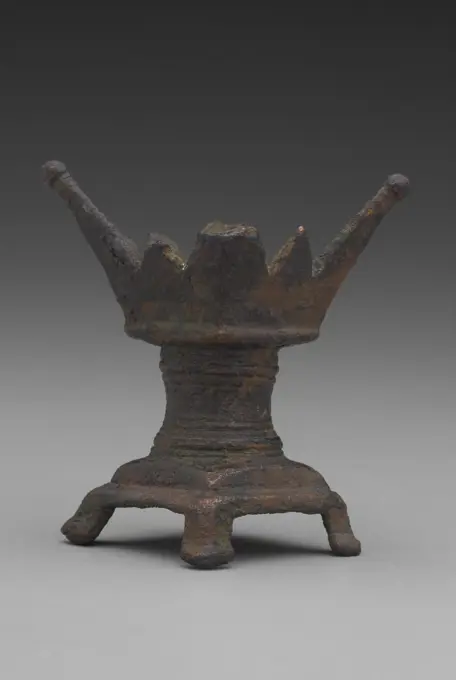
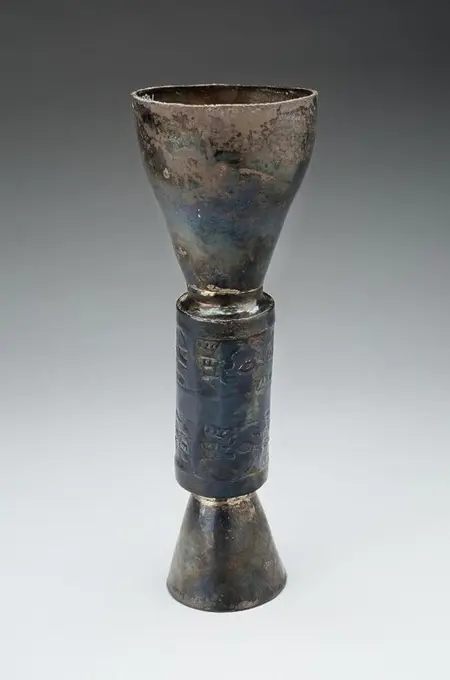
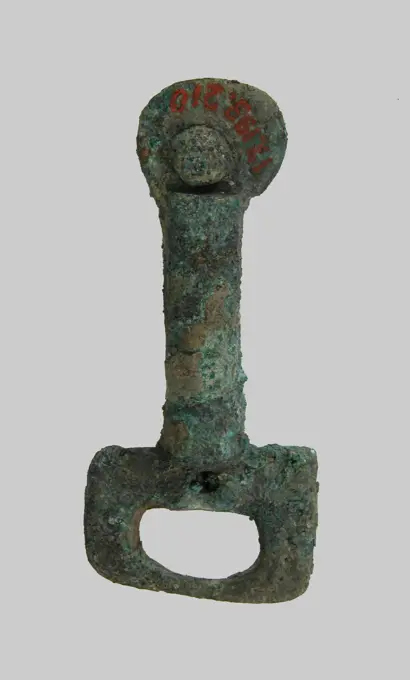
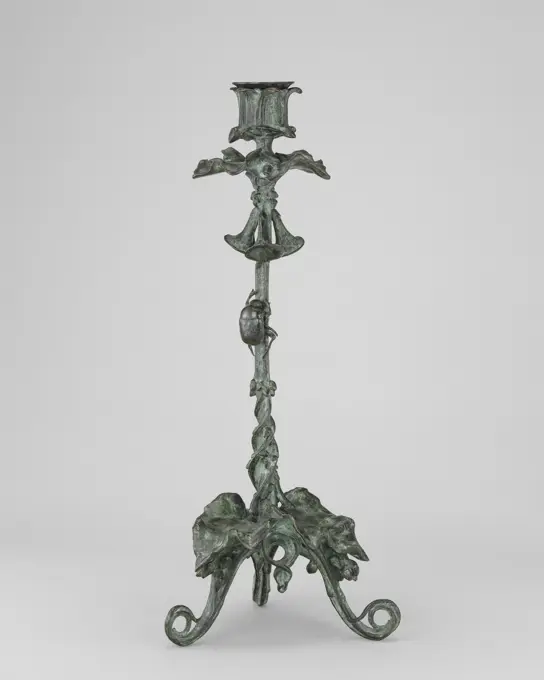
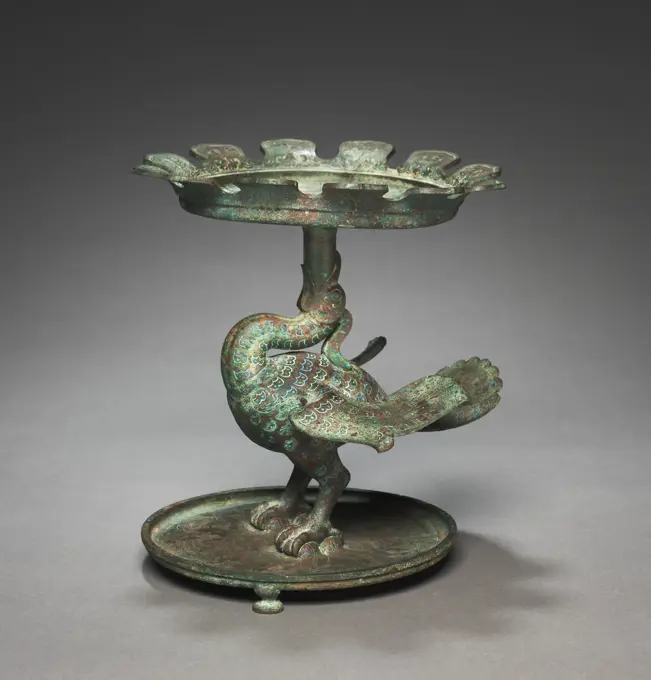
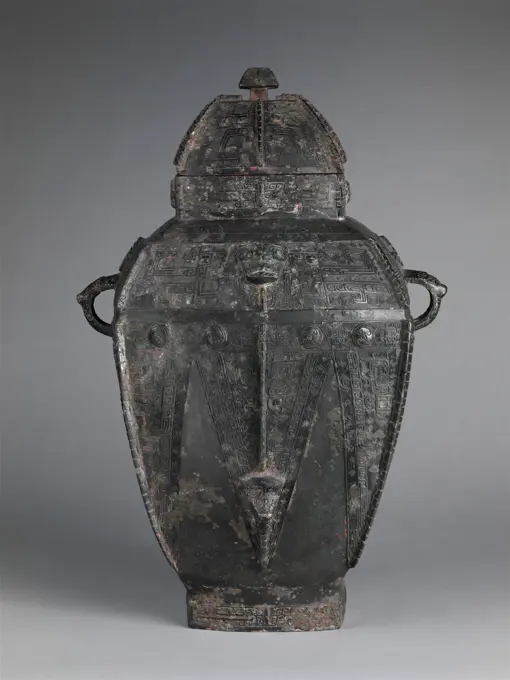
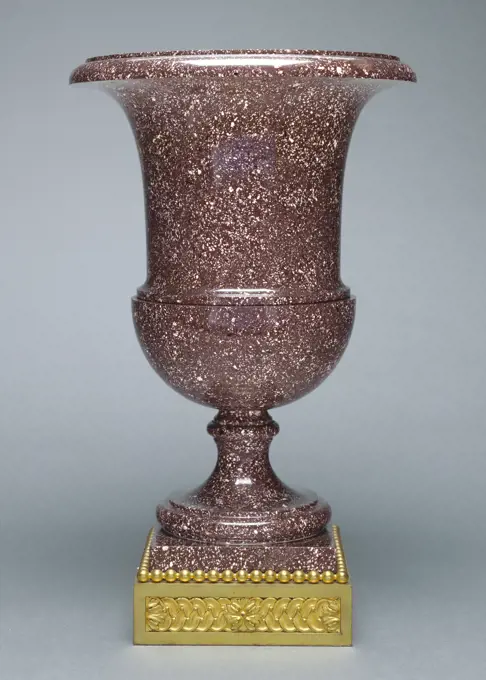
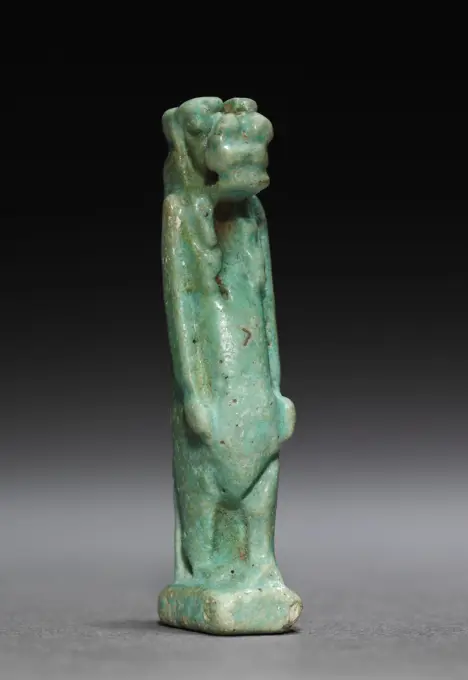
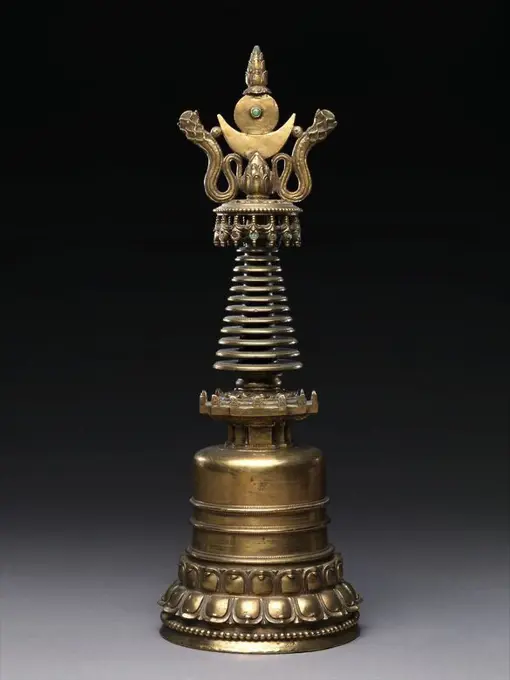
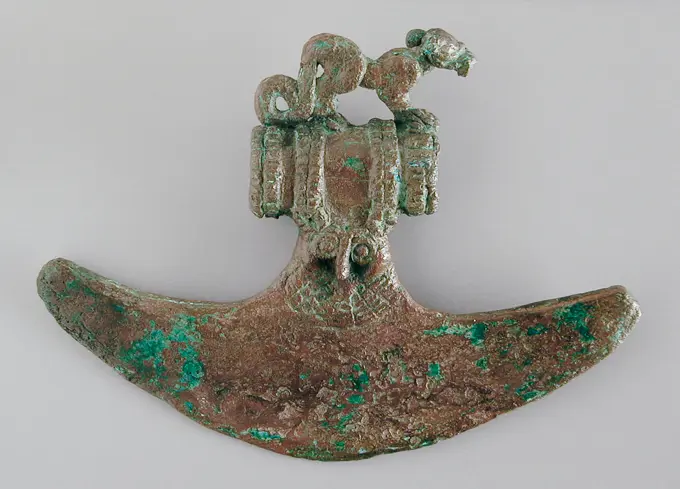
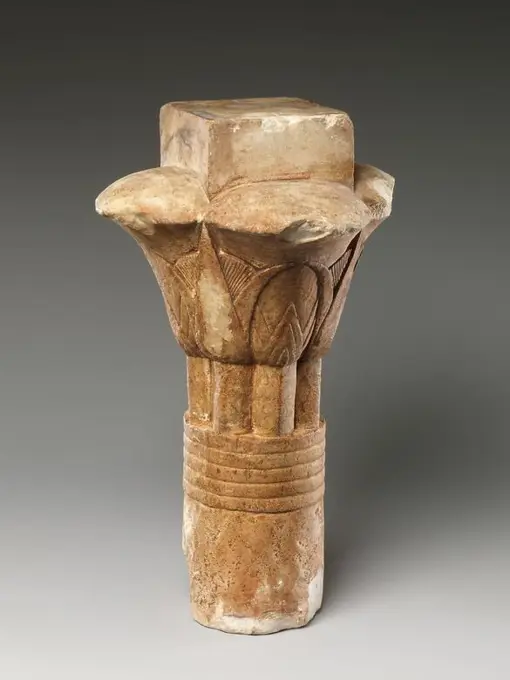
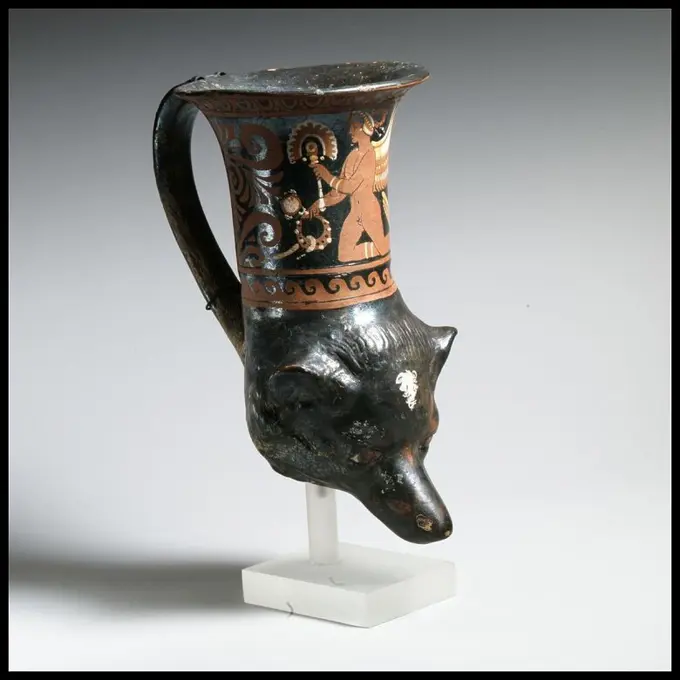
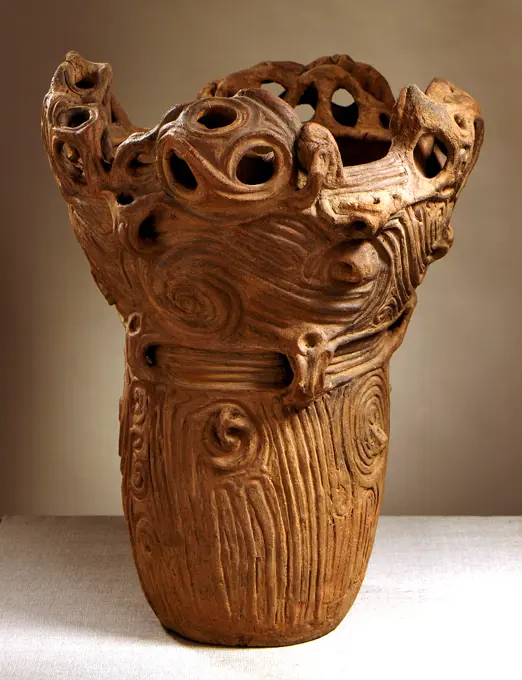
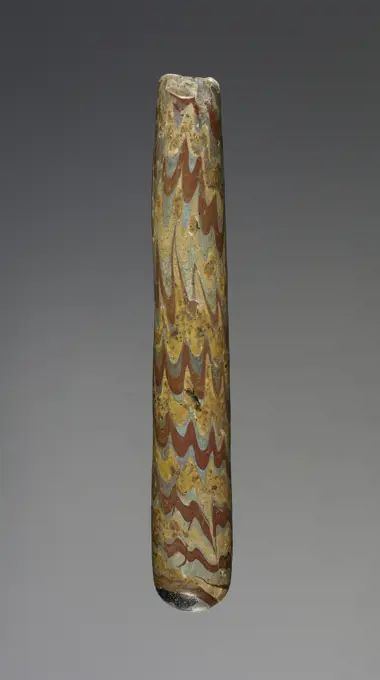
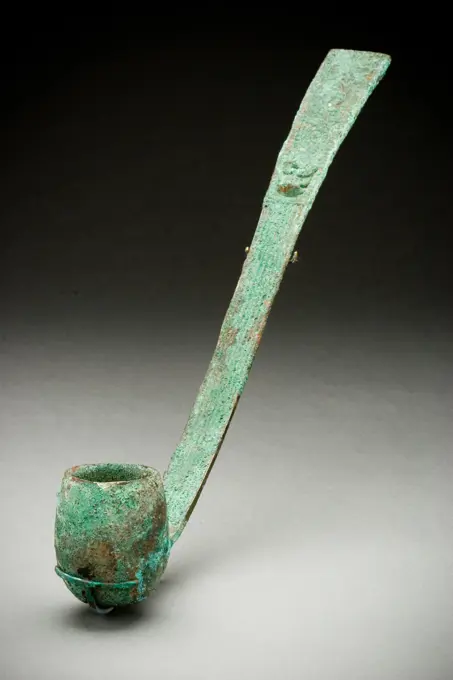
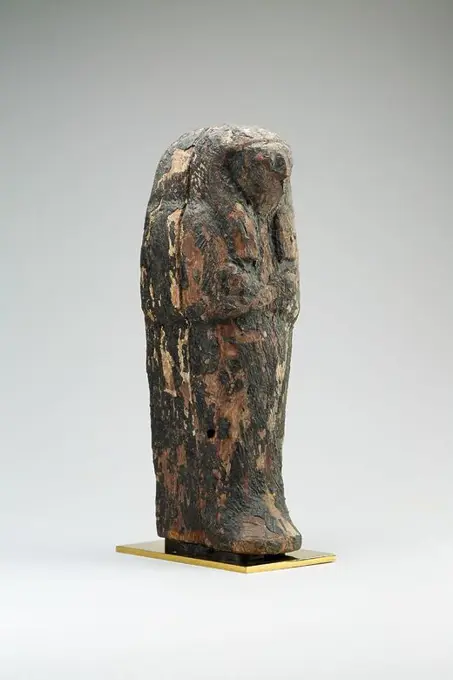
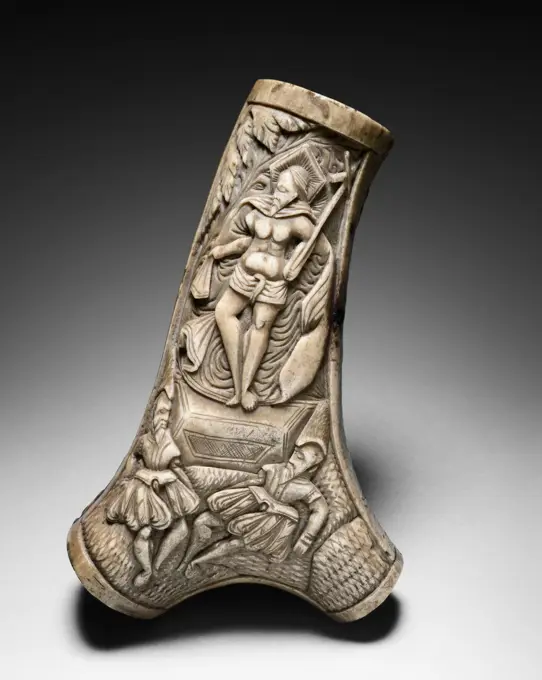
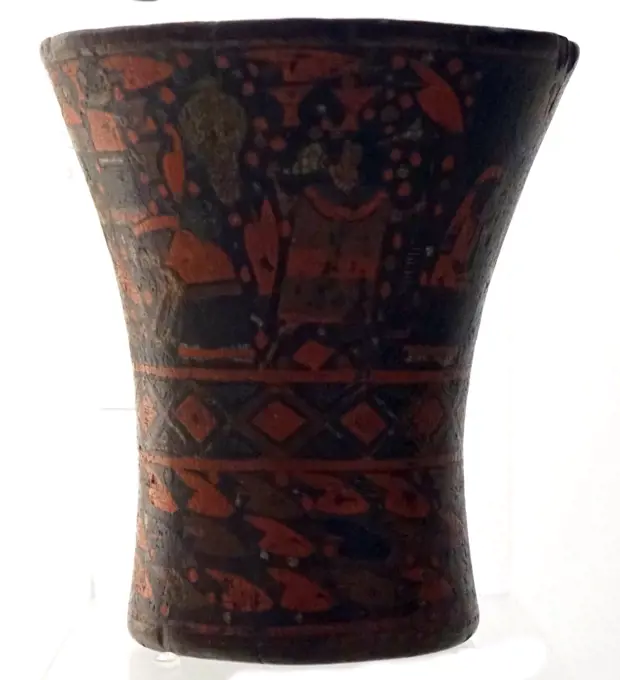
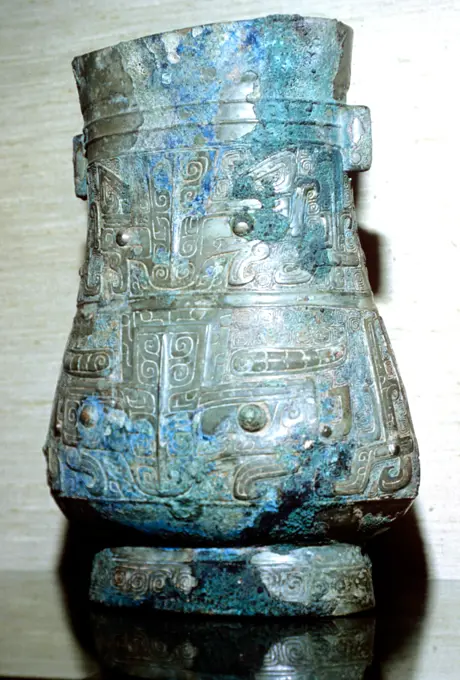
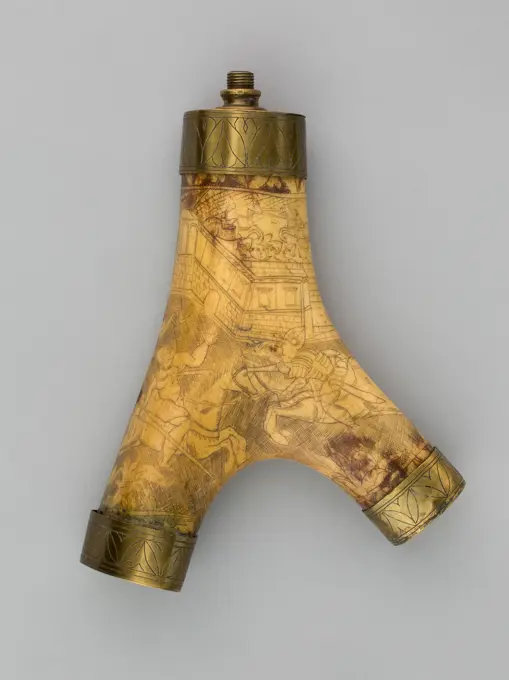
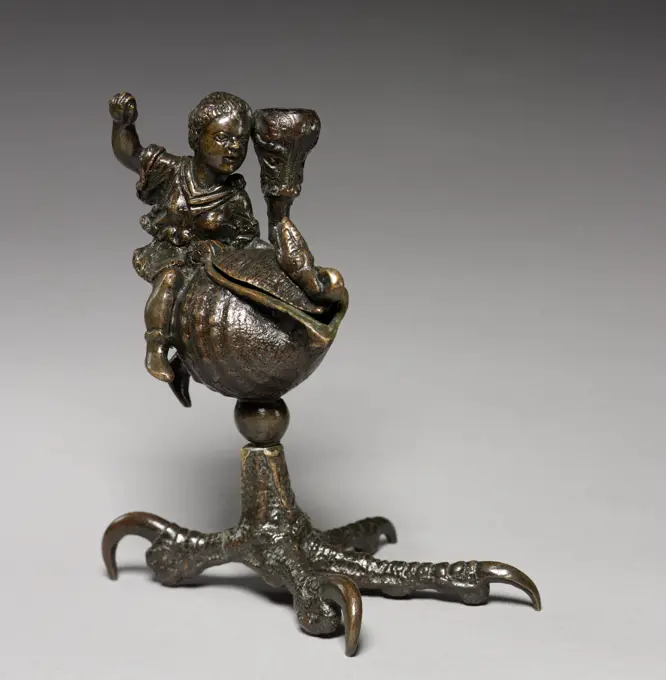
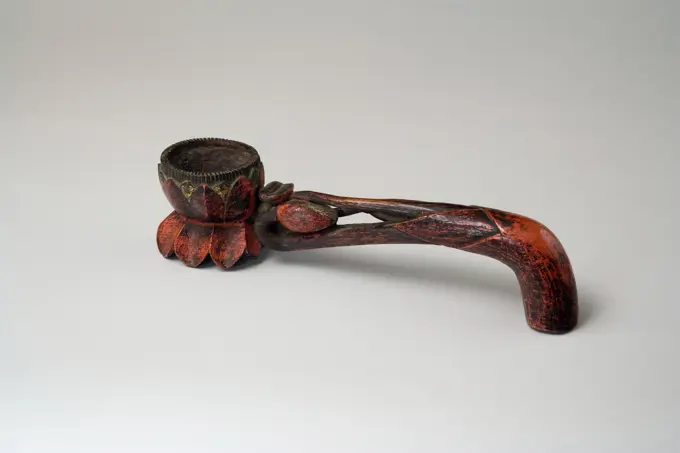
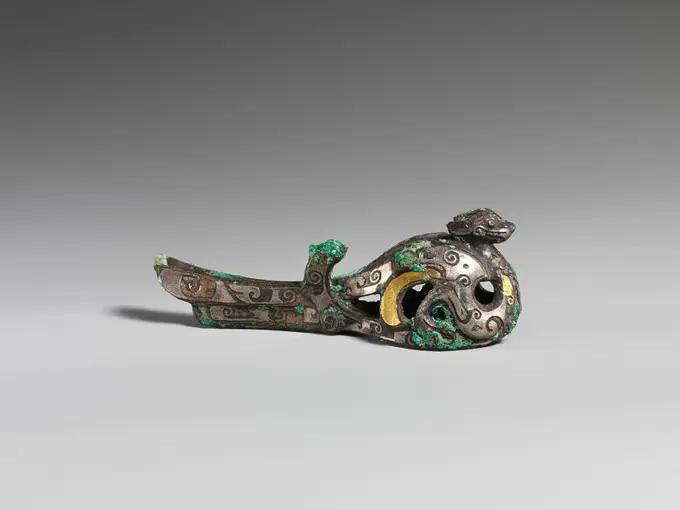
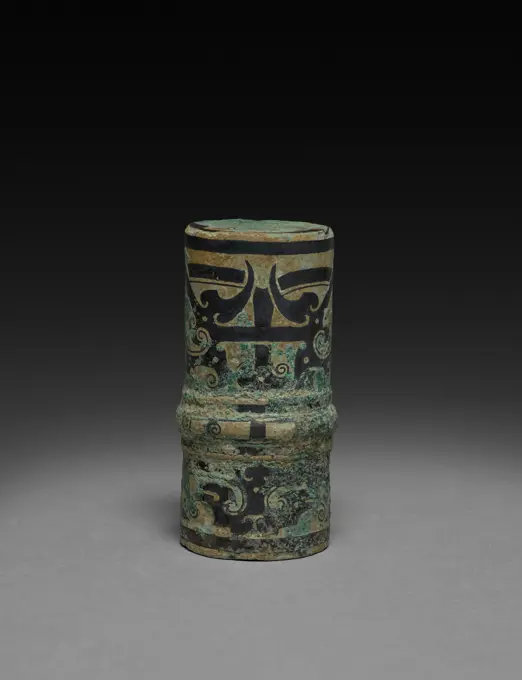
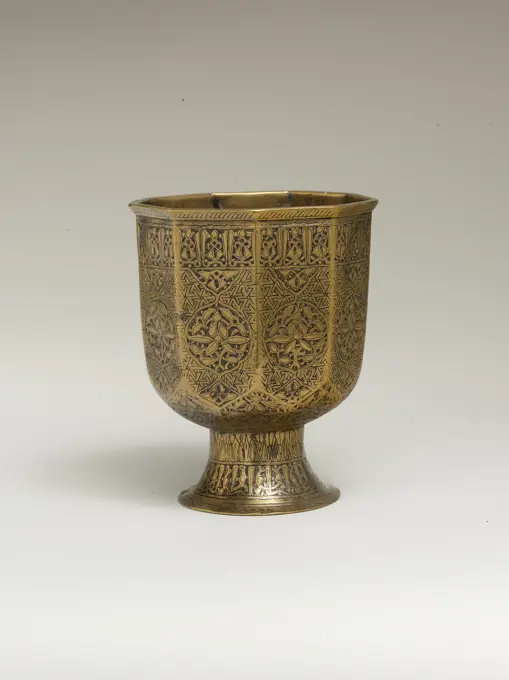
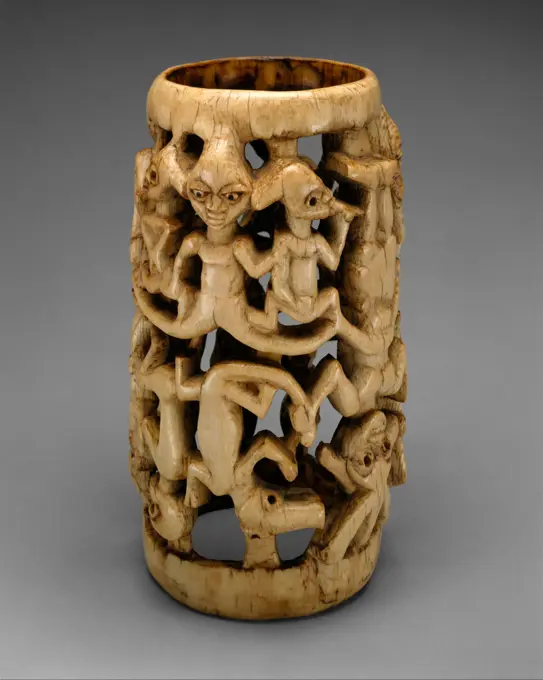
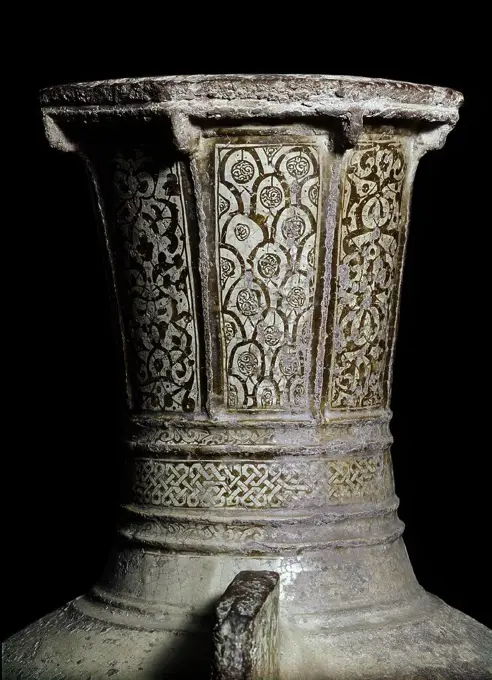
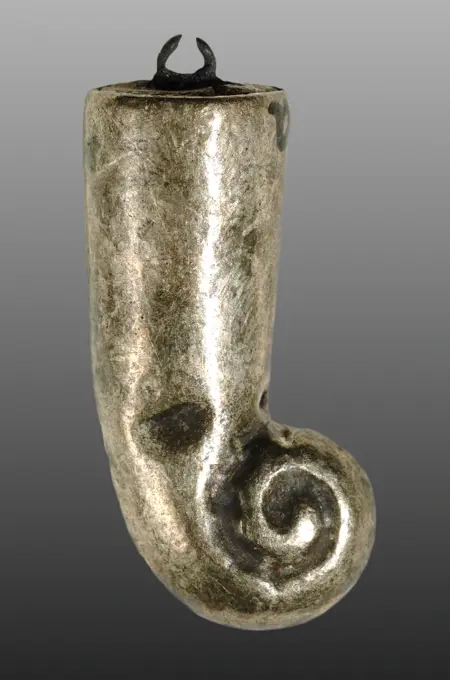
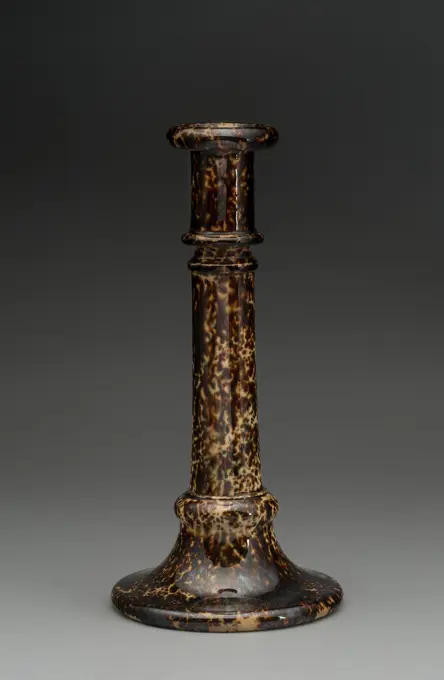
Case for the centrepiece of Wenzel Jamnitzer, anonymous, 1549 Foedraal van de Merkelsche Table Aufsatz. Nuremberg wood (plant material). leather Foedraal van de Merkelsche Table Aufsatz. Nuremberg wood (plant material). leatherPair of Candlesticks c 1847-1858 Bennington. Earthenware . United States Pottery CompanyBottle 12th-5th century B.C. Cupisnique Chavín-style pottery spread throughout much of the Peruvian highlands and coast in the first millennia B.C. Characterized by bottles with straight spouts and bowls with straight sides and relatively flat bottoms, Chavín ceramics exhibited extraordinary skill. Color was seldom used, save for the occasional red and silvery-black paint. Instead, decorative techniques, such as rocker stamping (a technique in which a toothed instrument is impressed into soft clay and then pivoted at one end), burnishing, incision, and modeling were used to create textural contrasts and depth. Chavín ceramics often exhibited complicated and exquisite imagery reminiscent of the types of mythological designs seen in Chavín sculpture and textiles. In the example shown here, a depiction of a fanged mouth, a popular motif in Chavín art, appears in low relief and dominates the body of the bottle. Its smooth and shiny surface stands in striking contrast to the coarse and stipFragment of a jug with a representation of the electors, anonymous, c. 1602 Fragment of a jug of stoneware on a high foot with a cylindrical body and round shoulder. Neck and ear are missing. Profiles on the body and the foot. Covered with a brown Engobe. On the belly in relief a printed and laid bond with arches. A Elector with his respective weapon is depicted under each arch, with his title in the arch. The date '1602' in the right -wing box. The lower part of the abdomen runs slanted to the foot and is covered with entered courses. On the shoulder oval medallions with notch cut and printed rosettes in a window. Raeren. Rae stoneware. glaze. engobe vitrification Fragment of a jug of stoneware on a high foot with a cylindrical body and round shoulder. Neck and ear are missing. Profiles on the body and the foot. Covered with a brown Engobe. On the belly in relief a printed and laid bond with arches. A Elector with his respective weapon is depicted under each arch, with his title in thEngraved Lamp Stand with Chevron Pattern. Dimensions: H. 13 1/4 in. (33.7 cm)Diam. (base) 6 5/8 in. (16.8 cm). Date: dated A.H. 986/ A.D. 1578-79.The poetry inscribed around this lamp stand expresses mystical Sufi sentiments. Lyrical verses from the Bustan (Orchard) of Sa'di are placed in three zigzag-shaped registers covering the shaft: I remember one night as my eyes would not sleep I heard a moth speaking with a candle. Said the moth: "Because I am a lover, it is only right that I should burn.But, why should you weep and burn yourself up?". Museum: Metropolitan Museum of Art, New York, USA.Glass perfume bottle 3rd-4th century A.D. Roman Translucent pale blue.Thick rim, folded out, over and in, flattened on top and forming uneven opening to mouth; cylindrical neck, tapering slightly downwards and tooled in deeply around base; conical body with straight sides; deep, pointed kick in bottom with large circular pontil scar.Intact; pinprick bubbles; areas of pitting and iridescent weathering.. Glass perfume bottle 244628Lamp Stand A.H. 1027-29/A.D 1617-18 Abdullah Haidar al-Husaini This distinctive tall, cylindrical shape is characteristic of a group of Safavid lamp stands which share a similar silhouette and ornamentation. Many are covered with lyrical and mystical verses by celebrated poets of the period, reflecting the important relationship between Persian poetry and the visual arts. Rhythmic, scrolling vegetal arabesques serve as a background for the interspersed verses in Persian nastaliq script from Sa`dis "The Moth and the Candle", which read:"I remember a glance of your eye. I have heard that the moth said to the candle: I love you and if I shall be burned so be it. My tears and burning give you pleasure; I am the moth and it is my destiny to be burned; my heart is not quiet if I am not burned."This poem references the story of the moth and the flame, a sufi allegory in which the moth (the believer) is spellbound by the light of the beloved (God). According to the sufis, this may be understPapyrus column amulet. Dimensions: h. 14 cm (5 1/2 in). Dynasty: Dynasty 26-29. Date: 664-332 B.C..This amulet, meant to be worn, carried, or offered to a deity in the belief that it will magically bestow a particular power or form of protection, depicts a papyrus scepter or column. This plant, named wadj, meaning "green" or "fresh", and the choice of green-blue faience all strongly evoke vitality and regenerative power, qualities desirable for the living and the dead. Plaques featuring a relief scepter are particular to the Late and Ptolemaic Periods. Museum: Metropolitan Museum of Art, New York, USA.Netherlands for incense (common name). Partially golden copper alloy. Cernuschi Museum, Asia Museum of Asia in the city of Paris.Axe Head, 900-600 BC. Russia or Turkey, North-Central Caucasus, Kuban culture, 9th-7th Century BC. Bronze, cast in bi-part mold, polished, incised, and chased; overall: 3 cm (1 3/16 in.).Terracotta footed bowl. Culture: Etruscan. Dimensions: Other: 6 1/4 x 10 in. (15.9 x 25.4 cm). Date: ca. 550 B.C..On high foot. Four reliefs of two horses' heads attached to edge. Museum: Metropolitan Museum of Art, New York, USA.Vase; Massier, Clement (1814-1917); around 1900 (1895-00-00-1900-00-00);Grohmann, Henryk (1862-1939)-collection, Massier Clement (1840-1917), tree, landscape, secession (style)An Ottoman Turquoise Inset Silver Mounted Zinc Bottle, Istanbul Turkey 17th Century Islamic Art AntiqueFOREIGN OLDWhistle. Culture: Kuba. Dimensions: L. 19.6cm (7 11/16in.). Date: mid-19th century. Museum: Metropolitan Museum of Art, New York, USA.Beaker Made 1600 BCE-1050 BCE China. Bronze .Small hemmed lip collar. Glass. Paris, Carnavalet museum. 51537-5 Bottle, hen of hem, small collar, glassAmuletTerracotta holmos (stand). Culture: Etruscan. Dimensions: H. 26 in. (66 cm); diameter of mouth 13 1/2 in. (34.3 cm). Date: 700-650 B.C..Many elements of these large terracotta stands, especially the perforations and bosses, indicate that their designs are based on metallic prototypes imported to Italy from the ancient Near East. Museum: Metropolitan Museum of Art, New York, USA.Boshanlu (Hill Censer), 1st century BCE, 7 1/2 × 4 5/8 in., 1.1 lb. (19.05 × 11.75 cm, 0.5 kg), Bronze with incised decor, China, 1st century BCETerracotta dinos (bowl). Culture: Etruscan. Dimensions: H. 5 1/4 in. (13.4 cm); diameter of mouth 4 3/4 in. (12.1 cm). Date: late 8th-early 7th century B.C..A small version of a popular type of banquet vessel used to mix wine and water and then serve guests. The holmos has two rows of perforations on the base. Ovoid perforations alternate with large bosses on the spherical midsection. The plain flaring top supports an undecorated dinos. Museum: Metropolitan Museum of Art, New York, USA.Lamp Handle with Dolphins 4th-5th century Byzantine A pair of dolphins use their tails to support the handles rectangular plaque. Their heads would have been attached to a now-lost base.Round flat hanging lamps, or polycandela, were lit by oil-filled glass vessels hung from the round holes in their designs. Paul the Silentiary in 563 described the effect of huge hanging lamps that lit the great church of Hagia Sophia in Constantinople: “Thus is everything clothed in beauty…no words are sufficient to describe the illumination in the evening: you might say that some nocturnal sun filled the majestic church with light.”. Lamp Handle with Dolphins 468604Terracotta kernos (vase for multiple offerings). Culture: Greek, South Italian, Campanian. Dimensions: H. 6 3/8 in. (16.2 cm). Date: ca. 330-300 B.C..The small cups were used to hold votive offerings such as poppy seeds, wheat or barley. Museum: Metropolitan Museum of Art, New York, USA.Pommel and Grip of Dress Sword, 1600s. Italy, 17th century. Steel, chiseled, chased, and pierced; overall: 2.6 cm (1 in.).Vase. Culture: China. Dimensions: H. 7 5/8 in. (19.4 cm); W. 2 3/4 in. (7 cm); D. 2 1/8 in. (5.4 cm). Date: 13th-14th century.This slender vase has a rectangular section on a splayed foot, with two cloud-shaped handles attached to the sides of its neck. All four sides of the vase are decorated, from neck to foot, with geometric patterns, including honeycomb diaper, floret-and-dots diaper, diamond diaper, and pendant lappets. The entire vessel is covered with a warm blackish patina that bears no trace of being buried underground. Museum: Metropolitan Museum of Art, New York, USA.Terracotta footed bowl ca. 550 B.C. Etruscan On high foot. Four reliefs of two horses' heads attached to edge.. Terracotta footed bowl. Etruscan. ca. 550 B.C.. Terracotta; bucchero pesante. Archaic. VasesSpinning WheelSupportFinial Support. Iran, Luristan, circa 1350-650 B.C.. Architecture; Architectural Elements. Bronze, castThokcha in the shape of stupa (chorten). unknown, craftsmanDecorated TubeBOTIJO CURA VIDRIADO - CERAMICA POPULAR S XX. Location: ALFARERIA. JIMENEZ DE JAMUZ. LEON. SPAIN.Amulet  nithTerracotta lekythos (oil flask) ca. 460 B.C. Attributed to the Inscription Painter Woman and warrior at a tombHaving come apart at the shoulder, this lekythos was left disassembled in order to show the interior. Attic funerary lekythoi typically have a small bulb inside the body at the end of the neck. The purpose was to economize in the amount of oil offered to the dead. The shape of the bulb tends to vary by workshop.The vase is also significant iconographically. The woman holds a helmet, presumably that of the deceased. On the far side of the monument stands an armed warriora mourner or an image of the fallen soldier? Of further note is the drinking cup and the phialai (libation bowls) that are suspended on the tombstone and in the background.. Terracotta lekythos (oil flask). Greek, Attic. ca. 460 B.C.. Terracotta; white-ground. Classical. VasesChinese Cloisonné Enamel 'Arrow' Vase,  Qing Dynasty, Kangxi Period, 1662-1722Bronze handle with nereids supporting a youth 4th century B.C. Etruscan Two hybrid sea creatures, part human and part snake, support a sleeping youth who forms one of the handles of a large bronze vessel. All the symbolism is connected with death, an appropriate allusion on a vessel that may have been used for cremated remains.. Bronze handle with nereids supporting a youth 251837 Etruscan, Bronze handle with nereids supporting a youth, 4th century B.C., Bronze, H.: 6 7/8 in. (17.5 cm). The Metropolitan Museum of Art, New York. Fletcher Fund, 1925 (25.78.53)Pestle, c. 1920, 8 3/4 × 2 3/4 × 3 1/4 in. (22.23 × 6.99 × 8.26 cm) (with base), Wood, Democratic Republic of Congo, 20th centuryGlass perfume bottle 2nd-4th century A.D. Roman Color uncertain, appering black.Broad, slanting rim, folded out, over, and in, flattened on top, forming irregular oval mouth; uneven, tall, cylindrical neck; lo, concial body; flattened bottom with central deep kicck and pontil scar.Intact; many irregular tooling marks and indents; dulling, some pitting, and faint whitish iridescent weathering.Heavy, thick-walled bottle.. Glass perfume bottle 244585Ceremonial Stem Cup, 3000-2000 BCE, 9 1/2 x 4 9/16 in. (24.13 x 11.59 cm), Burnished earthenware, China, 30th-20th century BCEBronze lampstand. Culture: Cypriot. Dimensions: 11 1/4in. (28.6cm). Date: 6th century B.C..Short stem decorated with one row of lotus petals. Museum: Metropolitan Museum of Art, New York, USA.Wine Vessel (Fu Wu Zun), c. 1000-900 BC. China, early Western Zhou dynasty (c. 1046-771 BC). Bronze; diameter: 23.1 cm (9 1/8 in.); overall: 25.2 cm (9 15/16 in.).Stoneware, peasant wicker, border text above decorated frieze, ribbed neck, dated, farmer's pitcher crockery holder soil find ceramic stoneware clay engobe glaze salt glaze, hand turned stamped glazed glazed baked stoneware jug gray shard smudged brown engobe and salt glaze tail profiled neck and foot Text line: GERET DU MUS DAPR BLASEN SO DANCING DEI NEIGHBORS AS WEATHER SEI RACES ERI WE FOCUS BASTOR ICH VER DANS DI KAPMITEN archeology import pottery serving drink pouring wine beer wedding marriage party dancingGold and beryl earring 2nd-1st century B.C. Cypriot These items, all found on Cyprus, reflect styles and tastes that were prevalent throughout the Hellenistic world, notably in the use of Eros figures, animals and brightly colored gemstones.. Gold and beryl earring. Cypriot. 2nd-1st century B.C.. Gold, beryl. Hellenistic. Gold and SilverChariot Finial with Bird, 11th century BCE, 9 3/16 × 2 × 3 1/4 in. (23.34 × 5.08 × 8.26 cm), Bronze, China, 11th century BCETerracotta oinochoe (jug). Culture: Greek, Corinthian. Dimensions: H. as preserved 6 13/16 in. (17.3 cm). Date: ca. 725-690 B.C..On the body, snakeThe shape, with its long narrow neck and trefoil mouth, and the dense, very disciplined decoration are characteristic of Corinth during the transition from the Late Geometric to the Early Protocorinthian period. Museum: Metropolitan Museum of Art, New York, USA.Funerary urn. National Museum, Athens , Antiquities, Urns. Nicholas Catsimpoolas CollectionSnuff Bottle, 17th-19th century, 3 x 2 1/4in. (7.6 x 5.7cm), Kauri-gum, agate, China, 17th-19th centuryAncestorFigureSpace Heater, Flowers' still bank, c. 1890, 6 1/2 x 3 7/8 x 3 7/8 in. (16.51 x 9.84 x 9.84 cm), Iron, pigment, England, 19th centuryBeaker with scroll ornamentation 15th-16th century Inca (). Beaker with scroll ornamentation. Inca (). 15th-16th century. Silver, gold. Peru. Metal-ContainersCovered vase early 19th century China. Covered vase. China. early 19th century. Jade. JadeCeremonial Knife (Tumi) 3rd-7th century Moche. Ceremonial Knife (Tumi) 315212Funnel-Mouthed Vessel with ElephantHeadsVase with FloralDecorationThymiaterionDouble Beaker. Chimú; North coast, Peru. Date: 1100-1470. Dimensions: H. 24.1 cm (9 1/2 in.). Silver. Origin: North Coast. Museum: The Chicago Art Institute, Chicago, USA.Sarkofag odźwiernego świątyni Amona Panepi. unknown, authorRectangular Plaque 500-700 Frankish. Rectangular Plaque. Frankish. 500-700. Copper alloy. Made in Niederbreisig, Germany. Metalwork-Copper alloyAntoine Louis Barye, Candlestick with Leaves and Clochettes, and a Scarab on the Stem, model nd, cast 1857 1874 Candlestick with Leaves and Clochettes, and a Scarab on the StemEmblem of the God Shiva (Linga) 901 CE-1300 Cambodia. Sandstone .Ceremonial Knife. Culture: Chimú. Dimensions: H. 4 1/8 x W. 8 7/16 in. (10.5 x 21.4 cm). Date: 12th-15th century. Museum: Metropolitan Museum of Art, New York, USA.Round Ding Tripod,( Mid 11th - mid 10th Centuries BC) The Capital Museum, Beijing, ChinaArm Guard (Bazuband) from Suit of Armor 1701-1800 Iran. Steel inlaid with gold, with engraved and pierced decoration . IslamicShallow Basin Supported by a Bird (Bian), early 400s BC. China, Warring States period (475-221 BC). Bronze inlaid with powdered malachite and azurite ; overall: 23.3 cm (9 3/16 in.); diameter of base: 18.3 cm (7 3/16 in.).Can. Can of earthenware with a cylinder-shaped belly. On the abdomen a decoration of warriors in niches that are worn by Cariations. The spout originates from a lion's head.Covered Vessel (Fanglei) China. Covered Vessel (Fanglei) 61276Pair of Urns; about 1780; Porphyry; gilt bronze;Amulet of Taweret, 305-30 BC. Egypt, Ptolemaic Dynasty. Light robin's egg blue faience; overall: 5.1 x 1.2 x 1.5 cm (2 x 1/2 x 9/16 in.).Stupa. Culture: Tibet. Dimensions: H. 20 in. (50.8 cm); W. 7 1/4 in. (18.4 cm); Diam. 6 7/8 in. (17.5 cm). Date: mid-15th century.The stupa (Tibetan: chorten) is the most ancient form of Buddhist art, symbolizing the monumental funerary mounds of ancient India that were appropriated into Buddhism as depositories for Buddha relics. Over time they assumed many forms, including scaled-down versions in metal, which serve the same function of housing holy relics, but whose higher purpose in a monastery is to evoke the presence of the Buddha and his teachings. Museum: Metropolitan Museum of Art, New York, USA.Vase ca. 1895-1900 George E. Ohr American. Vase. George E. Ohr (American, Biloxi, Mississippi 1857-1918 Biloxi, Mississippi). American. ca. 1895-1900. Glazed red earthenware. Made in Biloxi, Mississippi, United StatesContainer Stopper with HumanFiguresCrescentic Axehead. Iran, Luristan, circa 1350-1000 B.C.. Arms and Armor; axes. Bronze, castModel quatrefoil palmette capital. Dimensions: H. 23.9 cm (9 7/16 in.); W. 14 cm (5 1/2 in.); D. 13.8 cm (5 7/16 in.). Date: 400-30 B.C..Small Late Period and Ptolemaic reliefs or sculptures that depict a subject in a partial or unfinished way but are themselves complete objects constitute a special class of object. Guidelines like those for artists are often prominently exhibited as part of the object, although, in fact, many instances can be noted where the object simply could not serve as a suitable model for a traditional formal Egyptian representation. Personifications of kingship, figures that may represent the now emerging demigods Imhotep and Amenhotep Son of Hapu, and popular gods like Harpokrates or Isis, are heavily represented within the corpus. Taken together, the figures represented and the other features indicate the reliefs and sculptures of this class, sometimes called by Egyptologists "sculptor's models / votives," were the material of a donation practice, perhaps cTerracotta rhyton in the shape of a dog's head. Culture: Greek, South Italian, Apulian. Dimensions: 7 3/8in. (18.7cm). Date: ca. 350-300 B.C..On the cup, kneeling Eros with a fan, mirror, and wreathOn the cup, kneeling Eros with a fan and a mirror. The dog is a Maltese, they appear with some frequency in Attic and South Italian vases. Museum: Metropolitan Museum of Art, New York, USA.Table knife 17th century possibly French. Table knife. possibly French. 17th century. Steel, base metal. Metalwork-SteelFigurine. UnknownVessel with Applied Designs. Anonymous. Japan, middle Jōmon phase, circa 3000-2000 B.C.. Ceramics. Coil-built earthenware with incised, modeled, and applied decorationFedral with simple tree decoration in rows, anonymous, 1700 case A wooden, slim canopic feud, inside with cardboard and covered with leather on the outside, worked on the outside with simple tree decorations in rows of three grouped. The inverted dish -shaped foot is processed all around with medallions printed in the leather. On the inside 12 courses, separated from each other by a cardboard grid. The cylindrical lid closes over the shaft. Netherlands cardboard. leather. wood (plant material) cutting / printingVotive Figure 7th century B.C. Halstatt Period. Votive Figure 466258SpoonBalsamarium; area of Ardebil, perhaps Azerbaijan; perhaps mid-1st millennium B.C; Glass; 9.4 × 1.4 cm (3 11,16 × 9,16 in.)UNGÜENTARIO DE PASTA VITREA PUNICO (AJUAR). DEPOSITO: MUSEO PUIG DES MOLINS.Ritual Ladle (Dou) with Masks. China, probably Henan Province, Late Shang dynasty, Anyang phase, about 1300-1050 B.C.. Furnishings; Serviceware. Cast bronzeAlbarello ca. 1480 Italian, Naples Storage vessels were among the most frequently produced maiolica wares in late medieval and Renaissance Italy. Made in fairly standard shapes, they were designed to fit with dozens of others on a shelf, often in a pharmacy or shop. Their handles therefore tend to fit within the vessels profile, and the cylindrical albarello type is generally narrower at the middle than at the top or bottom, making it easy to grip. Other common features include inscriptions indicating contents and flanged lips to help secure cloth or paper seals. The decoration, usually more elaborate on one side than the other, can sometimes link pieces to a known dispensary or specific workshop or artist.. Albarello. Italian, Naples. ca. 1480. Maiolica (tin-glazed earthenware). Ceramics-PotteryCanopic Coffin in the form of Qebehsenuef. Dimensions: L. 29.1 × W. 10.1 × H. 10 cm (11 7/16 × 4 × 3 15/16 in.). Dynasty: Dynasty 22. Reign: reign of Osorkon I. Date: ca. 924-889 B.C.. Museum: Metropolitan Museum of Art, New York, USA.Cosmetic container ca. late 3rd-early 2nd millennium B.C. Bactria-Margiana Archaeological Complex. Cosmetic container 326790Powder Flask, c. 1580-1600. Germany, late 16th Century. Staghorn with carved relief decoration; mounts missing; overall: 14 x 8.9 cm (5 1/2 x 3 1/2 in.).Painted wooden Kero from Southern Peru. Dated 18th CenturyFigurine. UnknownShang bronze ritual vessel. Hu type for wine. 11-13th cent. BC. China.Powder Horn 1560 Germany. Staghorn, brass .Inkwell and Candlestick with the Infant Hercules Killing the Serpents, c. 1510-20. Workshop of Severo da Ravenna (Italian, c.1496-c.1543). Bronze; overall: 21 x 11 x 13 cm (8 1/4 x 4 5/16 x 5 1/8 in.).Snuff Bottle, 17th-19th century, 2 7/8 x 1 7/8in. (7.3 x 4.8cm), Cinnabar lacquer, glass, China, 17th-19th centuryIncense holder, 17th century, Unknown Japanese, 2 3/4 × 10 7/8 × 2 5/8 in. (6.99 × 27.62 × 6.67 cm), Negoro ware; red and black lacquer, Japan, 17th centuryFinial in the Form of a Bird. Culture: China. Dimensions: H. 1 in. (2.5 cm); L. 2 15/16 in. (7.5 cm). Date: 5th-3rd century B.C.. Museum: Metropolitan Museum of Art, New York, USA.Shaft Mounting, 5th - 3rd century B. C.. China, Eastern Zhou dynasty (771-256 BC), Warring States period (475-221 BC). Bronze inlaid with gold and silver; overall: 7.5 cm (2 15/16 in.).Footed Cup second half 14th century Tall footed cups appear to have been popular during the Mongol period and are often illustrated in scrolls and miniature paintings. The Chinese gold cup, which was excavated in Inner Mongolia, and the Iranian brass cup are comparable in proportions and decoration, with the lotus flower enclosed in medallions being a common motif. The nine-sided vessel has been associated with a type of lidded bowl called a ghulladan that was used as a money vessel for pious purposes in Islamic Ilkhanid Iran.. Footed Cup 444559Bracelet 17th-19th century Yoruba peoples, Owo group This magnificent ivory bracelet was the possession of a chief from the Yoruba kingdom of Owo. Scholars have suggested that items like this were worn at Ore, a ceremony that celebrated the kingdom's origins at Ife, the cradle of Yoruba civilization.Twin chiefly characters bearing wrappers, beaded necklaces, and distinctive coiffures appear on either side of the bracelet, surrounded by a host of smaller figures organized along two registers. The figures are divided equally into upside-down and right-side-up sections, so that they can be "read" properly by both the bracelet's wearer and the observer. The repertory of subjects depicted include attendants, flute players, bound captives, equestrian warriors, and foot soldiers with severed heads. These figures illustrate the prerogatives and duties of chiefly life, suggesting an opulent existence built upon political power and military achievement. Aquatic imagery, in the form of two crocodCUELLO DE JARRON ARABE. Location: ALHAMBRA-MUSEO-CERAMICA, GRANADA, SPAIN.Cylinder, 1800-1940. China, Qing dynasty (1644-1911) or Republican period (1912-49). Jade; with base: 25.6 x 10.5 cm (10 1/16 x 4 1/8 in.); cylinder: 21.1 x 5.7 cm (8 5/16 x 2 1/4 in.).Sidelock (one of a pair), 1980-1801 BC. Egypt, Middle Kingdom, Dynasty 12. Electrum () over a calcite gesso; overall: 2.5 cm (1 in.).