Decorative Artifacts

Historical pottery and decorative items showcasing intricate designs and textures. Neutral tones and artistic forms evoke cultural heritage.
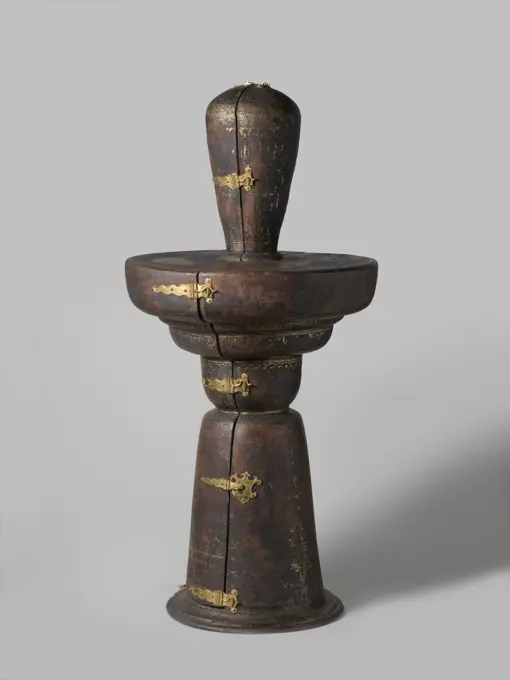
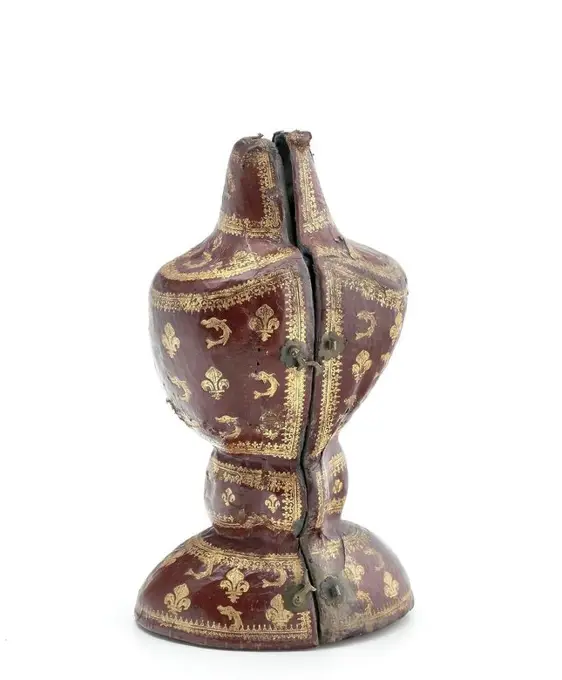
Case for the centrepiece of Wenzel Jamnitzer, anonymous, 1549 Foedraal van de Merkelsche Table Aufsatz. Nuremberg wood (plant material). leather Foedraal van de Merkelsche Table Aufsatz. Nuremberg wood (plant material). leather
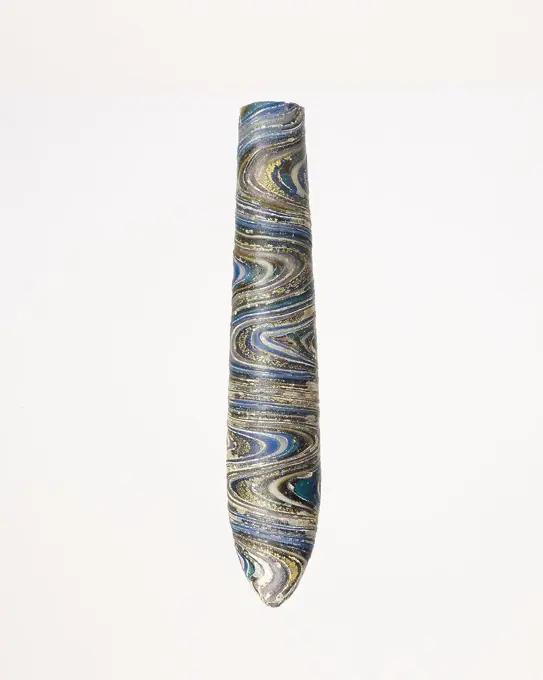
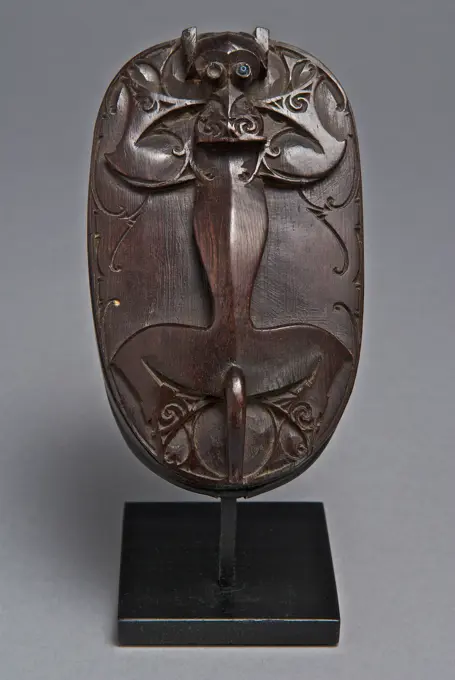
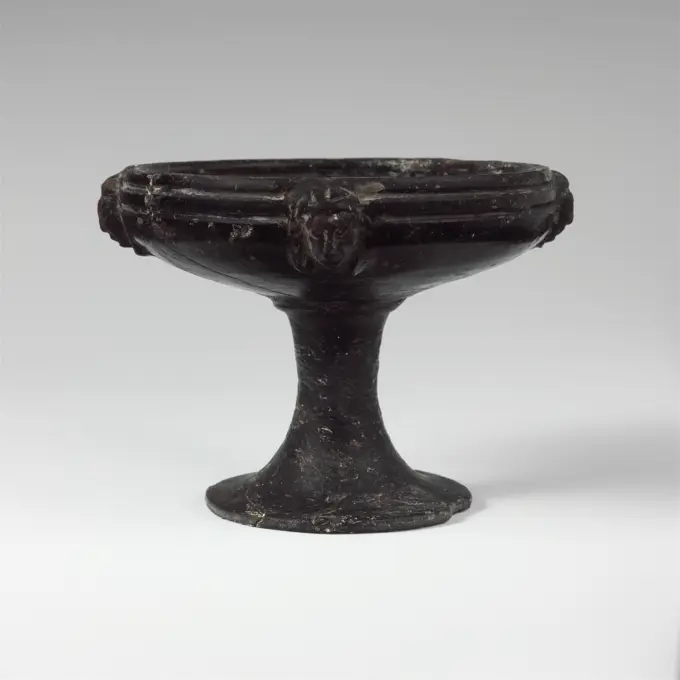
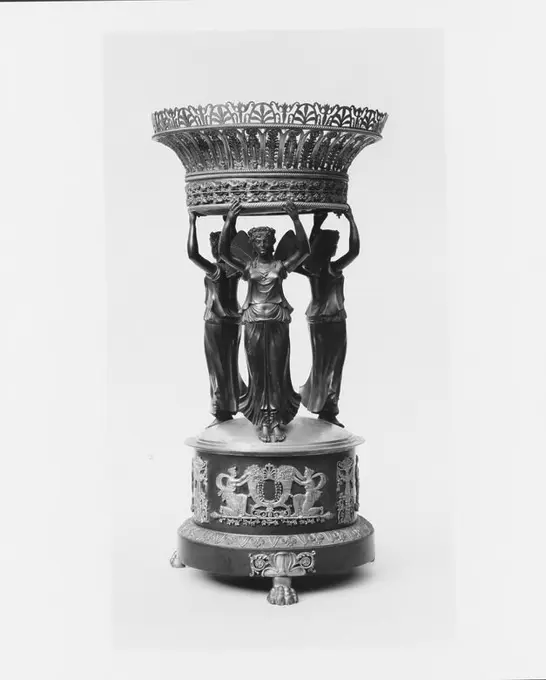
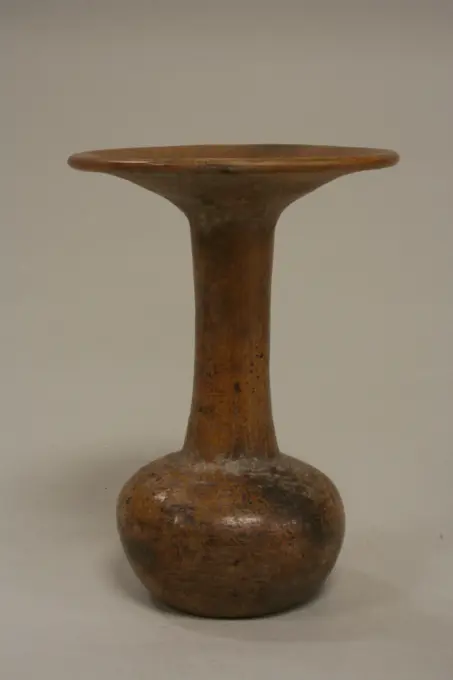
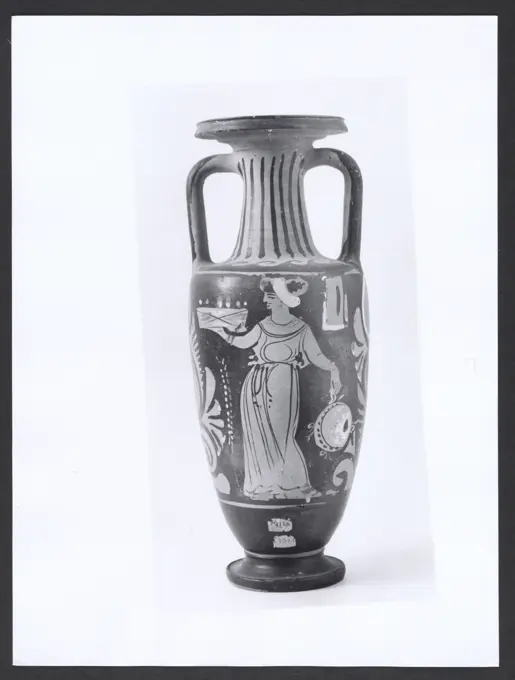
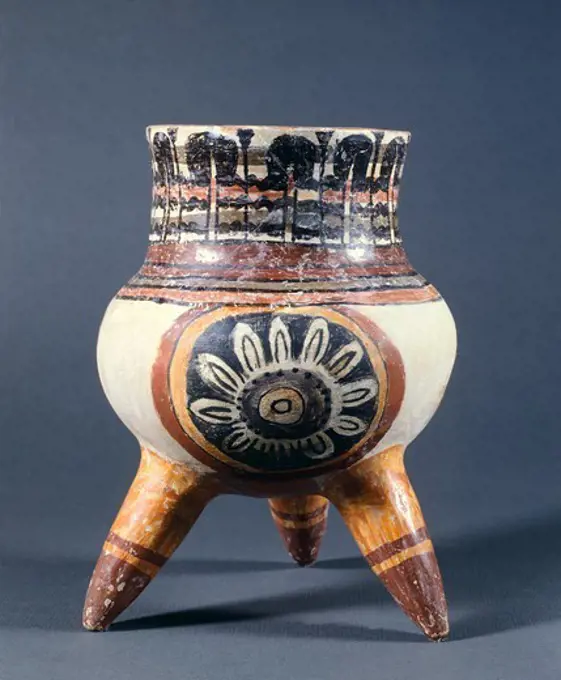
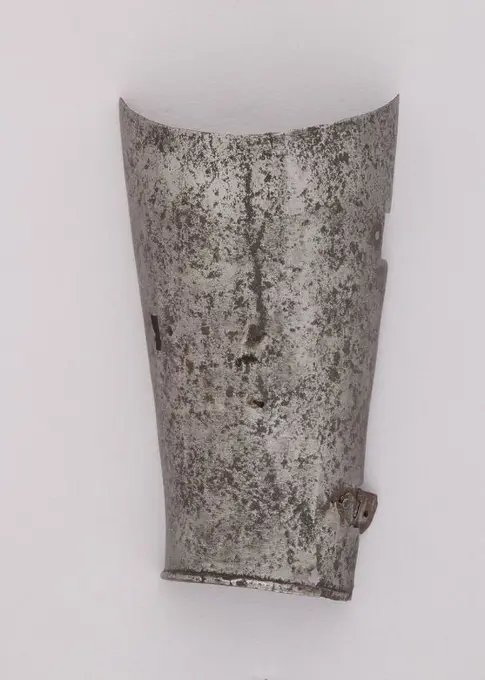
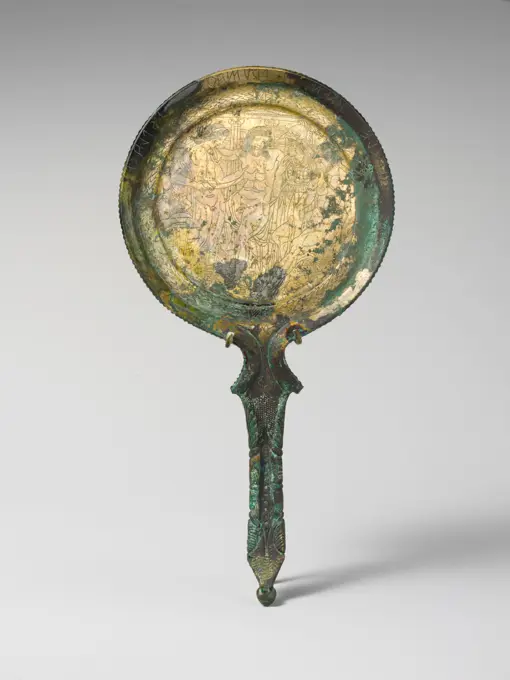
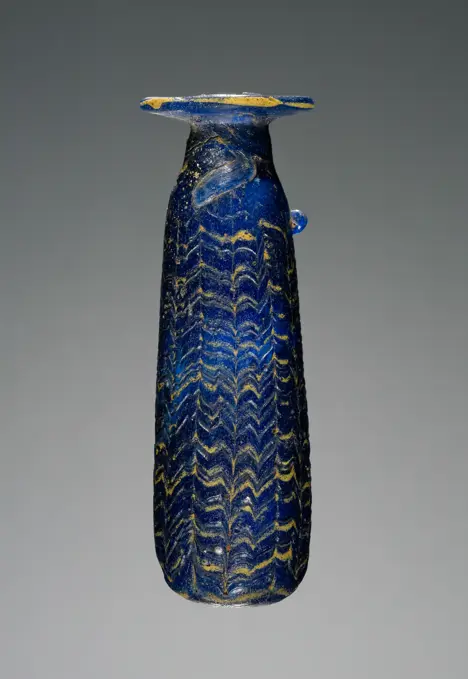
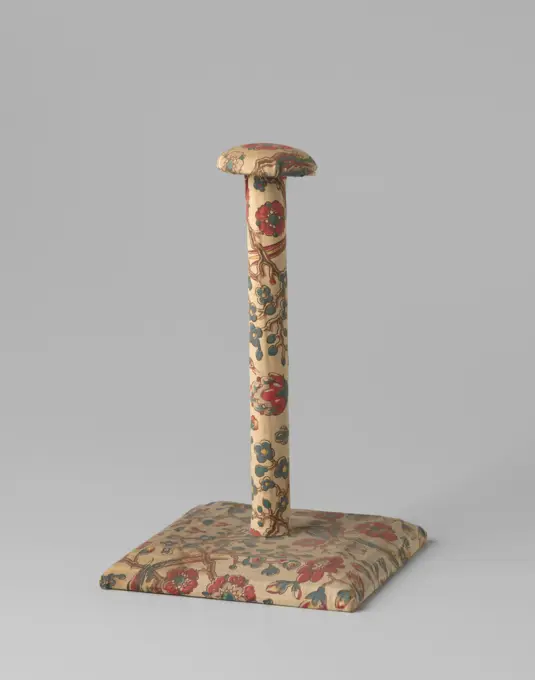
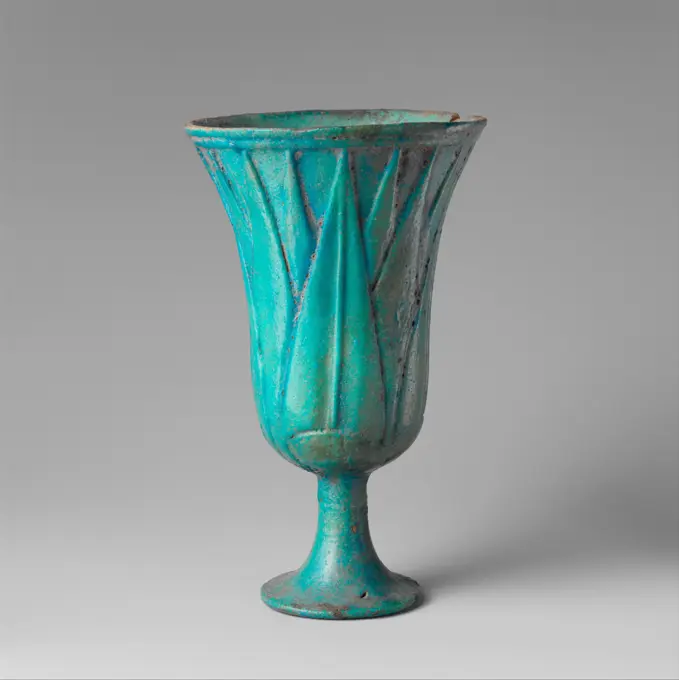
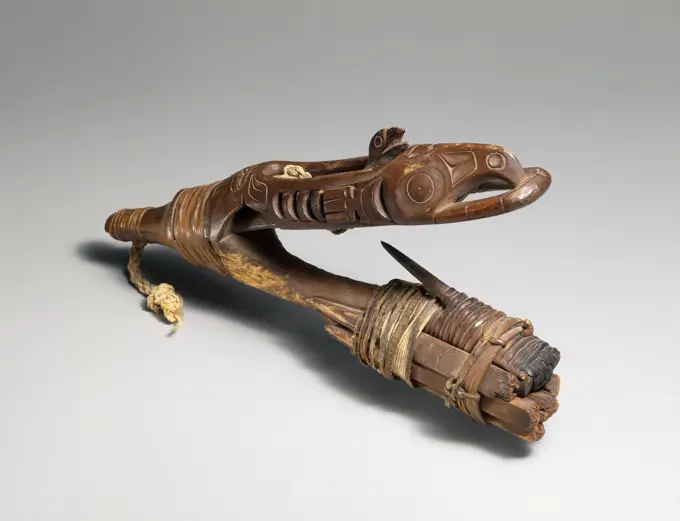
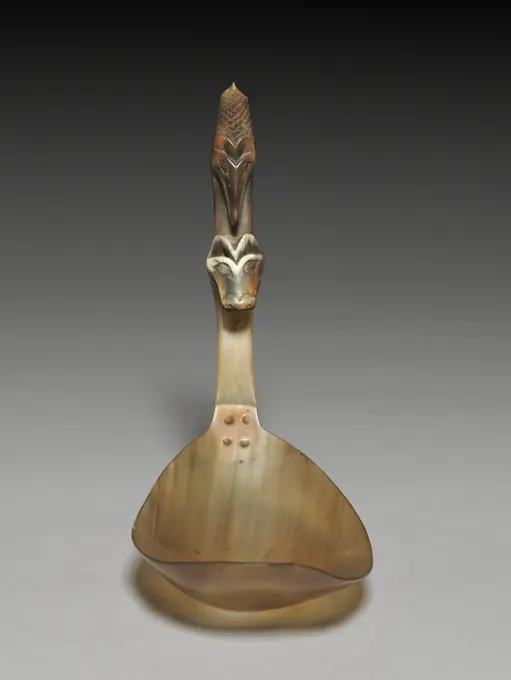
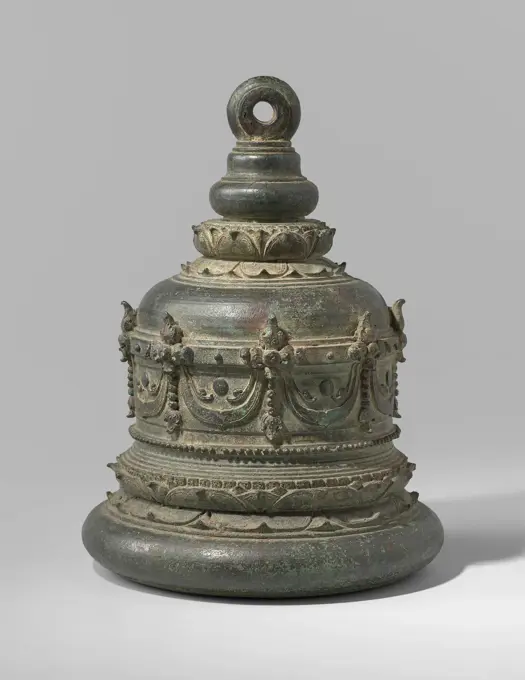
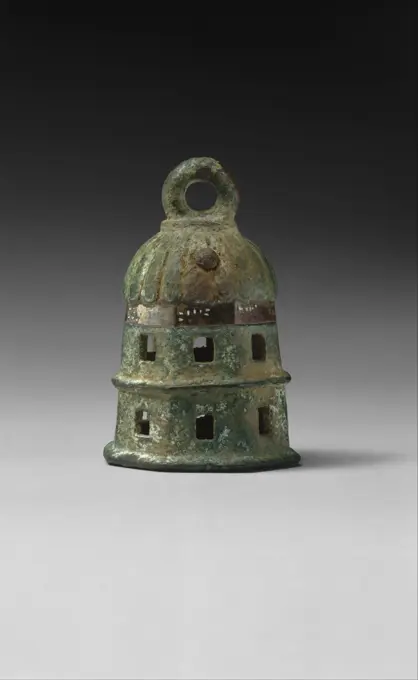
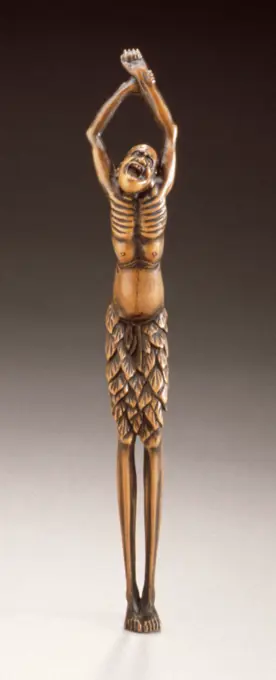
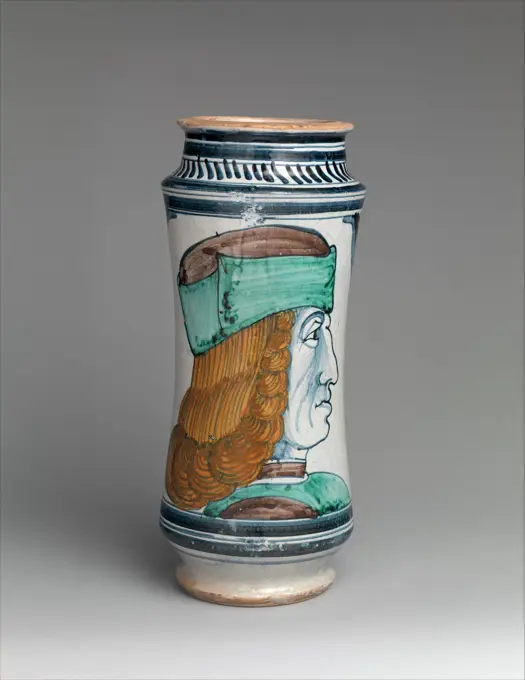
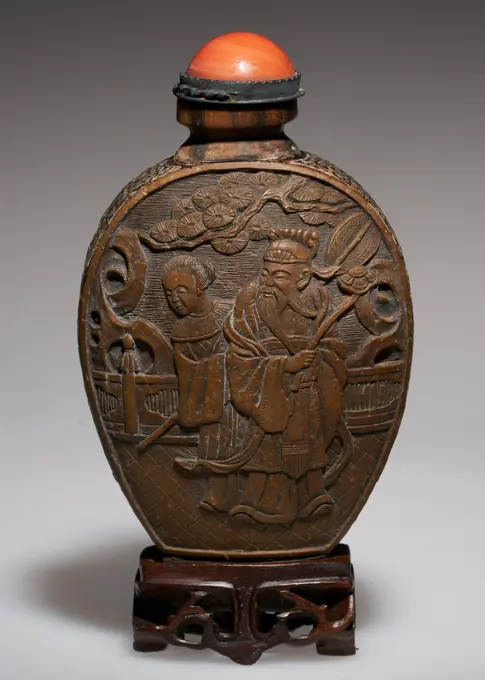
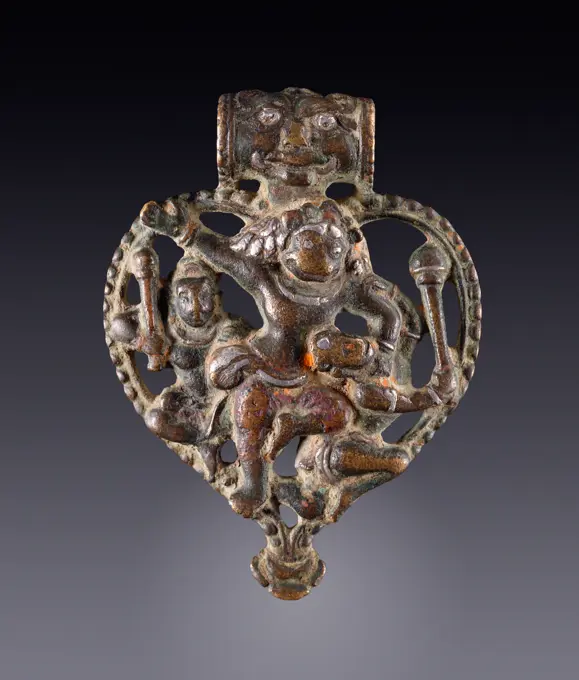
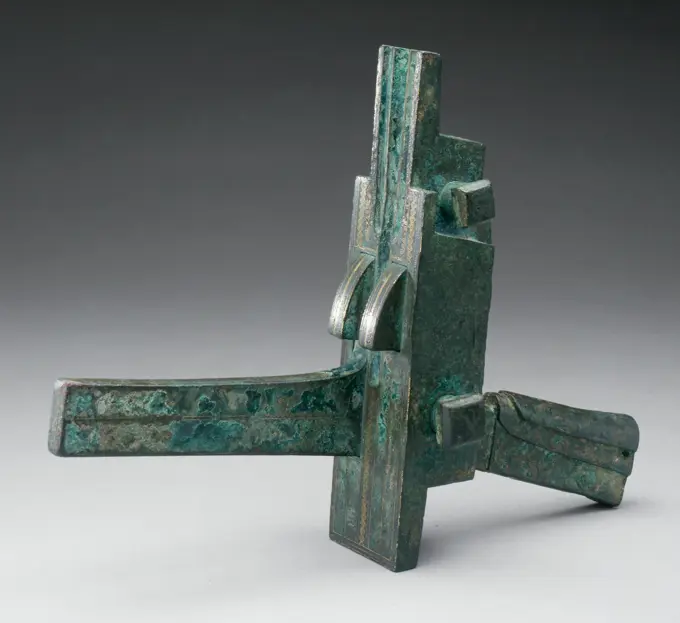
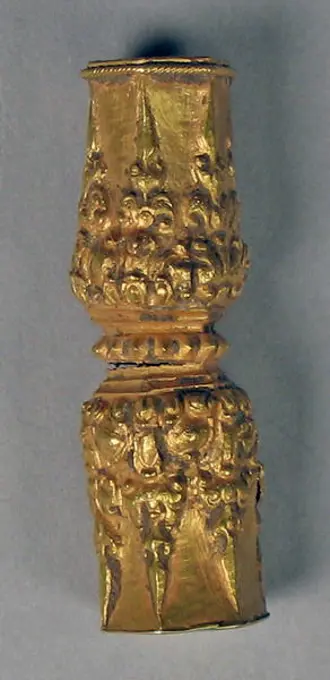
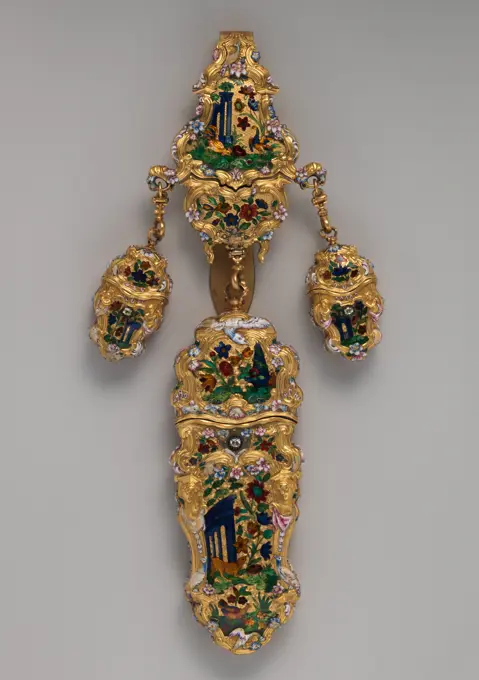
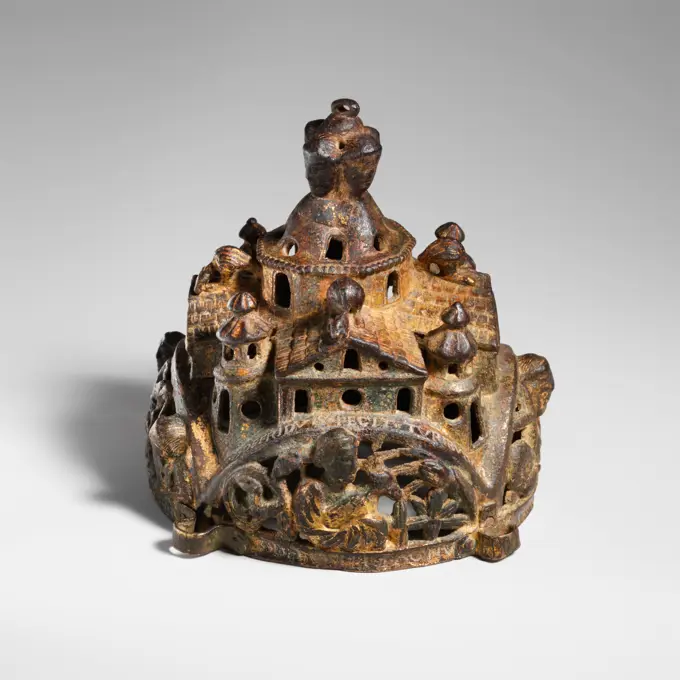
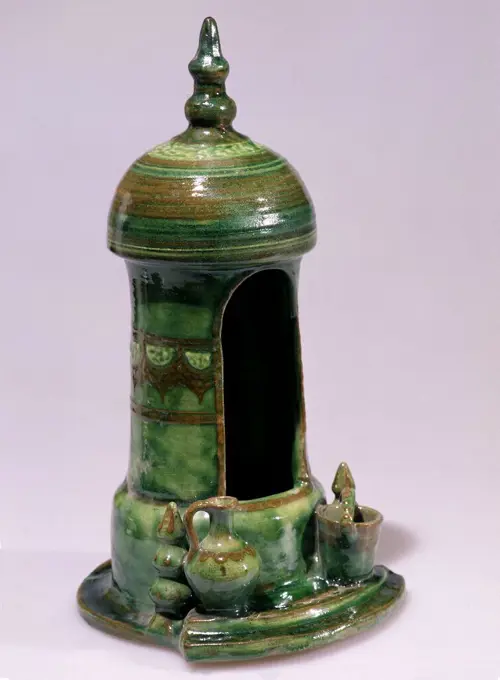
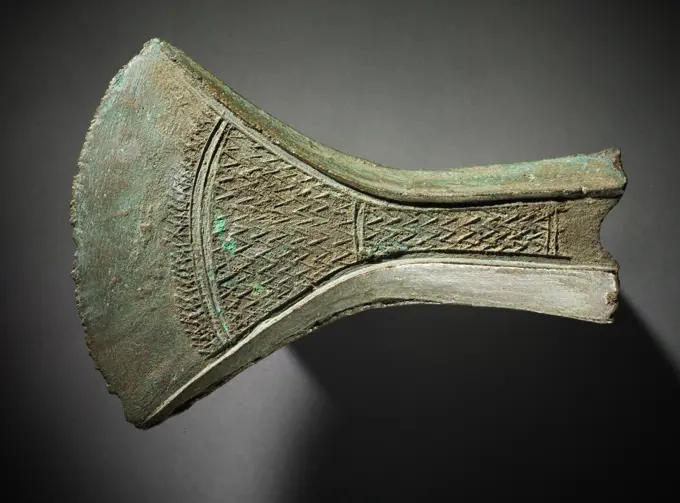
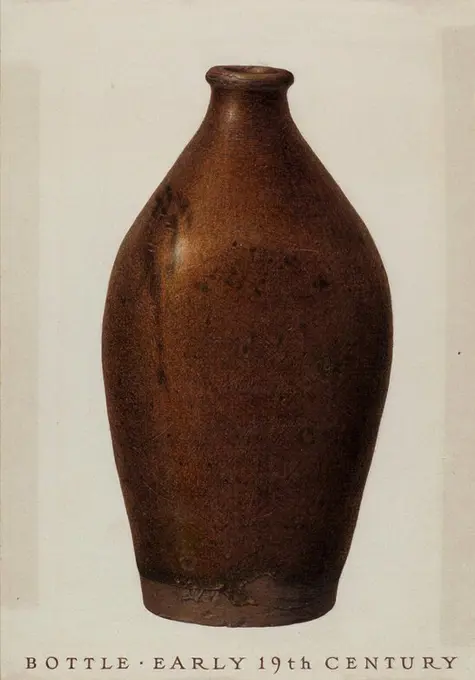
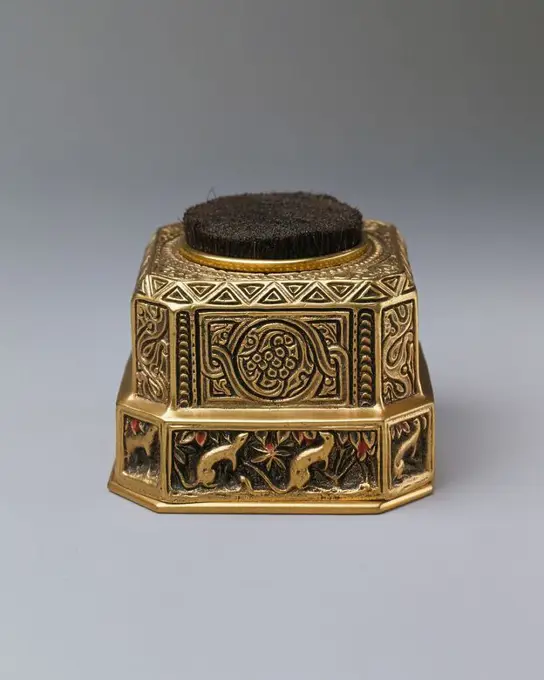
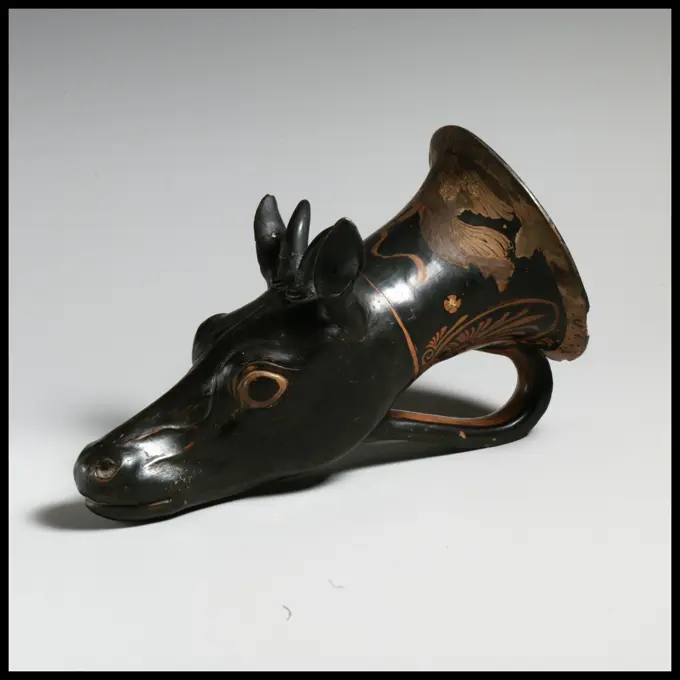
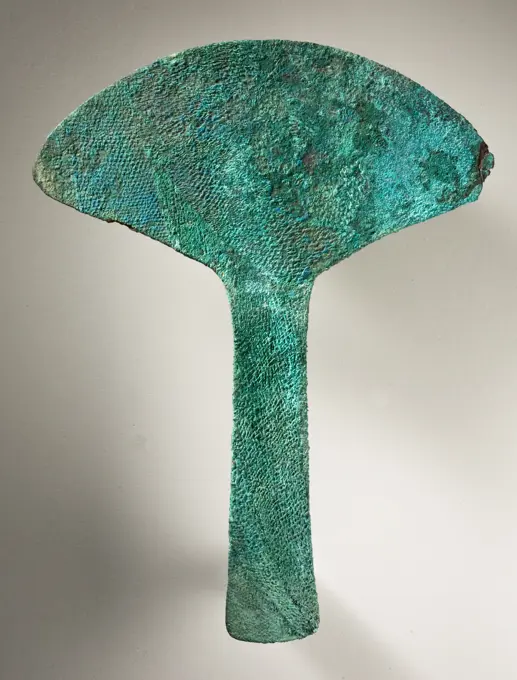
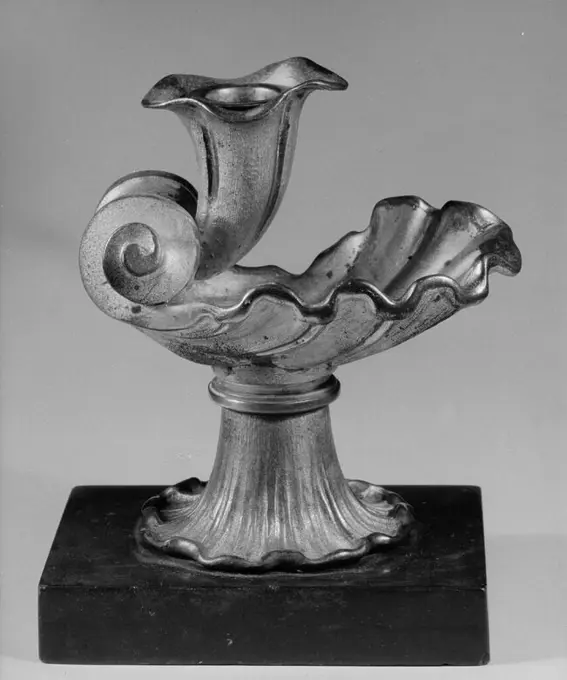
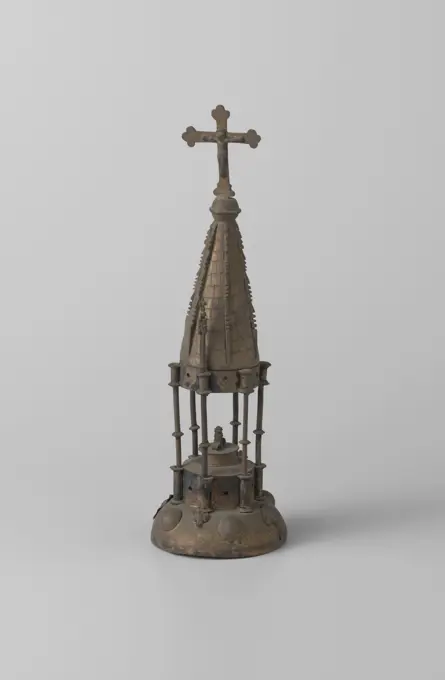
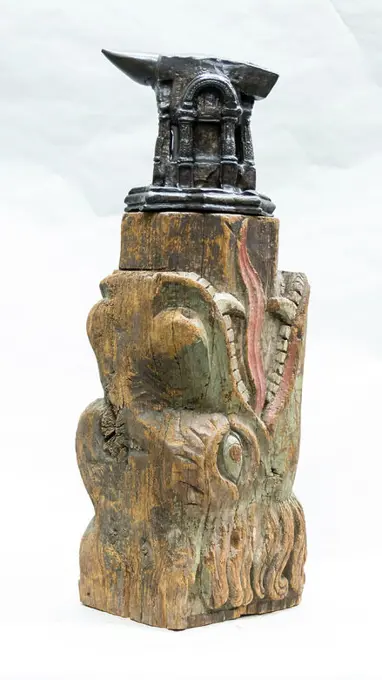
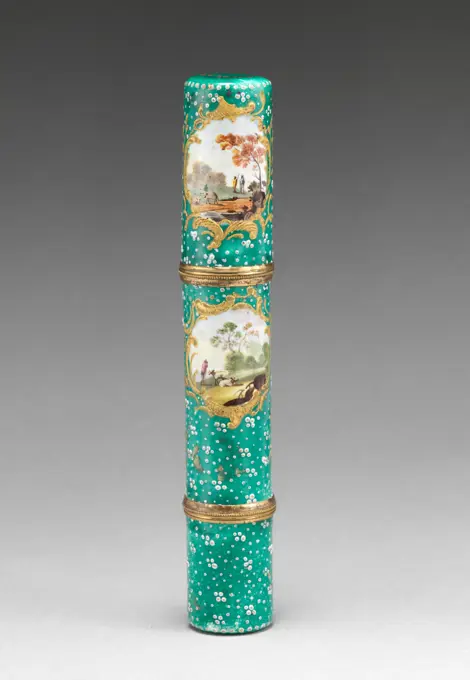
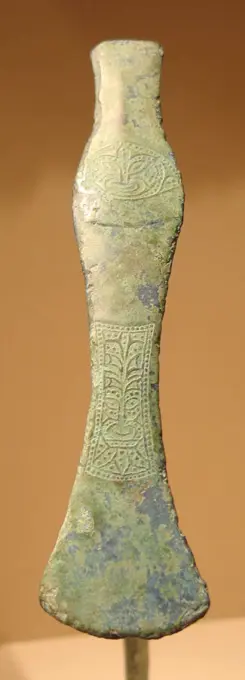
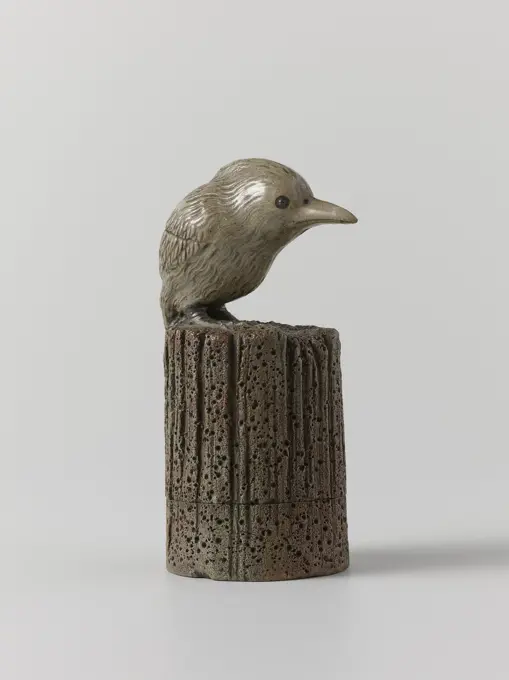
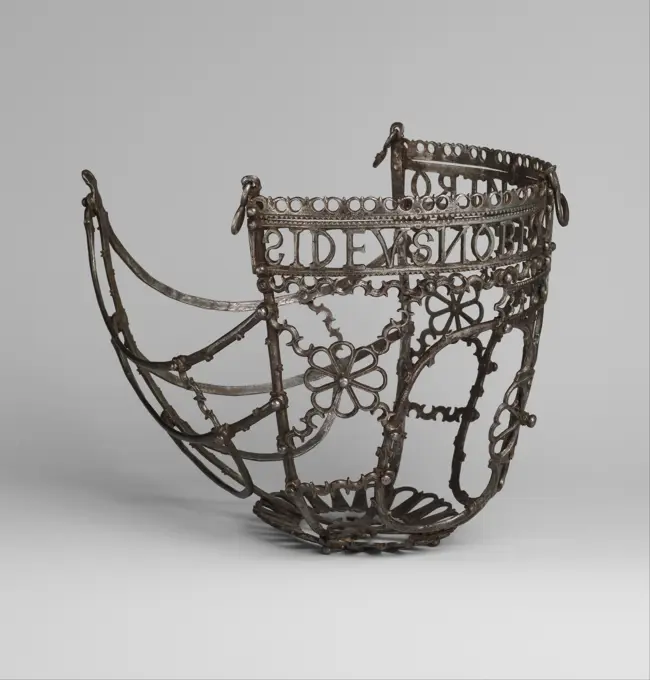
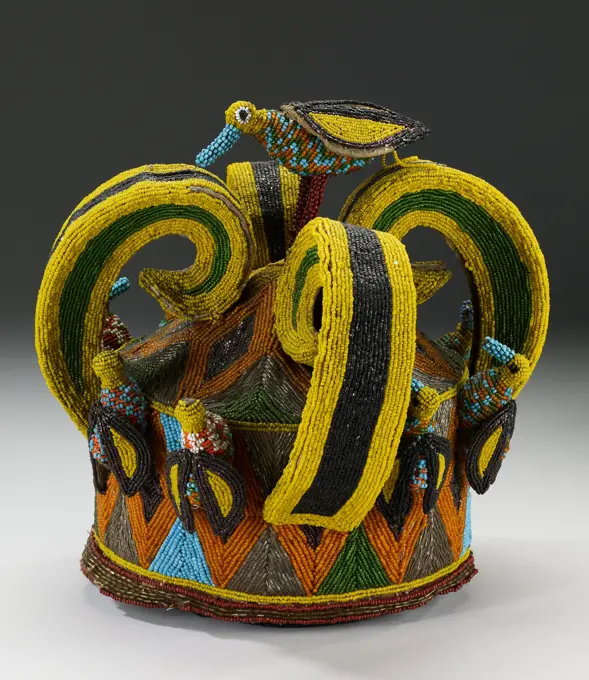
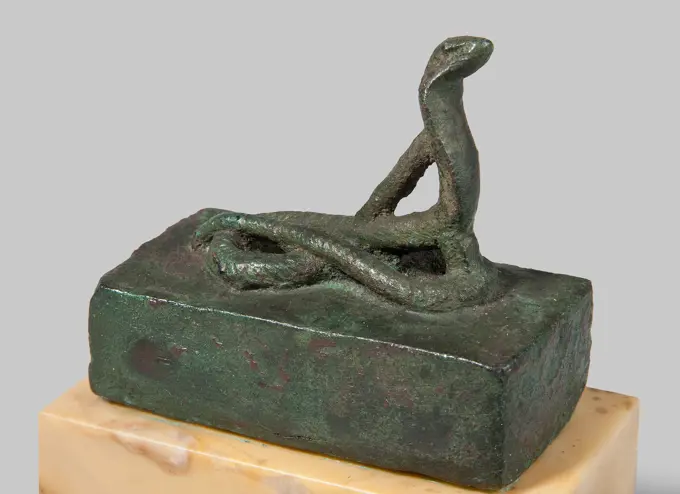
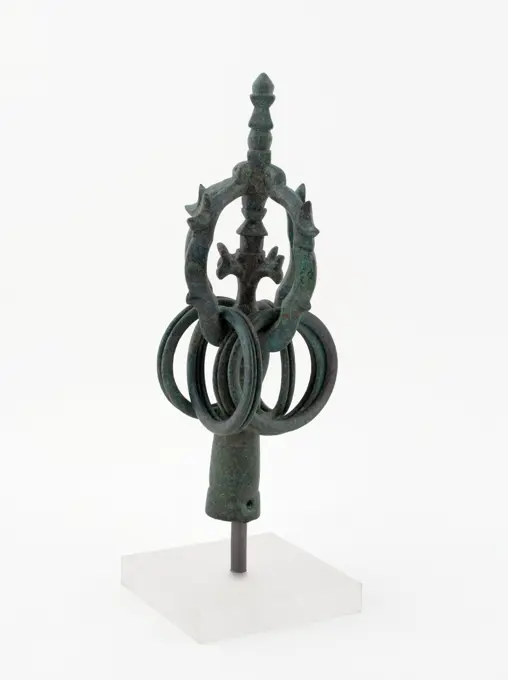
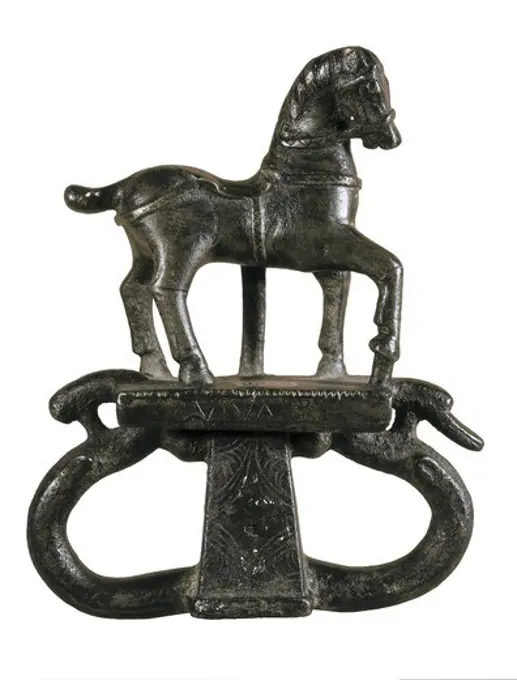
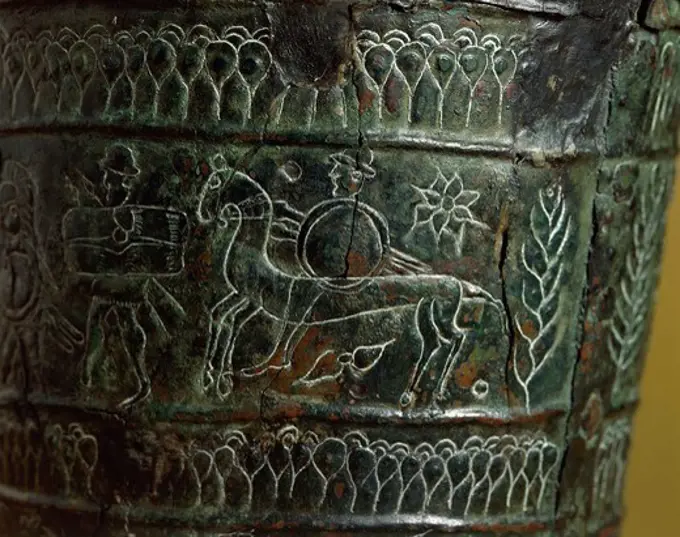
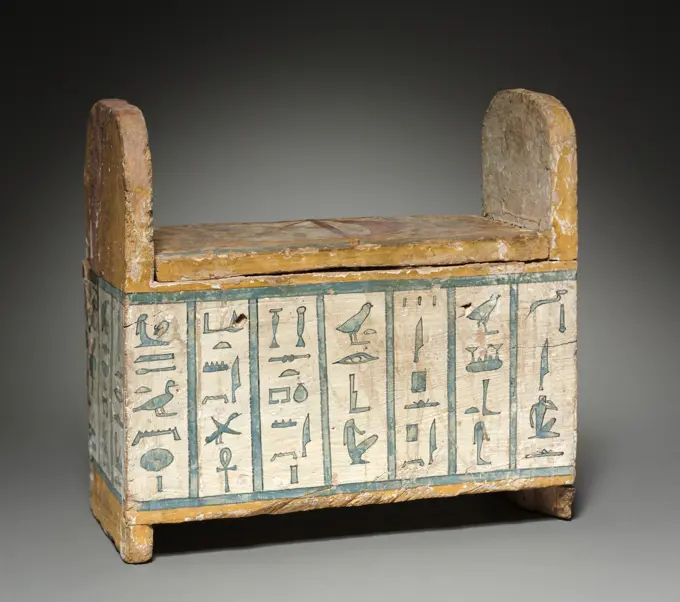
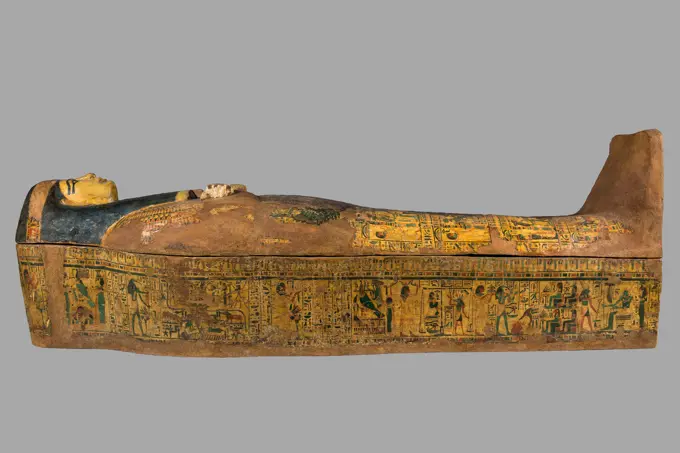
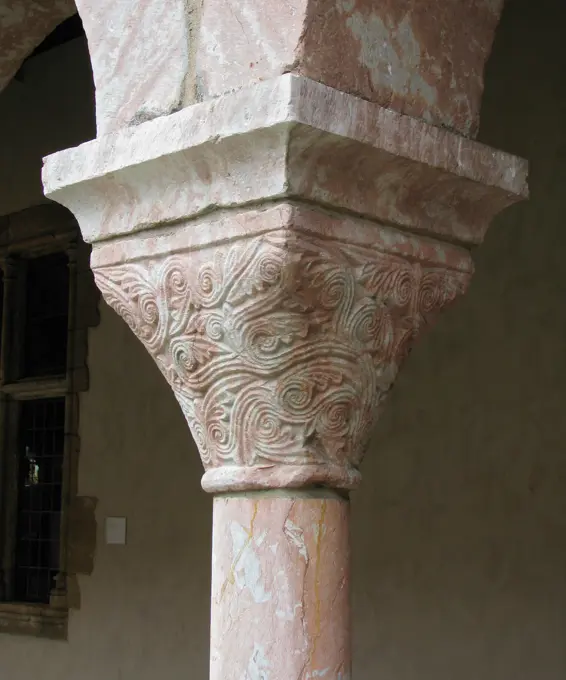
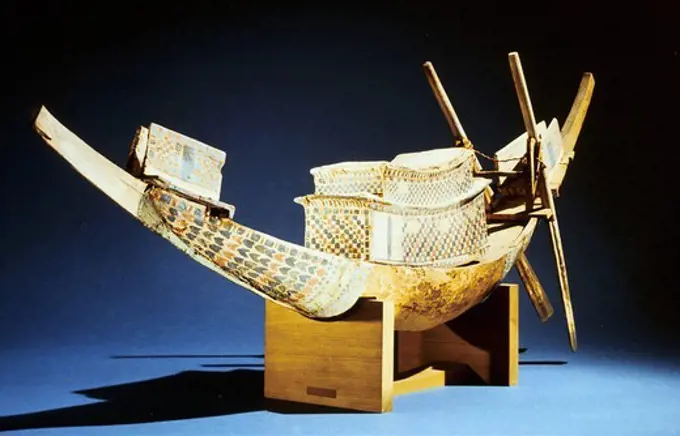
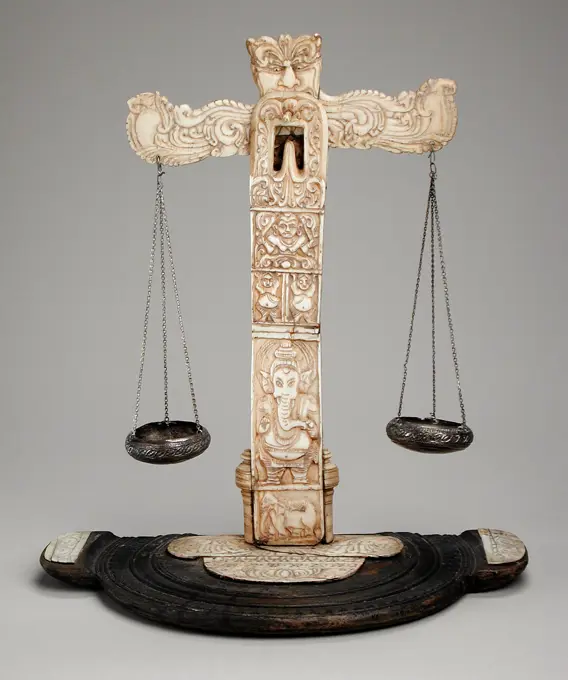
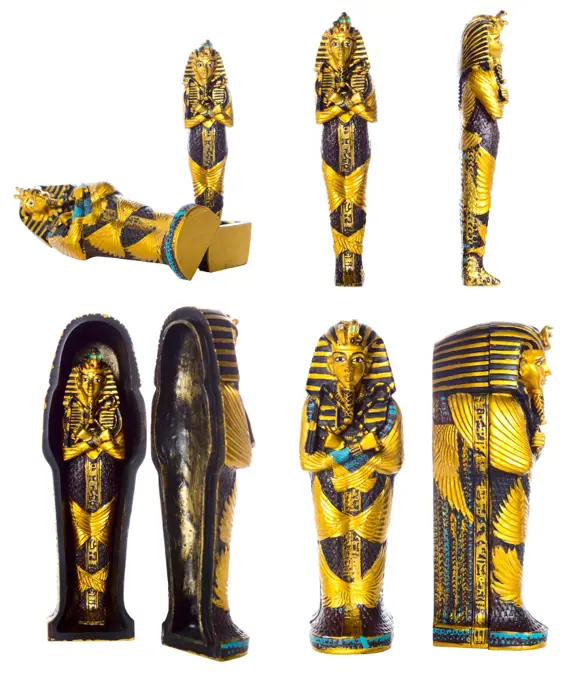
Statuette of Seated Isis with Infant Harpokrates; Egypt; 1st century B.C.-1st century A.D; Steatite; 18 × 8.5 cm (7 1,16 × 3 3,8 in.)Dagger Handle(Suhul)Censer 16th century South Netherlandish (). Censer. South Netherlandish (). 16th century. Brass. Metalwork-BrassMeiping vase 18th century China. Meiping vase. China. 18th century. Porcelain with bluish grey glaze (Jingdezhen ware). Qing dynasty (1644-1911). CeramicsEWER (Aiguière of Hope, Patience, Peace and Justice), Henry de TRIQUTI, in gold after 1844 Can on flat round base with short baluster -shaped nodus and ovoid body, beak -shaped spout and high bent ear. On the body you can see the Old Testament history of Joseph in Bas-Relief: on one side Josef in prison with the Hofschenker and the Breadmaster (as the emblem of the patience), on the reverse Joseph as dream explanatory explanation of the Pharaoh (Symbet of the hope). Under the spout are personifications of justice and peace that embrace each other. Another half -naked woman crowns the ear. The KAN is further decorated with a Frisians of putti (undertaking of the body), acanthus leaves, maskerons and a text band. Paris bronze (metal) casting Can on flat round base with short baluster -shaped nodus and ovoid body, beak -shaped spout and high bent ear. On the body you can see the Old Testament history of Joseph in Bas-Relief: on one side Josef in prison with the Hofschenker and the BreadmaRectangular Cauldron. China. Date: 1200 BC-1001 BC. Dimensions: 21.9 × 17.2 × 14.0 cm (8.6 × 6.8 × 5.5 in.). Bronze. Origin: China. Museum: The Chicago Art Institute, Chicago, USA.Alabastron (Container for Scented Oil). Late Hellenistic or early Roman; eastern Mediterranean. Date: 200 BC-1 AD. Dimensions: 12 × 2.2 × 2.2 cm (3 1/2 × 7/8 × 7/8 in.). Glass, mosaic glass technique. Origin: Eastern Mediterranean Region. Museum: The Chicago Art Institute, FLORENCIA, USA. Author: Ancient Eastern Mediterranean.Court Sword, late 1700s. France, late 18th century. Steel;Box Lid with a Dragon-Snake(Aso)Silversmith's Art, Great Britain 19th century. Silver tea box with floral decoration.Terracotta stemmed dish 6th century B.C. Etruscan The stemmed dish is a recurrent shape in Etruria as well as in various Archaic fabrics of Eastern Greece and Lydia. While the details of contact between these two areas are very incompletely understood, influence is evident in tangible manifestations such as this.. Terracotta stemmed dish 249123Epergne. Dimensions: H. 21 3/8 in. (54.3 cm). Date: ca. 1810. Museum: Metropolitan Museum of Art, New York, USA.Pedestal (one of a pair) 16th century Italian This columnar pedestal with carved foliage is one of a pair with 1974.28.109.. Pedestal (one of a pair) 205616Bottle (Florero) 1st-2nd century Teotihuacan. Bottle (Florero) 31328613. Jahrhundert Französisch Bronze Censer - Mittelalterliche religiöse Artefakt Detailed bronze censer from 13th century France, featuring intricate patterns and a tiered design. Reflects medieval craftsmanship and religious practices. LicenseRF Copyright: xZoonar.com/GallóxGusztávx 23406755Campania Caserta Capua Museo Campano050. Hutzel, Max 1960-1990 Medieval: Byzantine architectural fragments; parchment fragments with miniatures (12th century) from Montecassino; painted wooden crucifix (13th century); Carolingian crucifixes; Bishop's miter (11th century) of gold and silver damask; fresco (13th century). Post-medieval: Architecture (15th century). Formerly the Palazzo Antignano. Unusual Catalan/Moorish-style portal; Paintings on panel and canvas (15th-18th centuries); marble intarsia (16th century); marble sculpture: busts of Christ and Mary (17th century); sculpture of saints in marble and in wood (15th century); painted and gilded sculpture in wood; marble grave sculpture (16th century); sarcophagus with allegorical carvings; gold reliquary "Rosa d'Oro"; crucifix made of elephant tusk Specific Location: Pianterreno Antiquities: Italic sculpture (seated women holding babies); inscription. Photo campaign #1: 533 photos. Roman relief and sculpture; cinerary urns; Greek aDetail of a Celtic bronze torc, 4th century BC. Artist: UnknownLime Container(Tagan)Consolet table of Gilded Lindehout, Anonymous, 1750 Sound of consolet table of gilded Lindehout. The scalloped, profiled marble cover plate is supported by two twisted C-Voluten, which flanks a crested shell; Two C-Voluten left and right. The whole rests on a bottom piece that consists of a large acanthus leaf, above which a caterpillar -shaped motif. See also: BK-16855-B. France (possibly)Germany (possibly)  gilding Sound of consolet table of gilded Lindehout. The scalloped, profiled marble cover plate is supported by two twisted C-Voluten, which flanks a crested shell; Two C-Voluten left and right. The whole rests on a bottom piece that consists of a large acanthus leaf, above which a caterpillar -shaped motif. See also: BK-16855-B. France (possibly)Germany (possibly)  gildingTerracotta polychrome tripod vase from Mexico. Mixtec Civilization, post-classical period 900-1521.Inner Plate of a Left Forearm Defense (Vambrace). Culture: Italian. Dimensions: H. 7 1/8 in. (18.1 cm); W. 1 3/4 in. (4.5 cm); D. 4 1/4 in. (10.8 cm); Wt. 4.2 oz. (119.1 g). Date: ca. 1400. Museum: Metropolitan Museum of Art, New York, USA.Tumbler by Gerhard Marcks (1889-1981) and Theodor Bogler (1897-1968)Bronze mirror early 3rd century B.C. Etruscan Prometheus UnboundAll the figures are identified by inscriptions engraved on the rim. They read, from left to right, Esplace (Latin: Asclepius), Prumathe (Latin: Prometheus), Menrva (Latin: Minerva), and Hercle (Latin: Hercules). This is one of only three preserved depictions of the story of Prometheus Unbound in Etruscan art. In addition, it is the only certain depiction of Asclepius, the god of healing, in Etruscan art.. Bronze mirror. Etruscan. early 3rd century B.C.. Bronze. Hellenistic. BronzesAlabastron. UnknownAnonymous / 'Cup case'. 1650 - 1711. Leather, Wood, Metal, Cloth. Museum: Museo del Prado, Madrid, España.Terracotta barrel jug with strainer ca. 750-600 B.C. Cypriot Barrel-shaped jugs, with and without strainers, are quite common in Archaic Cypriot pottery. Because they do not stand on their own, they must have served a very specific function. Found in tombs mainly in eastern Cyprus, they may have been purely funerary. This example is decorated with a large bird in flight, his talons drawn up, flanked by a pair of lotus flowers. Listen to experts illuminate this artwork's story Listen Play or pause #1104. Terracotta barrel jug with strainer Supported by Bloomberg Philanthropies We're sorry, the transcript for this audio track is not available at this time. We are working to make it available as soon as possible.. Terracotta barrel jug with strainer 240104Hat standard covered with cretonne, anonymous, c. 1900 - c. 1949 A small hat standard with a square bottom piece and a flat bulb -round support. Covered with Cretonne.  . A small hat standard with a square bottom piece and a flat bulb -round support. Covered with Cretonne.  .Lotiform Cup ca. 1295-1185 B.C. New Kingdom, Ramesside The symbolism of this lotus-shaped chalice may reflect either an association with the water lily's analgesic properties, or with the plant's aquatic habitat.. Lotiform Cup. ca. 1295-1185 B.C.. Faience. New Kingdom, Ramesside. From Egypt. Dynasty 19Prometopidion or Forehead Ornament from a Horse Trapping of Greek-Hellenistic Type. UnknownHalibut Hook early 19th century Tlingit. Halibut Hook. Tlingit. early 19th century. Wood, plant fiber, native-tanned skin ties, string. United States, Alaska. Wood-SculptureSpoon, late 1800s-early 1900s. America, Native North American, Northwest Coast, Tlingit , late 19th Century. Horn, copper; overall: 10 x 9.7 cm (3 15/16 x 3 13/16 in.).Przeszo Przyszoci LimogesHafted Ax ca. 500 B.C.-A.D. 300 Indonesia (Java, Lumajang, Pasiran). Hafted Ax. Indonesia (Java, Lumajang, Pasiran). ca. 500 B.C.-A.D. 300. Bronze. Bronze and Iron Age period. MetalworkCarpenter's Plane, late 1600s. Italy, late 17th century. Wood; overall: 29.3 cm (11 9/16 in.).Stand, Figure (a) with stand (b), Japan, China, 18th century, Decorative Arts, Stand. Bells served important functions during religious rituals. The large bell probably hung in a Buddhist temple. It was sounded by striking the lower edge with a wooden hammer. The narrower handbell has a handle with four faces of the Buddha. Together with the five-pointed thunderbolt (vajra) on the top, it symbolizes the ultimate unity of the universe.Goblet (Gold w/Head of Christ) 14th C. Antiques Gold Stift Kremsmunster, Austria (Benedictine Abbey)Bell inscribed with the Urartian royal name Argishti ca. 789-766 B.C. Urartian This classical Urartian bell has a domed top, an octagonal and perforated body with a central raised ridge, and a loop for suspension. The Urartian cuneiform inscription reads: "From the arsenal of King Argishti.". Bell inscribed with the Urartian royal name Argishti 326225Elongated Daoist Immortal. Japan, mid-19th century. Costumes; Accessories. Boxwood with inlaysPharmacy jar (albarello) ca. 1475-1500 Italian, probably Naples or environs Male busts in profileone youthful, one matureappear on the front of these two albarelli (see also 46.85.14), while the backs are painted with a graceful floriated design. Given their close similarity, it seems likely that the jars belonged to a single pharmacy set, which might originally have included dozens, if not hundreds, of vessels. In the absence of labels, the different physiognomies could help the merchant distinguish one jar from the next.. Pharmacy jar (albarello) 199720Snuff Bottle, 1850-1925, 3 1/2 x 2 1/4in. (8.9 x 5.7cm), wood, coral, mother-of-pearl, China, Qing dynastyAmphoriskos (Container for Oil). Ancient Mediterranean. Date: 200 BC-1 BC. Dimensions: 15.2 × 7 × 7 cm (6 × 2 3/4 × 2 3/4 in.). Glass, core-formed technique. Origin: Mediterranean Region. Museum: The Chicago Art Institute, FLORENCIA, USA.Pendant with Narasimha. India, Jammu and Kashmir, Kashmir region, 9th-10th century. Jewelry and Adornments; pendants. Copper alloy inlaid with silver; traces of paintSpoonCrossbow Trigger (Nugong). China, Western Han dynasty, about 206 B.C.-A.D. 25. Arms and Armor. Cast bronze with gold and silver inlayContainer, repousse 8th-12th century Indonesia (Central Java). Container, repousse 64282Chatelaine 18th century British Chatelaines, which hung from the waist, were designed to hold sewing, writing, or toilet implements.. Chatelaine. British. 18th century. Gold, enamel, diamondsCover of a Censer mid-12th century Godefridus The artist who produced this censer proudly inscribed his name, "Godefridus," over one of the arches. The censer bears witness to the technical, artistic, and symbolic sophistication lavished on objects, regardless of size, produced for the service of the medieval church. The architectural form may symbolize the heavenly city of Jerusalem, while the lunettes circling the base depict Old Testament events thought to foretell Christ's sacrifice. Such complicated imagery was standard in art produced in the Valley of the Meuse, an area now part of modern Belgium, in the 12th century.. Cover of a Censer. Godefridus. South Netherlandish. mid-12th century. Copper alloy, cast, engraved, chased, punched, and gilded. Made in Meuse valley. Metalwork-Copper alloySasanian art. Vase with female figures. Silver;chasing, gilding. Iran. 5th-6th centuries. Found a part of a treasure in Perm Region. The State Hermitage Museum. Saint Petersburg. Russia.BROCAL DE POZO VIDRIADO EN MINIATURA-S XX ARTE POPULAR. Location: ALFARERIA. SPAIN.Axe Head. Indonesia, circa 1st-3rd century A.D.. Arms and Armor; axes. Copper alloyBottle. Dated: c. 1937. Dimensions: overall: 24.2 x 16 cm (9 1/2 x 6 5/16 in.) Original IAD Object: 7" High. Medium: watercolor and colored pencil on paper. Museum: National Gallery of Art, Washington DC. Author: John Matulis.Appliqué for a funeral couch. UnknownFigurine of a winged woman;  Unspile (0-00-00-0-00-00);Women's figurinesVase with two ears, pearl edges, a cross and with the inscription Ave.bone.jesu, factory of Brouwer's earthenware, 1907 Vase of earthenware, with two ears and decorated in sludge technique with pearl edges and one cross and twice under the mouth edge the inscription ave.bone.jesu. The vase is brown, the decor and the ears green. Leiddorp earthenware Vase of earthenware, with two ears and decorated in sludge technique with pearl edges and one cross and twice under the mouth edge the inscription ave.bone.jesu. The vase is brown, the decor and the ears green. Leiddorp earthenwareAnimated Dog Figurine. Egypt, Roman Period or later (100 - 500 CE). Sculpture. BronzePen Brush. Culture: American. Designer: Designed by Louis Comfort Tiffany (American, New York 1848-1933 New York). Dimensions: 2 1/2 x 3 x 3 in. (6.4 x 7.6 x 7.6 cm). Maker: Tiffany Studios (1902-32). Date: ca. 1905-20.The "Venetian" pattern was one of the more elaborate designs for ornamental desk sets. It is described in a 1920 trade catalogue as "decorated with fields of richly chased ornament relieved by a deeply carved band of ermines at the base of each piece." The top of the rocker blotter features highly compressed geometric ornament, which, according to the catalogue, is in a "style used extensively in the sixteenth century by Venetian craftsmen in making tooled leather objects.". Museum: Metropolitan Museum of Art, New York, USA.Antique lacquerPrzeszo Przyszoci unknownWhetstone handle ca. 9th-7th century B.C. Iran. Whetstone handle 326226Terracotta rhyton (vase for libations or drinking) ca. 350-300 B.C. Greek, South Italian, Apulian The vase is in the form of a deer's head. On the cuff is a flying Nike.. Terracotta rhyton (vase for libations or drinking) 255461Alabaster and gold leaf canopic jar with human head, symbol of genius Imset, protector of liver, son of Horus from Tanis, tomb of Psusennes I, cryptTumi (Ceremonial Knife). Peru, Chimú (), 1100-1550. Metal. Copper alloy with textile impressionsCandelabrum. Dimensions: 6 7/8 x 5 3/8 x 4 1/16 in. (17.5 x 13.7 x 10.3 cm). Date: ca. 1836. Museum: Metropolitan Museum of Art, New York, USA.CERAMICA POPULAR DE BUNO (CORUNA).Nutcracker, 1600-1800. Pinto Collection - Purchased from Edward H Pinto, 1965.. This English, carved boxwood nutcracker probably dates from the late 17th century or beginning of the 18th century. Screw thread nutcrackers were a novelty at that time, and as the process of cutting the screw thread was a difficult and precise operation, such novelties were no doubt regarded as luxury items. Nutcrackers came in a variety of shapes and sizes. They were used for cracking wild hazelnuts and walnuts which were much smaller than the cultivated varieties we usually eat today.Monstrans, anonymous, c. 1600 - c. 1625 Lower part of monstrans. The object is made up of parts that are driven, beaten, cast, sawn or forged, and confirmed by soldering, bream or using pens. The design is poor. Remarkable are the cherubin heads on the nodus and the forged curl eagle against the buttresses. Cologne (possibly) brass (alloy) striking (metalworking) / casting / sawing / forging / soldering Lower part of monstrans. The object is made up of parts that are driven, beaten, cast, sawn or forged, and confirmed by soldering, bream or using pens. The design is poor. Remarkable are the cherubin heads on the nodus and the forged curl eagle against the buttresses. Cologne (possibly) brass (alloy) striking (metalworking) / casting / sawing / forging / solderingAnvil. Culture: Italian. Dimensions: Wt. including stand 251 lb. (113852 g); H. without stand 11 5/8 in. (29.5 cm). Date: 16th century. Museum: Metropolitan Museum of Art, New York, USA.Étui ca. 1760-1800 British, Staffordshire. Étui. British, Staffordshire. ca. 1760-1800. Enameled copper. EnamelsCeremonial Spade Head ()Hafted Ax ca. 500 B.C.-A.D. 300 Indonesia (Sulawesi). Hafted Ax 37749Incense box in the shape of a kingfisher, anonymous, anonymous, c. 1700 - c. 1799 Incense box of stoneware, partially covered with a gray glaze. The box is in the form of a kingfisher on a cylindrical stump. BIBEN. Japan stoneware. glaze vitrification Incense box of stoneware, partially covered with a gray glaze. The box is in the form of a kingfisher on a cylindrical stump. BIBEN. Japan stoneware. glaze vitrificationPouch fourth quarter 17th century European. Pouch 156863Horse Muzzle dated 1552 German This muzzle is composed of a basket made of several pierced iron panels riveted together, with two kidney-shaped openings at the front for the horses nostrils. It hung on the horses head by means of a leather headstall.It is decorated with rosettes in openwork, while the iron is shaped to ressemble ragged staves and bramble rods. The crown (the upper part of the basket) is inscribed with a motto in Latin, SI DEUS NOBISCUBM CANTRO, a misspelled and abbreviated version of the popular statement Si Deus Nobiscum Quis Contra Nos (If God is with us who is against us?). Below, a cartouche bears the date 1552.Horse muzzles were used to preventing stallions from biting. Such pieces, however, seem to have above all been used as lavish equestrian ornaments, particularly in fashion in eastern Germany in the second half of the 16th and the early 17th century. Dated 1552, this example is one of the very first muzzles of this type produced. This pierced decoration is Burial Urn (lid), 1800s. Siam, 19th century. Gold; overall: 37.5 cm (14 3/4 in.).Crown, early 20th century, 9 5/8 x 11 3/4 x 10 3/8 in. (24.45 x 29.85 x 26.35 cm), Glass beads, cotton, Nigeria, 20th century, The Obas, or kings, of the Yoruba wear beaded caps (orikobofo) on informal occasions and for certain public ceremonies. This example is modeled on a European crown but also displays the Yoruba royal bird (okin).Sarcophagus;  664-332 BC ; Half-ny (0-00-00-0-00-00);Atum (Mitol.), Louvre (Paris) - collection, renenut (mitol.), Scene.gal.g., Tyszkiewicz, Michał (1828-1897), Tyszkiewicz, Michał (1828-1897) - collections, reliquaries, snakes, holy animalsStandard door ". Bronze. China, Tang dynasty. Paris, Cernuschi museum. 72687-27 Asian art, bronze, tang dynasty, etndard, doorPILA BAUTISMAL MUDEJAR. Location: IGLESIA DE LA CONCEPCION. SAN CRISTOBAL DE LA LAGUNA. TENERIFFA. SPAIN.Buckle reins with a horse figure. Iberian art. Sculpture on bronze. SPAIN. MADRID (AUTONOMOUS COMMUNITY). Madrid. National Museum of Archaeology.Etruscan civilization, bronze Arnoaldi situla (bucket)Covered Box and Shawabtys of Ditamenpaankh, 715-656 BC. Egypt, Late Period, Dynasty 25. Terracotta; overall: 6 x 1.6 x 1.6 cm (2 3/8 x 5/8 x 5/8 in.). High demand for shawabtys in the Late Period, a time when as many as 400 or more shawabtys were placed in the tomb with the deceased, gave rise to a specialized container for storing them: the shawabty box. This example is inscribed for the lady of the house, Ditamenpaankh, and was probably one of a pair originally made for her. The single-masted boat on the boxs lid is perhaps an allusion to the pilgrimage of the deceased to the holy city of Abydos, the cult city of Osiris, king of the dead. The shawabtys inside are crude, mass-produced examples cast in an open mold. Made of terracotta, their blue paint imitates more costly shawabtys made of faience. As for the shawabty spell, it has been removed from its traditional location on the shawabtys front and relocated onto the sides of box, where it needed only to be written once, thus expLoop. Basket decor lined with a bouquet of flowers.Candlestick Pair, 1800s - early 1900s. Italy, 15th century style (possibly 19th-early 20th century). Ivory; overall: 31.1 cm (12 1/4 in.).Pin Ornament, c. 500-200 BC. Peru, North Highlands, Chavín de Huantar(), Chavín style (1000-200 BC). Hammered and cut gold; overall: 7.2 cm (2 13/16 in.).Sarcophagus Kap Amon;  approx. 990-OK. 969 BC ; 3rd passage period, 21 dynasty (-995-00-00--964-00-00);Anubis (Mitol.), Ba (Mitol.), Chepri (Mitol.), Czerwona Góra (iconogr.), Deposit of the University of Warsaw from 1937-1939, Geb (Mitol.), Hathor (Mitol.), Horus (Mitol. ), Isis (mitol. mitol.), Scene.gal., set (mitol.), Sons of Horus (Mitol.), Szu (Mitol.), Court of Osiris (Mitol.), Thot (Mitol.), Uadzit (Mitol.), Anch (iconogr.), Goddess of Sykomora (Mitol.), Sacrifice formulas, hieroglyphs, cow (iconogr.), necklace (iconogr.), Eye of the pretense (iconogr.), Skarbeusz (iconogr.), Shake (iconogr.), ureusz ( iconogr.), French excavations in Deir El-Medina (Egypt), Snake (iconogr.)Capital ca. 1130-40 Catalan. Capital 470728Treasure of Tutankhamun (dc1340 BC): Model of boat. Cairo Museum, Egypt Jeweler's Balance. Sri Lanka, 19th century. Tools and Equipment; scales. Ivory, silver, and woodEgyptian pharaoh tomb and mummy isolated over white background