Decorative Asian Pottery

A collection of intricately designed Asian pottery featuring colorful motifs, floral patterns, and historical influences from China and Delft.
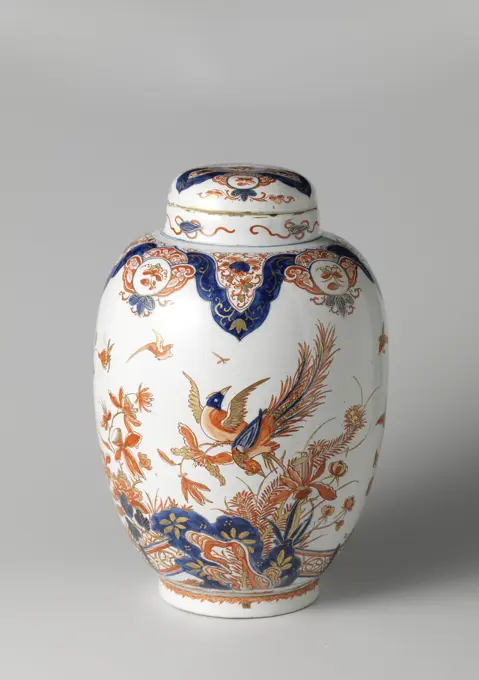
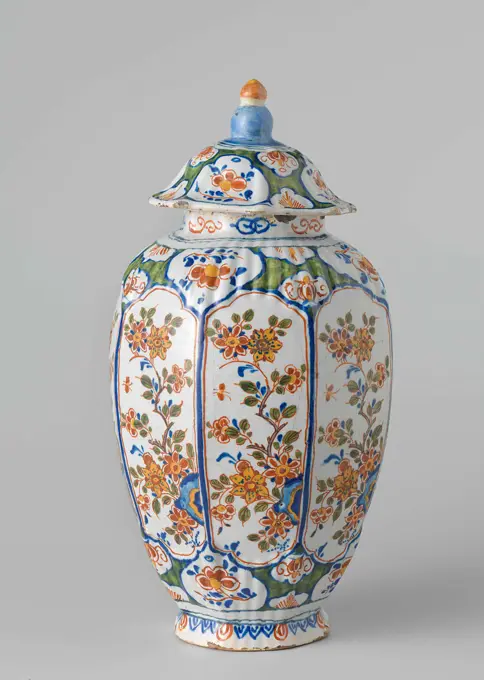
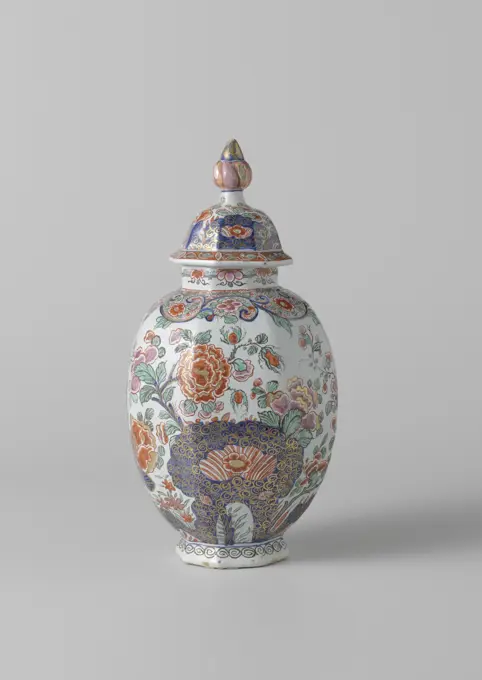
Pot with lid of multicolored painted Faïence, the Greek A, After Pieter Adriaensz. Kocx, after widow Pieter Adriaensz. Kocx-van der Heul, c. 1700 - c. 1725 Pot of Faïence with a flat lid. Multicolored painted with flower branches and birds. Delft . Pot of Faïence with a flat lid. Multicolored painted with flower branches and birds. Delft .
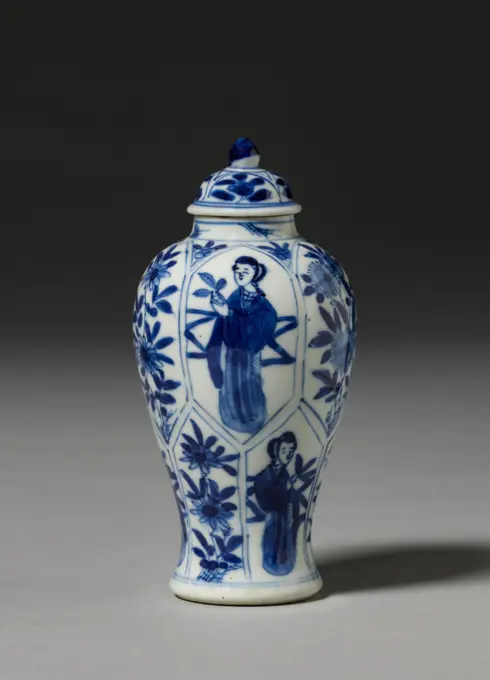
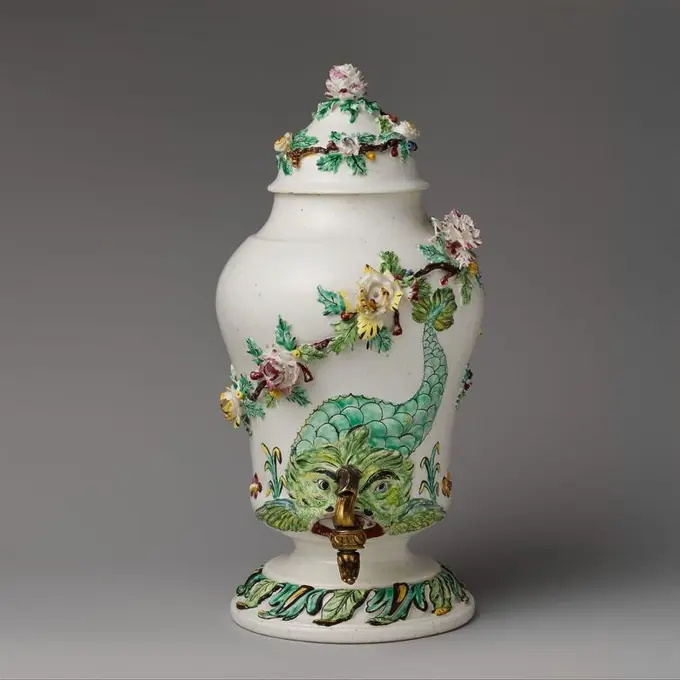
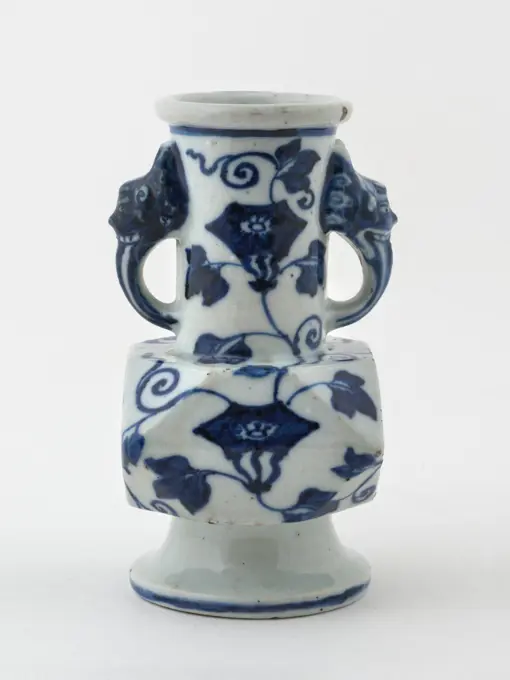
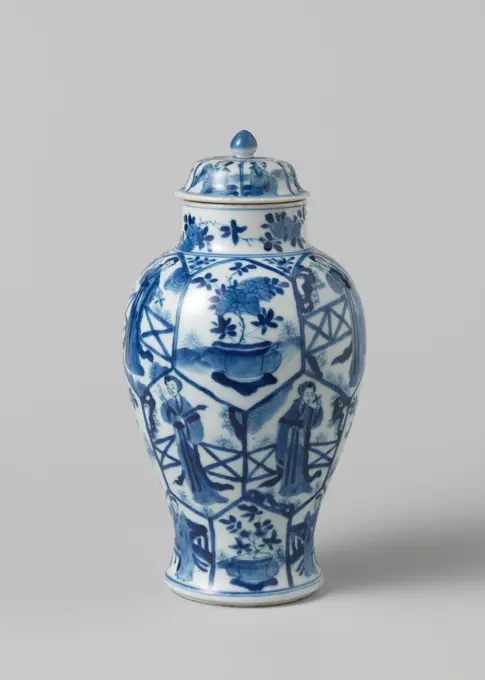
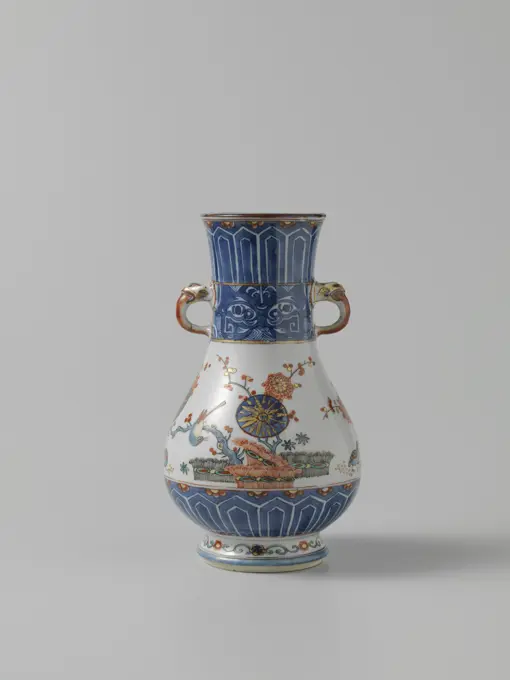
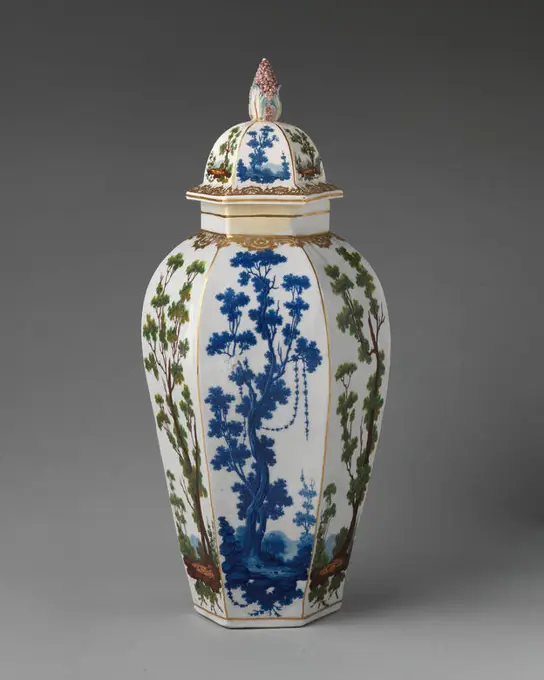
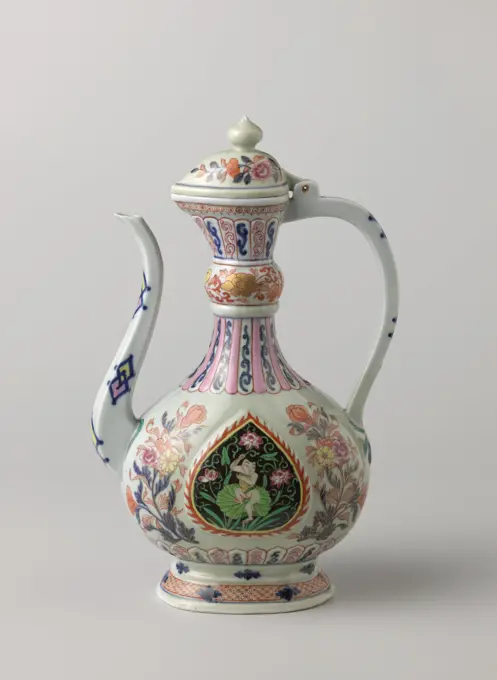
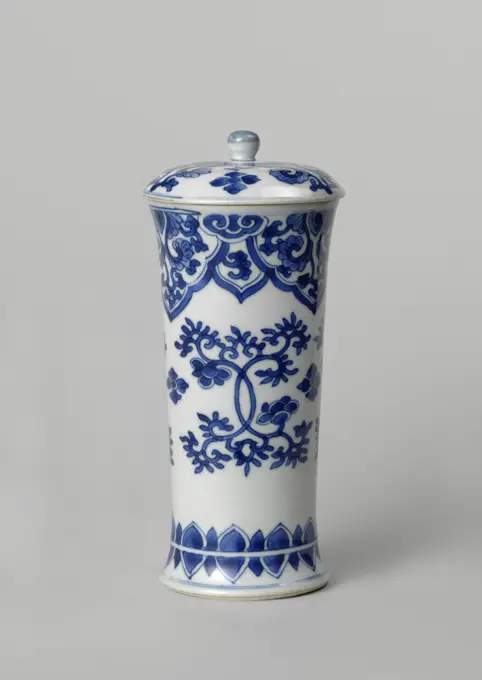
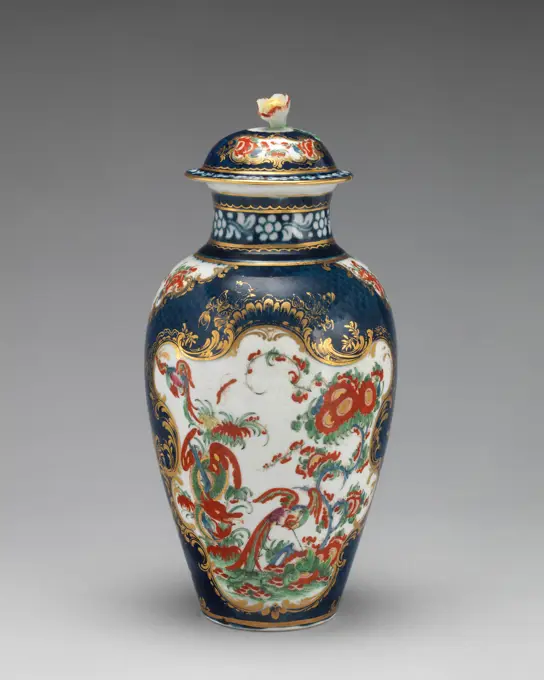
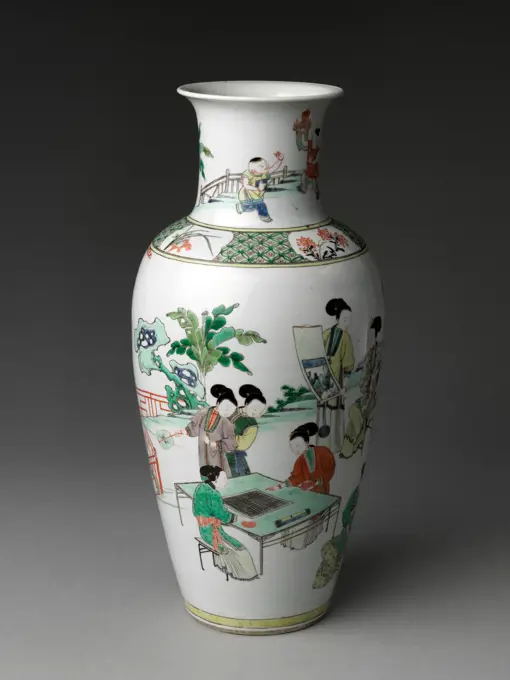
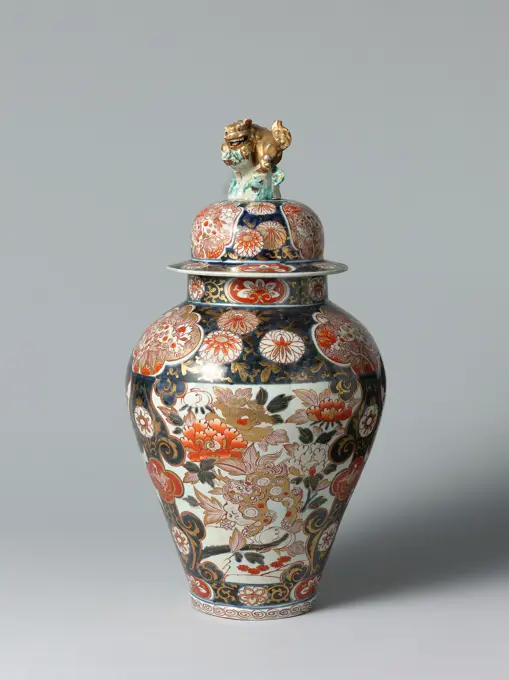
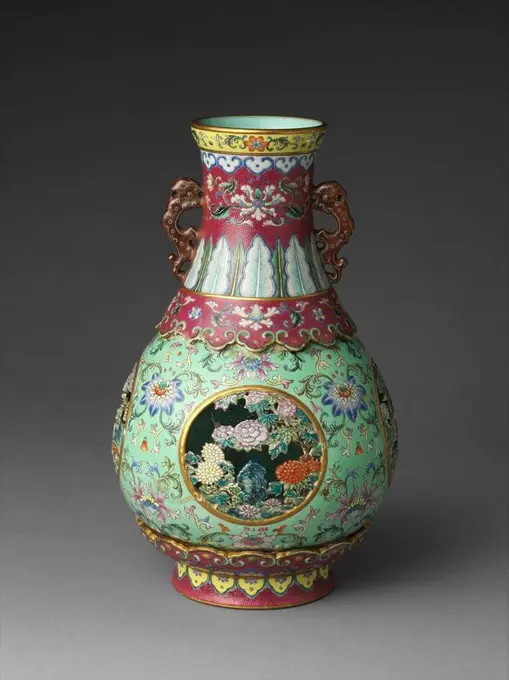
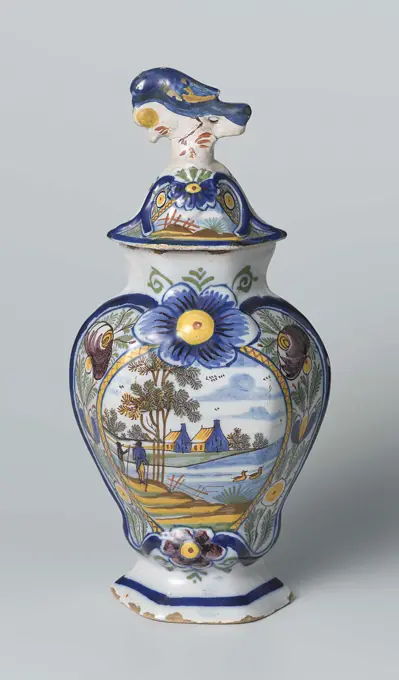
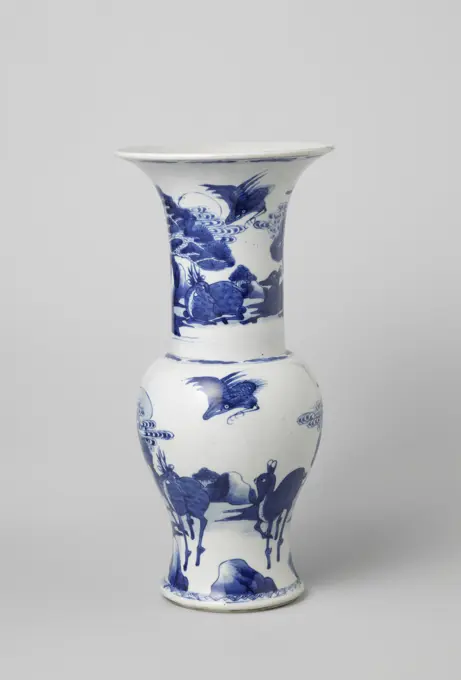
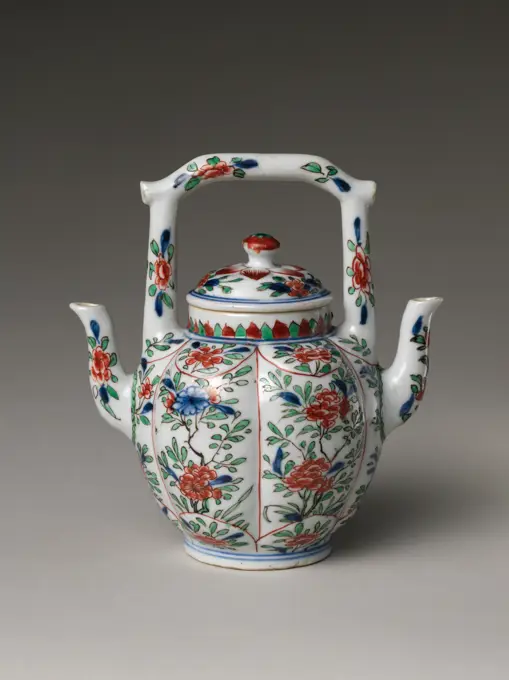
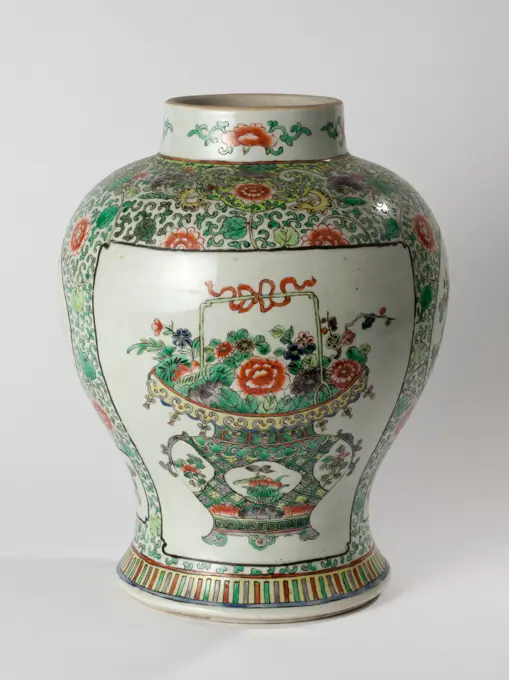
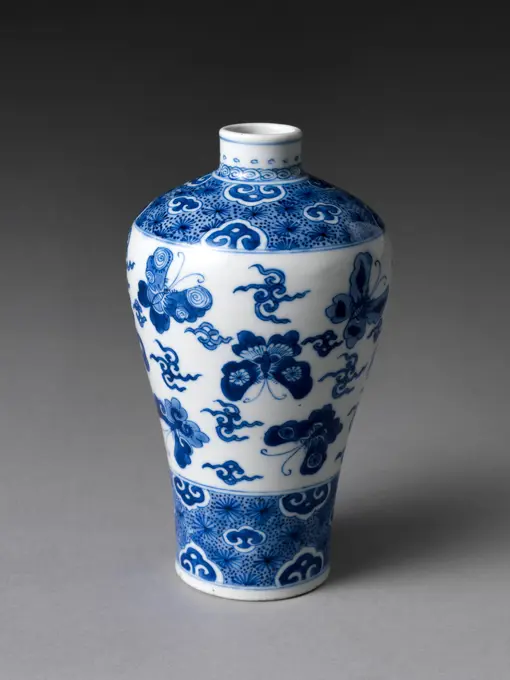
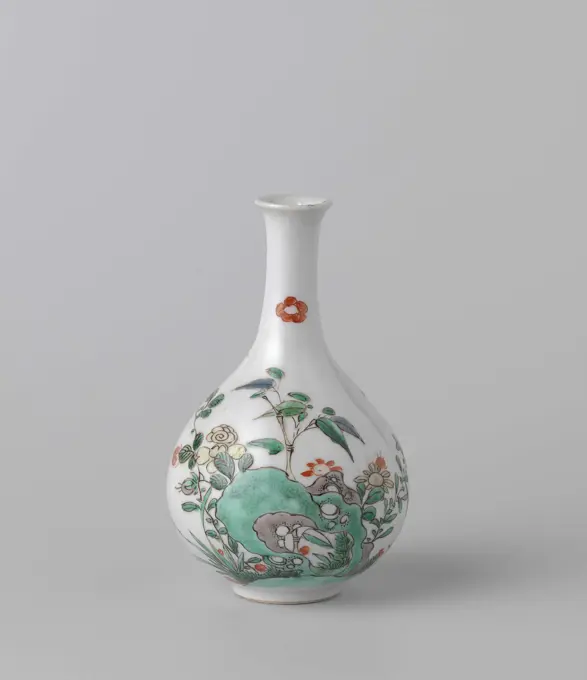
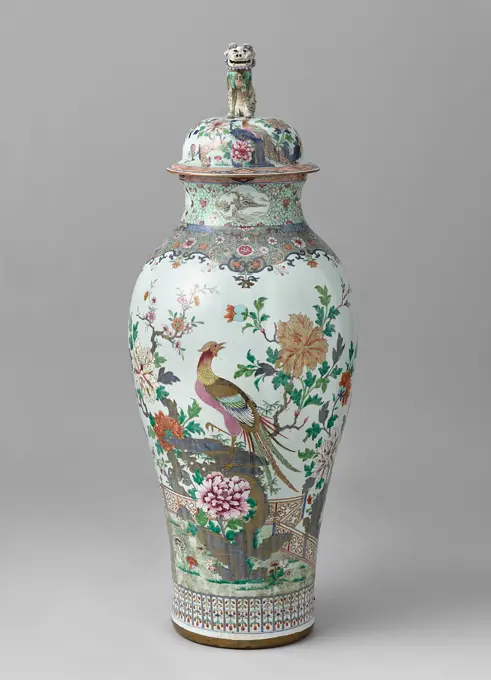
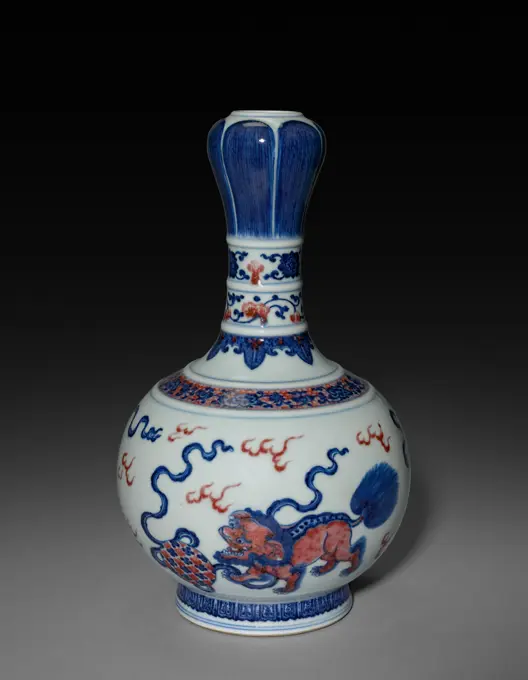
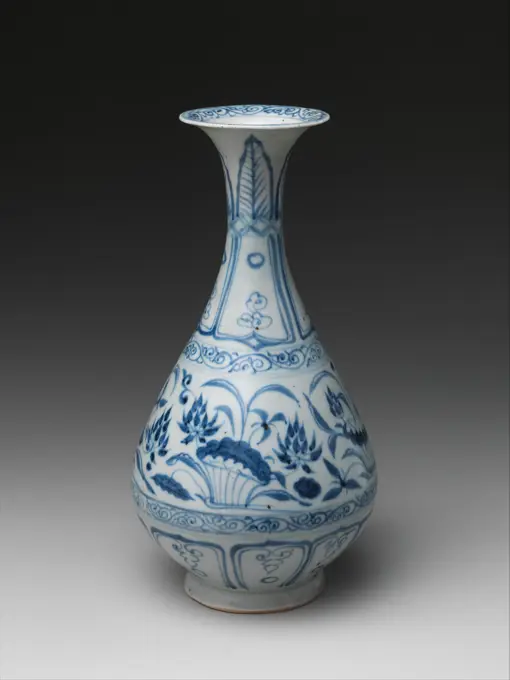
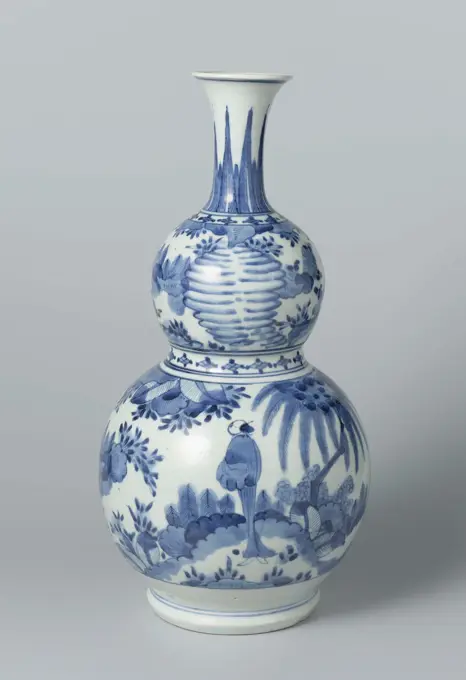
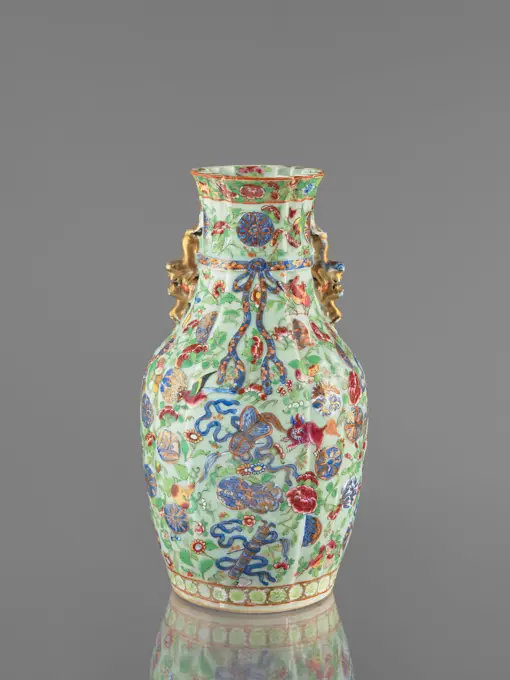
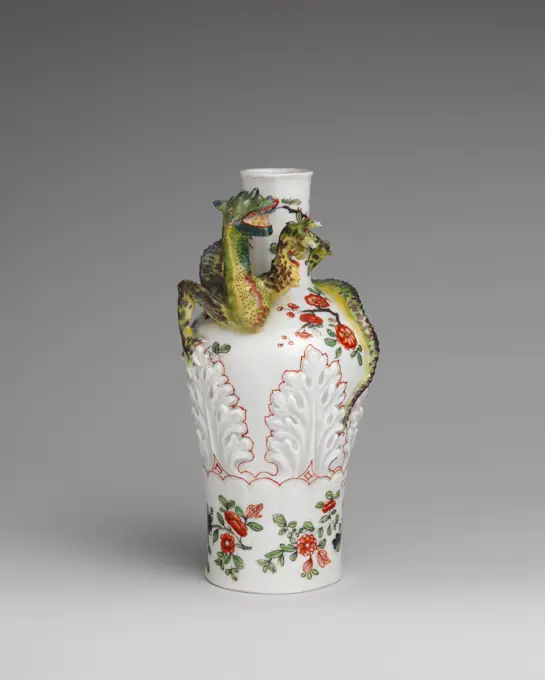
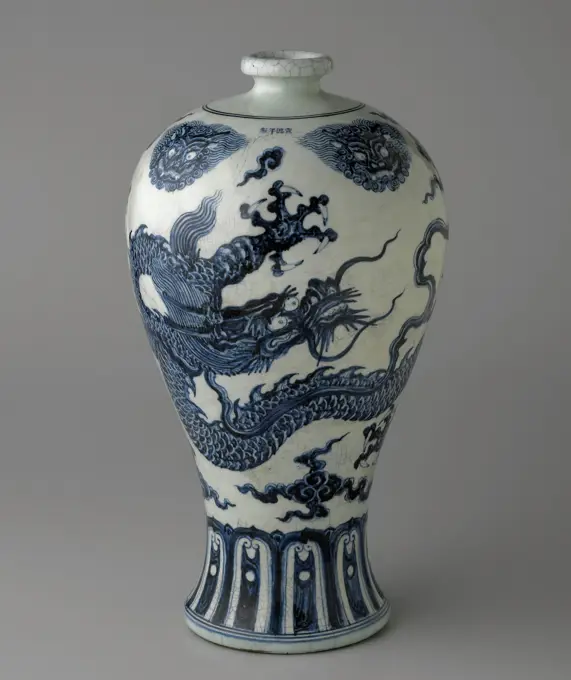
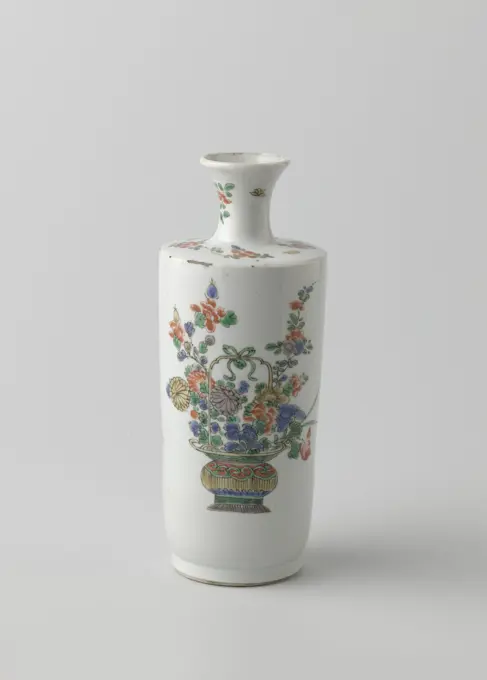
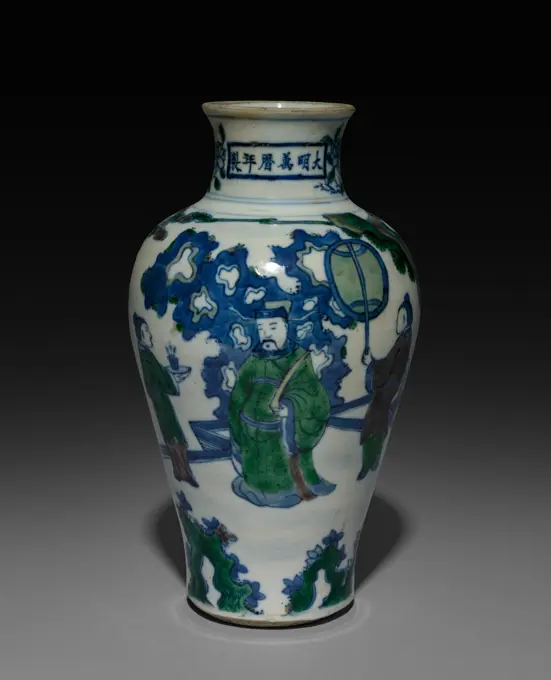
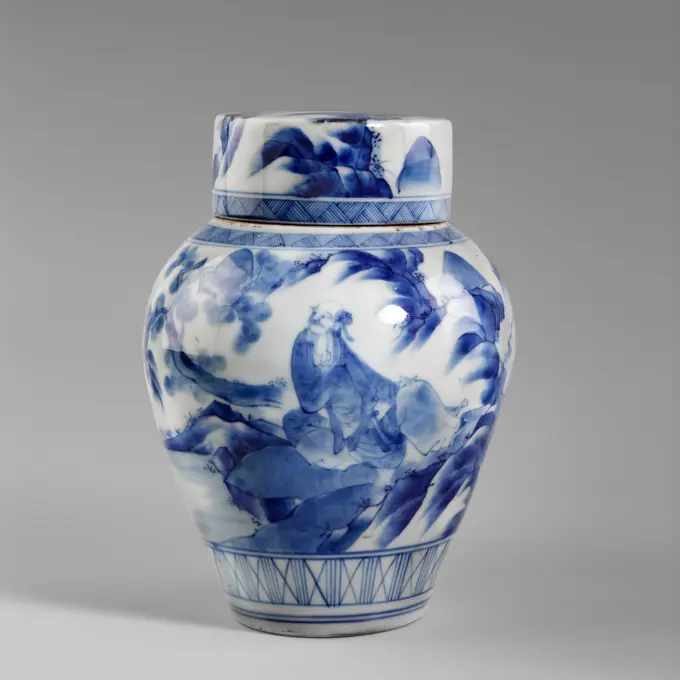
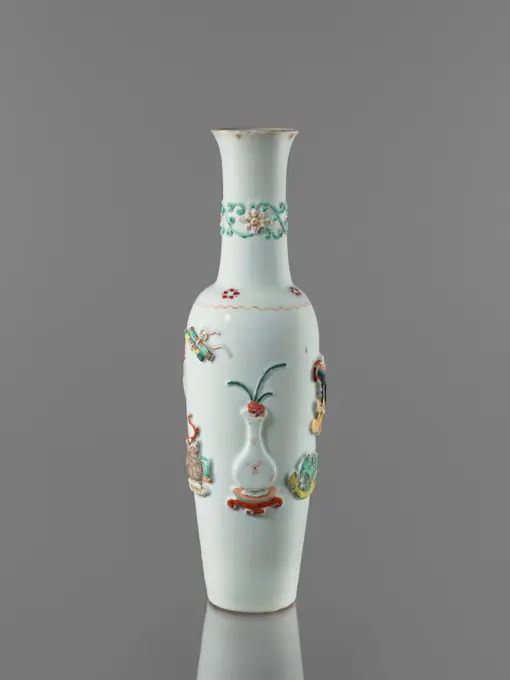
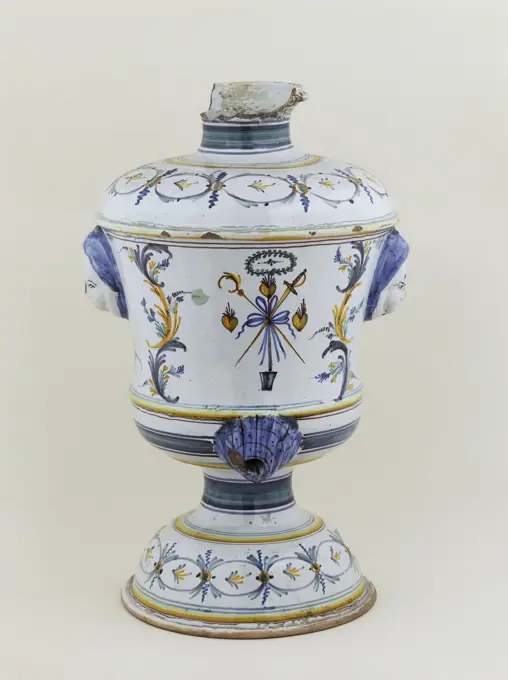
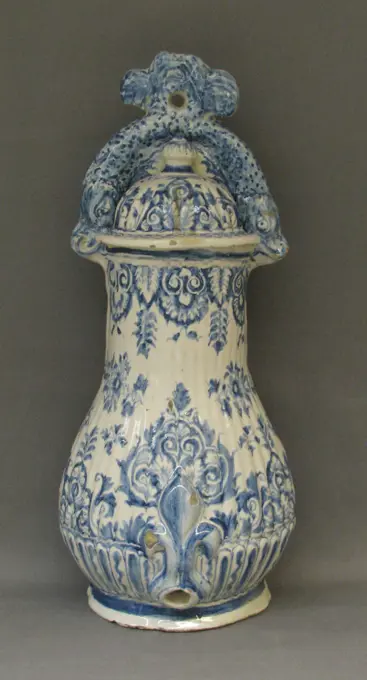
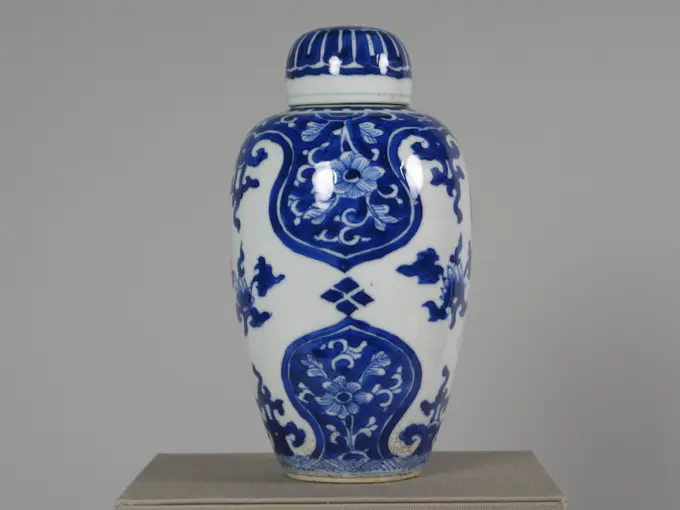
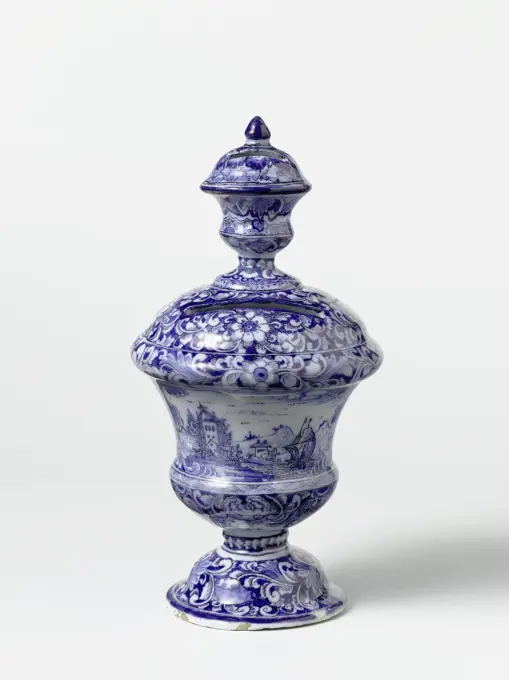
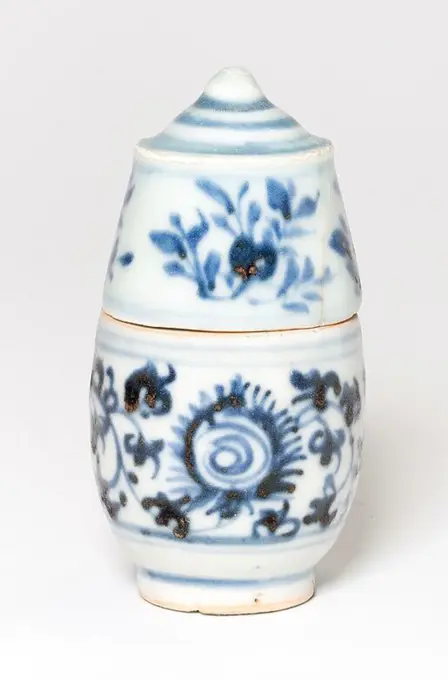
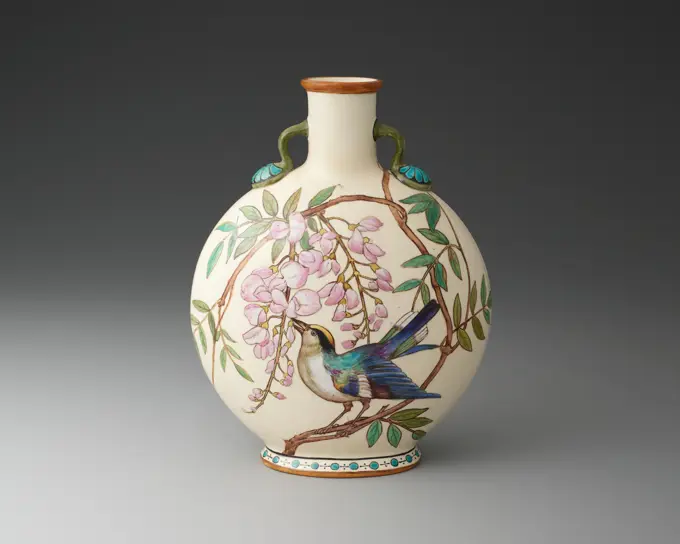
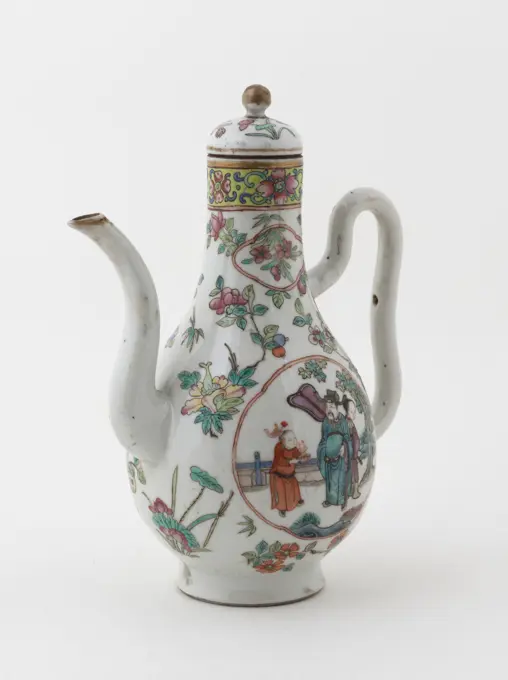
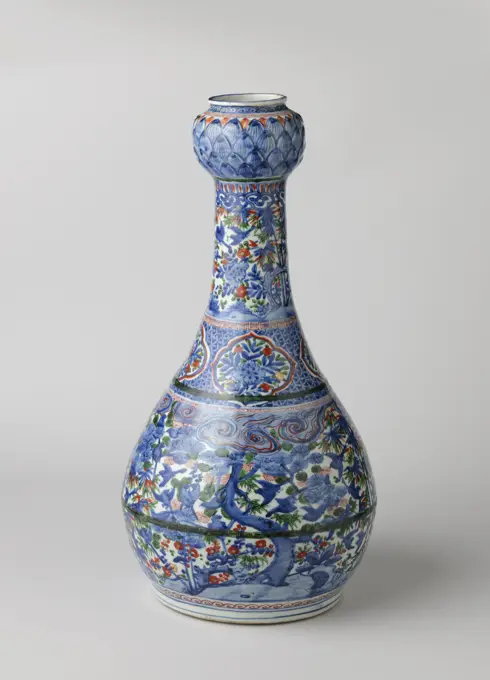
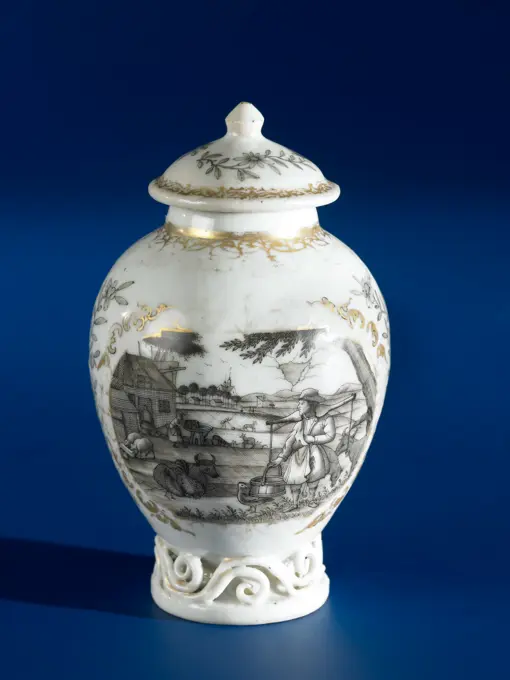
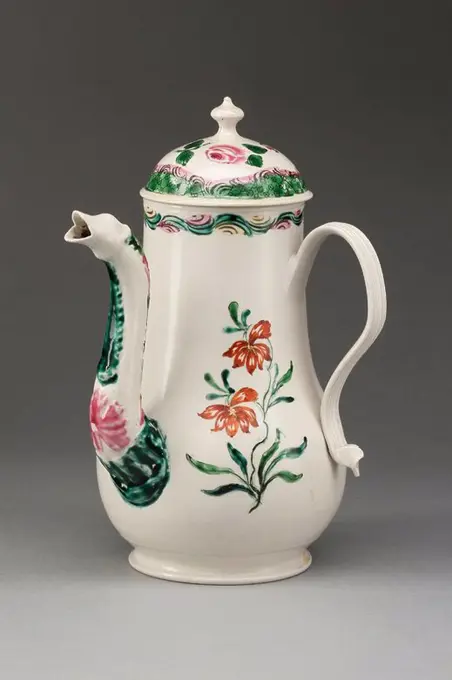
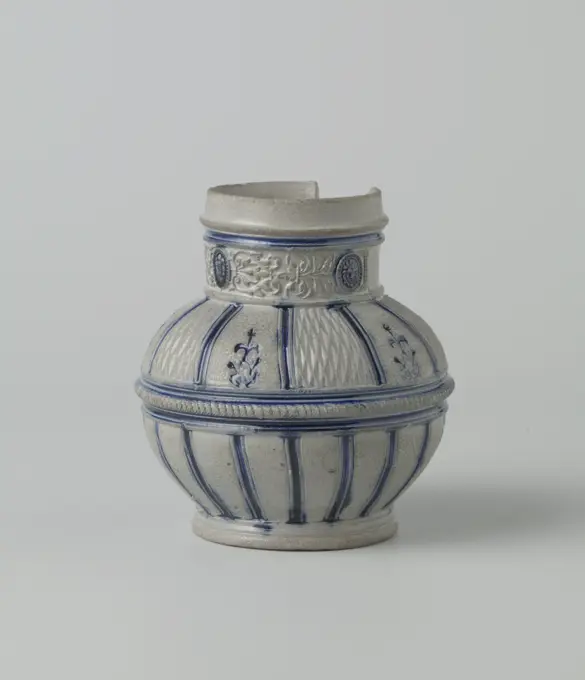
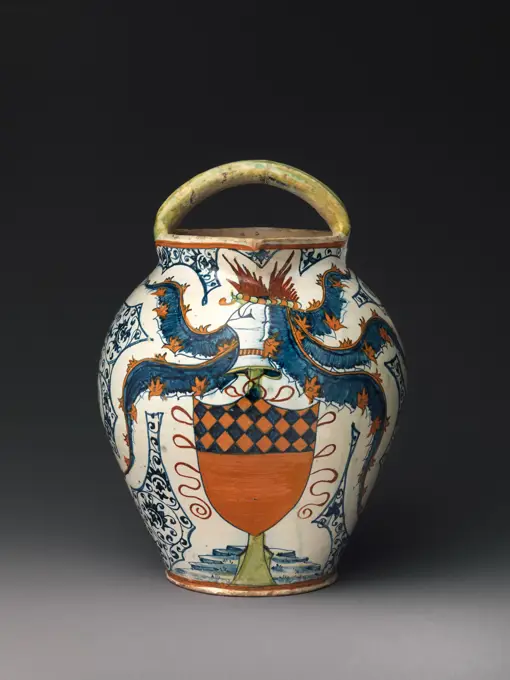
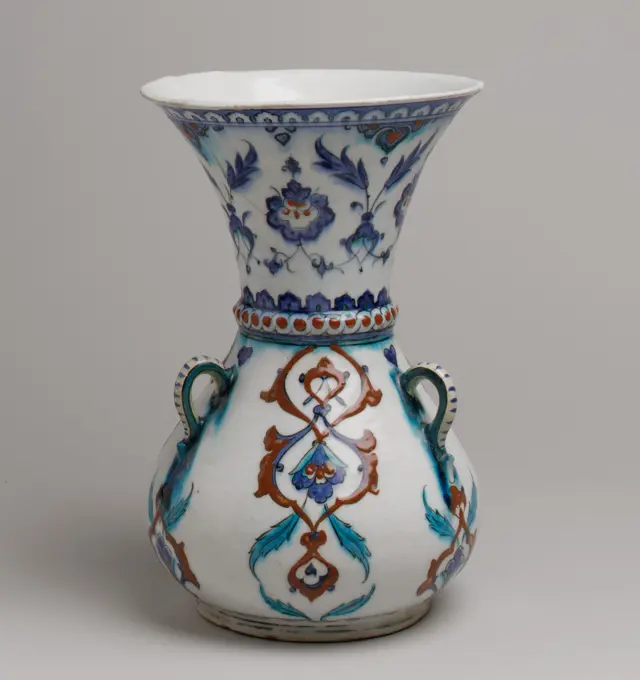
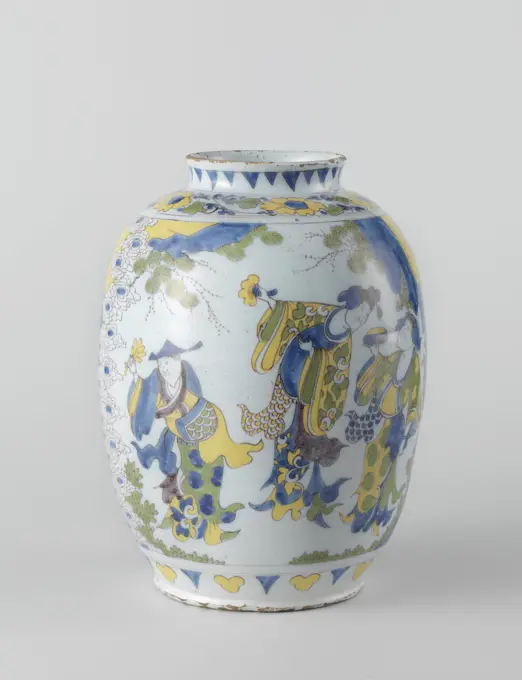
Potty of pottery with Chinese motifs., Anonymous, 1680 - 1700 Potty of pottery, egg -shaped with low and narrow neck. Painted on the white tinglaze in blue, green, no and manganese with three large standing Chinese on both sides. Browse between double manganese piping between the two performances. Geometric motifs on the neck and foot edge. Delft . Potty of pottery, egg -shaped with low and narrow neck. Painted on the white tinglaze in blue, green, no and manganese with three large standing Chinese on both sides. Browse between double manganese piping between the two performances. Geometric motifs on the neck and foot edge. Delft .Pot with lid of multicolored painted Faïence, the Greek A, After Pieter Adriaensz. Kocx, after widow Pieter Adriaensz. Kocx-van der Heul, c. 1700 - c. 1725 Pot of Faïence with a flat lid. Multicolored painted with flower branches and birds. Delft . Pot of Faïence with a flat lid. Multicolored painted with flower branches and birds. Delft .Jar with Cover, 19th Century. China, Qing dynasty (1644-1911). Porcelain; overall: 13.8 cm (5 7/16 in.).Fountain with cover and spigot. Culture: French, Mennecy. Dimensions: Overall (confirmed): 12 1/2 × 6 × 7 1/2 in. (31.8 × 15.2 × 19.1 cm). Factory: Mennecy. Date: ca. 1745-50.In about 1737, a small porcelain manufactory was established in the town of Villeroy by a potter named François Barbin. The factory had few employees and its production was modest, despite the patronage of the duc de Villeroy, and it closed in 1748 due to financial difficulties. Barbin and his wife reestablished the factory two years later in the nearby town of Mennecy.The production of the new factory was more ambitious and technically successful than that of Villeroy, but the bulk of the factory's output was in small utilitarian objects made for domestic use. Like most Mennecy porcelain of the 1750s, the fountain is painted with a limited palette of enamel colors and there is no gilt decoration. The use of gilding was the privilege of the Vincennes factory, of which the king was a major shareholder.This fountJar with Four Ring Handles Japan. Jar with Four Ring Handles. Japan. Porcelain painted in underglaze blue (Arita ware, Imari type). early Edo period (1615-1868), Kanei era (1624-43). CeramicsCovered Vase 1765-1775 Worcester. Soft-paste porcelain, underglaze blue, polychrome enamels and gilding . Worcester Royal Porcelain Company (Manufacturer)Vase. Ceramic. Paris, Cernuschi museum. 78847-21 Asian art, container, vaseRing of lid pot with chinese ladies and flower pots in boxes. Cardboard ring, to protect between pot and lid.Ginger Jar, porcelain, porcelain enamel, Porcelain vase and cover with nature scenes and flowers along the sides and cover., China, 19th century, ceramics, Decorative Arts, jar, jarPear-shaped vase with ornamental borders, flowering plants, brushwood fences and birds, anonymous, c. 1700 - c. 1724 Pear -shaped vase of porcelain with a wide, slightly spreading neck and two modeled ears in the form of animal heads. Painted in underly glaze blue and on the glaze blue, red, green, yellow, black and gold. In China on the belly in underlaze blue decorated with four Yin Yang symbols; Below that a blue band with saved leaf motifs and half flowers. The neck with the same band and a band with 'Taotie' masks on servetwork. Decorated in Europe on the abdomen in enamel colors with birds on prunus branches behind hedges; In between, quail on the ground. The Yin Yang symbols are painted over with a flower roset as part of the prunus branch. A band with flower vines on the foot. Marked on the underside with four imitation Chinese character in red email. Decorated with email colors in Europe. Chinapainter: Europe porcelain. glaze. cobalt (mineral). gold (metal) painting / gilding Vase with cover (part of a garniture of three vases). Culture: British, Bristol. Decorator: Socquet (active 1753-73). Dimensions: Height: 12 1/2 in. (31.8 cm). Factory: Bristol (British). Factory director: Richard Champion. Date: ca. 1773. Museum: Metropolitan Museum of Art, New York, USA.Vase (one of a pair) ca. 1695-1700 Saint-Cloud factory. Vase (one of a pair). French, Saint-Cloud. ca. 1695-1700. Soft-paste porcelain with cobalt blue pigment under transparent glaze. Saint-Cloud factory (French, mid-1690s-1766). Ceramics-PorcelainEwer with flower sprays, ornamental borders and boys among lotus plants, Samson & Cie., c. 1875 - c. 1899 Can of porcelain with a pear-shaped body, long S-shaped spout, spreading base and an ear. Painted in underly glaze blue and on the glaze in blue, red, pink, green, yellow, black and gold. On the wall two modeled cartouches with a boy on a lotus magazine between Lotusranken; Flower branches on either side of the cartouches; On the shoulder and around the foot a decorative band with tendrils in compartments; on a ring -shaped thickening in the neck flower vines; above that a decorative band with curl work in compartments; the edge with a decorative band; On the foot a band with flowers and servetwork; The spout and the ear with double windows. European (Samson) imitation of Chinese porcelain with email colors. Paris porcelain. glaze. gold (metal) painting / gilding / vitrification Can of porcelain with a pear-shaped body, long S-shaped spout, spreading base and an ear. Painted in undFluted Bottle with Trees, Plant, Birds and Bouquets. Bottle-shaped vase of porcelain with ribbed wall and thickening under the edge, painted on the glaze in blue, red, green, eggplant, black and gold. On the wall twice a pine with two birds for a fence, with two plants of which a chrysanthemum; On the shoulder a band with napkin with flowers interspersed with a flower; The neck with two bouquets with peony, chrysanthemum and peekanjer, above which a tire with dependent leaf motifs. Painted on the underside 'Sidebottom'. Thickening around the edge damaged. Famille Verte.Covered cylindrical beaker with flower scrolls, anonymous, c. 1700 Cylindrical cup of porcelain, the body slightly running up, painted in underlaze blue. On the wall a band with stylized flower vines; Around the edge a band with hanging leaf-shaped cartouches filled with flower vines interspersed with Ruyi motif; Around the foot a band with half leaf motifs. The lid with leaf vines. Blue White. China porcelain. glaze. porcelain painting / vitrification Cylindrical cup of porcelain, the body slightly running up, painted in underlaze blue. On the wall a band with stylized flower vines; Around the edge a band with hanging leaf-shaped cartouches filled with flower vines interspersed with Ruyi motif; Around the foot a band with half leaf motifs. The lid with leaf vines. Blue White. China porcelain. glaze. porcelain painting / vitrificationPot (without lid). Pot (without lid) from faience. Multicolor decorated.Vase with cover ca. 1770 Worcester factory. Vase with cover. British, Worcester. ca. 1770. Soft-paste porcelain. Worcester factory (British, 1751-2008). Ceramics-PorcelainLid, octagonal vaulted, with button; Polychrome decorated with flower branches inside cartouches.Baluster covered jar with powder blue and flowering plants and animals in panel decoration, anonymous, c. 1700 - c. 1724 Lid of baluster -shaped lid jar, painted in undermglaze blue and on the glaze gold. The lid is decorated with worn decoration of four compartments with flowering plants on a rock and decorative edge. Lid has been restored. Bleu Poudré with gold. China porcelain. glaze. cobalt (mineral). gold (metal) painting / vitrification Lid of baluster -shaped lid jar, painted in undermglaze blue and on the glaze gold. The lid is decorated with worn decoration of four compartments with flowering plants on a rock and decorative edge. Lid has been restored. Bleu Poudré with gold. China porcelain. glaze. cobalt (mineral). gold (metal) painting / vitrificationOvoid covered jar with flower sprays and floral scrolls, anonymous, c. 1645 Egg -shaped lid pot of porcelain, painted in underlaze blue. The belly is covered with 'crackled ice' containing spared lotus vines, pearls and two large, leaf -shaped cartouches. In the cartouches two flower branches (peony, chrysanthemum, magnolia, hydrangea) and bamboo leaves or insects. On the shoulder a band with triangles in blue with a motif saved in it. Coming from the 'Hatcher Jonk' who fared around 1645. Old label on the bottom with 'The Hatcher Collection/ Christie's Amsterdam/ 14-03-1984'. Transitional porcelain in blue and white. China porcelain. glaze. cobalt (mineral) painting / vitrification Egg -shaped lid pot of porcelain, painted in underlaze blue. The belly is covered with 'crackled ice' containing spared lotus vines, pearls and two large, leaf -shaped cartouches. In the cartouches two flower branches (peony, chrysanthemum, magnolia, hydrangea) and bamboo leaves or insects. On the shoulder aLidded Vase, anonymous, c. 1700 Cylindrical cup of porcelain, the body slightly running up, painted in underlaze blue. On the wall a band with stylized flower vines; Around the edge a band with hanging leaf-shaped cartouches filled with flower vines interspersed with Ruyi motif; Around the foot a band with half leaf motifs. The lid with leaf vines. Blue White. China porcelain. glaze. porcelain painting / vitrification Cylindrical cup of porcelain, the body slightly running up, painted in underlaze blue. On the wall a band with stylized flower vines; Around the edge a band with hanging leaf-shaped cartouches filled with flower vines interspersed with Ruyi motif; Around the foot a band with half leaf motifs. The lid with leaf vines. Blue White. China porcelain. glaze. porcelain painting / vitrificationJar With Two Large Flower Groups. Porcelain lid pot, painted on the glaze in blue, red, green, yellow, purple, pink, black and gold. On the wall a large flowering plant on a rock with peony and chrysanthemum, on the other side a second blooming plant with balloon clock; Around the foot and shoulder a band with geometric pattern. Famille Verte.Ovoid covered jar with flower scrolls in lappet borders, anonymous, c. 1680 - c. 1720 Egg -shaped lid pot of porcelain, painted in underlaze blue. On the wall flower branches; Around the foot and around the shoulder large leaf -shaped cartouches with flower vines in reserve. Blue White. China porcelain. glaze. cobalt (mineral) painting / vitrification Egg -shaped lid pot of porcelain, painted in underlaze blue. On the wall flower branches; Around the foot and around the shoulder large leaf -shaped cartouches with flower vines in reserve. Blue White. China porcelain. glaze. cobalt (mineral) painting / vitrificationVase. Wolff, Karol (fl. ca 1800), company owner, Bielino (manufaktura fajansu ; 1779-1800), factoryLidded Jar. Lid of faience. Painted multi-colored. The lid shows the same scenes as the vase and has a pear-shaped blue button.Pear-shaped Vase With Ornamental Borders and Landscapes in Medallions. Pear-shaped vase of porcelain with a wide, slightly spreading neck and two landscaped ears in the form of animal heads. Painted in underglaze blue and on the glaze blue, red, green, yellow, black and gold. In China on the belly in underglaze blue decorated with four yin yang symbols; Byond this a blue bond with spelled leaf motifs and half flowers. The neck with the same band and a band with 'taotie' masks on napkin. In Europe on the abdomen decorated in email colors with between the Yin Yang symbols medallions with a landscape or a bird on a branch on tied hedges and flowering plants (pine, prunus). Between the medallions. On the foot a bond with arcing and flowers. Marked on the underside with five imitation Chinese character in red email. Decorated in Europe with email colors.Vase with Women Enjoying Scholarly Pursuits late 17th-early 18th century China. Vase with Women Enjoying Scholarly Pursuits. China. late 17th-early 18th century. Porcelain painted with colored enamels over transparent glaze, and gilded (Jingdezhen ware). Qing dynasty (1644-1911), Kangxi period (1662-1722). CeramicsPear-shaped bottle vase with powder blue, flower sprays and antiquities, anonymous, c. 1700 - c. 1724 Bottle -shaped vase of porcelain with pear -shaped abdomen and long, straight neck, painted in underly glaze blue and on the glaze blue, red, green, yellow, eggplant, black and gold. The bottle is covered with Bleu Poudré with three -saved fields saved on the wall, one of which is filled with antiques and two with flower branches; around the base of the neck a decorative band with meander and ruyi motif; A band with a meander motif around the edge; The edge covered with gold. Bleu Poudré with Famle Verte. China porcelain. glaze. cobalt (mineral). gold (metal) painting / gilding / vitrification Bottle -shaped vase of porcelain with pear -shaped abdomen and long, straight neck, painted in underly glaze blue and on the glaze blue, red, green, yellow, eggplant, black and gold. The bottle is covered with Bleu Poudré with three -saved fields saved on the wall, one of which is filled with ant. Baluster-shaped porcelain lid pot, painted in underglaze blue and on the glaze red, black and gold. Three large cartouches with a shishi between a flowering peony plant on the belly; The cartouches are separated by tires of curling work containing a lobed cartouche with a hay-bird surrounded by flower drinks. On the shoulder a wide bond with chrysanthranks interrupted by lobby cartouches with a shishi (lion dog) between a plant. Around the foot and on the neck a band with lotus drinks. At the foot a bond with curling work. Is part of a cabinet set. Imari.Vase (one of a pair) ca. 1730 Meissen Manufactory German. Vase (one of a pair) 201426Vase. Culture: China. Dimensions: H. 11 3/4 in. (29.8 cm); Diam. 7 1/2 in. (19.1 cm); Diam. of rim 3 3/8 in. (8.6 cm); Diam. of foot 4 1/4 in. (10.8 cm). Date: last quarter 18th century. Museum: Metropolitan Museum of Art, New York, USA.Two vases and a beaker vase, part of a garniture, anonymous, c. 1740 - c. 1760 Pot (a) with lid (B) from Faïence. The belly multicolored painted with a woman with a child surrounded by flower branches. The button of the lid is formed by a fo 'lion. The pot belongs to a five -part cupboard set consisting of three lid pots and two cups with lids. Delft . Pot (a) with lid (B) from Faïence. The belly multicolored painted with a woman with a child surrounded by flower branches. The button of the lid is formed by a fo 'lion. The pot belongs to a five -part cupboard set consisting of three lid pots and two cups with lids. Delft .lid pot.Pot of multicolored faience painted. A cartouche with two houses in a landscape in the colors blue, yellow, green, brown and purple is painted in the pot. The button of the lid is one in a fruit pecking bird. The pot belongs to an identical legs a cup.Baluster vase with deer and cranes in a water landscape, anonymous, c. 1675 - c. 1699 Balus -shaped vase of porcelain with a trumpet -shaped mouth, painted in underlaze blue. On the wall a river landscape with two deer, a flying crane and one on a branch of a pain pea. The same decoration on the neck. The outer edge with a band with cloud motifs. The underside with a double circle. Blue White. China porcelain. glaze. cobalt (mineral) painting / vitrification Balus -shaped vase of porcelain with a trumpet -shaped mouth, painted in underlaze blue. On the wall a river landscape with two deer, a flying crane and one on a branch of a pain pea. The same decoration on the neck. The outer edge with a band with cloud motifs. The underside with a double circle. Blue White. China porcelain. glaze. cobalt (mineral) painting / vitrificationCovered, ovoid jar with antiquities and flower sprays, anonymous, c. 1700 Egg -shaped lid pot of porcelain, painted in underly glaze blue and on the glaze blue, red, green, yellow, auberine, black and gold. On the wall four cartouches with scalloped edge filled with antiques and a fan shape with a figure in two towers, between the flower courses; Around the foot a decorative edge of leaf -shaped points, above a border with half flower rosettes with curl work; Around the shoulder a decorative border with half flower straws and one with a Ruyi motif. Marked on the underside with a window in green and black enamel in a double circle. Famle Verte. China porcelain. glaze. cobalt (mineral). gold (metal) painting / gilding / vitrification Egg -shaped lid pot of porcelain, painted in underly glaze blue and on the glaze blue, red, green, yellow, auberine, black and gold. On the wall four cartouches with scalloped edge filled with antiques and a fan shape with a figure in two towers, between theRelief-Blue Jar with Rampant Lions. UnknownVase. unknown, craftsmanBottle vase with the 'three friends of winter', anonymous, c. 1700 - c. 1724 Bottle -shaped vase of porcelain with spherical body and long, narrow neck, painted in underly glaze blue and on the glaze red, green and gold. On the belly the 'three friends of winter' (prunus, bamboo, pine) with flowering plants in between. A decorative band around the foot. On the shoulder a tire must be alternated with a flower branch in a cartouche. The neck with flower branches. Craqueled glaze. Imari. Japan porcelain. glaze. cobalt (mineral). gold (metal) painting / gilding / vitrification Bottle -shaped vase of porcelain with spherical body and long, narrow neck, painted in underly glaze blue and on the glaze red, green and gold. On the belly the 'three friends of winter' (prunus, bamboo, pine) with flowering plants in between. A decorative band around the foot. On the shoulder a tire must be alternated with a flower branch in a cartouche. The neck with flower branches. Craqueled glaze. Imari. Japan pJar with the Four Accomplishments Painting, Calligraphy, Music, Strategy 1400-1499 China. Porcelain painted in underglaze blue .Cylindrical bottle vase with floral scrolls and ornamental borders, anonymous, c. 1680 - c. 1720 Cylindrical vase of porcelain with a slightly narrowing body and a short, wide neck, painted in under -glaze blue. Two wide tires with flower vines on the belly; The tire under the shoulder is interrupted by scalloped cartouches with flower vines saved in a blue surface. Above the foot and on the shoulder a band with blue triangles with half a flower in spare. On the neck a band with standing leaf motifs. Blue White. China porcelain. glaze. cobalt (mineral) painting / vitrification Cylindrical vase of porcelain with a slightly narrowing body and a short, wide neck, painted in under -glaze blue. Two wide tires with flower vines on the belly; The tire under the shoulder is interrupted by scalloped cartouches with flower vines saved in a blue surface. Above the foot and on the shoulder a band with blue triangles with half a flower in spare. On the neck a band with standing leaf motifs. Blue WhPot (without lid) with flower decorations. Pot (without lid) of ribbed faience. Multicolor painted with flower decorations.Double-Sided Teapot with Tree Peonies late 17th-early 18th century China. Double-Sided Teapot with Tree Peonies. China. late 17th-early 18th century. Porcelain painted with cobalt blue under and colored enamels over transparent glaze (Jingdezhen ware). Qing dynasty (1644-1911), Kangxi period (1662-1722). CeramicsAnonymous. "Chinese porcelain porcelain porcelain and flowers". Chinese porcelain. 1701-1800. Paris, Carnavalet museum. 101429-17Vase with Butterflies late 17th-early 18th century China The Chinese term for butterfly (hudie) is also a rebus for the accumulation of blessings.. Vase with Butterflies. China. late 17th-early 18th century. Porcelain painted with cobalt blue under transparent glaze (Jingdezhen ware). Qing dynasty (1644-1911), Kangxi period (1662-1722). CeramicsBottle Vase With Flowering Plants Near a Rock. Bottle-shaped vase of porcelain with a pear-shaped body, painted on the glaze in blue, red, green, yellow, eggplant and black. On the belly flowering plants (aster, bamboo, peony) and a butterfly at a rock. Famille Verte.Baluster Covered Jar With Pheasants on a Rock Near a Fence and Flowering Plants. Baluster-shaped porcelain lid pot, painted in underglaze blue and on the glaze in blue, red, pink, green, yellow, black and gold. On the wall a pheasant on a rock in blooming plants (peony, prunus) and a fence. A second pheasant, butterflies and birds flies in the air. On the ground other flowers (Aster, Lotus, Prachtanjer), mushrooms (Lingzhi) and a pond with ducks. On the shoulder a decorative band of small flour rosakes with curlwork and loose flowers on it. Above the foot a tire with stylized leaf motifs filled with garlands with lucky symbols (musical stone, mint, window). On the neck a band with 'crackled ice' and prunus blossoms interrupted by lobby cartouches with a landscape in ENCE the chine. The outer edge in Imii colors with a band with clouds on arrearing interrupted by cartouches with lotus drinks. Family Rose.Baluster covered jar with floral scrolls and auspicious symbols, anonymous, c. 1875 - c. 1899 Balus -shaped porcelain lid jar, painted on the glaze in blue, red, pink, green, yellow and black. On the wall of the vase two groups of happiness objects with valuables (musical stone), Lotusrank, tripod, fruit basket and flower vases; Around the shoulder a decorative band with flower and lotus vines; Two flower branches on the neck; A decorative band around the foot. Famle Rose. China porcelain. glaze. painting / vitrification Balus -shaped porcelain lid jar, painted on the glaze in blue, red, pink, green, yellow and black. On the wall of the vase two groups of happiness objects with valuables (musical stone), Lotusrank, tripod, fruit basket and flower vases; Around the shoulder a decorative band with flower and lotus vines; Two flower branches on the neck; A decorative band around the foot. Famle Rose. China porcelain. glaze. painting / vitrificationBottle-shaped Vase, 1736-95. China, Qing Dynasty (1644-1911), Qianlong reign (1736-95). Porcelain with underglaze decoration; overall: 27.7 cm (10 7/8 in.).Apotheker spot from stoneware. Apotheker spot from stoneware covered with white tingabol. The square body with beveled corners is on a round foot. On the corners a women's figure. Decorated in blue with the coat of arms of Saxony on one side and the year 1618.. Vase, two identical copies (A and B), polychroma painted with symmetrically placed flowers in blue, green and black on black speckled yellow fond, furthermore in brown and purple on green fond; On the sides and the foot brown fond.Flask with Lotus Pond mid-14th century China Introduced with Buddhism in which it is symbolic of purity, the lotus is an important flower in Chinese art and symbolizes summer, longevity, elegance, and other virtues.. Flask with Lotus Pond. China. mid-14th century. Porcelain painted with cobalt blue under transparent glaze (Jingdezhen ware). Yuan dynasty (1271-1368). CeramicsPot, part of a cupboard set. Pot, multicolored painted faïence. The pot is octagonal and eight courses are painted on eight sides. In four courses is a vase with two S-shaped handles, portrait on a 3-legged pedestal and filled with flowers, painted in the other four courses a pot with lid on a 3-legged pedestal above which a phoenix. The pot is part of a couple and has been marked.. Balebase vase of porcelain with a spreading neck, painted in underglaze blue. On the abdomen twice a continuous landscape with rocks, trees and plants. The lower part of the belly with a standing and sitting person in the landscape, the upper part with only a seated person. Between both parts and on the shoulder a band with a diamond pattern. A tire with pointed leaf motifs on the neck. Two cracks in the edge. Blue White.Vase with Nine Peaches China. Vase with Nine Peaches. China. Porcelain painted with colored enamels over a transparent glaze (Jingdezhen ware). Qing dynasty (1644-1911), Qianlong mark and period (1736-95). CeramicsVase China. Vase 40733Vase with figures near a pavilion in panel decoration, anonymous, c. 1800 - c. 1900 vase Vase of porcelain, painted in on the glaze blue, red, green, yellow, eggplant and black. The vase is black speckled with flower vines and cartouches differently shaped in reserve; On the body two elongated cartouches with people for and in a pavilion, in between two small cartouches with birds on a branch and a lotus flower; on the shoulder curl with flowers interspersed with a bird on a branch in a lobed cartouche; Above it a band with flower branches on black speckles with two cartouches in reserve with people for and in a pavilion. Famle Verte. China porcelain. glaze. painting / vitrificationVase with cover (one of a pair) ca. 1700 Lambertus van Eenhoorn Dutch The shape and decoration are modeled after imported Chinese porcelains. Large Dutch vases and their Chinese prototypes were admired in England and remained part of formal interior furnishings for over a century.. Vase with cover (one of a pair) 236976Covered jar, one of a pair, 18th century, H.7-1/4 x Dia.4-1/2 in., Ceramic, Netherlands, 18th centuryVase. unknown, craftsmanOLYMPUS DIGITAL CAMERAVase with coiling dragon ca. 1725 Vienna The artists at Du Paquier were inspired by a wide variety of sources. It is clear from many formal and decorative parallels that the manufactory had access to both Chinese and Japanese porcelain. Du Paquier, however, seldom copied Asian models directly, preferring instead to adapt and improve” forms and decoration to suit European taste. Here, the Du Paquier artist was inspired by a Chinese porcelain dragon encircling a vase but imbued the dragon with a European character.. Vase with coiling dragon 208450Sugar Caster, early 1700s . France, Moustiers(), early 18th century(). Faience; overall: 21.6 cm (8 1/2 in.).Meiping vase decorated with a dragon in underglaze blue, 1426-1435, 21 1/2 x 11 7/16 in. (54.6 x 29.1 cm), Jingdezhen ware; porcelain with cobalt blue decor under a clear glaze, China, 15th century, Vessels like this Xuande period meiping vase illustrate the decorative technique of blue-and-white wares at its most accomplished. It combines freedom and energy of a newly emergent art form with the sophistication of concept and mastery of technique that comes with maturity. It features an exuberant five-claw imperial dragon as the central motif, which projects an air of majesty and power as it strides around the surface of the vessel. Four frontal lion masks, alternating with stylized clouds, decorate the shoulder. The scale and imperial imagery of this magnificent vase suggest a formal use within the halls of an imperial compound. It was likely one of a matching pair of vases, used to create balanced, formal arrangements in the large rooms of the Forbidden City, the imperial palace in BeCylindrical vase with two flower baskets and flower sprays, anonymous, c. 1700 - c. 1724 Cylindrical vase of porcelain with trumpet -shaped neck, painted on the glaze in blue, red, green, yellow, eggplant and black. On the body twice a flower basket with Ruyi motif filled with chrysanthemum, peony and lotus; Flower branches and butterflies on the shoulder and neck. Three chips in the shoulder. Famle Verte. China porcelain. glaze. painting / vitrification Cylindrical vase of porcelain with trumpet -shaped neck, painted on the glaze in blue, red, green, yellow, eggplant and black. On the body twice a flower basket with Ruyi motif filled with chrysanthemum, peony and lotus; Flower branches and butterflies on the shoulder and neck. Three chips in the shoulder. Famle Verte. China porcelain. glaze. painting / vitrificationVase, 1573-1620. China, Jiangxi province, Jingdezhen kilns, Ming dynasty (1368-1644), Wanli reign (1572-1620). Porcelain with underglaze blue decoration; overall: 21.4 cm (8 7/16 in.).Resource vessel from the cover; Zôshuntei Sanpo (1841-1878); around 1842-1878 (1842-00-00-1878-00-00);ceramics, resource, Japanese (culture), porcelain, white-blue porcelain, Japanese artVase. unknown, craftsmanLidded Vases, the three Posteleyne Astons, c. 1695 - c. 1700 Large pot with lid of earthenware, spherical, rejuvenating down. The lid has a straight wall and is flat from above. Painted in blue on the white ting laze with a spray pattern of flower branches and birds. Above the foot a frieze of hanging leaf motifs. On the shoulder and on the lid wall winding leaf vines with birds, which are interrupted by oval fields with a flower branch on which a bird is sitting. Delft . Large pot with lid of earthenware, spherical, rejuvenating down. The lid has a straight wall and is flat from above. Painted in blue on the white ting laze with a spray pattern of flower branches and birds. Above the foot a frieze of hanging leaf motifs. On the shoulder and on the lid wall winding leaf vines with birds, which are interrupted by oval fields with a flower branch on which a bird is sitting. Delft .Jug with a lion's head and medallions, anonymous, c. 1650 - c. 1699 Can be made of stoneware on high foot with a narrow neck, egg -shaped body and a pinched spout in the edge. The C-shaped ear is attached to the neck and shoulder. Partly covered with cobalt blue. A few profiles on the foot and neck. The KAN is decorated with a relief decoration in which the belly is covered with five rows of printed, imposed medallions with a stylized flower against a blue background. A modeled lion's head has been installed on the neck under the spout. Westerwald. Westerwald stoneware. glaze. cobalt (mineral) vitrification Can be made of stoneware on high foot with a narrow neck, egg -shaped body and a pinched spout in the edge. The C-shaped ear is attached to the neck and shoulder. Partly covered with cobalt blue. A few profiles on the foot and neck. The KAN is decorated with a relief decoration in which the belly is covered with five rows of printed, imposed medallions with a stylized flower againstJar, 19th century, Unknown Korean, 7 x 8 3/4 in. (17.78 x 22.23 cm), Porcellaneous stoneware with floral decor in underglaze blue, Korea, 19th centuryAnonymous. Fountains with three orders. Earthenware. 1791-1792. Paris, Carnavalet museum. 72437-15 Heart, Crosse, Painted Decor, Epee, Revolutionary Faience, Fountain, Object, Revolution 1789, French Revolution, Symbol, 18th 18th 18th 18th centuryWall fountain 18th century French Faience, or tin-glazed and enameled earthenware, first emerged in France during the sixteenth century, reaching widespread usage among elite patrons during the seventeenth and early eighteenth centuries, prior to the establishment of soft-paste porcelain factories. Although characterized as more provincial in style than porcelain, French faience was used at the court of Louis XIV as part of elaborate meals and displays, with large-scale vessels incorporated into the Baroque garden designs of Versailles. Earlier examples of French faience attest to the strong influence of maiolica artists from Italy. Later works demonstrate the ways in which cities such as Nevers, Rouen, Lyon, Moustiers, and Marseille developed innovative vessel shapes and decorative motifs prized among collectors throughout Europe. While faience can be created from a wide mixture of clays, it is foremost distinguished by the milky opaque white color achieved by the addition of tin oxidCovered Jar late 17th-early 18th century China. Covered Jar. China. late 17th-early 18th century. Porcelain painted in underglaze blue. Qing dynasty (1644-1911), Kangxi period (1662-1722). CeramicsSavings pot, anonymous, c. 1740 - c. 1760 Money box on the foot of Faïence, painted in blue with two landscapes between a flower ornament. Delft . Money box on the foot of Faïence, painted in blue with two landscapes between a flower ornament. Delft .Jug (Netherlands); Manufactured by Pieter Adriaensz Kocks, Grieksche A de (the Greek A Factory) (Netherlands); tin- glazed earthenware, pewter; 24.7 x 15 x 12.5 cm (9 3/4 x 5 7/8 x 4 15/16 in.); Bequest of Walter Phelps Warren; 1986-61-39Storage jar with blue flower and leaf decoration, lid jar stock jar jar holder soil find ceramic porcelain glaze, baked painted glaze Very heavy and thick material., broad ovoid body short wide neck unglazed soil with cracks and sand grains, arched lid with semi-circular bud archeology storeCovered Jar. Vietnam (Annamese). Date: 1400-1499. Dimensions: 8.5 x 4.5 cm (3 5/16 x 1 3/4 in.). Stoneware painted in underglaze blue. Origin: Vietnam. Museum: The Chicago Art Institute, Chicago, USA.Ovoid vase. unknown, craftsmanSavings pot. Money box of faïence. Many color painted with floral motifs and birds.Ovoid Covered Jar With Powder Blue And Flowers and Birds in Gold. Egg-shaped pot with porcelain lid with copper hinges and lock, painted in underglaze blue and on the glaze gold. The pot is completely covered with bleu poudré (powder blue) with a gold decoration on top; On the wall a flower party behind a fence with Ruyi motif with rocks and two peacocks for this; to shoulder a decorative bond with geometric motif; The lid with bamboo branches. Bleu poudré with gold.Moon Flask 1871 London. Earthenware , enamel, and gilding .Chinese vase Copyright: xGanshamxRamchandani/DinodiaxPhotoxChinese Qing Dynasty, Hexagonal Lantern, Kangxi period, 1662 1722 Chinese Qing Dynasty, Hexagonal Lantern, , Kangxi period, 1662/1722, porcelain with overglaze famille verte enamels on the biscuit, Widener CollectionSchenkkan, veelkleurig beschilderd met Neptunus op de buik.Gloves of multi-colored painted faïence. The can have a lid and a terry ear. On the belly of the can be a representation of Neptune. The performance is equal to those on Invnr. BK-NM-12400-359. Object is false.BUIRE. Porcelain decorated with "pink family" enamels. Paris, Cernuschi museum. 78838-24 Asian art, Chinese art, bun, porcelain, containerPear-shapes bottle vase with bamboo, prunus, pine and birds in a landscape, anonymous, c. 1575 - c. 1599 Pear -shaped vase of porcelain with thickening modeled in lotus leaves at the top of the neck, painted in underly glaze blue and on the glaze green, red, yellow and black. The body with a continuous landscape with bamboo, prunus and pine trees, bird and clouds. On the neck cartouches with peach or peony flower against a land of servetwork, above that another landscape with rocks, bamboo, peony and birds closed by a band Ruyi motif. The vase is made up of three horizontal parts, later made together. The visible lines are covered with green and black enamel in the form of a meander band. Blue and white with email colors. China porcelain. glaze. cobalt (mineral) painting / vitrification Pear -shaped vase of porcelain with thickening modeled in lotus leaves at the top of the neck, painted in underly glaze blue and on the glaze green, red, yellow and black. The body with a continuous lanPot with lid of multicolored painted Faïence, Anonymous, c. 1730 - c. 1760 Pot with Faïence lid. Multicolored painted with flower decorations. The pot is part of a cupboard set. Delft . Pot with Faïence lid. Multicolored painted with flower decorations. The pot is part of a cupboard set. Delft .Kan van faience, anonymous, c. 1725 - c. 1750 Can from Faience. Blue painted with flowers. Delft . Can from Faience. Blue painted with flowers. Delft .. Porcelain tea bus lid, painted on the glaze in black and gold. Painted with two flower branches and a bond with tendrils. European performance in Encre de Chine.Vase. unknown, craftsmanCylindrical Bottle Vase With Floral Scrolls and Ornamental Borders. Cylindrical vase of porcelain with a slightly narrowing body and a short, wide neck, painted in underglaze blue. On the belly two wide tires with flower drinks; The band under the shoulder is interrupted by scalloped cartouches with floral drinks saved in a blue surface. Above the foot and on the shoulder a band with blue triangles with a half flower in reserve. A bond with standing leaf motifs on the neck. Blue White.Vase, painted with chinoiseries, anonymous, c. 1725 - c. 1740 Vase multicolored (blue, purple, green and yellow) painted with oriental motifs. Marked K. Zerbst . Vase multicolored (blue, purple, green and yellow) painted with oriental motifs. Marked K. Zerbst .Chocolate Pot. Staffordshire, England. Date: 1755-1765. Dimensions: 21.3 x 16.2 x 13.7 cm (8 3/8 x 6 3/8 x 5 3/8 in.). Salt-glazed stoneware, polychrome enamels. Origin: Staffordshire. Museum: The Chicago Art Institute, Chicago, USA.VaseJug with scrolls and medallions, anonymous, c. 1590 - c. 1620 Jug of stoneware on stand ring with spherical abdomen and short, wide neck. The ear has been broken down. Profiles on the neck and foot. Partly covered with cobalt blue. On the abdomen and shoulder an entered professional decoration separated by a profile. On the shoulder, the courses are alternately filled with notch cut or a stamped flower drink. On the neck in relief, a printed and laid bond with a leaf vank interrupted by three times a mask in a medallion. Raeren/ Westerwald. Raeren (possibly) stoneware. glaze. cobalt (mineral) vitrification Jug of stoneware on stand ring with spherical abdomen and short, wide neck. The ear has been broken down. Profiles on the neck and foot. Partly covered with cobalt blue. On the abdomen and shoulder an entered professional decoration separated by a profile. On the shoulder, the courses are alternately filled with notch cut or a stamped flower drink. On the neck in relief, a printed anDouble-spouted pitcher with arms of the Antinori family ca. 1505-15 Italian, Montelupo Storage vessels were among the most frequently produced maiolica wares in late medieval and Renaissance Italy. Made in fairly standard shapes, they were designed to fit with dozens of others on a shelf, often in a pharmacy or shop. Their handles therefore tend to fit within the vessels profile, and the cylindrical albarello type is generally narrower at the middle than at the top or bottom, making it easy to grip. Other common features include inscriptions indicating contents and flanged lips to help secure cloth or paper seals. The decoration, usually more elaborate on one side than the other, can sometimes link pieces to a known dispensary or specific workshop or artist.. Double-spouted pitcher with arms of the Antinori family 198784Two vases and a beaker vase, part of a garniture.Vase with Arabic inscription, anonymous, c. 1506 - c. 1521 Vase of porcelain in the form of, probably, two butterflies placed on a square pedestal, painted in under -glaze blue. On the wall flower ranks in relief and cartouches with an Arabian inscription. Marked on the underside with the six-character brand of Keizer Zhengde in a double rectangle. Ming porcelain in blue and white. China porcelain. glaze. cobalt (mineral) painting / vitrification Vase of porcelain in the form of, probably, two butterflies placed on a square pedestal, painted in under -glaze blue. On the wall flower ranks in relief and cartouches with an Arabian inscription. Marked on the underside with the six-character brand of Keizer Zhengde in a double rectangle. Ming porcelain in blue and white. China porcelain. glaze. cobalt (mineral) painting / vitrificationSake bottle with two peacocks near a rock with a flowering plant, anonymous, c. 1660 - c. 1680 Bottle (sake bottle) of porcelain with a narrow, slightly spreading neck, painted on the glaze in blue, red, green, yellow and black. On the abdomen twice a peacock with a rock with a flowering plant. Leaves and red lines on the shoulder. Gold paint repair in the edge. Arita (Kakiemon style). Japan porcelain. glaze. painting / vitrification Bottle (sake bottle) of porcelain with a narrow, slightly spreading neck, painted on the glaze in blue, red, green, yellow and black. On the abdomen twice a peacock with a rock with a flowering plant. Leaves and red lines on the shoulder. Gold paint repair in the edge. Arita (Kakiemon style). Japan porcelain. glaze. painting / vitrificationMosque Lamp late 16th century The mosque lamp shown here is a fine example of Iznik ceramic production in the late sixteenth century, characterized by a palette of brilliant emerald, vibrant blue, and "sealing wax" red, which is applied in relief. The elegant shape echoes that of metal lanterns of the period. Stylized peony blossoms enclosed in scrolling saz leaves in blue with red accents cover the neck of the lantern. The lip is accentuated with a band of half plum flowers, while a narrow chainlike band in red makes the transition between the body and the neck. The design on the body consists of saz motifs in blue framed by intertwining saz designs in red.Mosque lamps such this were probably not used for lighting but suspended from chains in tombs and mosques. They served to enhance the aesthetic quality and acoustic capabilities of these interiors.. Mosque Lamp. late 16th century. Stonepaste; painted and glazed. Made in Turkey, Iznik. Ceramics