Decorative Blades and Daggers

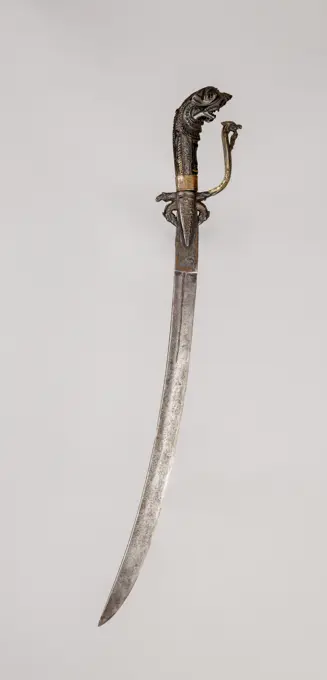
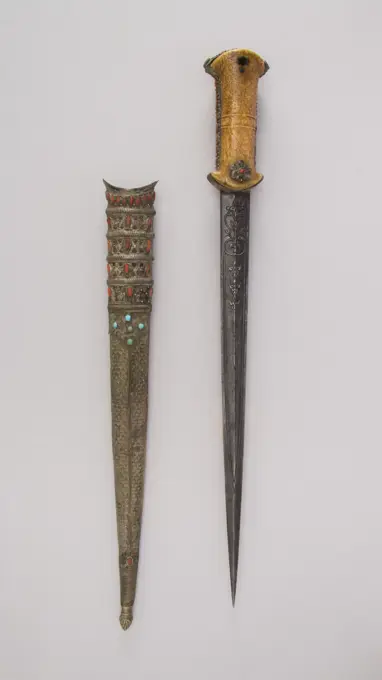
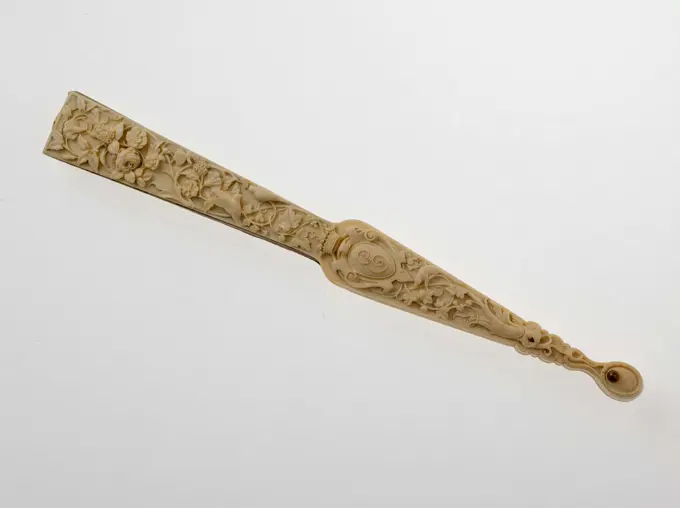
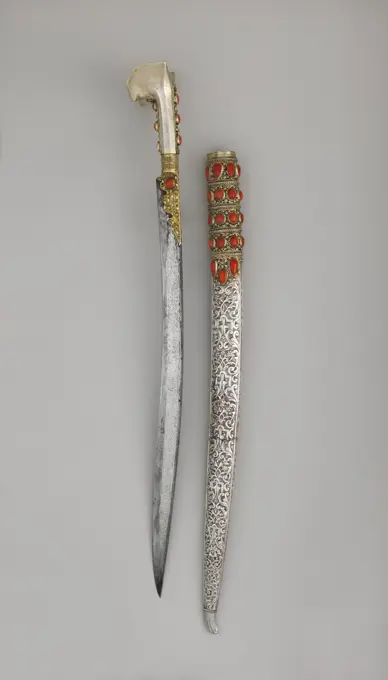
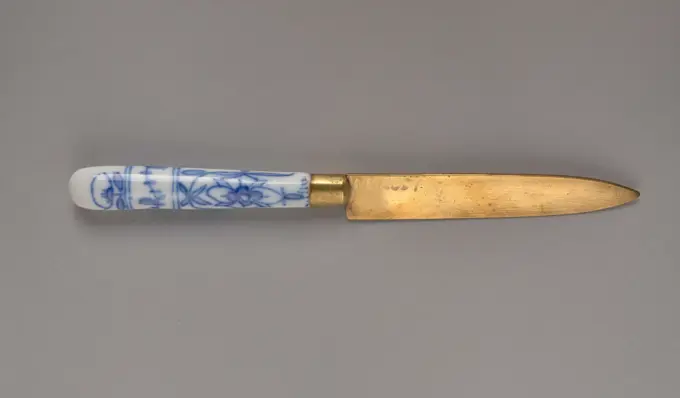
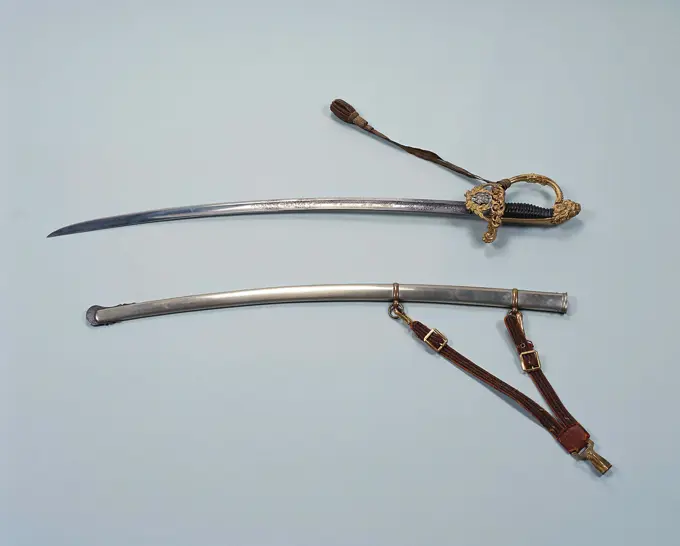
Variety of ornate knives and daggers from Sri Lanka, featuring intricate handles made of silver and other materials. Displaying craftsmanship from different centuries.

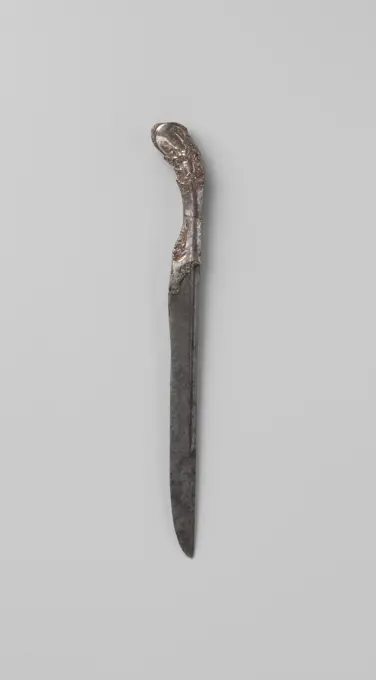
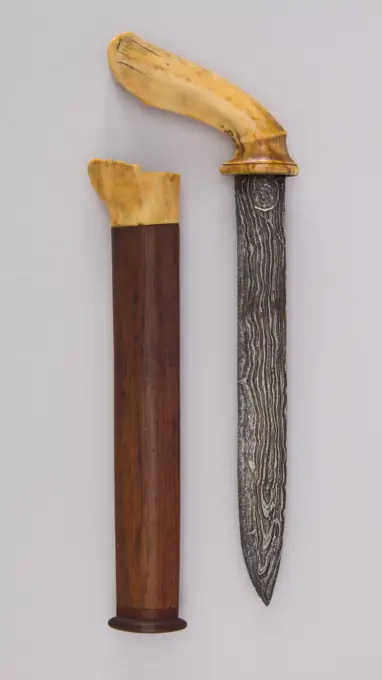
Houwer or Kastane, Anonymous, c. 1700 - c. 1799 cutlass Kleine Houwer from Chestnut Model. Kling European or to European model. Iron racing brackets in Signalese style; Handle from cut ivory with brass ring. Sri Lanka iron (metal). ivory. copper (metal) cutting  Sri Lanka
Houwer or Kastane, Anonymous, c. 1700 - c. 1799 cutlass Kleine Houwer from Chestnut Model. Kling European or to European model. Iron racing brackets in Signalese style; Handle from cut ivory with brass ring. Sri Lanka iron (metal). ivory. copper (metal) cutting Sri Lanka
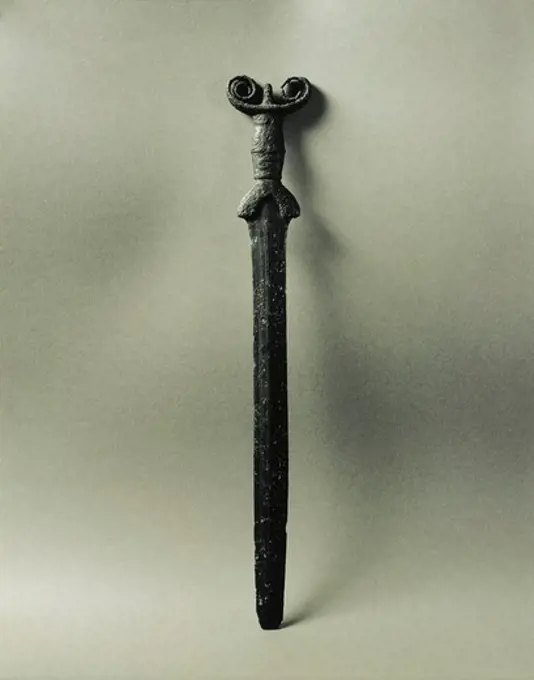
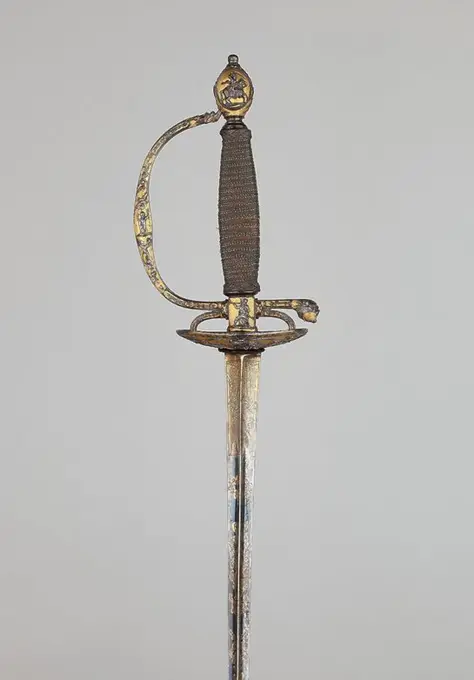
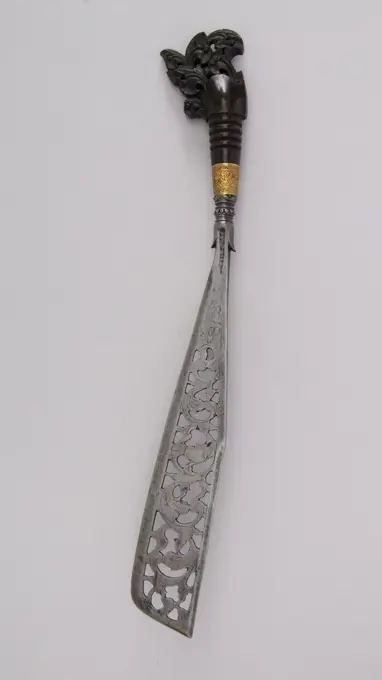
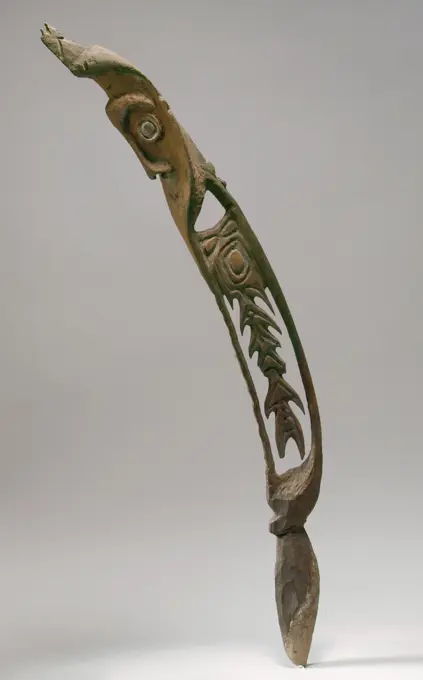
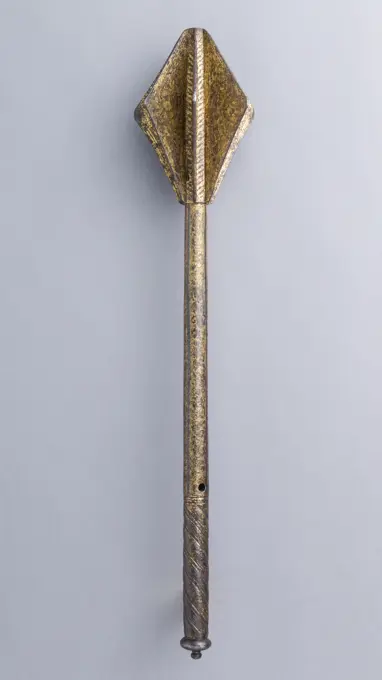
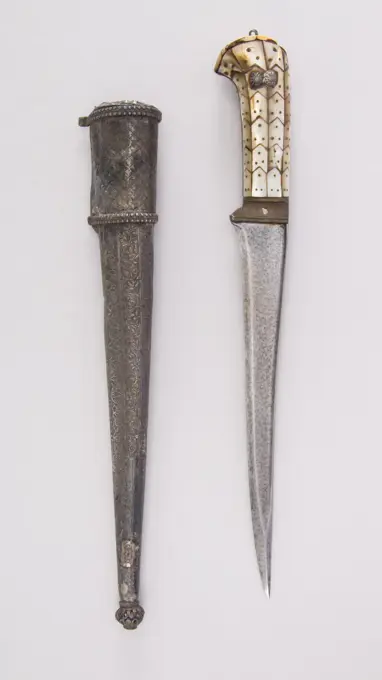
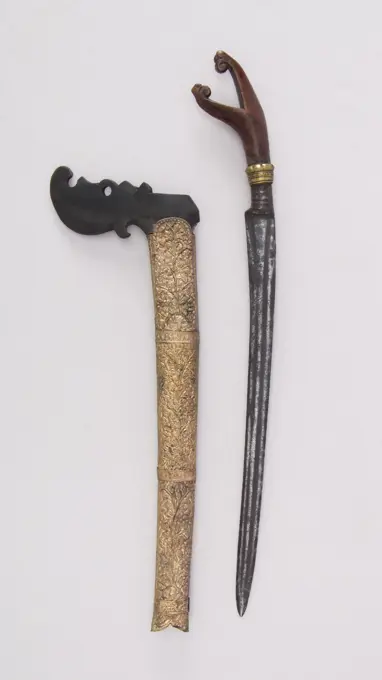
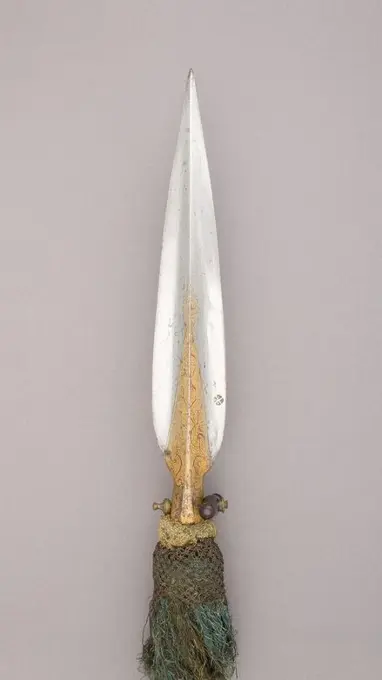
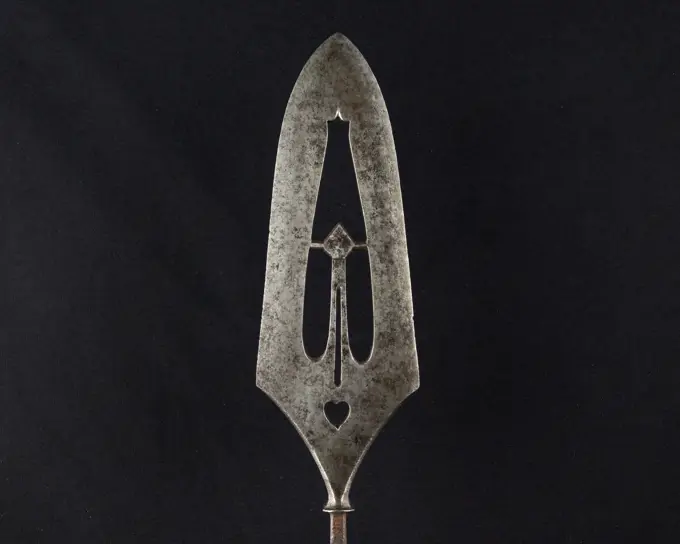
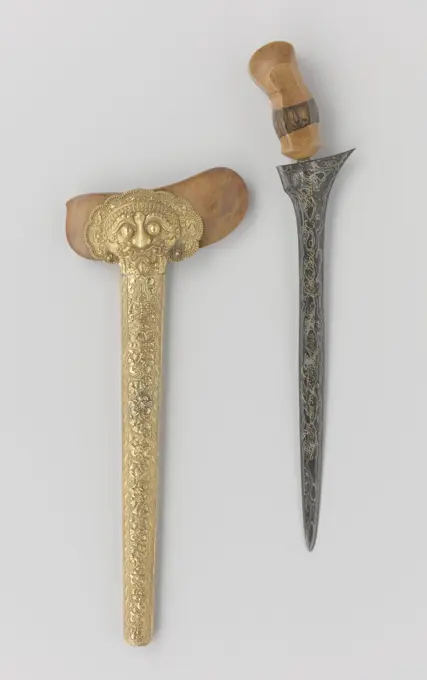
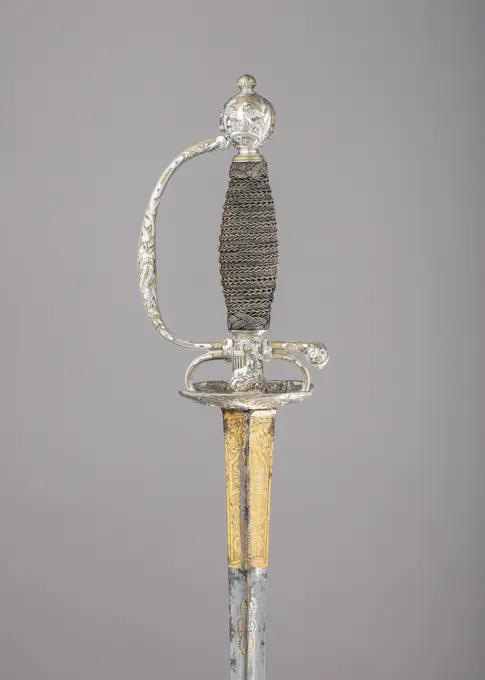
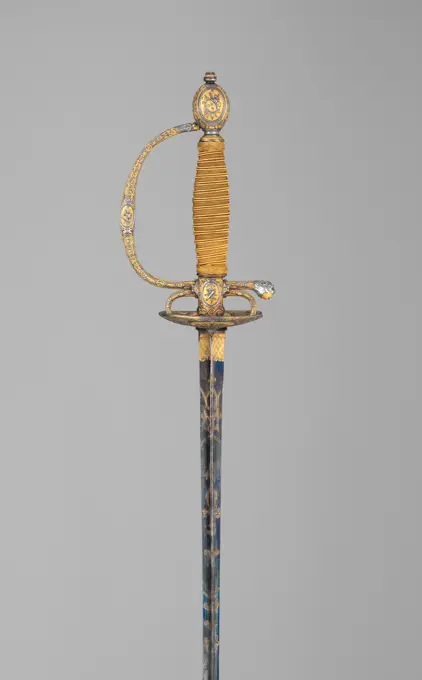
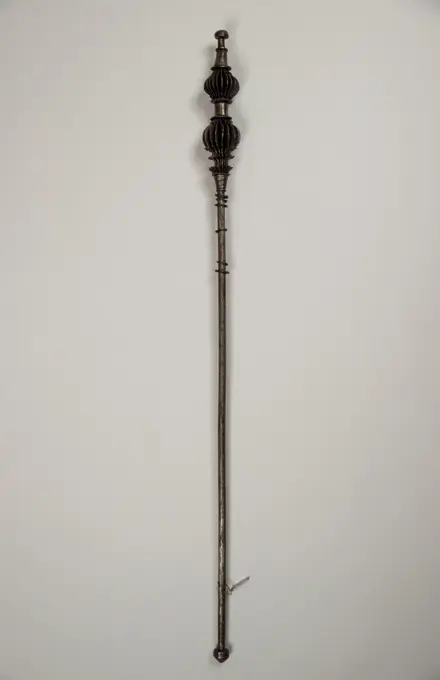
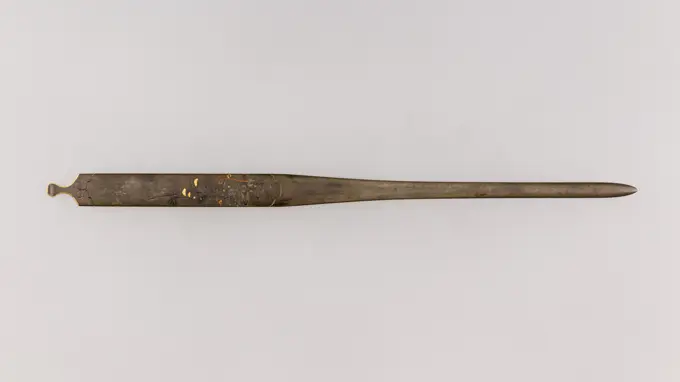
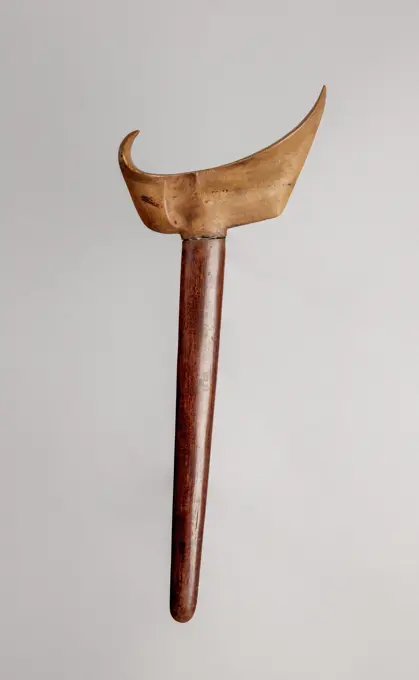
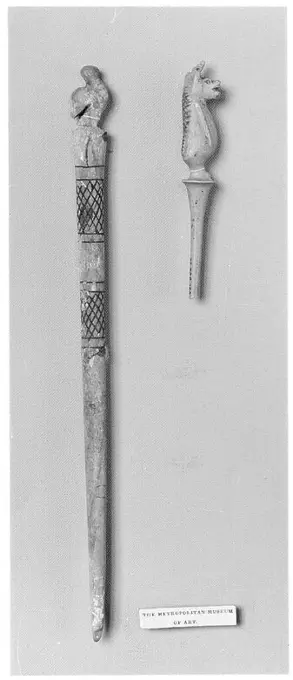
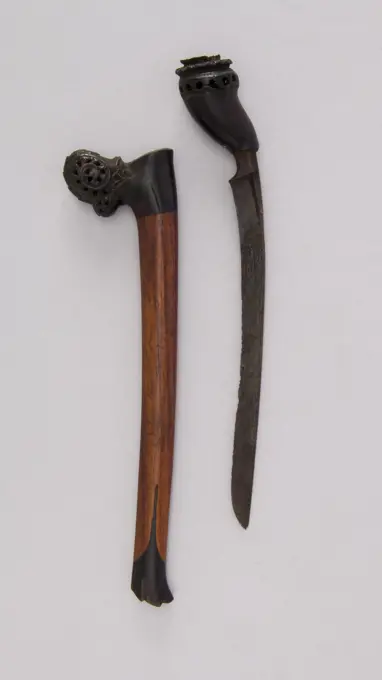
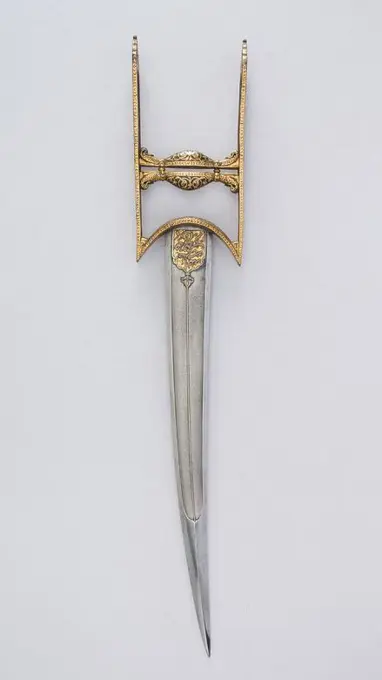
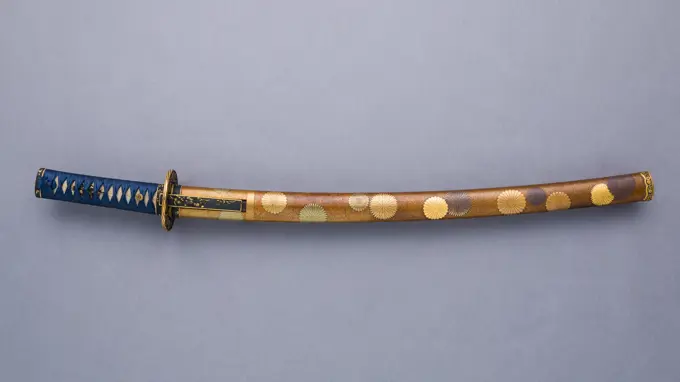
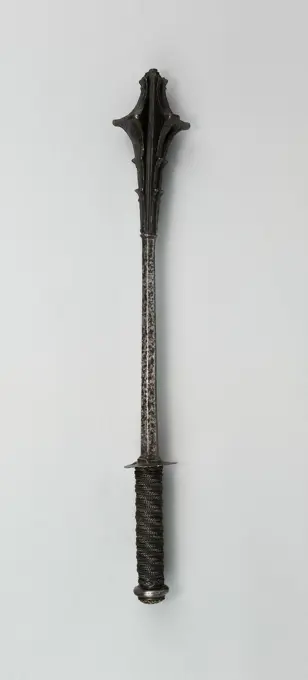
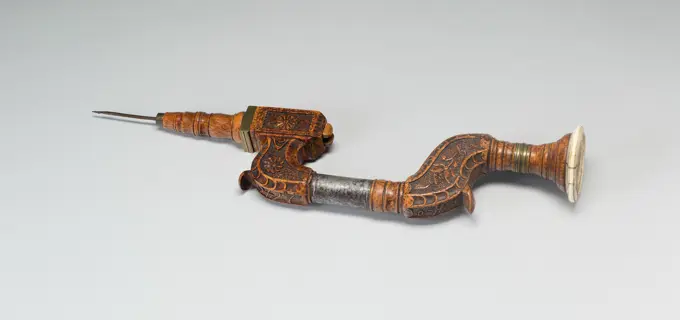
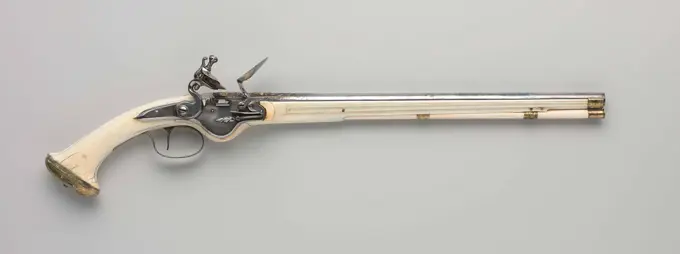
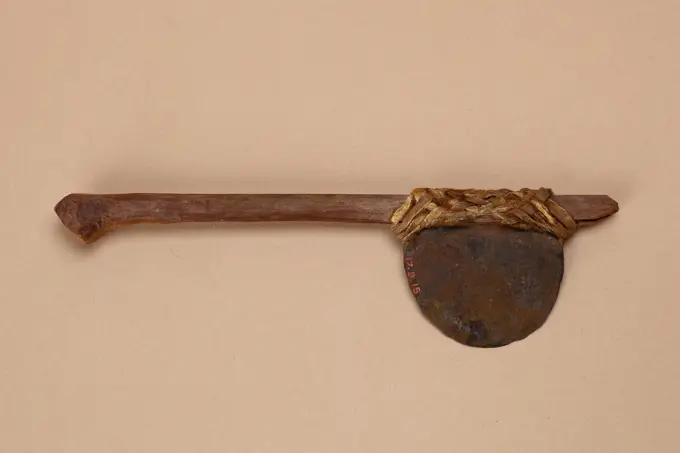
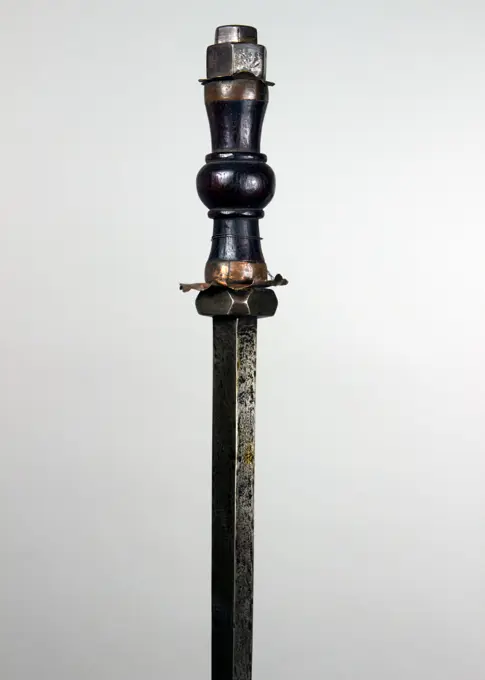
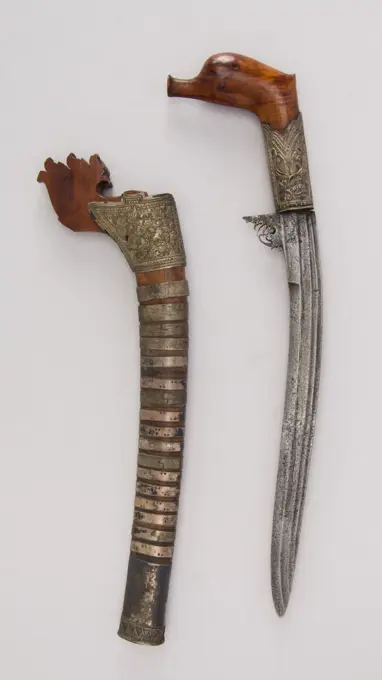
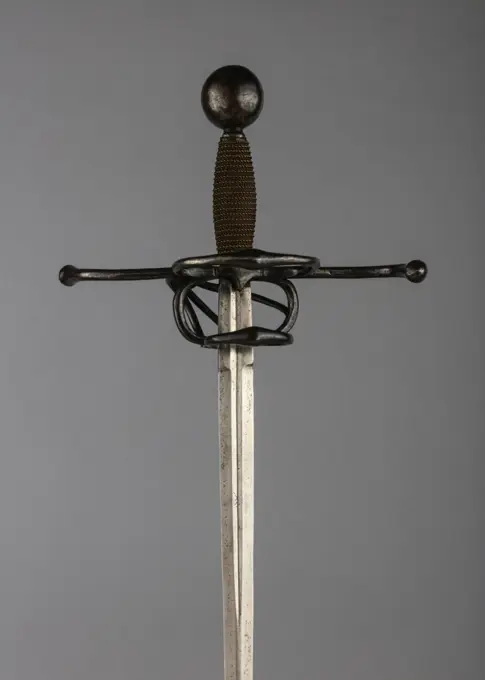
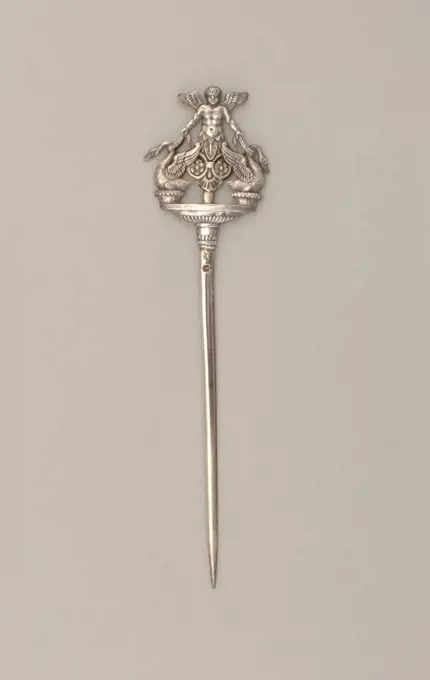
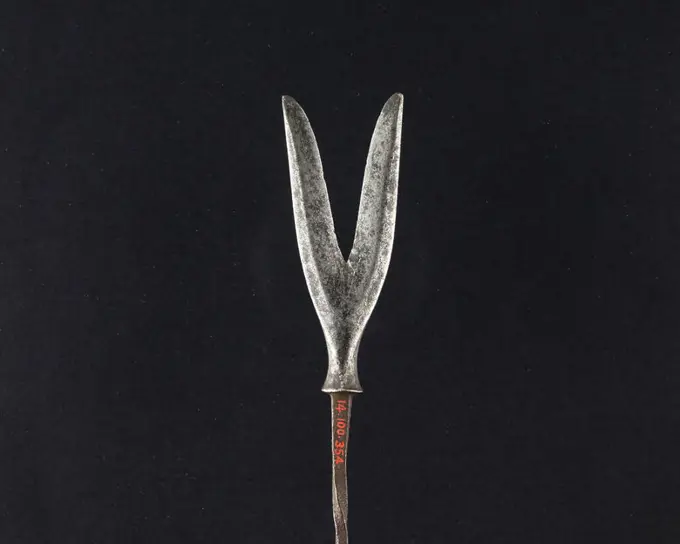
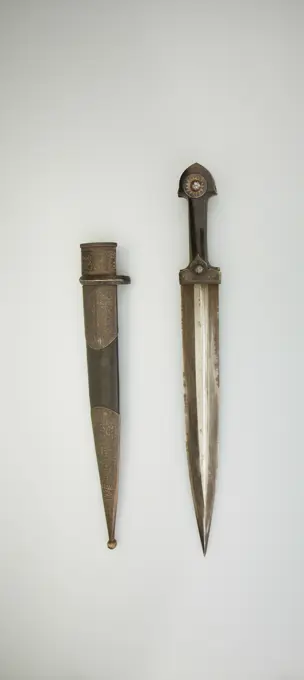
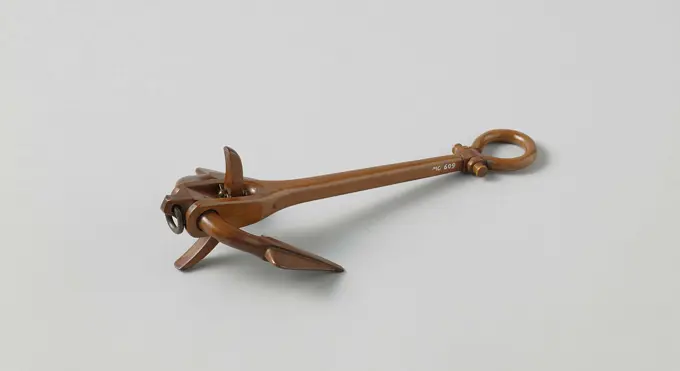
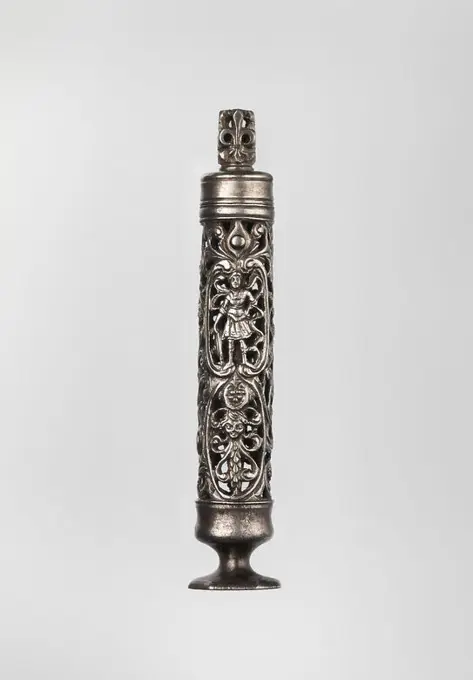
Iron knife with silver handle ,, 1775 - 1800  Sri Lanka iron (metal). silver (metal)  Sri Lanka iron (metal). silver (metal)Sword, c. 1800. Sri Lanka. overall: 66.1 cm (26 in.); cutting edge: 44.2 cm (17 3/8 in.).Houwer or Kastane, Anonymous, c. 1700 - c. 1799 cutlass Kleine Houwer from Chestnut Model. Kling European or to European model. Iron racing brackets in Signalese style; Handle from cut ivory with brass ring. Sri Lanka iron (metal). ivory. copper (metal) cutting  Sri LankaCrutch Dagger (Zafar Takieh, "Cushion of Victory") 17th-18th century Hilt, South Indian; blade, European. Crutch Dagger (Zafar Takieh, "Cushion of Victory") 31502Dagger. Culture: Indian, Mughal. Dimensions: L. 14 1/4 in. (36.2 cm); L. of blade 9 1/4 in. (23.5 cm); W. 2 9/16 in. (6.5 cm); Wt. 11.8 oz. (334.5 g). Date: 19th century. Museum: Metropolitan Museum of Art, New York, USA.Votive bronze swordDessert fork; Würtembergische metallwarefabrik - WMF (Germany; Wytwónia Z Otnarz; 1880-1914); after 1880 (1890-00-00-1914-00-00);Smallsword. Aubry Le Jeune (French, active 1767-1785); Paris. Date: 1765-1795. Dimensions: Overall L. 105.7 cm (41 5/8 in.) Blade L 89 cm (35 in.) Wt. 1 lb. 4 oz. Steel with gilding, silver, wood, and leather. Origin: Paris. Museum: The Chicago Art Institute, Chicago, USA.Knife 16th-19th century Javanese. Knife 31611Ballock Dagger. German. Date: 1450-1500. Dimensions: L. 36.8 cm (14 1/2 in.)Blade L. 23.5 cm (9 1/4 in.)Wt. 8 oz. Steel, silver, and wood. Origin: Germany. Museum: The Chicago Art Institute, Chicago, USA.Staff Weapon ca. 1600 Italian. Staff Weapon. Italian. ca. 1600. Iron, wood. Shafted WeaponsCombined Wheel-Lock Spanner and Turnscrew. German, Saxony. Date: 1550-1600. Dimensions: L. 21.6 cm (8 1/2 in.). Iron. Origin: Saxony. Museum: The Chicago Art Institute, USA.Spoon (USA); metal; L x W x D: 14.4 x 2.7 x 2.3 cm (5 11/16 x 1 1/16 x 7/8 in.)ForkMale Figure (Aripa) 16th-19th century Inyai-Ewa people The ancient wood sculptures of the Inyai-Ewa and neighboring groups of the upper Korewori River, a southern tributary of the Sepik, are the earliest Melanesian woodcarvings to survive in any substantial numbers. Kept in rock shelters, which protected them from the elements, the figures were primarily created between the sixteenth and nineteenth centuries. They occur in several forms and portray a variety of supernatural beings. Broad, flat female images are, at times, identified as representations of two primordial sisters who helped to shape the world or as the female ancestors or founders ofparticular clans. Two-legged male figures also likely portray primordial clan ancestors. The most abundant Inyai-Ewa carvings are the one-legged male figures, known as aripa. Kept in the mens ceremonial house during the owners life and placed in a rock shelter as a memorial after his death, aripa represented spirits that resided within the iKnife of ground rock crystal with gold-plated silver. Knife of a table cutlery consisting of knife, fork and spoon, of ground rock crystal, mounted in lines on double, decorated gold-plated silver rosettes.MaceKnife (England); Made by Baiiof (France); steel, silver (); L x W: 20.9 x 2.2 cm (8 1/4 x 7/8 in.); The Robert L. Metzenberg Collection, gift of Eleanor L. Metzenberg; 1985-103-26Staff Weapon 15th century Italian. Staff Weapon 34294SeedMace ca. 1575 to 1600 Italian The large steel head of this mace is composed of seven triangular flanges etched overall with trophies and scattered elements of armor on a dotted background; the spaces between the flanges are filled with twisted strapwork. The steel cylindrical shaft is hollow, its etched decoration en suite is arranged in four lengthwise bands, the spiral grip also etched en suite. The shaft is pierced just above the grip for a wrist strap. The decoration on this fully gilded mace is in the same style as on an armor in the Metropolitan Museum's collection (acc. no. 14.25.717a-r).Maces became increasingly popular during the fifteenth and sixteenth centuries--a parallel to the use of the war hammer--due to the ineffectiveness of edged weapons against fully developed plate armor. Though the blow of a mace could not penetrate the armor plates, it might be enough to stun or disable an opponent. Maces were used by cavalrymen, and even became a badge of rank, as was certainly Two Bandeliers with gold-plated lion heads. Lacquered leather couple with gold plated lion heads.Dagger (Pesh-kabz) with Sheath and Baldric 18th-19th century Indian. Dagger (Pesh-kabz) with Sheath and Baldric 31566Knife (Bade-bade) with Sheath 18th-19th century Minangkabau. Knife (Bade-bade) with Sheath 31433Object ID #18804379; steel, silver, gold, ivory, bone; L x W: 22.5 x 1.7 cm (8 7/8 x 11/16 in.); The Robert L. Metzenberg Collection, gift of Eleanor L. Metzenberg; 1985-103-84Two-pronged fish fork. Koenigliche Porzellanmanufaktur, Meissen (1807/14-1918), manufactureMusketvork, an arm is missing, anonymous, c. 1590 - c. 1596  Musket fork, an arm is missing.  iron (metal) forging  Nova Zembla. Saving HuysBoar Spear. Culture: German. Dimensions: L. 81 1/8 in. (206.1 cm); L. of head 18 in. (45.7 cm); W. 4 11/16 in. (11.9 cm); Wt. 3 lbs. 8.8 oz. (1610.3 g). Date: 16th century. Museum: Metropolitan Museum of Art, New York, USA.Arrowhead (Yanone) 18th century Japanese Although today Japanese warriors are renowned most for their swordsmanship, archery, especially from horseback, has been an essential part of samurai warfare and culture for centuries. Arrows were fitted with heads of varying shape according to their intended use in war, the hunt, or target practice. Arrowheads made for use on the battlefield incorporated different designs intended for specialized purposes such as the piercing of armor or to cause maximum damage to horses and unarmored personnel.Large arrowheads, pierced and elaborately chiseled with landscapes, birds, flowers, dragons, and Buddhist divinities, were created to be admired for the beauty of their metalwork and design rather than for use in archery. Such highly elaborate examples may have been made for presentation or as a votive offerings to a shrine.. Arrowhead (Yanone). Japanese. 18th century. Steel. Archery Equipment-ArrowheadsKris of Governor-General Baud, anonymous, 1834 kris Madurene Kris with a wooden handle and picked up gold inscription on the blade that is decorated with pamor patterns. The gilding batter of the wooden sheath is worked with leaf and floral motifs and a monster head. This probably represents BonaSpati, the frightening god of the forest. De Kris was donated in 1834 by the Panembahan (Prince) of Pamekasan, Mangkoc Adie Ningrat, to the then Governor General of the Dutch East Indies J.C. Baud (1789-1859). The text on the blade is: to Z: e den gouv = er gene = ad = int about. Ned = r Indie J: C: Baud. Like: Den Pan = M from Panakassan Mangkoc Adie Ningrat/7th Junuarij+1834. Madura iron (metal). nickel (metal). wood (plant material). gold (metal) forging / inlay (process)  Dutch East Indies, TheRapier blade, Spanish, Toledo; hilt, European, possibly Spanish blade, ca. 1635; hilt, late 17th century The rapier was the principal civilian sidearm throughout the sixteenth and seventeenth centuries. Designed for cut-and-thrust fencing of progressively complex techniques, the rapier is characterized by a double-edged blade with an acute point and an elaborate guard for the hand. The guards, usually of iron or steel, were subject to a variety of embellishment. They were engraved, chiseled, gilded, damascened, and encrusted in gold and silver in keeping with fashionable styles. Unless otherwise noted, the materials, attributions, and dating given here refer to the hilts. Rapier blades, invariably of steel, bear a variety of makers marks denoting their origin in the two principal centers of blademaking, Toledo in Spain and Solingen in Germany. View more. Rapier. blade, Spanish, Toledo; hilt, European, possibly Spanish. blade, ca. 1635; hilt, late 17th century. Steel. SwordsKnife. Culture: Persian. Dimensions: L. 17 3/4 in. (45.1 cm); L. of blade 11 in. (27.9 cm); W. 1 1/2 in. (3.8 cm); Wt. 1 lb. 8.4 oz. (691.7 g). Date: 18th-19th century. Museum: Metropolitan Museum of Art, New York, USA.Short Sword Blade and Mountings from Daisho Pair of Swords. Yokoyama Sukenaga (Japan, Kyoto, active 1830-1851). Japan, 18th to 19th century. Arms and Armor; swords. Steel, copper, gold foil, lacquer on wood, shakudo, silkSpoonComposite Sword Made 1538 Munich. Steel with gilding, wood, and leather . Melchior DiefstetterSmallsword hallmarked for 1755-56 French, Strasbourg By the early seventeenth century, the rapier, a long slender thrusting sword, began to dominate as the gentlemans weapon of choice. During the course of the century, however, as civilian fencing techniques became more specialized and refined, the rapier developed into a lighter, trimmed-down weapon known by about 1700 as the smallsword. Smallswords, often richly decorated, remained an integral part of a gentlemans wardrobe until the wearing of swords in civilian settings went out of fashion at the end of the eighteenth century, at which time pistols were replacing swords as arms most frequently used in personal duels. The majority of smallsword hilts are made of silver or steel, but many also employ a wide variety of luxurious materials, such as gold, porcelain, and enamel. At their best, smallswords combine the crafts of swordsmith, cutler, and jeweler to create an elegant weapon that was also a wearable work of art.. Smallsword. Smallsword 1780 French By the early seventeenth century, the rapier, a long slender thrusting sword, began to dominate as the gentlemans weapon of choice. During the course of the century, however, as civilian fencing techniques became more specialized and refined, the rapier developed into a lighter, trimmed-down weapon known by about 1700 as the smallsword. Smallswords, often richly decorated, remained an integral part of a gentlemans wardrobe until the wearing of swords in civilian settings went out of fashion at the end of the eighteenth century, at which time pistols were replacing swords as arms most frequently used in personal duels. The majority of smallsword hilts are made of silver or steel, but many also employ a wide variety of luxurious materials, such as gold, porcelain, and enamel. At their best, smallswords combine the crafts of swordsmith, cutler, and jeweler to create an elegant weapon that was also a wearable work of art.. Smallsword. French. 1780. Steel, gold, wooSword (PisoPodang)Rapier Italian ca. 1700 The rapier was the principal civilian sidearm throughout the sixteenth and seventeenth centuries. Designed for cut-and-thrust fencing of progressively complex techniques, the rapier is characterized by a double-edged blade with an acute point and an elaborate guard for the hand. The guards, usually of iron or steel, were subject to a variety of embellishment. They were engraved, chiseled, gilded, damascened, and encrusted in gold and silver in keeping with fashionable styles. Unless otherwise noted, the materials, attributions, and dating given here refer to the hilts. Rapier blades, invariably of steel, bear a variety of makers marks denoting their origin in the two principal centers of blademaking, Toledo in Spain and Solingen in Germany. View more. Rapier. Italian. ca. 1700. Steel, gold, copper wire. SwordsFork, steel, silver, earthenware, Straight sided blade with rounded ends. Plain silver ferrule. Pistol-shapedhandle, earthenware, white ground with floral sprays in blue, yellow, greenand purple. Small metal cap at the end of the handle., possibly France, ca. 1735, cutlery, Decorative Arts, ForkMace 17th century North Indian. Mace 30856SpoonHair Dressing Tool (Kogai) 1785-1876 Japanese A kgai is a hairdressing tool that is part of a sword mounting. The long slender implement is carried in a slot on the obverse of a katana scabbard, often with a matching kozuka (handle of a by-knife) in a slot on the reverse.. Hair Dressing Tool (Kogai). Japanese. 1785-1876. Copper, copper-gold alloy (shakud), copper-silver alloy (shibuichi), gold, silver. Sword Furniture-KogaiKnife first half 18th century German. Knife. German. first half 18th century. Steel, ivory. Metalwork-SteelSword with scabbard, Owned by general Józef Chłopicki Unknown ManufakturaSword (Kris), 1800s. Java. Iron with carved wooden handle; overall: 45.2 cm (17 13/16 in.); blade: 35 cm (13 3/4 in.).Dagger (Chilanum) 17th century South Indian. Dagger (Chilanum). South Indian. 17th century. Steel, gold. DaggersRapier possibly German or Italian, Venice 1580 The rapier was the principal civilian sidearm throughout the sixteenth and seventeenth centuries. Designed for cut-and-thrust fencing of progressively complex techniques, the rapier is characterized by a double-edged blade with an acute point and an elaborate guard for the hand. The guards, usually of iron or steel, were subject to a variety of embellishment. They were engraved, chiseled, gilded, damascened, and encrusted in gold and silver in keeping with fashionable styles. Unless otherwise noted, the materials, attributions, and dating given here refer to the hilts. Rapier blades, invariably of steel, bear a variety of makers marks denoting their origin in the two principal centers of blademaking, Toledo in Spain and Solingen in Germany. View more. Rapier. possibly German or Italian, Venice. 1580. Steel, silver, copper. possibly Venice. SwordsRenaissance rusty blade isolated over white backgroundRapier Spanish blade dated 1662 The rapier was the principal civilian sidearm throughout the sixteenth and seventeenth centuries. Designed for cut-and-thrust fencing of progressively complex techniques, the rapier is characterized by a double-edged blade with an acute point and an elaborate guard for the hand. The guards, usually of iron or steel, were subject to a variety of embellishment. They were engraved, chiseled, gilded, damascened, and encrusted in gold and silver in keeping with fashionable styles. Unless otherwise noted, the materials, attributions, and dating given here refer to the hilts. Rapier blades, invariably of steel, bear a variety of makers marks denoting their origin in the two principal centers of blademaking, Toledo in Spain and Solingen in Germany. View more. Rapier. Spanish. blade dated 1662. Steel. SwordsDagger with Sheath 19th century Turkish; blade, Italian. Dagger with Sheath 31737ERESABAL KNIL WITH SCHEDE AND BACKING, Willem PAUWELS & SN., 1861 presentation sword Honorable of the Royal Dutch Indian Army, awarded on behalf of King William III to K.F. Schultze, captain of the infantry on Palembang in 1859. The yellow -lied is cast, gilded and decorated with buttons, curls and praise; On the parade rod, a nacegated relief decoration has been soldered in the form of a laurel wreath around an ajour processed W of stamped silver; The black horns are wounded with twisted silver wire, has a backpiece with a pattern of scales and flows into an enclosure in the form of a lion's head. The blade is etched in relief with the address of the sword sweeper between flower ranks, the assignment, the letter Z on a crowned shield, the word Yzerhouwer between flower vines and the name of the recipient; The relief decoration is gilded against a blazed background. The sheath is of German silver and has stamped an iron towing plate with the letters F.K.; The tires and carrying rings aForkPin topped with a bird. Dimensions: L. 17.6 x W. 1.2 x D. 0.8 cm (6 15/16 x 1/2 x 5/16 in.). Date: ca. 3900-3500 B.C.. Museum: Metropolitan Museum of Art, New York, USA.Knife (Bade-bade) with Sheath 18th-19th century Malayan. Knife (Bade-bade) with Sheath 31638Dagger (Katar). Culture: South Indian, Mughal. Dimensions: H. 18 7/8 in. (47.9 cm); W. 3 7/16 in. (8.7 cm); Wt. 1 lb. 0.2 oz. (459.3 g). Date: 18th century.The watered steel blade has a chiseled medallion at the top of both sides decorated with an inscription that reads: "Help from Allah and a speedy victory. So give the glad tidings to the believers" (Koran 61:13). Museum: Metropolitan Museum of Art, New York, USA.EVENTAIL. "Château d'Anet with François Ier; carriage ride for the inauguration of Bois de Boulogne by Napoleon III; Louis XIV and his courtyard in Versailles". Papier, gouache watercolor, worked ivory. Paris, Carnavalet museum. Eventail: Château d'Anet with François Ier; Haler off for inauguration of Bois de Boulogne by Napoleon III; Louis XIV and his court in Versailles Fashion accessory, EventailYatagan with Scabbard dated 1802-3 Anatolian or Balkan The yatagan was popular throughout the Ottoman Empire. It is distinguished by a single-edged blade that curves slightly inward and by a hilt with no guard and two flared wings at the pommel.. Yatagan with Scabbard 23379Paper knife;  XXW. (1901-00-00-2000-00-00);Eresabel KNIL with sheath and bearing. Eresabel of the Royal Dutch Indian Army, awarded on behalf of King Willem III to K.F. Schultze, captain of the Infantry on Palembang in 1859. Gehelkoperen hilt is poured, gold-plated and decorated with buds, curls and prainware; A pearl rod has been soldered in the form of a laurel wreath around an Ajour machined w of stamped silver; The black horns grip is wound with rotated silver thread, has a back piece with a pattern of scales and flows into a lion's head in the form of a lion's head. The blade has been relieved with the address of the swordsger between flower drinks, the assignment, the letter Z on a crowned shield, the word Yzerhouwer between flower drinks and the name of the receiver; The relief decoration is plated against a blemished background. The sheath is from German silver and has stamped an iron trail plate with the letters F.K.; The tires and support rings are from Geelchoper. The saber branch consists of a pleated silver band, a Key; wood; 1904-23-1Blade and Mounting for a Short Sword (Wakizashi) blade, late 15th-early 16th century; mounting, 18th century Blade attributed to Fusamune of Soshu Japanese Fusamune is well-known among the many swordsmiths who worked in Sagami Province (Ssh) during the fifteenth and sixteenth centuries. Typical of the style of the late Ssh school, this blade has tempering effects (hitatsura) visible throughout the surface of the blade, as well as engraving. The luxurious late eighteenth-century mounting is of top quality.. Blade and Mounting for a Short Sword (Wakizashi). Japanese. blade, late 15th-early 16th century; mounting, 18th century. Steel, wood, lacquer, ray skin (samé), silk, copper-gold alloy (shakud), gold, silver. Kanagawa Prefecture. SwordsMace 1450-1500 Germany. Iron and brass .Broadsword Made 1555-1615 Solingen. Iron, steel, leather, and cord .Borer 1746 GermanyFlint gun with ivory tray. Externally a radlot gun, but transformed to flint; Part of a couple. The lock plate in the form of a radlot covers the recess where the radlot has been; The fire from the fire from the lock runs out in a chiseled leaf. The bleached loop is printed on the back of embossed with flower and browse ornaments, partly silver in addition to a blued background; Mounted below with a circle and two rosettes. The solid ivory tray is easily cut. The gold-plated glass fittings consists of a drawer cap, a loop-shaped tractor bracket and a kolf cap engraved with flour and leafs and driven with lobe ornaments; The ivory loading stick is equipped with a gold-plated glass cap.Nicholas Amantea, Pa German Meat Chopper, 1935 1942 Pa. German Meat ChopperPipe key, c. 1700 - c. 1900 Pipe key with silver handle and key breast; Shaft and beard of iron. Set of 4: BK-KOG-2314-A to -D. The shafts were drilled to the four figures of the card game.  iron (metal). silver (metal) Pipe key with silver handle and key breast; Shaft and beard of iron. Set of 4: BK-KOG-2314-A to -D. The shafts were drilled to the four figures of the card game.  iron (metal). silver (metal)Arrow Head, 1600s. Japan, Edo period (1615-1868). Iron; overall: 25.4 cm (10 in.).Bronze awl with bone handle ca. 1900-1600 B.C. Cypriot Awl with bone handle.. Bronze awl with bone handle 244577Model ax ca. 1981-1802 B.C. Middle Kingdom. Model ax. ca. 1981-1802 B.C.. Copper, wood, animal hide. Middle Kingdom. From Egypt, Middle Egypt, Asyut (Lykopolis), Tomb of Ankhef (Tomb 9), Khashaba excavations. Dynasty 12Sacrificial Sword (Ramdao). Culture: Indian, Bengal () or Nepalese. Dimensions: L. 35 1/2 in. (90.2 cm). Date: 19th century. Museum: Metropolitan Museum of Art, New York, USA.Mace 18th-19th century Chinese. Mace. Chinese. 18th-19th century. Steel, wood, copper. Shafted WeaponsMountDagger (Jambiya) with Sheath and Belt 19th century Arabian. Dagger (Jambiya) with Sheath and Belt. Arabian. 19th century. Steel, wood, silver, silver wire, textile, silk, leather. DaggersKnife (Sekin) with Sheath 16th-19th century Sumatran. Knife (Sekin) with Sheath 31762Dagger 18th-19th century Indian, Bhil. Dagger 31523Sabre (Kriegsmesser) Made 1520-1560 Germany. Iron and steel .Rapier German late 16th century The rapier was the principal civilian sidearm throughout the sixteenth and seventeenth centuries. Designed for cut-and-thrust fencing of progressively complex techniques, the rapier is characterized by a double-edged blade with an acute point and an elaborate guard for the hand. The guards, usually of iron or steel, were subject to a variety of embellishment. They were engraved, chiseled, gilded, damascened, and encrusted in gold and silver in keeping with fashionable styles. Unless otherwise noted, the materials, attributions, and dating given here refer to the hilts. Rapier blades, invariably of steel, bear a variety of makers marks denoting their origin in the two principal centers of blademaking, Toledo in Spain and Solingen in Germany. View more. Rapier. German. late 16th century. Steel, copper wire. SwordsPage's Sword 1750 Dutch. Page's Sword. Dutch. 1750. Steel, gold. SwordsEtui, Gold, enamel, Paris, France, ca. 1783-89, containers, Decorative Arts, Box, BoxBayonet.A saberbajonet with massive bronze handle, this has a slot that suits the cliff on the course; He has a piece of cake with buttons; The blade has a flat back, slot and is curved with the cut inside.Axe (Bullova) 19th century Indian, Chota Nagpur. Axe (Bullova). Indian, Chota Nagpur. 19th century. Wood (bamboo), steel. Shafted WeaponsSword (Kilij) and Scabbard with Baldric A.H. 1242/ A.D. 1826-27 Turkish. Sword (Kilij) and Scabbard with Baldric. Turkish. A.H. 1242/ A.D. 1826-27. Steel, silver, wood, horn, leather, gold, silk. SwordsSpoonEgyptian dagger, 18. centuryHarpoon head Japan The Jmon period is the earliest period in Japanese history, lasting from roughly 14,000 to 300 BCE. The Jmon people were primarily hunter-gatherers, hunting land animals and gathering vegetables and nuts on the land as well as hunting and fishing at sea. Harpoon heads such as this one testify to the importance of seafood in the diets of some Jmon communities, especially those close to the sea. Fish bones found at Jmon archaeological sites indicate that the Jmon hunted fish not only close to the shore but also farther out in the open sea, where larger fish could be caught. There is even evidence that the Jmon ate pufferfish, a poisonous fish considered a delicacy in modern Japan.. Harpoon head. Japan. Bone. Final Jmon period (ca. 1000-300 B.C.). BoneKnife and fork. unknown, authorTable knife with handle carved with lion's head 17th century possibly German, Saxony. Table knife with handle carved with lion's head. possibly German, Saxony. 17th century. Steel, ivory, brass. Metalwork-SteelKnife with Sheath 18th-19th century Malayan. Knife with Sheath 31682Hoedenspeld van Perzisch maskeradekostuum.Hat pin of gold colored metal (copper) With poppy ornament on needle with pointed point. The open sphere is filled with wool.Arrowhead (Yanone) 18th century Japanese Although today Japanese warriors are renowned most for their swordsmanship, archery, especially from horseback, has been an essential part of samurai warfare and culture for centuries. Arrows were fitted with heads of varying shape according to their intended use in war, the hunt, or target practice. Arrowheads made for use on the battlefield incorporated different designs intended for specialized purposes such as the piercing of armor or to cause maximum damage to horses and unarmored personnel.Large arrowheads, pierced and elaborately chiseled with landscapes, birds, flowers, dragons, and Buddhist divinities, were created to be admired for the beauty of their metalwork and design rather than for use in archery. Such highly elaborate examples may have been made for presentation or as a votive offerings to a shrine.. Arrowhead (Yanone). Japanese. 18th century. Steel. Archery Equipment-ArrowheadsDagger with Tiger-Head Pommel 1601-1800 Northern India. Steel blade; hilt of quartz ( ) underlaid with red resin and inset in the kundan technique, with gold leaf and polychrome enamel (minakari) .Pipe key, c. 1500 - c. 1600 Pipe key so -called "venetian key" with rose in the round grip, awarded by an eye. The spherical capital is decorated with a leaf motif. The beard is high and narrow.  iron (metal) Pipe key so -called "venetian key" with rose in the round grip, awarded by an eye. The spherical capital is decorated with a leaf motif. The beard is high and narrow.  iron (metal)Skewer, Silver, Flat tapering pin or skewer topped by relief cast of winged putto with a pair of swans., France, late 19th century, cutlery, Decorative Arts, SkewerCarving knife with handle of nude male torso first quarter 17th century probably Flemish. Carving knife with handle of nude male torso. probably Flemish. first quarter 17th century. Steel, ivory. Metalwork-SteelArrowhead (Yanone). Culture: Japanese. Dimensions: L. 8 3/4 in. (22.2 cm); L. of head 2 7/8 in. (7.3 cm); W. 1 1/8 in. (2.9 cm); Wt. 0.9 oz. (25.5 g). Date: 13th-18th century. Museum: Metropolitan Museum of Art, New York, USA.Does not SquadModel of an Anchor.Wooden model of Hawkins' patent anchor. This anchor has no ordinary anchor stick; This has been replaced by a short stick perpendicular to the cross of the arms. The arms and anchor stick are turning together in the forked end of the shaft, wherein the anchor stick force the hands into the ground; The stick is brought into the correct position by a rope on a harp at the anchor cross, which can also be lifted the anchor. The hands are in the same plane as the arms. There is a harp at the upper end of the shaft. Scale 1:10 (estimation).Sealing wax case. Culture: French. Dimensions: Overall (confirmed): 3 3/4 × 3/4 × 3/4 in. (9.5 × 1.9 × 1.9 cm). Date: 17th century.This sealing wax case would have been used to store sealing wax; the faceted end was then used to impress the melted wax with the owner's cypher, in this case conjoined R's. The foliate pattern with classicized figures is common among comparable objects, however the openwork is less so. Unlike the other, later, French cases with seals in the department's collection, this example was produced in iron, demonstrating the range of material production, particularly at this earlier date.Ellenor M. Alcorn, 2014. Museum: Metropolitan Museum of Art, New York, USA.