Decorative Blades and Daggers

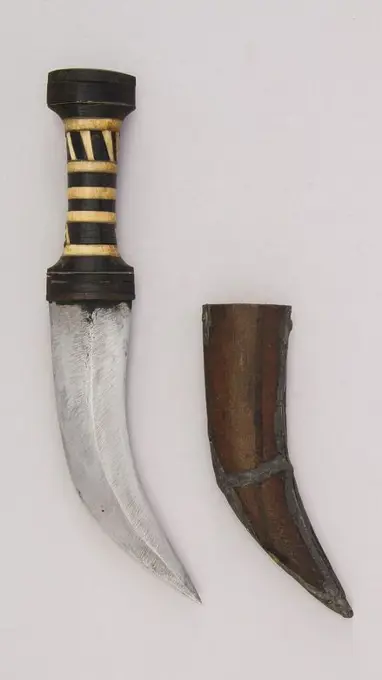
Variety of ornate knives and daggers from Sri Lanka, featuring intricate handles made of silver and other materials. Displaying craftsmanship from different centuries.

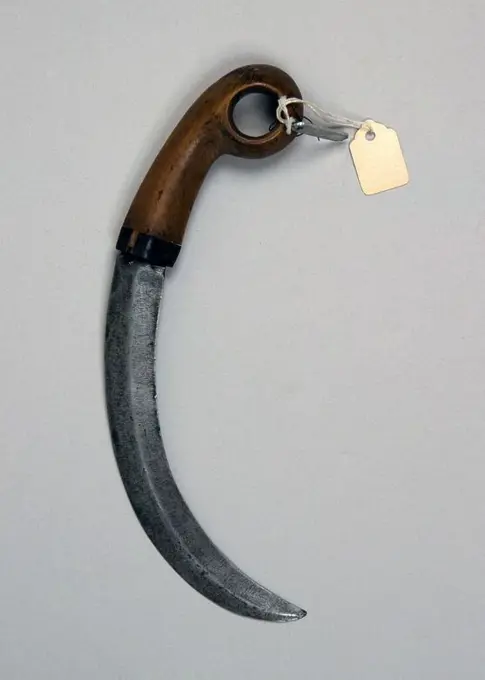
Houwer or Kastane, Anonymous, c. 1700 - c. 1799 cutlass Kleine Houwer from Chestnut Model. Kling European or to European model. Iron racing brackets in Signalese style; Handle from cut ivory with brass ring. Sri Lanka iron (metal). ivory. copper (metal) cutting  Sri Lanka
Houwer or Kastane, Anonymous, c. 1700 - c. 1799 cutlass Kleine Houwer from Chestnut Model. Kling European or to European model. Iron racing brackets in Signalese style; Handle from cut ivory with brass ring. Sri Lanka iron (metal). ivory. copper (metal) cutting Sri Lanka
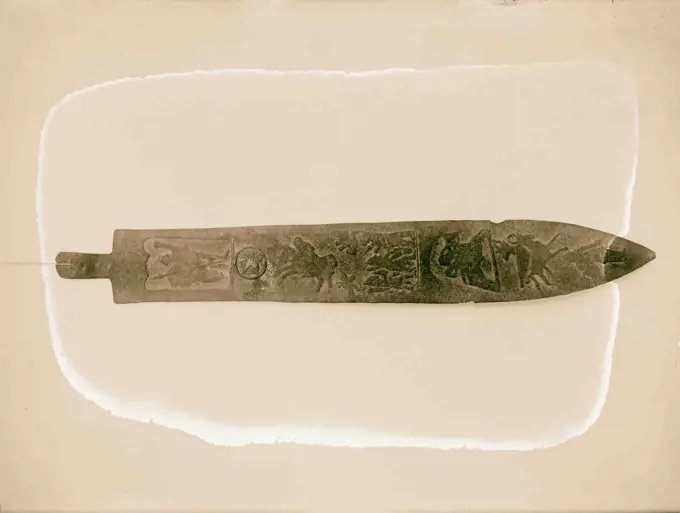
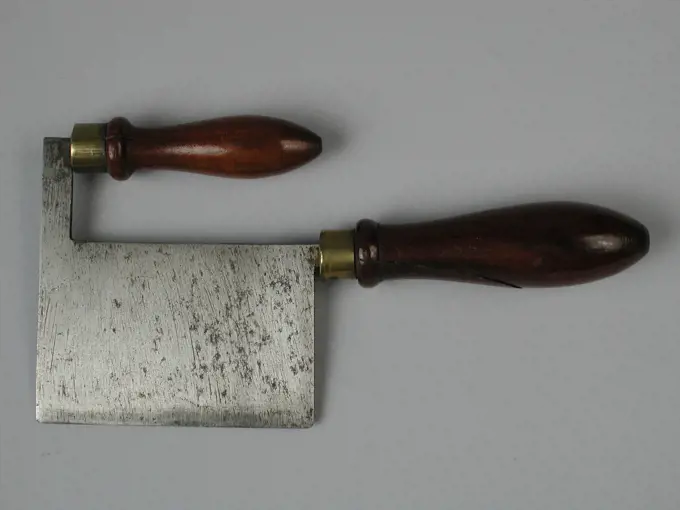
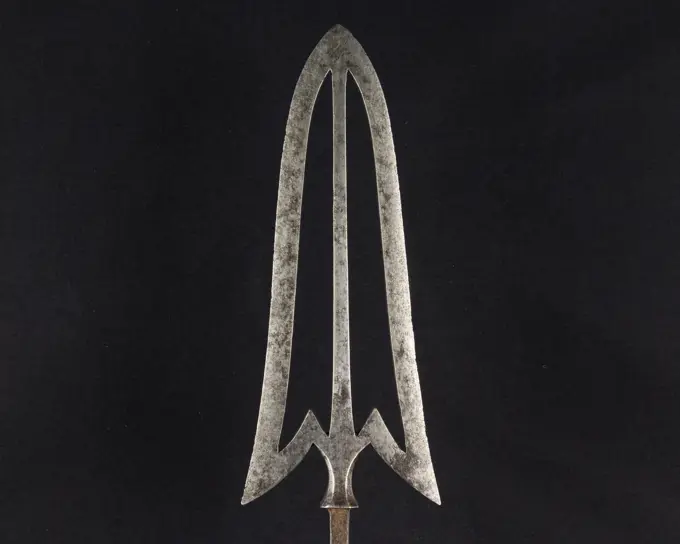
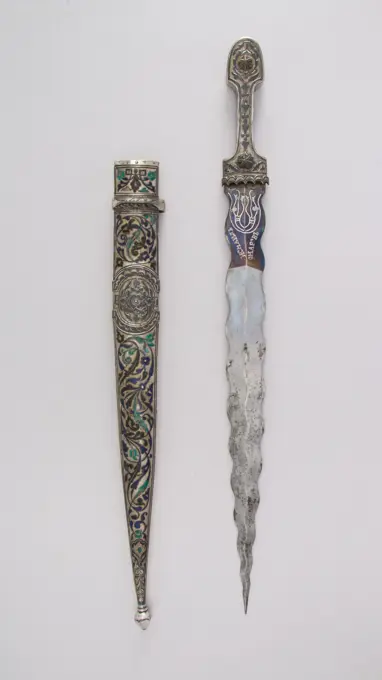
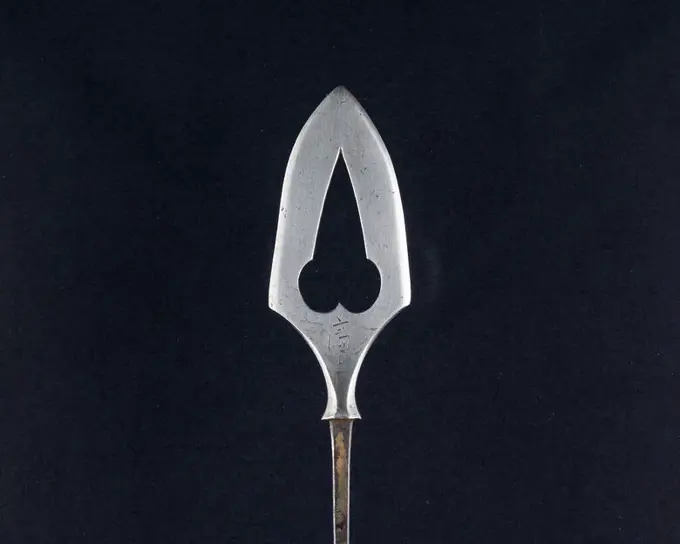
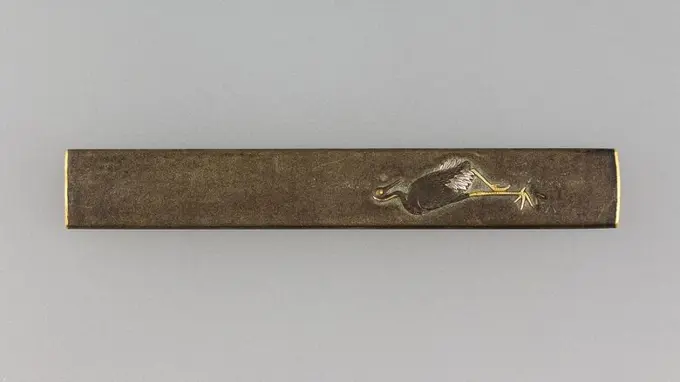
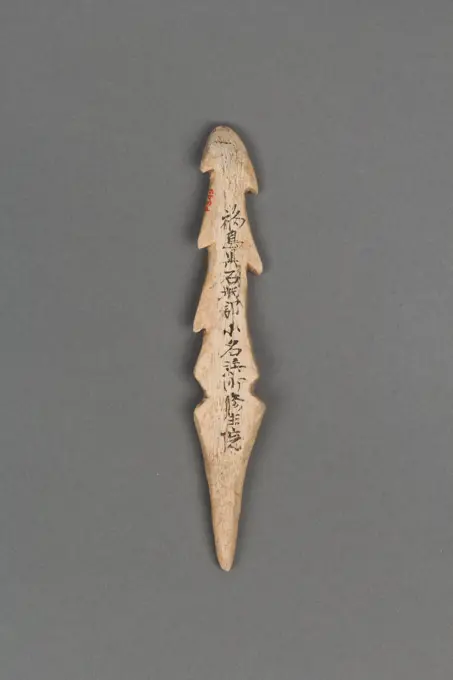
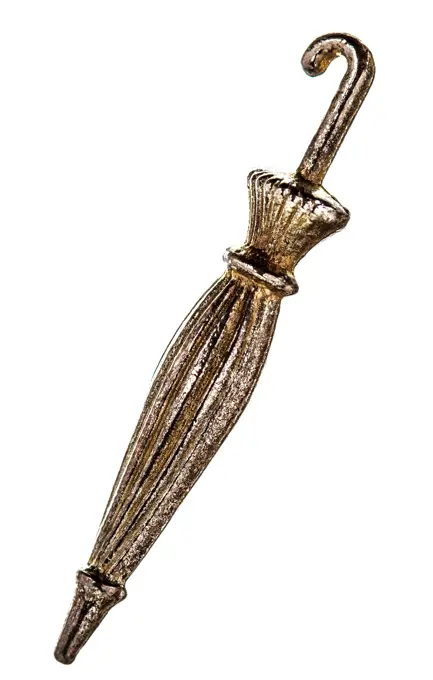
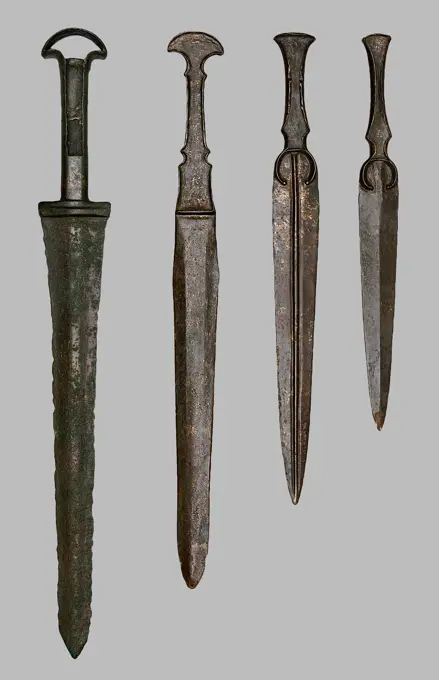
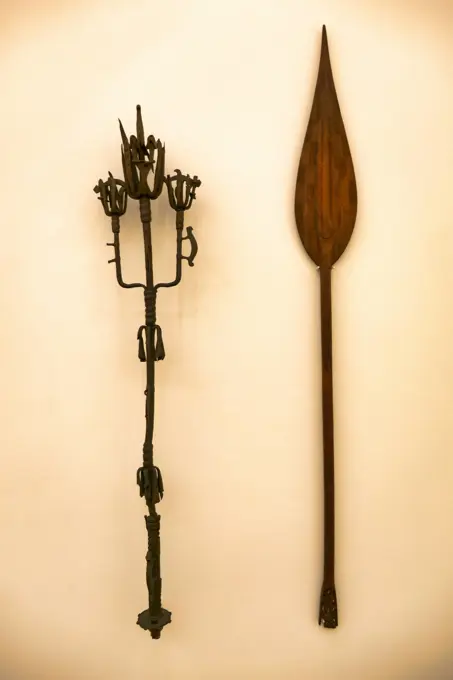
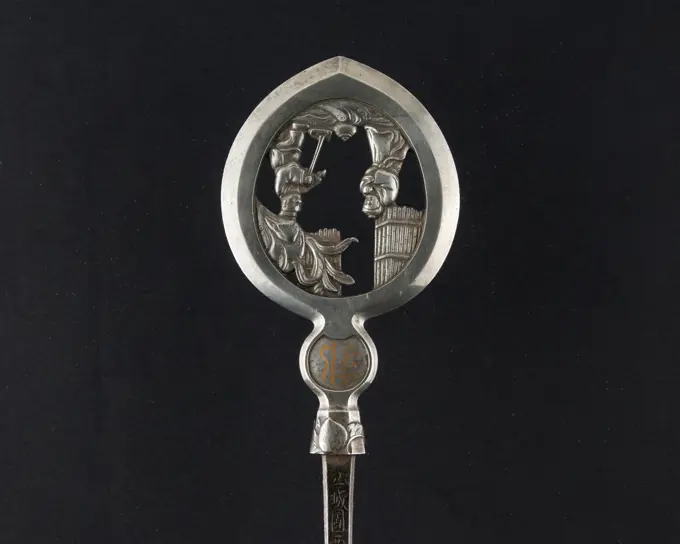
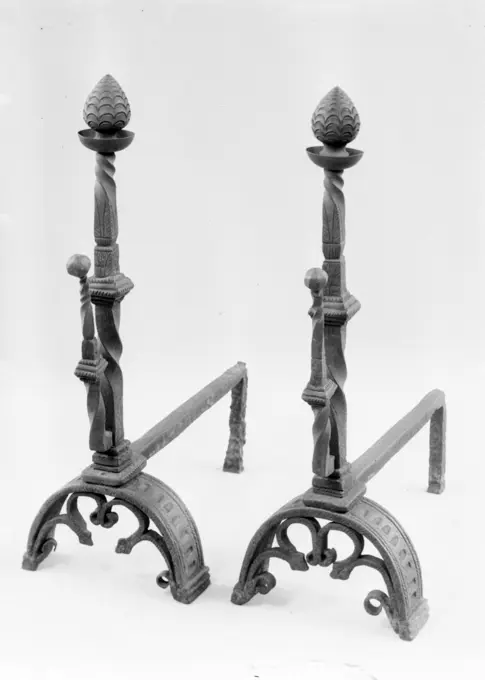
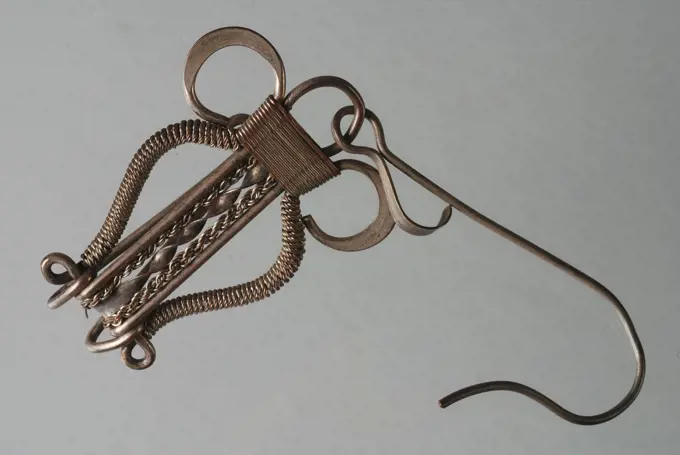
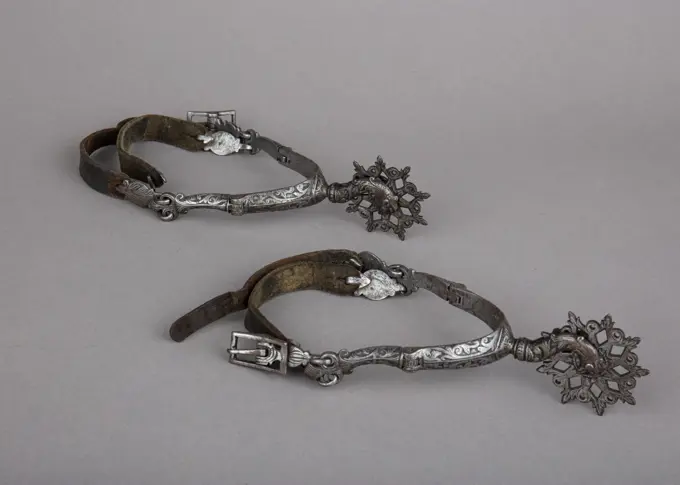
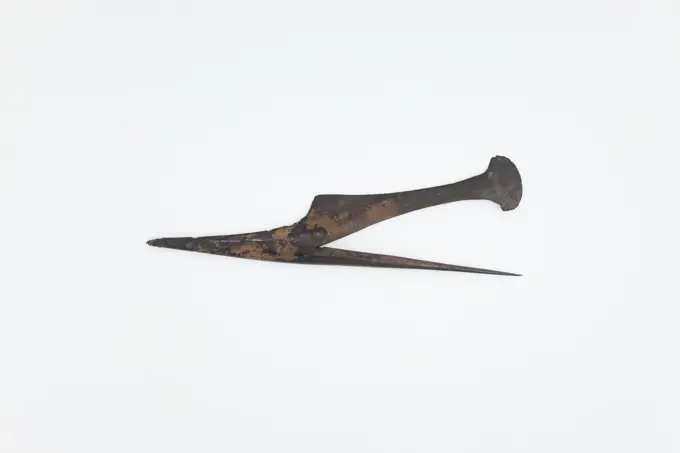
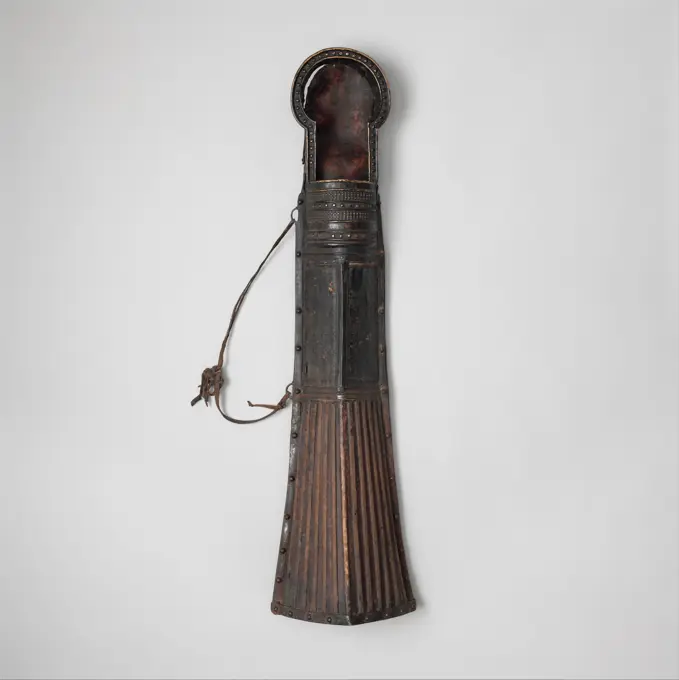
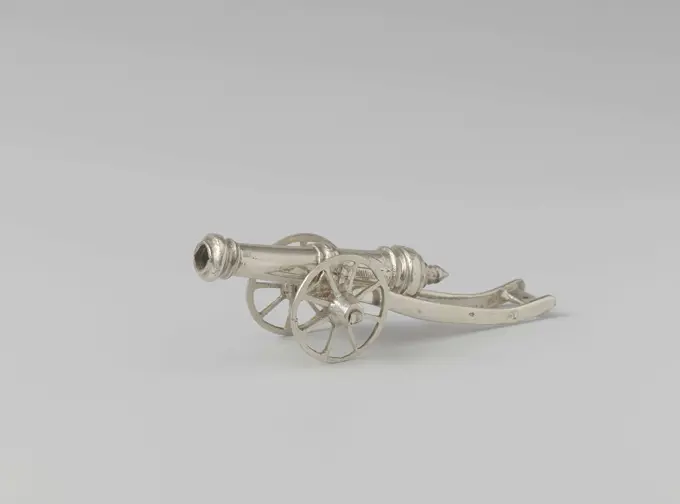
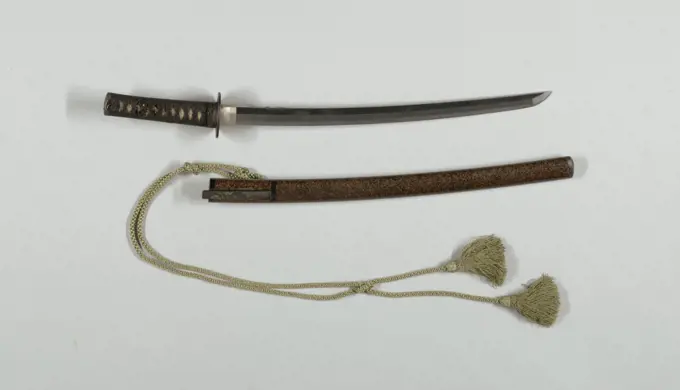
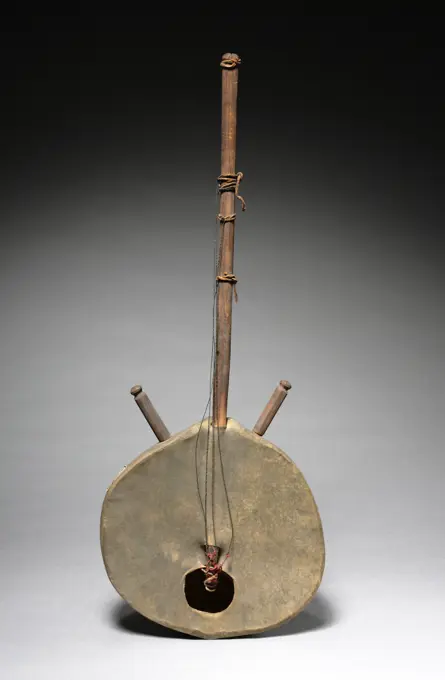
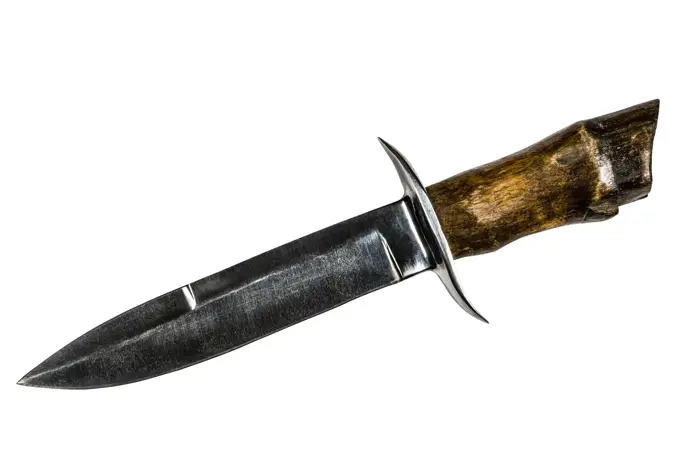
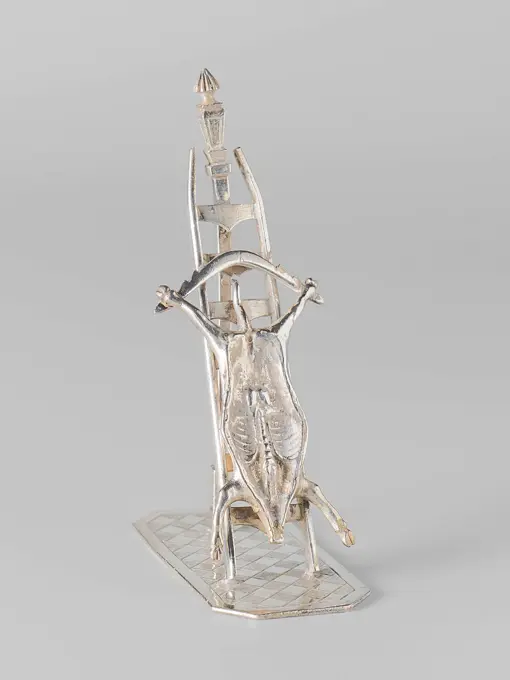
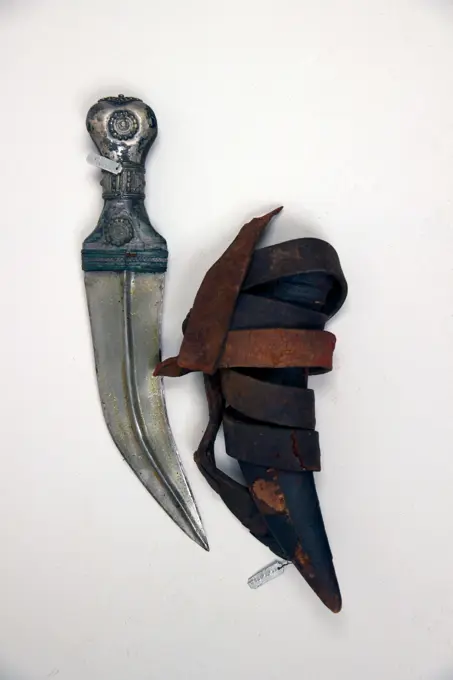
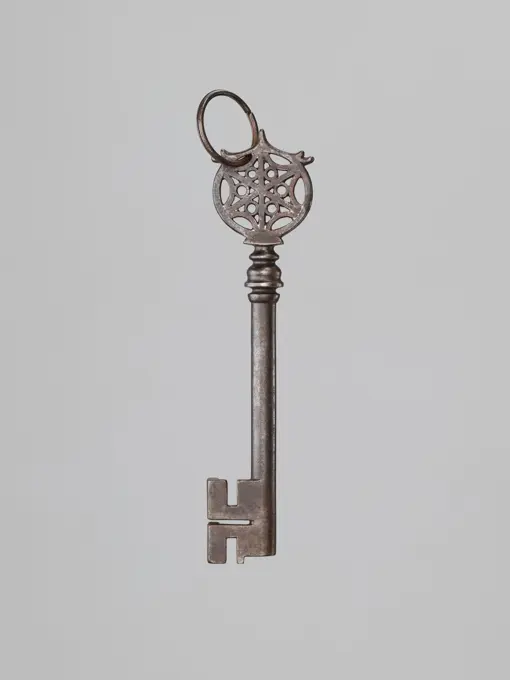
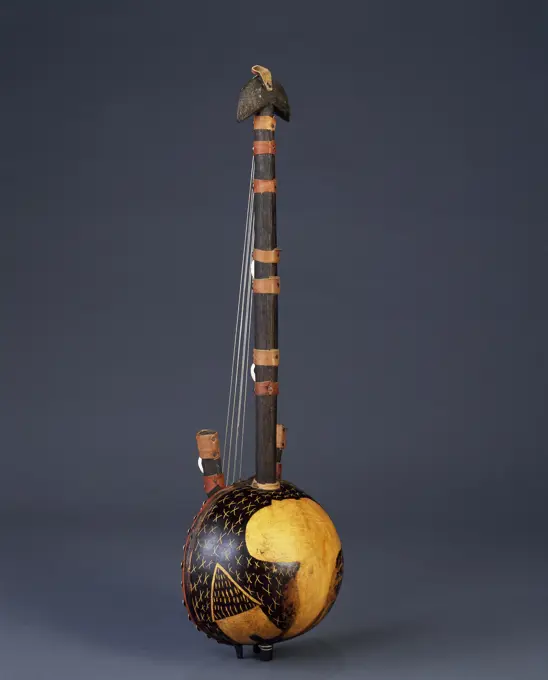
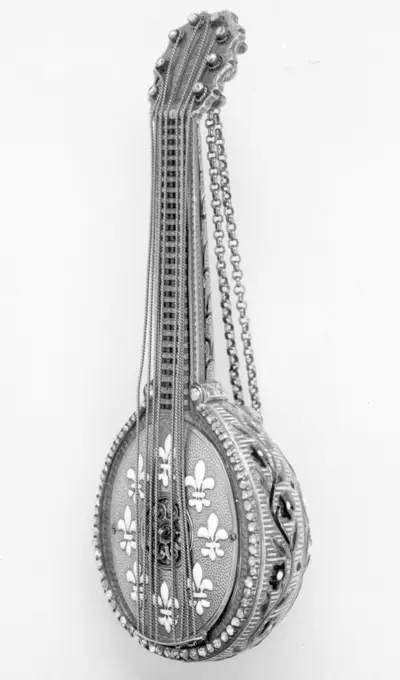
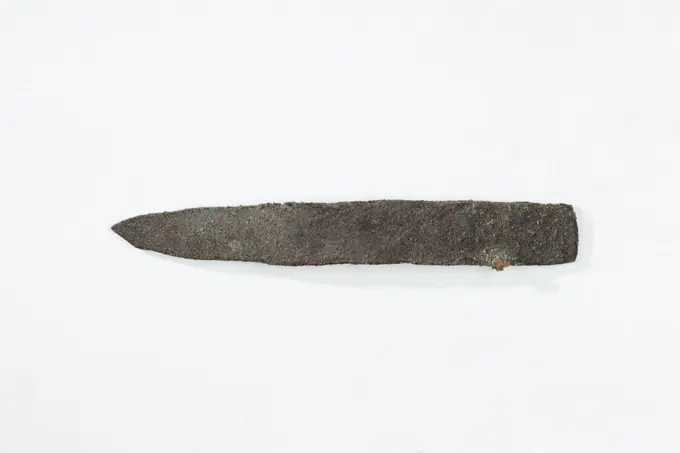
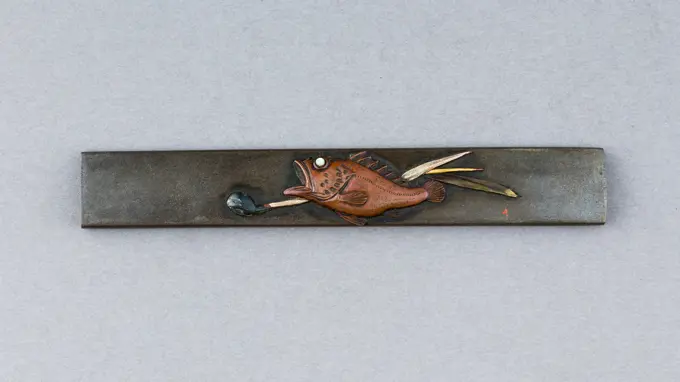
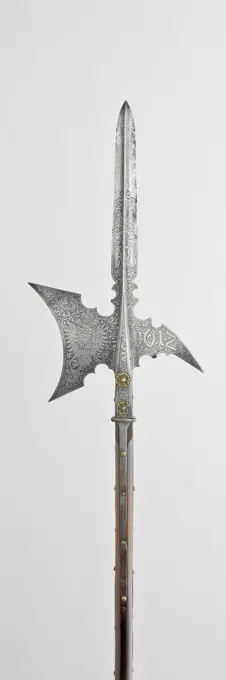
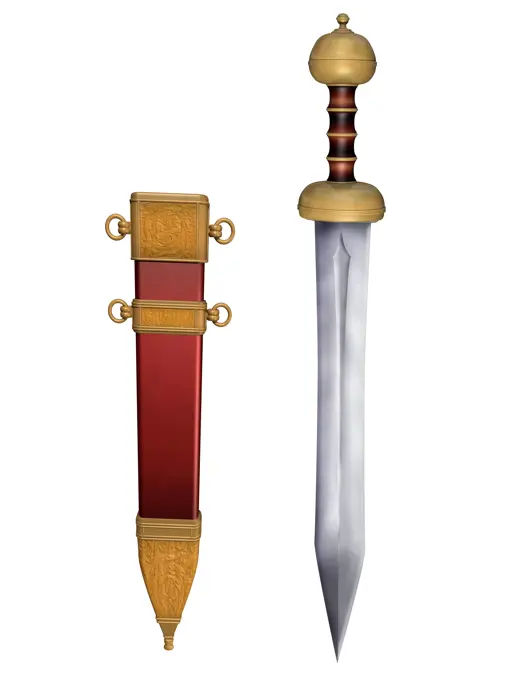
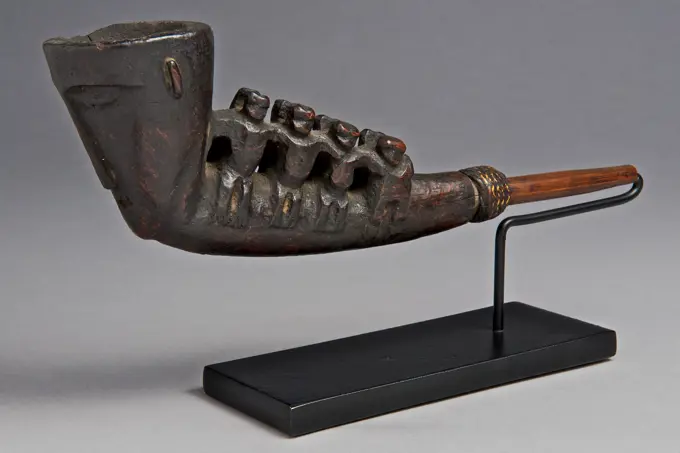
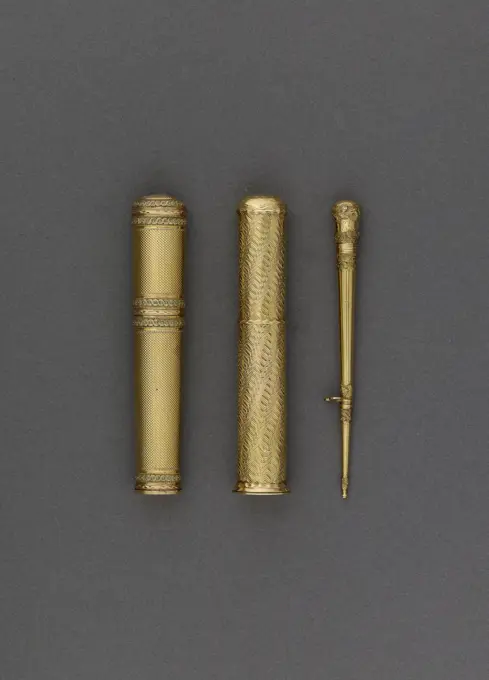
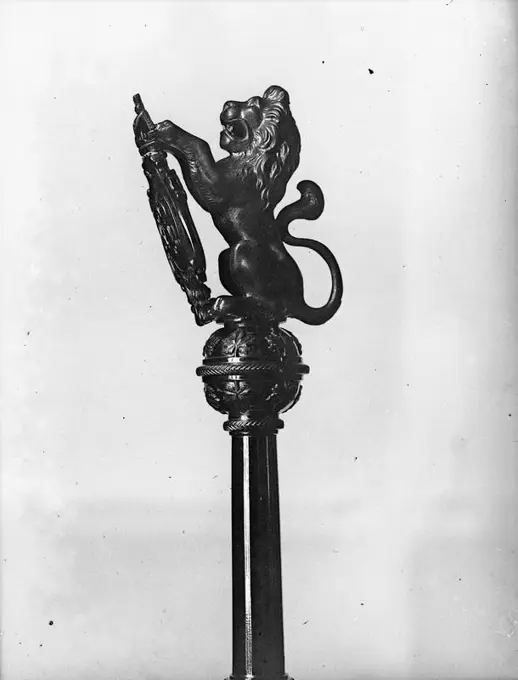
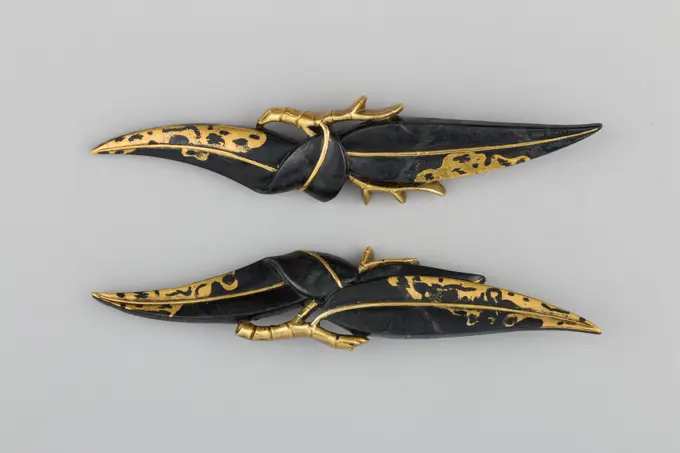
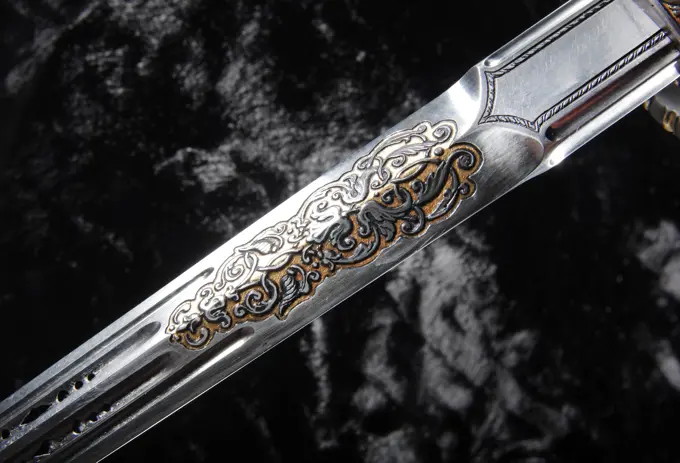
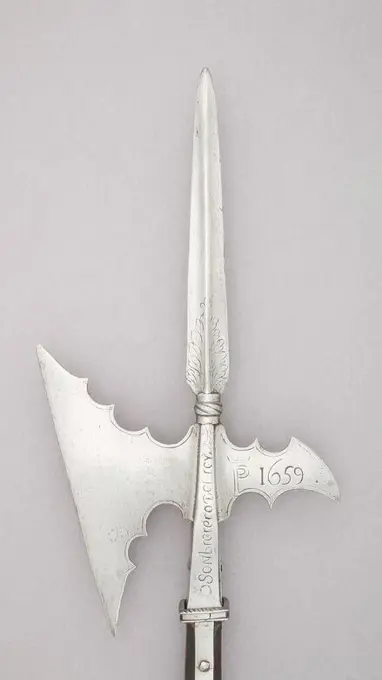
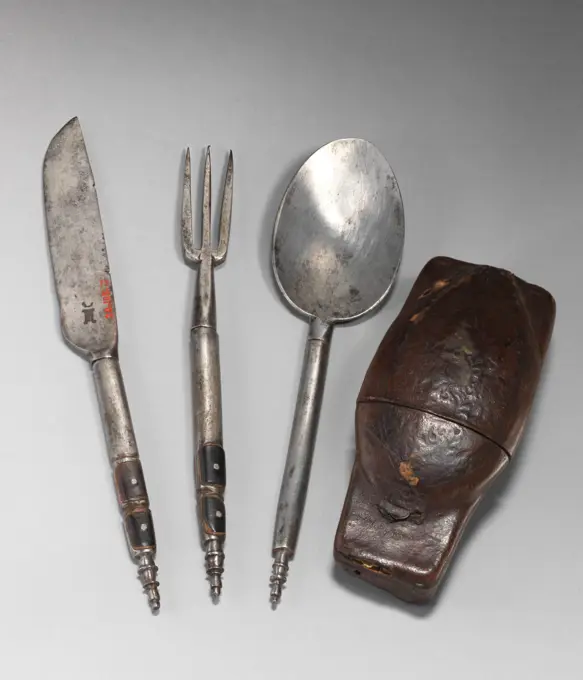
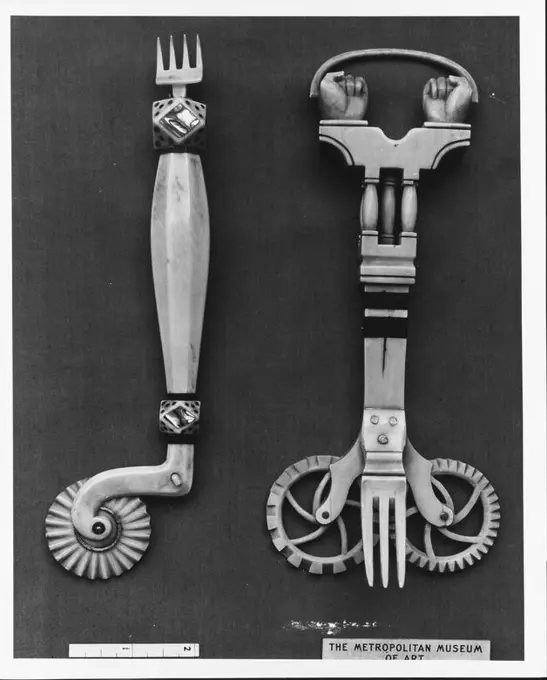
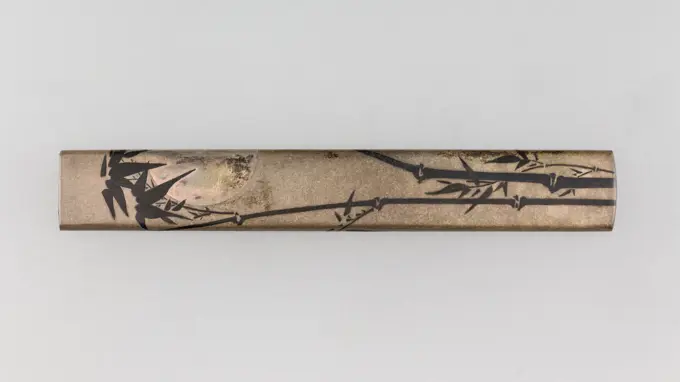
Knife Handle (Kozuka) 1793 Japanese A kozuka is a handle of a by-knife that is part of a sword mounting. It is kept in a slot on the reverse of a katana scabbard, often with a matching kōgai (hairdressing tool).. Knife Handle (Kozuka) 29742Bronze knife with inscription. 1898, Middle EastSo Sam Sai. Culture: Thai. Dimensions: L. 46 1/16 × D. 6 1/2 in. (117 × 16.5 cm). Date: 19th century.The body is made from a halved, triangular-shaped coconut with three bulges on its back. Skin covers the front of the instrument and strings attach to the pegs internally. Played in a vertical position with the spike resting on the ground, it either provides vocal accompaniment, is played solo, or is used in the Thai mahori ensemble, when singers are included. Museum: Metropolitan Museum of Art, New York, USA.metal worker: Gresnich, Steel miniature chopper with two wooden handles and wide rectangular knife, cleaver knife kitchenware miniature toy relaxant model metal wood brass, forged filed twisted Rectangular leaf mahogany colored handle On strip above the blade excellent second handle, however smaller 1868 Sibilla van Embden play chop food prepare kitchenHalberd 16th century Italian. Halberd 26673Knife Handle (Kozuka). Culture: Japanese. Dimensions: L. 3 3/4 in. (9.5 cm); W. 9/16 in. (1.4 cm); thickness 1/4 in. (0.6 cm); Wt. 1.1 oz. (31.2 g). Date: ca. 1615-1868. Museum: Metropolitan Museum of Art, New York, USA.Spoon (Bi) late 9th-early 8th century B.C. China. Spoon (Bi). China. late 9th-early 8th century B.C.. Bronze. Western Zhou dynasty (1046-771 B.C.). MetalworkSword (Kilij) with Scabbard. Culture: Turkish. Dimensions: L. 35 1/2 in. (90.2 cm). Date: 19th century.The inscriptions on the sword invoke Allah, the Prophet Muhammad, and 'Ali. The stones adorning the hilt and scabbard of the sword have talismanic significance. According to scholar Al-Biruni's eleventh-century manuscript <i>Kitab al- Jamahir</i> (Book of Precious Stones), coral was believed to prevent misfortune and turquoise to avert the evil eye. Museum: Metropolitan Museum of Art, New York, USA.Arrowhead (Yanone) 18th century Japanese Although today Japanese warriors are renowned most for their swordsmanship, archery, especially from horseback, has been an essential part of samurai warfare and culture for centuries. Arrows were fitted with heads of varying shape according to their intended use in war, the hunt, or target practice. Arrowheads made for use on the battlefield incorporated different designs intended for specialized purposes such as the piercing of armor or to cause maximum damage to horses and unarmored personnel.Large arrowheads, pierced and elaborately chiseled with landscapes, birds, flowers, dragons, and Buddhist divinities, were created to be admired for the beauty of their metalwork and design rather than for use in archery. Such highly elaborate examples may have been made for presentation or as a votive offerings to a shrine.. Arrowhead (Yanone). Japanese. 18th century. Steel. Archery Equipment-ArrowheadsDagger (Kindjal) with Sheath 19th century Caucasian. Dagger (Kindjal) with Sheath. Caucasian. 19th century. Steel, silver, enamel. DaggersCandlestand. American; New England. Date: 1690-1730. Dimensions: 90.5 × 36.8 × 36.5 cm (35 5/8 × 14 1/2 × 14 3/8 in.). Oak and maple. Origin: New England. Museum: The Chicago Art Institute, Chicago, USA.Stiletto with Grip Fashioned as Figures of Charity, Justice, and Hope, c. 1650. Italy, 17th century. Steel, brass, ivory ; overall: 34 cm (13 3/8 in.); blade: 23.3 cm (9 3/16 in.); quillions: 4.6 cm (1 13/16 in.).USA, Alaska, St. Lawrence Island, Ivory Eskimo artifacts including basket handle, Punuk botton with pyrite crystal in center and ivory rope pull for hauling sealsArrowhead (Yanone). Culture: Japanese. Dimensions: L. 9 1/4 in. (23.5 cm); L. of head 3 1/4 in. (8.3 cm); W. 1 5/16 in. (3.3 cm); Wt. 1.2 oz. (34 g). Date: 18th century. Museum: Metropolitan Museum of Art, New York, USA.Oliphant (Hunting Horn) ca. 1200 possibly southern Italian Hunting horns of this type, carved from elephant ivory (hence the name oliphant), were made by Muslim craftsmen in southern Italy and Sicily for export throughout Europe.. Oliphant (Hunting Horn). possibly southern Italian. ca. 1200. Ivory, copper alloy. MiscellaneousScent Bottle (USA); glass, silverRail spike -Knife Handle (Kozuka). Culture: Japanese. Dimensions: L. 3 13/16 in. (9.7 cm); W. 9/16 in. (1.4 cm); thickness 3/16 in. (0.5 cm); Wt. 1.2 oz. (34 g). Date: 19th century. Museum: Metropolitan Museum of Art, New York, USA.Pincers (Tenailles) 17th century French. Pincers (Tenailles) 25664. Rokop holder of gold-plated () Copper. A hook that is clamped over the waistband to which a large round eye with a different oval eye depends on the clamp. The clamp is closed by a slider. One of the ends is equipped with a protective piece of red velvet. On the waistband a trim of a drop-shaped protrusion divided into three equal parts. The whole collector decorated with volutes and flower blades. Inside the terminal is: Registered Jan. 1. 1846.Harpoon head Japan The Jmon period is the earliest period in Japanese history, lasting from roughly 14,000 to 300 BCE. The Jmon people were primarily hunter-gatherers, hunting land animals and gathering vegetables and nuts on the land as well as hunting and fishing at sea. Harpoon heads such as this one testify to the importance of seafood in the diets of some Jmon communities, especially those close to the sea. Fish bones found at Jmon archaeological sites indicate that the Jmon hunted fish not only close to the shore but also farther out in the open sea, where larger fish could be caught. There is even evidence that the Jmon ate pufferfish, a poisonous fish considered a delicacy in modern Japan.. Harpoon head. Japan. Bone. Final Jmon period (ca. 1000-300 B.C.). BoneFigure Lime Spoon. Culture: Inca. Dimensions: L. 3 in. (7.5 cm). Date: 15th-16th century. Museum: Metropolitan Museum of Art, New York, USA.Trigger Guard of a Gun made for a Prince of the House of the Medici dated 1643 Pietro Ancini Italian This trigger guard and a lock in the Odescalchi Collection in Rome formerly belonged to a gun that was undoubtedly the masterpiece of the steel-chiseler Pietro Ancini.. Trigger Guard of a Gun made for a Prince of the House of the Medici 24837Parasol, decorative element, isolated on white background Parasol, decorative element, isolated on white background Copyright: xZoonar.com/OleksandrxKostiuchenkox 9750272Lurist's dagger, dagger; Unknown median workshop, unknown Lurista workshop; IX-VIII century BC (-900-00-00--701-00-00), IX-VI century BC ; period of Iron II (-900-00-00-501-00-00), IX-VI century BC ; period II (-900-00-00--501-00-00);White weapons, Luristan browns, daggers, purchase (provenance)COLMILLO DE ELEFANTE CON RELIEVES DE ANIMALES - MARFIL - S XI/XII - PROCEDENTE DEL SUR DE ITALIA. Location: MUSEO DE PERGAMO. BERLIN. GERMANY.Heilerstab und Zermonialpaddel aus Benin Heilerstab und Zermonialpaddel aus Benin Copyright: xZoonar.com/HGVorndranx 22075994Knife Handle (Kozuka) ca. 1615-1868 Japanese A kozuka is a handle of a by-knife that is part of a sword mounting. It is kept in a slot on the reverse of a katana scabbard, often with a matching kōgai (hairdressing tool).. Knife Handle (Kozuka) 34664Joseph Willmore, Caddy Spoon, 1825/26, silver.Arrowhead (Yanone) dated 1645 Japanese Although today Japanese warriors are renowned most for their swordsmanship, archery, especially from horseback, has been an essential part of samurai warfare and culture for centuries. Arrows were fitted with heads of varying shape according to their intended use in war, the hunt, or target practice. Arrowheads made for use on the battlefield incorporated different designs intended for specialized purposes such as the piercing of armor or to cause maximum damage to horses and unarmored personnel.Large arrowheads, pierced and elaborately chiseled with landscapes, birds, flowers, dragons, and Buddhist divinities, were created to be admired for the beauty of their metalwork and design rather than for use in archery. Such highly elaborate examples may have been made for presentation or as a votive offerings to a shrine.. Arrowhead (Yanone). Japanese. dated 1645. Steel. Archery Equipment-ArrowheadsLeg Guard (Greave) , 1500s. Germany, 16th century. Steelwith roped edge and scroll design; overall: 43.2 x 12.4 cm (17 x 4 7/8 in.).Pair of andirons 15th century Italian. Pair of andirons. Italian. 15th century. Iron. Metalwork-IronFork, from a flatware dessert service, 18th century, Meissen Porcelain Factory, Meissen, Germany, est. 1710, Hard paste porcelain, gilt metal, Germany, 18th centuryAncient Egyptian, Brecchia axe. Predynastic Period (4000-3000 BC). The blade displays the characteristic crescent shape.Dress Sword 1775-90 Handle by John Bailey American. Dress Sword. American. 1775-90. Silver. Made in New York, New York, United StatesPacific Walrus (Odobenus rosmarus divergens) tusk, scrimshaw depicting a walrus on ice, Kamchataka, Bering Sea, RussiaM Rosenshield von Paulin, Candle Stand, c 1940 Candle StandClose-up of ivory and silver ornamentsHarp-shaped knitting hook of silver, knitting hook auxiliary needle handicraft tools metal silver, Rotterdam City Triangle Soetensteeg Noordblaak Blaak Originating from the copper shop of M.J Dupken and his predecessors in the Soetensteeg and later on the Noordblaak Rotterdam.Scabbard, 1500s-1800s. Sumatra. overall: 39.4 cm (15 1/2 in.); blade: 27.7 cm (10 7/8 in.).Powder Flask. Culture: Norwegian. Dimensions: L. 9 5/8 in. (24.4 cm); Diam. 2 1/2 in. (6.4 cm); Wt. 4.9 oz. (138.9 g). Date: ca. 1700. Museum: Metropolitan Museum of Art, New York, USA.Fragment of a cutlery handle from brass, anonymous, c. 1600 - c. 1800 Fragment of brass. It is about the end of a cutlery handle (spoon or fork). The handle closes with a semicircular shape with two pointed bulges on either side. West-Europa brass (alloy) casting Fragment of brass. It is about the end of a cutlery handle (spoon or fork). The handle closes with a semicircular shape with two pointed bulges on either side. West-Europa brass (alloy) castingKnife (Korambi). Culture: Indonesian, Sulawesi. Dimensions: H. 8 1/16 in. (20.5 cm); W. 4 7/16 in. (11.3 cm); Wt. 2.6 oz. (73.7 g). Date: 18th-19th century. Museum: Metropolitan Museum of Art, New York, USA.Silver tarragon or brush with thick torsades and galon with yellow or orange () Biezen, Peter servant, c. 1825 - c. 1850 Silver tarragon or brush with thick torsades and galon with yellow or orange () Bisses. Solingen silver thread Silver tarragon or brush with thick torsades and galon with yellow or orange () Bisses. Solingen silver threadHalberd ca. 1510-20 Swiss. Halberd 29012knife blade, brass, steel, Steel blade, parallel sides with rounded ends. Plain bolster, threaded projection attached to bolster., Germany, ca. 1700-1800, cutlery, Decorative Arts, knife bladePair of Rowel Spurs ca. 1600 German The necks of the spurs of this highly decorated pair are shaped as birds heads, each holding a nine-pointed pierced foliate rowel. The latter as well as the articulated arms are etched overall with foliage decoration in relief standing out against a darker background. The leather straps are modern.. Pair of Rowel Spurs. German. ca. 1600. Iron alloy, leather, possibly tin. Equestrian Equipment-SpursTweezer-Like Implement from the Burial of Amenemhat ca. 1504-1447 B.C. New Kingdom. Tweezer-Like Implement from the Burial of Amenemhat. ca. 1504-1447 B.C.. Bronze or copper alloy. New Kingdom. From Egypt, Upper Egypt, Thebes, Asasif, Tomb of Neferkhawet (MMA 729), east chamber, Burial of Amenemhat (IV), inside coffin, by head, MMA excavations, 1934-35. Dynasty 18, earlyPILA BAUTISMAL VISIGODA - SIGLOS VI-VII. Location: MUSEO ARQUEOLOGICO-COLECCION. Sevilla. Seville. SPAIN.The crook (heka)and flail (nekhakha). Insignia of pharaonic authority. 664-332 BC. Late Period of Ancient Egypt.Pair of Stirrups. Culture: Mexican. Dimensions: H. 18 1/8 in. (46 cm); W. 14 1/4 in. (36.2 cm); H. of foot opening 3 5/8 in. (9.2 cm); W. of tread 3 1/4 in. (8.3 cm), Wt. 5 lbs. 8 oz. each (2494.8 g).. Date: ca. 1750.Mistakenly known as "conquistador" stirrups, cross-form stirrups (estribos de cruz) did not become popular in Mexico until the 18th century. Although the term is historically inaccurate, it nonetheless highlights the Spanish role in introducing equestrian culture in Mexico. Intricately wrought iron stirrups like this pair, used for show or parade, reflected the wealth and status of the horseman who rode with them. Museum: Metropolitan Museum of Art, New York, USA.Dagger and Sheath. Dated: c. 1941. Dimensions: overall: 24.4 x 35.8 cm (9 5/8 x 14 1/8 in.). Medium: watercolor and graphite on paper. Museum: National Gallery of Art, Washington DC. Author: Michael Rekucki.Sword with Scabbard ca. 1575 Italian, Venice. Sword with Scabbard. Italian, Venice. ca. 1575. Steel, gold, wood, velvet. Venice. SwordsQuiver (mda' shubs) with Accessory late 13th-15th century Tibetan or Mongolian This quiver represents a very rare type, the basic form of which is depicted in works of art from China through Tibet and Central Asia from at least the seventh century until the end of the fourteenth century. The body is made of wicker or split bamboo, covered in leather, and reinforced by an iron frame. The top is covered by a keyhole-shaped cowl made of a copper alloy, which is open at the front for the insertion or removal of arrows. Quivers of this type are wider at the bottom because the arrows were placed in them with the arrowheads upward, unlike later types of quivers. Carbon-14 testing places this quiver in a date range of 1290-1410.. Quiver (mda' shubs) with Accessory 26588Spear. Culture: Chinese. Dimensions: L. 89 1/4 in. (226.7 cm); L. of head 24 1/4 in. (61.6 cm); W. 9 1/4 in. (23.5 cm); Wt. 5 lbs. 4.4 oz. (2392.7 g). Date: 18th century. Museum: Metropolitan Museum of Art, New York, USA.Knife (Barong) with Sheath 18th-19th century Philippine. Knife (Barong) with Sheath. Philippine. 18th-19th century. Steel, wood, horn. Knives. Cannon on AFFuit. The cannon is engraved and has been marked: crowned o and a tilt.Halberd of the Swiss Guard of Johann Georg II of Saxony (reigned 1656-80) dated 1680 German This staff weapon was carried by the bodyguards of the Prince-Electors of Saxony.. Halberd of the Swiss Guard of Johann Georg II of Saxony (reigned 1656-80) 22198Christian ProcessionalCross, possibly 13th-14thcentury, Copper alloy, 8 3/4 × 5 1/16 × 11/16in. (22.3 × 12.9 × 1.7cm), Made in Northern Lasta or Tigre province, Ethiopia, Orthodox TewahedoChurch, 13th-14thcentury, SculptureKey, Iron, France, 16th or 17th century, metalwork, Decorative Arts, KeyWakizashi, Steel, iron, bronze, silk cord, 17th-19th century, metalwork, Decorative Arts, scabbard, scabbardBox of Pen Nibs. Manufacturer: Joseph Gillott & SonsDirk with Sheath early 19th century possibly Spanish. Dirk with Sheath. possibly Spanish. early 19th century. Steel, horn, brass, leather, copper wire. KnivesMandoline, 1900s. Eastern Africa, Madagascar, 20th century. Wood, calabash, rawhide, and string; overall: 24.2 x 12.8 cm (9 1/2 x 5 1/16 in.).Knife Handle (Kozuka). Culture: Japanese. Dimensions: L. 3 13/16 in. (9.7 cm); W. 9/16 in. (1.4 cm); thickness 3/16 in. (0.5 cm); Wt. 1 oz. (28.3 g). Date: ca. 1615-1868. Museum: Metropolitan Museum of Art, New York, USA.Hunting knife isolated on white background, with clipping path Hunting knife isolated on white background, with clipping path Copyright: xZoonar.com/OleksandrxKostiuchenkox 9750180Gender pig. Pig on leather. There is a lamppost on an elongated plate with an engraved diamond pattern. A ladder rests against the pole, on which a genus pig. The image has been labeled: STK. = Amsterdam, JRL. = E (1764), Mt. = Arnoldus van Geffen and an ax.Dagger (Jambiya) with Sheath and Belt 19th century Indian, Mysore. Dagger (Jambiya) with Sheath and Belt 31621Ornamental Detail, 1775-1799. France, 18th century, Period of Louis XVI. Gilt bronze; overall: 26.7 x 3.9 cm (10 1/2 x 1 9/16 in.).Key;  XVII century  (1601-00-00-1700-00-00);Close-up of an African koraFork, from a flatware dessert service, 18th century, Meissen Porcelain Factory, Meissen, Germany, est. 1710, Hard paste porcelain, gilt metal, Germany, 18th centuryWatch ca. 1820 French. Watch 194009Blade for a Model Chisel from a Foundation Deposit ca. 1479-1458 B.C. New Kingdom. Blade for a Model Chisel from a Foundation Deposit. ca. 1479-1458 B.C.. Wood, bronze or copper alloy. New Kingdom. From Egypt, Upper Egypt, Thebes, Deir el-Bahri, Tomb of Senenmut (TT 353), Foundation deposit 3 and 5a, MMA excavations, 1926-27. Dynasty 18Dagger with Sheath. Culture: Syrian. Dimensions: H. with sheath 10 7/8 in. (27.6 cm); H. without sheath 10 5/8 in. (27 cm); H. of blade 6 1/2 in. (16.5 cm); W. 1 3/4 in. (4.5 cm); Wt. 10.3 oz. (292 g); Wt. of sheath 1.4 oz. (39.7 g). Date: 18th-19th century. Museum: Metropolitan Museum of Art, New York, USA.Set Of Knives (USA), ca. 1880Maker's Mark J.L., probably John Lawrence, Caddy Spoon, 1808/9, silver.Knife Handle (Kozuka) ca. 1615-1868 Japanese A kozuka is a handle of a by-knife that is part of a sword mounting. It is kept in a slot on the reverse of a katana scabbard, often with a matching kōgai (hairdressing tool).. Knife Handle (Kozuka) 34632HyperFocal: 0Halberd for the Bodyguard of Emperor Mattias Made 1612 Austria. Steel, iron, gilding, brass, and beechwood .Roman Gladius with Scabbard Isolated illustration of a Roman Gladius short sword with scabbard Copyright: xZoonar.com/PaulxFleetx 2028776Silversmith's Art, Italy 19th century. Silver coffeepot. Detail: zoomorphic spout. Milan, 1810.Half Model of a 3-Gun Schooner.Polychromed blanket mold model (starboard) of a tweemaster. The deck is closed. The model has two gunpaints. Sharp presence, faucet with lion mask. Elliptical fence, closed, no side gallery, falling stern; Stir with round roaring (Soetermeer's version) and rounded stir sheet. Side to both ends very little ascending, one recessed bark wood. Peaked round trip, sharp underwater ship. Both Masts Hellen back, the bow mad is strikingly horizontal. Scale 1:40 (according to Obeen).Beam Scale used by the City of BirminghamReceptacle ca. late 8th century B.C. Assyrian. Receptacle 324702Salt spoonFork tines, knife, sheath or fork handle, Antler, nickel-plated metal, steel, leather, Set consisting of: knife (a) with blade having straight top edge and cutting edge tapered to a point, mounted on curved bone handle with baluster ferrule and metal end. Tapered stitched leather sheath (b) with metal tip guard and reeded metal end collar to hold knife and two-pronged fork (c) with short neck and tapered pin. Sheath's tip guard fitted with screw pocket to accept fork pin and become fork's handle., probably Austria, ca. 1780-1820, cutlery, Decorative Arts, Fork tines, knife, sheath or fork handlePipeFrench goldsmiths. Wax. Gold chopped. 18th century. Paris, Cognacq-Jay museum. 56641-6 Wax, etui, french, gold chisel, orfevreryMinistry of Information First World War Official Collection View of the head of the Black Rod to be presented to the Senate of Canada through Sir Robert Borden by the Empire Parliamentary Assosciation, United Kingdom Branch. It is to replace the Rod is an exact replica of the one used in the House of Lords with the exception that Maple Leaves are emblazened in place of Trefoil which are on the Red in the House of Lords. The head is of gold.Arrowhead (Yanone). Culture: Japanese. Dimensions: L. 16 1/2 in. (41.9 cm); L. of head 7 1/4 in. (18.4 cm); W. 2 7/8 in. (7.3 cm); Wt. 5.4 oz. (153.1 g). Date: 18th century. Museum: Metropolitan Museum of Art, New York, USA.Pair of Sword-Grip Ornaments (Menuki) 18th century Japanese Menuki are a pair of ornamental sword fittings attached to either side of a sword hilt.. Pair of Sword-Grip Ornaments (Menuki). Japanese. 18th century. Copper-gold alloy (shakud), gold. Sword Furniture-MenukiSmart dagger Smart dagger of the medieval soldier. It was used for hunting Copyright: xZoonar.com/VALERY-SIBRIKOVx 20011030Halberd. Culture: Spanish. Dimensions: L. 84 in. (213.4 cm); L. of head 16 13/16 in. (42.7 cm); W. 9 1/12 in. (24.1 cm); Wt. 4 lbs. 15 oz. (2239.6 g). Date: dated 1659. Museum: Metropolitan Museum of Art, New York, USA.Knife, fork, and spoon in traveling case 17th century Spanish. Knife, fork, and spoon in traveling case. Spanish. 17th century. Steel (), tortoiseshell; leather case. Metalwork-SteelJagging Wheel. Dimensions: H. 8 3/4 in. (22.2 cm). Date: 1770-1800. Museum: Metropolitan Museum of Art, New York, USA.Harpoon Head 3rd-4th century () Old Bering Sea. Harpoon Head 310584Needle with photography court of Salomon August Andrée.Arm Bands, Eskimo Art, USA, Washington DC, Smithsonian Institution (National Museum of Natural History)Cup and ball toy -