Decorative Blades and Daggers

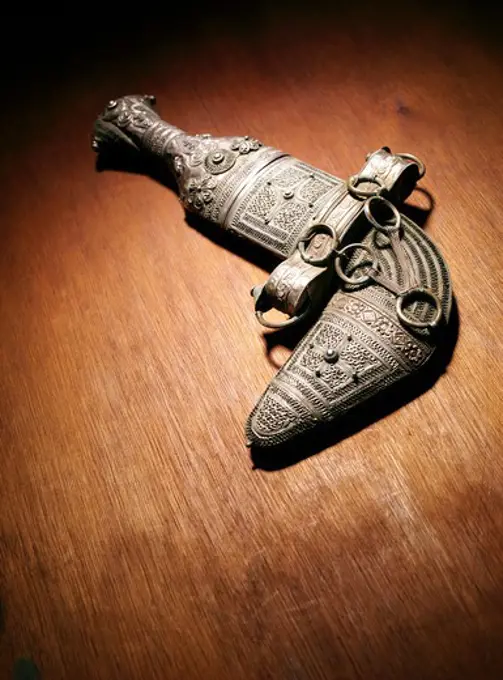
Variety of ornate knives and daggers from Sri Lanka, featuring intricate handles made of silver and other materials. Displaying craftsmanship from different centuries.

Houwer or Kastane, Anonymous, c. 1700 - c. 1799 cutlass Kleine Houwer from Chestnut Model. Kling European or to European model. Iron racing brackets in Signalese style; Handle from cut ivory with brass ring. Sri Lanka iron (metal). ivory. copper (metal) cutting  Sri Lanka
Houwer or Kastane, Anonymous, c. 1700 - c. 1799 cutlass Kleine Houwer from Chestnut Model. Kling European or to European model. Iron racing brackets in Signalese style; Handle from cut ivory with brass ring. Sri Lanka iron (metal). ivory. copper (metal) cutting Sri Lanka
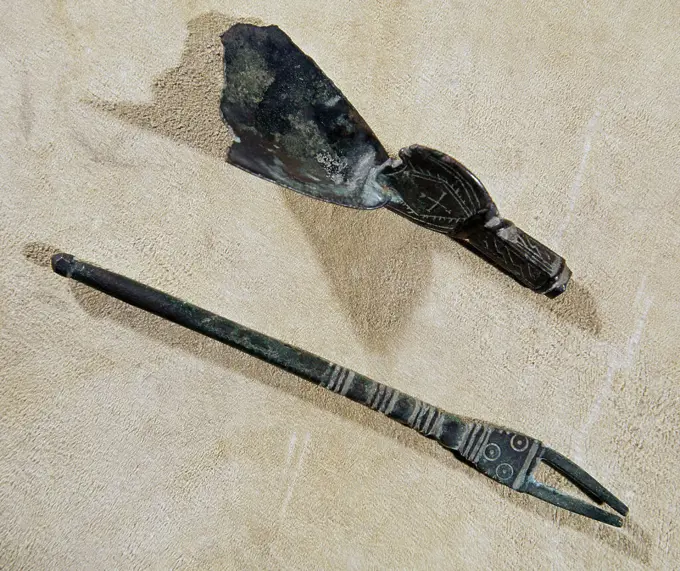
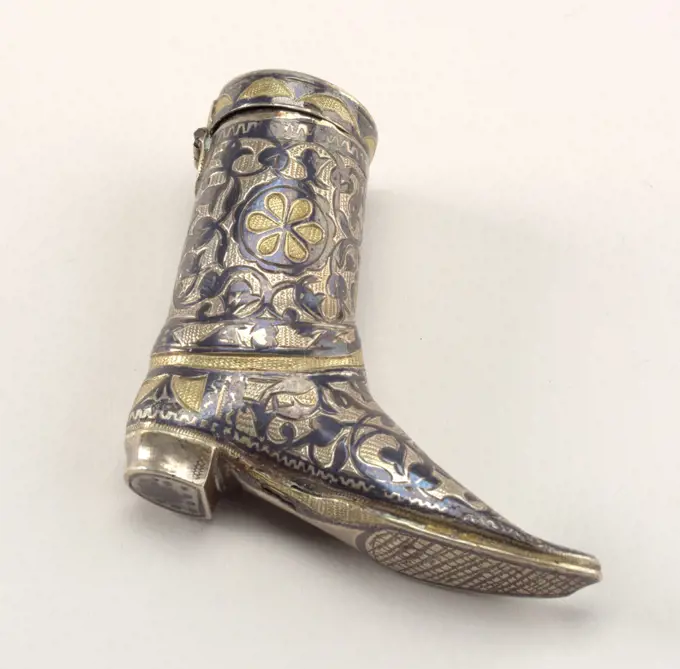
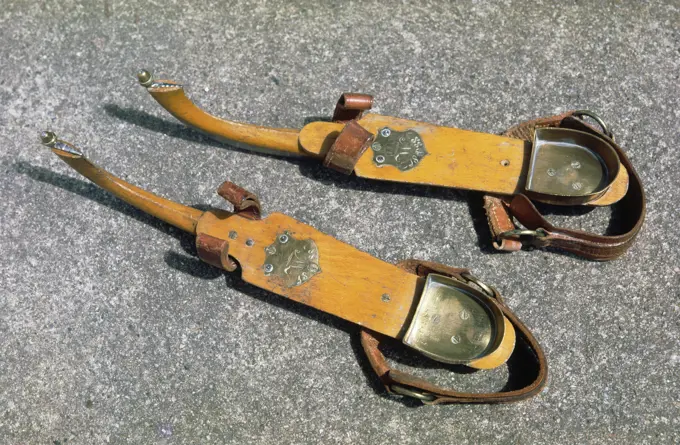
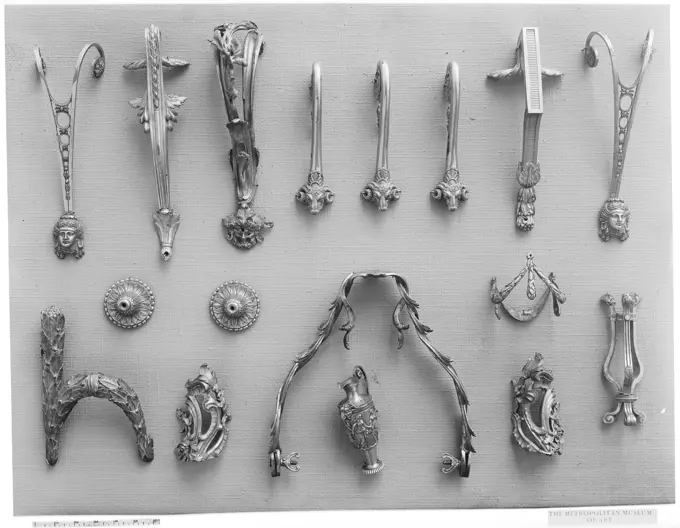
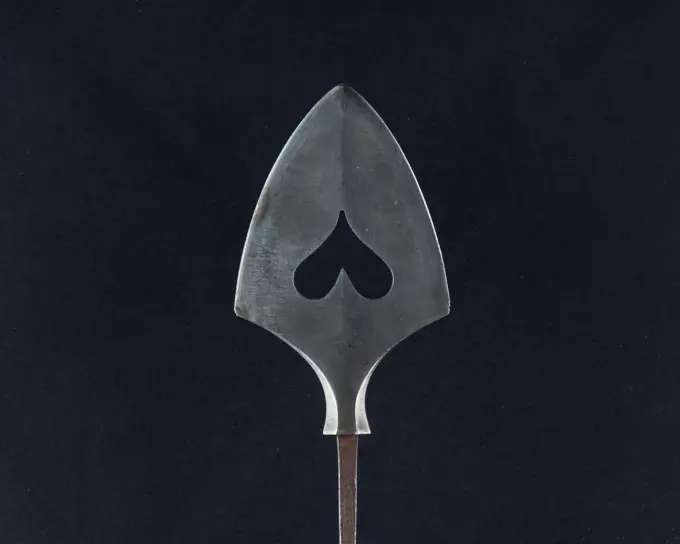
Kora. Culture: Senegambia. Dimensions: L: 111.3 cm (43-7/16 in.); W: 43 cm (16-15/16 in.); D: 22 cm (8-11/16 in.). Date: 19th century. Museum: Metropolitan Museum of Art, New York, USA.Krzyż ręczny. nieznany warsztat etiopski (1400-1970), authorCUCHARA Y TENEDOR GERMANICOS DEL SIGLO VI. Location: ARCHAEOLOGICAL MUSEUM. Pontevedra. SPANIEN.Boot, Silver, niello, gilding, In the shape of a high boot, with stylized floral and vine decoration in niello and gilding. Lid is on top, hinged on back side. Striker on sole of toe section., probably Europe, late 19th century, containers, Decorative Arts, Matchsafe, MatchsafeFire bellows Made 1700-1825 Turkey. Tortoise shell, ivory, leather, copper and brass .acupuncture needlesKhanjarRVD / Royal House photo collection. First skating of Queen Wilhelmina. 1888Embroidery hoop support French 18th century View more. Embroidery hoop support. French. 18th century. Gilt bronze. Metalwork-Gilt BronzeMate tea, calabash and bombilla (Ilex paraguayensis), mate, mate tea, yerba, mate jug, drinking tubeArrowhead (Yanone) 18th century Japanese Although today Japanese warriors are renowned most for their swordsmanship, archery, especially from horseback, has been an essential part of samurai warfare and culture for centuries. Arrows were fitted with heads of varying shape according to their intended use in war, the hunt, or target practice. Arrowheads made for use on the battlefield incorporated different designs intended for specialized purposes such as the piercing of armor or to cause maximum damage to horses and unarmored personnel.Large arrowheads, pierced and elaborately chiseled with landscapes, birds, flowers, dragons, and Buddhist divinities, were created to be admired for the beauty of their metalwork and design rather than for use in archery. Such highly elaborate examples may have been made for presentation or as a votive offerings to a shrine.. Arrowhead (Yanone). Japanese. 18th century. Steel. Archery Equipment-ArrowheadsLes Solitaires de Normandie, Engraved, hand-colored and painted paper leaf, turned wood handle, Handscreen with paper leaf and turned wood handle. Obverse: oval medallion with a hand-colored engraved scene of a barrister and four other figures with a basket of flowers in the forest, surrounded by a framework of hand-painted motifs. Reverse: dialogue from the comic opera 'Les Solitaires de Normandie.', France, ca. 1788, costume & accessories, Handscreen, HandscreenLaud decorado con una figura femenina junto al rosetón y una cabeza femenina en el clavijero.Shadow Puppet (Wayang Kulit) of Bedang, from the set KyaiNugroho