Decorative Blades and Daggers

An array of ornate daggers and hairpins, featuring detailed craftsmanship with materials like steel and silver, highlighting different cultural influences across centuries.
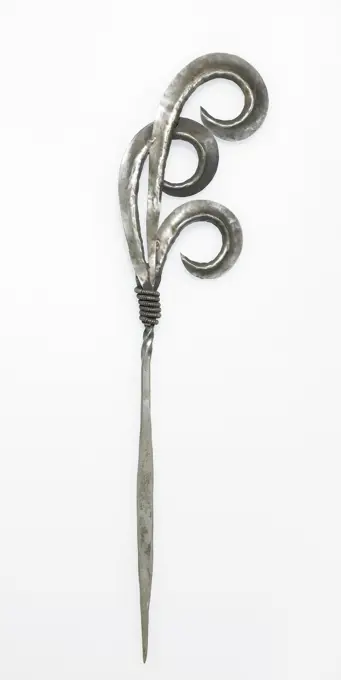
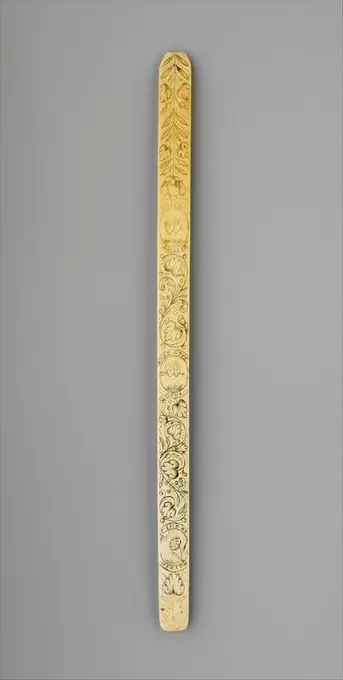
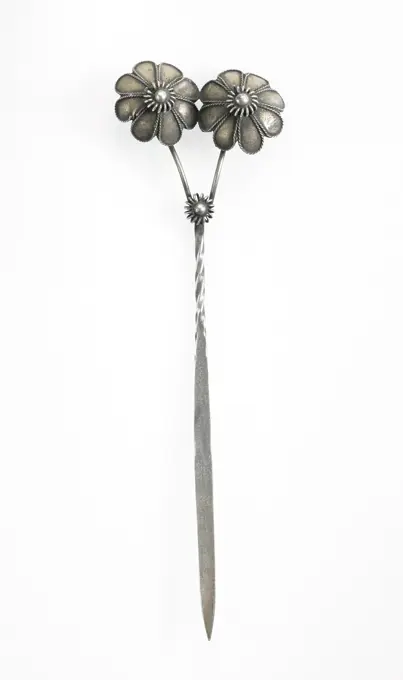
Hair Pin, 10 1/16 x 2 1/2 x 3/8 in. (25.56 x 6.35 x 0.95 cm), Silver, China
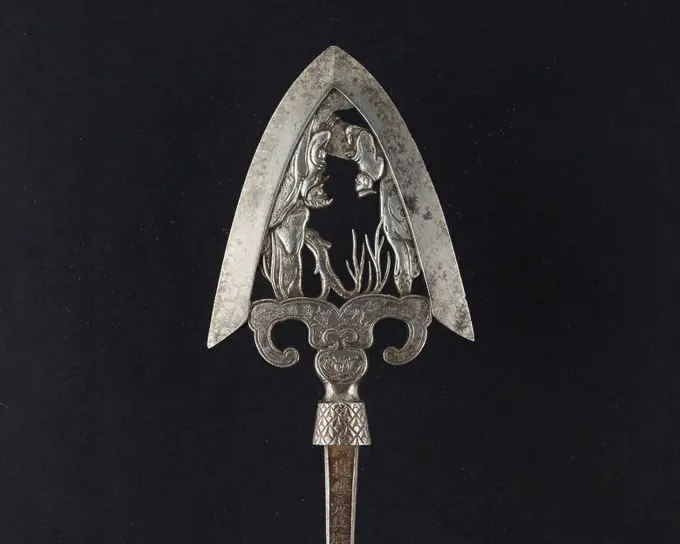
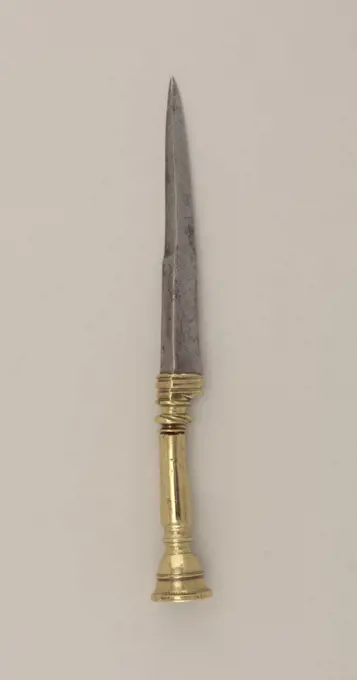
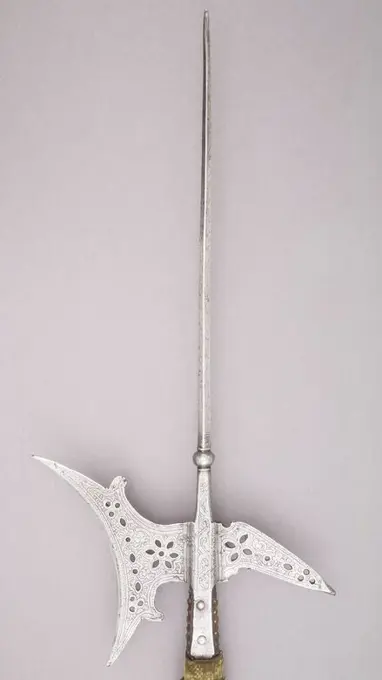
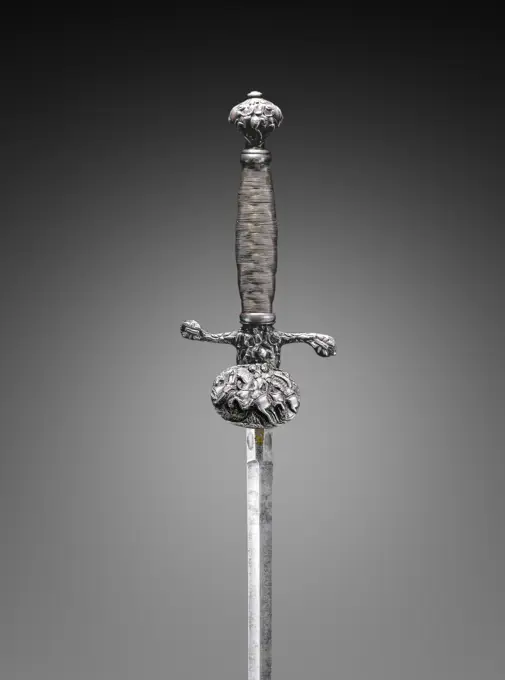
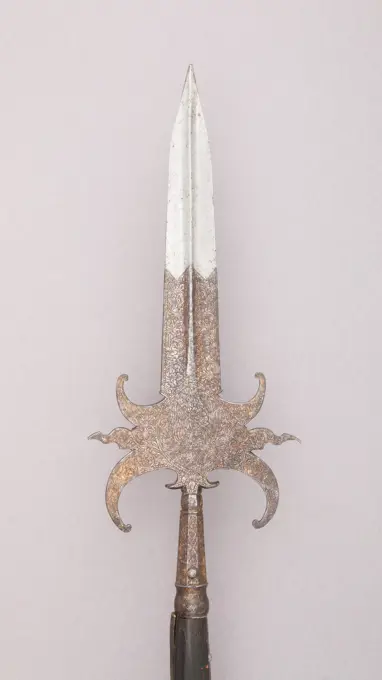
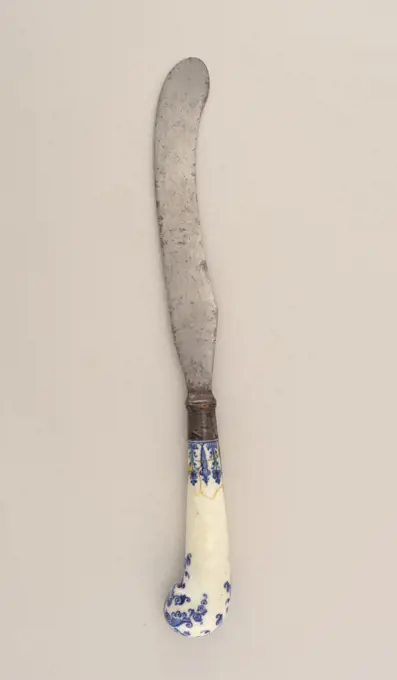
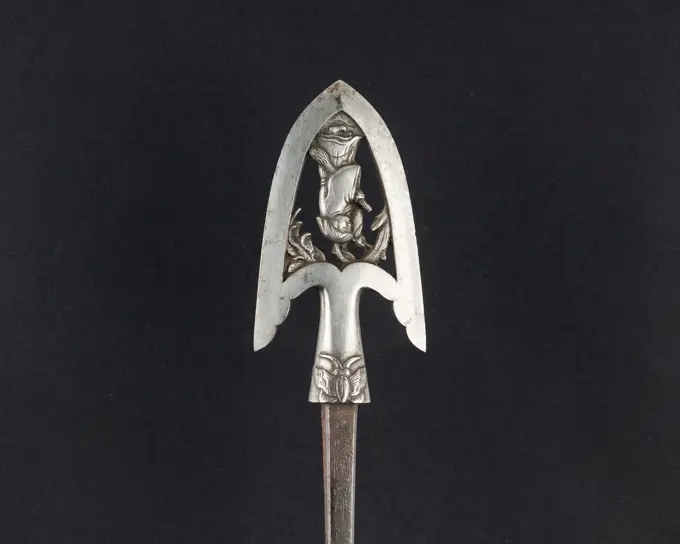
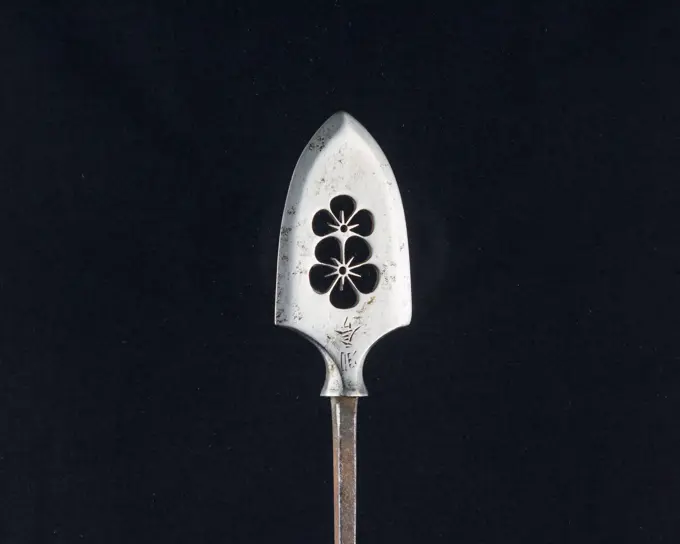
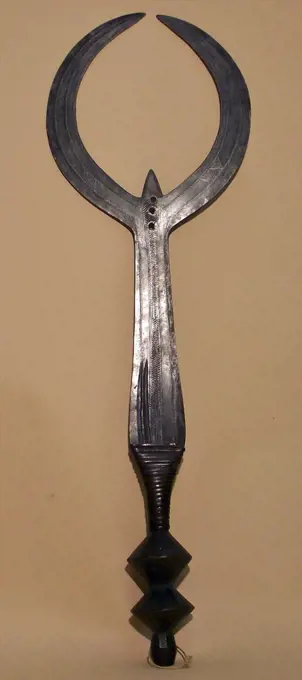
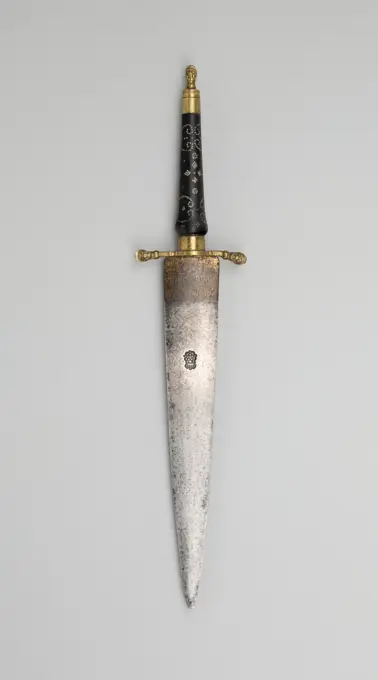
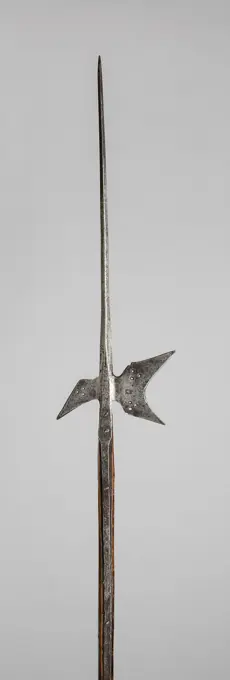
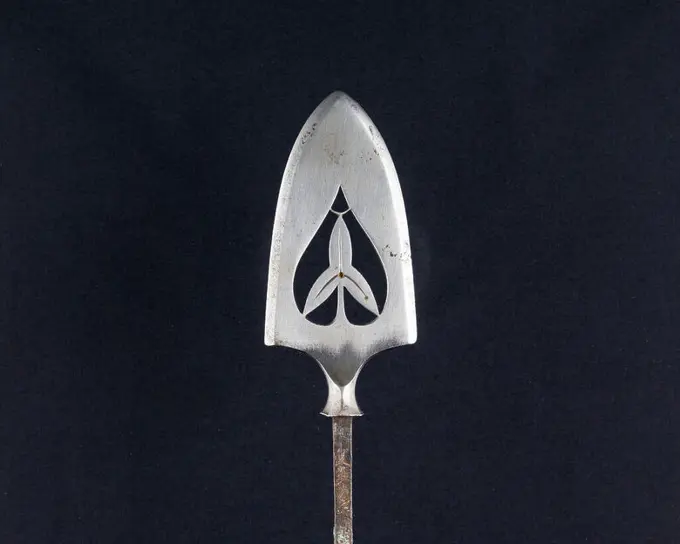
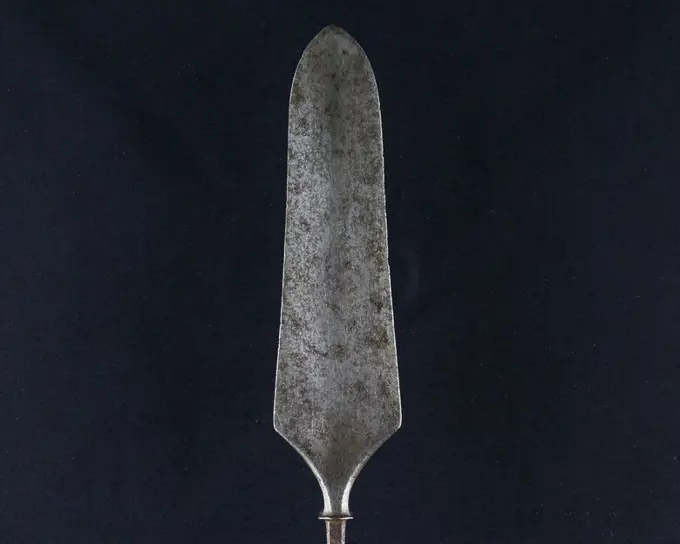
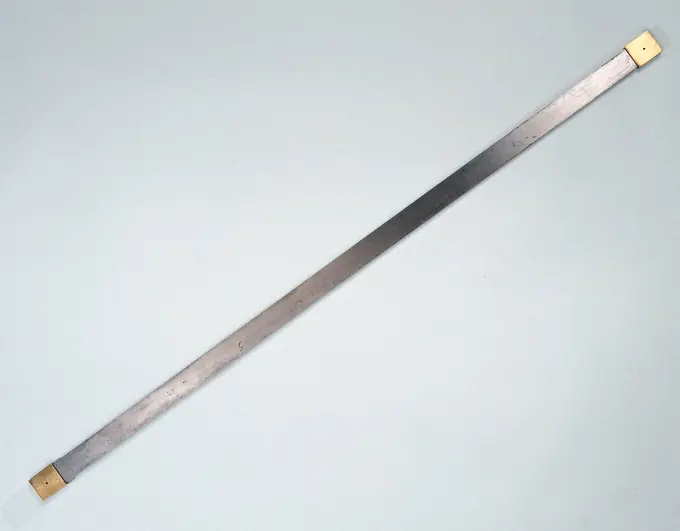
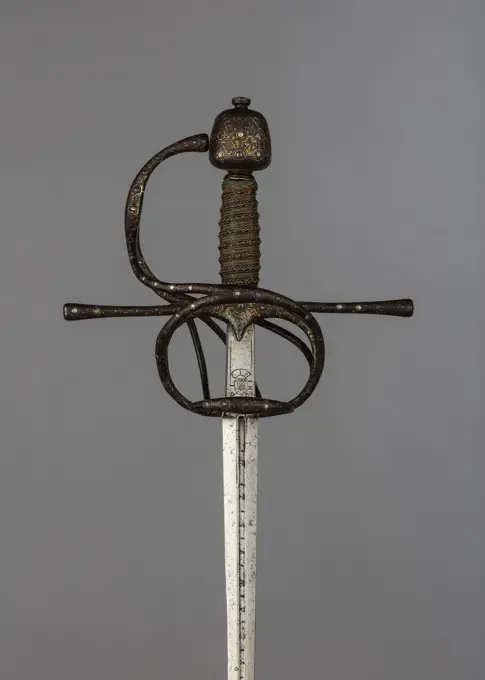
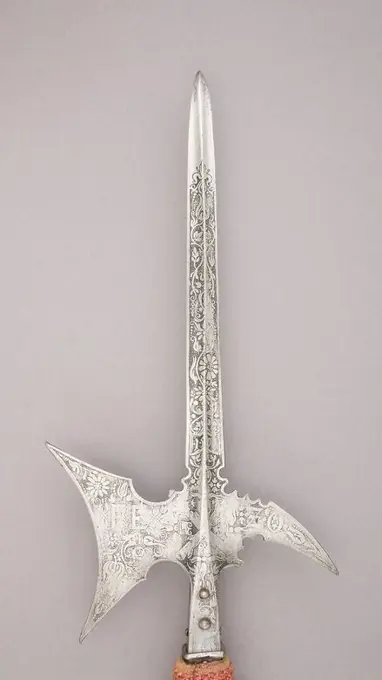
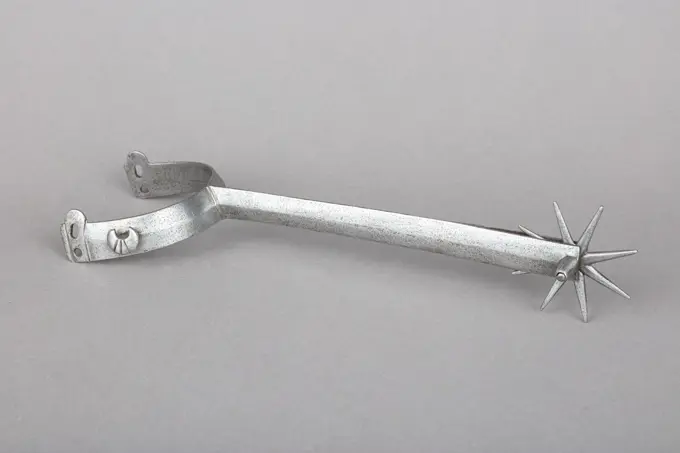
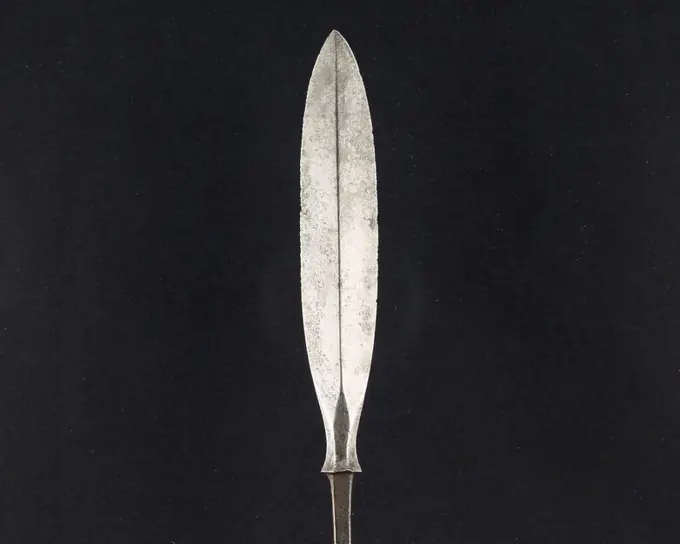
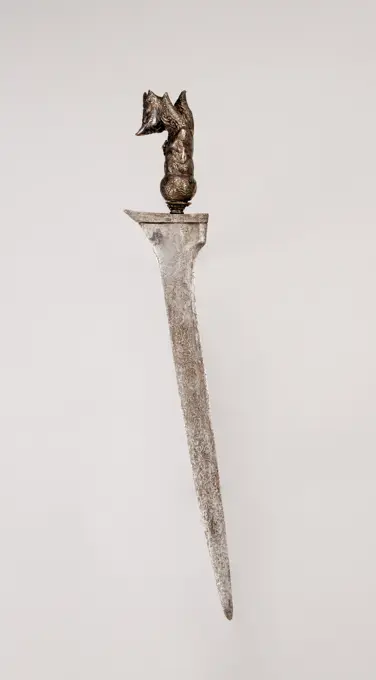
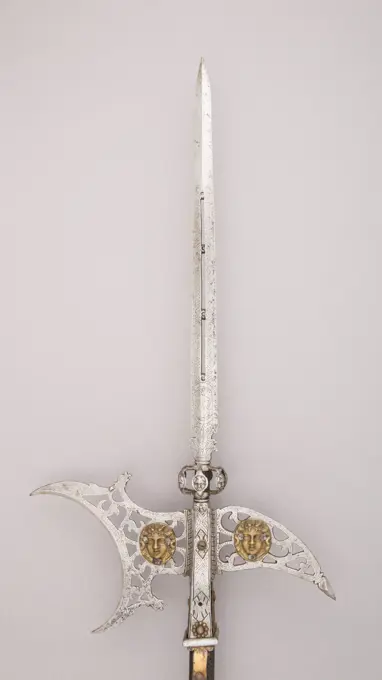
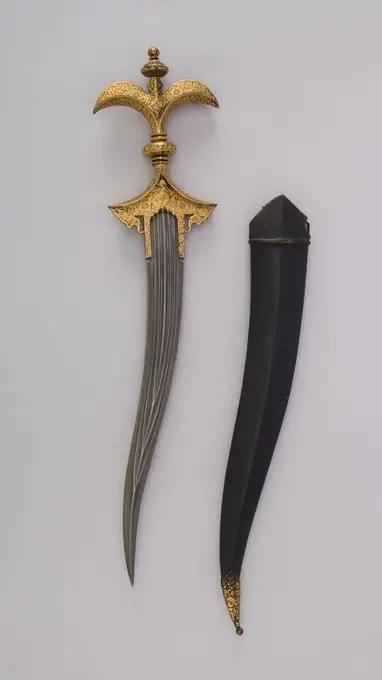
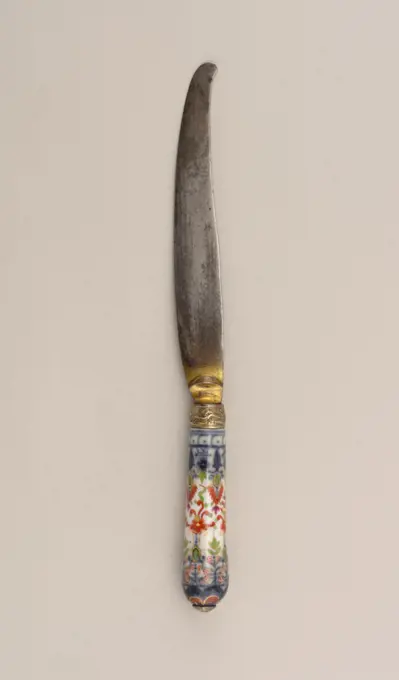
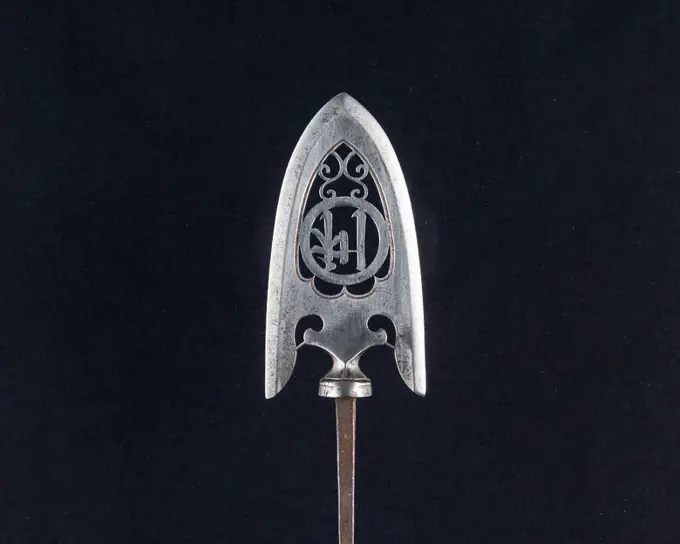
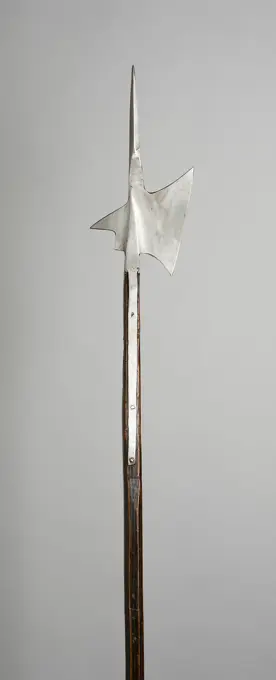
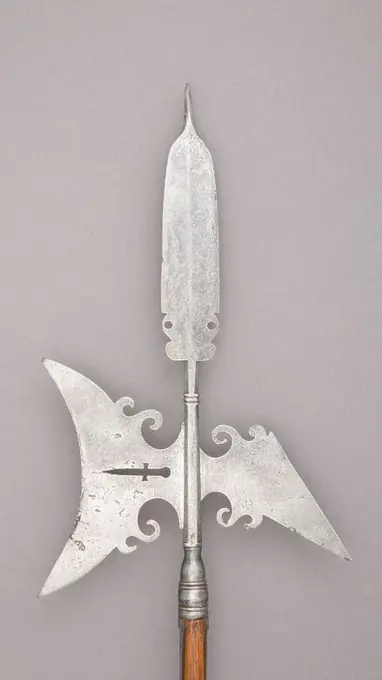
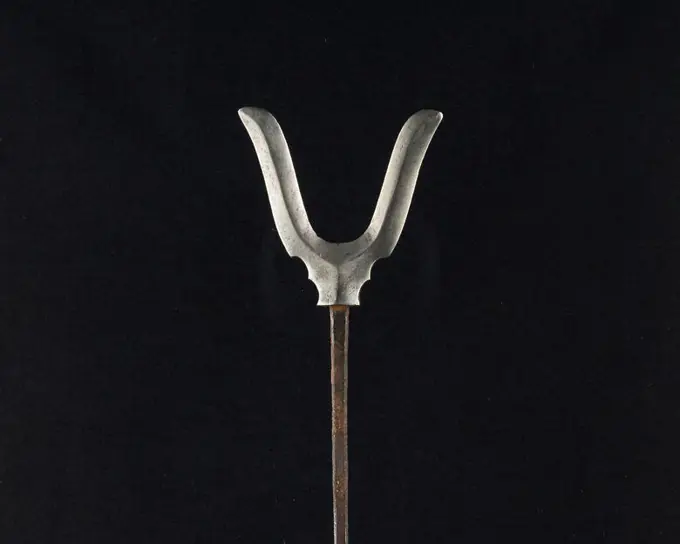
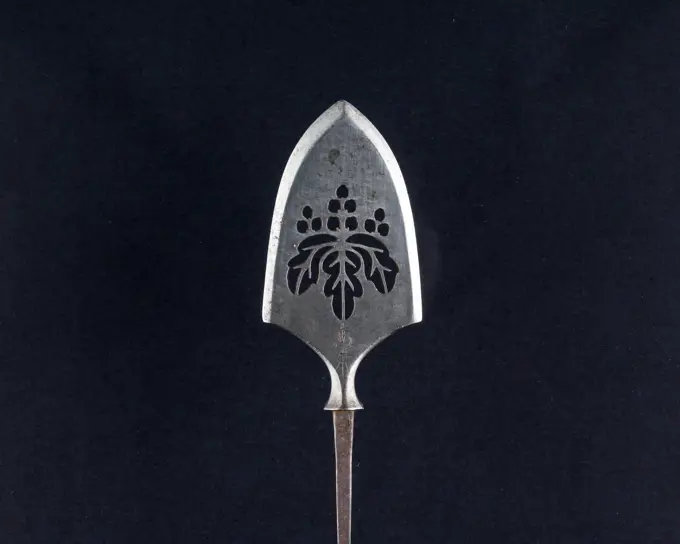
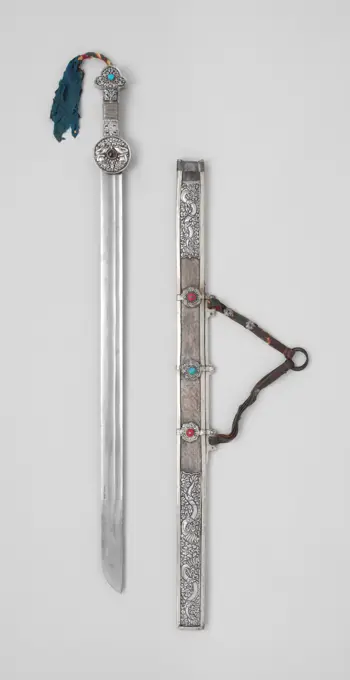
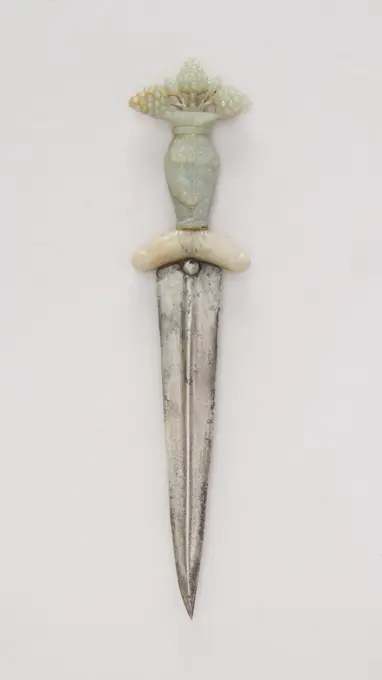
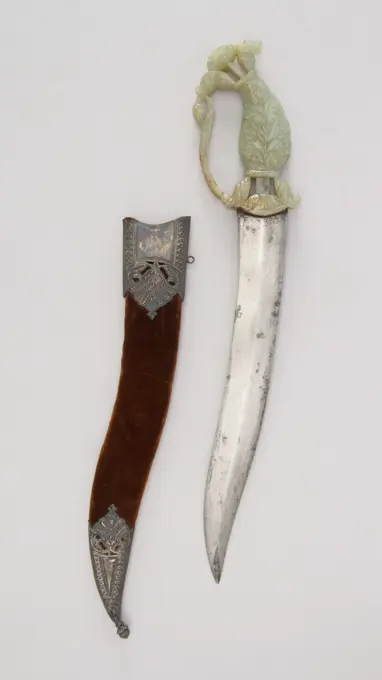
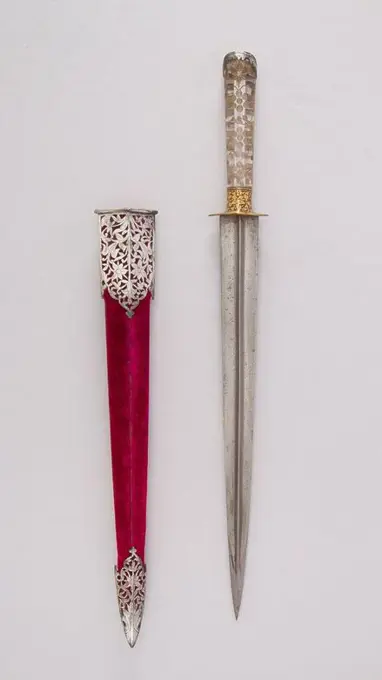
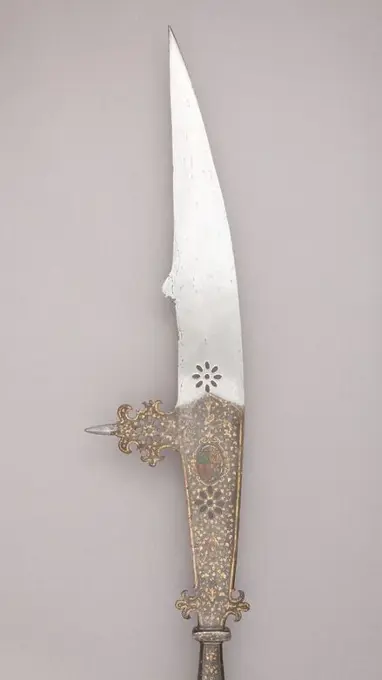
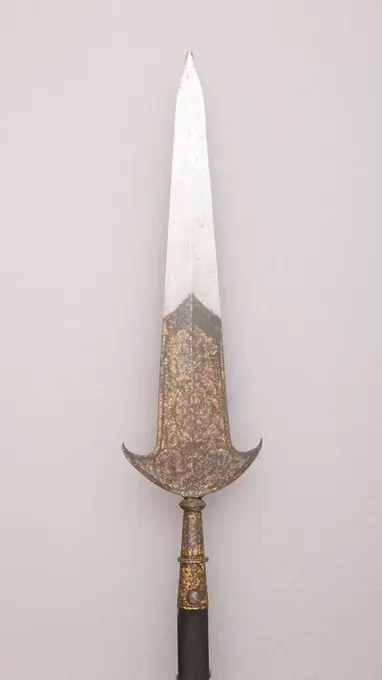
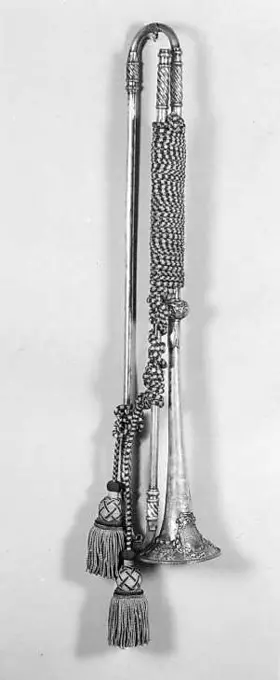
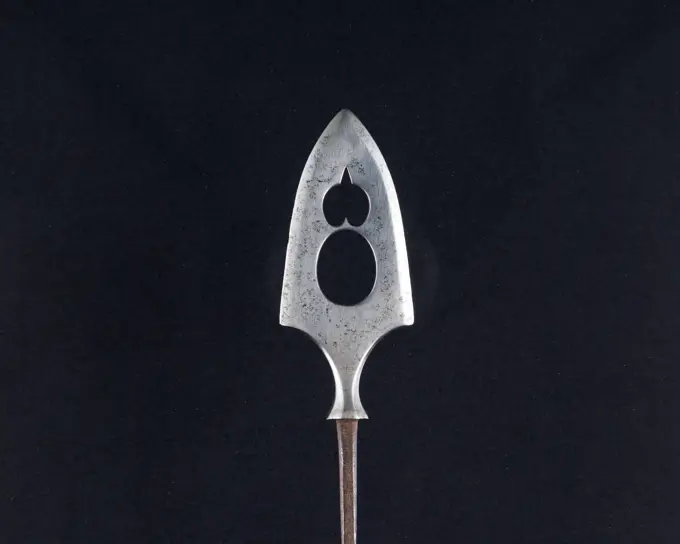
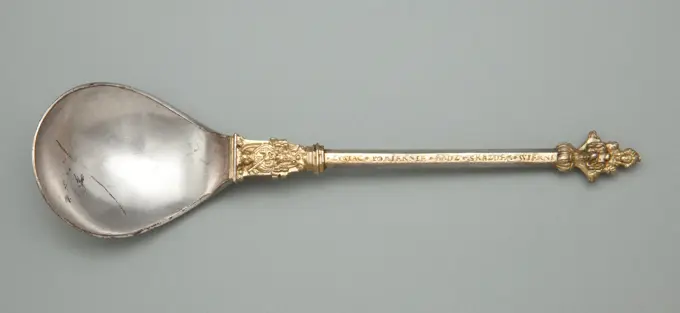
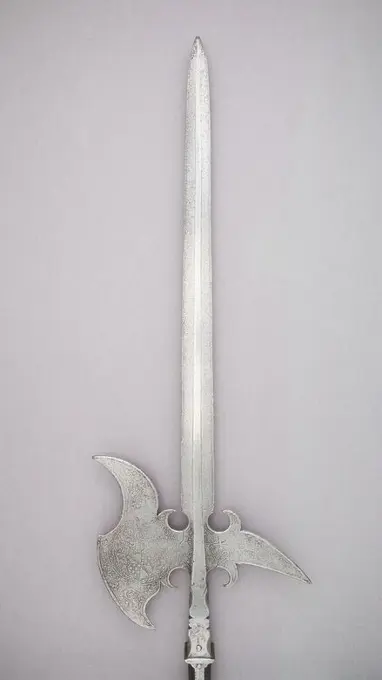
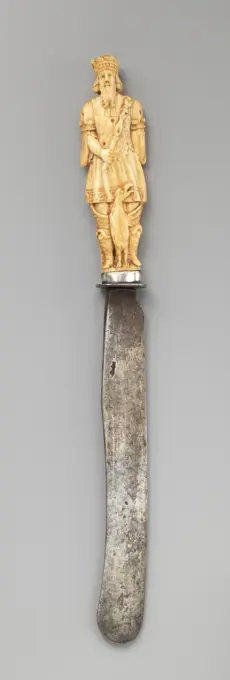
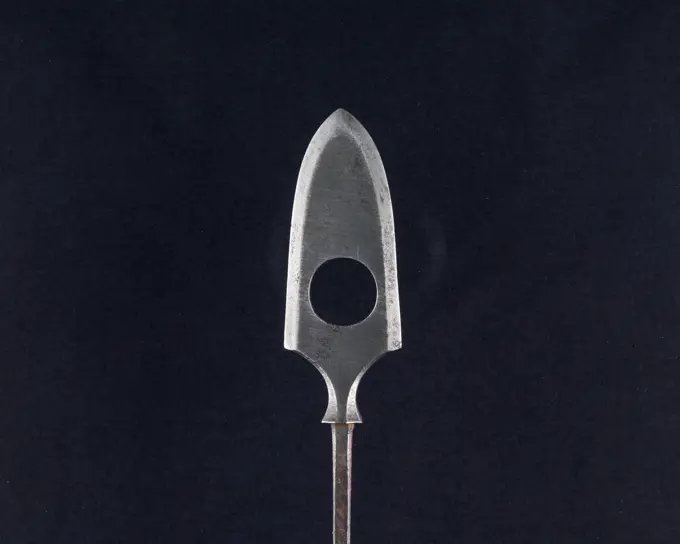
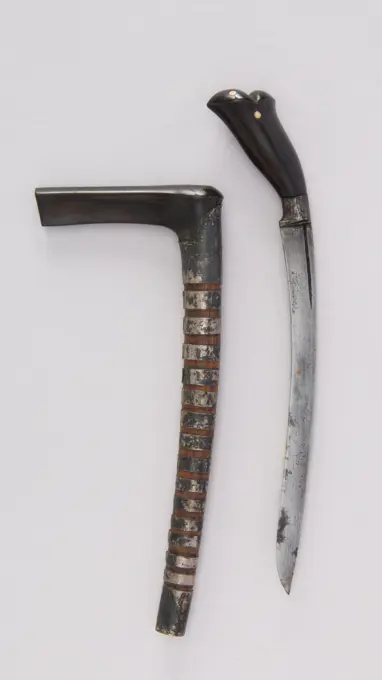
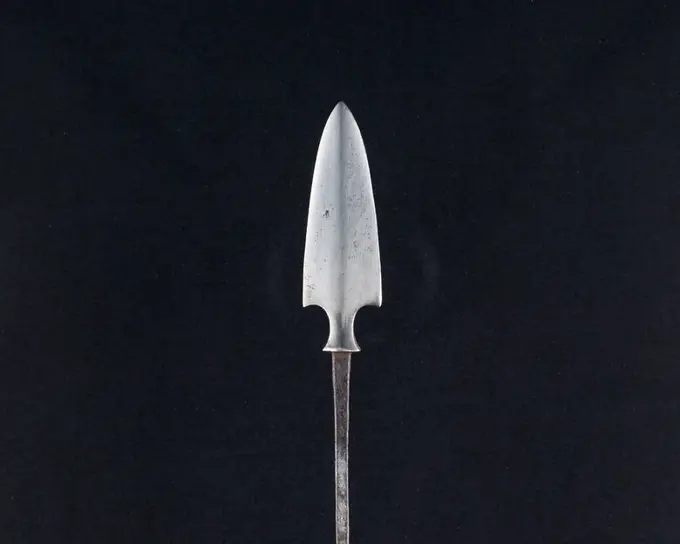
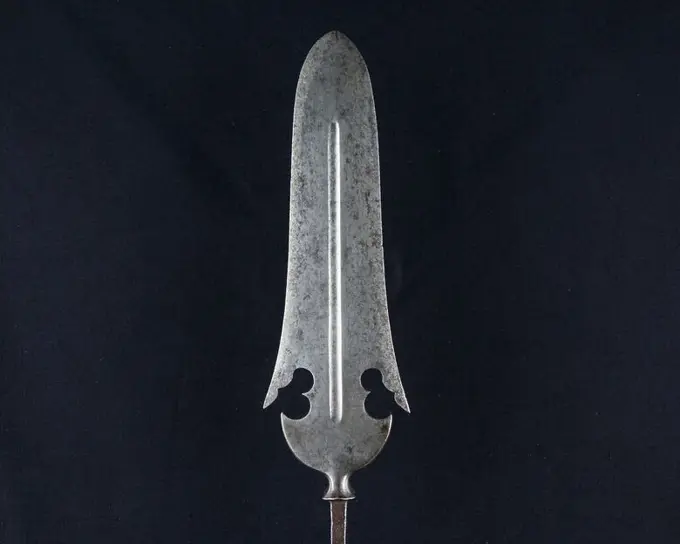
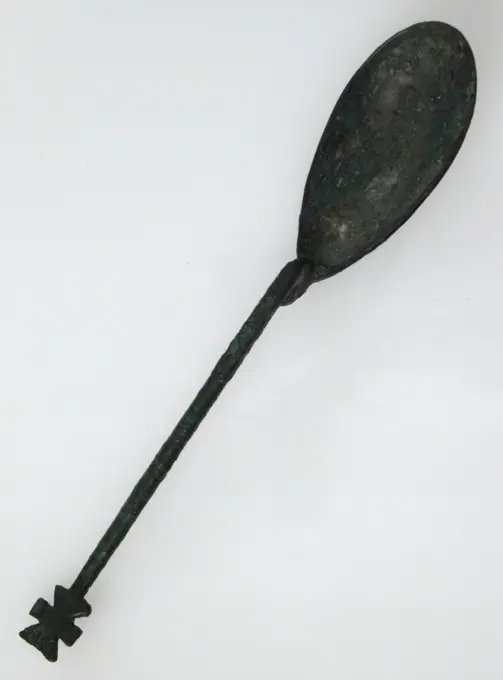
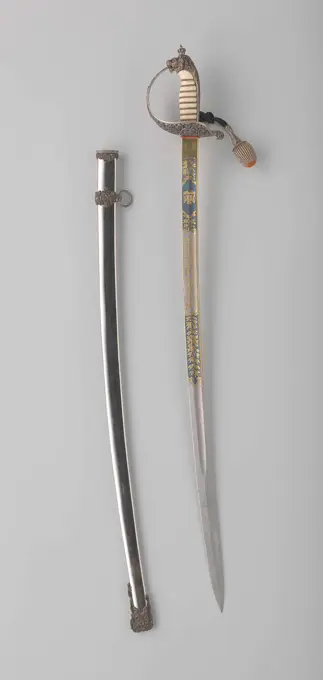
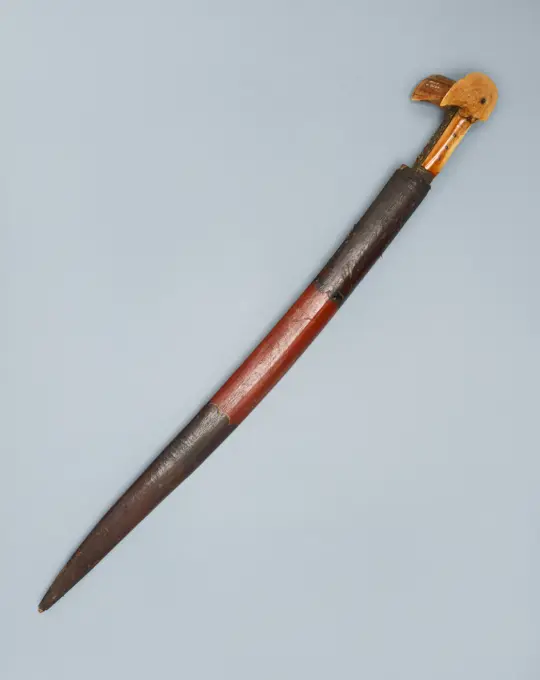
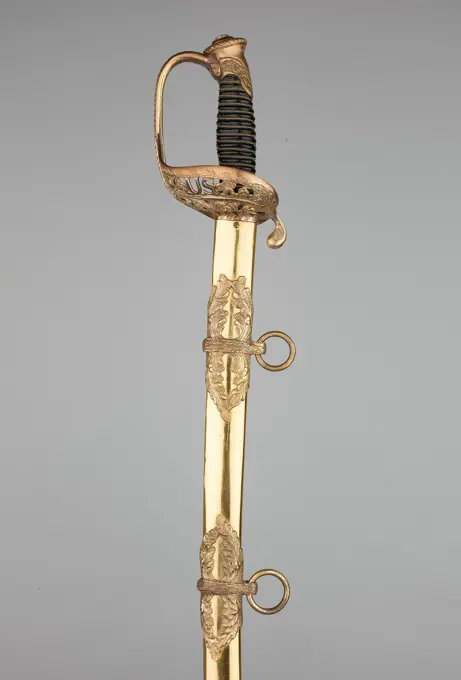
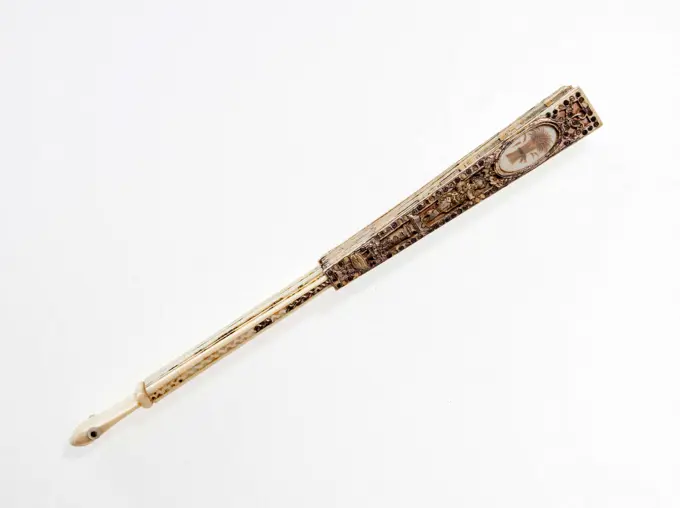
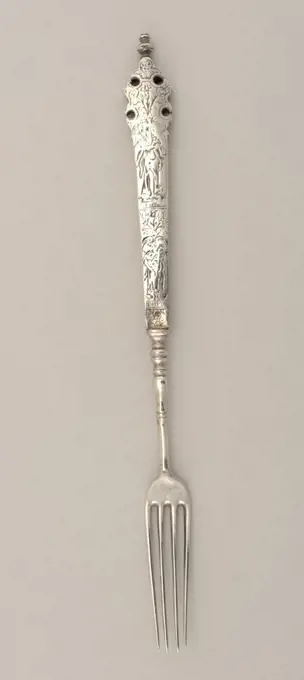
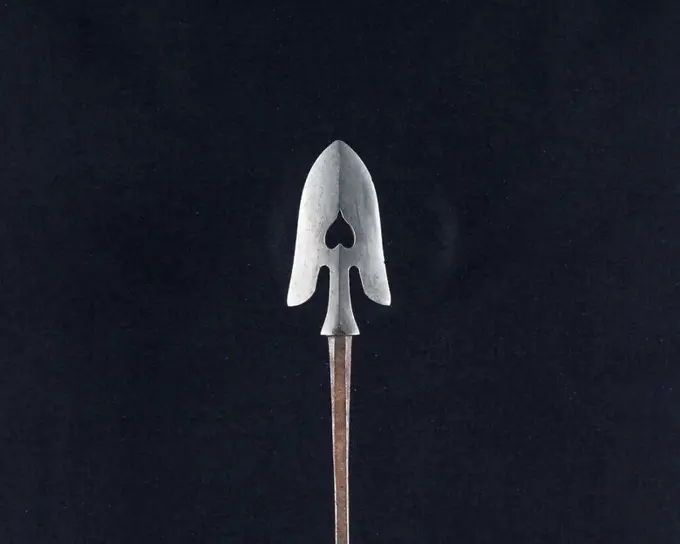
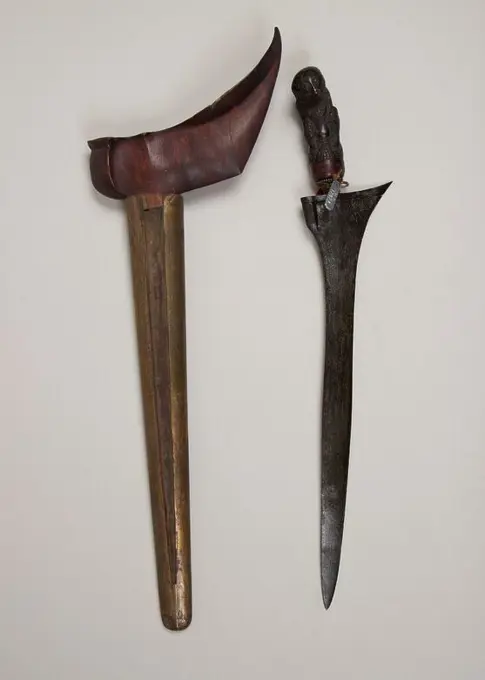
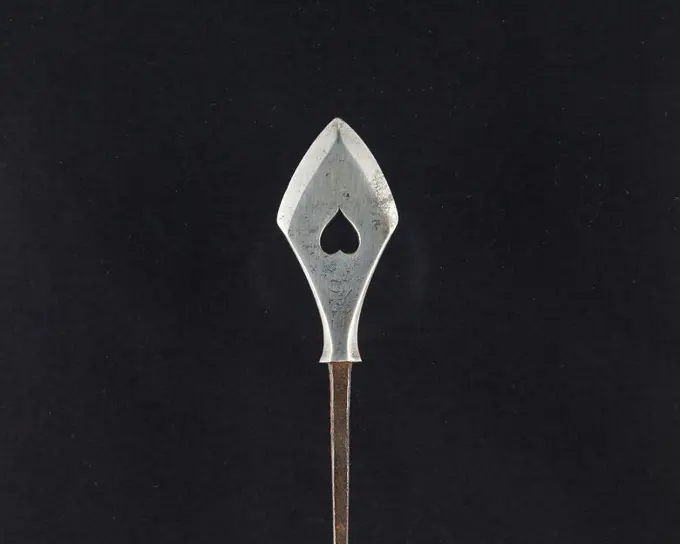
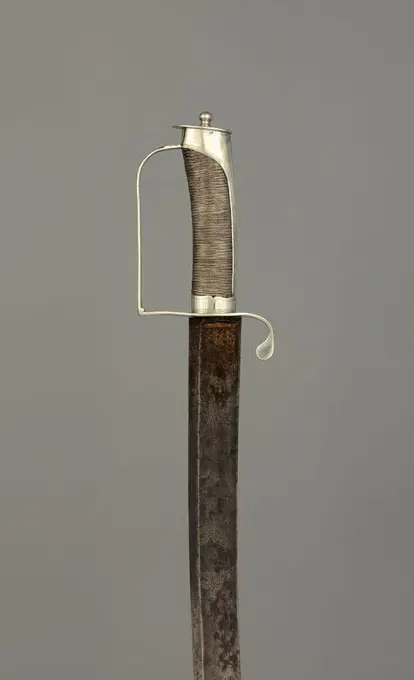
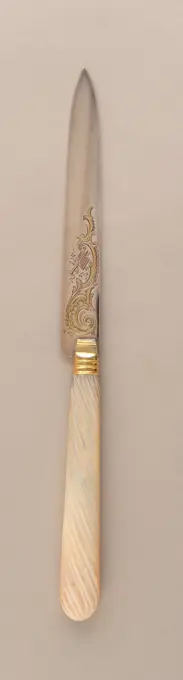
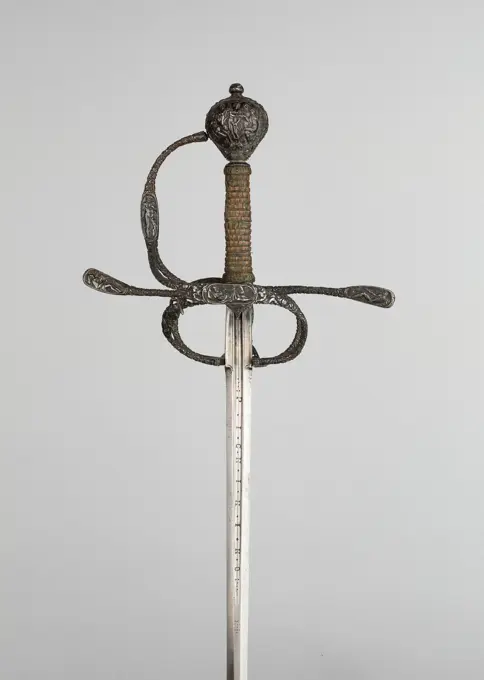
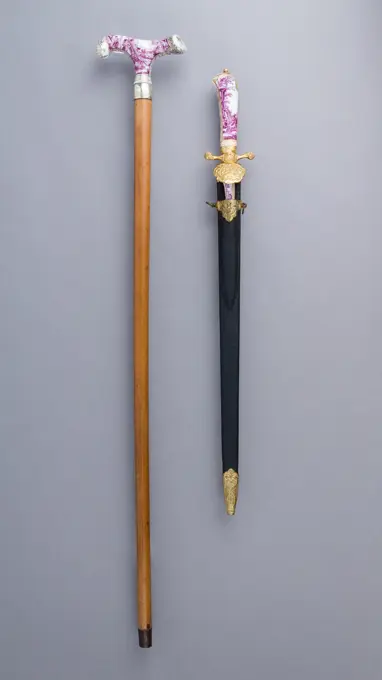
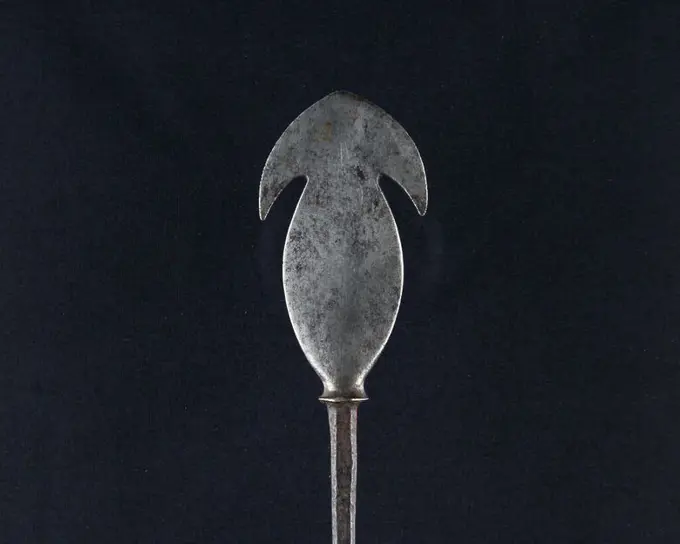
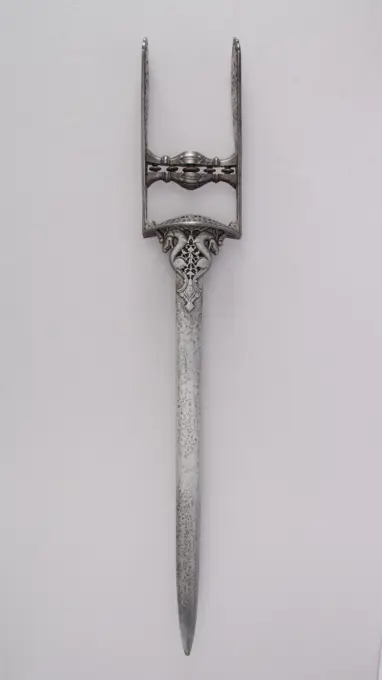
Dagger (Katar) 17th century Indian, Thanjavur; blade, European. Dagger (Katar) 31420Dagger 1600-1800 Europe. Steel .Hair Pin, 10 1/16 x 2 1/2 x 3/8 in. (25.56 x 6.35 x 0.95 cm), Silver, ChinaDagger. Culture: Indian, Mughal. Dimensions: H. 16 in. (40.6 cm); H. of blade 10 15/16 in. (27.8 cm); W. 3 3/8 in. (8.6 cm); D. 1 in. (2.5 cm); Wt. 15.7 oz. (445.1 g). Date: 19th century. Museum: Metropolitan Museum of Art, New York, USA.Arrowhead (Yanone). Culture: Japanese. Dimensions: L. 11 3/8 in. (28.9 cm); L. of head 4 1/2 in. (11.4 cm); W. 3 in. (7.6 cm); Wt. 5.6 oz. (158.8 g). Date: dated 1645. Museum: Metropolitan Museum of Art, New York, USA.Dagger (Katar) 17th-18th century South Indian; blade, European The katar is a unique form of Indian dagger, in which the grip is perpendicular to the blade. it was wielded in the right hand, as an independent weapon, or in the left hand, in conjunction with a round shield. Two narrow upright flanges, often bearing fine ornamentation, protect the sides of the hand and wrist. Within the limited confines of these flanges the decoration of this katar depicts one of the most expansive areas of the Hindu pantheon: the ten incarnations (avatras) of Vishnu.Vishnu as the universal savior is one element of Hunduism's trimrti (supreme triune deity), which also encompasses Brahm as the creator and Shiva as the destroyer. In order to sustain mankind or defeat a great evil, Vishnu periodically manifested himself on earth in physical form, or avatar. The number of Vishnu's avatars has evolved over time, but one of the more widely accepted groups comprises the ten avatars represented on this katar.Arrow Point, 1700s. Japan, Edo period (1615-1868). Steel; overall: 15.4 cm (6 1/16 in.); head: 5 cm (1 15/16 in.).Fork, Steel, gilt-bronze, gold, Two tines, rounded shoulders. Spiral neck; cast gilded bronze handle in the form of female term; lower pedestal with imbricated scale work; demi-figure with arms curved down to sides. Modeled front and back., probably Italy or France, ca. 1550, cutlery, Decorative Arts, ForkMace 1600-1700 Poland. Iron, wood, brass, bone or horn, and mother-of-pearl .. Metal skirt holder with a round plate on the waist hook with a floral motif. A hook clamped over the waistband to which a coarse necklace and a long clamp. Down two round pictures, which are finished on the inside with rubber. The round clamp is decorated with a floral pattern.Spontoon dated 1783 Dutch. Spontoon 32228Knife, Steel, brass, Tapered pointed blade of triangular section; flat inner side, swaged outer side with additional facet. Shaped brass bolster continuous with handle, twisted ring, circular shaft, baluster section with bell-shaped cup at end., probably Italy, 17th century, cutlery, Decorative Arts, KnifeBusk. Culture: French. Date: 17th century.The inscription with the flaming hearts reads, "loves joins them" and "the arrow unites us," while the message of the sun shining on a flower is "to see you or to die.". Museum: Metropolitan Museum of Art, New York, USA.Knife 18th century possibly Swiss. Knife. possibly Swiss. 18th century. Steel, horn, brass. Metalwork-SteelPinKorseke. Culture: Italian. Dimensions: L. 8 ft. 11 1/4 in. (272.4 cm); L. of head 30 5/16 in. (77 cm); W. 12 5/8 in. (32 cm); Wt. 5 lbs. 4.5 oz. (2396 g). Date: ca. 1525. Museum: Metropolitan Museum of Art, New York, USA.Halberd. Culture: German or French. Dimensions: L. 9 ft. 7 in. (292.1 cm); L. of head 26 1/2 in. (67.3 cm); W. 13 in. (33.1 cm); Wt. 5 lbs. 10 oz. (2551 g). Date: 1550-1600. Museum: Metropolitan Museum of Art, New York, USA.Hunting Spear 16th century French. Hunting Spear 27057Spontoon 18th century French. Spontoon 27024Small Sword, 1700s. France, 18th century. Steel, copper alloy inlays; wood grip with steel wire; overall: 90.7 cm (35 11/16 in.); blade: 77.2 cm (30 3/8 in.); quillions: 8.6 cm (3 3/8 in.). The small-sword was a civilian thrusting weapon customarily worn by well-to-do gentleman in civilian dress during the weapon's heyday in the 1700s, and were later worn on formal or court occasions. They were traditionally suspended at about mid-thigh from the left side of the belt, the gilt exposed through an opening in the gentleman's coat. Since it was highly visible it was subject to lavish decoration with precious materials and fashions came and went. Many were decorated to match personal costume and were truly an emblem of social rank.Partisan-Spontoon ca. 1700 French. Partisan-Spontoon. French. ca. 1700. Steel, wood (ash), gold. Shafted WeaponsPartisan ca. 1600 French. Partisan 26733Lucerne Hammer Made 1600-1650 Switzerland. Steel, iron, and wood .Kris with Sheath. Culture: Sumatran. Dimensions: L. with sheath 24 3/4 in. (62.9 cm); L. without sheath 22 3/4 in. (57.8 cm); L. of blade 19 1/4 in. (48.9 cm); W. 3 in. (7.6 cm); Wt. 7.7 oz. (218.3 g); Wt. of sheath 4 oz. (113.4 g). Date: 16th-19th century. Museum: Metropolitan Museum of Art, New York, USA.Knife with Blue Pattern, Saint-Cloud Porcelain Manufactory, French, active by 1693 - 1766, steel, silver, porcelain, vitreous enamel, Sabre-shaped blade, plain bolster. Banded silver ferrule with scalloped edge. Pistol-shaped white porcelain handle with dark blue floral and scrolled decoration., France, ca. 1744, cutlery, Decorative Arts, knife, knifeArrowhead (Yanone) dated 1645 Japanese Although today Japanese warriors are renowned most for their swordsmanship, archery, especially from horseback, has been an essential part of samurai warfare and culture for centuries. Arrows were fitted with heads of varying shape according to their intended use in war, the hunt, or target practice. Arrowheads made for use on the battlefield incorporated different designs intended for specialized purposes such as the piercing of armor or to cause maximum damage to horses and unarmored personnel.Large arrowheads, pierced and elaborately chiseled with landscapes, birds, flowers, dragons, and Buddhist divinities, were created to be admired for the beauty of their metalwork and design rather than for use in archery. Such highly elaborate examples may have been made for presentation or as a votive offerings to a shrine.. Arrowhead (Yanone). Japanese. dated 1645. Steel. Archery Equipment-ArrowheadsTwo Pudding Forks,  c. 1902Bread knife late 18th century Southern German or Austrian, Tyrol. Bread knife. Southern German or Austrian, Tyrol. late 18th century. Steel, horn, silver. Metalwork-SteelSkewer, Silver, Tapering pointing blade or pin; cast terminal embossed with cat-tail topped acanthus fronds below a pair of opposing dolphins centering a trident;, France, late 19th century, cutlery, Decorative Arts, SkewerArrowhead (Yanone) 18th century Japanese Although today Japanese warriors are renowned most for their swordsmanship, archery, especially from horseback, has been an essential part of samurai warfare and culture for centuries. Arrows were fitted with heads of varying shape according to their intended use in war, the hunt, or target practice. Arrowheads made for use on the battlefield incorporated different designs intended for specialized purposes such as the piercing of armor or to cause maximum damage to horses and unarmored personnel.Large arrowheads, pierced and elaborately chiseled with landscapes, birds, flowers, dragons, and Buddhist divinities, were created to be admired for the beauty of their metalwork and design rather than for use in archery. Such highly elaborate examples may have been made for presentation or as a votive offerings to a shrine.. Arrowhead (Yanone). Japanese. 18th century. Steel. Archery Equipment-ArrowheadsCongolese weapon, a twin-bladed Ngala Sword, used for beheading in ceremonial executions. From the Democratic Republic of Congo.Sabel of the second Waldeck, Anonymous, c. 1742 - c. 1797 sabre Sabel with copper hilt, consisting of a button, twisted handle, front bracket, heart -shaped bump, half pare rod. On the underside of the shot is engraved: 2nd reg. Soil find in Grave. The 2nd Waldeck Regiment was only briefly in Grave during the siege by the French 14 October - December 30, 1794.  Kling: Iron (Metal). hilt: Copper (Metal) forging / engraving  GraveKama kanjarCinquedea. Culture: Italian. Dimensions: L. 11 15/16 in. (30.3 cm); L. of blade 7 5/8 in. (19.35 cm); W. 3 3/16 in. (8.08 cm); W. of blade 2 3/16 in. (5.54 cm); D. of blade 5/16 in. (0.79 cm); Wt. 8 oz. (200 g). Date: ca. 1500. Museum: Metropolitan Museum of Art, New York, USA.Plug Bayonet 1686 England. Steel, wood, brass, and silver .Halberd 1575 Germany. Steel and wood (old oak and modern pine) .Hair Pin, 7 9/16 x 2 1/4 x 1 in. (19.21 x 5.72 x 2.54 cm), Silver, ChinaArrowhead (Yanone). Culture: Japanese. Dimensions: L. 9 3/4 in. (24.8 cm); L. of head 3 1/4 in. (8.3 cm); W. 1 1/2 in. (3.8 cm); Wt. 1.6 oz. (45.4 g). Date: 18th century. Museum: Metropolitan Museum of Art, New York, USA.Arrowhead (Yanone). Culture: Japanese. Dimensions: L. 15 3/4 in. (40 cm); L. of head 6 in. (15.2 cm); W. 1 1/2 in. (3.8 cm); Wt. 3 oz. (85 g). Date: 18th century. Museum: Metropolitan Museum of Art, New York, USA.Two meters, Baradelle, 1800 - 1825 measuring rod Iron bat with removable copper ends. Measuring layout at the front in decimeters, from 10 to 20; On the downside in pieces of 33.3 cm, from 3 to 6. Front Inscription: Metres. Rail side: SE and Signature: Baradelle a Paris. Paris iron (metal). copper (metal) forging / striking (metalworking)Rapier Italian, Milan ca. 1590 The rapier was the principal civilian sidearm throughout the sixteenth and seventeenth centuries. Designed for cut-and-thrust fencing of progressively complex techniques, the rapier is characterized by a double-edged blade with an acute point and an elaborate guard for the hand. The guards, usually of iron or steel, were subject to a variety of embellishment. They were engraved, chiseled, gilded, damascened, and encrusted in gold and silver in keeping with fashionable styles. Unless otherwise noted, the materials, attributions, and dating given here refer to the hilts. Rapier blades, invariably of steel, bear a variety of makers marks denoting their origin in the two principal centers of blademaking, Toledo in Spain and Solingen in Germany. View more. Rapier. Italian, Milan. ca. 1590. Steel, silver, gold. Milan. SwordsSword (Parang Pandit) with Scabbard 18th-19th century Dyak. Sword (Parang Pandit) with Scabbard. Dyak. 18th-19th century. Steel, wood, brass, silver, cane. SwordsPartisan dated 1734 German. Partisan 27033Halberd. Culture: Austrian. Dimensions: L. 94 3/4 in (240.6 cm); L. of head 23 5/8 in. (60 cm); W. 12 in. (30.5 cm); Wt. 5 lbs. 3 oz. (2350 g). Date: dated 1596. Museum: Metropolitan Museum of Art, New York, USA.Rowel Spur (Left), in the Style of the 15th Century Probably 19th century Hungarian This spur, probably made in the 19th century, reproduces a characteristic 16th-century Hungarian spur.. Rowel Spur (Left), in the Style of the 15th Century. Hungarian. Probably 19th century. Iron alloy. Equestrian Equipment-SpursArrowhead (Yanone). Culture: Japanese. Dimensions: L. 13 3/4 in. (34.9 cm); L. of head 4 1/2 in. (11.4 cm); W. 3/4 in. (1.9 cm); Wt. 1.7 oz. (48.2 g). Date: 18th century. Museum: Metropolitan Museum of Art, New York, USA.Sword (Kris), 1800s. Java. Iron and silver; overall: 43.8 cm (17 1/4 in.); blade: 33.7 cm (13 1/4 in.).Halberd ca. 1575 Italian. Halberd. Italian. ca. 1575. Steel, brass, wood, gold. Shafted WeaponsDagger (Chilanum) with Sheath. Culture: Indian. Dimensions: H. with sheath 16 3/8 in. (41.6 cm); H. without sheath 15 1/4 in. (38.7 cm); H. of blade 10 13/16 in. (27.5 cm); W. 3 9/16 in. (9 cm); D. 1 in. (2.5 cm); Wt. 11.4 oz. (323.2 g); Wt. of sheath 1.3 oz. (36.9 g). Date: 18th century. Museum: Metropolitan Museum of Art, New York, USA.Knife with Porcelain Handle, Meissen Porcelain Manufactory, German, active from 1710 to the present, hard paste porcelain, vitreous enamel, steel, gold, Saber-shaped blade with drop bolster. Ferrule engraved with animals and flowers; ferrule and bolster both gilded. Porcelain handle tapering, round in section. Floral pattern in blue, red, green, yellow and purple on a white ground. Button cap on top of handle., Germany, ca. 1750, cutlery, Decorative Arts, knife, knifeArrowhead (Yanone). Culture: Japanese. Dimensions: L. 9 in. (22.9 cm); L. of head 2 3/4 in. (7 cm); W. 1 1/2 in. (3.8 cm); Wt. 1 oz. (28.3 g). Date: 18th century. Museum: Metropolitan Museum of Art, New York, USA.Halberd Made 1500-1550 Germany. Steel and wood .Sword from the Armory of Schloss Ambras, Innsbruck Made 1560-1600 Germany. Steel, brass, wood, and leather .Halberd. Culture: American. Dimensions: L. 89 1/2 in. (227.3 cm); L. of head 16 1/4 in. (41.3 cm); W. 9 9/16 in. (24.3 cm); Wt. 3 lbs. (1360.8 g). Date: 18th century. Museum: Metropolitan Museum of Art, New York, USA.Dagger (Katar). Culture: Indian. Dimensions: L. 29 9/16 in. (75.1 cm); W. 3 3/8 in. (8.6 cm); Wt. 1 lb. 6.3 oz. (632.2 g). Date: 18th century. Museum: Metropolitan Museum of Art, New York, USA.. Rattan walking stick with silver button. The button is twellable, equipped with three flower festivals connected by bows. On the top surface a relief with a saint and the child Jesus. The tip of the stick is from buyer. A braided metal cord with two brushes is attached under the button. Brands on the button (13 and a running lion).Arrowhead (Yanone). Culture: Japanese. Dimensions: L. 8 5/8 in. (21.9 cm); L. of head 1 7/8 in. (4.8 cm); W. 2 in. (5.1 cm); Wt. 1 oz. (28.3 g). Date: 18th century. Museum: Metropolitan Museum of Art, New York, USA.Table fork 17th century Italian. Table fork. Italian. 17th century. Steel, ivory. Metalwork-SteelArrowhead (Yanone) 18th century Japanese Although today Japanese warriors are renowned most for their swordsmanship, archery, especially from horseback, has been an essential part of samurai warfare and culture for centuries. Arrows were fitted with heads of varying shape according to their intended use in war, the hunt, or target practice. Arrowheads made for use on the battlefield incorporated different designs intended for specialized purposes such as the piercing of armor or to cause maximum damage to horses and unarmored personnel.Large arrowheads, pierced and elaborately chiseled with landscapes, birds, flowers, dragons, and Buddhist divinities, were created to be admired for the beauty of their metalwork and design rather than for use in archery. Such highly elaborate examples may have been made for presentation or as a votive offerings to a shrine.. Arrowhead (Yanone). Japanese. 18th century. Steel. Archery Equipment-ArrowheadsSword with Scabbard 18th-19th century Tibetan. Sword with Scabbard 27780Kris with Sheath 18th-19th century Malayan (scabbard possibly Sumatran). Kris with Sheath 31489Dagger (Jambiya) with Sheath 18th-19th century Indian. Dagger (Jambiya) with Sheath 31482Dagger with Sheath. Culture: Indian. Dimensions: L. with sheath 16 1/2 in. (41.9 cm); L. without sheath 15 3/4 in. (40 cm); L. of blade 11 1/4 in. (28.6 cm); W. 1 11/16 in. (4.3 cm); Wt. 6 oz. (170.1 g); Wt. of sheath 2.4 oz. (68 g). Date: 18th-19th century. Museum: Metropolitan Museum of Art, New York, USA.Spoon (France); silver; L x W x D: 17.4 x 3 x 2 cm (6 7/8 x 1 3/16 x 13/16 in.)Glaive of the Bodyguard of the Tiepolo Family. Culture: Italian. Dimensions: L. 8 ft. 11 1/4 in. (272.4 cm); L. of head 33 7/16 in. (85 cm); W. 7 1/2 in. (19 cm); Wt. 7 lbs. 2.9 oz. (3257.4 g). Date: ca. 1600. Museum: Metropolitan Museum of Art, New York, USA.Partisan. Culture: French. Dimensions: L. 8 ft. 6 3/4 in. (261 cm); L. of head 20 3/8 in. (51.8 cm); W. 5 1/4 in. (13.4 cm); Wt. 4 lbs. 6 oz. (1984.5 g). Date: ca. 1600. Museum: Metropolitan Museum of Art, New York, USA.Dagger with Sheath. Culture: hilt, Persian; blade, Indian. Dimensions: L. with sheath 15 1/2 in. (39.4 cm); L. without sheath 14 3/4 in. (37.5 cm); W. 3 1/2 in. (8.9 cm); Wt. 14.1 oz. (399.7 g); Wt. of sheath 1.3 oz. (36.9 g). Date: 19th century. Museum: Metropolitan Museum of Art, New York, USA.Dagger (Jambiya) 19th century Persian. Dagger (Jambiya) 31476Natural Trumpet 1765 Anton Kerner Austrian Silver, in places gold wash. It bears an oval plaque with the coat of arms of the Electors of Saxony. The trumpet follows the style of the Haas-trumpets, probably so as to match the other instruments of the original ensemble to which it belonged. Decorative details, however, show Viennese features: the Hapsburg double eagle, armor, weapons, banners, et cetera. The red-yellow cord and mouthpiece are not original.. Natural Trumpet 503969Arrowhead (Yanone) 18th century Japanese Although today Japanese warriors are renowned most for their swordsmanship, archery, especially from horseback, has been an essential part of samurai warfare and culture for centuries. Arrows were fitted with heads of varying shape according to their intended use in war, the hunt, or target practice. Arrowheads made for use on the battlefield incorporated different designs intended for specialized purposes such as the piercing of armor or to cause maximum damage to horses and unarmored personnel.Large arrowheads, pierced and elaborately chiseled with landscapes, birds, flowers, dragons, and Buddhist divinities, were created to be admired for the beauty of their metalwork and design rather than for use in archery. Such highly elaborate examples may have been made for presentation or as a votive offerings to a shrine.. Arrowhead (Yanone). Japanese. 18th century. Steel. Archery Equipment-ArrowheadsArrow Point, 1700s. Japan, Edo period (1615-1868). Steel; overall: 23.4 cm (9 3/16 in.); head: 6.6 cm (2 5/8 in.).SpoonHalberd. Culture: German. Dimensions: L. 93 1/4 in. (128.3 cm); L. of head 30 3/4 in. (78.1 cm); W. 10 3/4 in. (27.3 cm); Wt. 6 lbs. 1.1 oz. (2752.7 g). Date: dated 1580. Museum: Metropolitan Museum of Art, New York, USA.Table knife 17th century probably German. Table knife. probably German. 17th century. Steel, ivory. Metalwork-SteelArrowhead (Yanone). Culture: Japanese. Dimensions: L. 8 1/8 in. (20.6 cm); L. of head 2 1/4 in. (5.7 cm); W. 1 1/8 in. (2.9 cm); Wt. 0.8 oz. (22.7 g). Date: 18th century. Museum: Metropolitan Museum of Art, New York, USA.Arrowhead (Yanone) 18th century Japanese Although today Japanese warriors are renowned most for their swordsmanship, archery, especially from horseback, has been an essential part of samurai warfare and culture for centuries. Arrows were fitted with heads of varying shape according to their intended use in war, the hunt, or target practice. Arrowheads made for use on the battlefield incorporated different designs intended for specialized purposes such as the piercing of armor or to cause maximum damage to horses and unarmored personnel.Large arrowheads, pierced and elaborately chiseled with landscapes, birds, flowers, dragons, and Buddhist divinities, were created to be admired for the beauty of their metalwork and design rather than for use in archery. Such highly elaborate examples may have been made for presentation or as a votive offerings to a shrine.. Arrowhead (Yanone). Japanese. 18th century. Steel. Archery Equipment-ArrowheadsKnife (Bade-bade) with Sheath 18th-19th century Malayan. Knife (Bade-bade) with Sheath 31651Arrowhead (Yanone). Culture: Japanese. Dimensions: L. 8 1/8 in. (20.6 cm); L. of head 2 1/2 in. (6.4 cm); W. 3/4 in. (1.9 cm); Wt. 0.9 oz. (25.5 g). Date: 18th century. Museum: Metropolitan Museum of Art, New York, USA.Arrowhead (Yanone). Culture: Japanese. Dimensions: L. 19 1/2 in. (49.5 cm); L. of head 7 7/16 in. (18.9 cm); W. 2 1/4 in. (5.7 cm); Wt. 5.4 oz. (153.1 g). Date: 18th century. Museum: Metropolitan Museum of Art, New York, USA.ancient asian woodwind musical instrument on a black background, surnay. national musical instrument of AsiaSpoon 4th-5th century Roman or Byzantine. Spoon 468467Eresel with sheath of H. Colijn. Eresabel awarded on behalf of Queen Wilhelmina to the then 1st Lieutenant of the Infantry Knil H. Colijn. The saber has a silver hilt whose baffle plate is decorated with floral motifs. The ivory handle is wounded with rotated silver thread and a handle cap that extinguishes in an anti-clock in the form of a crowned lion head. A tarragon or sable brush hangs at the hol. The blade is partly blued and embossed with the text Queen Wilhelmina for showed bravery // 1st Lieutenant of the Infantry H. Colyn. ATJEH, June-December 1899. The sheath is from German silver and has decorated trolley plate and tires and a single ring with floral patterns. There should be a tailor-made coffin at the eresable.Yataghan with a scabbardCavalry Officer's Saber with Scabbard Made 1850-1875 United States. Steel, wood, and leather .Dagger 1st millennium B.C. Iran. Dagger 324417René Péan. EVENTAIL. "Les Petites Michu". Paper, ordinary wood. Paris, Carnavalet museum. Eventail: "Les Petites Michu"; René Péan Fashion accessory, EventailFork, silver, steel, Four slightly curved, pointed tines, sloping shoulders and long baluster neck. Tapered handle with flat sides, open scrolls at the top. Engraved figural designs: two figures on front and back, illegible inscriptions below each figure., Netherlands or Flanders, ca. 1621, cutlery, Decorative Arts, ForkChrysanthemum, Tiffany & Company, American, established 1853, Silver, Deep round bowl, gilded; relief-decorated handle with design in Chrysanthemum pattern, with engraved 'B' in reserve., 1880-91, cutlery, Decorative Arts, Salt spoon, Salt spoonArrowhead (Yanone). Culture: Japanese. Dimensions: L. 7 5/8 in. (19.4 cm); L. of head 1 3/4 in. (4.5 cm); W. 7/8 in. (2.2 cm); Wt. 0.8 oz. (22.7 g). Date: 18th century. Museum: Metropolitan Museum of Art, New York, USA.Kris with Sheath. Culture: Javanese. Dimensions: L. with sheath 18 15/16 in. (48.1 cm); L. without sheath 16 5/16 in. (41.4 cm); L. of blade 13 1/4 in. (33.7 cm); W. 3 in. (7.6 cm); D. 1 3/4 in. (4.5 cm); Wt. 7.2 oz. (204.1 g); Wt. of sheath 7.2 oz. (204.1 g). Date: 16th-19th century. Museum: Metropolitan Museum of Art, New York, USA.Arrowhead (Yanone). Culture: Japanese. Dimensions: L. 10 in. (25.4 cm); L. of head 2 1/4 in. (5.7 cm); W. 1 1/8 in. (2.9 cm); Wt. 1.3 oz. (36.9 g). Date: 18th century. Museum: Metropolitan Museum of Art, New York, USA.Key; 1904-23-6Cup-Hilted Rapier Spanish 17th century The rapier was the principal civilian sidearm throughout the sixteenth and seventeenth centuries. Designed for cut-and-thrust fencing of progressively complex techniques, the rapier is characterized by a double-edged blade with an acute point and an elaborate guard for the hand. The guards, usually of iron or steel, were subject to a variety of embellishment. They were engraved, chiseled, gilded, damascened, and encrusted in gold and silver in keeping with fashionable styles. Unless otherwise noted, the materials, attributions, and dating given here refer to the hilts. Rapier blades, invariably of steel, bear a variety of makers marks denoting their origin in the two principal centers of blademaking, Toledo in Spain and Solingen in Germany. View more. Cup-Hilted Rapier. Spanish. 17th century. Steel. SwordsCavalry Officer's Saber. Culture: American, Baltimore. Dimensions: H. 39 7/8 in. (101.3 cm); H. of blade 34 1/4 in. (87 cm); W. 3 3/4 in. (9.5 cm); Wt. 1 lb. 9.6 oz. (725.7 g). Silversmith: Hilt by John Lynch (American, Baltimore 1761-1848 Baltimore). Date: ca. 1810.This saber exemplifies the appeal of simple hilt designs in America from the Colonial to the Federal era, and is remarkable among the handful of comparable sabers that survive for the fact that it is the only known example of its type with a signed hilt. The work of John Lynch, a Baltimore silversmith and watch and clock-maker, the hilt is closely related in form and even decoration to that of the saber of Captain Thorndick Chase of Baltimore (1755-1838) in the Maryland Historical Society, and to the hilts of a few additional specimens, which are traditionally thought to have been made in Philadelphia. It occupies a special place in Lynch's work, as his silver hilts for swords and another saber customarily feature eagle-shDagger with Sheath 18th-19th century South Indian. Dagger with Sheath 31744Rapier blade, Spanish ca. 1590 The rapier was the principal civilian sidearm throughout the sixteenth and seventeenth centuries. Designed for cut-and-thrust fencing of progressively complex techniques, the rapier is characterized by a double-edged blade with an acute point and an elaborate guard for the hand. The guards, usually of iron or steel, were subject to a variety of embellishment. They were engraved, chiseled, gilded, damascened, and encrusted in gold and silver in keeping with fashionable styles. Unless otherwise noted, the materials, attributions, and dating given here refer to the hilts. Rapier blades, invariably of steel, bear a variety of makers marks denoting their origin in the two principal centers of blademaking, Toledo in Spain and Solingen in Germany. View more. Rapier. blade, Spanish. ca. 1590. Steel, gold. SwordsFruit Knife (France); Designed by F. Nicoud (French, active 1890); silver, steel, mother-of-pearl, gilding; L x W x D: 20 x 1 x 0.8 cm (7 7/8 x 3/8 x 5/16 in.)Rapier and Scabbard 1625-1645 Flanders. Steel, iron, copper, textile, leather, and wood . Antonio PiccininoWalking Stick with Companion Hunting Sword, Knife, and Scabbard ca. 1780 German or Austrian This seemingly unique hunting garniture was made for Maximilian Franz of Austria (1756-1801), the youngest son of Empress Maria Theresa (1717-1780), presumably before he became Prince Archbishop and Elector of Cologne in 1784. Comprising a sword with scabbard and byknife, and a matching walking stick, it is remarkable for the finely painted Meissen porcelain of which the grip and handles are made. Derived from a suite of etchings by the Augsburg artist Johann Elias Ridinger, and appropriately featuring scenes of the stag hunt, the decoration of the porcelain elements is executed in a shades of puce, a fashionable technique that was especially prized for the range of tonalities that it afforded.. Walking Stick with Companion Hunting Sword, Knife, and Scabbard. German or Austrian. ca. 1780. Porcelain, silver, gold, wood, copper alloy, steel, leather. Swords-AccessoriesArrowhead (Yanone). Culture: Japanese. Dimensions: L.10 1/2 in. (26.7 cm); L. of head 3 13/16 in. (9.7 cm); W. 1 1/2 in. (3.8 cm); Wt. 1.8 oz. (51 g). Date: 18th century. Museum: Metropolitan Museum of Art, New York, USA.