Decorative Blades and Daggers

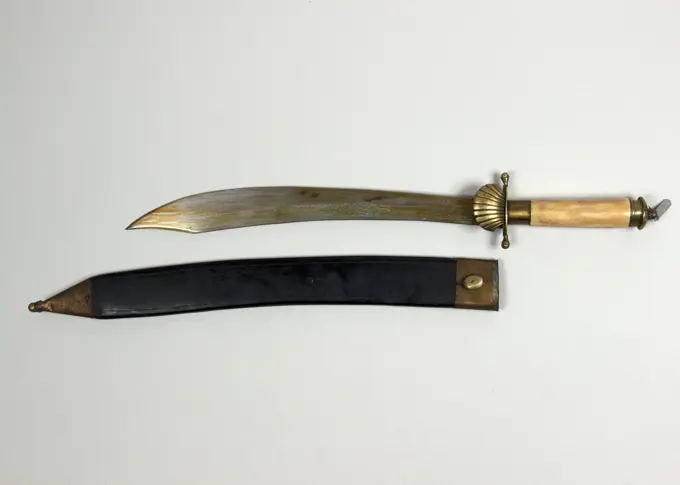
An array of ornate daggers and hairpins, featuring detailed craftsmanship with materials like steel and silver, highlighting different cultural influences across centuries.
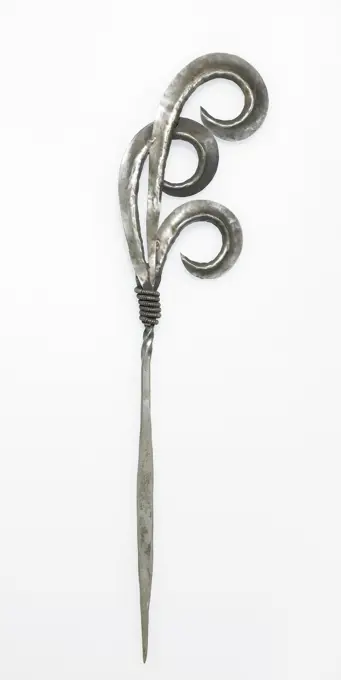
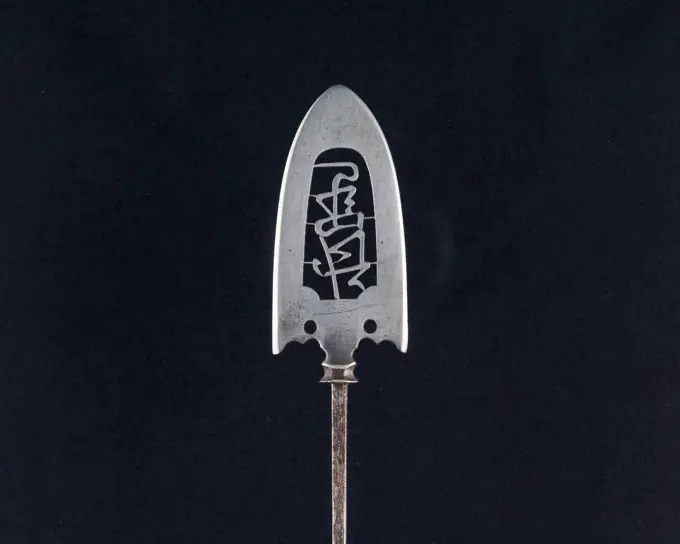
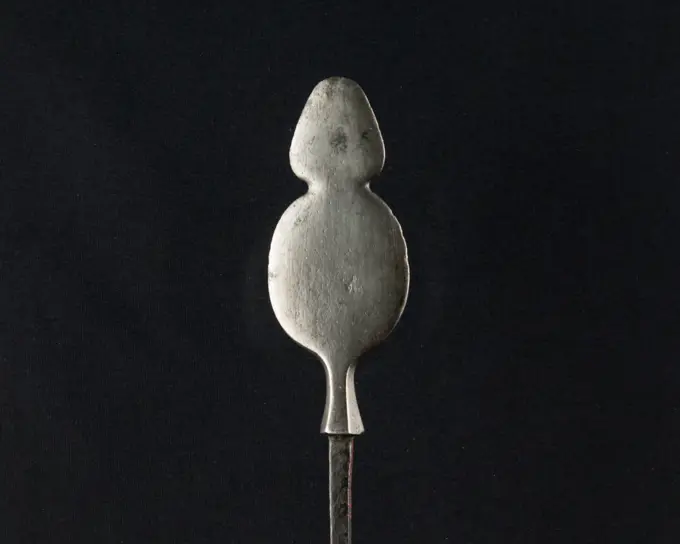
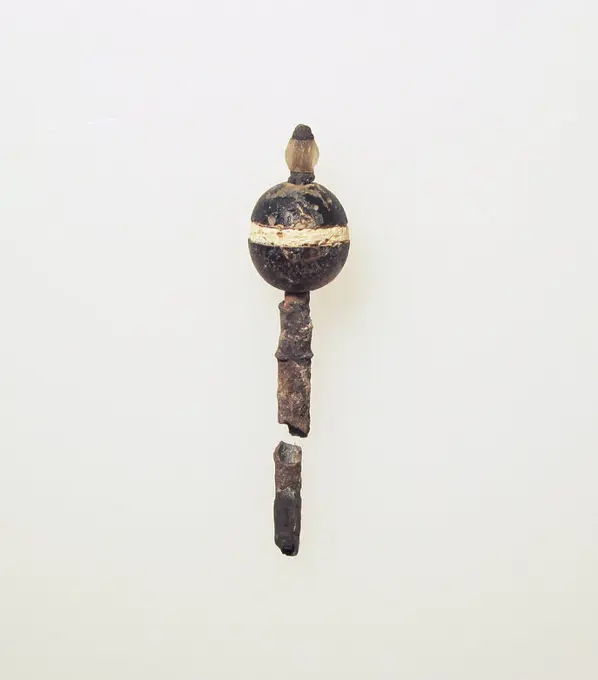
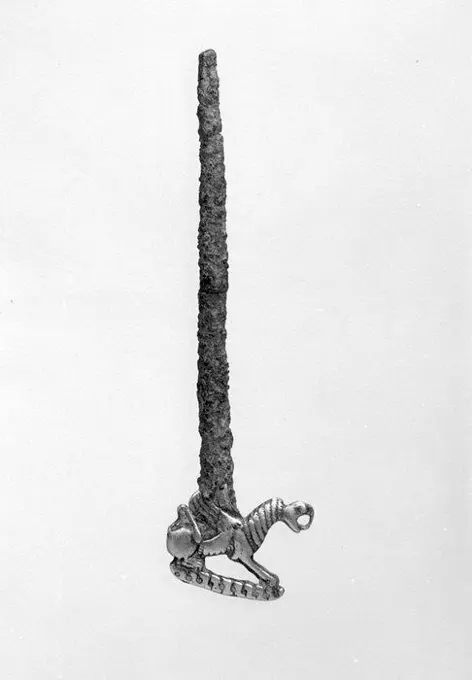
Hair Pin, 10 1/16 x 2 1/2 x 3/8 in. (25.56 x 6.35 x 0.95 cm), Silver, China
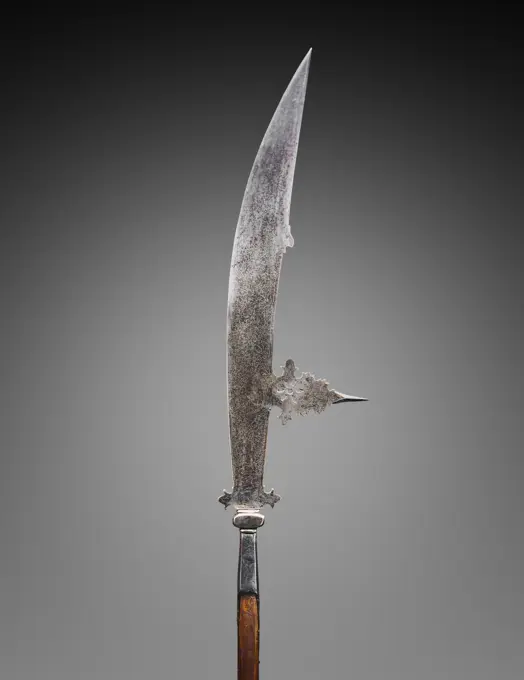
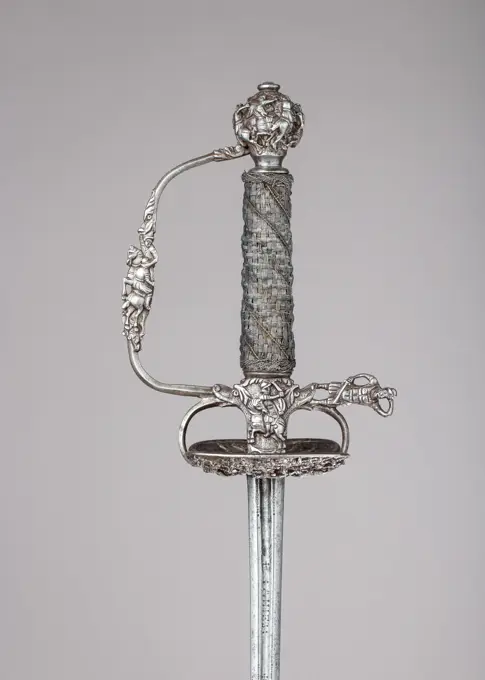
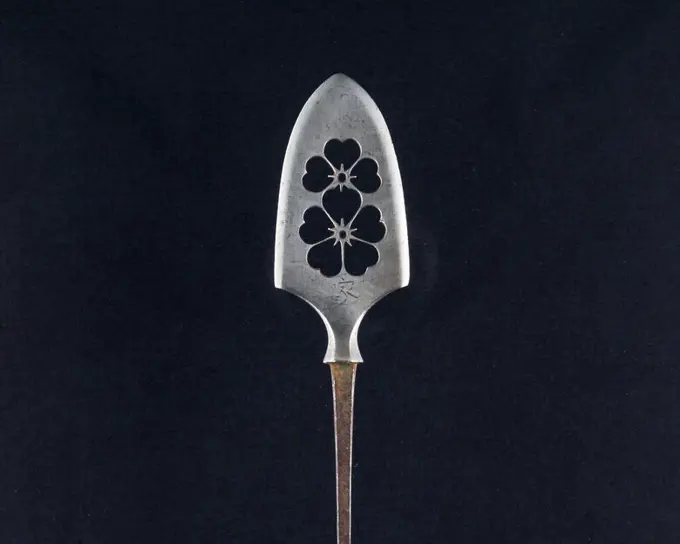
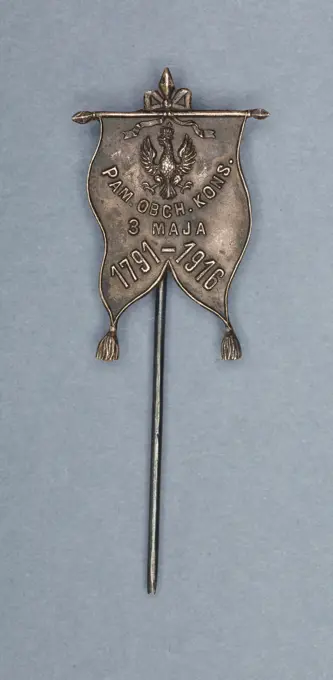
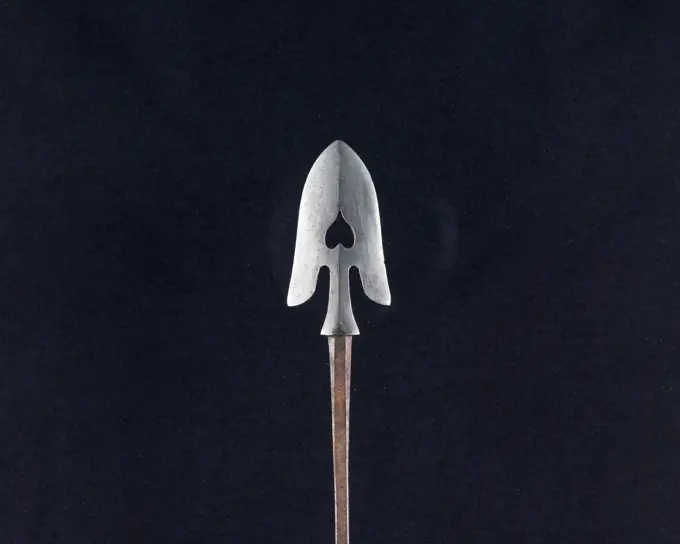
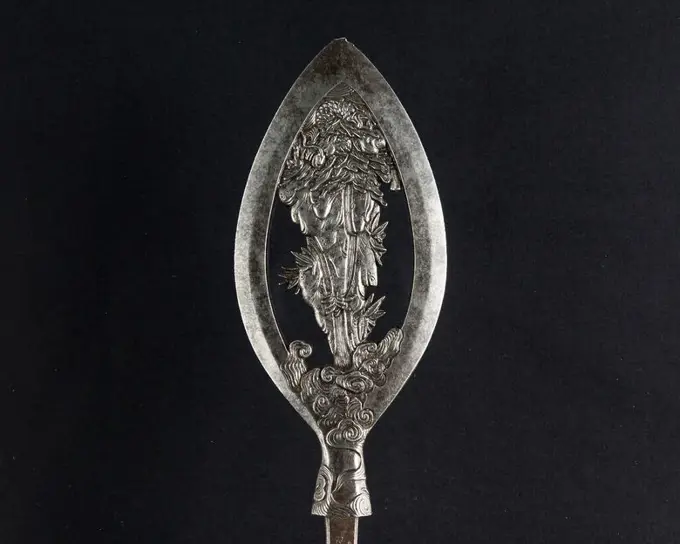
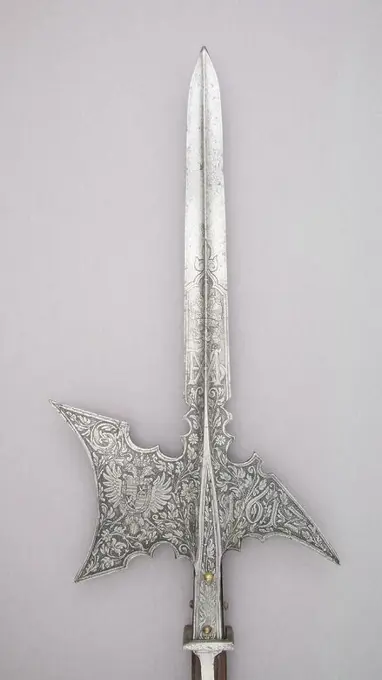
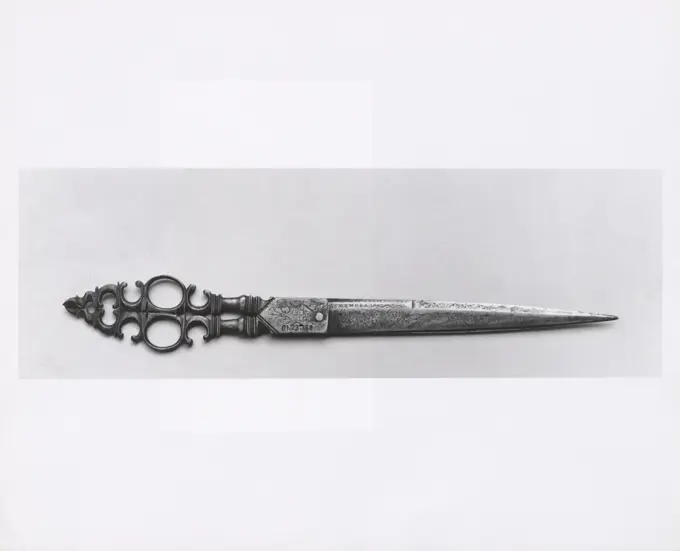
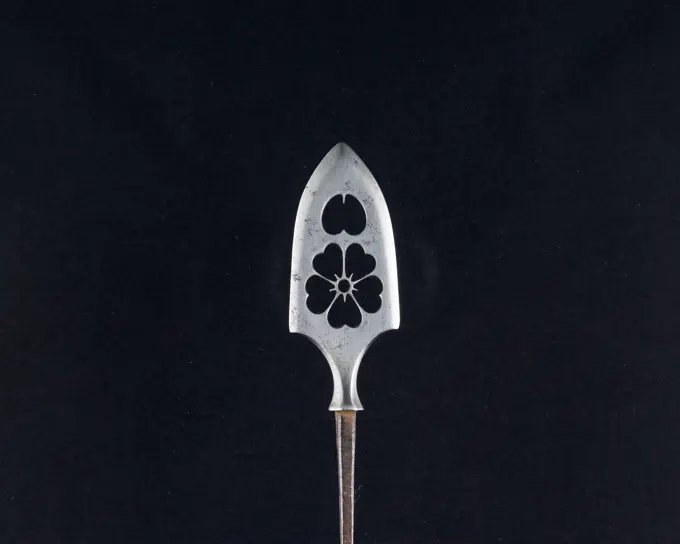
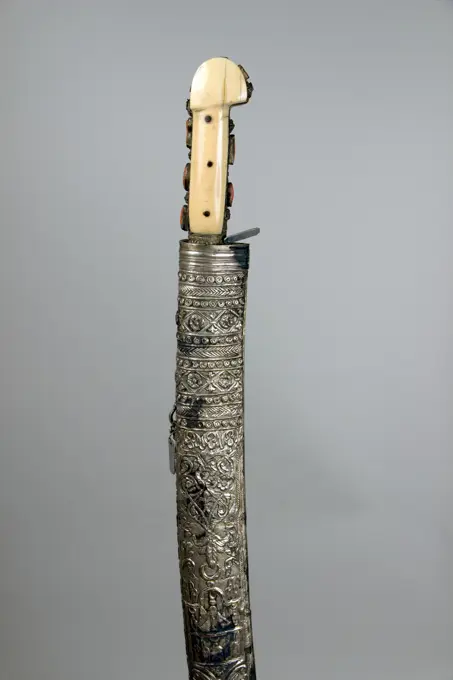
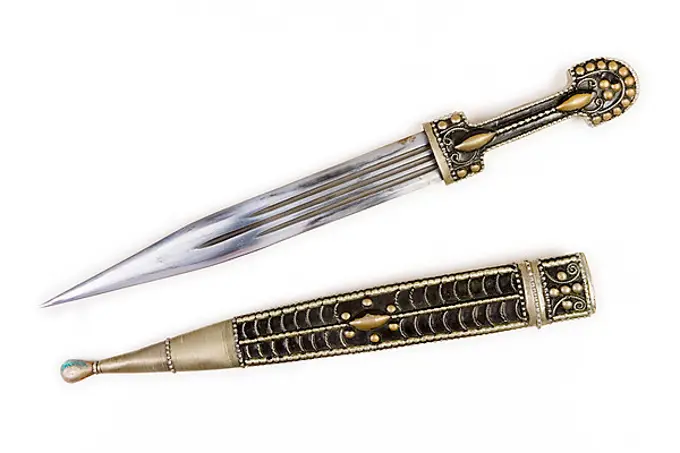
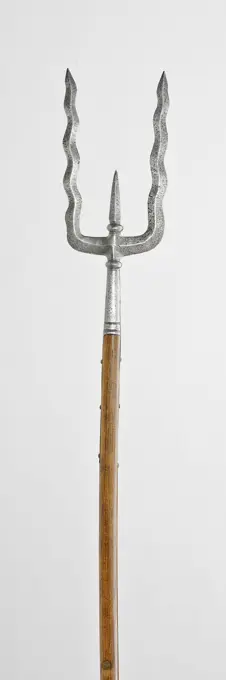
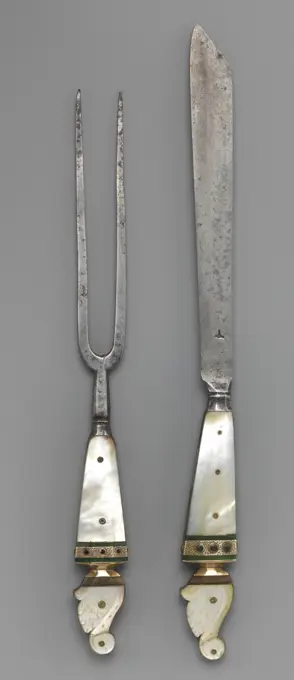
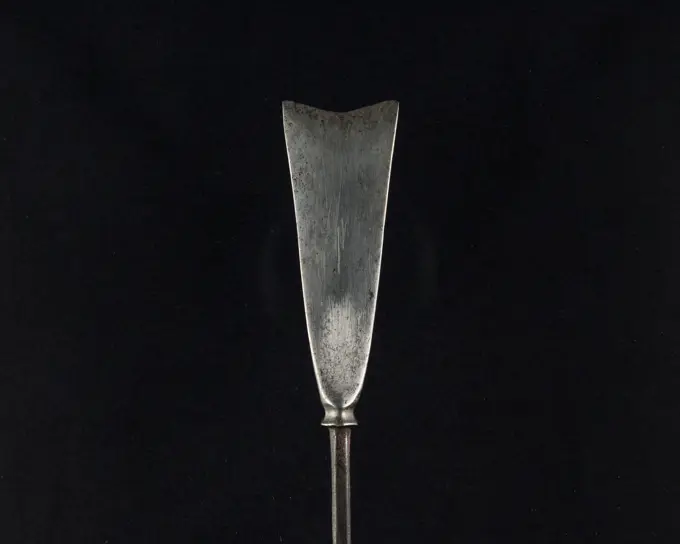
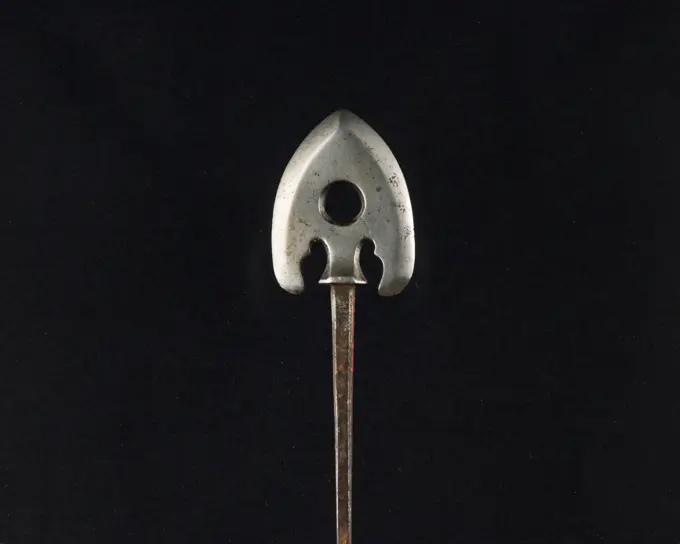
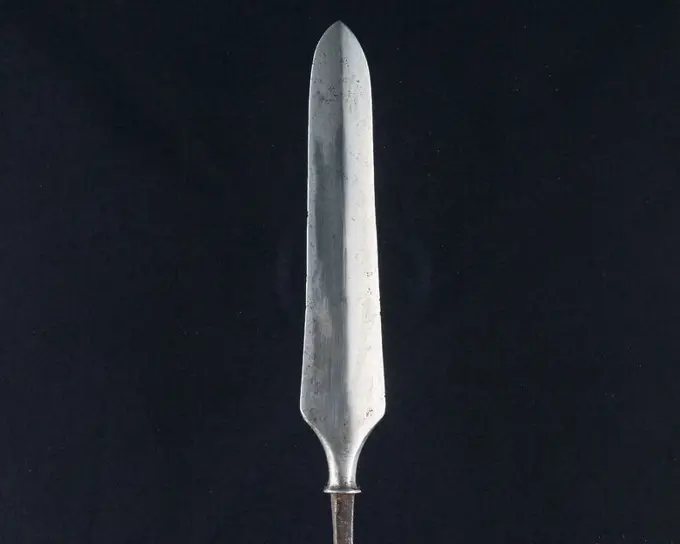
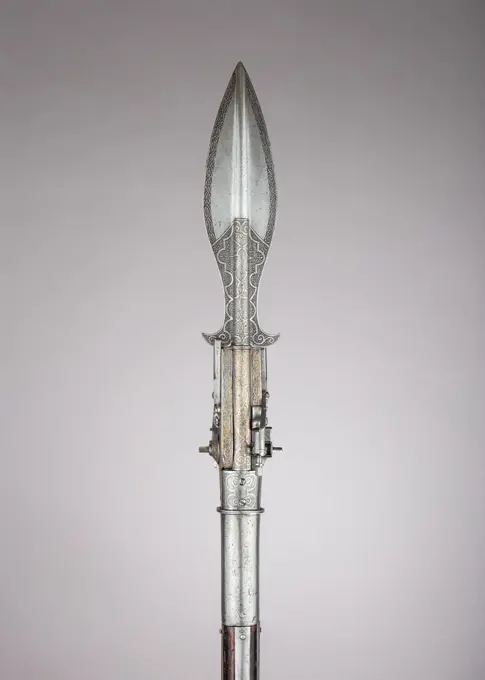
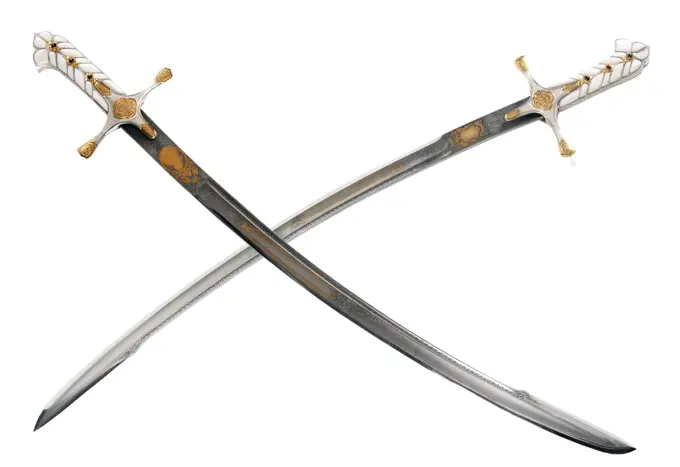
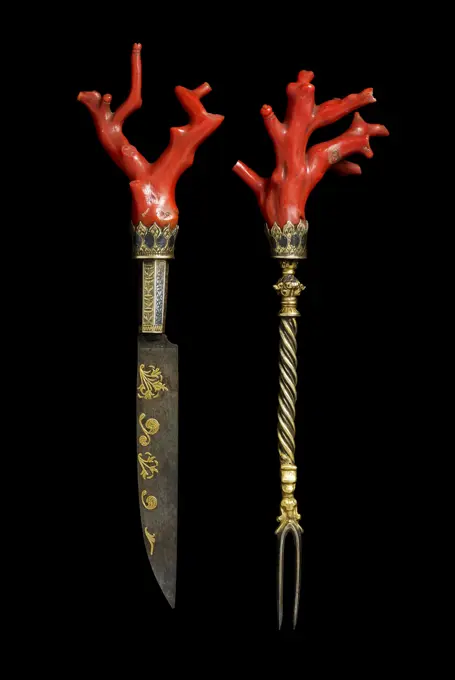
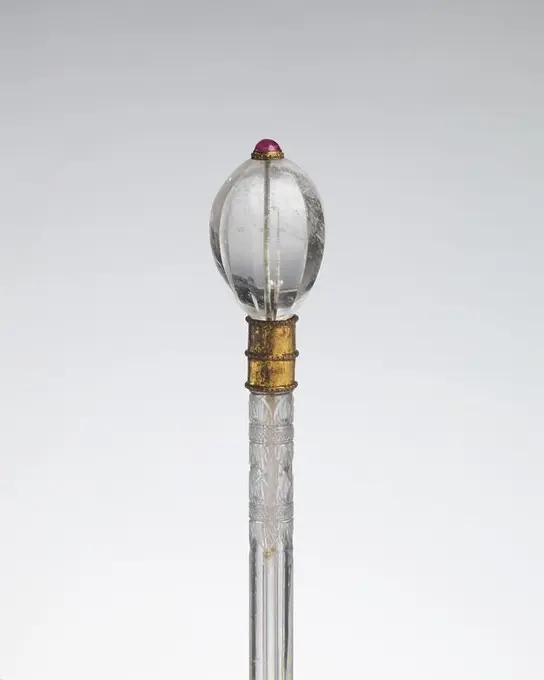
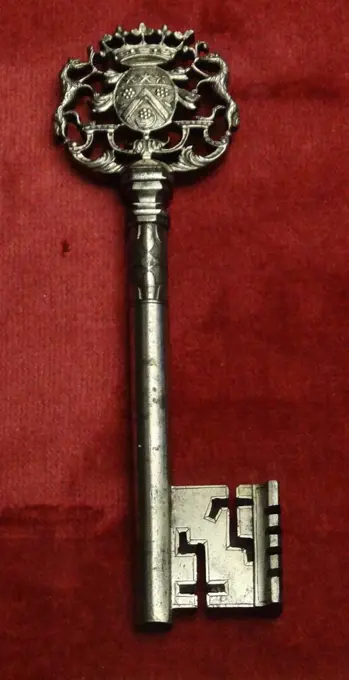
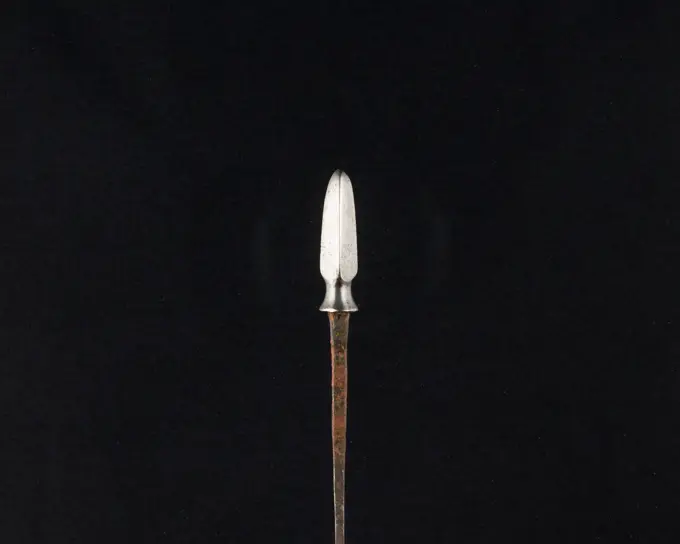
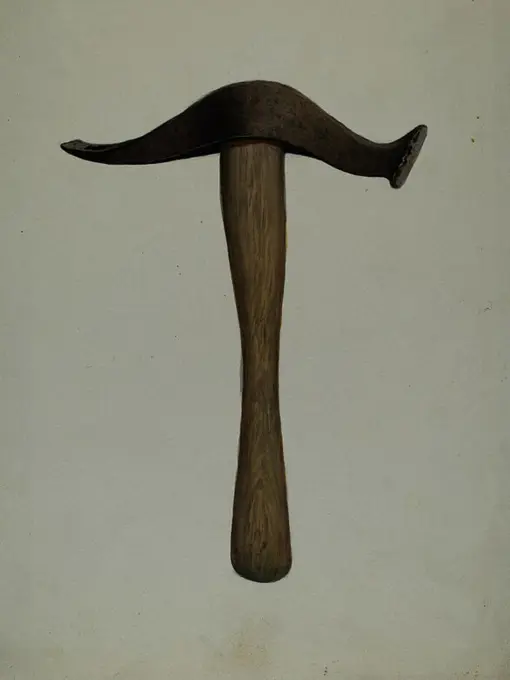
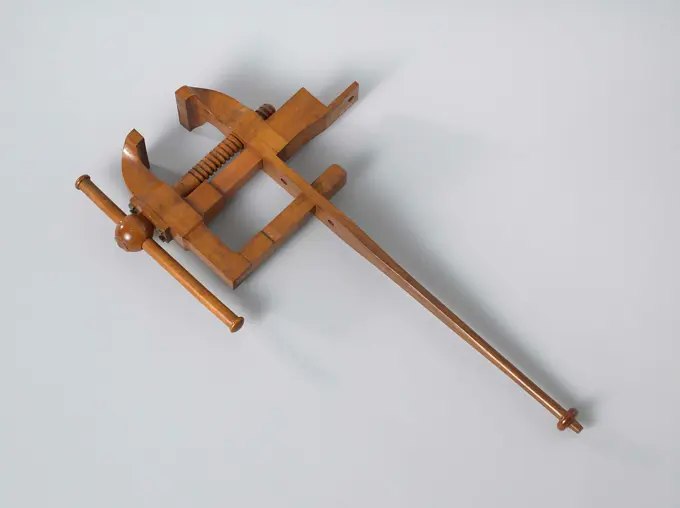
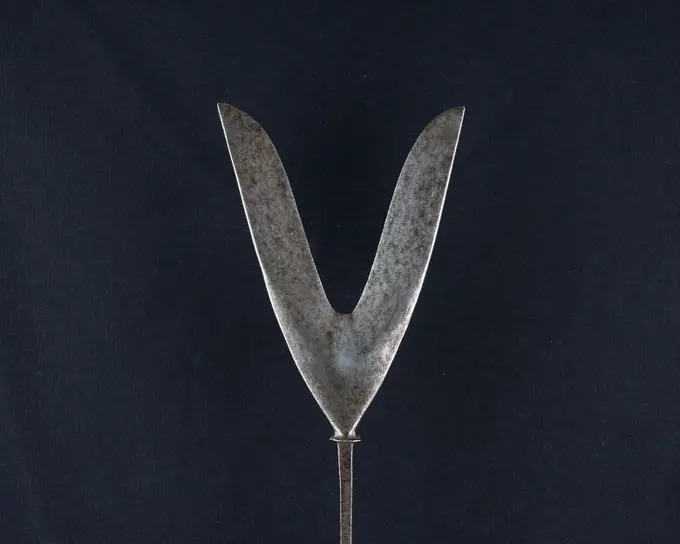
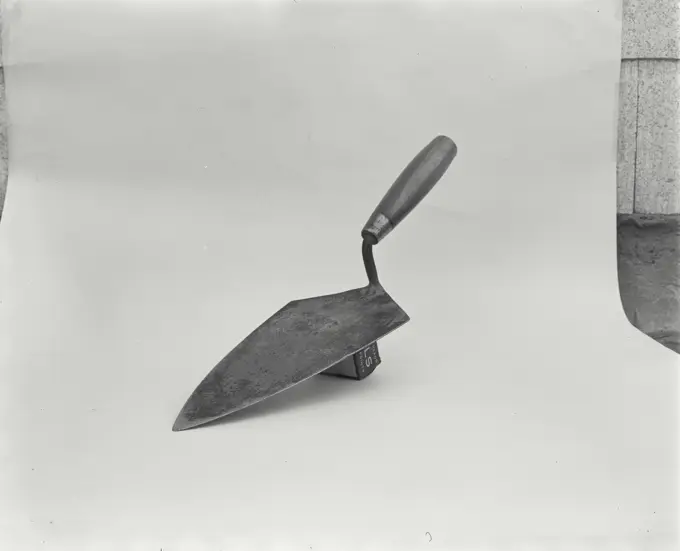
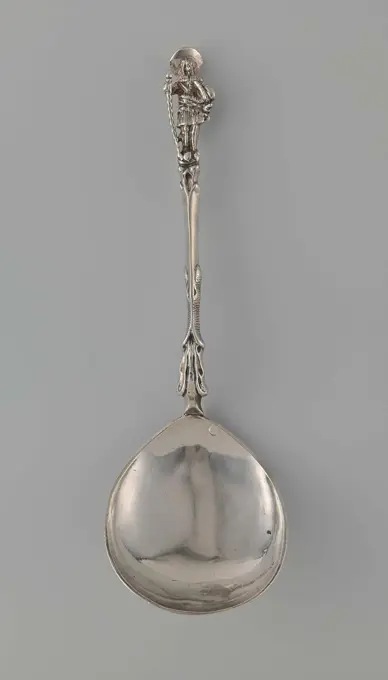
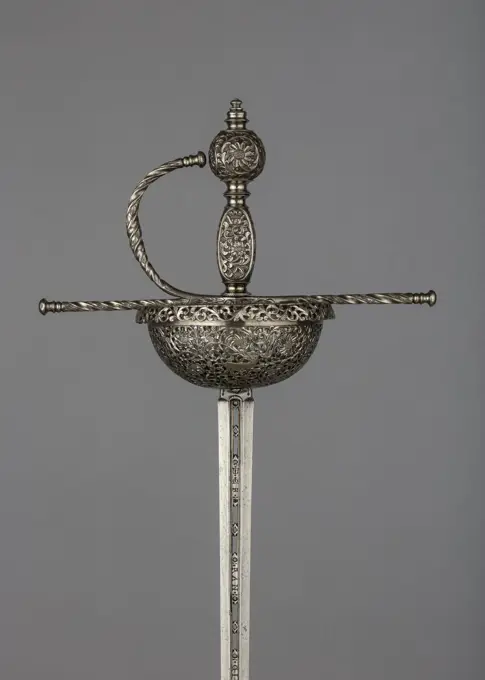
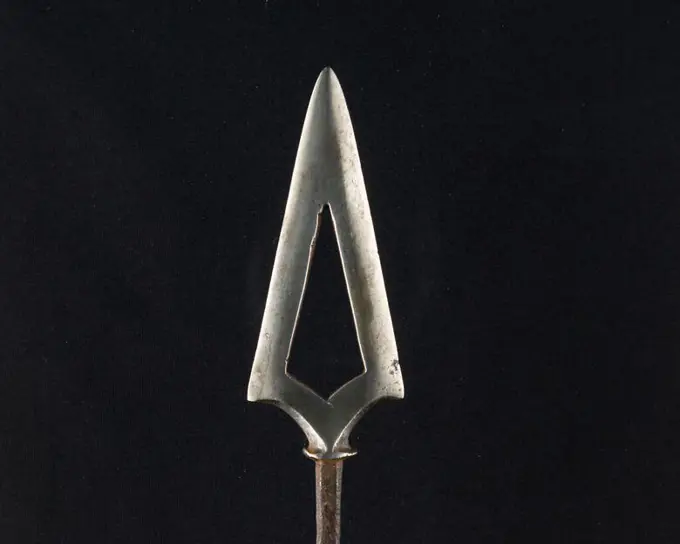
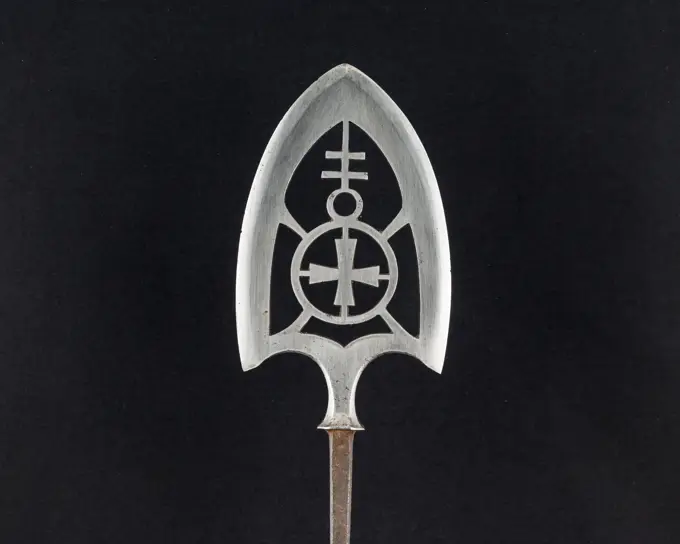
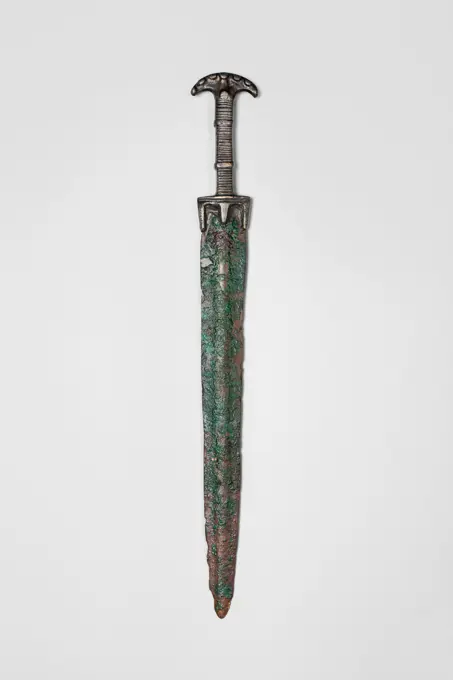
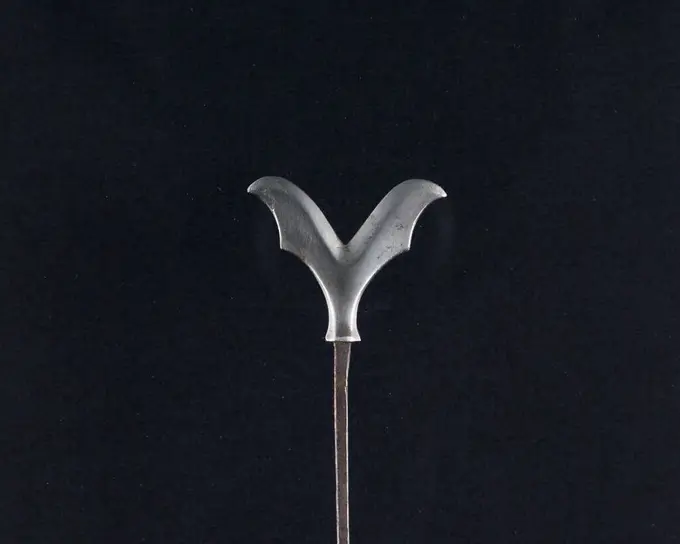
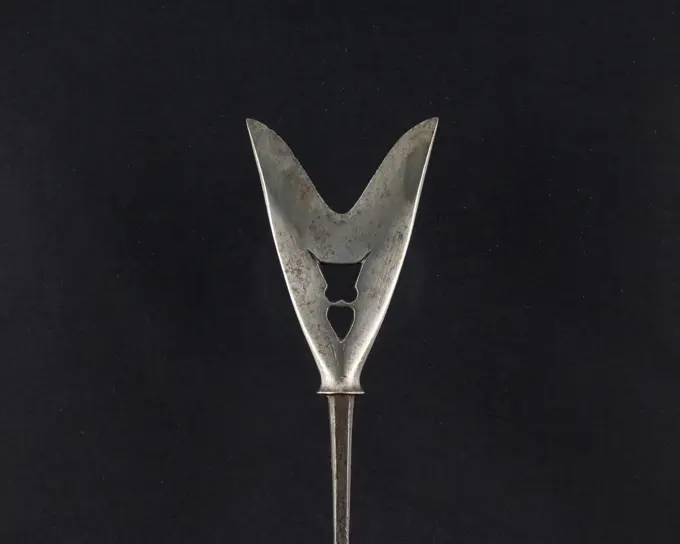
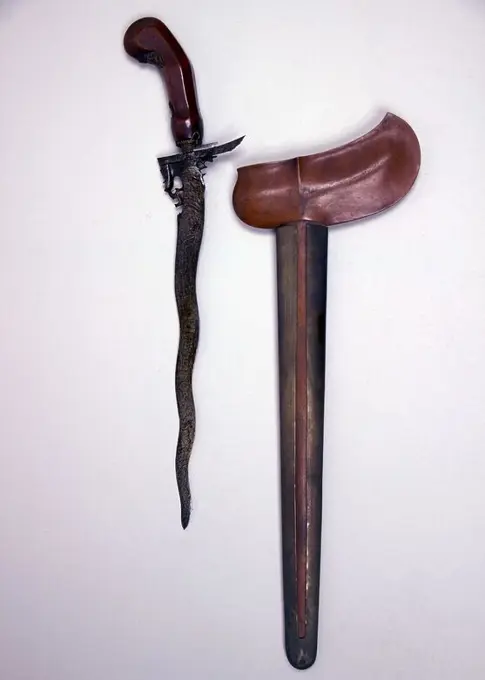
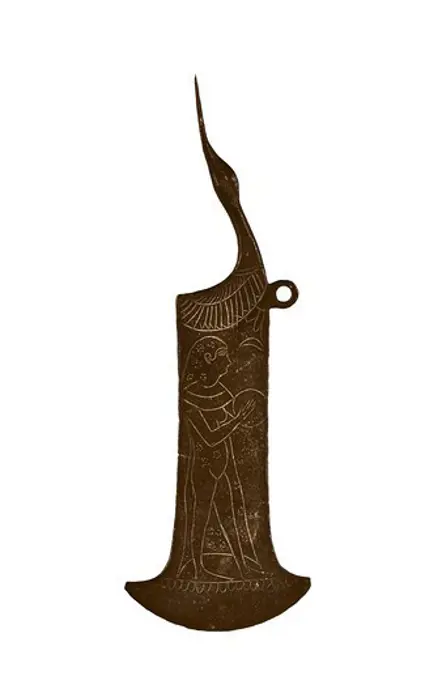
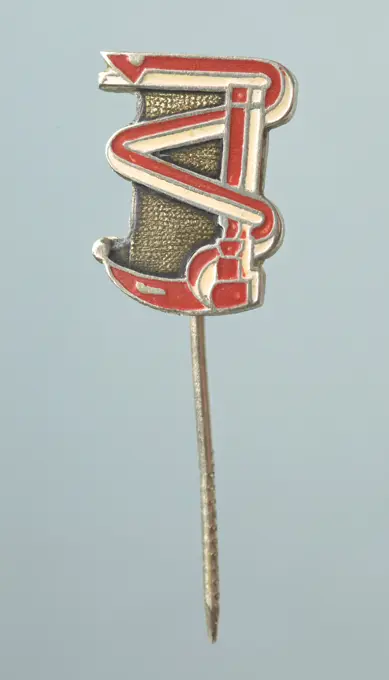
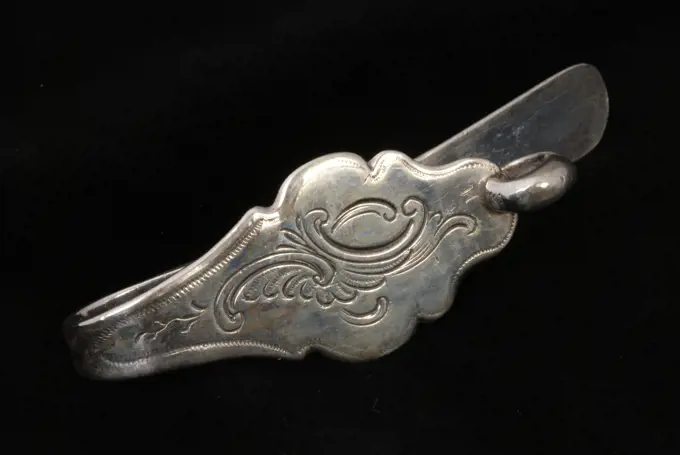
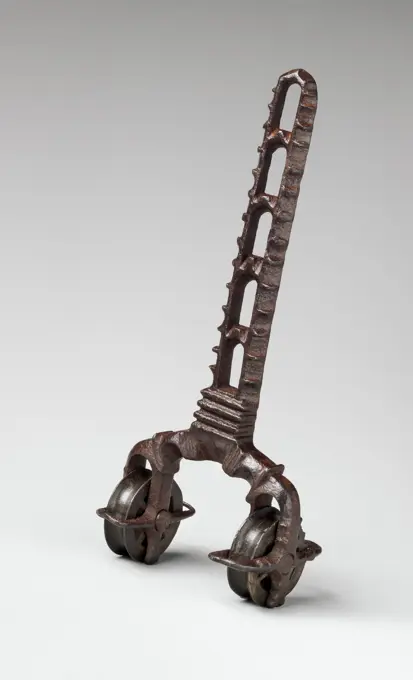
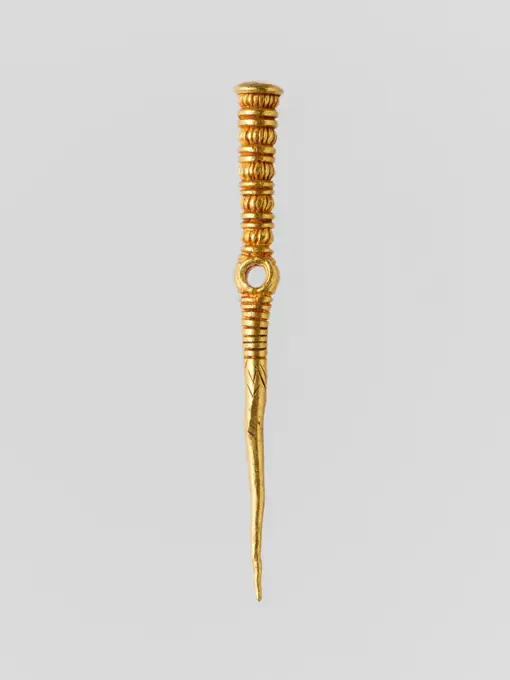
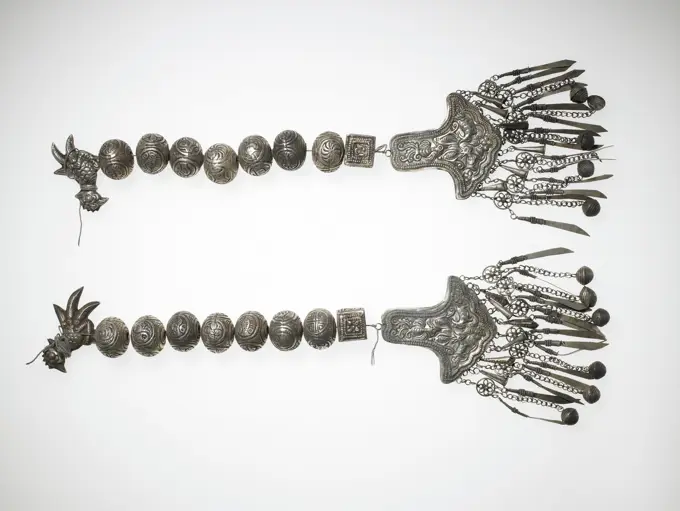
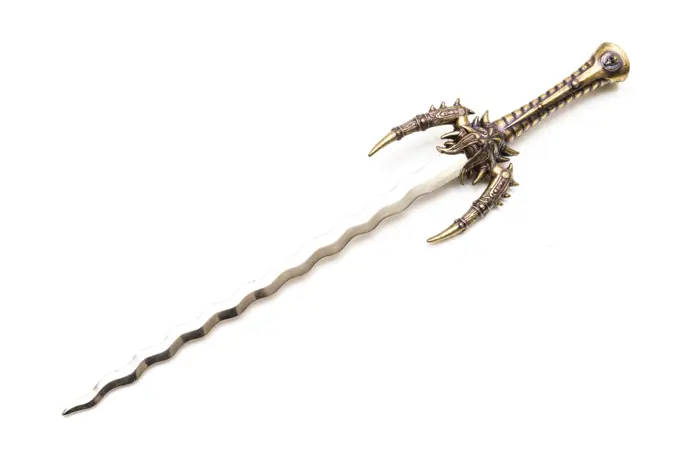
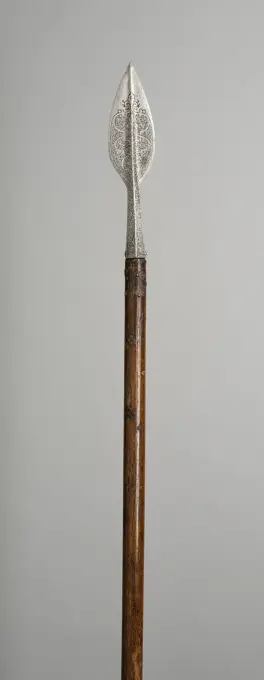
Boar Spear Made 1575-1600 Saxony. Steel, brass, and ash .Glaive, c. 1600-20. Italy, Venice, 17th century. Steel, etched; overall: 179 cm (70 1/2 in.); blade: 22.2 cm (8 3/4 in.).Scissors (Germany); cast copper and brass, with forged steel blades; L x W x D: 27.9 x 7.6 x 2.5 cm (11 x 3 x 1 in.)Smallsword ca. 1650-60 probably Dutch By the early seventeenth century, the rapier, a long slender thrusting sword, began to dominate as the gentlemans weapon of choice. During the course of the century, however, as civilian fencing techniques became more specialized and refined, the rapier developed into a lighter, trimmed-down weapon known by about 1700 as the smallsword. Smallswords, often richly decorated, remained an integral part of a gentlemans wardrobe until the wearing of swords in civilian settings went out of fashion at the end of the eighteenth century, at which time pistols were replacing swords as arms most frequently used in personal duels. The majority of smallsword hilts are made of silver or steel, but many also employ a wide variety of luxurious materials, such as gold, porcelain, and enamel. At their best, smallswords combine the crafts of swordsmith, cutler, and jeweler to create an elegant weapon that was also a wearable work of art.. Smallsword. probably Dutch.Arrowhead (Yanone). Culture: Japanese. Dimensions: L. 9 3/4 in. (24.8 cm); L. of head 2 7/8 in. (7.3 cm); W. 1 5/16 in. (3.3 cm); Wt. 1.1 oz. (31.2 g). Date: 18th century. Museum: Metropolitan Museum of Art, New York, USA.Commemorative badge of the Constitution of May 3, 1791 1916.Arrowhead (Yanone) 18th century Japanese Although today Japanese warriors are renowned most for their swordsmanship, archery, especially from horseback, has been an essential part of samurai warfare and culture for centuries. Arrows were fitted with heads of varying shape according to their intended use in war, the hunt, or target practice. Arrowheads made for use on the battlefield incorporated different designs intended for specialized purposes such as the piercing of armor or to cause maximum damage to horses and unarmored personnel.Large arrowheads, pierced and elaborately chiseled with landscapes, birds, flowers, dragons, and Buddhist divinities, were created to be admired for the beauty of their metalwork and design rather than for use in archery. Such highly elaborate examples may have been made for presentation or as a votive offerings to a shrine.. Arrowhead (Yanone). Japanese. 18th century. Steel. Archery Equipment-ArrowheadsStaff Weapon dated 1646 Austrian. Staff Weapon 34307Object ID #18804269; horn, brass, steel; L x W: 19.1 x 1.9 cm (7 1/2 x 3/4 in.); The Robert L. Metzenberg Collection, gift of Eleanor L. Metzenberg; 1985-103-38Ceremonial Arrowhead (Yanon). Culture: Japanese. Dimensions: L. 12 1/8 in. (30.8 cm); L. of head 5 7/16 in. (13.8 cm); W. 2 1/2 in. (6.4 cm); Wt. 6.5 oz. (184.3 g). Steel-chiseler: Umetada Motoshige (Japanese, Edo period, died 1675). Date: dated 1645.Large arrowheads, pierced and elaborately chiseled with landscapes, birds, flowers, dragons, and Buddhist divinities, were created to be admired for the beauty of their metalwork and design rather than for use in archery. This arrowhead is dated 1645 and signed by Umetada Motoshige (died 1675), a member of the Umetada school of swordsmiths, tsuba makers, and iron chiselers. It belongs to a group of more than thirty similarly signed and dated pieces in the Metropolitan Museum's collection (including acc. nos. 32.75.318, .321, .327, .334, .337, .339-.340, .398-.399, .403, .406, .409) that may have been made for presentation or as a votive offering to a shrine. Museum: Metropolitan Museum of Art, New York, USA.Halberd. Culture: Austrian. Dimensions: L. 98 1/4 in. (249.4 cm); L. of head 24 7/8 in. (63.2 cm); W. 14 in. (35.5 cm); Wt. 7 lbs. 13 oz. (3540 g). Date: dated 1612. Museum: Metropolitan Museum of Art, New York, USA.Commemorative badge of the 50th anniversary of the outbreak of the January Uprising in LvivA Regli, Dirk, 1935 1942 DirkScissors 1738 () Pedro Diaz Spanish The inscriptions on the blades record the names of the maker and probably the original owner of the scissors, Juan Andres de Moya.. Scissors. Spanish, Albacete. 1738 (). Steel. Metalwork-SteelArrowhead (Yanone) Japanese 18th century Although today Japanese warriors are renowned most for their swordsmanship, archery, especially from horseback, has been an essential part of samurai warfare and culture for centuries. Arrows were fitted with heads of varying shape according to their intended use in war, the hunt, or target practice. Arrowheads made for use on the battlefield incorporated different designs intended for specialized purposes such as the piercing of armor or to cause maximum damage to horses and unarmored personnel.Large arrowheads, pierced and elaborately chiseled with landscapes, birds, flowers, dragons, and Buddhist divinities, were created to be admired for the beauty of their metalwork and design rather than for use in archery. Such highly elaborate examples may have been made for presentation or as a votive offerings to a shrine. View more. Arrowhead (Yanone). Japanese. 18th century. Steel. Archery Equipment-ArrowheadsSword (Yatagan) with Scabbard 18th-19th century Turkish. Sword (Yatagan) with Scabbard. Turkish. 18th-19th century. Steel, silver, ivory, copper, coral. SwordsCaucasian dagger, (Kinjal) 19. centurySmall knife with a scabbardMilitary Fork 1550-1600 Northern Italy. Steel and wood (ash) .Table fork 17th century Italian. Table fork. Italian. 17th century. Steel, mother-of-pearl, metal, enamel. Metalwork-SteelArrowhead (Yanone) 18th century Japanese Although today Japanese warriors are renowned most for their swordsmanship, archery, especially from horseback, has been an essential part of samurai warfare and culture for centuries. Arrows were fitted with heads of varying shape according to their intended use in war, the hunt, or target practice. Arrowheads made for use on the battlefield incorporated different designs intended for specialized purposes such as the piercing of armor or to cause maximum damage to horses and unarmored personnel.Large arrowheads, pierced and elaborately chiseled with landscapes, birds, flowers, dragons, and Buddhist divinities, were created to be admired for the beauty of their metalwork and design rather than for use in archery. Such highly elaborate examples may have been made for presentation or as a votive offerings to a shrine.. Arrowhead (Yanone). Japanese. 18th century. Steel. Archery Equipment-ArrowheadsKris with Sheath 16th-19th century Javanese. Kris with Sheath 31375Board chair. unknown, furniture factorySouvenir spoon with view of west front of a Gothic cathedral (Bern) European late 19th centuryArrowhead (Yanone) 18th century Japanese Although today Japanese warriors are renowned most for their swordsmanship, archery, especially from horseback, has been an essential part of samurai warfare and culture for centuries. Arrows were fitted with heads of varying shape according to their intended use in war, the hunt, or target practice. Arrowheads made for use on the battlefield incorporated different designs intended for specialized purposes such as the piercing of armor or to cause maximum damage to horses and unarmored personnel.Large arrowheads, pierced and elaborately chiseled with landscapes, birds, flowers, dragons, and Buddhist divinities, were created to be admired for the beauty of their metalwork and design rather than for use in archery. Such highly elaborate examples may have been made for presentation or as a votive offerings to a shrine.. Arrowhead (Yanone). Japanese. 18th century. Steel. Archery Equipment-ArrowheadsArrowhead (Yanone). Culture: Japanese. Dimensions: L. 12 1/8 in. (30.8 cm); L. of head 5 1/16 in. (12.9 cm); W. 7/8 in. (2.2 cm); Wt. 2.1 oz. (59.5 g). Date: 18th century. Museum: Metropolitan Museum of Art, New York, USA.Scoop; Britt, Petter (Peter); 1775 (1775-00-00-1775-00-00);Boar Spear with Double Barrel Wheellock Pistol ca. 1575 German, Saxony. Boar Spear with Double Barrel Wheellock Pistol. German, Saxony. ca. 1575. Steel, gold. Saxony. Combination WeaponsHairpin, ca. A.D.165-256, Bone, 10.1 cm (4 in.), Yale-French Excavations atDura-Europos, Excavated in Dura-Europos, Syria, Syrian,Dura-Europos, Roman, 2nd-3rd century A.D., JewelryAncient sabre Ancient sabre. A smart variant of the fighting weapon Copyright: xZoonar.com/ValeryxxSibrikovx 5607823Knife, from a two-piece cutlery set, late 16th century, 8 1/4 x 2 1/4 x 1 in. (20.96 x 5.72 x 2.54 cm), Coral, brass, niello, silver, iron, gold, Italy, 16th century, This preciously decorated and extremely rare coral cutlery set from the late 1500s would have been only used on extraordinary occasions, such as a wedding, a knighting or a state visit. In the late Renaissance, the guests would typically bring their own cutlery to formal dinners. An expensively decorated cutlery set would have elicited the host's and other guests' admiration. Besides, coral was believed to be an antidote against poison. Therefore, in the view of its time this set of cutlery would have offered its bearer special protection during a meal at the table of a rival family or of an untrustworthy foreign ruler.Copper Tumi with Figure 15th-16th century Inca. Copper Tumi with Figure 315490Saber (Kilij) with Scabbard. Culture: Hilt, Turkish or North African; blade, Iranian. Dimensions: H. with scabbard 36 1/2 in. (92.7 cm); H. without scabbard 35 1/2 in. (90.2 cm); H. of blade 30 3/4 in. (78.2 cm); W. 5 1/4 in. (13.3 cm); Wt. 1 lb. 8.3 oz. (688.9 g); Wt. of scabbard 14 oz. (396.9 g). Date: hilt and scabbard, 19th century; blade, probably late 18th-early 19th century.This type of Ottoman saber, with its distinctive curled "pistol grip" and cruciform guard, was used throughout Turkey and North Africa from the eighteenth century. Following Napoleon's invasion of Egypt in 1798, the type, widely referred to as a "Mamluk" saber, became popular for European and North American officers' swords and remains in use today. The blade of this example bears the false signature of Haji Sunqur, a legendary swordsmith active in Istanbul in the early sixteenth century. Museum: Metropolitan Museum of Art, New York, USA.Samurai Swords with wrapped hilts are a sign of power and respect - path includedArrowhead (Yanone) 18th century Japanese Although today Japanese warriors are renowned most for their swordsmanship, archery, especially from horseback, has been an essential part of samurai warfare and culture for centuries. Arrows were fitted with heads of varying shape according to their intended use in war, the hunt, or target practice. Arrowheads made for use on the battlefield incorporated different designs intended for specialized purposes such as the piercing of armor or to cause maximum damage to horses and unarmored personnel.Large arrowheads, pierced and elaborately chiseled with landscapes, birds, flowers, dragons, and Buddhist divinities, were created to be admired for the beauty of their metalwork and design rather than for use in archery. Such highly elaborate examples may have been made for presentation or as a votive offerings to a shrine.. Arrowhead (Yanone). Japanese. 18th century. Steel. Archery Equipment-ArrowheadsFork (possibly England); silver, gold, porcelain; L x W: 17.8 x 1.7 cm (7 x 11/16 in.); The Robert L. Metzenberg Collection, gift of Eleanor L. Metzenberg; 1985-103-218Ceremonial Mace. Culture: Indian. Dimensions: L. 21 in. (53.4 cm); Diam. of head 2 in. (5 cm); Wt. 1 lb. 6 oz. (636 g). Date: 18th century. Museum: Metropolitan Museum of Art, New York, USA.Tweezers (England); Made by Asprey & Son Co. (United Kingdom); rosewood, silver, glass, brass, mother-of-pearl, silk, and leatherTable fork 17th century German or Dutch. Table fork. German or Dutch. 17th century. Steel, silver; horn. Metalwork-SteelBill 1505-1515 Italy. Steel, wood (pine), velvet, attached tassel, and gilded iron nails .Knife and Sheath dated A.H. 1223/ A.D. 1709-10. Knife and Sheath 444816Steel key from the 17th Century. FranceArrowhead (Yanone) 18th century Japanese Although today Japanese warriors are renowned most for their swordsmanship, archery, especially from horseback, has been an essential part of samurai warfare and culture for centuries. Arrows were fitted with heads of varying shape according to their intended use in war, the hunt, or target practice. Arrowheads made for use on the battlefield incorporated different designs intended for specialized purposes such as the piercing of armor or to cause maximum damage to horses and unarmored personnel.Large arrowheads, pierced and elaborately chiseled with landscapes, birds, flowers, dragons, and Buddhist divinities, were created to be admired for the beauty of their metalwork and design rather than for use in archery. Such highly elaborate examples may have been made for presentation or as a votive offerings to a shrine.. Arrowhead (Yanone). Japanese. 18th century. Steel. Archery Equipment-ArrowheadsAdze. Dated: c. 1940. Dimensions: overall: 30.8 x 23.1 cm (12 1/8 x 9 1/8 in.). Medium: watercolor, colored pencil, and graphite on paper. Museum: National Gallery of Art, Washington DC. Author: Dana Bartlett.Model or a bench vice. Wooden model of a wrought iron parallel library. The tailed tail makes it possible to clamp him firmly to the leg of the workbench with a cram made. Scale 1: 2 (derived).The tripod with the moon, part of the Planetarium, Tellurium, Lunarium, Hartog van Laun, c. 1800 - c. 1808  Device with which the movement of sun, earth, moon and planets can be presented in a visible way. Statty on which a small ivory sphere (the moon) with a connecting piece (swallow tail) with rotary knob at the bottom. Amsterdam brass (alloy). ivory   AmsterdamArrowhead (Yanone). Culture: Japanese. Dimensions: L. 18 3/8 in. (46.7 cm); L. of head 5 1/2 in. (14 cm); W. 4 1/8 in. (10.5 cm); Wt. 5.2 oz. (147.4 g). Date: 18th century. Museum: Metropolitan Museum of Art, New York, USA.Fauchard ca. 1625 Italian. Fauchard 26791Vintage Photograph. Hand Trowel on white background.Lepel met peervormige bak en steel bekroond door een man met hoed en wandelstok..Spoon of silver, with a pear-shaped container. The handle is crowned by a man with hat and walking stick. The letters G.D are engraved on the underside of the container. Brand: Annual letter L = 1795; Amsterdam.Albert Geuppert, Lead Prospector's Ore Pick, 1939 Lead Prospector's Ore PickApostle spoon: St. James the Less 1592/93 William Cawdell The set (67.166.1-.13) includes a master spoon with a figure of Christ and twelve apostle spoons. Martin Hewitt who made the Saint Andrew spoon had served his apprenticeship under William Cawdell. Both were specialist spoonmakers.. Apostle spoon: St. James the Less. British, London. 1592/93. Silver, partly gilded. Metalwork-SilverHunting Knife with Sheath 16th-19th century Javanese. Hunting Knife with Sheath. Javanese. 16th-19th century. Steel, bone, wood. Java. KnivesCaucasian dagger, (Kinjal) 19. centuryArrowhead (Yanone) 18th century Japanese Although today Japanese warriors are renowned most for their swordsmanship, archery, especially from horseback, has been an essential part of samurai warfare and culture for centuries. Arrows were fitted with heads of varying shape according to their intended use in war, the hunt, or target practice. Arrowheads made for use on the battlefield incorporated different designs intended for specialized purposes such as the piercing of armor or to cause maximum damage to horses and unarmored personnel.Large arrowheads, pierced and elaborately chiseled with landscapes, birds, flowers, dragons, and Buddhist divinities, were created to be admired for the beauty of their metalwork and design rather than for use in archery. Such highly elaborate examples may have been made for presentation or as a votive offerings to a shrine.. Arrowhead (Yanone). Japanese. 18th century. Steel. Archery Equipment-ArrowheadsSword (Pattisa) possibly 17th-18th century Indian, South Indian. Sword (Pattisa). Indian, South Indian. possibly 17th-18th century. Steel. SwordsCup-Hilted Rapier Spanish ca. 1650 The rapier was the principal civilian sidearm throughout the sixteenth and seventeenth centuries. Designed for cut-and-thrust fencing of progressively complex techniques, the rapier is characterized by a double-edged blade with an acute point and an elaborate guard for the hand. The guards, usually of iron or steel, were subject to a variety of embellishment. They were engraved, chiseled, gilded, damascened, and encrusted in gold and silver in keeping with fashionable styles. Unless otherwise noted, the materials, attributions, and dating given here refer to the hilts. Rapier blades, invariably of steel, bear a variety of makers marks denoting their origin in the two principal centers of blademaking, Toledo in Spain and Solingen in Germany. View more. Cup-Hilted Rapier. Spanish. ca. 1650. Steel. SwordsARMA. BALLESTA DE HUESO (EN EL MUSEO DE SANTA CRUZ).Cross Hilt Sword 1600-1625 Blade signed by Clemens Horn German This sword is a fine example of the most fashionable type that was worn by noblemen in England at the time of King James I. The silver panels on the hilt were made by an unknown London craftsman and are masterpieces of miniature relief sculpture. The richly etched and gilded blade is signed by Clemens Horn, a renowned bladesmith from Solingen, Germany.. Cross Hilt Sword. hilt, British, London; blade, German, Solingen. 1600-1625. Iron, silver, wood, copper alloy, steel, gold. London; Solingen. SwordsLance 17th century German. Lance 34312Arrowhead (Yanone). Culture: Japanese. Dimensions: L. 14 1/4 in. (36.2 cm); L. of head 3 1/2 in. (8.9 cm); W. 1 1/4 in. (3.2 cm); Wt. 1.7 oz. (48.2 g). Date: 18th century. Museum: Metropolitan Museum of Art, New York, USA.Dagger with Sheath 18th-19th century Caucasian. Dagger with Sheath 31516Arrowhead 2nd-1st millennium B.C. Iran. Arrowhead 325229Weather Vane. Dated: c. 1936. Dimensions: overall: 35.2 x 24.5 cm (13 7/8 x 9 5/8 in.) Original IAD Object: 36" wide; 54" high. Medium: watercolor, graphite, and gouache on paperboard. Museum: National Gallery of Art, Washington DC. Author: Elmer Weise.Mirror with Two Falcons on the Handle ca. 1550-1295 B.C. New Kingdom. Mirror with Two Falcons on the Handle. ca. 1550-1295 B.C.. Bronze or copper alloy. New Kingdom. From Egypt, Memphite Region, Saqqara, Teti Pyramid Cemetery, Egyptian Antiquities Service excavations. Dynasty 18Hair pin. Dimensions: Diameter: 9/16 × 2 5/16 in. (1.4 × 5.9 cm). Museum: Metropolitan Museum of Art, New York, USA.Silversmith's art, Germany, 20th century. Silver bar brooch, 1940s.Processional Cross with Hanging Ornaments 500-599 Crosses with hanging ornaments were popular throughout the early Byzantine world. When this cross was complete, multiple small crosses and disks suspended from its flaring arms would have swung gracefully as it was carried on a standard in processions. Processional Cross with Hanging Ornaments 447462Rebab late 19th century Algerian or Moroccan The term rebab refers to chordophones, particularly lutes and lyres, found in Islamic and Islamic-influenced lands. In North Africa, where this example is from, the rebab is most often a boat-shaped, two-string fiddle without frets. It is held across the player's body, with the pegbox against the left shoulder and the tailpiece on the right knee, and is played with a bow. The rebab is never played alone, and is used only to accompany singing. This instrument has been decorated with a delicate ivory inlay, in patterns reminiscent of other decorative objects of the same period from Algeria.. Rebab 501021Baby-CarrierStakeClose-up of chopsticksKnife ca. 1837-46 Samuel Kirk. Knife. American. ca. 1837-46. Silver. Made in Baltimore, Maryland, United StatesKnife 1781 French, Paris. Knife 200464Arrowhead (Yanone) 18th century Japanese Although today Japanese warriors are renowned most for their swordsmanship, archery, especially from horseback, has been an essential part of samurai warfare and culture for centuries. Arrows were fitted with heads of varying shape according to their intended use in war, the hunt, or target practice. Arrowheads made for use on the battlefield incorporated different designs intended for specialized purposes such as the piercing of armor or to cause maximum damage to horses and unarmored personnel.Large arrowheads, pierced and elaborately chiseled with landscapes, birds, flowers, dragons, and Buddhist divinities, were created to be admired for the beauty of their metalwork and design rather than for use in archery. Such highly elaborate examples may have been made for presentation or as a votive offerings to a shrine.. Arrowhead (Yanone). Japanese. 18th century. Steel. Archery Equipment-ArrowheadsCornelius Christoffels, Knife, c 1939 KnifeMiecz krótki obosieczny. warsztat bosporański, workshopSilversmith's Art, England 20th century. Sheffield trowel in miniature with mother-of-pearl handle and ornated with neo-baroque locks.Knife. Culture: American. Dimensions: L. 10 11/16 in. (27.1 cm). Maker: Samuel Kirk (1793-1872). Date: ca. 1837-46. Museum: Metropolitan Museum of Art, New York, USA.Golden eagle - feather, Aquila chrysaetosArrowhead (Yanone). Culture: Japanese. Dimensions: L. 8 in. (20.3 cm); L. of head 1 3/8 in. (3.5 cm); W. 1 5/8 in. (4.1 cm); Wt. 0.6 oz. (17 g). Date: 18th century. Museum: Metropolitan Museum of Art, New York, USA.Anonymous, has a fork. Innkeeper's brand. Former 10 of the rue de Valois (Hôtel de la Chancellerie d'Orléans), 1st arrondissement, Paris (dummy title), 1775. Forged iron natural. Carnavalet museum, history of Paris. A large fork with four teeth.Pin Bactria-Margiana Archaeological Complex ca. late 3rd-early 2nd millennium BCEFork with Porcelain Handle, steel, silver, porcelain, vitreous enamel, Fork has three curved tines, flaring. Baluster-shaped neck, silver ferrule with scalloped edge and horizontal bands. Pistol-shaped porcelain handle, blue floral decoration on white background., England, ca. 1765, cutlery, Decorative Arts, fork, forkSpain, Castilla-La Mancha, Toledo, Sword handleArrowhead (Yanone) 18th century Japanese Although today Japanese warriors are renowned most for their swordsmanship, archery, especially from horseback, has been an essential part of samurai warfare and culture for centuries. Arrows were fitted with heads of varying shape according to their intended use in war, the hunt, or target practice. Arrowheads made for use on the battlefield incorporated different designs intended for specialized purposes such as the piercing of armor or to cause maximum damage to horses and unarmored personnel.Large arrowheads, pierced and elaborately chiseled with landscapes, birds, flowers, dragons, and Buddhist divinities, were created to be admired for the beauty of their metalwork and design rather than for use in archery. Such highly elaborate examples may have been made for presentation or as a votive offerings to a shrine.. Arrowhead (Yanone). Japanese. 18th century. Steel. Archery Equipment-ArrowheadsKrzyż procesyjny. nieznany warsztat etiopski (1400-1970), authorSlinger van planetariumklok, F. Ducommun, c. 1820 Pendulum with gilded around weight La Chaux-de-Fonds steel (alloy) Pendulum with gilded around weight La Chaux-de-Fonds steel (alloy)Kris with Sheath. Culture: Javanese. Dimensions: L. with sheath 19 11/16 in. (50 cm); L. without sheath 15 3/4 in. (40 cm); L. of blade 11 5/8 in. (29.5 cm); W. 3 1/4 in. (8.3 cm); Wt. 4.6 oz. (130.4 g); Wt. of sheath 10.7 oz. (303.3 g). Date: 16th-19th century. Museum: Metropolitan Museum of Art, New York, USA.Bronze cutthroat razor shaped as a duck. Carthaginian art. Jewelry. SPAIN. MADRID (AUTONOMOUS COMMUNITY). Madrid. National Museum of Archaeology. Proc: SPAIN. BALEARES. IBIZA. Puig des Molins.Badge of the Society of Polish Anesthesiologists Laryngoscope unknown labelMedieaval swords isolated on the whiteSilver decorative pin with carneool, c. 1936 - c. 1950 Pin of silver with carneool with a cannon closure. The oval carneool is Cabochon sharpened. Netherlands silver (metal). carnelian grinding Pin of silver with carneool with a cannon closure. The oval carneool is Cabochon sharpened. Netherlands silver (metal). carnelian grindingSilversmith: Jan Breukelman, Silver bag hook, hook hook clothing accessory clothing silver, forged Hook of clamp bag Circumference front side of the backrest (confirmed)Anchor Plate from a Rope-and-Pulley System to Span a Crossbow ca. 1475-1525 European, possibly British. Anchor Plate from a Rope-and-Pulley System to Span a Crossbow. European, possibly British. ca. 1475-1525. Steel, copper alloy. Port of Bordeaux, Aquitaine. Archery Equipment. Image of cast silver, representing Saint Joris with the dragon. The figurine is on a high, lined up with threaded tube.Halberd. Culture: Swiss. Dimensions: L. 96 3/8 in. (224.6 cm); L. of head 18 3/4 in. (47.6 cm); W. 8 in. (20.3 cm); Wt. 4 lbs. 2 oz. (1871.1 g). Date: last quarter 15th century. Museum: Metropolitan Museum of Art, New York, USA.Gauge for priming tubes. Mold with an octagonal handling body with pins at the ends; The ends of the octagonal body are numbered 8 and 9.Gold pin ca. 14th century B.C. Mycenaean Pins with a hole in the shaft like this one have been found in Syria and Palestine, and on Cyprus at Middle and Late Bronze Age sites.. Gold pin. Mycenaean. ca. 14th century B.C.. Gold. Late Helladic IIIA. Gold and SilverOrnament, one of a pair, 13 3/4 x 3 1/4 x 1 1/4 in. (34.93 x 8.26 x 3.18 cm) (without drops and bottom pendants), Silver, Chinaancient sword on a white background