Decorative Blades and Daggers

An array of ornate daggers and hairpins, featuring detailed craftsmanship with materials like steel and silver, highlighting different cultural influences across centuries.
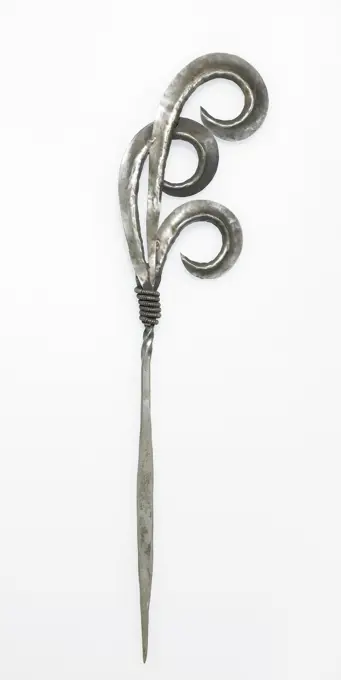
Hair Pin, 10 1/16 x 2 1/2 x 3/8 in. (25.56 x 6.35 x 0.95 cm), Silver, China
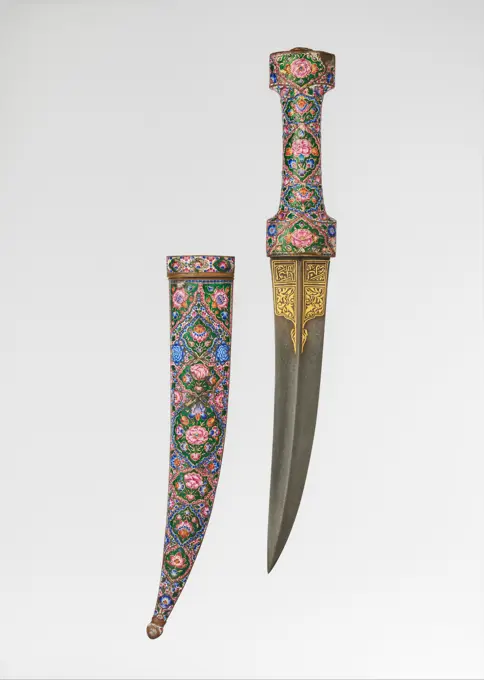
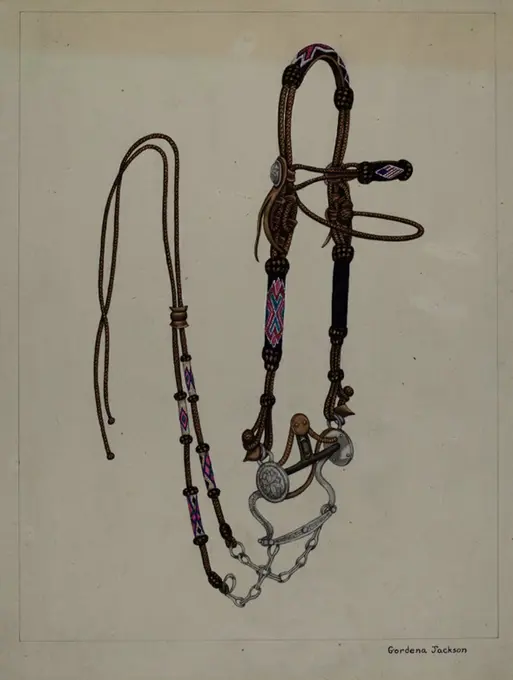
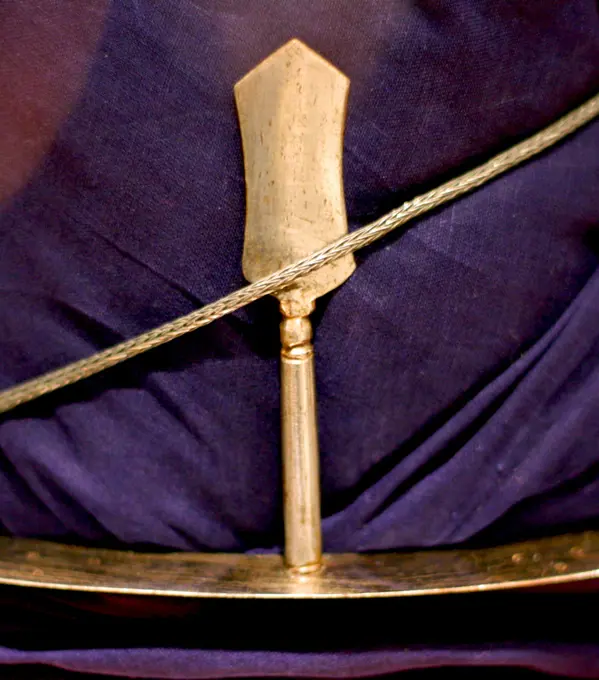
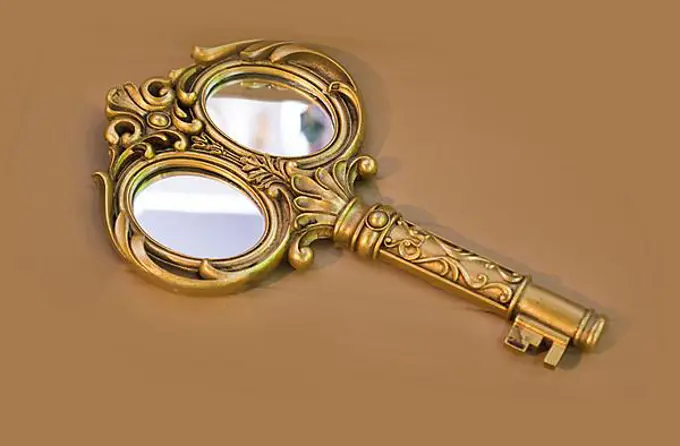
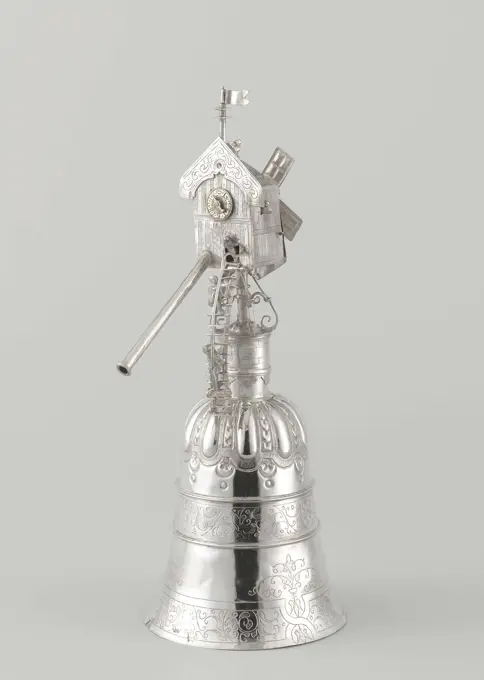
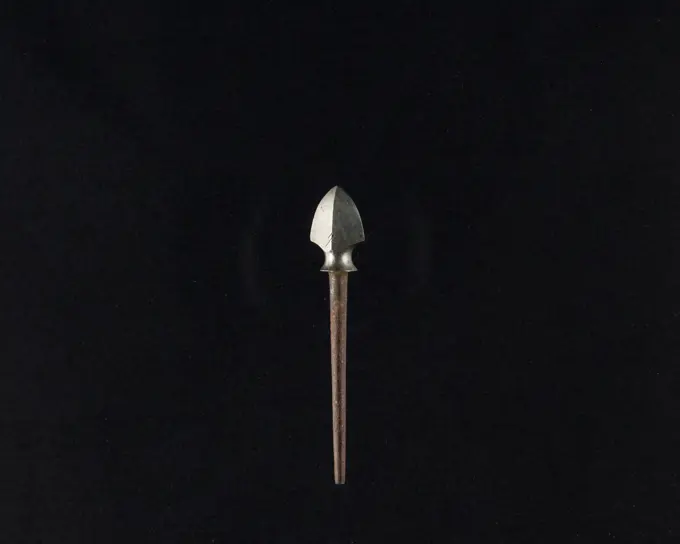
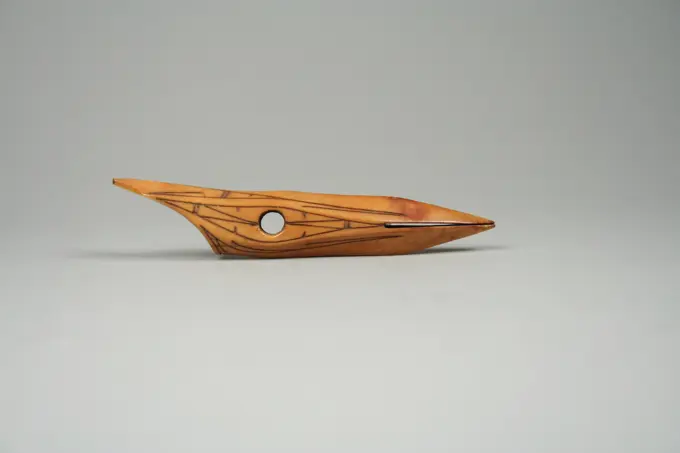
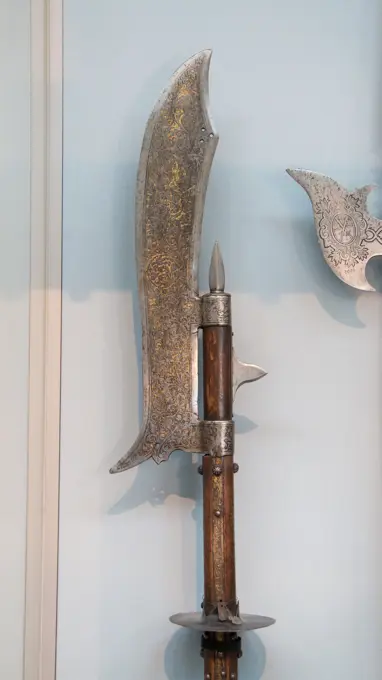
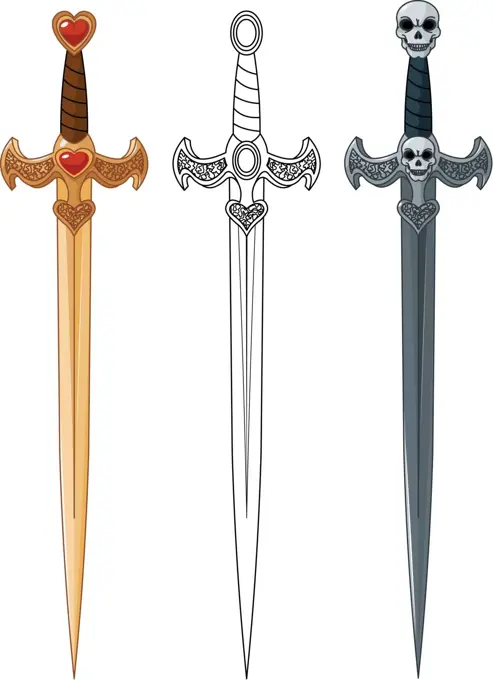
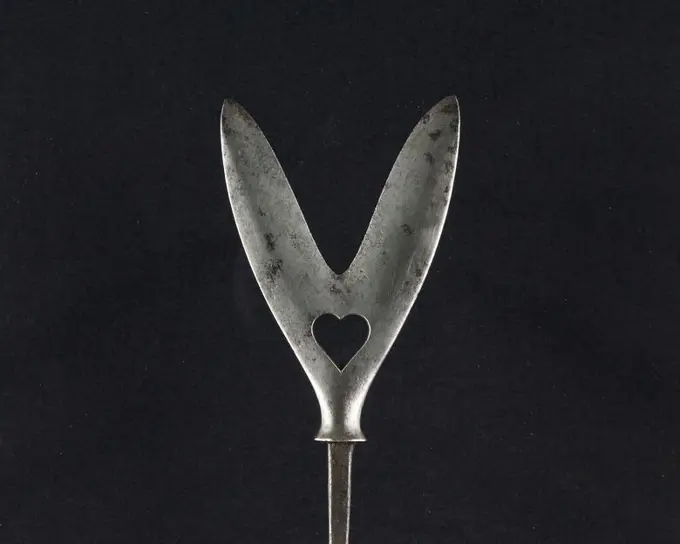
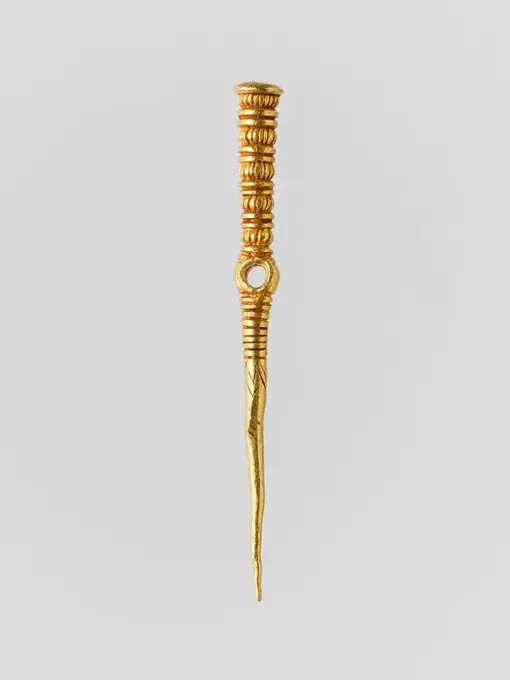
Gold pin. Culture: Mycenaean. Dimensions: Length 2 5/16in. (5.9cm.). Date: ca. 14th century B.C..Pins with a hole in the shaft like this one have been found in Syria and Palestine, and on Cyprus at Middle and Late Bronze Age sites. Museum: Metropolitan Museum of Art, New York, USA.Dagger with Sheath late 18th-early 19th century Iranian Brilliant colors and lush floral patterns are typical of Qajar painted enamels. While here opaque pink, blue, and white predominate, the background color is a deep translucent green applied to a shimmering gold ground. The artist has signed his work on the back of the scabbard, Mahmud.. Dagger with Sheath. Iranian. late 18th-early 19th century. Steel, copper alloy, enamel, gold, glass. DaggersAncient sabre Ancient sabre. A smart variant of the fighting weapon Copyright: xZoonar.com/ValeryxxSibrikovx 2424017Does not SquadPhoto of scales knife on black backgroundBridle. Dated: c. 1937. Dimensions: overall: 30.5 x 22.9 cm (12 x 9 in.). Medium: watercolor, graphite, and pen and ink on paper. Museum: National Gallery of Art, Washington DC. Author: Gordena Jackson.Staff with wing of Mercury, Francesco Righetti, c. 1781 - c. 1782 Mercury staff with a broken wing, part of the wing packed. Rome lead (metal) casting Mercury staff with a broken wing, part of the wing packed. Rome lead (metal) castingmetal on wall metal on wall Copyright: xZoonar.com/OxanaxRishnyakx 4467358The khanda is an Indian double-edge straight sword. It was used by the Marathas, Rajputs, Jats, Nairs and Sikhs. The blade is usually broad and quite heavy and broadens from the hilt to the tip. The blade transforms into tip rather abruptly. The hilt has a small metal spike coming out in the opposite direction typical of the khanda. Many other straight swords around the world were primarily used for thrusting and stabbing with the tip, whereas the khanda was mainly used to hack or cleave with the edge of the blade.Celtic Dagger and Sheath in Iron and Bronze, c600BC-c550BC Artist: Unknown.Sketch cute corkscrew in vintage styleCaltrop, anonymous, c. 1700 - c. 1858 caltrop Voet Angel, consisting of four spent arms with barbs, placed in a quadruple. Netherlands iron (metal)Cake shovel, close upRetro styled golden color key with a mirrorBliżej Kultury League of Women's Supreme National Committeepart ancient Asian stringed musical instrument on black background with backlight. national musical instrument of Asiaswords on a standLadle. Worcester Porcelain Factory; Worcester, England, founded 1751. Date: 1760-1770. Dimensions: L. 16.7 cm (6 9/16 in.). Soft-paste porcelain with polychrome enamels and gilding. Origin: Worcester. Museum: The Chicago Art Institute, Chicago, USA. Author: Worcester Royal Porcelain Company.Handscreen, Engraved, hand-colored and painted paper leaf, turned wood handle, Handscreen with engraved and hand-colored design. Obverse: an oval medallion with three couples talking in front of a garden gate with a fountain behind, surrounded by hand-painted motifs of flowers, musical instruments, etc. Reverse: short dialogues from the play 'Julia,' numbered sequentially., France, ca. 1770, costume & accessories, HandscreenWindmill cup. The earliest windmill cups, like this one, came from Antwerp. Over the course of the 17th century, this type ofwager cup’ (cup without a foot) became all the rage in the North. The little mill is shaped like an open post mill, a wooden grain mill that could turn around its axis to bring the sails into the wind.Arrowhead (Yanone) 18th century Japanese Although today Japanese warriors are renowned most for their swordsmanship, archery, especially from horseback, has been an essential part of samurai warfare and culture for centuries. Arrows were fitted with heads of varying shape according to their intended use in war, the hunt, or target practice. Arrowheads made for use on the battlefield incorporated different designs intended for specialized purposes such as the piercing of armor or to cause maximum damage to horses and unarmored personnel.Large arrowheads, pierced and elaborately chiseled with landscapes, birds, flowers, dragons, and Buddhist divinities, were created to be admired for the beauty of their metalwork and design rather than for use in archery. Such highly elaborate examples may have been made for presentation or as a votive offerings to a shrine.. Arrowhead (Yanone). Japanese. 18th century. Steel. Archery Equipment-Arrowheadskatana sword ninja weapon japanese warrior assassin vector illustration isolated on white backgroundHarpoon Head 11th-12th century Punuk. Harpoon Head 312808Glaive, probably of August I of Saxony (reigned 1553-86) ca. 1560 German This staff weapon was carried by the bodyguards of the Prince-Electors of Saxony.. Glaive, probably of August I of Saxony (reigned 1553-86) 21951Hair fall problem. Flat lay used dirty hairbrush with lost hair on it, isolated on white background. Copyright: xZoonar.com/szefeix 13508331cartoon sword and shield with skullThree SwordsArrowhead (Yanone). Culture: Japanese. Dimensions: L. 9 1/4 in. (23.5 cm); L. of head 3 3/16 in. (8.1 cm); W. 2 1/4 in. (5.7 cm); Wt. 1.6 oz. (45.4 g). Date: 18th century. Museum: Metropolitan Museum of Art, New York, USA.Iron mace, from the collection of Jan Strzałecki. Sztolcman, Władysław Roman (1873-1950), painterPanel For A Fan Case (China); silk, metallic yarns