Decorative Blades and Daggers

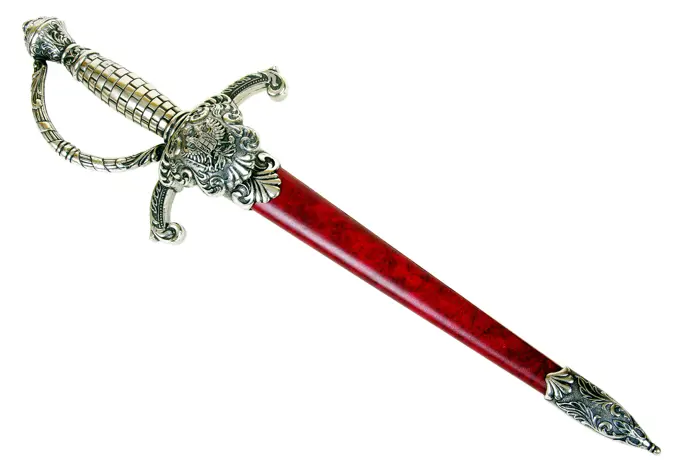
A variety of decorative daggers and blades, showcasing intricate designs, historical craftsmanship, and cultural significance.

Dessert fork; Würtembergische metallwarefabrik - WMF (Germany; Wytwónia Z Otnarz; 1880-1914); after 1880 (1890-00-00-1914-00-00);
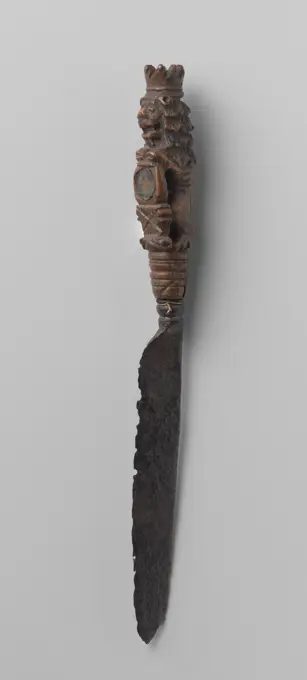
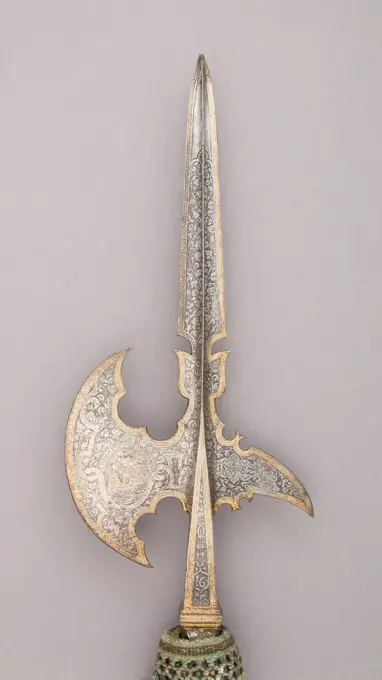
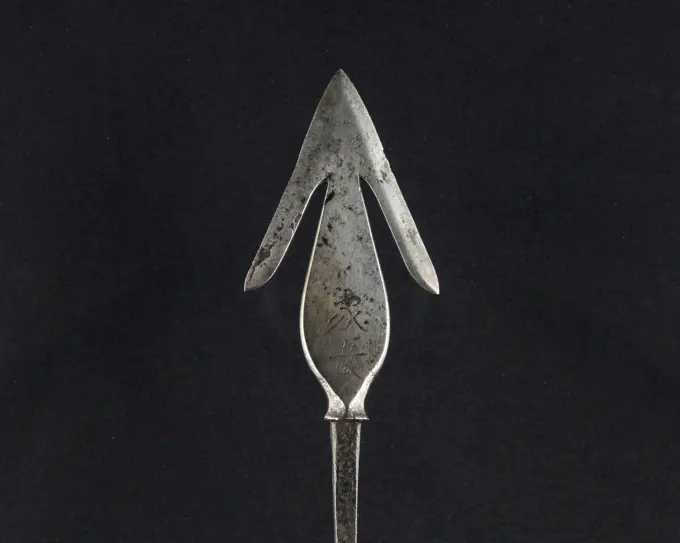
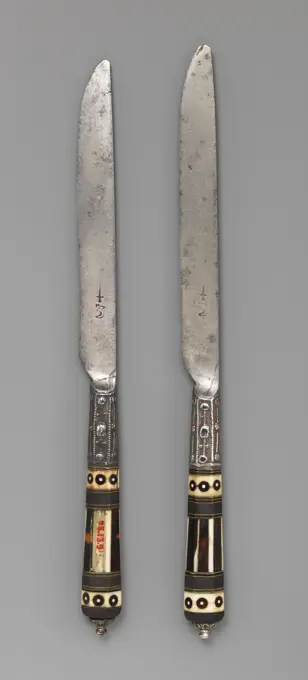
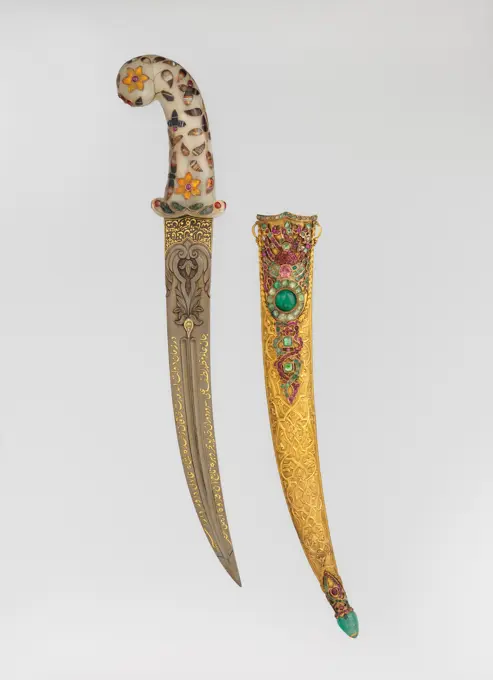
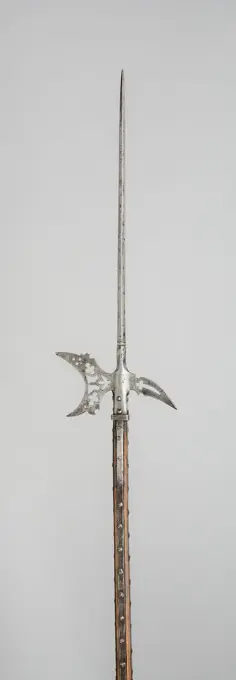
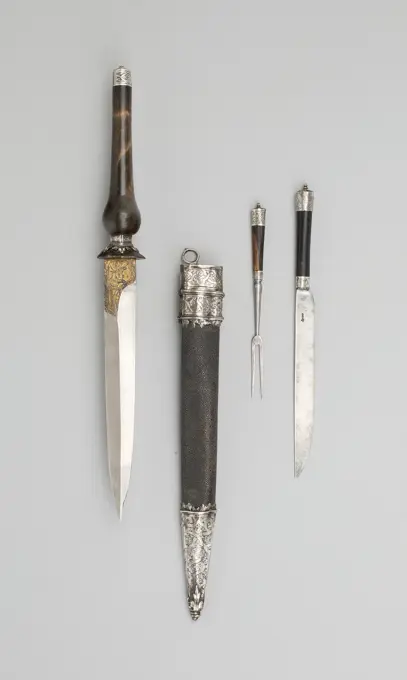
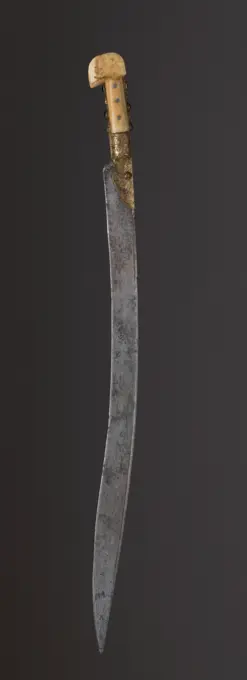
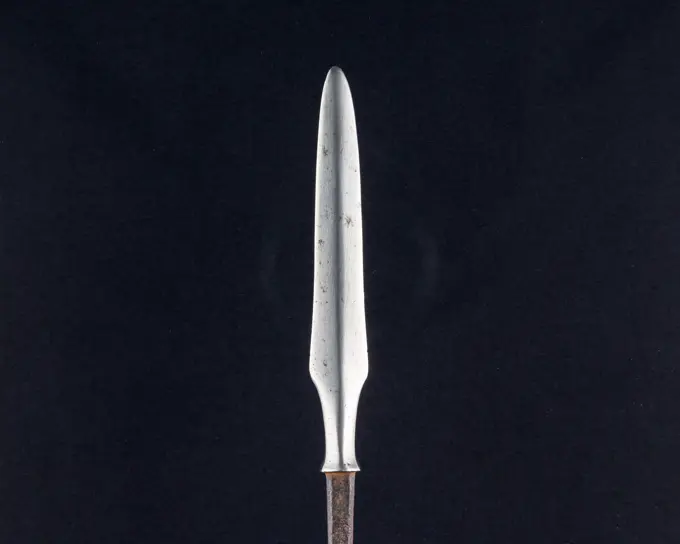
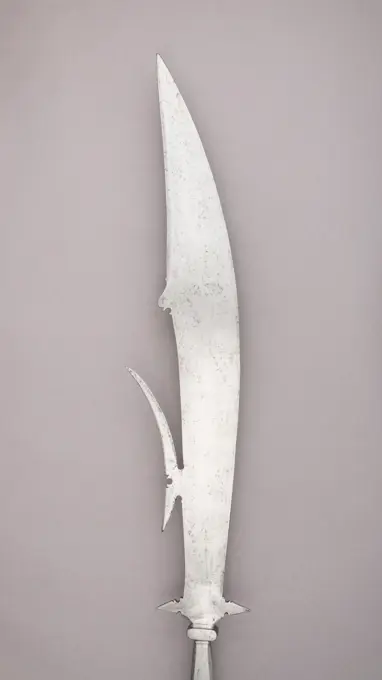
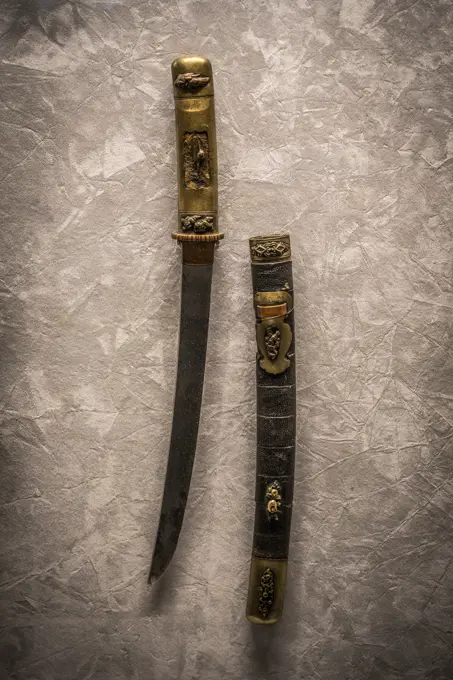
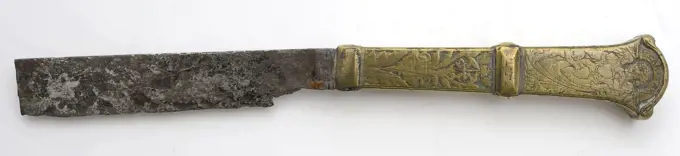
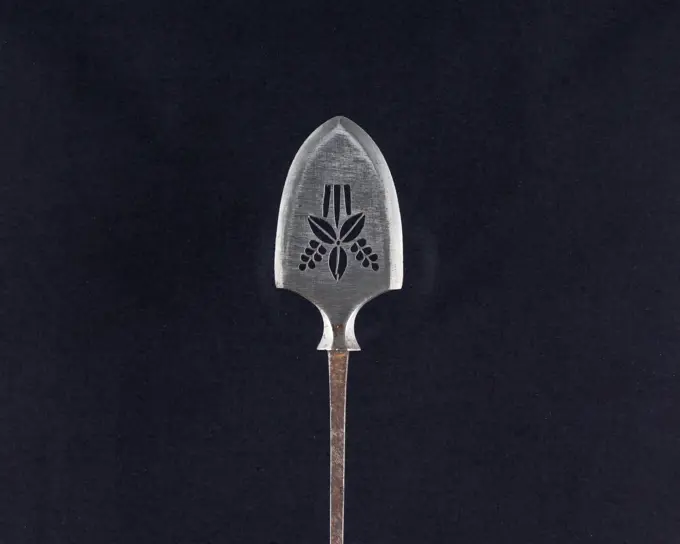
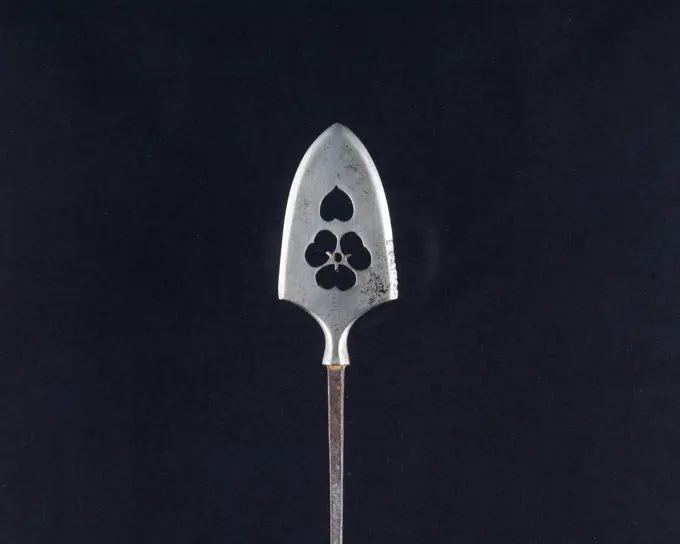
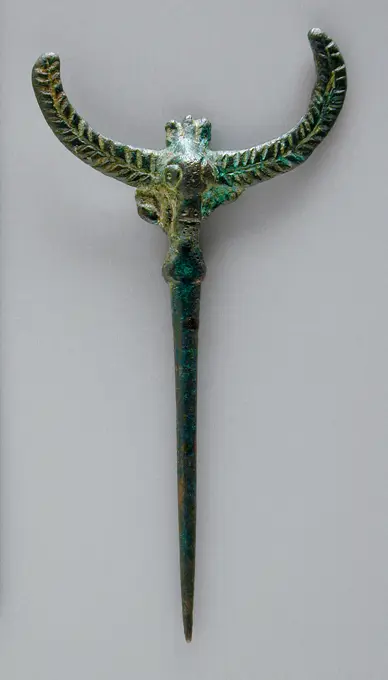
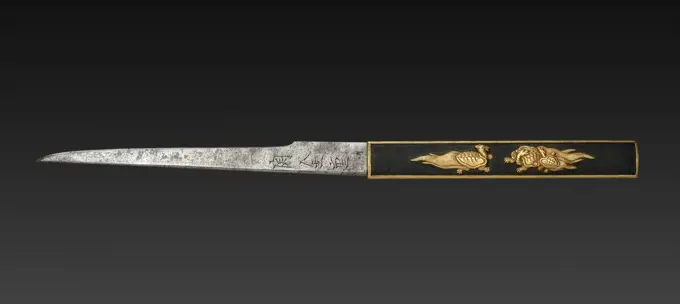
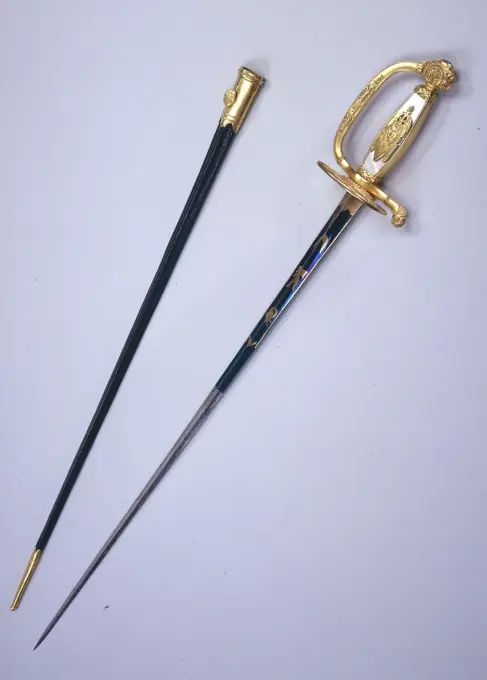
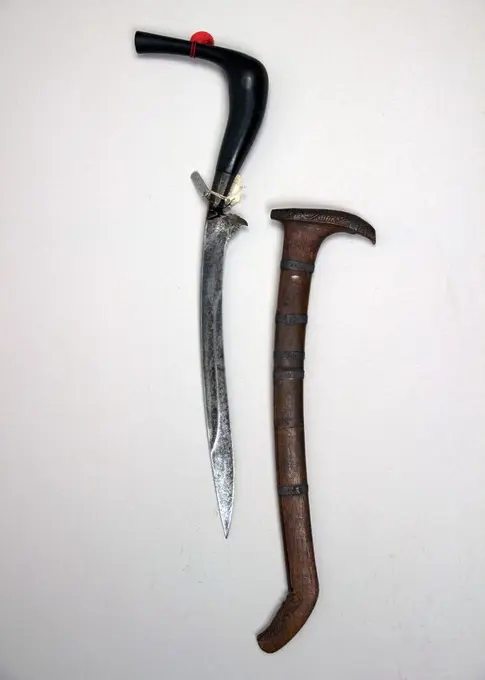
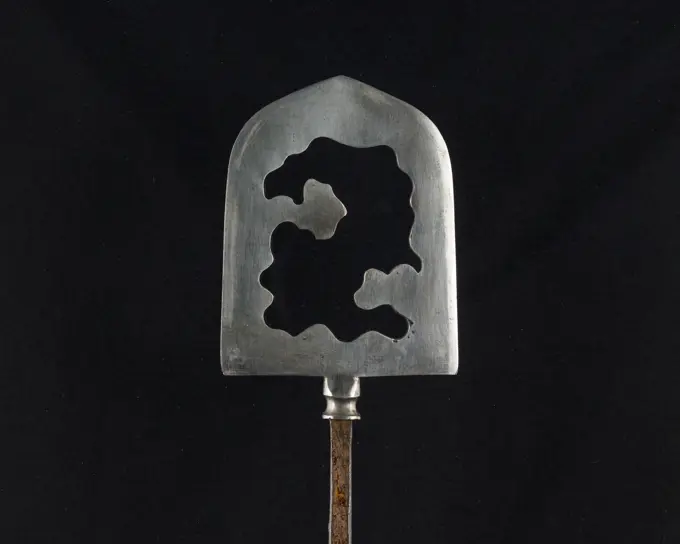
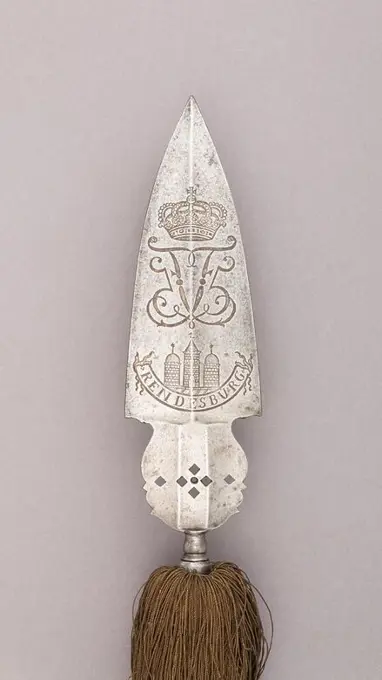
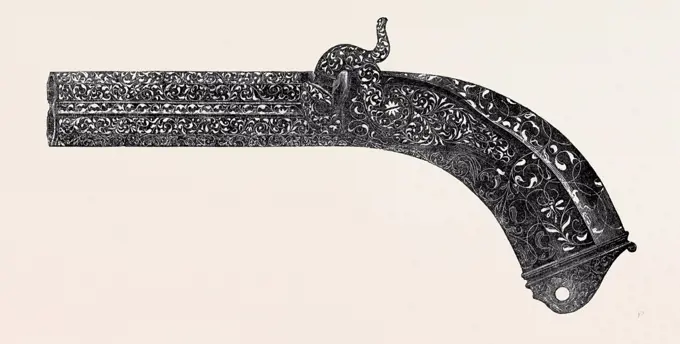
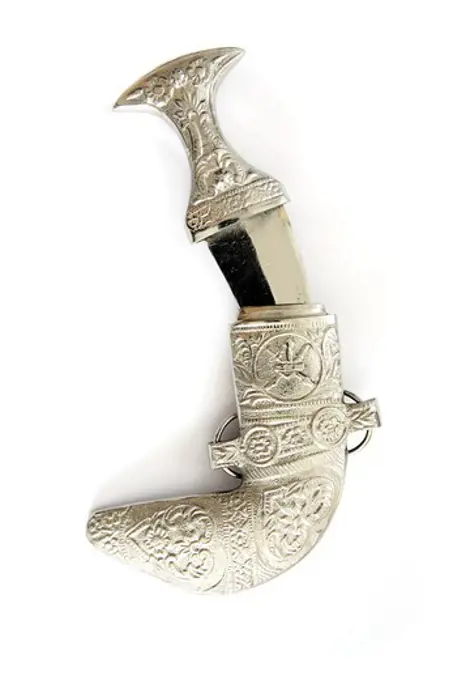
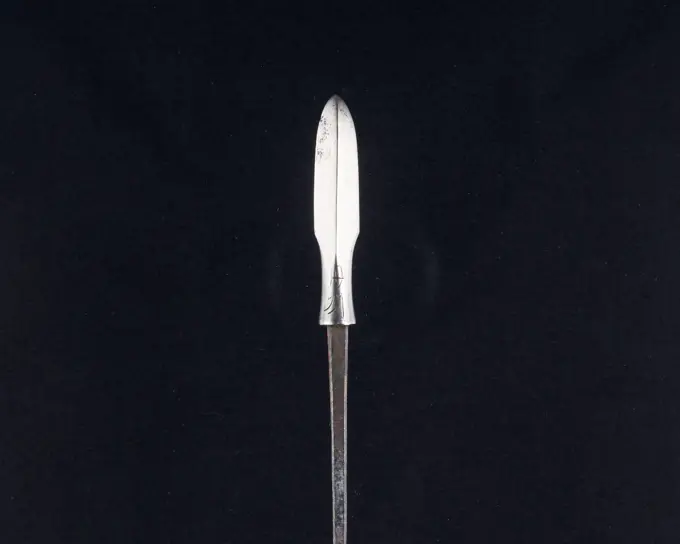
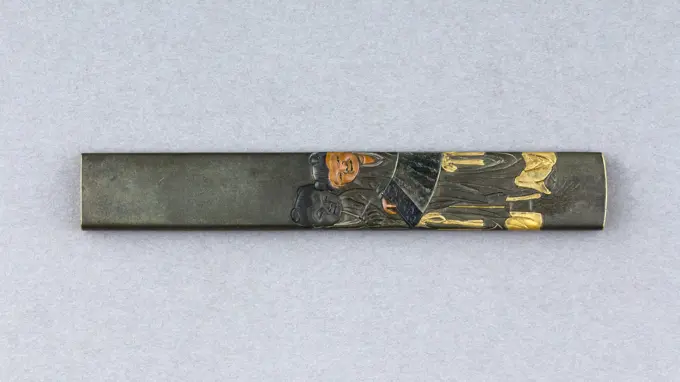
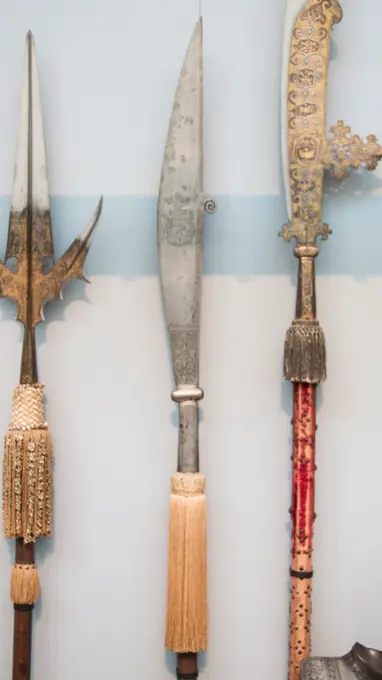
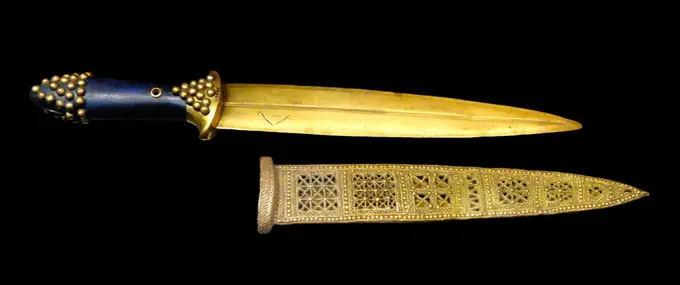
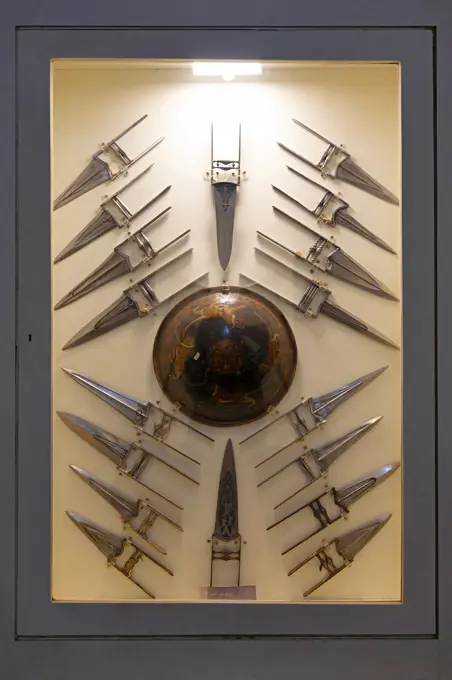
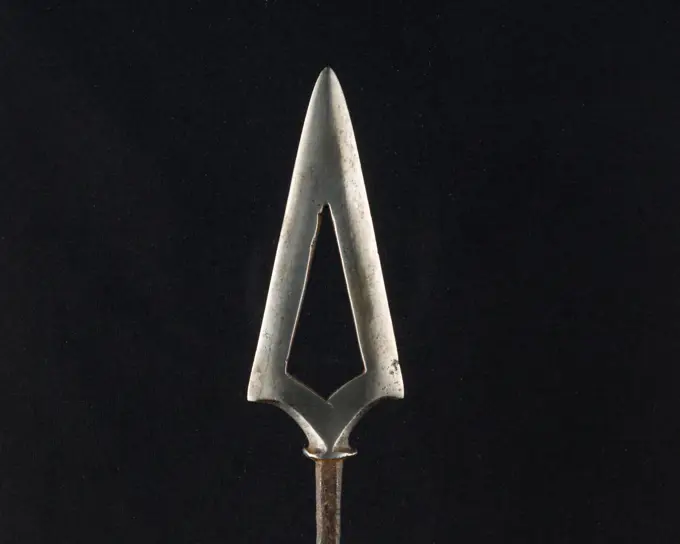
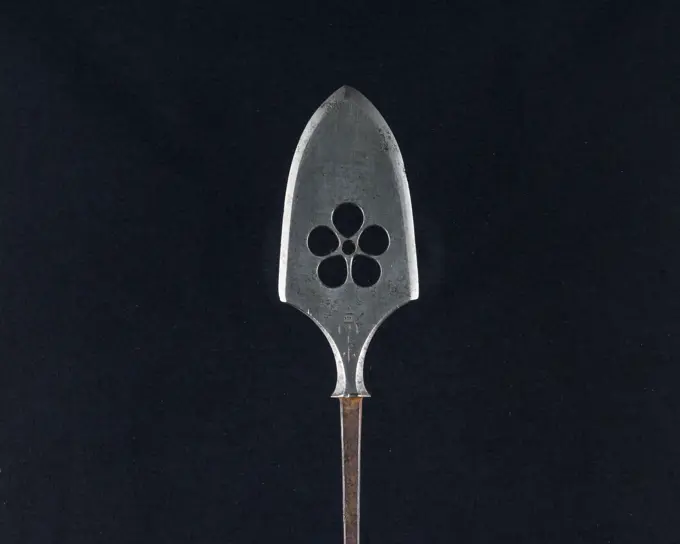
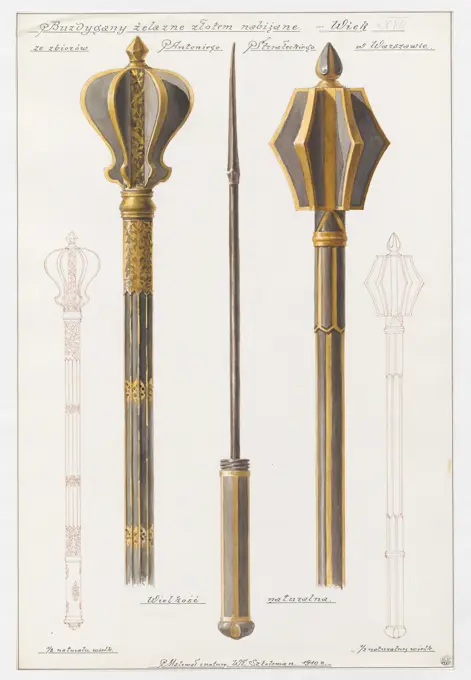
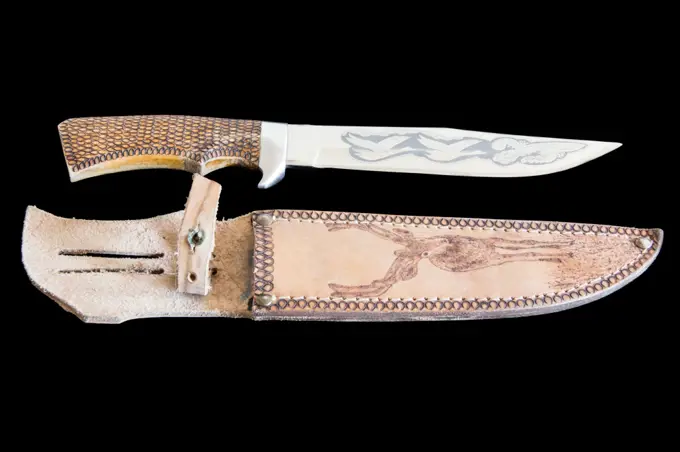
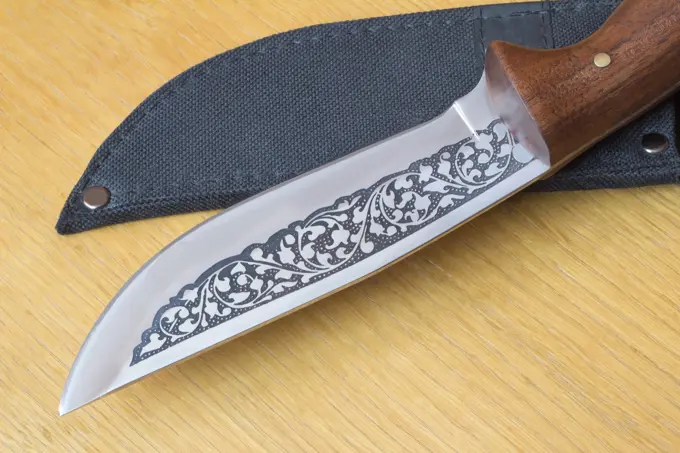
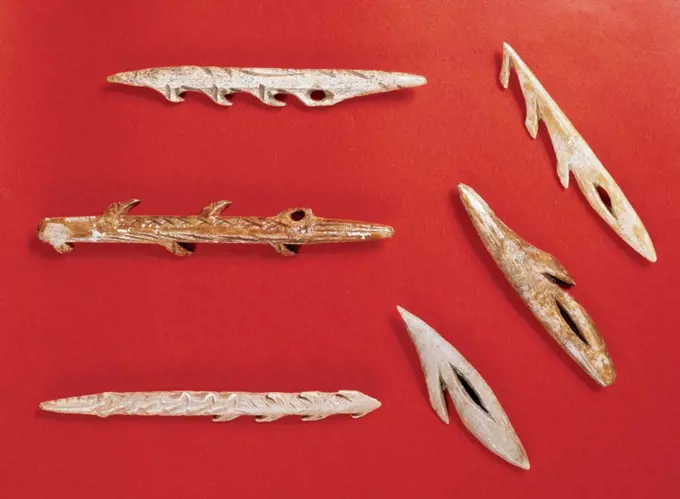
Parrying Dagger. Spanish or south Italian. Date: 1650. Dimensions: L. 58 cm (22 7/8 in.) Blade L. 45 cm (17 3/4 in.) Wt. 1 lb. 8 oz. Steel, iron, and wood. Origin: Spain. Museum: The Chicago Art Institute, Chicago, USA.Wheellock Spanner with Powder Measure and Screwdriver. German. Date: 1601-1700. Dimensions: L. 17.8 cm (7 in.). Iron. Origin: Germany. Museum: The Chicago Art Institute, Chicago, USA.Parrying Dagger for Pietro Antonio Martinengo, Count of Brescia (recorded 1644-1671) 1650-1675 Italy. Iron .Halberd Head with Nagas and Blades on a Tortoise ca. second half of the 13th century Indonesia (Java). Halberd Head with Nagas and Blades on a Tortoise 39348Partisan. Culture: French. Dimensions: L. 8 ft. 7 in. (261.6 cm); L. of head 24 1/4 in. (61.6 cm); W. 4 3/4 in. (12.1 cm); Wt. 4 lbs. 7.1 oz. (2015.7 g). Date: ca. 1600. Museum: Metropolitan Museum of Art, New York, USA.Sabre of Napoleon Bonapartes , C18thMes met heft in de vorm van een gekroonde leeuw.The standing lion holds a shield for itself. A glass slice is applied here, behind which a piece of gold leaf is located.Halberd with the Arms of William V, Duke of Bavaria dated 1582 German. Halberd with the Arms of William V, Duke of Bavaria 27642Arrowhead (Yanone) 18th century Japanese Although today Japanese warriors are renowned most for their swordsmanship, archery, especially from horseback, has been an essential part of samurai warfare and culture for centuries. Arrows were fitted with heads of varying shape according to their intended use in war, the hunt, or target practice. Arrowheads made for use on the battlefield incorporated different designs intended for specialized purposes such as the piercing of armor or to cause maximum damage to horses and unarmored personnel.Large arrowheads, pierced and elaborately chiseled with landscapes, birds, flowers, dragons, and Buddhist divinities, were created to be admired for the beauty of their metalwork and design rather than for use in archery. Such highly elaborate examples may have been made for presentation or as a votive offerings to a shrine.. Arrowhead (Yanone). Japanese. 18th century. Steel. Archery Equipment-ArrowheadsPair of table knives 17th century Probably William Boswell. Pair of table knives. British, London. 17th century. Steel, tortoiseshell, ivory, silver, brass. Metalwork-SteelDagger with Scabbard blade and scabbard, late 19th century; hilt, 18th century blade and scabbard, Turkish; hilt, probably Indian This example belongs to the same group of late nineteenth-century Turkish weapons as the tray of daggers with accession number 23.232.1. Common features of this group include: scabbards of gilt copper worked in relief with strapwork or arabesques and overlaid with jeweled filigreed settings; jade grips of Indian origin; and blades either chiseled in relief or pierced and damascened in gold with inscriptions and false early dates.. Dagger with Scabbard 31584Knife (Bank). Culture: Indian. Dimensions: H. 8 5/8 in. (21.9 cm); W. 1 3/16 in. (3 cm); Wt. 5.8 oz. (164.4 g). Date: 19th century. Museum: Metropolitan Museum of Art, New York, USA.Halberd 1575 Germany. Steel and wood (oak) .Hunting Plug Bayonet with Eating Utensils 1800-1900 Germany. Horn, silver, gold, and sharkskin (sheath) .Tool reminiscent unknownPrzeszo Przyszoci unknownArrow Point, 1700s. Japan, Edo period (1615-1868). Steel; overall: 11.8 cm (4 5/8 in.); head: 6.9 cm (2 11/16 in.).Arrowhead (Yanone) 18th century Japanese Although today Japanese warriors are renowned most for their swordsmanship, archery, especially from horseback, has been an essential part of samurai warfare and culture for centuries. Arrows were fitted with heads of varying shape according to their intended use in war, the hunt, or target practice. Arrowheads made for use on the battlefield incorporated different designs intended for specialized purposes such as the piercing of armor or to cause maximum damage to horses and unarmored personnel.Large arrowheads, pierced and elaborately chiseled with landscapes, birds, flowers, dragons, and Buddhist divinities, were created to be admired for the beauty of their metalwork and design rather than for use in archery. Such highly elaborate examples may have been made for presentation or as a votive offerings to a shrine.. Arrowhead (Yanone). Japanese. 18th century. Steel. Archery Equipment-ArrowheadsKey; iron, gilt bronze; 1910-1-4Fauchard 16th century Italian. Fauchard. Italian. 16th century. Steel, wood (ash). Shafted WeaponsTanto Tanto, Japan, 19th century, Álava Armory Museum, Vitoria, Basque Country, Spain Copyright: xZoonar.com/Tolox 21366502Tibetan Dolk, Anonymous, 1897 - 1910 photograph  Rijks Ethnographic Museum paper. cardboard albumen print hacking and thrusting weapons: dagger Rijks Ethnographic MuseumKnife with Caritas, Fortitudo and name Gheertgen Cornelisdochter, knife cutlery soil find iron copper brass metal, forged cast engraved Iron knife Crafted brass or brass handle Flat handle with side engraved name of the owner On the flat sides are images Caritas (charity) and Fortitudo (strength) engraved underneath floral decors CARITAS FORTITUDO and GHEERTGEN CORNELISDOCHTER archeology Rotterdam Delfshaven Lage Erf cutting food table wedding gift marriage Caritas Fortitudo archaeological find in the soil Rotterdam found at the Lage Erf Delfshaven.Kris with Sheath 16th-19th century Balinese. Kris with Sheath 31395Arrowhead (Yanone) 18th century Japanese Although today Japanese warriors are renowned most for their swordsmanship, archery, especially from horseback, has been an essential part of samurai warfare and culture for centuries. Arrows were fitted with heads of varying shape according to their intended use in war, the hunt, or target practice. Arrowheads made for use on the battlefield incorporated different designs intended for specialized purposes such as the piercing of armor or to cause maximum damage to horses and unarmored personnel.Large arrowheads, pierced and elaborately chiseled with landscapes, birds, flowers, dragons, and Buddhist divinities, were created to be admired for the beauty of their metalwork and design rather than for use in archery. Such highly elaborate examples may have been made for presentation or as a votive offerings to a shrine.. Arrowhead (Yanone). Japanese. 18th century. Steel. Archery Equipment-ArrowheadsTwo parts of ear iron, regional dress, ear-iron regional costume jewelery clothing accessory clothing foundations iron metal ), forged Two parts of ear-iron Reinforcement parts that have the shape of cap or hat on the front finished with profiled buttons Component of regional archeology Rotterdam City Triangle Nieuwehaven regional dress traditional costume head covering side hat Soil discovery Rotterdam Nieuwe Haven 1st cesspool (round).Wheel-Lock Spanner, Turnscrew, and Adjustable Powder-Measure 1600-1650 Germany. Steel .Arrowhead (Yanone) 18th century Japanese Although today Japanese warriors are renowned most for their swordsmanship, archery, especially from horseback, has been an essential part of samurai warfare and culture for centuries. Arrows were fitted with heads of varying shape according to their intended use in war, the hunt, or target practice. Arrowheads made for use on the battlefield incorporated different designs intended for specialized purposes such as the piercing of armor or to cause maximum damage to horses and unarmored personnel.Large arrowheads, pierced and elaborately chiseled with landscapes, birds, flowers, dragons, and Buddhist divinities, were created to be admired for the beauty of their metalwork and design rather than for use in archery. Such highly elaborate examples may have been made for presentation or as a votive offerings to a shrine.. Arrowhead (Yanone). Japanese. 18th century. Steel. Archery Equipment-Arrowheadscurved dagger of Malaysia. curved daggerPartisan of Johann Georg I of Saxony (reigned 1611-56) ca. 1625 German This staff weapon was carried by the bodyguards of the Prince-Electors of Saxony.. Partisan of Johann Georg I of Saxony (reigned 1611-56) 22206Pin. Iran, Luristan, circa 1350-800 B.C.. Jewelry and Adornments; pins. Bronze, castSword (Kilij) with Scabbard 19th century Turkish. Sword (Kilij) with Scabbard 33504Blade with Handle (Kozuka) with Family of Tortoises, 1615-1868. Japan, Edo period (1615-1868).Vintage bronze Hindu puja achamani ritual spoon, india, asia Copyright: xAnilxDave/DinodiaxPhotoxGeneral Napoleon Bonaparte's swordMoulded Single-Edged Curved Knife (Bade-bade) with Sheath. Culture: Sumatran, possibly Acheen. Dimensions: L. with sheath 18 13/16 in. (47.8 cm); L. without sheath 14 3/4 in. (37.5 cm); L. of blade 10 in. (25.4 cm); W. 5 3/4 in. (14.6 cm); Wt. 8.6 oz. (243.8 g); Wt. of sheath 1.7 oz. (48.2 g). Date: 16th-19th century. Museum: Metropolitan Museum of Art, New York, USA.Arrowhead (Yanone) 18th century Japanese Although today Japanese warriors are renowned most for their swordsmanship, archery, especially from horseback, has been an essential part of samurai warfare and culture for centuries. Arrows were fitted with heads of varying shape according to their intended use in war, the hunt, or target practice. Arrowheads made for use on the battlefield incorporated different designs intended for specialized purposes such as the piercing of armor or to cause maximum damage to horses and unarmored personnel.Large arrowheads, pierced and elaborately chiseled with landscapes, birds, flowers, dragons, and Buddhist divinities, were created to be admired for the beauty of their metalwork and design rather than for use in archery. Such highly elaborate examples may have been made for presentation or as a votive offerings to a shrine.. Arrowhead (Yanone). Japanese. 18th century. Iron, steel. Archery Equipment-ArrowheadsCarving knife ca. 1641 German or Swiss. Carving knife. German or Swiss. ca. 1641. Steel, horn inlaid with mother-of-pearl, brass. Metalwork-SteelKris with Sheath 16th-19th century Javanese. Kris with Sheath 31388Dagger (Piha Kaetta) with Sheath 18th century Sri Lankan. Dagger (Piha Kaetta) with Sheath 32743Case, shark skin, Shagreen case for two implements, pointed tip., possibly Germany, ca. 1595-1700, cutlery, Decorative Arts, CaseSpontoon. Culture: German. Dimensions: L. 76 3/8 in. (194 cm); L. of head 12 3/8 in. (31.4 cm); W. 3 1/2 in. (8.9 cm); Wt. 4 lb. 0.1 oz. (1817.2 g). Date: 18th century. Museum: Metropolitan Museum of Art, New York, USA.Sword (Pattisa). Culture: Indian, South Indian. Dimensions: L. 41 in. (104.1 cm); W. 3 7/16 in. (8.7 cm); D. 3 3/4 in. (9.5 cm); Wt. 2 lb. 14.1 oz. (1306.9 g). Date: possibly 17th-18th century. Museum: Metropolitan Museum of Art, New York, USA.POCKET PISTOL, WITH DAMASCENE WORK AND INCRUSTATION IN GOLD. DEVISMEA traditional knife, or khanjar, of the kind worn with national dress in southern Arabia, especially Oman, symbolising readiness to defend one's honour.Vintage rusty hacksaw on a metallic backgroundRapier, c. 1600. Italy, early 17th Century. Steel, wire grip; hilt blued and chiseled with foliate pattern; overall: 110 cm (43 5/16 in.); blade: 94 cm (37 in.); quillions: 16.2 cm (6 3/8 in.); grip: 14.7 cm (5 13/16 in.).Arrowhead (Yanone) 18th century Japanese Although today Japanese warriors are renowned most for their swordsmanship, archery, especially from horseback, has been an essential part of samurai warfare and culture for centuries. Arrows were fitted with heads of varying shape according to their intended use in war, the hunt, or target practice. Arrowheads made for use on the battlefield incorporated different designs intended for specialized purposes such as the piercing of armor or to cause maximum damage to horses and unarmored personnel.Large arrowheads, pierced and elaborately chiseled with landscapes, birds, flowers, dragons, and Buddhist divinities, were created to be admired for the beauty of their metalwork and design rather than for use in archery. Such highly elaborate examples may have been made for presentation or as a votive offerings to a shrine.. Arrowhead (Yanone). Japanese. 18th century. Steel. Archery Equipment-ArrowheadsPencil box;  before 1909 (1890-00-00-1909-00-00);Arabic (culture), gift (provenance), Arab inscriptions, Islam artKnife Handle (Kozuka) ca. 1615-1868 Japanese A kozuka is a handle of a by-knife that is part of a sword mounting. It is kept in a slot on the reverse of a katana scabbard, often with a matching kōgai (hairdressing tool).. Knife Handle (Kozuka) 34623Glaive of the Bodyguard of Guglielmo Gonzaga (1538-1587), Duke of Mantua and Monferrato ca. 1575 Italian. Glaive of the Bodyguard of Guglielmo Gonzaga (1538-1587), Duke of Mantua and Monferrato 21953Knife, from a flatware dessert service, 18th century, Meissen Porcelain Factory, Meissen, Germany, est. 1710, Hard paste porcelain, gilt metal, Germany, 18th centuryARTE IRANI-ESTANDARTE VOTIVO EN BRONCE. Location: MUSEO ARQUEOLOGICO NACIONAL-COLECCION. MADRID. SPAIN.Electrotype copy of a gold ceremonial dagger with sheath. Sumerian, Early Dynastic III period, c.2600-2500 BC, from Ur Iraq, (grave PG 580)Djambiya with scraab, Yemen, 19th century, Castle of San Carlos, seventeenth century, Palma, Mallorca, Spain.Musical instrument: wood and copper triangular harp, Late PeriodWaffen, Ausstellung, Galerie, Fateh, Prakash, Palast, Museum, Fort, Komplex, Chittorgarh, Rajasthan, Waffen, Artefakte, Erbe, historisch, Kultur, Sammlung, Ausstellung, Kriegsführung, traditionell, Geschichte, königlich, Erhaltung, Metallarbeiten, Schauka Weapons displayed in the gallery of Fateh Prakash Palace Museum, Fort Complex, Chittorgarh, Rajasthan LicenseRF Copyright: xZoonar.com/RealityImagesx 23317873ESPADA LLAMADA TIZONA DEL CID CAMPEADOR-REVERSO DET. Location: ALCAZAR / MUSEO DEL EJERCITO-COLECCIÓN. Toledo. SPAIN.Arrowhead (Yanone) 18th century Japanese Although today Japanese warriors are renowned most for their swordsmanship, archery, especially from horseback, has been an essential part of samurai warfare and culture for centuries. Arrows were fitted with heads of varying shape according to their intended use in war, the hunt, or target practice. Arrowheads made for use on the battlefield incorporated different designs intended for specialized purposes such as the piercing of armor or to cause maximum damage to horses and unarmored personnel.Large arrowheads, pierced and elaborately chiseled with landscapes, birds, flowers, dragons, and Buddhist divinities, were created to be admired for the beauty of their metalwork and design rather than for use in archery. Such highly elaborate examples may have been made for presentation or as a votive offerings to a shrine.. Arrowhead (Yanone). Japanese. 18th century. Steel. Archery Equipment-ArrowheadsFire Shovel. Dated: c. 1937. Dimensions: overall: 28.2 x 22.9 cm (11 1/8 x 9 in.). Medium: graphite and watercolor on paperboard. Museum: National Gallery of Art, Washington DC. Author: Marie Famularo.Silversmith's art, Italy, 16th century. Silver knives by Lombard silversmith.sword and ceremonial greatsword, 15th century, Álava Armory Museum, Vitoria, Basque Country, Spain.Arrowhead (Yanone) 18th century Japanese Although today Japanese warriors are renowned most for their swordsmanship, archery, especially from horseback, has been an essential part of samurai warfare and culture for centuries. Arrows were fitted with heads of varying shape according to their intended use in war, the hunt, or target practice. Arrowheads made for use on the battlefield incorporated different designs intended for specialized purposes such as the piercing of armor or to cause maximum damage to horses and unarmored personnel.Large arrowheads, pierced and elaborately chiseled with landscapes, birds, flowers, dragons, and Buddhist divinities, were created to be admired for the beauty of their metalwork and design rather than for use in archery. Such highly elaborate examples may have been made for presentation or as a votive offerings to a shrine.. Arrowhead (Yanone). Japanese. 18th century. Steel. Archery Equipment-Arrowheadsdagger Souvenir medieval dagger. An exact copy made of modern materials Copyright: xZoonar.com/ValeryxxSibrikovx 2421210Close up of old knifeMaces from the collection of Antoni Strzałecki ; drawing for the publication: Dominika Jeżewskiego Skarbiec Zabytków Polskich znajdujących się w prywatnych zbiorach Warszawy, malował z natury Władysław Sztolcman od r. 1909` Treasure of Polish Souvenirs b???????????????????. Sztolcman, Władysław Roman (1873-1950), painterPhoto of cold weapon on black backgroundSelection of surgical instruments including amputation scalpels, a finger saw and bone forceps, from England, 1822-1870.Knife (Germany), ca. 1700; shark skin, silver, brass, steel, amber; L x W: 19.2 x 2.1 cm (7 9/16 x 13/16 in.); The Robert L. Metzenberg Collection, gift of Eleanor L. Metzenberg; 1985-103-136-bhunting knife on the background of hemp ropeBeautiful hunting knife and a case for the knife. Large, beautifully decorated with a hunting knife and black case for a knife. Located on a cutting Board. Copyright: xZoonar.com/GalinaxxTolochkox 5656761ARTE PREHISTORIA-PALEOLITICO. ESPAÑA. ARPONES AZILIENSES (MESOLITICO CANTABRO). Procedentes de la Cueva de El Piélago (parte superior), ARPONES MAGDALENIANOS (PALEOLITICO SUPERIOR) procedentes de la Cueva del Pendo (parte inferior). Museo Regional de Prehistoria y Arqueología. Santander. Cantabria.a golden sword inside the roomCollection of stili, used to write on wax-surfaced wooden writing tablets. Dated 1st Century