Decorative Bowls

Artistic earthenware bowls with intricate floral designs and animal motifs, emphasizing craftsmanship with earthy colors and unique shapes.

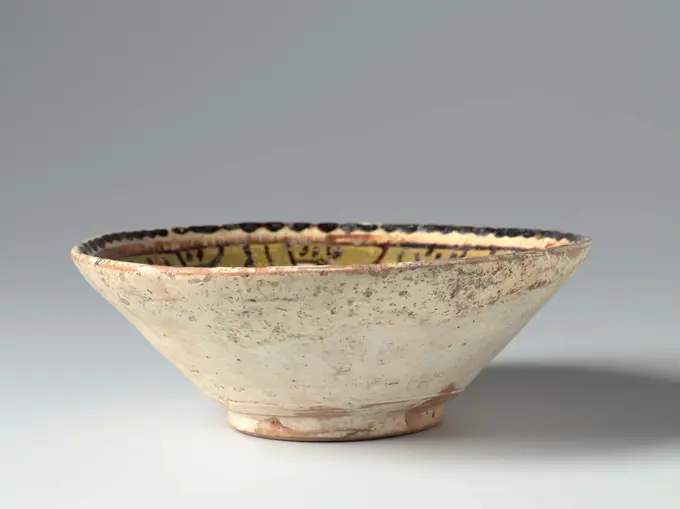
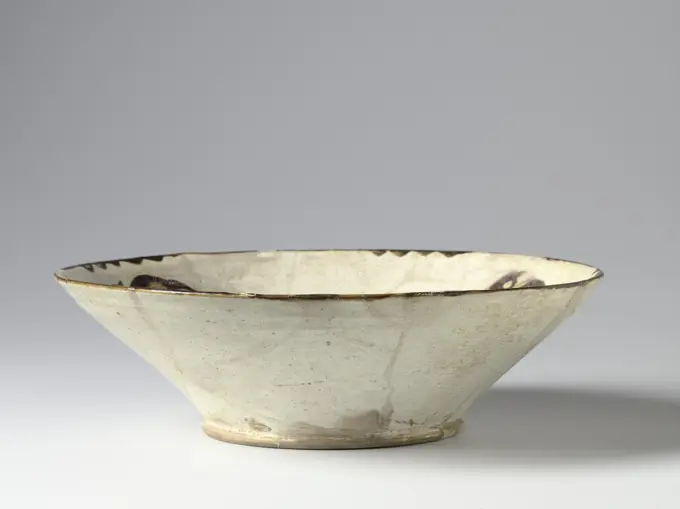
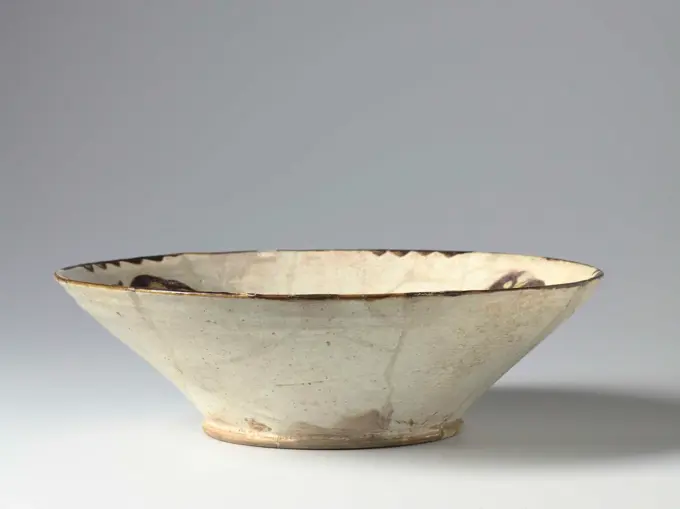
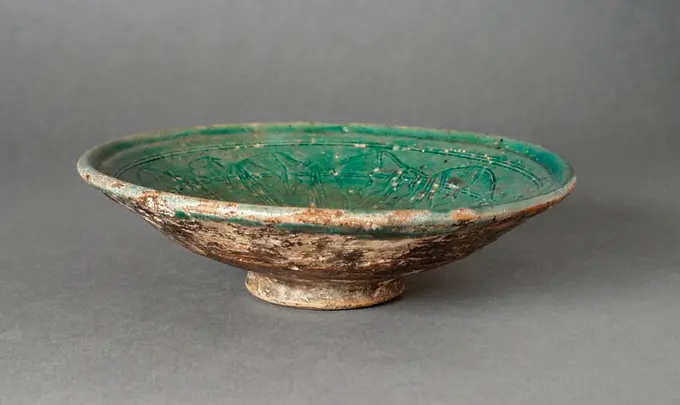
bowl with a stylised duck among floral scrolls, anonymous, c. 1100 - c. 1299 Come of earthenware covered with Engobe from white sludge from which the decoration is cut. A duck on the bottom; The inner wall with a wide band of flower vines. Garrus earthenware. glaze cutting / vitrification Come of earthenware covered with Engobe from white sludge from which the decoration is cut. A duck on the bottom; The inner wall with a wide band of flower vines. Garrus earthenware. glaze cutting / vitrification
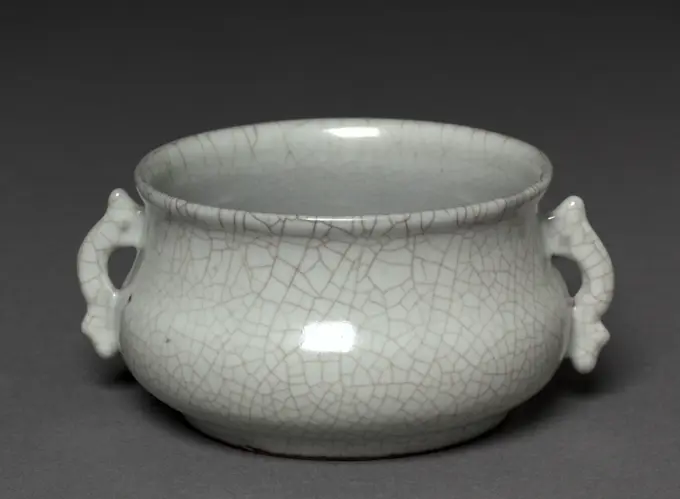
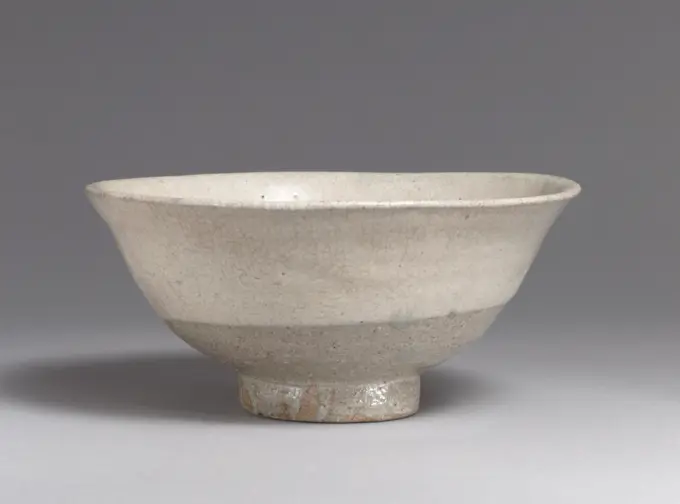
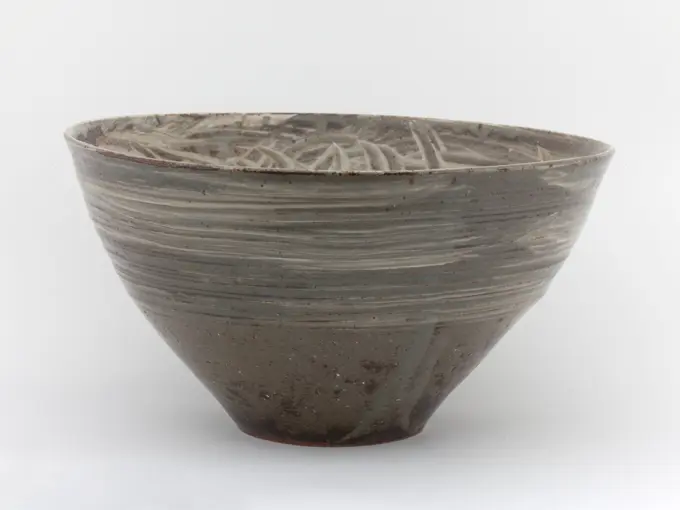
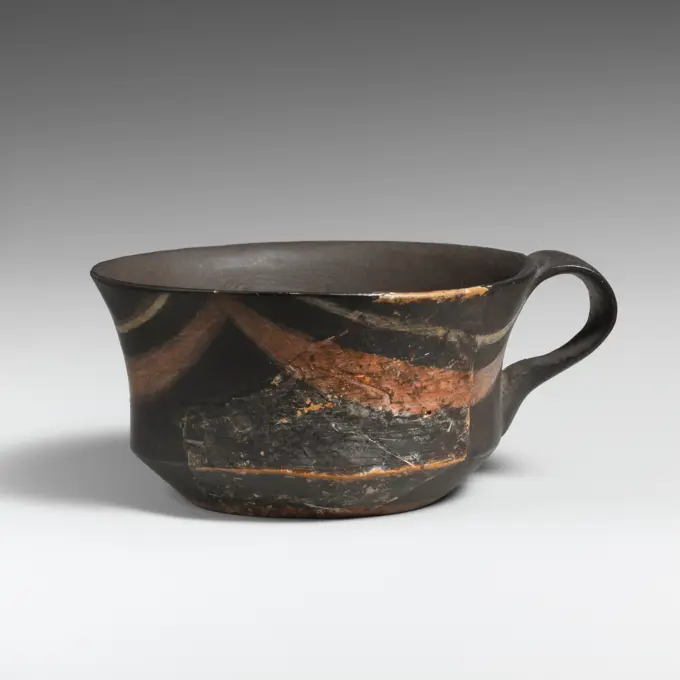
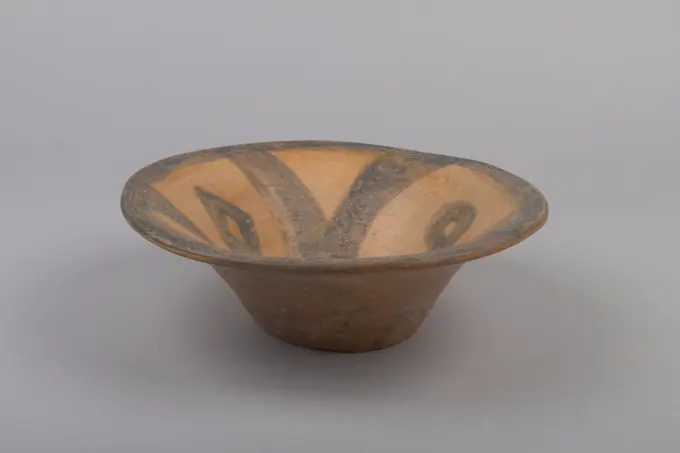
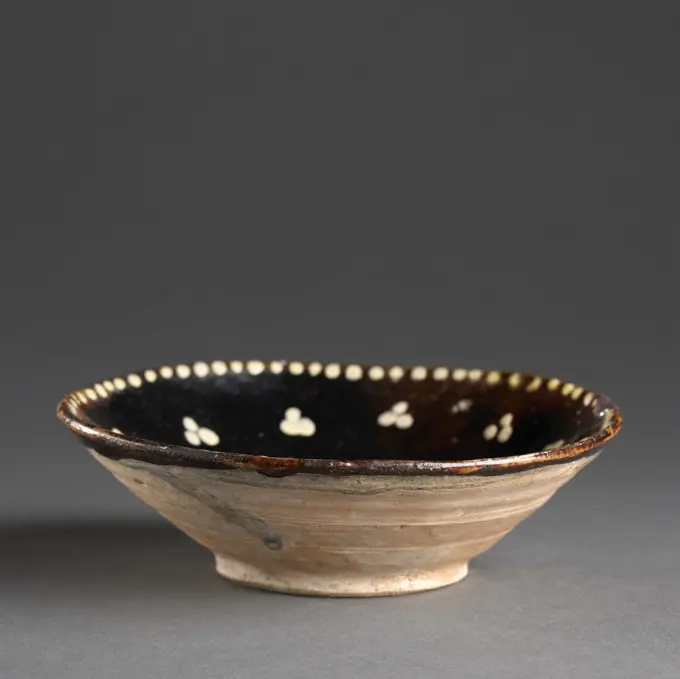
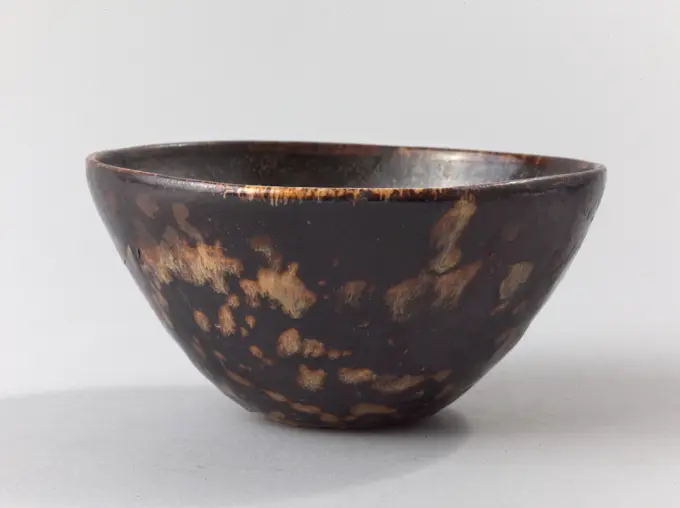
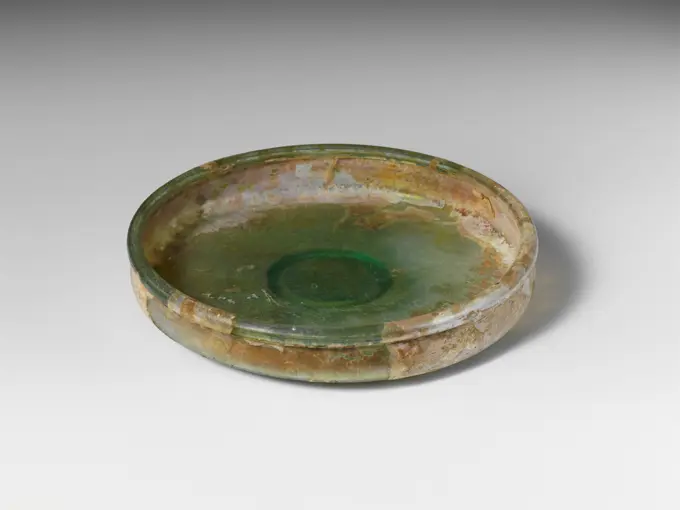
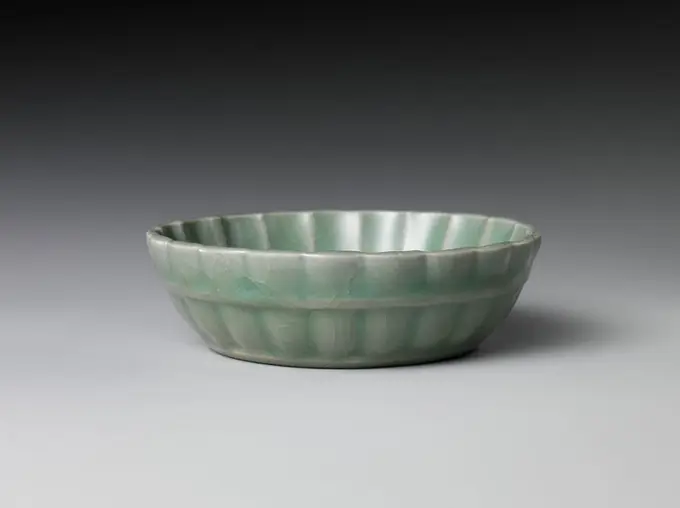
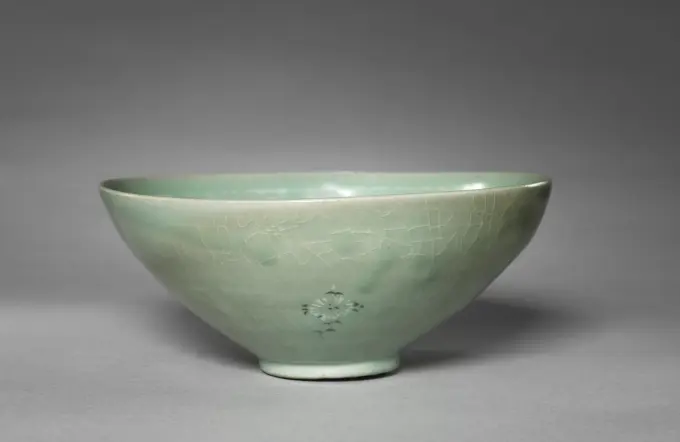
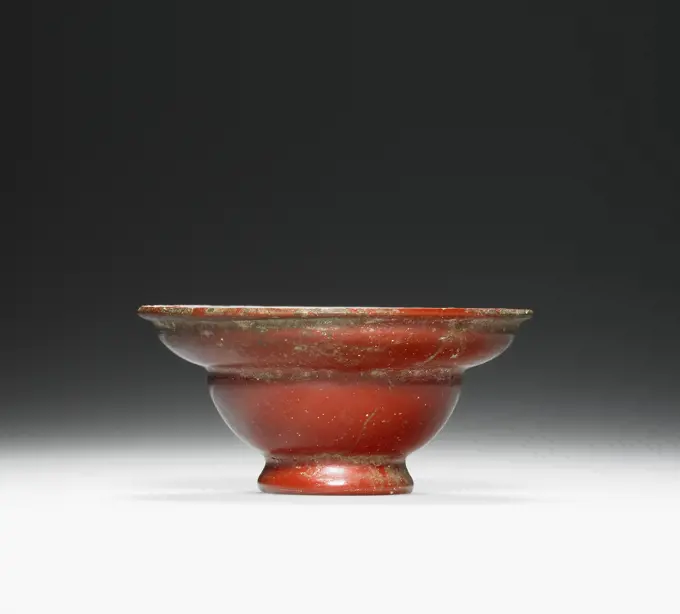
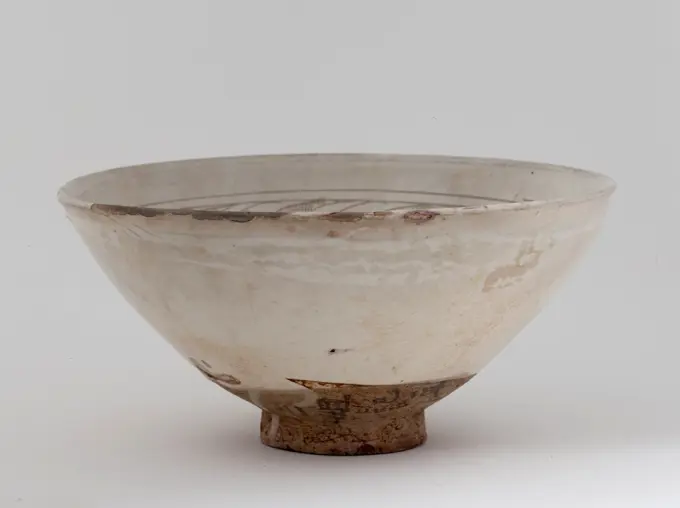
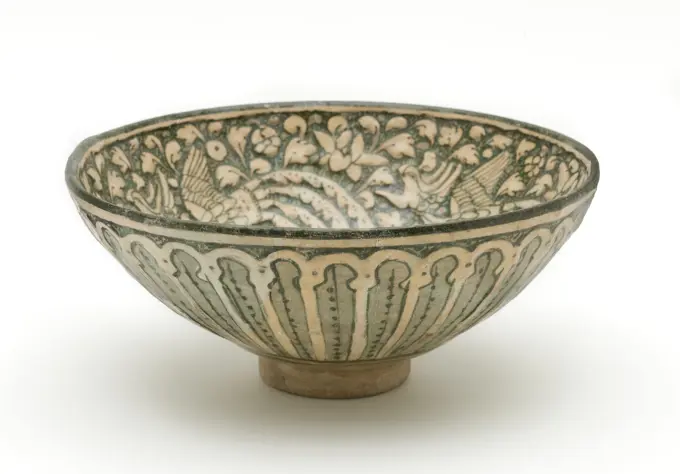
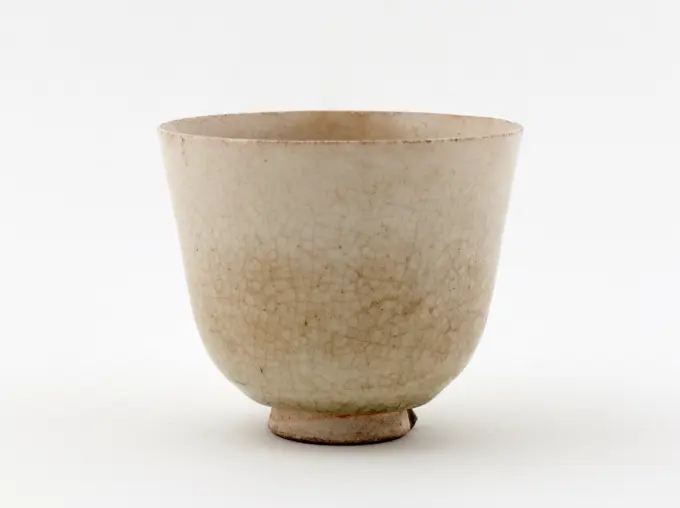
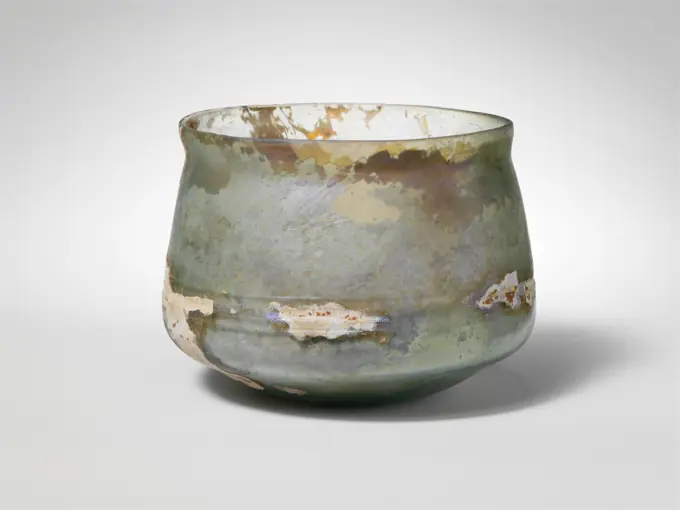
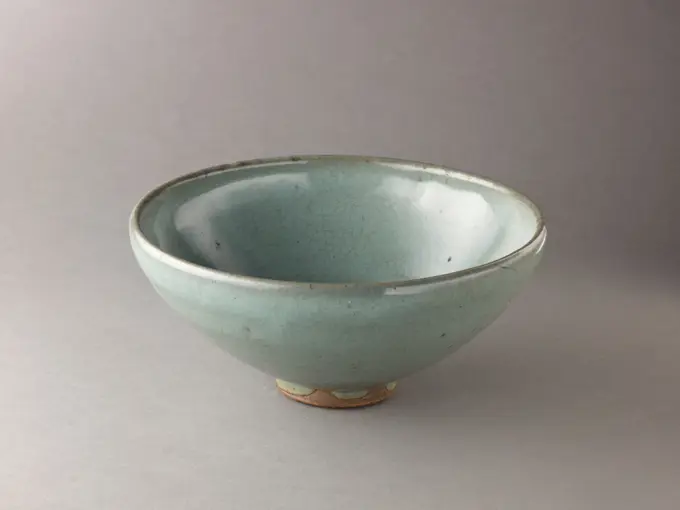
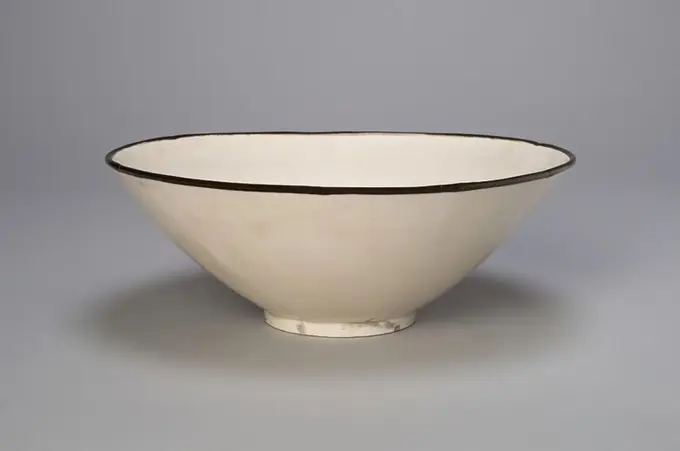
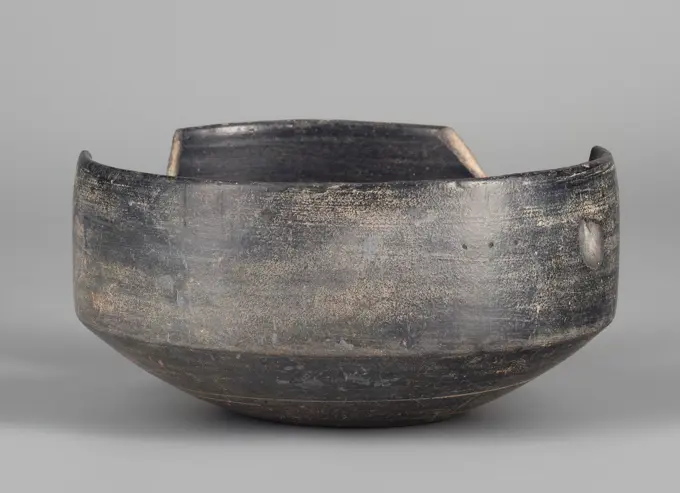
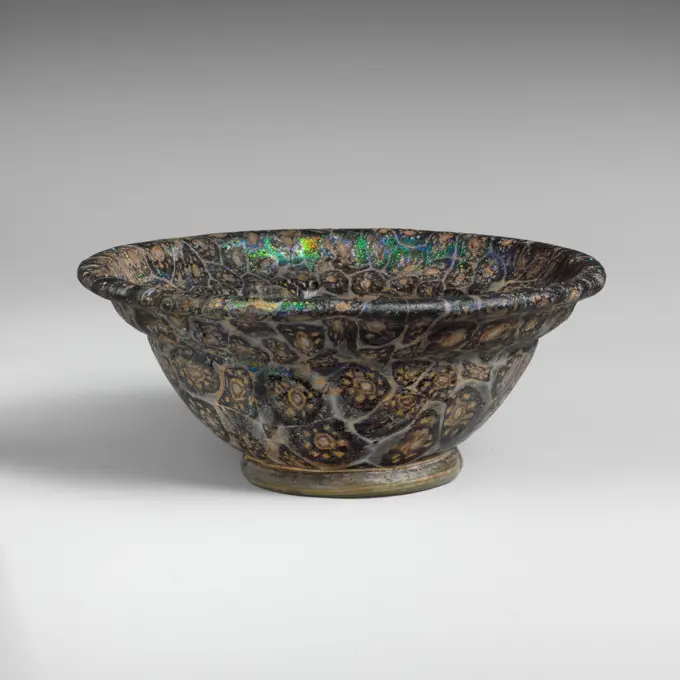
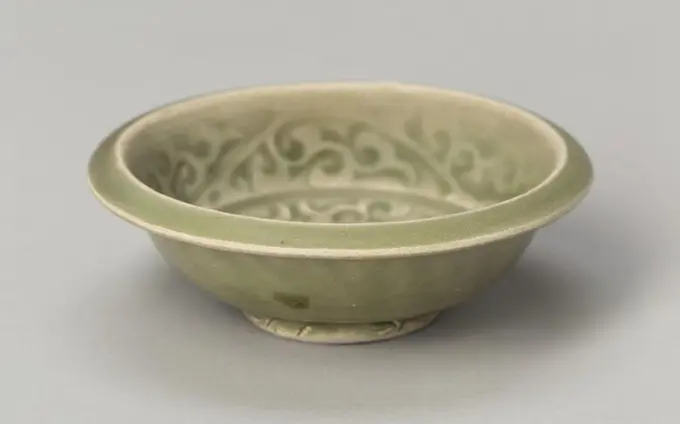
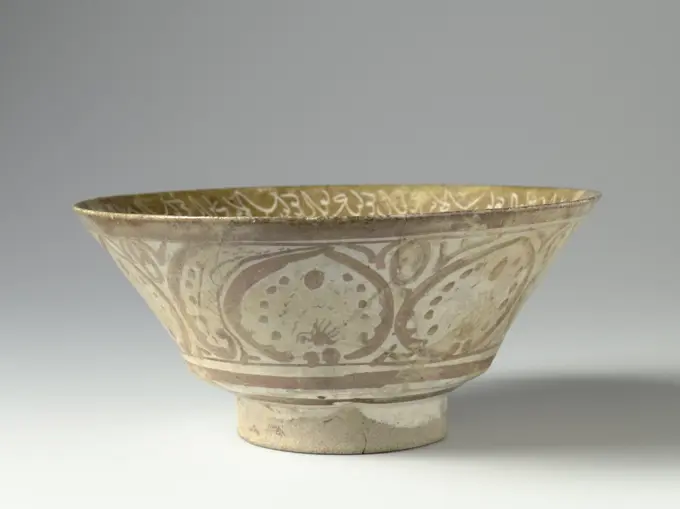
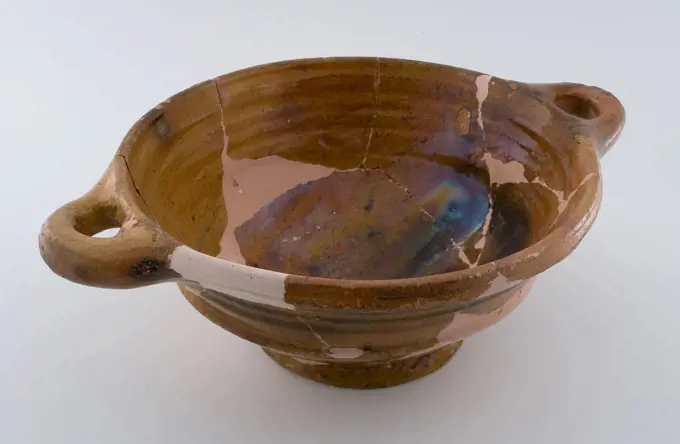
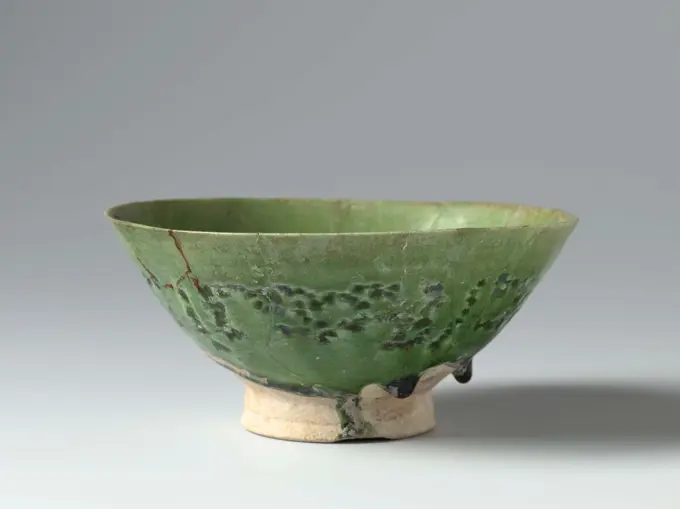
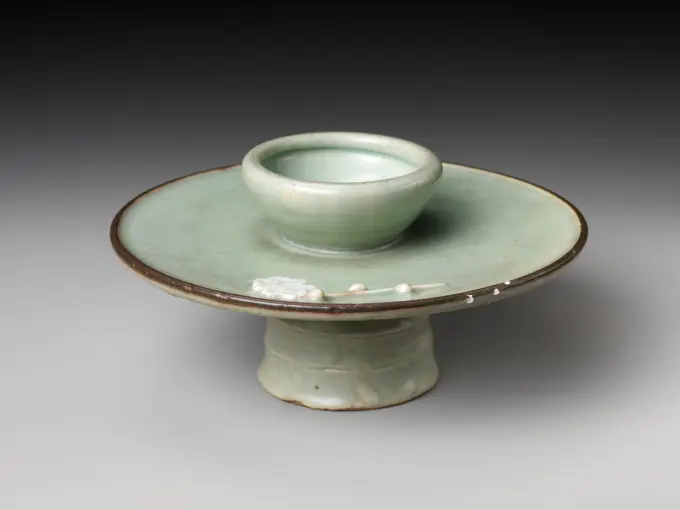
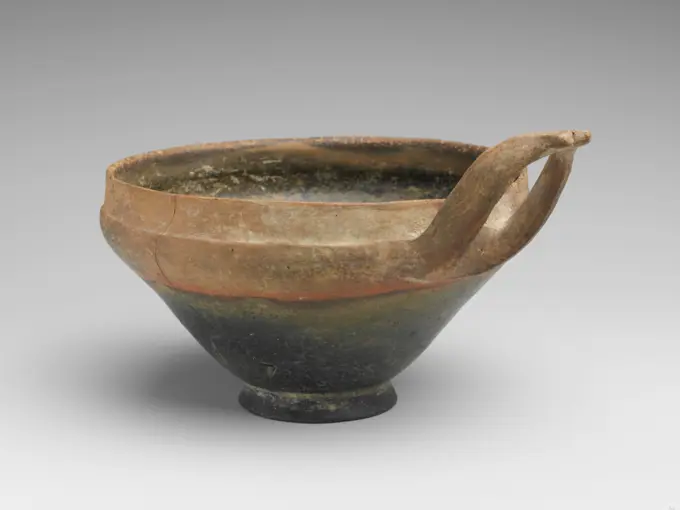
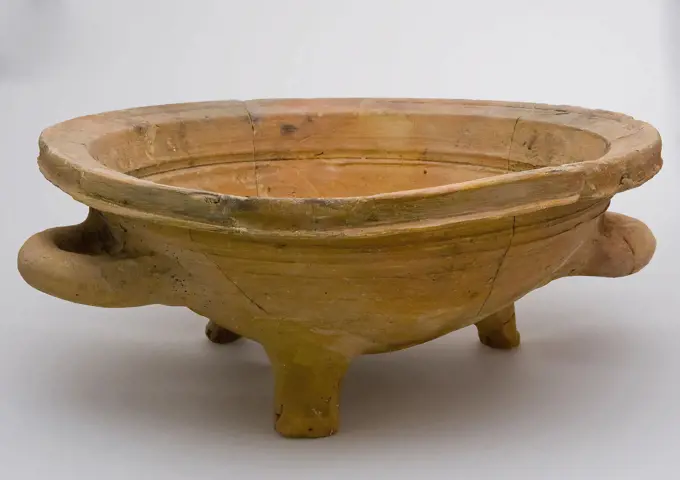
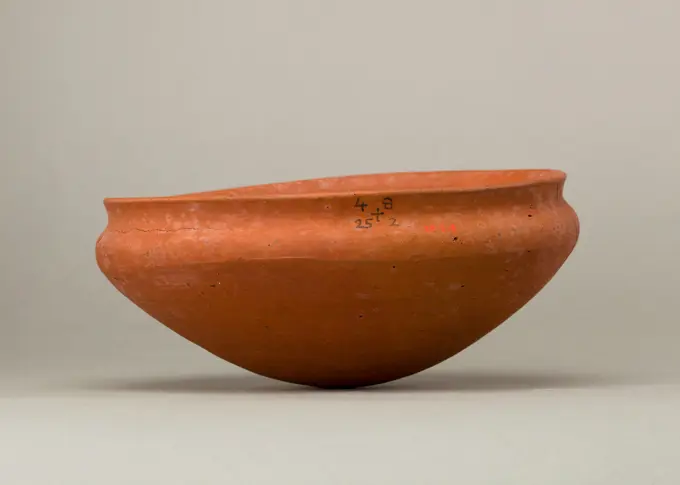
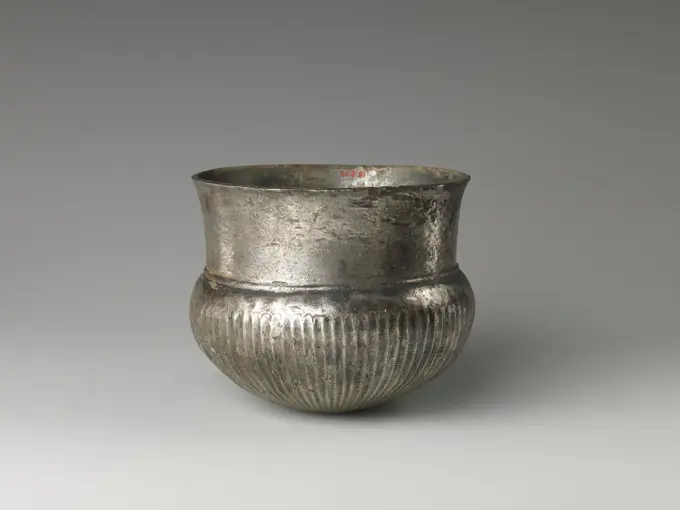
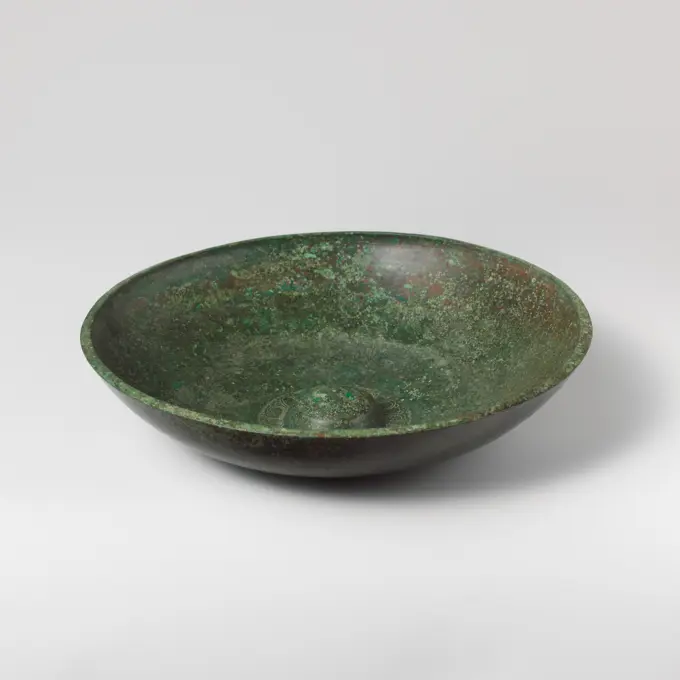
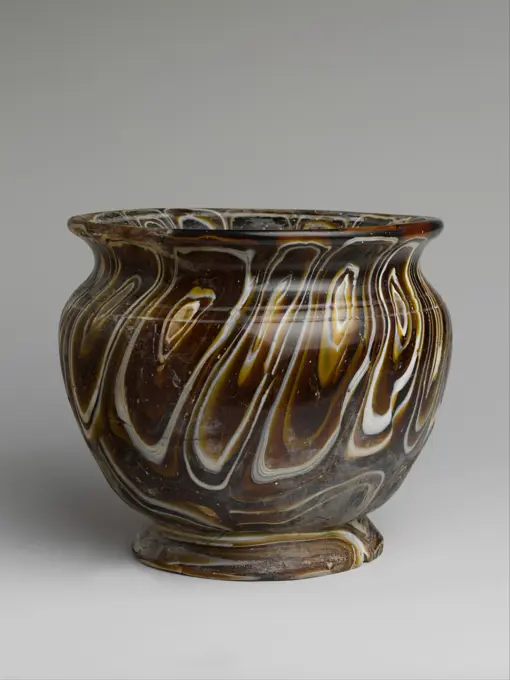
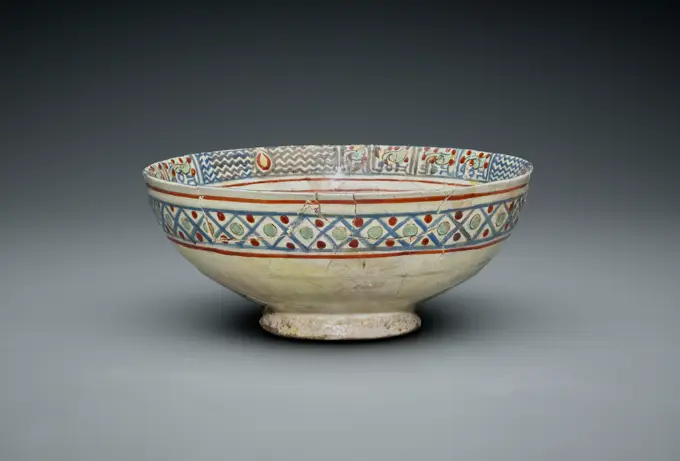
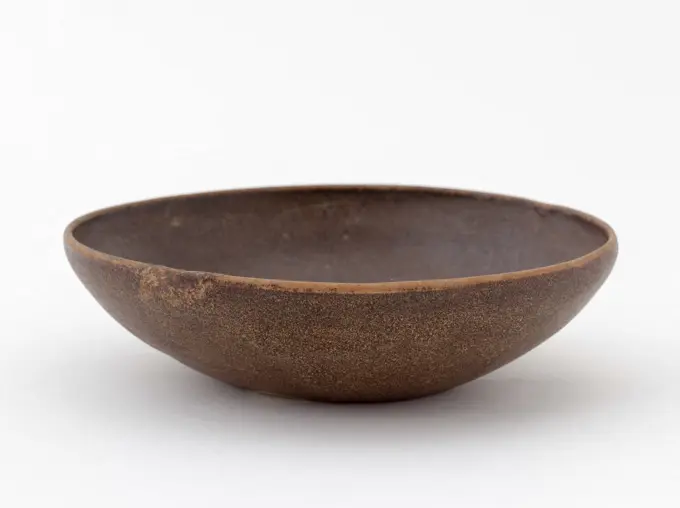
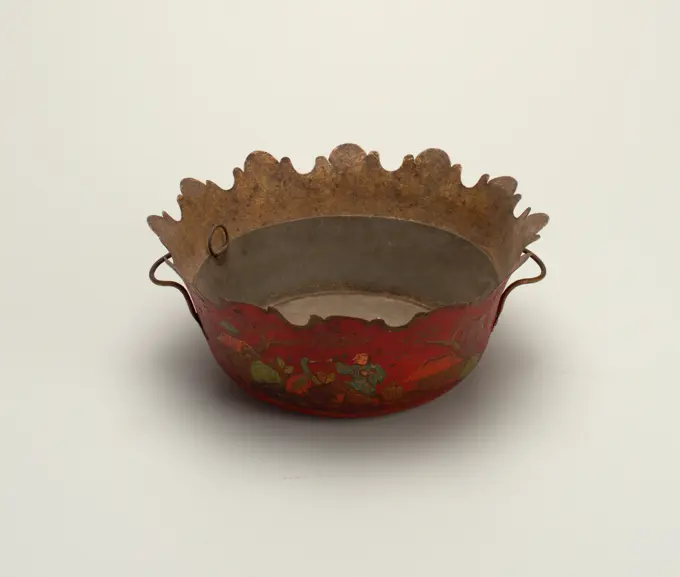
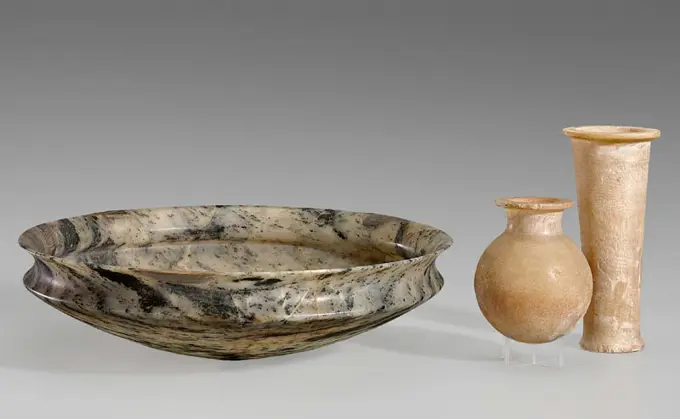
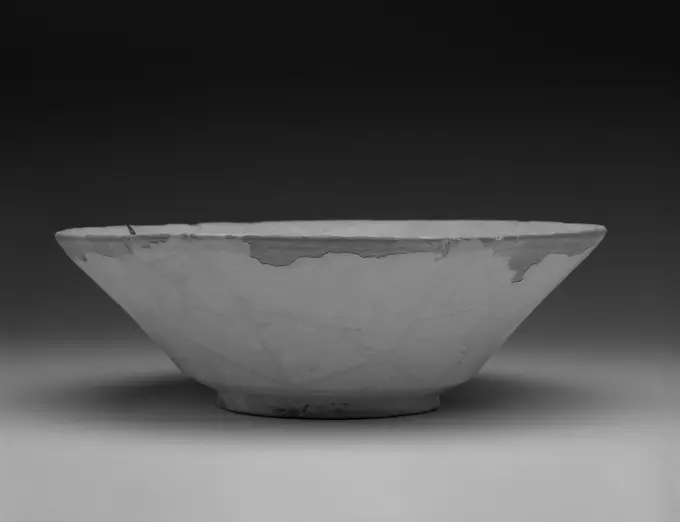
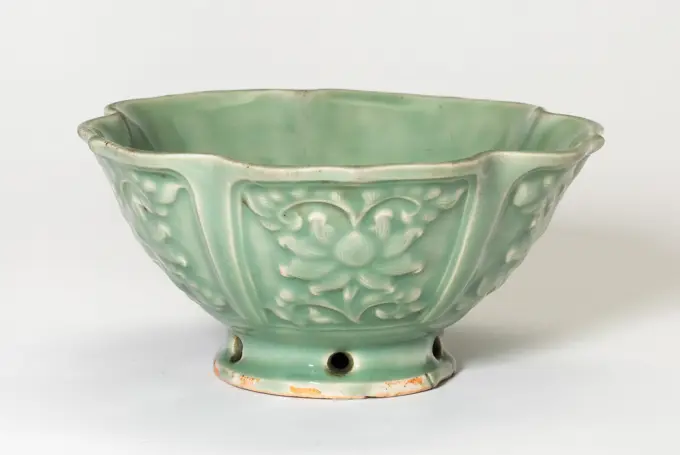
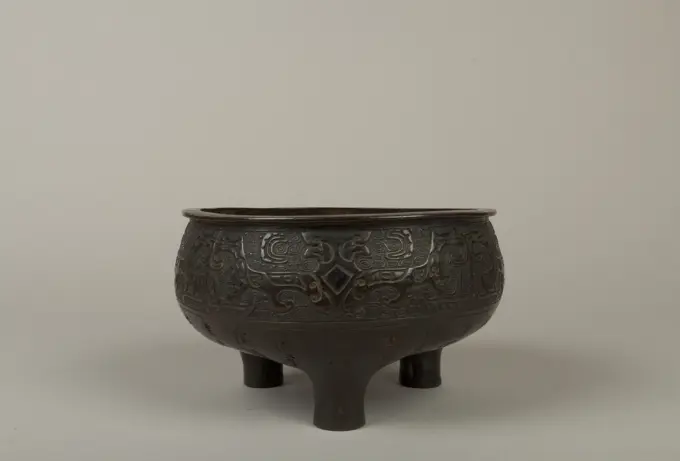
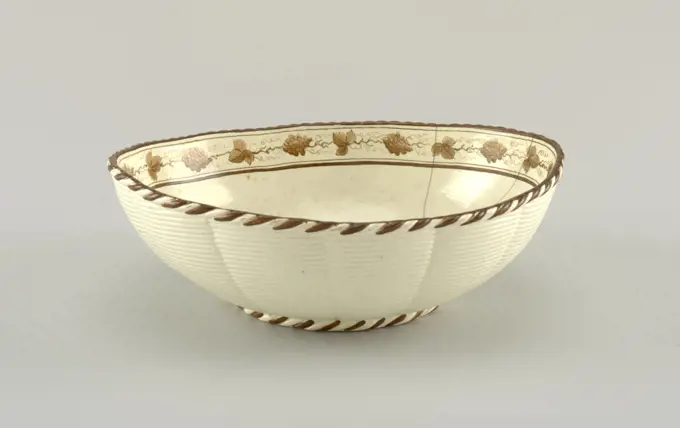
bowl with a stylised duck among floral scrolls, anonymous, c. 1100 - c. 1299 Come of earthenware covered with Engobe from white sludge from which the decoration is cut. A duck on the bottom; The inner wall with a wide band of flower vines. Garrus earthenware. glaze cutting / vitrification Come of earthenware covered with Engobe from white sludge from which the decoration is cut. A duck on the bottom; The inner wall with a wide band of flower vines. Garrus earthenware. glaze cutting / vitrification. Bowl of earthenware decorated with polychrome sludge in colors black, red, brown and green on Engobe of white sludge. On the inner edge a bond with Pseudocript.Bowl with three birds, anonymous, c. 900 - c. 999 Come of earthenware with white sludge and a painting with colored sludge under a transparent lead glaze. A medallion on the bottom and a bird three times on the inner wall. Nishapur (possibly) earthenware. glaze painting / vitrification Come of earthenware with white sludge and a painting with colored sludge under a transparent lead glaze. A medallion on the bottom and a bird three times on the inner wall. Nishapur (possibly) earthenware. glaze painting / vitrification. Come of pottery decorated with mangan brown, green and yellow sludge under transparent lead glaze, applied directly to brown-beige pottery. The inside is divided into four compartments with the same decoration every time.. Come of pottery with white sludge and a painting with colored sludge under a transparent lead glaze. On the bottom a medallion and in the inner wall three times a bird.. Come of pottery decorated with tape of flower drinks in sgraffito, reduce in the white sludge engobe and all this covered with purple lead glaze.Bowl 4th-7th century Coptic. Bowl 478813Tea bowl with plum decoration 13th-14th century China. Tea bowl with plum decoration. China. 13th-14th century. Stoneware with painted decoration on dark glaze (Jizhou ware). Southern Song (1127-1279) or Yuan (1271-1368) dynasty. Ceramicsbowl with groups of three white dots on a brown ground, anonymous, c. 900 - c. 1099 Earthenware Come decorated in white sludge with groups of three white dots and a tire of dots on an engobe of manganese brown sludge. Samarkand earthenware. glaze painting Earthenware Come decorated in white sludge with groups of three white dots and a tire of dots on an engobe of manganese brown sludge. Samarkand earthenware. glaze paintingBowl (Wan) 2300-2000 B.C. China. Bowl (Wan). China. 2300-2000 B.C.. Earthenware with pigment. Neolithic period, Majiayao culture, Machang type. Ceramics. Earthen works bowl decorated in white sludge with groups of three white dots and a band of dots on a mangan brown sludge engine.. Come of pottery decorated with brown sludge on Engobe of white sludge over which transparent lead glaze with yellowish pigments is applied. A large, stylized bird in a medallion on the front. A decorative band on the outside wall.Tea Bowl. China. Date: 960 AD-1279. Dimensions: H. 5.5 cm (2 3/16 in.); diam. 13.6 cm (5 3/8 in.). Cizhou ware; stoneware with black glaze and iron-brown splashes. Origin: China. Museum: The Chicago Art Institute, Chicago, USA.. Tea bowl of stoneware, partially covered with a brown glaze with crème-colored spots (tortoiseshell). On the inner wall three saving cartouches with four Chinese characters in each. Jizhou.Bowl. "Hare fur" covered sandstone. Paris, Cernuschi museum. 78845-12 Asian art, table art, bowl, old ceramic, container, dishesGlass dish 1st century A.D. Roman Translucent blue green.Tubular rim, folded in, round, out, and down; shallow, convex side to body, expanding slightly downwards; broad, almost flat, and slightly pushed-in bottom; small applied solid foot ring, with flat base.Intact; pinprick bubbles; dulling, iridescence, and large patches of creamy weathering.. Glass dish 245295Bowl 1 CE-50 CE Mediterranean Region. Glass, cast and rotary-polished, with cut decoration . Ancient RomanBrush washer with lotus. Culture: China. Dimensions: H. 1 1/2 in. (3.8 cm); Diam. 5 1/4 in. (13.3 cm). Date: 15th century.This is a rare example of a work produced at the prolific Longquan kilns for domestic, specifically scholarly, use. Exported for over five hundred years, Longquan wares have been found in Japan, Southeast Asia, the Islamic world, and Europe. Museum: Metropolitan Museum of Art, New York, USA.Bowl with Inlaid Chrysanthemum and Peony Design, 1100s-1200s. Korea, Goryeo period (918-1392). Pottery; diameter: 19.5 cm (7 11/16 in.); overall: 8.3 cm (3 1/4 in.).Glass conical bowl. Culture: Greek, Eastern Mediterranean. Dimensions: H.: 2 1/4 in. (5.7 cm)Diam.: 3 15/16 in. (10 cm). Date: mid-2nd-1st century B.C..Translucent pale greenish yellow.Angular, ground rim; slightly convex side, tapering diagonally downward; convex bottom.On interior, four horizontal grooves cut in a band on upper half of side.Intact; pinprick and a few larger bubbles; dulling, pitting, and small patches of reddish soil encrustation in grooves.Rotary grinding marks on interior; many surface scratches on exterior.Amber pointed bowl with concentric circles cut on inside. Museum: Metropolitan Museum of Art, New York, USA.Bowl; Eastern Mediterranean or Italy; end of 1st century B.C. - beginning of 1st century A.D; Glass; 3.4 x 7.3 cm (1 5,16 x 2 7,8 in.)Bol ". Sandstone, white slip under transparent cover. China, Song Dynasty (960-1279) / Yuan (1279-1368). Paris, Cernuschi museum. Chinese art, bowl, Chinese ceramic, container, Song dynasty, Yuan dynasty, Song time, Yuan, gres, container, terracottaGlass oval bowl. Culture: Roman. Dimensions: H.: 1 1/2 in. (3.8 cm)Other: 3 1/2 x 4 15/16 in. (8.9 x 12.5 cm). Date: first half of 1st century A.D..Translucent turquoise blue green.Plain rim with ground upper edge; convex curving side, tapering downwards to flat oval bottom; two integral horizontal handles at rim on either long side, carved out in the shape of stylized palmettes with outward curving ends and a central projecting bud with incised groove on upper surface.Cracked on bottom and lower side with one patch of fill; many pinprick bubbles; dulling, pitting, and iridescent weathering.The unusual shape and color of this bowl suggest that it is the product of the early Roman glass industry in Italy. Since it is said to have been found near Nazareth in Roman Palestine, it can be seen as a rare example of a glass export from Italy to the eastern provinces of the Empire. Museum: Metropolitan Museum of Art, New York, USA.Bowl. Iran, Nishapur, 10th century. Ceramics. Earthenware, white slip, slip-painted and glazedTea bowl with a grey brown glaze, anonymous, anonymous, c. 1775 - c. 1799 Teaom of stoneware, partially covered with a gray -brown glaze. The lower part of the bowl is unglazed. Old label on the bottom with 'W690'. Marked on the outer wall with 'Ranzan'. Ki-Seto. Japan stoneware. glaze vitrification Teaom of stoneware, partially covered with a gray -brown glaze. The lower part of the bowl is unglazed. Old label on the bottom with 'W690'. Marked on the outer wall with 'Ranzan'. Ki-Seto. Japan stoneware. glaze vitrificationBowl with Four Phoenixes. Iran, 14th century. Ceramics. Fritware, green-gray slip, underglaze-paintedBowl - François Jacquet (1731-1777) François Jacquet (1731-1777)Bowl, 1100s-1200s. China, Southern Song dynasty (1127-1279). Glazed porcelain, qingbai ("blue-white") ware; diameter: 19.3 cm (7 5/8 in.); overall: 5.7 cm (2 1/4 in.).Gobelet ". Ceramic. China, Dynasty des Sui. Paris, Cernuschi Museum. 73679-9 Asian, ceramic art, sui dynasty, cup, Chinese potteryGlass cup 3rd century A.D. Roman Translucent pale blue green.Rim slightly outsplayed, cracked off, and ground flat; slightly convex sides expanding downwards to rounded carination, then curves in sharply to bottom with slightly pushed-in central circle.Band of horizontal wheel-cut decoration above carination, comprising two thin lines flanking a broad, deeper groove.Intact; few bubbles and blowing striations; dulling and small patches of iridescence weathering on exterior, milky white weathering on interior with thick layer of soil encrustation on bottom.. Glass cup. Roman. 3rd century A.D.. Glass; blown and cut. Mid or Late Imperial. GlassDeep bowl, Jun ware 13th-14th century Chinese. Deep bowl, Jun ware 460653Glass cup 1st-early 2nd century A.D. Roman Translucent light yellow green.Outsplayed rim, with rounded, slightly thickened, horizontal lip; funnel-shaped body with gently curving side; hollow folded foot ring at junction of side and bottom; bottom convex around edge but concave at center, with trace of pontil mark.Intact; many pinprick and a few larger bubbles; slight dulling, much of surfaces covered with creamy iridescent weathering.. Glass cup. Roman. 1st-early 2nd century A.D.. Glass; blown. Imperial. GlassBowl with Boys Playing amid Peony Blossoms. China. Date: 1100-1199. Dimensions: H. 6.4 cm (2 1/2 in.); diam. 21.0 cm (8 1/4 in.). Ding ware; porcelain with underglaze molded decoration; metal rim. Origin: China. Museum: The Chicago Art Institute, Chicago, USA.Bowl. Culture: Coptic. Dimensions: H: 2 5/16in. (5.8cm); Diameter: 5 1/4in. (13.3cm). Date: 4th-7th century. Museum: Metropolitan Museum of Art, New York, USA.Tea bowl, 1700s. Korea, Joseon dynasty (1392-1910). Glazed stoneware; diameter of mouth: 13.7 cm (5 3/8 in.); overall: 11 cm (4 5/16 in.).Bowl 4th-7th century Coptic. Bowl 478432Incense Burner, 1200s. China, Zhejiang province, Hangzhou, Southern Song dynasty (1127-1279). Porcelaneous stoneware, Guan ware; overall: 7.3 x 15.6 cm (2 7/8 x 6 1/8 in.).Bowl first half of the 16th century Korea Tableware like this bowl, with a grayish coarse body partially (and sometimes wholly) covered in white slip, was made in regional kilns in the early Joseon period as an inexpensive alternative to white porcelain, which was produced at court kilns and favored by the royal family and elites.. Bowl 39571Shin Gyung Kyun. "Large Buncheong ceramic bowl". Buncheong type porcelain sandstone. 2011. Paris, Cernuschi museum. Asian art, Chinese art, gres, porcelain, Buncheong typeCup. Unknown. Come from quartz frying with a transparent, slightly blue, alkalilation.Glass mosaic bowl late 1st century B.C.-early 1st century A.D. Roman, probably Italian Translucent cobalt blue and opaque white.Upright rim with rounded edge; convex curving side; shallow convex bottom.Composite mosaic pattern formed from large polygonal sections of a single cane in a blue ground with a regular central white spiral.Intact; slight pitting, dulling, and iridescent weathering.Rotary grinding marks on interior.. Glass mosaic bowl. Roman, probably Italian. late 1st century B.C.-early 1st century A.D.. Glass; cast. Early Imperial. GlassGlobular pot with small collar ". Terracotta. Vietnam-Xe-Xive s. Paris, Cernuschi museum. 72185-51 Vietnamese object, small pass, globular pot, terracottaBowl; Unknown Nubian workshop; 2. PO. VII-1. after. 9th century (651-00-00-850-00-00);Nubian ceramics, bowls, nubian vessels, table vesselsGlass mosaic bowl late 1st century B.C.-early 1st century A.D. Roman Semi-opaque deep purple, appearing black, opaque white, opaque yellow, and opaque red; color(s) of base ring uncertain, but including trails of yellow and blue, appearing opaque green.Outsplayed rim with uneven rounded lip; carinated side, with two convex curves, the upper being shallow and the lower deep; slightly convex bottom within applied outsplayed base ring with rounded edge.Composite mosaic pattern formed from polygonal sections of a single cane in a purple ground outlined in white, each with a ring of yellow rods around concentric circles in yellow and red and a central white dot.Broken and repaired, but complete; dulling, pitting, and iridescent weathering.. Glass mosaic bowl. Roman. late 1st century B.C.-early 1st century A.D.. Glass; cast. Early Imperial. GlassBowl. Egypt or Iran, 12th century. Ceramics. Earthenware, glazedCup ". Terracotta. Vietnam-Xe-Xive s. Paris, Cernuschi museum. 72185-57 Cup, Vietnamese object, terracottaBowl 1368-1644 China. Porcelain with royal blue glaze .Bowl. Byzantine, 11th-12th century. Furnishings; Serviceware. CeramicFooted Vessel 200 CE-700 CE México. Ceramic and pigment . MayaBowl with moulded bands, anonymous, c. 1100 - c. 1299 Come from quail fritry covered with a monochrome turquoise enamel; Four modeled tires with braid on the outer wall. Iran earthenware. glaze vitrification Come from quail fritry covered with a monochrome turquoise enamel; Four modeled tires with braid on the outer wall. Iran earthenware. glaze vitrificationBasin with Stylized Flowers and Sickle-leaf Scrolls. China. Date: 1200-1368. Dimensions: H. 3.1 cm (1 1/4 in.); diam. 8.7 cm (3 7/16 in.). Yaozhou ware; glazed stoneware with underglaze molded floral scroll. Origin: China. Museum: The Chicago Art Institute, Chicago, USA.Bowl with medallions, floral scrolls and pseudo-inscriptions, anonymous, c. 1200 - c. 1220 Come from quartz-fritgoed decorated with notebooks and floral motifs in Luster on the surface of Opaak Wit Tin-Lood-Alklazelaze. On the bottom a medallion with flower vines and a kind of 'Spearhead-Border'. Around a bond with psueedo script. The inner wall with a band with flower vines interrupted by medallions. The indoor edge with a band notebook. On the outside wall a wide bond with medallions, dots and tips. is the earthenware. glaze. luster (textile) painting / vitrification Come from quartz-fritgoed decorated with notebooks and floral motifs in Luster on the surface of Opaak Wit Tin-Lood-Alklazelaze. On the bottom a medallion with flower vines and a kind of 'Spearhead-Border'. Around a bond with psueedo script. The inner wall with a band with flower vines interrupted by medallions. The indoor edge with a band notebook. On the outside wall a wide bond with medallions, dots and tips. is the eCeladon dish, anonymous, c. 1300 - c. 1499 Deep dish of stoneware, covered with a green glaze. With a flat edge that stands up at the end. Celadon. China stoneware. glaze vitrification Deep dish of stoneware, covered with a green glaze. With a flat edge that stands up at the end. Celadon. China stoneware. glaze vitrificationDish, 618-906, Dia.1-1/4 in., White earthenware with iridescent brown and green lead glazes, China, 7th-10th centuryDeep pottery bowl on stand with two lying sausage ears, ear bowl bowl crockery holder soil find ceramic earthenware glaze lead glaze, hand-turned glazed fried Deep bowl on stand ring Sloping side wall with kink on the transition between the side wall and the bowl of the bottom Whole glazed. Red shard Single ring on the outside under the edge. Two lying sausage ears attached to the rim. Unusually large format for such bowl Restoration is light colored archeology Rotterdam City Triangle New Haven indigenous earthenware serve food table room serve Soil discovery Rotterdam Nieuwe Haven 1st cesspool (round) 21-08-1980. Come from Quartz Fritgoed decorated with an ingrangled trade decoration with tendrils and perforated with small holes on which a monochrome green alkalilation is applied.Bowl 4th-7th century Coptic. Bowl 473118Cup Stand with Floral Design Japan. Cup Stand with Floral Design 52253Terracotta bowl with wishbone handle ca. 1600-1200 B.C. Cypriot Deep bowl with upright rim and horned handle.. Terracotta bowl with wishbone handle. Cypriot. ca. 1600-1200 B.C.. Terracotta; Base-Ring Ware. Late Cypriot I-II. VasesPottery bowl on three legs, two low-lying, lying sausage ears, unglazed, staining fire test soil foundry ceramics pottery, hand-turned fired Pottery chafing on three legs, two legs supplemented in plaster Unglazed earthenware red shard Bowl-shaped with groove on the inside under the edge. Two large lying sausage rolls placed low. One ear is partially supplemented with plaster. Strongly outstanding outer edge. Deep groove under the edge at the bottom archeology Landpoortstraat Geervliet Bernisse indigenous pottery cooking kitchen room heating heating Soil discovery Geervliet waste pit barn Landpoortstraat September 1, 1983.Bowl, possibly a copy of Jun ware. Culture: possibly Chinese. Dimensions: Diamerter: 7 1/4 in. (18.4cm). Date: possibly 13th century. Museum: Metropolitan Museum of Art, New York, USA.Bowl ca. 2686-2494 B.C. Old Kingdom. Bowl. ca. 2686-2494 B.C.. Red polished pottery. Old Kingdom. From Egypt; Said to be from Fayum Entrance Area, Meidum. Dynasty 3-4Bowl with flutes f rom shoulder to rosette at base 4th century B.C. Late Period-Ptolemaic Period The heavy silver vessels 18.2.13-18.2.17 are in created in a decorative style widespread in the Greek world, and can be dated to the fourth century BC. They. are said to have been found together in the Egyptian Delta. Several of the vessels have small Demotic designations scored into the rim recording the weight of the silver, which correlated with the vessel's value.. Bowl with flutes f rom shoulder to rosette at base 551309Bronze phiale (libation bowl) 4th century B.C. Greek The flatter bowl and the ornament around the omphalos (navel) of the phiale identify it as a Greek reinterpretation of an originally Near Eastern object.. Bronze phiale (libation bowl). Greek. 4th century B.C.. Bronze. Late Classical. BronzesGlass mosaic jar 2nd-early 1st century B.C. Greek, probably Eastern Mediterranean Translucent deep honey brown, opaque white, and colorless.Flaring rim with rounded edge; concave neck; convex curving side, tapering downward; shallow convex bottom within applied outsplayed base ring with rounded edge.Mosaic pattern, imitating banded agate, formed from fifteen large rectangular or polygonal sections of a cane in a brown ground with multiple concentric rings in white and a central colorless eye, arranged vertically from rim to lower body, and two other large sections, placed side by side across bottom, of a cane in brown ground with meandering zigzags in white. On interior, broad horizontal groove on inside of lip below rim; on exterior, band of two parallel horizontal grooves on shoulder and two concentric circles on bottom.Broken and repaired, with some minor chips and cracks; some dulling, pitting, and iridescent weathering, but also areas of high polish.Rotary grinding marks on interiBowl (common name). Qingbai sandstone. Cernuschi Museum, Asia Museum of Asia in the city of Paris.Large bowl with birds. 15th century porcelain With Blue and white decoration. Vietnampottery bowl dish holder holder foundations pottery stoneware, hand-turned baked stoneware drinking bowl gray shard unglazed upright standing outside edge profiled ring on the shoulder Smooth narrowing to the foot. Stand archaeology indigenous pottery import drink beggingBowl with Two Figures Seated on Either Side of aTreeCylix; terra-cottaBowl with RadiatingPanelsBowl 4th-7th century Coptic. Bowl 478681Spouted dish with rosette in the center, traces on the rim where two lions were attached. Dimensions: h. 2.5 cm (1 in.); diam. 7 cm (2 3/4 in.). Date: 3rd century BC.This cup was originally decorated with two couchant lions whose outlines may be seen on its edge. A branch with pointed leaves decorates the area between the lions, and in the bottom of the cup is a rosette with round petals. The lip indicates the cup was made for pouring, and findings in funerary contexts indicate such cups were intended for libations. Museum: Metropolitan Museum of Art, New York, USA.Incised bowl with geometric pattern. Culture: Paracas. Dimensions: Overall: 1 15/16 in. (4.92 cm)Other: 6 3/4 in. (17.15 cm). Date: 7th-5th century B.C.. Museum: Metropolitan Museum of Art, New York, USA.BowlDishBowl - Portneuf potteryCup ". GRS covered brown. Paris, Muse Cernuschi. Coupe Asian art, extreme-East art, Vietnamese art, ceramic, cut, gres, dishesBowlTerracotta bowl 4th century B.C. Greek, South Italian, Campanian Stampled pattern and rosette/palmette pattern in center.. Terracotta bowl. Greek, South Italian, Campanian. 4th century B.C.. Terracotta; black-glaze. Late Classical. VasesBasket Liner; painted tôleBowl ca. 2300-2000 B.C. Hattian. Bowl 324477Naczynko kuliste. unknown, authorBowl with Epigraphic Decoration. Iran, Nishapur or Samarqand, 10th century. Ceramics. Earthenware, underglaze paintedBowl. Porcelain decorated with enamels. Paris, Cernuschi museum. 78840-10 Asian art, table art, bowl, old ceramic, container, dishesCup ". GRS white covered. Paris, Muse Cernuschi. Coupe Vietnamese art, Vietnamese collection, cut, white gres, archeological vestigeBowl. Culture: Coptic. Dimensions: Overall: 2 1/2 x 7 x 8 1/2 in. (6.4 x 17.8 x 21.6 cm). Date: 4th-7th century. Museum: Metropolitan Museum of Art, New York, USA.Bowl 4th-7th century Coptic. Bowl. Coptic. 4th-7th century. Earthenware. Made in Kharga Oasis, Byzantine Egypt. CeramicsFoliate Bowl with Lotus Flowers 1368-1644 China. Celadon-glazed porcelain with underglaze molded and incised decoration .Chinese Black Lac Burgauté Bowl with Garden Scene,  Qing Dynasty, Jiaqing Period, 1796-1820Incense burner dated 1346 China The form and décor of this remarkable incense burner are inspired by tripods of the late Shang (ca. 1600-ca. 1046 B.C.) and early Zhou (ca. 1046-256 BC) dynasty, but unlike its precursors, which were used as food containers, this vessel functioned as an incense burner. The piece has a generous bulbous body that sits on three stout legs. Encircling the vessel mouth is a band of décor featuring three stylized animal masks that stand in shallow relief above a dense ground of spiralsmotifs loosely inspired by archaic bronzes. A circular medallion decorates the bottom of the vessel bowl between the three legs. The medallion consists of six concentric circles filled with vegetal scrolls, geometric patterns, and the eight trigrams used in Daoist divination. In contrast to the archaistic style of the animal masks, the medallion reflects the influence of contemporary bronze mirrors. Another departure from archaic models is the prominent twenty-eight character inTripodal bowl, 3rd century BCE - 4th century CE, 3 7/8 x 6 x 6 in. (9.8 x 15.2 x 15.2 cm), Polychromed earthenware, Mexico, 3rd century BCE - 4th century CEFragment of a dish with an ornamental border, c. 1300 - c. 1399 Fragment of the bottom and wall of a dish of earthenware. Soft brown earth with yellow enamel decorated with a breached band with flower vines. Broken into two pieces. Egypt earthenware. glaze engraving / vitrification Fragment of the bottom and wall of a dish of earthenware. Soft brown earth with yellow enamel decorated with a breached band with flower vines. Broken into two pieces. Egypt earthenware. glaze engraving / vitrificationDish, Wedgwood, English, established 1759, Glazed earthenware (Queen's ware) with overglaze decoration, Elliptical dish with lobed sides and exterior molded to resemble basketwork. Brown touches on basketwork edging at top and on foot. Grown grape border about edges on inside., England, late 18th century, ceramics, Decorative Arts, DishBurnt-Parfum (common name). Cernuschi Museum, Asia Museum of Asia in the city of Paris.Incised Bowl. Culture: Paracas. Dimensions: Overall: 4 7/8 in. (12.38 cm). Date: 7th-5th century B.C.. Museum: Metropolitan Museum of Art, New York, USA.Terracotta pyxis (box) ca. 575-550 B.C. Greek, Corinthian This pyxis is noteworthy for the sureness of the potting and decoration, however sparse.. Terracotta pyxis (box) 254211 Greek, Corinthian, Terracotta pyxis (box), ca. 575550 B.C., Terracotta, H. 4 3/4 in. (12.1 cm); diameter 7 3/16 in. (18.3 cm). The Metropolitan Museum of Art, New York. Rogers Fund, 1941 (41.162.44)Terracotta carinated cup ca. 1900-1750 B.C. Minoan Only a single fragment preserving a complete profile is original; the rest is modern restoration.. Terracotta carinated cup. Minoan. ca. 1900-1750 B.C.. Terracotta; Polychrome fine ware. Middle Minoan II. VasesCome. Half spherical bowl of multicolor painted plumbing pottery. On the inside of the bowl is a portrait painted from a widened woman. Geometric tires are painted along the edge.