Decorative Bowls

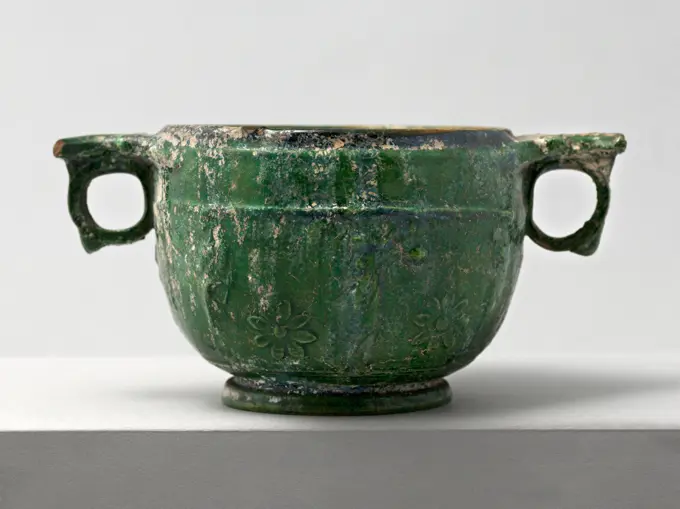
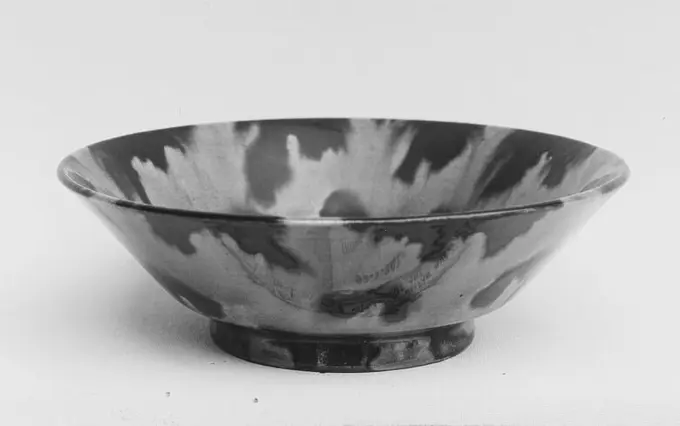
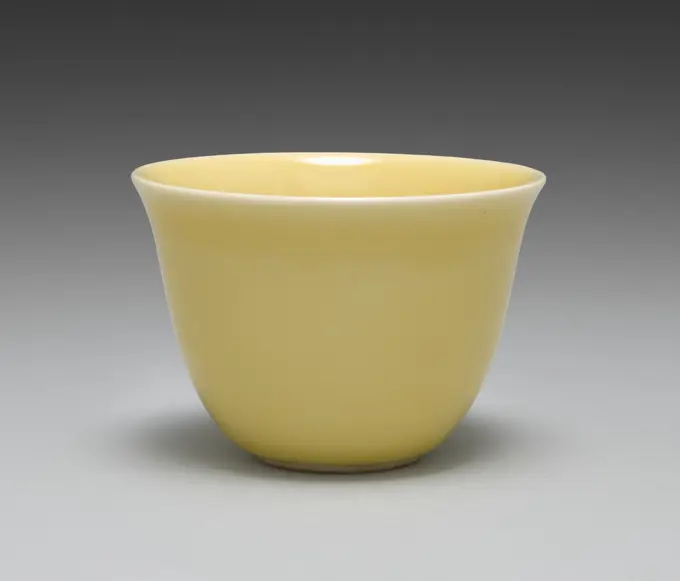
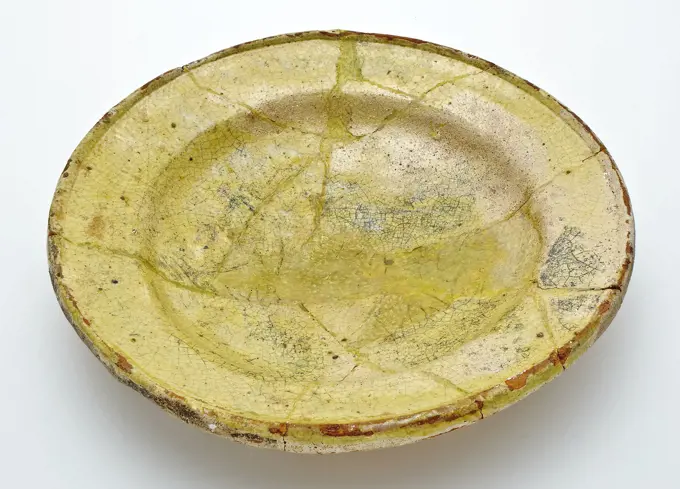
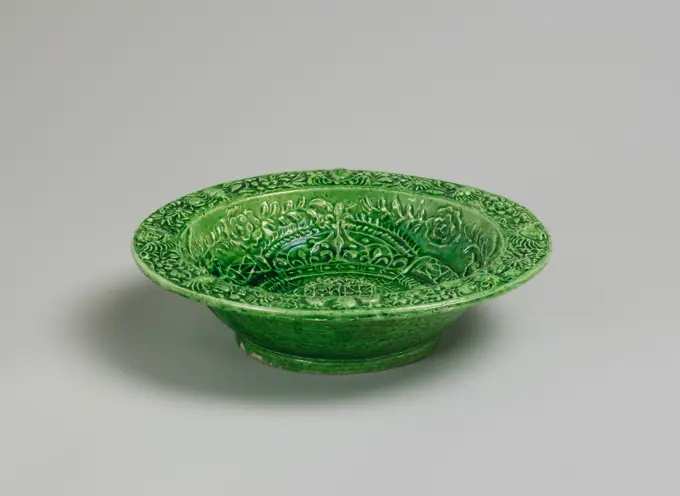
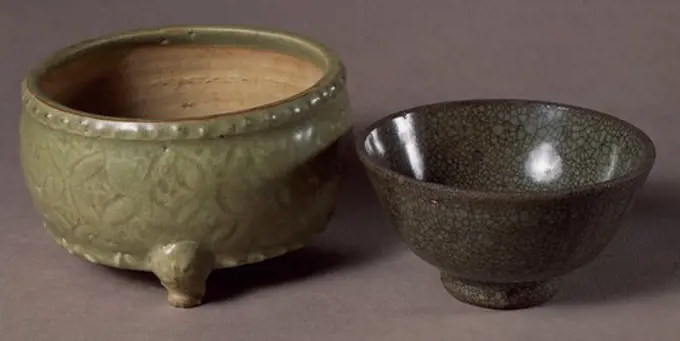
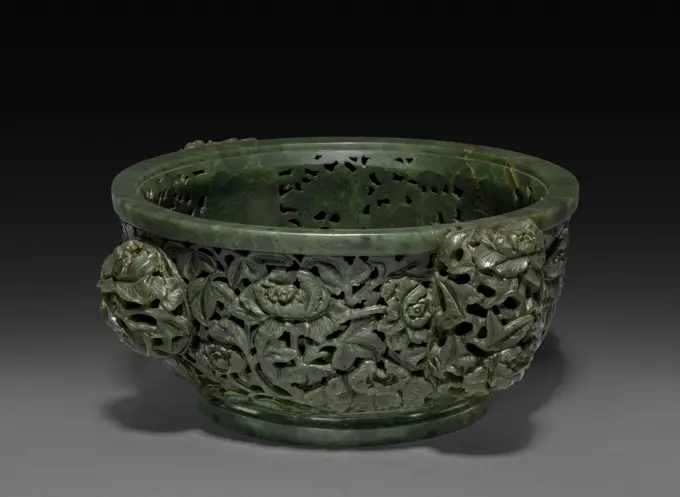
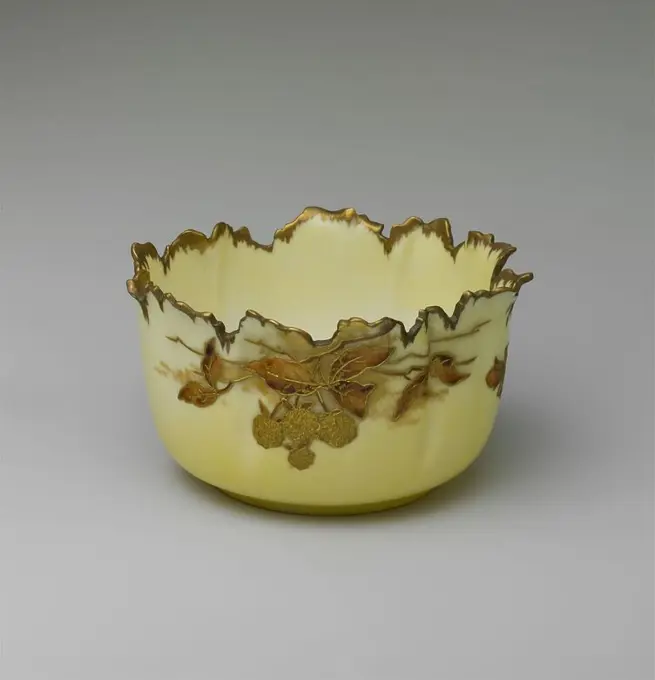
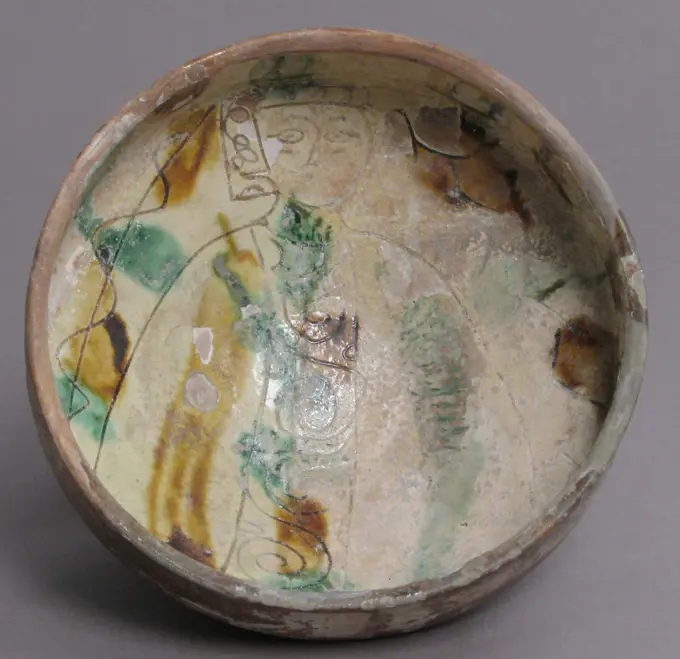
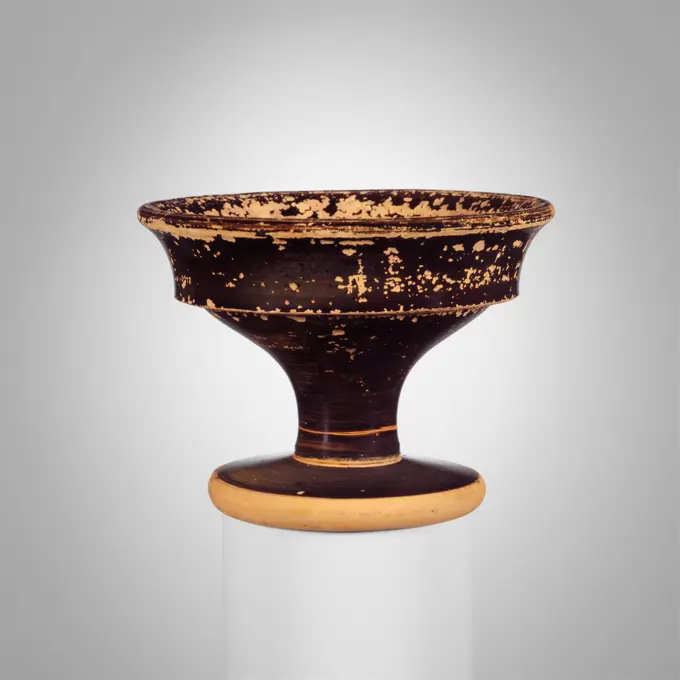
Artistic earthenware bowls with intricate floral designs and animal motifs, emphasizing craftsmanship with earthy colors and unique shapes.

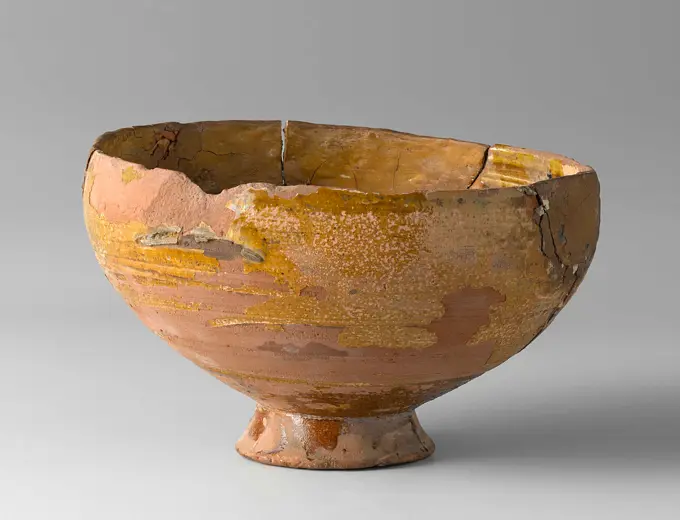
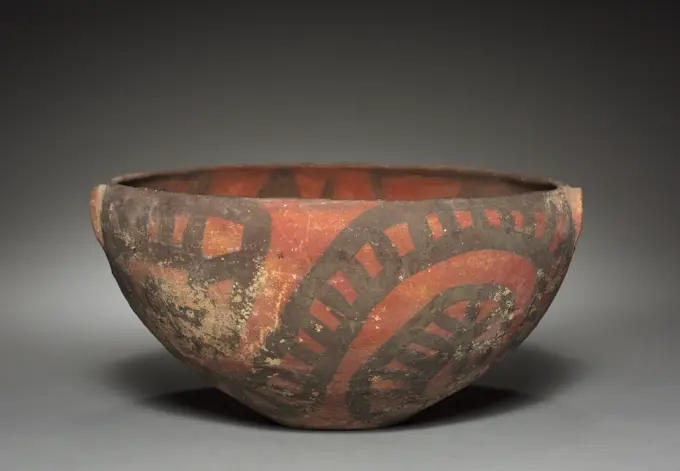
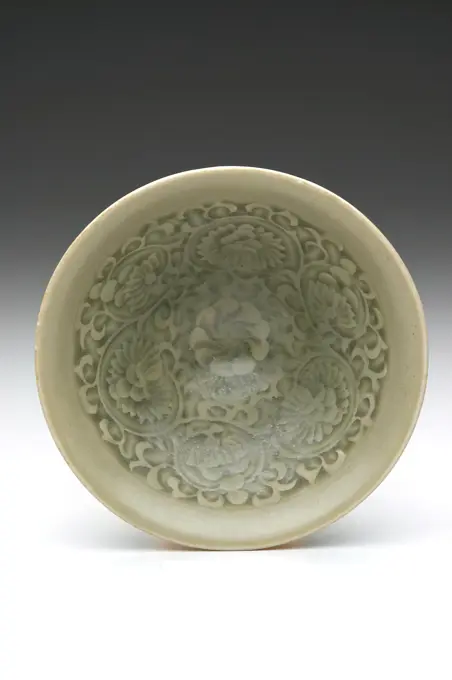
bowl with a stylised duck among floral scrolls, anonymous, c. 1100 - c. 1299 Come of earthenware covered with Engobe from white sludge from which the decoration is cut. A duck on the bottom; The inner wall with a wide band of flower vines. Garrus earthenware. glaze cutting / vitrification Come of earthenware covered with Engobe from white sludge from which the decoration is cut. A duck on the bottom; The inner wall with a wide band of flower vines. Garrus earthenware. glaze cutting / vitrification
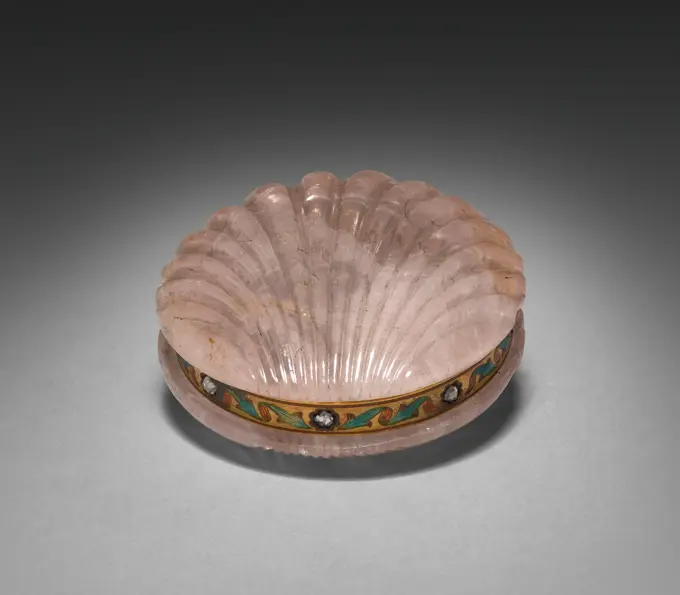
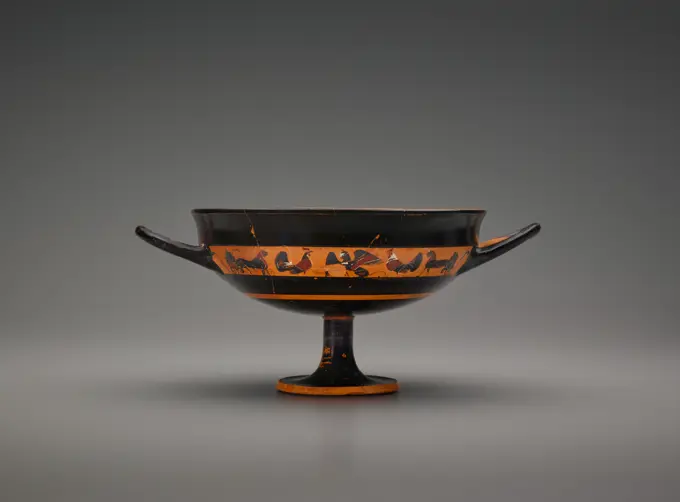
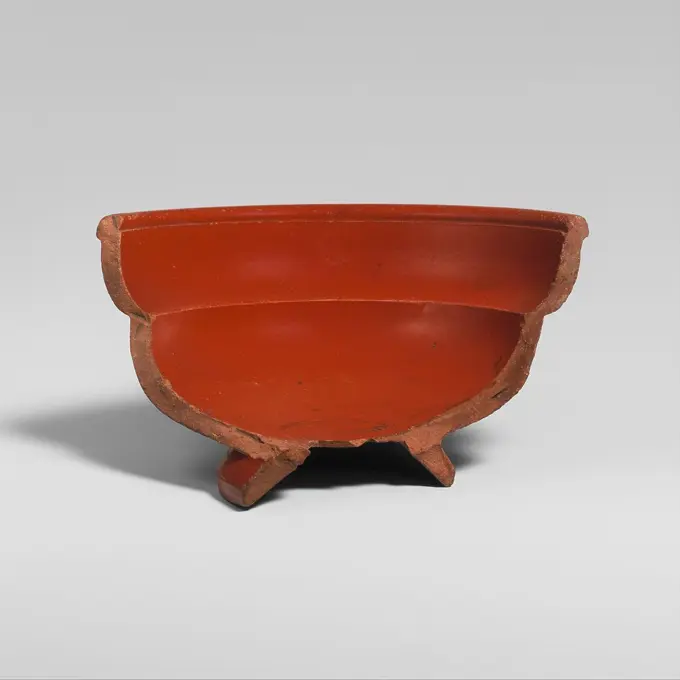
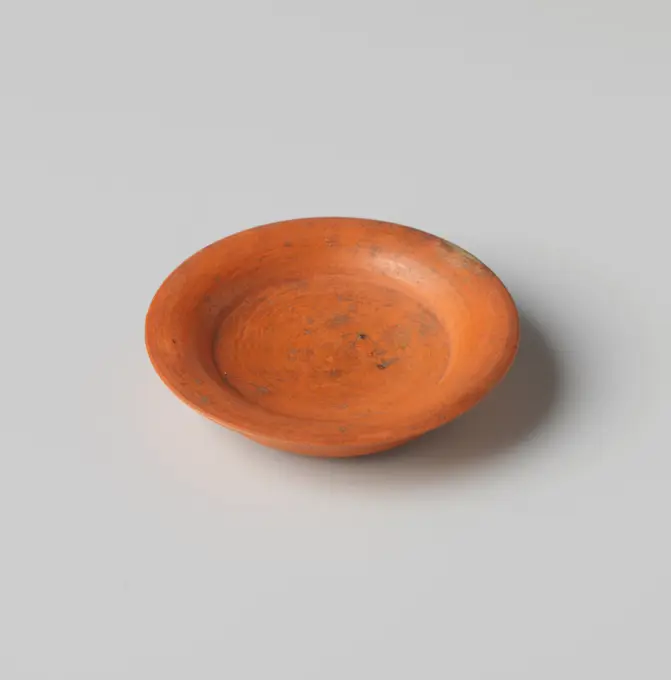
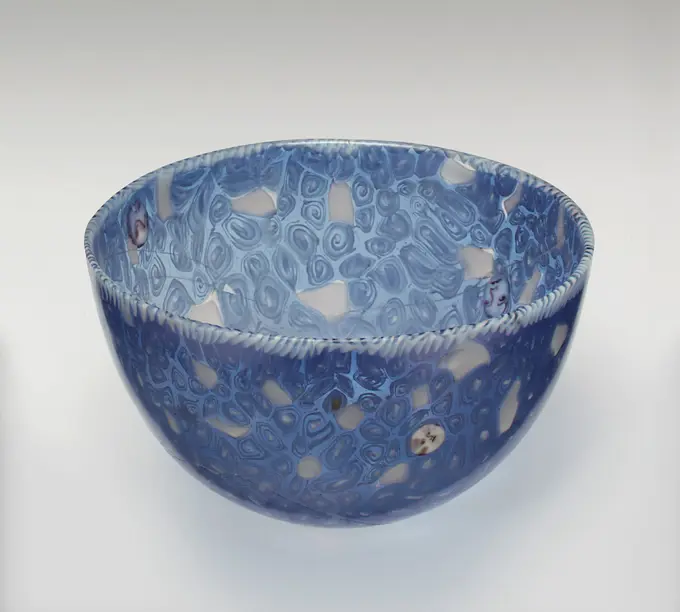
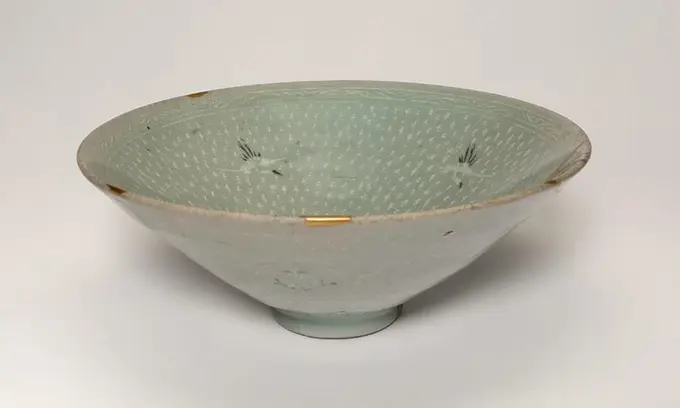
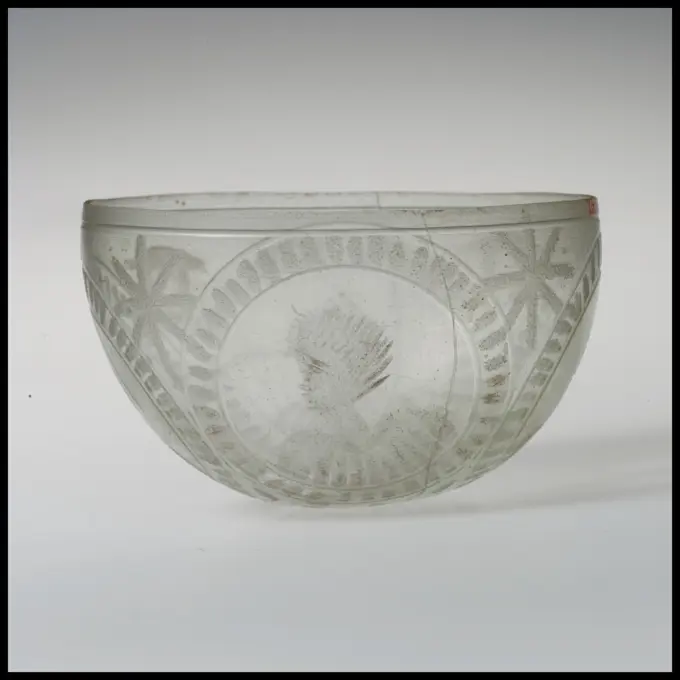
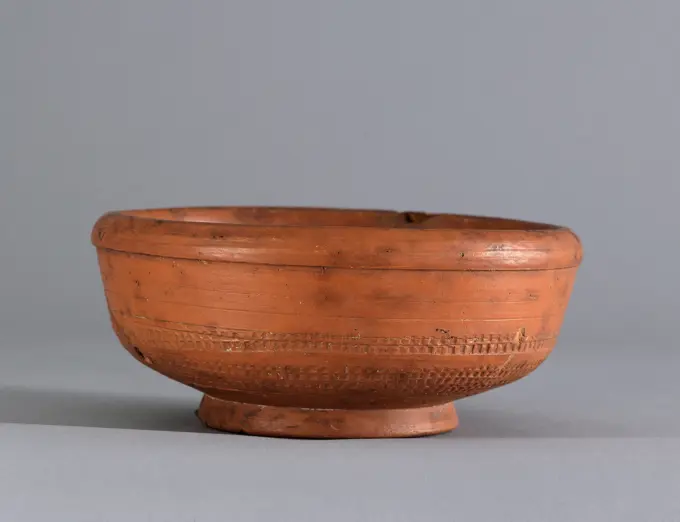
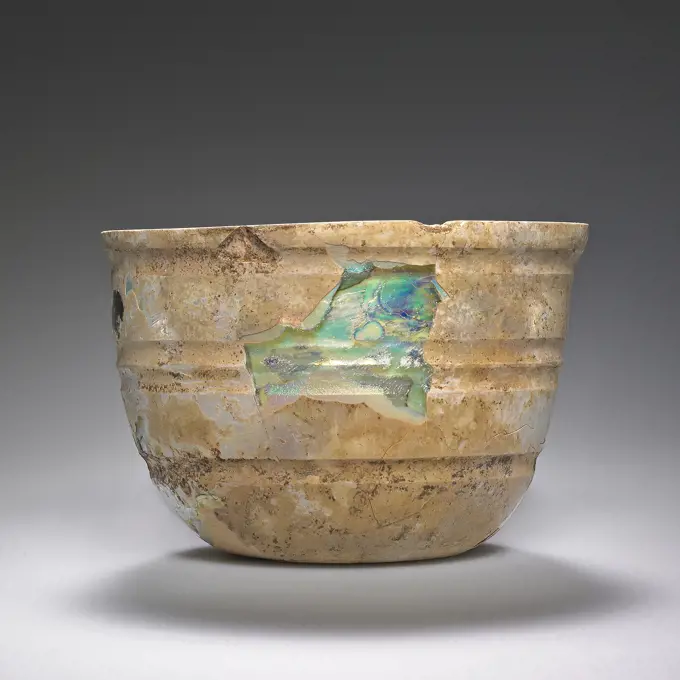
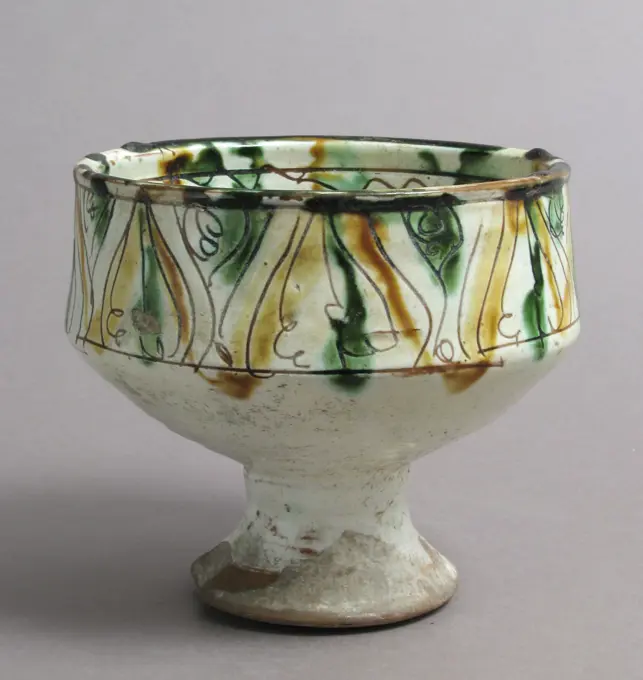
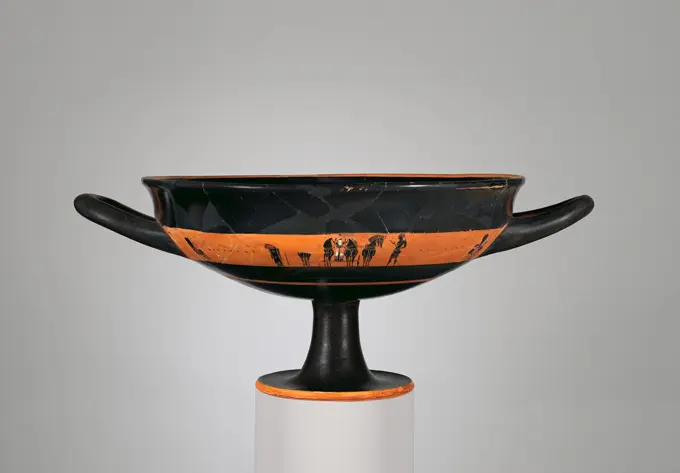
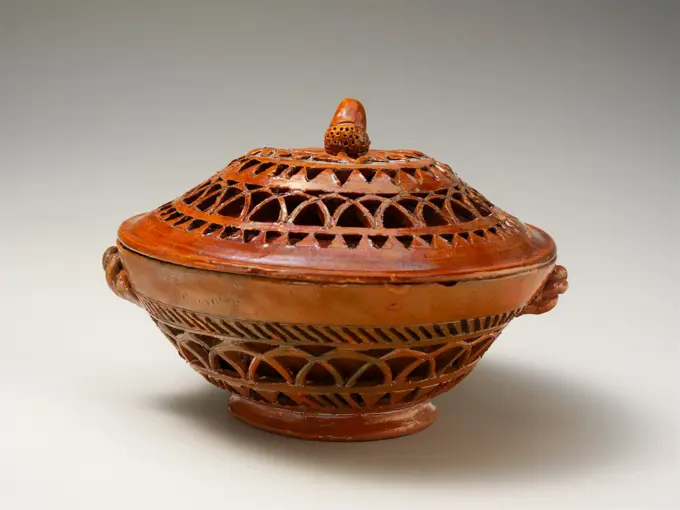
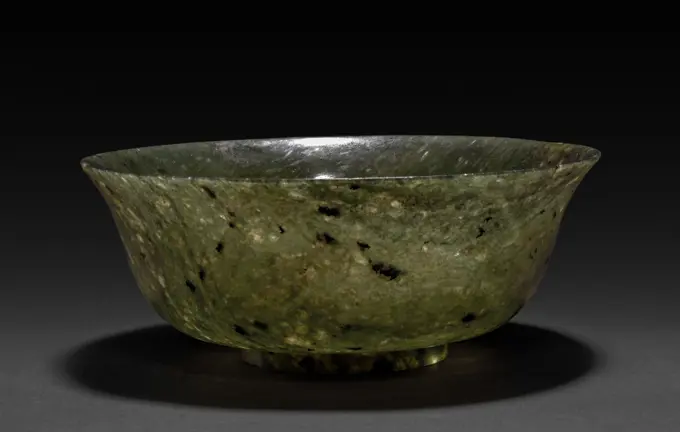
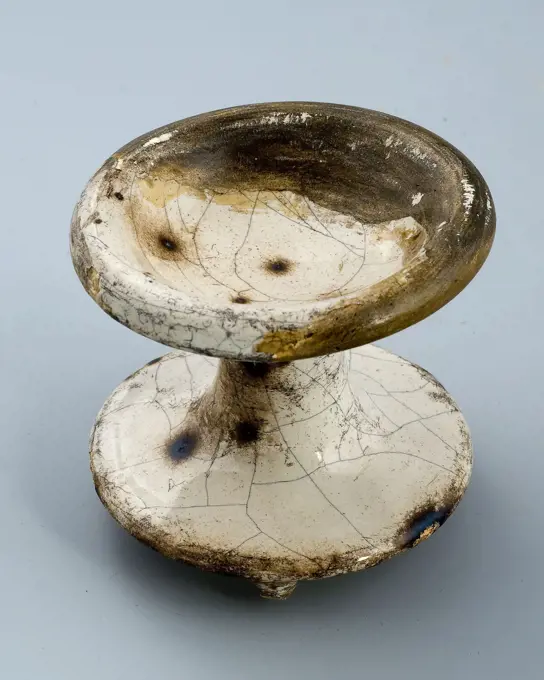
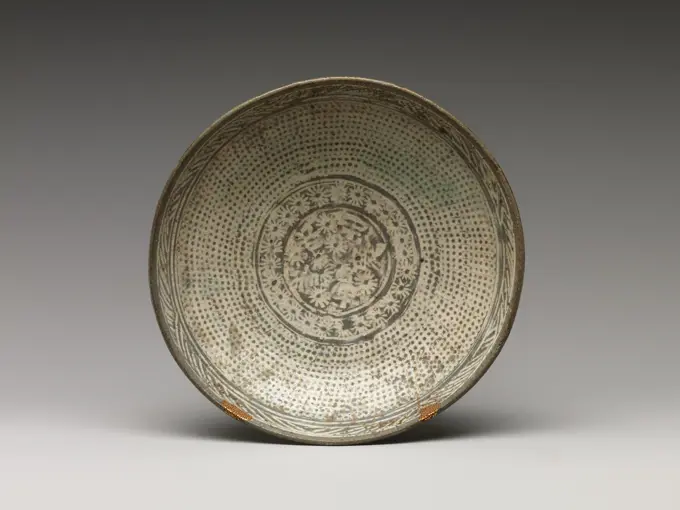
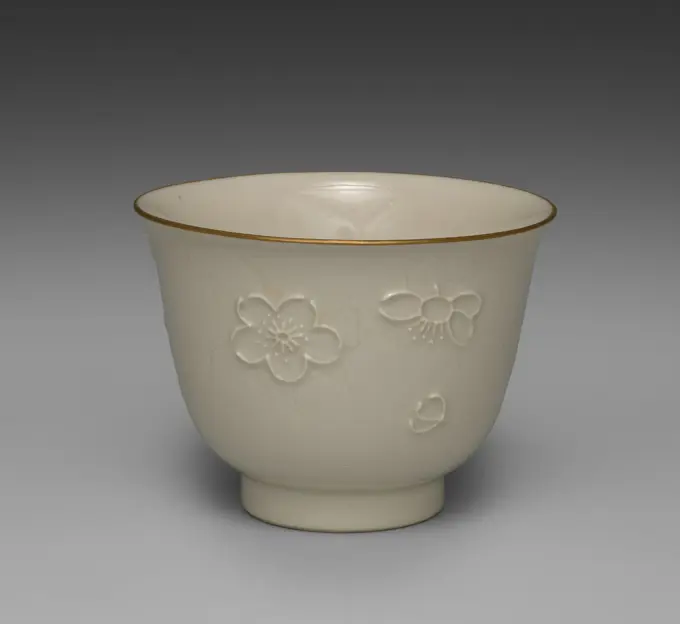
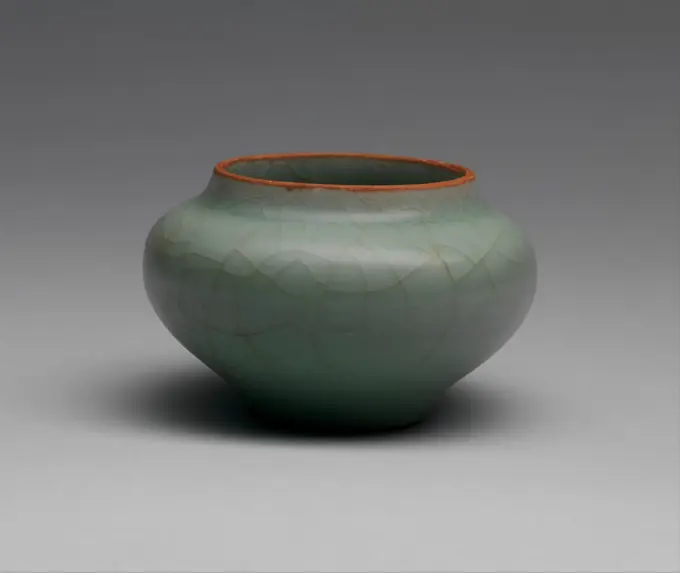
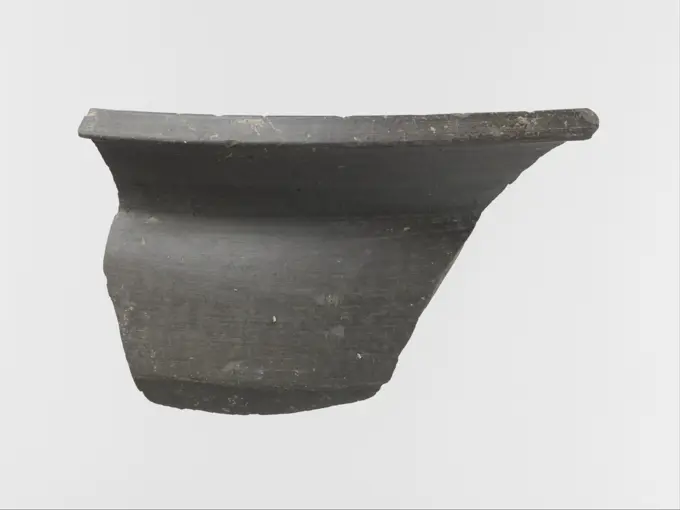
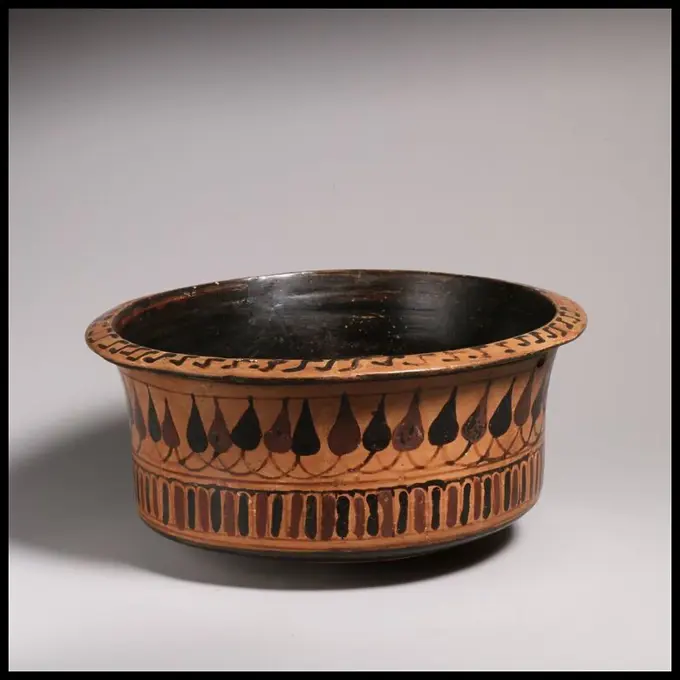
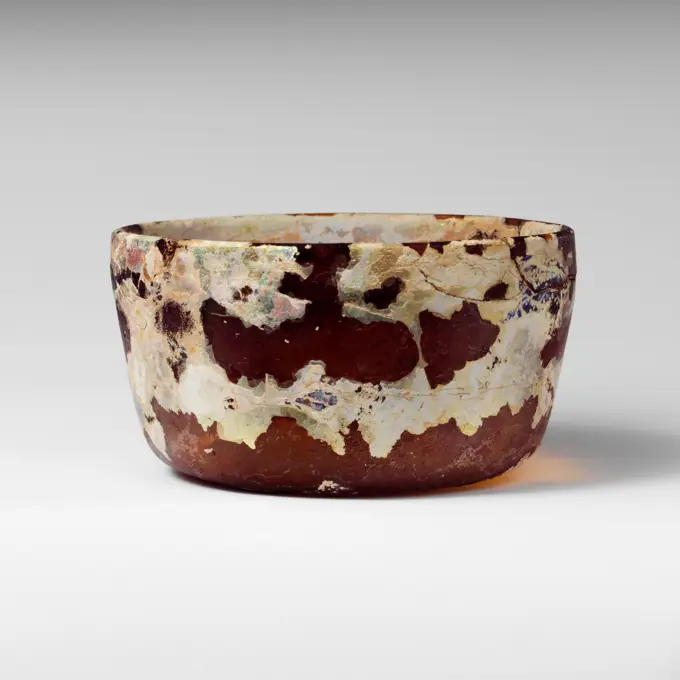
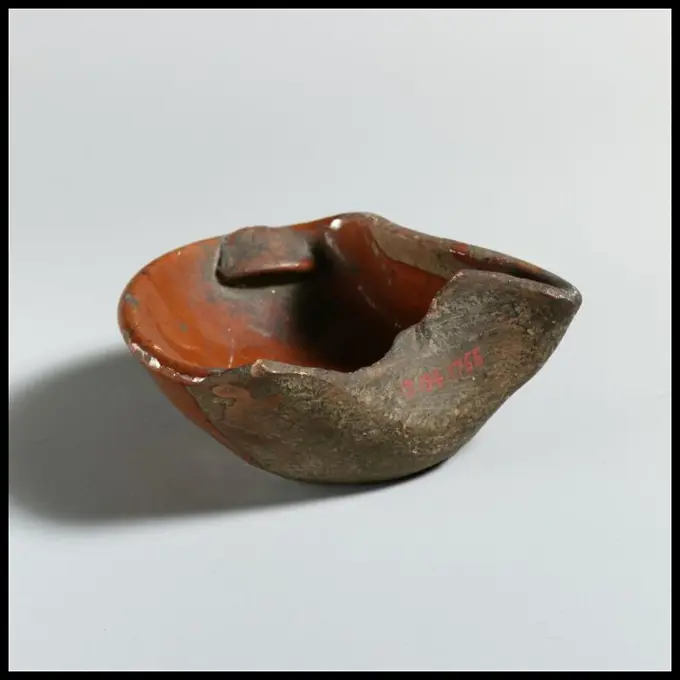
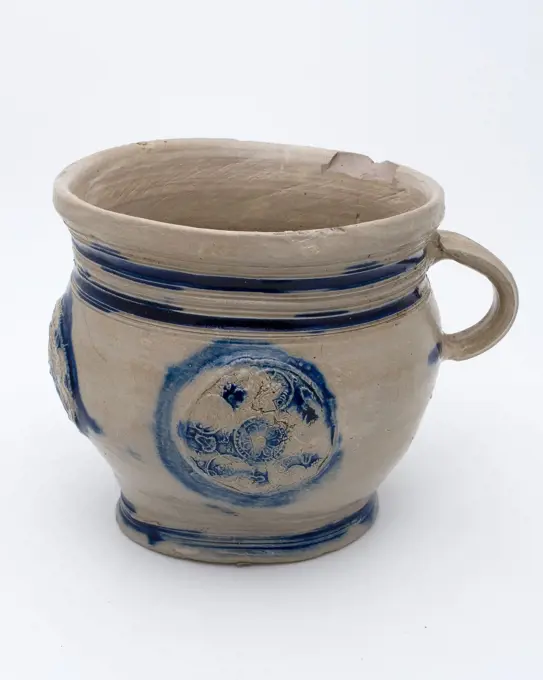
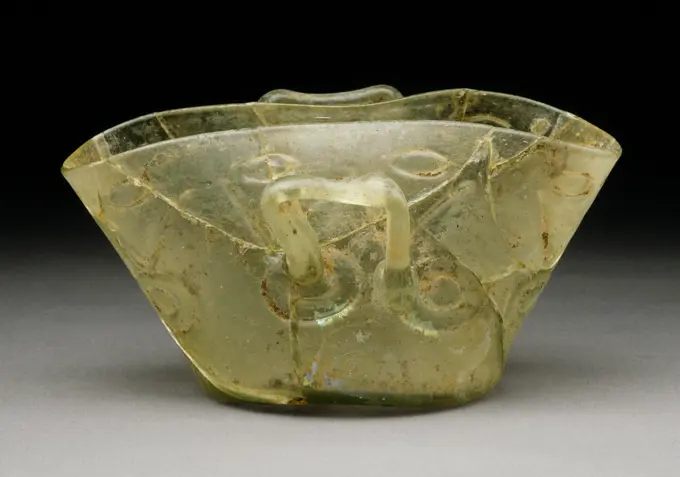
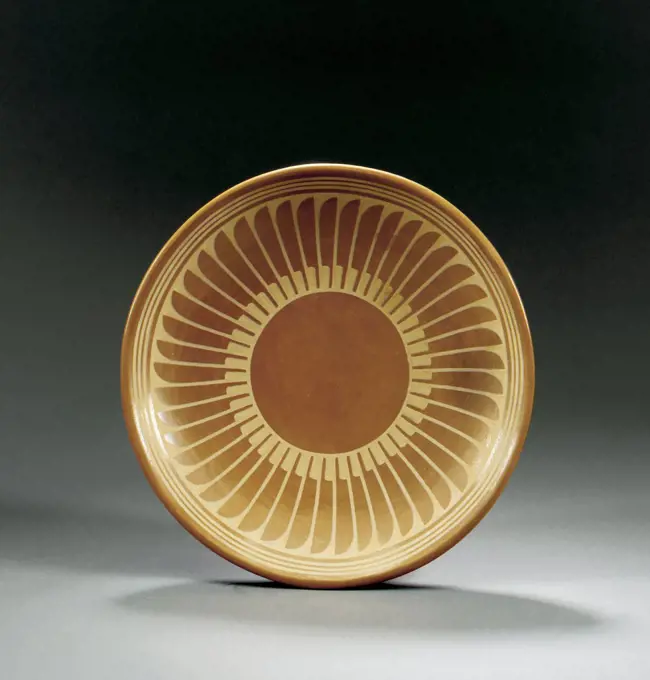
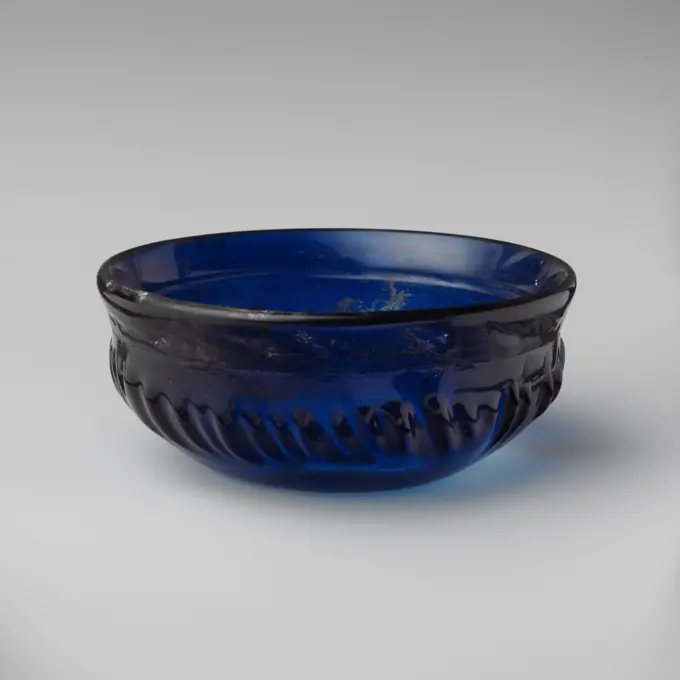
Glass ribbed bowl first half of 1st century A.D. Roman Translucent cobalt blue.Thick, slightly outsplayed rim with almost pointed edge, sloping inward below; convex curving side, tapering obliquely downward; concave bottom.On interior, a single broad horizontal groove, cut at junction of rim and side; on exterior, forty-five short rounded ribs of varying width, thickness, and length.Intact, except for minor chips in rim; some pinprick bubbles; faint dulling and iridescence, with small patches of encrusted weathering on interior.Rotary grinding marks on interior and on band around exterior of rim; series of irregular tooling marks and indents on band around exterior of rim.. Glass ribbed bowl. Roman. first half of 1st century A.D.. Glass; cast, tooled, and cut. Early Imperial, Julio-Claudian. GlassShell-Shaped Box, late 1800s. Italy (), 19th century. Pink quartz, gold, enamel, diamonds; diameter: 4.3 cm (1 11/16 in.); overall: 2.7 cm (1 1/16 in.).Black-figureKylixFragmentary terracotta bowl. Culture: Roman. Dimensions: Overall: 2 1/4 x 4 1/16 in. (5.7 x 10.3 cm). Date: 1st century A.D..Inscribed; red gloss sigillata. Museum: Metropolitan Museum of Art, New York, USA.Buddhist Ceremonial Alms Bowl. Culture: Japan. Dimensions: H. 5 in. (12.7 cm); Diam. 9 1/4 in. (23.5 cm); Diam. of rim 9 in. (22.9 cm).Along with three garments, a stool, and a water strainer, the alms bowl was traditionally one of only six items that a Buddhist monk could own. While monks' bowls were most often made of iron or wood, this bowl--cast in bronze, finished on a lathe, gilded, and supplied with a low stand--was probably placed on a Buddhist altar, where it would have been filled with offerings for a Buddhist deity. Its swelling body and the slight inward curve of its rim are typical of bowls produced in the eighth century. Museum: Metropolitan Museum of Art, New York, USA.Saucer, red, anonymous, c. 1675 - c. 1700 Dish of wood, red -reversed. Amsterdam wood (plant material) Dish of wood, red -reversed. Amsterdam wood (plant material)Porridge Plate,  c.1825Murrine bowl with faces ca. 1880 Vincenzo Moretti In 1861, Abbot Vicenzo Zanetti helped to revive the Venetian glass industry by opening a museum and archive in Murano. Jarves turned to Zanetti for advice when forming the glass collection that he donated to the Met in 1881. This example from the Jarves collection imitates ancient Roman mosaic glass, interspersed with tiny faces.. Murrine bowl with faces 186155Bowl with Cranes and Chrysanthemum Flower Heads. Korea. Date: 1365-1399. Dimensions: H. 6.7 cm (2 5/8 in.); diam. 17.7 cm (7 in.). Celadon-glazed stoneware with underglaze inlaid decoration of black and white clays. Origin: Korea. Museum: The Chicago Art Institute, Chicago, USA.Glass bowl decorated with four busts in roundels 4th century A.D. Roman Colorless with a pale green tinge.Plain vertical rim with uneven ground lip; hemispherical body; slightly flattened bottom.Below rim, single horizontal groove; on body, four large circular conjoining medallions, one of which overlaps the groove around rim; between the medallions at the top of side, two abraded eight-rayed stars on one side and two abraded shrines (aedicula) with a triangular pediment supported by two columns; on bottom, another abraded eight-rayed star with four dots above in spandrels between medallions; the medallions comprise two concentric circles, cut on a lathe, with 40-45 short abraded radiating cuts between; within the medallions, four busts, facing front, with head turned in profile to left, each wearing a tunic with a V-neck covering the shoulders, portraying a beardless youth with short spiky hair. The head and tunic are abraded with the details of the eyes, nose, mouth, and hair rendereSaucer-dish with incised foliate scrolls, anonymous, c. 1127 - c. 1279 Scale of stoneware, covered with a transparent glaze with a light blue tint. On the flat breached leaf vines. The edge is unglazed. Old label on the bottom with 'W094'. Qingbai. China stoneware. glaze engraving / vitrification Scale of stoneware, covered with a transparent glaze with a light blue tint. On the flat breached leaf vines. The edge is unglazed. Old label on the bottom with 'W094'. Qingbai. China stoneware. glaze engraving / vitrificationCompass box with opening at the top and bottom, anonymous, c. 1590 - c. 1596  Compass box with a slightly curved wall and opening at the top and top. The box has an excellent edge at the top.  wood (plant material)   Nova Zembla. Saving HuysMiniature punch bowl (part of a set) late 17th-early 18th century David Clayton British. Miniature punch bowl (part of a set). British, London. late 17th-early 18th century. Silver. Metalwork-Silver-Miniature. Come up from pottery at a high foot with enrolling (SGRACFITO) a inscription and tendrils and slibries under transparent glaze.Sigillée cut. Low-Empire. Ceramic. Paris, Carnavalet museum. Decor at the wheel Antiquity, Low-Empire, Cermaic, Sigillee cut, Roman, ancient timeOpen bowl ca. 1st century B.C.-1st century A.D. Nabataean This bowl was excavated at Tawilan ('Ain Musa), northeast of Petra. The interior decoration is divided into five segments, each marked with hatching, that meet at an X in the center. An abstract leaf is painted in the center of each segment, and large ovals are painted over the lines dividing the segments. The bowl has a rounded bottom and an inverted rim. Its shape, its dark red-orange color, and its decoration, a radial, rotational design limited to two abstract motifs set against a hatched background, all point to a date in the first century A.D.The very thin painted ware so closely identified with Nabataean culture began to appear in the first century B.C. It reflects the influence of Hellenistic wares, but because its shapes, colors, and decoration are unique, it forms a distinct type and was recognized early on as an accurate indication of Nabataean presence. Found primarily in southern Nabataea, the pottery has also turneFootless Cup or Lid 4th-7th century Coptic. Footless Cup or Lid. Coptic. 4th-7th century. Earthenware. Made in Kharga Oasis, Byzantine Egypt. CeramicsCup; Eastern Mediterranean; presumably 2nd century; Glass; 6.8 x 9.8 cm (2 11,16 x 3 7,8 in.)Footed cup with palmettes late 14th century Byzantine Glazed pottery was produced on the island of Cyprus from the early 1200s through the 1500s, a period when Cyprus was still closely linked to the traditions of Byzantium although under the rule of others-first the Lusignans of France and then the Venetians.. Footed cup with palmettes 463406Fragment Werra plate, mirror decor well-off lady in long dress with glass in hand, fine sgraffito detailing, year 1608, light yellow and green glaze, border decor curves, plate crockery holder earth discovery ceramics earthenware glaze, total, hand turned decorated glazed fried birch cord sgraffito Red earthenware with greenish silt decoration In the mirror standing lady in detailed gown with in the mirror right hand flute glass. Dating in the mirror Date of existence glazed: 1608 archeology Stadscentrum Stadsdriehoek Rotterdam Town hall warehouses decorate serving serve serving Probable discovery found on location town hall or post office RotterdamTeabowl 18th century Japan. Teabowl. Japan. 18th century. Pottery covered with glaze (Takatori ware). Edo period (1615-1868). CeramicsTerracotta kylix: band-cup (drinking cup) ca. 550-540 B.C. Signed by Hischylos Obverse and reverse, frontal quadriga between youths and inscription: Hischylos made meThe band-cup was produced concurrently with the lip-cup; the two shapes are often designated Little-Master cups owing to their small scale. The later band-cups often have more ambitious compositions than occur on lip-cups. The subject here is a quadriga, a four-horse chariot, seen from the front. Artistically, the perspective advances beyond the profile horsemen favored by Lydos.. Terracotta kylix: band-cup (drinking cup). Greek, Attic. ca. 550-540 B.C.. Terracotta; black-figure. Archaic. VasesTerracotta dish with barbotine decoration late 2nd century A.D. Roman Red-glazed bowl with leaf and bird pattern in barbotine; terra sigillata.. Terracotta dish with barbotine decoration 250087Presentation scale of Tin, Orivit, c. 1910 Tin presentation scale, Jugendstil. The oval scale has a high, sloping upright edge. This is decorated with floral motifs, the stems of which run to the bottom and form a profiled band there. On the long sides of the edge there are elegant jobs, reminiscent of the canvas of a theater decor. Germany tin (metal) casting Tin presentation scale, Jugendstil. The oval scale has a high, sloping upright edge. This is decorated with floral motifs, the stems of which run to the bottom and form a profiled band there. On the long sides of the edge there are elegant jobs, reminiscent of the canvas of a theater decor. Germany tin (metal) castingCovered bowl ca. 1830-40 Probably David Haring This double-walled covered bowl features decorative piercing on its outer wall. It may reference more refined pierced creamware examples by the Leeds Pottery in England. This piece, one of the largest known in the technique, would have been extremely difficult to make.. Covered bowl 2312Bowl, 11thcentury, Cizhou ware; stoneware with white slip and transparent glaze; probably Dengfengxian kilns, 3 1/4 × 5 in. (8.3 × 12.7cm), China, Chinese, Northern Song dynasty(960-1127), Containers -CeramicsBowl, 350-450. Byzantium, Syria, early Byzantine period, 4th-5th Century. Silver with niello; overall: 7.7 x 19.4 cm (3 1/16 x 7 5/8 in.).Georges Despret (1862-1952). Cutting on foot. Glass, glass paste. XIXth-XXth century. Museum of Fine Arts of the City of Paris, Petit Palais. 19th XIXth XIX 19th 19th 19th century, XXth XXth XX 20th 20th 20th centuryBowl, 1736-95. China, Qing dynasty (1644-1911), Qianlong reign (1736-95). Spinach jade; diameter: 19.6 cm (7 11/16 in.); overall: 7.7 cm (3 1/16 in.).Salt on bar, faience, delft white, salt barrel tableware holder earth discovery ceramic earthenware glaze tin glaze, hand turned baked glazed baked White salt barrel or salt plate on stand foot. Delft white faience Shallow scale turned rim. Conical column on disc-shaped foot including three small pointed legs Hollow soul under the column. Restoration is colored but no longer on color archeology Rotterdam City Triangle Groenendaal underground pit serve serve salt condiment food archaeological find in the soil Groenendaal from canals.Bowl Korea. Bowl 57470Dish with inscription and decorated with chrysanthemums and rows of dots mid-15th century Korea The deep dish is ornamented with repeating stylized chrysanthemum flowers, alongside other designs. The object is typical of buncheong ware characterized by white-slip decoration and produced on the peninsula from the late fourteenth through the midsixteenth centurywith stamp-impressed designs. Inscriptions indicate the court offices that commissioned the vessels. The dish was made in Gyeongju to be sent to the office of Jangheunggo, which supplied items like paper and mats to the court.. Dish with inscription and decorated with chrysanthemums and rows of dots 57354Drinking Cup from Dining Set with Plum Blossoms and Cracked-Ice, c. 1875-78. Seifū Yohei II (Japanese, 1844-1878). Porcelain with molded designs; overall: 6.7 x 9.3 cm (2 5/8 x 3 11/16 in.).Jar China. Jar 51049Mass Igloo Trzewik Dost, Eryka, Economic Glass Huta ZąbkowiceBol ". Porcelaine. Eere Kangxi (1662-1723). Paris, musée Cernuschi. Art Chinois, Bol, Eere Kangxi, PorcelaineBowl 18th century British or Scottish. Bowl. British or Scottish. 18th century. Pewter. Metalwork-PewterCeladon-Glazed Vase (Zhadou) 1700-1899 China. Celadon-glazed porcelain .Bowl, 1736-1795, 4 x 11 5/8in. (10.2 x 29.5cm), Jade, China, 18th centuryCup 18th century Japan. Cup. Japan. 18th century. Buff ware covered with a crackled white glaze. Edo period (1615-1868). Ceramics. Fragment of a bowl of quartz frying with ingrangled flower reflection on a transparent yellow lead-alkalilation.Skyphos with plug -in -glaze reliefs. Molded terracotta. Tarsus, 50 BC. AD Museum of Fine Arts of the City of Paris, Petit Palais. 58804-5 Greek antiquity, ancient art, drink, ceramic, Greek-Roman civilization, Decor Applique, Red Figure, Glacure, Gobelet, Grande Grece, Ier I 1st 1 Central Av .j.-C., Ancient period, Content, Relief, Skyphos, Ancient vase, drinking vaseBell-Shaped Cup With Powder Blue and Flower Heads in reserve. Bell-shaped head of porcelain with flared wall, painted in underglaze blue. The head is covered with bleu poudré (powder blue) with a flour six times in this; A flower in a double circle on the bottom. Marked on the underside with a seal mark in a double circle. Four chips in the edge. Bleu poudré with underglaze blue.Bowl. Culture: Japan. Dimensions: H. 1 1/2 in. (3.8 cm); Diam. 4 3/4 in. (12.1 cm). Date: 1800. Museum: Metropolitan Museum of Art, New York, USA.Bowl China. Bowl 61290Large dish 19th century Chinese. Large dish. Chinese , Qing Dynasty. Chinese. 19th century. Porcelain with dark red glaze.. CeramicsCup, c. 1915-40. Seifū Yohei IV (Japanese, 1872-1951). Porcelain; overall: 6.5 x 9 cm (2 9/16 x 3 9/16 in.).Vase. Culture: China. Dimensions: H. 3 in. (7.6 cm); Diam. 5 in. (12.7 cm). Museum: Metropolitan Museum of Art, New York, USA.Copper's boiler. Round copper boiler. The boiler walked around from below. Some devised pieces that serve as a repair have been closed. A part of the handle is located on the edge.Incised bowl with birds. Culture: Paracas. Dimensions: Overall: 2 15/16 in. (7.38 cm)Other: 8 1/2 in. (21.59 cm). Date: 7th-5th century B.C.. Museum: Metropolitan Museum of Art, New York, USA.Pottery plate on stand fins, red shard, internal glazed yellow, plate dish crockery holder soil find ceramic earthenware glaze lead glaze, hand-turned glazed fried lemonade Pottery plate on three stand fins. Bowl shaped mirror and slightly angled flag Slightly raised outer edge. Internal yellow glazed covered with white sludge and lead glaze. Glaze layer partly applied too thin and grainy structure dark crackle archeology inn The Hart Geervliet Bernisse indigenous pottery food serving table serve Soil discovery: Geervliet Dorpsplein 1 demolition Trouw put 5 city inn 't Hart 1985.Two-Handled Bowl, 1000-1500. Argentina, Santamariana Culture, 11th-15th century. Earthenware; diameter: 25 cm (9 13/16 in.); overall: 13.4 x 26.9 cm (5 1/4 x 10 9/16 in.).Terracotta rim fragment ca. 2100-1900 B.C. Helladic From Korakou, Greece. Terracotta rim fragment. Helladic. ca. 2100-1900 B.C.. Terracotta; Minyan ware. Middle Helladic I. VasesDeep terracotta bowl. Culture: Greek, Euboean. Dimensions: H. 4 3/4 in. (12 cm)diameter 9 13/16 in. (25 cm). Date: 6th century B.C..This bowl represents one of the simplest of vase shapes. Interestingly, it has no real counterpart among Attic decorated wares. Museum: Metropolitan Museum of Art, New York, USA.Bowl 50 BCE-50 CE Syria. Initially affordable only among the wealthy, glass was used in ancient Rome as containers for oils, perfume, and tablewares. The variety of glass-making techniques reveals the changing tastes and fashions over the centuries. During the 1st century A.D., cast glass was a novel form that was a luxury for the Roman household, but by the end of the century, the innovation of blown glass allowed for less labor-intensive and less expensive production, which meant people of lesser means could afford it. Blown glass became so popular it nearly supplanted ceramic and even bronze wares in the home.. Glass, cast . Ancient RomanJar. Culture: China. Dimensions: H. 3 13/16 in. (9.7 cm); Diam. 8 in. (20.3 cm). Date: ca. 1000 B.C.. Museum: Metropolitan Museum of Art, New York, USA.Goblet. Late Roman or early Byzantine; coast of Syria or Palestine. Date: 301 AD-400 AD. Dimensions: 11.4 × 11.1 × 11.1 cm (4 1/2 × 4 3/8 × 4 3/8 in.). Glass, blown technique. Origin: Syria. Museum: The Chicago Art Institute, Chicago, USA. Author: Ancient Levantine.Bowl ca. 3rd-7th century A.D. Sasanian Plain unglazed ceramics, like this buff-colored bowl, are the most common type of pottery found during the Sasanian period. These plain vessels were part of the everyday household materials. This bowl was excavated from a house at the site of Maaridh VI in the Ctesiphon area. The city of Ctesiphon was located on the east bank of the Tigris River, 20 miles (32 km) south of modern Baghdad in Iraq. It flourished for more than 800 years as the capital of the Parthians and the Sasanians, the last two dynasties to rule the ancient Near East before the Islamic conquest in the seventh century. Systematic excavations in the Ctesiphon area were undertaken by an expedition in 1928-29 sponsored by the German Oriental Society (Deutsche Orient-Gesellschaft). The Metropolitan Museum of Art and the Staatliche Museen, Berlin, undertook a joint expedition for one season in 1931-32. Several excavations were conducted, including at the main palace (Taq-i Kisra), in Sub-Villanovan Plate (Red Ware). UnknownPottery chamberpo, wide top edge and attached tape ear, white glazed, pot holder sanitary soil find ceramics pottery glaze tin glaze, hand-turned baked glazed baked Pottery roompo whole white glazed Wide top edge inclined upwards. Narrowing bandoor with short rat tail Reverse lip on the rim at bandoor. Profile ring under the edge on the outside Stand surface with soul Restoration is not repainted. Delftware archeology indigenous pottery drains sleeping hygieneGlass bowl late 1st century B.C.-early 1st century A.D. Roman Translucent honey brown.Rounded vertical rim; slightly bulging sides, tapering downward; flat bottom.Horizontal wheel-cut grooves on interior; single groove 1.05 cm below rim, band of two grooves 3.35 cm below rim.Complete, except for small chip in rim; broken and repaired around one side of rim; very few bubbles; dulling and pitting, patches of iridescence and thick creamy weathering.Rotary grinding marks on interior of bottom.. Glass bowl 239870Czarka;  VIII century (701-00-00-800-00-00);Semerau-Siemianowski, Władysław (1849-1938), Semerau-Siemianowski, Władysław (1849-1938)-collection, Arabic (culture), gift (provenance), Islamic artBowl, 960-1279, 2 1/4 x 4 x 4 in. (5.72 x 10.16 x 10.16 cm), Yaozhou ware Stoneware with impressed decor under celadon glaze, China, 10th-13th centurySaucer, 18th century, 1 3/8 x 5 x 5 in. (3.5 x 12.7 x 12.7 cm), Glass, Switzerland, 18th centuryRibbed Bowl. UnknownBowl in the Shape of a Paulownia Leaf. Artist: Nin'ami Dohachi (Takahashi Dohachi II) (Japanese, 1783-1855). Culture: Japan. Dimensions: W. 8 1/4 in. (21 cm). Date: second half of the 19th century. Museum: Metropolitan Museum of Art, New York, USA.Bowl ca. 1600 French, Beauvaisis Set against a pattern of trailing rose stems, two angels gesture toward the arms of France and Navarre. Encircling the center of the bowl are the collars of the royal orders of the Saint-Esprit and Saint-Michel, both of which were borne by Henry IV (ruled 1589-1610).. Bowl 236606Celadon bulb carriers by Chi-Chou and celadon cup by Chiao-T'an, China. Chinese Civilisation, Yuan Dynasty, 13th-14th century.Vessel 3000 BCE-2613 BCE Egypt. Calcite . Ancient EgyptianVessel, 20th century, 1 7/8 x 5 x 5 in. (4.76 x 12.7 x 12.7 cm), Ceramic, pigment, United States, 20th centuryWater Container (Pan) Artist's working dates 750 BCE-650 BCE China. Bronze .Incense Burner, 1736-95. China, Qing dynasty (1644-1911), Qianlong reign (1736-95). Jade; overall: 14.6 cm (5 3/4 in.).Bowl 13th century Korea. Bowl 57427Lithyalin Beaker 1825-1835 Bohemia. Glass; marbled opaque red, blown, cut, stained and gilded . Friedrich EgermannRitual Vessel. Korea, Joseon dynasty (1392-1910), 19th century. Furnishings; Serviceware. Wheel-thrown porcelain with clear glazeSpittoon -Plate;  18th century (1701-00-00-1800-00-00);Bowl. Culture: American. Decorator: Clara Chipman Newton (1848-1936). Dimensions: H. 3 5/8 in. (9.2 cm); Diam. 6 1/4 in. (15.9 cm). Manufacturer: Manufactured by Ceramic Art Company (American (Trenton, New Jersey), 1889-1896). Date: ca. 1890-95. Museum: Metropolitan Museum of Art, New York, USA.Lamp, saucer-shaped. Culture: Roman. Dimensions: 1 3/8 × 3 1/8 × 3 1/4 in. (3.5 × 8 × 8.2 cm). Date: ca. A.D. 1-300. Museum: Metropolitan Museum of Art, New York, USA.Stoneware ease of use or chamber pot with ear, on the belly three medallions with stylized floral decor, pot holder sanitary soil find ceramic stoneware glaze salt glaze, hand turned stamped glazed glazed baked Stoneware chamber pot gray shard with salt glaze profiled bandoor profiled neck and foot. Dedicated traces at the bottom archeology import pottery drains night sleeping room hygienePedestalled Dish 700 CE-799 CE China. Earthenware with three color (sancai) lead glazes .Footed dish, treen, England, late 18th-early 19th century, Decorative Arts, Footed dishEmpty wooden bowl . Empty wooden bowl on a white background.Basket. Possibly Iran, 8th-10th century. Glass. Glass, blown and tooled, with applied handlesCup with orchid blossoms. Acquired by the artist on the Paris World Fair 1900Jean, Georges, wood cut with vineyard decoration (dummy title), 1894. Email cloisoned on copper, paillons. Petit Palais, Museum of Fine Arts of the City of Paris.Food Bowl, c 1875- 1925. California, Southern, Gabrielino (San Gabriel, Mission or Tongva), Late 19th- Early 20th century. Coiled; overall: 15 x 43 cm (5 7/8 x 16 15/16 in.).A San Ildefonso Buff-on-Sienna Plate Native American Art PotteryBowl. Dimensions: 5 5/8 x 7 in. (14.3 x 17.8 cm). Date: 1880-90. Museum: Metropolitan Museum of Art, New York, USA.Potty of earthenware, Anonymous, 1804 Printed cup -shaped pot of lead glaze pottery. The pot is on three legs and has two ears. The outer wall is decorated with large rosettes. The outside is glazed green and the inside glazed yellow. The pot is dated on the bottom: in 1804. Noord-Holland (possibly)Friesland (possibly) earthenware. lead glaze Printed cup -shaped pot of lead glaze pottery. The pot is on three legs and has two ears. The outer wall is decorated with large rosettes. The outside is glazed green and the inside glazed yellow. The pot is dated on the bottom: in 1804. Noord-Holland (possibly)Friesland (possibly) earthenware. lead glazeCompressed Baluster Jar, 14th-17th century, 9in. (22.9cm), Ceramic, celadon glaze, wooden stand, China, 14th-17th centuryBowl with Cursive Floral Scroll. Thailand, Sukhothai, late 14th century. Furnishings; Serviceware. Wheel-thrown stoneware with cream slip, underglaze brown painted decoration, and clear glazeWide-Mouth Cup Depicting a Costumed Performer and Mice, with Modeled Heads 180 BCE-500 CE Peru. Ceramic and pigment . NazcaBowl 9th century Radial designs were popular in splashed ware as well as in other Nishapur types including the buff ware.. Bowl 449123Bowl, c.1200, 3 1/2 x 8 in. (8.9 x 20.32 cm), Stonepaste with blue glaze over incised roundels, Iran, Seljuk period (1038- c. 1194)Palm Cup. Culture: Frankish. Dimensions: Overall: 2 15/16 x 4 5/8 in. (7.4 x 11.8 cm). Date: 7th-8th century. Museum: Metropolitan Museum of Art, New York, USA.Bowl 10th-12th century Byzantine. Bowl 463405Terracotta stemmed dish late 6th-early 5th century B.C. Greek, Attic The shape of this vase is exceedingly unusual. The stem and foot recall those of black-figure drinking cups of the late sixth century--cups type A with a fillet at the junction of stem and foot. The underside of the foot here is, however, quite unarticulated. The profile of the cup vaguely resembles that of some metal funnels. The object is of a piece, and difficult to attribute.. Terracotta stemmed dish 254429 Greek, Attic, Terracotta stemmed dish, late 6thearly 5th century B.C., Terracotta, H. 2 7/8 in. (7.3 cm). The Metropolitan Museum of Art, New York. Rogers Fund, 1941 (41.162.258)Cup and saucer late 18th-early 19th century China. Cup and saucer. China. late 18th-early 19th century. Jade (nephrite). Qing dynasty (1644-1911). JadeBowl.   Maker: Franklin Porter, American, 1869-1935