Decorative Bowls

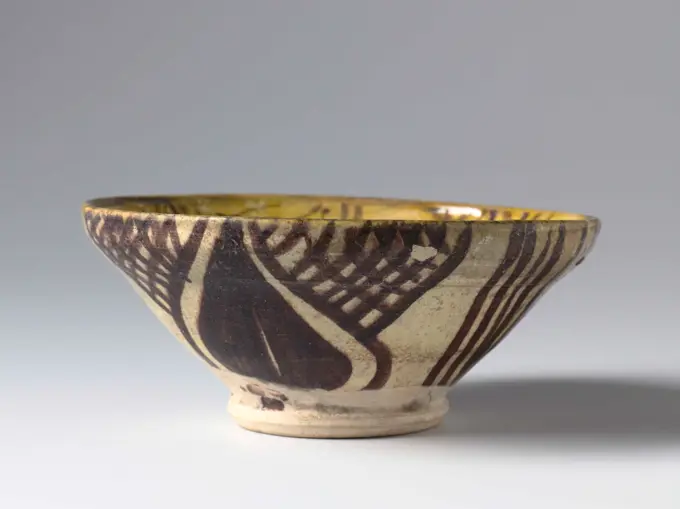
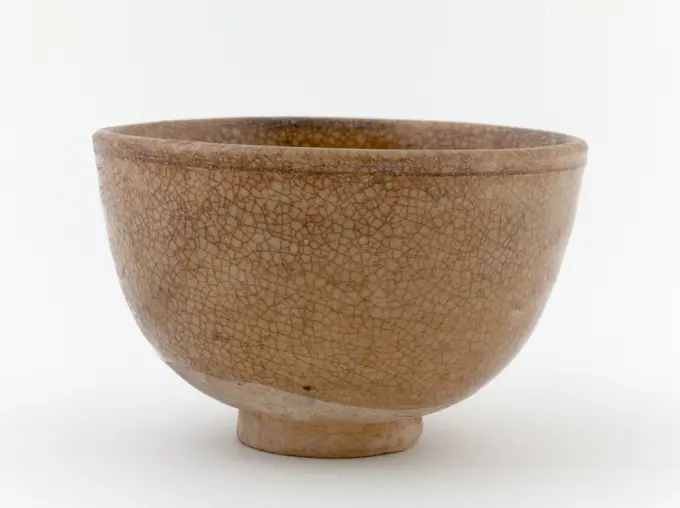
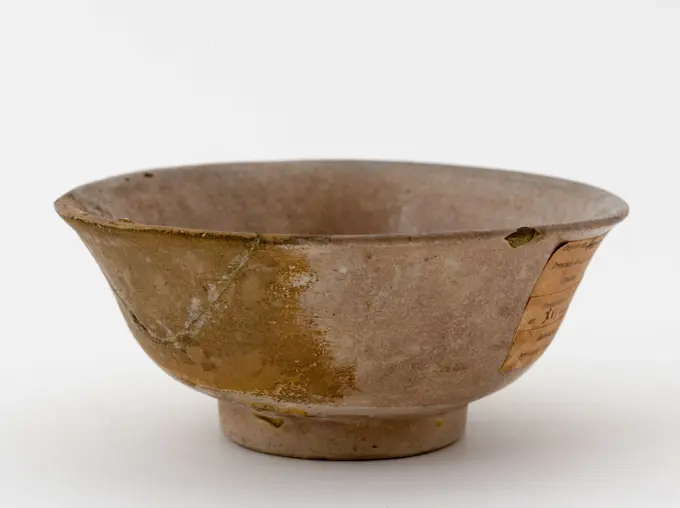
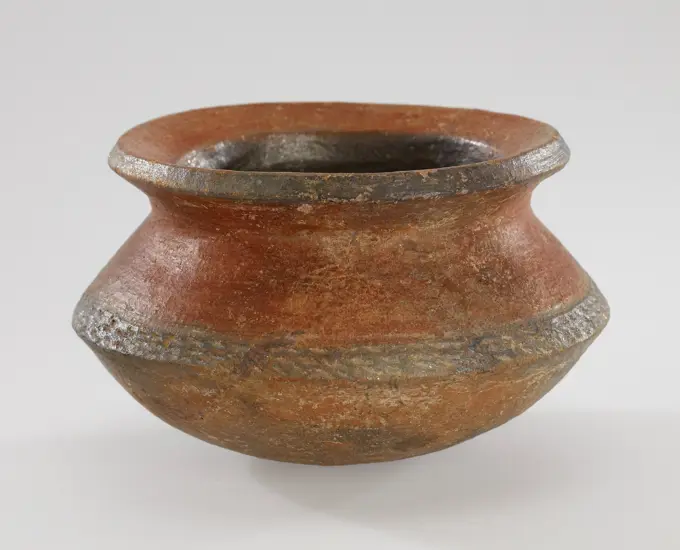
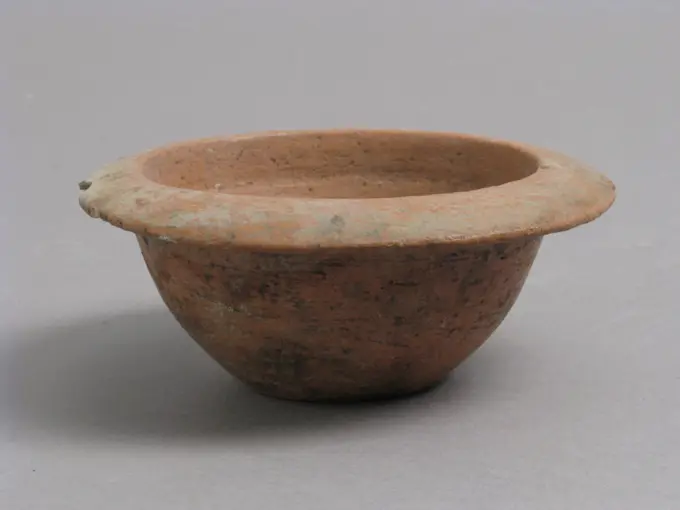
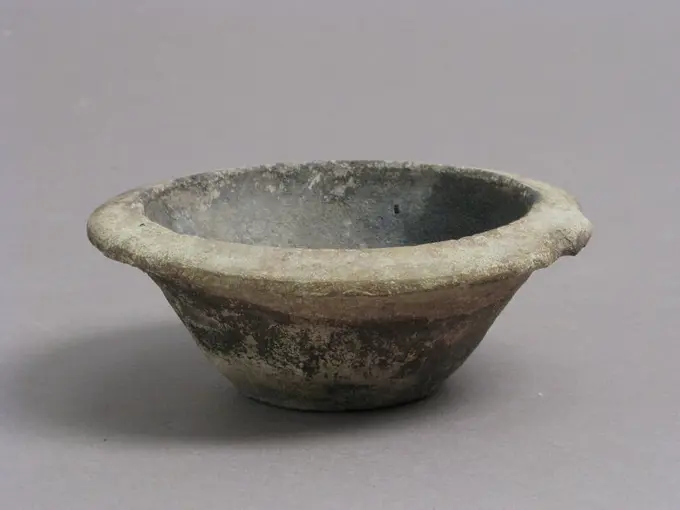
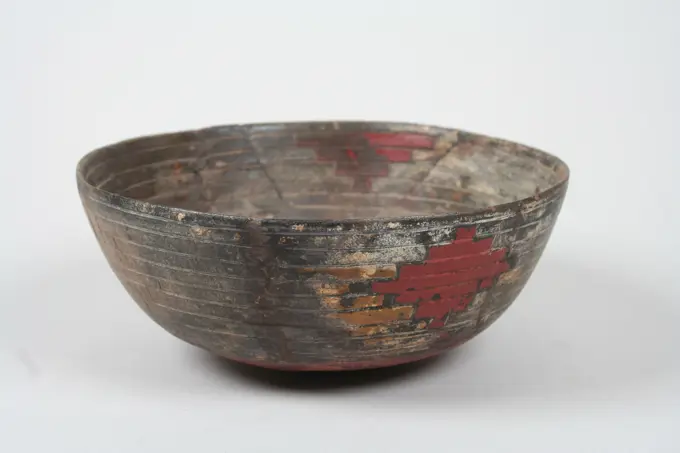
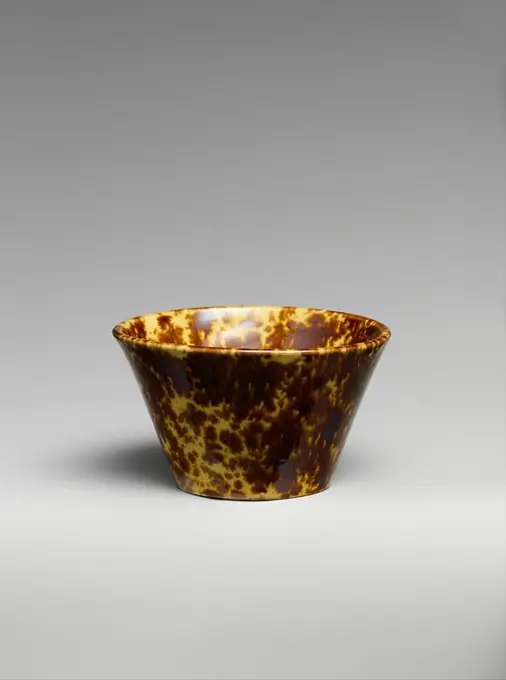
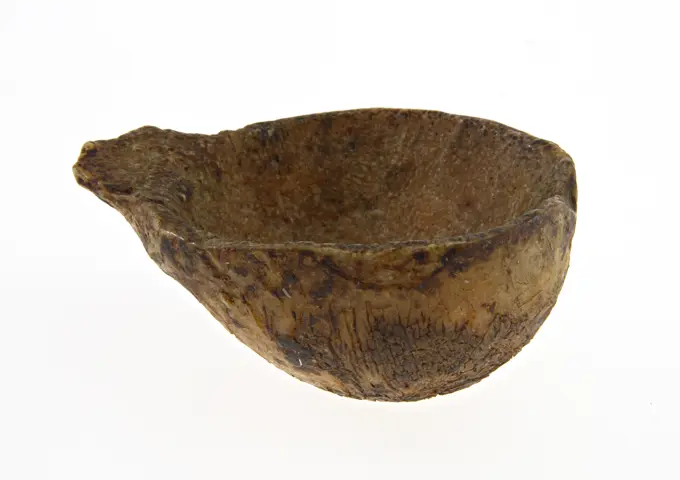
Collection of bowls from different periods and cultures, featuring unique glazes and designs, highlighting the beauty of pottery and ceramics.
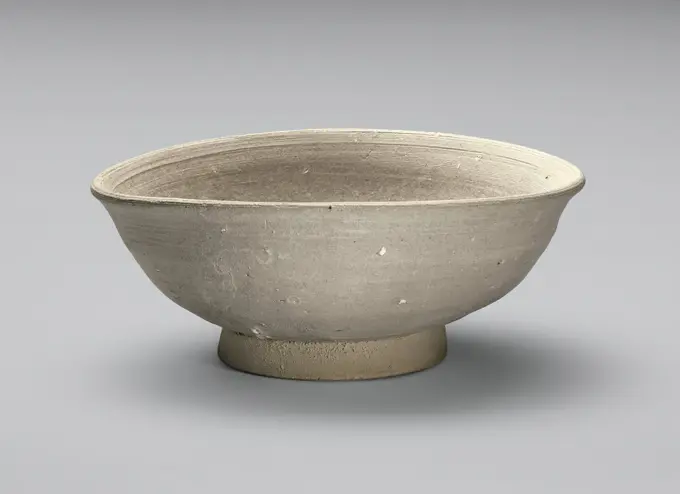
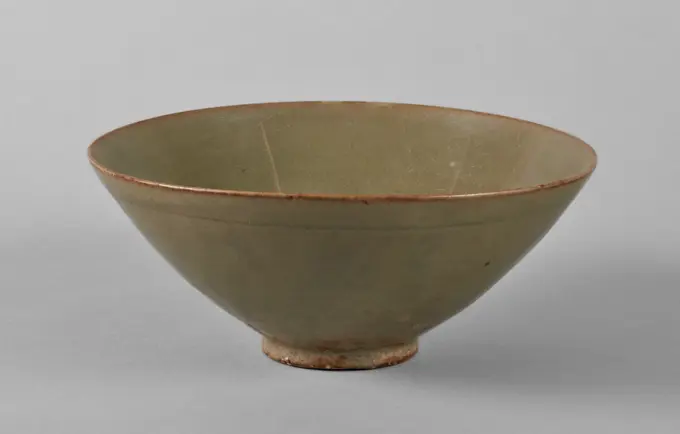
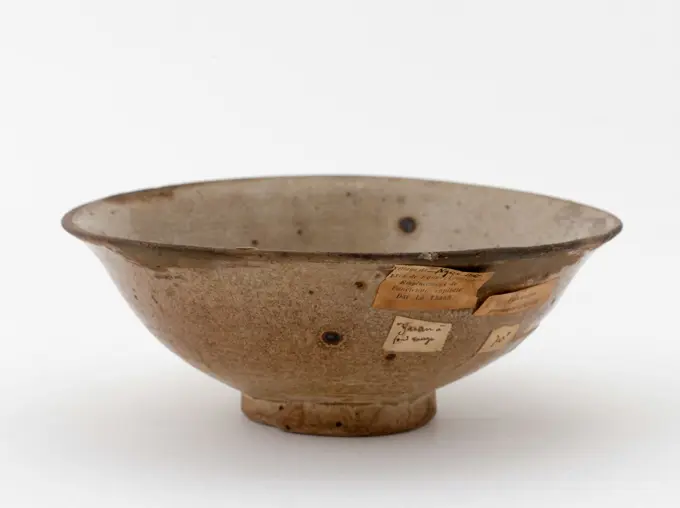
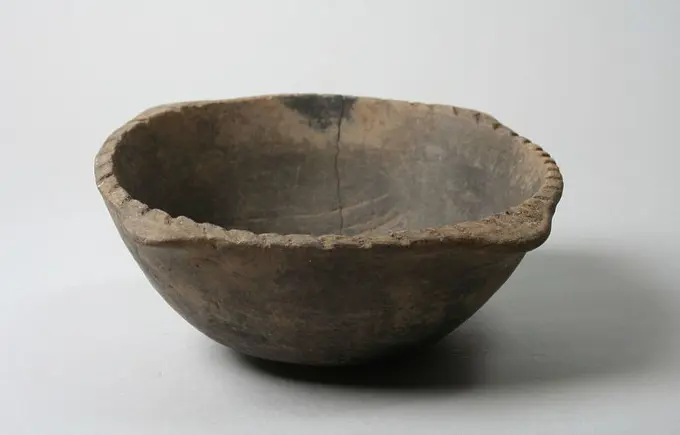
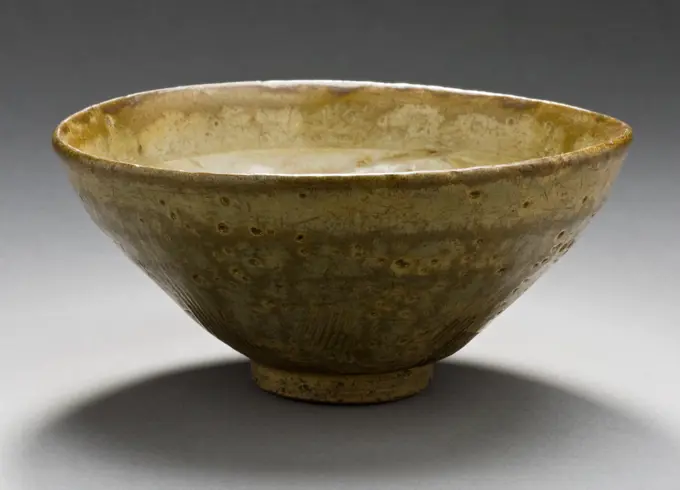
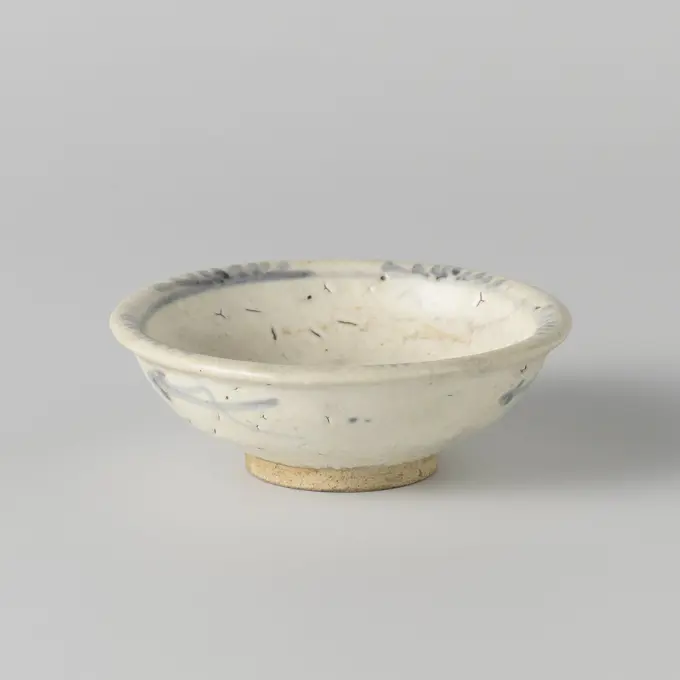
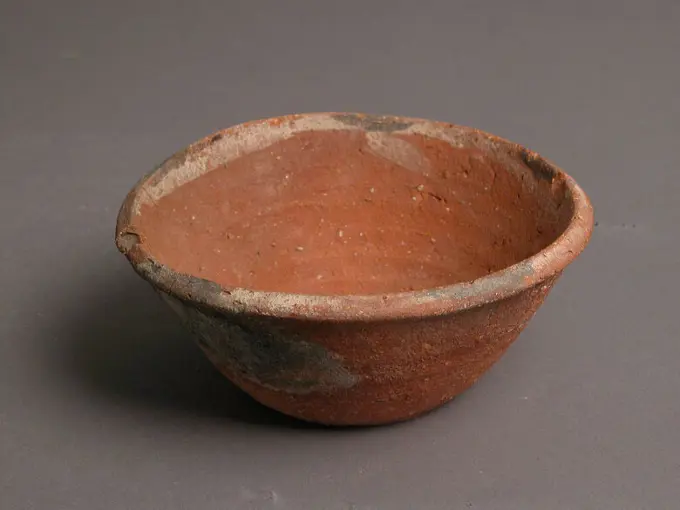
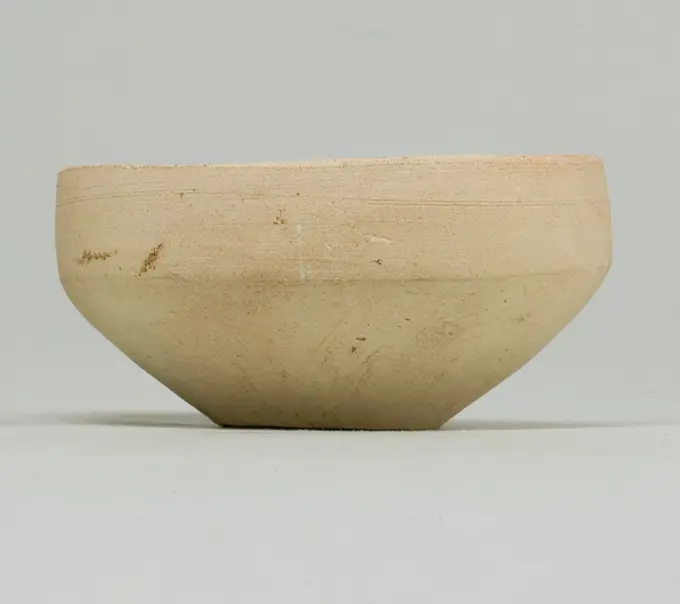
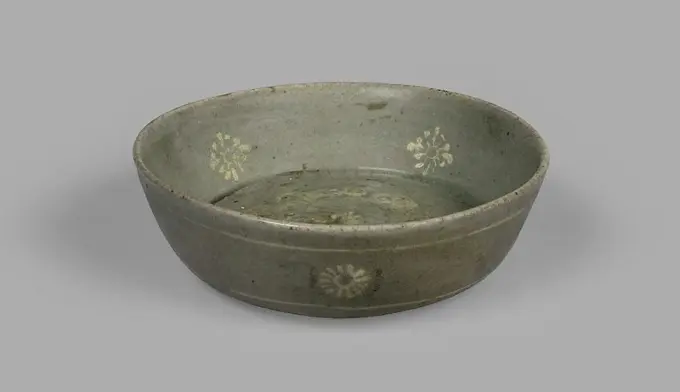
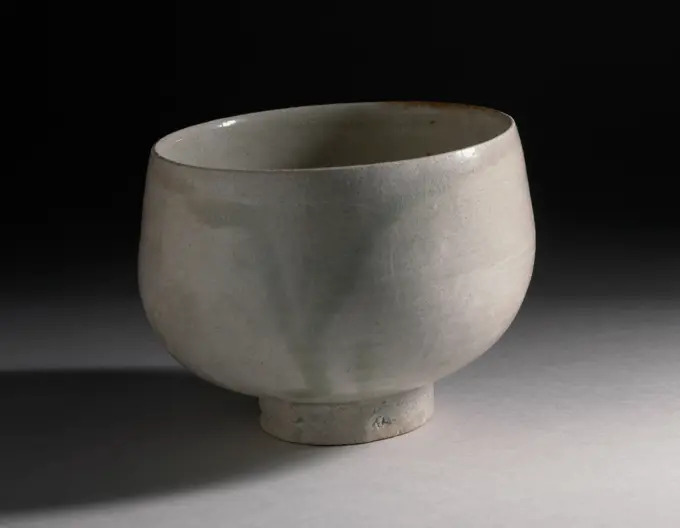
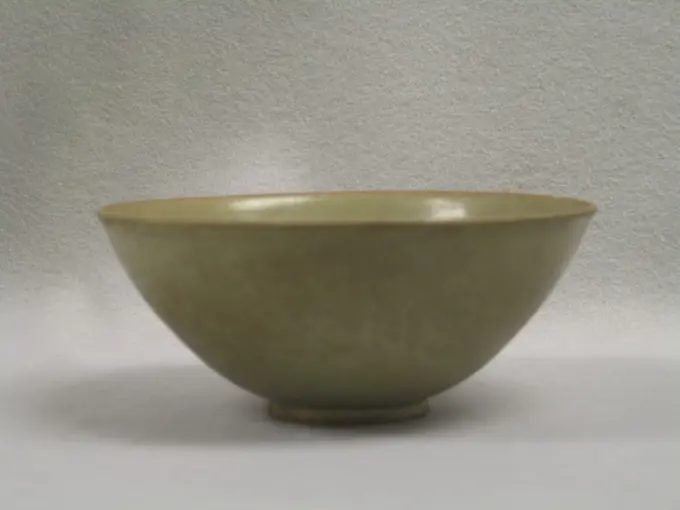
Bowl, 12th century, Unknown Japanese, 2 7/16 × 5 3/4 × 6 3/16 in. (6.19 × 14.61 × 15.72 cm), Sanage ware; stoneware, Japan, 12th century, Sanage ware resembles Chinese ceramics, having emerged in the 700s as an affordable substitute for expensive imported Chinese ceramics and the Japanese luxury wares they inspired. Known as the earliest glazed stoneware in Japan, Sanage ware was primarily made in central Honshū, the largest and most populous island of Japan, and remained popular until the 1100s, when it was superseded by another type of glazed stoneware produced in the region, now known as 'Seto ware.'
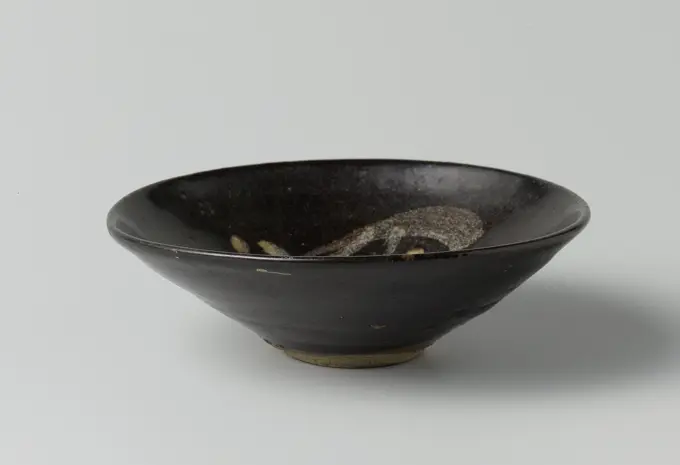
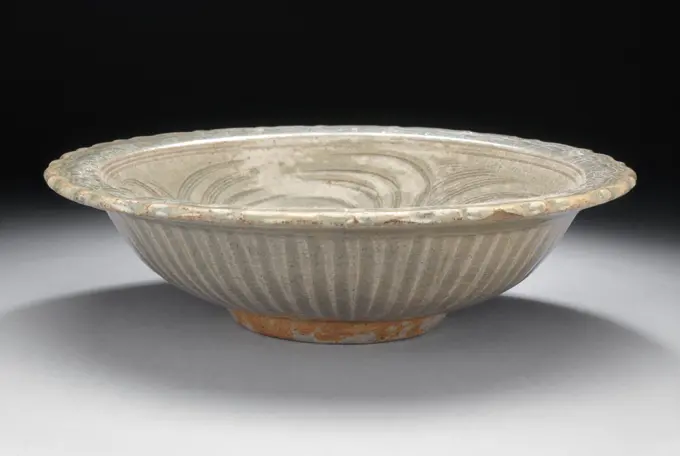
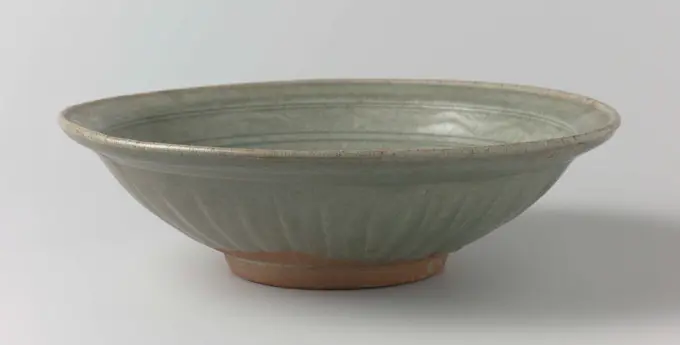
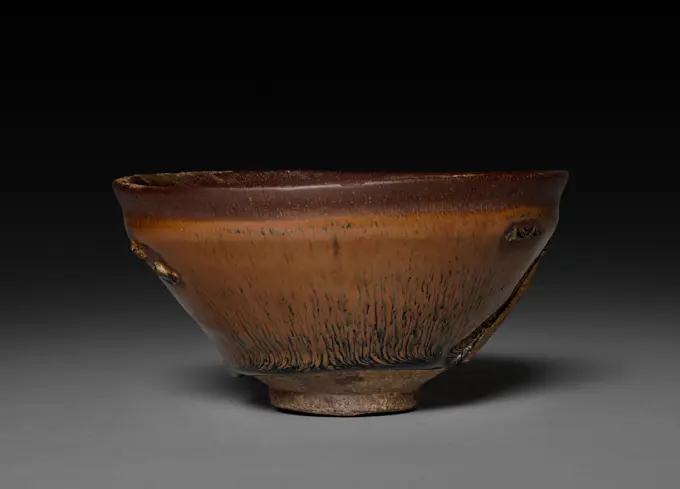
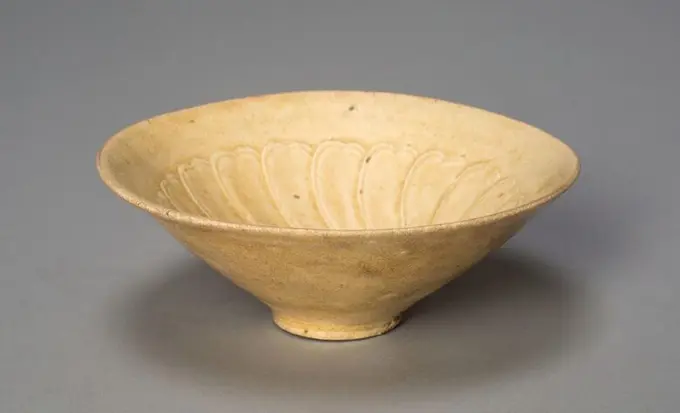
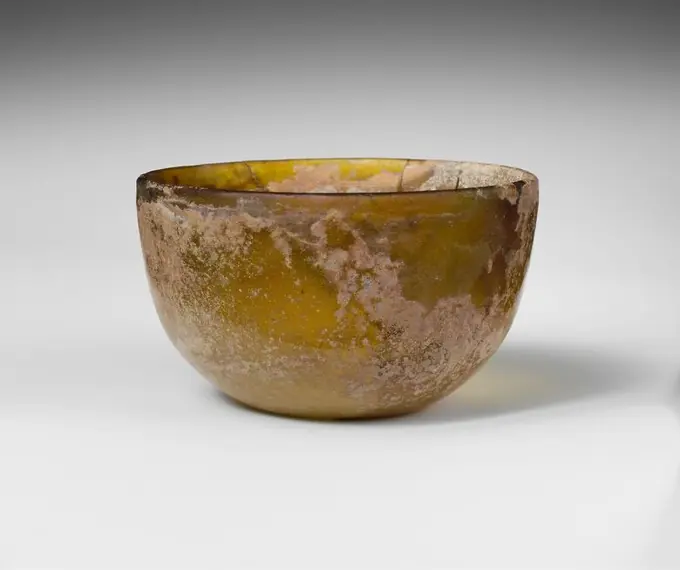
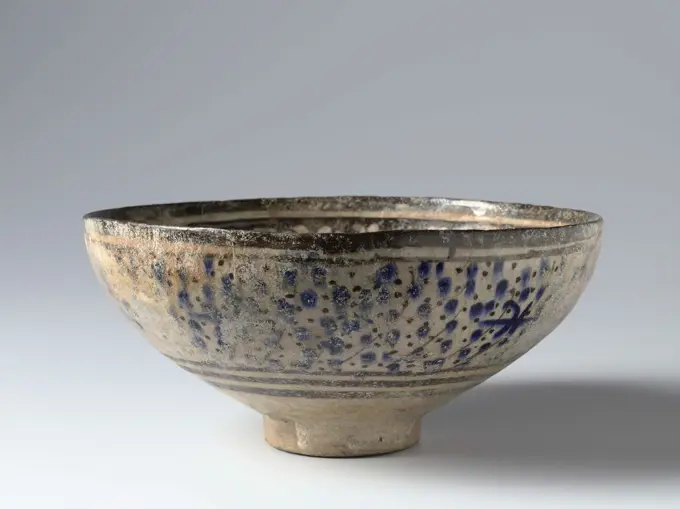
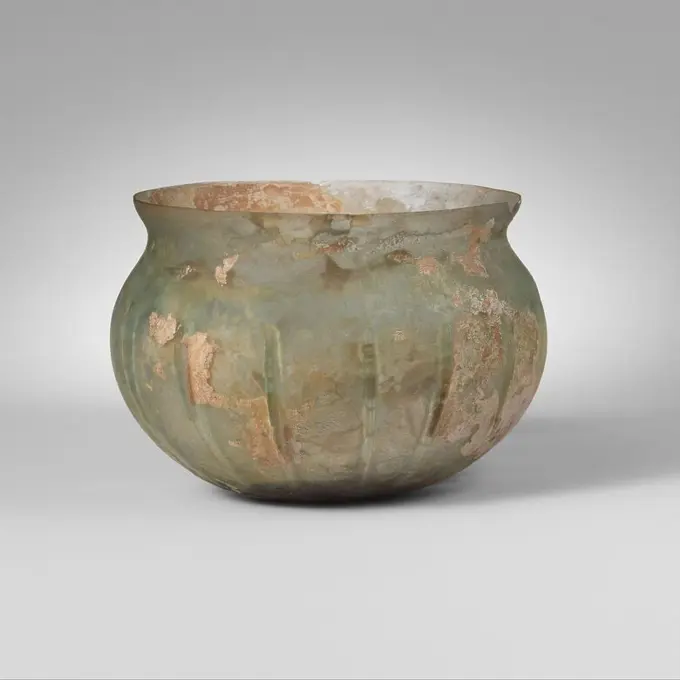
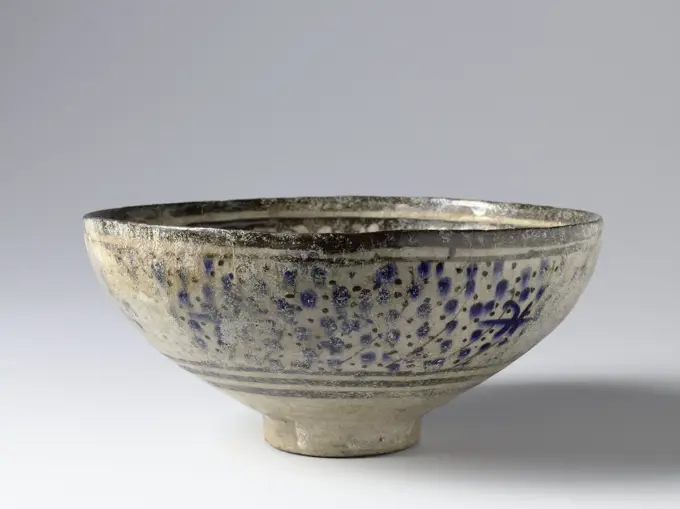
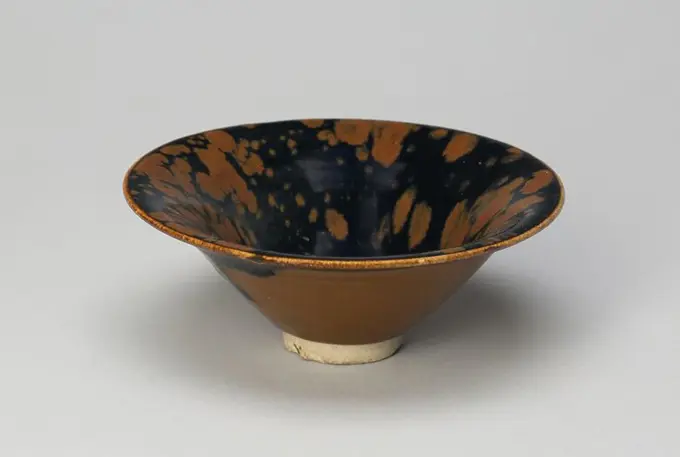
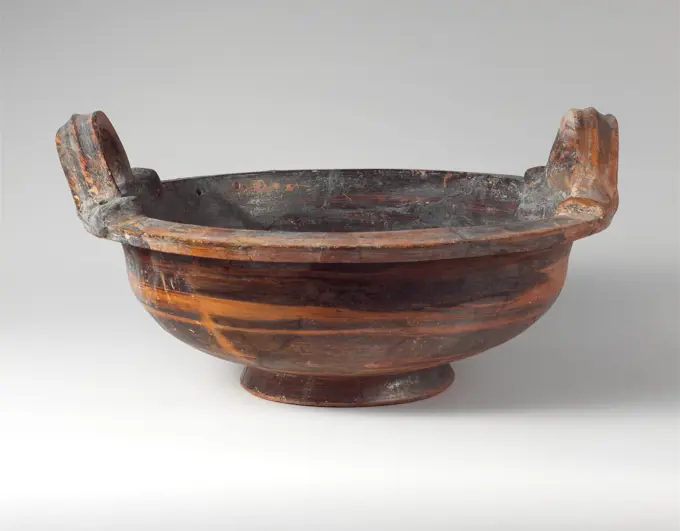
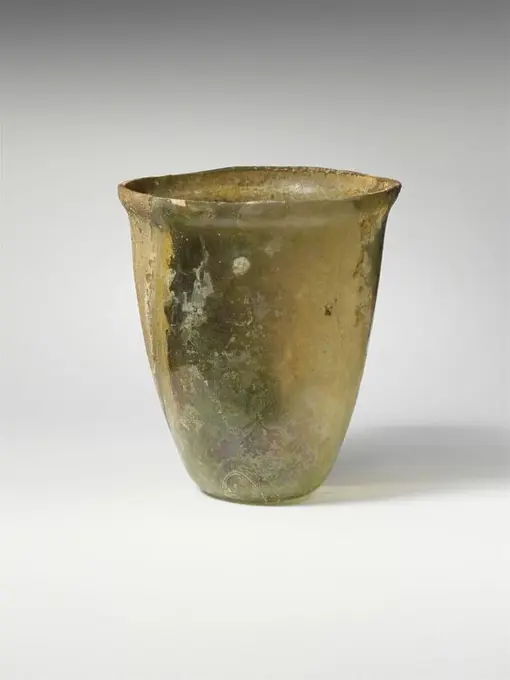
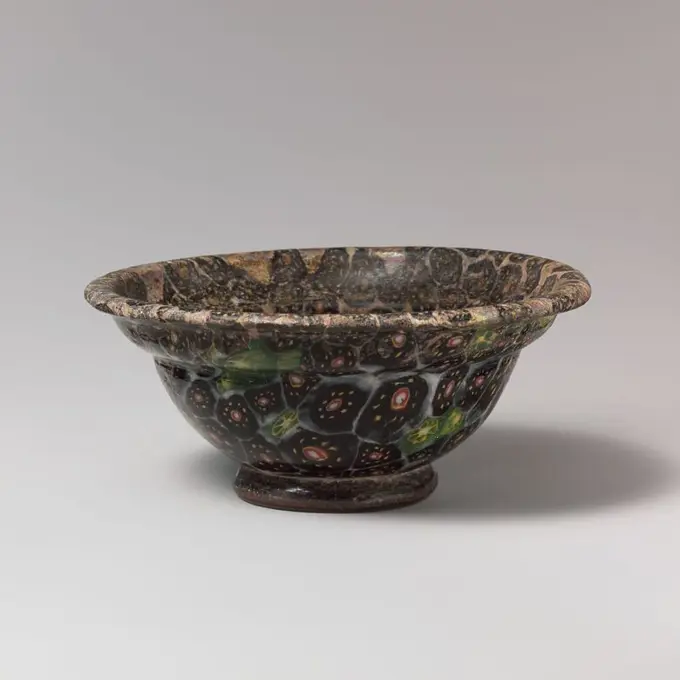
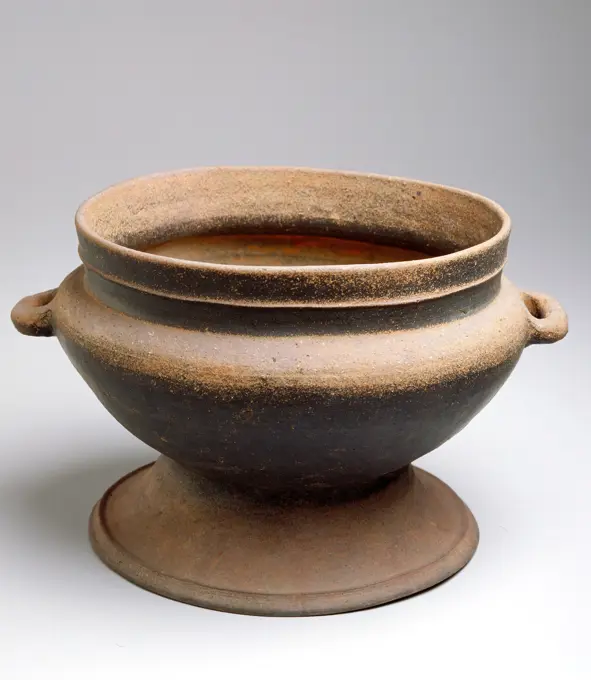
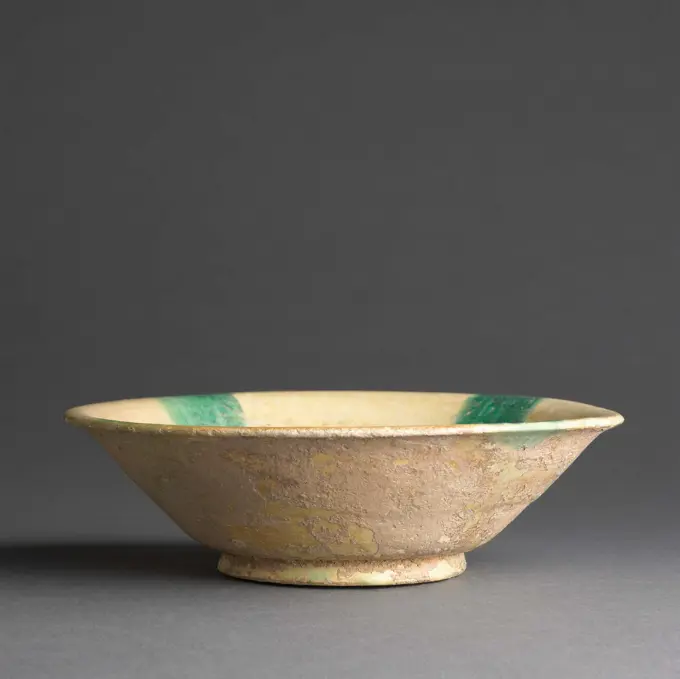
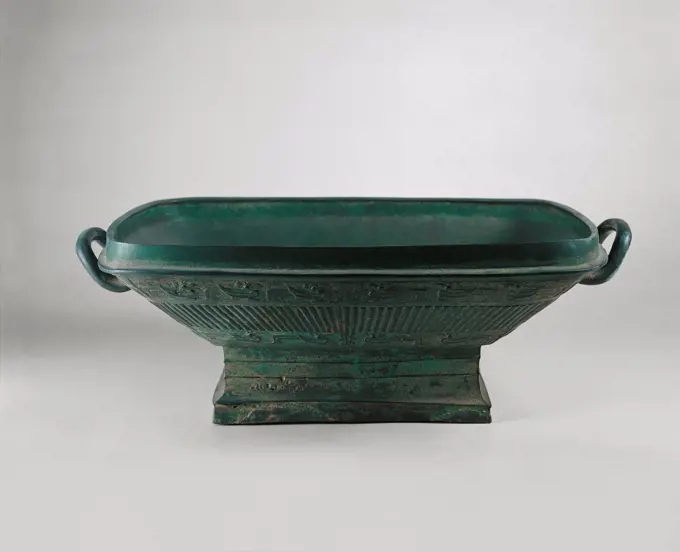
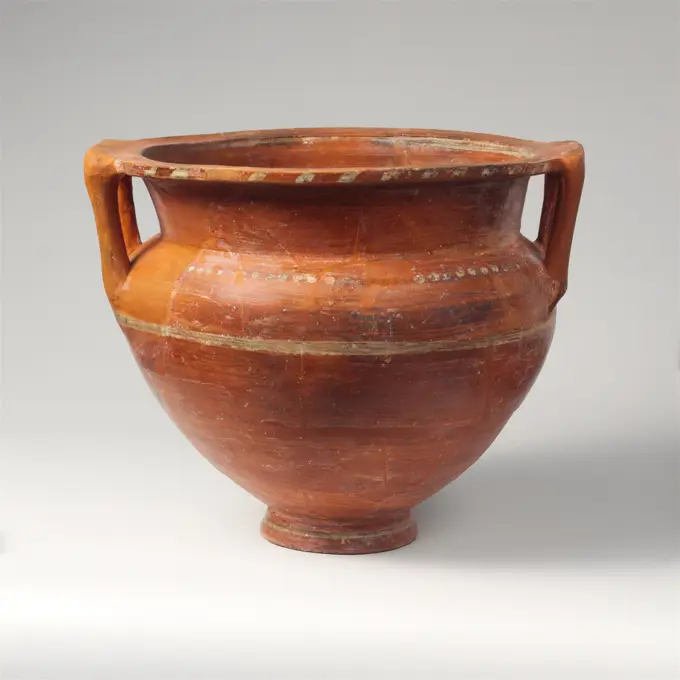
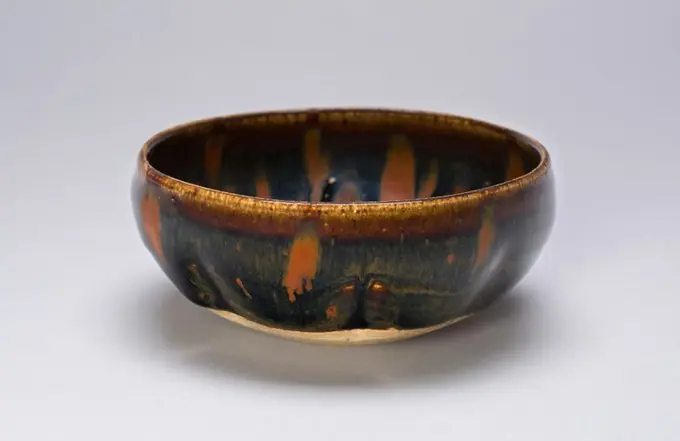
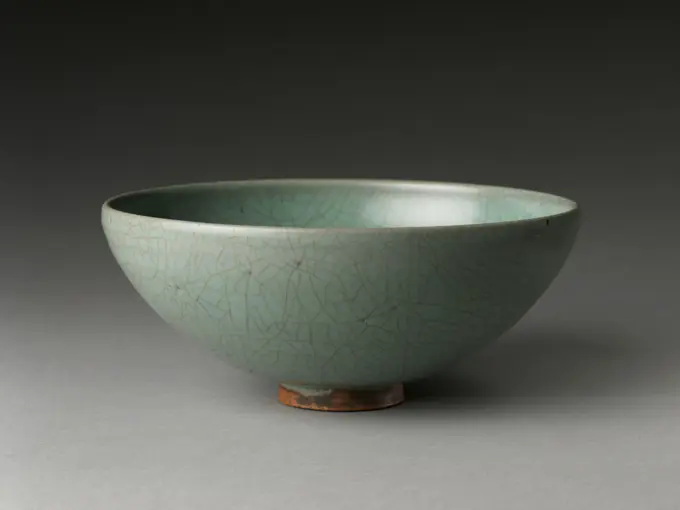
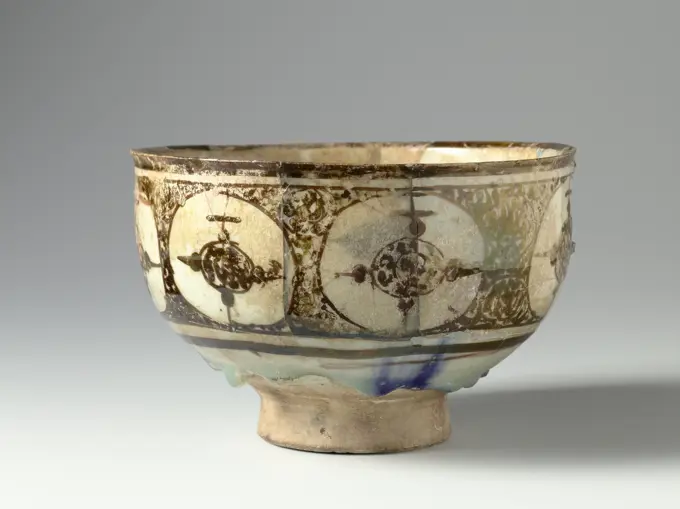
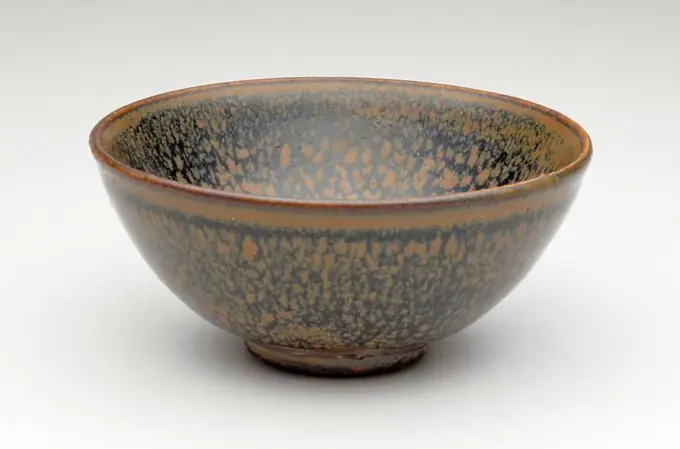
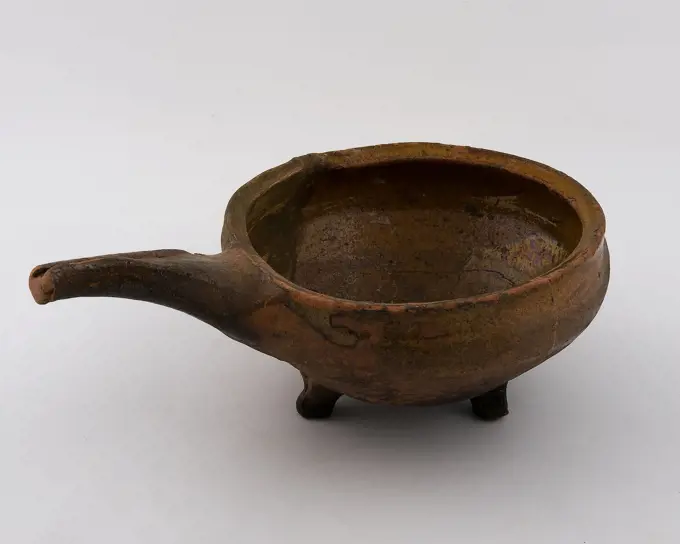
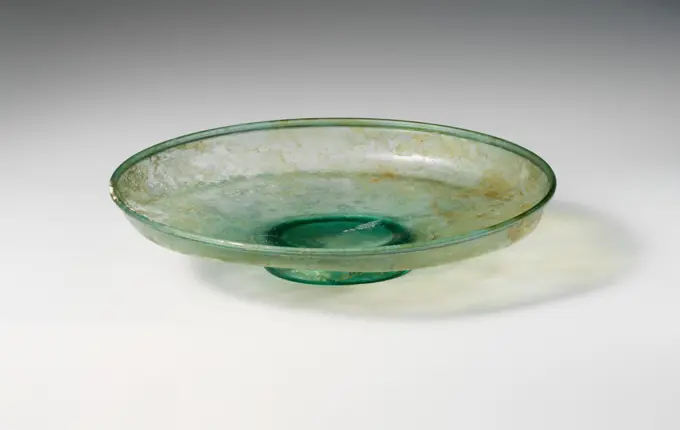
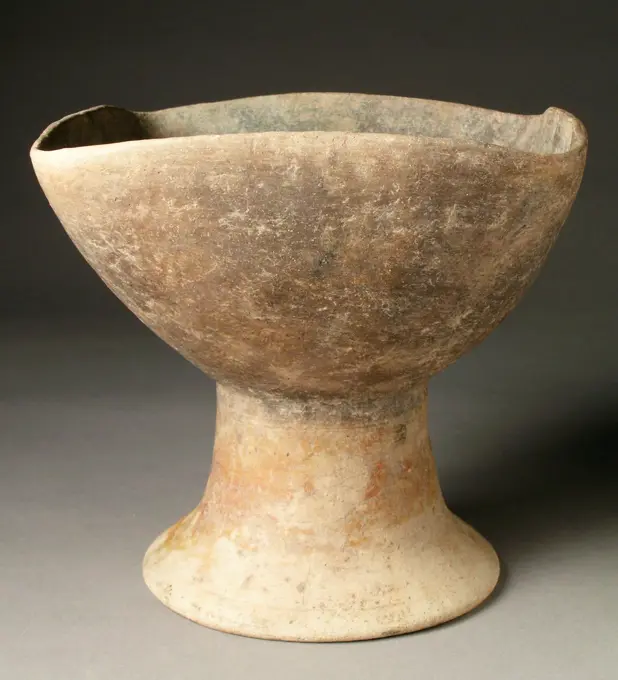
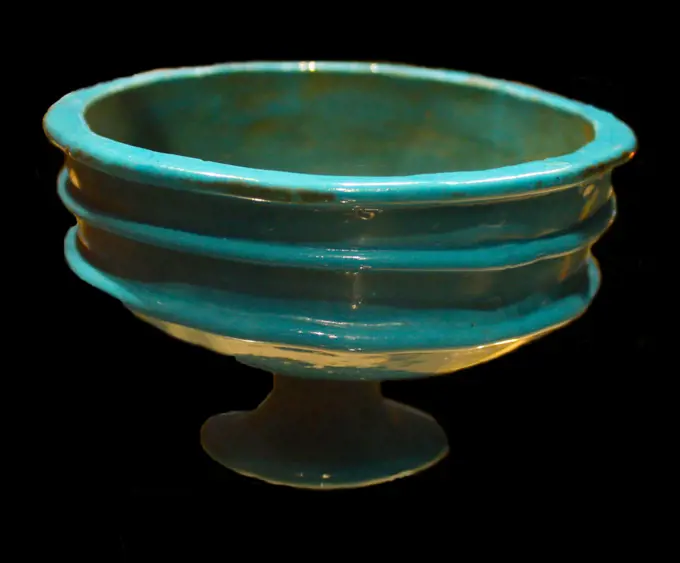
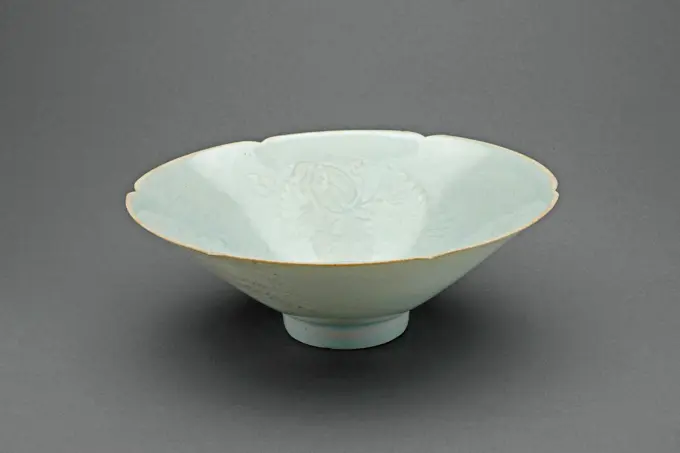
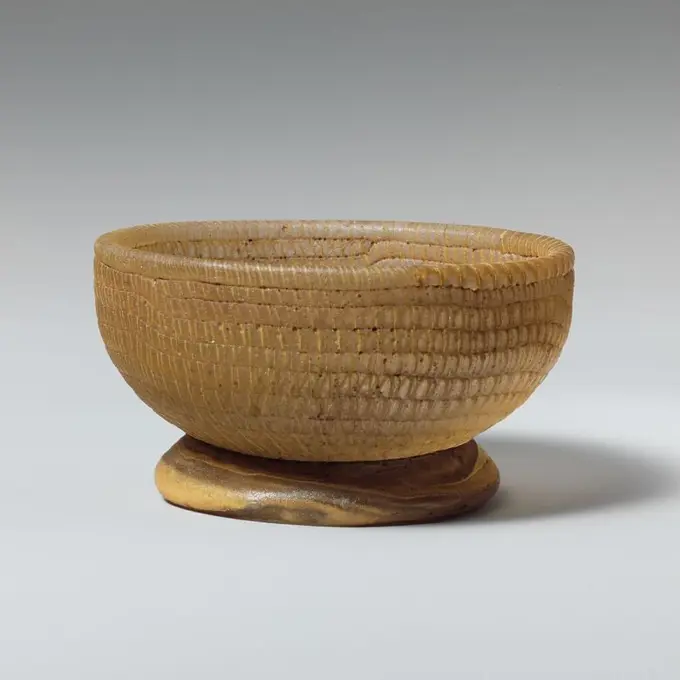
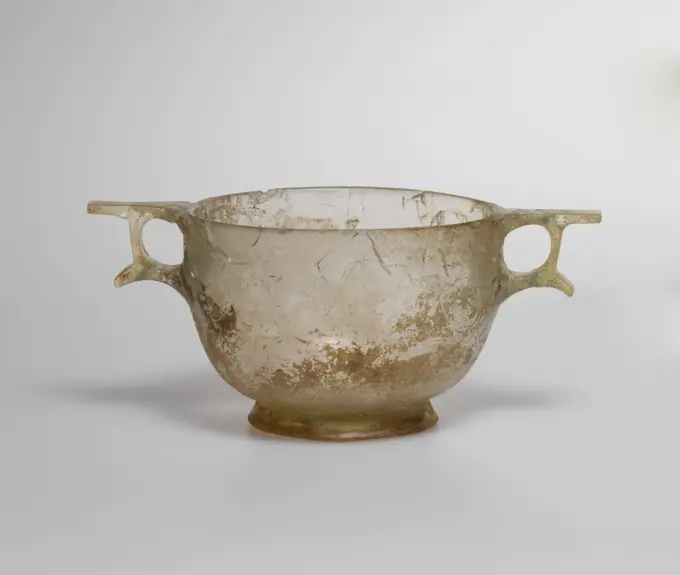
Tea bowl with a black glaze with goldenbrown spots, anonymous, c. 960 - c. 1279 Teaom van Steengoed, covered on the inside with a black glaze with golden brown spots. The outside with a blue -green glaze. The underside of the bowl is unglazed. A crack in the edge. China stoneware. glaze vitrification Teaom van Steengoed, covered on the inside with a black glaze with golden brown spots. The outside with a blue -green glaze. The underside of the bowl is unglazed. A crack in the edge. China stoneware. glaze vitrificationBol (common name), 0960 ,. Cernuschi Museum, Asia Museum of Asia in the city of Paris.Bowl 4th-7th century Coptic. Bowl 478447Bowl with incised scrolls, anonymous, c. 1100 - c. 1199 Monochrome Beige Kom, decorated with bred ranks and palmets about which transparent alarm laze. Iran earthenware. glaze engraving / vitrification Monochrome Beige Kom, decorated with bred ranks and palmets about which transparent alarm laze. Iran earthenware. glaze engraving / vitrificationBowl with a transparant, slightly blue glaze, anonymous, c. 1175 - c. 1224 Come from quartz fritry with a transparent, something blue, alarm laze. Iran earthenware. glaze vitrification Come from quartz fritry with a transparent, something blue, alarm laze. Iran earthenware. glaze vitrificationBowl, 12th century, Unknown Japanese, 2 7/16 × 5 3/4 × 6 3/16 in. (6.19 × 14.61 × 15.72 cm), Sanage ware; stoneware, Japan, 12th century, Sanage ware resembles Chinese ceramics, having emerged in the 700s as an affordable substitute for expensive imported Chinese ceramics and the Japanese luxury wares they inspired. Known as the earliest glazed stoneware in Japan, Sanage ware was primarily made in central Honshū, the largest and most populous island of Japan, and remained popular until the 1100s, when it was superseded by another type of glazed stoneware produced in the region, now known as 'Seto ware.'Teabowl with a 'hare's fur' glaze, anonymous, c. 960 - c. 1279 Theekom van Steengoed, partially covered with a blue -black glaze with gray -brown stripes. The lower half of the bowl and the edge are unglazed. The edge is caught in a metal band. Jian. China stoneware. glaze. metal vitrification Theekom van Steengoed, partially covered with a blue -black glaze with gray -brown stripes. The lower half of the bowl and the edge are unglazed. The edge is caught in a metal band. Jian. China stoneware. glaze. metal vitrificationBol ". GRS. Paris, Muse Cernuschi. He was Asian art, extreme-East art, Vietnamese art, bowl, ceramic, gres, dishesTwo tea bowls, anonymous, c. 960 - c. 1279 Teaom of stoneware, covered with a brown glaze. A saved flower branch (prunus) on the bottom. Henan. China stoneware. glaze vitrification Teaom of stoneware, covered with a brown glaze. A saved flower branch (prunus) on the bottom. Henan. China stoneware. glaze vitrificationPlate. Thailand, Sawankhalok, 15th century. Furnishings; Serviceware. Stoneware with celadon glaze. There was a long history of celadon stoneware production at Longquan, in the Chinese province of Zhejiang. For five centuries Longquan celadons were an important part of China's export economy. They were widely traded, both to Southeast Asia and the Islamic world.Tea Bowl: Jian ware, 960-1279. China, near Shui ch'i, Song dynasty (960-1279). Stoneware; overall: 6.5 x 12.2 cm (2 9/16 x 4 13/16 in.).Come, brown with light spots, Peter Regout, c. 1801 - c. 1879 Come of earthenware with brown lust glaze. Light spots on the belly. Maastricht earthenware. luster glaze vitrification Come of earthenware with brown lust glaze. Light spots on the belly. Maastricht earthenware. luster glaze vitrificationTea Bowl: Jian ware, 960-1279. China, near Shui ch'i, Song dynasty (960-1279). Stoneware; diameter: 12.8 cm (5 1/16 in.); overall: 7 cm (2 3/4 in.).Glass bowl ca. 3rd century A.D. Roman Colorless with pale greenish tinge.Thick, rounded rim, with inner lip; short, convex, curving sides to body; solid pad base; flat bottom, with small kick at center and pontil mark.Intact; many pinprick bubbles; pitting, dulling, and iridescent weathering on exterior, slight soil encrustation and creamy brown weathering on interior.. Glass bowl 244702Cup with Overlapping Petals. China. Date: 960 AD-1279. Dimensions: H. 4.1 cm (1 5/8 in.); diam. 11.0 cm (4 5/16 in.). Glazed stoneware. Origin: China. Museum: The Chicago Art Institute, Chicago, USA.Glass bowl. Culture: Roman. Dimensions: Overall: 2 3/8 in. (6 cm)Diam.: 4 1/4 in. (10.8 cm). Date: late 1st century B.C.-early 1st century A.D..Translucent golden yellow.Rounded, slightly inverted flaring vertical rim; sides curving in to slightly concave bottom.Complete, but broken and repaired on one side; some pinprick bubbles and a few white gritty impurities; patches of dulling and pitting with iridescence and creamy brown weathering.Rotary grinding marks on interior and fire-polished surface on exterior, with one irregular tooling groove below rim. Museum: Metropolitan Museum of Art, New York, USA.. Bowl, globe convex, on foot ring. Gray white shard inside covered with brown-gray sludge on which with white sludge embossed three stylized flying birds (the feathers by sgraffitolines indicated), amid from rank and leaf motifs in white sludge as relief. A similar band with leaf motifs along the top edge. The whole covered with transparent colorless alkali acid. The outside is not covered with sludge but only with a colorless transparent alkali acid including cobalt blue and black dots; A cobalt blue letter sign including three black dots.Dish with flat foot and low wall without ears. Dish with flat foot and a sloping up running low wall without ears. Fine turning with traces of the pin of the lathe at the bottom, hole in the middle and on the bottom cutters. Renaud (1943) speaks of dish, but can also be a drinking card.Bowl 4th-7th century Coptic. Bowl 478497. Come of pottery decorated in mangan brown sludge with curlwork and line decoration on white sludge engobe, with locally yellow linging lead glaze.Tea Bowl: Jian ware, 960-1279. China, near Shui ch'i, Song dynasty (960-1279). Stoneware; diameter: 12.4 cm (4 7/8 in.); overall: 6.5 cm (2 9/16 in.).Bowl. Whitish sandstone covered with pale green covered. Janse, Dong Son, "Tang" burial n ° 2. Intermediate period (4th-the past century). Paris, Cernuschi museum. 60215-6 Bowl, covered green pale, culture dong sound, intermediate period, gres blanishatre, n ° 2, Vietnamese object, covered, Sepulture TangBowl. Syria, late 12th-first half of 13th century. Ceramics. Fritware, underglaze-paintedCup ". GRS covered ivory. Paris, Muse Cernuschi. Asian art, extreme-East art, Vietnamese art, ceramic, cut, gres, dishesJar, c. 5th-2nd century BCE, 3 x 5 x 5 in. (7.6 x 12.7 x 12.7 cm), Black earthenware with red pigments and impressed decor, Vietnam, 6th-1st century BCE, Iron age earthenware objects exhibit a number of local variations in south central Vietnam. The group shown here, when compared to other Sa Huyn ceramics, displays a finer workmanship; with balanced shapes, precise potting, neatly impressed and incised designs, carefully applied and partially burnished surfaces. The amount of decoration and the fact that all four jars were retrieved from the same burial indicates that they served a ritual or ceremonial purpose. More elaborate then everyday utilitarian ware, they likely held food for the deceased in the afterlife.Bowl 4th-7th century Coptic. Bowl 478823. Come from quartz frying with high stand ring, painted in luster with lines and medallions on the outside and two texts in Persian or Arabic script on the inside, in part. Hexagons saved in a reddish luster.Junyao mesh cut ". Cramic. Yuan dynasty (1234/1279-1368). Paris, Muse Cernuschi. Asian, ceramic art, emaille cup, junyao cut, yuan dynastyBowl. Culture: Coptic. Dimensions: Overall: 1 9/16 x 3 7/8 in. (3.9 x 9.8 cm). Date: 4th-7th century. Museum: Metropolitan Museum of Art, New York, USA.Glass ribbed bowl. Culture: Roman. Dimensions: greatest diameter: 2 5/16 in. (5.9 cm). Date: mid-1st century A.D..Translucent pale blue green.Knocked-off, outsplayed rim; short concave neck; bulging side curving in to thick, flat bottom with rounded convexity on interior.Side tooled into sixteen irregular, vertical ribs.Intact, except for two chips in rim; pinprick bubbles; dulling, deep pitting, and numerous patches of thick milky weathering and brilliant iridescence.Bowl with ribbed sides. Museum: Metropolitan Museum of Art, New York, USA.Bowl with three stylized birds among foliate scrolls, anonymous, c. 1275 - c. 1324 Come, bolvomid convex, on a foot ring. Gray white shard from the inside covered with brown-gray sludge on which three stylized flying birds (the feathers indicated by sgraffitolines indicated in relief in relief), amidst rank and leaf motifs in white sludge as a relief. A similar band with leaf motifs along the top edge. The whole covered with transparent colorless alarm laze. The outside is not covered with sludge but only with a colorless transparent alternator laze including cobalt blue and black dots; A cobalt -blue chartress including three black dots. is the earthenware. glaze. cobalt (mineral) painting / vitrification Come, bolvomid convex, on a foot ring. Gray white shard from the inside covered with brown-gray sludge on which three stylized flying birds (the feathers indicated by sgraffitolines indicated in relief in relief), amidst rank and leaf motifs in white sludge as a relief. A similar banBowl. Culture: Coptic. Dimensions: Overall: 2 3/4 x 7 7/16 in. (7 x 18.9 cm). Date: 4th-7th century. Museum: Metropolitan Museum of Art, New York, USA.Medium-sized Dish from Dining Set with Plum Blossoms and Cracked-Ice, c. 1875-78. Seifū Yohei II (Japanese, 1844-1878). Porcelain with molded designs; overall: 3.2 x 16.4 cm (1 1/4 x 6 7/16 in.).Shallow bowl, 11th-15th century, 2 1/2 x 6 15/16 x 7 1/4 in. (6.35 x 17.62 x 18.42 cm), Earthenware, Peru, 11th-15th centuryBowl. Culture: Mississippian. Dimensions: H. 2 1/2 x Diam. 6 5/8 in. (6.4 x 16.9 cm). Date: 11th-14th century. Museum: Metropolitan Museum of Art, New York, USA.Bowl with Flared Rim and "Partridge-feather" Mottles. China. Date: 1050-1199. Dimensions: H. 4.7 cm (1 7/8 in.); diam. 12.5 cm (4 15/16 in.). Northern black ware, Cizhou type; stoneware with overglaze and russet markings (interior) and russet "skin"(exterior). Origin: China. Museum: The Chicago Art Institute, Chicago, USA.Terracotta deep bowl with vertical handles 6th century B.C. Lydian Two-handled bowl with low foot, dark glaze, and horizontal bands in red.. Terracotta deep bowl with vertical handles. Lydian. 6th century B.C.. Terracotta. Archaic. VasesGlass beaker. Culture: Roman. Dimensions: H.: 3 5/8 in. (9.2 cm). Date: 1st century A.D..Colorless with pale greenish tinge.Knocked-off, uneven rim; slightly bulging collar below rim; convex side tapering downward; small, concave bottom.Intact; pinprick bubbles and blowing striations; brilliant iridescence and faint weathering on one side, but two-thirds of body covered with muddy brown encrustation. Museum: Metropolitan Museum of Art, New York, USA.Cup (common name). Celadon coverage sandstone. Cernuschi Museum, Asia Museum of Asia in the city of Paris.Silver beaker. Culture: Anatolian. Dimensions: H. 4 1/16 in. (10.4 cm). Date: ca. 2300-2000 B.C..This vase, along with 1989.281.46-.48 are said to have been found together, are best paralleled by pieces found by Heinrich Schliemann at Troy in a stratigraphic level know as Troy II. The wealth of jewelry and objects from the latest phase, Troy IIg, led Schliemann to believe that he had found the city described by Homer. In reality, this material is datable to about a thousand years before the Trojan War. Museum: Metropolitan Museum of Art, New York, USA.Miniature waste bowl (part of a set) late 17th-early 18th century David Clayton British. Miniature waste bowl (part of a set). British, London. late 17th-early 18th century. Silver. Metalwork-Silver-MiniatureGlass mosaic carinated bowl. Culture: Roman. Dimensions: Other: 1 11/16 x 3 15/16 in. (4.3 x 10 cm). Date: late 1st century B.C.-early 1st century A.D..Semi-opaque deep purple, appearing black, translucent light blue green, opaque white, opaque yellow, and opaque red; color(s) of base ring uncertain, but including trail of opaque yellow.Outsplayed rim with slightly pointed edge; carinated side, with two convex curves, the upper being shallow and the lower deep; slightly convex bottom within applied outsplayed base ring with rounded edge.Composite mosaic pattern formed from polygonal sections of two canes: one in a purple ground outlined in white, each with a ring of yellow rods and a central white dot outlined in red and yellow; the second in a blue green ground with a spoked circle of yellow rods and a central white dot.Intact; dulling and slight iridescent weathering on interior; pitting on polished exterior. Museum: Metropolitan Museum of Art, New York, USA.Pedestal Bowl with Handles, 5th century, Unknown Korean, 8 1/2 x 13 7/8 x 11 1/2 in. (21.59 x 35.24 x 29.21 cm), Stoneware, Korea, 5th centuryBol (usual name), 1400. White sandstone, cobalt oxide under transparent cover. Cernuschi Museum, Asia Museum of Asia in the city of Paris.Bowl with Incised Lines Design. Come of earthenware covered with an opaque white tining acid and painted on the glaze in green and black. On the bottom (pseudo) script, around four green, radiating lines.Shallow bowl with an ornamental border and arrows, anonymous, c. 1700 - before 1799 Shallow head of stoneware, covered with a cream -colored enamel and painted in underlaze blue. A double circle on the bottom; The edge with a decorative band with leaf motifs. An arrow three times on the outside wall. Marked on the underside with three unidentified, pressed characters. Old label on the bottom with 'W642'. Cosobic. Japan stoneware. glaze. cobalt (mineral) painting / vitrification Shallow head of stoneware, covered with a cream -colored enamel and painted in underlaze blue. A double circle on the bottom; The edge with a decorative band with leaf motifs. An arrow three times on the outside wall. Marked on the underside with three unidentified, pressed characters. Old label on the bottom with 'W642'. Cosobic. Japan stoneware. glaze. cobalt (mineral) painting / vitrificationSatsuma tea cup, c. 1900, Unknown Japanese, 2 1/2 x 3 x 3 in. (6.35 x 7.62 x 7.62 cm), Satsuma ware; glazed stoneware, Japan, 19th centuryBowl with Flared Rim and Partridge-feather” Mottles 1050-1199 China. Northern black ware, Cizhou type; stoneware with overglaze and russet markings (interior) and russet ìskinî(exterior) .P'an vase, bronze, cm 31 x 20 x 14Bulb bowl, Numbered Jun ware. Artist: Chinese , late Yuan to early Ming Dynasties. Culture: Chinese. Dimensions: Diameter: 6 7/8 in. (17.5 cm.). Date: 13th-14th century. Museum: Metropolitan Museum of Art, New York, USA.Terracotta krater (mixing bowl) 6th century B.C. Lydian The shape is probably derived from a mainland Greek column-krater of the mid-sixth century B.C.. Terracotta krater (mixing bowl) 249073Tea Bowl 1100-1199 China. Song dynasty potters achieved unprecedented refinement in iron-rich, chocolate brown stonewares with lustrous dark glazes. This bowlís ìhareís furî effect was formed naturally when an iron-rich slip was applied to the rim of the glazed surface. During firing, gravity pulled particles of this slip downward into the bowl, creating feathery streaks.The much-admired style of this piece originated at kilns in southeastern Fujian province, which specialized almost exclusively in conical tea bowls. These bowls fit perfectly in cupped hands and visually intensified the milky froth of white tea, brewed from young tea leaves that were steamed, baked, press-molded into cakes, reground to a fine powder, and then blended and whipped with boiling water. This type of blackware is popularly designated temmoku, the Japanese name of a mountain in south China and the site of a Buddhist monastery where Japanese monks treasured such bowls for tea-drinking rituals.. Jian ware; darkBowl. Culture: Coptic. Dimensions: Overall: 1 13/16 x 5 11/16 in. (4.6 x 14.5 cm). Date: 4th-7th century. Museum: Metropolitan Museum of Art, New York, USA.Bowl. Culture: Coptic. Dimensions: H: 2 1/8 in. (5.4 cm); Diameter: 5 1/16 in. (12.9 cm). Date: 4th-7th century. Museum: Metropolitan Museum of Art, New York, USA.Shallow Lobed Bowl. China. Date: 1100-1199. Dimensions: H. 4.3 cm (1 3/4 in.); diam. 10.8 cm (4 5/16 in.). Northern blackware, Cizhou type; stoneware with russet-streaked dark brown glaze. Origin: China. Museum: The Chicago Art Institute, Chicago, USA.Bowl 14th century China The deeply crackled glaze on this bowl reflects an interest in such patterned surfaces that first developed in northern China in the late eleventh century and continued to be found on ceramics produced in the south in the twelfth and thirteenth centuries. The bowl is a rare example of Jun, a northern ware, with this type of glaze effect.. Bowl. China. 14th century. Stoneware with crackled glaze (Jun ware). Yuan dynasty (1271-1368). CeramicsBowl with Peony Scrolls, Thunderbolt (Vajra) Symbol, and Characters Shufu (Privy Council) 1301-1350 China. Luanbai (eggshell white) ware; porcelain with underglaze molded decoration and inscription in raised slip .. Come of earthenware decorated with SGRuffito (inglog) decoration on Engobe of white sludge over which a monochrome green lead glaze is applied.Cup ". Terracotta. Vietnam-Xe-Xive s. Paris, Cernuschi museum. 72186-42 Cup, Vietnamese object, terracottaBowl with a light blue glaze, anonymous, c. 1100 - c. 1299 Come from quartz-fritgoed covered with a light blue alarm laze. Iran earthenware. glaze vitrification Come from quartz-fritgoed covered with a light blue alarm laze. Iran earthenware. glaze vitrificationBowl 4th-7th century Coptic. Bowl 478870Bowl dated A.H. 1010/ A.D. 1601-2. Bowl 444612Bowl ca. 2030-1640 B.C. Middle Kingdom. Bowl. ca. 2030-1640 B.C.. Pottery: gulleh ware. Middle Kingdom. From Egypt, Upper Egypt, Thebes, Asasif, Tomb CC 41, MMA excavations, 1915-16. Dynasty 13Bowl with Carved Design, 1000s-1100s. Korea, Goryeo period (918-1392). Pottery; diameter of mouth: 10.6 cm (4 3/16 in.); overall: 4 cm (1 9/16 in.).Incised Painted Bowl. Culture: Paracas. Dimensions: Diameter 7 in.. Date: 5th-2nd century B.C.. Museum: Metropolitan Museum of Art, New York, USA.Large cut (common name). Sandstone with brown-black decoration under cover. Cernuschi Museum, Asia Museum of Asia in the city of Paris.BowlGlass bowl. Culture: Roman. Dimensions: H.: 2 11/16 x 3 5/16 in. (6.8 x 8.4 cm). Date: 3rd-4th century A.D..Greenish colorless.Outsplayed, thick rim, with ground lip; globular body; thick, flat bottom.Wheel-cut decoration on exterior: below rim, two horizontal lines; on body, three horizontal bands of twenty-two vertical oval facets; on bottom, large round facet surrounded by a circle of six smaller round facets.Intact, except for one small weathered chip below rim; pinprick bubbles; dulling, pitting, faint weathering and iridescence,Glass to a large extent supplanted pottery as the principal medium for good quality tableware during the later imperial period, especially in the northwestern provinces. Many of the glass vessels were decorated with cut designs, some figural but others with detailed linear or facet patterns--as in the case of these three vessels, a dish, a bowl, and a flask that may have used as a wine carafe. All three were probably made locally in Cologne.Group laBronze phiale (libation bowl). Culture: Greek. Dimensions: 1 3/8 × 6 1/4 in. (3.5 × 15.9 cm). Date: 4th century B.C..The flatter bowl and the ornament around the omphalos (navel) of the phiale identify it as a Greek reinterpretation of an originally Near Eastern object. Museum: Metropolitan Museum of Art, New York, USA.Pot of red -baking clay, with colorless lead glaze on the inside and outside, damaged, anonymous, c. 1400 - c. 1950   earthenware. lead glaze   earthenware. lead glaze'Bowl'. Ancient Greece, 2nd millennium BC. Dimensions: h. 9 cm. Museum: State Hermitage, St. Petersburg.Undecorated painted bowl with flared sides 6th-3rd century B.C. () Paracas. Undecorated painted bowl with flared sides 308339Bowl. Beige sandstone with ivory covered. Vietnam, 13th-12th century. Paris, Cernuschi museum. 60213-1 Bowl, ivory covered, beige gres, Vietnamese object, XIIth XIVth centurySmall bowl. unknown, craftsmanGreyware Bowl with Incised Designs 3rd century B.C. Paracas. Greyware Bowl with Incised Designs 308480Incised Painted Bowl 5th-2nd century B.C. Paracas. Incised Painted Bowl 308650Cup. Culture: American. Dimensions: H. 2 in. (5.1 cm); Diam. 3 5/8 in. (9.2 cm). Date: ca. 1850. Museum: Metropolitan Museum of Art, New York, USA.Covered Box. China, 13th-14th century. Furnishings; Accessories. Stoneware with brown glazeMaterial sample -Covered Bowl. Korea, Korean, Joseon dynasty (1392-1910), 15th-early 16th century. Furnishings; Serviceware. Wheel-thrown stoneware with pale green glazeBowl with medallion reserved in scrolls, anonymous, c. 1175 - c. 1224 Come from quartz fritry decorated with Bruingroen Luster and blue lead glaze on a Opaak Wit Tin-Lood-Alklau Laze. On the outer wall a wide band with curl work with a brill in medallions with a rank motif. is the earthenware. glaze. cobalt (mineral). luster (textile) painting / vitrification Come from quartz fritry decorated with Bruingroen Luster and blue lead glaze on a Opaak Wit Tin-Lood-Alklau Laze. On the outer wall a wide band with curl work with a brill in medallions with a rank motif. is the earthenware. glaze. cobalt (mineral). luster (textile) painting / vitrificationIncised bowl with geometric pattern 6th-4th century B.C. Paracas. Incised bowl with geometric pattern 308320Terracotta Megarian bowl. Culture: Greek, Argive. Dimensions: h. 2 3/8 in. (6 cm); d. 4 3/4 in. (12.1 cm). Date: ca. 165-150 B.C..inscribed "of Demetrios"The inscription on the foot of this bowl associates it with the potter's workshop of Demetrios-Iason. Many bowls carrying the signature of this atelier have been found during excavations of Argos, an important Peloponnesian city-state in antiquity. Museum: Metropolitan Museum of Art, New York, USA.Bowl China. Bowl 48508BowlSmall BowlTeabowl. China. Date: 1100-1199. Dimensions: H. 4.0 cm (1 9/16 in.); diam. 8.9 cm (3 1/2 in.). Northern blackware, Cizhou type; stoneware with black glaze and overglaze russet flecks. Origin: China. Museum: The Chicago Art Institute, Chicago, USA.LazyBowl with Stippled Patterns. Culture: Quimbaya. Dimensions: Height 3 in.. Date: 9th-14th century. Museum: Metropolitan Museum of Art, New York, USA.Red sauce pot with handle and pouring clip, round bottom on three legs, saucepan pan crockery holder kitchenware soil find ceramics earthenware glaze, hand turned molded glazed baked Pottery saucepan with handle and pouring clip Hand grip bent slightly upwards. Internal glazed Round shape with slight narrowing of the boiler under the edge. Oblique inwardly directed upper edge with lip on the inside. traces of use; soot on the underside scratches in the glaze layer on the inside archeology underground pit Rotterdam Kralingen Muted Slaak indigenous pottery cooking kitchen food prepare food Soil discovery underground pit Muted Slaak from dredging layer 19 January 1978.Glass dish 4th century A.D. Roman Translucent blue green.Tubular rim folded over and in, with bulging outer edge; lop-sided with wall tapering downward, shallow on one side, deeper on the other, and then broad sloping underside; applied solid flaring base ring, with diagonal tooled marks on upper surface; almost flat bottom.Intact; some large and pinprick bubbles; slight dulling, patches of brownish weathering and iridescence.Platters, dishes, and shallow bowls were common items among the glass tableware of Roman households.. Glass dish 258494Vaso de cerámica, siglo I. Can Serra Museu de Mataró.Square Bowl on a High Foot. Thailand, Korat Plateau, circa 1000-300 B.C.. Furnishings; Serviceware. Burnished coil-built earthenwareThe Colors of Kyoto: The Seif Yohei Ceramic StudioKyoto-based Japanese ceramist Seif Yohei III (1851-1914) admired the glaze colors found on Chinese porcelain and tried to replicate them through intensive experimentation. His green and creamy white glazes were particularly well received. The combinations of colors with subtle molded and incised decorations in his ceramics respond powerfully to changes in light, creating a dynamic viewing experience. Names for the glazes, written in ink with a brush on the lids of the custom-made storage boxes for the works, often indicate a specific glaze or ware that had inspired him, even when the resulting color was distinctively his own. Incense Burner, c. 1893-1914. Seifū Yohei III (Japanese, 1851-1914). Porcelain with tea-leaf colored glaze;Glass Vessels, reign of Akhenaten, ca 1353-1336 BC. The manufacture of glass vessels was a new art form in Eighteenth Dynasty Egypt.Lobed Bowl with Lotus Scrolls 1127-1279 China. Qingbai ware; porcelain with underglaze carved decoration .Glass network mosaic bowl with base ring. Culture: Greek, Eastern Mediterranean. Dimensions: H.: 1 3/4 in. (4.5 cm)Diam.: 3 1/4 in. (8.3 cm). Date: 1st century B.C..Colorless with opaque yellow. Vertical rim with ground, inward-sloping edge; convex curving side tapering downwards to slightly convex bottom; outsplayed base ring with thick rounded edge, applied as a coil with join down one side. Network mosaic pattern formed from lengths of three canes laid side by side and wound round in a spiral to form body, ending on the bottom; each cane wound spirally with two parallel yellow threads; another cane also wound spirally with a double yellow thread is attached as rim; the base ring is streaked with yellow threads.Intact, but with a few internal cracks; some pinprick and a few larger bubbles; dulling, pitting, and faint iridescence.Similar glass bowls have been recovered from the Antikythera shipwreck, located south of the Peloponnese. This first underwater excavation in MediterraGlass skyphos (drinking cup) late 3rd-early 2nd century B.C. Greek Colorless.Beveled, slightly inverted rim, with slight lip above tops of handles; convex curving side tapering downward; splayed base ring with flat bottom edge; flat bottom; two ring handles applied to sides of body, carved out from blanks surrounded by irregular raised squared-off areas, with flat thumb-rests above rings and projecting wings above and below.Body broken and repaired, with many internal strain cracks, one small area of fill in side, and small chips in rim, and both handles restored, surviving only as the ends of the rings projecting from the body; pinprick and larger bubbles; some dulling, patches of iridescent weathering, and areas of limy encrustation.Rotary grinding marks on interior and exterior.. Glass skyphos (drinking cup). Greek. late 3rd-early 2nd century B.C.. Glass; cast and cut. Hellenistic. Glass