Decorative Bowls

A range of exquisite bowls made from different materials, showcasing intricate designs and textures typically used for decoration.

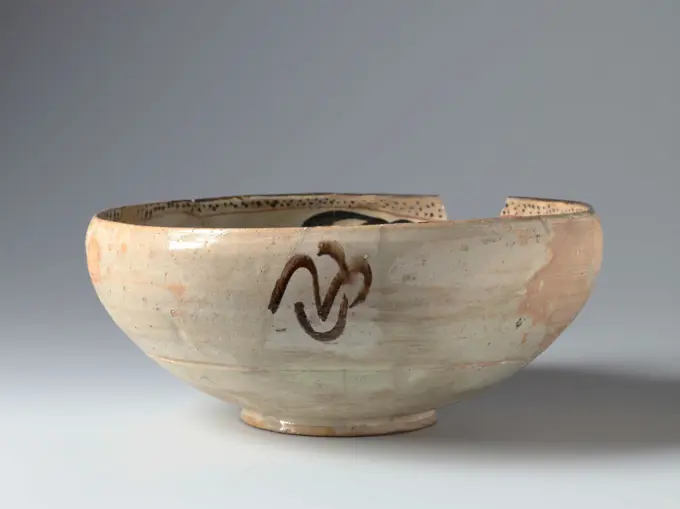
Bowl with stylized flowering plants and scrolls, anonymous, c. 900 - c. 999 Come of earthenware decorated with stylized flowering plants and curl work in brown sludge on Engobe from white sludge on which transparent lead glaze with yellowish pigments has been applied. Nishapur earthenware. glaze painting / vitrification Come of earthenware decorated with stylized flowering plants and curl work in brown sludge on Engobe from white sludge on which transparent lead glaze with yellowish pigments has been applied. Nishapur earthenware. glaze painting / vitrification
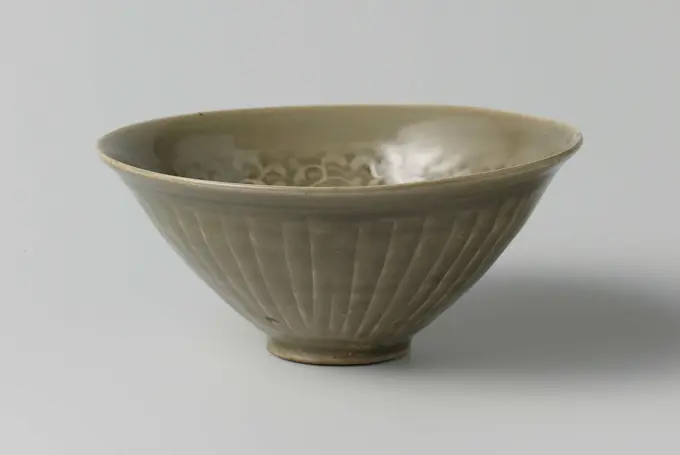
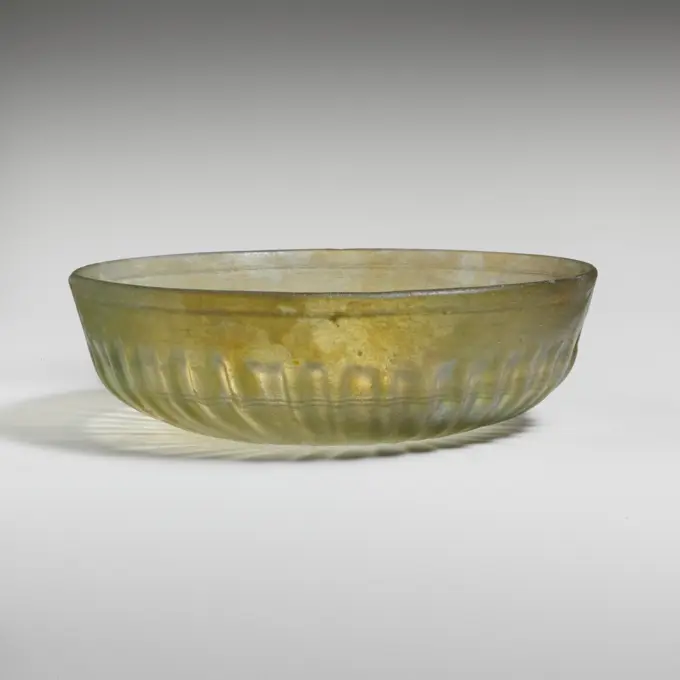
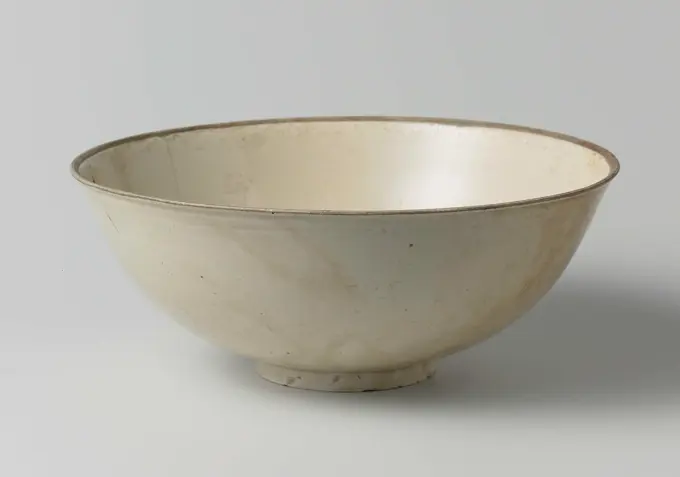
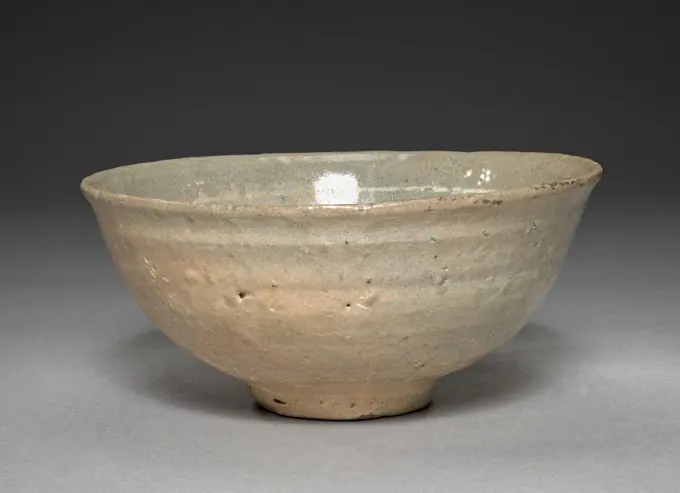
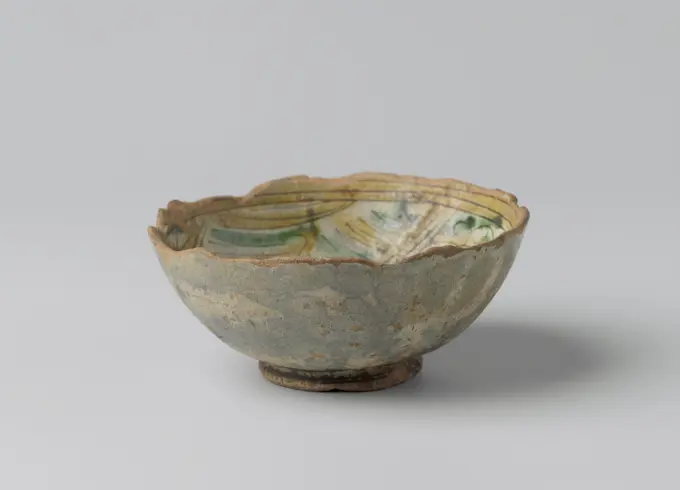
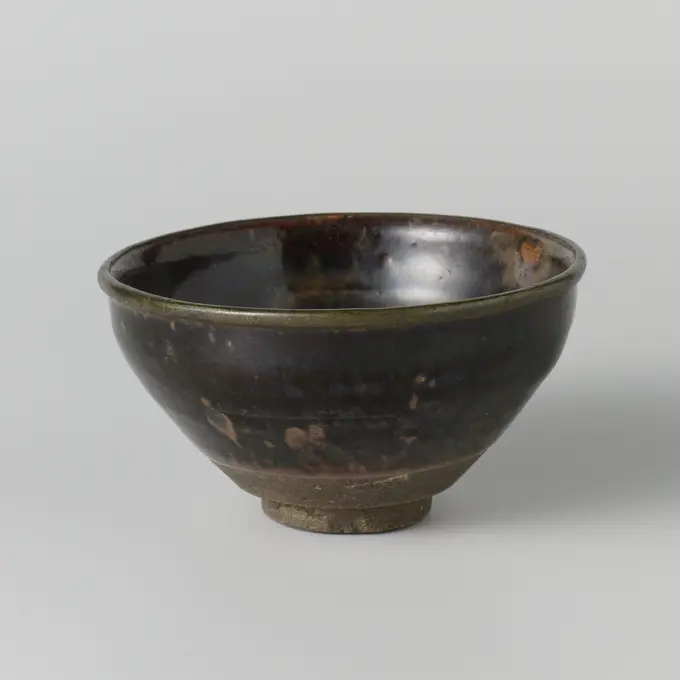
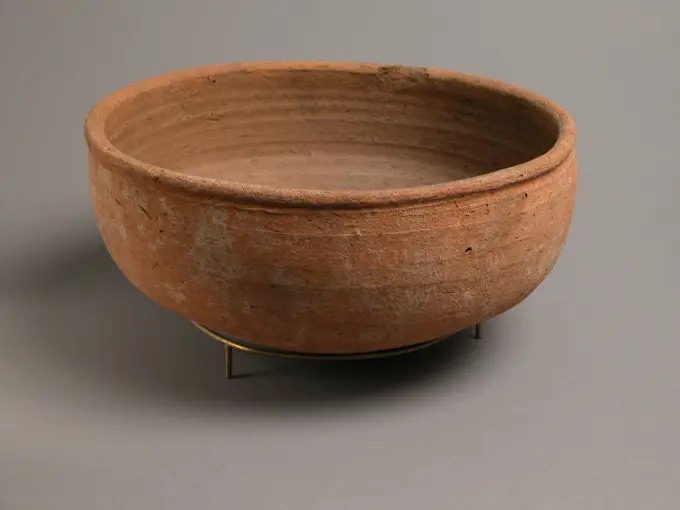
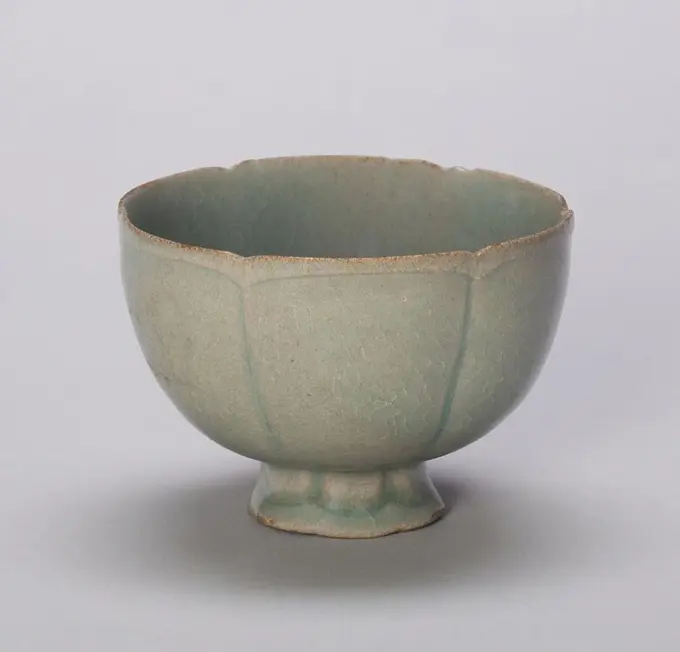
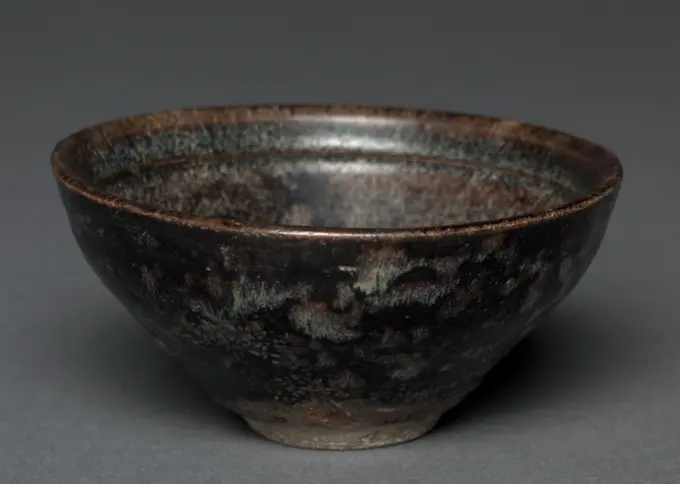
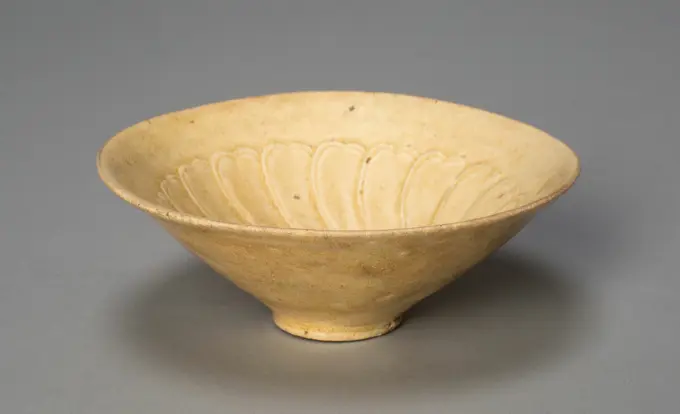
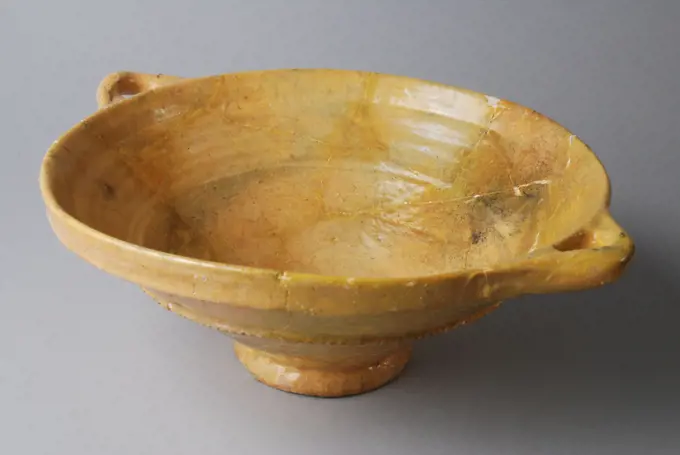
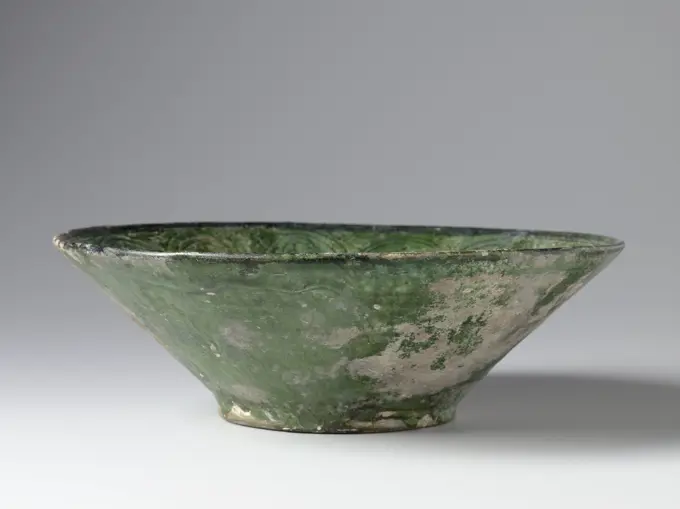
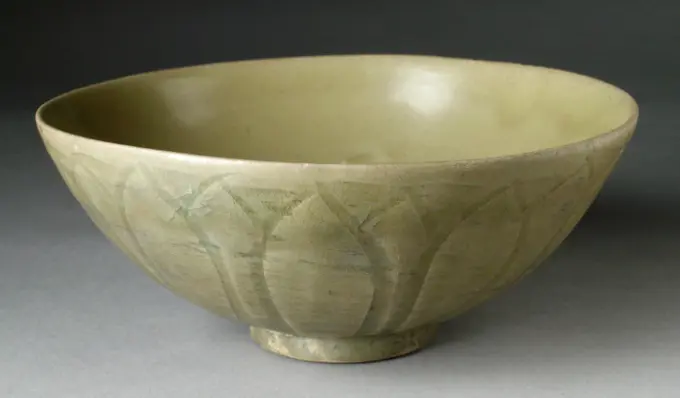
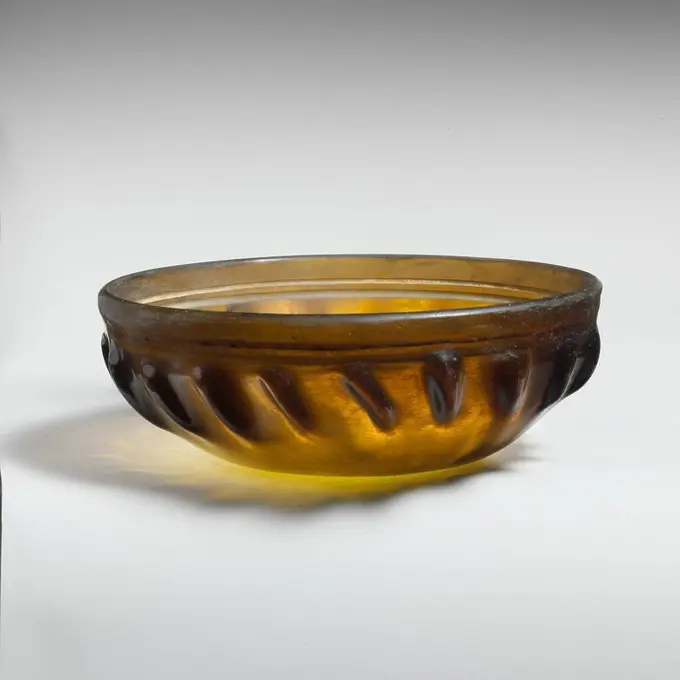
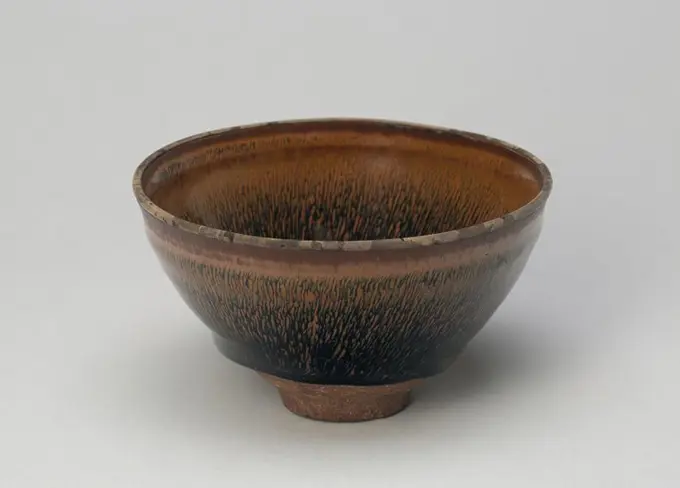
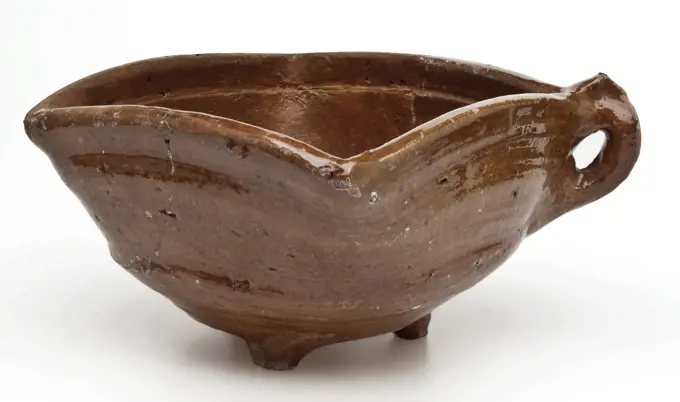
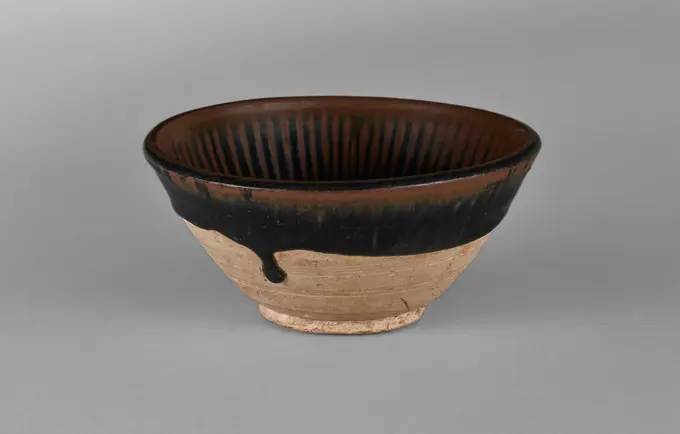
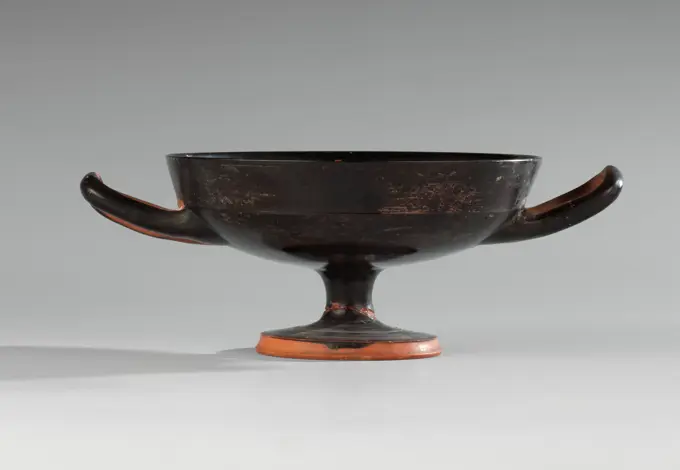
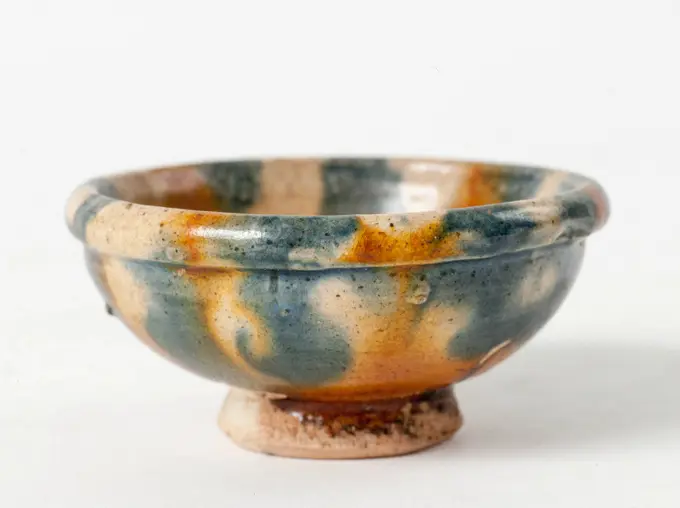
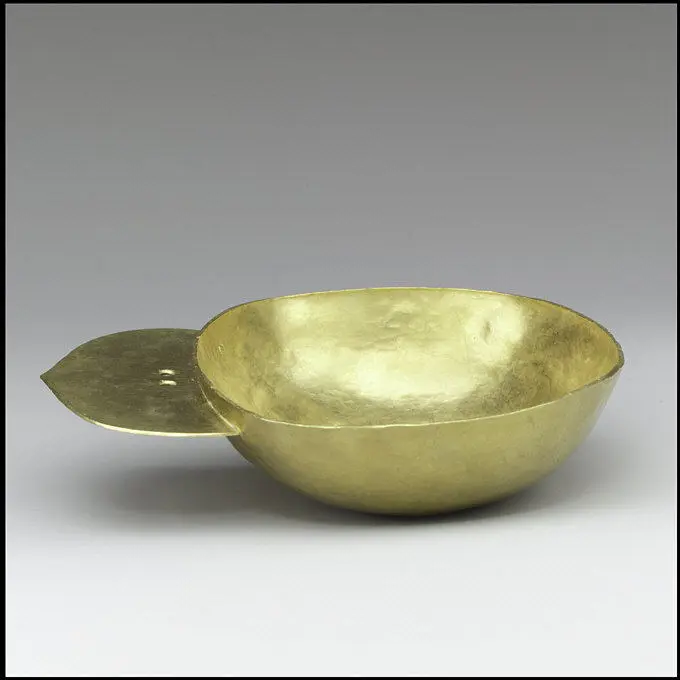
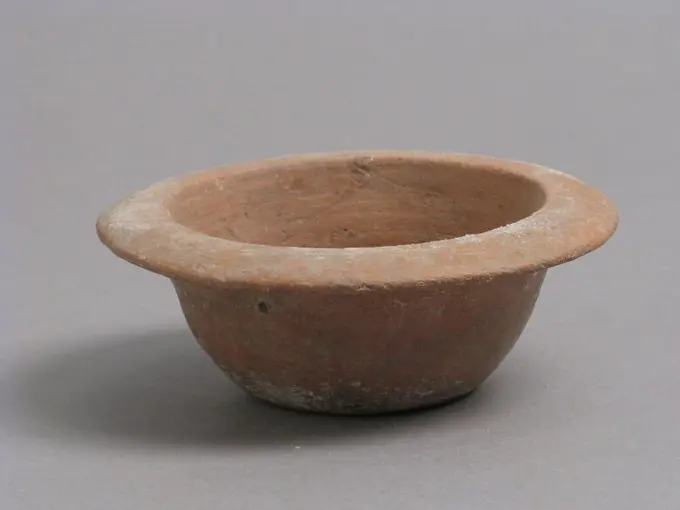
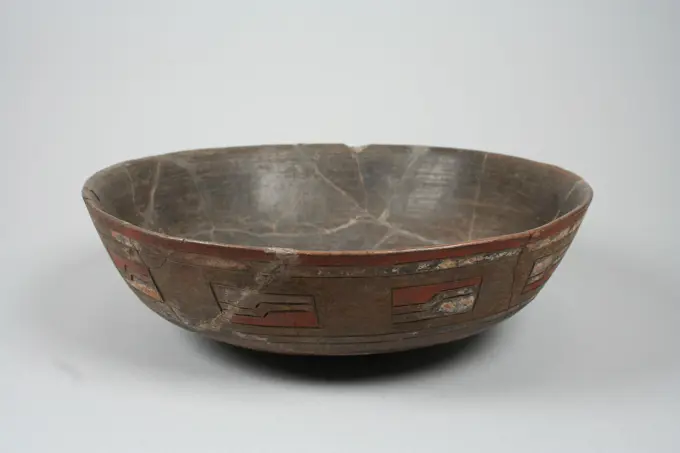
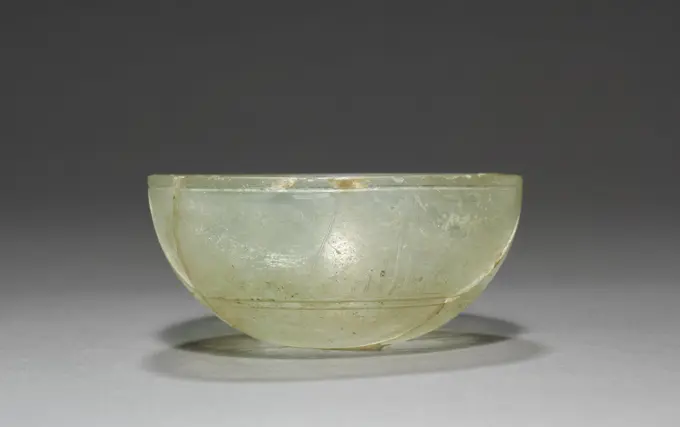
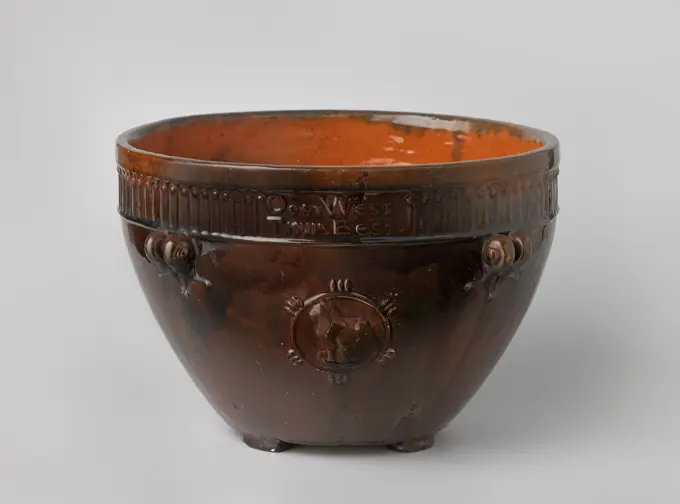
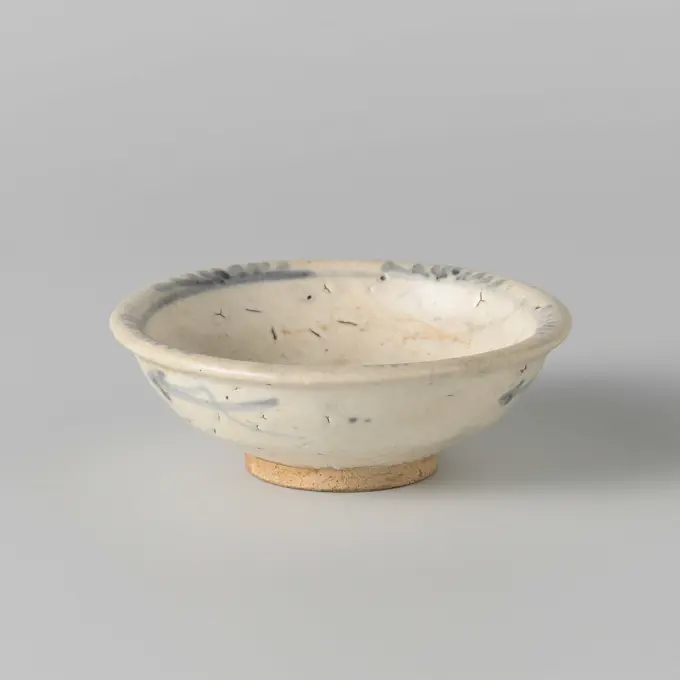
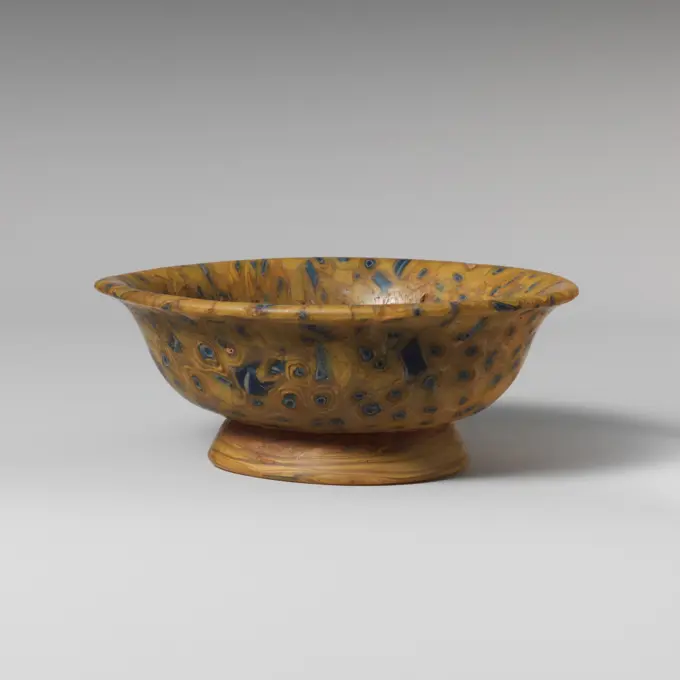
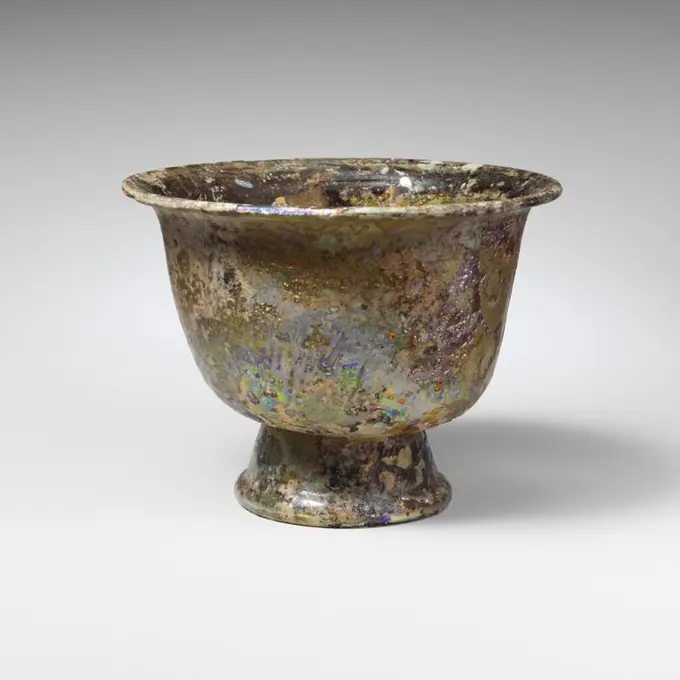
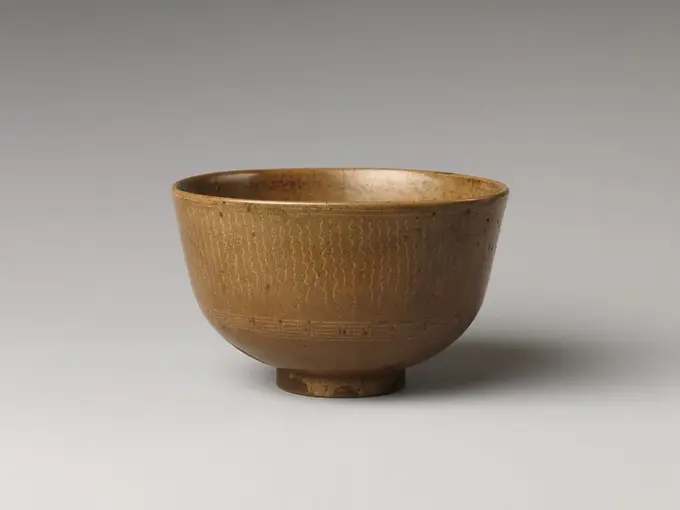
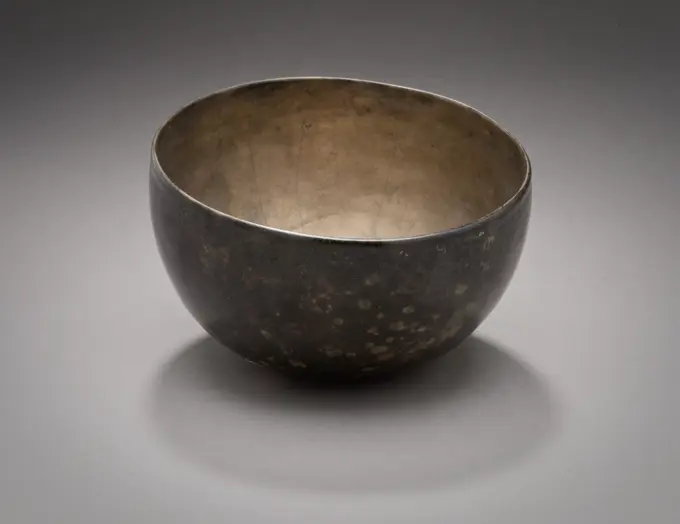
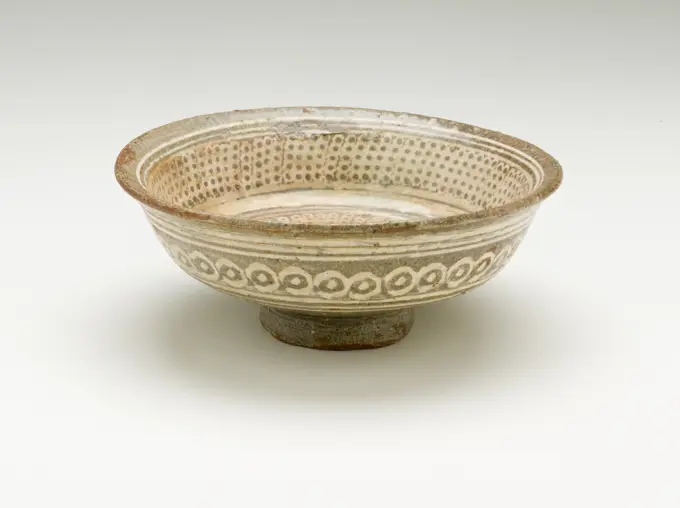
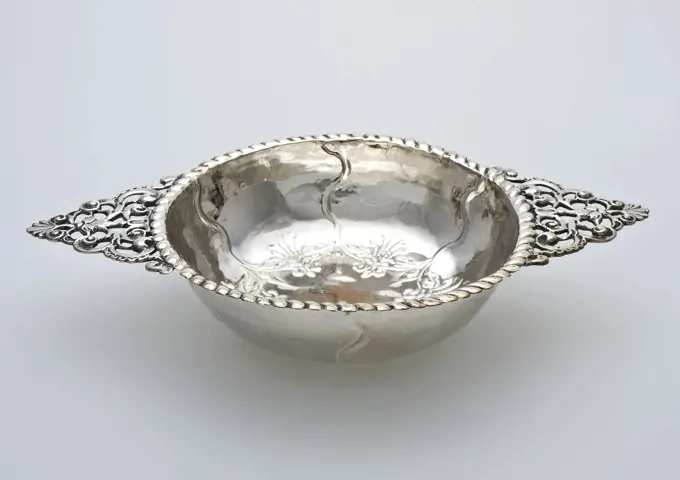
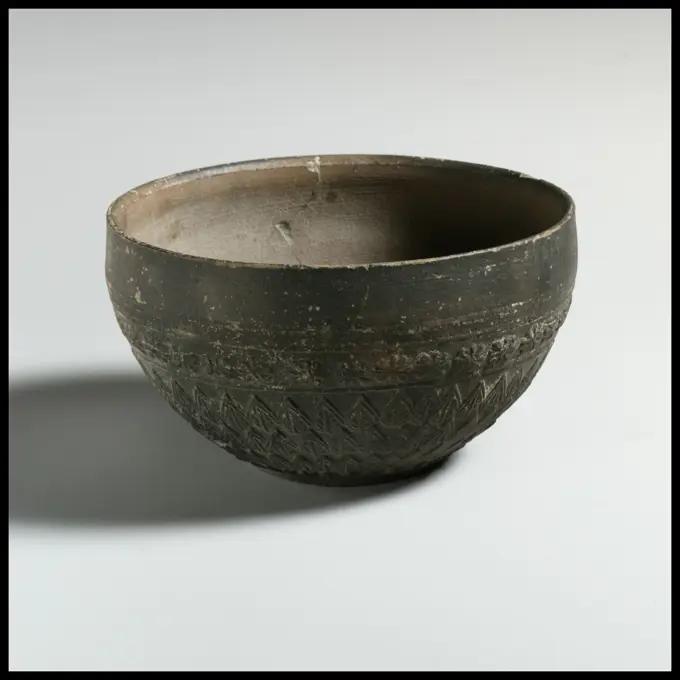
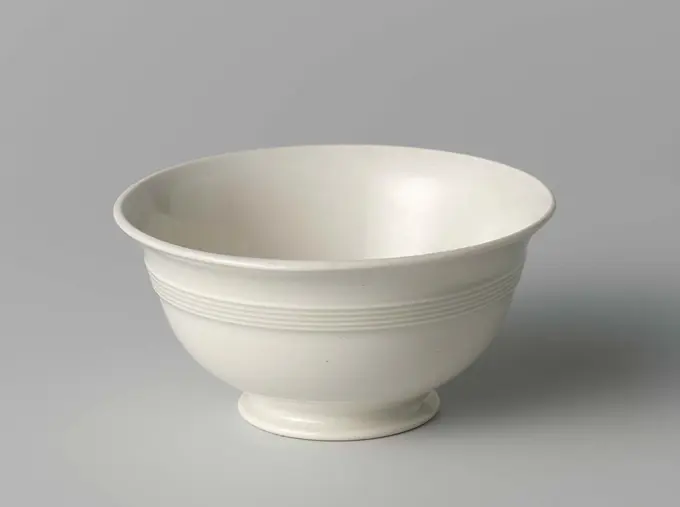
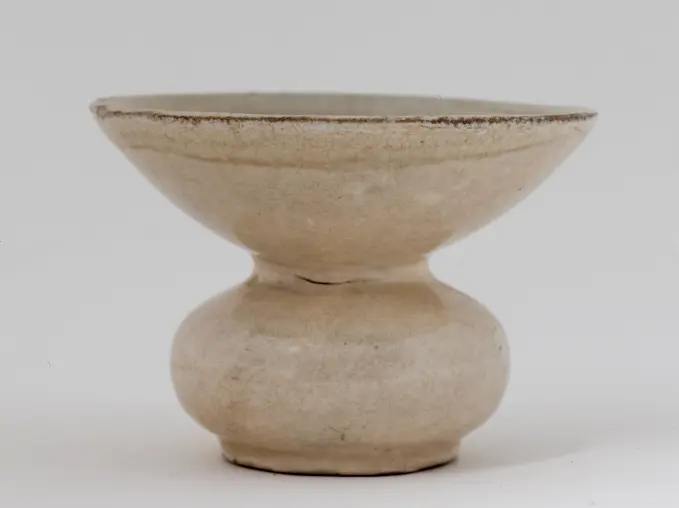
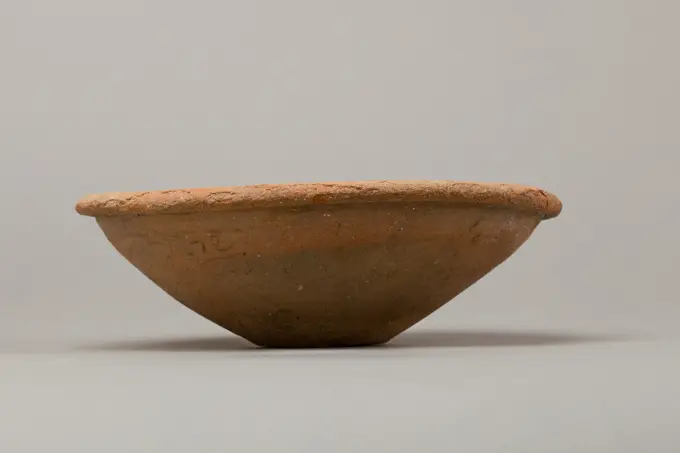
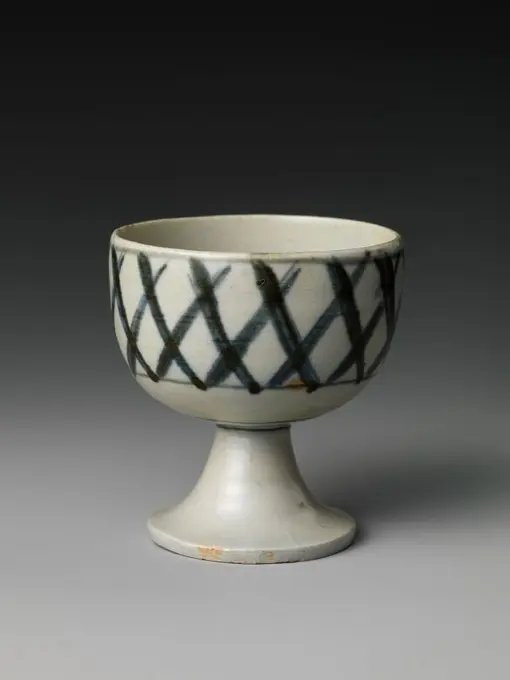
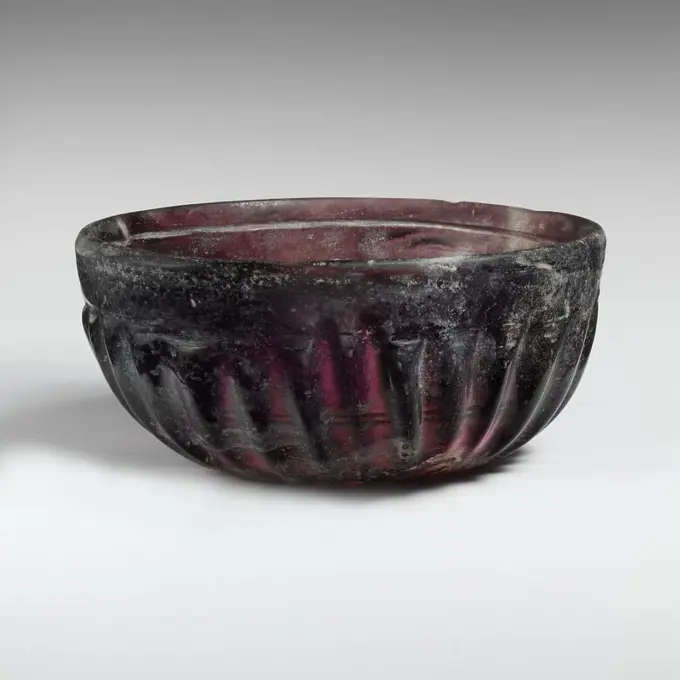
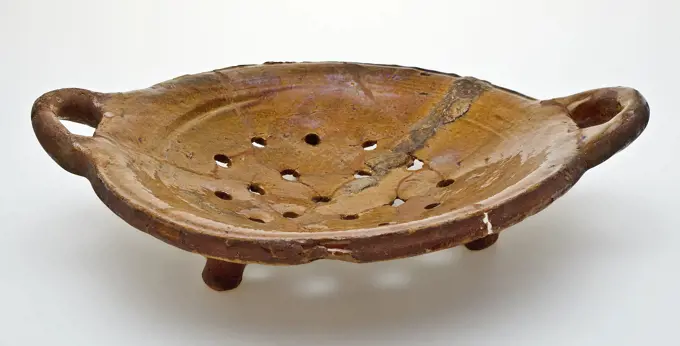
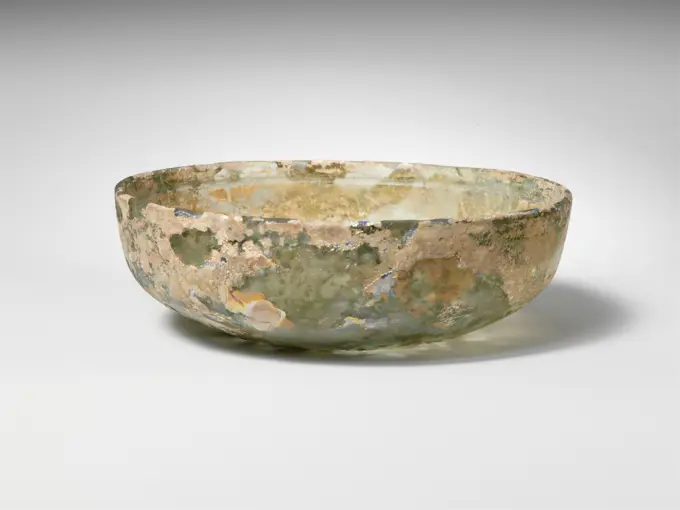
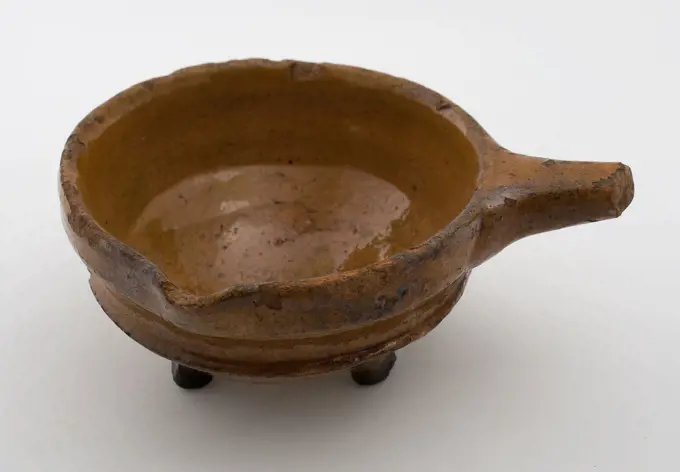
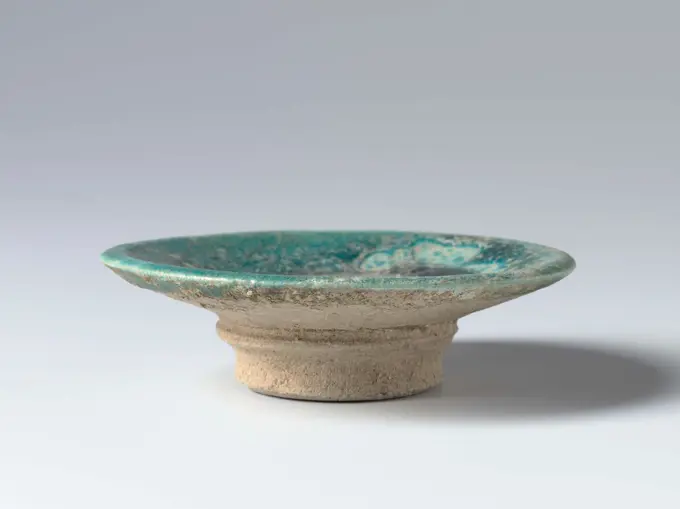
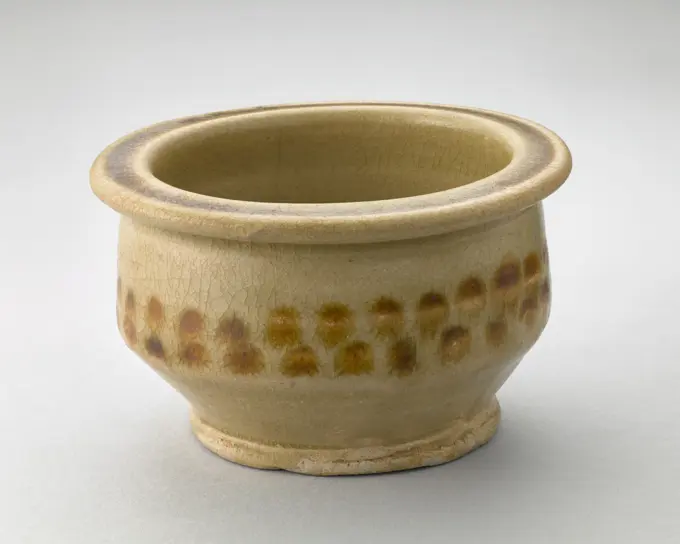
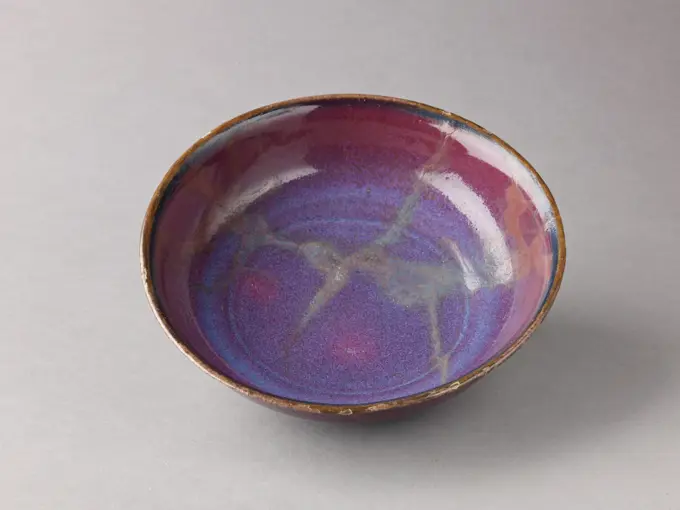
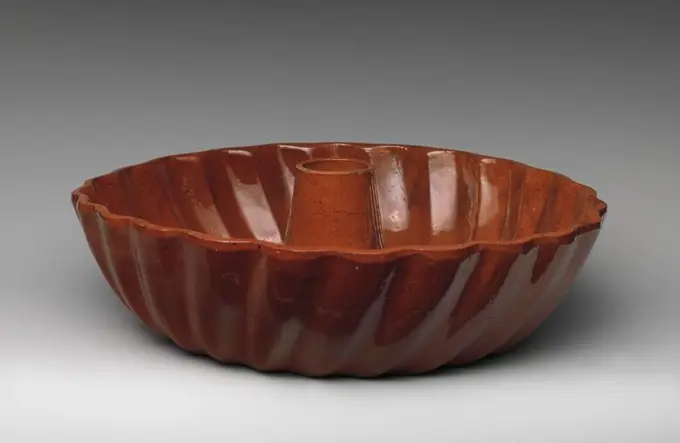
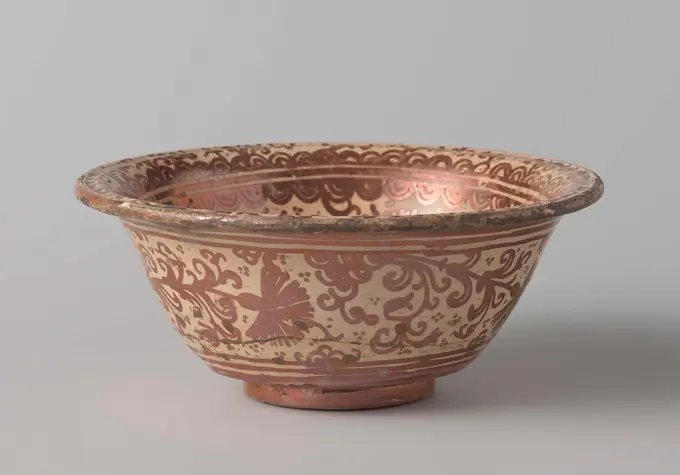
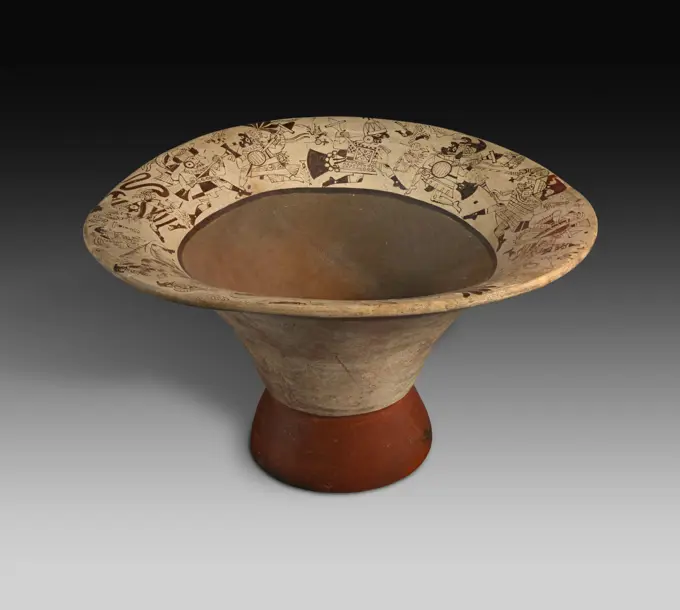
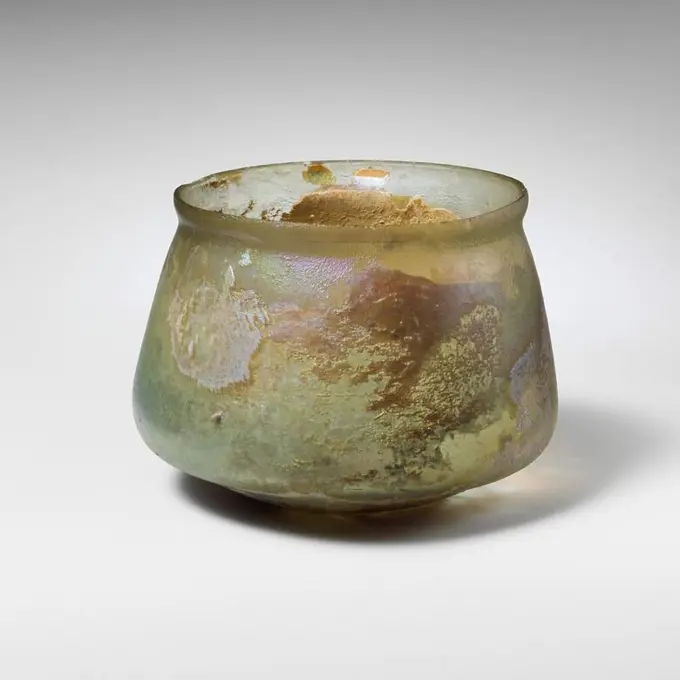
. Conical bowl of porcelain, covered with a green glaze. On the inner wall an ingrangled punus and cloud motifs. On the inner edge a decorative bond with two stylized leaf drinks. Celadon.. Yaozhou ware is characterized by its deeply incised decoration of floral and leaf motifs, with accumulations of green glaze in the grooves. The dense, busy style of decoration on the inside of this bowl became possible only from the 12th century, when potters began to use moulds.Bowl with stylized flowering plants and scrolls, anonymous, c. 900 - c. 999 Come of earthenware decorated with stylized flowering plants and curl work in brown sludge on Engobe from white sludge on which transparent lead glaze with yellowish pigments has been applied. Nishapur earthenware. glaze painting / vitrification Come of earthenware decorated with stylized flowering plants and curl work in brown sludge on Engobe from white sludge on which transparent lead glaze with yellowish pigments has been applied. Nishapur earthenware. glaze painting / vitrificationGlass ribbed bowl late 1st century B.C.-mid 1st century A.D. Roman Translucent light yellow green.Plain but slightly uneven, rounded rim; sides tapering downwards, then curving in to slightly pushed-in, uneven bottom.On interior, horizontal wheel-cut grooves, comprising a single broader groove below rim and a band of two narrower grooves around lower body; on exterior, thirty-six ribs, irregularly spaced and of differing length and thickness, tapering towards bottom, almost touching at center.Intact; pinprick bubbles; dulling, slight pitting, and iridescent weathering.Greenish shallow cast glass bowl with ribs.. Glass ribbed bowl. Roman. late 1st century B.C.-mid 1st century A.D.. Glass; cast, tooled, and cut. Early Imperial. Glass. Deep bowl of stoneware, covered with a translucent, slightly gray glaze. Two cracks in the wall; A chip in the edge and a few in the foot ring. The edge is unglazed. Yiangnan thing.Bowl with White-slip Decorations, 1600s. Glazed ceramic; overall: 7.5 cm (2 15/16 in.). This type of wide-mouthed bowl was used every day in Korea, not exclusively for tea drinking. But when it was introduced to Japan around the early 16th century, its imperfect appearance evoking the aesthetics of wabi-sabi, caused it to be repurposed as a tea bowl. Korean tea bowls were circulated as a item of foreign luxury among Japanese military elites. It's highly possibly this type of bowl was produced in one of the kilns operated by the trading office Buan in Southern Gyeongsang province, and exported to Japan.Bowl 618 CE-907 CE China. Slip-coated earthenware with cream glaze .Bowl with scrolls, anonymous, c. 1100 - c. 1199 Come from quartz fritry with a blue alkalial laze. The inside is covered with a black soil, from which ranks are cut on the wall so that the blue glaze can be seen. Iran earthenware. glaze engraving / vitrification Come from quartz fritry with a blue alkalial laze. The inside is covered with a black soil, from which ranks are cut on the wall so that the blue glaze can be seen. Iran earthenware. glaze engraving / vitrificationBowl. Come from quartz fritgoed covered with a white tin-lead alkalilation on which a decoration in luster painted and engraved (pseudo) inscription in luster. On the bottom a medallion with hexagons and a 'Spearhead-Border'. The inner wall with varied compartments with floral drinks and medallions. The inner edge with a band with a (pseudo) inscription.Cup ". GRS covered ivory. Paris, Muse Cernuschi. Coupe Asian art, extreme-East art, Vietnamese art, ceramic, cut, gres, dishesBowl -Bowl, 1300s. Korea, Goryeo period (918-1392). Pottery; diameter of mouth: 16.1 cm (6 5/16 in.); overall: 9.6 cm (3 3/4 in.).Come with blue glaze and ridges under the edge, Guerin, 1926 Come from stoneware, covered with a salt glaze, on which a blue glaze has been applied. There are some ridges under the mouth edge.  stoneware vitrification Come from stoneware, covered with a salt glaze, on which a blue glaze has been applied. There are some ridges under the mouth edge.  stoneware vitrificationKom, anonymous, c. 1500 - c. 1600 Half -spherical bowl of yellow and green painted lead glaze earthenware. The inside of the bowl is painted with three yellow flowers and green foliage (sgraffito technology). Italy earthenware. lead glaze Half -spherical bowl of yellow and green painted lead glaze earthenware. The inside of the bowl is painted with three yellow flowers and green foliage (sgraffito technology). Italy earthenware. lead glazePainted Bowl 6th-4th century B.C. Paracas. Painted Bowl 310216Vancejo bowl Made 180 BCE-500 CE Peru. Ceramic and pigment . NazcaTeabowl with a black brown glaze, anonymous, anonymous, c. 1600 - c. 1699 Theekom (Temmoku) of stoneware, partially covered with a black brown glaze. The lower part of the bowl is unglazed. The edge is caught in a metal band. SETO. Japan stoneware. glaze. rand: metal vitrification Theekom (Temmoku) of stoneware, partially covered with a black brown glaze. The lower part of the bowl is unglazed. The edge is caught in a metal band. SETO. Japan stoneware. glaze. rand: metal vitrification. Scale of stoneware on three short feet and with five times squeezed, raised edge, covered with a creamy glaze and painted in underglaze brown. On the soil geometric motifs. The wide edge is divided into compartments with arcing and dots. The raised edge with five times a stylized fruit or flower branch. Five preen on the bottom; Three preen on the bottom. Old label on the bottom with 'W573'. Shino.Bowl Coptic 4th-7th centuryLobed Cup. Korea. Date: 1100-1199. Dimensions: H. 5.4 cm (2 1/8 in.); diam. 7.7 cm (3 1/16 in.). Stoneware with underglaze molded decoration. Origin: South Korea. Museum: The Chicago Art Institute, Chicago, USA.Tea Bowl: Jizhou Ware, 1127-1279. China, Jiangxi province, Southern Song dynasty (1127-1279). Buff stoneware with iron brown glazeand paper-cut decoration; diameter: 12.1 cm (4 3/4 in.); overall: 6 cm (2 3/8 in.).Cup with Overlapping Petals 960 CE-1279 China. Glazed stoneware .Yellow glazed bowl with two ears, funnel shape, stand ring, toothed ridge as decoration, bowl crockery holder soil find ceramic earthenware glaze lead glaze, hand turned set carved glazed baked White gray earthenware yellow glazed two ears of which one in gypsum stand ring serrated edge rings Deep bowl with sloping sidewall on narrow foot. Two reclining sausage ears attached to the upper edge of the archeology Valckensteyn Poortugaal Albrandswaard indigenous pottery kitchen milk packaging storage liquid serving serve Soil discovery: castle Valckensteyn in poortugaal now Albrandswaard 1961-1962Cup ". GRS covered transparent green reflections. Paris, Muse Cernuschi. Coupe Vietnamese art, Vietnamese collection, cut, transparent coverage, ebrecher, gres, green reflection, archeological vestigeBowl 4th-7th century Coptic. Bowl. Coptic. 4th-7th century. Earthenware, slip decoration. Made in Kharga Oasis, Byzantine Egypt. CeramicsSkyphos. Culture: Greek, Attic. Dimensions: 1 7/8 × 6 7/8 × 4 3/16 in. (4.8 × 17.5 × 10.6 cm)Diam. of foot: 2 5/8 in. (6.6 cm). Date: ca. 450-400 B.C.. Museum: Metropolitan Museum of Art, New York, USA.Basin with Stylized Flowers and Sickle-leaf Scrolls 1200-1368 China. Yaozhou ware; glazed stoneware with underglaze molded floral scroll .Bowl with an incised decoration on a green ground, anonymous, c. 900 - c. 999 Come of earthenware decorated with sgraffito (entered) decoration on Engobe of white sludge on which a monochrome green lead glaze has been applied. Nishapur earthenware. glaze engraving / vitrification Come of earthenware decorated with sgraffito (entered) decoration on Engobe of white sludge on which a monochrome green lead glaze has been applied. Nishapur earthenware. glaze engraving / vitrificationBowl. Egypt, 1st century BCE - 2nd century CE. Furnishings; Serviceware. CeramicBell-shaped cup with a landscape, the outside covered in wicker, anonymous, c. 1750 - c. 1799 Bell -shaped head of porcelain, painted in undermglaze blue and covered with braided reeds. On the bottom a landscape with mountains, trees and a pavilion. The outside wall is covered with braided reed. Blue White. Japan porcelain. glaze. cobalt (mineral). painting / vitrification / braiding Bell -shaped head of porcelain, painted in undermglaze blue and covered with braided reeds. On the bottom a landscape with mountains, trees and a pavilion. The outside wall is covered with braided reed. Blue White. Japan porcelain. glaze. cobalt (mineral). painting / vitrification / braidingBowl (Wan). China, Yuan or early Ming dynasty, 14th-16th century. Furnishings; Serviceware. Longquan ware, wheel-thrown stoneware with carved design and celadon glazeGlass ribbed bowl. Culture: Greek, Eastern Mediterranean. Dimensions: H.: 2 1/8 in. (5.4 cm)Diam.: 6 in. (15.3 cm). Date: 1st century B.C..Translucent honey brown but with greenish tinge.Slightly inverted rim with almost pointed top edge; sides curving in to uneven, flat bottom.On interior, a band of two horizontal grooves below rim; on exterior, twenty diagonal ribs of varying length, width, and thickness, with irregular rounded tops, arranged around central part of side.Intact; a few pinprick bubbles; dulling on interior and around plain band below rim on exterior; some encrustation in upper groove on interior, and many surface scratch marks.Rotary grinding marks on interior; tooling marks in band below rim on exterior. Museum: Metropolitan Museum of Art, New York, USA.Tea Bowl. China, Fujian Province. Date: 1100-1199. Dimensions: H. 7.5 cm (2 15/16 in.); diam. 12.2 cm (4 15/16 in.). Jian ware; dark-gray stoneware with dark-brown glaze and overglaze "hare's fur" markings in iron oxide. Origin: China. Museum: The Chicago Art Institute, Chicago, USA.Test of red pottery, bottom round on three legs and top square, one ear, fire test test heating soil finding ceramic earthenware glaze lead glaze, hand turned hand shaped glazed baked Test of red earthenware brown glazed pinched ear on corner three short legs rotations. Square model with round bottom archeology Valckensteyn Poortugaal Albrandswaard indigenous pottery kitchen fire footstep hand warmer foot warmer Soil discovery: canal at kitchen castle Valckensteyn at Poortugaal now Albrandswaard 1962.Bowl with foot 4th century B.C. Etruscan. Bowl with foot 255586Bowl (common name). Dark brown crippling sandstone enhanced with rust stripes. Cernuschi Museum, Asia Museum of Asia in the city of Paris.Bowl with scrolls and waving lines, anonymous, c. 1170 - c. 1199 Come from quartas fritry on high foot decorated with geometric and floral motifs in Luster on the surface of Opaak Wit Tin-Lood-Alkilarlaze. On the inside a medallion divided into eight compartments with alternating wavy lines and leaf vines. The inner edge with a band with curl work in compartments. The outside is also divided into courses, filled with curl. is the earthenware. glaze. luster (textile) painting / vitrification Come from quartas fritry on high foot decorated with geometric and floral motifs in Luster on the surface of Opaak Wit Tin-Lood-Alkilarlaze. On the inside a medallion divided into eight compartments with alternating wavy lines and leaf vines. The inner edge with a band with curl work in compartments. The outside is also divided into courses, filled with curl. is the earthenware. glaze. luster (textile) painting / vitrificationKylix Black -Community, Vicup type;  around 480 BC (-480-00-00--480-00-00);Greece, thin -walled ceramics, table ceramics, transmission (provenance)Bowl with Lotus Petal Design in ReliefBowl - Portneuf potteryCup ". Terracotta, brown, blue and white glaze (Sancai). China, Tang dynasty (618-907). Paris, Cernuschi museum. Chinese art, Chinese ceramic, container, cup, tang dynasty, container, terracottaGold Drinking Bowl with Handle 700s Avar The AvarsThe Avars were a nomadic tribe of mounted warriors from the Eurasian steppe. The Byzantine emperor Justinian negotiated with them in the sixth century to protect the Empires northern border along the Black Sea. Emboldened by their subjugation of numerous tribes, they unsuccessfully attempted to seize the Empires capital, Constantinople. They remained a scourge of both Byzantium and the Western kingdoms until Charlemagne defeated them through a series of campaigns in the 790s and early 800s.All the money and treasure that the Avars had been years amassing was seized, and no war in which the Franks have ever engaged.. brought them such riches and such booty. Up to that time the Avars had passed for a poor people, but so much gold and silver was found.. that one may well think that the Franks took justly from the Avars what the Avars had formerly taken unjustly from other nations.— Einhard (ca. 770-840), biographer of the Frankish ruler Bowl. Culture: Coptic. Dimensions: Overall: 1 5/8 x 4 5/16 in. (4.2 x 10.9 cm). Date: 4th-7th century. Museum: Metropolitan Museum of Art, New York, USA.Strainer Cypriot 10th century BCEDish with Dragons Made 1722-1735 China. Glass .. Bowl of quartz frites covered with black sludge engobe from which half palmets are cut away in "silhouette" under a transparent monochrome turquoise glaze.Bowl 4th century B.C.-4th century A.D. Coptic. Bowl. Coptic. 4th century B.C.-4th century A.D.. Earthenware. Made in Kharga Oasis, Byzantine Egypt. CeramicsTea Bowl, 1100-1200s. Northern China, Henan province, Northern Song dynasty (960-1127) or Jin dynasty (1115-1234). Stoneware with "oil spot" glaze, black ware; diameter: 8.8 cm (3 7/16 in.); overall: 4.4 cm (1 3/4 in.).Bowl ca. 1840 Mexican. Bowl 670Incised bowl with geometric pattern 3rd-2nd century B.C. Paracas. Incised bowl with geometric pattern 308331Bowl with Incised Inscription, 800s. Iraq, Abbasid Period, 9th Century. Glass; overall: 4.8 x 9.8 cm (1 7/8 x 3 7/8 in.).White porridge bowl, Delft white, pop bowl bowl crockery holder soil find ceramic earthenware glaze tin glaze, ring 7.6 d 6.7 hand turned in shape made baked baked glazed fried White porridge bowl Slanted side walls hollow bottom Stand ring. Fuzzy turnarounds Remnant of lying out outstanding ear Yellowish shard completely covered with white tin glaze archeology Rotterdam City center Stadsdriehoek Oudehaven indigenous earthenware pap porridge food serve serving Soil discovery Oude Haven Rotterdam.Polychrome Bowl 1880-1900 New Mexico (Object made in), United States (Object made in). Ceramic and pigment . Santo DomingoRibbed Dish with Floral Scrolls. China. Date: 1300-1499. Dimensions: H. 7.0 cm (2 3/4 in.); diam. 29.8 cm (11 3/4 in.). Celadon-glazed porcelain with underglaze copper red decoration. Origin: China. Museum: The Chicago Art Institute, Chicago, USA.Pot with text East West Thuis Best, Willem C. Brouwer (attributed to), c. 1899 - c. 1925 Pot of red pottery. The inside is covered with lead glaze, the outside with a dark brown glaze. The pot stands on four flat rectangular legs and is equipped with four times two snails in high -relief under a border frieze with vertical, rumbling, stripes in relief, which is interrupted at the front by the inscription East West / Thuis Best., Also in relief . Below that a round medallion with upright cat in relief. The pot is not marked. Netherlands earthenware. glaze vitrification Pot of red pottery. The inside is covered with lead glaze, the outside with a dark brown glaze. The pot stands on four flat rectangular legs and is equipped with four times two snails in high -relief under a border frieze with vertical, rumbling, stripes in relief, which is interrupted at the front by the inscription East West / Thuis Best., Also in relief . Below that a round medallion with upright cat in relief. The potBowl, 18th Century. China, Qing dynasty (1644-1911). Jade; diameter: 16.8 cm (6 5/8 in.); overall: 7.3 cm (2 7/8 in.).. Come of pottery covered with white tining acid and painted with a polychrome figural decoration. On the bottom a person on a throne flanked by two people and three birds. The inner wall is divided into eight compartments with variation tenders and a geometric pattern with a (psuedo) inscription.Bowl. Culture: Coptic. Dimensions: Overall: 1 9/16 x 4 3/16 in. (4 x 10.6 cm). Date: 4th-7th century. Museum: Metropolitan Museum of Art, New York, USA.. Shallow head of stoneware, covered with a cream-colored glaze and painted in underglaze blue. A double circle on the bottom; The edge with a decorative bond with leaf motifs. An arrow three times on the outside wall. Marked on the underside with three unidentified, pressed characters. Old label on the bottom with 'W642'. Kosobe.Bowl, 2nd century BCE, 4 1/8 x 9 1/8 x 9 1/8 in. (10.48 x 23.18 x 23.18 cm), Bronze, China, 2nd century BCEGlass mosaic bowl 2nd-1st century B.C. Greek or Roman Colorless, translucent cobalt blue, opaque yellow, and opaque white.Outsplayed horizontal rim with rounded edge; S-shaped side tapering downwards to slightly convex bottom within applied outsplayed base ring with thick beveled edge, applied as a coil with join down one side.Composite mosaic pattern formed from polygonal sections of a composite cane in a colorless ground with a yellow spiral surrounding two small rings, one in blue, the other in white, and central dot in blue; interspersed with this cane are a number of irregular segments in blue with a central white stripe, and around the side and rim others in streaky yellow; the base ring is yellow streaked with blue and white threads.Intact; some bubbles; dulling, some patches of deep pitting, slight reddish brown soil encrustation, and faint weathering.. Glass mosaic bowl. Greek or Roman. 2nd-1st century B.C.. Glass; cast. Hellenistic or Early Imperial. GlassGlass footed bowl. Culture: Roman. Dimensions: 3 1/8 in. (8 cm)Diameter: 4 1/16 x 4 3/16 x 2 1/8 in. (10.3 x 10.6 x 5.4 cm). Date: 3rd-4th century A.D..Translucent pale blue green.Outsplayed, rounded rim; convex sides tapering downward, then turned in to flat bottom with pontil scar; added ring base with flaring sides and thick, rounded edge.Intact; pinprick bubbles; heavily weathered and pitted, with patches of brilliant iridescence and black enamel-like weathering. Museum: Metropolitan Museum of Art, New York, USA.Teabowl. Culture: Japan. Dimensions: H. 3 in. (7.6 cm); Diam. 4 7/8 in. (12.4 cm). Date: ca. 1740. Museum: Metropolitan Museum of Art, New York, USA.Hemispherical Bowl. Iran, Sasanian period (225-650 A.D.). Furnishings; Serviceware. High-tin bronzeShallow Bowl with Chrysanthemum Design. Korea, Joseon dynasty (1392-1910), 15th-early 16th century. Furnishings; Serviceware. Buncheong ware: Wheel-thrown stoneware with stamped, incised and slip-filled decoration and pale green glazeSilversmith: Hendrik van Beest, Silver brandy bowl, brandy bowl bowl holder silver, hammered cast cast engraved Stand ring consisting of three rings round bowl obliquely scalloped (rope-like) outer edge two applied flat ears bottom underside (smashed) drinkTerracotta Megarian bowl ca. 2nd-mid 1st century B.C. Greek, Asia Minor Rosettes banded by ridges above rows of stylized fernsThe floral motifs, matt glaze, and in-turned rim of this bowl are characteristics of pottery found in great quantities on the Greek island of Delos, an important trading center in the Cyclades. Potter stamps on many of these bowls, however, suggest that they were in fact made by workshops on the Ionian coast of Asia Minor (Turkey) and then imported to Delos. Bowl fragments with very similar relief decoration to this one have been found in Alexandria, Egypt and Tel Dor, Israel, attesting to the wide export of these ceramics throughout the eastern Mediterranean basin.. Terracotta Megarian bowl. Greek, Asia Minor. ca. 2nd-mid 1st century B.C.. Terracotta; mold made. Hellenistic. VasesCome, cream, with a band with horizontal ripples on the abdomen. Bowl of pottery, creamware, with a band with horizontal ripples on the abdomen.Cup Japan. Cup 52257Pottery cooking pot with wide top edge and two band ears, on three legs, cooking pot crockery holder kitchen utensils earthenware ceramics earthenware glaze lead glaze, hand-turned glazed baked earthenware cooking bowl bowl-shaped with wide top edge. Bandors Completely green-brown glazed. Three legs On the outside an extra collar under the top and profile rings around the shoulder. Partly restored restoration is not repainted and partially finished archeology Rotterdam City Triangle Mariniersweg indigenous pottery food preparation kitchen cooking food Soil discovery: Mariniersweg Rotterdam.Crachur ". White porcelain. China, Tang dynasty (618-907). Paris, Cernuschi museum. Chinese art, container, spittoon, tang dynasty, Chinese porcelain, container, terracottaLate ware bowl ca. 3850-2960 B.C. Predynastic Period. Late ware bowl. ca. 3850-2960 B.C.. Pottery. Predynastic Period. From Egypt, Southern Upper Egypt, Hierakonpolis (Nekhen), MMA excavationsBowl of tin. Bowl of tin. The foot and transition from foot to bowl are profiled with a horizontal job. The top edge is slightly thickened and turned around.Bowl 15th-early 16th century Aztec. Bowl 319464Cup. Culture: Japan. Dimensions: H. 2 1/2 in. (6.4 cm); Diam. 2 3/8 in. (6 cm). Museum: Metropolitan Museum of Art, New York, USA.Glass ribbed bowl. Culture: Roman, Syro-Palestinian or Italian. Dimensions: H.: 2 3/16 in. (5.6 cm)Diam.: 4 5/8 in. (11.8 cm). Date: late 1st century B.C.-mid-1st century A.D..Translucent purple with colorless streaks.Plain vertical rounded and partly uneven rim; convex sides curving in to slightly concave bottom.On interior, three horizontal grooves: one below rim, cut irregularly, the other two in a band around middle of body; on exterior, twenty-eight shallow ribs with flattened tops, set vertically or slightly obliquely, tapering towards bottom and ending at junction of side and bottom.Intact; very few bubbles; some dulling, slight pitting, and numerous patches of iridescent weathering.Rotary grinding marks on interior; some irregular tooling marks in plain band between rim and ribs on exterior. Museum: Metropolitan Museum of Art, New York, USA.Bowl late 9th-early 10th century. Bowl. late 9th-early 10th century. Earthenware; slip covered with monocrhome slip decoration under transparent glaze. Excavated in Iran, Nishapur. CeramicsTeabowl with a black brown glaze, anonymous, anonymous, c. 1800 - c. 1899 Teaom of stoneware, covered with a black brown glaze. Old label on the bottom with 'W687'. Raku (black). Japan stoneware. glaze vitrification Teaom of stoneware, covered with a black brown glaze. Old label on the bottom with 'W687'. Raku (black). Japan stoneware. glaze vitrificationColander of red earthenware on three legs with thick, lying sausage ears, glazed, colander kitchen equipment earthquake ceramic earthenware glaze lead glaze, hand-turned glazed fried Colander. Shallow with large round holes in the center of the dish. Two large lying sausage ears attached to the rim. Three sturdy legs Outer edge with groove Top glazed. Misbaksel; the glaze has thick back formed at the bottom and top archeology inn The Heart Geervliet Bernisse indigenous pottery cooking kitchen food preparation drying draining pottery craft Soil discovery: Geervliet Dorpsplein 1 demolition Trouw put 5 city inn 't Hart 1985.Pan. Mantua Glass Works; Manutua, Ohio, 1821-1829. Date: 1820-1830. Dimensions: H. 13.3 cm (5 1/4 in.). Blown glass. Origin: Mantua. Museum: The Chicago Art Institute, Chicago, USA.Glass bowl late 1st century B.C.-early 1st century A.D. Roman Translucent very pale blue green.Vertical, rounded rim; convex upper sides, then turned in at an angle and curving down to flat bottom.Wheel-cut decoration on interior, comprising a broad horizontal groove below rim and two parallel, narrower lines at angle in sides.Intact, but internal cracks and slight notches in rim; few bubbles; deep pitting, brilliant iridescence, and milky white weathering.. Glass bowl 244701Pottery saucepan, red shard with lead glaze, mouth rim with pouring lip, handle, on three legs, saucepan pan tableware holder kitchenware earthenware ceramics earthenware glaze lead glaze, hand-turned baked glazed Pottery saucepan red shard with lead glaze mouth rim with shank-clip steel three legs with soot spores. Wide groove to accentuate transitional shoulder abdomen archeology indigenous pottery food prepare cooking eat cuisineTeacup from Teacups with Floral Band Motif, c. 1893-1914. Seifū Yohei III (Japanese, 1851-1914). One from a set of five cups; porcelain with incised decoration; overall: 4.5 x 8.5 cm (1 3/4 x 3 3/8 in.).. Low bowl on the foot of pottery covered with a monochrome turquoise lead glaze.Bowl. UnknownChangsha (ceramic production center), bowl (usual name), 0618. sandstone. Covered green-yellow, with points decoration. Cernuschi Museum, Asia Museum of Asia in the city of Paris. On the belly, two punctuation rows form a geometric decor.Shallow dish, Jun-type ware late 14th to early 15th century Chinese. Shallow dish, Jun-type ware 461211Large Bowl with Molded Decoration, 1300s-1400s. China, Zhejiang province, Longquan kilns, Ming dynasty (1368-1644). Porcelaneous stoneware; overall: 15.1 x 42 cm (5 15/16 x 16 9/16 in.).Bowl. Culture: Italian or Byzantine. Dimensions: Overall: 2 13/16 x 5 9/16 in. (7.1 x 14.2 cm). Date: 11th-12th century. Museum: Metropolitan Museum of Art, New York, USA.Dish for an Oil Lamp. Syria, 11th century. Glass. Glass, mold-blown and tooled, pontil on baseBaking Dish. Culture: American. Dimensions: H. 3 3/4 in. (9.5 cm); Diam. 12 1/4 in. (31.1 cm). Date: 1800-1830. Museum: Metropolitan Museum of Art, New York, USA.Come, painted with stylized leaves, flowers and a rooster. Bell-shaped bowl of brown painted faience. The outer and inner wall of the bowl are painted with stylized leaves and flowers, a rooster on the bottom of the inside in the middle. The glaze has a reflet metallique. The bowl has a stand ring.. Come decorated with black and red-brown sludge on Engobe of white sludge. With greenish transparent lead glaze. A medallion with flower drinks on the bottom. Different decorative tires on the inner wall.Anonymous cut on foot (common name). White Protogres. Cernuschi Museum, Asia Museum of Asia in the city of Paris.Teabowl 19th century Japan. Teabowl. Japan. 19th century. Clay covered with glaze (Seto ware). Edo (1615-1868) or Meiji period (1868-1912). CeramicsDish with geometrical motifs and stylized flower sprays, anonymous, anonymous, c. 1800 - c. 1899 Scale of stoneware on three short feet and squeezed with five times, raised edge, covered with a cream -colored glaze and painted in under -glaze brown. Geometric motifs on the bottom. The wide edge is divided into courses with shadowing and dots. The raised edge with five times a stylized fruit or flower branch. Five prenes on the bottom; Three prenes on the bottom. Old label on the bottom with 'W573'. Shino. Japan stoneware. glaze painting / vitrification Scale of stoneware on three short feet and squeezed with five times, raised edge, covered with a cream -colored glaze and painted in under -glaze brown. Geometric motifs on the bottom. The wide edge is divided into courses with shadowing and dots. The raised edge with five times a stylized fruit or flower branch. Five prenes on the bottom; Three prenes on the bottom. Old label on the bottom with 'W573'. Shino. Japan stoneware. glaze painVase Depicting Warriors in Battle and Capturing Prisoners 100 BCE-500 CE Peru. Ceramic and pigment . MocheGlass cup. Culture: Roman. Dimensions: Height: 2 7/8 in. (7.3 cm)Diameter: 3 7/8 x 3 3/16 in. (9.8 x 8.1 cm). Date: 2nd-3rd century A.D..Translucent pale blue green.Knocked-off, uneven rim; slightly bulging collar below rim; sides expanding downward, then angled in to join convex bottom, flattened at center.Intact, except for chips in rim; a few pinprick bubbles; dulling, pitting, and patches of brilliant iridescence on exterior; soil encrustation and creamy weathering on interior. Museum: Metropolitan Museum of Art, New York, USA.Bowl ca. 1st century A.D. Nabataean. Bowl 325889