Decorative Bowls

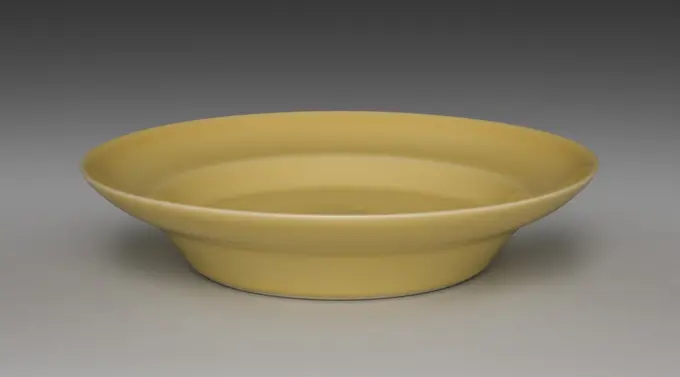
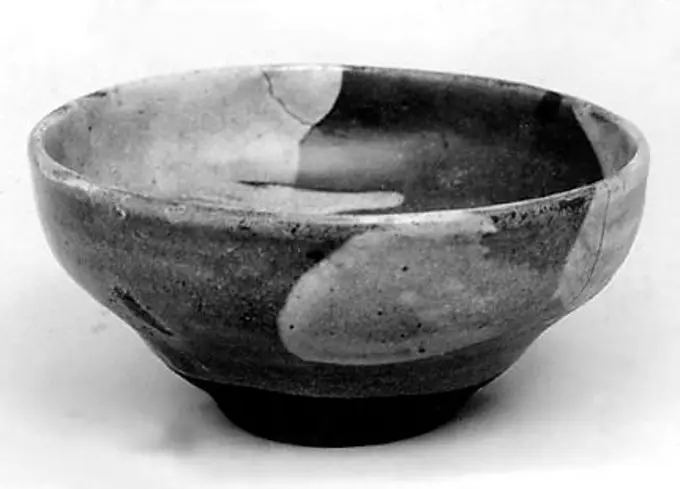
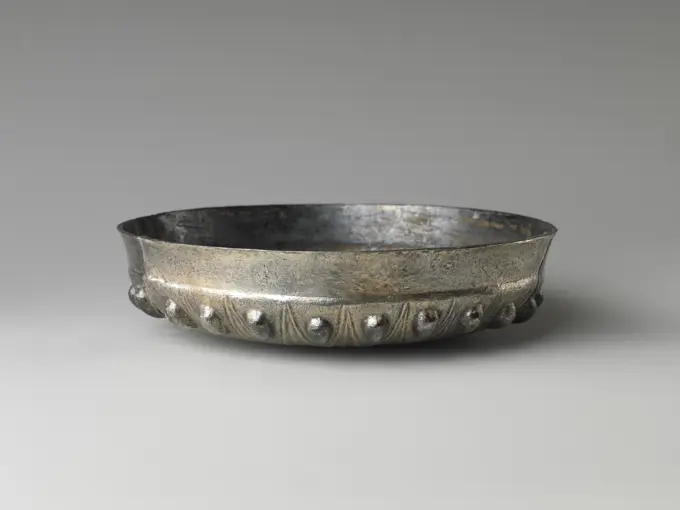
A range of exquisite bowls made from different materials, showcasing intricate designs and textures typically used for decoration.

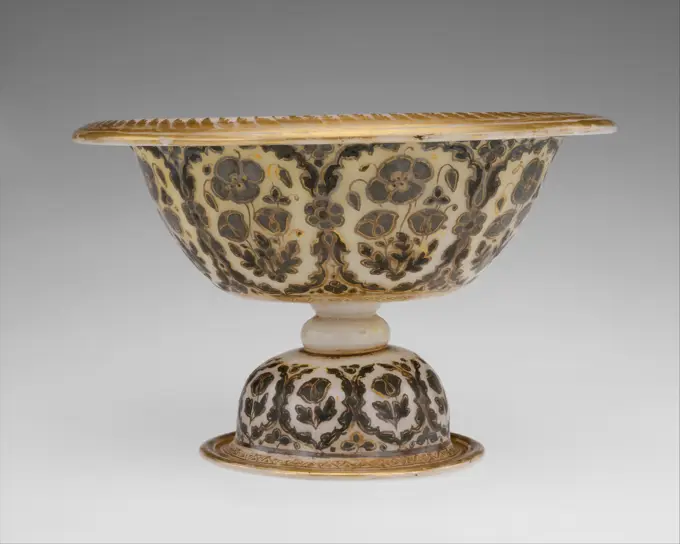
Bowl with stylized flowering plants and scrolls, anonymous, c. 900 - c. 999 Come of earthenware decorated with stylized flowering plants and curl work in brown sludge on Engobe from white sludge on which transparent lead glaze with yellowish pigments has been applied. Nishapur earthenware. glaze painting / vitrification Come of earthenware decorated with stylized flowering plants and curl work in brown sludge on Engobe from white sludge on which transparent lead glaze with yellowish pigments has been applied. Nishapur earthenware. glaze painting / vitrification
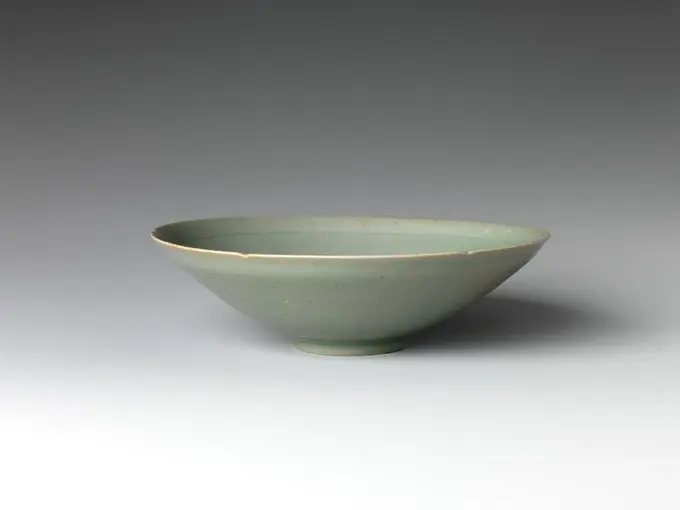
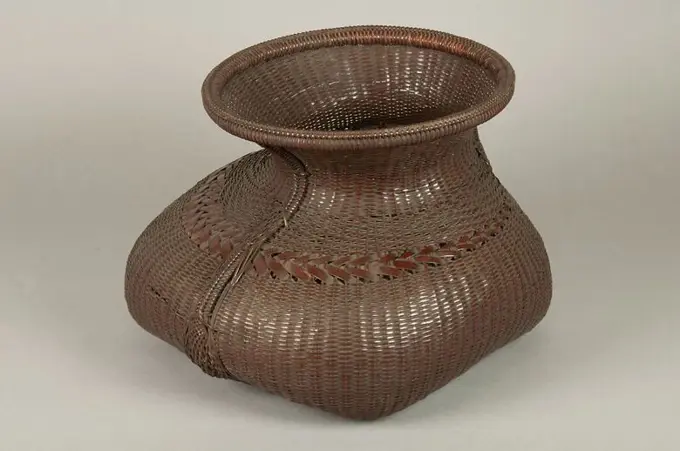
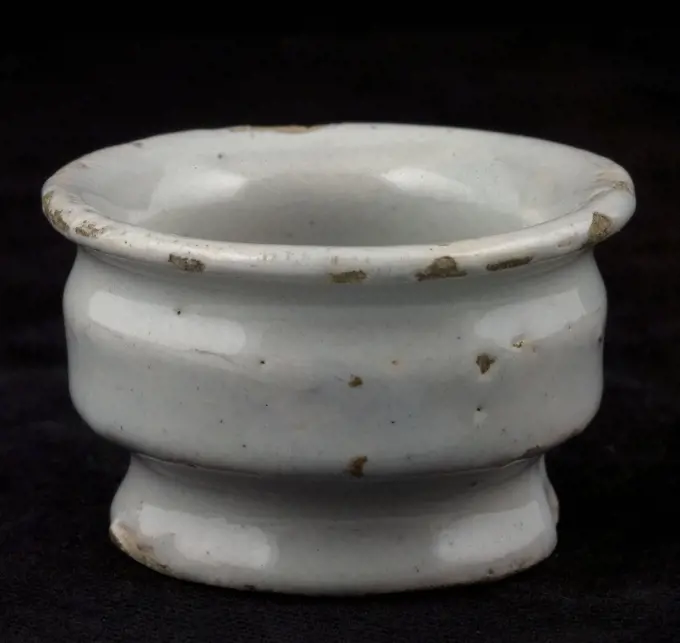
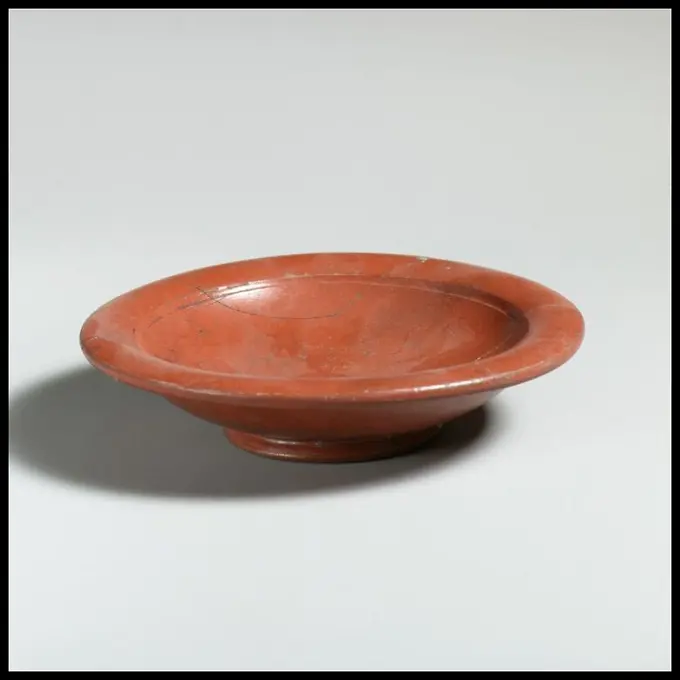
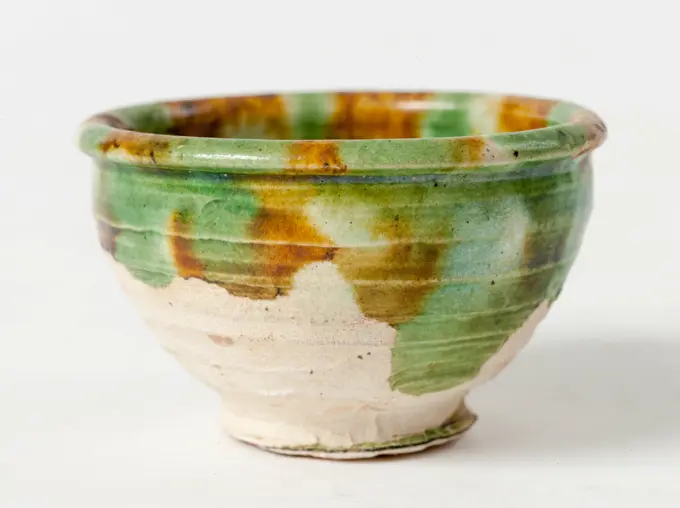
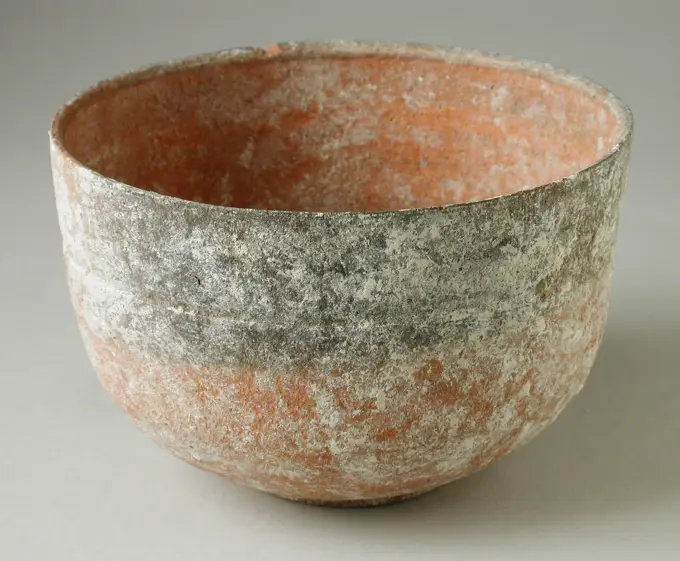
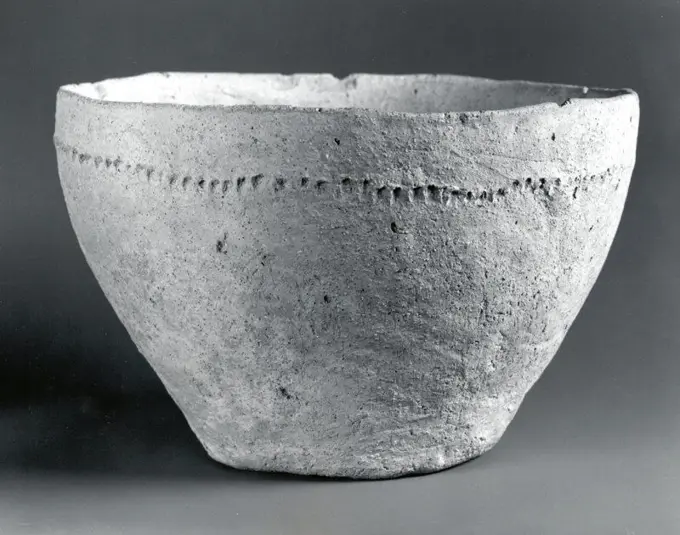
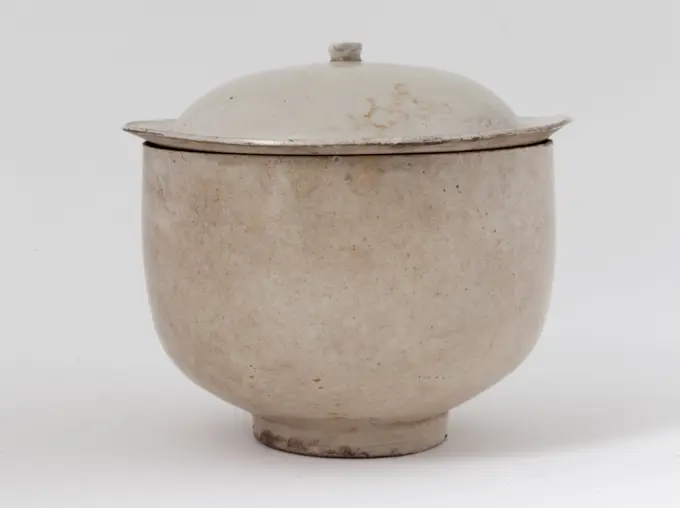
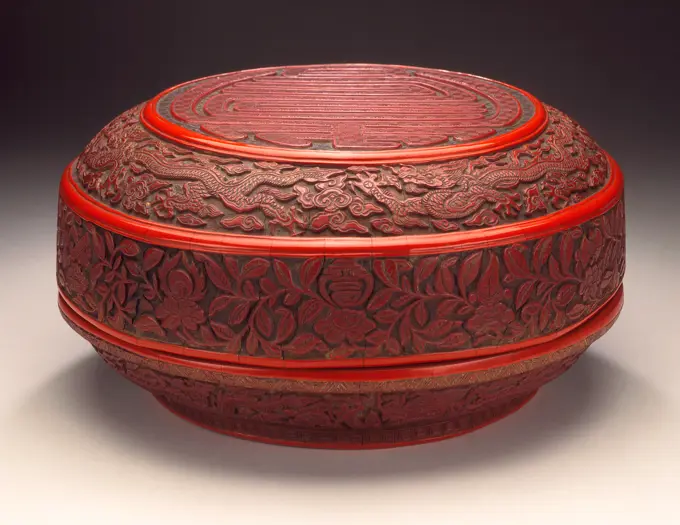
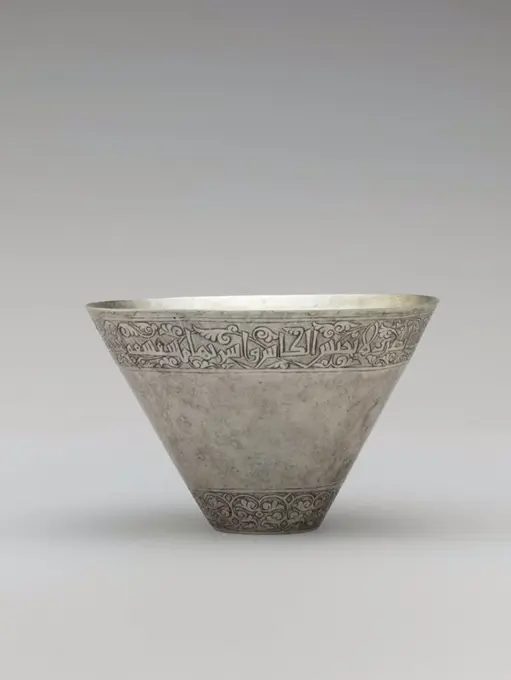
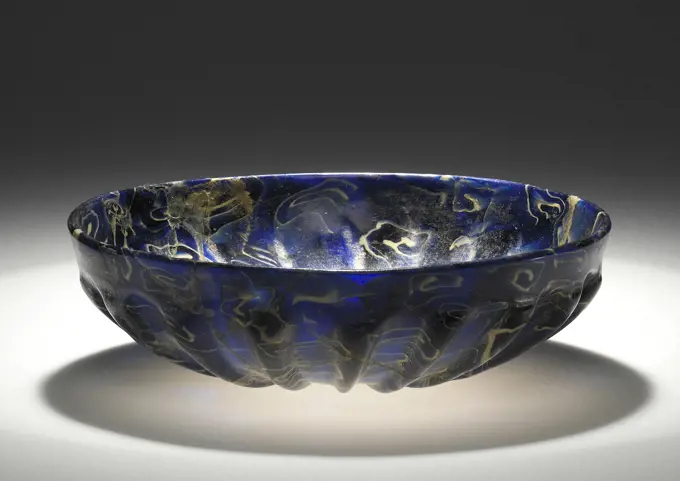
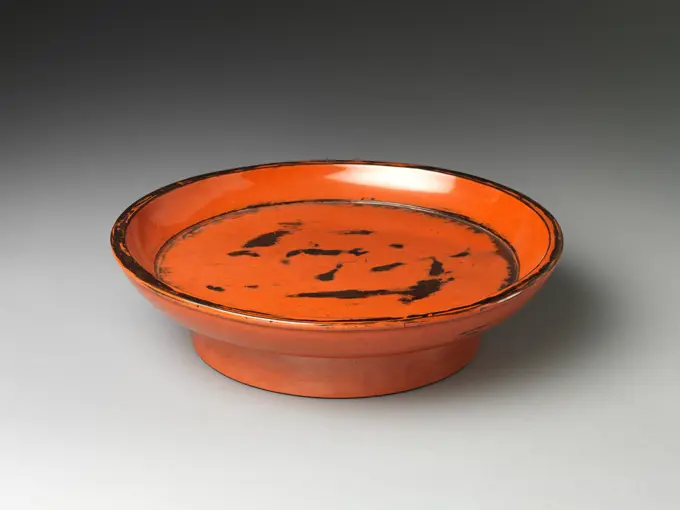
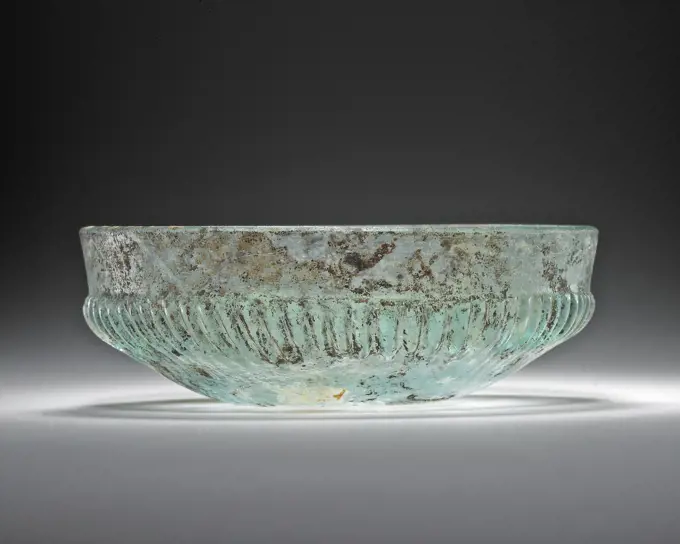
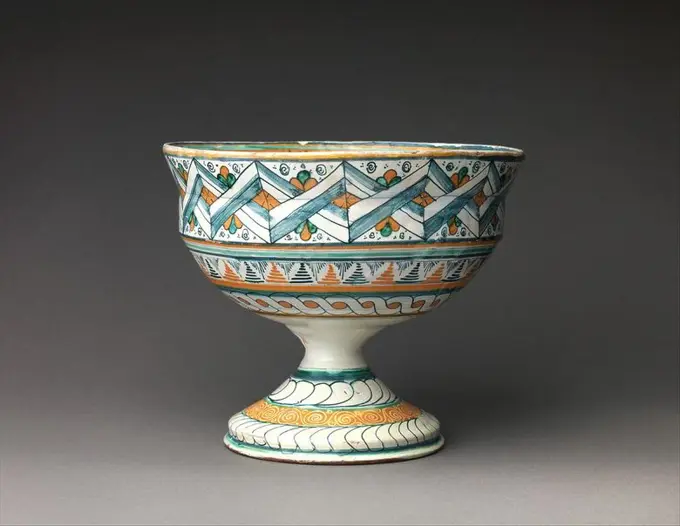
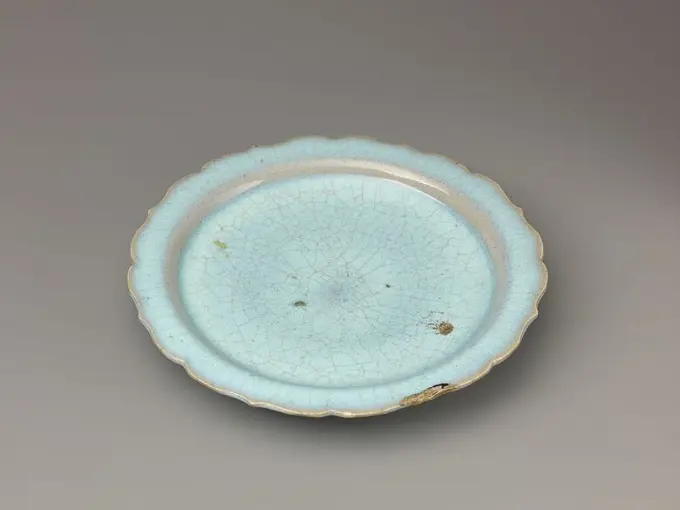
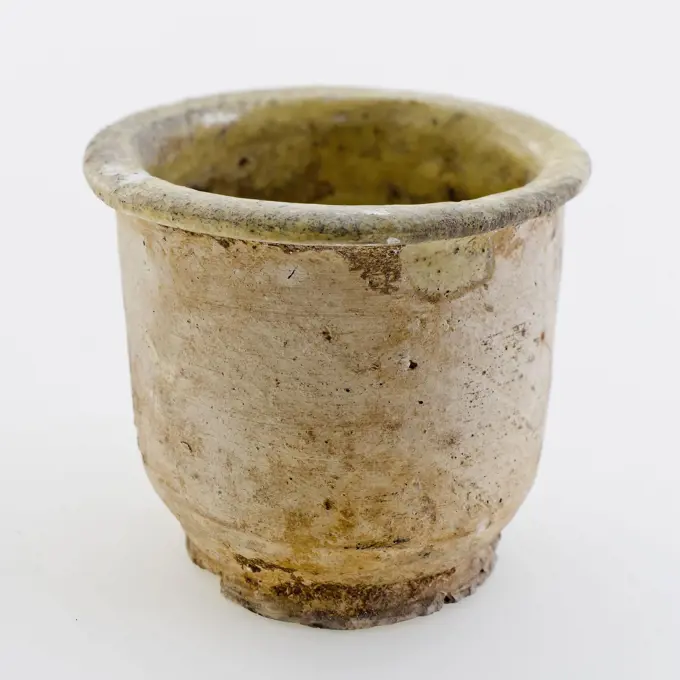
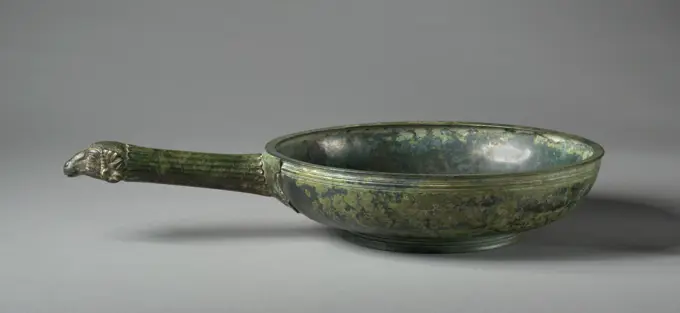
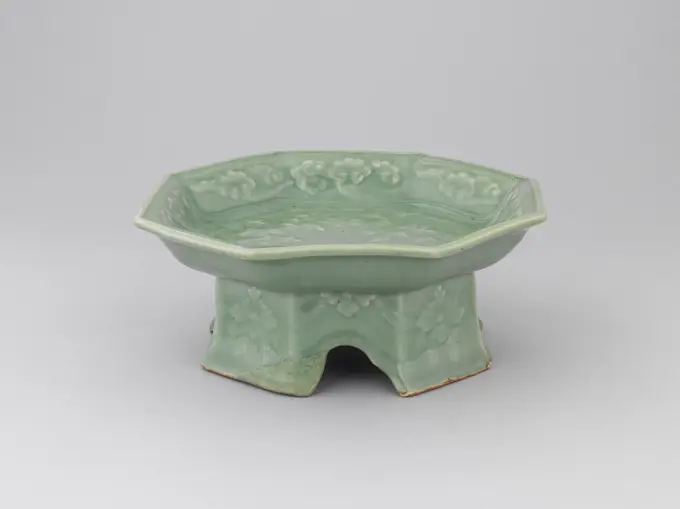
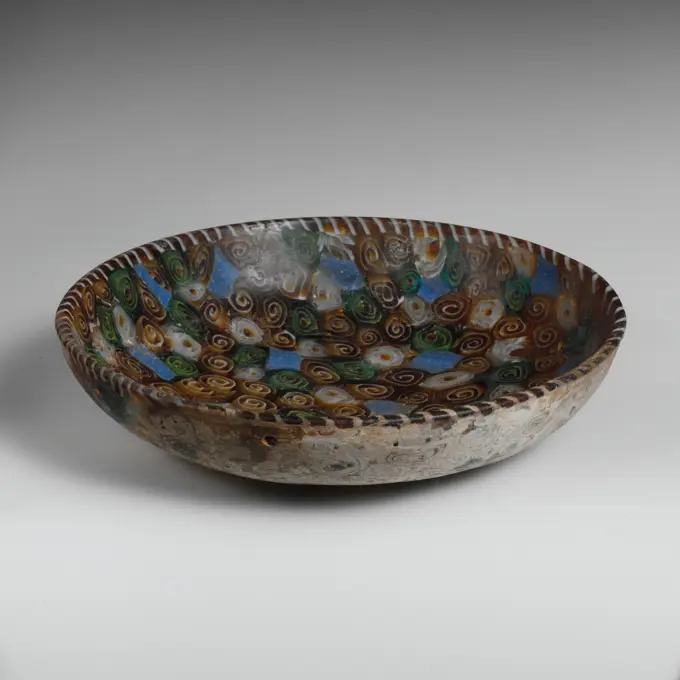
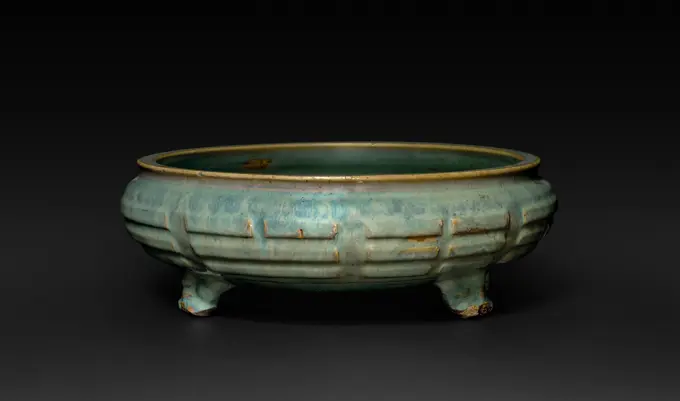
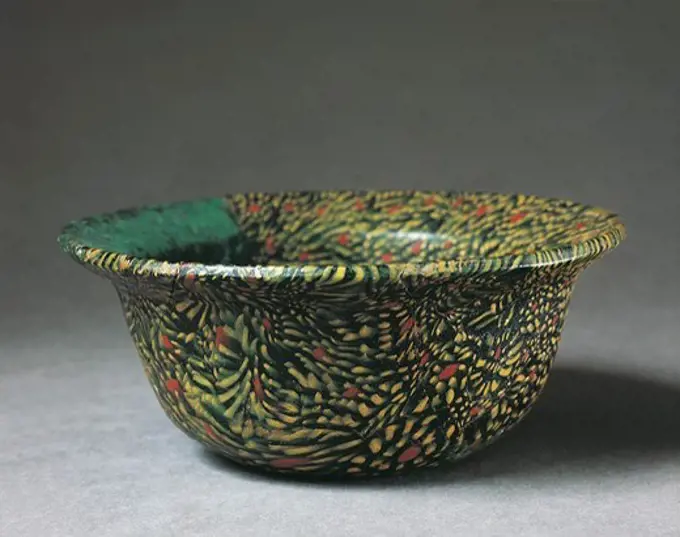
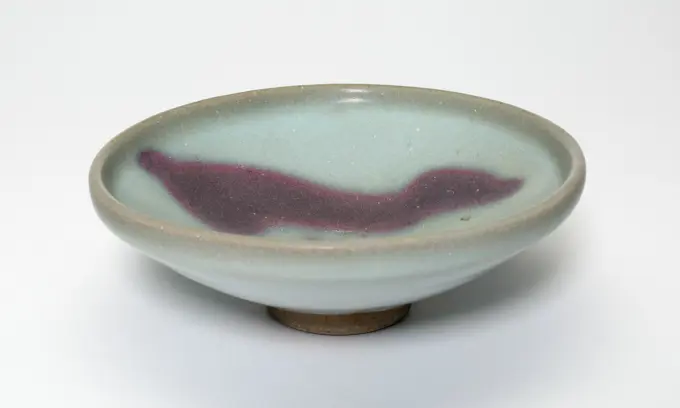
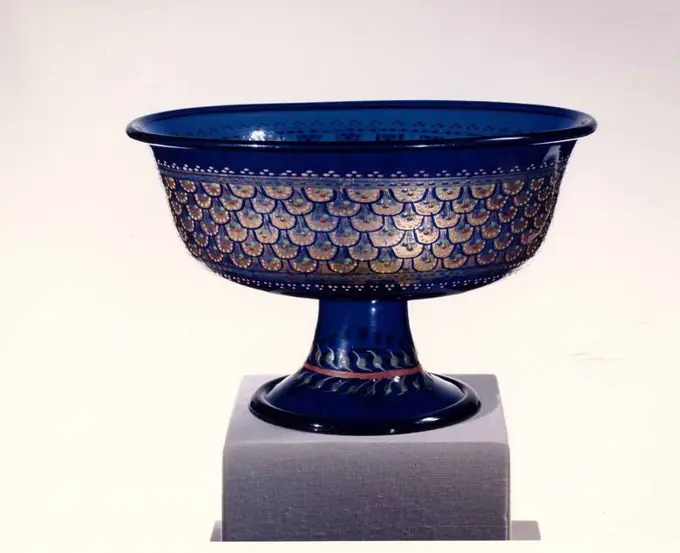
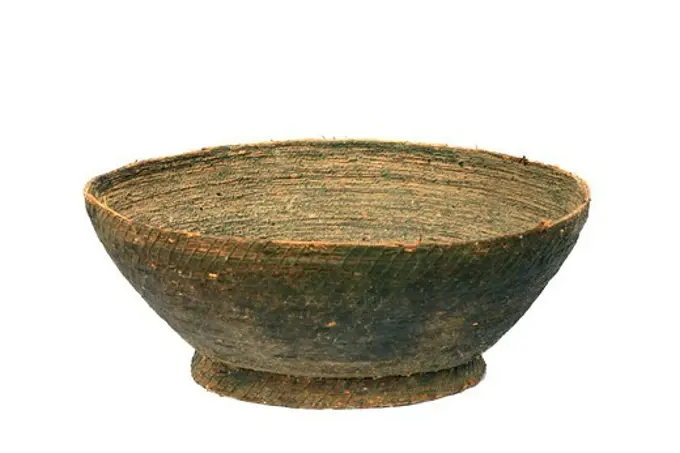
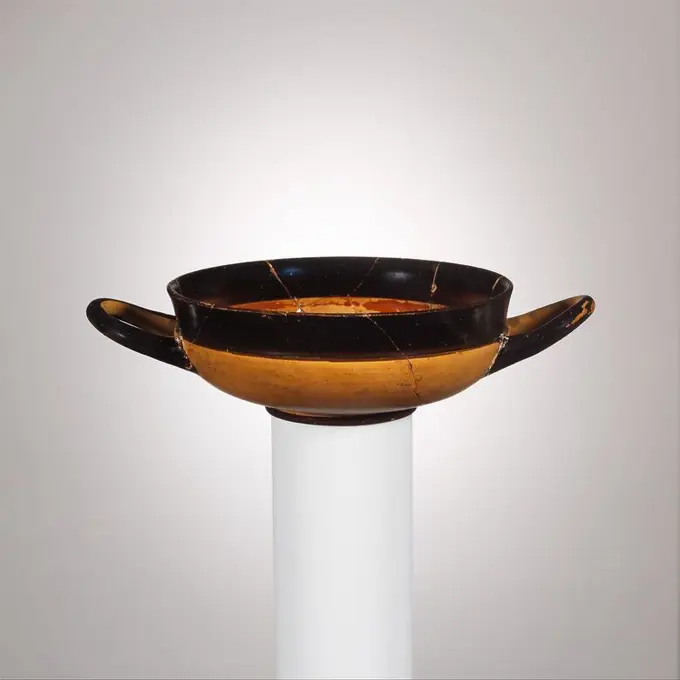
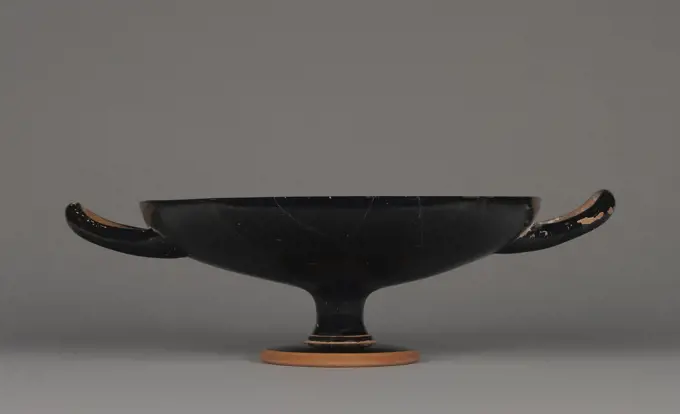
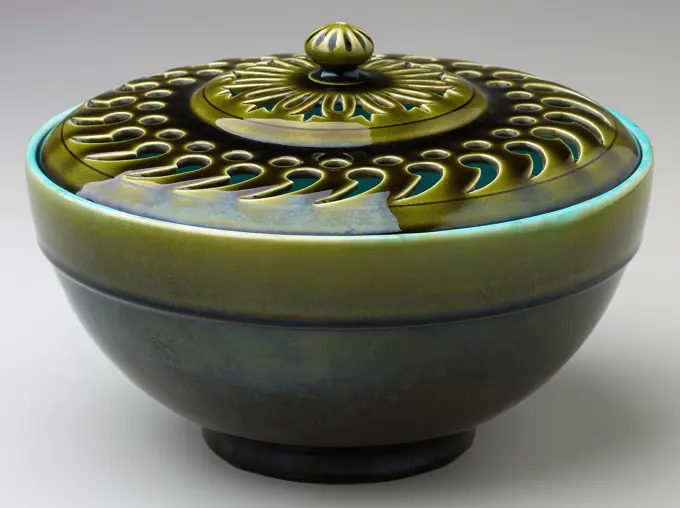
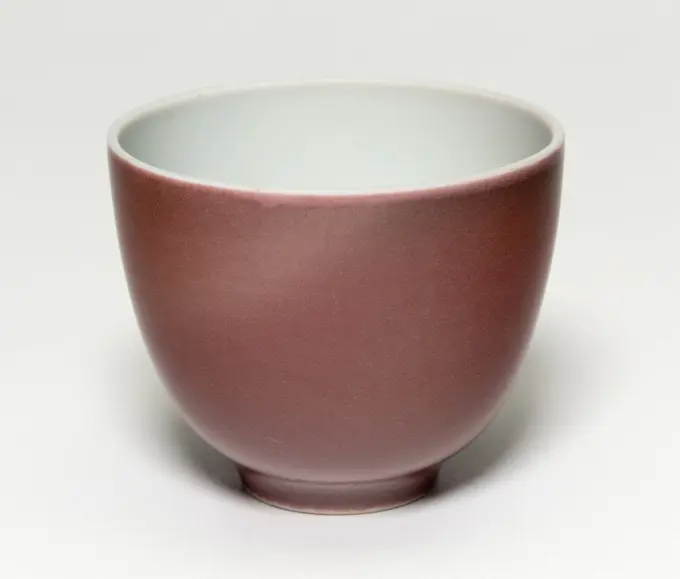
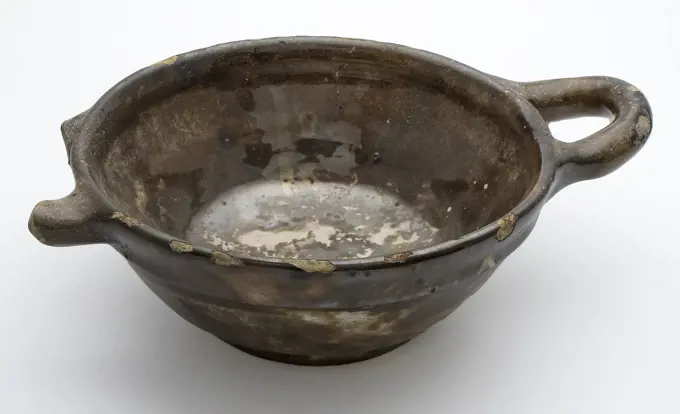
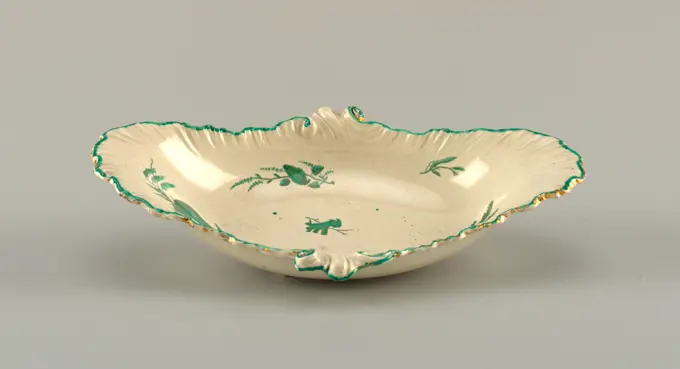
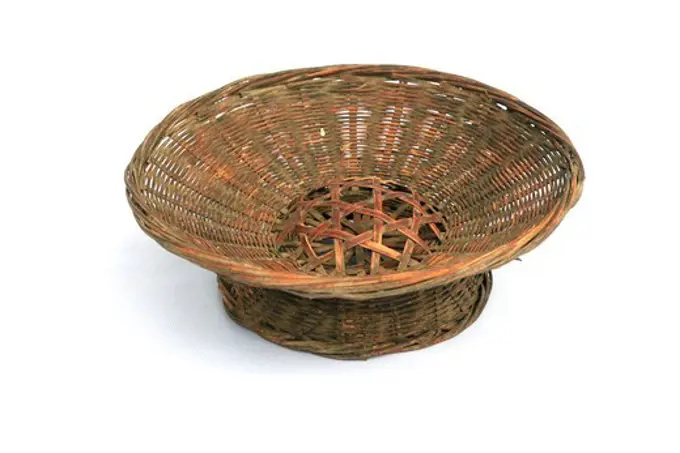
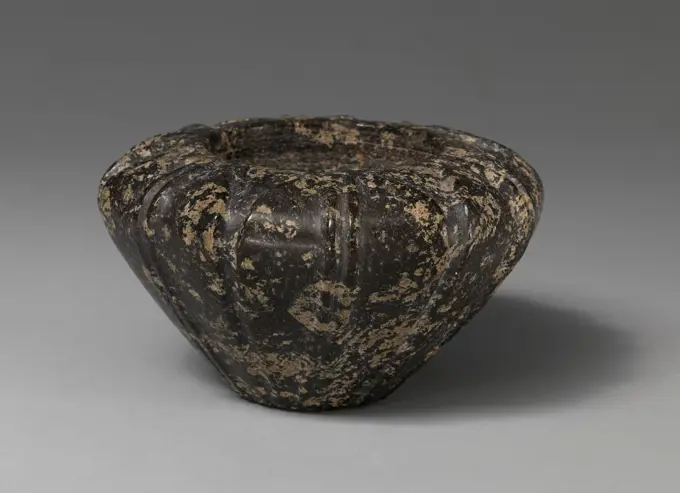
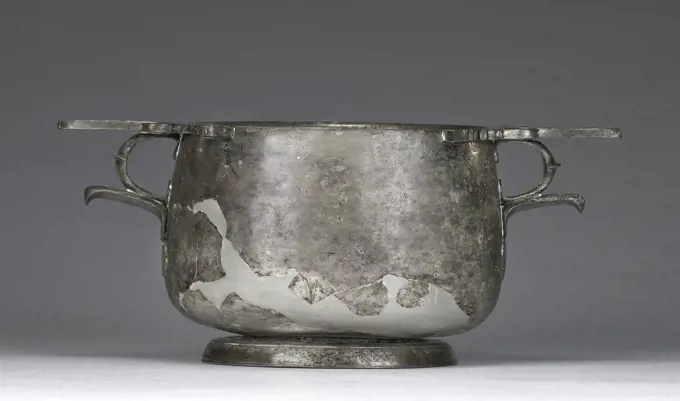
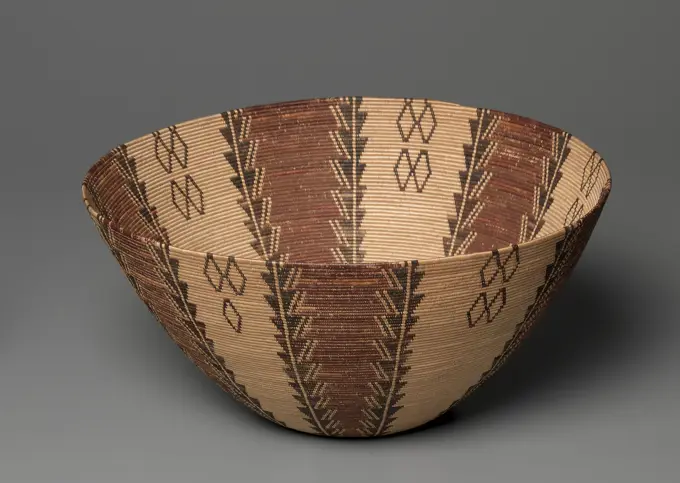
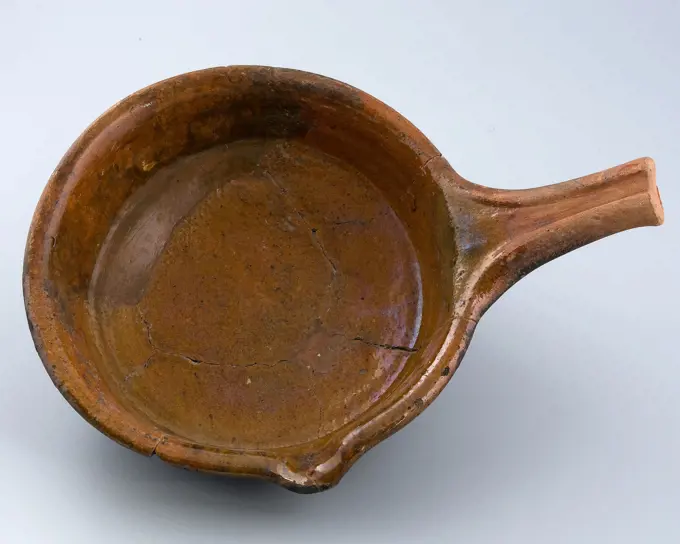
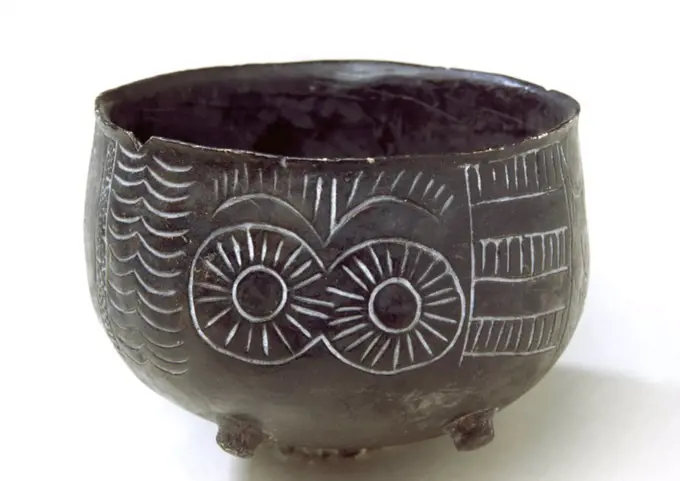
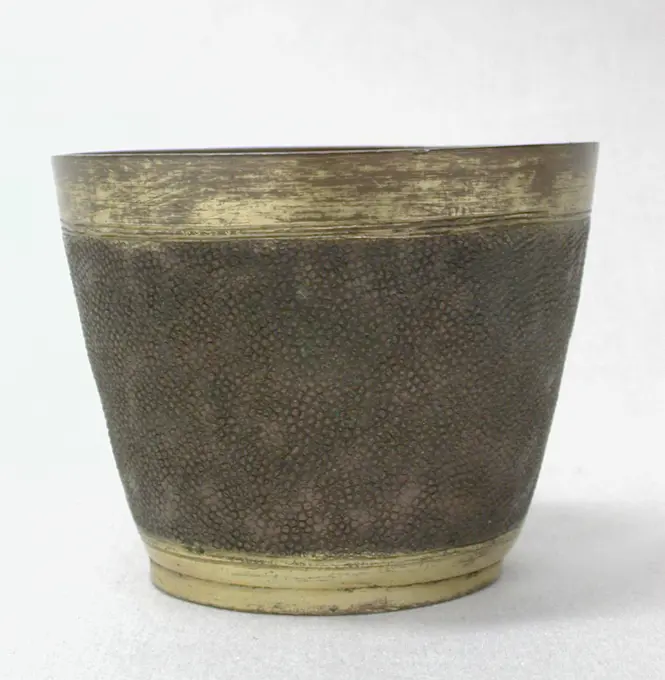
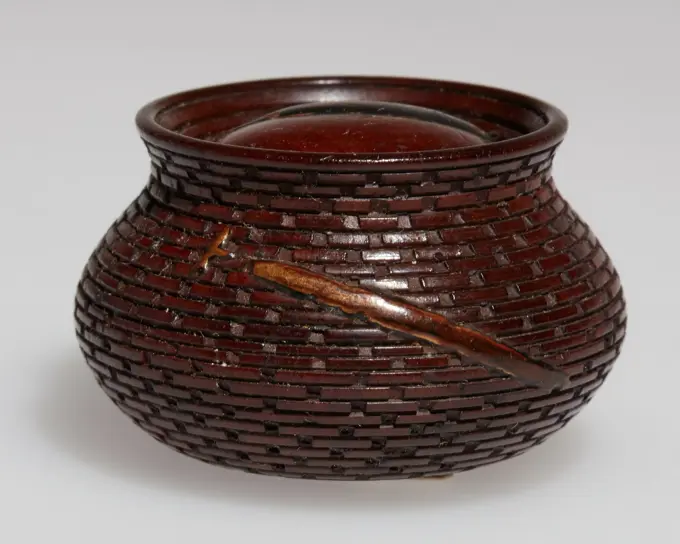
Tripod BowlSix-Lobed Bowl. Culture: Korea. Dimensions: H. 2 1/8 in. (5.4 cm); Diam. 7 3/8 in. (18.8 cm); Diam. of foot 2 in. (5.1 cm). Date: early 12th century.This six-lobed bowl, shaped to look like a flower, exemplifies the elegant purity of early twelfth-century Goryeo celadon. Its clean, minimalist form is unmarked by surface decoration, save for an incised ring around the interior rim of the bowl. The thinly potted body, gray-green glaze, and three small spur marks on the base (evidence that the vessels were stacked during firing) are all characteristic of celadon from this period. Museum: Metropolitan Museum of Art, New York, USA.Bowl 12th century Korea. Bowl 57409. Come of pottery with azure glaze. On the outside decorated with varied horizontal and vertical ingrangled decorative tires. Among the vintage edge a wave line and on the edge itself concentric circles. A number of baking impact on the bottom of the inside.Bowl ca. 550-450 B.C. Italic-Native, South Italian (Daunian). Bowl 255187 Italic-Native, South Italian (Daunian), Bowl, ca. 550450 B.C., Terracotta, H. w/ handles 9.09 cm. Diameter 15.01 cm.. The Metropolitan Museum of Art, New York. Rogers Fund, 1965 (65.11.6)Bell-shaped bowl with an incised crane and lotus plant, anonymous, c. 1279 - c. 1368 Klock -shaped bowl of stoneware, covered with a crackled transparent glaze with a light blue tint. The inside of the bowl with a crane on water and a lotus plant. Two rows with petals on the outside wall. Qingbai. China stoneware. glaze engraving / vitrification Klock -shaped bowl of stoneware, covered with a crackled transparent glaze with a light blue tint. The inside of the bowl with a crane on water and a lotus plant. Two rows with petals on the outside wall. Qingbai. China stoneware. glaze engraving / vitrificationBowl with four panels with a hanging ornament with scrolls, anonymous, c. 1200 - c. 1299 Come from Kwartsfritgoed with a breached and black-painted decoration of four compartments in which a hanging decoration with curl work under a turquoise alarm laze. Iran earthenware. glaze painting / vitrification Come from Kwartsfritgoed with a breached and black-painted decoration of four compartments in which a hanging decoration with curl work under a turquoise alarm laze. Iran earthenware. glaze painting / vitrificationFishing-Style Basket. Culture: Japan. Dimensions: H. 8 1/4 in. (21 cm); W. 11 in. (27.9 cm); D. 12 in. (30.5 cm). Date: 19th century. Museum: Metropolitan Museum of Art, New York, USA.Terracotta kylix (drinking cup) 6th century B.C. East Greek The shape is derived from Attic Little Master cups, specifically lip-cups. The finely executed concentric circles on the interior are characteristic of East Greek production.. Terracotta kylix (drinking cup) 255240 East Greek, Terracotta kylix (drinking cup), 6th century B.C., Terracotta, Overall: 3 9/16 x 7 7/8in. (9.1 x 20cm); diameter 6in. (15.2cm). The Metropolitan Museum of Art, New York. Rogers Fund, 1967 (67.11.13)Faience bowl. Culture: Ptolemaic. Dimensions: Diam.: 8 11/16 in. (22 cm). Date: 332-30 B.C..This bowl, preserved intact, is a fine example of Egyptian faience ware. The Egyptians mastered the production of this luxury ware as early as the late Predynastic period (late fourth millennium B.C.). Faience continued to be used for both sacred and secular objects into Hellenistic and Roman times. Museum: Metropolitan Museum of Art, New York, USA.Pottery ointment jar, low model, on base, wide top edge and two constrictions, white glazed, ointment jar pot holder soil found ceramic earthenware glaze icing, hand turned baked 2x glazed earthenware ointment jar low model with wide funnel-shaped upper edge and two necking. Stand foot. Diameter of top edge is larger than the diameters of the sidewall and the bottom the bottom has the smallest diameter. Stand with traces of traces broken white glazed Small ointment pot Delft pottery archeology health care indigenous pottery packing pharmacy store selling medicine medicament craftDish. Culture: Roman. Dimensions: 1 1/16 × 5 1/16 × 3/16 in. (2.8 × 12.8 × 0.5 cm)Diam. of foot: 2 5/16 in. (5.9 cm).Red dish with flaring sides. Museum: Metropolitan Museum of Art, New York, USA.Cup ". Terracotta, brown, green and white glaze (Sancai). China, Tang dynasty (618-907). Paris, Cernuschi museum. Chinese art, Chinese ceramic, container, cup, tang dynasty, container, terracottaBowl. Cyprus, Byzantine, circa 14th-15th century. Furnishings; Serviceware. CeramicThai Bowl on on white background.Bowl, Black-topped ware. Egypt, Predynastic Period, 5550-3100 B.C.. Furnishings; Serviceware. TerracottaBowl with punctate decoration ca. 3500-3300 B.C.. Bowl with punctate decoration. ca. 3500-3300 B.C.. Ceramic. Early Bronze Age IA. Levant, Bab edh-Dhra'Bowl 18th century Japan. Bowl. Japan. 18th century. Paste covered with glaze (Seto ware). Edo period (1615-1868). CeramicsBowl and lid ". White porcelain. China, Song dynasty (960-1279). Paris, Cernuschi museum. Chinese art, bowl, Chinese ceramic, container, lid, Song dynasty, porcelain, container, terracottaBox (He) with Longevity (Shou) Character, Eight Buddhist Symbols (Bajixiang), and Dragons. China, Chinese, Ming dynasty, Jiajing mark and period, 1522-1566. Furnishings; Accessories. Carved red, brown, and black lacquer on wood core (ticai)Bowl 1800-1830 British (American market). Bowl. British (American market). 1800-1830. Earthenware, lusterware. Made in Staffordshire, EnglandCup with a Poem on Wine. Dimensions: H. 3 1/4 in. (8.3 cm)Diam. 5 in. (12.7 cm)Wt. 6.3 oz. (178.6 g). Poet: Ibn Sukkara al-Hashimi (d. A.H. 385/ A.D. 995-6). Date: second half 10th-11th century.This cup is inscribed in Arabic in kufic below the outside rim:Drink! For this day has a special boon, which if you had known about it / You would have hurried up with entertainment and hastened with rapture! // Don't hold the cup back, but drink it diluted, until you die from it, (dead) without reason. Museum: Metropolitan Museum of Art, New York, USA.Incised Painted Bowl 5th-2nd century B.C. Paracas. Incised Painted Bowl. Paracas. 5th-2nd century B.C.. Ceramic, pigment. Peru. Ceramics-ContainersRibbed Bowl; Workshop in the Eastern Mediterranean, Italy; 1st century B.C; Glass; 4.9 x 17 cm (1 15,16 x 6 11,16 in.)Round-bottomed, flared pot, 3rd century BCE - 7th century CE, 5 1/4 x 6 1/4 x 6 1/4 in. (13.3 x 15.9 x 15.9 cm), Ceramic, Peru, 3rd century BCE - 7th century CERound Negoro Tray (Kban) first half 15th century Japan The pleasing proportions and lovely surface of this sturdy yet gracefully rounded serving piece reflect a perfection of form and refined skills in lathework and lacquering that developed over many years of production and use. A play of color where the black under layer emerges through the smooth red lacquer surface is appreciated aesthetically and prized as a mark of natural wear over time. Such large round trays were used for serving cups of tea at communal meals in temples.. Round Negoro Tray (Kban). Japan. first half 15th century. Lacquered wood with coatings of red lacquer over black lacquer (Negoro ware). Muromachi period (1392-1573). LacquerRibbed Bowl. UnknownBowlDish ca. 1880 Italian, Venice (Murano). Dish 186173Ribbed Bowl; Eastern Mediterranean or Italy; 1st century B.C; Glass; 4.1 x 12.3 cm (1 5,8 x 4 13,16 in.)Bowl with Lucretia Bella. Culture: Italian, Tuscany (probably Montelupo). Dimensions: Overall (confirmed): 9 3/8 × 11 1/8 × 11 1/8 in. (23.8 × 28.3 × 28.3 cm). Date: ca. 1480-1500.This is an early example of the Belle donne ("beautiful women") ceramics popular throughout the Renaissance. They were probably made as amorous gifts, although it is difficult to know if they are really portraits of individuals. Because of the imagery of this bowl it may refer to Lucrezia de'Medici, the daughter of Lorenzo the Magnificent (whose birthtray is displayed in this gallery), born in 1470. Museum: Metropolitan Museum of Art, New York, USA.Bowl. Roman; probably Eastern Mediterranean. Date: 100 BC-50 BC. Dimensions: 5 × 9.4 × 9.4 cm (2 × 3 3/4 × 3 3/4 in.). Glass, mosaic glass technique. Origin: Italy. Museum: The Chicago Art Institute, USA. Author: ANCIENT ROMAN.Foliate-rim plate, Jun ware. Artist: Chinese , Jin/Yuan Dynasty. Culture: Chinese. Dimensions: Diameter: 7 1/4 in. (18.4cm.). Date: ca. 13th century. Museum: Metropolitan Museum of Art, New York, USA.Pottery ointment jar, white shard, internally glazed yellow, ointment jar holder soil find ceramic earthenware glaze lead glaze, hand turned glazed baked Pottery ointment jar white shard internal yellow glazed on stand. Cylindrical model with narrowing above the foot archeology health care native pottery pharmacy store sell craft paintPatera with Fluted Handle and Ram Head Finial, 500-400 BC. Greece, 5th Century BC. Bronze; diameter: 24.2 cm (9 1/2 in.); overall: 6.4 cm (2 1/2 in.).Octagonal cut. Céladon. Cernuschi Museum, Asia Museum of Asia in the city of Paris.Earthenware head, white shard and light green glazed, cup crockery holder soil find ceramic earthenware glaze lead glaze, hand-turned glazed fired Cup with stand ring and vertical bandoor Glazed yellow green archeology Rotterdam rail tunnel drink Soil discovery: rail tunnel Rotterdam.Candle Stand. China. Date: 700 AD-750 AD. Dimensions: H. 27.4 cm (10 13/16 in.); diam. 24.8 cm (9 3/4 in.). Slip-coated earthenware with three-color (sancai) lead glazes. Origin: China. Museum: The Chicago Art Institute, Chicago, USA.Glass mosaic bowl 2nd-mid-1st century B.C. Greek, probably Eastern Mediterranean Colorless, translucent honey brown, translucent turquoise blue, appearing green, opaque white, opaque yellow, and opaque light blue.Vertical rim with rounded edge; shallow, convex side, tapering downward to broad, slightly convex bottom.Composite mosaic pattern formed from polygonal sections and square segments of four canes: the first in a brown ground with a white spiral; the second in a turquoise blue ground with a yellow spiral and central brown dot; the third in a colorless ground with a white spiral and central brown dot, and the fourth in blue segments. A brown cane wound spirally with a single white thread is attached as a rim.Broken and repaired, but complete; slight pitting and dulling, three areas of creamy white iridescent weathering; two holes drilled in side below rim.Rotary grinding marks on interior.. Glass mosaic bowl. Greek, probably Eastern Mediterranean. 2nd-mid-1st century B.C.. Glass;Terracotta kylix (drinking cup). Culture: Greek, South Italian, Campanian, Teano. Dimensions: diameter 5in. (12.7cm). Date: ca. 330-300 B.C..Decorated with ivy vine and stamped pattern. Museum: Metropolitan Museum of Art, New York, USA.Tripod Bulb Dish, 1368-1644. China, Ming dynasty (1368-1644). Porcelain; diameter: 32.4 cm (12 3/4 in.); overall: 10.8 cm (4 1/4 in.).Footed vessel. Probably Egypt, Syria, or Iraq, Umayyad, 8th century. Ceramics. Earthenware, molded, with applied decoration, and glazedSmall glass tub, Glasswork technique called ""millefiori"""Pillar-moulded" Bowl. East Mediterranean, late 1st century B.C.- 1st century A.D. Furnishings; Serviceware. Fused glassStoneware Cup from 6-7th century Three Kingdoms Period of KoreaSilver's Sheep, Pieter Cool, 1833 Silver tea scoop with a finely ribbed, shield -shaped stem. Brands: Helmde Kop, Second Keur, I in Vierkant, Meesterteken P.C. Under flower. = P. Cool in Sneek, y = 1833. Sneek silver (metal) Silver tea scoop with a finely ribbed, shield -shaped stem. Brands: Helmde Kop, Second Keur, I in Vierkant, Meesterteken P.C. Under flower. = P. Cool in Sneek, y = 1833. Sneek silver (metal)Spherical Pyxis Lid. UnknownCup with MarineMotifsBowl 1368-1644 China. Jun ware; stoneware with light blue and purple glaze .Samuel Casey, Porringer, c. 1760, silver.Cup and Cupstand. China. Date: 1000-1099. Dimensions: Overall: h. 10.3 cm (4 1/16 in.); diam. 11.3 cm (4 7/16 in.); cup: h. 4.4 cm (1 3/4 in.); diam. 9.5 cm (3 3/4 in.); stand: h. 6.9 cm (2 3/4 in.); diam. 11.3 cm (4 7/16 in.). Northern black ware, Cizhou type; light-gray stoneware with dark-brown glaze. Origin: China. Museum: The Chicago Art Institute, Chicago, USA.Glass lid Roman 1st century CE Translucent blue green.Disk-shaped, slightly concave fragment with thick, double fold around edge.Chipped, weathered edge to fold; pitting, dulling, and limy brown encrustation on upper, concave surface.This disk appears to have been made from a larger vessel, trimmed down to make a shallow concave lid. It may have been used to cover a glass cinerary urn. View more. Glass lid. Roman. 1st century CE. Glass; blown. Early Imperial. GlassFooted bowl. Culture: Italian (Venice). Dimensions: H. 6 11/16 in. (17cm); Diam. of rim 10 1/2 in. (26.7cm). Date: ca. 1500-1525. Museum: Metropolitan Museum of Art, New York, USA.Old objects straw bowlBowl 14th-15th century. Bowl 453303Glass dish. Culture: Roman. Dimensions: H.: 1 5/16 in. (3.3 cm)Diam.: 6 7/8 in. (17.5 cm). Date: 1st century A.D..Translucent deep blue green.Outsplayed, rounded rim; body tapers downwards, with projecting horizontal ridge at mid-point of side; shallower on one side than the other; thick, tubular foot ring at junction with side, made by folding; flat bottom with central pontil scar and slight kick on interior.Intact; many bubbles; dulling, pitting, and brown, enamel-like, iridescent weathering on exterior, with many surface scratches, little weathering on interior.Green, shallow, colored blown glass. Museum: Metropolitan Museum of Art, New York, USA.. Come from Quartz Fritgoed covered with a monochrome blue alkalilation on which tires with a typing in an Arabic language in Luster.Terracotta stemless kylix (drinking cup). Culture: Greek, Attic. Dimensions: 1 7/8 × 4 7/8 in. (4.8 × 12.4 cm). Date: ca. 500-475 B.C..Stemless cup with two handles and black band around the rim. Museum: Metropolitan Museum of Art, New York, USA.North Italian 16th or 17th Century, Bowl with a Shield of Arms Bowl with a Shield of Armswooden plate isolated on white with clipping pathDish;  19th century () (1801-00-00-1900-00-00);Bowl. Culture: Aztec. Dimensions: H. 2 1/8 x Diam. 6 1/2 in. (5.3x 16.3 cm). Date: 15th-early 16th century. Museum: Metropolitan Museum of Art, New York, USA.Red-Figure Kylix; Apollodoros (Greek (Attic), active about 500 B.C.); Athens, Greece; about 500 B.C; Terracotta; 8.3 × 26.7 × 19.7 cm (3 1,4 × 10 1,2 × 7 3,4 in.)Potpourri bowl, c. 1880, Alec Burns; Manufacturer: Linthorpe Art Pottery, Middlesbrough, Yorkshire, England, 1879-1889, English or Scottish, 6 x 8-1/8 x 8-1/8 in. (15.2 x 20.6 x 20.6 cm), Glazed earthenware, 19th centuryCup 1723-1735 China. Porcelain with crimson pink glaze .Bowl - Dion Pottery Dion PotteryLazio Viterbo Viterbo Museo Civico70. Hutzel, Max 1960-1990 Views of paintings (Middle Ages through 18th c.), frescoes, a tabernacle, coffin, sculpture reliefs, portal fragments, busts, sculpture, tapestry found in the Pinacoteca, Second floor gallery and Second floor cloister sequences. Antiquities: Many views of Etruscan and Roman fragments, sculpture, sarcophagi, pottery, masks, jewelry and other objects found in the Storeroom sequence (inventory numbers on back of prints), and the Cloister, Second floor Cloister, Valle Giulia, Sala Romana and Sala Etrusca sequences. General Notes: There are eight separate numerical sequences for this location. The cloister as an architectural structure, rather than museum site, is documented in the record and file for S. Maria della Verita, Cloister, all views of which are stored in Medieval core collection. Five views from the Museo Civico Second floor cloister sequence are stored in Medieval. German-born photographer and scholar Max Hutzel (1911-Earthenware bowl with two ears, white glazed, papkom bowl crockery holder soil find ceramic earthenware glaze tin glaze, hand-turned glazed baked Pottery porridge bowl with two slightly raised curved sausage on stand. Bowl shaped. Completely white glazed. Strong discoloration due to stay in soil archeology Rotterdam Kralingen-Crooswijk Struisenburg Buizengat indigenous pottery food room table serving porridge Soil discovery: Buizengat Rotterdam.Glass cup 3rd-4th century A.D. Roman Translucent pale blue-green.Thickened and rounded rim; almost straight, vertical side, curving in sharply at bottom; tubular, low base ring; kick in bottom with large pontil scar.Intact; many pinprick bubbles and a few gritty inclusions; patches of hard sandy soil encrustation, dulling, and iridescent weathering. Numerous linear scratch marks around body.. Glass cup 245432Dish; Manufactured by Wedgwood (United Kingdom); glazed earthenware (queen's ware), overglaze decoration, gildingBowl 3rd millennium BCEPyxis Lid. UnknownFooted Bowl and Plate first half 18th century Of all the varieties of Mughal glass known, this milky white color constitutes the rarest type. The painted decoration in gold and silver (now darkened) displays flowering shrubs enclosed in oval compartments, laid out in a radiating pattern, a classic Mughal decorative scheme that is also seen in contemporary metalwork.. Footed Bowl and Plate 454013Kyoto-based Japanese ceramist Seif Yohei III (1851-1914) admired the glaze colors found on Chinese porcelain and tried to replicate them through intensive experimentation. His green and creamy white glazes were particularly well received. The combinations of colors with subtle molded and incised decorations in his ceramics respond powerfully to changes in light, creating a dynamic viewing experience. Names for the glazes, written in ink with a brush on the lids of the custom-made storage boxes for the works, often indicate a specific glaze or ware that had inspired him, even when the resulting color was distinctively his own. Sweets Bowl, c. 1893-1914. Seifū Yohei III (Japanese, 1851-1914). Porcelain with yellow glaze; height: 4.5 cm (1 3/4 in.); diameter: 21 cm (8 1/4 in.).Dish 8th century. Dish 448729Teabowl 19th century Japan. Teabowl 62675Cup at high foot. Semi-spherical head of unforded faience, on a high foot.Bowl with Anchor and Dolphin Medallion. UnknownBowl with bosses and lotus pattern and demotic weight on rim 4th century B.C. Late Period-Ptolemaic Period The heavy silver vessels 18.2.13-18.2.17 are in created in a decorative style widespread in the Greek world, and can be dated to the fourth century BC. They. are said to have been found together in the Egyptian Delta. Several of the vessels have small Demotic designations scored into the rim recording the weight of the silver, which correlated with the vessel's value. The larger weight unit was a deben (about 91 grams at this time) and this was divided into 10 kites..Only 18.2.16 has an inscription sufficiently preserved to read its full ancient weight as 4 deben and 6 kites, which should be about 400 grams, although the vessel only weighs 290 grams.. Bowl with bosses and lotus pattern and demotic weight on rim 551310Lotos leaf shaped vase unknownTripod Bowl with Painted Underside, 1200-1519. Mexico, Oaxaca, Mixtec, 13th-16th century. Pottery with burnished, colored slips; diameter: 15.5 cm (6 1/8 in.); overall: 8.5 x 17.5 cm (3 3/8 x 6 7/8 in.).Bowl 300-100 B.C. Paracas. Bowl 308502Old objects basketsLazio Viterbo Viterbo Museo Civico50. Hutzel, Max 1960-1990 Views of paintings (Middle Ages through 18th c.), frescoes, a tabernacle, coffin, sculpture reliefs, portal fragments, busts, sculpture, tapestry found in the Pinacoteca, Second floor gallery and Second floor cloister sequences. Antiquities: Many views of Etruscan and Roman fragments, sculpture, sarcophagi, pottery, masks, jewelry and other objects found in the Storeroom sequence (inventory numbers on back of prints), and the Cloister, Second floor Cloister, Valle Giulia, Sala Romana and Sala Etrusca sequences. General Notes: There are eight separate numerical sequences for this location. The cloister as an architectural structure, rather than museum site, is documented in the record and file for S. Maria della Verita, Cloister, all views of which are stored in Medieval core collection. Five views from the Museo Civico Second floor cloister sequence are stored in Medieval. German-born photographer and scholar Max Hutzel (1911-Serpentine blossom bowl ca. 1600-1450 B.C. Minoan High shouldered blossom bowl carved with ribs and grooves.. Serpentine blossom bowl 251550 Minoan, Serpentine blossom bowl, ca. 16001450 B.C., Serpentine, H.: 3 3/16 in. (8.1 cm). The Metropolitan Museum of Art, New York. Funds from various donors, 1924 (24.150.2)One of Two Skyphoi; Eastern Mediterranean; 100 - 50 B.C; Silver; 8.8 × 20.2 cm, 0.573 kg (3 7,16 × 7 15,16 in., 1.2632 lb.);Food Bowl, 1900-1905. Great Basin, Timbisha Shoshone (Panamint). Willow, devil's claw, yucca root; coiled ( 3 rods); overall: 20.7 x 44.6 cm (8 1/8 x 17 9/16 in.).Fingerbowl, from a set of 12, c. 1929-1930, 1 5/8 x 4 11/16 x 4 1/2 in. (4.1 x 11.9 x 11.4 cm), Silver, Mexico, 20th centuryFingerbowl, from a set of 12, c. 1929-1930, 1 5/8 x 4 3/4 x 4 9/16 in. (4.1 x 12.1 x 11.6 cm), Silver, Mexico, 20th centuryBowl 19th century. Bowl 443164Pottery saucepan with pouring clip and scalloped handle, saucepan casserole tableware holder kitchenware soil find ceramics earthenware glaze lead glaze, hand-turned glazed baked Pottery saucepan. Low model with sloping sidewall Flat scalloped handle angled upwards. Convex bottom pouring lip Internally glazed. Red shard. Restoration is repainted archeology underground pit Rotterdam City Triangle Groenendaal indigenous pottery frying food preparation cooking kitchen Soil discovery: underground pit Groenendaal waste well at 137 meters from Mariniersweg 2 meters -NAP 1975-09-29.VASO OCULADO DE LA SEPULTURA Nº 6 DE LOS MILLARES. CALCOLITICO CERAMICA. (DEPOSITO: MUSEO ARQUEOLOGICO NACIONAL).Dish on three legs, anonymous, c. 1100 - c. 1199 Scale (incense burner) From quartz fritgoed on three modeled legs covered with alternating laze. Imitation to Chinese example. Rail earthenware. glaze vitrification Scale (incense burner) From quartz fritgoed on three modeled legs covered with alternating laze. Imitation to Chinese example. Rail earthenware. glaze vitrificationCup late 17th-early 18th century Austrian. Cup 208106Fish basket, c. 1840s, Unknown, 15/16 × 1 5/8 × 1 5/8 in. (2.38 × 4.13 × 4.13 cm), Wood, lacquer, Japan, 19th centuryA small bowl without a foot; Unknown Nubian workshop; 2. PO. IX-1. after. 10th century; Classic Christian period (851-00-00-950-00-00);Inscribed ceramics, inscriptions, Greek inscriptions, bowls, nubian vesselsCERAMICA POPULAR DE LA BISBAL (GERONA).Dish 11th-12th century. Dish 449132Earthenware bowl with wide shank on stand, partly glazed, bowl crockery holder earth discovery ceramic earthenware glaze lead glaze, hand turned glazed baked Pottery bowl orange dark yellow shard inside covered with lead glaze wide shank stand archaeological indigenous pottery food drinkCup 18th century China. Cup. China. 18th century. Lacquer, bamboo exterior. Qing dynasty (1644-1911). Lacquer