Decorative Bowls

A range of exquisite bowls made from different materials, showcasing intricate designs and textures typically used for decoration.

Bowl with stylized flowering plants and scrolls, anonymous, c. 900 - c. 999 Come of earthenware decorated with stylized flowering plants and curl work in brown sludge on Engobe from white sludge on which transparent lead glaze with yellowish pigments has been applied. Nishapur earthenware. glaze painting / vitrification Come of earthenware decorated with stylized flowering plants and curl work in brown sludge on Engobe from white sludge on which transparent lead glaze with yellowish pigments has been applied. Nishapur earthenware. glaze painting / vitrification
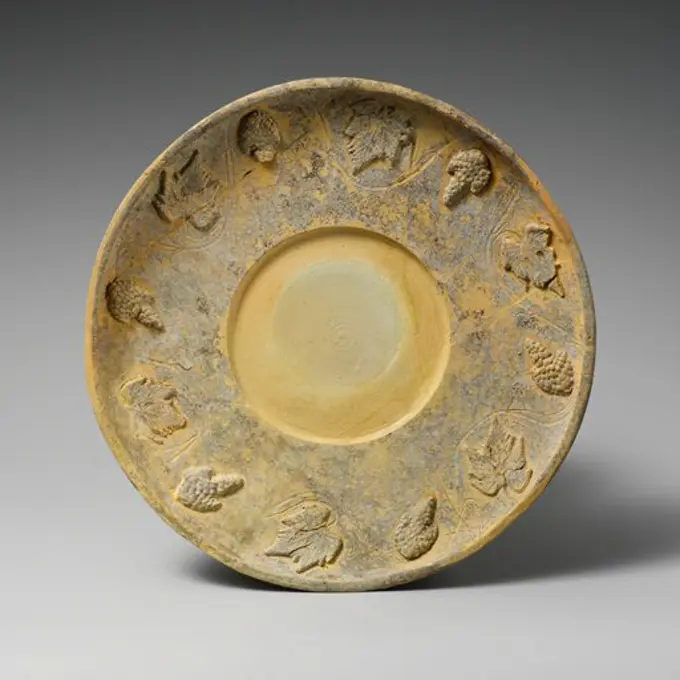
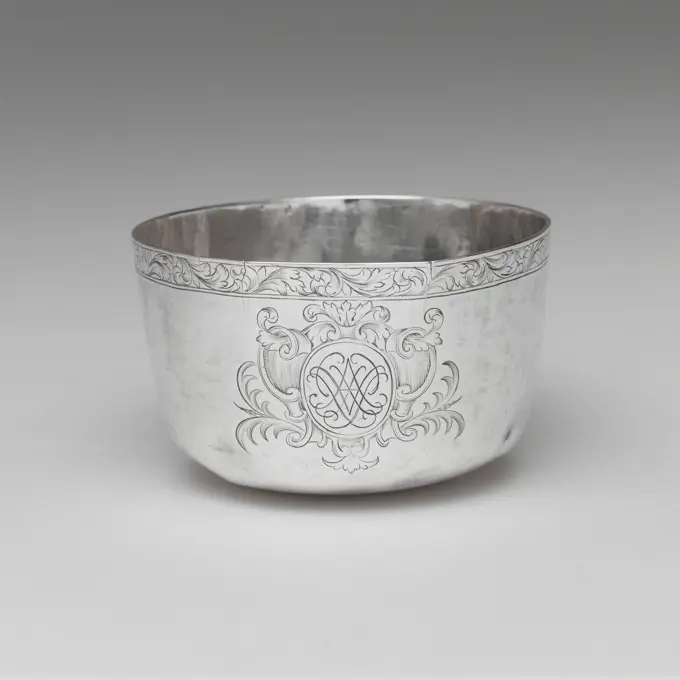
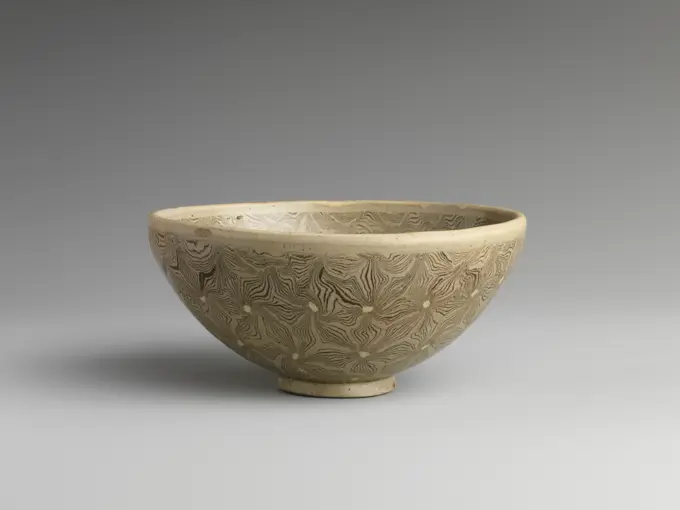
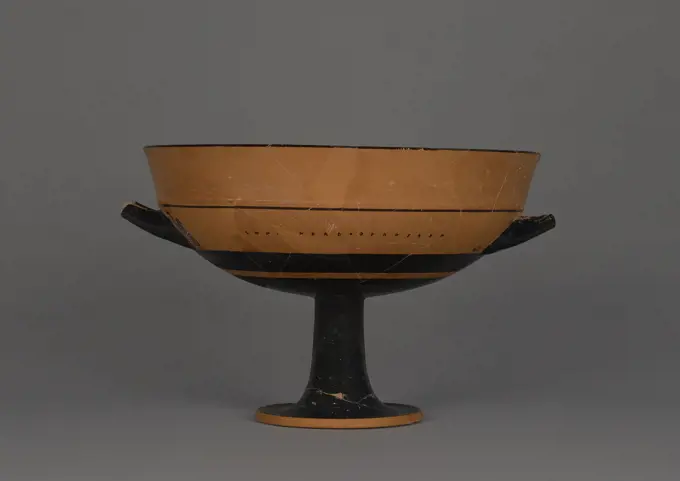
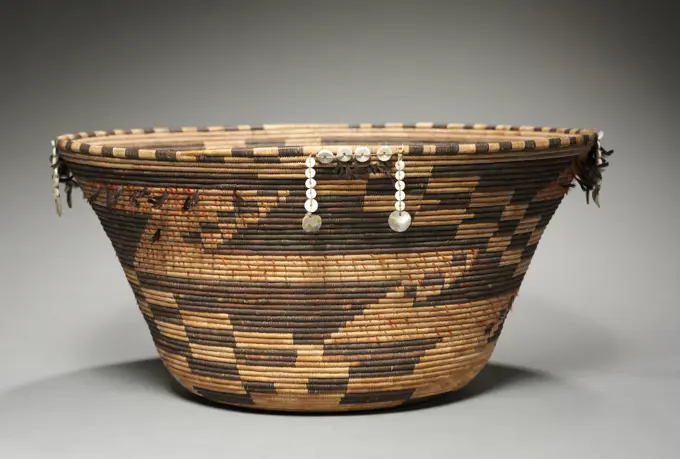
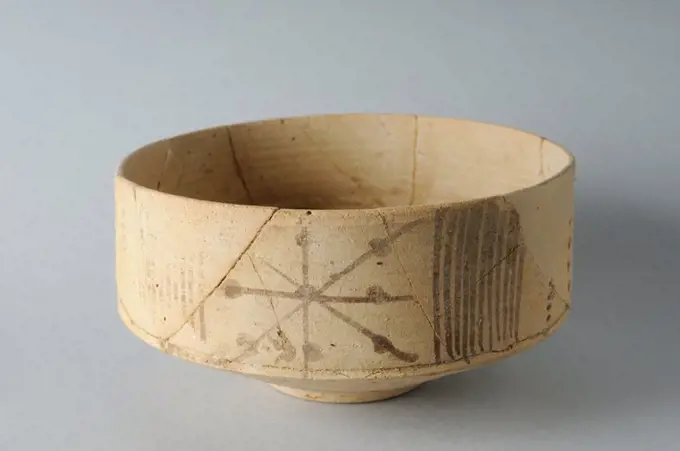
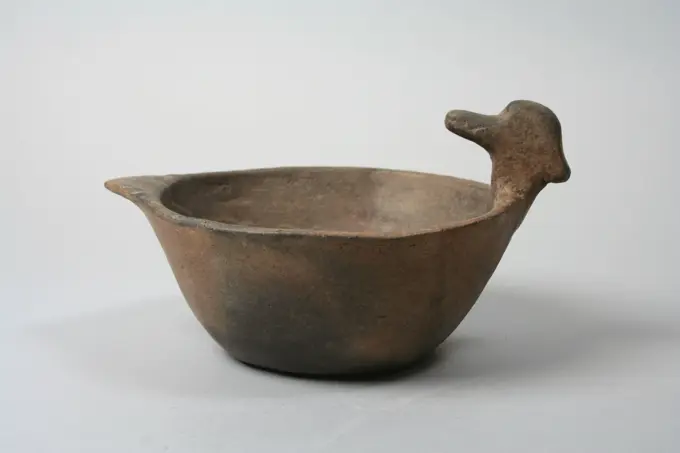
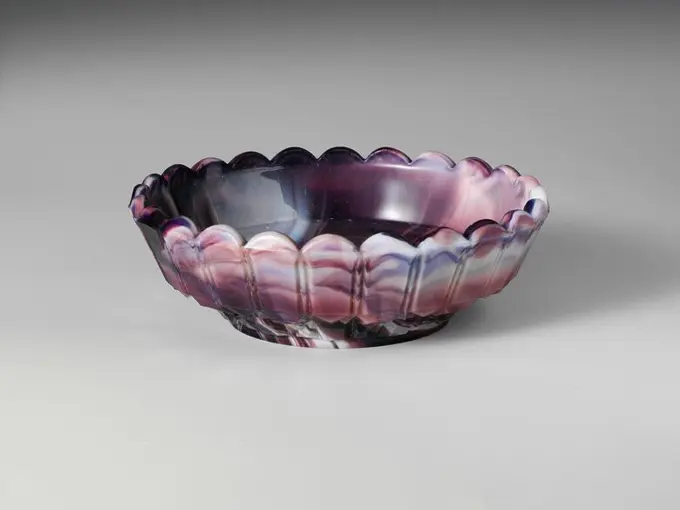
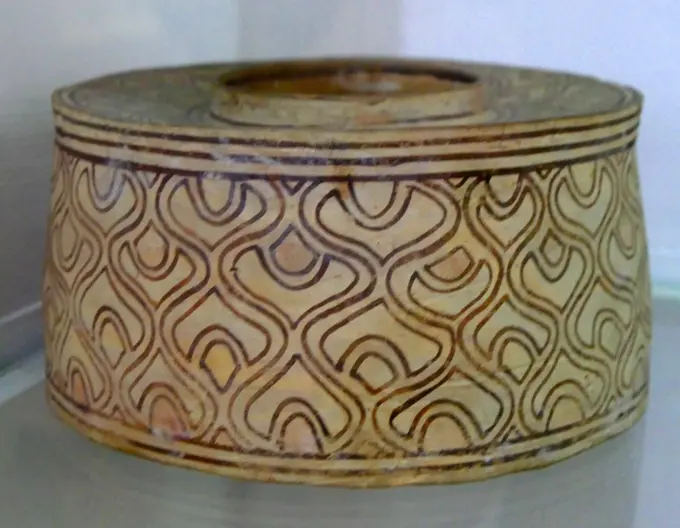
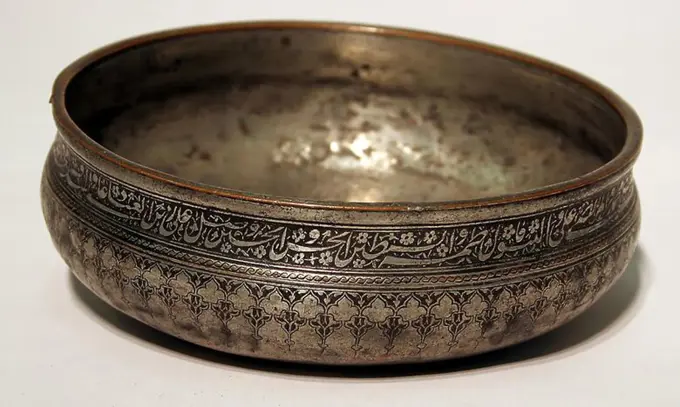
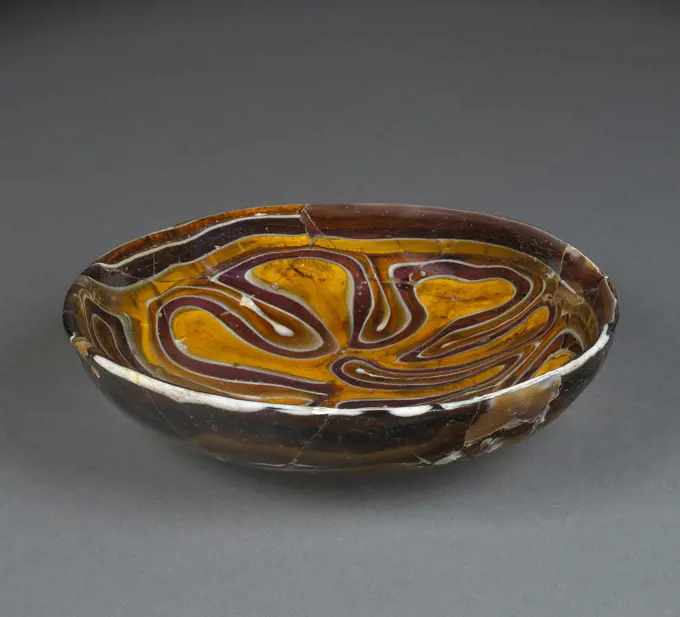
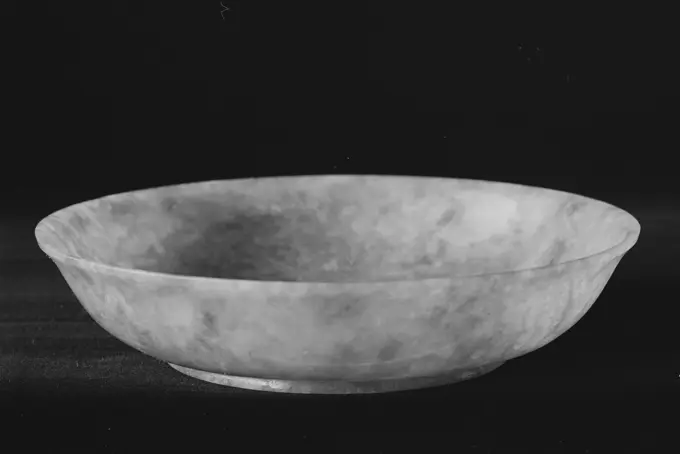
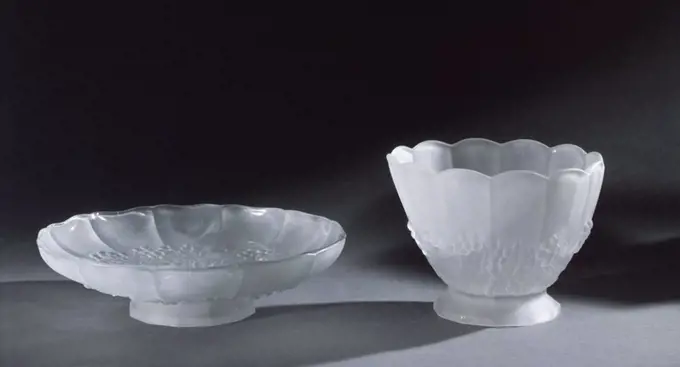
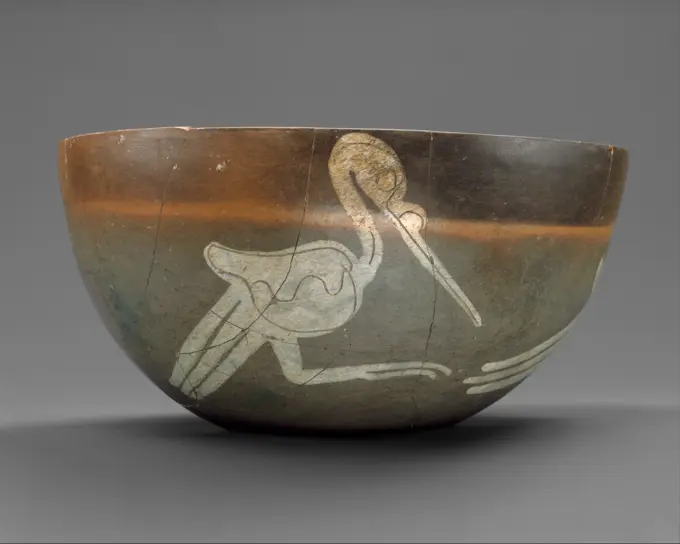
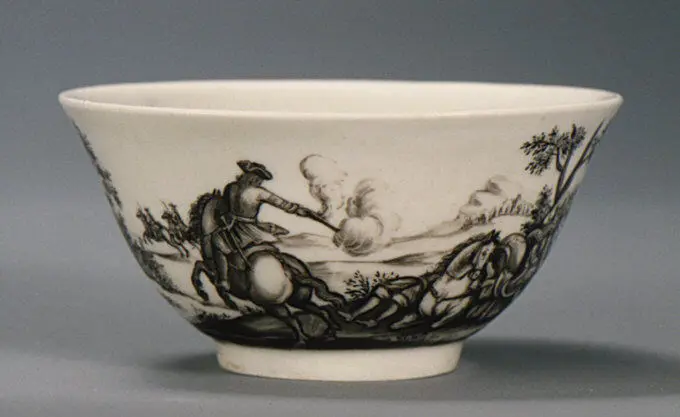
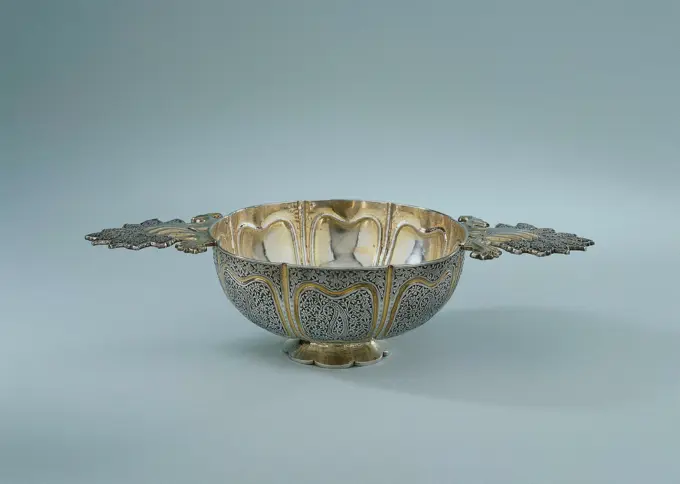
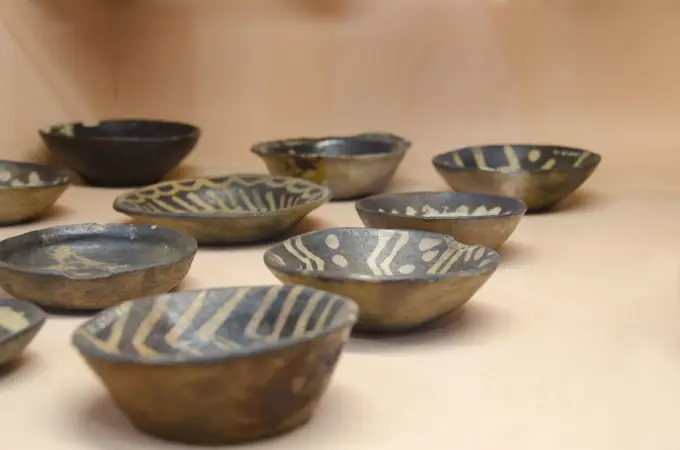
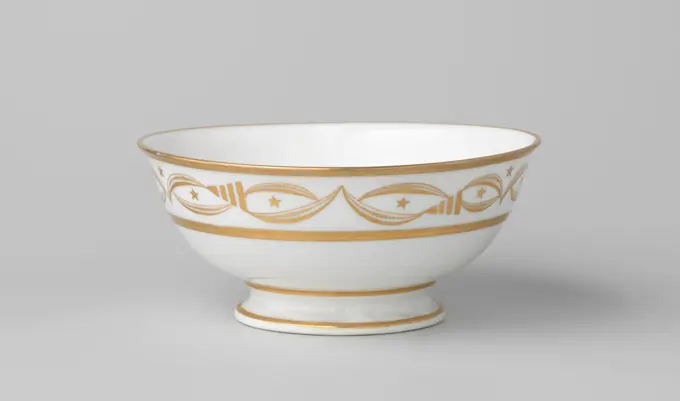
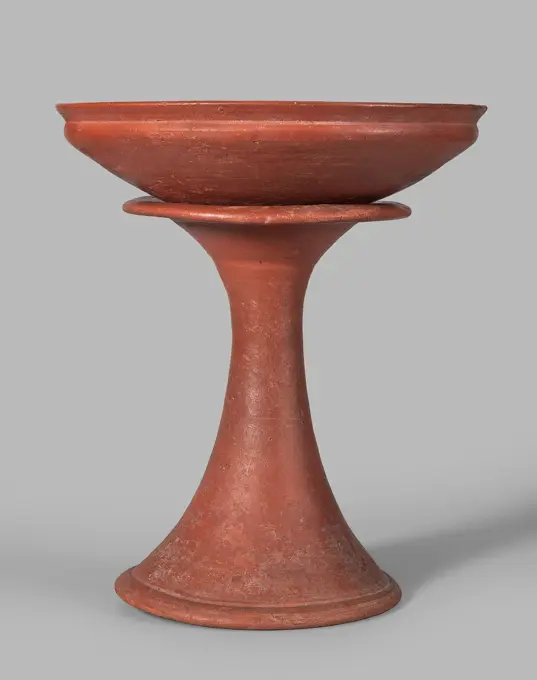
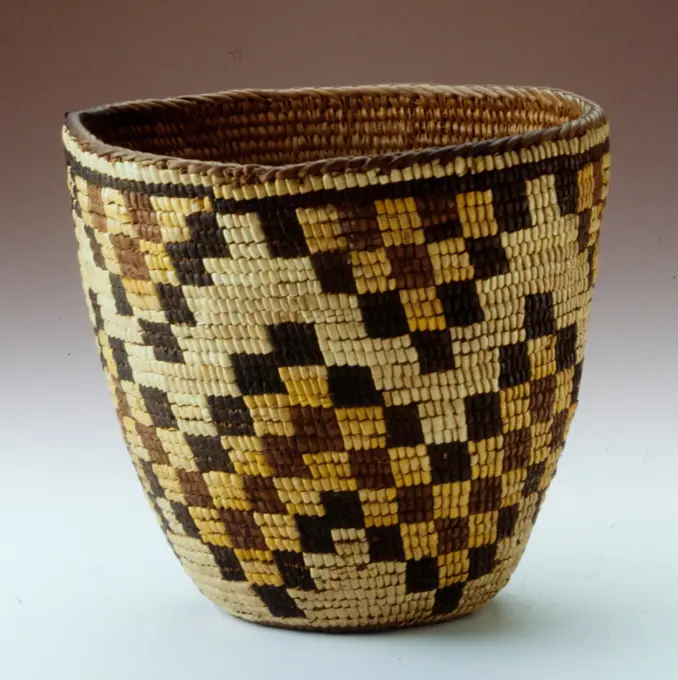
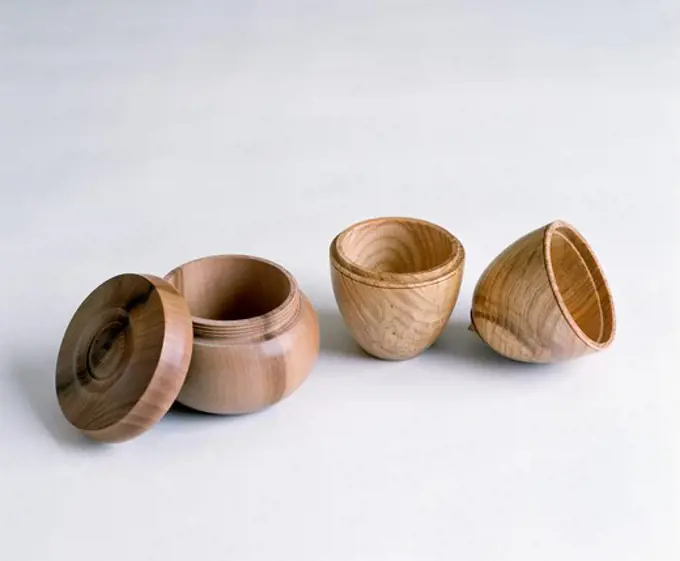
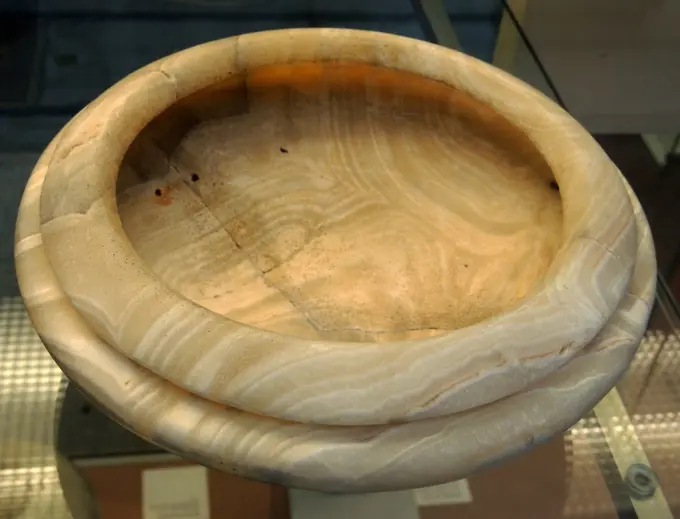
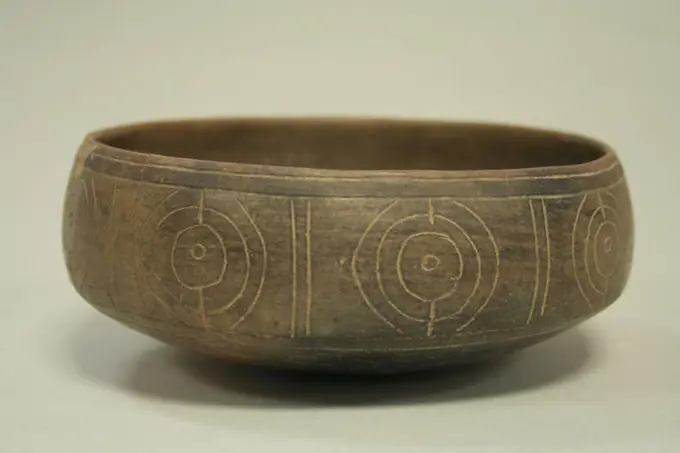
Bowl with geometric pattern 5th-4th century B.C. Paracas. Bowl with geometric pattern 307609Fragment 14th-15th century. Fragment 446318Cup late 17th-early 18th century Austrian. Cup 208107Terracotta phiale (libation bowl) ca. 250-200 B.C. Etruscan Yellow clay with grapes and leaves in relief.. Terracotta phiale (libation bowl) 246247Tumbler ca. 1691 American This broad-lipped tumbler, with its lovely engraved cartouche and scrolled acanthus-leaf ornament, was made for Samuel (1669-1698) and Adriantje Bayard (b. 1667) Verplanck, probably on the occasion of their marriage in 1691. The couples intertwined reverse cipher, “SAVP” is engraved on one side within the scroll and leaf cartouche, and their initials, “P” over “S V A”, are engraved in shaded roman lettering on the underside. Although unmarked, this vessel was likely made by a silversmith working in either New York or Albany.. Tumbler 9788Dish ca. 550-500 B.C. Etruscan High foot; no decoration.. Dish. Etruscan. ca. 550-500 B.C.. Terracotta; bucchero. Archaic. VasesTea Bowl with Marbleized Veneer 12th-13th century China. Tea Bowl with Marbleized Veneer. China. 12th-13th century. Earthenware with glaze (Cizhou ware). Jin dynasty (1115-1234). CeramicsMiniature Tray. Inca; South coast or southern highlands, Peru. Date: 1450-1532. Dimensions: 0.5 × 14.6 cm (13/16 × 5 3/4 in.). Ceramic and pigment. Origin: Peru, southern. Museum: The Chicago Art Institute, Chicago, USA.Temple Basket, 20th century, 5 1/2 x 15 1/2 x 15 1/2 in. (14 x 39.37 x 39.37 cm), Fiber, beads, Indonesia, 20th centuryA cylindrical container made from environmentally friendly recycled materials for takeaway food. Fast food dishesAttic Black-Figure Little Master Lip Cup; Tleson Painter, Tleson (Greek (Attic), active about 555 - 535 B.C.); Athens, Greece; about 540 B.C; Terracotta; 15.1 cm (5 15,16 in.)Cup, c. 660-221 BC. China, Zhou dynasty (c. 1046-256 BC). Lacquer; overall: 10.6 cm (4 3/16 in.).Bowl. Egypt, 1000-1250. Ceramics. Earthenware, brownish-red slip, slip-painted and glazedLazio Latina Sezze Antiquarium Comunale32. Hutzel, Max 1960-1990 German-born photographer and scholar Max Hutzel (1911-1988) photographed in Italy from the early 1960s until his death. The result of this project, referred to by Hutzel as Foto Arte Minore, is thorough documentation of art historical development in Italy up to the 18th century, including objects of the Etruscans and the Romans, as well as early Medieval, Romanesque, Gothic, Renaissance and Baroque monuments. Images are organized by geographic region in Italy, then by province, city, site complex and monument.Stemless Kylix, c. 200s BC. Greece, c. 3rd Century BC. Silver; diameter: 15 cm (5 7/8 in.); overall: 6.1 x 18.2 cm (2 3/8 x 7 3/16 in.).Puberty Basket, 1890. California, Pomo, late 19th century. Coiled, quail and woodpecker feathers, shell, abalone; overall: 21.5 x 45.5 cm (8 7/16 x 17 15/16 in.).Ceramic vase indian tradition ( 1st CE ) .- Roman period, from the " House of Hyppolytus " - Archaeological site of Complutum in Alcalá de Henares ( Madrid ). SPAIN.Pair of Beakers. Inca; Ica Valley, south coast, Peru. Date: 1450-1532. Dimensions: H. 7 cm (2 3/4 in.) (each). Gold and copper alloy. Origin: Peruvian South Coast. Museum: The Chicago Art Institute, Chicago, USA.Bowl, Bird Head on Rim 11th-14th century Mississippian. Bowl, Bird Head on Rim 318586While porcelain was their primary specialization, all the members of the Seif studio also made stoneware painted with iron oxide designs under the glaze and with color enamel and gold over the glaze. Many examples are further characterized by pink dots brought out during firing and by crackling in the glaze. Works of this type are classified as Kyoto ware, after the city where the style developed. People used the ceramics for a diversity of purposes, from everyday dining to chanoyu, or Japanese tea practice. Teabowl with Pinks, 1893-1914. Seifū Yohei III (Japanese, 1851-1914). Stoneware with crackled glaze and overglaze color enamel and gold; height: 7.5 cm (2 15/16 in.); diameter: 11 cm (4 5/16 in.).Sauce Dish. Culture: American. Dimensions: Diam. 4 1/2 in. (11.4 cm). Maker: Challinor, Taylor and Company (1866-1891). Date: 1870-90. Museum: Metropolitan Museum of Art, New York, USA.Vichrome potter ware from India dating back to 3000 BC. Shallow Bowl Inscribed with Blessing. Iran; possibly Isfahan. Date: 1672-1682. Dimensions: 6.1 x 18.3 x 18.4 cm (2 3/8 x 7 3/16 x 7 1/4 in.). Tin-plated copper with engraved decoration. Origin: Iran. Museum: The Chicago Art Institute, Chicago, USA. Author: Islamic.Agate Glass Bowl; Eastern Mediterranean; end of 1st century B.C. - 1st century A.D; Glass; 2.8 x 12.6 cm (1 1,8 x 4 15,16 in.)Saucer-Shaped Dish China. Saucer-Shaped Dish. China. Jadeite. Qing dynasty (1644-1911), Qianlong period (1736-95). JadeFUENTES DE CRISTAL MATE.Bowl 7th-10th century Nopiloa. Bowl 314520Bowl -Teabowl ca. 1720-25 Meissen Manufactory German. Teabowl. German, Meissen with possibly German, Breslau (Wrocaw) decoration. ca. 1720-25. Hard-paste porcelain. Ceramics-PorcelainPainted Bowl 7th-5th century B.C. Paracas. Painted Bowl 310213. Brandywinney bowl of gold-plated silver with flower and leaf stain decoration in Indian trant. The wall of the bowl is divided into 8 surfaces with in every plane O.A. a paisley mode. The bowl has large flat ears and a scalloped foot. Indonesia, first half of the 18th century.Brazil, Amazon, Manaus, Indian Museum. Traditional indigenous Indian pottery.Bin,Trash, Barrel Oil bin circle old round, bag isolated on background white. Sake dish in red chop with a trim in gold lacquer of the writing sign for "long life".Bowl with an ornamental border, anonymous, c. 1800 - c. 1824 Come (coil bowl) from porcelain on spreading foot, painted on the glaze in gold. The wall and foot are divided into three wide tires with golden lines with a pendulum of stars, half moon shapes with dots and triangles in the top. Empire. France porcelain. glaze. gold (metal) painting / gilding / vitrification Come (coil bowl) from porcelain on spreading foot, painted on the glaze in gold. The wall and foot are divided into three wide tires with golden lines with a pendulum of stars, half moon shapes with dots and triangles in the top. Empire. France porcelain. glaze. gold (metal) painting / gilding / vitrificationCreamer (France); Designed by Jean Elysée Puiforcat (French, 1897-1945); silver, walnut; 6.4 x 7.6 x 11.5 cm (2 1/2 x 3 x 4 1/2 in. )Deposit of the University of Warsaw from 1937-1939, scenes.gal.eg., Egyptian ceramics, medum bowls, vessels, basics, Polish-French excavations in Edfu (Egypt)Boat-Shaped Bowl late 11th-12th century, with additions first half 20th century A creative restorer conceived the shape of this, as demonstrated by the seam down its center. The fragments used are all medieval except for the rims two pointed ends, modeled in plaster. Seemingly odd, the choice of shape was inspired by the persistence of the boat form in Iranian artifacts.. Boat-Shaped Bowl. late 11th-12th century, with additions first half 20th century. Stonepaste; transparent colorless glaze. Made in Iran. CeramicsHemispherical Bowl; Eastern Mediterranean; 1st century B.C. - 1st century A.D; Mosaic glass; 4.4 × 8.9 cm (1 3,4 × 3 1,2 in.)Basket, 20th century, 6 1/2 x 7 1/2 in. (16.51 x 19.05 cm), Plant fibers, United States, 20th centuryBasket, 19th-20th century, 3 5/8 x 6 5/8 x 6 5/8 in. (9.2 x 16.8 x 16.8 cm), Plant fiber, United States, 19th-20th centuryDish (England); Manufactured by Wedgwood (United Kingdom); glazed earthenwareDish. Iran, late 15th-early 16th century. Ceramics. Fritware, underglaze-paintedBundt PanClose-up of small Treen potsCalcite Bowl with External Rim 2613 B.C. EgyptPunch Ladle 1780-1800 American. Punch Ladle 6817Covered bowl with chrysanthemums 19th century China. Covered bowl with chrysanthemums. China. 19th century. Porcelain painted in overglaze polychrome enamels (Bencharong ware for Thai market). Qing dynasty (1644-1911). Ceramics