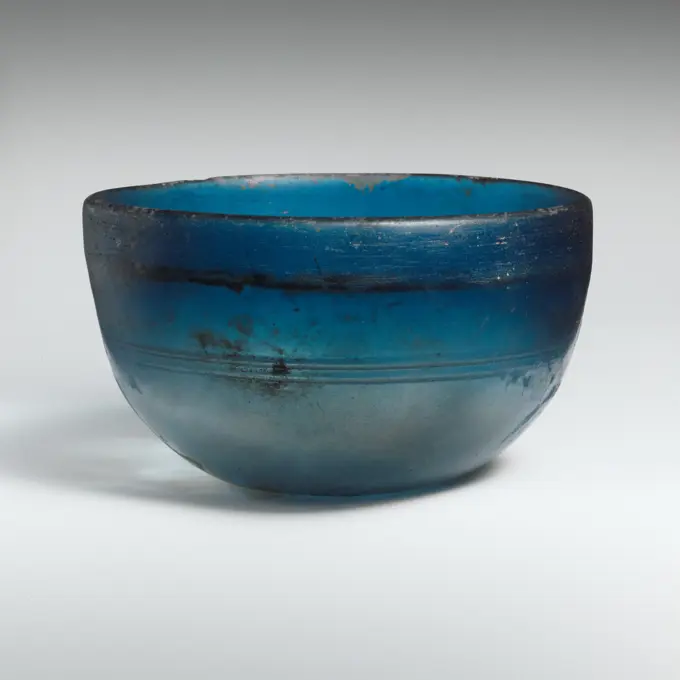
Decorative Bowls and Cups

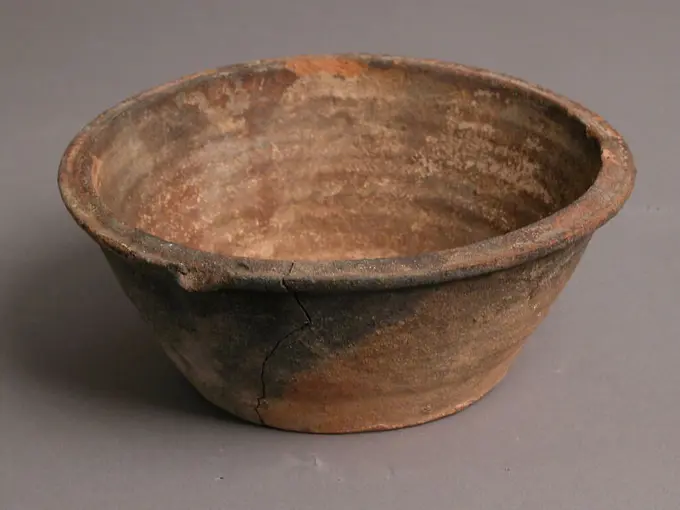
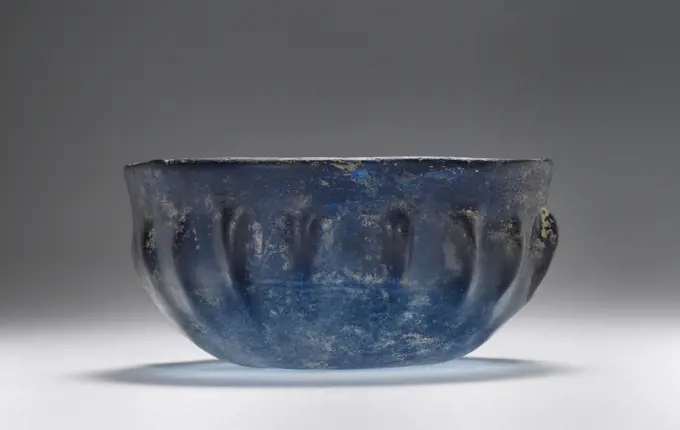
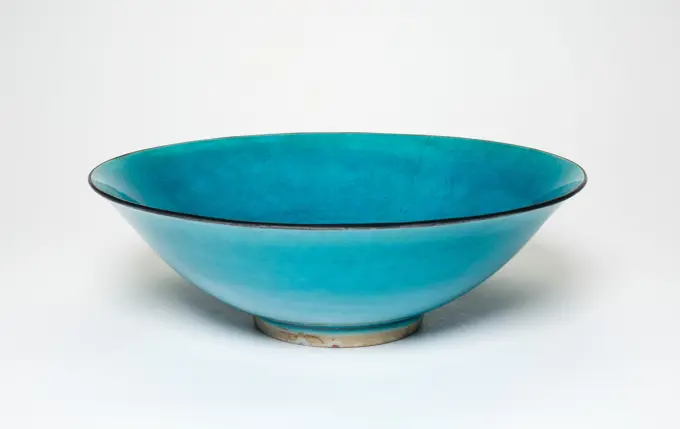
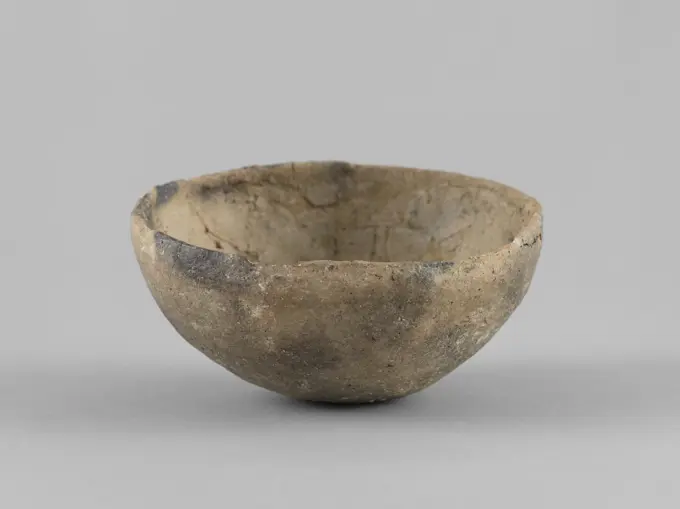
An array of beautifully crafted bowls and cups, featuring varying textures, glazes, and decorative patterns from different cultures.
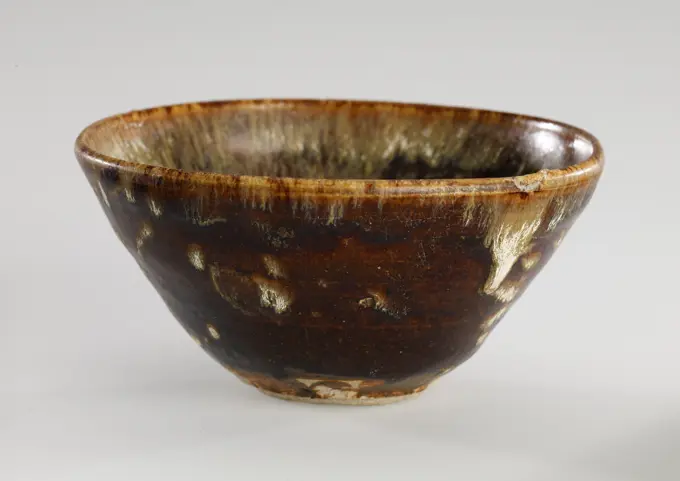
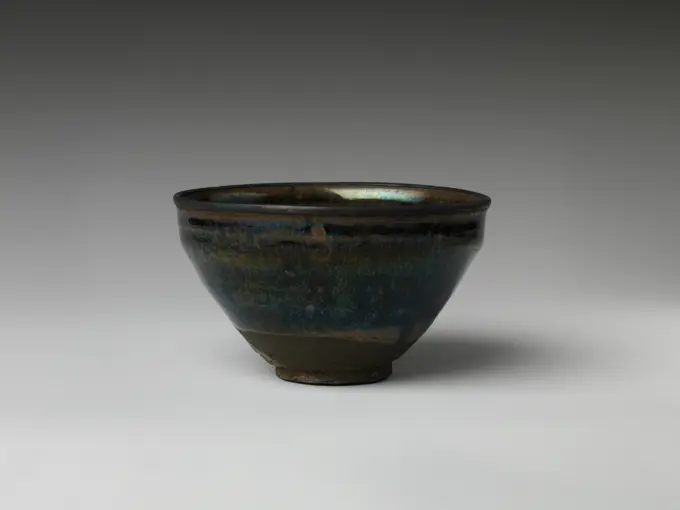
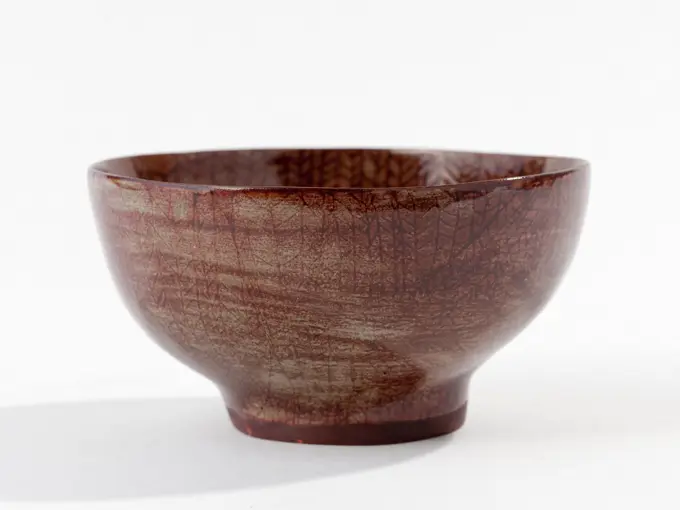
Tea Bowl, 12th-13th century, 2-7/16 x 4-7/16 x 4-7/16 in. (6.2 x 11.3 x 11.3 cm), Chi-chou ware Stoneware with brown glaze to the exterior with papercut decoration reserved in dark brown against a variegated buff ground on the interior, China, 12th-13th century, A dark-brown glaze with buff-colored tortoiseshell markings covers the exterior of this small tea bowl. Reserved on the interior in reddish-brown glaze are three openwork panels of quatrefoil shapes, perhaps representing peony blossoms, set against a richly variegated buff glaze. The golden buff glaze crawled downward from the lip during firing creating a streaked and mottled effect on the interior. Archaelogical evidence shows similar bowls to have been made at the Chi-chou kilns at Yung-ho in central Kiangsi province.
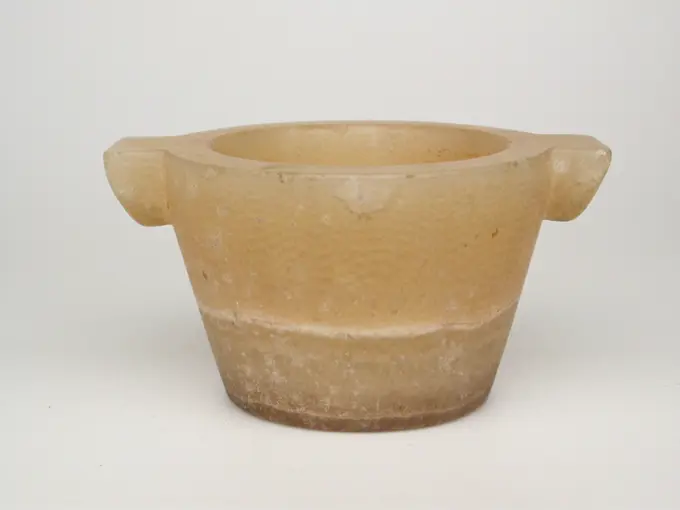
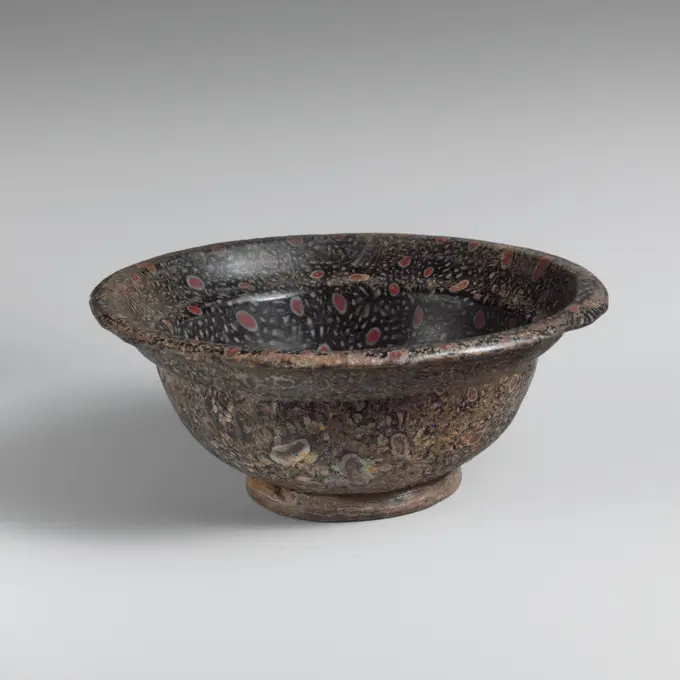
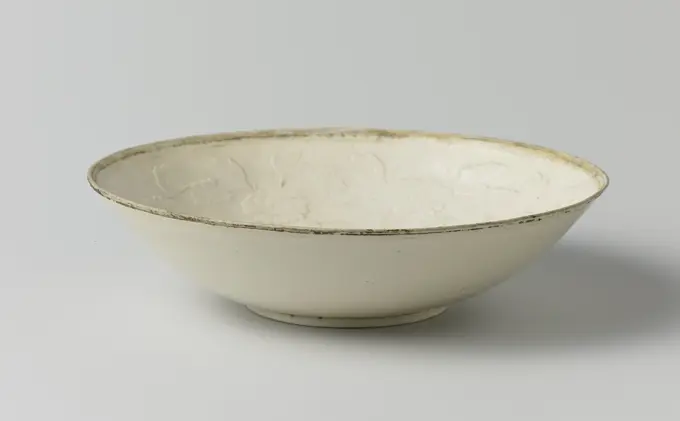
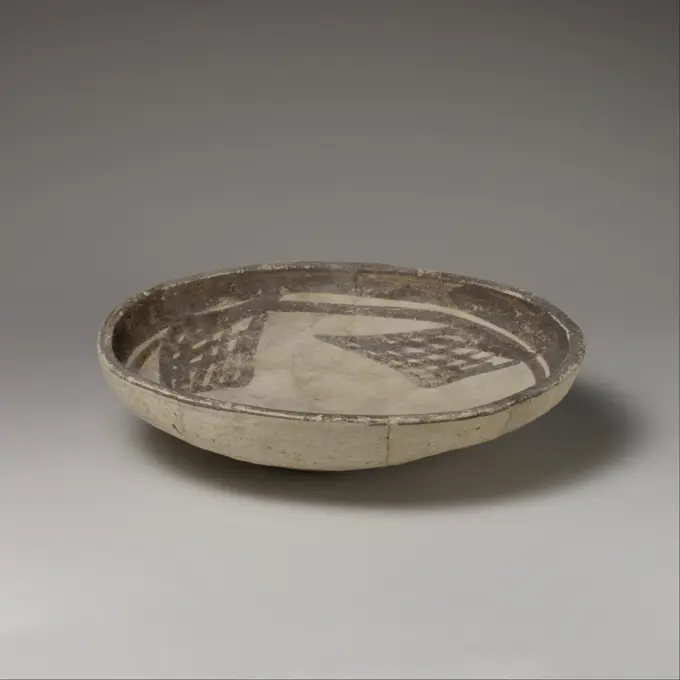
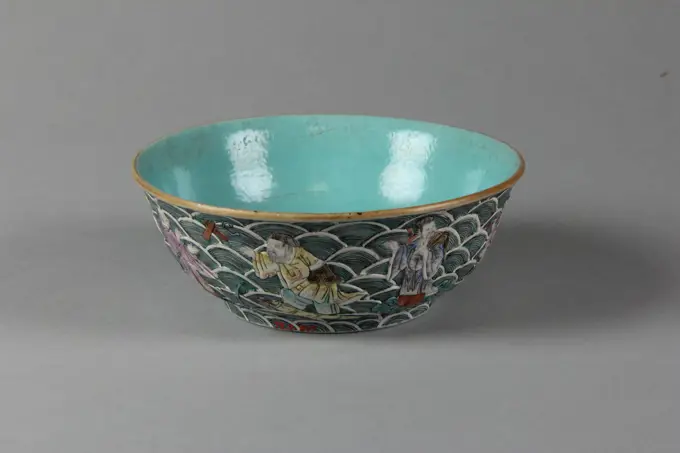
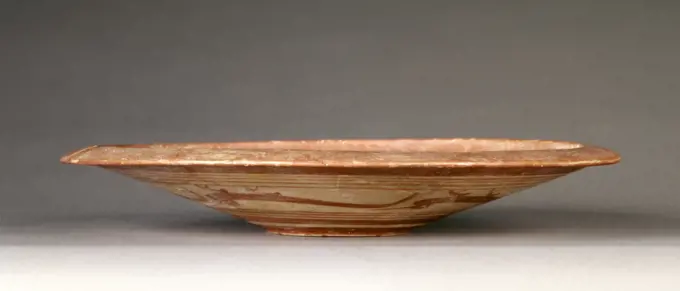
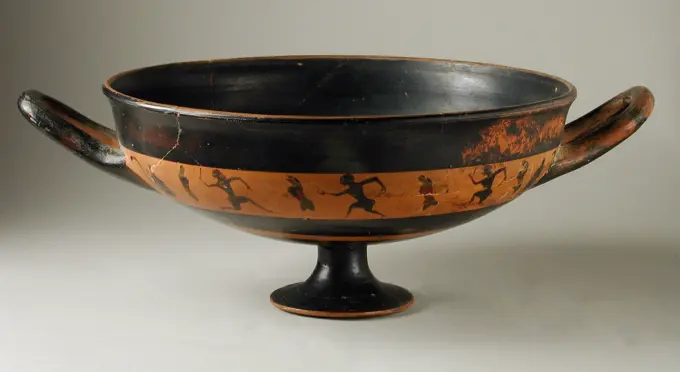
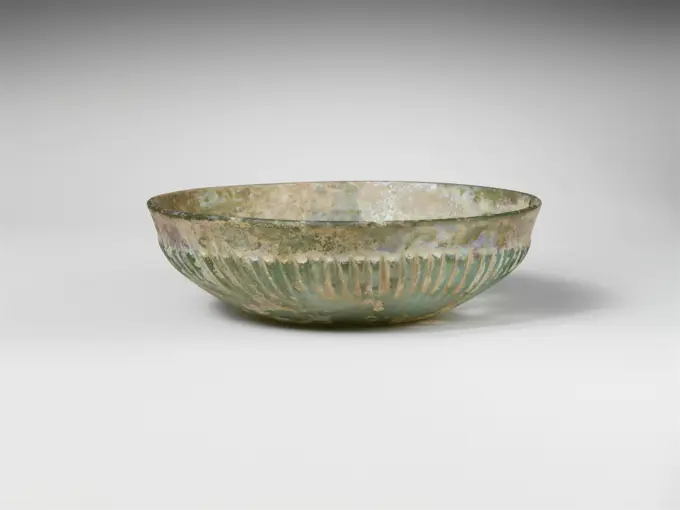
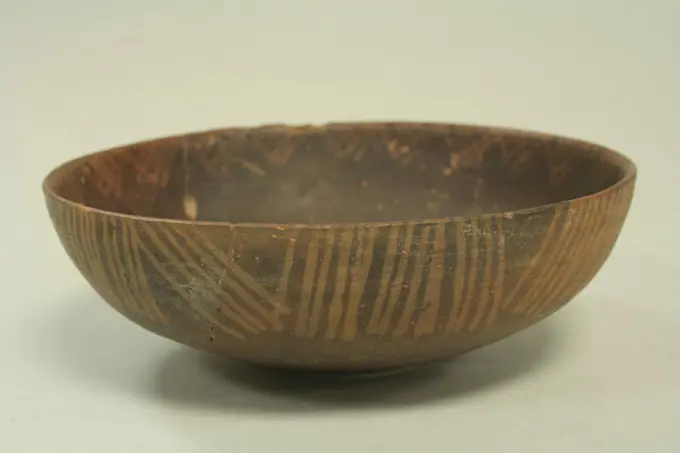
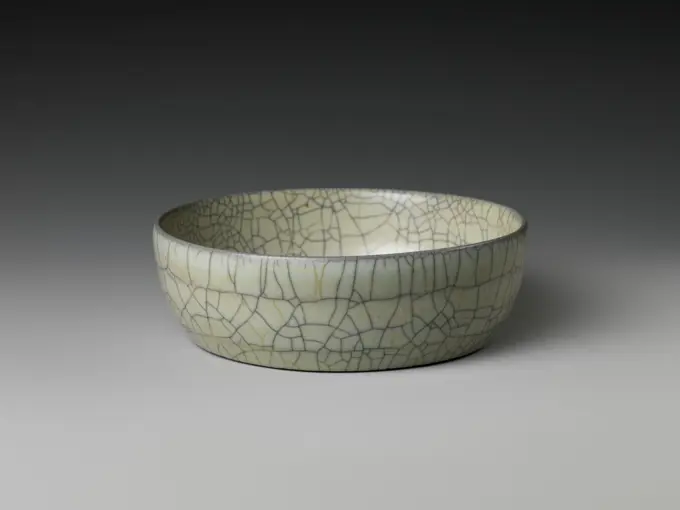
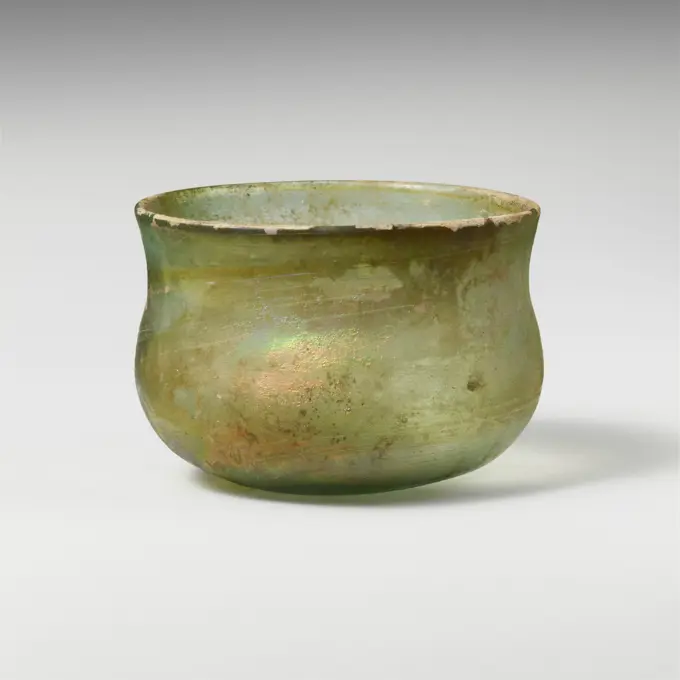
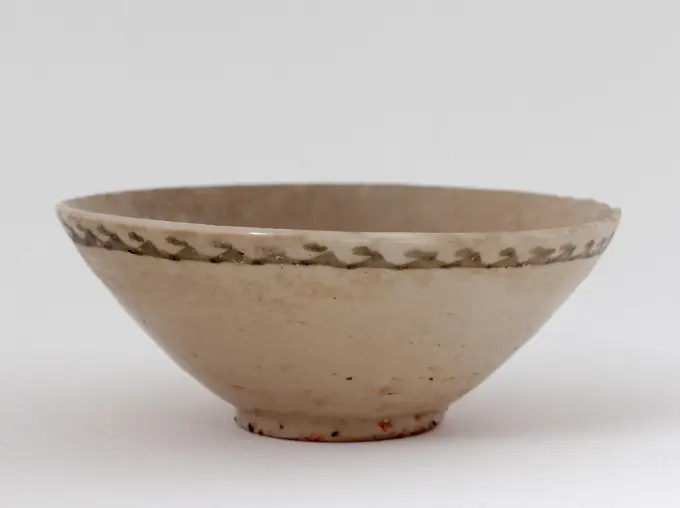
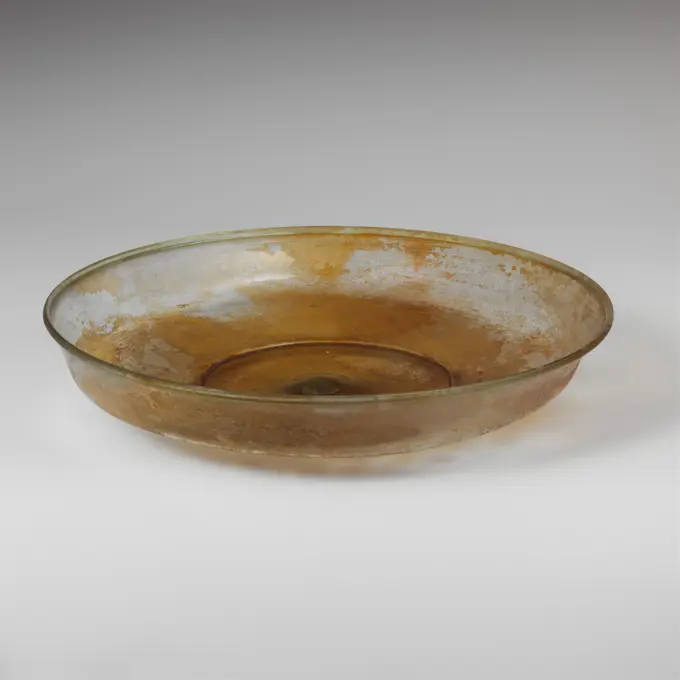
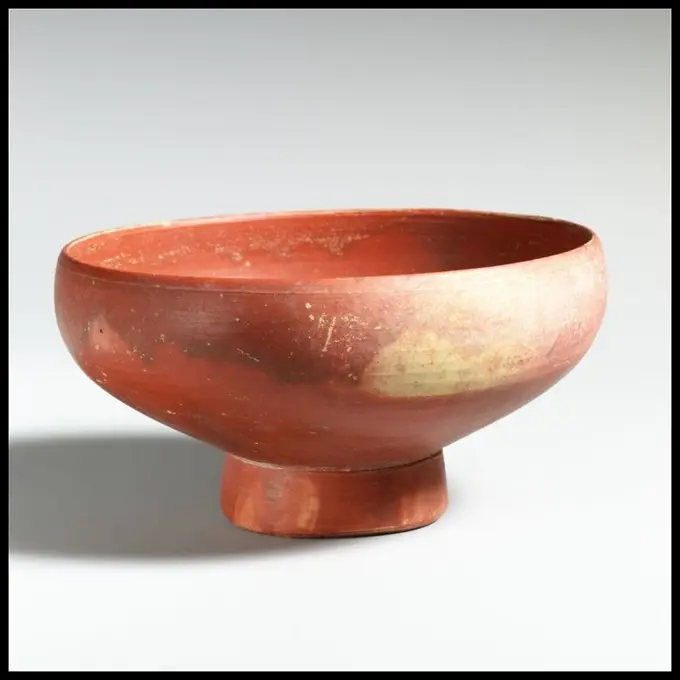
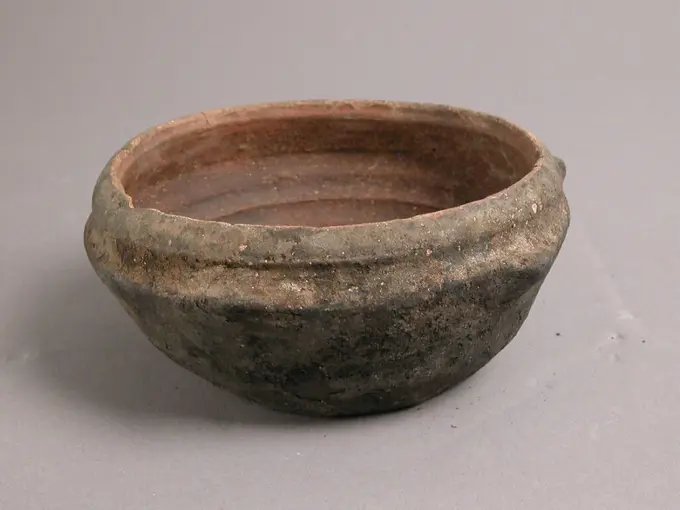
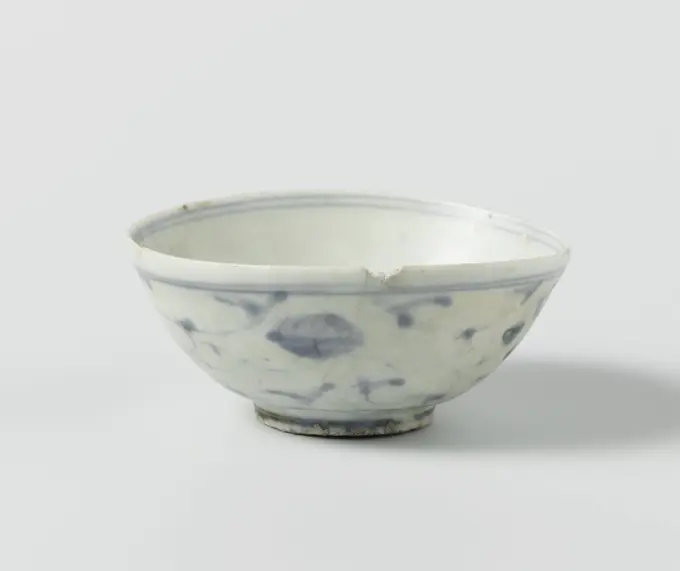
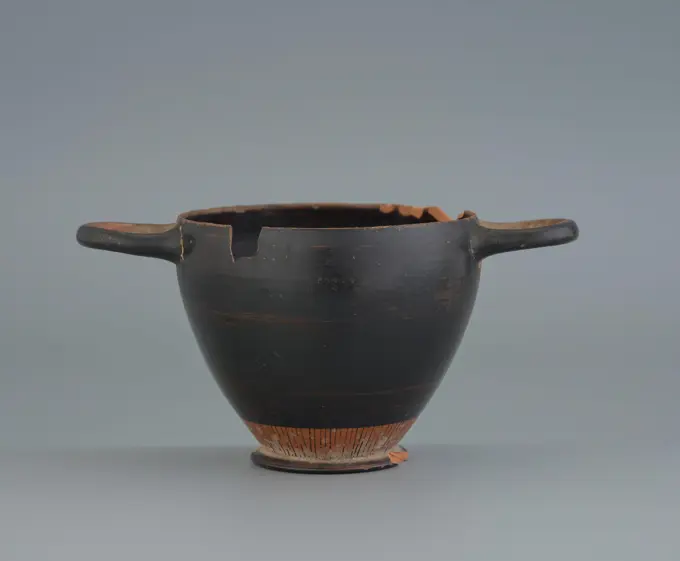
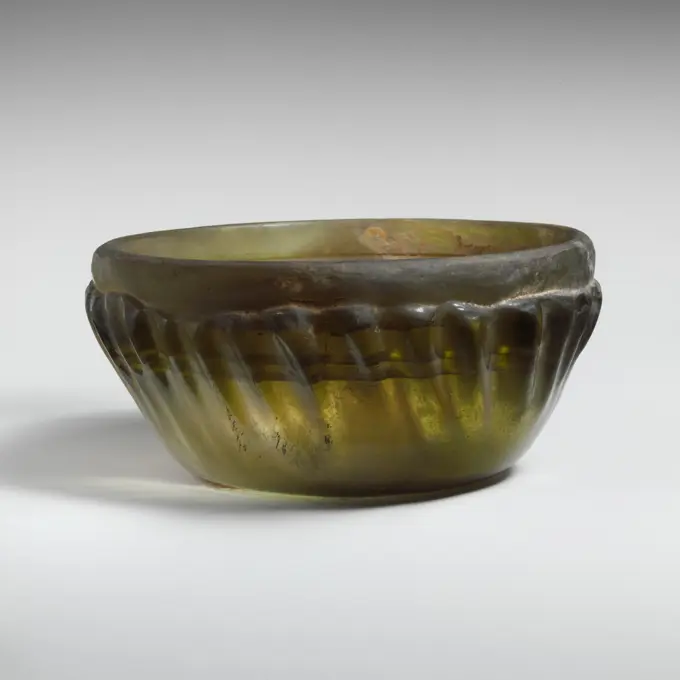
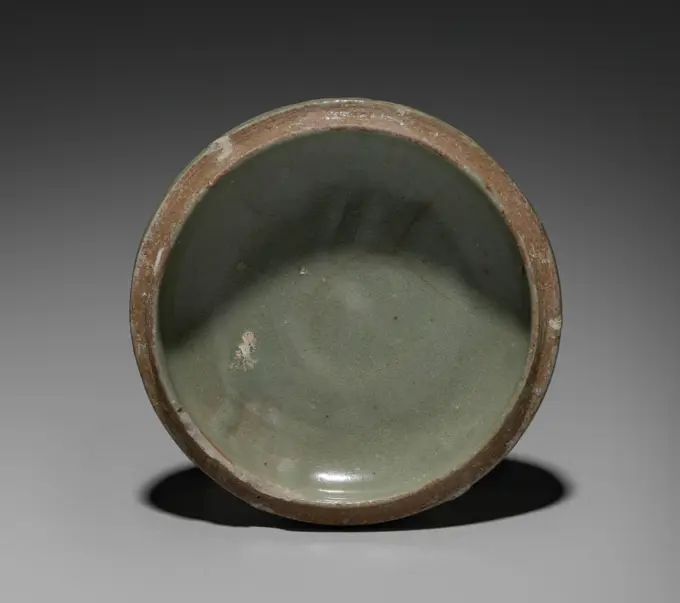
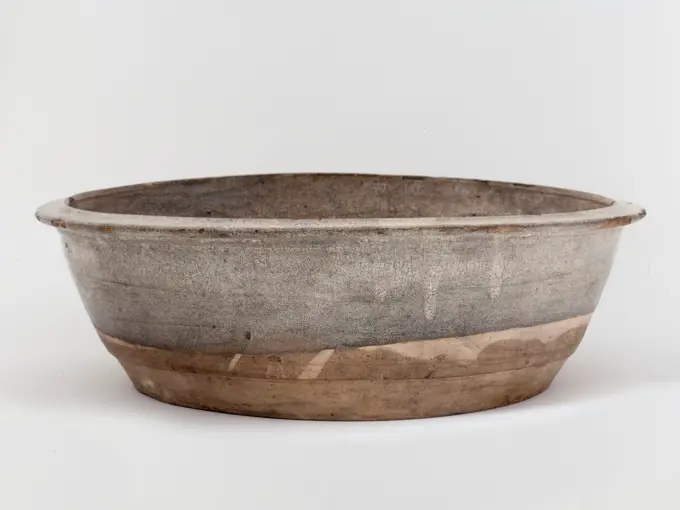
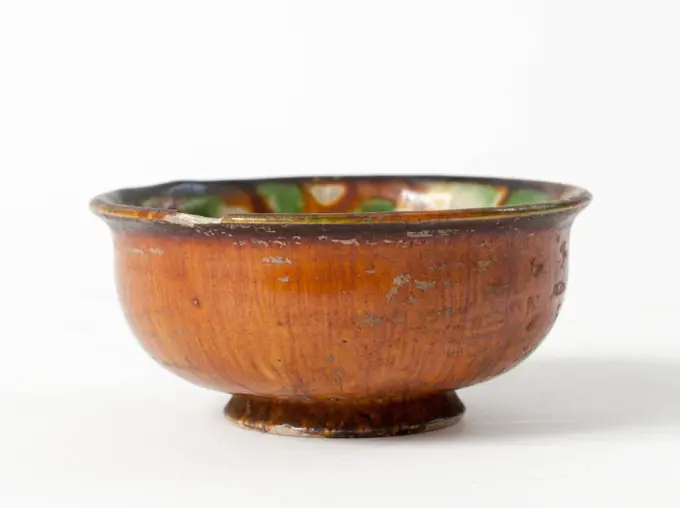
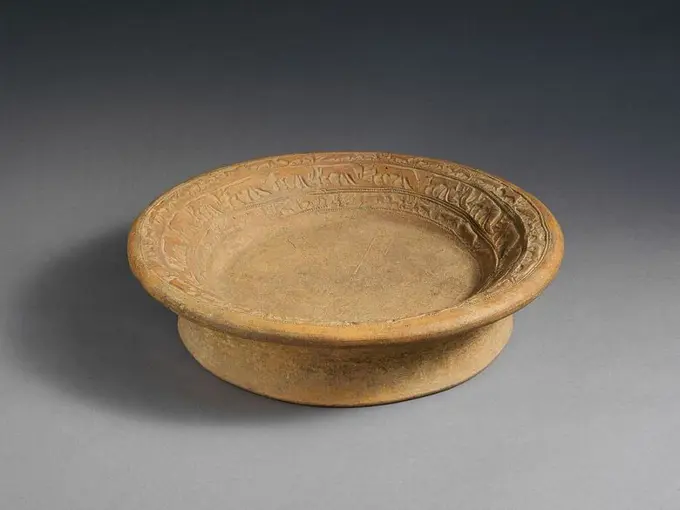
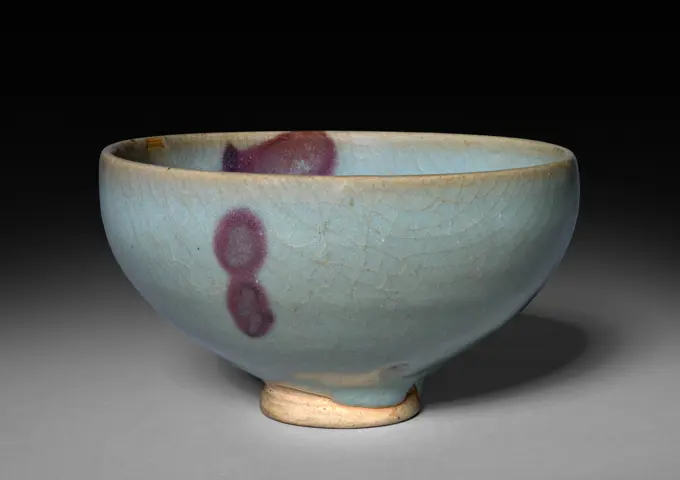
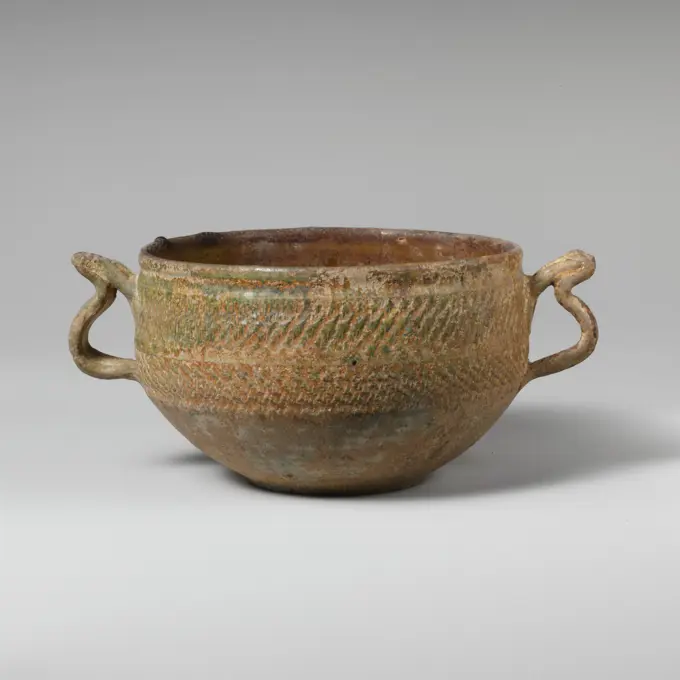
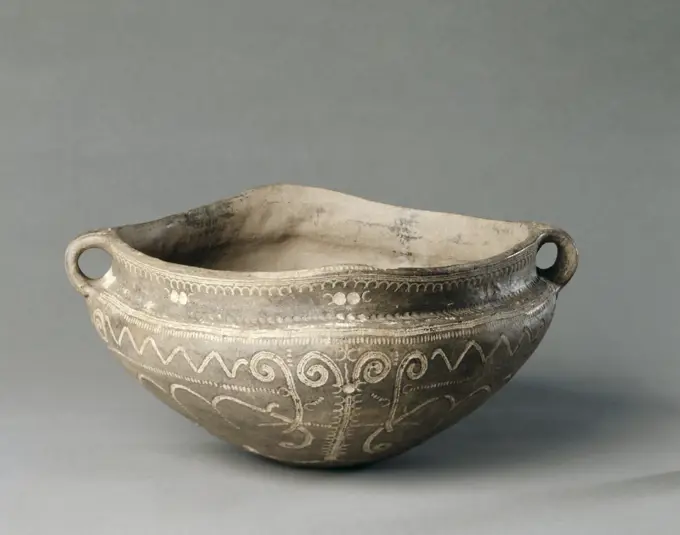
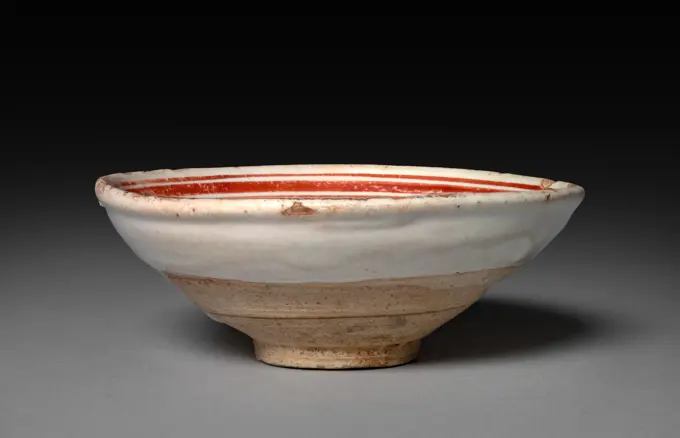
. Tea bowl (temmoku) of stoneware, partially covered with a brown glaze with golden brown stripes (hazel) and black spots. The lower half of the bowl is unglazed. The edge is caught in a metal band. Old label on the bottom with 'W675'. Seto.Tea bowl unknownCup With Flower Sprays Near a Rock and a Dark Brown Glaze. Cup of porcelain, partially covered with a brown glaze, painted in underglaze blue and on the glaze in red and gold. Blooming plants depicted at a rock; The edge with napkin interspersed with a flower branch in a cart shower; The outside is covered with a brown glaze. Chinese Imari with monochrome brown.Bowl with Textured Surface Decoration in Basketry-Like Pattern 850 CE-1500 New Mexico. Ceramic and pigment . Ancestral Pueblo (Anasazi). Come of pottery with white sludge and a painting in brown sludge under a transparent lead glaze. A pigeon on the bottom; The inner edge with a band with pseudocript.Bowl with Lotus Design. Korea. Date: 1135-1165. Dimensions: H. 8.0 cm (3 1/8 in.); diam. 16.9 cm (6 5/8 in.). Celadon-glazed stoneware with underglaze incised decoration. Origin: Korea. Museum: The Chicago Art Institute, Chicago, USA.Deep Bowl, 305 BC-30 BC. Egypt, Early Ptolemaic Dynasty or modern forgery. Bronze; diameter: 13.9 cm (5 1/2 in.); overall: 8.8 cm (3 7/16 in.).Bowl. China. Date: 1115-1234. Dimensions: H. 8.8 cm (3 7/16 in.); diam. 19.0 cm (7 1/2 in.). Northern black ware; Cizhou type; glazed stoneware with mottled markings in overglaze iron oxide. Origin: China. Museum: The Chicago Art Institute, Chicago, USA.Cup (common name). Celadon coverage sandstone. Cernuschi Museum, Asia Museum of Asia in the city of Paris.Tea Bowl, 12th-13th century, 2-7/16 x 4-7/16 x 4-7/16 in. (6.2 x 11.3 x 11.3 cm), Chi-chou ware Stoneware with brown glaze to the exterior with papercut decoration reserved in dark brown against a variegated buff ground on the interior, China, 12th-13th century, A dark-brown glaze with buff-colored tortoiseshell markings covers the exterior of this small tea bowl. Reserved on the interior in reddish-brown glaze are three openwork panels of quatrefoil shapes, perhaps representing peony blossoms, set against a richly variegated buff glaze. The golden buff glaze crawled downward from the lip during firing creating a streaked and mottled effect on the interior. Archaelogical evidence shows similar bowls to have been made at the Chi-chou kilns at Yung-ho in central Kiangsi province.Tripod Bowl. China. Date: 25 AD-220 AD. Dimensions: H. 12.1 cm (4 3/4 in.); diam. 24.6 cm (9 11/16 in.). Earthenware with lead green glaze. Origin: China. Museum: The Chicago Art Institute, Chicago, USA.Bowl 4th-7th century Coptic. Bowl 478828Incised Dish. Culture: Paracas. Dimensions: Overall: 2 in. (5.08 cm)Other: 7 1/2 in. (19.05 cm). Date: 7th-4th century B.C.. Museum: Metropolitan Museum of Art, New York, USA.Bowl with Inlaid Chrysanthemum and Lychee Design, 1300s. Korea, Goryeo period (918-1392). Pottery; diameter of mouth: 20.5 cm (8 1/16 in.); overall: 8.6 cm (3 3/8 in.).Mortar 664 BCE-525 BCE Egypt. Calcite . Ancient EgyptianIraq, Tell Hassan site, painted cup, end of the Halaf period, baked clay. Tea bowl of stoneware with two notches in the foot ring, covered with a cracked creamy glaze. A portion of the foot ring is unglazed. Hagi.Bowl 9th century View more. Bowl. 9th century. Earthenware; slip covered with monochrome pigments under transparent glaze, incised. Excavated in Iran, Nishapur. CeramicsGlass mosaic bowl late 1st century B.C.-early 1st century A.D. Roman Translucent purple body with opaque white and opaque red; color(s) of base ring uncertain.Horizontal rim with rounded, slightly downturned edge; carinated side, with two convex curves, the upper being shallow and the lower deep; convex bottom within applied outsplayed base ring with rounded edge.Composite mosaic pattern formed from polygonal sections of a single cane in a purple ground with numerous white rods surrounding a white circle filled with a red rod.Intact; slight pitting, dulling, and patches of iridescent weathering on interior and covering all of exterior and base ring.. Glass mosaic bowl. Roman. late 1st century B.C.-early 1st century A.D.. Glass; cast. Early Imperial. GlassTea bowl, anonymous, c. 960 - c. 1127 Low bowl of stoneware, covered with a translucent, slightly gray glaze. The front with a printed decoration of flower vines (peony); A band with a meander pattern on the inner edge. The edge is unglazed. Thing. China porcelain. glaze vitrification Low bowl of stoneware, covered with a translucent, slightly gray glaze. The front with a printed decoration of flower vines (peony); A band with a meander pattern on the inner edge. The edge is unglazed. Thing. China porcelain. glaze vitrificationBowl with a big bird, anonymous, c. 900 - c. 999 Come of earthenware decorated with brown sludge on Engobe from white sludge on which transparent lead glaze with yellowish pigments has been applied. On the front a large, stylized bird in a medallion. A decorative band on the outside wall. Nishapur earthenware. glaze painting / vitrification Come of earthenware decorated with brown sludge on Engobe from white sludge on which transparent lead glaze with yellowish pigments has been applied. On the front a large, stylized bird in a medallion. A decorative band on the outside wall. Nishapur earthenware. glaze painting / vitrificationBowl mid 6th-5th millennium B.C. Ubaid The most common type of vessel excavated from graves of the Late Ubaid period at the southern Mesopotamian site of Eridu was a shallow bowl, like this one. Typically a band of paint circles the outer rim, with occasional painted decorationoften of a crosshatched designalong the band. The central ground is left blank. On this example, the hatching takes the form of three evenly spaced lozenges, the sides of which are not straight and give the appearance of leaves swirling around the bowl. Toward the end of the Ubaid period in southern Mesopotamia, pottery was less skillfully painted but some of the grave pottery has simple but bold and very effective designs. This vessel was excavated in the Ubaid Cemetery at Eridu (Grave 134).. Bowl 324087Bowl with Daoist immortals and waves China. Bowl with Daoist immortals and waves. China. Porcelain painted in polychrome enamels on the biscuit. Qing dynasty (1644-1911). CeramicsPlate with Birds; Attributed to the Heron Class (Etruscan, active 680 - 660 B.C.); Caere, Etruria; 680 - 670 B.C; Terracotta; 29 × 5 cm (11 7,16 × 1 15,16 in.)Band-Cup with Dionysiac Revelers. Greece, Attica, circa 530 B.C.. Furnishings; Serviceware. Black-figure ceramic with added red and whiteTea bowl with a brownish black glaze, anonymous, c. 1800 - c. 1899 Theekom van Steengoed, partially covered with a black brown glaze with silver -gray spots (Oilspot). The lower half of the bowl is unglazed. A crack in the edge. Japan stoneware. glaze vitrification Theekom van Steengoed, partially covered with a black brown glaze with silver -gray spots (Oilspot). The lower half of the bowl is unglazed. A crack in the edge. Japan stoneware. glaze vitrificationBowl China. Bowl. China. Nephrite, white with greenish tint. Qing dynasty (1644-1911), Kangxi period (1662-1722). JadeSmall Bowl. Come from quartz frying with a polychrome decoration. A rider in a medallion on the bottom. The inner wall with four oval cartouches with riders, connected by a drip-shaped medallion.Glass ribbed bowl end of 1st century B.C.-mid 1st century A.D. Roman Translucent pale blue green.Vertical rounded rim; plain band around top of sides, tapering downwards, then bulging outward before curving in sharply to slightly concave bottom.On interior, two concentric grooves around bottom and small, broader circle at center; on exterior, seventy-six slightly slanting ribs of varying length and width, with tops ground off, arranged around bulging middle section of body.Intact; a few pinprick bubbles; some pitting, dulling, and iridescent weathering on exterior, most of interior covered with creamy weathering.Rotary grinding marks on interior and plain band around top of sides on exterior.. Glass ribbed bowl 245733Beaker. UnknownTeabowl with Hare’s-Fur” Glaze 18th century Japan First opened in the twelfth century as part of the expansion of the Japanese ceramic industry, the kilns at Seto, which were among the first to use glazes, often made bowls for the tea ceremony. The glaze on this piece, which resembles rabbit fur, was introduced by Buddhist monks who brought such ceramics home to Japan. There it is known as tenmoku, after the Japanese reading of Mount Tianmu, an important Buddhist center in China.. Teabowl with Hare’s-Fur” Glaze 48115Bowl -Orangeware Bowl with Lines 3rd century B.C. Paracas (). Orangeware Bowl with Lines 308470Bowl with an inscription and birds, anonymous, c. 1200 - c. 1220 Kwartsfritgoed Come decorated with script and birds in blue glaze and green luster on the surface of white glaze. is the earthenware. glaze. luster (textile) painting / engraving Kwartsfritgoed Come decorated with script and birds in blue glaze and green luster on the surface of white glaze. is the earthenware. glaze. luster (textile) painting / engravingBowl - Portneuf potteryBrush washer 13th-14th century China The combination of thicker dark lines and thinner brown lines seen in the glaze on this brush washer is known as gold thread and iron wire.” This type of glazing is one of the characteristics of Ge ware, which is thought to have been produced in the Hangzhou region, possibly in the same kilns that made the Guan, or official, ware for the court. The surface design is also an allusion to the rare, imperial Ru ware of the Northern Song dynasty (960-1127), revered for the lush crackle in its glaze.. Brush washer 52683Glass cup 3rd-4th century A.D. Roman Translucent pale blue green with yellow green streaks.Plain, rounded rim; S-shaped sides; deep pushed-in bottom with pontil scar at center.Intact; few bubbles and blowing striations; dulling, pitting, and iridescence, with patches of creamy weathering.. Glass cup. Roman. 3rd-4th century A.D.. Glass; blown. Late Roman. GlassCup ". Terracotta. Vietnam-Xe-Xive s. Paris, Cernuschi museum. 72361-30 Cup, Vietnamese object, terracottaConical bowl ". Porcelain, cobalt blue under cover. China, Song dynasty (960-1279). Paris, Cernuschi museum. Chinese art, conical, Chinese ceramic bowl, container, Song dynasty, porcelain, container, terracotta. Come from quartz fritgoed painted in sludge, blue and green with two seated figures surrounded by a wide bond with tendrils under a colorless alkalilation.. Bowl of quartz frites painted in black with stylized plants under a transparent turquoise alkalilation.Large cut (common name). Sandstone with brown-black decoration under cover. Cernuschi Museum, Asia Museum of Asia in the city of Paris.Glass dish 4th century A.D. Roman Colorless with pale blue green tinge.Rounded rim folded out and down; concave side to body, tapering downwards then curving sharply in to outer, slightly concave section of bottom; splayed, integral, tubular foot ring, made by folding; inner section of bottom slightly convex with thickened dome and pontil scar at center.Intact; few bubbles but some elongated horizontally; dulling, pitting, iridescence, and yellowish brown weathering on exterior.Greenish blown glass plate with thick base.. Glass dish 239888Bowl with floral patterns 14th century China. Bowl with floral patterns 48370Cup Stand with Lobed Rim. Korea. Date: 1101-1200. Dimensions: Diam. 19.1 cm (7 1/2 in.). Stoneware with celadon glaze and underglaze carved decoration. Origin: Korea. Museum: The Chicago Art Institute, Chicago, USA.Bowl (Wan) in the Form of a Plum BlossomBowl. Dimensions: H. 6 1/4 in. (15.9 cm)Diam. 8 3/4 in. (22.2 cm). Date: dated A.H. 1010/ A.D. 1601-2. Museum: Metropolitan Museum of Art, New York, USA.Terracotta bowl. Culture: Roman. Dimensions: 2 5/8in. (6.7cm)Other: 5in. (12.7cm). Date: 1st century A.D..Bowls of this form are represented at Pompeii, the Roman city in Italy that was destroyed by the eruption of Vesuvius in A.D. 79. Museum: Metropolitan Museum of Art, New York, USA.Covered Jar, Sawankhalok ware, 1300s. Thailand, Sukhothai Period, 14th century. Pottery; overall: 9.2 cm (3 5/8 in.).Bowl 4th-7th century Coptic. Bowl 478824Bowl. Culture: Coptic. Dimensions: H: 2 7/16 in. (6.2 cm); Diameter: 5 9/16 in. (14.1 cm). Date: 4th-7th century. Museum: Metropolitan Museum of Art, New York, USA.Bowl ca. 1550-1295 B.C. New Kingdom. Bowl. ca. 1550-1295 B.C.. Pottery. New Kingdom. From Egypt. Dynasty 18Zao Wou-Ki (1920-2013). "Small red bowl". Original painting on ceramic. 1950. Paris, Cernuschi museum. 101949-1 Asian art, Chinese art, ceramic, small bowl, red, 20th XX 20th 20th 20th 20th centuryCome from V.O.C.-Schip De 'Witte Leeuw', Anonymous, Before 1613 bowl Come from V.O.C. ship the 'Witte Leeuw', 100  present. Jingdezhen porcelain  flowers ~ ornament - AA - stylized Sint-HelenaGlass bowl. Culture: Roman. Dimensions: H.: 1 3/4 in. (4.4 cm)Diam.: 6 in. (15.2 cm). Date: late 1st century B.C.-early 1st century A.D..Colorless with pale green tinge.Rounded vertical rim; sides curving in to slightly concave bottom.Decoration of horizontal wheel-cut grooves on interior, comprising a single broad groove below rim and a band of two narrower grooves around middle of body.Intact; many pinprick bubbles; dulling, pitting, and severe weathering, and brilliant iridescence.Rotary grinding marks on interior and on the top of rim. Museum: Metropolitan Museum of Art, New York, USA.Bowl - Portneuf potterySkyfos;  450-430 BC (-450-00-00--430-00-00);Tea Cup, 618-906, Di.2 in., Ceramic, glaze, China, 7th-10th centuryBowl with Chrysanthemum Flower Heads. Korea. Date: 1400-1499. Dimensions: H. 5.4 cm (2 1/8 in.); diam. 18.9 cm (7 7/16 in.). Celadon-glazed stoneware with underglaze inlaid decoration of white clay. Origin: Korea. Museum: The Chicago Art Institute, Chicago, USA.Bowl 2nd-1st century B.C. Paracas. Bowl 308473Bowl China. Bowl 52671Glass ribbed bowl 1st century B.C. Greek, Eastern Mediterranean Translucent dark yellow green.Slightly inverted rim with angular top edge; sides curving in to broad, flat bottom.On interior, a band of four horizontal grooves, arranged vertically in two pairs, cut on upper half of side; on exterior, thirty-one diagonal ribs of varying width and thickness, some extending almost to the bottom of the side, with irregular rounded tops.Intact; some pinprick bubbles; dulling on interior and around plain band below rim on exterior; some patches of slight iridescence and weathering, and one large area on exterior of encrusted limy weathering.Rotary grinding marks on interior.Greenish ribbed cup, cut bands inside.. Glass ribbed bowl. Greek, Eastern Mediterranean. 1st century B.C.. Glass; cast, tooled, and cut. Late Hellenistic. GlassBowl. Culture: Coptic. Dimensions: Overall: 1 5/8 x 4 9/16 in. (4.2 x 11.6 cm). Date: 4th-7th century. Museum: Metropolitan Museum of Art, New York, USA.Dish 14th-ca. mid-16th century Thailand (Si Satchanalai). Dish 37509Bowl. Culture: Coptic. Dimensions: Overall: 1 7/16 x 5 11/16 in. (3.7 x 14.5 cm). Date: 4th-7th century. Museum: Metropolitan Museum of Art, New York, USA.Pigment Box, 918-1392. Korea, Goryeo period (918-1392). Inlaid celadon ware; diameter: 9 cm (3 9/16 in.); overall: 3.9 cm (1 9/16 in.). Celadons, spoons, seals, and bronze mirrors were the most common burial objects in tombs during the Goryeo period (918-1392). Once used to contain colored powder, rouge, and eyebrow gel for makeup, this small container was one of the standard goods that furnished elites' tombs. Both women and men used the grain powder of rice or millet for whitening their skin, safflower extract for rouge, and plant ash or soot for eyebrow gel. Yet, natural-looking make-up seems to have been the most favorable one in Korean according to the travelogue by Xu Jing (1091-1153), the Chinese diplomat who visited Korea in 1123.Bassin..-Couvand couvme. Dynastie song / yuan. Parases Cernali. Chinese art, Basin, Chinese Ceramic, Covered CREME, GRESCup with Children among Scrolling Vines. China. Date: 1115-1234. Dimensions: H. 5.1 cm (2 in.); diam. 12.8 cm (5 1/16 in.). Yaozhou ware; celadon-glazed stoneware with underglaze mold-impressed decoration. Origin: China. Museum: The Chicago Art Institute, Chicago, USA.Cup ". Terracotta with polychrome glaze (Sancai). China, Tang dynasty (618-907). Paris, Cernuschi museum. Chinese art, Chinese ceramic, container, cut, tang dynasty, container, terracottaIraq, Mesopotamia, Painted ceramic bowl from Tell HassanTerracotta brazier. Culture: Etruscan. Dimensions: H. 4 7/8 in. (12.4 cm); diameter 18 11/16 in. (47.5 cm). Date: ca. 600-530 B.C..One of the braziers (96.18.96, ca. 600 B.C.) is decorated with two different cylinder stamps, one showing a standard animal procession, the other depicting a boar hunt that is known only from five examples excavated at San Giovenale. The other brazier (19.192.53, ca. 550 B.C.) is stamped with a scene of a man and two dogs chasing a hare into a net held by a second man. Such friezes were popular on Protocorinthian vases and Etruscan Pontic ware. The fragment (23.160.94, ca. 540-530 B.C.) depicts pairs of lions attacking a bull and a doe, a subject that was adapted by the Etruscans from Near Eastern and Greek prototypes and that also appears on the Monteleone Chariot (03.23.1), which is on view in this gallery. Museum: Metropolitan Museum of Art, New York, USA.Bowl: Jun ware, Jin dynasty (1115-1234) - Yuan dynasty (1271-1368). Northern China, Jin dynasty (1115-1234) - Yuan dynasty (1271-1368). Glazed buff stoneware; diameter: 14.6 cm (5 3/4 in.); overall: 8.5 cm (3 3/8 in.).Bowl; Eastern Mediterranean; 2nd - 1st century B.C; Glass; 8.5 × 15.7 cm (3 3,8 × 6 3,16 in.)Tea bowl unknownTerracotta scyphus (drinking cup) 2nd century A.D. Roman Green enamelled Gallic bowl with two handles and incised rope-pattern.. Terracotta scyphus (drinking cup). Roman. 2nd century A.D.. Terracotta; lead-glazed ware. Mid Imperial. VasesBowl 9th-10th century China. Bowl. China. 9th-10th century. Black lacquer with coiled wood substrate. late Tang (618-907)-Song (960-1279) dynasty. LacquerLarge Bowl, c. 1500 BC. Romania, possibly Cirna, Middle Bronze Age. Burnished earthenware; overall: 15.5 x 31.3 cm (6 1/8 x 12 5/16 in.).Cup: Cizhou ware, 1100s-1200s. China, Jin dynasty (1115-1234). Buff stoneware with underglaze slip application and overglaze enamel decoration; diameter: 11.8 cm (4 5/8 in.); overall: 4.5 cm (1 3/4 in.).Incised bowl with geometric pattern 5th-3rd century B.C. Paracas. Incised bowl with geometric pattern 308336Terracotta Megarian bowl. Culture: Greek. Dimensions: h. 2 15/16 in. (7.5 cm); d. 5 in. (12.7 cm). Date: ca. late 3rd-mid 1st century B.C..This bowl was probably made in Cyprus by a local potter seeking to replicate the mold-made ware that was being produced contemporaneously in Athenian workshops. Museum: Metropolitan Museum of Art, New York, USA.Bowl. Culture: Coptic. Dimensions: H: 2 9/16 in (6.5 cm); Diameter: 6 1/8 in. (15.5 cm). Date: 4th-7th century. Museum: Metropolitan Museum of Art, New York, USA.Bol ". Ceramics. China, Dynasty of Song. Paris, Cernuschi Museum. 72685-53 Chinese art, white, bowl, ceramic, Song dynastyMughal Workshop; Ottoman Workshop / 'Heliotrope tazza with turquoises and rubies'. XVII century. Bloodstone, Gold, Ruby, Turquoise. Museum: Museo del Prado, Madrid, España.Silver bowl ca. 3200-2200 B.C. Cycladic With a band of linear decoration.. Silver bowl. Cycladic. ca. 3200-2200 B.C.. Silver. Early Cycladic I-II. Gold and SilverBowl; Eastern Mediterranean; 2nd - 1st century B.C; Glass; 6.5 x 12.5 cm (2 9,16 x 4 15,16 in.)Bowl 1368-1644 China. Porcelain with turquoise glaze .Jarlet. China, possibly Fujian, late Southern Song or Yuan dynasty, 13th-14th century. Furnishings; Serviceware. Wheel-thrown stoneware with brown glazeCup (Title Assigned), -4205. Gray and beige ceramics. Carnavalet museum, history of Paris.Teabowl 18th-19th century Japan. Teabowl 62596Triptolème painter. Cup (Kylix). Red figures. Athens. Around 470 BC. AD Museum of Fine Arts of the City of Paris, Petit Palais. 75498-4 Attic cut, red figure, ancient Greece, ancient vaseBowl with Insiced Sides, Flowering Plants and Silver Mounts. Bell-shaped bowl of porcelain, painted in underglaze blue. The wall is open (Ajourwerk) with four medallions in this with flowering plants. The outer edge with a bond with flower drinks; Above the foot a tire with stylized leaf motifs. The inside with a silver frame. Blue White.. Bowl of porcelain bowl with a scalloped edge, painted in underglaze blue. On the bottom a bird on a rock in blooming plants (chrysanthemum), an insect and clouds; the inner wall and edge divided into four wide compartments with a peach branch in a scalloped cartouche or lucky object under a sample head; In between four narrow courses with bows; the outer edge with three flower branches; The outer wall with four scallop cartouches with dots and four narrow compartments with a scepter. Three cracks in the edge. Kraakporkein.Bowl decorated with foliate rim and peony early 12th century Korea. Bowl decorated with foliate rim and peony 42270Hemispherical bowl. unknown, craftsmanGlass hemispherical bowl 1st century B.C. Greek, Eastern Mediterranean Translucent blue.Rounded, slightly inverted rim; hemispherical body with sides curving in to pushed-in bottom.Decoration of horizontal wheel-cut grooves on interior, comprising a single broad groove below rim and a band of two narrower grooves around middle of body.Intact; a few pinprick bubbles; patches of dulling, pitting, and iridescent weathering.Rotary grinding marks below rim on exterior and interior.Hemispherical blue bowl with horizontal cut bands.. Glass hemispherical bowl. Greek, Eastern Mediterranean. 1st century B.C.. Glass; cast and cut. Late Hellenistic. GlassBowl;  Kon. XIXW. (1885-00-00-1895-00-00);Lobed Bowl with Stylized Florets. China. Date: 700 AD-750 AD. Dimensions: H. 3.9 cm (1 9/16 in.); diam. 10.4 cm (4 1/16 in.). Earthenware with three color (sancai) lead glazes and underglaze molded decoration. Origin: China. Museum: The Chicago Art Institute, Chicago, USA.Bowl 9th-10th century. Bowl 449780Bowl. Late Hellenistic or early Roman; eastern Mediterranean, probably coast of Syria or Palestine. Date: 250 BC-50 BC. Dimensions: 8.2 × 14.7 × 14.7 cm (3 1/4 × 5 3/4 × 5 3/4 in.). Glass, cast (sagged). Origin: Syria. Museum: The Chicago Art Institute, Chicago, USA. Author: ANCIENT ROMAN.