Decorative Bowls and Cups

An array of beautifully crafted bowls and cups, featuring varying textures, glazes, and decorative patterns from different cultures.
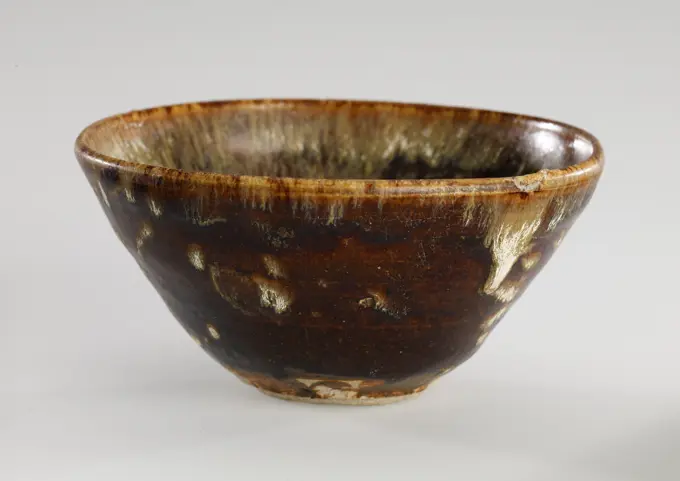
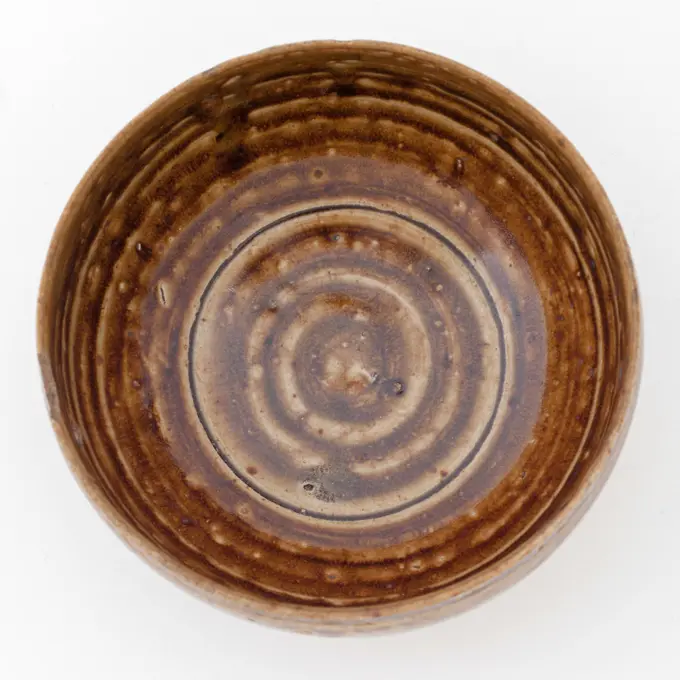
Tea Bowl, 12th-13th century, 2-7/16 x 4-7/16 x 4-7/16 in. (6.2 x 11.3 x 11.3 cm), Chi-chou ware Stoneware with brown glaze to the exterior with papercut decoration reserved in dark brown against a variegated buff ground on the interior, China, 12th-13th century, A dark-brown glaze with buff-colored tortoiseshell markings covers the exterior of this small tea bowl. Reserved on the interior in reddish-brown glaze are three openwork panels of quatrefoil shapes, perhaps representing peony blossoms, set against a richly variegated buff glaze. The golden buff glaze crawled downward from the lip during firing creating a streaked and mottled effect on the interior. Archaelogical evidence shows similar bowls to have been made at the Chi-chou kilns at Yung-ho in central Kiangsi province.
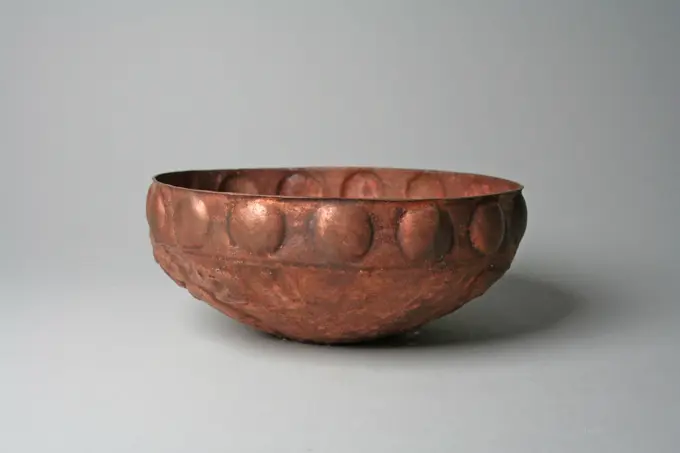
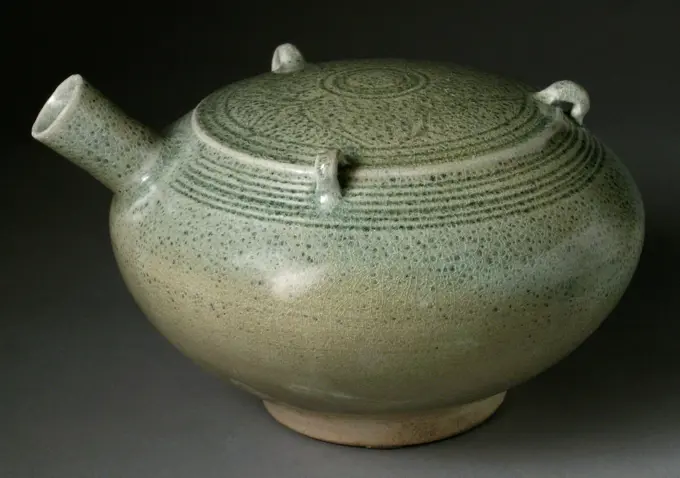
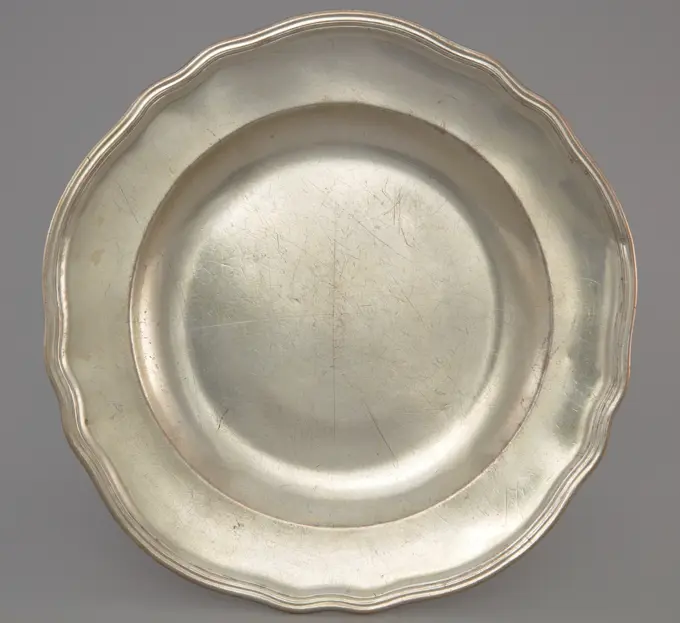
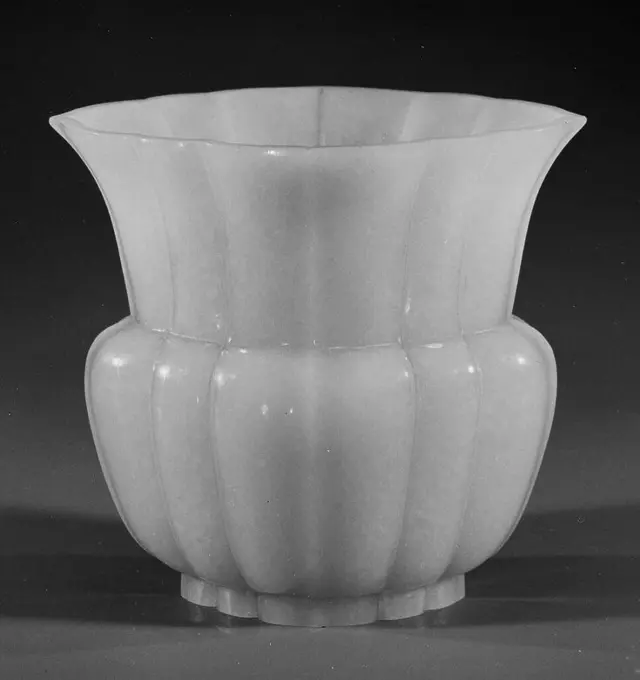
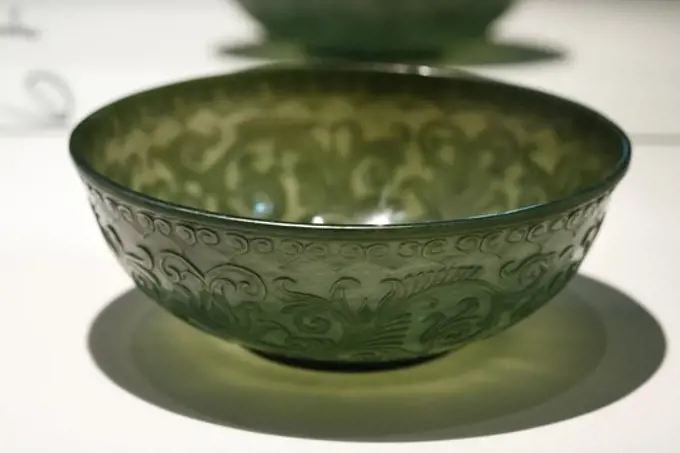
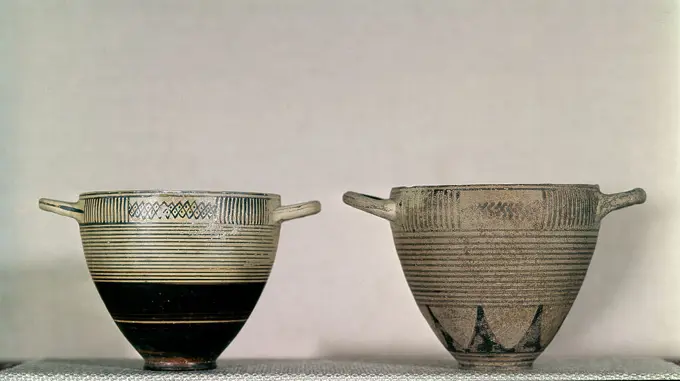
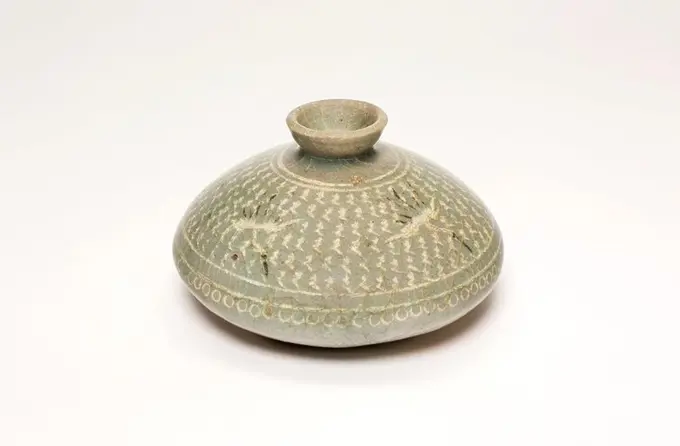
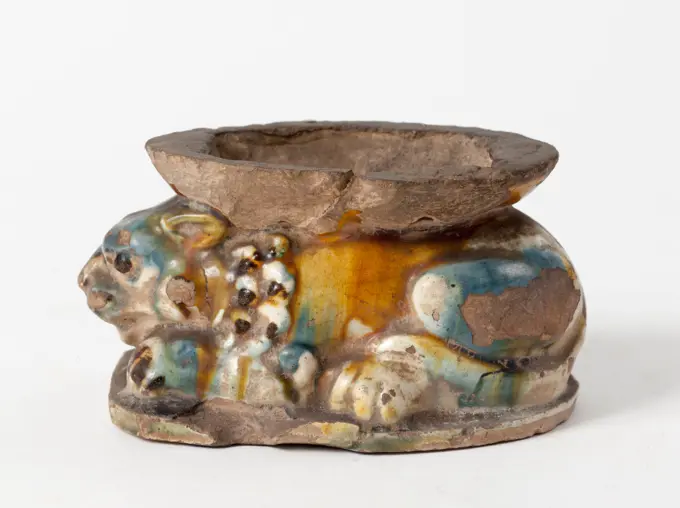
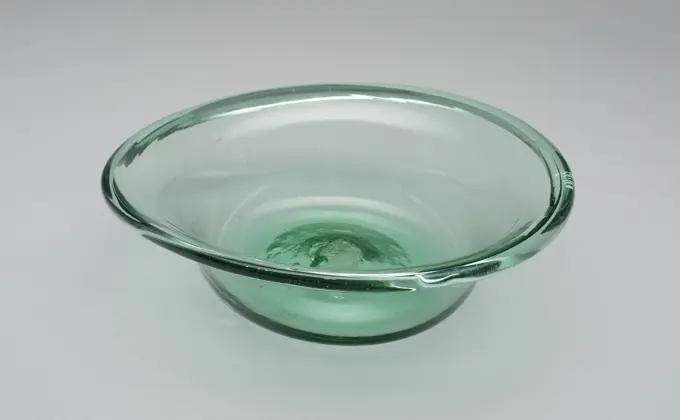
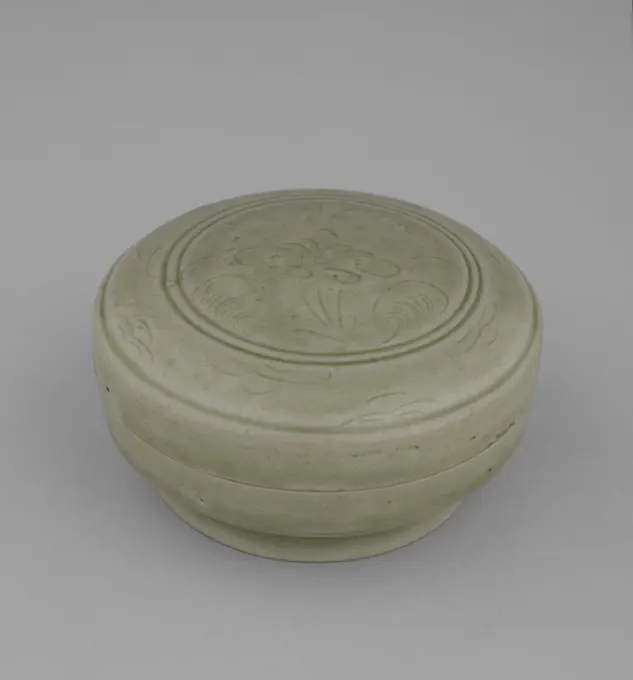
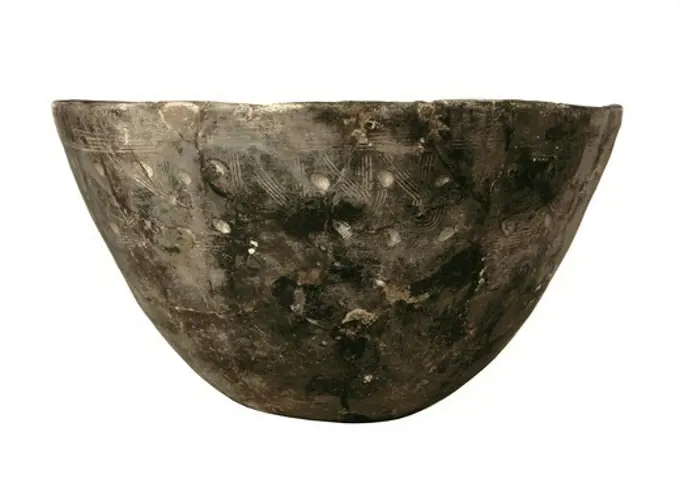
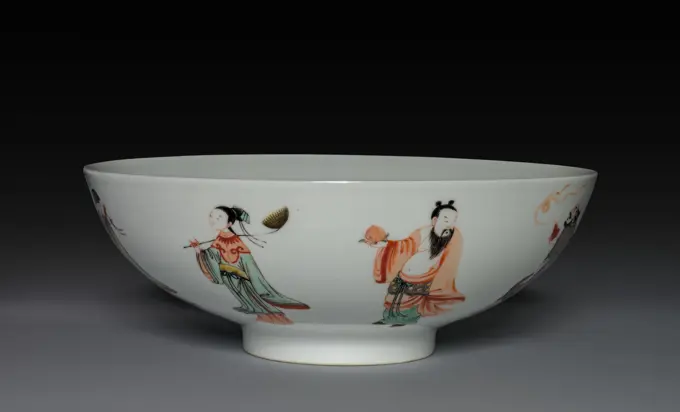
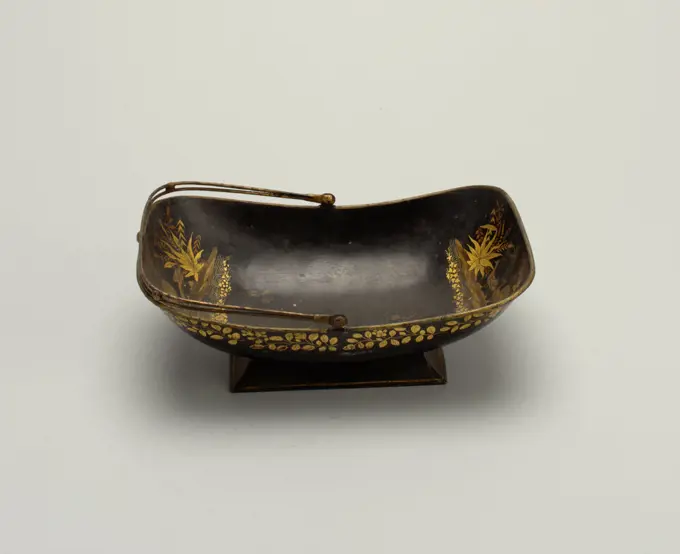
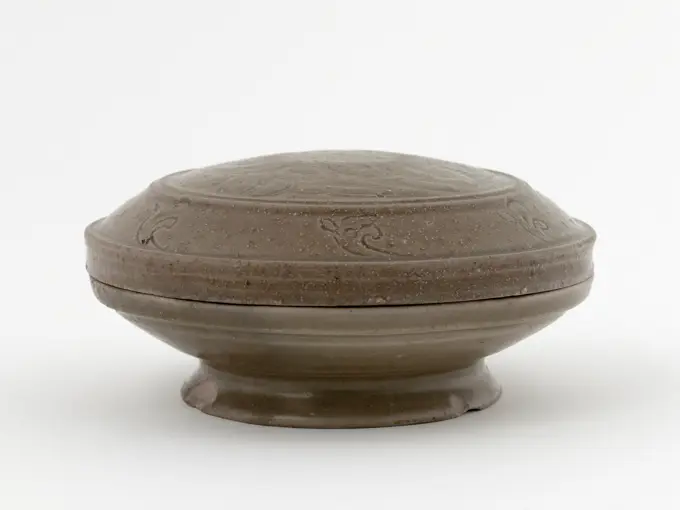
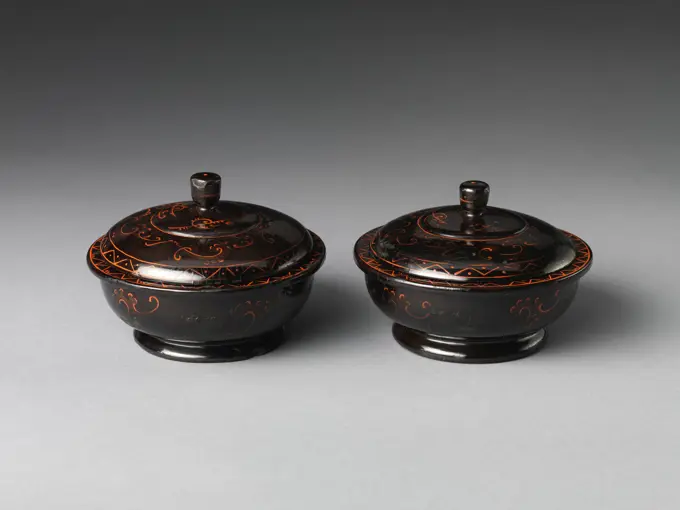
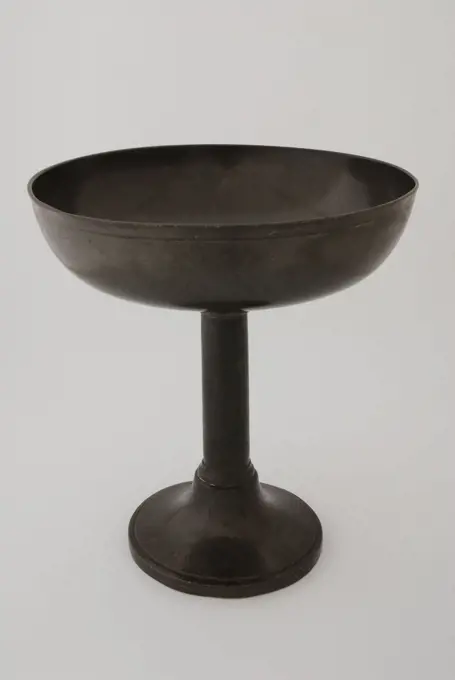
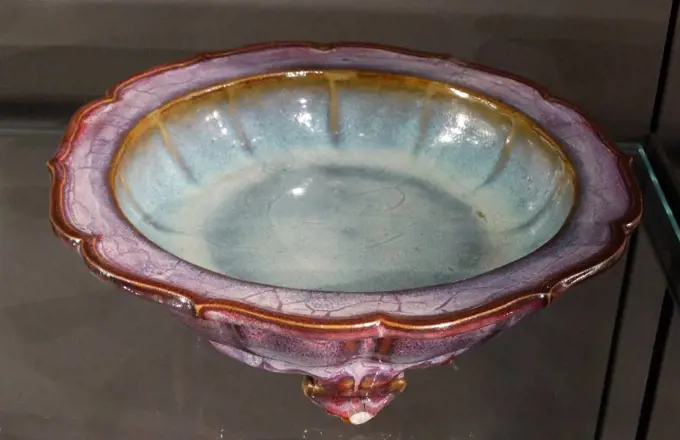
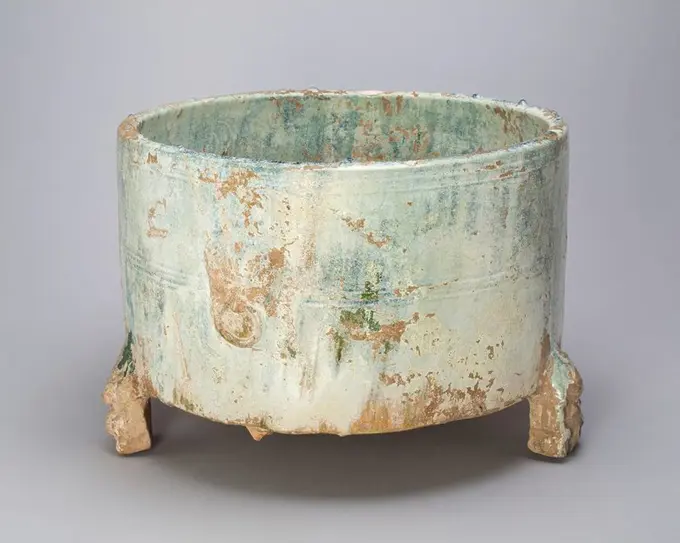
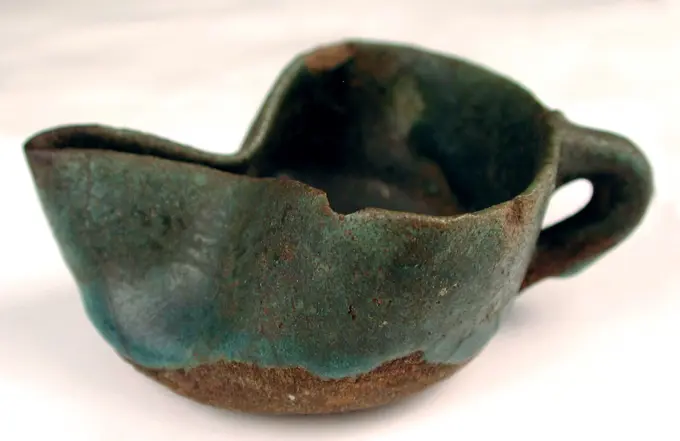
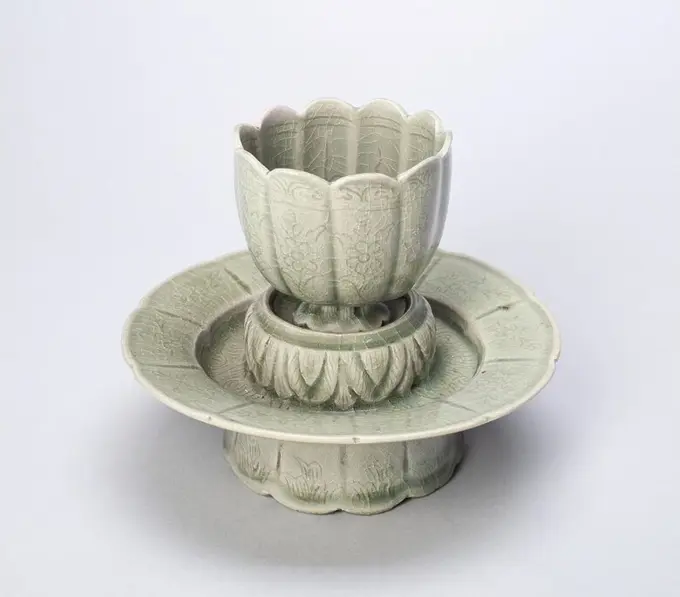
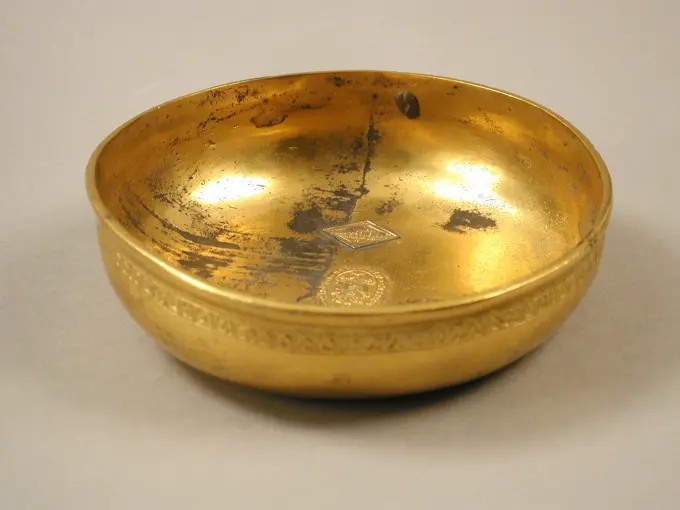
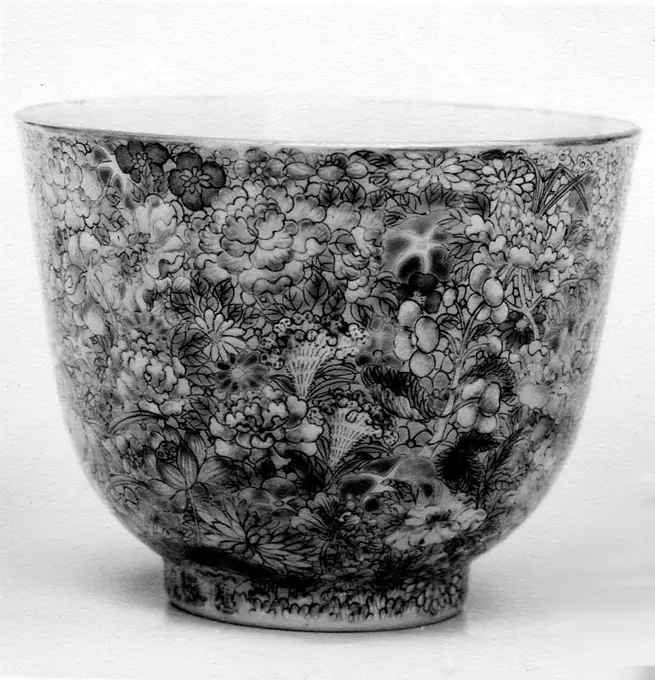
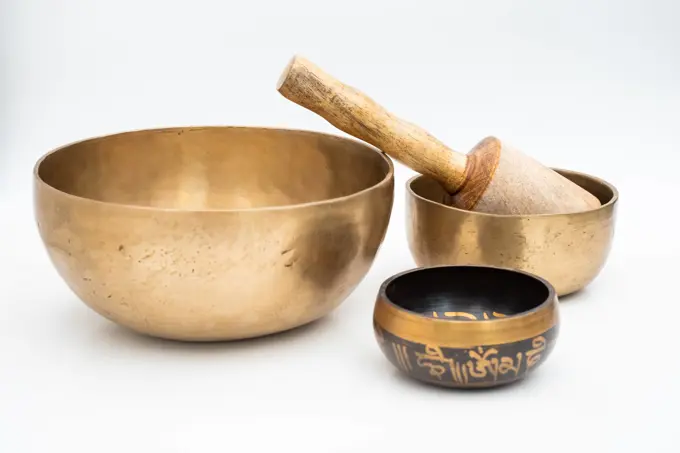
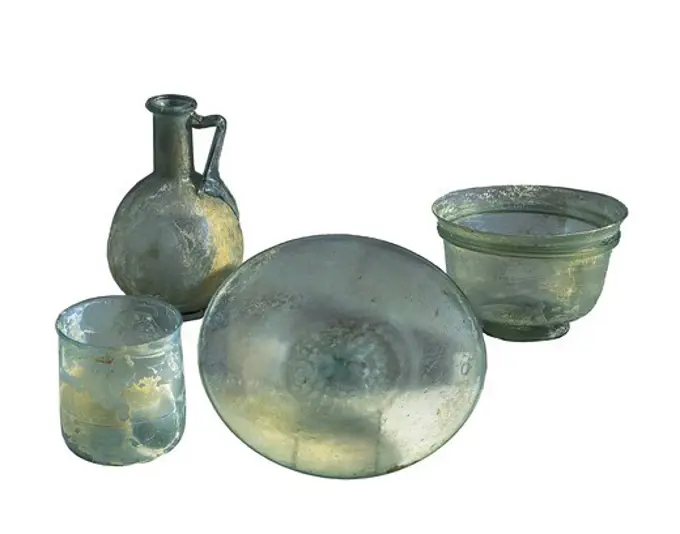
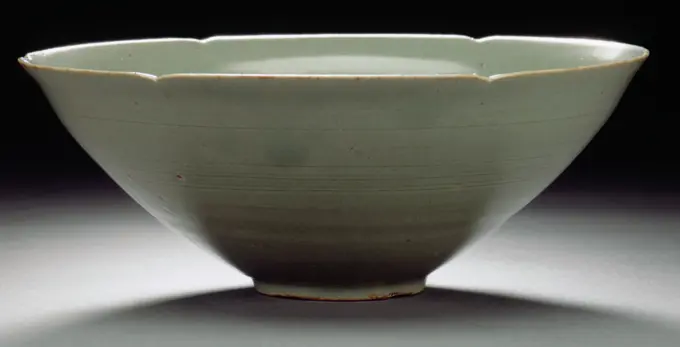
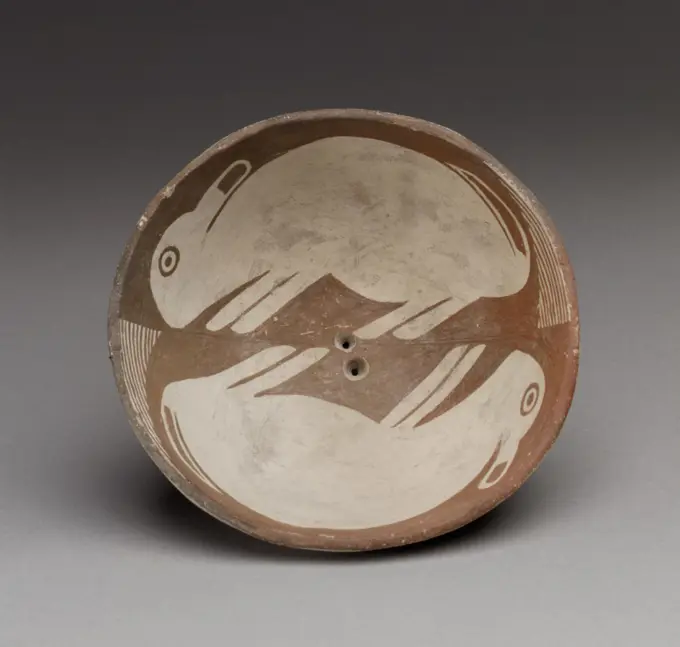
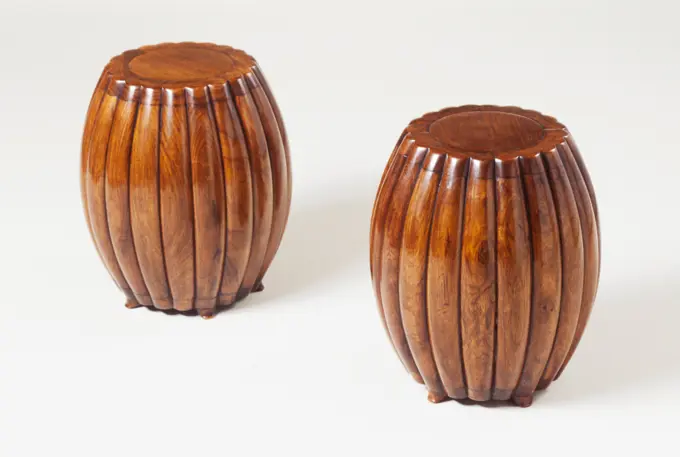
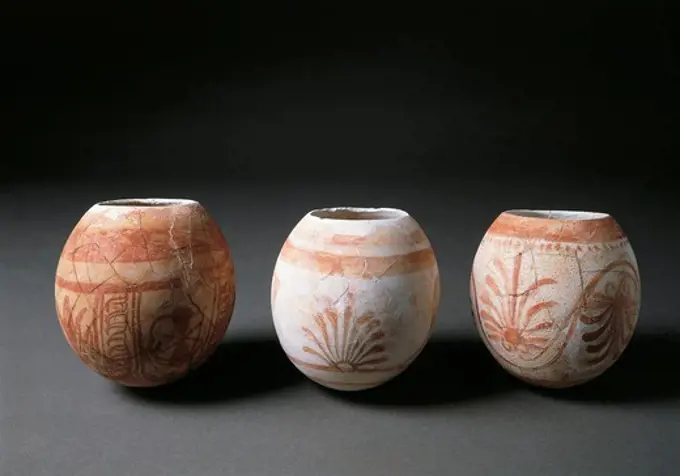
Bowl Incised and Painted with Interlocking Geometric Band 650 BCE-150 BCE Peru. Ceramic and pigment . ParacasAround drinking bowl with low standing surface and sloping wall without ears, anonymous, c. 1590 - c. 1596 dish Around drinking bowl with a low stand and a sloping wall without ears. Cut traces of the pin of the lathe and on the bottom on the bottom. The edge of the bowl has crumbled.  wood (plant material)   Nova Zembla. Saving HuysAttic Black-Figure Little Master Lip Cup.Copper Bowl with Lobster 12th-15th century Chimú. Copper Bowl with Lobster 315239Spouted Vessel. Thailand, Sawankhalok, circa 1300-1550. Furnishings; Serviceware. Wheel-thrown stoneware with applied and incised decoration and green glazeWater Basin (Pan) ca. 8th-7th century B.C. China. Water Basin (Pan) 61311Pan. Mantua Glass Works; Mantua, Ohio, 1821-1829. Date: 1821-1829. Dimensions: 15.2 cm (6 in.). Blown glass. Origin: Mantua. Museum: The Chicago Art Institute, Chicago, USA.Silver plate Wasserlandt, Ernst ChristianBowl c 1820-1840 Ohio. The American glass industry began in the Northeast, but it migrated to the Midwest as people moved westward during the early 19th century. Cleveland connoisseurs Dr. George and Alice Perry Follansbee, important early collectors of American glass, once owned this bowl. They undoubtedly delighted in the irregularity and large size of this handmade, freely blown vessel.. Blown glass . Artist unknownVase. Culture: China. Dimensions: H. 4 3/16 in. (10.6 cm); Gr. W. 4 3/4 in. (12.1 cm); Gr. Diam. 3 13/16 in. (9.7 cm). Museum: Metropolitan Museum of Art, New York, USA.Anonymous. "Small tray in Marli". Metal, silver, traces of gilding. 100/200 BC .. Museum of Fine Arts in the city of Paris, Petit Palais. 99931-14 Antiquity, money, metal, traces of gilding, ancientCoiled Storage Basket with Serrated-line Design. Pomo; Northern California, United States. Date: 1880-1890. Dimensions: . Natural vegetable fibers with pigment. Origin: California. Museum: The Chicago Art Institute, Chicago, USA.Mirror Greek, Cypriot. Mirror 244308Footed bowl. Culture: Italian (Venice). Dimensions: H. 18.6 cm; diam. of rim 28.4 cm. Date: ca. 1500. Museum: Metropolitan Museum of Art, New York, USA.Close-up of jade sculptureGlazed stonepaste bowl. Persian, Iran, AD 1400-1500CERAMICA GRIEGA S VII. Location: MUSEO ARQUEOLOGICO-CERAMICA GRIEGA. GRANADA. SPAIN.Four-Lobed Flat Bowl 18th century Japan. Four-Lobed Flat Bowl 62696Oil Bottle with Cranes and Stylized Clouds. Korea. Date: 1235-1265. Dimensions: H. 5.4 cm (2 1/8 in.); diam. 8.6 cm (3 3/8 in.). Celadon-glazed stoneware with underglaze inlaid decoration of black and white clays. Origin: Korea. Museum: The Chicago Art Institute, Chicago, USA.Container in the shape of an elongated feline ". Terracotta, polychrome glaze (Sancai). China, Tang dynasty (618-907). Paris, Cernuschi museum. Chinese art, Chinese ceramic, container, Tang dynasty, fellin lengthe, fellin shape, container, terracottaTazza. Possibly Thomas Ash; English, active 1697; London, England. Date: 1697-1698. Dimensions: 5.7 x 20.3 cm (2 1/4 x 8 in.). Silver. Origin: London. Museum: The Chicago Art Institute, Chicago, USA.Cup; terra-cottaCup on a Stand with Flower Décor ca. 1400-1352 B.C. New Kingdom. Cup on a Stand with Flower Décor 548239Bowl with Cover Korea. Bowl with Cover 57442Bol ". GRS covered brown. Paris, Muse Cernuschi. He was Asian art, extreme-East art, Vietnamese art, bowl, ceramic, gres, dishesBowl. Western Iran, circa 1350-800 B.C.. Furnishings; Serviceware. Bronze, hammeredMiniature Bowl with Interior Bird-Wing Motif. Ancestral Pueblo (Anasazi), Gila Polychrome; Arizona, Southwest, United States. Date: 1250-1400. Dimensions: 8.3 x 19.1 cm (3 1/4 x 7 1/2 in.). Ceramic and pigment. Origin: Southwest. Museum: The Chicago Art Institute, Chicago, USA.Bowl c 1835 Mount Clemens. Blown glass . Artist unknownBox (common name), 960. Céladon covers sandstone. Cernuschi Museum, Asia Museum of Asia in the city of Paris.glazed ceramic bowl glazed ceramic bowl, 16th-17th century, Renaissance, Archeological Museum. Úbeda, Jaén province, Andalusia, Spain Copyright: xZoonar.com/BartomeuxBalaguerxRotgerx 21702816Bowl. United States, possibly Ohio, Mantua, 1821-1829. Furnishings; Serviceware. Pattern-molded purple amethyst glassCogotas Culture. Iron Age. Ceramics. SPAIN. MADRID (AUTONOMOUS COMMUNITY). Madrid. National Museum of Archaeology. Proc: SPAIN. CASTILE AND LEON. AVILA. Carde-osa. Las Cogotas.Jar 1st-6th century Nasca. Jar. Nasca. 1st-6th century. Ceramic, pigment. Peru. Ceramics-ContainersToy tea bowl - William Ridgway & Company, 1830-1854 William Ridgway & Company, 1830-1854Bowl with Eight Immortals, 1662-1722. China, Jiangxi province, Jingdezhen kilns, Qing dynasty (1644-1912), Kangxi reign (1661-1722). Porcelain with famille verte overglaze enamel decoration; diameter: 22.5 cm (8 7/8 in.).Tea bowl, c. 1775, 1 3/4 x 3 1/2 x 3 1/2 in. (4.45 x 8.89 x 8.89 cm), Porcelain with enamel decoration, China, 18th centuryOne Fluted Bowl. Unknown 175-75 B.C. One of a pair of fluted bowls. The exterior flutes are alternately gilded or left silver. They radiate from a medallion on the bottom featuring a rosette of six leaves formed by a trefoil acanthus combined with a trefoil lotus. The background of the leaves is stippled and the floral is surrounded with a molding of a twisted cable edged with beading. The rim of the bowl has a set of relatively plain moldings, the lower part gilded. There is a Greek inscription on the exterior of the rim: "KTACIMOTOY MAMOTOY <PM APTEIMOY <PM CAMOTOC" Of Ktasimotos, son of Mamotos. Year 140. Of Arteimas. Year 140. Of Samus. The bowl has 64 flutes. Inscription in Greek on the exterior of the rim: "KTACIMOTOY MAMOTOY <PM APTEIMOY <PM CAMOTOC" Of Ktasimotos, son of Mamotos. Year 140. Of Arteimas. Year 140. Of Samus.Tobbe or stand ring, made from equal wound with two and three hoops. Standing ring or bottomless Tobbe (drip tray), made from loose sites of a tropical hardwood type (bolletry) Wound through two and three hoops from Rattan.Basket, Enameled tôle, Rectangular, with rounded bottom, on rectangular foot. Openwork wire handle. Black field decorated in gilt, about outside, band of roses and foliage; inside, at either end, peacocks and foliage., England, ca. 1830, metalwork, Decorative Arts, BasketBowl - Portneuf potteryBox ". Céladon. China, Dynasty of Song. Paris, Cernuschi Museum. 74781-10 Box, Celadon, Chinese Ceramic, Song DynastyPlate Depicting a Pair of Sharks on its Interior Made 180 BCE-500 CE Nazca Valley. Ceramic and pigment . NazcaIncised Painted Bowl. Culture: Paracas. Dimensions: Diameter 6 in.. Date: 5th-2nd century B.C.. Museum: Metropolitan Museum of Art, New York, USA.Oval epergne. Hoensch, Gottfrid Wilhelm (fl. 1780-1811), goldsmithBowl, c. 1780. Niderviller Factory (French). Porcelain; diameter: 9.1 x 8.4 cm (3 9/16 x 3 5/16 in.).Incised bowl with birds. Culture: Paracas. Dimensions: Overall: 2 1/4 in. (5.72 cm)Other: 6 3/4 in. (17.15 cm). Date: 7th-5th century B.C.. Museum: Metropolitan Museum of Art, New York, USA.Two Bowls 2nd-3rd century China. Two Bowls. China. 2nd-3rd century. Black lacquer painted with red lacquer. possibly Eastern Han dynasty (25-220). LacquerTinsmith: Johannes Daniël Druy, Collective scale with CHURCH OF DUTCH DELFSHAVEN, scale tin, cast Round hollow foot merging into narrow high stem cup-shaped bowl mark in foot on bottom of trunk: angel with palm branch in oval above banderol in which Druy metalworker church tutelage Delfshaven church religion supper Protestantism collection religious ceremony ceremony Rotterdam Probably from pilgrimage church of the Dutch Reformed Church in Delfshaven.Seif Yohei II excelled as a painter, as evidenced by his floral and landscape designs. His works were selected as the best among Kyoto ceramics shown to jurists from Europe and the US, thus paving the way for international recognition of the studio in the late 1800s. Sake Cup with Auspicious Flora, c. 1860-78. Seifū Yohei II (Japanese, 1844-1878). One of a pair of sake cups; porcelain with underglaze blue;Jun Wares, a type of Chinese celadon, Ming dynasty. Dated 13th CenturyGlass dish Roman 1st century CE Translucent blue green.Tubular rim, folded out and down, forming a bulging flange around top of side; shallow side to body, expanding downwards and then curving in to almost horizontal floor; solid foot ring with flat lower edge; flat bottom.Intact; many pinprick bubbles; severe pitting and weathering, and patches of brilliant iridescence. View more. Glass dish. Roman. 1st century CE. Glass; blown. Early Imperial. GlassCzarka on a high leg with dark red glazed langyao unknownTripod Cylindrical Jar (Lian or Zun). China. Date: 101 AD-199 AD. Dimensions: H. 22.0 cm (8 11/16 in.); diam. 31.1 cm (12 1/4 in.). Earthenware with green lead glaze. Origin: China. Museum: The Chicago Art Institute, Chicago, USA.Ancient China: Cooking vessel (Li), Shang Dynasty, 1600 - 1027 BC. Bronze.Fingerbowl, from a set of 12, c. 1929-1930, 1 5/8 x 4 11/16 x 4 5/8 in. (4.1 x 11.9 x 11.7 cm), Silver, Mexico, 20th centuryBrinjal Bowl, 1368- 1644. China, Ming dynasty (1368-1644) - Qing dynasty (1644-1911). White porcelain;Lamp 10th-11th century This small oil lamp represents the most common type of ceramic lamp found during the Metropolitan Museums excavations at Nishapur. Its characteristics include a rounded body with a ring-shaped handle and an elongated "spout" used to hold the wick. With the introduction of the firmer stonepaste ceramic fabric in the late eleventh century, the pinching of the spouts of these lamps becomes more pronounced. This lamp type is also attested in metal and has been found at sites throughout northeastern Iran. The popularity of this shape archaeologically distinguishes the Iranian plateau from Mesopotamia, Khuzistan and Syria, where the antique "slipper lamp" and an open, bowl-shaped form predominate in both ceramic and metal lamps. Research suggests that in the Islamic world, the first experimentations with technologies related to stonepaste occurred in ninth-century Iraq where quartz-based slips were applied to the surfaces of lead-glazed earthenware vessels. True stoneLobed Cup and Stand with Floral Sprays and Stylized Leaves. Korean. Date: 1100-1299. Dimensions: H. 12.7 cm (5 in.); diam. 15.5 cm (6 1/8 in.). Stoneware with underglaze incised decoration. Origin: North Korea. Museum: The Chicago Art Institute, Chicago, USA.Cup with dragon handles and saucer 18th century China. Cup with dragon handles and saucer 44152Bowl 19th century Russian. Bowl 468767Bowl;  1876-1909 (1801-00-00-1900-00-00);Pedestal Dish with Ray. Panama, Veraguas, 500-800 CE. Ceramics. CeramicTARTERA O PAELLERA DE BARRO CON VIDRIADO INTERIOR. Location: ALFARERIA. NAVALCARNERO. MADRID. SPAIN.One of a Pair of Cups with Mille-Fleurs Design China. One of a Pair of Cups with Mille-Fleurs Design. China. Porcelain painted in overglaze enamels. Qing dynasty (1644-1911), Jiaqing period (1796-1820). CeramicsSteel bowl on foot of turned wood. Steel bowl with short handle on foot, turned from maple wood.Misa typu Medum. unknown, authorDish with the coat of arms of Hendrik Peter Godfried Quack and Isabella Gertraud von Carnap, Etienne Blancheron, c. 1790 - c. 1800 Porcelain scale, where the sides spark. Painted on the glaze with gold. On the flat the alliance weapon of Hendrik Peter Godfried Quack and Isabella Gertraud von Carnap. The inner wall with a flower drink and a golden band on the edge. No foot ring. porcelain company: Paris (possibly)Netherlands (possibly) porcelain. glaze. gold (metal) painting / gilding / vitrification Porcelain scale, where the sides spark. Painted on the glaze with gold. On the flat the alliance weapon of Hendrik Peter Godfried Quack and Isabella Gertraud von Carnap. The inner wall with a flower drink and a golden band on the edge. No foot ring. porcelain company: Paris (possibly)Netherlands (possibly) porcelain. glaze. gold (metal) painting / gilding / vitrificationHead with line decor in yellow and black on Crème Fond, N.V. Plateelbakkerij Ram, c. 1925 Head of pottery with line decor in yellow and black on cream fond. The mouth and foot edge are black. Marked with circular stamp in black: Colenbrander "Ram" Arnhem-Holland around a Ramskop, 110. Arnhem earthenware Head of pottery with line decor in yellow and black on cream fond. The mouth and foot edge are black. Marked with circular stamp in black: Colenbrander "Ram" Arnhem-Holland around a Ramskop, 110. Arnhem earthenwareBowl, 12th century, 3 5/8 x 8 1/2 in. (9.21 x 21.59 cm), Stoneware with molded decor under a clear glaze, China, 12th centurySewing Kit ca. 1874 American. Sewing Kit 20436Bowl 1870-85 Probably Challinor, Taylor and Company. Bowl 790Cooking Bowl, 1890. California, Mono, LAke Paiute, late 19th- early 20th century. Willow, bracken fern; coiled (3 rods); diameter: 16 x 29.8 cm (6 5/16 x 11 3/4 in.).Toy dessert plate - Inconnu / UnknownArmored Belt 17th-19th century Tibetan. Armored Belt 34358CUENCO VIDRIADO Y PINTADO CON TIERRA NEGRA HACIENDO EL TIPICO BORDADO. Location: ALFARERIA. SPAIN.Flat lay composition of wholistic healing Tibetan singing bowls Flat lay composition of Ancient hand crafted traditional Tibetan meditation and healing singing bowls made from 7 sacred metals which are typical accessories used in buddhism, yoga and meditation Copyright: xZoonar.com/BjornxBeheydtx 14244992Candlestick And Socket; wood, turnedDish first half 18th century. Dish 445012Sharf of a bowl of earthenware with white tinglaze on the inside and outside and a decoration in blue, damaged, anonymous, 1500 - 1799   earthenware. tin glaze   earthenware. tin glazeArchaic goods from Monte Sannace, by Unknown, 4th Century, pottery. Italy, Puglia, Gioia del Colle, Bari, National Archaeological Museum. Bands animals black brown sand handles.Table;  1920-1940 (1920-00-00-1940-00-00);Edward White, Economy Pie Plate, c 1937 Economy Pie PlateDish ca. 1893 George W. Shiebler & Co.. Dish 17796Bowl (Wan) with Dragons Chasing Flaming Pearls. China, Jiangxi Province, Jingdezhen, Chinese, Qing dynasty, about 1700-1800, but with Ming dynasty Yongle mark (1403-24). Furnishings; Serviceware. Wheel-thrown porcelain with "hidden" incised decoration (anhua) and clear glazeSake Bottle in Cask Form. Japan, Edo period, late 17th-early 18th century. Ceramics. Shōdai ware; stoneware with rice straw ash glazeBowl 18th century China. Bowl 44160Vintage retro metall empty gravy boat for sauce on a white background with shadows, place for text.. Retro bronze sauceboat with shadows on a white background. Vintage kitchenware.Display ". Sandstone. Xth-12th centuries. Provenance: Vietnam. Paris, Cernuschi museum. Paris, Cernuschi museum. 144391-19 Asian art, art of extreme-East, Vietnamese art, ceramic, gres, presentingBowl;  IX-10th century (801-00-00-1000-00-00);Semerau -Siemianowski, Władysław - collection, gift for the museum, Islamic art, MNW collection, bowls, Persian art, collection of MNWPlateau ". Terracotta, brown, green and white glaze (Sancai). China, Tang dynasty (618-907). Paris, Cernuschi museum. Chinese ceramic, container, tang dynasty, tray, container, terracottapizza board isolated on white backgroundGlass, plate, bowl and bottle. Roman art. Glass and Crystal. SPAIN. CATALONIA. BARCELONA. Barcelona. Archaeology Museum of Catalonia.Medicine Bundle Bowl and Bag 1850-60 Winnebago. Medicine Bundle Bowl and Bag 319102Flower-shaped Bowl with Incised Chrysanthemum Scroll Design. Korea, Korean, Goryeo dynasty, 918-1392, 12th century. Furnishings; Serviceware. Wheel-thrown stoneware with incised decoration and green glazeLazio Roma Grottaferrata Museo02. Hutzel, Max 1960-1990 German-born photographer and scholar Max Hutzel (1911-1988) photographed in Italy from the early 1960s until his death. The result of this project, referred to by Hutzel as Foto Arte Minore, is thorough documentation of art historical development in Italy up to the 18th century, including objects of the Etruscans and the Romans, as well as early Medieval, Romanesque, Gothic, Renaissance and Baroque monuments. Images are organized by geographic region in Italy, then by province, city, site complex and monument.Bowl with Two Rabbits mid-9th-12th century Mimbres Although representational images made on materials of many sortsfor instance, stone, wood, and leatherare believed to have been produced in the Southwest for thousands of years, the custom of putting such images on ceramic vessels became common only after the middle of the first millennium A.D. Fabricated from fired clay, the ceramic vessels were primarily utilitarian bowls and jars used in domestic contexts for the preparation and storage of food. Their production had been established in the area a few hundred years earlier. However, once elaborated with painted surfaces on the inside, the round-bottom bowls became a much favored Southwestern form, used not just for utilitarian purposes. Many, many hundreds of vessels were produced by a variety of different peoples. Ninth- to twelfth-century bowls from the Mimbres Valley of New Mexico are particularly distinctive in their interior decoration, with images of animals native to the SouDrum Stool with Lobed Body, one of a pair, late 17th century, 16 1/4 x 14 in. (41.28 x 35.56 cm), Huanghuali hardwood, China, 17th century, Pictorial evidence from Ming literature suggests that drum stools were common in the homes and gardens of aristocratic China, but remarkably few examples have survived. Circular frames are difficult to execute with lineal wood members, and round stools became structurally vulnerable with time. This rare lobed body design may have been influenced by the shape of melons or squash. Precisely crafted from beautifully grained huanghuali wood, the lines and properties of the sophisticated seats are remarkably refined and elegant. While appearing to be a solid mass, the melon form with its vertical lobes and twenty separately carved uprights imparts a remarkable sense of lightness. This feeling is enhanced by the delicate, outward-turned feet that lift the mass slightly from the floor.Spain, Painted ostrich eggsVessel with Straw Hole 6th-8th century Japan Archaeologists currently think that one would have filled a vessel like this from the top with sake and then put a bamboo straw into the hole in the side to drink it. This is one of a number of vessel types imported to Japan from Continental Asia from about the middle of the fifth century. Excavations in Gifu prefecture, in central Japan, yielded this vessel.. Vessel with Straw Hole 50314Basket;  19th century (1801-00-00-1900-00-00);