Decorative Bowls and Cups

An array of beautifully crafted bowls and cups, featuring varying textures, glazes, and decorative patterns from different cultures.
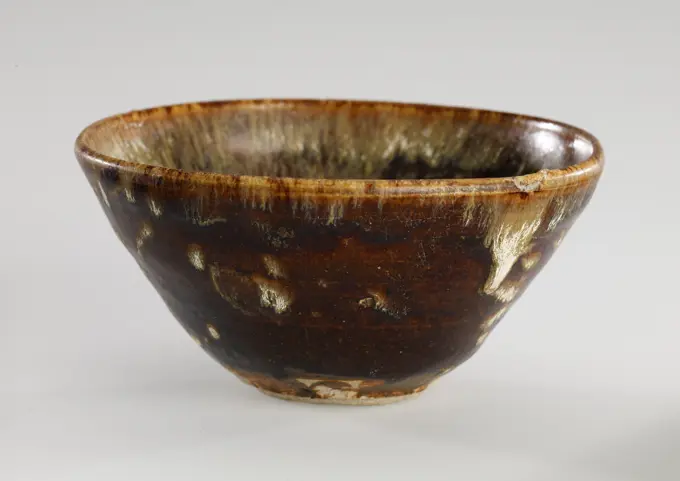
Tea Bowl, 12th-13th century, 2-7/16 x 4-7/16 x 4-7/16 in. (6.2 x 11.3 x 11.3 cm), Chi-chou ware Stoneware with brown glaze to the exterior with papercut decoration reserved in dark brown against a variegated buff ground on the interior, China, 12th-13th century, A dark-brown glaze with buff-colored tortoiseshell markings covers the exterior of this small tea bowl. Reserved on the interior in reddish-brown glaze are three openwork panels of quatrefoil shapes, perhaps representing peony blossoms, set against a richly variegated buff glaze. The golden buff glaze crawled downward from the lip during firing creating a streaked and mottled effect on the interior. Archaelogical evidence shows similar bowls to have been made at the Chi-chou kilns at Yung-ho in central Kiangsi province.
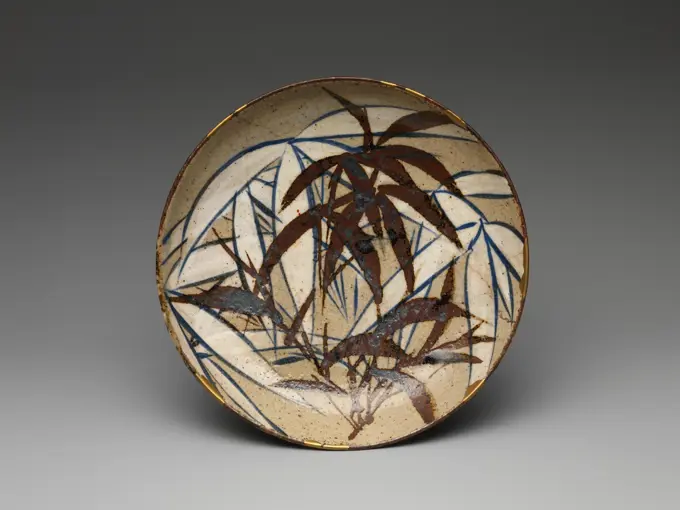
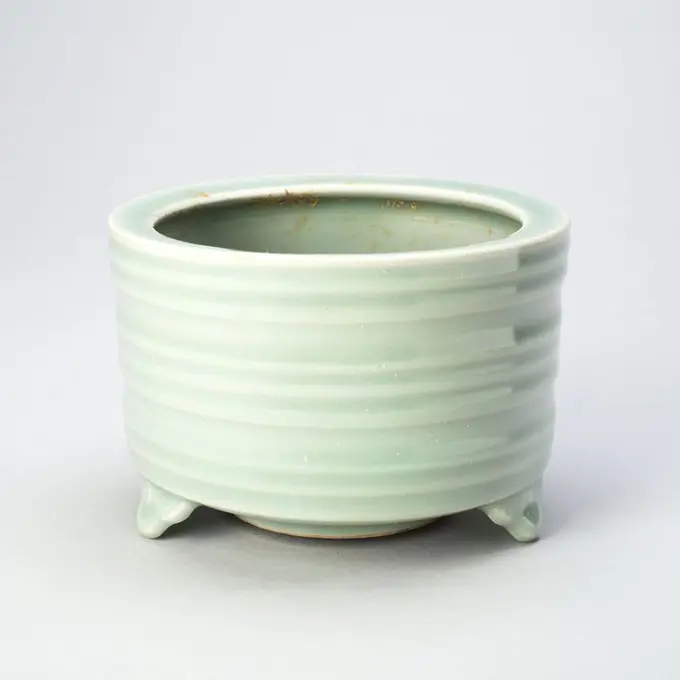
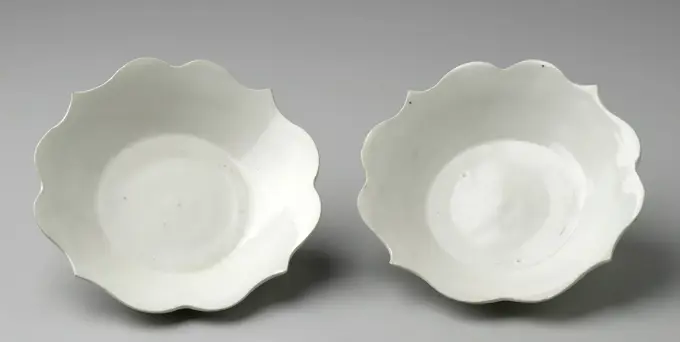
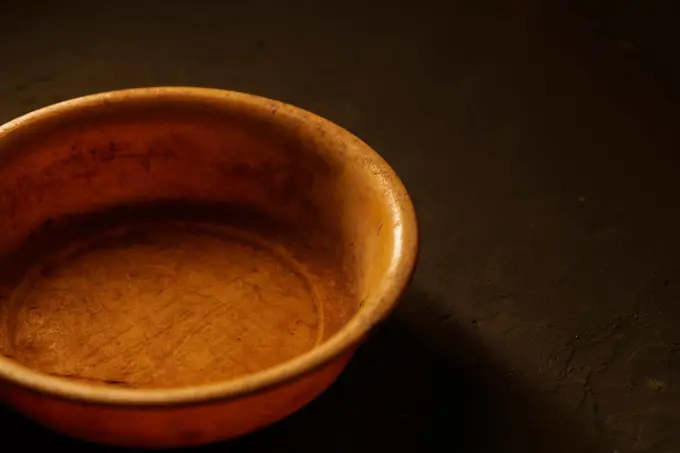
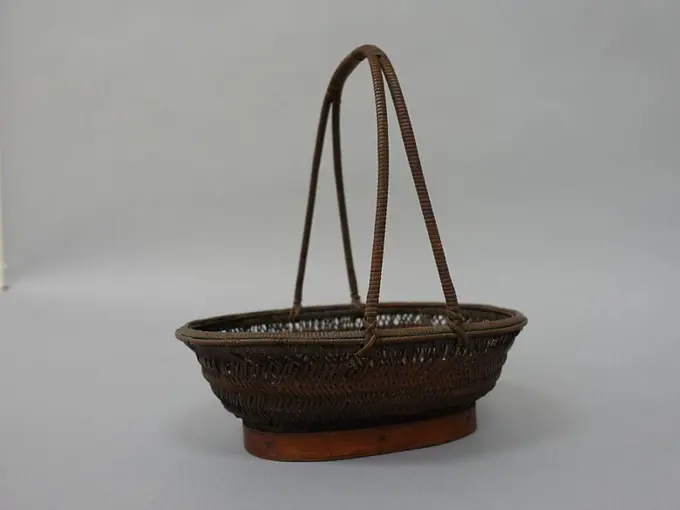
Agnes Karlin, Pie Plate, 1936 Pie PlatePunchbowl.   Maker: John Heath, American, active ca. 1761-63Dish with Bamboo Leaves 18th century Style of Ogata Kenzan 形乾山 Japanese. Dish with Bamboo Leaves 44929Plate Attributed to Henry Roudebuth American ca. 1816Cylindrical Tripod Censer (Incense Burner) with Cloud-Scroll Feet. China. Date: 1127-1279. Dimensions: H. 8.7 cm (3 7/16 in.); diam. 13.3 cm (5 1/4 in.). Longquan ware; stoneware with underglaze molded decoration. Origin: China. Museum: The Chicago Art Institute, Chicago, USA.Hengselmand, anonymous, c. 1725 - c. 1750 Oval handle basket of braided silver wire. The basket has a fixed handle. The basket runs upwards wide and is not marked. Netherlands silver (metal) filigree Oval handle basket of braided silver wire. The basket has a fixed handle. The basket runs upwards wide and is not marked. Netherlands silver (metal) filigreeSeal Color Box, 1662-1722. China, Jiangxi province, Jingdezhen, Qing dynasty (1644-1911), Kangxi period (1662-1722). Porcelain with "peach bloom" glaze; diameter: 7.4 cm (2 15/16 in.); overall: 3.9 cm (1 9/16 in.).Bread Plate 1880-89 Griffen, Smith and Hill. Bread Plate 1011Cup with poem late 17th-early 18th century China. Cup with poem. China. late 17th-early 18th century. White porcelain (Dehua ware). Qing dynasty (1644-1911). CeramicsBarb-rimmed Bowl, one of a pair, 10th century, 1 11/16 x 6 9/16 x 6 9/16 in. (4.3 x 16.7 x 16.7 cm), Ding-type ware Porcelain with clear glaze, China, 10th century, Among the most elegant shapes associated with early porcelain production are the rare, shallow barb-rimmed bowls developed during the late Tang and Five Dynasties period (9th-10th centuries) at Ding and Ding-type kilns in North China. During the Five Dynasties era (907-960), Ding kiln technology reached a high state of refinement resulting in light, thinly potted, porcelaneous ware of pure, white color. These four-pointed flower-shaped bowls were most likely inspired by Tang (618-906) gold and silver vessels that were used by the aristocracy. The high artistic level and liveliness of Ding ware made it popular with the middle class, high officials, and imperial household alike.gold Sumerian bowl from Ur, southern Iraq, About 2600-2400 BC. comes from the Queen's Grave in the Royal Cemetery at Ur. A cuneiform inscription on a cylinder seal found close by identified the Queen as Pu-AbiDrum Stool with Lobed Body, one of a pair, late 17th century, 16 1/4 x 14 in. (41.3 x 35.56 cm), Huang-hua-li hardwood, China, 17th centuryPossibly Boston and Sandwich Glass Works, Plate, c. 1835-c. 1850, opalescent lead glass.QUEIMADA.A pair of bowls - leaves; Korzec (Porcelain Manufaktura; 1790-1832); 1810-1820 (1810-00-00-1820-00-00);Ryszard Stanisław Ryszard (1871-1955) - collection, plant decorationsEmpty bowl on dark background with copy spaceBoat-Shaped Fruit Basket. Culture: Japan or China. Dimensions: H. (with handle) 10 1/2 in. (26.7 cm); W. 6 5/8 in. (16.8 cm); L. 9 1/8 in. (23.2 cm). Date: late 19th century. Museum: Metropolitan Museum of Art, New York, USA.Cup with design of waves 18th century China. Cup with design of waves. China. 18th century. Porcelain painted with red enamel and incised decoration (Jingdezhen ware). Qing dynasty (1644-1911), Yongzheng mark and period (1723-35). CeramicsPot with Landscape, 1662-1722. China, Jiangxi province, Jingdezhen kilns, Qing dynasty (1644-1911), Kangxi reign (1662-1722). Porcelain with underglaze blue decoration; diameter: 22.5 cm (8 7/8 in.); overall: 18 cm (7 1/16 in.).Bowl with Saucer Cover. Culture: China. Dimensions: H. 2 3/4 in. (8.6 cm); Diam. 3 3/4 in. (9.5 cm). Date: late 18th-19th century. Museum: Metropolitan Museum of Art, New York, USA.Bowl (part of a service) 1743-59 Capodimonte Porcelain Manufactory The gift of the Hans Syz Collection in 1995 endowed the Museum with nearly three hundred examples of European and Asian ceramics meticulously acquired by Swiss-born collector Dr. Syz (1894-1991) to chart the migration of models and patterns from East to West. Documenting a continuous process of influence and adaptation, these pieces provide a discriminating review of the nuances of stylistic change resulting from three centuries of trade.. Bowl (part of a service) 208499