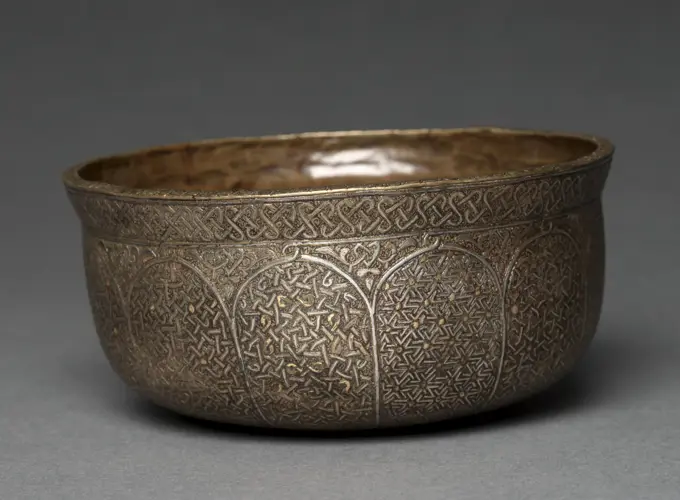
Decorative Bowls from History

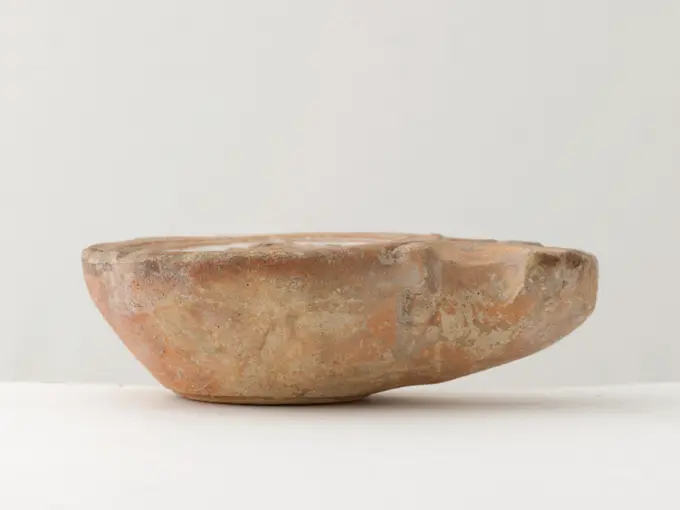
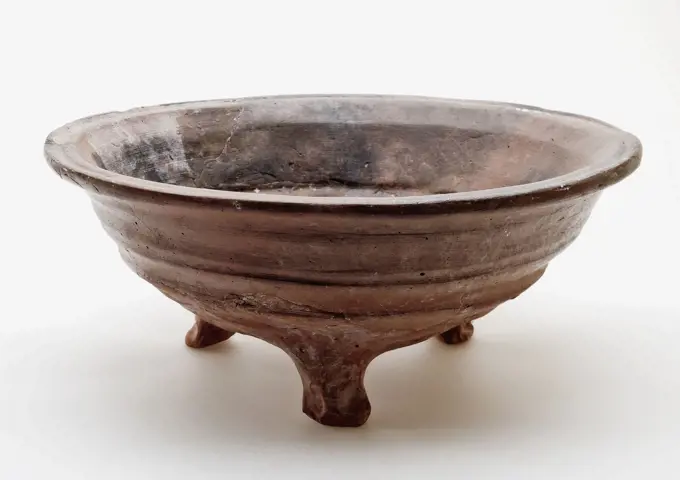
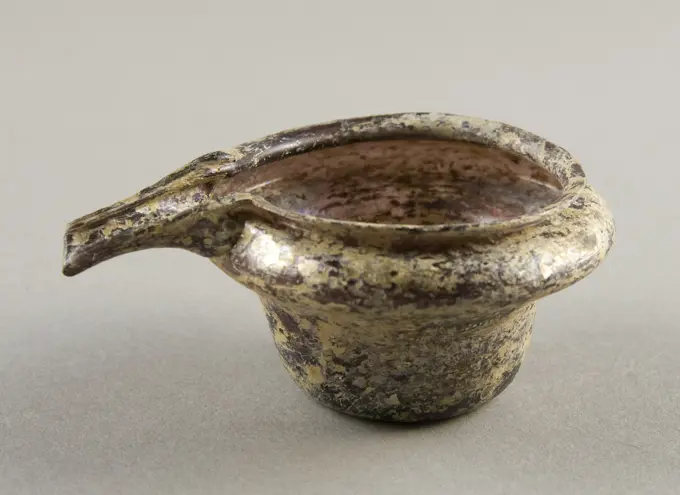
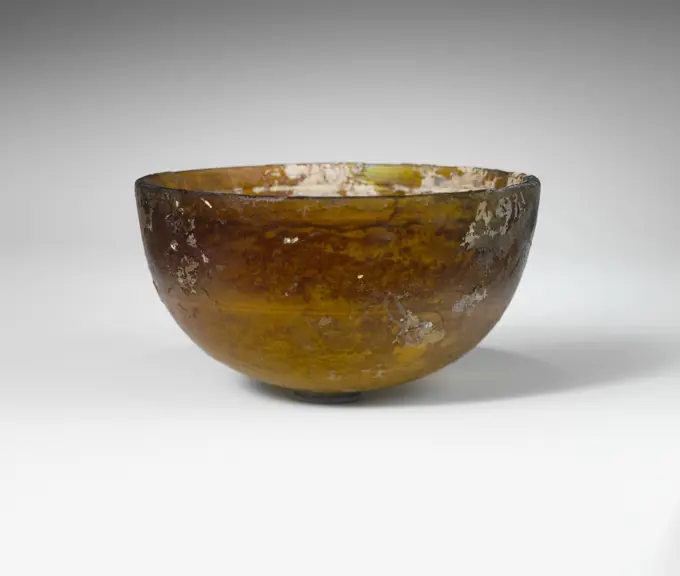
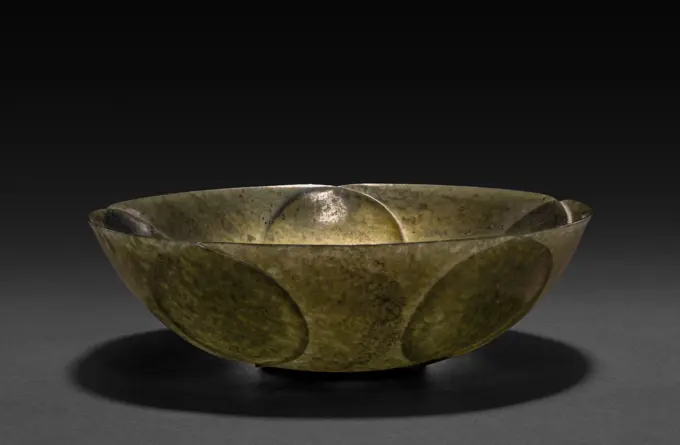
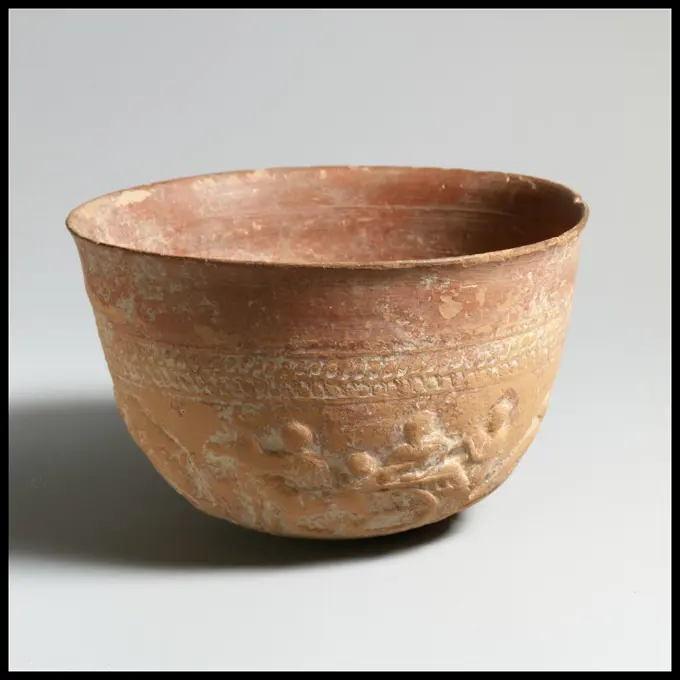
A variety of ancient bowls featuring decorative elements, including intricate patterns, floral scrolls, and archaeological significance.

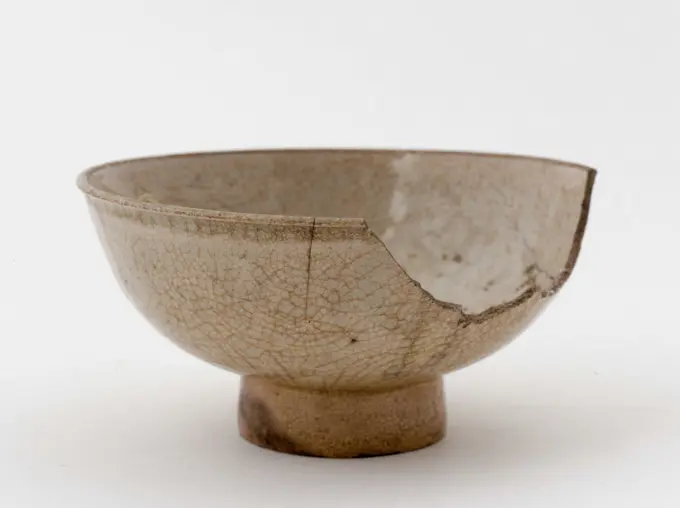
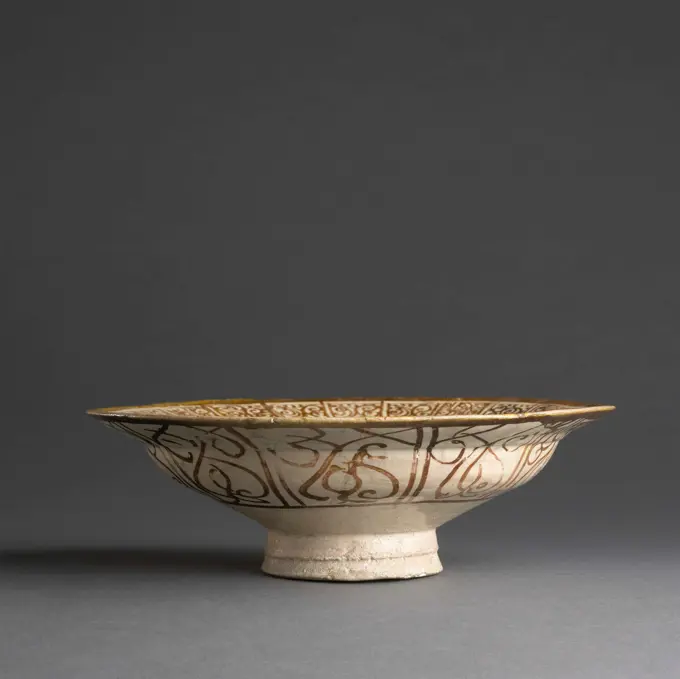
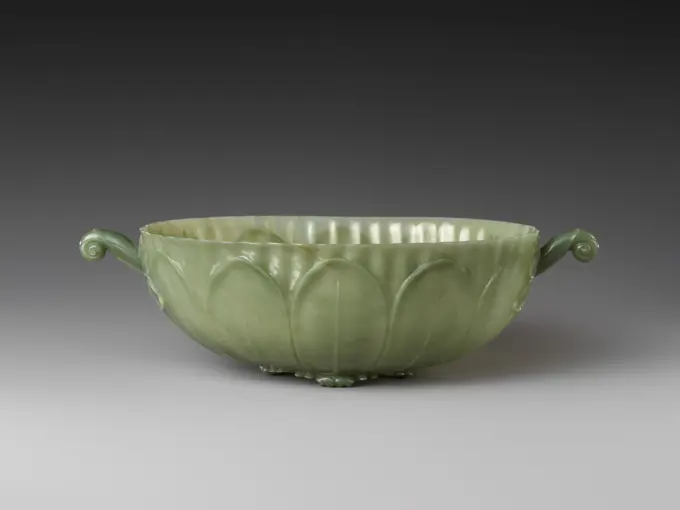
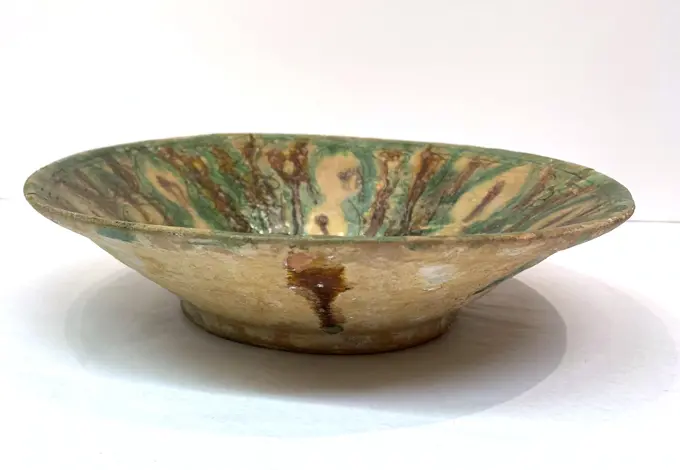
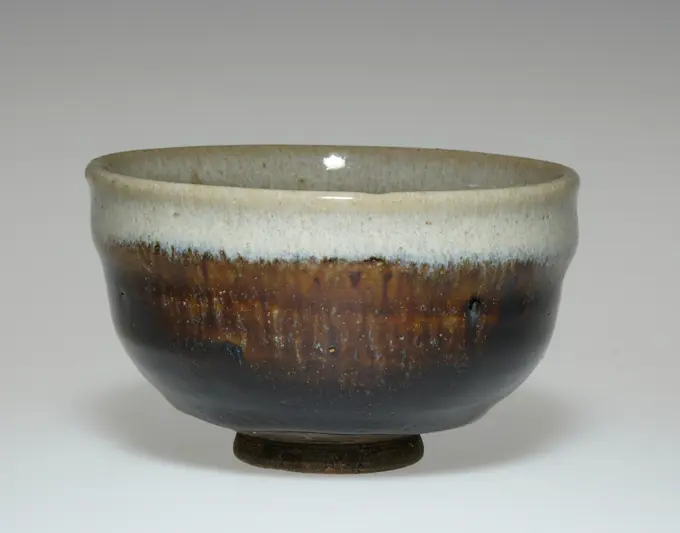
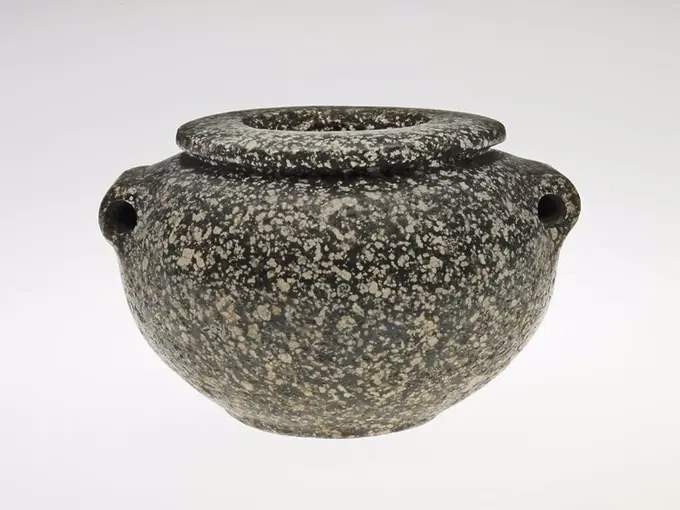
Bowl with a pigeon and a pseudo-inscription border, anonymous, c. 900 - c. 999 Come of earthenware with white sludge and a painting in brown sludge under a transparent lead glaze. A pigeon on the bottom; The inner edge with a bond with pseudo-writing. Nishapur (possibly) earthenware. glaze painting / vitrification Come of earthenware with white sludge and a painting in brown sludge under a transparent lead glaze. A pigeon on the bottom; The inner edge with a bond with pseudo-writing. Nishapur (possibly) earthenware. glaze painting / vitrification
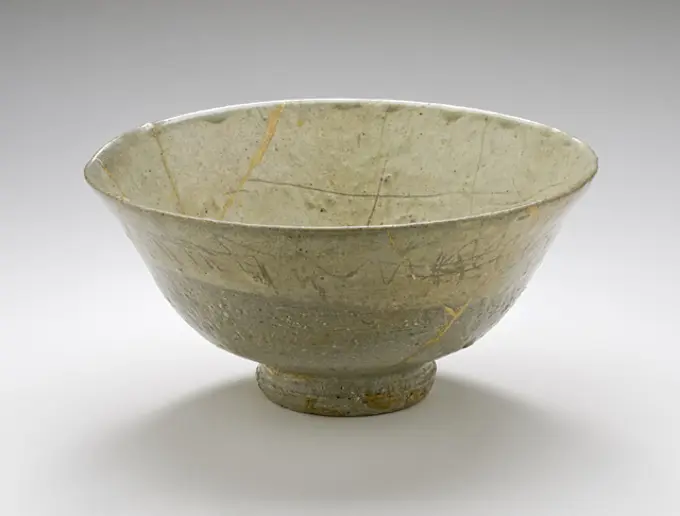
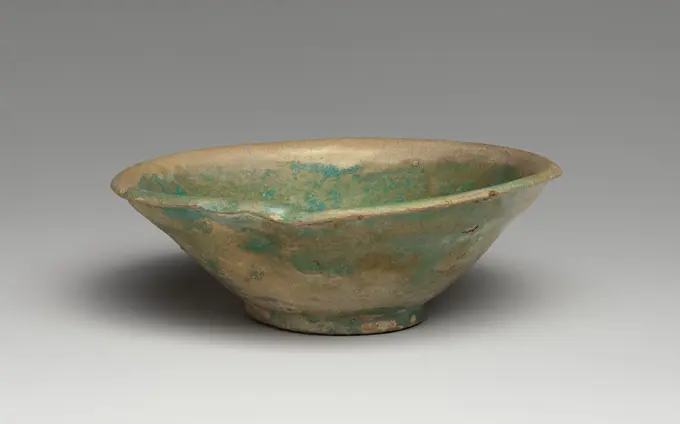
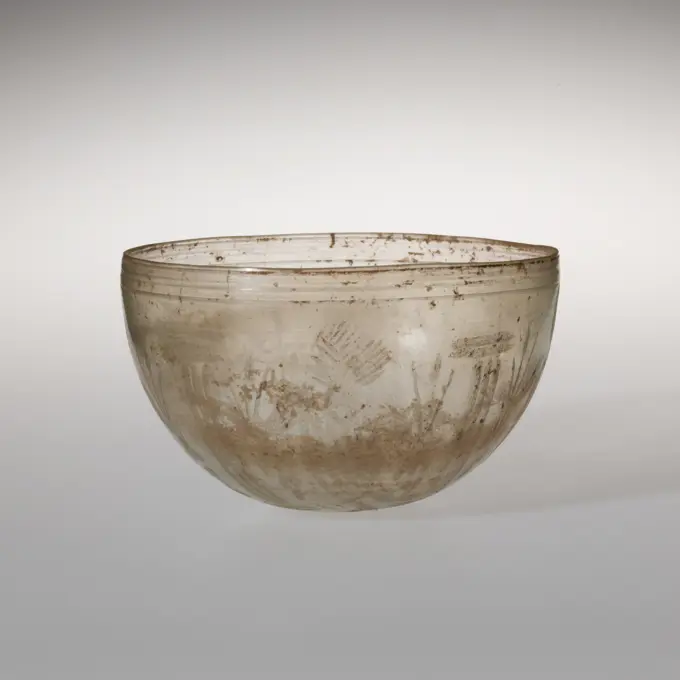
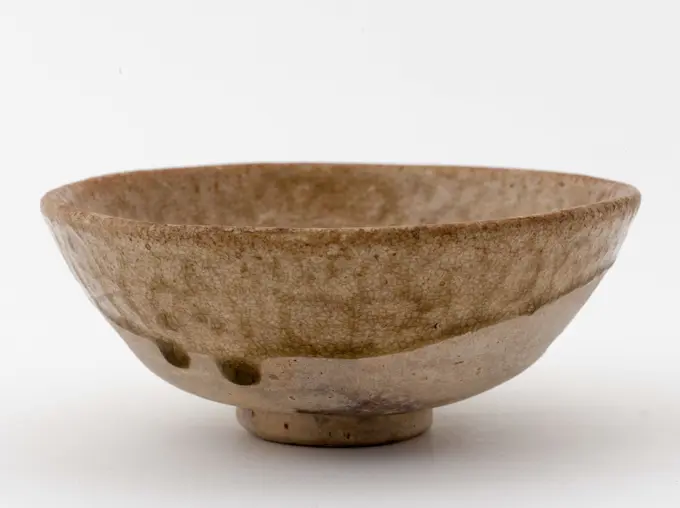
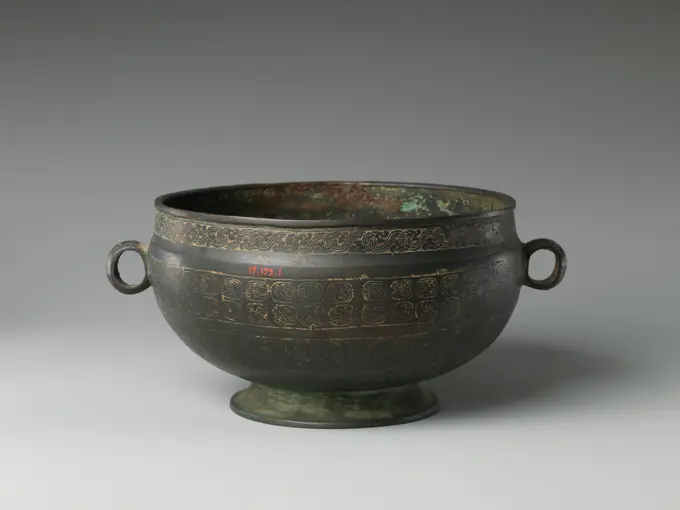
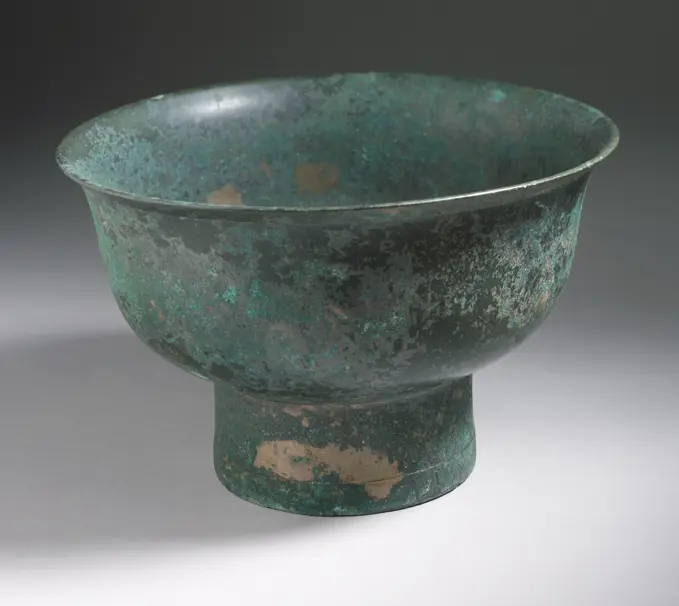
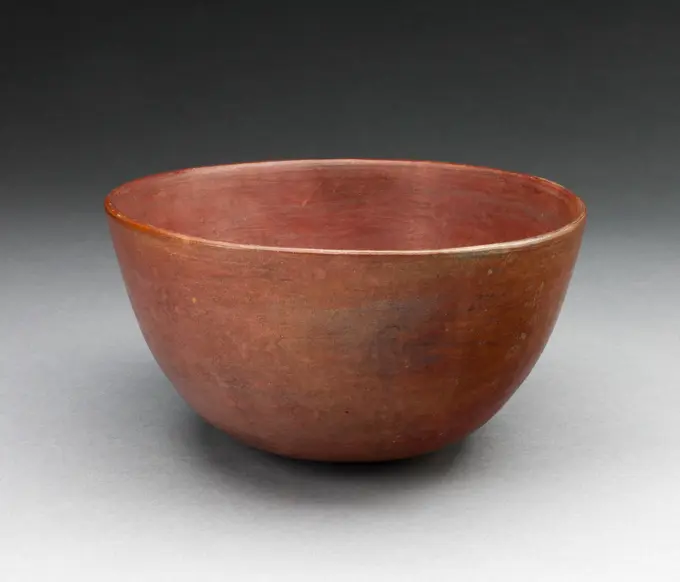
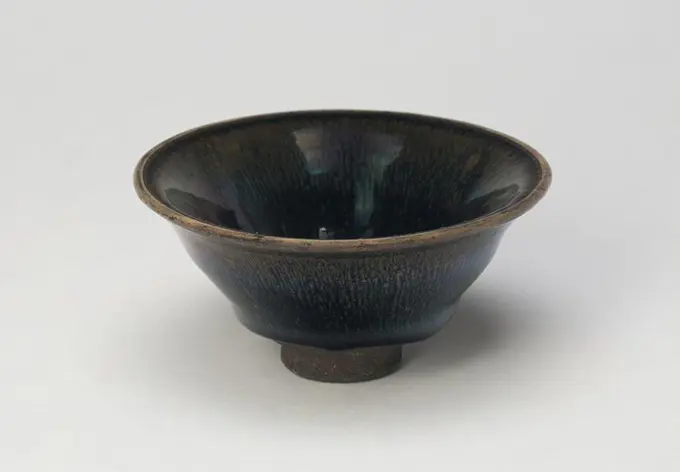
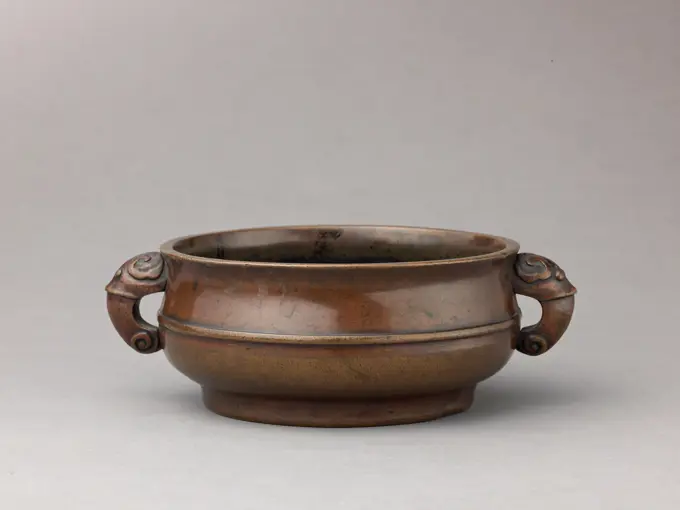
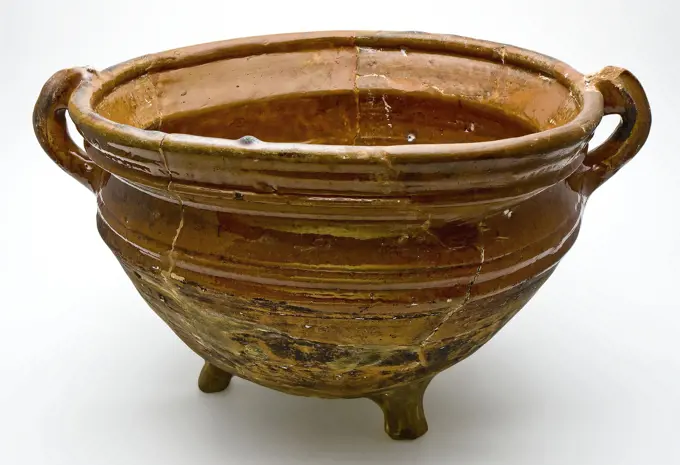
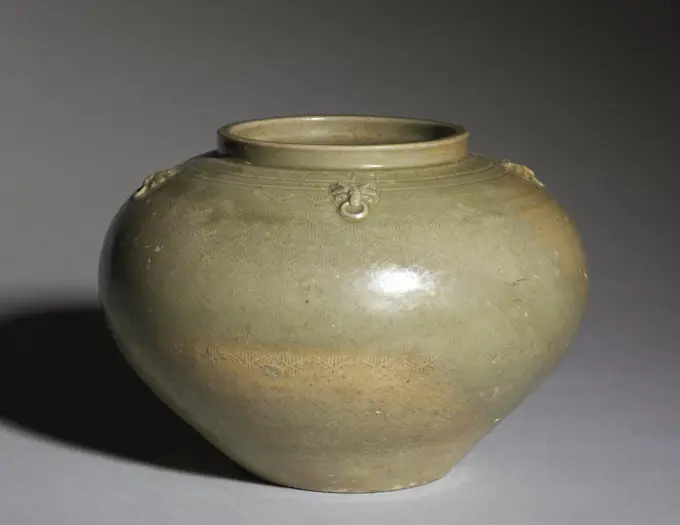
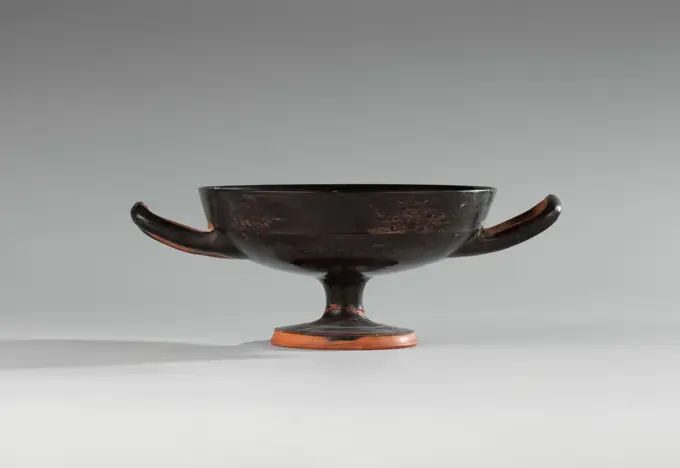
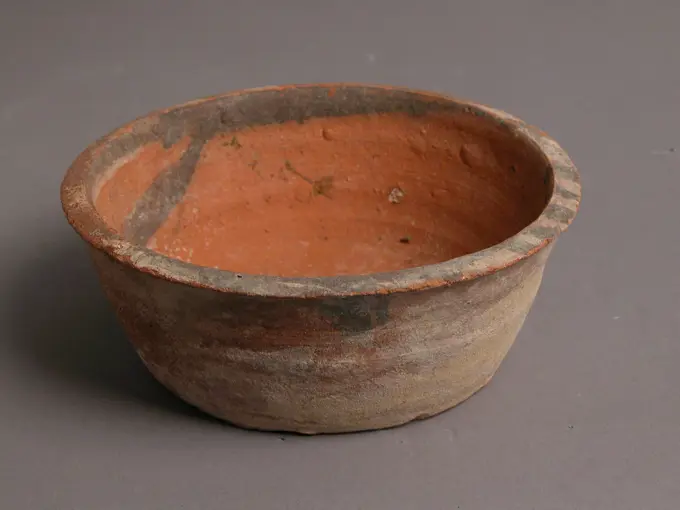
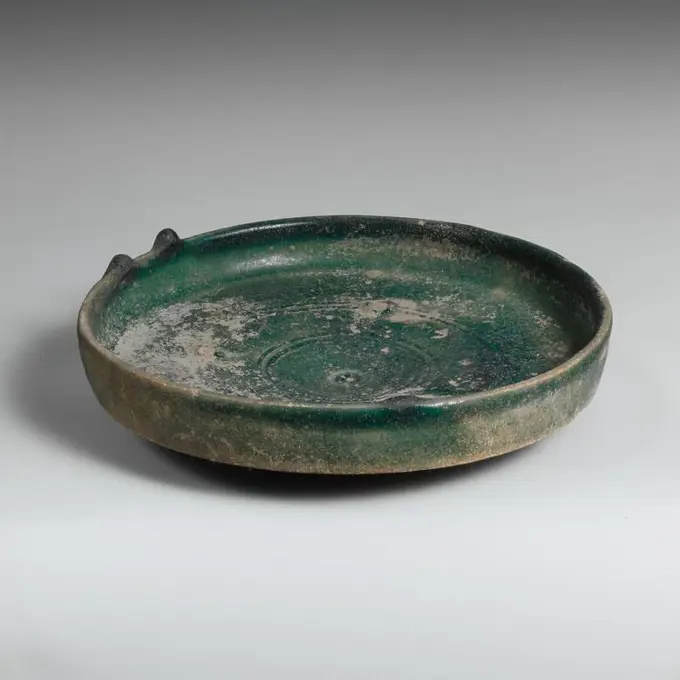
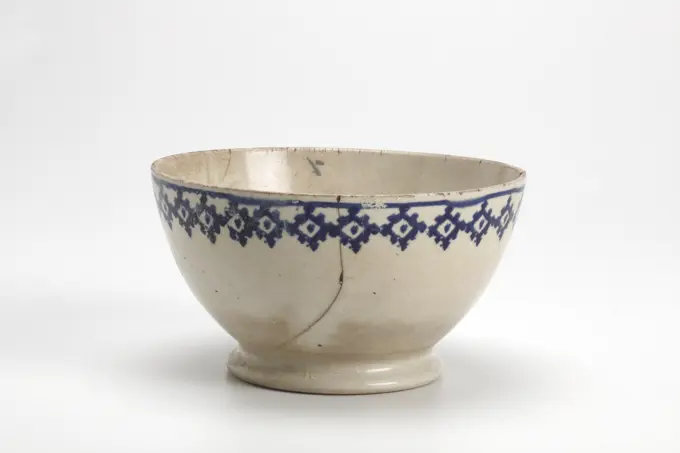
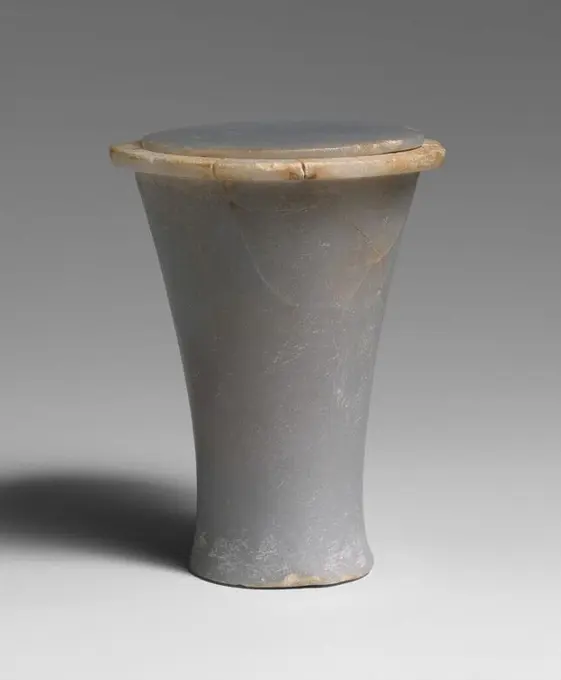
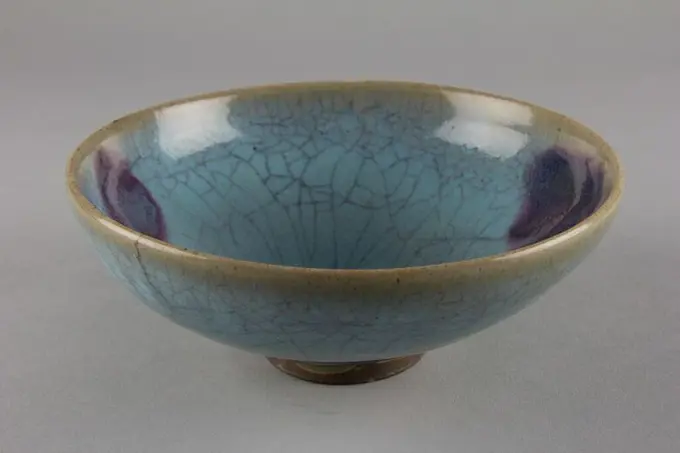
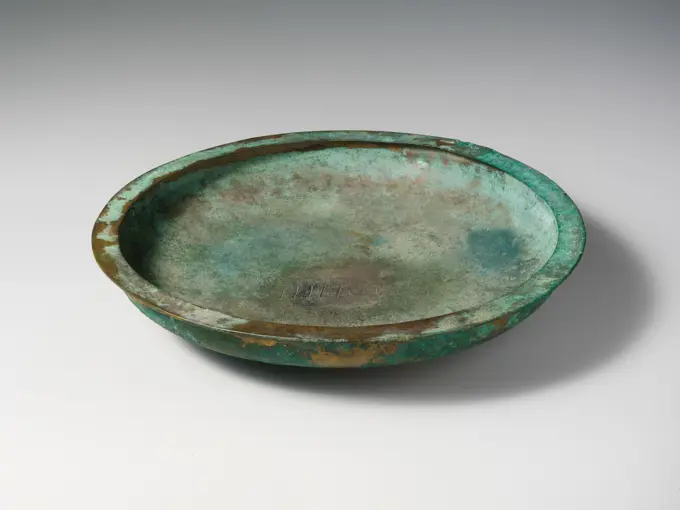
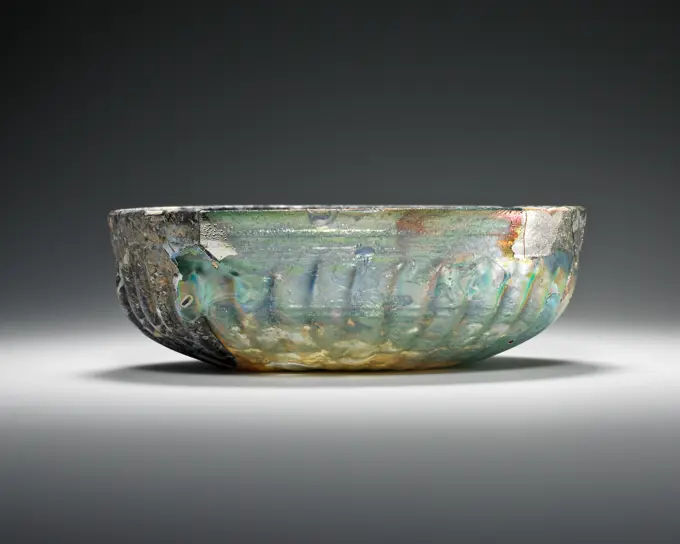
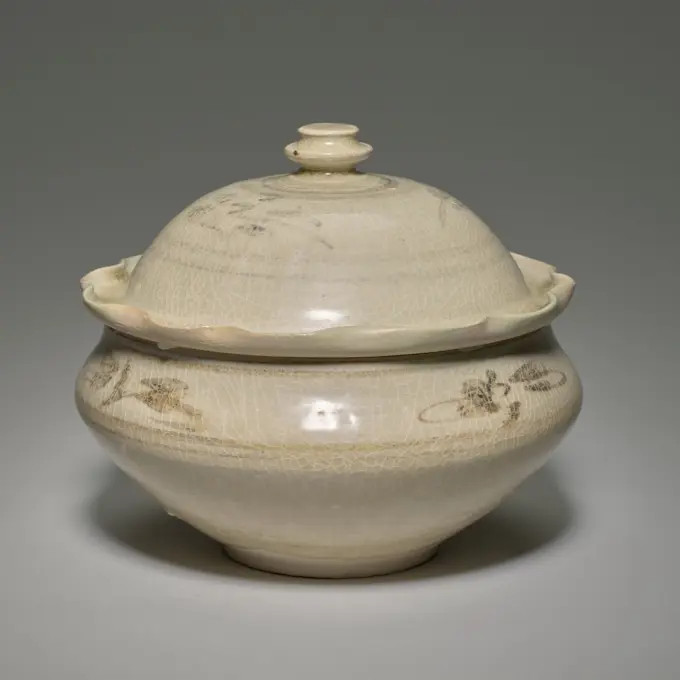
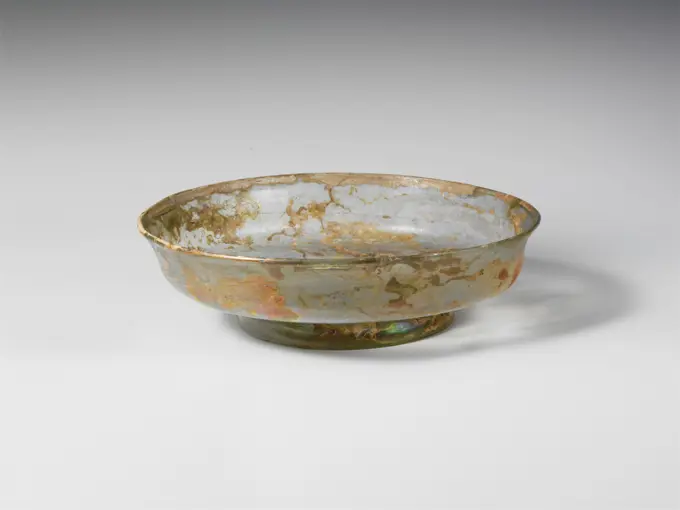
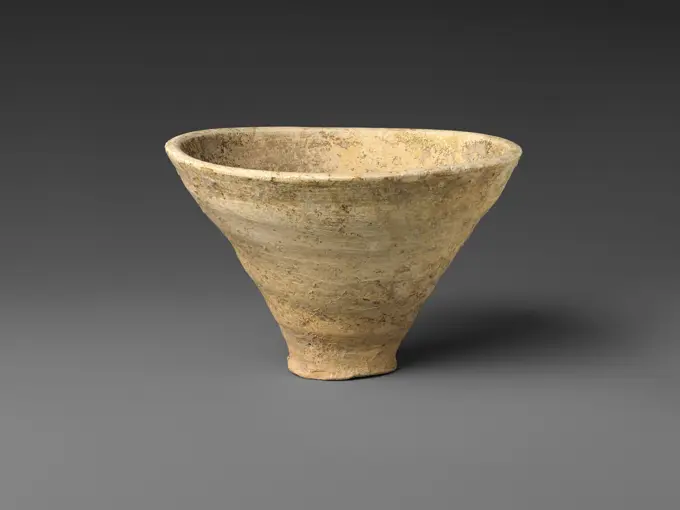
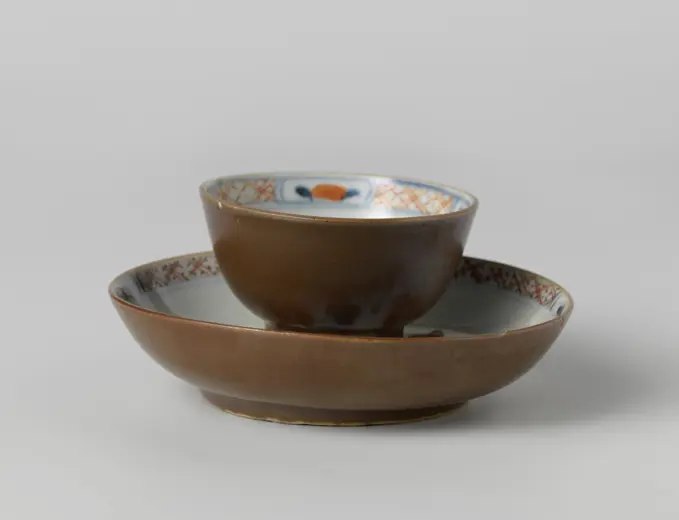
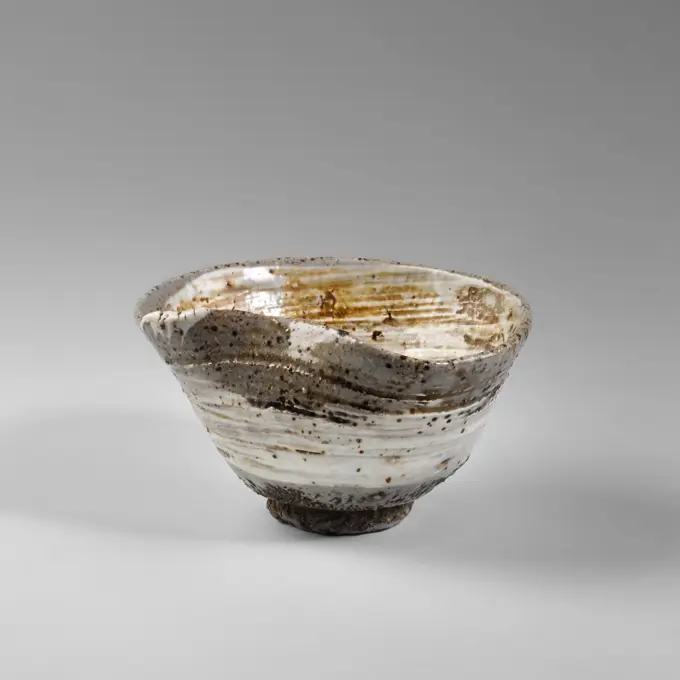
Bowl with figures, birds, floral scrolls and pseudo-inscription, anonymous, c. 1200 - c. 1220 Come from quartz fritry decorated with polychrome luster on Opaak Wit Tin-Lood-Alkiliglaze. A medallion with birds on the bottom. The inner wall with two tires pseudo-script. In between a wider band with flower vines and six sitting people. On the outside wall a band with courses. is the earthenware. glaze. luster (textile) painting / engraving / vitrification Come from quartz fritry decorated with polychrome luster on Opaak Wit Tin-Lood-Alkiliglaze. A medallion with birds on the bottom. The inner wall with two tires pseudo-script. In between a wider band with flower vines and six sitting people. On the outside wall a band with courses. is the earthenware. glaze. luster (textile) painting / engraving / vitrificationCup ". GRS covered Ivory Reflections Bleu-Vert. Paris, Muse Cernuschi. Coupe Vietnamese art, Vietnamese collection, cut, ivory covered, ebrecher, gres, blue-green reflection, archeological vestigeGlass hemispherical ribbed bowl. Culture: Roman. Dimensions: H.: 2 5/8 in. (6.7 cm)Diam.: 5 1/2 in. (14 cm). Date: late 1st century B.C.-mid-1st century A.D..Translucent pale blue green.Slightly flaring rim with angular top edge and inward-sloping band below; convex side curving in to uneven flat bottom.On interior, band of two fine horizontal grooves on lower part of side; on exterior, twenty-seven long, slender ribs, some vertical, others slanting, with flattened tops, tapering downwards and extaneding onto outer edge of bottom.Intact, but one long crack running from rim down side; many pinprick and one large bubble; patches of deep pitting, dulling, creamy brown weathering, and iridescence.Cast, with ribbed sides. Museum: Metropolitan Museum of Art, New York, USA.Bowl with ornaments in a panel decoration, anonymous, c. 900 - c. 999 Come of earthenware decorated with manganese brown, green and yellow sludge under transparent lead glaze, applied directly to the brown-beige earthenware. The inside is divided into four compartments with the same decoration each. Nishapur earthenware. glaze painting / vitrification Come of earthenware decorated with manganese brown, green and yellow sludge under transparent lead glaze, applied directly to the brown-beige earthenware. The inside is divided into four compartments with the same decoration each. Nishapur earthenware. glaze painting / vitrificationBol ". Ceramics. China, Dynasty of Song. Paris, Cernuschi Museum. 72685-25 Chinese art, bowl, ceramic, Song dynastyBowl with a pigeon and a pseudo-inscription border, anonymous, c. 900 - c. 999 Come of earthenware with white sludge and a painting in brown sludge under a transparent lead glaze. A pigeon on the bottom; The inner edge with a bond with pseudo-writing. Nishapur (possibly) earthenware. glaze painting / vitrification Come of earthenware with white sludge and a painting in brown sludge under a transparent lead glaze. A pigeon on the bottom; The inner edge with a bond with pseudo-writing. Nishapur (possibly) earthenware. glaze painting / vitrificationBowl with Wavy Line Design. Come of earthenware decorated with stylized flowering plants and curl work in brown sludge on Engobe of white sludge that is applied to transparent lead glazing with yellowish pigments.Bowl with a border with an pseudo-inscription, anonymous, c. 900 - c. 999 Come of earthenware decorated with polychrome sludge in black, red, brown and green on white sludge engobe. On the inner edge a bond with pseudo-writing. Nishapur earthenware. glaze painting / vitrification Come of earthenware decorated with polychrome sludge in black, red, brown and green on white sludge engobe. On the inner edge a bond with pseudo-writing. Nishapur earthenware. glaze painting / vitrificationBowl 11th century This bowl was excavated at the site of Village Tepe in Nishapur in 1937. It was subsequently acquired by the Museum through a division of finds with the Iranian government at the time.Similar objects, earthenware with an opaque turquoise glaze, were also excavated in Central Iran, particularly in Isfahan and Istakhr. They appear to represent a visual continuity of vessels made of stonepaste, a new ceramic technology that emerged in the second half of the 11th century. However, such objects are largely unknown and often ignored in the art historical literature from medieval Iran. Further investigations will elucidate whether this ware was made in imitation of stonepaste, perhaps by craftsmen with no knowledge of the medium, or if it is an example of a preexisting type of production whose repertoire of shapes was later adopted by stonepaste manufacturers.. Bowl. 11th century. Earthenware; turquoise opacified glaze. Excavated in Iran, Nishapur. CeramicsBowl 10th century This bowl was excavated at the site of Sabz Pushan in Nishapur in 1937. It was subsequently acquired by the Museum through a division of finds with the Iranian government at the time.Similar objects, earthenware with an opaque turquoise glaze, were also excavated in Central Iran particularly in Isfahan and Istakhr. They represent a visual continuity with vessels made of stonepaste, a new ceramic technology that emerged in the second half of the 11th century. However, such objects are largely unknown and often ignored in the art historical literature on medieval Iran. Further investigations will elucidate if this type of ware was made in imitation of stonepaste, perhaps by craftsmen with no knowledge of the medium, or if it is an example of a preexisting type of production whose repertoire of shapes was later adopted by stonepaste manufacturers.. Bowl 449453Glass bowl with cut decoration 4th century A.D. Roman Colorless.Uneven, slightly inverted, ground rim; hemispherical body; slightly flattened but round bottom.Wheel-cut decoration on exterior: immediately below rim band of three parallel horizontal lines, the central one being broader than the two flanking lines; on body, continuous frieze of four standing figures, alternating with vertical columns: each figure faces front with head turned in profile to left, wearing tunic with vertical stripes and holding long-stemmed plants in both hands outstretched to either side, and the columns are rendered with three vertical grooves, with capitals and bases represented by two horizontal grooves; on bottom, a rosette or star with eight radiating lines.Intact; very few bubbles; dulling, iridescence, and patches of limy weathering.A number of bowls with very similar cut decoration are known from the Rhineland. As exemplified here, some of these show figures engaged in a form of pagan procession orBowl with twelve panels with floral scrolls, anonymous, c. 1200 - c. 1299 Come from quartz fritry with a white tin-lood-alcoholic laze on which radial lines in blue and cobalt and a decor in Lustrer. The inside is divided into twelve courses with a flower drink in each. is the earthenware. glaze. cobalt (mineral). luster (textile) painting / vitrification Come from quartz fritry with a white tin-lood-alcoholic laze on which radial lines in blue and cobalt and a decor in Lustrer. The inside is divided into twelve courses with a flower drink in each. is the earthenware. glaze. cobalt (mineral). luster (textile) painting / vitrificationSmall Bowl, 1-200. Parthian, 1st-2nd Century. Terracotta; diameter: 11 cm (4 5/16 in.); overall: 4 cm (1 9/16 in.).Cup (usual name), 1400. Gray-Vert covered sandstone. Cernuschi Museum, Asia Museum of Asia in the city of Paris.Bol ". Black terracotta red. Paris, Muse Cernuschi. He was Vietnamese art, bowl, Vietnamese collection, red slip, black terracotta, archeological vestigeBowl. Culture: Coptic. Dimensions: Overall: 2 3/16 x 5 1/8 in. (5.6 x 13 cm). Date: 4th-7th century. Museum: Metropolitan Museum of Art, New York, USA.Bowl with Peony Design in Relief, 1200s. Korea, Goryeo period (918-1392). Pottery; diameter of mouth: 18.1 cm (7 1/8 in.); overall: 8.3 cm (3 1/4 in.).Bol ". GRS covered Cladon. Vietnam. Paris, Muse Cernuschi. He was Asian art, art of Asia, art of extreme-East, Vietnamese art, Bol, Ceudon, Ceramic, GRES, dishesTea bowl with flowers and waving lines, anonymous, anonymous, c. 1700 - c. 1799 Theekom of stoneware in marigata shape, covered with a gray glaze. The inner and outer wall with entry, wavy lines. Flowers on the bottom. The Ingred Decoration is filled with white sludge (Mishima technology). Six prenes on the bottom. Come has been broken and repaired with gold lacquer. Shino. Japan stoneware. glaze engraving / vitrification Theekom of stoneware in marigata shape, covered with a gray glaze. The inner and outer wall with entry, wavy lines. Flowers on the bottom. The Ingred Decoration is filled with white sludge (Mishima technology). Six prenes on the bottom. Come has been broken and repaired with gold lacquer. Shino. Japan stoneware. glaze engraving / vitrificationBowl with ring handles 2nd-3rd century China. Bowl with ring handles. China. 2nd-3rd century. Bronze. Eastern Han dynasty (25-220). MetalworkBowl. Korea, Goryeo dynasty (918-1392), 13th-14th century. Furnishings; Serviceware. Cast bronzeGlass hemispherical bowl. Culture: Greek. Dimensions: H.: 2 5/8 in. (6.7 cm)Diam.: 5 in. (12.7 cm). Date: 2nd-mid-1st century B.C..Translucent golden brown.Vertical rim with rounded edge; convex curving side; convex bottom.On interior, a single broad horizontal groove below rim, and two narrow horizontal grooves in a band halfway down side.Intact; some pinprick bubbles; deep pitting, dulling, and patches of iridescent weathering on exterior, and creamy brown weathering covering most of interior. Museum: Metropolitan Museum of Art, New York, USA.Bowl with Cranes and Chrysanthemum Flower Heads 1365-1399 Korea. Celadon-glazed stoneware with underglaze inlaid decoration of black and white clays .VASIJA DE VIDRIO ROMANO. Location: MUSEE D'ARTS DECORATIFS. MADRID. SPANIEN.Bowl with Painted Rim Made 600 CE-1000 Bolivia. Ceramic and pigment . TiwanakuBowlLamp. Terracotta. High Empire. Basket containing fish, poultry. Paris, Carnavalet museum. High-Empire, lamp, oil lamp, basket, fish, terracotta, poultryEarthenware stain on three legs, red shard and unglazed, stained-plate fire-proof tester soil found ceramic earthenware, hand-turned baked Pottery stain. Bowl shaped three legs. Red shard. Unglazed Probably missing after supporting three bearing supports on the upper edge Roetsporen on the inside. Legs with finger impressions archeology Rotterdam Kralingen collapses underground pit indigenous pottery heating cooking kitchen food preparation Soil discovery: found on landfill in Kralingen Rotterdam where soil was poured from the underground works.Bowl. Tea bowl of stoneware, partly covered with a gray-green glaze. The lower part of the bowl is unglazed. A paint repair in the edge. Tamba.Cup with Spout 101 CE-200 CE Mediterranean Region. Glass . IslamicGlass hemispherical bowl 2nd-mid-1st century B.C. Greek Translucent golden brown.Vertical rim with rounded edge; convex curving side; convex bottom.On interior, a single broad horizontal groove below rim, and two narrow horizontal grooves in a band halfway down side.Intact; some pinprick bubbles; deep pitting, dulling, and patches of iridescent weathering on exterior, and creamy brown weathering covering most of interior.. Glass hemispherical bowl 248924Bronze bowl 2nd-1st century B.C. Greek Simply decorated or unadorned metallic vessels of similar shape to this Hellenistic bowl have a long tradition throughout the Ancient Near East and Mediterranean basin. Examples of this type of bowl, which were made in not only bronze but also gold and silver, have been found in Crete, Cyprus, and Persia with dates ranging from the 11th-1st century B.C.. Bronze bowl 253643 Greek, Bronze bowl, 2nd1st century B.C., Bronze, h. 2 1/2 in (5.8cm); d. 4 15/16 in (12.6cm) . The Metropolitan Museum of Art, New York. Bequest of W. Gedney Beatty, 1941 (41.160.409)Terracotta Megarian bowl ca. late 3rd-mid 1st century B.C. Greek This bowl was probably made in Cyprus by a local potter seeking to replicate the mold-made ware that was being produced contemporaneously in Athenian workshops.. Terracotta Megarian bowl 239959Bowl, 1662-1722. China, Qing dynasty (1644-1911), Kangxi reign (1661-1722). Jade; overall: 16 cm (6 5/16 in.).Dish 1800-1830 American. Dish 3215Papboy with two ears, multicolored painted on blue stock. A rosette on the bottom inside; Concentric circles on wall., Anonymous, c. 1620 - c. 1640 Half -ball -shaped porridge from multicolored painted majolica, with a blue stock. The bowl has two flat, lying ears in which a small hole. A rosette is painted on the bottom on the inside and concentric circles on the wall. Holland earthenware. tin glaze. lead glaze majolica Half -ball -shaped porridge from multicolored painted majolica, with a blue stock. The bowl has two flat, lying ears in which a small hole. A rosette is painted on the bottom on the inside and concentric circles on the wall. Holland earthenware. tin glaze. lead glaze majolicaGlobular pot ". Terracotta. Vietnam-Xe-Xive s. Paris, Cernuschi museum. 72187-10 Vietnamese object, globular pot, terracottaTea Bowl with Splashed Decoration. Culture: China. Dimensions: H. 1 3/4 in. (4.4 cm); Diam. 5 7/8 in. (14.9 cm); Diam. of foot 1 3/4 in. (4.4 cm). Date: 12th-13th century.The tea bowl, which is conical in shape, has rounded, slightly flaring sides. It is covered with a dark brown glaze and further decorated with a loose abstract design of splashes and swirled ivory semi-translucent slip. The small foot ring is wedge-shaped and is unglazed as is the countersunk base. There are no inscriptions or marks on the bowl. Museum: Metropolitan Museum of Art, New York, USA.. Come from quartz frying with an opaque white tin-lead-alkalilation on which a decoration in luster. On the bottom a medallion with a stylized flowering plant surrounded by curling work. The inner edge with a band with (pseudo-) script.Glass bowl. Culture: Greek. Dimensions: H.: 2 5/8 x 3 3/4 in. (6.7 x 9.5 cm). Date: 1st century B.C..Translucent deep golden brown.Vertical rim with rounded edge; convex curving side tapering downwards to flat bottom within integral outsplayed, slightly oval base ring with thick rounded edge.Intact; some pinprick bubbles, a few larger bubbles and striations; dulling, pitting, and faint iridescence.Rotary grinding marks on interior and exterior. Museum: Metropolitan Museum of Art, New York, USA.Teabowl with Everted Mouth Rim. China, Fujian Province. Date: 1100-1199. Dimensions: H. 5.3 cm (2 1/16 in.); diam. 10.9 cm (4 5/16 in.). Jian ware; dark-gray stoneware with dark-brown glaze and "hare's fur" markings in iron oxide. Origin: China. Museum: The Chicago Art Institute, Chicago, USA.Jar ". Beige terracotta, Céladon covered. China, Tang dynasty (618-907). Paris, Cernuschi museum. Chinese art, Chinese ceramic, container, tang dynasty, round shape, jar, container, terracottaSmall black pot on narrow stand, baluster shape, terra nigra, Roman pottery, pot holder soil find ceramic earthenware, hand-turned baked Pot of black earthenware Roman. Terra nigra. Baluster shape with wide neck narrow foot and deep constriction under the neckline archeology Poortugaal Albrandswaard indigenous pottery import serving serve cooking kitchen Soil discovery Poortugaal hofterrein log corner under the wood layer 't east of the house.Bowl with Textured Surface Decoration in Basketry-Like Pattern. Possibly Ancestral Pueblo (Anasazi); Southwest, United States. Date: 850 AD-1500. Dimensions: 8.3 × 17.2 cm (3 1/4 × 6 3/4 in.). Ceramic and pigment. Origin: New Mexico. Museum: The Chicago Art Institute, Chicago, USA.Bowl 4th-7th century Coptic. Bowl 478831Bowl 4th-7th century Coptic. Bowl 478445Cup and Cupstand 1100-1199 China. Northern blackware, Cizhou type; glazed stoneware with dark bronze glaze (saucer); white slip under transparent glaze (cup) .Deep bowl, Jun ware. Artist: Chinese , Yuan Dynasty. Culture: Chinese. Dimensions: Diameter: 8 1/4 in. (21cm.). Date: 13th-14th century. Museum: Metropolitan Museum of Art, New York, USA.Bowl. Culture: Coptic. Dimensions: Overall: 2 3/8 x 3 7/8 in. (6 x 9.9 cm). Date: 4th-7th century. Museum: Metropolitan Museum of Art, New York, USA.Censer with elephant-shaped handles 1644-1911 Chinese. Censer with elephant-shaped handles 460459Pottery cooking pot, large format, half round on three legs, two ears, cooking pot crockery holder kitchen utensils earthenware ceramics earthenware glaze lead glaze, hand-turned glazed fried Large pot of red earthenware half round shape three legs of which two in plaster profiled edge two pinched ears rotations Wide top arch archeology Valckensteyn Poortugaal Albrandswaard indigenous pottery kitchen cooking nutrition food preparation Soil discovery: canal at kitchen castle Valckensteyn at Poortugaal now Albrandswaard 1962Jar: Proto-Yue ware, 265-317. China, Western Jin dynasty (265-316). Gray stoneware with combed, impressed, molded and applied decoration under iron glaze; diameter: 23.8 cm (9 3/8 in.); overall: 17.2 cm (6 3/4 in.); diameter of mouth with rim: 12.2 cm (4 13/16 in.).Bowl Cypriot. Bowl 244489Kyliks czarnofirnisowany, typ Vicup. unknown, authorGlass dish. Culture: Roman. Dimensions: H.: 2 5/16 in. (5.9 cm)Diam.: 7 3/16 x 3 3/4 in. (18.3 x 9.5 cm). Date: 4th century A.D..Translucent pale blue green.Thickened, rounded rim; side curves down and in, with angular profile; tall foot ring, made by folding, slightly splayed and with tubular, inward-bulging edge; uneven bottom with thick dome at center and prominent pontil scar. Intact; many pinprick bubbles; heavily weathered, with pitting, some dulling, and brilliant iridescence. Museum: Metropolitan Museum of Art, New York, USA.Bowl. Culture: Coptic. Dimensions: Overall: 3 1/8 x 6 1/8 in. (8 x 15.5 cm). Date: 4th-7th century. Museum: Metropolitan Museum of Art, New York, USA.Bowl 4th-7th century Coptic. Bowl 478434Terracotta dish. Culture: Roman. Dimensions: 1 9/16in. (3.9cm)Other: 6 5/16in. (16cm). Date: 1st century B.C.-1st century A.D..Plate on base, concentric circles incised inside bowl. Museum: Metropolitan Museum of Art, New York, USA.. Wide bowl of stoneware, covered with a crackled, transparent glaze with a light blue hue. A stylized lotus flower in relief on the bottom. The inner wall with a wide bond with floral drinks containing two feng hues in it; above a decorative bond with a geometric motif. A crack in the edge. Qingbai.Terracotta tumbler. Culture: Minoan. Dimensions: 2 13/16in. (7.1cm)Other: 3in. (7.6cm). Date: ca. 2100-1950 B.C..Decorated with white band on a dark slip. Museum: Metropolitan Museum of Art, New York, USA.Bol ". Terracotta. Vietnam-Xe-Xive s. Paris, Cernuschi museum. 72185-54 Bowl, Vietnamese object, terracottaBowl - Portneuf potteryOintment jar and cover. Dimensions: H. 8.4 cm (3 5/16 in.); Diam. 6.3 cm (2 1/2 in.). Dynasty: late Dynasty 12-early Dynasty 13. Date: ca. 1878-1749 B.C..The piece is part of a group of objects found in tomb V21 at Abydos with two bodies (04.18.1-04.18.49). This ointment jar can be dated by comparison with similar jars found at Dahshur and with the box 26.7.1438 (26.7.1439a, b-.1441a, b, .1442) inscribed with the name of Amenemhat IV (ca. 1814-1805 B. C.). Museum: Metropolitan Museum of Art, New York, USA.Bowl with Geometric Designs, 1450-1500. Syria, Damascus, Burji Mamluk period, 15th Century. Sheet brass, inlaid with silver and gold; diameter: 13.2 cm (5 3/16 in.).. Scale of quartz Fritgoed decorated with two riders and compartments with curlwork or tunes in polychrome luster on surface of oprake white tin-lead-alkali acid.Lotus Bowl, 18th Century or later. China, Qing dynasty (1644-1911). Jade; overall: 3.5 cm (1 3/8 in.).Bowl, Glazed earthenware, Circular with rounded sides. Outside mottled in dark brown, blue and white against lighter brown ground, suggesting composite stone. White band about top with black cross-hatching. Ring foot ground down., England, late 18th century, ceramics, Decorative Arts, BowlTerracotta Megarian bowl. Culture: Greek, Boeotian. Dimensions: h. 3 1/4 in. (8.3 cm); w. 5 1/2 in. (14 cm). Date: 2nd century B.C..This vase belongs to a select group of bowls decorated in relief with scenes from epic poetry and from Classical Greek tragedy. Depicted here are five scenes from Euripides's play Iphigenia at Aulis, including inscriptions that identify the figures. Represented are: Agamemnon, who has weakened in his resolve to sacrifice his daughter to Artemis, biding his slave to take a letter to his wife, Clytemnestra, instructing her not to send her daughter to Aulis; Menelaos, Agamemnon's brother, taking the letter from the messenger by force; Menelaos, with the letter in hand, blaming Agamemnon for refusing to go through with the sacrifice; a messenger, bringing news to Agamemnon that Iphigenia has arrived; and the cart that has come from Argos, bearing Queen Clytemnestra and her children, Iphigenia and the little Orestes. The story continued on a second bowl, examplUndecorated painted bowl. Culture: Paracas. Dimensions: Overall: 3 in. (7.62 cm)Other: 7 5/8 in. (19.41 cm). Date: 4th-3rd century B.C.. Museum: Metropolitan Museum of Art, New York, USA.Bowl. Culture: China. Dimensions: H. 2 7/8 in. (7.3 cm); Diam. 6 7/8 in. (17.5 cm). Museum: Metropolitan Museum of Art, New York, USA.Bowl with Phoenix 1100-1135 Korea. Celadon-glazed stoneware with underglaze incised decoration .Bowl. Culture: Italic-Native, South Italian (Daunian). Dimensions: H. 8.51 cm. Diameter 15.49 cm.. Date: ca. 550-450 B.C.. Museum: Metropolitan Museum of Art, New York, USA.Jar. China. Date: 618 AD-906 AD. Dimensions: H. 25.9 cm (10 3/16 in.); diam. 26.1 cm (10 1/4 in.). Slip-coated stoneware. Origin: China. Museum: The Chicago Art Institute, Chicago, USA.Small bowlBowl 18th century Japan. Bowl. Japan. 18th century. Clay with white slip and transparent glaze; a crackled overglaze decorated in enamel (Ye Karatsu or painted Karatsu). Edo period (1615-1868). CeramicsMold. Syria, 1000-1250. Ceramics. Earthenware, carved and incisedBowl. Green enamel sandstone. Cernuschi Museum, Asia Museum of Asia in the city of Paris.Vase. Dimensions: 7 1/2 × 6 3/4 in. (19.1 × 17.1 cm)Diam. of rim: 5 in. (12.7 cm). Museum: Metropolitan Museum of Art, New York, USA.Bowl. Culture: Paracas. Dimensions: Overall: 1 7/8 in. (4.76 cm)Other: 6 in. (15.24 cm). Date: 7th-4th century B.C.. Museum: Metropolitan Museum of Art, New York, USA.. Bowl of stoneware with flared edge on a high, downward breeding, covered with a fairly light green glaze. Old label on the bottom with 'Bluett 1528'. Celadon (Longquan).Bowl, 1100. Céladon covers sandstone. Cernuschi Museum, Asia Museum of Asia in the city of Paris.Bronze patera (shallow bowl) late 4th century B.C. Etruscan Shallow dish with a wide horizontal lip. "Suthina" in Etruscan letters is inscribed on the patera.. Bronze patera (shallow bowl) 247080Ribbed Bowl. UnknownBowl with Lid, Le or Tran dynasty, 13th-14th century, 6 x 7 in. (15.2 x 17.78 cm), Glazed stoneware, Vietnam, Le or Tran dynasty, 13th-14th century, While influenced by Chinese models, Vietnamese potters made their own innovations and added new elements to their designs. The domed lid of this bowl, for instance, has a scalloped rim that probably imitates the edge of a lotus leaf. The spontaneously brushed underglaze floral decor is executed with an iron rich compound. This type of covered bowl was popular during the 13th and 14th centuries.Bowl with floral design 18th century Turkey. Bowl with floral design. Turkey. 18th century. Jade (nephrite). Ottoman period (1299-1923). JadeBowl probably 8th-12th century This ceramic bowl was excavated at the site of Tepe Madrasa in Nishapur.   Nishapur was a vital city in the early and middle Islamic periods, located along one of the main trajectories that connected Iran and West Asia Islamic lands with Central Asia and China. These itineraries are often referred to by the term Silk routes’ but were in fact crucial to the movement of constellations of materials and objects, as well as people and ideas. The diverse population of Nishapur and its surroundings, from the better-researched elite groups of merchants, land-owning aristocracy, and literates, to the less-known artisans, farmers, miners, and servants, were instrumental in adapting global cultural trends to create their own distinctive visual languages. This is seen in the material remains of everyday life in medieval Nishapur—from pots and pans to lighting devices, inkwells, textiles and trimmings, jewelry, games and toys, talismanic devices, weapons, coins, and Cup 1900 Japan. Cup 62838Bowl 4th-7th century Coptic. Bowl 477344Tea bowl (chawan), 17th-18th century, Unknown Japanese, 2 1/2 x 4 1/8 in. (6.4 x 10.48 cm), Setsu ware; glazed stoneware, Japan, 17th-18th centuryVessel with Lug Handles. Egyptian. Date: 4000 BC-2250 BC. Dimensions: 10.4 × 16 × 14.9 cm (4 1/8 × 6 3/8 × 5 7/8 in.). Stone. Origin: Egypt. Museum: The Chicago Art Institute, Chicago, USA. Author: Ancient Egyptian.Skyphos ca. 450-400 B.C. Greek, Attic. Skyphos. Greek, Attic. ca. 450-400 B.C.. Terracotta; black-glaze. Classical. VasesBowl with stylized flower sprays, anonymous, c. 900 - c. 999 Come of earthenware decorated with black, red, gray and white sludge, with a few incisions through the colors, on a white sludge Engobe. Flower branches stylized on the inside. Nishapur earthenware. glaze painting / vitrification Come of earthenware decorated with black, red, gray and white sludge, with a few incisions through the colors, on a white sludge Engobe. Flower branches stylized on the inside. Nishapur earthenware. glaze painting / vitrificationBowl with ornamental borders, anonymous, c. 1000 - c. 1199 Come of earthenware decorated in sgraffito (entered) lines and green lead glaze with two decorative tires on the inner wall and a wavy line on the outer edge. Amol earthenware. glaze engraving / painting / vitrification Come of earthenware decorated in sgraffito (entered) lines and green lead glaze with two decorative tires on the inner wall and a wavy line on the outer edge. Amol earthenware. glaze engraving / painting / vitrificationGlass dish 4th century A.D. Roman Colorless with slight blue tinge.Slightly everted, rounded, vertical rim; short, concave side to body, then turned in to tall, tubular, integral base ring; almost flat bottom, thickened at center and with central pontil scar.Intact; blowing striations but few bubbles; some dulling and patches of creamy weathering with iridescence.. Glass dish 239883Drinking Vessel (Kero) with Floral and Animal Motifs 1450-1532 Peru. Wood and pigment . IncaConical cup ca. 2700-2600 B.C. Sumerian. Conical cup. Sumerian. ca. 2700-2600 B.C.. Ceramic. Early Dynastic II. Mesopotamia, NippurCup and saucer with flower sprays near a rock and a dark brown glaze, anonymous, c. 1730 - c. 1770 Porcelain's head and saucer, partially covered with a brown enamel, painted in underly glaze blue and on the glaze in red and gold. On the flat of the dish flowering plants in a rock; the edge with servetwork interspersed with a flower branch in a cartouche; The outside is covered with a brown glaze; head with the same decoration. A crack in the edge of the dish. Chinese imari with monochrome brown. China porcelain. glaze. cobalt (mineral). gold (metal) painting / gilding / vitrification Porcelain's head and saucer, partially covered with a brown enamel, painted in underly glaze blue and on the glaze in red and gold. On the flat of the dish flowering plants in a rock; the edge with servetwork interspersed with a flower branch in a cartouche; The outside is covered with a brown glaze; head with the same decoration. A crack in the edge of the dish. Chinese imari with monochrome brown. ChinaTea bowl (cheer);  XVIII-XIX century (1701-00-00-1868-00-00);Edo, Grohman, Henryk (1862-1939) - collection, ceramics, chets, cups, gift (provenance), tea, stoneware, Japanese art